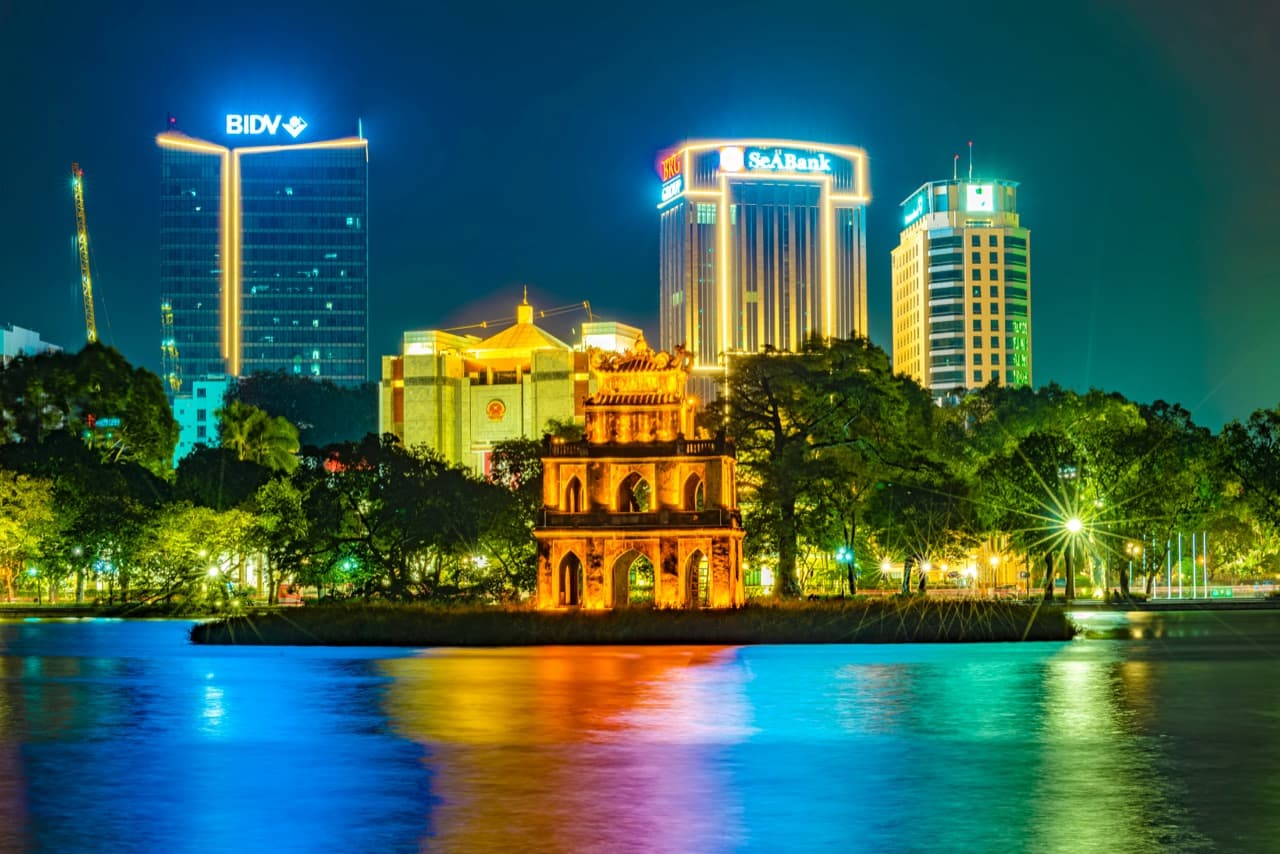
Hanoi food guide 2026: what and where to eat, prices
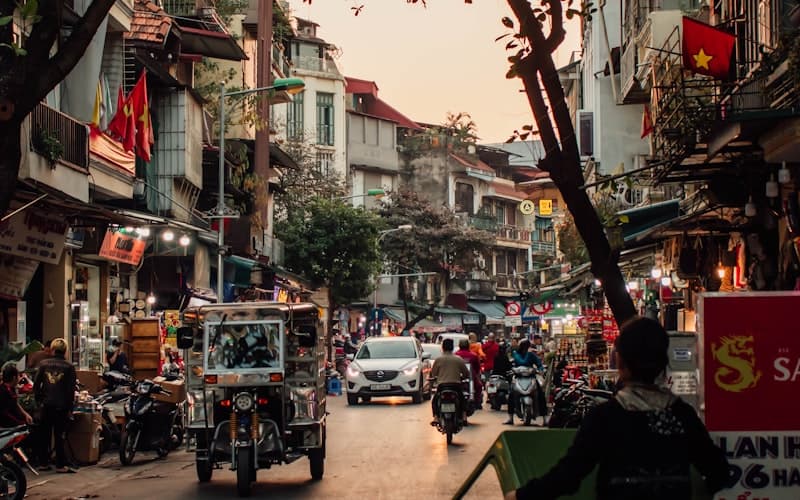
It feels like all of Hanoi is eating on the pavement at once. Northern cooking is less sweet than the south: the best dishes come not from restaurants but from 20-cm plastic stools by the kerb. A bowl of pho costs about $2, a Michelin-starred dinner starts around $48. Below: what to order, at which address, for how much.
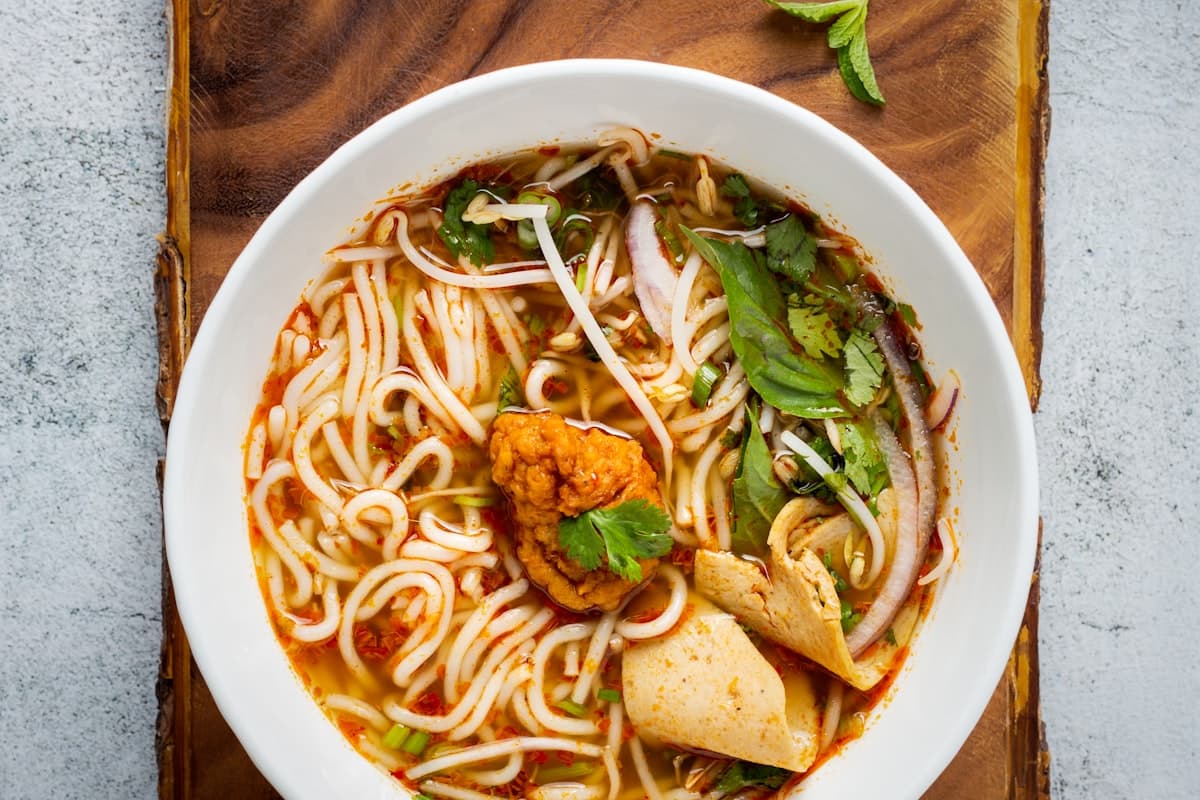
This guide is specific addresses, specific prices and specific dishes. No "taste the local cuisine" and no "soak up the atmosphere." Just what helps you eat well, cheaply and without wrecking your stomach — plus a foreigner's cheat sheet on paying, apps and food delivery.
- Phở Gia Truyền Bát Đàn (Phở Gia Truyền): Cult pho shop, queue from 6:00 — ~50,000 VND (~$2). Cash only
- Phở 10 Lý Quốc Sư (Phở 10): Michelin Bib Gourmand, 60,000–80,000 VND (~$2.40–3.20) — Open till 22:00
- Bún Chả Hương Liên (Bún Chả Hương Liên): Obama bun cha — ~70,000 VND (~$2.80)
- Chả Cá Lã Vọng (Chả Cá Lã Vọng): Chả cá on the pan — ~250,000 VND/person (~$10)
- Café Giảng (Cà Phê Giảng): Egg coffee since 1946 — 35,000 VND (~$1.40)
- Đồng Xuân Market (Chợ Đồng Xuân): Largest covered market — 3 floors, daily 6:00–18:00
- Night Market (Chợ Đêm Phố Cổ): Fri–Sun 18:00–23:00 — Souvenirs and street food
- Bánh Mì 25 (Bánh Mì 25): Popular banh mi — from 20,000 VND (~$0.80)
- KOTO Restaurant (KOTO): Social enterprise — Vietnamese cuisine, from 200,000 VND
- Tầm Vị (Nhà hàng Tầm Vị): Michelin, 1 star — from 1,200,000 VND (~$48)
- Hà Thành Mansion (Hà Thành Mansion): Bib Gourmand, century-old villa — Vietnamese cuisine
- Café Đinh (Cà Phê Đinh): Run by the daughter of the inventor — Egg coffee 40,000 VND (~$1.60)
- Cafe Phố Cổ (11 Hàng Gai): Rooftop view over Hoàn Kiếm — Entrance through a souvenir shop
Currency converter
What to eat in Hanoi — the 7 dishes that matter
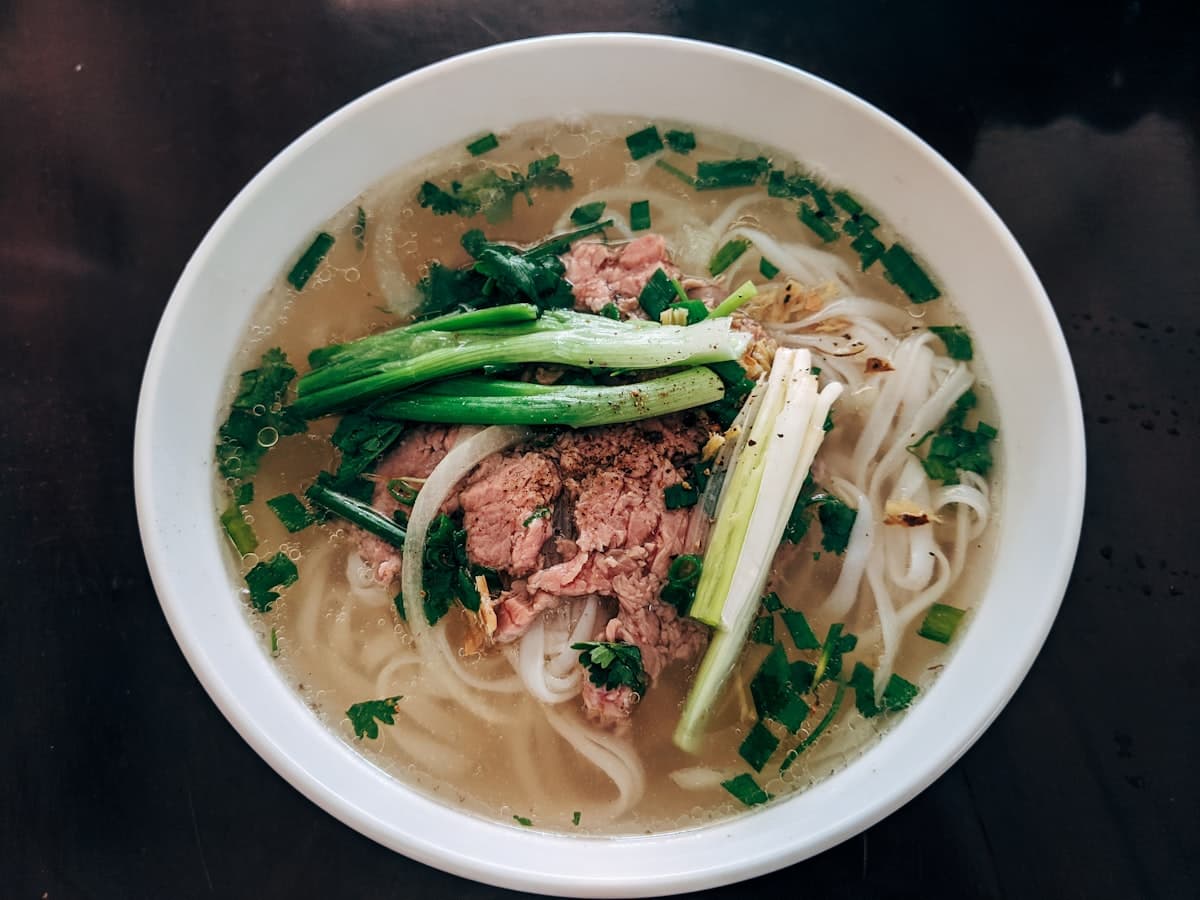
Hanoi cooking is the most restrained in Vietnam. Down south in Ho Chi Minh City, a bowl of pho arrives with a whole tray of herbs, bean sprouts and sauces. In Hanoi you get spring onion and cilantro. That's it. The bet here is on the broth: if it simmered for 12 hours, adding hoisin sauce is an insult.
Seven dishes people book flights for.
Phở — the country's signature soup
Hanoi is the birthplace of pho. Here people eat it for breakfast, queuing from six in the morning. Hanoi pho differs from the southern kind: the broth is clearer, there are fewer spices, the taste is cleaner. It comes with only spring onion, cilantro and pickled garlic. No basil, bean sprouts or hoisin sauce like in Ho Chi Minh City.
Where to try it:
- Phở Gia Truyền Bát Đàn (49 Bát Đàn) — the cult pho shop. Queue from 6:00, a one-dish menu. A bowl is 50,000 VND (~$2). Open until 10:00 and 18:00–20:30, cash only
- Phở 10 Lý Quốc Sư (10 Lý Quốc Sư) — a Michelin Bib Gourmand, 60,000–80,000 VND (~$2.40–3.20). Open 6:00–22:00, more comfortable
- Phở Sướng (24B Trung Yên) — pho in an Old Quarter alley
A bowl of pho in Hanoi runs 40,000–55,000 VND (~$1.60–2.20). At Phở Gia Truyền there is no choice at all — one dish. You sit down (or stand, if there are no seats) and a minute later a bowl is in front of you. At Phở 10 you get a table, a choice of beef (phở bò) or chicken (phở gà), and can even show up as late as ten at night.
Line moved quickly, so no one seemed deterred by the length. The small shophouse looked full, but there was a high turnover. After about eight minutes, we stepped forward facing to the lady owner slicing the beef and taking the order.food-tour guides, Flavors of Hanoi, 2021
Bún chả — the lunchtime ritual
Bún chả is eaten mostly at lunch. From 11:00 to 13:00 the Old Quarter streets smell of charcoal and caramelised pork — that's bun cha cooking. Pork patties are grilled over hot coals and served with rice vermicelli, fresh herbs and a bowl of sweet-and-sour broth you dip everything into.
Where to try it:
- Bún Chả Hương Liên (24 Lê Văn Hưu) — where Barack Obama and Anthony Bourdain ate bun cha in 2016 for the Parts Unknown Hanoi episode. A serving is ~70,000 VND (~$2.80)
- Bún Chả 41 Cửa Đông — a local favourite. You can smell the pork grilling over coals half a block away
A serving of bun cha is 45,000–70,000 VND (~$1.80–2.80), with spring rolls at 10,000–15,000 VND (~$0.40–0.60). How to eat it right: take some vermicelli, drop it into the bowl of broth, add a patty, herbs and chilli. The greens (mint, perilla, lettuce) come on a separate plate and should be torn by hand, not cut.
Chả cá — turmeric fish with dill
This dish gave its name to a whole street. Chả cá is river fish marinated in turmeric, fried in oil with dill and spring onion, served on the hot pan brought to your table.
- Chả Cá Lã Vọng (14 Chả Cá Street) — the best-known place on the street. Price ~250,000 VND (~$10) per person. The dish is finished in front of you — the waiter fries the fish right on your table. On the same street, Chả Cá Thăng Long is a plainer, cheaper version of the same idea
Not cheap by Hanoi standards — for the same money you could eat street pho five times. But it is a dish that earned its own street. The fish comes with rice noodles, peanuts, dill and nước mắm with chilli.
Bánh mì, bánh cuốn and the other must-tries
Bánh mì is the baguette the French brought to Vietnam, which the Vietnamese turned into something of their own. A crisp crust, and inside pâté, meat, pickled carrot, cilantro and chilli.
- Bánh Mì 25 (25 Hàng Cá) — a popular spot, from 20,000 VND (~$0.80) for a basic one to 50,000 VND (~$2) fully loaded
Bánh cuốn are steamed rice-flour rolls filled with pork and shiitake mushrooms. A breakfast dish, eaten with nước mắm and crispy shallots. A serving is 30,000–50,000 VND (~$1.20–2). Want the deep dive? See our guide to bánh cuốn.
Bún riêu is a soup with tomato broth and crab paste. Tartness from the tomatoes, a deep briny note from the crab. From 30,000 VND (~$1.20).
Bún thang is fussy Hanoi classic: a clear broth with shredded chicken, egg omelette and pork, everything sliced into fine threads. A dish for slightly smarter spots. From 50,000 VND (~$2).
Xôi is sticky rice with various toppings (chicken, pork, egg). A quick breakfast for 15,000–25,000 VND (~$0.60–1).
What else is worth trying
Bún đậu mắm tôm — rice vermicelli with tofu and shrimp paste. The smell of the shrimp paste (mắm tôm) scares off 90% of foreigners. The other 10% fall in love. A serving: 40,000–60,000 VND (~$1.60–2.40).
Phở cuốn — fresh spring rolls with beef and herbs. A lighter alternative to a bowl of pho. A good spot is on Ngũ Xã street, near West Lake. A serving (5–6 rolls): 50,000–70,000 VND (~$2–2.80).
Nem chua rán — fried sour spring rolls. A crisp shell around a tangy fermented-pork filling. A snack for 10,000–20,000 VND (~$0.40–0.80). How nem differs from chả giò and gỏi cuốn is in our full guide to Vietnamese spring rolls.
Chè is the Vietnamese dessert closest to a "sweet soup" — beans, tapioca, coconut milk, seaweed jelly. A glass is 15,000–30,000 VND (~$0.60–1.20). Look for carts on Hàng Giầy and Tô Tịch streets.
Hanoi street food — how it works
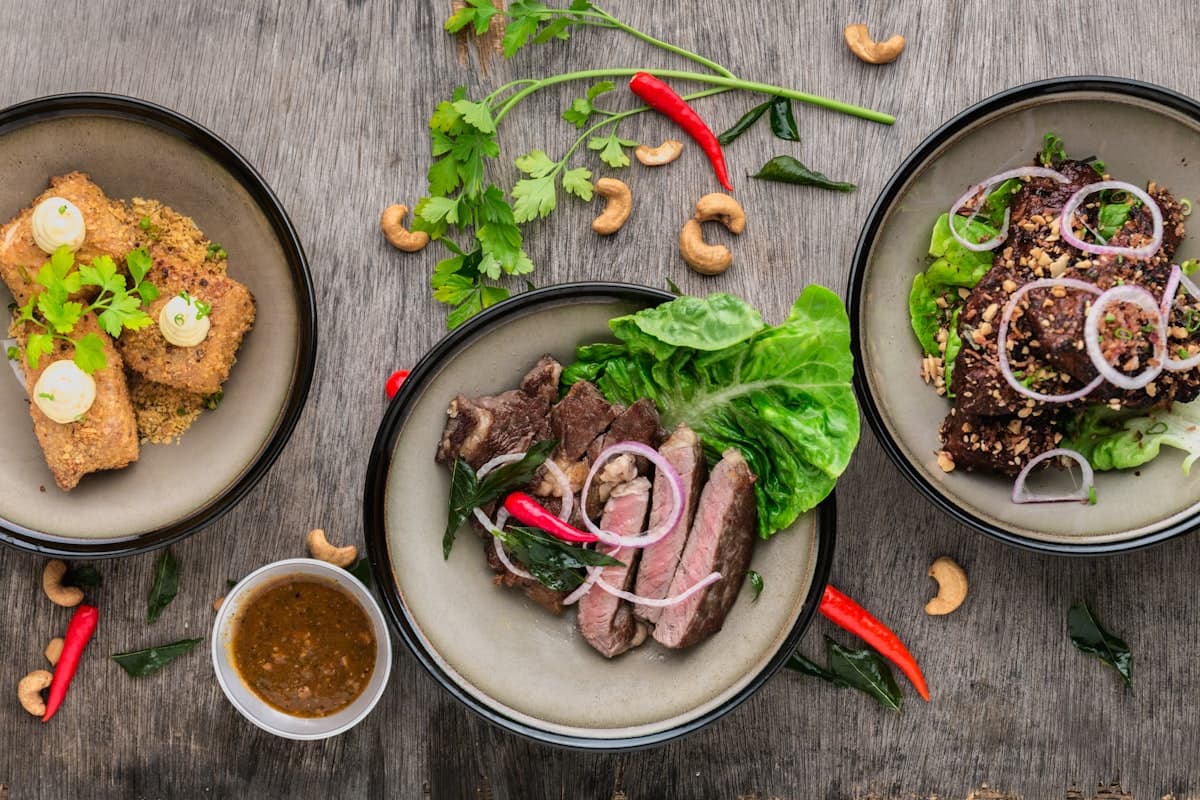
Restaurants are for special occasions. The pavement is for every day. That's how Hanoians eat. A 20-cm plastic stool, a bowl on your knees, motorbikes passing half a metre from your elbow. Average bill: 30,000–50,000 VND (~$1.20–2).
Street-food rules
The main rule — follow the locals. If you see a queue of Vietnamese at a stall selling one dish, join it. If the stools are full, wait. An empty place at lunchtime is a bad sign.
Timing matters. Pho shops open at 6:00 and often close by 10:00. Bún chả runs 11:00–13:00. Many street stalls work 4–5 hours a day: broth runs out, they shut up shop.
Old Quarter food streets
The Old Quarter is the epicentre of street food. Prices here are 20–30% higher than in residential districts, but the concentration of legendary spots makes it worth it.
- Bát Đàn — the pho street. Phở Gia Truyền at number 49
- Chả Cá — the one-dish street (dill fish)
- Hàng Điếu — pho, bun cha and banh mi within a 200-metre radius
- Lương Ngọc Quyến — evening food, bánh tráng nướng (Vietnamese "pizza" on rice paper)
In the evening the city shifts gear. Braziers with bánh tráng nướng appear on the pavements: rice paper, quail egg, mayo, sausage, dried beef. It costs 15,000–30,000 VND (~$0.60–1.20). Looks dubious. Tastes addictive.
There is also cháo — rice porridge sold from huge pots on the kerb closer to midnight. Lots of black pepper, crunchy croutons, sometimes bits of chicken. 20,000–35,000 VND (~$0.80–1.40). After an evening of bia hơi, it is exactly what you need.
Where to eat cheaper: beyond the Old Quarter
The Old Quarter is a shop window. Prices there are tuned for tourists. The same bowl of pho that costs 40,000–50,000 VND in the Old Quarter is 25,000–35,000 VND in Hai Bà Trưng, Đống Đa or Cầu Giấy. If you're not staying in the centre, eat near your place. That's what every expat does.
The areas around universities are a bargain hunter's paradise. Student prices: cơm bình dân for 35,000–50,000 VND (~$1.40–2).
Best restaurants in Hanoi — from Michelin to canteens
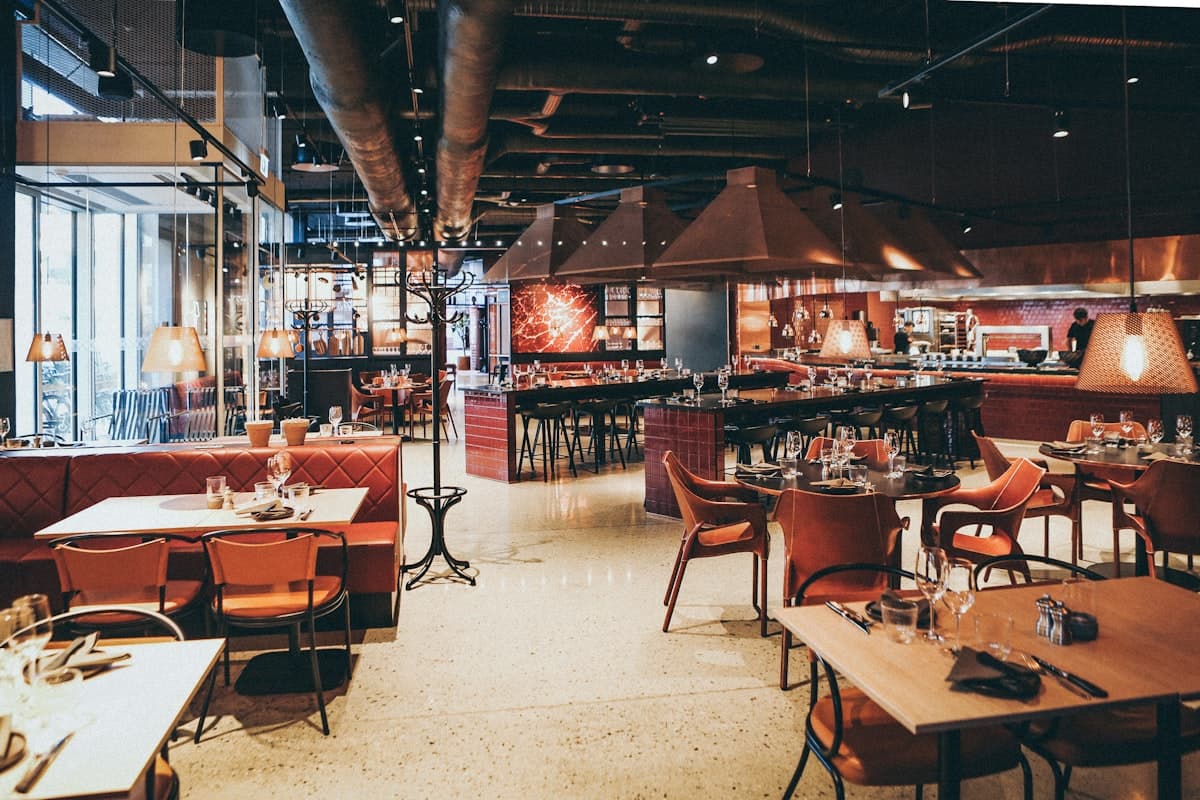
Michelin restaurants in Hanoi (2025)
| Restaurant | Award | Cuisine | Bill VND | ~$ |
|---|---|---|---|---|
| Gia | 1 star | Modern Vietnamese | from 1,500,000 | from ~$60 |
| Hibana by Koki | 1 star | Japanese | from 2,000,000 | from ~$80 |
| Tầm Vị | 1 star | Refined Vietnamese | from 1,200,000 | from ~$48 |
| Lamai Garden | Green Star | Farm-to-table Vietnamese | from 800,000 | from ~$32 |
Lamai Garden is its own story. They have their own organic farm, a seasonal tasting menu built on its produce (meat and fish included) and a separate vegetarian menu. That's what earned them the Michelin Green Star.
Bib Gourmand (good food at reasonable prices): Phở 10 Lý Quốc Sư — 60,000–80,000 VND (~$2.40–3.20), Hà Thành Mansion — a century-old villa with Vietnamese cuisine, Hiệu Lực Canh Cá Rô Hưng Yên — fish soup.
For the starred restaurants, book a table 2–3 days ahead, especially on weekends. At Bib Gourmand spots you don't need a booking — just turn up and sit.
Mid-range restaurants
KOTO (35 Văn Miếu, next to the Temple of Literature) is more than a restaurant. KOTO (Know One Teach One) is a social enterprise that trains former street kids in cooking. Vietnamese cuisine, modern take. Average bill: 200,000–400,000 VND (~$8–16).
Cau Go Vietnamese Restaurant — a terrace view over Hoàn Kiếm Lake. Average bill: 300,000–500,000 VND (~$12–20).
Wild Lotus — a traditional Vietnamese menu from old recipes. A beautiful interior with murals and live lotus flowers. Average bill: 250,000–450,000 VND (~$10–18).
Cơm bình dân — canteens for locals
The most economical format is the "people's canteen." A display of 15–20 dishes; you point at what you want. Rice + 2–3 dishes (meat, veg, tofu): 50,000–100,000 VND (~$2–4). The menu changes daily. Look for the sign "Cơm bình dân" or "Quán cơm."
Downside: the menu is Vietnamese only and no one will follow your English. Upside: this is how every office-working Hanoian eats. You can sample 5–6 dishes at once without risking your budget.
Fast Track — no queue at the border
5–10 minutes instead of an hour in the immigration queue
from$11per passenger
Hanoi markets — where to taste and shop
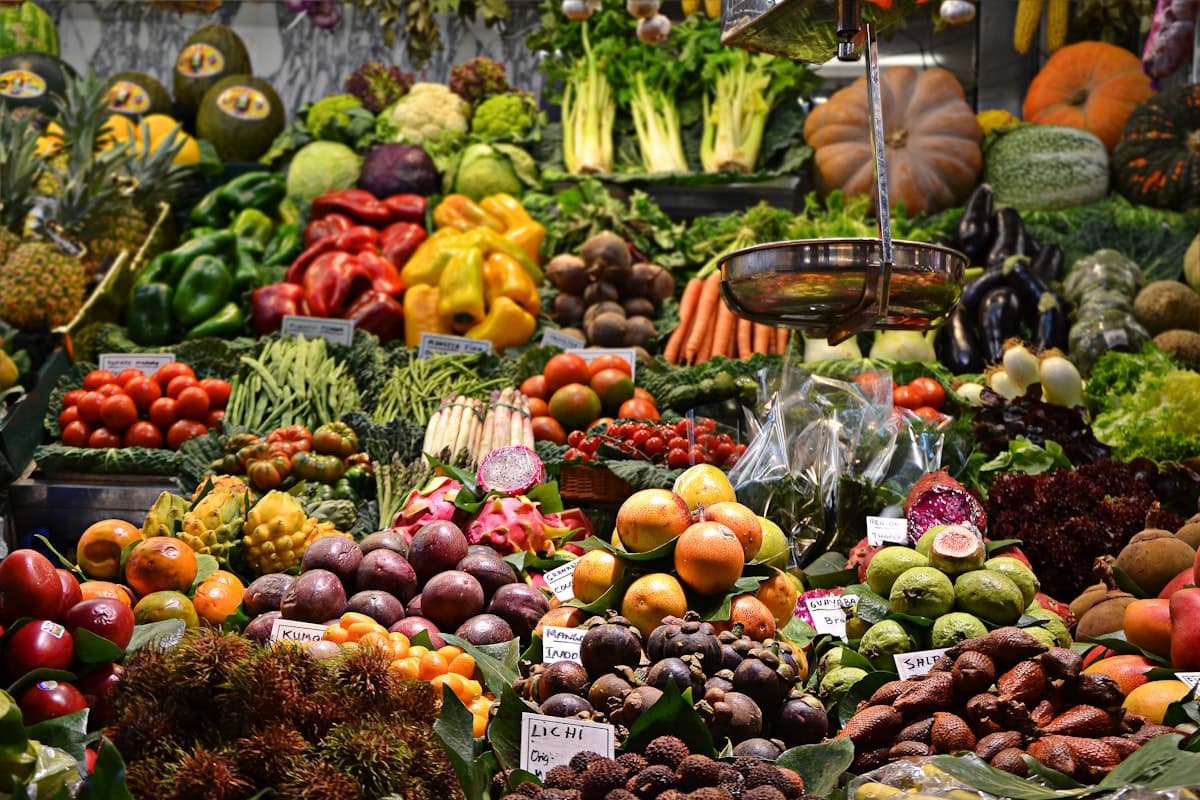
Đồng Xuân Market (Dong Xuan)
Three floors, several thousand vendors, and a smell that can make the uninitiated dizzy. Downstairs — meat, fish, seafood, vegetables. Above — clothes, fabrics, shoes, homeware.
For food, head to the ground-floor food court. Lunch: from 30,000 VND (~$1.20). Here they cook phở xào (fried rice noodles with beef), bánh cuốn and spring rolls. The food court is aimed at locals, so prices are lower than in tourist spots.
Address: Đồng Xuân, Hoàn Kiếm. Open daily, 6:00–18:00. Tip: haggle. The first price for foreigners is 30–50% above the real one.
Old Quarter night market
Runs Friday, Saturday and Sunday, 18:00–23:00. It stretches about a kilometre from Hàng Đào street to the gates of Đồng Xuân market. Stalls sell clothes, souvenirs, handmade goods and — the main thing — street food.
Food at the night market: from 15,000 VND (~$0.60). Fried spring rolls, fruit, sweets, coconut-milk ice cream.
The wet market — where tourists aren't taken
If you want to see the real kitchen of Hanoi — not the restaurants but the raw ingredients they cook with — go to a "wet market." The closest to the Old Quarter is the one on Hàng Bè street (open 5:00–10:00). Buying food here makes sense if you've rented an apartment with a kitchen.
Fruit and vegetables here are 2–3 times cheaper than at WinMart or Lotte Mart supermarkets. A bunch of herbs — 5,000 VND (~$0.20). A kilo of mango — 30,000–50,000 VND (~$1.20–2) in season.
Hanoi cafes and drinks
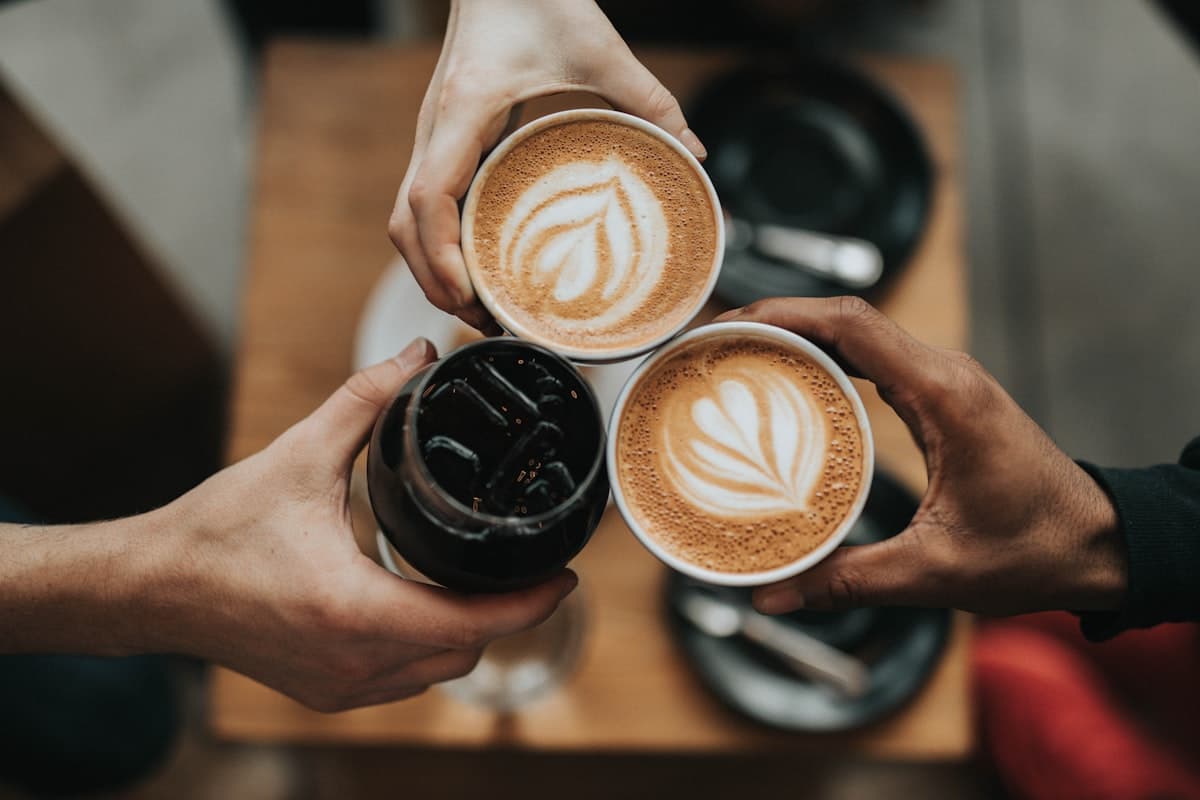
Cà phê trứng — egg coffee, a Hanoi invention
1946, wartime, no milk. Nguyễn Văn Giảng, a bartender at the Sofitel Legend Metropole hotel, whipped egg yolk with condensed milk and used it in coffee instead of milk. The result is somewhere between espresso and tiramisu. Ever since, egg coffee (cà phê trứng) has been Hanoi's signature drink.
Café Giảng (39 Nguyễn Hữu Huân) — the inventor's original place, still going. A narrow alley, low stools, a chalk menu on the wall. Egg coffee: 35,000 VND (~$1.40). There are variations: egg beer, egg cocoa.
Café Đinh — owned by the inventor's daughter. The second floor looks out over Hoàn Kiếm Lake. Egg coffee: 40,000 VND (~$1.60).
Cafe Phố Cổ (11 Hàng Gai) — a hidden entrance through a souvenir shop, and a rooftop terrace with a view over Hoàn Kiếm. The coffee is good too.
Vietnamese coffee and cold drinks
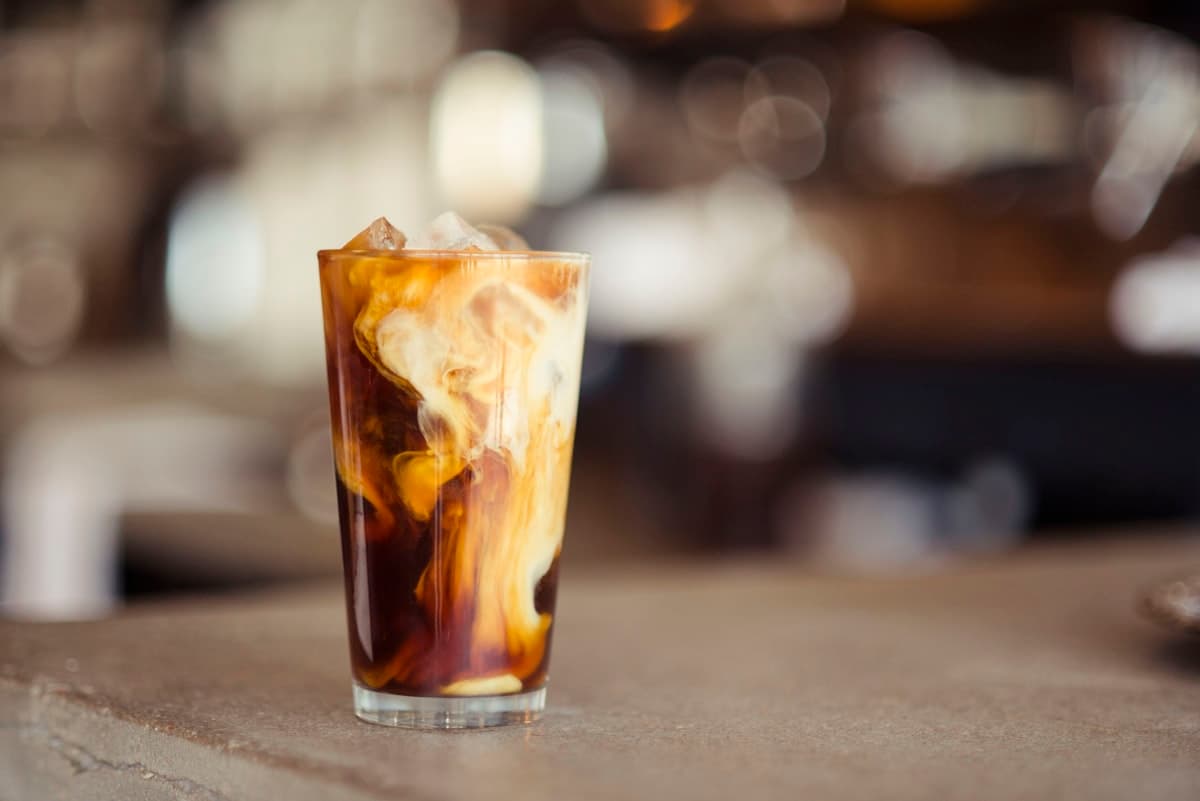
Cà phê sữa đá — coffee with condensed milk and ice. The base Vietnamese coffee, from 25,000 VND (~$1); the rest of the menu is in our guide to Vietnamese coffee. Strong, sweet, cooling in the heat.
Trà đá — iced tea. At most street cafes it's poured free — a jug sits on the table by default.
Coconut coffee — coffee with coconut milk, the trend of recent years. From 35,000 VND (~$1.40).
Hanoi beer
Bia hơi is draught beer brewed daily and sold until it runs out. Around 3% ABV. Price — from 5,000 VND (~$0.20) a glass. Seriously: twenty cents for a beer. The most famous spot is the Tạ Hiện / Lương Ngọc Quyến junction in the Old Quarter, known as "Beer Corner."
Bia Hà Nội — the local bottled beer brand. 10,000–15,000 VND (~$0.40–0.60) in a shop, 25,000–40,000 VND (~$1–1.60) in a cafe.
Twenty cents for a beer is no typo. Bia hơi is brewed in the morning and gone by night. No preservatives, no pasteurisation. The taste is light and refreshing — closer to a lemonade for grown-ups than a strong beer.
For the full story, see our guide to bia hơi, and for what a day of eating actually costs, our Hanoi price guide or the quick food and transport budget overview. Taking coffee, lotus tea or fish sauce home? That is covered in the Hanoi shopping guide.
"Beer Corner" on Tạ Hiện is one of the loudest places in Hanoi in the evening. Plastic stools are dragged straight onto the junction, music blaring from every bar. On weekends it's impossible to get a seat after 20:00 — come by seven.
Vegetarian and vegan food in Hanoi
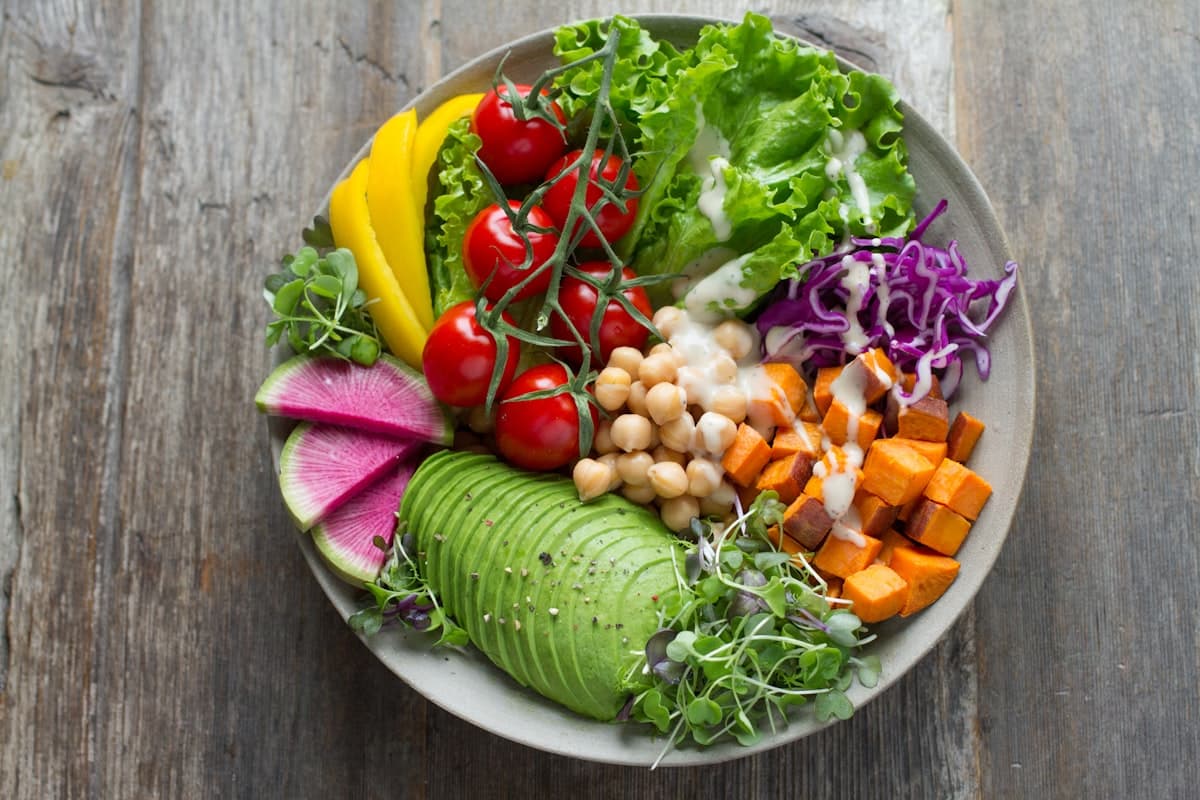
Vietnam is full of Buddhists, and Buddhist monks don't eat meat. So vegetarian cooking here isn't a hipster trend but a tradition with roots going back centuries. The keyword to search for is "chay." A sign reading "Cơm chay" or "Quán chay" means a vegetarian place.
Useful phrases:
- "Không thịt, không cá" — no meat, no fish
- "Chay" — vegetarian (may include eggs and dairy)
Vegetarian versions of the classics exist for most dishes: bánh mì chay (with tofu), phở chay (on vegetable broth), bún chả giò chay (with vegetable spring rolls).
Where to look:
- The Veg — vegetarian pho, spring rolls, banh mi
- iVegan — popular with expats; salad bowls, smoothies, baked goods
- Peace Vegan (Tây Hồ district) — in the expat area by West Lake
Vegetarian dishes cost about the same as regular ones: 30,000–60,000 VND (~$1.20–2.40) a serving. One quirk: Buddhist restaurants follow the lunar calendar and may be closed on new moon and full moon days.
Hanoi food prices — summary table
| Dish / Format | VND | ~$ |
|---|---|---|
| Phở (street shop) | 40,000–55,000 | ~$1.60–2.20 |
| Bún chả | 45,000–70,000 | ~$1.80–2.80 |
| Bánh mì (basic) | 20,000–30,000 | ~$0.80–1.20 |
| Bánh mì (loaded) | 35,000–50,000 | ~$1.40–2 |
| Xôi (sticky rice) | 15,000–25,000 | ~$0.60–1 |
| Spring rolls (2 pcs) | 10,000–15,000 | ~$0.40–0.60 |
| Cơm bình dân (rice + 2–3 dishes) | 50,000–100,000 | ~$2–4 |
| Egg coffee | 30,000–35,000 | ~$1.20–1.40 |
| Bia hơi (glass) | 5,000–10,000 | ~$0.20–0.40 |
| Chả cá (per person) | ~250,000 | ~$10 |
| Michelin restaurant (dinner) | from 1,200,000 | from ~$48 |
Daily food budget
| Type | Per day VND | Per day ~$ |
|---|---|---|
| Budget (street food) | 125,000–250,000 | ~$5–10 |
| Mid (cafe + 1 restaurant) | 250,000–750,000 | ~$10–30 |
| Comfort (restaurants + Michelin) | from 1,250,000 | from ~$50 |
Difference by district: in the Old Quarter prices run 20–30% higher than in residential areas like Hai Bà Trưng or Cầu Giấy. A bowl of pho in the Old Quarter is 40,000–50,000 VND, in a local district — 25,000–35,000 VND.
Prices current as of July 2026. Rate: 1 USD ≈ 26,000 VND.

Eating tips for Hanoi
Safety
Yes, you can eat on the pavement and not get sick. Millions of Hanoians do it three times a day. Four signs a stall is reliable:
- Lots of Vietnamese — and few (or zero) tourists
- High turnover — food doesn't sit for hours
- The dish is cooked in front of you — hot, fresh
- No flies, lids on the pots
Ice in cafes is usually factory-made (cylinder-shaped with a hole through it) — it's safe. Don't drink tap water. Bottled water is from 5,000 VND (~$0.20) in a shop.
Timing
- Breakfast (6:00–8:00): pho, bánh cuốn, soy milk
- Lunch (11:00–13:00): bún chả, cơm bình dân
- Dinner (18:00–20:00): restaurants, night market
- Late evening (20:00+): bia hơi, bánh tráng nướng, cháo
Basic phrases
| Phrase | Vietnamese | Roughly |
|---|---|---|
| Give me one beef pho | Cho tôi một phở bò | cho toy mot fuh baw |
| How much? | Bao nhiêu tiền? | bao nyew tien? |
| Not spicy | Không cay | khong kai |
| Very tasty | Ngon lắm | ngon lam |
| The bill, please | Tính tiền | ting tien |
Tipping
At street cafes and cơm bình dân, tipping isn't a thing. At all. Leave extra and they'll chase you down with "Hey, you forgot this!" At mid-range restaurants, 5–10% is a nice gesture. At Michelin places a 5–10% service charge is usually already on the bill.
Typical tourist mistakes
- Not eating in the morning. Pho for breakfast isn't a whim — it's the best time for it. By 10:00 the good pho shops are already closed
- Ordering only from photos. A menu with photos = tourist prices. Better a display of dishes you point at
- Fearing street food. The most common food-poisoning scenario isn't street food — it's a hotel buffet where the salad sat out for 4 hours at 35°C
- Ignoring the schedule. Bún chả is harder to find in the evening, and good pho after lunch. Every dish has its own time
- Drinking tap water. Even for brushing your teeth, bottled is safer
FAQ — food in Hanoi
- A budget traveller125,000–250,000 VND~$5–10spends a day on three street-food meals
- A mid-range budget with one restaurant250,000–750,000 VND~$10–30
- For Michelin restaurantsfrom 1,200,000 VND~$48budget for dinner
Yes, if you pick busy stalls serving hot food cooked in front of you. Millions of Hanoians eat on the street every day. Avoid pre-cut fruit on carts and tap water. Ice in cafes is usually factory-made and safe.
Two cult spots: Phở Gia Truyền Bát Đàn (49 Bát Đàn) — a queue from 6am, one dish only, ~50,000 VND. And Phở 10 Lý Quốc Sư — a Michelin Bib Gourmand, more comfortable and open until evening, 60,000–80,000 VND.
Yes. Look for places signed "Cơm chay" or "Quán chay." Vegetarian versions exist for pho, banh mi and bun cha. Dedicated vegan cafes include The Veg, iVegan and Peace Vegan. Buddhist restaurants may close on new moon and full moon days.
- Cơm bình dân (a local canteen)50,000–100,000 VND~$2–4
- A mid-range restaurant200,000–500,000 VND~$8–20
- A Michelin restaurantfrom 1,200,000 VND~$48
The Old Quarter night market runs Friday, Saturday and Sunday from 18:00 to 23:00. It stretches from Hàng Đào street to Đồng Xuân market — about a kilometre. Street food starts at 15,000 VND (~$0.60).
Northern Hanoi cooking is less sweet than the south. The must-try list: phở bò (Hanoi is the birthplace of pho), bún chả (charcoal-grilled pork with noodles), chả cá (turmeric fish finished in a pan at your table), bánh cuốn, bánh mì, egg coffee and bia hơi draught beer. Each dish comes with an address in the section above.
If it's your first time in Hanoi and you're nervous about eating "something unfamiliar off a cart," a food tour removes the barrier. In 2–3 hours a guide walks you through 5–6 stops, explains what you're eating and shows places you would have walked past. Cost: from 600,000 VND (~$24) per person, food included.
- Weather
Hanoi Weather by Month: Best Time to Visit 2026
Hanoi weather and seasons month by month: the real winter, hot summer, dry vs rainy, the best time to go and what to pack.Hanoi Weather by Month: Best Time to Visit 2026 - Guide
Hanoi Attractions 2026: Old Quarter & Top Sights
Hanoi attractions: Hoan Kiem Lake, the Old Quarter, the Temple of Literature, the Mausoleum, West Lake and water puppets — tickets and routes.Hanoi Attractions 2026: Old Quarter & Top Sights - Guide
Beaches Near Hanoi: Cat Ba, Ha Long & Day Trips 2026
Where to find a beach from Hanoi: Cat Ba, Do Son, Ha Long, Quan Lan and Co To — how to get there, the swimming season and day-trip tips.Beaches Near Hanoi: Cat Ba, Ha Long & Day Trips 2026