Diving & snorkelling in Phu Quoc 2026: dive sites, prices, centres
Phu Quoc is not a top-tier dive site — it's a cheap, gentle way into the underwater world, where coral gardens start at half a metre deep and the water stays warm all year. A group snorkel tour runs from about $20, a scuba try-dive from around $80 with transfer, gear and lunch. Best season is December to March, with November and April also good. It suits beginners without a certification and families with kids; the main spots are the An Thoi archipelago in the south.
This guide covers the specific dive sites in the south and north of the island, a comparison of dive centres with English-speaking PADI instructors, a seasonal calendar, 2026 prices, and a gear checklist. For boat trips and fishing, see the separate Phu Quoc tours guide.
Prices and conditions are current as of July 2026. Exchange rate: 1 USD ≈ 26,000 VND.
Is Phu Quoc worth it for diving and snorkelling?
Phu Quoc is not the Maldives or the Red Sea. Visibility is more modest here (3–20 m against 30–50 m), and the marine life is less exotic. But it is well worth coming for the underwater activities if you want a budget entry into diving, or plan to pair snorkelling with a beach holiday.
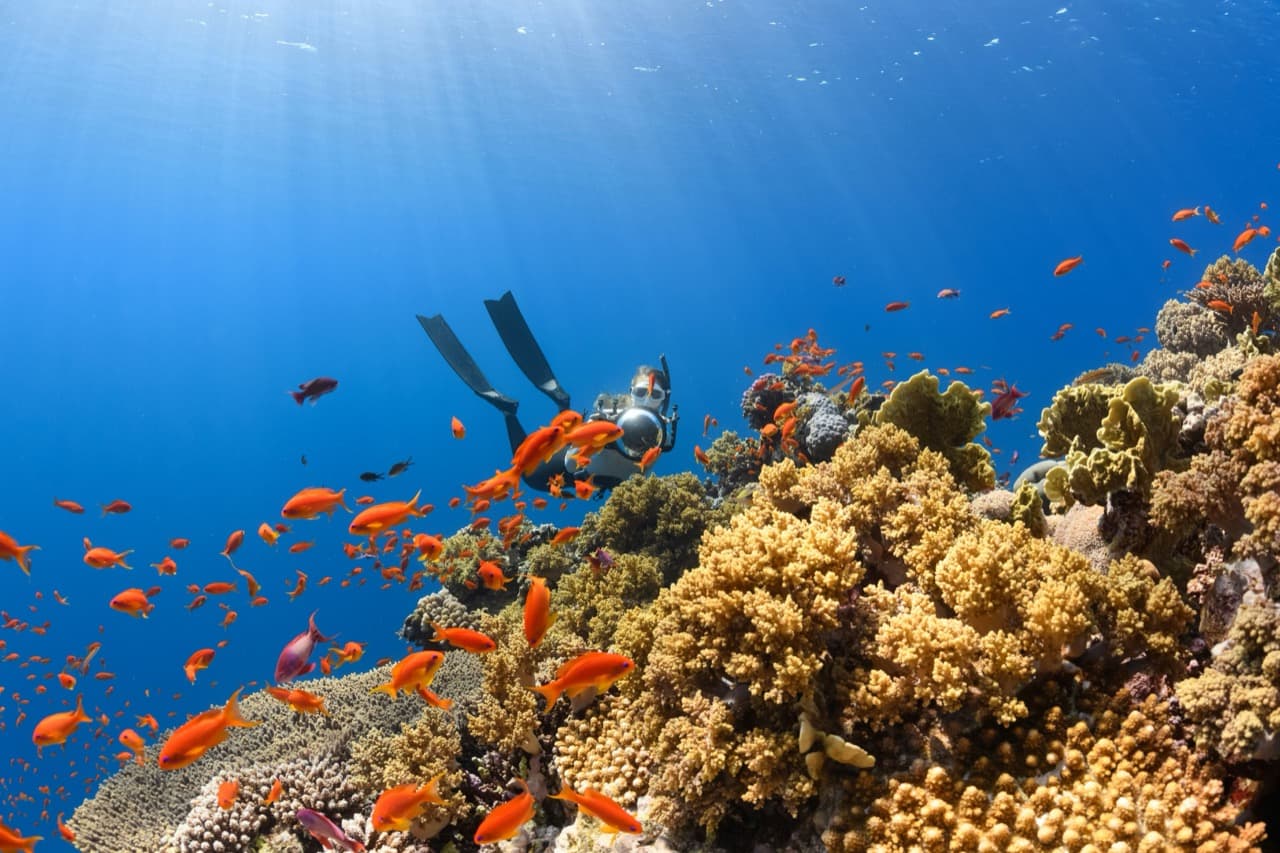
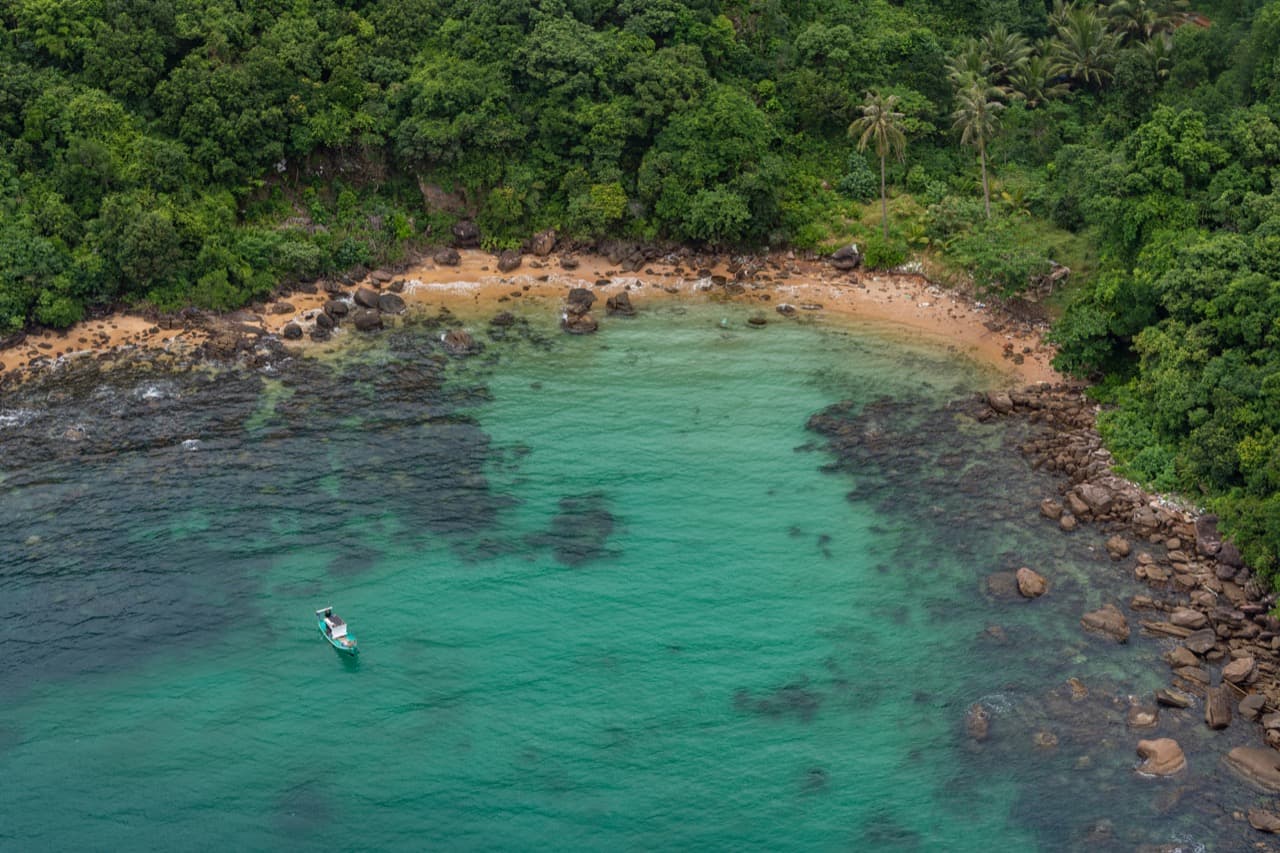
The An Thới archipelago in the south is 15 islands with twenty dive sites and coral gardens that start at half a metre deep. To the north lie quiet islands with nudibranchs and barracuda.
And the clincher: a PADI Open Water Diver course here runs $350–430, whereas in Thailand it is from $400 and in Egypt from $350 — and Phu Quoc rarely fills up like either.
Who Phu Quoc suits best:
- Beginners — try-dives from $80, English-speaking instructors and warm water year-round (26–30 °C)
- Families with kids — shallow snorkelling at Gam Ghi (down to 2 m); children from age 8 are allowed on dives
- Budget travellers — a group tour to the southern islands from $20 with lunch
- Certified divers — 20+ sites, night diving, macro photography
A couple of honest downsides. Visibility on some southern sites can drop to 3–5 m even in the dry season — Half-Moon Reef, for one, is temperamental. And the $20–25 group tours pack 30–50 people onto a single boat, so an intimate outing is not guaranteed. If crystal visibility and big pelagics matter to you, look towards Côn Đảo or the reserve off Nha Trang instead.
That said, Phu Quoc's attractions combine brilliantly with diving for a full week's programme. A morning dive at Dragon Rock, an afternoon at Vinpearl Safari, an evening at the Dương Đông night market.

The best snorkelling spots in Phu Quoc
Snorkelling in Phu Quoc concentrates in two zones — the An Thoi archipelago in the south (15 islands, rich coral, 15 minutes by boat) and the northern islands (quiet, intimate, clear water). The south is brighter and more varied; the north is calmer and closer to untouched nature.
An Thoi archipelago — the southern islands
The starting point is An Thới port at the far south of Phu Quoc. It is a 30-minute drive from Dương Đông (the island's centre). The boat takes 15–20 min to the nearest islands, 30–40 min to the far ones.
Gam Ghi Island — shallow water, averaging under 2 m deep. Coral starts right at the shore: brain coral, table, tube, mushroom and cabbage forms. The ideal spot for beginners and children — you can float without fins and see the reef from the surface. The water is warm (28–30 °C) and currents are weak.
May Rut Island (Coral Park) — the jewel of the archipelago. A coral garden across an area the size of two football pitches. It is 5–15 m deep, but snorkelling works on the shallower stretches near shore. Clownfish tucked into anemones are a common sight. The most photogenic spot in the archipelago.
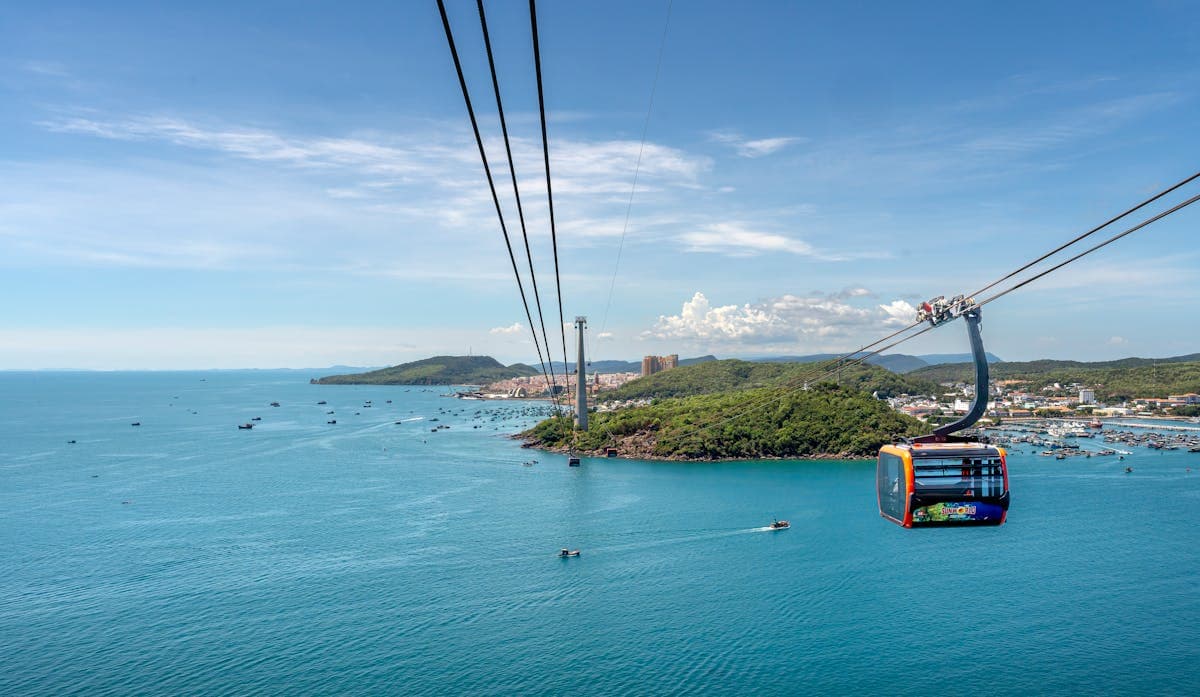
Hòn Thơm (Pineapple Island) — a mix of snorkelling and diving. Deeper than Gam Ghi (10–25 m), with varied coral structures. You can reach it on the Hòn Thơm Cable Car (7.9 km over the sea) and then continue by boat to the reefs.
Hòn Mây Rứt Ngoài — the outer May Rut island, less visited than its "inner" neighbour. The bonus is a snow-white sandy beach with almost no one on it.
The northern islands
Hòn Đồi Mồi (Turtle Island) — a tiny islet just 50 m long with coral from half a metre deep. The water is clear and currents are minimal. A large stretch of coral sits at 0.5 m, so children can watch it straight from the surface. A few palms on shore, a scrap of sand — and a full sense of a desert island.
Hòn Móng Tay (Fingernail Island) — a crescent-shaped island of white sand, named for its resemblance to a fingernail. Underwater are rock formations whose crevices hide barracuda and giant pufferfish. One of the quietest places in Phu Quoc.
Nudibranchs are this spot's calling card. These bright sea slugs, 1–5 cm across, look like underwater graffiti: neon, striped, horned. If you shoot macro, Fingernail Island is a must.
Bãi Thơm — the north-east coast of Phu Quoc. Crystal-clear water, tropical fish, coral formations in the shallows. Reach it by boat from Bãi Thơm beach in 10–15 min.
Shore snorkelling — where you can go without a boat
Shore snorkelling in Phu Quoc is limited — the main coral reefs sit off the far islands. But there are two spots:
- Kỳ Lân Cape on Hòn Thơm island — shallows from 1 m, coral visible from the surface. Entry is free, and the easiest way to reach Hòn Thơm is the cable car (check current ticket prices before you go)
- Starfish Beach (Rạch Vẹm) — live starfish in the shallows. There is no coral, but the sight is striking: hundreds of red, orange and turquoise stars on the sandy bottom. Touching the starfish is forbidden — it kills them
On the main island's beaches (Bãi Dài, Long Beach, Ông Lang) there is almost no coral. For proper snorkelling you need a boat.
Map & dive sites in Phu Quoc — where to descend
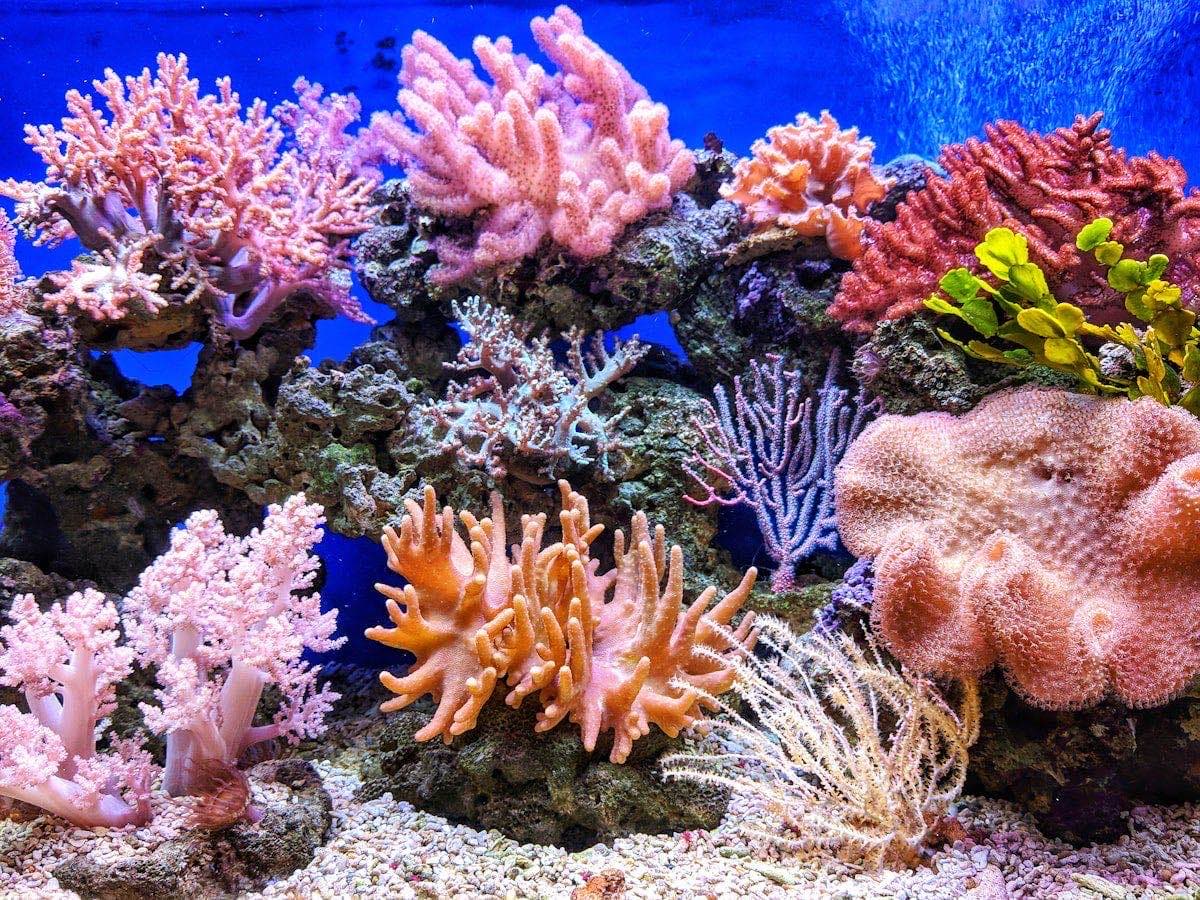
Phu Quoc's main dive sites sit off the An Thoi archipelago — typically 10–12 m deep (according to Flipper Diving), with coral cover for every level. The northern sites are shallower and simpler, the southern ones deeper and more varied. There are around 20 sites in all, but only 10–12 are used in practice.
The map makes the key point obvious: south and north are two separate trips, an hour and a half apart by road plus the boat ride. Green dots suit a first-timer, blue ones a novice, the amber one wants some experience behind you. Tap a dot for depth and what the site is known for.
- Gam Ghi Island: Up to 2 m · beginner — Shallows, 6 coral types, photo diving
- May Rut (Coral Park): 5–15 m · novice — coral garden, clownfish in anemones
- Hon Thom: 10–25 m · intermediate — Varied structures, rarely — turtles
- Dry Island: 5–15 m · novice — Gentle slopes, sea fans
- Turtle Island (north): 0.5–5 m · beginner — Family diving, minimal currents
- Fingernail Island (north): 3–10 m · novice — Rock formations, nudibranchs, macro
| Dive site | Depth | Level | Highlights |
|---|---|---|---|
| Gam Ghi Island | up to 2 m | Beginner | Shallows, 6 coral types, photo diving |
| May Rut (Coral Park) | 5–15 m | Novice | Coral garden, clownfish in anemones |
| Dragon Rock | 10–20 m | Intermediate | Giant boulders, underwater maze |
| Hòn Thơm | 10–25 m | Intermediate | Varied structures, rarely — turtles |
| Half-Moon Reef | 5–15 m | Novice | Crescent reef, visibility 3–8 m |
| Dry Island | 5–15 m | Novice | Gentle slopes, sea fans |
| Turtle Island (north) | 0.5–5 m | Beginner | Family diving, minimal currents |
| Fingernail Island (north) | 3–10 m | Novice | Rock formations, nudibranchs, macro |
Dragon Rock — the underwater maze
The most striking site for intermediate divers. Huge boulders stacked on one another form an underwater maze of passages and "rooms." Between the rocks are gorgonians (sea fans) and shoals of tropical fish. It is 10–20 m deep, and currents can pick up when the tide turns. A dive lasts 35–45 min. One caveat: the boulders make navigation harder than on open reefs — go with an instructor the first time, even if you hold an OWD.
May Rut (Coral Park) — for underwater photography
Phu Quoc's signature site. A coral garden at 5–15 m with soft and hard coral in every colour. If you have a GoPro, start here. The best time to shoot is the morning, when the sun cuts through the water.
Dry Island — for a first dive
Gentle coral slopes with sea fans. A calm site for a first dive: even terrain, steady visibility, depth to 15 m. This is often where people put on a tank for the very first time.
For night diving, ask at the dive centres — not all offer it, but some centres occasionally run night dives off the southern islands. At night out come cuttlefish, octopus and shrimp — a completely different world.
Fast Track — no queue at the border
5–10 minutes instead of an hour in the immigration queue
from$11per passenger
How much does diving and snorkelling in Phu Quoc cost in 2026?
A group snorkel tour to the southern islands starts from about $20, and a scuba try-dive from around $80. The price usually includes hotel transfer, a full set of gear, a briefing and lunch on the boat with drinks.
| Activity | Price (~USD) | Price (VND) | Includes |
|---|---|---|---|
| Snorkelling (group, 30–50 people) | ~$20–30 | 520,000–780,000 | Mask, snorkel, fins, lunch, transfer |
| Snorkelling (small group, 6–10 people) | ~$40–50 | 1,040,000–1,300,000 | Same, plus more attention from the guide |
| Discover Scuba Diving (2 dives) | ~$80–100 | 2,080,000–2,600,000 | Briefing, gear, lunch |
| Fun Dive (2 dives, certified) | ~$80–90 | 2,080,000–2,340,000 | Gear, boat, lunch |
| Private diving (1-on-1) | ~$124–130 | 3,220,000–3,380,000 | Dedicated instructor |
| PADI Open Water Diver (3–4 days) | ~$350–430 | 9,100,000–11,180,000 | Theory + 4 open-water dives |
| PADI Advanced OWD (2 days) | ~$300 | ~7,800,000 | 5 dives with different specialities |
| Sarita catamaran with snorkelling | ~$80–120 | 2,080,000–3,120,000 | Sailing cruise, BBQ, drinks |
Prices current as of July 2026. Rate: 1 USD ≈ 26,000 VND.
Where you can save
- Book ahead on Klook or GetYourGuide — discounts of 10–15% come up
- A dive-plus-snorkel combo — snorkellers ride the same boat as divers for a lower price
- Your own gear — a mask and snorkel cost from around $12. Pays off after 3+ trips
- Low season (May–October) — some centres cut prices by 10–20%, but conditions are worse
How it compares with other destinations
| Destination | Try-dive | Snorkel tour | Visibility |
|---|---|---|---|
| Phu Quoc | ~$80–100 | ~$20–30 | 3–20 m |
| Nha Trang | ~$60–80 | ~$15–25 | 5–30 m |
| Koh Tao (Thailand) | ~$70–90 | ~$25–35 | 10–30 m |
| Bali (Indonesia) | ~$80–120 | ~$30–50 | 10–30 m |
Phu Quoc sits mid-pack on price, but with the smallest crowds among the popular destinations.
Phu Quoc dive centres — which to choose
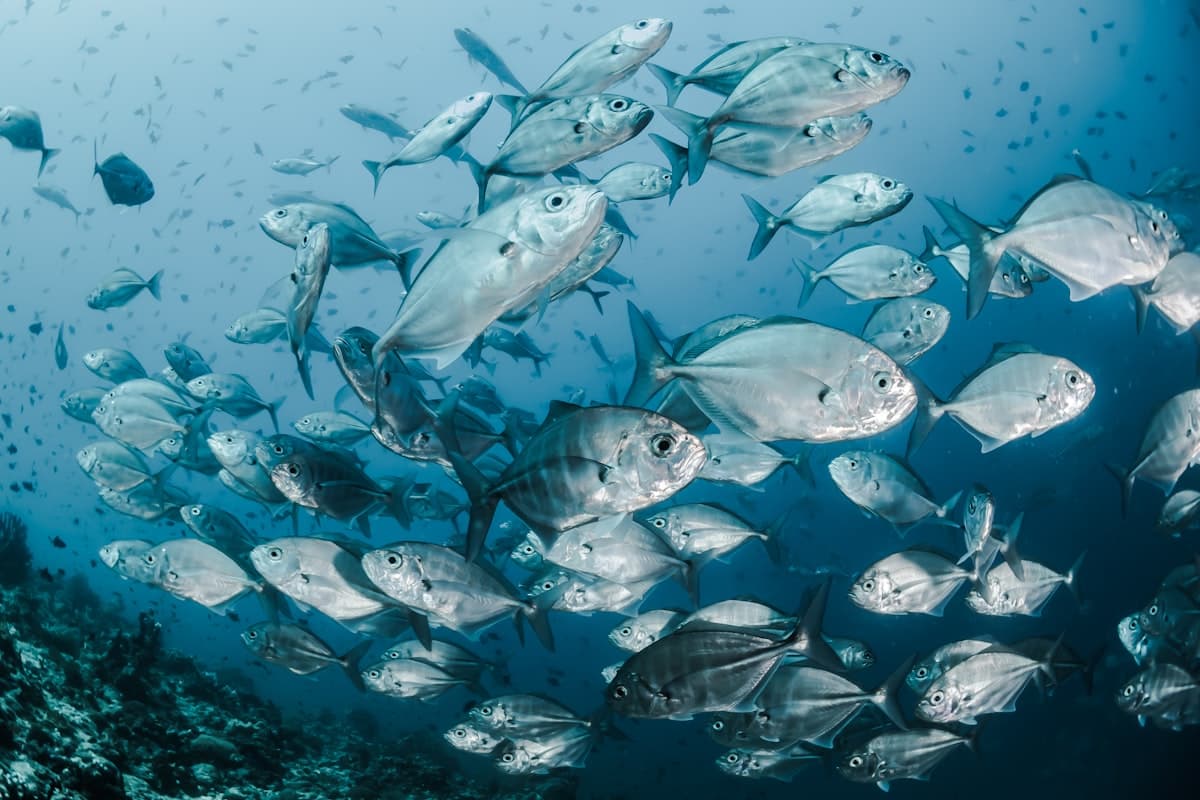
Phu Quoc has several dive centres. When choosing, look at three things: PADI status (5-star = the safety standard), whether they run English-speaking groups, and the area — southern or northern sites.
| Centre | Status | English | Area | What stands out |
|---|---|---|---|---|
| Flipper Diving Club | PADI 5☆ IDC | Yes | South + North | Oldest PADI 5☆, eco-focus |
| Rainbow Divers | PADI | Yes | Via partners | Network since 1996, based in Nha Trang |
| Vietnam Active | PADI 5☆ | Yes (main) | South | Aqualung gear, English-speaking groups |
| Tortuga Diver | — | Yes | Duong Dong | Russian-speaking team |
| Seamen Divers | — | Yes | South | Comfortable boat, personal approach |
Flipper Diving Club
The pick if reputation and international certification matter to you. PADI 5 Star IDC Resort is a PADI status that allows it to train instructors. Flipper has run since 2009 and leans hard on ecology: no touching coral, reef-safe sunscreen only, minimal litter at the dive sites.
Vietnam Active
A PADI 5-star centre running mainly English-speaking groups, kitted out with Aqualung gear. A good fit if you want a certified international operation and clear briefings in English. They cover the southern sites and handle everything from try-dives to full PADI courses.
Rainbow Divers
The network has run in Vietnam since 1996, with its base in Nha Trang. Rainbow has no dive centre of its own on Phu Quoc: here it dives through partner operators. Check the boat, the route and the guide's language when you book.
What to check before you book
- Gear condition — masks without scratches, a regulator free of corrosion, a BCD checked before every dive
- Group size — ask in advance how many divers each instructor takes: the fewer, the safer
- Insurance — check whether it is included. If not, arrange DAN cover or travel insurance that specifically covers scuba diving (standard policies usually exclude it)
- The boat — a covered deck, a toilet, fresh water to rinse off, space for cameras
When to dive — the diving season in Phu Quoc

You can dive in Phu Quoc year-round — water temperature never drops below 26 °C. But conditions vary sharply by season: visibility ranges from 3 to 20 m, and in the rainy months swell keeps boats from reaching the far islands.
| Month | Visibility | Water t° | Swell | Jellyfish | Verdict |
|---|---|---|---|---|---|
| Dec–Feb | 10–20 m | 26–27 °C | Weak | None / few | Ideal |
| March | 10–15 m | 28 °C | Weak | None | Excellent |
| Apr–May | 5–10 m | 29–30 °C | Moderate | Appearing | Good, rash guard a must |
| Jun–Sep | 3–5 m | 28–29 °C | Strong | Many | Not recommended |
| Oct–Nov | 5–15 m | 27–28 °C | Weak | Few | Good, fewer crowds |
The ideal window is December–March. Dry season, calm sea, visibility up to 20 m at the best sites. This is also peak tourist season in Phu Quoc, so book your diving 2–3 days ahead — the popular centres fill up.
April–May is the shoulder period. The weather is still bearable, but jellyfish appear. A rash guard is a must. The upside: fewer tourists and lower prices.
June–September is the rainy season. Swell, murky water, visibility down to 3–5 m. If you are here in summer, choose the northern sites, Turtle Island and Fingernail Island: the north is generally more sheltered than the south (according to Flipper Diving).
October–November — the sea calms and visibility climbs. By mid-November conditions are already good. An excellent window for anyone wanting to dodge the crowds.
Phu Quoc's marine life — what you will see underwater
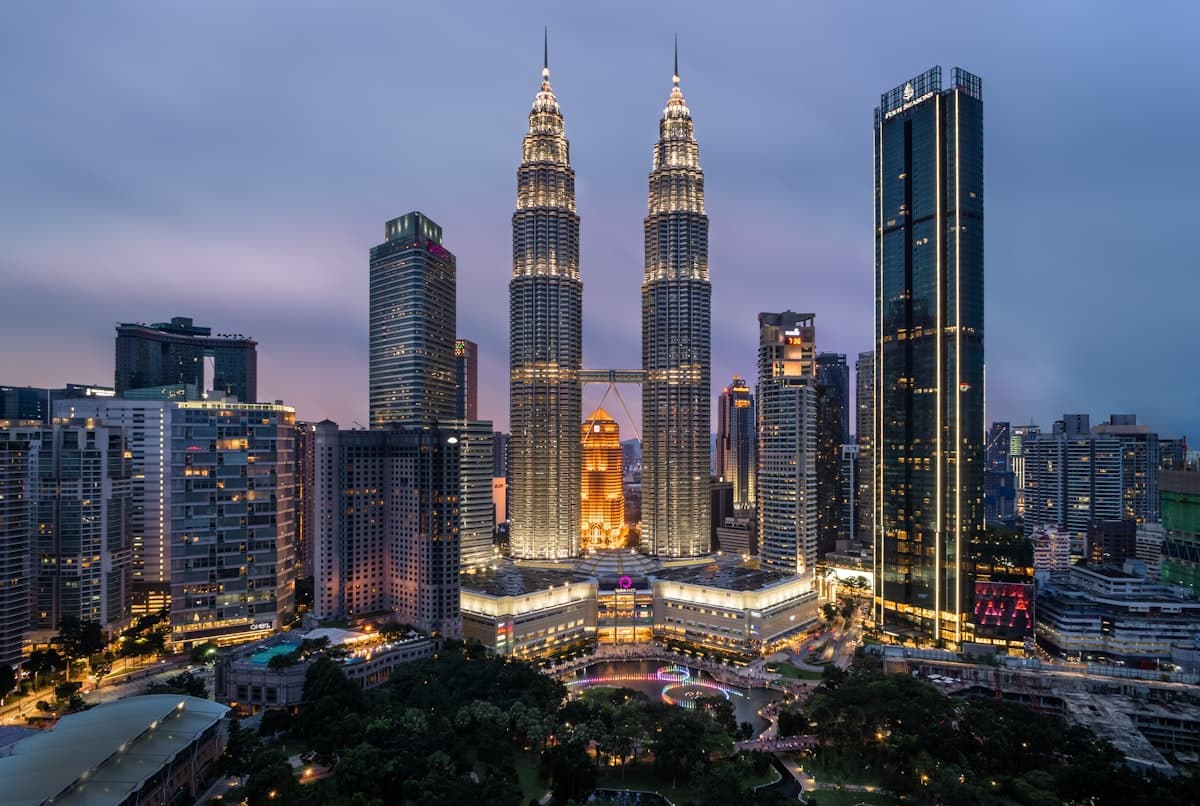
According to the Vietnam National Authority of Tourism, Phu Quoc has almost 400 species of hard coral and plenty of soft coral. That is enough for a vivid experience — especially if it is your first time underwater.
Coral
- Brain coral (Favia) — spherical, grooved colonies, from fist-sized to a metre across. Everywhere on the southern sites
- Gorgonians — sea fans that look like an open fan. They photograph beautifully in side light
- Pavona — leaf-like coral, flat and wide. Grows on the gentle slopes of Dry Island
- Table coral — flat "tables" up to half a metre across. Small fish shelter beneath them
- Soft coral — sponges, anemones and sea pens at May Rut. They sway in the current, creating an underwater-forest effect
Fish and marine creatures
- Clownfish (Amphiprion) — the star of underwater photos, 5–10 cm, orange with white bands. Hides in anemones and aggressively "defends" its home
- Barracuda — schooling predators up to 1 m, often passing in a silver wall. Harmless to divers — just take off shiny jewellery
- Pufferfish — round, slow, photogenic. At Fingernail Island there are giants the size of a football
- Nudibranchs — bright sea slugs 1–5 cm. Neon, striped, horned. A macro-photographer's favourite
- Starfish — hundreds of them on Rạch Vẹm beach: red, orange, turquoise
- Cephalopods — cuttlefish and octopus on night dives
What not to expect
Honestly: Phu Quoc has no manta rays, no whale sharks, no giant turtles or moray gardens. On a bad day visibility drops to 3–5 m. If you are diving straight after the Red Sea or the Maldives, calibrate your expectations. Phu Quoc is a gentle, budget, warm-water introduction to the underwater world.
Safety — jellyfish, currents and what you need to know
The main hazard for snorkellers and divers in Phu Quoc is jellyfish. They appear from April and stay until August; the rest of the year only the odd one turns up.
Jellyfish species in Phu Quoc
| Species | Danger | Season | Appearance |
|---|---|---|---|
| Moon jellyfish | Mild irritation | Year-round | Clear dome 10–30 cm, bluish rings |
| Fire jellyfish | Painful sting | April–August | Pink-orange, tentacles 0.5–1 m |
| Box jellyfish | Life-threatening | Rare, June–August | Square dome, thin long tentacles |
How to protect yourself
- A long-sleeve rash guard + leggings — cover 80% of your body. Recommended always, not just in jellyfish season
- Jellyfish repellent — Safe Sea lotion or similar. Sold at dive centres
- Don't swim after rain or at high tide — jellyfish get pushed towards shore
- Follow the instructor's directions — routes are planned with jellyfish in mind
First aid for a sting
Following NHS advice: rinse the sting with seawater (not fresh water). Remove any tentacle remnants with tweezers or the edge of a plastic card, never with bare hands. Soak the area in very warm water, as hot as you can tolerate, for at least 30 minutes. Do not apply ice. For severe pain, swelling or difficulty breathing, call an ambulance immediately (115 in Vietnam).
Currents and other risks
Currents at Phu Quoc's dive sites are usually weak — 0.5–1 knots. But at Dragon Rock and on turning tides they can briefly strengthen to 2 knots.
- Don't touch the coral — it is alive and fragile. A scrape takes 2–3 weeks to heal
- Don't feed the fish — it disrupts the ecosystem
- Don't step on sea urchins — the spines cause painful wounds
- Use reef-safe sunscreen — ordinary sunblock kills coral
What to bring — a diver's and snorkeller's checklist
Dive centres provide all the gear — from the mask to the tank. But a few things are better brought yourself.
Bring yourself
- A long-sleeve rash guard (protection from jellyfish + sun + coral scrapes)
- Reef-safe sunscreen (ordinary oxybenzone sunblock kills coral)
- An underwater camera or GoPro with a housing
- Your PADI certification card (or the PADI app on your phone)
- Seasickness medication (the boat rocks)
- Proof of dive insurance — DAN membership or a travel policy that explicitly covers scuba
- A zip-lock bag for wet items (and for your phone and documents)
- A towel (not every boat provides one)
- Dry clothes for the way back
- Cash for a tip for the instructor (50,000–100,000 VND / ~$2–4)
The dive centre provides
- Mask, snorkel, fins
- BCD (buoyancy compensator) and regulator — for divers
- Wetsuit (a short 3 mm — the water is warm)
- Life vest (for snorkellers)
- Weight belt
- Lunch and drinks on the boat
- Hotel transfer
A day of diving, step by step
Discover Scuba Diving (for beginners)
07:30–08:00 — hotel transfer. An air-conditioned minibus picks you up at the door. It is a 20–40 minute drive to An Thoi port.
08:30–09:00 — briefing on shore. The instructor explains the rules: how to breathe through the regulator, how to equalise your ears, the hand signals underwater — all in English.
09:00–09:30 — boarding the boat and heading out to the dive site. You put on the wetsuit; they fit the BCD and weight belt.
09:30–10:15 — the first dive (20–25 min at a shallow depth). The instructor leads you by the hand or stays close. The first minutes are adjustment. By the fifth you relax.
10:15–11:30 — a break on the boat. Tea, fruit, rest. The boat moves to the second site.
11:30–12:00 — the second dive. More confident now: steadier breathing, looking around, taking photos.
12:00–13:00 — lunch on the boat: fried fish, rice, salad, fruit, water.
13:30–15:00 — shallow-water snorkelling (if it is in the programme) and the return to port. Transfer to the hotel.
Snorkel tour — what "$20–25" includes
In the morning (8:00–8:30) you are picked up from the hotel and driven to An Thoi port. You switch to a wooden boat — a traditional Vietnamese one, with a sun canopy. Then it is 2–3 stops at islands: 30–40 min of snorkelling at each point. Between stops there is fishing (rods provided).
Lunch on the boat: fried fish, rice, fruit, drinks. Back at the hotel by 15:00–16:00.
The downside of the group tour is 30–50 people on one boat. Noisy, cramped, little attention. If comfort matters, take a small group ($40–50) or a private tour (~$65).
FAQ — frequently asked questions
Yes, both for diving and snorkelling. On a dive the BCD keeps you afloat at the surface and the instructor holds your hand underwater. On a snorkel trip you wear a life vest. Many centres take non-swimmers on a Discover Scuba Diving session — ask when you book.
- A group tour to the southern islandsfrom about $20starts, including mask, snorkel, fins, lunch and transfer
- A small group (6–10 people)$40–50
- A private tripfrom around $65
The south (An Thoi archipelago) is richer in coral and fish. Gam Ghi and May Rut are the two top spots. The north (Turtle Island, Fingernail Island) is quieter, less crowded and clearer. Choose the south for a first time, the north for a return visit.
Not for a Discover Scuba Diving trial. A PADI instructor gives a 30-minute briefing and dives with you at a shallow depth. For independent diving you need a PADI Open Water Diver — a $350–430 course over 3–4 days.
- Snorkellingfrom age 6
- A try-divefrom age 8–10
- Some centresfrom age 8take children on a Discover Scuba trial
- The full PADI Junior Open Water certificationat age 10
In the dry season (December–March) there are almost none. From April to August a rash guard is a must. Moon jellyfish are harmless, fire jellyfish sting painfully, and box jellyfish are potentially dangerous but very rare.
December–March is best: dry season, calm sea, visibility up to 20 m. April–May is fine, but with jellyfish. June–September is not advised due to swell and murky water.
Read also:
- Phu Quoc attractions — VinWonders, Safari, the cable car, the night market
- Phu Quoc tours — boat trips, jeep tours, night fishing
- Phu Quoc beaches — the 10 best, with infrastructure and prices
- The full Phu Quoc guide — everything about the island, from the flight to the nightlife
- Con Dao diving — turtles, visibility to 30 m and dive prices
- Guide
Phu Quoc Spa & Massage: Prices, Salons & Tips 2026
Spa and massage in Phu Quoc: types, best salons and resort spas, mud baths, booking, 2026 prices and tipping — what to expect as a foreigner.Phu Quoc Spa & Massage: Prices, Salons & Tips 2026 - Guide
Hon Thom Cable Car, Phu Quoc: Tickets & Tips 2026
The Hon Thom cable car in Phu Quoc — the world's longest sea crossing: tickets, Sun World, what's on the island and how to get there.Hon Thom Cable Car, Phu Quoc: Tickets & Tips 2026 - Guide
Things to Do in Phu Quoc: Sun World, Grand World & More
What to do in Phu Quoc: Sun World Hon Thom, VinWonders, Grand World, the water park, night markets and the Kiss of the Sea show — prices and tips.Things to Do in Phu Quoc: Sun World, Grand World & More