What to pack for Vietnam: the 2026 checklist
A practical Vietnam packing list for travellers, sorted by season and region. What clothing to bring, a foreigner-proof first-aid kit, the right plug adapter, the documents and money that matter — and, just as usefully, what to leave at home and buy cheaply on arrival.
What to pack for Vietnam: the short list
Vietnam is a warm, humid, easy-going country where you can replace almost anything for a few dollars. So the goal is not to bring everything — it is to bring the few things that are annoying or expensive to source locally, and to skip the rest. Here is the core checklist.

Pack by season and region
The single biggest packing mistake is treating Vietnam as one climate. It stretches over 1,600 km, so the north and south can feel like different countries on the same day. What you pack depends entirely on where and when you go.
| Region | Best time | Temperature |
|---|---|---|
| South (Ho Chi Minh City, Phu Quoc, Nha Trang) | December – April | 27–35C |
| Centre (Da Nang, Hoi An, Hue) | February – August | 24–34C |
| North (Hanoi, Sapa, Ha Long) | October – April | 15–28C |
The south is reliably hot and humid all year — pack for summer whatever the calendar says. The centre is warm too, but watch the October–November rain and typhoon window. The north is the one that catches people out: from December to February, Hanoi and the mountains genuinely get cold. For a month-by-month breakdown, see our Vietnam weather guide.

Clothing: what actually works in the tropics
Aim for light, loose and breathable. Cotton and linen beat synthetics in the humidity; quick-dry fabric is a bonus after a downpour. A week's worth of clothes is plenty — laundry services are everywhere and cost about $1 per kilo, so you re-wear more than you expect.
First-aid kit: what a foreigner should bring
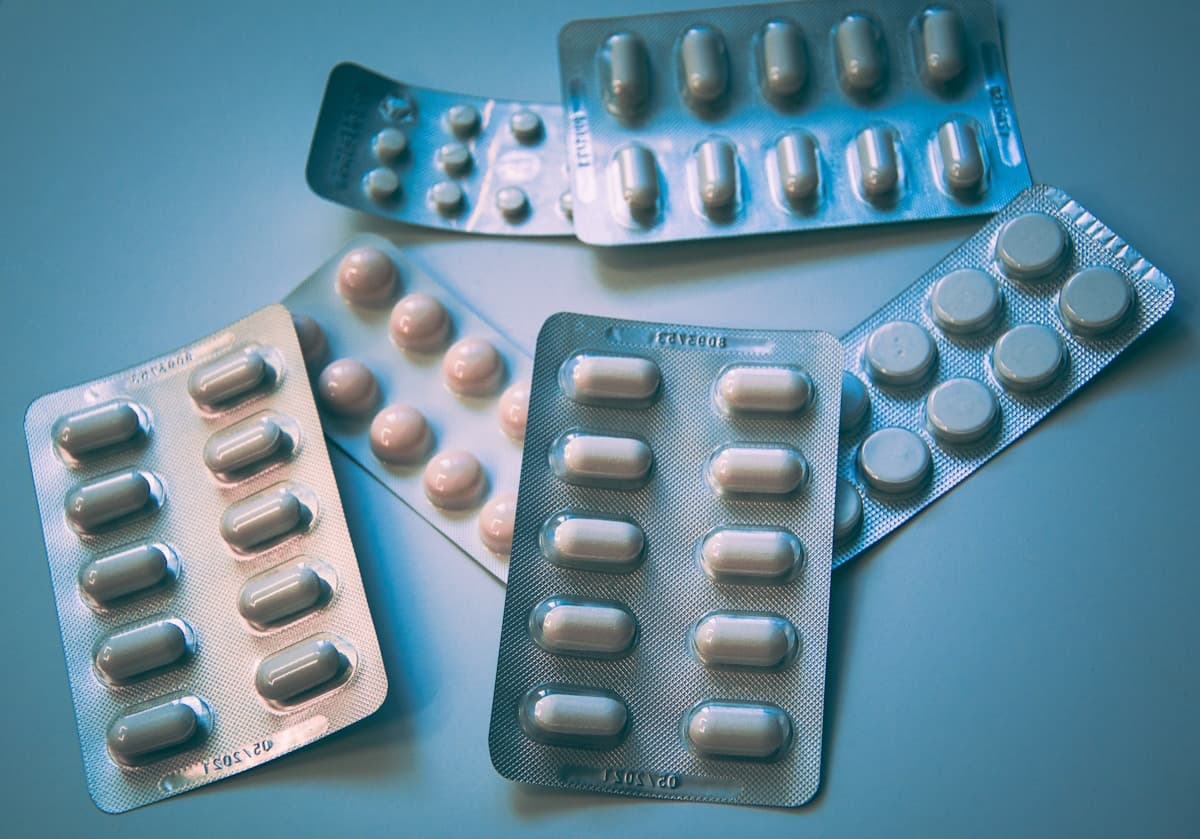
Pharmacies in Vietnam are cheap, well stocked and easy to find, so you do not need a mobile hospital. Bring the essentials that solve the most common traveller problems, plus anything personal that would be hard to match by brand.
Experienced travellers say Vietnamese insects shrug off the repellents people bring from Russia, so be ready to buy fumigators locally.traveller advice, vietnamchik.com (in Russian)
Fast Track — no queue at the border
5–10 minutes instead of an hour in the immigration queue
from$11per passenger
Electronics and plugs

The one item foreigners regret forgetting is the right plug adapter. Vietnam runs on 220V, 50Hz, and sockets are typically type A and C: they take flat US-style pins and round European pins. A UK (type G) or Australian (type I) plug will not fit, so bring a universal adapter — a small multi-adapter costs a few dollars and covers every socket.
Documents and money

Sort the paperwork before you fly. Visa rules depend on your passport's nationality: many nationalities get a short visa-free stay, while the 90-day e-visa on evisa.gov.vn covers longer trips and takes a few working days — apply about three weeks ahead rather than at the last minute. For the full run-through of visas, money, SIM and transport, see our first-trip checklist.
What NOT to pack — buy it there
Half of a lighter bag is knowing what to leave out. Vietnam is cheap and stocked for exactly the things travellers use, so a stack of gear you carry from home is dead weight you could have bought for a few dollars on arrival.
FAQ

Light, breathable clothing in cotton and linen, a rain jacket or poncho, sandals plus one pair of trainers, SPF 50+ sunscreen, a small first-aid kit, a universal plug adapter, a power bank and your passport with two printed e-visa copies. If you head north in winter, add a warm layer — Hanoi and Sapa can drop to +10C. Don't overpack: cheap tropical clothes, sunhats and flip-flops are everywhere for a few dollars.
Vietnam runs on 220V, 50Hz, and sockets are usually type A and C — they accept flat US-style pins and round European pins. UK (type G) and Australian (type I) plugs won't fit, so bring a universal adapter. A compact multi-adapter costs a few dollars, weighs almost nothing and covers every socket you'll meet.
Yes — this catches most first-timers out. From December to February, Hanoi, Sapa and the northern mountains can fall to +10 to +15C, and Sapa occasionally sees near-freezing nights. Rooms rarely have heating. Pack a fleece or light down jacket and long trousers if you're going north in winter. The south stays warm year-round at 27–35C.
Loperamide for traveller stomach, oral-rehydration salts, an antihistamine, plasters, motion-sickness tablets, and any personal prescription medicine with an English-language note from your doctor. Insect repellent is easy to buy locally — pick one with DEET or picaridin. SPF 50+ sunscreen is worth bringing from home.
None are mandatory for most travellers, but hepatitis A is commonly recommended and takes about two weeks to build immunity, so plan ahead. Rabies pre-exposure shots are worth it if you'll ride a motorbike through rural areas. For northern mountains such as Sapa and Ha Giang, ask a travel clinic about malaria; cities and beach resorts don't need it. Check current advice on your government travel-health site.
Skip heavy jeans, thick towels, a hairdryer, bulky toiletries and a big stock of tropical clothes — all of it is cheap and everywhere once you land. Hotels supply towels and often a hairdryer; laundry costs about $1 per kilo. Buy local insect repellent, flip-flops, a sunhat and a poncho on arrival instead of carrying them across the world.
- Preparation
How to Get to Quy Nhon 2026: Trains, Phu Cat Airport, Buses
Getting to Quy Nhon in 2026: Phu Cat (UIH) flights and the $1.90 airport bus, Reunification Express times to Dieu Tri, sleeper buses. Fares in VND and USD.How to Get to Quy Nhon 2026: Trains, Phu Cat Airport, Buses - Preparation
Vietnam Visa Run: Border Runs, Routes & Costs 2026
The Vietnam visa run: resetting your stay via a border with Cambodia or Laos — the routes, costs, risks and whether it's still worth it.Vietnam Visa Run: Border Runs, Routes & Costs 2026 - Preparation
Vietnam First-Trip Checklist: Everything Before You Go
A first-trip-to-Vietnam checklist: visa and documents, money, SIM, insurance, what to pack, apps and health — step by step before you fly.Vietnam First-Trip Checklist: Everything Before You Go