Da Lat coffee, wine and farms — what to try, buy and where in 2026
Da Lat sits at 1,500 metres, and it's Vietnam's best-known arabica region — 95% of the country is robusta. It also makes Vang Dalat wine, grows strawberries, artichoke and avocado, and runs cafés with valley views. Inside: Da Lat's coffee varieties with USD prices, an honest look at the wine and weasel coffee, the farm produce, plantation and café addresses, and a ready-made day itinerary.
Vietnam is the world's second-largest coffee exporter, and Da Lat is its coffee capital. A kilo of roasted arabica at a plantation costs 400,000–800,000 VND (~$16–32) — a fraction of what a specialty roaster charges back home. A bottle of Da Lat wine starts around $4.50, and a winery tasting costs less than a fancy latte in the West. Add strawberries, artichoke, avocado and persimmon, and you have the region that feeds half of Vietnam.
Prices current as of March 2026. Rate used: 1 USD ≈ 26,000 VND.
Why Da Lat is Vietnam's coffee capital

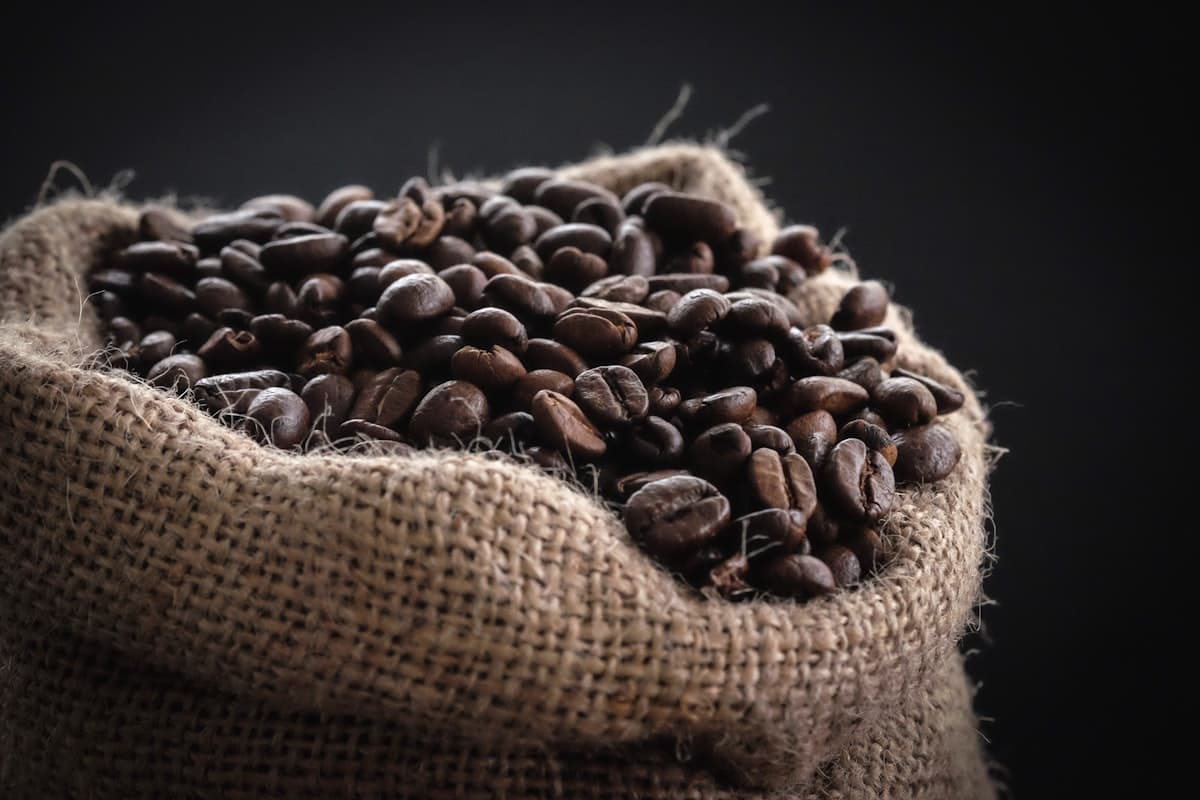
Vietnam is the world's second-biggest coffee producer after Brazil, but 95% of the crop is robusta. Đà Lạt is the exception: Lam Dong province grows a large share of Vietnamese arabica.
The secret is geography. The plantations sit on basalt volcanic soil at 1,200–1,800 metres. Nights hover around 15 °C, days around 25 °C. That swing slows the cherries as they ripen, and the flavour comes out layered, with the kind of notes specialty roasters prize.
Da Lat itself feels nothing like lowland Vietnam: cool, quiet, smelling of pine rather than exhaust. The French built it as a hill station for the colonial elite — a "little Paris" — and they were the ones who first planted coffee here.
Coffee, flowers and vegetables are the three pillars of the local economy. Every morning the market trades freshly roasted beans, and the city runs dozens of cafés — from traditional phin spots to specialty bars roasting in front of you.
Want to see where the coffee your local roaster charges a premium for actually grows? Da Lat is the place. If it's your first visit, start with our full guide to Da Lat: districts, transport, weather and sights.
Da Lat coffee varieties — from robusta to weasel coffee

Da Lat grows four kinds of coffee. Each has its own character, price and following. Here's how they differ and what's worth buying.
Robusta
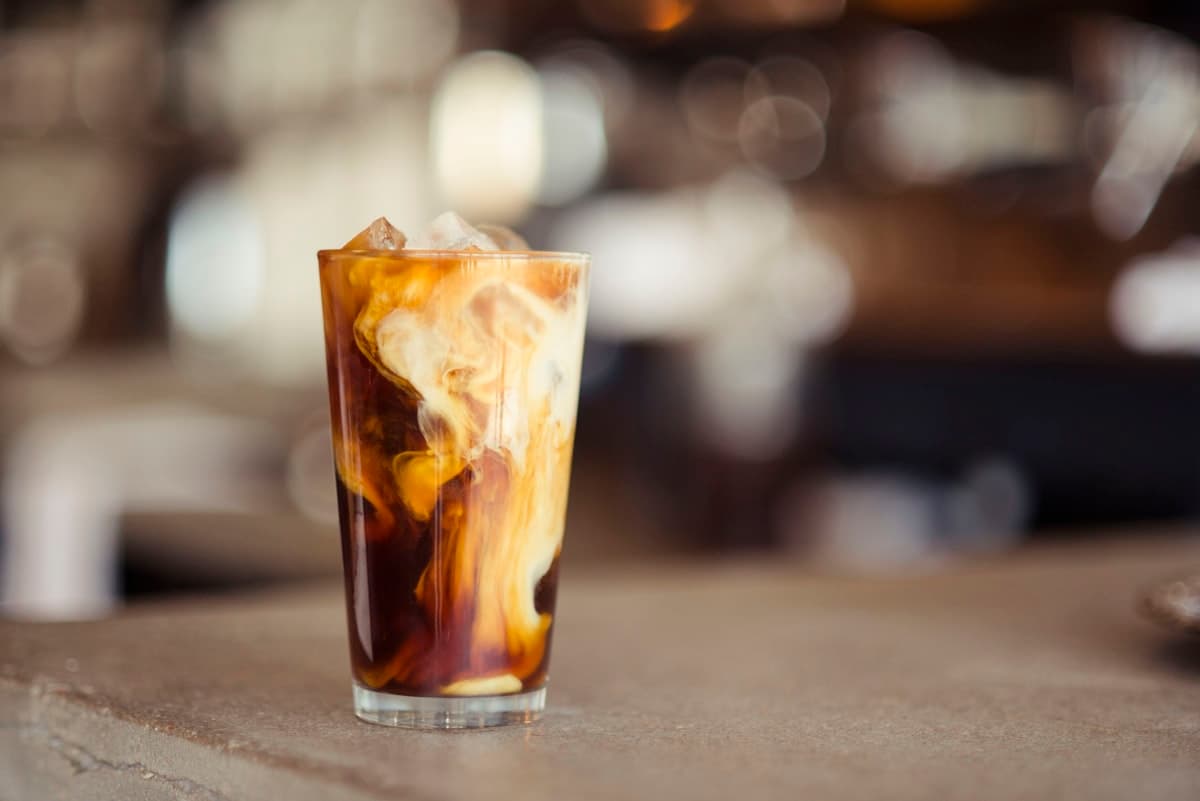
The workhorse of Vietnamese coffee. Twice the caffeine of arabica, a heavy body, and flavours of chocolate, nut and a little smoke. Robusta is the base of the classic Vietnamese cà phê sữa đá (coffee with condensed milk over ice) poured in every café from Hanoi to Ho Chi Minh City. What else to order and where is in our guide to Vietnamese coffee drinks and cafés by city.
Da Lat robusta is softer than the lowland kind — altitude and cool air do the work. Beans from the Mekong Delta don't have that. Vietnamese robusta goes into espresso blends across Asia and Europe for its strength and those smoky, nutty notes.
At the Da Lat market: 195,000–500,000 VND/kg (~$8–20), depending on roast and brand.
Arabica (Bourbon, Catimor)
Da Lat's pride. The local arabica is washed: the cherry is stripped of pulp, the beans ferment in water, then dry. In the cup you get a clean flavour with dried fruit, sweet tobacco and a gentle acidity. The finish is cocoa and nuts; the body smooth and creamy.
Two main varieties: Bourbon (the classic, soft profile) and Catimor (a disease-resistant hybrid, a touch sharper). Both grow at 1,200–1,800 metres, where arabica opens up fully.
Price: 400,000–800,000 VND/kg (~$16–32). It's cheaper at the plantations, from 400,000–500,000 VND. At the night market it's pricier, with a catch: sellers blend in robusta and pass it off as "pure arabica."
Culi (peaberry)
Rare, and interesting for it. Technically it isn't a separate variety but a peaberry (cà phê culi): a cherry in which a single bean ripened instead of two. The bean comes out round, larger than usual, and the flavour is concentrated — oily, rich, with a long finish.
Culi comes from both robusta and arabica. Arabica culi is the top shelf of Da Lat coffee. At markets, ordinary beans are often sold under the name, so check the shape: a true peaberry is always round, with no flat side. Price: 600,000–1,200,000 VND/kg (~$24–48).
Weasel coffee (Cà Phê Chồn)
The most expensive and most controversial coffee in the world. Cà phê chồn — known internationally as civet or weasel coffee — is beans that have fermented in the gut of a civet (the Asian palm civet). The animal eats ripe cherries, and its digestive enzymes break down proteins and strip out bitterness. In the cup: a soft, caramel flavour without robusta's edge.
At the farms, 100 grams costs 2,000,000 VND (~$80). At the market, "weasel coffee" goes for five to ten times less — but in about 90% of cases it's a fake: ordinary beans treated with a synthetic enzyme.
Variety comparison
| Variety | Flavour | Price (~$/kg) | Who it's for |
|---|---|---|---|
| Robusta | Chocolate, nut, strong | ~$8–20 | Fans of strong coffee, espresso blends |
| Arabica | Dried fruit, acidity, creamy body | ~$16–32 | Specialty lovers, pour-over, gifts |
| Culi (peaberry) | Oily, rich, long finish | ~$24–48 | Collectors, gourmets |
| Weasel coffee | Caramel, no bitterness, smooth | ~$680–800 | An exotic souvenir |
Fast Track — no queue at the border
5–10 minutes instead of an hour in the immigration queue
from$11per passenger
Da Lat coffee plantations — where to go

A plantation run belongs on the Da Lat must-do list right alongside the Crazy House and the waterfalls. You can reach any of the farms yourself by motorbike or Grab — no organised tour needed. If you'd rather have it arranged, farm visits show up in our roundup of Da Lat tours and activities.
Me Linh Coffee Garden
The most famous plantation, and deservedly so. It sits on the road to Thác Voi (Elephant Waterfall), 30 minutes from the centre. Entry is free — you only pay for coffee and food.
There's a café with a view over coffee shrubs tumbling down the hillside. It serves all the local varieties: arabica, robusta, mocha and weasel coffee. A cup runs from 30,000 VND (~$1.20). Beans are sold by weight and in branded packs on the spot.
For an extra fee you can add a guided tour. They walk you through the whole process from cherry to cup — picking, washing, drying, roasting — and let you pick ripe cherries by hand, roast the beans and brew your own coffee.
Cau Dat Coffee Plantation
25 km from central Da Lat, in the Cầu Đất area. One of the province's oldest coffee regions — the French planted the first arabica here in the 1920s. Next to it sits Cầu Đất Farm, a historic tea-and-coffee plantation of neat terraces where you can also try the local oolong. Even rows of shrubs on red volcanic earth, paths between the terraces, morning mist off the hills. Photogenic and calm, with far fewer tourists than Me Linh.
A cup on site: 25,000–35,000 VND (~$1–1.40). Farmers sell arabica beans straight, at some of the lowest prices in the region — from 400,000 VND/kg (~$16). Roasting and packing happen right there.
It's a 40-minute ride from Da Lat. The tarmac is good but there's a mountain switchback. Not confident on a bike? Take a Grab.
Trai Ham Da Lat Weasel Coffee
Want to see the civets and understand how weasel coffee is made? This is the place. The farm is 20 minutes from the centre and does only cà phê chồn. The civets live in spacious enclosures and feed on coffee cherries. You can watch them (they're liveliest in the evening) and buy beans on site.
100 grams of the real thing: 2,000,000 VND (~$80). Buy 200 grams or more for a discount down to 1,700,000 VND. Yes, it's pricey — but here you know exactly what you're paying for.
K'Ho Coffee (Bonnheur'C Village)
For anyone who wants a story with their cup, not just the cup. K'Ho is an Indigenous people of the Central Highlands, and this café-farm belongs to the local community. The specialty coffee is grown to Specialty Coffee Association standards and processed by hand.
On the shelves: ethnic textiles, crafts, brightly packaged bags of beans. Not mass market — craft with an ethnographic character. 35 minutes from the centre.
- Me Linh Coffee Garden (On the road to Elephant Falls): Da Lat's most popular plantation — Free entry, coffee from ~$1.20
- Cau Dat Farm (Cầu Đất area): Arabica & tea since colonial times — 25 km out | beans from ~$16/kg
- Trai Ham Weasel Coffee (20 min from centre): Real weasel coffee, civets in enclosures — 100 g — ~$80
- K'Ho Coffee (Bonnheur'C Village): Ethnic specialty coffee of the K'Ho people — 35 min from centre
- La Viet Coffee (Warehouse-style café): Da Lat's specialty flagship — Filter from ~$1.80
- The Married Beans (Specialty roaster): Classic espresso, house roast — From ~$1.60
- Panorama Coffee (Trại Mát): Terrace with a valley view — Coffee + breakfast, from ~$1.20
- Chateau Dalat Winery (Hầm vang Đà Lạt, Phát Chi): Ladofoods wine cellar — Ticket with tasting: ~$3–5
- Central Market (Chợ Đà Lạt) (Xuân Hương Lake): Coffee, wine, strawberries, tea, souvenirs — 06:00–18:00, night market: 18:00–23:00
- L'ANGFARM (Nguyễn Thị Minh Khai): Chain stores: coffee, tea, dried fruit — 20–30% pricier than the market, but no fakes
Plantation comparison
| Plantation | Distance | What to try | Time needed | Best for |
|---|---|---|---|---|
| Me Linh Coffee Garden | 30 min | All varieties + weasel | 1.5–2 hours | Everyone, first visit |
| Cau Dat Plantation | 40 min | Arabica | 1–1.5 hours | Photographers, peace-seekers |
| Trai Ham Weasel Coffee | 20 min | Weasel coffee | 1 hour | The curious, exotica hunters |
| K'Ho Coffee | 35 min | Specialty arabica | 1 hour | Craft fans, culture lovers |
The best cafés in Da Lat — specialty and views
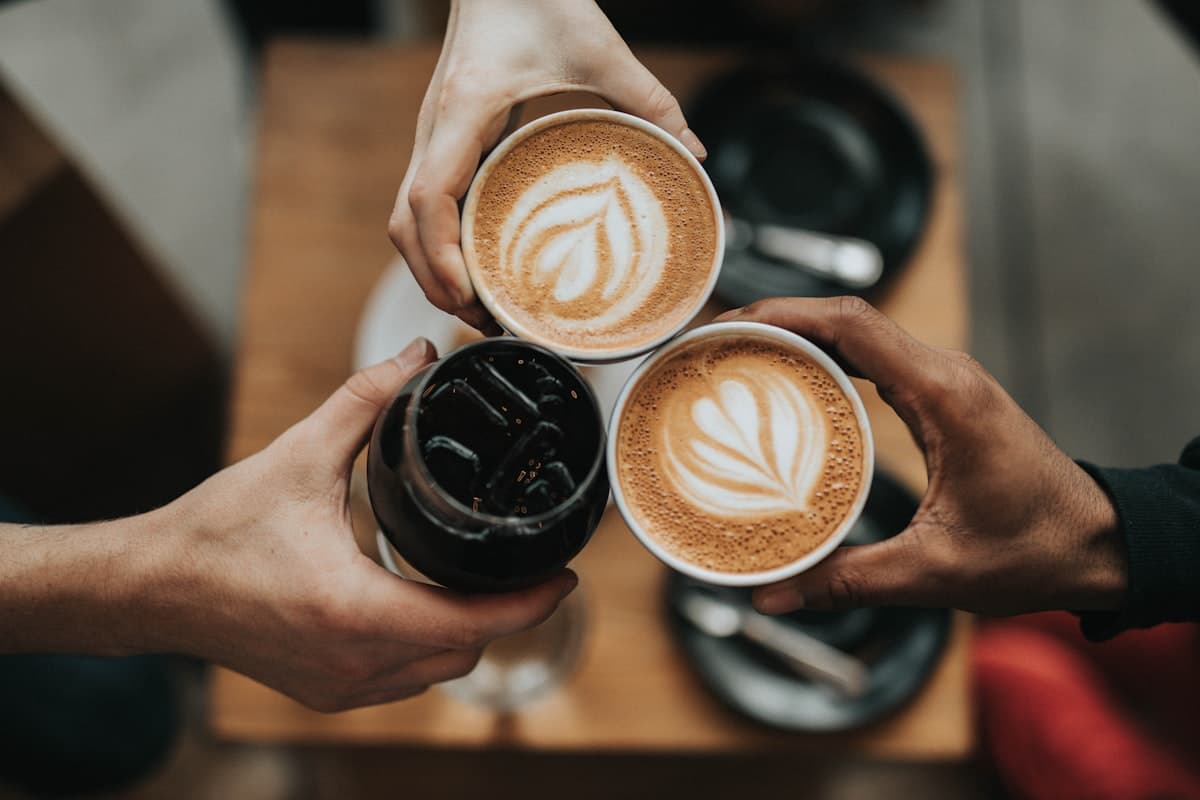
Da Lat is arguably the one city in Vietnam where specialty culture lives alongside the traditional cà phê sữa đá as an equal. The roasters work with local beans, not imports, and each tries to draw out Da Lat arabica in its own way. There's a second category too: view cafés among the pines and over the valley, where people come for the shot as much as the coffee.
For the coffee
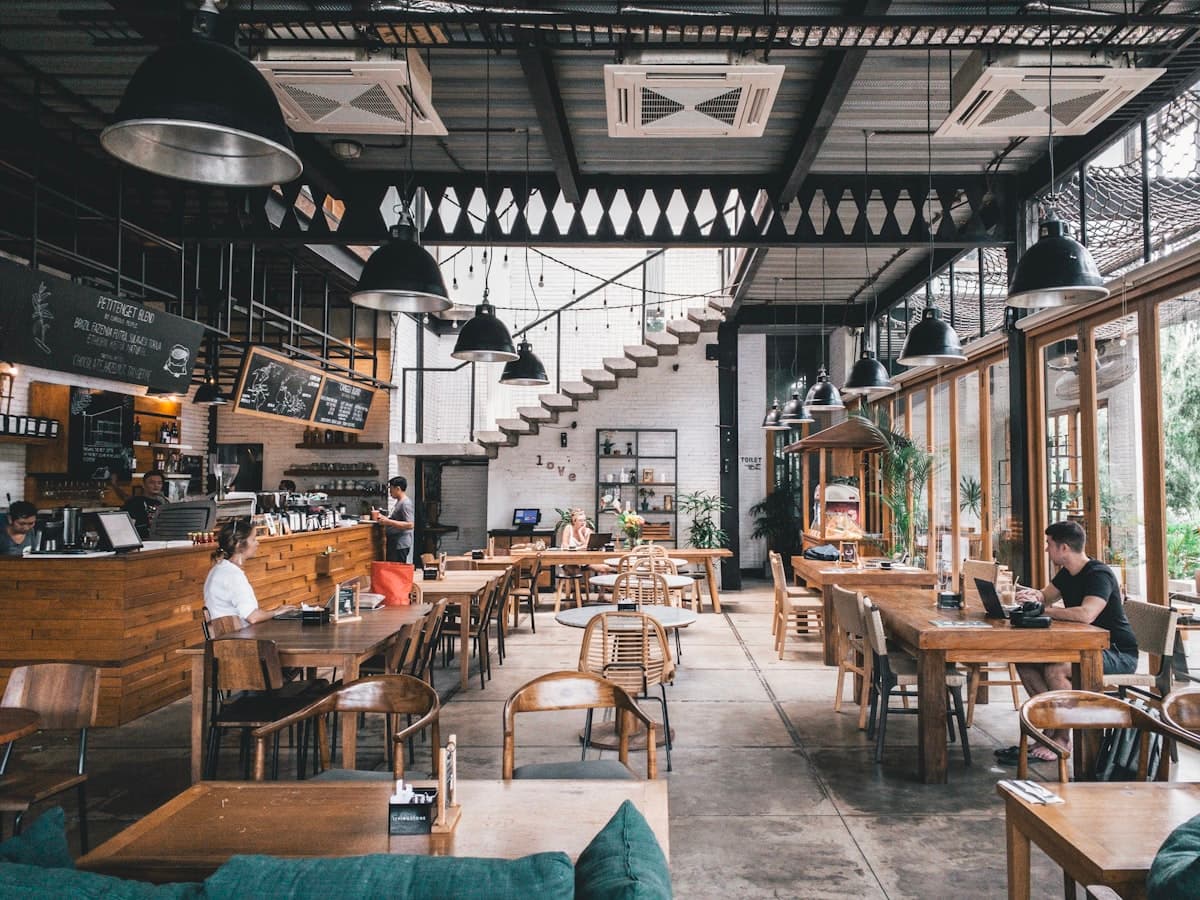
La Viet Coffee is the flagship of Da Lat coffee. Warehouse format: a huge, glass-walled space with the roaster running in full view. Beans are grown, processed and roasted locally — the full cycle. The menu has filter, Aeropress and pour-over, with latte and cappuccino in their own section. A filter cup starts at 45,000 VND (~$1.80). The attached shop sells house-roast beans from 250,000 VND (~$10) per 250 g.
The Married Beans is for espresso fans. A specialty roaster with a two-group machine and house-roasted beans. Ristretto, flat white, cortado — all done well. From 40,000 VND (~$1.60).
Brew and Breakfast is tucked into an alley off Trần Hưng Đạo. Hand-roasting on a small roaster, a plant-based menu, and quiet. If La Viet is industrial scale, Brew and Breakfast is an intimate lab. A cup from 50,000 VND (~$2).
For the views (the "Instagram cafés")
Panorama Coffee is a terrace in Trại Mát, about 8 km east of the centre, looking out over the valley. The coffee is average — the view is the point. Breakfast with that panorama is worth it. From 30,000 VND (~$1.20).
Mê Linh Coffee Garden serves coffee right on the plantation, with tables above the valley of coffee shrubs. It's technically a farm (covered above), but plenty of people come for the view café. Calm in the morning; by midday it's crowds and a queue for that one photo.
An Café is for lovers of traditional cà phê phin (coffee through a metal drip filter) with a view over the city. No specialty here, but there's a wooden terrace with a valley panorama and a proper edge-of-the-world feeling. From 25,000 VND (~$1). Especially good at sunset.
What to order if you don't know Vietnamese coffee
- Cà phê đen đá — black coffee over ice25,000–35,000 VND ≈ $1–1.40
- Cà phê sữa đá — coffee with condensed milk and ice30,000–40,000 VND ≈ $1.20–1.60
- Cà phê trứng — egg coffee (liquid tiramisu)35,000–50,000 VND ≈ $1.40–2
Da Lat wine — what you need to know
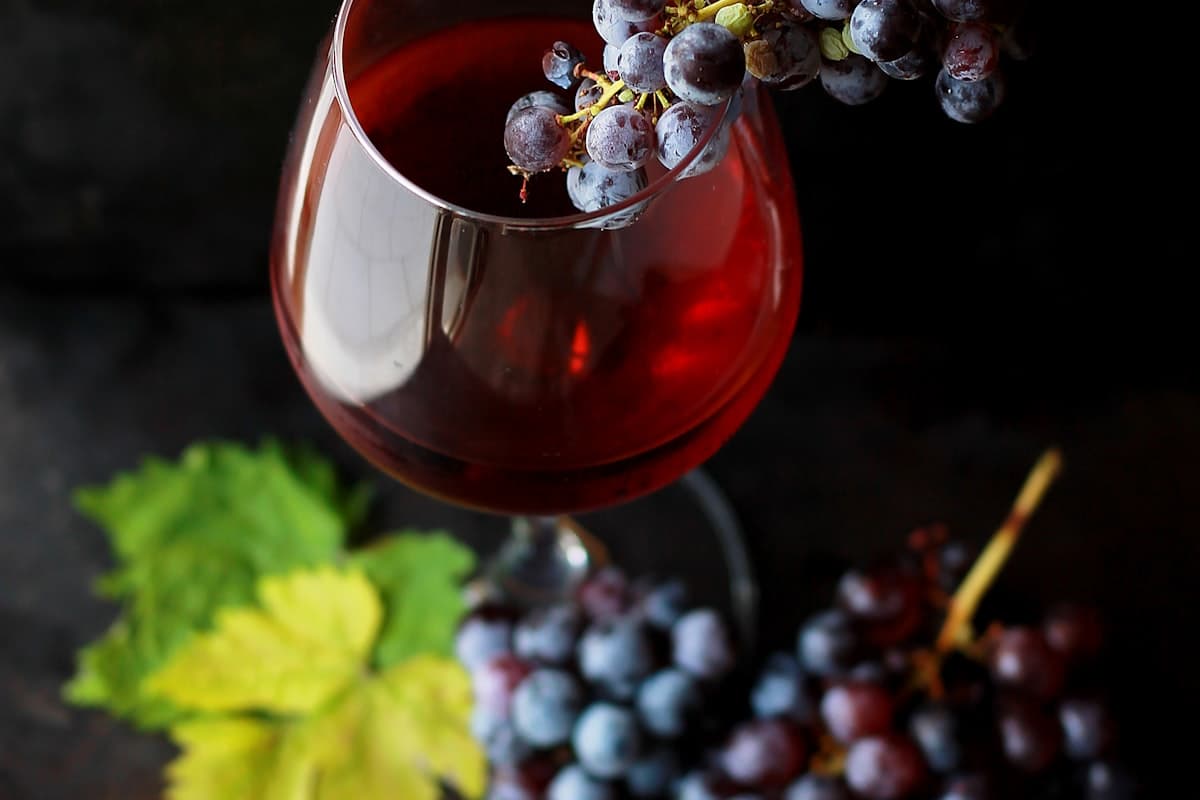
Vietnam's main winemaking address, though the grapes for Da Lat wine are grown in hot Ninh Thuan. It sounds exotic, but Da Lat winemaking has more than a century of history and a couple of real achievements behind it.
How it began
The tradition goes back to the French, who built Da Lat as a hill station for the colonial elite, with villas, parks and a "European" climate. Today the grapes aren't grown here but in Ninh Thuan; Da Lat is where they become wine.
After the French left, winemaking didn't die, but it didn't flourish either. The reboot came in 1999, when the Ho Chi Minh City company Ladofoods began releasing wine under the Vang Đà Lạt brand (the Ladora label). Today Ladofoods bills itself as Vietnam's number-one winemaker, with plant capacity of up to 5 million litres a year by the company's own figures. Vang Dalat is no revelation, but it's a decent, affordable domestic wine, and as a local specialty it has earned its place.
The Vang Dalat range
| Wine | Type | Price (~$) | Our verdict |
|---|---|---|---|
| Vang Dalat Classic Red | Dry red, 12% | ~$4.50 | Simple, souvenir-grade |
| Vang Dalat Classic White | Dry white, 12% | ~$4.60 | Light, for a hot day |
| Vang Dalat Superior Red | Dry red, 12% | ~$6 | Best of the base range |
| Vang Dalat Strong Red | Strong red, 16% | ~$5.20 | Unusual — grape + mulberry |
| Vang Dalat Sparkling White | Sparkling, 8% | ~$6.40 | An acquired taste |
| Chateau Dalat Signature Shiraz | Premium red, 13.5% | ~$14 | A serious wine; bronze for the range in San Francisco |
Da Lat wine has been named a "High-Quality Vietnamese Product". According to Ladofoods, it was served at the APEC summits in Vietnam in 2006 and 2017, and the Chateau Dalat range took bronze at the San Francisco International Wine Competition 2017.
The Chateau Dalat winery — the visit and tasting
Ladofoods' wine cellar, Hầm vang Đà Lạt (Chateau Dalat Winery), is out of town in Phát Chi (Xuân Trường ward), near the Cầu Đất tea plantations. You can get there by motorbike or taxi.
There are two tickets. Basic is 70,000 VND (~$2.70): a tour of about an hour and one glass of your choice. Advanced is 120,000 VND (~$4.60): the same tour, three glasses of wine and breadsticks. Prices are from the winery's website, September 2026. Staff speak English.
An honest take — is Da Lat wine worth it?
It depends on your expectations. If you're used to Chilean or Argentine wine at the same price, the Classic Red will likely disappoint. Tripadvisor reviews complain of "inconsistent quality" and "vinegary notes" in some batches.
But Chateau Dalat Signature Shiraz is another story — a wine you wouldn't be embarrassed to put on the table. Superior Red and Sauvignon Blanc get decent reviews too.
- Want a good wine → Chateau Dalat Signature Shiraz (~$14). Serious, award-winning.
- Want a cheap souvenir → Vang Dalat Classic Red (~$4.50). Nice bottle, good conversation starter.
- Want something unusual → Strong Red with mulberry (~$5.20). You won't find it anywhere else.
- Don't want to gamble → buy at the Chateau Dalat winery, where you can taste before you buy. At the market it's a lottery.
Strawberries, artichoke, avocado and Da Lat's farms
The cool climate feeds more than coffee shrubs. Da Lat is Vietnam's vegetable and berry patch: what won't grow in the lowland heat ripens here year-round. Half the country eats Da Lat strawberries and lettuce.
Strawberries and pick-your-own farms
Strawberries are the city's signature fruit, sold fresh, as jam, as wine and dried. At the market a kilo of fresh berries costs 30,000–60,000 VND (~$1.20–2.30), half the coast's price and noticeably sweeter. Dozens of strawberry farms (vườn dâu) around the city work on a pick-your-own basis: you pay to get in, walk the covered rows and pick the berries yourself. Hydroponic farms such as Biofresh keep the fruit clean and large.
Artichoke: tea and more
Artichoke (atisô) is Da Lat's second specialty. It goes into the herbal tea trà atiso (mild, faintly sweet, sold in bags and loose) and into canh atiso, a soup with pork ribs; the hearts get braised too. The tea costs next to nothing, from 50,000 VND (~$2) a pack, and it's one of the best cheap souvenirs from Da Lat.
Avocado, persimmon and the rest of the harvest
Da Lat avocado is buttery and slightly sweet, and it goes into avocado ice cream (kem bơ), a night-market must. In season (autumn) the stalls pile up with persimmon (hồng), fresh, dried and as fruit jelly, plus mulberries (dâu tằm), passion fruit (chanh dây) and peaches. All of it is cheaper and sweeter here than anywhere on the coast.
Where to buy coffee and wine in Da Lat
Three strategies, from adventure to reliability. Pick by temperament.
Central Market (Chợ Đà Lạt) and the night market
The city's main trading spot, by Xuân Hương Lake. The day market runs 06:00–18:00, the night market 18:00–23:00. On the stalls: whole-bean and ground coffee, artichoke tea, dried fruit, strawberries, avocado, honey.
L'ANGFARM and specialist shops
L'ANGFARM is a chain of Da Lat shops with fixed prices and quality control. Coffee, artichoke tea, dried fruit, jams, honey — all nicely packaged and built to survive the trip in a suitcase. It's 20–30% pricier than the market, but you know exactly what you're getting.
At the plantations (Me Linh, K'Ho, Cau Dat) prices are often below city rates, and quality is transparent: you see where the beans grow. The best strategy is to taste at the plantation and buy right there.
Supermarkets: GO!, Co.opMart
For anyone who doesn't want to haggle and values predictability. The coffee selection is thinner than at the market, but the prices are stable and there's no con. You can also grab Vang Dalat wine here at a fixed price — cheaper than in the souvenir shops.
Where-to-buy comparison
| Where | Best to buy | Pros | Cons |
|---|---|---|---|
| Central Market | Fruit, strawberries, tea | Atmosphere, selection | Fakes, marked-up prices |
| L'ANGFARM | Coffee, tea, dried fruit | Quality, travel-ready packing | 20–30% pricier than the market |
| Plantations | Whole-bean coffee | Freshness, transparency | You have to drive out of town |
| GO! / Co.opMart | Wine, packaged coffee | Reliable, quick | Small selection |
What coffee and wine cost in Da Lat in 2026
- Roasted robusta (1 kg)195,000–500,000 VND ≈ $8–20
- Roasted arabica (1 kg)400,000–800,000 VND ≈ $16–32
- Culi peaberry (1 kg)600,000–1,200,000 VND ≈ $24–48
- Real weasel coffee (100 g)2,000,000 VND ≈ $80
- Coffee at a café (cup)25,000–50,000 VND ≈ $1–2
- Vang Dalat Classic (750 ml bottle)110,000–130,000 VND ≈ $4.50–5.20
- Chateau Dalat Signature (bottle)350,000 VND ≈ $14
- Chateau Dalat winery ticket70,000–120,000 VND ≈ $3–5
- Artichoke tea (pack)50,000–100,000 VND ≈ $2–4
- Strawberries (1 kg)30,000–60,000 VND ≈ $1.20–2.40
Back home, a specialty roaster charges a hefty premium for the same Da Lat arabica, and a bottle of Vang Dalat Classic Red is hard to find at all. In Da Lat the coffee is at least half the price, and the wine roughly matches import-shop rates — but you buy it where it's made.
Price information is current as of March 2026. The VND-to-USD rate shifts — double-check before your trip.
A "coffee-and-wine day" itinerary in Da Lat

One day, four stops, everything worth tasting in Da Lat. The route is built around distances, so you won't crisscross the city.
Currency converter
08:00 — Me Linh Coffee Garden. Set off before the heat and the buses. On site: a walk among the shrubs, a roasting class, breakfast in the café with a view. Stock up on beans — cheaper than in the city. Time: 2 hours.
11:00 — La Viet Coffee. Back to the centre. A filter or Aeropress from local arabica, the roaster running right in front of you. The branded La Viet bean packs make a solid take-home. Time: 1 hour.
13:00 — Lunch. Da Lat food deserves attention: bánh mì xíu mại (baguette with meatballs), bánh căn (mini stuffed pancakes), lẩu (hotpot). Strawberries and avocado are sweeter here than on the coast. Average bill: 80,000–120,000 VND (~$3.20–4.80). Addresses and the rest of the city's eating are in the Da Lat food guide.
15:00 — the Chateau Dalat winery. Out of town to Phát Chi. A cellar tour and tasting: one glass on the basic ticket, three on the advanced. If you liked the Shiraz, buy it here — it's pricier in the city. Time: about an hour plus the ride.
18:30 — Night market. Back in the centre, wander the night market. Strawberries, avocado, artichoke tea and dried fruit round out the coffee souvenirs. Haggle. Have dinner right there: bánh tráng nướng (Vietnamese "pizza" on a rice cracker with egg and toppings) costs 20,000 VND (~$0.80).
Budget for the day (1 person)
- Motorbike rental for the day150,000–200,000 VND ≈ $6–8
- Petrol50,000 VND ≈ $2
- Coffee (plantation + café)100,000–150,000 VND ≈ $4–6
- Chateau Dalat winery (ticket)70,000–120,000 VND ≈ $3–5
- Lunch + dinner200,000 VND ≈ $8
- Shopping (1 kg arabica + a bottle of wine)550,000–950,000 VND ≈ $22–38
Total: 1,120,000–1,670,000 VND (~$45–67). Without shopping, the day comes to about $23–29 — less than one restaurant meal back home. Accommodation, food, transport and tour costs are collected in the Da Lat price guide.
What to take home from Da Lat — coffee, wine and more
Five gifts worth leaving room in your suitcase for.
- Whole-bean arabica (500 g–1 kg). Buy at a plantation or at L'ANGFARM. Ground coffee loses its aroma within two to three weeks of opening; whole beans hold for two to three months in an airtight pack. Take the beans and grind them fresh for each cup at home.
- Chateau Dalat Signature Shiraz. The one Vietnamese wine you'd happily set next to a Chilean. Well packaged and fine to check in.
- Artichoke tea (trà atiso). A Da Lat specialty. Herbal, faintly sweet, and cheap: from 50,000 VND (~$2) a pack.
- A small pack of weasel coffee (50–100 g). An exotic gift: pricey, unusual, a story to tell. Just buy it at a farm (Trai Ham), not at the market.
- Silk from XQ Historical Village. Artisans hand-embroider pictures on silk. Not cheap (from 500,000 VND / ~$20 for a small piece), but a genuine work of art.
Frequently asked questions
Whole-bean arabica — it's the region's calling card. The washed process gives a clean flavour with chocolate and dried-fruit notes and a creamy body. Take 500 g or 1 kg from the plantations (Me Linh, Cau Dat) or from L'ANGFARM: quality is guaranteed and prices are lower than at the night market. Ground coffee fades fast; whole beans hold their flavour for two to three months.
In about 90% of cases, no. Real weasel coffee costs 2,000,000 VND per 100 g (~$80). If it's offered as "weasel coffee" for 200,000–300,000 VND, those are ordinary beans treated with a synthetic enzyme — a non-expert can't tell by taste. For the real thing, go to a farm where you can see the civets and the process yourself.
Both. Chateau Dalat Signature Shiraz is a serious wine — the Chateau Dalat range took bronze at the San Francisco International Wine Competition 2017 and was served at APEC 2017. The Classic Red and White are more souvenir: pleasant for the evening, but no match for European wines. Superior Red is the middle ground — decent and affordable.
For personal use, there's no weight limit leaving Vietnam. Customs pay attention to clearly commercial quantities (10+ kg of one variety in identical packing). Two or three kilos in your suitcase raise no questions. Seal it airtight: the beans smell strong, or you'll end up with a coffee-scented suitcase.
La Viet Coffee — specialty with roasting on view. Brew and Breakfast — a quiet morning with hand-roasted beans and a plant-based menu. The Married Beans — classic espresso. An Café — traditional Vietnamese phin coffee with a city panorama. A cup: 25,000–50,000 VND (~$1–2).
Yes, just turn up. There are two tickets: basic at 70,000 VND (~$2.70) with one glass, and advanced at 120,000 VND (~$4.60) with three glasses and breadsticks. The tour takes about an hour. The winery is in Phát Chi, near Cầu Đất, and staff speak English. No booking needed on weekdays; on weekends aim to arrive by 10:00.
Noticeably. A kilo of arabica at the Cau Dat farm is 400,000–500,000 VND (~$16–20). The same coffee in Nha Trang's tourist shops runs 700,000–1,000,000 VND. Da Lat is where it's produced; Nha Trang resells it at a markup.
- Food
Eating in Da Lat 2026: artichokes, strawberries, hot pot, coffee
What to eat in Da Lat: charcoal-grilled "Vietnamese pizza" from $0.80, hot pot in three broths, artichokes, strawberry farms and specialty coffee.Eating in Da Lat 2026: artichokes, strawberries, hot pot, coffee - Guide
Da Lat Waterfalls 2026: Datanla, Pongour, Prenn & the Closed Elephant Falls
Datanla, Pongour and Prenn: tickets, how to get there and when to go. Elephant Falls has been closed to visitors since 2021 — here is what that meansDa Lat Waterfalls 2026: Datanla, Pongour, Prenn & the Closed Elephant Falls - Guide
Da Lat Attractions: Crazy House, Pagodas & the Old Station
Da Lat's city sights: Crazy House, Linh Phuoc Pagoda, Truc Lam Monastery, the old station, Xuan Huong Lake and the glass bridge — with 2026 tickets and a one-day route.Da Lat Attractions: Crazy House, Pagodas & the Old Station