Spa in Vietnam: best places for massage and treatments in 2026
A one-hour massage for about $4 isn't a marketing gimmick — it's the normal price at a Ho Chi Minh City salon. Vietnam is one of Asia's cheapest countries for spa, and the therapists work to traditions more than a thousand years old.
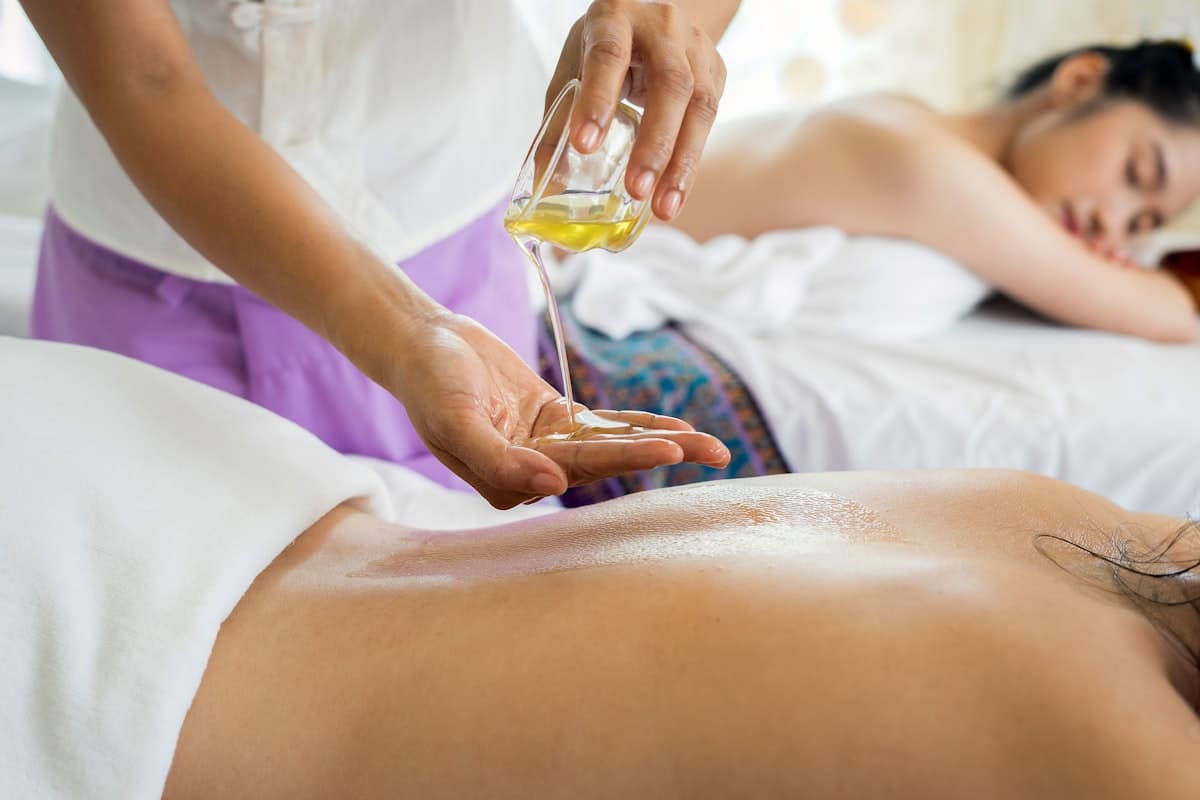
The Tẩm quất (Tam Quat) technique — pressure applied along acupuncture meridians — is passed down through generations and rooted in ancient Chinese medicine. But it isn't only about price and tradition. Vietnam has genuine thermal springs and mud-bath resorts. In Nha Trang a geothermal spring was found in 1994, the water at Bình Châu reaches 80 °C, and up in the hills near Hue sits a Japanese onsen fed by a natural hot spring.
This guide covers all of it: from a street-corner massage for 100,000 VND to spa-inclusive resorts with two treatments a night (80 minutes in total). We break down the types of Vietnamese massage, compare prices across six cities, give you addresses of popular salons, and explain how Vietnamese massage differs from Thai.
Why Vietnam is one of the best countries for spa
Three reasons Vietnam beats its neighbours when it comes to wellness.
Currency converter
Prices are 30–50 percent lower than in Thailand. The average one-hour massage in Vietnam is 200,000–400,000 VND (~$8–16). In Thailand you would pay $15–20 for the same thing. That gap holds at a comparable standard of therapist. In budget salons in Ho Chi Minh City prices start from 109,000 VND (~$4.40) — one of the lowest rates in all of Southeast Asia.
Thousand-year-old traditions. Vietnamese massage isn't a commercial adaptation invented for tourists. The techniques of point pressure and working the body's energy channels developed over centuries under the influence of Chinese acupuncture. Every session uses natural oils — coconut, lemongrass, aloe. This is what sets the Vietnamese school apart from the Thai one, where massage is done "dry."
Natural thermal resources. The hot springs of Nha Trang, the mineral mud of Bình Châu, the onsen in the hills near Hue — none of it is imported technology, it is the natural bounty of Vietnamese soil. The mud-bath resorts offer treatments with a real therapeutic edge: detox, better skin, relief for aching joints.
The climate helps too: spa is available year-round. In the rainy season (May–October, depending on the region) a spa is a fine way to spend the grey hours. In the cool season (November–February) the hot springs feel especially good.
Types of Vietnamese massage
Vietnam offers a dozen massage techniques, from classic to exotic. Each has its own character, and which one you pick depends on what you're after: relaxation, a therapeutic effect, or beauty treatments. For a deeper dive into the techniques, philosophy and regional schools, see our Vietnamese massage guide.
Traditional Vietnamese massage (Tẩm quất)
The foundation of the Vietnamese school and the main reason to try a local spa. The therapist works with fingers and elbows along acupuncture points and the body's energy channels. The pressure is precise but gentle — no sharp jabs or twisting. Natural oils are a must: coconut, lemongrass or aloe.
The session covers the whole body, from feet to face and head. The effect: released muscle knots, better circulation, deep relaxation. After a good session it feels like your body has been rebooted.
Price: 150,000–300,000 VND (~$6–12) for 60 minutes.
Hot herbal compress massage (chườm sa)
A signature of the Vietnamese spa that you won't find in Thailand in quite this form. Cotton pouches are filled with fresh medicinal herbs — lemongrass, ginger, turmeric, lotus leaves — and steamed. The therapist presses them to the body and rolls them over the muscles.
The heat and herbal oils sink deep into the tissue. The effect is double: warmth eases muscle pain while the herbs act as a natural anti-inflammatory. Especially good after an active day — trekking in the Da Lat hills, diving off Phu Quoc, or a long flight.
Price: 250,000–400,000 VND (~$10–16) for 60–90 minutes.
Aroma massage
A relaxing massage with essential oils — jasmine, lavender, ylang-ylang. The strokes are smooth, the pressure minimal. Ideal for anyone who doesn't love deep muscle work but wants to switch off completely for an hour. Many salons pair it with candles and meditative music for a full relaxation ritual.
Vietnamese therapists add local colour: lemongrass oil is a classic Vietnamese ingredient you won't find at this quality anywhere else. The scent is bracing and calming at once.
Price: 200,000–450,000 VND (~$8–18) for 60 minutes.
Hot stone massage
Smooth basalt stones are heated to 50–60 °C and laid along the spine, on the shoulder blades and in the palms. Deep muscle warming without hard pressure. The therapist alternates the stones with hands-on work for a contrast effect.
Good for anyone who finds a regular massage too superficial and a deep one too painful. The stones do the work: the heat penetrates three to four centimetres into the muscle.
Price: 300,000–500,000 VND (~$12–20) for 60 minutes.
Four-hands massage
Two therapists work in sync — one on the upper body, one on the lower. The brain can't track four hands at once, so it simply switches off. It doubles the relaxation and halves the time.
One of the most requested treatments among travellers, and one of the cheapest in Vietnam. At Herbal Spa (Da Nang / Hoi An) they even offer "six hands" — three therapists at once, an effect that's hard to put into words.
Price: 400,000–700,000 VND (~$16–28) for 60 minutes.
Face and head massage
A standalone treatment that Vietnam does beautifully. The therapist uses Vietnamese balms with essential oils, working the facial muscles, the neck and the scalp. What's in those balms: Vietnamese balms guide.
It often includes the traditional Vietnamese hair wash — a ritual of its own: scalp massage, a rinse with herbal decoction, and a blow-out. It takes 30–40 minutes and starts from 50,000 VND (~$2). Local barbershops offer this for a pittance — one of the things worth stepping into any tiệm tóc (hair salon) for.
Price for a full face and head massage: 100,000–250,000 VND (~$4–10).
Foot massage (reflexology)
A foot massage that targets reflex zones. It starts with a warm herbal footbath, then acupressure. The therapist works each point on the sole linked to an internal organ.
Perfect after a full day pounding Vietnam's markets and promenades. Many people do it daily — at these prices you easily can. Foot-massage shops are on practically every corner of the tourist districts.
Price: 100,000–200,000 VND (~$4–8) for 60 minutes.
Blind-masseur massage
A distinctly Vietnamese tradition with no Thai equivalent. Blind therapists are famed for a heightened sense of touch — they feel the knots and problem spots that a sighted therapist can miss. A deep therapeutic result that few "ordinary" therapists achieve.
It's especially popular in Nha Trang, home to the well-known "Mockba" salon with professionally trained specialists. This isn't charity or a novelty but a craft of deep muscle work: people often go to blind therapists with chronic back and neck pain.
They are usually cheaper than the big commercial businesses, they will not try to overcharge, they will not try to sell you additional services during your massage, they are safe…Ray Kuschert, Tuoi Tre News, 2022
Price: 100,000–200,000 VND (~$4–8) for 60 minutes.
Vietnamese massage types and prices
| Massage type | What it is | Price / 60 min (VND) | Price (~USD) |
|---|---|---|---|
| Traditional (Tẩm quất) | Point pressure, oils | 150,000–300,000 | ~$6–12 |
| Chườm sa (herbal pouches) | Hot compresses with herbs | 250,000–400,000 | ~$10–16 |
| Aroma massage | Essential oils, gentle strokes | 200,000–450,000 | ~$8–18 |
| Hot stones | Basalt stones + oils | 300,000–500,000 | ~$12–20 |
| Four hands | Two therapists at once | 400,000–700,000 | ~$16–28 |
| Face and head | Balms, hair wash | 100,000–250,000 | ~$4–10 |
| Foot massage | Foot reflexology | 100,000–200,000 | ~$4–8 |
| Blind-masseur | Deep therapeutic work | 100,000–200,000 | ~$4–8 |
Fast Track — no queue at the border
5–10 minutes instead of an hour in the immigration queue
from$11per passenger
Vietnamese massage vs Thai
Vietnamese massage is gentler than Thai: the emphasis is on point pressure and natural oils rather than stretches and twists. The price is 30–50 percent lower for a comparable standard of therapist. If you've had a Thai massage before, expect something calmer and oilier here — less of a workout, more of a wind-down. For the full breakdown of styles and how they differ from Thai, see our Vietnamese massage guide.
Massage and spa prices by city

Prices vary by city, salon class and treatment. The lowest are in Nha Trang and Ho Chi Minh City. The highest are in Hoi An, where the tourist season runs year-round and salons sit inside historic buildings.
60-minute massage prices by city
| City | Budget (VND / ~$) | Mid-range (VND / ~$) | Premium (VND / ~$) |
|---|---|---|---|
| Ho Chi Minh City | from 109,000 / ~$4.40 | 250,000–500,000 / ~$10–20 | 800,000–1,550,000 / ~$32–62 |
| Nha Trang | 100,000–200,000 / ~$4–8 | 250,000–450,000 / ~$10–18 | 500,000–1,000,000 / ~$20–40 |
| Hanoi | 250,000–400,000 / ~$10–16 | 400,000–700,000 / ~$16–28 | 1,000,000+ / ~$40+ |
| Da Nang | from 200,000 / ~$8 | 300,000–600,000 / ~$12–24 | 700,000+ / ~$28+ |
| Hoi An | — | 400,000–800,000 / ~$16–32 | 800,000–1,800,000 / ~$32–72 |
| Phu Quoc | — | 300,000–500,000 / ~$12–20 | 700,000+ / ~$28+ |
Nha Trang — the lowest prices
Nha Trang is the country's spa capital for beach-holiday travellers. It has the highest density of massage salons per square kilometre and the lowest prices in Vietnam. A one-hour massage at a simple salon is from 100,000 VND (~$4). At mid-range spas, 250,000–450,000 VND (~$10–18).
The main massage strip is Nguyễn Thiện Thuật. Signs on every corner, and the choice can feel endless. Go by Google Maps and a rating above 4.5.
A local attraction in its own right is the blind-masseur massage. The "Mockba" salon (Mockba Spa & Nails) is one of the most popular in town: professionally trained blind therapists, deep muscle work, a steady stream of "best massage of my life" reviews. For a full rundown of salons, addresses and prices, see our Nha Trang spa guide.
Ho Chi Minh City — the biggest choice
Ho Chi Minh City is Vietnam's largest city and the record-holder for spa variety. It has it all: from ultra-budget salons in the Bùi Viện backpacker quarter to premium spas in District 1. The floor price is 109,000 VND (~$4.40) at Beautiful Saigon Spa. Mid-range is 250,000–500,000 VND (~$10–20).
A Saigon speciality is the Korean jjimjilbang. It's not just a sauna but a whole complex of temperature zones: hot and cold baths, a steam room, a salt room, a full-body Korean scrub. Temple Leaf Spa (central, on Hai Bà Trưng) and Golden Lotus Spa (four branches, a pioneer of the format since 2006) offer a jjimjilbang from 330,000 VND (~$13).
Another quirk: Moc Huong Spa is one of the few in Vietnam with treatments for expectant mothers. Physiotherapists with medical training, safe techniques adapted to each trimester.
Hanoi — spa in the Old Quarter
Hanoi's Old Quarter is a maze of narrow lanes where spa salons sit next to cafés and temples. Prices run higher than in the south: a budget foot massage from 250,000 VND (~$10), a full body massage 400,000–700,000 VND (~$16–28). Luxury hotel spas from 1,000,000 VND (~$40).
Popular salons: Orient Spa (several Old Quarter addresses — handy, there's always one nearby), JM Spa, Hanoi Old Quarter Spa (a five-minute walk from Hoàn Kiếm lake). All well-rated on Google Maps and with English-speaking staff. Ten spas on a map, prices by tier and the blind-therapist spas are in our Hanoi spa guide.
The atmosphere of Hanoi's spas is a story of its own. Many are done up in colonial style: dark wood, bamboo screens, low light. A massage here is both a treatment and an aesthetic experience.
Da Nang and Hoi An
Da Nang is a beach city with a fast-growing spa scene. The best-known chain is Herbal Spa, with four branches in Da Nang and a Travellers' Choice award from TripAdvisor. An hour of body massage there costs 680,000 VND (~$26); small independent salons start at 200,000–250,000 VND (~$8–10).
Hoi An runs 20–30 percent pricier than Da Nang — that's the cost of the atmosphere. Spas here often sit inside the Old Town's historic houses: colonial architecture, warm lantern light, the quiet of inner courtyards. A treatment starts from 400,000 VND (~$16), but the impression is worth every dong. Mid-range is 400,000–800,000 VND (~$16–32), premium up to 1,800,000 VND (~$72).
Phu Quoc
On Phu Quoc, spa is available both at independent salons and at resort hotels. Independents — Cocobox Spa, Phu Quoc Day Spa & Massage — hold prices from 300,000 VND (~$12). At resorts (Salinda, La Veranda) from 700,000 VND (~$28), but that includes access to the grounds: pool, lounge area, herbal tea.
Phu Quoc's signature is the beachside mud bath. Galina Mud Bath & Spa and Versailles Mud Bath Spa sell mud bath and massage packages: about $51–58 at Galina, about $73 (~1,900,000 VND) for the top Versailles package. The mud here is mineral, with a therapeutic effect for skin and joints. More on the island's spas is in the Phu Quoc spa and massage guide.
Best spa salons in Vietnam — top picks by city
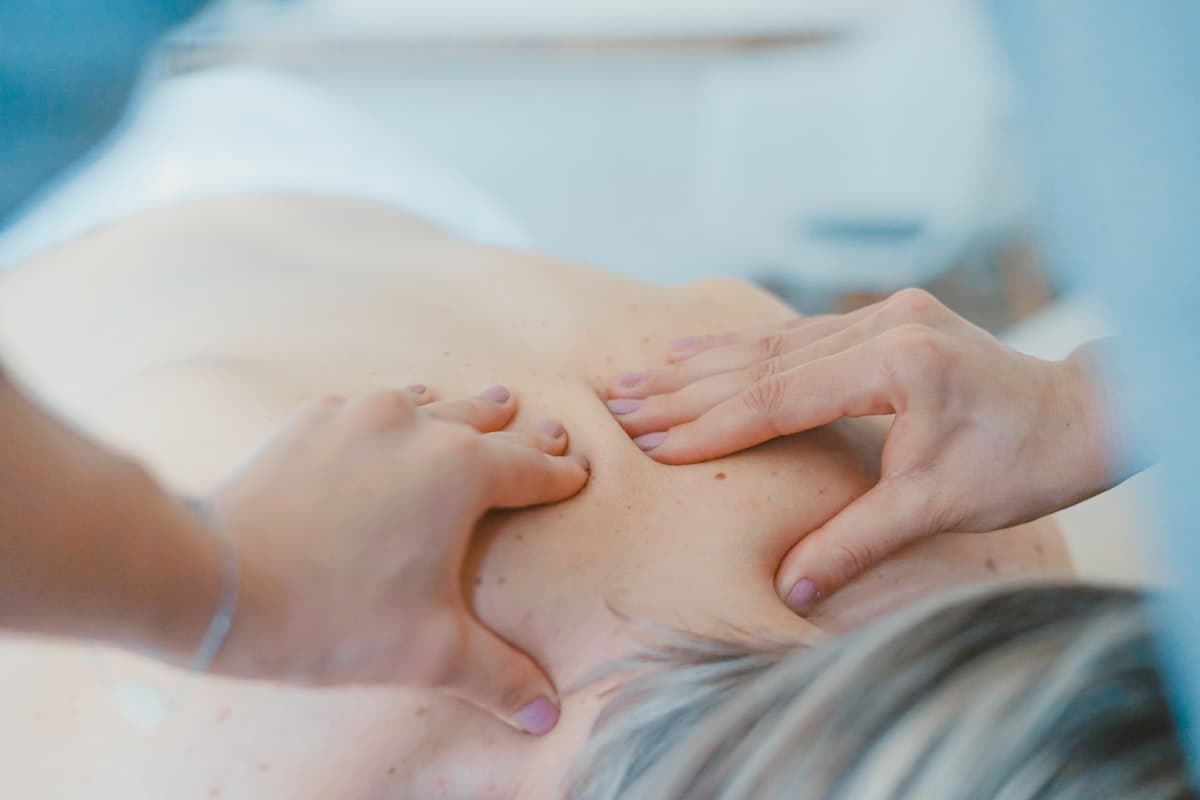
Salons with high Google Maps ratings. Check recent reviews before you go: quality changes with the therapists.
Nha Trang
| Salon | What to try | Prices | Notes |
|---|---|---|---|
| Mimosa Spa | Massage | from 150,000 VND (~$6) | Trần Phú seafront, budget prices |
| Sen Spa | Therapeutic and relaxing massage | from 250,000 VND (~$10) | Authentic Vietnamese style |
| Manu Spa | From gentle relaxing to sports massage | from 200,000 VND (~$8) | Every technique in one place |
| Blind-masseur "Mockba" | Deep therapeutic massage | from 150,000 VND (~$6) | Blind specialists with a heightened sense of touch |
Our pick for Nha Trang: Sen Spa — for authenticity and consistent quality. Want something unusual? Try the blind-masseur massage at "Mockba." The therapists "read" the body differently, and many people go back only to them. For a full salon review with addresses and prices, see our Nha Trang spa guide.
Ho Chi Minh City
| Salon | Prices (VND) | Prices (~$) | Notes |
|---|---|---|---|
| Ha Spa | 140,000–500,000 | ~$6–20 | Multilingual staff, Vietnamese hair wash |
| Temple Leaf Spa | 150,000–1,250,000 | ~$6–50 | Korean jjimjilbang, city centre |
| Moc Huong Spa | 350,000–1,200,000 | ~$14–48 | Premium class, prenatal treatments |
| Golden Lotus Spa | 210,000–550,000 | ~$8–22 | 4 branches, jjimjilbang since 2006 |
| Flamingo Spa | 180,000–800,000 | ~$7–32 | Thai massage to Thai standards, VIP rooms |
| Saigon Heritage Spa | 280,000–580,000 | ~$11–23 | Good balance of price and quality |
| Mido Luxury Spa | 180,000–800,000 | ~$7–32 | 25 beds, rooms for couples and families |
| Zen Spa | from 200,000 | from ~$8 | Affordable, herbal head massage |
Our pick for Ho Chi Minh City: Ha Spa — for the Vietnamese hair wash with massage (a treatment you won't find in other countries, 20–30 minutes, from 140,000 VND / ~$6). Temple Leaf Spa if you want to try a Korean jjimjilbang. For couples, Mido Luxury Spa with private rooms. More local context in our Ho Chi Minh City guide.
Da Nang
| Salon | What to try | Notes |
|---|---|---|
| Herbal Spa | Herbal Signature, Four Hands, Six Hands | TripAdvisor Travellers' Choice, four branches in Da Nang |
| An Spa Sauna | Deep Vietnamese massage | Natural oils, authentic techniques |
| Koi Spa & Wellness | Thai massage, aromatherapy | Premium class |
| Silk Spa | Hot stones, herbal compresses | Affordable at good quality |
| Oani Spa | Massage, wraps, facials | Consistently high reviews |
Our pick for Da Nang: Herbal Spa — the city's best-known chain, with a TripAdvisor Travellers' Choice award. The Herbal Signature with hot stones and warm herbal pouches costs 630,000 VND (~$24) for 60 minutes, 860,000 VND (~$33) for 90 and 1,150,000 VND (~$44) for 120. All 13 Da Nang spots with addresses, 2026 prices and a map are in our Da Nang spa guide.
Phu Quoc
| Salon | What to try | Notes |
|---|---|---|
| Cocobox Spa | Swedish, Thai, hot stones | High reviews, couples massage |
| Phu Quoc Day Spa | Massage, beauty treatments | Affordable for every budget |
| Galina Mud Bath & Spa | Mud baths + massage | Beachside, therapeutic effect |
| Versailles Mud Bath Spa | Mud, sauna, massage, water park | Top package ~$73 |
| Mango Bay Spa | Eco massage with a sea view | At an eco-resort, natural products |
| La Veranda Spa | Premium treatments | Colonial style, French atmosphere |
Our pick for Phu Quoc: Cocobox Spa — for consistent quality and a range of techniques. For the full wellness day, Galina Mud Bath: mud bath + massage + beach. And Mango Bay Spa at the eco-resort on Ông Lang means a massage with a sunset view over the Gulf of Thailand and locally made coconut oils. Everything about the island is in our full Phu Quoc guide.
Hot springs and mud baths in Vietnam
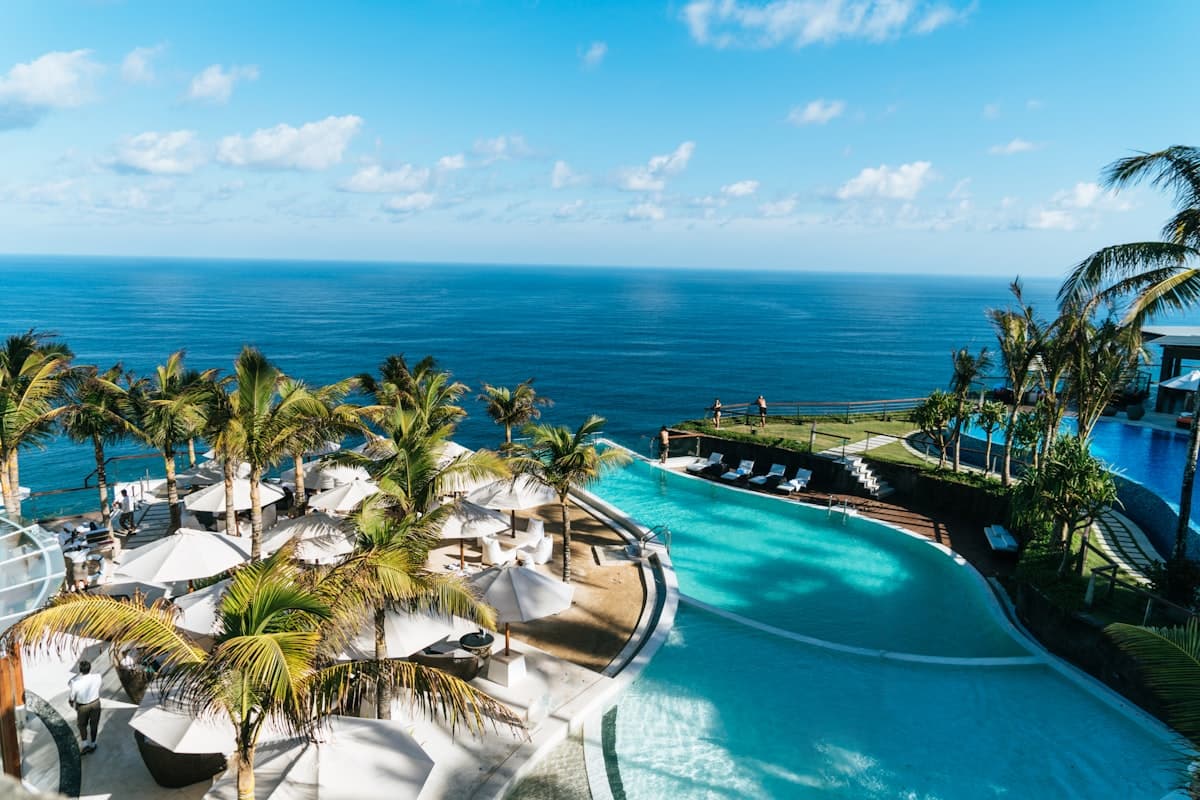
Vietnam has genuine thermal springs. Hot water bubbles up in Nha Trang, Bình Châu and the hills near Hue. The mud baths rank among Nha Trang's main attractions. Mud therapy here isn't a tourist gimmick but a medical tradition with a proven therapeutic effect.
Nha Trang mud baths
Five mud-bath complexes operate around Nha Trang: Tháp Bà and I-Resort 4–5 km north of the centre, 100 Egg 9 km to the south, Galina right in the centre and Hòn Tằm on an island. Here are the three best known. But they aren't all the same — and that's worth knowing before you buy a ticket. Every complex with prices is in our Nha Trang mud baths guide.
| Complex | Year | Price (VND / ~$) | Thermal water? | Notes |
|---|---|---|---|---|
| Tháp Bà | 1999 | 260,000–350,000 / ~$10–13 | Yes | Oldest and most authentic mud bath |
| I-Resort | 2012 | from 120,000 / ~$4.80 (shared bath) | Yes | Modern complex: water park + mud |
| 100 Eggs | 2012 | from 300,000 / ~$12 | No, heated | Theme park, not a real mud bath |
Tháp Bà is the classic pick. Open since 1999 and tested by thousands of visitors. A standard package includes an individual mud bath (15–20 minutes), a mineral pool, a Charcot shower and a herbal bath. The setting is plain and unglamorous — but the therapeutic effect is real. The mineral mud is rich in calcium, magnesium and silicon, good for joint and skin complaints.
I-Resort is the modern alternative for anyone who wants mud therapy with a side of fun. It won a first prize from the Vietnam Association of Architects for its use of natural resources. There are water slides, mineral pools and manicured grounds. Good for families with kids. A shared mud bath is from 120,000 VND (~$4.80), an individual one from 300,000 VND (~$12).
If you compare them, the healing mud at Tháp Bà really is thicker. … Besides, Tháp Bà has paths paved with pebbles for an effective foot massageartxenia, translated by VietnamSpot, forum.awd.ru, 2015
Minera Hot Springs Bình Châu
The Bình Châu hot springs sit in former Bà Rịa-Vũng Tàu province (part of Ho Chi Minh City since 2025), about two hours' drive from Phan Thiet. The natural water runs 40–80 °C. The mud is 100 percent natural, no chemical processing — the complex prides itself on adding nothing to what nature gave.
The Bình Châu mineral mud is rich in trace elements and known for its cleansing properties: detox, exfoliation, better skin in cases of dermatitis and eczema. Unlike the Nha Trang mud baths, Bình Châu is less hyped among foreign tourists — quieter, calmer and more authentic. On weekdays it's all but empty.
Alba Wellness Valley (Hue)
The jewel of Vietnamese wellness. It sits 30 km from Hue, in the Trường Sơn mountains, beside a natural hot spring. This isn't just a spa resort — it's a place where nature and tradition work together.
The headline feature is a Japanese onsen fed by a natural hot spring. It's no imitation: a proper onsen with separate men's and women's baths, a cascade of pools at different temperatures and a Japanese bathing ritual. The steps — from cool to hot water — ease the body in gently and deliver deep relaxation.
| Detail | Value |
|---|---|
| Location | 30 km from Hue, Trường Sơn mountains |
| Room rate | from $79 / night |
| Wellness package (4 nights) | from $1,050 |
| Included in Deluxe | Onsen 30 min/night + reflexology 50 min |
| Free activities | Tai chi, yoga, sunrise breathwork |
At a starting rate of around $79 a night, this is one of the more affordable ways into Vietnam's luxury wellness scene; check the rate for your dates on the resort's site. For anyone after a wellness retreat built around hot springs, Alba Wellness Valley is a strong candidate; yoga and detox programmes elsewhere in the country are compared in our guide to wellness and yoga retreats in Vietnam.
Beer spa
A relatively new format gaining traction in Vietnam. The tub is filled with a warm solution of brewer's yeast, hops and malt. The treatment is said to improve the skin, tone and relax the muscles. It's still limited — check availability in your particular city.
Luxury spa resorts in Vietnam — ranked
For anyone whose budget stretches past a single one-hour massage, Vietnam offers world-class spa resorts. From Vietnam's first "spa inclusive" concept to floating villas over a lotus lake, the standard here rivals Bali or the Maldives — at noticeably lower prices.
The best spa resorts, ranked
| # | Resort | City | from $/night | What's unique |
|---|---|---|---|---|
| 1 | TIA Wellness Resort | Da Nang | $253 | Vietnam's first "spa inclusive" — 2 treatments a night, 80 min in total |
| 2 | Four Seasons Nam Hai | Hoi An | $500+ | "Heart of the Earth Spa," singing bowls, lotus-lake villas |
| 3 | Six Senses Côn Đảo | Côn Đảo | $450+ | Detox retreats, sunrise yoga |
| 4 | Banyan Tree Lăng Cô | Lăng Cô | $300+ | 120-minute "Sense of Place" treatment |
| 5 | Alba Wellness Valley | Hue | $79 | Japanese onsen on a natural spring |
| 6 | Namia River Retreat | Hoi An | $200+ | All-inclusive wellness: 90 min daily programme |
| 7 | The Shells Resort & Spa | Phu Quoc | $150+ | Waves Spa, 17 rooms, 100% natural products |
| 8 | Jiva Hoa Lư Retreat | Ninh Bình | $200+ | UNESCO landscape, herbal baths, family-friendly |
TIA Wellness Resort — two spa treatments a night
The former Fusion Maia, on Mỹ Khê beach in Da Nang. It introduced Vietnam's first spa-inclusive concept back in 2008, as Fusion Maia: every guest gets two spa treatments a night, 80 minutes in total, included in the room rate. You don't pay a single dong extra — you just pick from an extensive wellness menu: traditional massage, hydrotherapy, reflexology, body wraps.
Beyond the spa: an infinity pool with a sea view, a mineral bath, a steam room, free sunrise tai chi and yoga. The Five Dining Room restaurant with pan-Asian cuisine rounds it out.
Over four nights, that's 320 minutes of spa — more than five hours of treatments. Try getting the same in Thailand for the money.
Breakfast isn't tied to a time — eat whenever you like, even at noon. The whole philosophy is built on letting you switch off the schedule and live by your own clock.
Four Seasons Nam Hai — world-class spa
On the beach just north of Hoi An. The "Heart of the Earth Spa" is less a spa zone than a philosophy of wellness. Treatments take place in floating villas over a lotus lake — the space itself sets a meditative tone. Some treatments use singing bowls.
The 120-minute Four Seasons signature treatment is rated among the best in all of Southeast Asia by international travel press. It blends traditional Vietnamese techniques, aromatherapy and sound therapy. Prices are premium; check the current spa menu on the resort's site.
A place for special occasions: a honeymoon (a spa for two on a Vietnam honeymoon is a classic), an anniversary, a reset after burnout.
Which resort to choose
| Trip goal | Recommendation | Why |
|---|---|---|
| Honeymoon | Four Seasons Nam Hai, Six Senses Côn Đảo | Romance, seclusion, premium level |
| Detox / retreat | TIA Wellness Resort, Namia River Retreat | Daily treatments included, wellness focus |
| Family holiday | Jiva Hoa Lư Retreat, Alba Wellness Valley | Family programmes, affordable prices |
| Most spa for the money | TIA Wellness, Alba Wellness Valley | "Spa inclusive" or lowest entry price |
| Island seclusion | Six Senses Côn Đảo, The Shells Phu Quoc | Islands, quiet |
Practical tips
How to pick a spa salon and avoid a bad one
Check the licence. Legitimate salons have a sign, a fixed price list at the door and therapist certificates on the wall. If none of that is there, walk on — however tempting the price.
Read recent reviews. Google Maps and TripAdvisor are your main tools. Filter for reviews in the last six months. A rating below 4.0 is a reason to think twice; above 4.5 is a near-guarantee of good service.
Avoid street masseurs. "Mobile" therapists who offer treatments on the beach or come to your room are almost always uncertified amateurs. At best a mediocre massage, at worst an injury or a theft.
Chain salons are the safest bet. Herbal Spa, Sen Spa, Golden Lotus — salons with several branches, standardised quality and trained staff. You know exactly what you're getting.
Tipping and payment
- Standard tip: 50,000–100,000 VND (~$2–4) handed to the therapist directly, in cash.
- At luxury hotel spas the tip is usually already on the bill — check at reception.
- Most independent salons prefer cash (VND). Cards are accepted with a 1–3 percent surcharge.
- Resort spas at 4–5 star hotels take cards with no surcharge.
- Haggling is fine at small street salons only; chain prices are fixed.
When to go to a spa
Spa in Vietnam runs year-round, but some pairings work best:
- Rainy season (May–October, region-dependent) is the best time for a spa. A tropical downpour lasts an hour or two, then the sun returns. While it's a wall of water outside, you're on the table listening to the rain. Bliss.
- Cool season (November–February) is the best time for hot springs. The gap between the air (22–25 °C) and the hot water (40–60 °C) feels especially good.
- Mornings (9:00–11:00) mean fewer queues and fresher therapists at the start of their day. By evening they tire and quality can slip.
- Over holidays (Tết, the New Year break) book ahead — popular salons fill up.
Useful spa phrases
| Phrase | Vietnamese | Meaning |
|---|---|---|
| Softer (less pressure) | Nhẹ hơn | Go lighter |
| Harder | Mạnh hơn | More pressure |
| That hurts! | Đau quá! | Too painful |
| Feels good | Tốt lắm | Very nice |
| Thank you | Cảm ơn | Thanks |
| How much? | Bao nhiêu tiền? | What's the price? |
Safety
- Don't leave valuables in the changing room — use the safe (most mid-range salons have one) or hand them in at reception.
- Before the treatment, tell the therapist about any injuries, pregnancy or allergies. Gestures or Google Translate will do.
- Drink water after the massage — it helps flush lactic acid from the muscles.
- Don't eat a heavy meal within an hour of the treatment — a massage on a full stomach can turn queasy.
Common tourist mistakes
- Walking into the first salon you see — five minutes on Google Maps saves money and nerves.
- Not confirming the price first — some salons run a "foreigner" rate. Always ask before you start.
- Enduring pain — a Vietnamese massage shouldn't hurt. If it does, the therapist is doing something wrong, or you picked a Thai technique.
- Leaving valuables unattended — even at good salons, keep your things on you or in a safe.
- Forgetting the tip — it's a meaningful part of the therapist's income, and a good tip earns you better service on the next visit.
FAQ — frequently asked questions
- A one-hour massage at simple salonsfrom 100,000 VND~$4
- At five-star spasto 1,500,000 VND~$60
- The country average200,000–400,000 VND~$8–16
Lowest prices are in Nha Trang and Ho Chi Minh City, highest in Hoi An. Book a package of 5–10 sessions and salons knock off 15–20 percent — just ask
Dozens. The most popular: traditional Vietnamese Tam Quat (pressure plus stretch), hot herbal compress chườm sa (lemongrass-and-ginger pouches), aroma massage, hot stones, four-hands, foot reflexology, and the blind-masseur massage — a purely Vietnamese thing. For a first visit, ask for a classic one-hour body massage; it gives you the lay of the land before you try the exotic stuff.
A distinctly Vietnamese tradition: the massage is done by blind therapists. Their heightened sense of touch finds the knots and pressure points a sighted therapist often misses. Especially popular in Nha Trang (the "Mockba" salon on Hung Vuong). From 100,000 VND (~$4). Absolutely worth trying at least once — many call it the best massage of their life. Book ahead, especially in high season.
It depends what you want. Cheapest is Nha Trang (from 100,000 VND / ~$4). Best value is Herbal Spa in Da Nang: its Herbal Signature with warm herbal pouches starts at 630,000 VND (~$24) for 60 minutes. Best luxury is TIA Wellness Resort in Da Nang (two spa treatments per night, 80 minutes in total, included in the room rate). On Phu Quoc, Vinpearl Spa is good — but prices there edge toward Thai levels.
Yes, if you choose salons rated above 4.0 on Google Maps and, ideally, with several branches — that's a near-guarantee of quality. Avoid street masseurs and "mobile" therapists on the beach. Red flag: being asked to pay before the treatment and pushed toward add-ons. A good salon offers a choice of oil and asks about allergies and problem areas.
Three top destinations. Tháp Bà and I-Resort in Nha Trang are real thermal springs with mineral mud, 15 minutes from the centre. Minera Hot Springs Bình Châu between Phan Thiet and Vung Tau has 100 percent natural mud and water at 40–80 °C — hot enough to boil an egg in the spring. Alba Wellness Valley near Hue is a Japanese onsen fed by a natural hot spring, with an atmosphere like Hakone. Phu Quoc also has mud baths — Galina and Versailles.
Not required, but very welcome: 50,000–100,000 VND (~$2–4) handed to the therapist directly, in cash. At luxury hotel spas a tip is usually already included. At simple salons wages are modest and the tip is a real top-up. If you enjoyed the massage, say "cảm ơn" and leave 50–100 thousand — the therapist will remember you.
Most independent salons prefer cash in VND, and paying by card often adds a 1–3 percent surcharge. Spas at 4–5 star hotels take cards with no surcharge. Practical tip: always carry cash — it's cheaper and makes it easier to negotiate a discount when paying for several treatments.
Yes, and it's often cheaper. Through Klook and GetYourGuide, spa packages sell at 10–20 percent off the walk-in price. Especially worth it for luxury spas and hot springs: a fixed rate, free cancellation and a guaranteed slot with no waiting. For the Tháp Bà springs in Nha Trang, book two to three days ahead in high season or expect a queue.
- Guide
Things to Do Near Doc Let Beach 2026: 9 Day Trips
Hon Khoi salt fields, Ba Ho waterfall, Hon Ba mountain, Ninh Van Bay and Nha Trang — distances, transport and 2026 prices in USD.Things to Do Near Doc Let Beach 2026: 9 Day Trips - Guide
Vung Tau Tours from Saigon 2026: Prices and Formats
Vung Tau day trips from Ho Chi Minh City in 2026: city tour, Long Son oysters, Ho Tram, food tours. Real prices in USD, hour-by-hour plans, map.Vung Tau Tours from Saigon 2026: Prices and Formats - Guide
Da Nang Hot Springs: Nui Than Tai & Mud Baths 2026
Hot springs near Da Nang: Nui Than Tai park, Japanese-style onsen and mud baths — tickets, how to get there and which one to pick.Da Nang Hot Springs: Nui Than Tai & Mud Baths 2026