Da Nang beaches: a complete 2026 guide
Thirty kilometres of sand along the South China Sea, from the Son Tra peninsula in the north to the Marble Mountains in the south. My Khe is the most popular; Non Nuoc is the quietest of the city beaches.
A lounger for the whole day is 20,000–50,000 VND (~$0.80–1.90), a surf lesson from about 1,050,000 VND (~$40), and the best swimming season runs March to August, when the water warms to 28–30°C (82–86°F). Below is a detailed breakdown of every beach — prices, facilities, how to get there and when to go.
If Da Nang is your first stop in Vietnam, it is a soft landing: the airport is 6 km from the sea, so you can be on the sand half an hour after touchdown. Every beach here is free. Between beach days there's Hoi An, Hue and the Marble Mountains — round them up in the day trips from Da Nang guide, or ride 30 km south to the beaches around Hoi An, a completely different mood.
Prices current as of March 2026. Rate used: ~26,000 VND = $1. Bring cash — most beach vendors don't take cards; Grab is the easy way to get around.
Which beach to pick — map and overview
Da Nang has six main beach zones, plus wild bays on the Son Tra peninsula (how they compare with the rest of the coast is in our Vietnam beaches guide). My Khe features on Vietnam's official list of the best beaches. The zones differ in facilities, distance from the centre and atmosphere — from the busy, in-town Pham Van Dong to the totally deserted Nam O. Tap a marker for details.
The rule of thumb: the further south of My Khe you go, the quieter it gets. For a first visit, My Khe is the safe pick. For surfing, Non Nuoc. For photos, Nam O between January and March, when the rocks are carpeted in green moss.
For the whole city — districts, transport, what to see — read our complete Da Nang guide.
- My Khe (Mỹ Khê): ~10 km of fine white sand | 6 km — Loungers, showers, cafés | For everyone
- Bac My An (Bắc Mỹ An): ~4 km of white sand | 8–10 km — 5-star resorts, quieter | Couples, luxury
- Non Nuoc (Non Nước): ~5 km of white sand | 12–14 km — Minimal facilities | Surfing, quiet
- Pham Van Dong (Phạm Văn Đồng): ~2 km | 4 km from centre — Volleyball, cafés, slides | Young, lively
- Nam O (Nam Ô): ~1.5 km with rocks | 17 km — No facilities | Photographers, solitude
- Son Tra (Sơn Trà): Wild bays | 10–15 km — Rocky/sandy | Snorkelling, picnics
My Khe — Da Nang's main beach
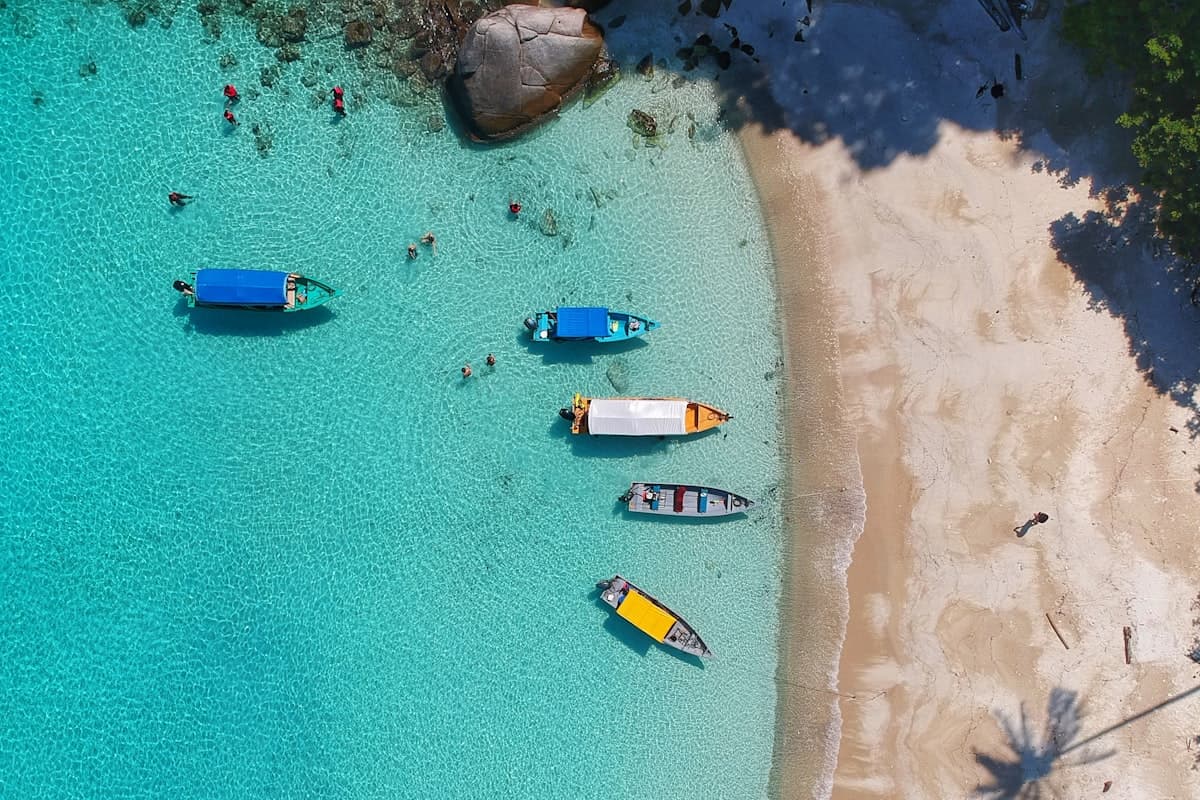
Mỹ Khê is ten kilometres of soft white sand. A gentle slope, turquoise water, loungers and cafés along the shore. It works equally for families with kids, surfers and anyone who just wants to lie down with a book.
…if you like splashing about near the shore with a crowd of locals, where the water is knee-deep. But if you like swimming out to the buoys in clean, clear water with no waves, that is unlikely to happen in Da NangЕлизавета Сосисковна, vc.ru, 2025, translated by VietnamSpot
My Khe runs from the Son Tra peninsula down to the Ngũ Hành Sơn district. The beach is 50–80 metres wide, so even in high season (June to August) there is room to spread out.
Early morning on My Khe is a show in itself. By 5:30 there are already hundreds of locals on the sand — some stretching, some playing badminton, tai chi groups lined up along the waterline. No tourists yet, and the water is like warm milk.
Facilities
| Service | Price (VND) | Price (~USD) |
|---|---|---|
| Lounger + umbrella | 20,000–50,000 | ~$0.80–1.90 |
| Shower | free–5,000 | ~$0–0.20 |
| Toilet | free | $0 |
| Storage locker | 25,000 | ~$1 |
| Coconut | from 30,000 | ~$1.20 |
Lifeguards are on duty 6:00 to 18:00. The flag system: green means safe, red means strong waves, double red means no swimming. Volleyball courts and pull-up bars are free and set every 200–300 metres along the beach.
In the evening the beachfront cafés switch on their lights, move tables onto the sand and start grilling seafood — dinner with a sunset view runs 200,000–400,000 VND (~$8–15) for two.
Getting there
My Khe is 6 km from central Da Nang, about 10–15 minutes by taxi. A Grab ride is roughly 40,000–60,000 VND (~$1.50–2.30). From the airport it's even closer — 4–5 km, about seven minutes. On a rented bike, beach parking is free or costs 5,000–10,000 VND (~$0.20–0.40).



Bac My An — China Beach

Four kilometres of white sand. Bắc Mỹ An sits just south of My Khe and looks like its continuation, with two differences: fewer people, more five-star resorts.
The name "China Beach" is a leftover from the Vietnam War, when American soldiers used it for R&R between operations. Nothing of that era remains today except the name.
The water is a touch cleaner than on My Khe, simply because there are fewer people. The waves are the same: calm in summer, more noticeable in winter. Sandy bottom, no rocks. The slope is gentle but drops off faster — chest-deep after 15–20 metres.
Facilities and resorts
Facilities here are resort-run. In practice every Da Nang beach is public, but loungers and umbrellas cost more than on My Khe. The front-row resorts:
- Furama Resort Danang — one of the oldest five-star resorts, two pools, a spa
- Pullman Danang Beach Resort — modern, with an infinity pool
If you're after a beachfront hotel in Da Nang, Bac My An is the best area for a luxury stay. Rooms at the five-star resorts start from around 3,000,000 VND (~$115) a night.
Getting there
8–10 km from central Da Nang. Grab is 60,000–80,000 VND (~$2.30–3.10), 15–20 minutes.
Fast Track — no queue at the border
5–10 minutes instead of an hour in the immigration queue
from$11per passenger
Non Nuoc — quiet by the Marble Mountains
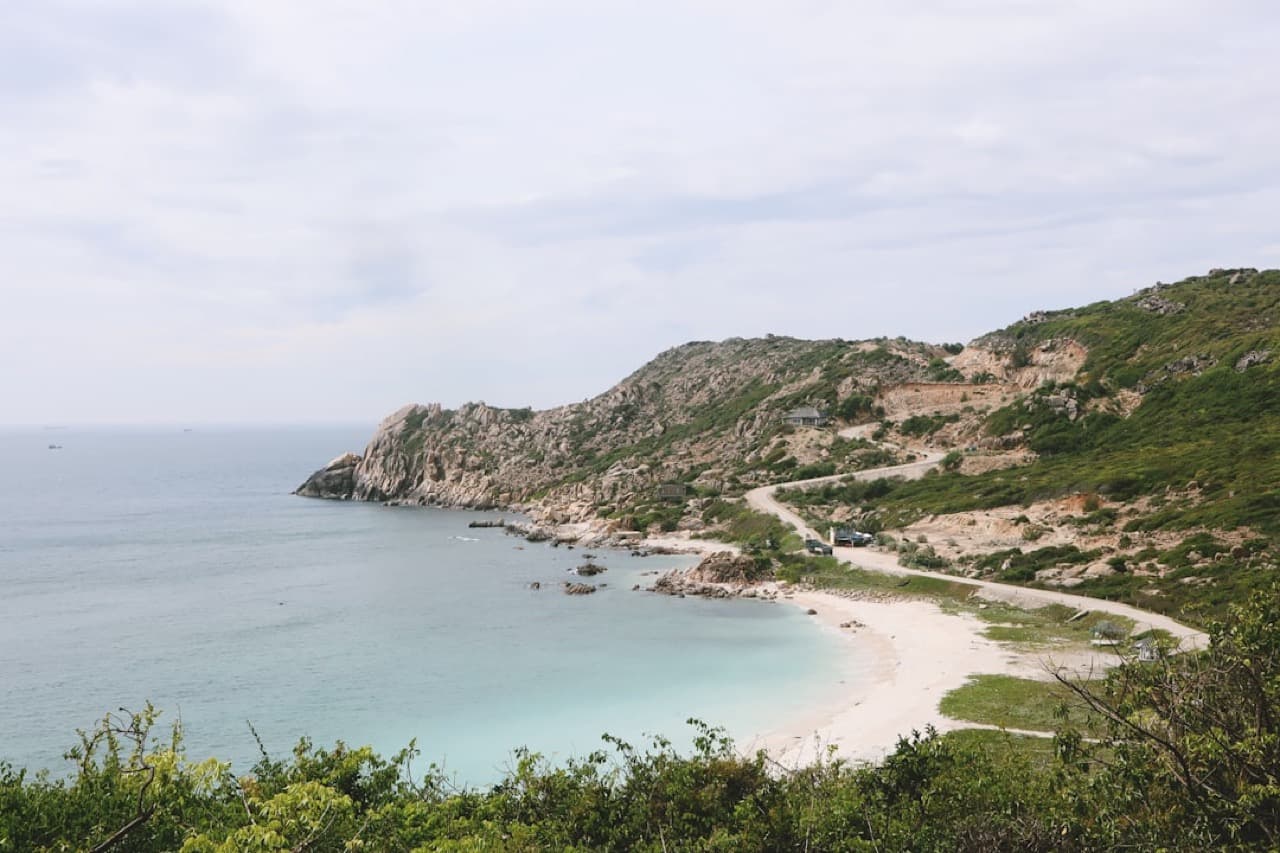
Non Nước is five kilometres of white sand at the foot of the Marble Mountains. The big difference from My Khe: far fewer people. Sometimes you have a whole kilometre to yourself.
The sand here is the whitest and finest on the entire coast. Clear water, even bottom, gentle entry. For families with toddlers it is arguably safer than My Khe — no volleyball courts, no jet skis.
Facilities
- Loungers are 20,000–30,000 VND (~$0.80–1.20), but only found at a few hotels
- Few showers and toilets — use the ones at the resorts
- No lifeguards along most of the shore — only near the resorts
- Cafés right on the sand — one or two spots
- A good surf break — steeper bottom profile, faster waves in winter
Getting there
12–14 km from central Da Nang. Taxi is 80,000–100,000 VND (~$3.10–3.80), 20–25 minutes. On the way back it's worth stopping at the Marble Mountains (Ngũ Hành Sơn). There's an entry fee. Inside: cave pagodas, viewpoints and marble-carving workshops. The most striking is Huyền Không cave, where at midday a shaft of sunlight breaks through a hole in the ceiling and lights up a Buddha statue.
Pham Van Dong — the city beach with a Son Tra view
The most "urban" beach — just 4 km from the centre. Phạm Văn Đồng is two kilometres of sand, volleyball nets, kids' slides and a dozen cafés right on the shore.
The view from here is one of the best in the city: the Son Tra peninsula with the silhouette of the Lady Buddha statue (Linh Ứng) on the horizon. At night the Dragon Bridge lights up, and on weekend evenings it breathes fire — visible straight from the beach.
| Service | Price (VND) | Price (~USD) |
|---|---|---|
| Lounger + umbrella | 20,000 | ~$0.80 |
| Volleyball court | free | — |
| Water slides (kids) | free | — |
| Shower & toilet | free | — |
| Café — seafood dish | from 80,000 | from ~$3.10 |
Municipal crews clean the beach every morning — the sand is spotless by 7:00. Along the promenade there's bike rental, ice-cream kiosks and fresh sugarcane juice (10,000 VND / ~$0.40 a glass).
From the centre it's 10 minutes by bike, or about 50 minutes on foot along the Han river promenade. Grab is 25,000–35,000 VND (~$1–1.30).
Nam O — the wild beach and green moss
17 km north of the centre and you land in a completely different world. Nam Ô is a wild beach of black volcanic rocks coated in bright green moss. From January to March the moss is at its most photogenic: the rocks turn into emerald cushions against the turquoise sea.
Zero infrastructure. No loungers, no cafés, no lifeguards. But right next door is a real fishing village with round thúng chai basket boats and seafood straight off the deck.
The beach has two halves: a sandy stretch for swimming (rocky bottom, so bring water shoes) and a rocky stretch for photos. Between them is the village with local eateries grilling fish for 100,000–150,000 VND (~$3.80–6).
Who it suits: photographers (moss + rocks = a ready shot), solitude seekers and anyone tired of "civilised" beaches. Not the best choice for families with small children.
Getting there: bike or taxi only. Grab is 100,000–120,000 VND (~$3.80–4.60), 25–30 minutes from the centre.
The Son Tra peninsula beaches — bays for snorkelling
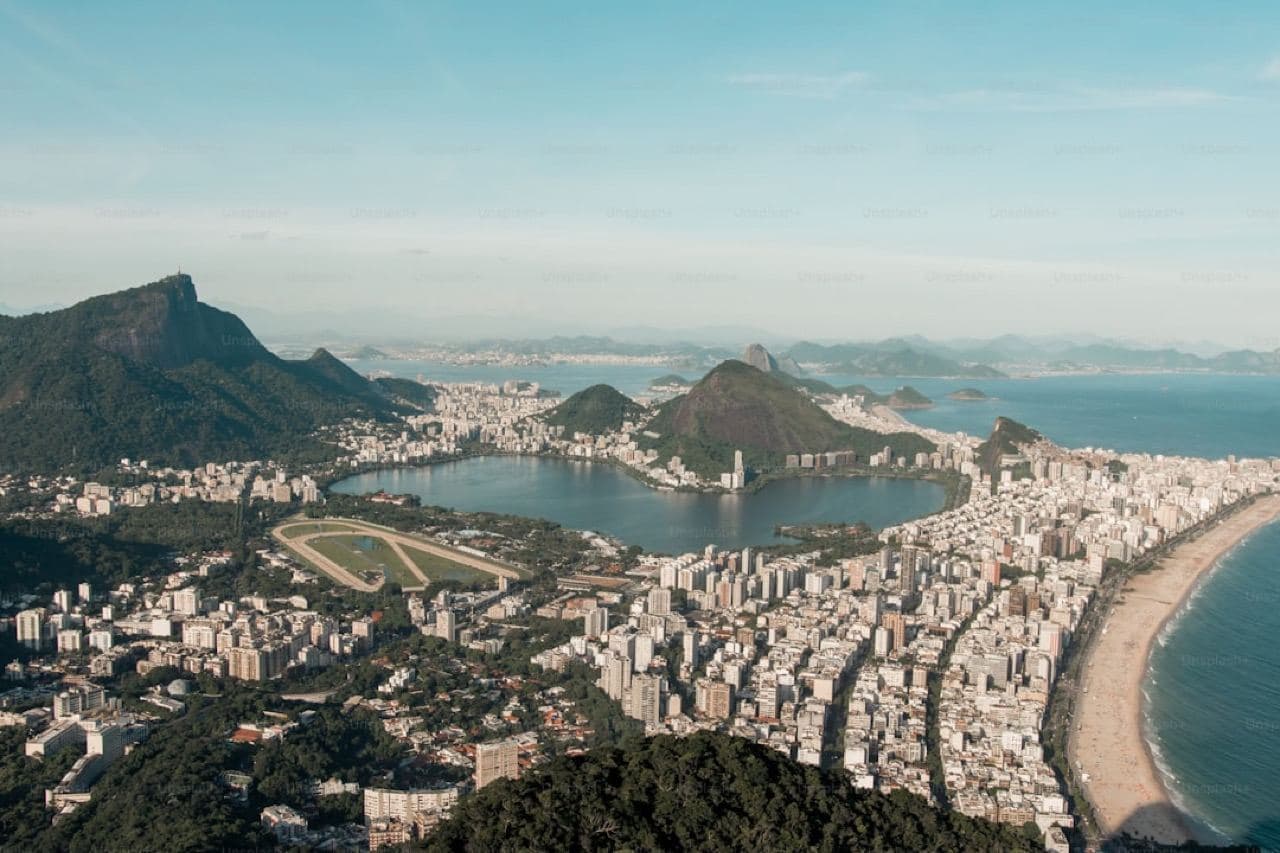
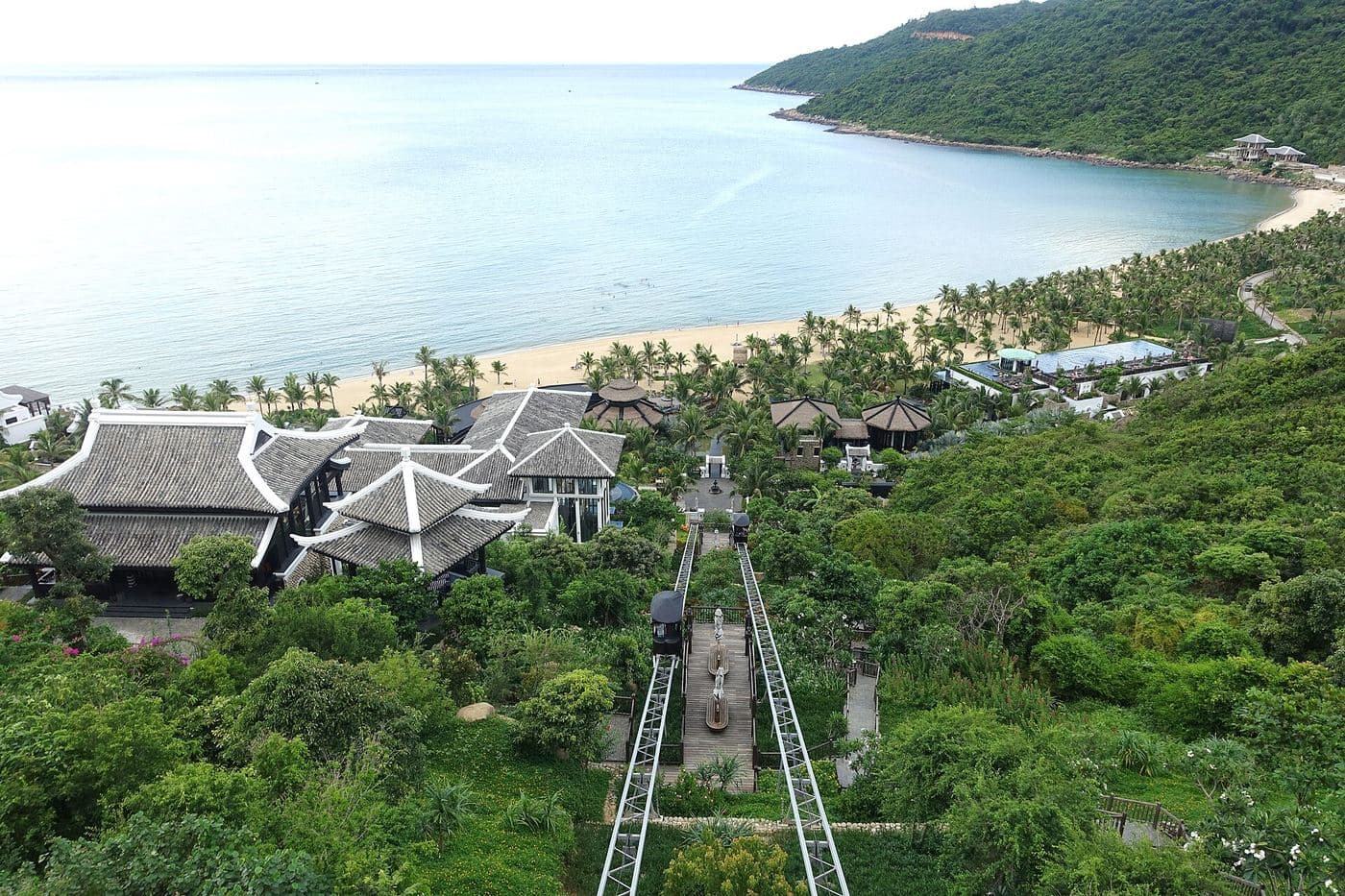
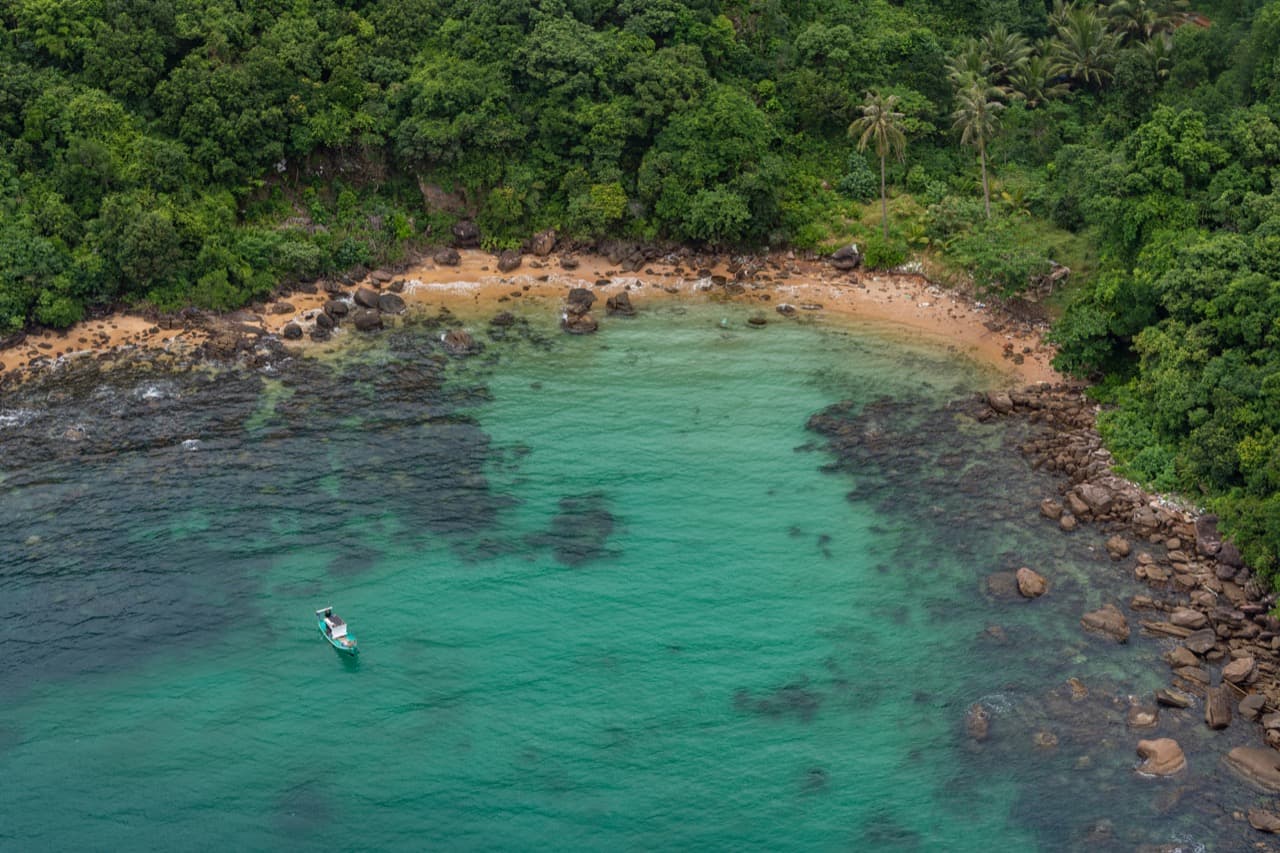
The Sơn Trà peninsula (Monkey Mountain) is jungle, red-shanked douc langurs, hidden bays of clear water and one of the prettiest coastal roads in Vietnam. The beaches are small, partly rocky, and mostly wild.
The Son Tra bays are shielded from the open sea by the peninsula, so the water stays calmer even in winter. Snorkelling is a year-round thing here — the coral starts a few metres from shore.
Tien Sa, Bai But, Bai Nam
Tiên Sa — the bay closest to the port. White sand, calm water. There's parking and a few drink stalls. Along with Bai But, it's one of the few Son Tra beaches with facilities.
Bãi Bụt — a rocky bay, excellent for snorkelling. Coral sits 5–10 metres from shore — clownfish, sea urchins, reef fish. A popular spot for wedding shoots.
Bãi Nam — the smallest, most secluded bay. The road is an adventure in itself: a narrow trail through the jungle. The water is aquarium-clear, 5–7 metres of visibility.
What to bring to Son Tra
- Mask and snorkel — safest to buy in town: from 200,000 VND (~$8)
- Water and snacks — there are cafés at Tien Sa and Bai But, but nothing in the wild bays
- Water shoes — useful on the rocky beaches
- Sunscreen — there is little shade
On the way to the bays, stop at the viewpoint and the Lady Buddha statue (Linh Ứng) — a 67-metre white figure visible from anywhere in the city. Entry is free, parking 5,000 VND (~$0.20).
Getting there: 10–15 km from the centre, bike or taxi only on the winding road. Monkeys sometimes wander onto the road — don't feed them and don't leave food in sight.
When to go — the beach season in Da Nang
The beach season is March to August: calm sea, water 25–30°C (77–86°F), little rain. The peak is June and July — water 29–30°C, sun 8–10 hours a day. For a full climate breakdown, see our Da Nang weather month by month.
…October: you can come to Da Nang for 2-3 days at most, just to get acquainted with the local sights… In October you need to head further south: Nha Trang, Mui Ne, Phu Quoc, Vung Tauoleg1051, Vinsky Forum, 2018, translated by VietnamSpot
| Month | Day / water °C | Verdict |
|---|---|---|
| Jan | 25 / 24 | Cool sea, 1–2 m surf — good for surfing, not swimming |
| Feb | 26 / 24 | Waves ease, water still cool. Sunbathing yes, swimming so-so |
| Mar | 29 / 25 | Season starts — calm sea, warming water, almost no rain |
| Apr | 31 / 26 | Best month — no waves, fewer tourists than summer |
| May | 34 / 28 | Great for My Khe and Non Nuoc. Pack SPF 50 |
| Jun | 35 / 29 | Peak season — swimming, SUP, kayaking on a calm sea |
| Jul | 35 / 30 | Hottest month — swim early and after 16:00 |
| Aug | 34 / 30 | Water like a bath. Short afternoon showers possible |
| Sep | 32 / 29 | Monsoon begins — rougher sea, red flags |
| Oct | 30 / 28 | Typhoon risk, strong currents. Swimming often banned |
| Nov | 28 / 27 | Peak storms; 1.5–2 m on My Khe, for experienced surfers |
| Dec | 25 / 25 | Cool and wet. Beach hotels up to 50% off |
Three seasons in short:
- March–August — swimming, sunbathing, calm sea
- November–March — surfing, 1–2 m waves, water 22–24°C
- September–November — typhoons, strong currents, swimming is dangerous
Surfing and water sports in Da Nang
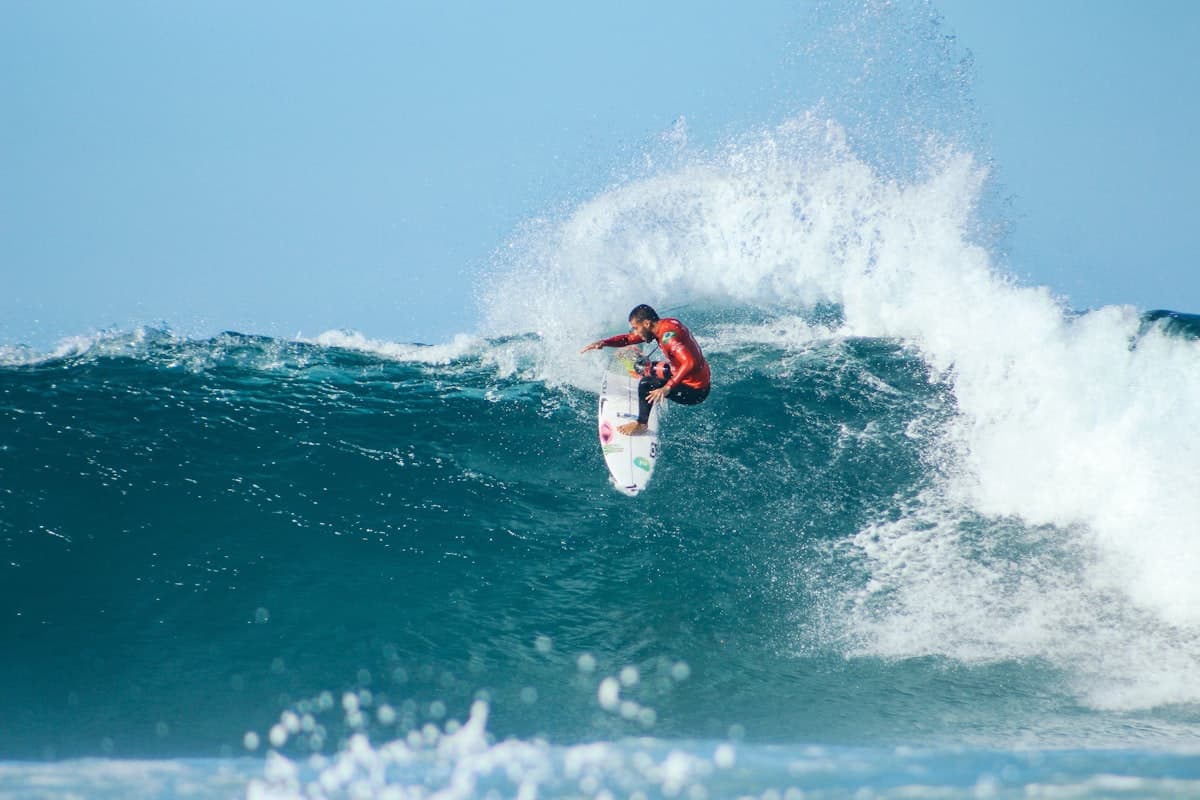
Da Nang is Vietnam's unofficial surf capital. The winter monsoon from November to March pushes steady 1–2 metre waves over a sandy bottom without reefs or rocks. Beginners start at My Khe; Non Nuoc is for confident surfers. In summer the sea is a lake — SUP and kayaking weather.
Spots and schools
T20 (My Khe) — the most popular spot. Sandy bottom, steady wind, 1–1.5 metre waves in season. The plus: you can paddle out straight from the beach. The minus: 20–30 surfers in the water at peak.
Non Nuoc — for those already steady on the board. Faster, more powerful waves. The line-up is nearly empty — five surfers max even on the best days.
Surf schools operate in season (November to March):
- Da Nang Surf School — 90-minute lesson: board, leash, wetsuit, English-speaking instructor
- Private lessons — from $65–95 a session
- 3-day beginner course — from $145
Beyond surfing:
- Kitesurfing — November to February, wind 15–25 knots, schools near Bắc Mỹ An
- SUP — year-round, rental from 200,000 VND/hour (~$8)
- Beach yoga — at sunrise on My Khe; many hotels run free sessions
Surfing and water-sports prices
| Activity | Price (VND) | Price (~USD) |
|---|---|---|
| Surf lesson (90 min) | ~1,050,000 | ~$40 |
| Private lesson | 1,750,000–2,500,000 | ~$65–95 |
| 3-day course | ~3,750,000 | ~$145 |
| Surfboard rental / day | 200,000–500,000 | ~$8–19 |
| Wetsuit rental / day | 100,000–200,000 | ~$3.80–8 |
| SUP (1 hour) | from 200,000 | from ~$8 |
| Kayaking (1 hour) | from 150,000 | from ~$6 |
Surfing here is two to three times cheaper than Bali, and the line-ups are empty. Da Nang is one of Southeast Asia's rising surf destinations.
Safety on Da Nang beaches
My Khe and Pham Van Dong have lifeguards from 6:00 to 18:00. The flag system: green means safe, yellow means caution, red means strong waves, double red means no swimming.
When we came in the off-season, we swam carefully, waist-deep near the shore, because every fifty metres was marked with red flags meaning that swimming was prohibited thereRoom Number blog, translated by VietnamSpot
Rip currents
The main hazard, especially September to March. A rip current is a narrow flow running from the beach out to sea. It can drag you 50–100 metres in a couple of minutes.
How to spot one: a band of murky water running perpendicular to the shore, a gap without waves among the waves, foam or debris moving away from the beach.
Typhoons
September to November is typhoon season. Waves can reach 3–5 metres and swimming is banned on every beach. Watch the forecasts: the Windy app shows typhoons 5–7 days out.
Wild beaches
Nam O, the Son Tra bays and the far stretches of Non Nuoc have no lifeguards. Medical help is only in the city, 15–30 minutes away by car.
General rules:
- Don't swim past the buoys (where there are any)
- Don't swim alone on wild beaches
- Don't drink alcohol before swimming
- Wear water shoes on rocky beaches — sea urchins and sharp rocks
Beachfront hotels — where to stay by the sea
Seaside hotels line three beaches: My Khe, Bac My An and Non Nuoc. From hostels at 300,000 VND (~$12) to five-star resorts.
The beach sets the type of stay:
- My Khe — the widest choice: hostels, 3–4-star hotels, apartments. Close to the centre. Busier.
- Bac My An — the luxury tier: Furama, Pullman. Quieter, pricier.
- Non Nuoc — a few pricey resorts off on their own: Melia, Hyatt. Maximum quiet.
| Hotel | Stars | Beach | Highlight | From (night) |
|---|---|---|---|---|
| Furama Resort | 5★ | Bac My An | Two pools, spa | ~$145 |
| Pullman Danang | 5★ | Bac My An | Infinity pool | ~$130 |
| Hyatt Regency | 5★ | Non Nuoc | Water park, family | ~$165 |
| Melia Danang | 5★ | Non Nuoc | Quiet, beachfront | ~$155 |
| Mandila Beach | 4★ | My Khe | Value / location | ~$60 |
Every beach is public, even with a front-row hotel. A budget option is an Airbnb studio in the My Khe area for 800,000–1,200,000 VND (~$31–46) a night, 5–10 minutes' walk from the sand.
Hotel and food prices are in our separate Da Nang hotels guide. For getting around, see the Da Nang transport guide.
Getting to the Da Nang beaches
Da Nang airport (DAD) is one of the closest to the sea in Vietnam. My Khe is 4–6 km away, 10 minutes by Grab. Land, and you can be on the sand within the quarter hour.
| Beach | Distance | Grab / taxi | Time |
|---|---|---|---|
| Pham Van Dong | 4 km | ~$1–1.30 | 10 min |
| My Khe | 6 km | ~$1.50–2.30 | 10–15 min |
| Bac My An | 8–10 km | ~$2.30–3.10 | 15–20 min |
| Non Nuoc | 12–14 km | ~$3.10–3.80 | 20–25 min |
| Nam O | 17 km | ~$3.80–4.60 | 25–30 min |
| Son Tra (bays) | 10–15 km | ~$3.10–4.60 | 20–30 min |
Transport
Grab is the easiest option — the app works in English and you pay cash or by linked card, no haggling. A GrabCar is a bit pricier but air-conditioned; a GrabBike is two to three times cheaper, for one passenger without luggage.
Rented bike — from 150,000 VND/day (~$6). The best way to hit every beach in a day. You need an International Driving Permit (IDP) under the 1968 Convention together with your national licence for category A1. Under Decree 168/2024 the fine for riding a bike up to 125 cc without a valid licence is 2,000,000–4,000,000 VND (~$80–150), and riding without one can void travel insurance if you crash.
Bicycle — from 50,000 VND/day (~$1.90). Good for the closer beaches. Pham Van Dong to Non Nuoc is 15 km along a promenade with a bike lane.
Bus — the cheapest option, with city routes along the coast. Check the route number and fare at the stop. Bring small notes; drivers rarely have change.
FAQ — common questions about Da Nang beaches
For most people, My Khe: ten kilometres of white sand, lifeguards, loungers for about $1, a gentle entry. Want quiet? Non Nuoc. Luxury? Bac My An. Snorkelling? The Son Tra bays.
Da Nang sits on the South China Sea (Vietnamese call it the East Sea, Biển Đông). The water is salty and clean; jellyfish are rare on the main beaches. Summer 28–30°C, winter 22–24°C. Calm in summer, waves up to 2 metres in winter.
You can, with caveats. Water at 22–24°C feels cool to many, especially in the wind. The main issue is the waves: the winter monsoon lifts the sea and red flags go up often. In winter Da Nang is more for surfing. Reliably warm water runs April to August.
Yes, almost all of them. My Khe, Bac My An and Non Nuoc are fine white to pale-yellow sand that doesn't scorch your feet even at midday. The exceptions are Nam O (dark mossy rocks) and the Son Tra bays (rocky bottom). The whitest sand is at Non Nuoc by the Marble Mountains.
20,000–50,000 VND (~$0.80–1.90) for the whole day, umbrella usually included. Cheapest are the municipal loungers on My Khe and Pham Van Dong (20,000 VND). Hotels charge more (50,000+ VND). Non Nuoc has few loungers. Nam O and Son Tra have none — bring a towel. Cash only.
T20 on My Khe for beginners and intermediates (sandy bottom, 1–1.5 m waves), Non Nuoc for confident surfers (steeper profile, faster waves). The season is November to March, best swell in December and January. A lesson at Da Nang Surf School is from 1,050,000 VND (~$40) for 90 minutes.
Non Nuoc — inside the city but with the fewest people. Nam O — 17 km for near-total solitude and the moss-covered rocks. The Son Tra bays — the tropics with barely any facilities; cafés only at Tien Sa and Bai But.
In summer (March to August) yes — calm sea, lifeguards on My Khe and Pham Van Dong. Winter carries more risk: rip currents and waves. September to November is typhoon season, when swimming is often banned. Wild beaches have no lifeguards year-round. The key thing: watch the flags — red means stay out.
- Guide
Where to Stay in Da Nang 2026: Neighbourhoods Guide
Da Nang neighbourhoods: My Khe, An Thuong, Son Tra, Hai Chau and the centre — where nomads, expats and families live, plus renting long-term.Where to Stay in Da Nang 2026: Neighbourhoods Guide - Guide
Da Nang Spa Guide 2026: Prices, Map and 13 Best Spas
Da Nang spas from $10 an hour to Furama and TIA: 13 places with addresses, 2026 prices in VND and USD, massage types, tipping and a map.Da Nang Spa Guide 2026: Prices, Map and 13 Best Spas - Guide
Da Nang Attractions 2026: Top Things to See
Da Nang attractions: Ba Na Hills and the Golden Bridge, Marble Mountains, Dragon Bridge, Son Tra and the Hai Van Pass, with prices and itineraries.Da Nang Attractions 2026: Top Things to See