Weather in Mui Ne month by month: when to go (2026)
Short answer: the dry season runs November to April — sunny, hot (24–32°C / 75–90°F) and almost rainless. For the beach and swimming, aim for March–April; for kitesurfing, come November to March, when the steady north-east wind blows 15–25+ knots. The short wet season (May–October) brings brief afternoon showers but stays fairly sunny and green.
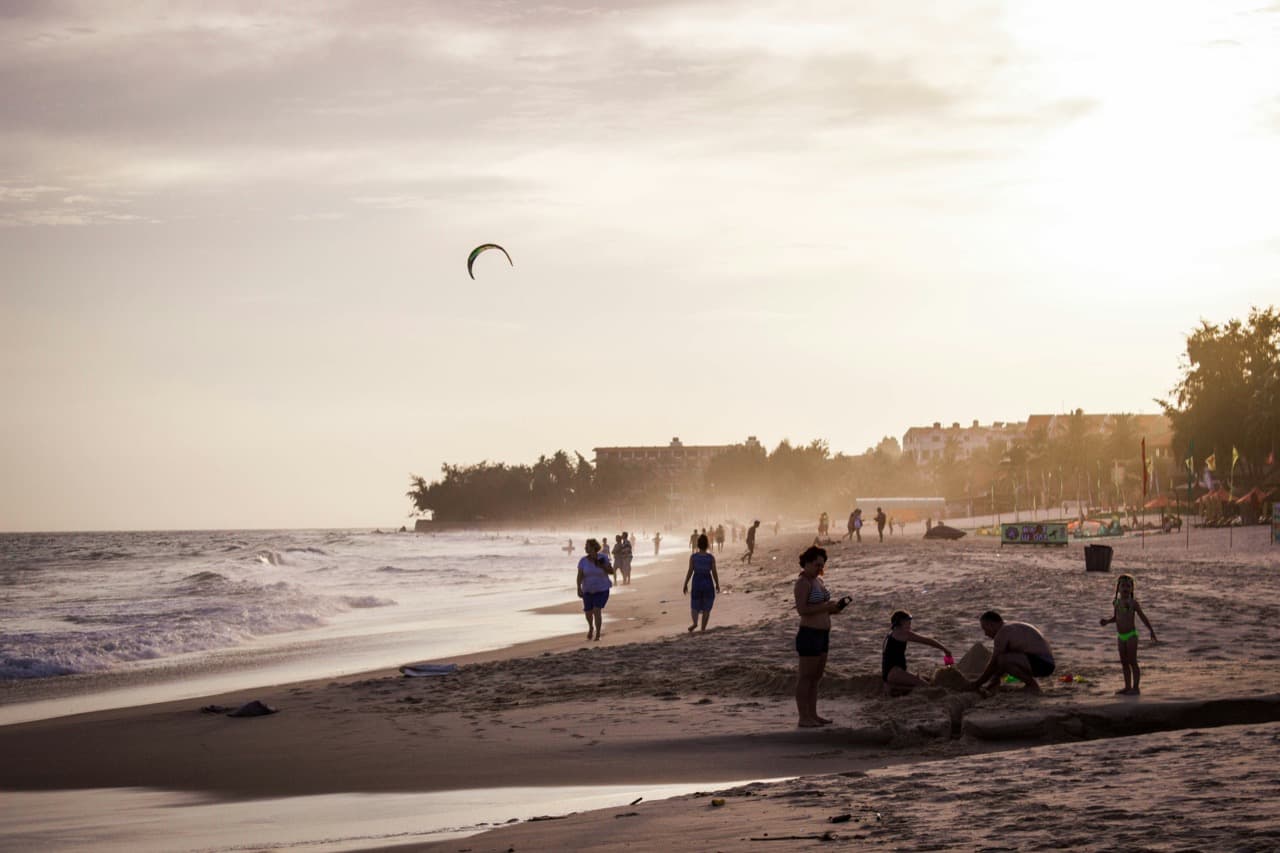
Mũi Né was once a fishing village in Bình Thuận province. Today it is the resort with the driest, sunniest climate in all of Vietnam — semi-arid, with red sand dunes right by the sea. There is no cold season, and even in the wet months the rain comes in short afternoon bursts.
When should you visit Mui Ne? For sun and beach, come November to April, ideally March–April, when the wind drops and the sea calms down. For kitesurfing, come November to March, at the height of the north-east monsoon. May to October is cheaper and greener, but brings a short shower most afternoons.
Below is a full 2026 weather table for Mui Ne: air and sea temperatures, rainfall, rainy days, wind and a tip for every month. Prices are in Vietnamese dong (VND) with a rough US-dollar reference — figure on about 26,000₫ to $1.
Sources: weather-and-climate.com, climate-data.org, Vietnam's NCHMF. Updated July 2026.
Why Mui Ne is drier than other resorts

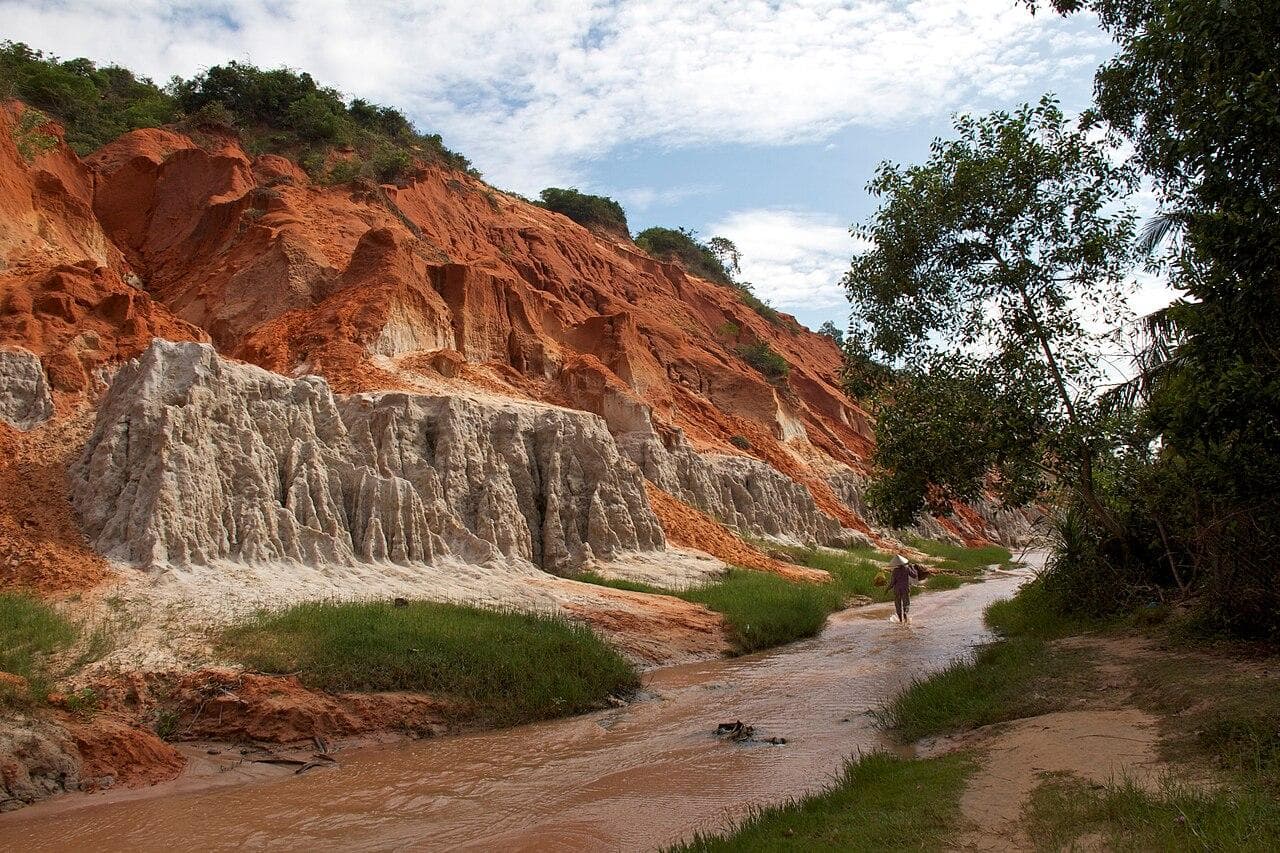
Mui Ne sits on Vietnam's south-east coast, in the former Bình Thuận province (part of Lâm Đồng since 2025) — the country's driest area. The climate is semi-arid tropical monsoon, with two clear seasons: a dry one (November to April) and a short wet one (May to October). This is not the heavy monsoon of the north: even in the rains, Mui Ne stays fairly sunny.
Why so dry? Around 1,000 mm of rain falls a year, and nearly all of it lands between May and October.
For comparison, Nha Trang gets around 1,300 mm and Ho Chi Minh City about 1,800 mm. That is low by Vietnamese standards, and the rain is packed into half the year in short bursts.
Average humidity across the year is 79%. It drops to 74% in January and climbs to 84% in August. By tropical standards that is mild — the suffocating stickiness of Ho Chi Minh City or Bangkok is rare here.
And then there is the constant wind. Mui Ne faces the open sea, and the north-east monsoon sweeps it from roughly November to March (sometimes into April). This is exactly what made Mui Ne the country's kite capital — details in the wind and kitesurfing section.
Mui Ne vs Phan Thiet
Mui Ne and Phan Thiet (Phan Thiết) are just 22 km apart. The tourist strip runs along the road between them: 10 km of hotels, restaurants and kite schools. The climate is nearly identical, but Mui Ne sits on the exposed shore and is noticeably windier.
Phan Thiet is larger — a proper city. It is more built up and greener, with slightly higher humidity. Want a calm beach without a gusty wind? Book closer to Phan Thiet. Coming to kite? Then Mui Ne. There is a separate full guide to Phan Thiet, and a broader look at the resort in the complete Mui Ne guide.
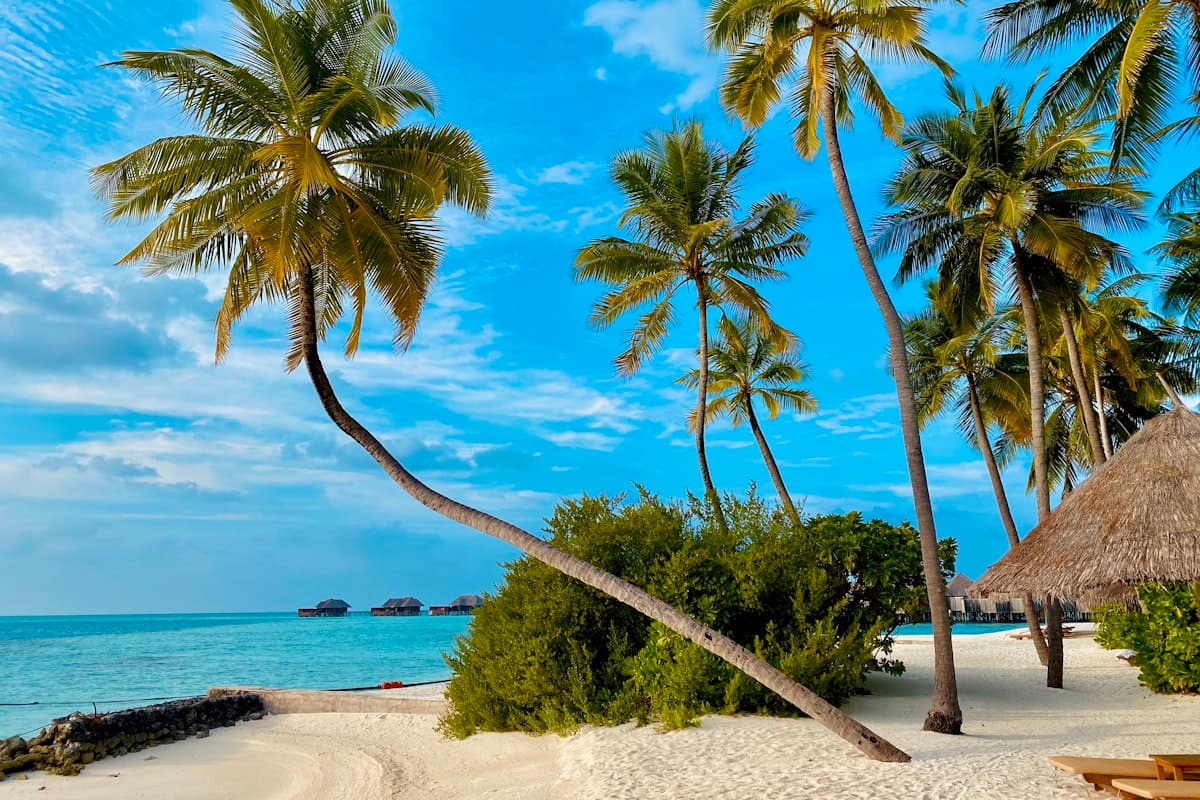


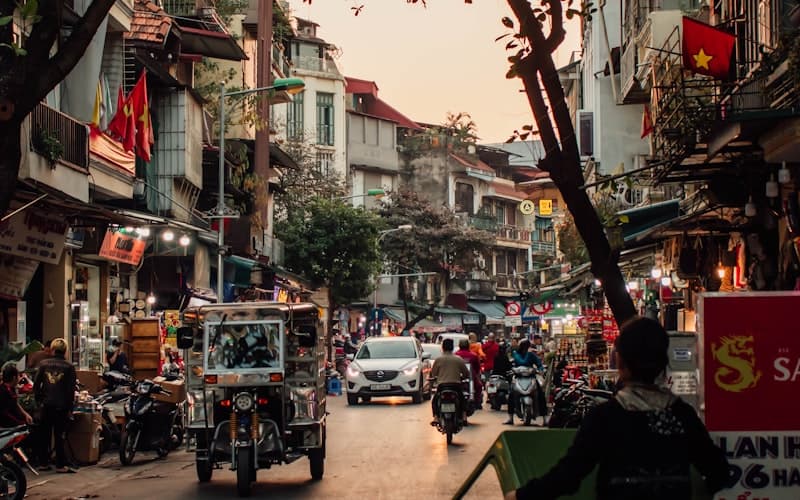

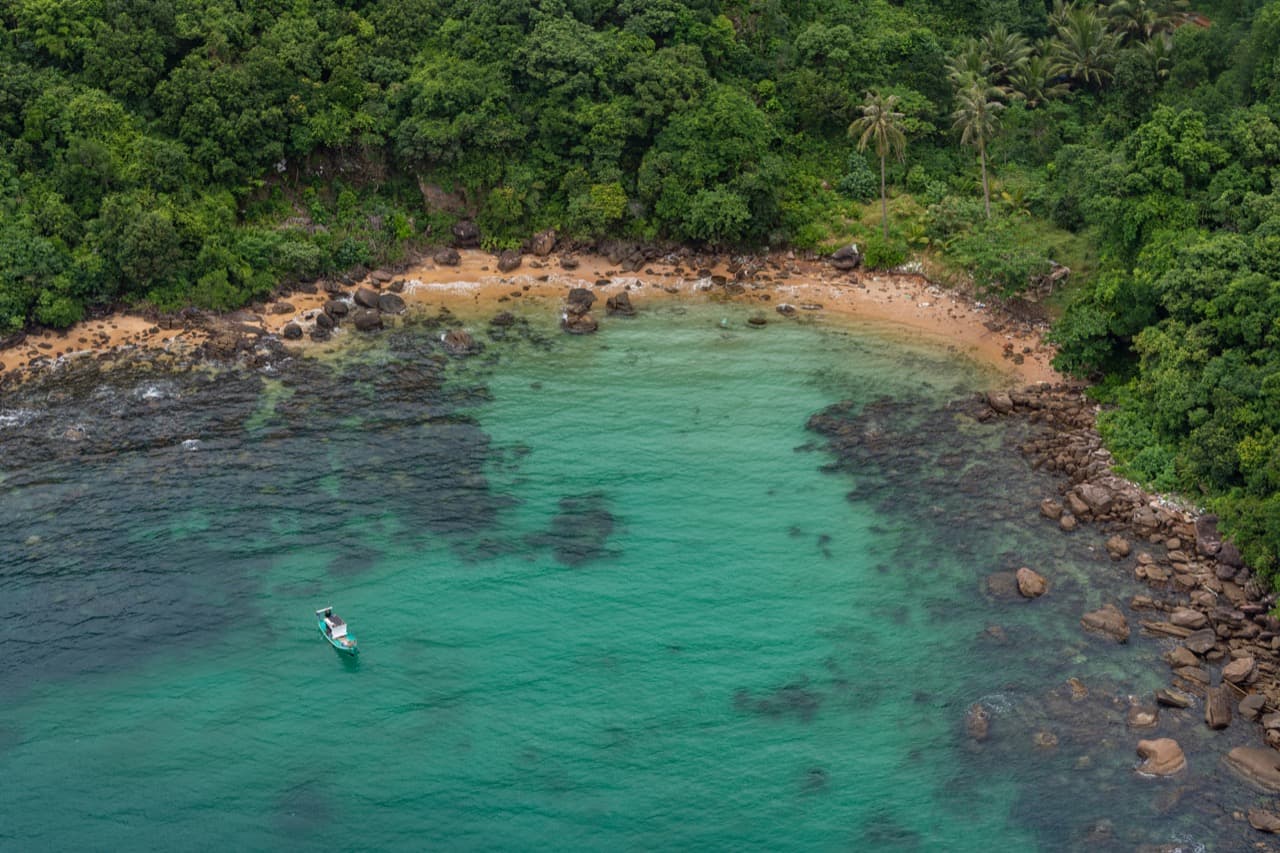
Mui Ne weather month by month in 2026
Weather in Mui Ne month by month
colour depth — rainfall per month
October
Rainyrainfall 255 mm · rainy days 19The worst of it: 255 mm across 19 rainy days. Murky water and currents. Prices at their minimum.
| Month | Day | Sea | Rain | Rainy days | Verdict |
|---|---|---|---|---|---|
| January | 31°C | 25°C | 2 mm | 1 | Ideal — peak wind, top kite month |
| February | 32°C | 25°C | 2 mm | 0 | Ideal — zero rainy days, book ahead |
| March | 33°C | 27°C | 10 mm | 1 | Ideal — dry, calmer, 10–20% cheaper |
| April | 34°C | 28°C | 25 mm | 3 | Good — hottest, warm calm sea |
| May | 34°C | 29°C | 100 mm | 8 | Mixed — warmest water, evening rain |
| June | 33°C | 28°C | 143 mm | 16 | Mixed — sunny mornings, cheap hotels |
| July | 33°C | 28°C | 183 mm | 14 | Rainy — wettest summer month |
| August | 32°C | 28°C | 160 mm | 10 | Mixed — lowest prices of the year |
| September | 32°C | 28°C | 180 mm | 13 | Rainy — good surf swells build |
| October | 32°C | 28°C | 255 mm | 19 | Rainy — wettest month, murky sea |
| November | 32°C | 27°C | 80 mm | 7 | Good — rain fades, wind builds |
| December | 31°C | 27°C | 10 mm | 2 | Good — high season starts, windy |
The extremes: zero rainy days in February, 255 mm and 19 rainy days in October. The sea never drops below 25°C even in winter, so you can swim all 12 months. Daytime highs swing just three degrees across the year: 31°C in December–January, 34°C in April–May.
Dry season in Mui Ne — November to April
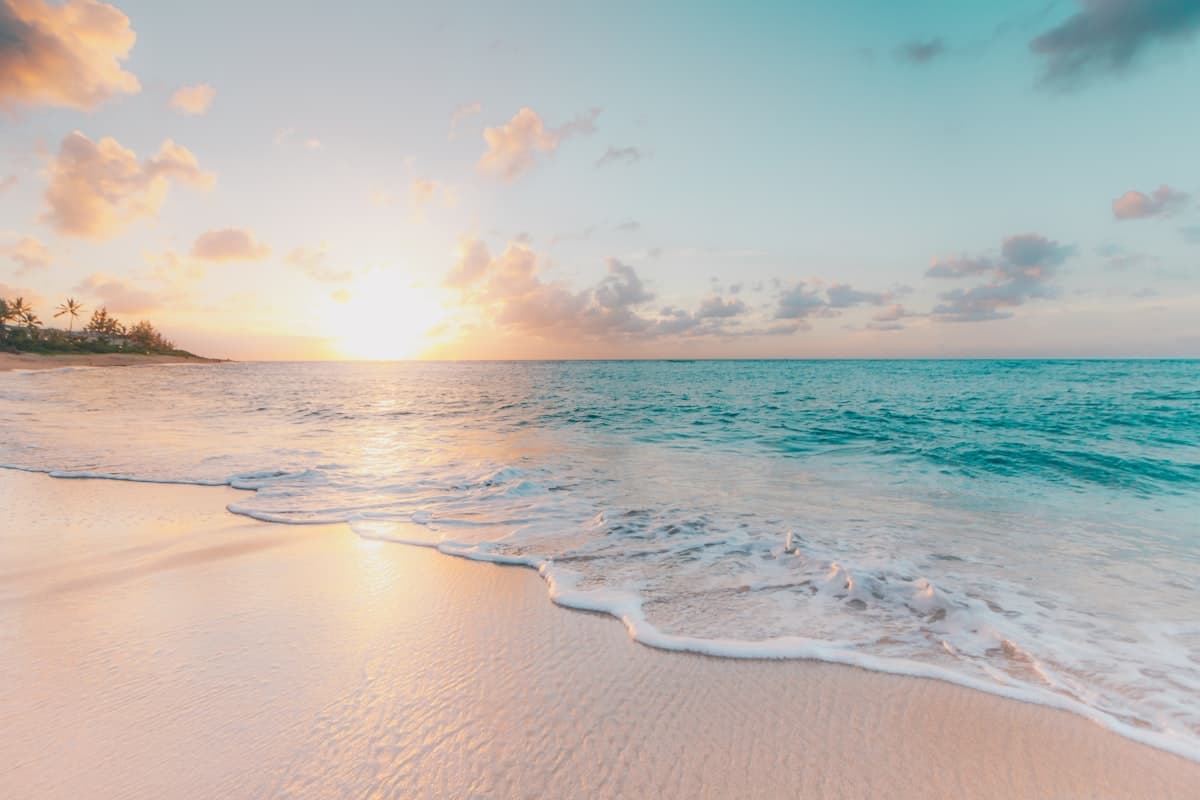
Half a year almost without rain. The whole dry season delivers around 130 mm of rainfall — less than a single wet week in many tropical cities. Air is 31–34°C (88–93°F), the sea 25–28°C (77–82°F). The sky stays clear, with barely a cloud.
But there is a catch: the wind blows the entire time. The steady north-east monsoon from November to April turns Mui Ne into the kitesurfing capital of Southeast Asia. Wind peaks in December–February (18–30 knots), eases by March and nearly dies down in April.
November — the season begins
A transitional month. The rain fades, the wind builds. Days are 32°C, nights 23°C, water 27°C. Rainfall is still around 80 mm over 7 rainy days, but showers are short and clear within the hour.
For budget travellers November is gold. Prices have not yet jumped after the wet season: a room in a 4-star hotel runs about 1.3–1.6 million VND a night (~$50–65). By mid-December the same room costs 40% more. Kitesurfers are already arriving — the wind is steady from mid-month.
December — the high season starts
Days at 31°C, nights at 22°C, water at 27°C. Rain is almost gone: 10 mm for the month across 2 days. The wind season kicks into full gear. Kitesurfers fly in from around the world. Daytime wind runs 18–25 knots with gusts to 35. The sky is cloudless, the air crystal-clear.
In the evening, 22°C in the wind feels like 16–18°C. It catches many people out. A pair of jeans and a light windbreaker won't go amiss. On the beach the wind is noticeable by day too — you'll be weighing umbrellas down with stones.
Prices rise in December: the New Year weeks are the most expensive of the year. Book at least two months ahead, or you'll be left with double-priced leftovers.
January — peak of the winter season
Days at 31°C, nights at 22°C, water at 25°C, rainfall 2 mm (effectively zero). One rainy day for the whole month. The wind is at its strongest all year: paradise for kitesurfers, but sometimes uncomfortable for beach-goers. In gusts the sand "stings" your legs, and that is a real issue on exposed beaches.
The air is clean and visibility runs to the horizon. It is a great time to visit the white and red dunes, Tà Cú mountain with its 49-metre reclining Buddha, or the Cham towers of Tháp Pô Sah Inư. Everything is 30–50 minutes from Phan Thiet. The full list of trips is in our guide to tours from Mui Ne.
Water at 25°C is comfortable swimming for most visitors — warmer than the Mediterranean in early summer, so a winter dip here is easy.
February — the driest month of the year
Days at 32°C, nights at 22°C, water at 25°C. Zero rainy days. Not a single one all month. The wind is still strong (15–25 knots) but starts to ease in the second half of the month.
Peak tourist season: hotels fill up and prices top out.
- 3-star room: from 650,000 VND a night (~$26)
- 4-star: from 1.4 million VND a night (~$56)
- 5-star (Anantara, Sailing Club Resort): from 2.3 million VND a night (~$92)
If you want guaranteed sun with zero chance of rain, February is your month.
March — hot and dry
Days at 33°C, nights at 23°C, water warmed to 27°C. Rainfall 10 mm, one rainy day. The wind drops noticeably: 10–18 knots instead of the winter 20–30. The sea calms and the water turns clear.
Still fully dry, but no longer as gusty as January. Prices fall 10–20% after the February peak. The sun bites harder than in winter, so without SPF 50 you'll burn in half an hour.
April — the last dry month
The hottest month: 34°C by day, 24°C at night, water at 28°C. Rainfall climbs to 25 mm over about three rainy days, but the showers are short and don't spoil the weather. The wind is already light, 5–12 knots. Kitesurfers pack up.
The sea is warm and calm, with almost no waves. Very comfortable swimming with kids. One downside: the heat. If you don't cope well with 34°C at high humidity, choose December or January instead.
The rains start in May, so April closes out the dry season.
Fast Track — no queue at the border
5–10 minutes instead of an hour in the immigration queue
from$11per passenger
Rainy season in Mui Ne — May to October
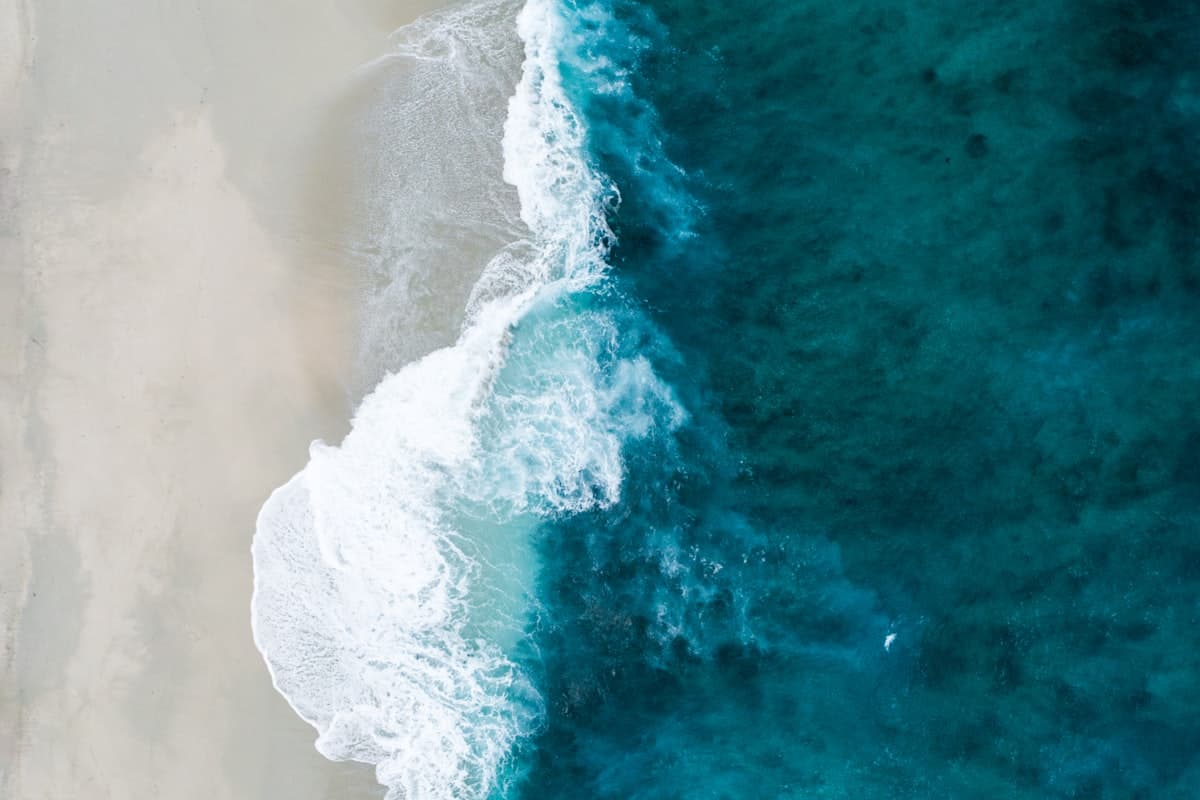
Six months of rain sounds grim, but in practice it is milder. The rain in Mui Ne is nothing like the downpours in Nha Trang or on Phu Quoc. Showers are short (one to two hours), usually start after 2 pm and clear by evening.
Mornings are sunny and late evenings clear. May to October carries almost the entire year's rainfall — roughly 900–1,000 mm — but spread across brief showers. The beaches are greener and quieter now; the Mui Ne beaches guide covers which stretch to pick.
Even in the wettest October (19 rainy days) there are still 12 days with no rain at all. And on the "rainy" days the morning is almost always sunny.
May — the transitional month
Days at 34°C, nights at 25°C, water at 29°C — the warmest of the year. Rainfall 100 mm over 8 rainy days. The sea is still clear with few waves. The rain creeps in toward the end of the month and falls in the evening.
Prices start to drop and the first hotel discounts appear. Noticeably fewer tourists. Don't mind an evening shower and want warm water? May fits.
June to August — the height of the rainy season
Temperatures stay steady: 32–33°C by day, 25°C at night, water at 28°C. Rainfall is 143–183 mm a month over 10–16 rainy days. July is the wettest of the summer (183 mm, 14 days).
A typical day looks like this: sunny morning, clouds by midday, a downpour from 2 to 4 pm, then clear again by evening. You can sunbathe until lunch and stroll the evening shore after the rain.
The upside is price. Hotels cut 30–50%:
- 4-star hotel: 900,000–1.2 million VND a night (~$36–48) instead of ~$70–90 in February
- 3-star: 400,000–520,000 VND a night (~$16–21)
- Lunch at a beachfront restaurant: 100,000–160,000 VND (~$4–6.50)
After the showers the sea can turn murky, and the waves run higher than in winter. Some kite schools take a break or relocate to Indonesia.
September to October — peak rainfall
A tough stretch. September: 180 mm over 13 rainy days. October sets the record: 255 mm and 19 rainy days. The sea is murky, waves higher than usual, currents stronger.
For a beach holiday these two months are a weak fit. You can still swim, but on some stretches red flags go up. Seaweed washes ashore and the sand turns dark after downpours.
It is a different story if you come to surf, work remotely or simply want a cheap trip. Hotels cost next to nothing, restaurants are half-empty, and the mornings are sunny anyway.
Is the low season worth it?
| Pros | Cons |
|---|---|
| Hotels 30–50% cheaper | Waves get in the way of swimming (Sep–Oct) |
| Few tourists — empty restaurants, quiet | Water murkier than in winter |
| Warm sea (28–29°C) | Some kite schools close |
| Short showers — mornings always sunny | Some restaurants on reduced hours |
| Fruit is cheaper (mango, rambutan season) | Boat tours may be cancelled |
Relaxed about an afternoon shower and not chasing an even tan? Then the Mui Ne low season suits you. For the country-wide picture, see our guide to Vietnam's weather month by month.
When to visit Mui Ne
The classic answer: December to March. Minimal rain, 31–33°C, a clear sea and crisp air. But the "best" time depends on why you're coming.
| Trip type | Best months | Why |
|---|---|---|
| Beach holiday | December – March | Dry, sunny, clear sea |
| Kitesurfing | December – February | Wind 18–30 knots, peak season |
| Budget trip | May – August | Hotels 30–50% cheaper |
| With kids | March – April | Warm, light wind, calm sea |
| Surfing (waves) | August – October | Swells of 1 to 2 m |
| Romance | February – March | Dry, warm, beautiful sunsets |
| Photos / dunes | January – February | Perfect light, clean air |
Choosing between Mui Ne and other resorts? Compare the climate with Phu Quoc, Cam Ranh and Nha Trang. Phu Quoc is wetter and quieter, Nha Trang is more urban, and Cam Ranh has almost no wind.
Wind in Mui Ne — a kitesurfer's paradise
The side-on-shore direction suits both kitesurfing and windsurfing.
Wind season: November to March, sometimes reaching into April. Peak: December to February (18–30 knots, gusts to 40). The daily rhythm is predictable — a light breeze in the morning, building by 10 am, strongest from 1 to 5 pm, then dropping by 6. You can have a leisurely breakfast on the shore and hit the water by lunch.
Off-season (May to October) the wind is unstable, 8–15 knots. You can still ride, but you'll want a big kite or a foil. The upside: the water is calmer, so swimming is easier than in winter. Most schools stay open, though schedules depend on the wind.
Lesson prices in 2026:
- Private lesson (1 hour) with an English-speaking instructor: $40–50
- Mini-course (3 hours): $140–180
- Full beginner course (5 days, 10 hours): $500–650
- Kite gear rental (1 week, IKO Level 3+ required): $440–480
Popular schools along the tourist strip:
- C2Sky Kite Center — an IKO school with English-speaking instructors
- SurfPoint Vietnam — rental plus lessons, close to the centre
- Vietnam Kiteboarding School — beginner courses from 3 days
All the schools sit along the road between Mui Ne and Phan Thiet. It is the same 10 km strip, about 15 minutes end to end by scooter. For more on spots, schools and prices, see our article on kitesurfing in Mui Ne.
Sea temperature in Mui Ne by month
The South China Sea warms unevenly, but the range is small: 25°C in winter, 29°C in May. Comfortable swimming all year round. There is simply no "cold" water here.
| Period | Sea temp | How it feels |
|---|---|---|
| January – February | 25°C (77°F) | Refreshing but pleasant to swim |
| March – April | 27–28°C (81–82°F) | Warm, comfortable |
| May | 29°C (84°F) | Bath-warm |
| June – October | 28°C (82°F) | Warm, but the waves get in the way |
| November – December | 27°C (81°F) | Pleasant, waves settling down |
For comparison: the Mediterranean off Antalya runs 26–28°C in summer. Mui Ne in winter is warmer than many home coasts in high summer.
The problem with the winter months isn't the temperature, it's the waves. From December to February the monsoon lifts the surf, and swimming on exposed beaches can be uncomfortable. Look for hotels on coves or with breakwaters — they stay calmer.
What to pack for Mui Ne

Dry season (November to April)
- A light windbreaker. Evening wind cuts right through, especially in December–January
- SPF 50 sunscreen: the sun is fierce, and without protection you'll burn in 30 minutes
- A wide-brimmed hat (better than a cap — it shields ears and neck)
- Closed sandals: the hot sand on the dunes scorches your feet
- Sunglasses with a strap — without one the wind will whip them off
Rainy season (May to October)
- A light rain jacket or folding umbrella: an afternoon downpour is guaranteed
- Waterproof shoes or sandals you don't mind soaking
- Mosquito repellent: they come out after the rain
- A bag for electronics — humidity is high and lenses fog up
For kitesurfers
- A long-sleeve rashguard: protection from sun and wind on the water
- Water shoes — the bottom is rocky in some parts of the spots
- Zinc-oxide cream: regular SPF washes off in 20 minutes in salt water
FAQ
For the beach and swimming, aim for March and April: dry, 33–34°C, the wind has dropped and the sea is calm. For kitesurfing, come November to March (peak December to February), when the steady north-east wind blows 15–25+ knots. The dry season overall runs November to April, with the busiest, priciest weeks in December to February. For a cheap, calm-water trip, May to August works — hotels are 30–50% cheaper and the short showers fall in the evening.
From 25°C (77°F) in winter to 29°C (84°F) in May. Comfortable swimming all 12 months — even the "cold" January water is warmer than the Mediterranean in early summer. In winter the issue is not the temperature but the monsoon waves.
May to October. The peak is September and October (180–255 mm). Showers are short, one to two hours, and fall in the afternoon; mornings stay sunny. Mui Ne gets noticeably less rain than Ho Chi Minh City or Phu Quoc.
Yes — the water is 25–27°C (77–81°F). The problem is the wind, not the temperature. From December to February the monsoon runs 18–30 knots and kicks up waves. In sheltered coves and at resorts with breakwaters (Sailing Club Resort, Anantara) the swimming stays calm. On an open beach it can be uncomfortable — the sand stings your legs.
Temperature and rainfall are almost identical — the two are only 22 km apart and share the same climate. The difference is the wind: Mui Ne is windier because of its open coastline. Phan Thiet is a little calmer and more humid. Want a quiet beach? Choose Phan Thiet. Coming to kite? Mui Ne. See the Phan Thiet weather guide for the same climate broken down there.
December to February. The average is 18–30 knots with gusts to 40. It blows from the north-east and builds through the afternoon. You can have a relaxed breakfast on the terrace, and by midday you'll be holding your cap on. This is the peak kite season.
October is the wettest month: 255 mm and 19 rainy days. The sea is murky, the waves high and the currents stronger. Not ideal for a beach holiday. But if 40–50% off hotels and near-empty resorts appeal, it works. Surfers love October for steady 1–2 m swells.
Updated July 2026. Prices and conditions can change — double-check before your trip.
- Guide
Things to Do in Mui Ne 2026: 12 Sights, Prices, Map
Things to do in Mui Ne in 2026: Fairy Stream, the dunes, the fishing village, Cham towers and Ke Ga lighthouse. Entry fees in USD, a map and one-day routes.Things to Do in Mui Ne 2026: 12 Sights, Prices, Map - Housing
Where to Stay in Mui Ne: Beach Resorts & Kite Districts
Where to stay in Mui Ne: beachfront resorts, the kite districts and budget options — what to pick and how to book as a foreigner.Where to Stay in Mui Ne: Beach Resorts & Kite Districts - Guide
Kitesurfing in Mui Ne: Season, Schools & Prices 2026
Kitesurfing in Mui Ne, Asia's kite capital: the wind season, IKO schools, courses and rentals, the best spots and what it costs.Kitesurfing in Mui Ne: Season, Schools & Prices 2026