Internet in Vietnam: WiFi, speeds and remote work in 2026
Is the internet good in Vietnam? Yes: fast, cheap and nearly everywhere. Median mobile speed is around 220 Mbps, home fibre around 300 Mbps, and free WiFi is standard in cafes and hotels. This guide covers the real speeds, where the WiFi holds up and where it drops, coworking, home broadband with 2026 prices, and what a VPN is actually for here — Telegram works fine without one.

Here is the short version. Vietnam has some of the fastest, cheapest internet in the region. You can film a call on a mountain pass, get 300 Mbps fibre in your apartment for the price of two coffees a month, and find free WiFi in almost any cafe. Telegram is not blocked, whatever you read about 2025 — that block came and went. The catch is milder: Facebook and Instagram get throttled, so grab a VPN before you land. Everything below is the detail behind that.
Is the internet good in Vietnam?
Yes, and it is not close. Vietnam sits in the world's top 10 for both mobile and fixed broadband, per the Ookla Speedtest Global Index for August 2026. Median fixed speed is about 300 Mbps; mobile is around 220 Mbps. That beats Thailand, Indonesia and most of Southeast Asia, and it costs a fraction of what you pay at home.
For the everyday stuff you actually care about, that means video calls that hold, streaming that does not buffer, and maps that load the moment you need them. The rough patches are specific and predictable: rural dead zones for mobile, evening slowdowns on shared WiFi, and a handful of blocked apps. The rest of this guide is about staying on the good side of all three.
Internet speed and coverage across Vietnam
Speed depends far more on where you are than on which network you use. In the cities everything is fast. 5G is live in Hanoi, Ho Chi Minh City, Da Nang, Nha Trang, Hai Phong and Can Tho. Where you have 5G, mobile can beat home fibre in most countries. In practice you stop noticing the network at all.

Head out of town and the picture changes. In the countryside and the mountains — Sa Pa, Da Lat (plan ahead if you work remotely from Da Lat), the Mekong Delta — 4G exists but drops to 10–30 Mbps. In remote areas like Ha Giang (now part of Tuyen Quang province), only Viettel keeps a steady signal off the main roads; the other networks fade fast. If your trip involves motorbiking through the north, that is worth knowing before you pick a SIM.
With four of Vietnam's eight undersea cables currently disrupted, internet users may experience slower access to websites, cloud platforms and online services hosted outside the country.Dtinews, August 2026
| Where | Typical speed | Reliability | Notes |
|---|---|---|---|
| City 5G (mobile) | 300–600 Mbps | High | Faster than home fibre back home |
| City 4G (mobile) | 50–150 Mbps | High | More than enough for anything |
| Home fibre | 100–1000 Mbps | High | Median about 300 Mbps nationally |
| Cafe / hotel WiFi | 10–80 Mbps | Medium | Slows in the evening peak |
| Rural / mountains | 10–30 Mbps | Patchy | Viettel only, off main roads |
Café and hotel WiFi — where it works and where it fails
Free WiFi is almost everywhere in Vietnam: hotels, cafes, restaurants, malls, airports, even some beach bars. The password is usually on a wall, in the menu or given at reception. Just ask "WiFi password?" and you'll be understood. For messaging and email it is more than enough. The question is whether you can rely on it, and the honest answer is: mostly, but not always.

The reliable bet is a chain. Highlands Coffee, The Coffee House and Phuc Long run steady 20–50 Mbps and have plenty of plug sockets. Independent cafes are hit and miss — great in the morning, crawling by 8 pm once every table is streaming. Two catches to keep in mind: the signal sags during the evening peak (roughly 18:00–22:00), and open networks don't encrypt your traffic, so switch on a VPN before you log into a bank.
| Place | Speed | Reliability | Notes |
|---|---|---|---|
| 4–5 star hotels | 30–100 Mbps | High | Separate network per floor |
| 2–3 star hotels | 10–30 Mbps | Medium | Slower in the evening |
| Chain cafes | 20–50 Mbps | Good | Plug sockets, air-con |
| Independent cafes | 10–30 Mbps | Depends on load | Faster mornings, slower nights |
Bottom line for a traveller: café WiFi is fine to lean on, but keep mobile data in your pocket for the moments it lets you down — an airport, a taxi, or that 8 pm crunch.
Fast Track — no queue at the border
5–10 minutes instead of an hour in the immigration queue
from$11per passenger
Coworking spaces — for when WiFi isn't enough
If you're here to work, not just check email, a coworking space fixes the two weak points of café WiFi in one go: a dedicated line that doesn't collapse at 8 pm, and a chair that isn't built to move you along after one coffee. Every serious space runs 50 Mbps or faster with air-con and a backup connection. Da Nang is the nomad favourite for the beach-and-bandwidth combination; Ho Chi Minh City has the most options.
| City | Day pass | Monthly hot desk | Known spaces |
|---|---|---|---|
| Da Nang | ~120,000 VND (~$5) | $50–100 | Enouvo, Toong, Base |
| Ho Chi Minh City | 150,000–400,000 VND (~$6–16) | $60–160 | Dreamplex, CirCO, Toong |
| Hanoi / Hoi An | 100,000–250,000 VND (~$4–10) | $50–120 | Toong, local hubs |
A hot desk in a solid space lands at roughly $70–160 a month. Day passes make sense if you only need reliable upload for a couple of deadlines a week; a monthly desk wins the moment you're there more than eight or nine days. Full breakdown of nomad life — visas, tax, districts — in our remote work in Vietnam guide.
VPN and blocks — Telegram, Facebook and what else is down
First, the thing everyone panics about: Telegram works in Vietnam, and you don't need a VPN for it. The block was real. On 21 May 2025 the Department of Telecommunications told carriers to cut access after Telegram declined to hand over user data, and by the end of May it was down almost everywhere. Later that year it quietly came back. No announcement; they simply stopped blocking it. It has held ever since: independent OONI measurements from January to September 2026 show no confirmed blocking. The order was never formally withdrawn, so this could always come back — but there's no reason to buy a VPN for Telegram today.

Almost everything else works. Facebook and Instagram load fine most of the time but get throttled during politically sensitive periods; a VPN smooths that out. WhatsApp, Viber, WeChat, YouTube and Google services all run without a VPN. So does Zalo, the local messaging app most of Vietnam uses — worth installing, since drivers, hotels and shops all message on it.
| VPN | Price/mo | Speed | Notes |
|---|---|---|---|
| ExpressVPN | ~$8 | High | Most reliable |
| Surfshark | ~$3 | Medium | Best price |
| NordVPN | ~$4 | High | Bundles the Saily eSIM |
| Proton VPN | Free tier | Medium | One of the few free options worth it |
A word on legality. VPNs sit in a grey area on paper. Two habits help: install the app before you arrive, because some VPNs get pulled from the local app stores, and don't post anti-government content. Skip the free VPNs beyond Proton — most are blocked, and the ones that aren't are best not trusted with your traffic.





Home broadband for expats — fibre from ~$8 a month
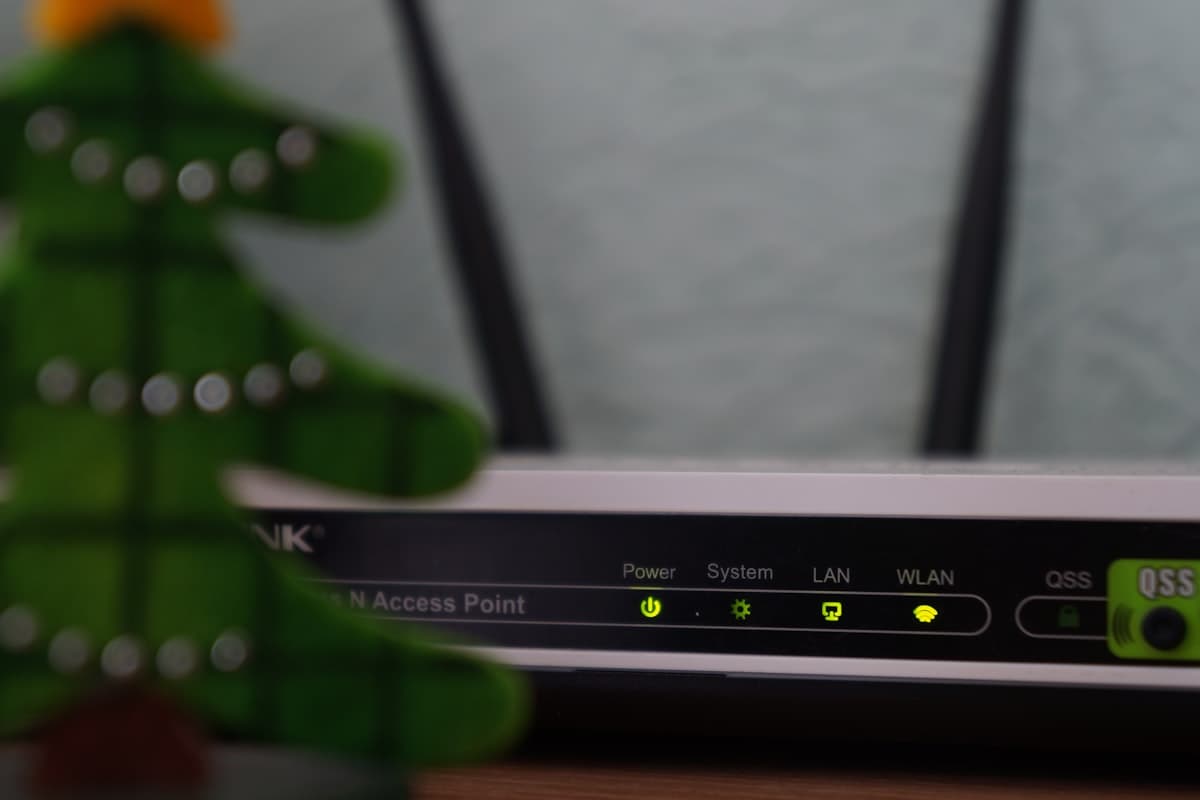
Staying a while? Mobile data won't cut it for a home office, and you don't need it to. Fibre is absurdly cheap: a 300 Mbps line runs about 190,000–255,000 VND a month (~$7.30–10), a bit more in central Hanoi and Ho Chi Minh City. Prices nudged up across all three big providers in 2026, but they're still a rounding error next to what you pay back home.
| Provider | Speed | Price (VND/mo) | Price (~USD/mo) |
|---|---|---|---|
| Viettel Fibre | up to 500 Mbps | from 195,000 | ~$7.50 |
| FPT Telecom | up to 1 Gbps | from 195,000 | ~$7.50 |
| VNPT | up to 1 Gbps | from 190,000 | ~$7.30 |
The one-off install fee is around 300,000 VND (~$12), and a free WiFi router is usually thrown in. To sign up you need a rental contract and your passport. Most rentals already have a line the previous tenant set up, folded into the rent — in which case you inherit whatever plan they picked, for better or worse.
Getting online on the move: SIM or eSIM
WiFi handles you when you're sitting down; mobile data handles you when you're not. You'll want it from the minute you land — for Grab, maps and the odd blocked app over VPN. Two ways to get it: an eSIM you activate before you fly (data working on landing, no passport step), or a local SIM you buy on arrival (cheaper per GB, comes with a Vietnamese number). Coverage is the same either way, since the eSIM providers ride on Viettel or Vinaphone anyway.

A rough rule: eSIM for a short trip and zero hassle, a local SIM once you're past a week or two and want the cheapest data plus a local number. The full comparison — operators, tourist plans, real 2026 prices, where to buy and the passport rule — is a topic of its own, so we keep it in one place:
Working remotely from Vietnam — what to expect
The bandwidth is not the problem here; the time zone and the rhythm are. Vietnam is UTC+7, which is friendly to European clients (early-afternoon overlap) and brutal for US ones — a 9 am New York call lands at 9 pm in Da Nang. Plan your base around who you answer to.
A practical setup that works for most people: fibre or a 5G router at home for deep work, a coworking membership for calls and focus, and café WiFi for the in-between. Keep a mobile-data plan live at all times as your safety net — power cuts happen, and building-wide WiFi outages happen, usually the afternoon before a deadline. With a SIM in your pocket you just tether and carry on.
One more honest caveat: upload speeds on café and hotel WiFi are often a fraction of the download figure, which bites if you push large files or stream your own camera in HD. If your work is upload-heavy, pay for the coworking desk or the home line and stop relying on free networks.
Common mistakes — what not to do
- Not installing a VPN before arrival. Facebook gets throttled, and downloading a VPN once you're in the country can be a problem, since some are pulled from the local stores.
- Relying on café WiFi for real work. It sags in the evening peak and the upload is weak. For calls and big files, use mobile data or a coworking desk.
- Banking on open WiFi without a VPN. Open networks don't encrypt your traffic. Switch on a VPN or use mobile data before you log into anything financial.
- Signing a lease without testing the line. The flat's inherited internet plan might be a slow one. Run a Speedtest on the actual WiFi first.
- Expecting city speeds in the mountains. Off the main roads, only Viettel holds up, and even then you're on 10–30 Mbps. Download your maps offline before you ride out.
FAQ
Yes — fast, cheap and widely available. Median mobile speed is about 220 Mbps and home fibre about 300 Mbps (Ookla, August 2026), and free WiFi is standard in cafes and hotels. For remote work it's one of the best-value bases in Southeast Asia.
Usually 10–50 Mbps, plenty for video calls and email. Chains like Highlands Coffee, The Coffee House and Phuc Long are the most reliable. It slows in the evening peak (roughly 18:00–22:00), so keep mobile data as backup.
Not really. Telegram, WhatsApp, Zalo, YouTube and Google all open without one — the 2025 Telegram block was lifted later that year. Where a VPN earns its keep is Facebook and Instagram, which work but get throttled at times. Personal use isn't prosecuted. Install it before you arrive.
300 Mbps fibre costs about 190,000–255,000 VND a month (~$7.30–10), plus a one-off install fee near 300,000 VND. Main providers are Viettel, FPT Telecom and VNPT; a technician usually arrives within 1–3 days. You need your passport and a rental contract.
Yes. Da Nang, Ho Chi Minh City and Hoi An have fast, cheap internet and plenty of coworking. Hot desks run about $70–160 a month, day passes $5–16, and coworking WiFi is a steady 50–150 Mbps. Da Nang is the favourite for beach plus bandwidth.
Yes. It's live in Hanoi, Ho Chi Minh City, Da Nang, Nha Trang, Hai Phong and Can Tho.
- Guide
Things to Do in Mui Ne 2026: 12 Sights, Prices, Map
Things to do in Mui Ne in 2026: Fairy Stream, the dunes, the fishing village, Cham towers and Ke Ga lighthouse. Entry fees in USD, a map and one-day routes.Things to Do in Mui Ne 2026: 12 Sights, Prices, Map - Guide
Hue Festival 2026: Dates, Program, Tickets & Tips
Hue Festival 2026 guide — four-season program, June 13–18 arts week recap, autumn events, ticket prices in VND and USD, and how to plan your visit.Hue Festival 2026: Dates, Program, Tickets & Tips - Guide
Ninh Binh 2026: Ha Long on Land — Trang An & Tam Coc
Ninh Binh guide: boat rides at Trang An and Tam Coc, Mua Cave, how to visit from Hanoi as a day or overnight trip, and when to go.Ninh Binh 2026: Ha Long on Land — Trang An & Tam Coc