Luwak coffee in Vietnam: price, ethics, and the truth
A kilo of real luwak coffee costs more than a month's rent in Nha Trang — anywhere from $1,000 to $3,000. And much of what tourists buy labelled "Kopi Luwak" has never been near a civet. Here is the honest version: how weasel coffee (cà phê chồn) is really made, what it costs in 2026, the animal-welfare problem nobody mentions, how to spot a fake, and whether it is worth it at all.
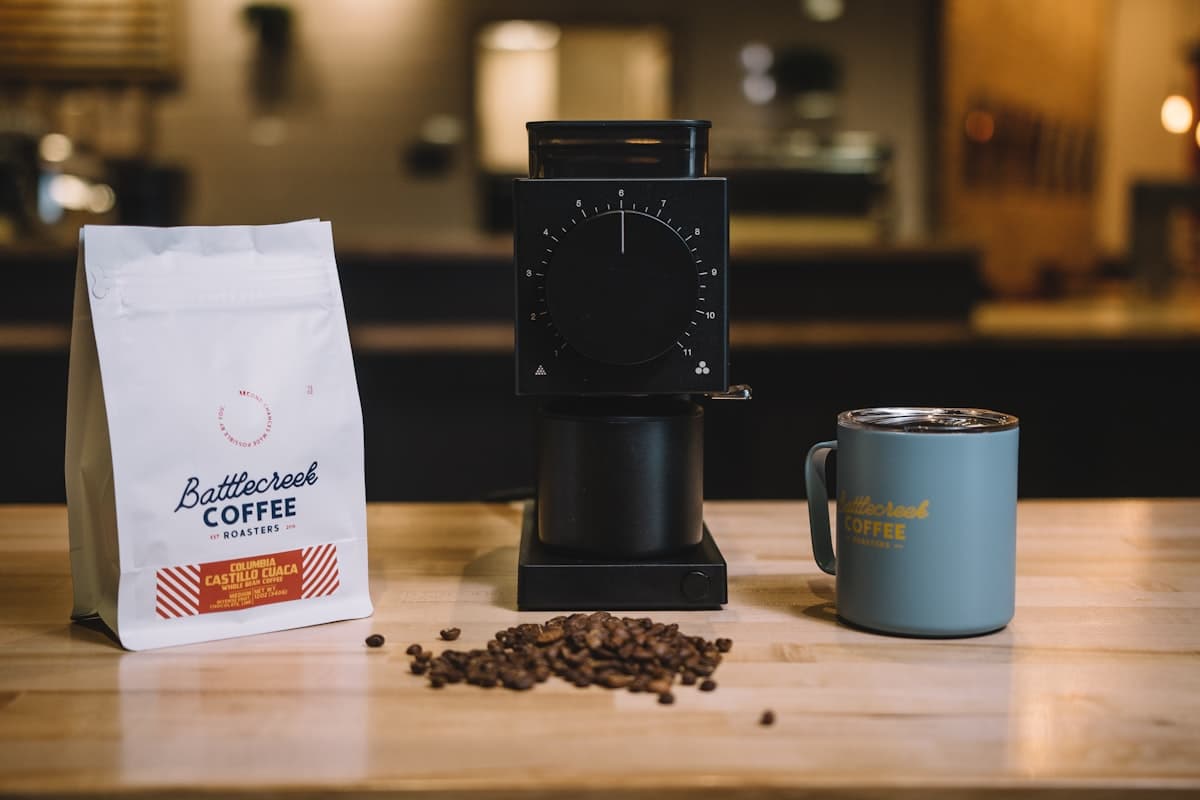
Vietnam is one of the world's largest coffee exporters (statistics from the ICO). And it is here that luwak coffee became both a gourmet legend and one of Southeast Asia's slickest tourist traps.
This guide covers how Vietnamese luwak coffee is actually produced, what it really costs in 2026, where and how to buy the genuine thing, which animal makes it, the ethics you should know about — and whether it is worth spending money on at all. We'll go through the brands, a step-by-step brewing method with a Vietnamese phin filter, and the uncomfortable welfare side too.
What luwak coffee is — and the animal behind it
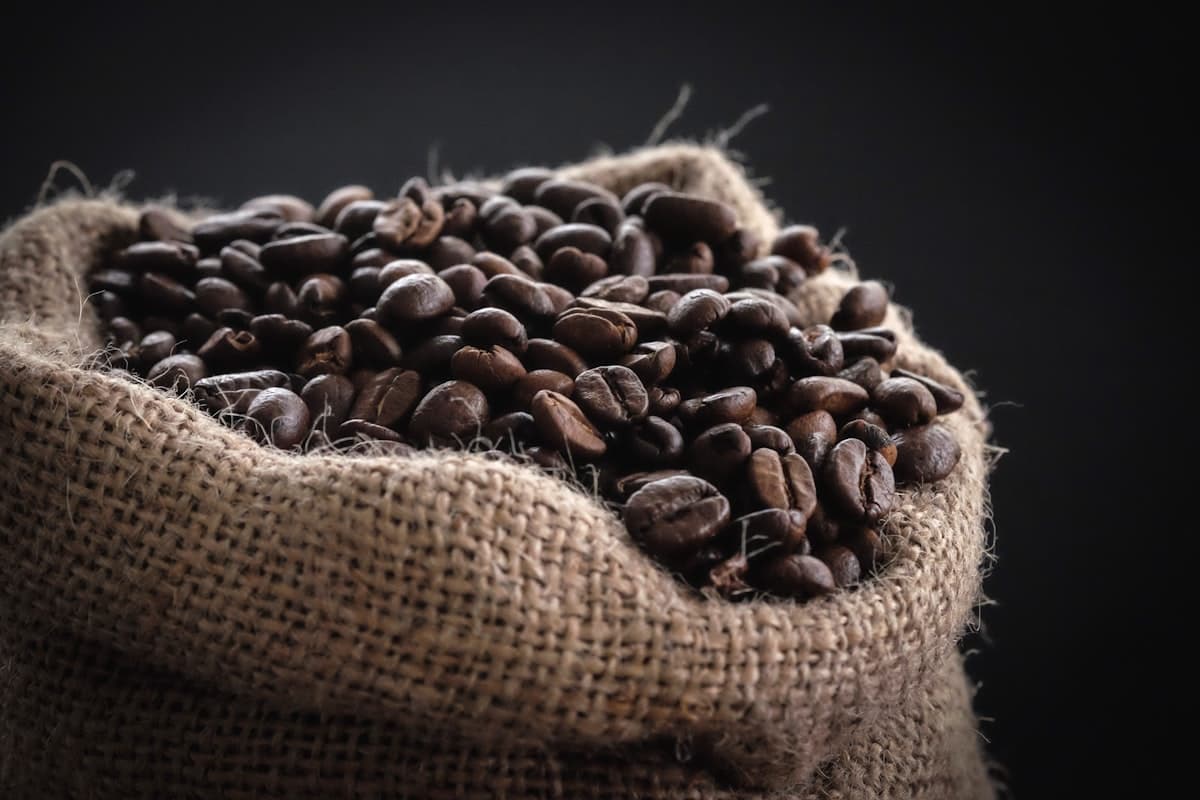
Luwak coffee (also written kopi luwak) is the most expensive coffee in the world, and its whole appeal is the "processing": the coffee cherries pass through the digestive tract of a small animal, the civet. The beans are not digested, but they undergo a natural fermentation that changes their chemistry and — so producers claim — turns ordinary coffee into a delicacy.
The story goes back to colonial times. In 18th and 19th century Indonesia, Dutch plantation owners forbade local workers from picking cherries for themselves. The workers found a loophole: they gathered beans from the droppings of wild civets, washed them and roasted them. The brew turned out unusually smooth — and kopi luwak was born (luwak is the Indonesian word for the civet).
The technique reached Vietnam later but took hold fast. Today Vietnam is one of the main global sources of farmed luwak, alongside Indonesia and the Philippines.
The civet — a small maker of very costly coffee
The Asian palm civet (Paradoxurus hermaphroditus) is a nocturnal member of the viverrid family, about the size of a large cat. The body runs 45–60 cm, plus a tail nearly as long, and it weighs 2–5 kg. The face is a little raccoon-like; the fur is grey-brown with dark stripes.
In the wild civets are omnivores — they eat fruit, insects, small rodents and birds' eggs. But they are especially fond of ripe coffee cherries, and they pick the juiciest, reddest, sun-ripened ones. That fussiness is billed as the first secret of luwak's flavour: the animal is a natural sorter, choosing the best fruit and ignoring anything unripe or damaged.
Civets live across Southeast Asia — Vietnam, Indonesia, the Philippines, southern India, Sri Lanka, southern China. In Vietnam you'll find them in the highland forests of the Central Highlands, especially the provinces of Dak Lak, Lam Dong (the Da Lat area) and Gia Lai. They are nocturnal, sleeping in the tree canopy by day and coming out to forage for fruit after dark.
How enzymes turn beans into a delicacy
Production works roughly like this:
- The civet eats ripe coffee cherries whole — pulp, skin and all.
- The pulp is digested in the stomach; the hard beans inside are not.
- In the stomach and small intestine, digestive enzymes (proteases) work through the parchment layer of the bean.
- Storage proteins are broken down, peptide chains shorten, the amino-acid profile shifts.
- The bean's acidity drops and the bitterness fades — forming that signature "smooth" profile.
- After 24–36 hours the beans leave the animal naturally, in its droppings.
- Farmers collect the droppings and pick out the beans by hand.
- The beans are soaked, thoroughly washed and sun-dried for 2–3 days.
- Once dry, they are hulled of the parchment layer and roasted.
Sound unappetising? That is exactly why luwak gets called "poop coffee." But the beans are never absorbed by the civet — they only go through a fermentation that, until recently, could not be reproduced in a lab.
Food scientist Massimo Marcone at the University of Guelph in Canada — in a 2004 study in Food Research International — confirmed that civet enzymes really do break down proteins in the beans, cutting bitterness and adding a faint sweetness. But the same process also partly destroys the complex aromatic compounds, which is precisely why professional tasters aren't impressed by luwak.
The Vietnamese name — cà phê chồn
In Vietnam this coffee is called cà phê chồn — literally "civet coffee" or "weasel coffee." The international name kopi luwak comes from Indonesian. Export packaging from Vietnam often reads Weasel Coffee — same thing.
The gap between Vietnamese chồn and Indonesian kopi luwak is mostly the bean. In Indonesia civets are mainly fed arabica; in Vietnam it's robusta (around 90% of all Vietnamese coffee is robusta).
Robusta is naturally stronger and more bitter, but after fermentation in the civet's gut the bitterness all but disappears, leaving a dense chocolatey body with a caramel finish. Indonesian luwak from arabica comes out lighter, with a fruity acidity.
Types of luwak: wild, cage-farmed and lab-fermented

Not all "luwak" is the same. The spread from $30 to $3,000 a kilo comes down to three fundamentally different ways of making it. Understanding the difference is how you avoid overpaying — and buying a fake.
Wild-collected (Wild Chon)
The rarest, most valuable and arguably the only "real" luwak. Farmers walk the forests and mountain trails of the Central Highlands, collecting the droppings of wild civets. It is painstaking work: you have to know the animals' routes, reach the spots in time (before the beans spoil), and wash and sort every bean by hand.
Vietnam collects only a few dozen kilos of wild chon a year. Trung Nguyen's CEO said in 2010 that the company makes just 40–50 kg of Weasel a year from wild and free-range civets (per Wikipedia). On a planet that drinks 2 billion cups of coffee a day.
Free animals eat what they like — a varied diet, no stress, self-selected cherries. All of that gives the best fermentation. Wild chon is the only version worth paying thousands of dollars for.
Cage-farmed
The bulk of the world market — and the heart of the ethical problem. Civets are trapped in the wild and kept in cages on farms where they are fed almost nothing but coffee cherries. It is an industrial operation: roughly 50 tonnes of farmed luwak a year come out of Indonesia, Vietnam, the Philippines and China.
The quality is noticeably lower than wild for several reasons. Stressed animals digest poorly. A monotonous coffee-only diet (instead of a normal omnivore one) changes the enzyme balance. And there is no natural selection — the civet is fed every cherry going, unripe ones included. Yet this is the version most often sold to tourists as "the real thing."
Lab-fermented (no animals)
A modern, humane alternative: the beans are treated in controlled conditions with carefully chosen enzymes that mimic civet digestion. No animals, no ethical problem, consistent quality.
The best-known brand is Trung Nguyen Legendee. Trung Nguyen, Vietnam's largest coffee producer, developed its own patented fermentation process, and the pack honestly says "simulated weasel coffee." The result is a similar flavour profile at 5–10 times less. For most drinkers the difference from cage-farmed luwak is barely there.
| Type | Price per kg | Taste | Ethics | Availability |
|---|---|---|---|---|
| Wild (Wild Chon) | $1,000–3,000 | Best, complex profile | Fully ethical | Extremely rare, direct from farmers only |
| Cage-farmed | $150–580 | Average, inconsistent | Serious problems | Sold in shops and on farms |
| Lab-fermented | $30–80 | Close to the original, consistent | Fully ethical | Widely available |
Fast Track — no queue at the border
5–10 minutes instead of an hour in the immigration queue
from$11per passenger
How much luwak coffee costs in Vietnam — 2026 prices
The one rule to remember: if luwak costs less than $100 a kilo, it is not luwak. It's either a fake or a blend where 5–10% is real luwak bean and the rest is ordinary robusta.
Luwak coffee prices: wild vs cage-farmed
| Item | Price (VND) | Price (~USD) |
|---|---|---|
| Wild luwak (Wild Chon), 1 kg | 25,000,000–75,000,000 | ~$1,000–3,000 |
| Cage-farmed luwak, 1 kg | 4,000,000–15,000,000 | ~$150–580 |
| Cage-farmed luwak, 100 g (gift pack) | 400,000–1,500,000 | ~$15–58 |
| Trung Nguyen Legendee, 250 g (lab-fermented) | 200,000–500,000 | ~$8–20 |
| Me Trang Weasel Chon, 500 g (alternative) | 350,000–600,000 | ~$13–23 |
| Cup of luwak in a Da Lat café | 80,000–200,000 | ~$3–8 |
| Cup of luwak in Nha Trang / HCMC | 100,000–300,000 | ~$4–12 |
| Regular Vietnamese coffee in a café | 25,000–50,000 | ~$1–2 |
For comparison: a cup of luwak in a café in Europe, the US or Japan runs $30–90. In Vietnam it's 5–10 times cheaper. That is one reason luwak coffee is a steady fixture on the list of things travellers take home from Vietnam.
Why the price varies so wildly
The 10–15x gap between the cheapest and most expensive luwak comes down to a few things:
- Wild vs farmed — the cost difference is enormous (dozens of kilos a year vs tonnes).
- Share of luwak bean — some producers honestly state "10% chon, 90% robusta" (and sell it cheaper).
- Brand and packaging — a premium gift box adds 30–50% to the price.
- Where you buy — a farm near Da Lat is cheaper than a tourist shop in Nha Trang.
- Certification — documented wild chon costs many times more.
How to spot a fake
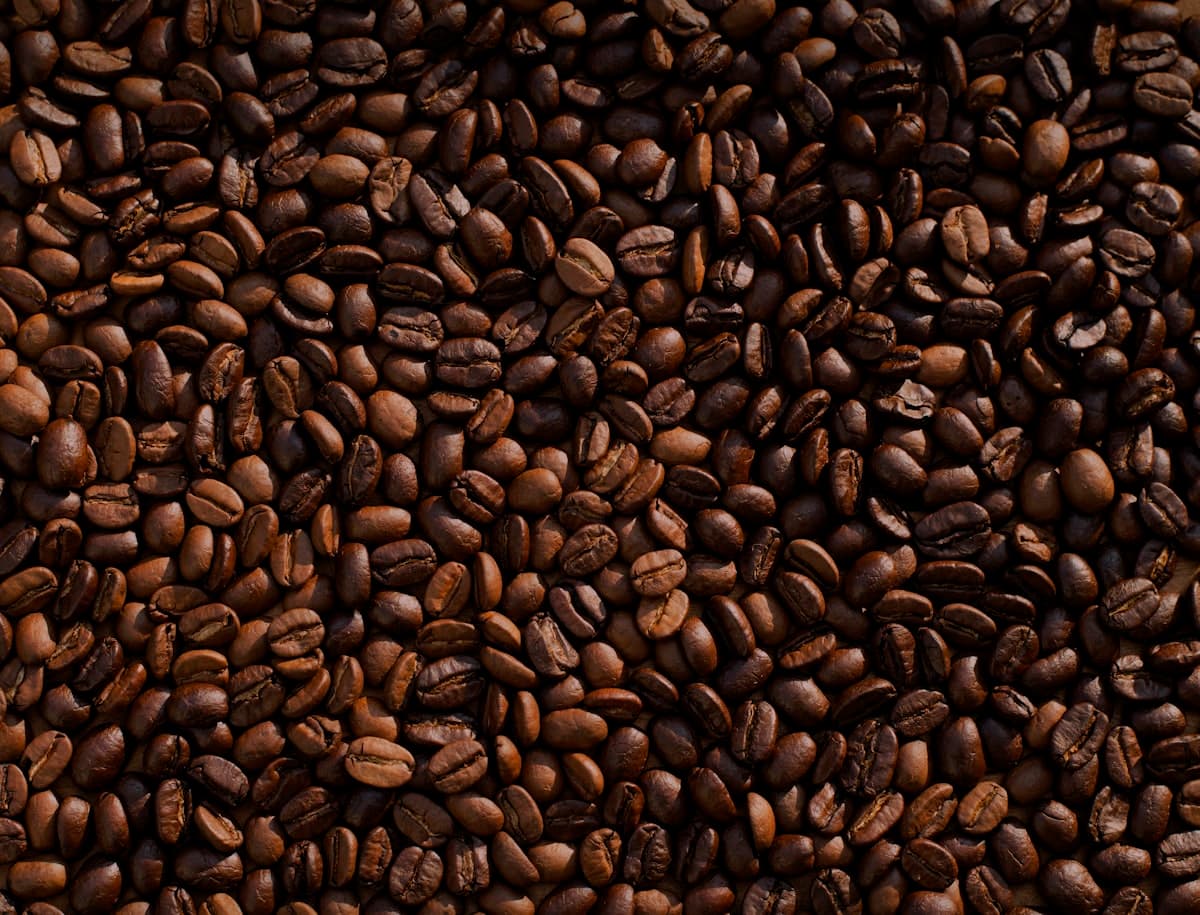
Much of what's sold labelled "Kopi Luwak" is a fake or a blend. Some "producers" mix 5–10% real bean into ordinary robusta and sell it as pure luwak. At tourist markets it's worse still — you might be sold plain ground coffee in a pretty pack marked "chon," at ten times the price. Here's how not to get caught.
5 signs of a fake
- Price under $100 a kilo. Real cage-farmed luwak cannot cost less than 4,000,000 VND (~$150) a kilo — the production cost is too high. If you see "luwak" at 500,000–800,000 VND/kg (~$19–31), walk on; it's ordinary coffee with a marketing label.
- No producer information. A legitimate pack must state: company name and address, country of origin, production date, ingredients and best-before date. Honest producers also give the percentage of luwak beans.
- Sloppy packaging. Crookedly printed labels, English grammar mistakes, no Vietnamese text (on a product made in Vietnam), a blurry photo of a civet on the bag — all signs of a backyard operation.
- The seller tries too hard. If they immediately spin "magical" stories about the animal "choosing the best beans," flash photos of civets and push a "last batch, 50% off" line — that's a classic tourist pitch.
- No certificate. Serious luwak producers provide a lab analysis of the beans or a certificate of authenticity. Wild chon is sometimes accompanied by paperwork from local agricultural bodies. If a seller has nothing but their word, don't believe it.
Where you should not buy
- Tourist markets. Chợ Đầm in Nha Trang, Bến Thành in Ho Chi Minh City — hotbeds of fakes. Sellers know the tourist won't come back to complain.
- Unmarked street stalls with no signboard or licence — no certificates, no reputation.
- Tour-group shops where coach groups are dropped off — 200–300% markup, dubious quality, no choice.
- The airport — maximum markup, minimum quality guarantee.
- Unvetted online shops with no reviews, rating or physical address.
Where it's safer to buy
- Official Trung Nguyen and Me Trang stores — guaranteed authenticity, fixed prices.
- Coffee farms near Da Lat — buy straight from the producer and watch the process yourself.
- Trusted online shops with real reviews.
- Supermarkets (WinMart, Co.opmart, Lotte Mart) — Legendee and Me Trang Weasel at fair retail prices, always with a receipt.
The best Vietnamese luwak brands
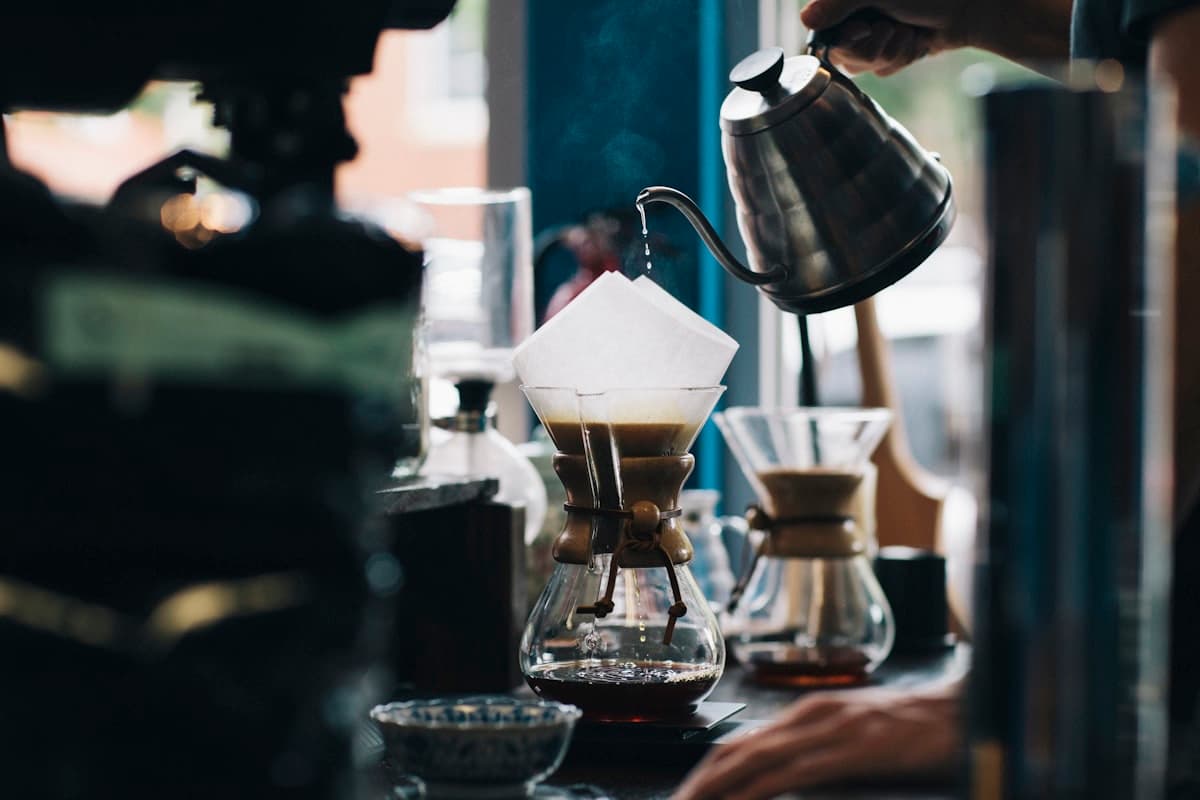
Vietnam's coffee market is huge, but not many brands make luwak — real or alternative. Here are the ones worth your attention.
| Brand | Type | Price per pack | Notes |
|---|---|---|---|
| Trung Nguyen Legendee | Lab-fermented | 200,000–400,000 VND / 250 g (~$8–15) | The best-known alternative, in every Vietnamese supermarket |
| Trung Nguyen Weasel Kopi Luwak | Genuine | Ask in a flagship store | Premium line with real fermented beans |
| Me Trang Weasel Chon | Fermented alternative | 350,000–600,000 VND / 500 g (~$13–23) | Nha Trang brand, great value for money |
| Phuc Hoang Ca Phe Chon | Genuine cage-farmed | 800,000–2,000,000 VND / 100 g (~$31–77) | Small batches, hand-collected, high quality |
| Rock King Coffee Weasel | Alternative | 250,000–450,000 VND / 250 g (~$10–17) | Mid-range, gift sets |
| Hucafood Instant Luwak | Instant "luwak" | 80,000–150,000 VND / pack (~$3–6) | Souvenir option, taste is loosely related at best |
Trung Nguyen — the number one
Trung Nguyen is Vietnam's biggest coffee brand, founded in 1996 by Đặng Lê Nguyên Vũ. It owns plantations in the Central Highlands, a nationwide café chain, and exports to dozens of countries. Trung Nguyen is largely why Vietnamese coffee became a recognisable global brand.
The Legendee line is its flagship in the luwak segment. It is not real luwak (the pack honestly says "simulated weasel") but coffee processed with a patented enzyme technology. For 90% of buyers the difference from cage-farmed luwak is imperceptible, at a fraction of the price.
The Trung Nguyen Weasel Kopi Luwak line is the premium tier: genuine beans fermented by civets, sold in gift boxes and priced accordingly. Find it in flagship stores and big malls.
Me Trang — the Nha Trang favourite
Me Trang is a Nha Trang brand, with its headquarters and production in Khanh Hoa province. It owns cafés that are popular with locals and tourists alike.
Its Weasel Chon is not real luwak but a fermented alternative from selected arabica and robusta. On value for money it is one of the best gift options: nice packaging, a recognisable brand and a decent cup.
How to choose
For yourself, Trung Nguyen Legendee (the best balance of price and taste). As a gift, Me Trang Weasel Chon or Trung Nguyen Weasel in a gift box. For a flavour collector, Phuc Hoang Ca Phe Chon (if you're ready to pay).
What luwak actually tastes like — an honest tasting

The marketing promises "an unearthly taste, like nothing else on the planet." The reality is more complicated. Here are three points of view so you can make up your own mind.
What producers say
Smooth and slightly sweet, with clear notes of chocolate, caramel and vanilla. Almost no bitterness. A long creamy, nutty finish that "melts on the tongue." A chocolatey aroma with no harsh sour or bitter edges. "The perfect coffee for people who don't like coffee" is a common line.
What professional tasters say
Certified graders (Q-graders) are far less enthusiastic. In blind cuppings, where samples are unlabelled, kopi luwak consistently scores below an average specialty coffee in the 80+ class.
The reason: fermentation in the civet's gut really does remove bitterness, but it takes the complex aromatics with it — acidity, floral and fruity notes, the "depth" of the profile. In effect, the beans are simplified.
Kopi luwak is expensive and rare because it's made this way, not because it tastes especially good. Nearly everyone who has tried it agrees it isn't worth the price.
What regular buyers say
Opinion splits about 50/50. One half describes "a rich, unusual taste you remember." The other calls it "a weak brew with no real aroma and no body." A lot depends on the specific batch, the roast, freshness and how it was brewed.
Our verdict
Objectively: luwak is a smooth, delicate coffee with no sharp edges. If you're used to a strong espresso from good arabica, you'll probably be disappointed. If you like a mild coffee with minimal bitterness, chocolate notes and easy drinkability, you may enjoy it.
Is it worth paying $15–60 for 100 grams for the taste? For taste alone — no; plain Da Lat arabica at $5 is just as good. For the experience, the story and the conversation — why not. Luwak is not the tastiest coffee on Earth, but it is one of the most interesting coffee stories.
How to brew luwak coffee properly
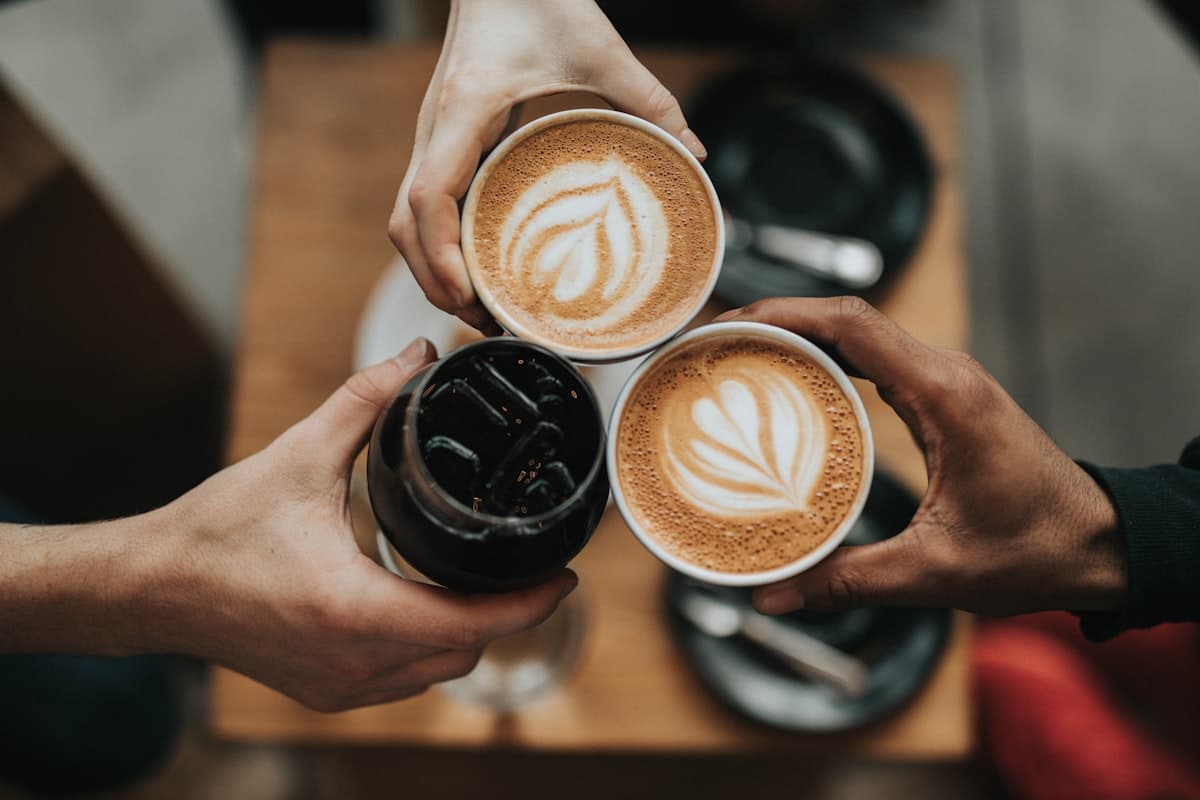
Got hold of real luwak (or at least a good Trung Nguyen alternative)? Now the point is not to ruin it in the brewing. Vietnamese drink coffee through a phin — a small metal press filter for slow drip extraction. It is the most authentic and arguably the best method for luwak.
The Vietnamese phin — step by step
The phin (from the French filtre) is a small aluminium or steel press filter in three parts: a cup with fine holes in the base (it sits on a glass), an inner press to hold the grounds down, and a lid to keep the heat in. You can buy one in any Vietnamese shop for 30,000–80,000 VND (~$1–3) — or take one home as a souvenir.
Step by step:
- Prep the glass. For classic cà phê sữa đá (coffee with condensed milk and ice), pour 2 tablespoons of condensed milk into the bottom. For black coffee (cà phê đen), skip this.
- Set the phin on the rim of the glass — it rests on the cup's edges.
- Add coffee. 15 g of ground coffee (about 2 heaped tablespoons). The grind should be medium-coarse — like coarse sea salt. Too fine and it clogs the filter.
- Level the surface and set the press on top. Important: don't tamp. The press should sit freely, without pressure.
- Bloom. Pour in 20 ml of hot water (90–95 C, not a rolling boil). Wait 30 seconds — the coffee should swell and "breathe."
- Main pour. Top up with the remaining 130 ml of hot water to the top of the phin.
- Cover. Wait 5–7 minutes for all the coffee to drip through. Too fast and the grind is too coarse; if it stalls, it's too fine.
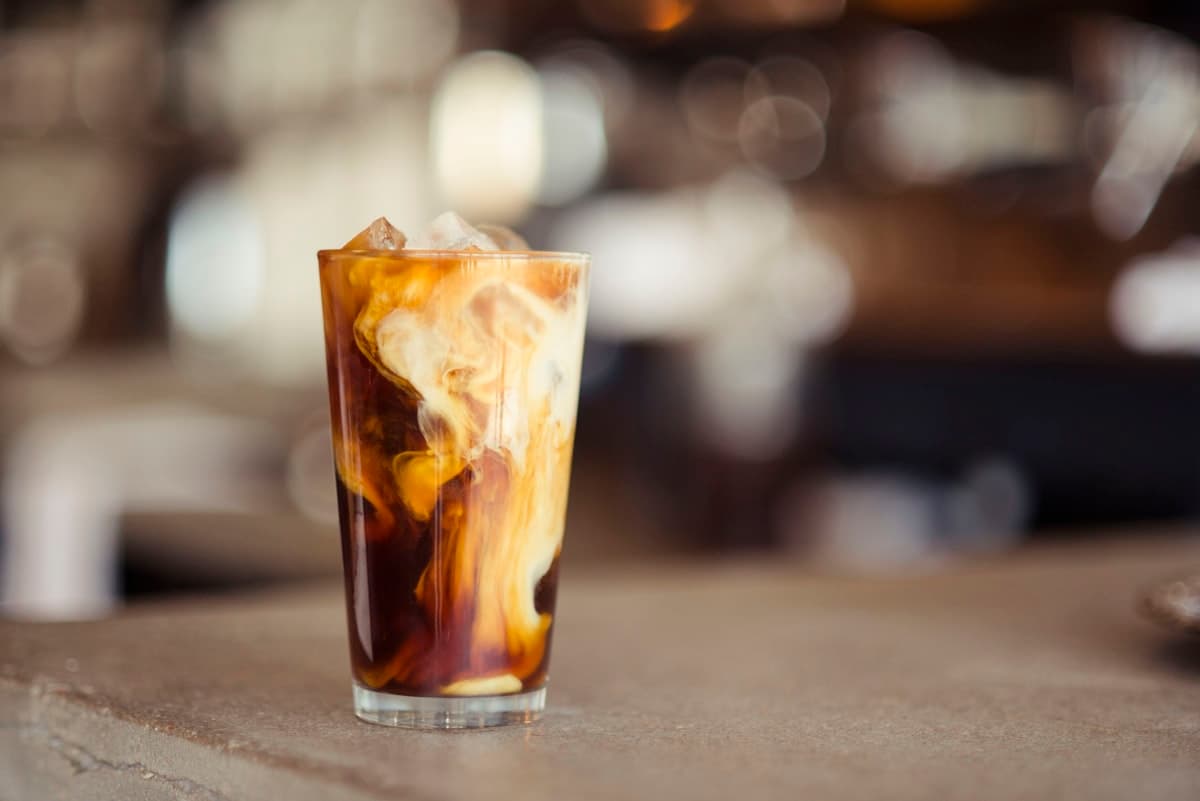
- Lift the phin and stir the coffee into the condensed milk. Add crushed ice if you like — that's cà phê sữa đá, Vietnam's most popular coffee drink.
The result: 150 ml of concentrated, aromatic coffee with a heavy body. This is how Vietnamese drink coffee every day — slowly, through a phin, perched on a plastic stool on the pavement.
Other brewing methods
| Method | Coffee / Water | Time | Result | Good for luwak? |
|---|---|---|---|---|
| Vietnamese phin | 15 g / 150 ml | 5–7 min | Concentrated, dense | Best choice |
| Pour-over / V60 | 15 g / 200 ml | 3–4 min | Lighter, fruity notes | Brings out the delicate notes well |
| French press | 18 g / 250 ml | 4 min | Full-bodied, oily | Good, but a bit coarse |
| Espresso machine | 18 g, double shot | 25–30 sec | Strong, with crema | Possible, but fine notes are lost |
| Cezve (ibrik) | 10 g / 100 ml | 2–3 min | Strong, cloudy | Not recommended — extraction is too harsh |
For luwak, use the phin or a pour-over — these methods best reveal the delicate chocolate-caramel notes you're paying for. An espresso machine will bulldoze the subtle flavour with a powerful extraction, and a cezve turns luwak into an ordinary strong coffee.
The main brewing mistakes
- Boiling water — 100 C scorches the bean. Aim for 90–95 C (boil, then wait a minute).
- Grind too fine — clogs the phin, makes it bitter.
- Rushing — pour the water and lift the phin a minute later and you get water with a hint of coffee. Luwak opens up over 5–7 minutes.
- Stale beans — coffee loses aroma 2–3 months after roasting. Check the date on the pack.
Coffee farms in Vietnam — where to see and taste
Want to see the whole process for yourself, from tree to cup? Vietnam is one of the few countries where you can do it for reasonable money and without a multi-day expedition.
Da Lat — a Vietnamese coffee region
Da Lat sits at 1,500 m in the Central Highlands (Lam Dong province). The cool mountain climate — 15–25 C year-round — is ideal for growing coffee. This area, along with the neighbouring provinces of Dak Lak and Gia Lai, holds most of Vietnam's coffee plantations.
On a typical Da Lat farm tour you'll see:
- Coffee trees with cherries at every stage, from green to bright red.
- Civets in enclosures or cages — you can photograph and (at some farms) feed them.
- The production line — washing, drying, roasting on kit that is sometimes 50+ years old.
- A masterclass in brewing coffee through a Vietnamese phin, with a tasting of 3–5 varieties.
- A farm shop offering coffee at "farm prices" (be wary — they aren't always below market).
Cost: entry is usually free or 50,000–100,000 VND (~$2–4). A tasting is included — the farm's aim is for you to buy coffee on the way out. And here's the catch: souvenir coffee on a farm isn't necessarily better than in a supermarket. But visiting the plantation itself is priceless.
Trips from Nha Trang and Ho Chi Minh City
From Nha Trang it's 130 km to Da Lat over the pass, 3–4 hours by bus (a sleeper bus with The Sinh Tourist or FUTA is 150,000–250,000 VND / ~$6–10). Day group tours taking in a coffee farm, waterfalls and the Crazy House run from 800,000–1,500,000 VND (~$31–58), including transfer, lunch and the tour.
From Ho Chi Minh City it's 300 km to Da Lat, 6–7 hours by bus or 1 hour by plane (VietJet Air, Vietnam Airlines — from 500,000 VND / ~$19 one way). A day trip is a long way — better to plan 2–3 days.
Alternative: if you're short on time for Da Lat, both Nha Trang and Ho Chi Minh City have small private roasteries running mini-tastings. Ask locals — or search Google Maps for "coffee roastery" plus the city name.
Is luwak coffee ethical — the truth about the civets
The most uncomfortable part of the story. Luwak coffee is a pretty legend about an animal that "chooses the best cherries itself." Behind that legend is a real problem most sellers would rather not mention.
What's wrong with cage farming
Global demand for luwak grew so much that wild collection couldn't keep up. A solution was found quickly and cynically: trap wild civets and keep them on farms.
What that really means for the animals:
- Cramped cages with wire mesh floors — instead of tropical forest and the freedom to move through the trees.
- A monotonous diet of coffee cherries alone, though wild civets are omnivores that need varied food.
- Chronic stress — nocturnal animals kept in daylight, noise and human presence. The result: stereotypic behaviour (endless pacing), self-harm (chewing paws and tails), apathy.
- No oversight — most Vietnamese farms have no veterinary supervision, sanitary standards or inspections.
And one thing sellers never mention: even when a pack says "wild-sourced," it's often a lie. Investigations by PETA and the BBC found coffee from caged civets labelled as "wild." So a nice claim on the bag guarantees nothing on its own.
Ethical alternatives
If you want to try the taste of luwak without supporting cruelty, there are options:
- Wild collection (Wild Chon) — fully ethical: the animals are free and farmers only gather what's left. The catch: it's virtually unavailable, costs thousands, and "wildness" is nearly impossible to prove.
- Lab-fermented coffee — Trung Nguyen Legendee, Me Trang Weasel and other brands' alternatives. No animals, a similar flavour profile, a sensible price. Our clear pick.
- Just good Vietnamese coffee — freshly roasted arabica from Da Lat or quality Trung Nguyen robusta costs 200,000–400,000 VND (~$8–15) for 500 g and holds its own against cage-farmed luwak. In the pros' view, it beats it.
Honest advice: unless you're ready to pay $500+ for documented wild chon, get Legendee or good Da Lat arabica. The taste will be no worse (often better), and your conscience will be clearer.
FAQ — common questions about luwak coffee
The Asian palm civet (Paradoxurus hermaphroditus). A nocturnal, cat-sized animal that looks like a cross between a cat and a raccoon. It weighs 2–5 kg and lives in the tropical forests of Southeast Asia. The coffee cherries pass through its gut, where enzymes break down proteins and remove bitterness. In Vietnam the civet is called chồn. You can see live civets on the coffee farms near Da Lat — also the best place to buy the genuine thing.
Technically yes — the beans are picked out of civet droppings. But they aren't digested, only fermented in the gut. After collection they're washed, soaked, sun-dried and roasted at over 200 C, killing all bacteria. No hygiene risk. The finished cup is smooth, low in bitterness, with chocolate-caramel notes. There is no "aftertaste of origin."
Vietnamese customs set no limit on coffee for personal use when you leave the country. Your home country may have its own rules on food imports, so check before you fly. If you carry a lot, you might be asked whether it's for resale. Keep receipts, pack the coffee in sealed bags and put it in your checked luggage — in hand baggage you may be asked to open it.
Three key differences. Bean: Vietnam = robusta (stronger, chocolatey), Indonesia = arabica (softer, fruity acidity). Name: cà phê chồn in Vietnam, Kopi Luwak in Indonesia. Price: the Indonesian is 20–40% dearer thanks to a better-known brand. In blind tastings most people can't tell them apart — so the difference is largely marketing. If you love a strong cup, the Vietnamese version is the more interesting.
No, a completely different drink. Egg coffee (cà phê trứng) is strong black coffee with a whipped egg-yolk and condensed-milk topping. It was invented at the Giảng café in Hanoi in 1946, when a barista replaced milk with egg during a shortage. It tastes like a coffee crème brûlée and has nothing to do with civets. Try it in any Hanoi café for 35,000–45,000 VND (~$1.30–1.70) — more in our guide to egg coffee.
Down to taste. Robusta (the Vietnamese version) is stronger, denser, with chocolate-nut notes. Arabica (the Indonesian) is lighter, with fruity acidity and a floral aroma. The Vietnamese is 20–30% cheaper. For a first taste, go robusta — it's "the" Vietnamese coffee. Try arabica later to compare. Buy from official Trung Nguyên or Mê Trang shops, where they say clearly when it's an imitation.
- Food
Vietnamese Spring Rolls: Nem, Cha Gio, Goi Cuon Explained
Nem ran, cha gio, goi cuon, banh trang — four dishes, one English word. Recipes for fried and fresh rolls, which rice paper to buy, and prices in Vietnam.Vietnamese Spring Rolls: Nem, Cha Gio, Goi Cuon Explained - Food
Cam Ranh Food 2026: Where to Eat, Seafood and Prices
Where to eat in Cam Ranh: resort restaurants on Bai Dai, lagoon seafood, local cafes and markets. Real 2026 prices in VND and USD, plus a map of 10 spots.Cam Ranh Food 2026: Where to Eat, Seafood and Prices - Food
Phu Quoc Food 2026: Seafood & Where to Eat
Phu Quoc food guide: seafood, the Duong Dong night market, herring salad, fish sauce and sim wine — local dishes and where to eat, with prices.Phu Quoc Food 2026: Seafood & Where to Eat