Vietnam markets: the art of the haggle
Where to shop in Vietnam and how to bargain without overpaying: types of markets, the haggling rules, etiquette, what to actually buy, the scams to dodge, and why you'll need cash, not a card.
Types of markets — and where the deals are
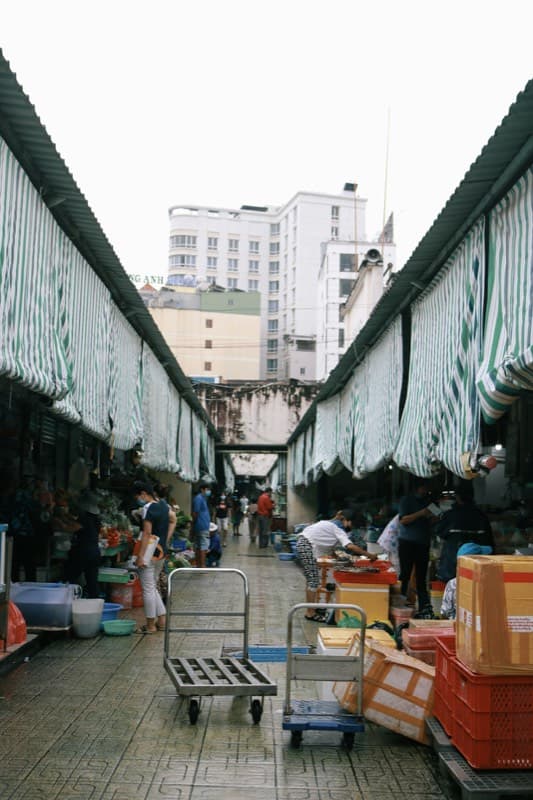
"The market" in Vietnam isn't one thing. Before you even think about bargaining, it helps to know which kind of market you've walked into, because the rules change. A wet market where locals shop for dinner is a different game from a tourist bazaar built to relieve you of your dong.
| Type | What you'll find | Haggle? |
|---|---|---|
| Wet / local market (chợ) | Fresh food, produce, spices, everyday goods | Lightly — prices are close to fair |
| Tourist market (Ben Thanh, Dam) | Souvenirs, clothing, coffee, knock-offs | Hard — first price is 2–4x |
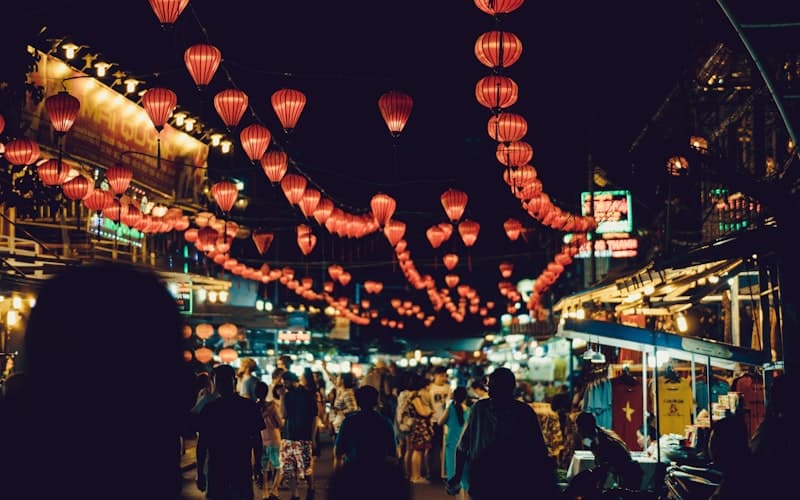
| Night market | Street food, trinkets, beach kit, seafood | Yes, on goods; food is fixed |
| Wholesale market (Binh Tay) | Fabric, bulk goods, fewer tourists | Better base prices to begin with |
| Supermarket / mall | Coffee, tea, snacks, cosmetics, clothes | No — fixed price, air-con, cards accepted |
Fast Track — no queue at the border
5–10 minutes instead of an hour in the immigration queue
from$11per passenger
How to haggle — the actual technique
Bargaining in Vietnam is normal and expected; at tourist stalls, paying the first number quoted is the mark of someone who just landed. But haggling has a rhythm, and if you follow it you'll both get a fair price and enjoy the exchange. It's a friendly sport, not a fight.
- Ask the price, then pause. Look mildly unconvinced. Silence does a lot of the work.
- Counter low — 40–50%. Name it clearly. A calculator app or the notes app on your phone beats the language barrier; type your number, show the screen.
- Meet in the middle. You go up a little, they come down a lot. Aim to settle around 60–70% of the first price.
- Walk away. The single most powerful move. In most cases you'll be called back with a better offer before you reach the next stall.
- Buy more, pay less. Two shirts or three bags of coffee together? Ask for a bundle price.



Market etiquette — don't be that tourist
Haggling has manners. A few unwritten rules keep it pleasant for everyone — and get you treated better in return.
- Don't start a haggle you won't finish. If you name a price and the seller accepts it, you're expected to buy. Walking off after a "deal" is bad form.
- Keep it light. Smile, joke, stay calm. Getting angry over the equivalent of fifty cents loses you the room — and the price.
- Mind the morning. The first sale of the day (mở hàng) is considered lucky; some vendors will give an early customer a better price rather than turn them away.
- Ask before you photograph. Vendors and their stalls are working, not scenery. A quick nod goes a long way, especially in wet markets.
- Don't manhandle the produce. Point, ask, let the seller pick it up. Squeezing every mango is frowned on.
Map & the best markets, city by city
Six markets, pinned. Blue ones trade by day — the big covered halls where you go for coffee, fabric and souvenirs. The amber one only comes alive after dark, when the stalls turn into a dinner-and-shopping street. Tap a pin for what to buy there and what to watch out for.
- Ben Thanh Market (Chợ Bến Thành): Ho Chi Minh City · coffee, spices, clothes, souvenirs — Iconic, but the first price is inflated 2–3x
- Binh Tay Market (Chợ Bình Tây): Ho Chi Minh City, Chinatown (Cholon) · fabric, clothing, spices — Fewer tourists, better prices
- Dam Market (Chợ Đầm): Nha Trang · clothes, shoes, bags, souvenirs — Popular, so prices run higher
- Con Market (Chợ Cồn): Da Nang · fruit, spices, textiles, street food — A local favourite
- Dong Xuan Market (Chợ Đồng Xuân): Hanoi · textiles, dry goods, souvenirs, snacks — The capital's biggest indoor market
- Dinh Cau night market (Chợ đêm Dinh Cậu): Phu Quoc · seafood, pearls, pepper, souvenirs — Opens in the evening, pair it with dinner
| Market | City | What to buy | Note |
|---|---|---|---|
| Ben Thanh (Bến Thành) | Ho Chi Minh City | Coffee, spices, clothes, souvenirs | Iconic but the first price is inflated 2–3x |
| Binh Tay (Bình Tây) | Ho Chi Minh City | Fabric, clothing, spices — Chinatown (Cholon) | Fewer tourists, better prices |
| Dam Market (Chợ Đầm) | Nha Trang | Clothes, shoes, bags, souvenirs | Popular, so prices run higher |
| Con Market (Chợ Cồn) | Da Nang | Fruit, spices, textiles, street food | A local favourite |
| Dinh Cau night market | Phu Quoc | Seafood, pearls, pepper, souvenirs | Opens in the evening, pair it with dinner |
| Dong Xuan (Đồng Xuân) | Hanoi | Textiles, dry goods, souvenirs, snacks | The capital's biggest indoor market |
For pure atmosphere, the night markets are hard to beat — this is Vietnamese shopping at full volume. If markets aren't your thing, supermarkets like Lotte Mart, Big C / GO! and WinMart cover the same coffee, tea and cosmetics at fixed prices, and the duty-free at Tan Son Nhat (Ho Chi Minh City) sells spirits and perfume before you fly.
What to actually buy
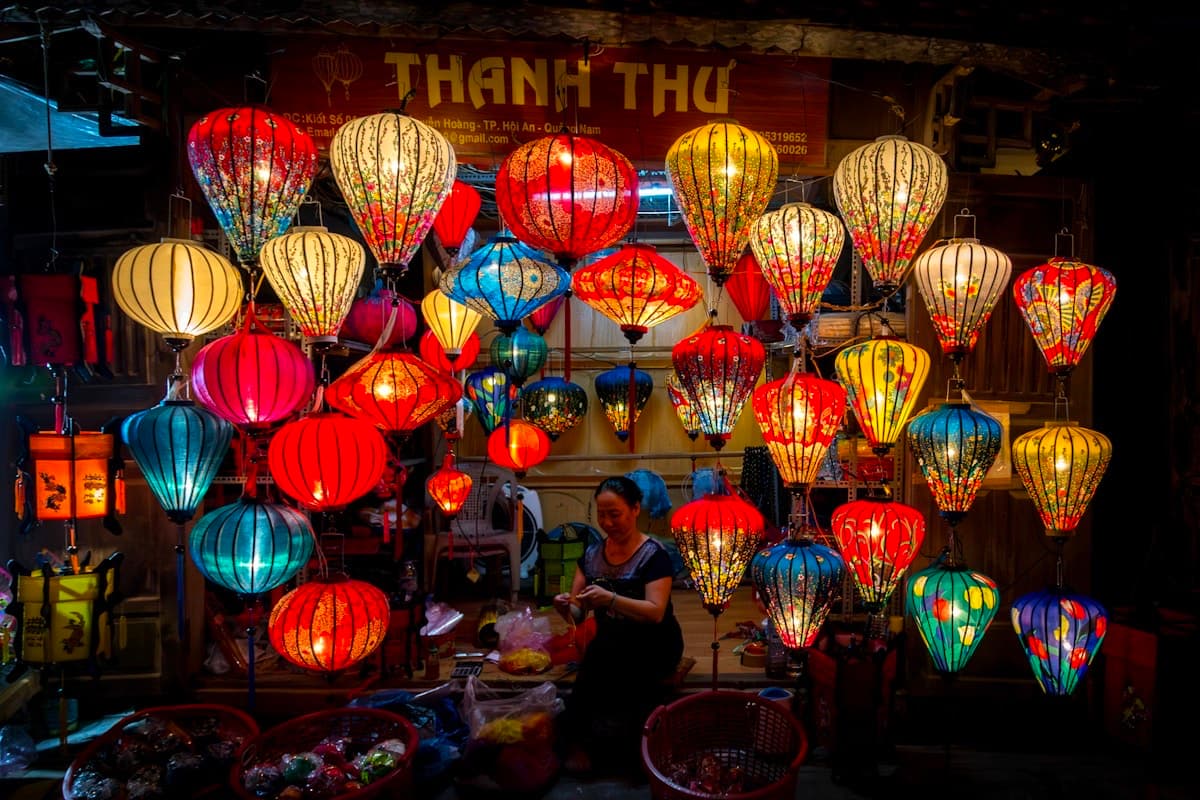
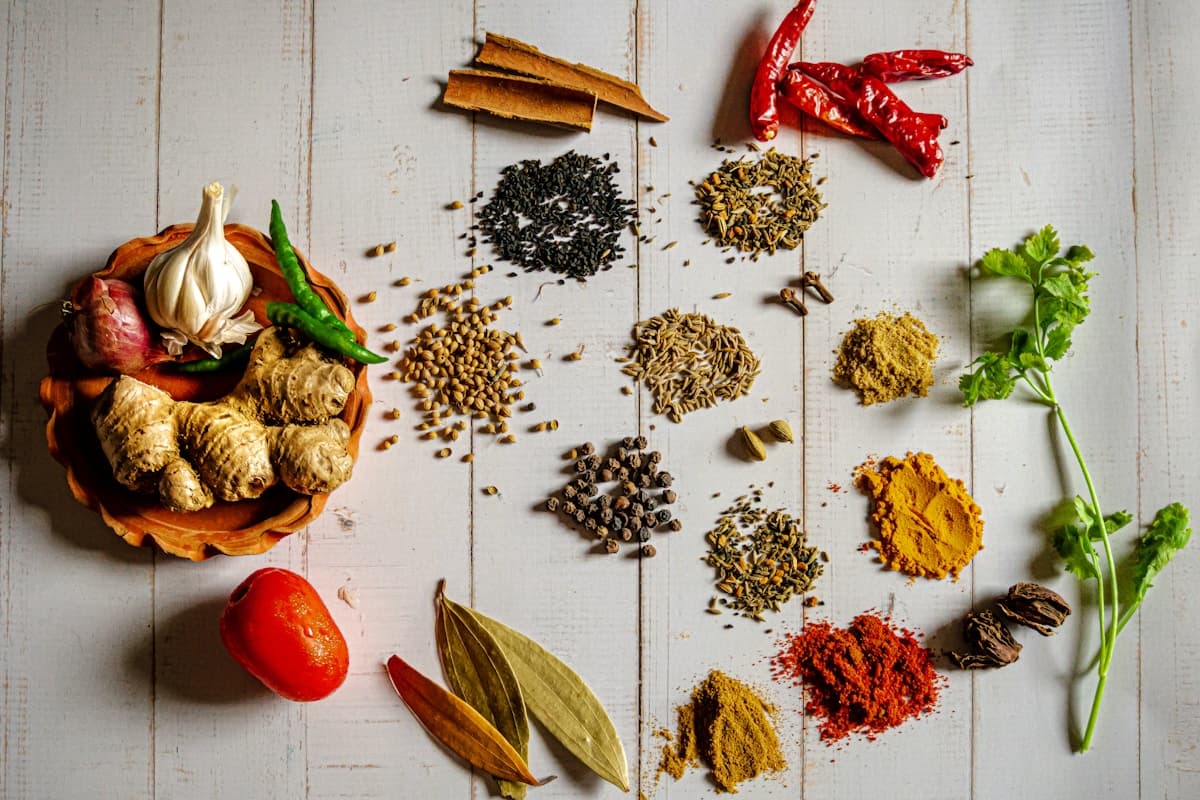
Some things are worth hauling home; others you'll regret. Coffee, tea and spices are Vietnam's reliable buys — but grab them at a supermarket, where they're cheaper and fixed-price. Save the market energy for crafts, textiles and leather, where haggling pays off and the goods have character.
| Item | Where it's from | Rough price | Packing tip |
|---|---|---|---|
| Lacquerware (boxes, vases) | Nationwide | 200,000–2,000,000 VND (~$8–80) | Wrap in bubble wrap |
| Bat Trang ceramics | Village near Hanoi (700+ years) | from 100,000 VND (~$4) | Fragile — ask them to pack it |
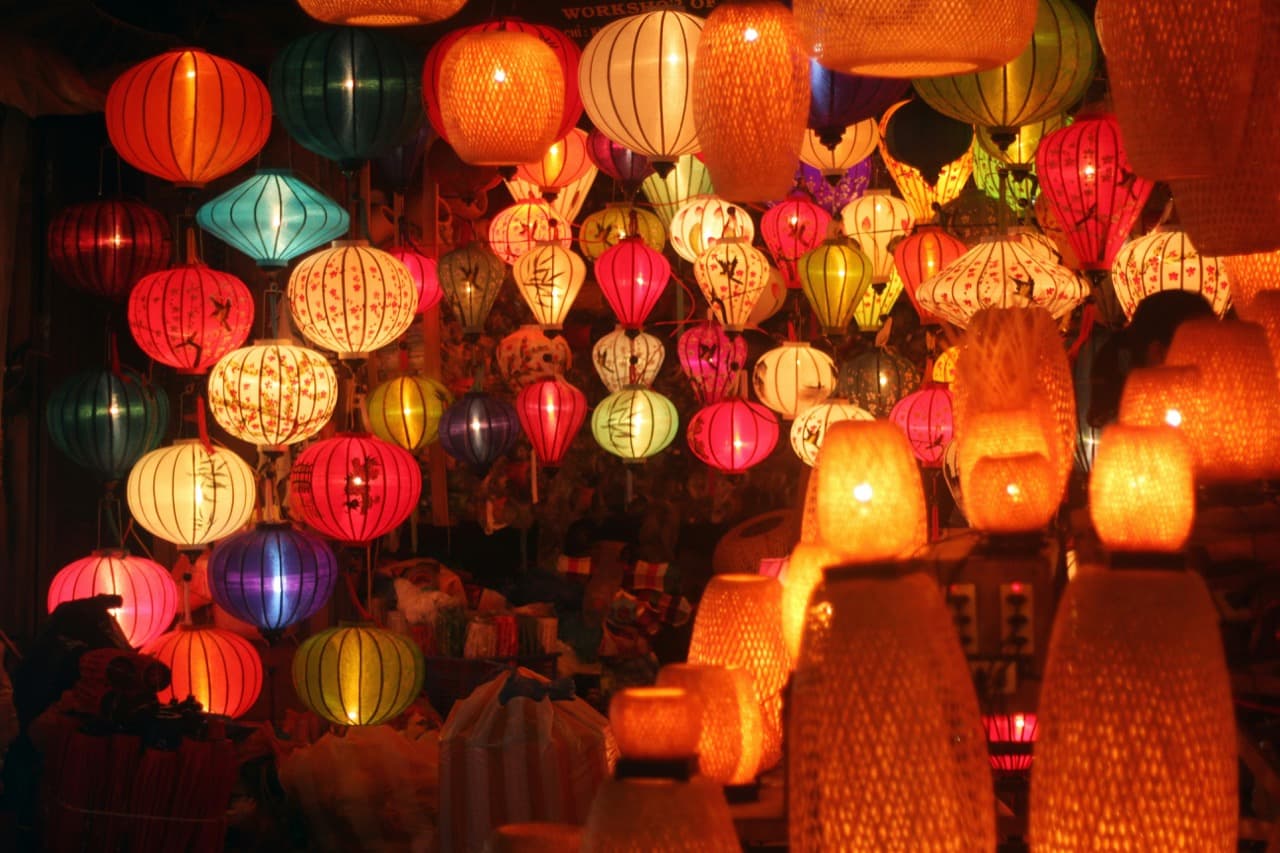
| Hoi An lanterns | Hoi An | 40,000–500,000 VND (~$1.60–20) | Collapsible ones travel better |
| Leather belt (crocodile) | Nationwide | ~$20–80 | Needs a CITES permit |
| Silk scarf / tailoring | Hoi An (Phan Boi Chau st.) | from 200,000 VND (~$8) | Light and flat — easy to carry |
| Conical hat (Nón Lá) | Nationwide | from 30,000 VND (~$1.20) | Cheap, iconic, awkward to pack |
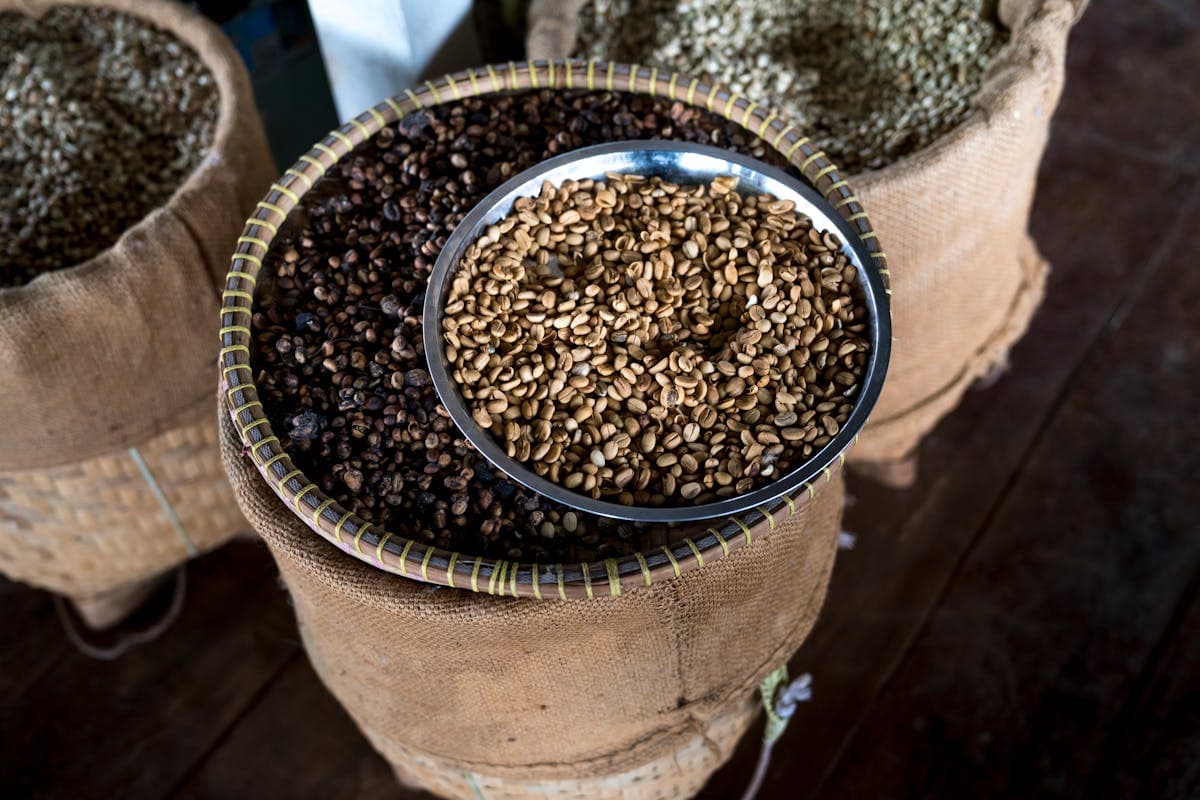
Foodwise, the smart picks are dried fruit and fruit chips (mango, jackfruit, coconut) — no weight limit, they keep for months, and they beat trying to fly fresh durian home (many airlines refuse it on board for the smell, so check your carrier's rules). For coffee, real weasel (cà phê chồn) is $450+/kg; anything cheaper labelled "Luwak" is flavoured fake, so a normal Trung Nguyen or Me Trang bag from a supermarket is the honest buy.
What you can take out — customs limits
Half the fun of a Vietnamese market is buying things you did not plan to. A few of them will not make it past the airport, so it is worth knowing the limits before you fill a suitcase with dried fruit and rice wine. Alcohol allowances in both directions are covered in our guide to alcohol in Vietnam.
Scams and traps to dodge
Most Vietnamese vendors are honest, and the "tourist price" is just business — not a scam. But a handful of tricks come up often enough at busy markets that they're worth knowing.
| The trick | How to avoid it |
|---|---|
| The rigged scale | Watch the weighing, or buy by the piece for fruit and nuts |
| "No change" for a big note | Carry small notes; agree the price before you pay |
| The zero trap (200,000 vs 20,000) | Count the zeros; the blue 500k and green 100k notes look alike |
| "Fixed price" at a tourist stall | Ignore it — it's a tactic; haggle anyway |
| Fake "Luwak" coffee / branded goods | Buy coffee at a supermarket; assume "brands" are copies |
Cash vs card — carry the small notes

Here's the practical bit that trips up a lot of first-timers: markets run on cash. Almost every stall is cash-only, so pull VND out before you go. Cards and QR payments (VietQR) are everywhere in supermarkets, malls and mid-size shops — but not at the fruit lady's cart.
- Break your big notes early. ATMs spit out 500,000₫ bills; buy a coffee or water at a convenience store to get change before the market.
- Keep small denominations handy: 10k, 20k, 50k VND. "No change" disappears as an excuse when you pay close to exact.
- Split your cash. A little in a front pocket for the market, the rest tucked away. Crowded lanes are pickpocket territory.
- Don't flash a fat wallet while haggling — it undercuts your "this is too expensive" every time.
FAQ
At tourist markets the first price is inflated 2–4x, so open your counter at 40–50% of what they ask and settle somewhere in the middle — usually around 60–70% of the first number. At wet markets, where locals shop, prices already sit close to fair, so bargain gently or not at all. Supermarkets are fixed price, and they make a handy reference: check the shelf price on coffee or tea before you start negotiating on crafts.
No. Haggling is expected at souvenir and clothing stalls in tourist markets, and it's fine to nudge prices on crafts and produce at a local market. But food, drinks and anything with a printed tag are usually fixed. Supermarkets, malls and duty-free are always fixed price — no negotiating, and no need to. When in doubt, ask once; if the seller doesn't move, the price is probably set.
Cash, almost always. Market stalls are overwhelmingly cash-only, so carry small VND notes — 10k, 20k and 50k are your friends, both for haggling and because "no change" is a favourite excuse. Cards and QR payments (VietQR) work well in supermarkets, malls and bigger shops, but not at street stalls. Break your 500,000₫ ATM notes at a convenience store before you get to the market.
Ben Thanh in Ho Chi Minh City is the iconic one — vast and atmospheric, though touristy and pricey. For better value, cross town to Binh Tay in the Cholon district. In the centre, Con Market in Da Nang is the local favourite; on the coast, Dam Market in Nha Trang and the Dinh Cau night market on Phu Quoc (great for seafood and pearls) are worth an evening. In Hanoi, head to Dong Xuan.
Partly, yes. The opening price is often inflated 2–3x, so it's easy to overpay if you don't bargain, and the same souvenirs sell cheaper at Binh Tay or a supermarket. That said, it's still worth a walk-through for the sheer variety and buzz under one roof. Treat it as an experience, bargain hard, and do your bulk coffee-and-spice buying somewhere fixed-price.
The basics cover almost everything: agree the price out loud before you hand over money, watch the scales when buying anything weighed, and count your change (the 100k and 500k notes look similar). Ignore "fixed price" claims at tourist stalls — it's a tactic. For higher-value goods like leather and pearls, buy only from shops that give a receipt; for exotic leather you also need a CITES permit. Assume any "branded" bag or watch is a copy.
Prices current as of July 2026. Rate: ~26,000₫ ≈ $1. Prices vary by season, city and stall, and market bargaining means your mileage will too. Customs rules: the General Department of Vietnam Customs.
- Shopping
Shopping in Vietnam: What to Buy & Where 2026
What to buy in Vietnam: coffee, silk, ao dai, lacquerware, spices and pearls — where to shop, how to bargain and what to know about customs.Shopping in Vietnam: What to Buy & Where 2026 - Shopping
Hoi An Shopping 2026: Tailors, Silk and Lanterns
Where to get a suit made for $90, buy real silk, lanterns and ceramics in Hoi An. The top five tailors, 2026 prices, and what not to buy.Hoi An Shopping 2026: Tailors, Silk and Lanterns - Shopping
Ao Dai: Vietnam's National Dress — and Where to Get One Made
What the ao dai is, how northern and southern styles differ, where and for how much to get one tailored in Hoi An, and where to do a photoshoot.Ao Dai: Vietnam's National Dress — and Where to Get One Made