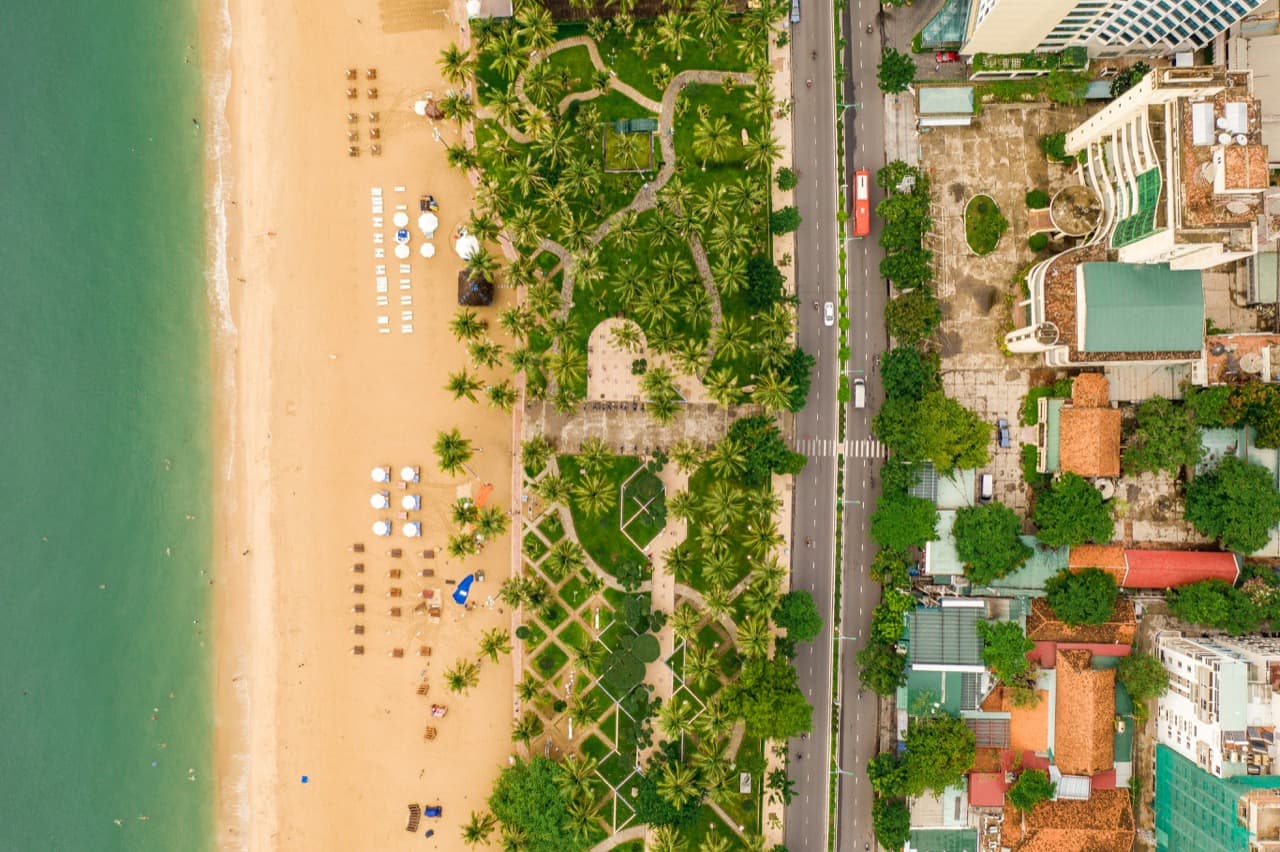
Buying property in Vietnam as a foreigner: what you get and what you don’t
A foreigner in Vietnam does not buy an apartment forever. You buy ownership of the dwelling for up to 50 years, inside an approved commercial housing project, and you never get the land underneath it. That is not a technicality — it is the whole architecture of the deal.
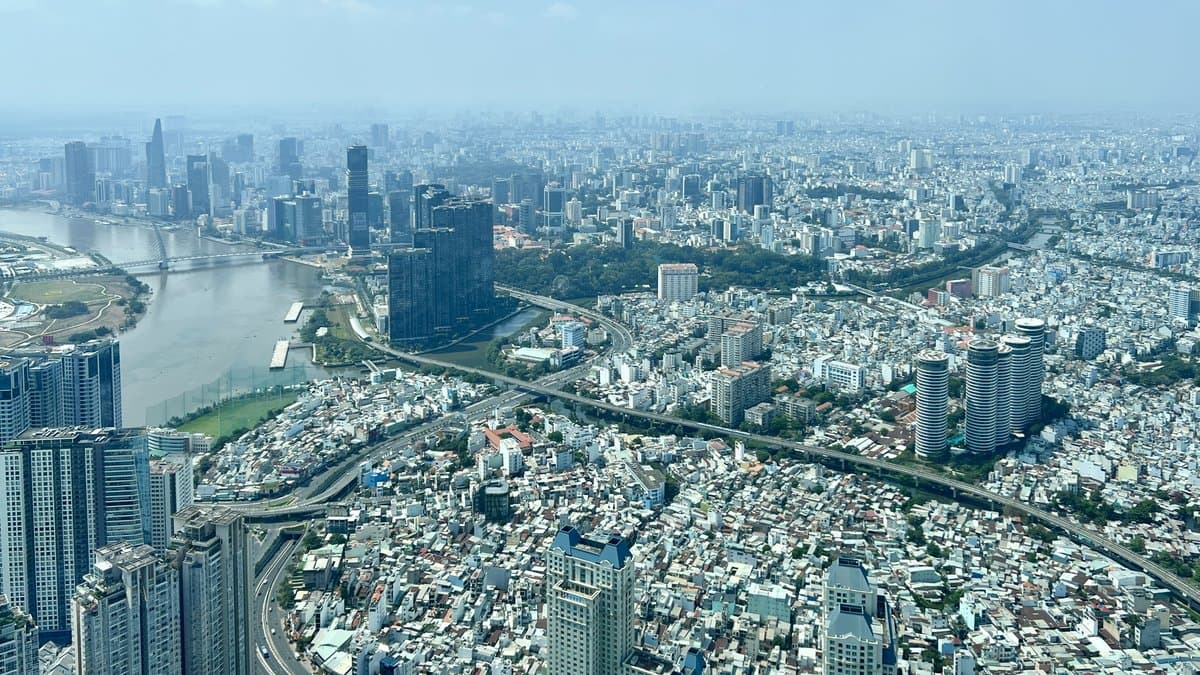
The rules were rewritten recently. Housing Law Luật Nhà ở 27/2023/QH15, Land Law Luật Đất đai 31/2024/QH15 and Real Estate Business Law Luật Kinh doanh bất động sản 29/2023/QH15 have all been in force since 1 August 2024. Half the English-language guides still ranking on Google describe the repealed 2014 regime, and one of the top results confidently states that foreigners never receive a pink book. They do.
What you actually own
You own the dwelling: an apartment in a condominium, or a house inside a housing project. The land beneath it never transfers. Land in Vietnam belongs to the people as a whole, the state administers it, and the list of who may hold land use rights is closed.
That list is Điều 4 of Land Law Luật Đất đai 31/2024/QH15, passed 18 January 2024 and in force since 1 August 2024. Foreign individuals are not on it. Two categories were added, though: Vietnamese citizens living abroad now hold the same rights as residents, and people of Vietnamese origin abroad hold a narrower set. If you have Vietnamese citizenship, this article does not really apply to you — you buy as a local.
Three laws frame the transaction.
| Act | Number | Passed | In force since | What it governs |
|---|---|---|---|---|
| Housing Law | 27/2023/QH15 | 27.11.2023 | 01.08.2024 | Who may own, quotas, the 50-year term |
| Land Law | 31/2024/QH15 | 18.01.2024 | 01.08.2024 | Who qualifies as a land user |
| Real Estate Business Law | 29/2023/QH15 | 28.11.2023 | 01.08.2024 | Deposits, payment schedule, certificate deadlines |
| Amending law | 43/2024/QH15 | 29.06.2024 | 01.08.2024 | Moved all three forward by five months |
That last row explains a lot of the confusion online. All three laws were originally due on 1 January 2025; on 29 June 2024 the National Assembly moved them to 1 August 2024. Both dates circulate, and both look plausible.
What falls under your right and what does not:
| Asset | What a foreigner gets | Basis |
|---|---|---|
| Apartment in a project | Ownership for up to 50 years | Điều 17, 19, 20 Luật Nhà ở 27/2023/QH15 |
| House or villa inside a project | The same, within the 250-house cap | Điều 19 |
| Land plot | Nothing — no land use right | Điều 4 Luật Đất đai 31/2024/QH15 |
| Street house from a private seller | Nothing — the deal cannot be registered | Điều 17 Luật Nhà ở |
| Condotel, serviced apartment | Nothing except by inheritance | Not "housing" under the law |
One distinction worth making early: renting and buying in Vietnam are two different transactions under two different laws. You can rent anywhere with no restrictions at all. If you are still weighing the two, start with the running costs, which are set out in our guide to renting a home in Vietnam.
Who can buy, and who you can buy from
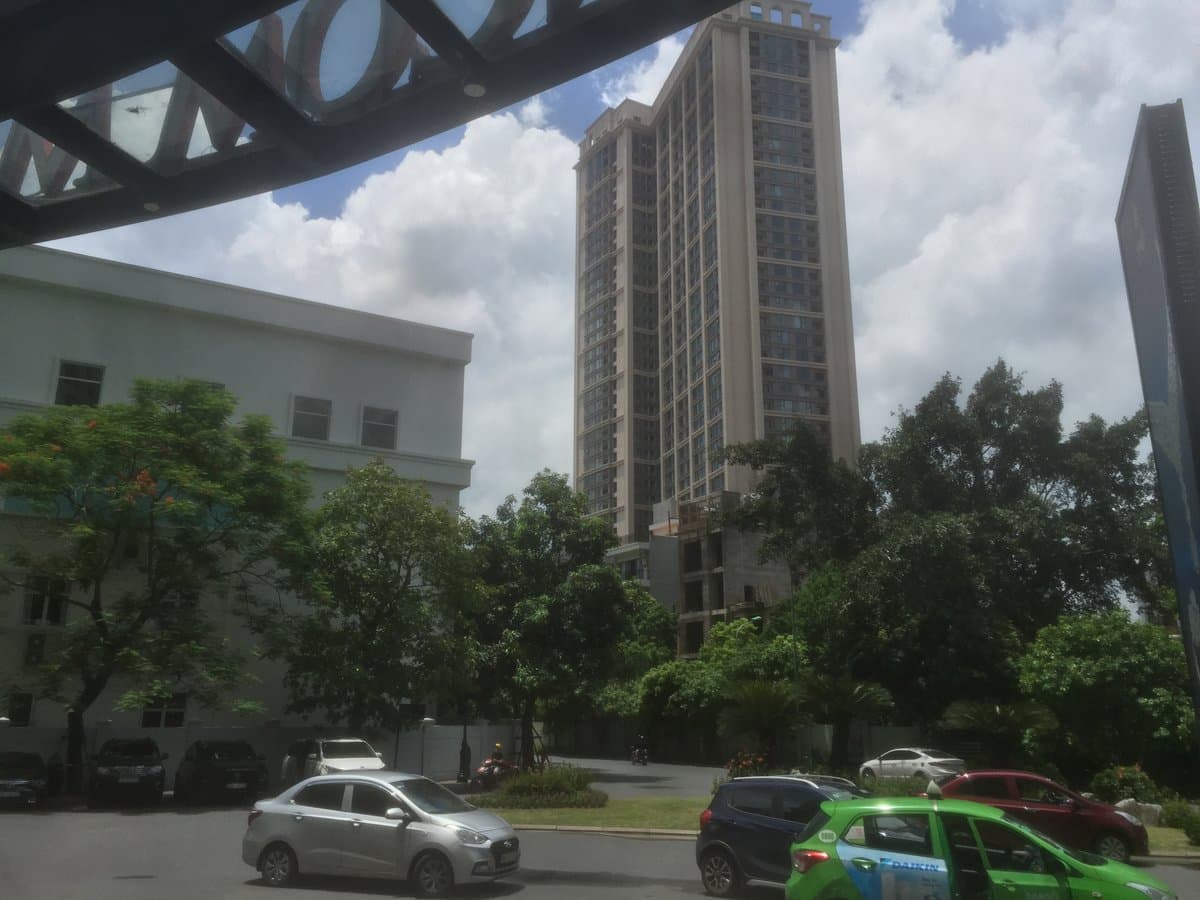
Any foreigner allowed to enter Vietnam and holding no diplomatic or consular immunity can buy, per Điều 17 and Điều 18 of Housing Law 27/2023/QH15. In practice the right of entry is shown by a valid passport carrying a Vietnam entry stamp. No residence card, no work permit, no minimum stay.
Nationality changes nothing. There is no reciprocity list, no EU carve-out, no separate treatment for American, British or Australian passports. A tourist two days off the plane has the same legal standing as someone holding a temporary residence card. The difference shows up later, in money and tax.
Only two acquisition channels
Here is the constraint that most English guides skip entirely. Khoản 2 Điều 17 sets out a closed list of ways a foreigner may acquire housing:
- buy or lease-purchase commercial housing from the project developer, in a project outside national defence and security zones;
- receive it as a gift or by inheritance within such a project;
- buy or lease-purchase from a foreign organisation or individual who already owns it.
Vietnamese private sellers are not on that list. You cannot buy a resale apartment from a local owner, because the transfer will not register. Your secondary market consists only of units already held by other foreigners, and as you will see below, there are only a few thousand of those in the entire country.
The asymmetry runs one way: you may sell to a Vietnamese buyer, but you may not buy from one.
The 30% and 250 caps
The quantity limits are set by Điều 19 of the same law:
| Asset type | Cap across all foreigners | How you verify it |
|---|---|---|
| Apartments in one building | 30% of total units | written confirmation from the developer |
| Landed houses, villas, townhouses | 250 per ward-equivalent area | counted across all projects in the area |
| The project itself | must appear on the approved list | document from the provincial authority |
| Location | outside defence and security zones | list set by the provincial People’s Committee |
"Across all foreigners" is the part people misread. The cap attaches to the building, not to you. In a 300-unit tower, 90 apartments are available to foreigners in total. Buyer number 91 is refused, even after paying the contract in full. ExpatDen, in its 23 July 2026 update, puts the consequence bluntly.
💬 "If the building’s quota is already full, you will not get a pink book, even after paying in full" — update of 23 July 2026, expatden.com
If an area holds several projects with landed houses, the 250 are counted across all of them together, not per project.
Check it before the deposit, not after. Ask the developer for written confirmation of the remaining foreign quota in that specific building, match the project against the list the provincial authority publishes, and confirm the building does not sit inside a defence or security zone — those zones are set by the provincial People’s Committee on notification from the defence and public security ministries, under Decree Nghị định 95/2024/NĐ-CP of 24 July 2024.
What you cannot buy
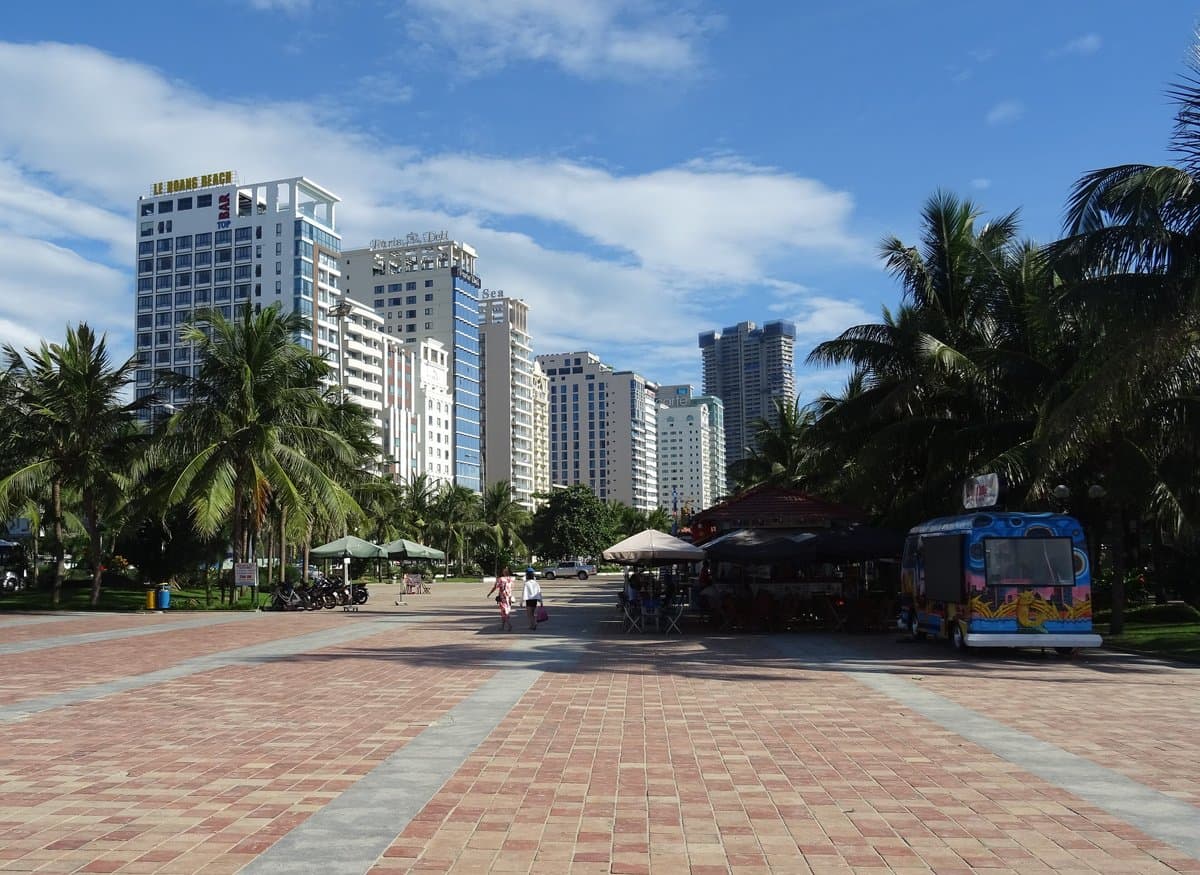
Land plots, houses outside projects, anything inside defence and security zones, and the entire tourist-property category: condotels, serviced apartments and officetels.
The condotel trap
Condotels catch more foreign buyers on the coast than anything else. The sales office shows a studio with a sea view, calls it an apartment, promises a management company and nightly rental income. Legally it is not housing, so there is no ownership right that can be recorded in a foreigner’s name. Inheritance is the only route by which a foreigner ends up holding one.
The problem is structural, not personal. Condotels and tourist apartments still lack a coherent legal framework as of September 2026.
Read the paperwork, not the floor plan. If the unit is sold as a căn hộ du lịch, it is a condotel however residential it looks.
Fast Track — no queue at the border
5–10 minutes instead of an hour in the immigration queue
from$11per passenger
What a square metre costs
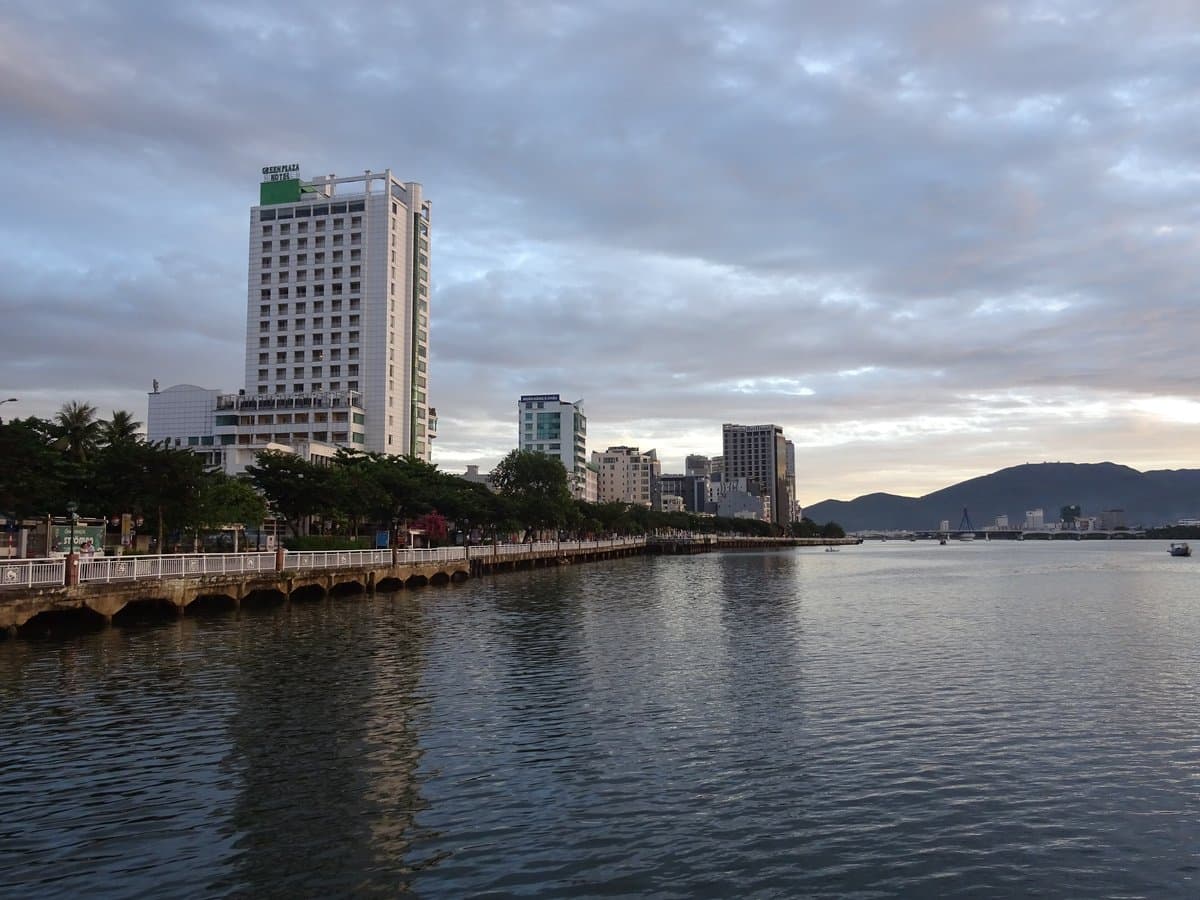
Primary-market prices in 2026 run from about VND 34 million per sqm in Nha Trang to VND 83 million in Da Nang — roughly $1,300 to $3,160. Hanoi and Ho Chi Minh City have converged near VND 76 million, and both are rising at double-digit annual rates.
| City | Primary, VND/sqm | Approx. USD | Change | Period |
|---|---|---|---|---|
| Da Nang | 83m | ~$3,160 | +12% YoY | Q1 2026, CBRE |
| Hanoi | 76m | ~$2,890 | +16% YoY | Q2 2026, CBRE |
| Ho Chi Minh City | 76m | ~$2,890 | +16% YoY | Q2 2026, CBRE |
| HCMC, secondary | 62m | ~$2,357 | +26% YoY | Q2 2026, CBRE |
| Hanoi, secondary | 60m | ~$2,281 | −3% QoQ | Q2 2026, CBRE |
| Nha Trang | ~34m | ~$1,300 | no data | 2026, listings |
Exchange rate used throughout: $1 = 26,260 VND (Vietcombank selling rate, 4 September 2026).
Currency converter
One warning about that HCMC figure. Ho Chi Minh City absorbed former Binh Duong and Ba Ria–Vung Tau in the 2025 mergers, so the city-wide average now includes cheaper suburbs. Do not read the 2026 number as a decline against 2025 city-centre figures. Central new-build stock is quoted separately at $3,040–4,560 per sqm, with premium projects above $5,700.
In whole numbers: a 45 sqm studio in a new Da Nang building runs about VND 3.7 billion, roughly $141,000. A 70 sqm two-bedroom in the same building is about VND 5.8 billion, near $221,000. Nha Trang is close to two and a half times cheaper per metre, but the market is thin: far fewer projects there have open foreign quota.
Da Nang is the growth story of 2026. CBRE put cumulative supply at 16,000 apartments in Q1 2026, only 5% of HCMC’s stock but a lot for a city that size. 89% of all apartments ever launched there have sold, absorption in new projects at 50–60%, and the forecast for the year is 10–12% price growth.
Rental returns are lower than most buyers expect.
| City | Gross yield | What eats it |
|---|---|---|
| Ho Chi Minh City | 3.5–4.5% | central luxury drops nearer 3% |
| Hanoi | 4.0–5.0% | demand concentrated in expat districts |
| Da Nang | 4.5–6.0% | seasonality and low-season vacancy |
| Nationwide average | ~3.85% | before tax, fees and vacancy |
Gross means gross. Before tax, before the management company, before the weeks a coastal unit sits empty in the low season. Sources disagree on the details: one tax-firm guide puts Hanoi as low as 2.9%, which is a reminder that nobody publishes clean transaction-level yield data for Vietnam.
For the cities themselves, see our guides to Nha Trang, Da Nang and Phu Quoc. Phu Quoc deserves one caveat: the island launched two urban developments worth a combined VND 69.55 trillion ($2.6 billion) ahead of APEC 2027, and forecasts of 30–50% appreciation are everywhere. No named consultancy publishes a per-sqm figure for the island. Treat the forecasts as forecasts.
The purchase, step by step
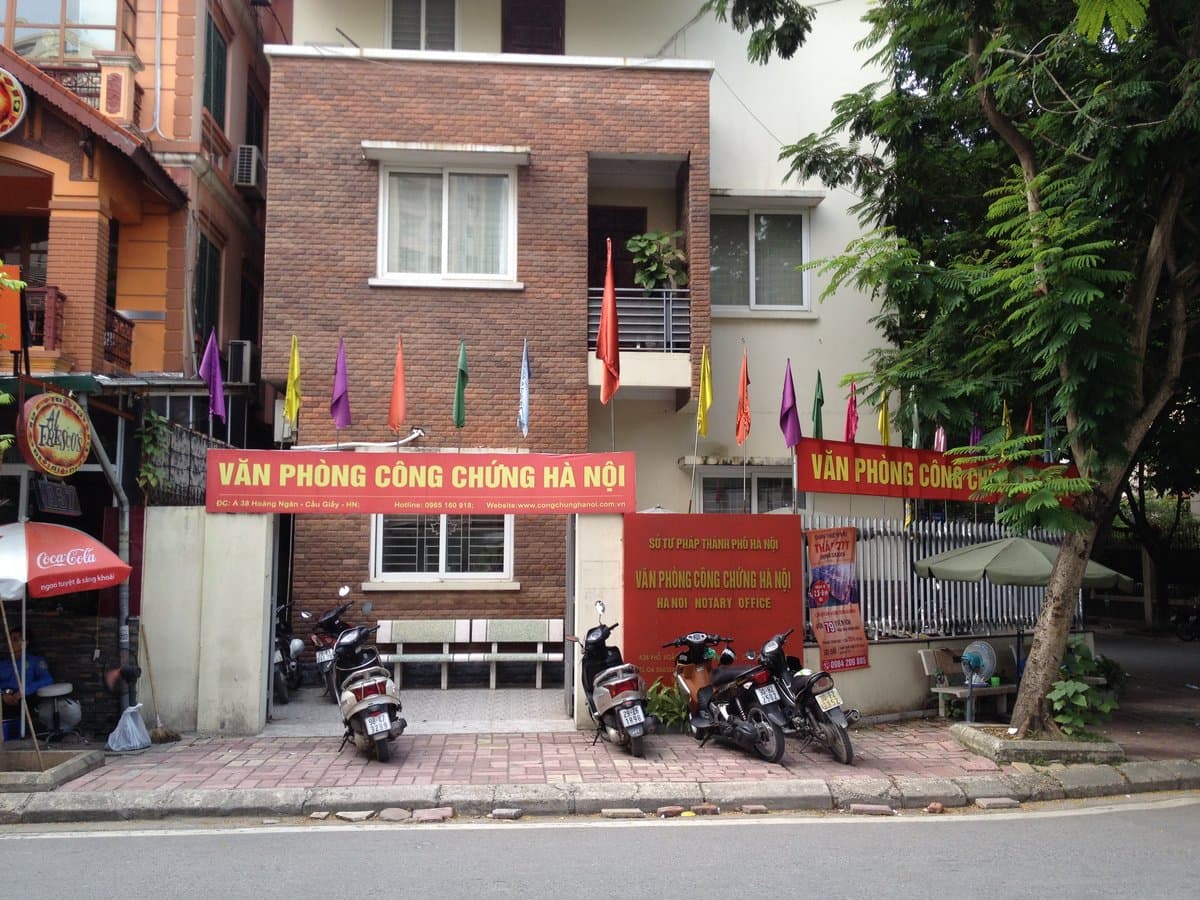
Eight steps, three of which happen before you pay anything. By law the deposit cannot exceed 5% of the price, the first payment cannot exceed 30%, and nobody may collect more than 95% of the contract value before your certificate is issued.
- Check the project. It must appear on the provincial list of projects where foreign ownership is allowed, and sit outside defence and security zones. Ask for the document reference, not a verbal assurance.
- Check the remaining quota. In writing, for the specific building. A sales agent’s word is worth nothing here.
- Check the developer. How many projects delivered, how late, and whether there is a bank guarantee on off-plan sales. Delivery history beats renders.
- Reservation and deposit. Khoản 5 Điều 23 of Real Estate Business Law 29/2023/QH15 caps the deposit at 5% of the price, and it may only be taken once the unit is legally eligible for sale.
- The contract. A contract with a developer needs no notarisation — an exception under khoản 2 Điều 164 of the Housing Law, because one party is a company. Buying from another foreign individual does require a notary.
- The payment schedule. Under Điều 25: first payment including deposit no more than 30%, cumulative payments before handover no more than 70%, or 50% if the seller is a foreign-invested company. Until the certificate exists, the ceiling is 95%.
- Pay through a bank. Money must move through an account at a credit institution operating in Vietnam, per khoản 2 Điều 48 of the same Law 29/2023/QH15. Cash does not close this deal.
- Handover and certificate. Within 50 days of handover or full payment, the developer must file for your certificate, per khoản 3 Điều 17. Your ownership term is written on the certificate itself.
What you bring
| Document | Requirement | Who prepares it |
|---|---|---|
| Passport | Valid, with a Vietnam entry stamp | buyer |
| Sale and purchase contract | Developer’s form, or notarised if buying from a foreigner | seller |
| Proof of payment | Statement from your Vietnamese bank account | buyer |
| Power of attorney, if buying remotely | Apostilled or consularised | buyer |
| Marriage certificate | If buying jointly with a spouse | buyer |
| Quota confirmation | Developer’s letter for the specific building | seller |
Now the honest part. Statutory deadlines and reality are different things. The most common dispute foreign buyers have in Vietnam is not price or finish quality. It is the certificate, because the developer must clear its own land-use and tax obligations before any buyer’s file can complete.
💬 "You pay across construction, take handover, list the unit, and still hold a contract, not a certificate, until the developer discharges its obligations" — Vietnam property market review, stanbrinkman.com, 2026
Circulating estimates of how long that takes — three to six months, or twelve to thirty-six — trace back to content farms with no primary sourcing. We are not going to repeat a number nobody can stand behind. What is verifiable is the mechanism, and the fact that the 5% withheld until issuance is your only lever.
Taxes, fees and financing
Budget roughly 3% on top of the price. Registration fee 0.5%, a one-off 2% maintenance fund, plus notary and minor charges. The 10% VAT on a new build from a developer is normally already inside the advertised price. No English guide says this clearly, and it matters when you are comparing quotes.
| Stage | Charge | Rate |
|---|---|---|
| Purchase | Registration fee (lệ phí trước bạ) | 0.5% of contract price |
| Purchase | VAT on new build | 10%, usually included |
| Purchase | Building maintenance fund | 2%, one-off |
| Purchase, resale | Notary | 0.1–0.5% of value |
| Holding | Non-agricultural land use tax | 0.03–0.15% of official land value |
| Renting out | VAT + PIT above the threshold | 5% + 5% |
| Sale | Personal income tax | 2% of the transfer price |
On a VND 2 billion apartment the registration fee is VND 10 million, about $380. On a VND 3 billion transaction, taxes and fees together come to roughly VND 90 million, about $3,460.
There is no annual property tax on housing in Vietnam. The non-agricultural land tax applies to your share of the land under the building and comes to single-digit or low double-digit dollars a year.
Two changes that landed in 2026
From 1 July 2026, Personal Income Tax Law 109/2025/QH15, passed 10 December 2025, and its implementing Decree Nghị định 253/2026/NĐ-CP are in force. The transfer rate is unchanged at 2%. What is new is that the law now fixes the moment income arises: when the contract takes effect, or when the right is registered. If the contract price is below the state price table, tax is calculated on the state price.
Note what the 2% applies to: the gross transfer price, not your gain, with no relief for holding period. Sell in year two or year twenty and the rate is identical. For US sellers this has a sharp edge — a sale at no profit still generates a 2% Vietnamese tax and a foreign tax credit with no matching US gain to offset it against.
The second change is the rental threshold. From 1 January 2026 it rose from VND 200 million to VND 500 million of annual revenue, under điểm b khoản 1 Điều 1 of Law 149/2025/QH15, passed 11 December 2025. Below the threshold there is no tax. Above it, VAT and PIT at 5% each. Sources differ on whether they apply to all revenue or only the part above the threshold, so check with a tax adviser.
Mortgages and moving money in
Vietnamese banks rarely lend to non-resident foreigners. They want local income and resident status, and a dwelling with a time-limited title makes poor collateral. Where lending does happen it typically requires a work permit and a temporary residence card. Most foreign buyers pay cash, or take the developer’s construction-stage instalments.
Which means the money has to arrive. And here is the single most important operational point in this article: wire the purchase funds from your own overseas account into a licensed Vietnamese bank, and keep the remittance advice forever. That document is what makes your eventual exit legal. Opening the account comes first, and the requirements are in our guide to opening a Vietnamese bank account.
Rates, thresholds and the exchange rate are current as of September 2026. Verify against the published guidance on the new PIT rules.
Year 51
Ownership runs up to 50 years from the date the certificate is issued, extendable once for up to 50 more. If the term expires and you have neither sold nor gifted the home to someone eligible to own it, the property becomes public assets — tài sản công. That is Điều 20 of Housing Law 27/2023/QH15, and the wording leaves no room: no compensation, no buy-out.
| Extension step | Deadline |
|---|---|
| File with the provincial People’s Committee | at least 3 months before expiry |
| Authority review | up to 30 days |
| File to amend the certificate | 15 days after approval |
The file is an application on Form Mẫu số 01 of Decree 95/2024/NĐ-CP, a copy of the certificate and a copy of your passport with entry stamps.
There is exactly one lawful way to remove the time limit. A foreigner married to a Vietnamese citizen living in Vietnam owns housing on a stable, indefinite basis with the same rights as a citizen. That is in Điều 20 itself, not a workaround.
Inheritance works differently from what most people assume. A foreign heir who is eligible to own housing and fits within the quota receives the home and the certificate. An heir who does not qualify receives the value: they remain the owner of the asset, can sign as seller, gift it to an eligible person or appoint a manager, but cannot occupy it as their own.
Documents, apostille and the address problem

From 11 September 2026 a foreign public document bearing an apostille is accepted in Vietnam without consular legalisation. One stamp from the competent authority in the issuing country replaces the old ministry-and-embassy chain.
The timeline, for accuracy: Vietnam deposited its instrument of accession to the 1961 Hague Convention on 31 December 2025, the HCCH announced the accession on 14 January 2026, and the six-month objection window closed on 13 July 2026.
This affects the power of attorney for the transaction, your marriage certificate, inheritance paperwork and bank confirmations. No Vietnamese authority has published a definitive list of which documents will be accepted on apostille alone, so if you are buying remotely, confirm the pack with your notary in advance.
The address changed under your feet
Since 1 July 2025 Vietnam has a two-tier administrative structure: the district level is gone and there are 34 provinces instead of 63. For a property transaction this is not cosmetic. The address on the contract, on the certificate and in the cadastre follows the new structure, and addresses like "Quan Hai Chau" or "Phuong 12, Quan 3" that still appear in listings and older catalogues no longer match the register.
Read the draft contract address line by line against the developer’s own documents. What changed and how to read the new addresses is set out in our explainer on the 2025 administrative reform.
Some procedures moved with it. Decree 151/2025/NĐ-CP, signed 12 June 2025 and effective 1 July 2025, redistributed land authority, pushing part of the issuance workflow down to commune level. Statutory timings for first registration are up to 17 working days to register and up to 3 working days to issue.
Getting out: renting, selling, repatriating
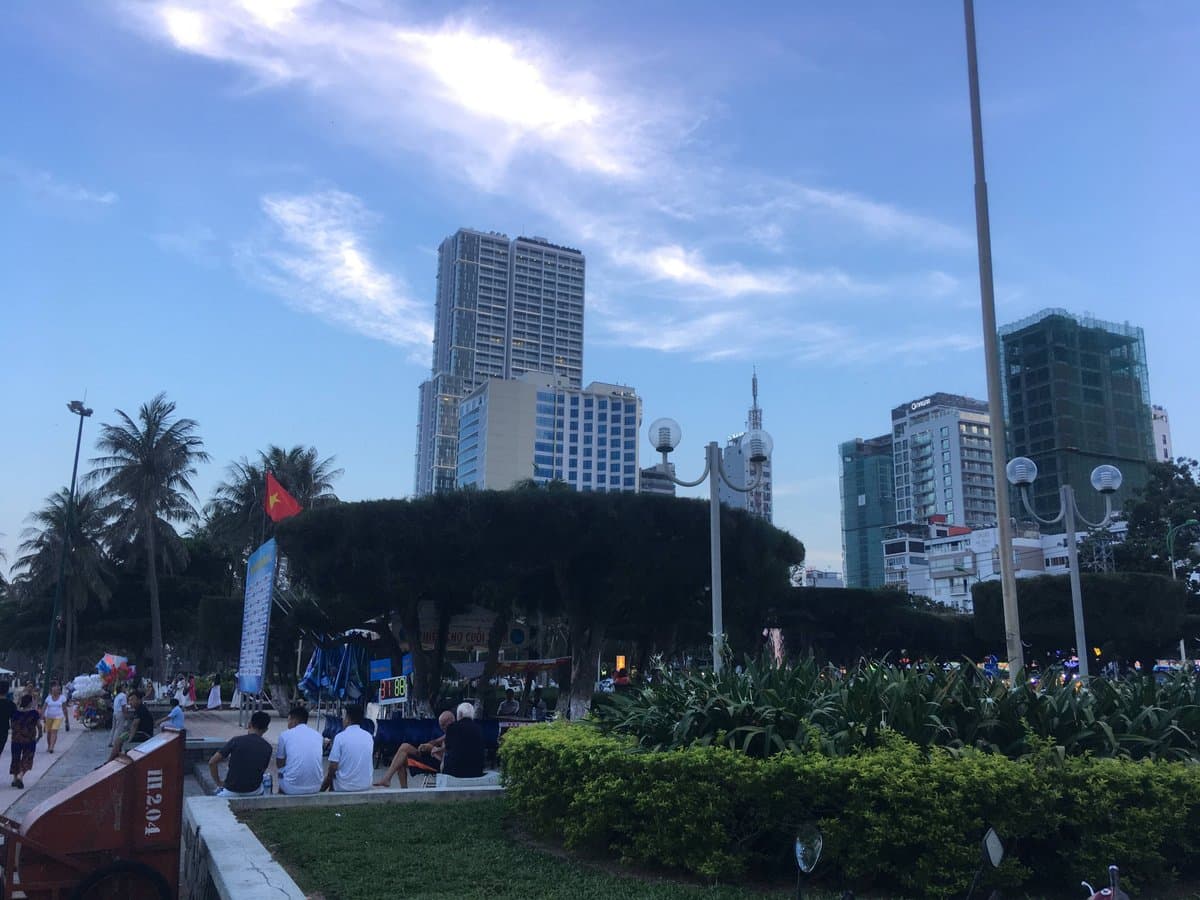
Every guide in this field is a buying funnel. The exit is where foreign buyers actually get hurt, so let’s do it properly.
Renting it out is allowed, but before you sign a tenancy you must notify the local authority in writing: owner’s name, address, rental period, certificate number and date, intended use, and a copy of the certificate. The law names a "district housing authority", but districts ceased to exist in July 2025, and we found no rule naming the new recipient. Ask the commune-level People’s Committee before you sign.
Revenue up to VND 500 million a year is untaxed; above that, VAT and PIT at 5% each. At a 5% yield, a VND 3 billion apartment produces about VND 150 million a year, so most single-unit owners sit under the threshold.
Selling. You may sell to anyone eligible to own the property: a Vietnamese buyer, another foreigner, a company. Tax is 2% of the transfer price, and a deal between two individuals is notarised.
The term behaves differently depending on who buys, and this is the fact almost nobody in English gets right. A Vietnamese buyer takes the home indefinitely, because the time limit does not follow the property. A foreign buyer takes only what is left of your term; the clock does not restart, it keeps running from the date of the original certificate. The rule is set out in this explainer on buying a home from a foreign owner.
So your apartment is worth more to a Vietnamese buyer than to another expat. One is buying an indefinite asset. The other is buying a remainder.
Liquidity is thin either way. Ministry of Construction figures, as reported by VnExpress, put total foreign purchases at about 3,000 from 2015 through Q3 2023, most of them in Hanoi and Ho Chi Minh City.
Some 75% of those buyers came from Asian markets: China, Hong Kong, South Korea, Taiwan, Singapore. Western buyers are a rounding error in the official numbers, whatever the agency websites suggest.
Moving the money home is legal and routine when the paper trail exists. The document pack banks ask for: the notarised sale contract, the ownership transfer certificate, tax payment receipts and proof that the original purchase funds came from abroad. That last item is the one people fail, years after the fact.
The split in expat forums maps exactly onto that. People who wired money in through their own account report clean exits. One account describes transferring around $150,000 "with minimal fuss". People who bought in a spouse’s name describe a very different experience.
Two more constraints on the exit. Your foreign buyer must qualify on the same terms you did: valid passport, entry stamp, no immunity. And time works against you — after fifteen years of ownership you are offering a foreign buyer 35 years, not 50.
If you hold through a company rather than personally, price the maintenance of the entity first, then see registering a company in Vietnam. Tax residence matters at the point of sale too; the 183-day rule is covered in our guide to taxes in Vietnam.
Myths that still rank on Google
| What you’ll read | What the law says |
|---|---|
| "Foreigners never get a pink book" | You do. The certificate records your ownership and your term, Điều 20 Luật Nhà ở 27/2023/QH15 |
| "You get a 50–70 year leasehold" | 50 years, extendable once by up to 50. There is no 70-year residential term |
| "The cap is 30% of everything" | 30% of apartments per building; 250 landed houses per ward-equivalent area |
| "Buy through a Vietnamese company and you can own land" | A company does not create a personal right to housing, and land remains a lease under a project |
| "Property gets you residency" | It does not. Vietnam keeps property and immigration entirely separate |
| "Just put it in your partner’s name" | The registered name holds full legal authority. You hold nothing |
That last line is not editorialising. A Vietnamese lawyer quoted by Vietcetera puts it plainly: the person whose name appears on the ownership certificate has full legal authority. And the land registration office will typically ask a non-Vietnamese spouse to sign an acknowledgement that the property is separate. Sign it and you have waived your claim; refuse and the transfer stalls.
Eight expensive mistakes
- Negotiating with a local owner. You can only buy from a developer or from a foreign owner. A deal with a Vietnamese private seller will not register, whatever price you agree.
- Buying in a spouse’s or nominee’s name. It works until it doesn’t. The registered owner can sell or mortgage without you, and you have no recourse.
- Mistaking a condotel for an apartment. If it is sold as a căn hộ du lịch, no certificate will be issued to you.
- Paying a deposit before checking the quota. Five per cent of the price leaves your account before you know whether you can legally own in that building.
- Paying in cash. It breaches khoản 2 Điều 48 of Law 29/2023/QH15, and it destroys the paper trail you need to take money out later.
- Assuming you can keep extending. One extension, up to 50 years. That is the whole allowance.
- Signing a contract with a pre-reform address. Districts were abolished on 1 July 2025.
- Paying the last 5% early. The ceiling before certificate issuance is 95%, and that balance is your only leverage.
FAQ
No. All land is held by the people as a whole and administered by the state, and Điều 4 of Land Law 31/2024/QH15 does not include foreign individuals among land users. What you can own is the dwelling — an apartment or a house inside an approved project — for a limited term. Vietnamese citizens living abroad are treated differently and do hold land use rights.
Under Điều 17 and Điều 18 of the Housing Law you must be allowed to enter Vietnam and hold no diplomatic immunity. In practice that means a valid passport with a Vietnam entry stamp. No residence card, no work permit, no minimum stay, and no nationality condition. A tourist can legally buy. The constraints are on what you buy and for how long, not on who you are.
No. Vietnam has no residency-by-investment programme tied to real estate, and the investor visa category is linked to capital contributed to a company, not to square metres. The golden-visa package announced in May 2025 remains a draft with no decree number and no application channel. The statuses that do exist are covered in our guide to residency in Vietnam.
No, and this surprises most buyers. Khoản 2 Điều 17 lists a closed set of acquisition routes: from a project developer, by gift or inheritance within a project, or from a foreign organisation or individual who already owns the home. A private Vietnamese seller is not among them, and the transfer will not register.
Rarely. Banks want local income, a work permit and a temporary residence card, and time-limited title makes weak collateral. Most foreign buyers pay cash or use the developer’s construction-stage instalment plan.
Longer than the statute suggests, and no honest source will give you a median. The developer must file within 50 days of handover, and statutory registration timings are 17 working days plus 3 to issue. In practice the developer has to clear its own land and tax obligations first, which is where the delay lives. The widely quoted "12 to 36 months" figure has no primary source behind it.
The Vietnamese property itself is not reported on Form 8938 or the FBAR. Vietnamese bank accounts over $10,000 trigger FBAR filing, and holding through an entity can trigger Form 5471 or 8865. Vietnamese registration fees and taxes are generally creditable against US tax. The catch: Vietnam’s 2% transfer tax applies to the gross price, so a sale at no gain still produces tax with no US gain to credit it against.
Data current as of September 2026. Rules, thresholds and the exchange rate change — check against the act in force and with a Vietnamese lawyer before you pay a deposit.
Read next: Renting a home in Vietnam · Residency in Vietnam · Opening a Vietnamese bank account · The 2025 administrative reform




- Housing
Where to Stay in Phan Thiet: Best Resorts & Areas 2026
Where to stay in Phan Thiet and Mui Ne: beach resorts, the Mui Ne strip vs the city and budget options — what to pick and how to book.Where to Stay in Phan Thiet: Best Resorts & Areas 2026 - Housing
Hoi An Hotels 2026: Where to Stay by Area
Hoi An hotels guide: Old Town, An Bang beach and Cam Thanh — resorts, boutique stays and homestays, when to book and how to save.Hoi An Hotels 2026: Where to Stay by Area - Housing
Vinpearl Nha Trang Resort 2026: Review, Rooms & Prices
Vinpearl Nha Trang Resort review: how to get there, rooms and prices, beach and pools, dining, VinWonders access and honest pros and cons.Vinpearl Nha Trang Resort 2026: Review, Rooms & Prices