Vietnam's 2025 administrative reform: the new map
Since 12 June 2025 Vietnam has had 34 provinces instead of 63, and on 1 July 2025 it switched to a two-tier system of local government, abolishing the entire district tier. Nha Trang, Hoi An, Da Lat, Phan Thiet and Phu Quoc stopped existing as administrative units — they did not move or get renamed, they simply stopped being units.
If you are here for a week with a hotel voucher, this is trivia. If you are signing a lease, filling in a visa application or registering your stay with the local police, it is a practical problem: the address you have written the same way for years is now wrong. Not slightly wrong — it contains an extra tier and possibly the wrong province.
English-language coverage has barely caught up. Open almost any guide to Phu Quoc and it still says "Kien Giang Province." Kien Giang has not existed since June 2025.
- ✓ You are signing a lease with an address on it
- ✓ You are filling in a visa, insurance or bank form in Vietnam
- ✓ You own property or hold Vietnamese documents issued between 2019 and 2024
- ✗ You are here for a week with a hotel booking: the hotel handles its own address
- ✗ You will not sign anything in Vietnam beyond a restaurant bill
What changed on 1 July 2025
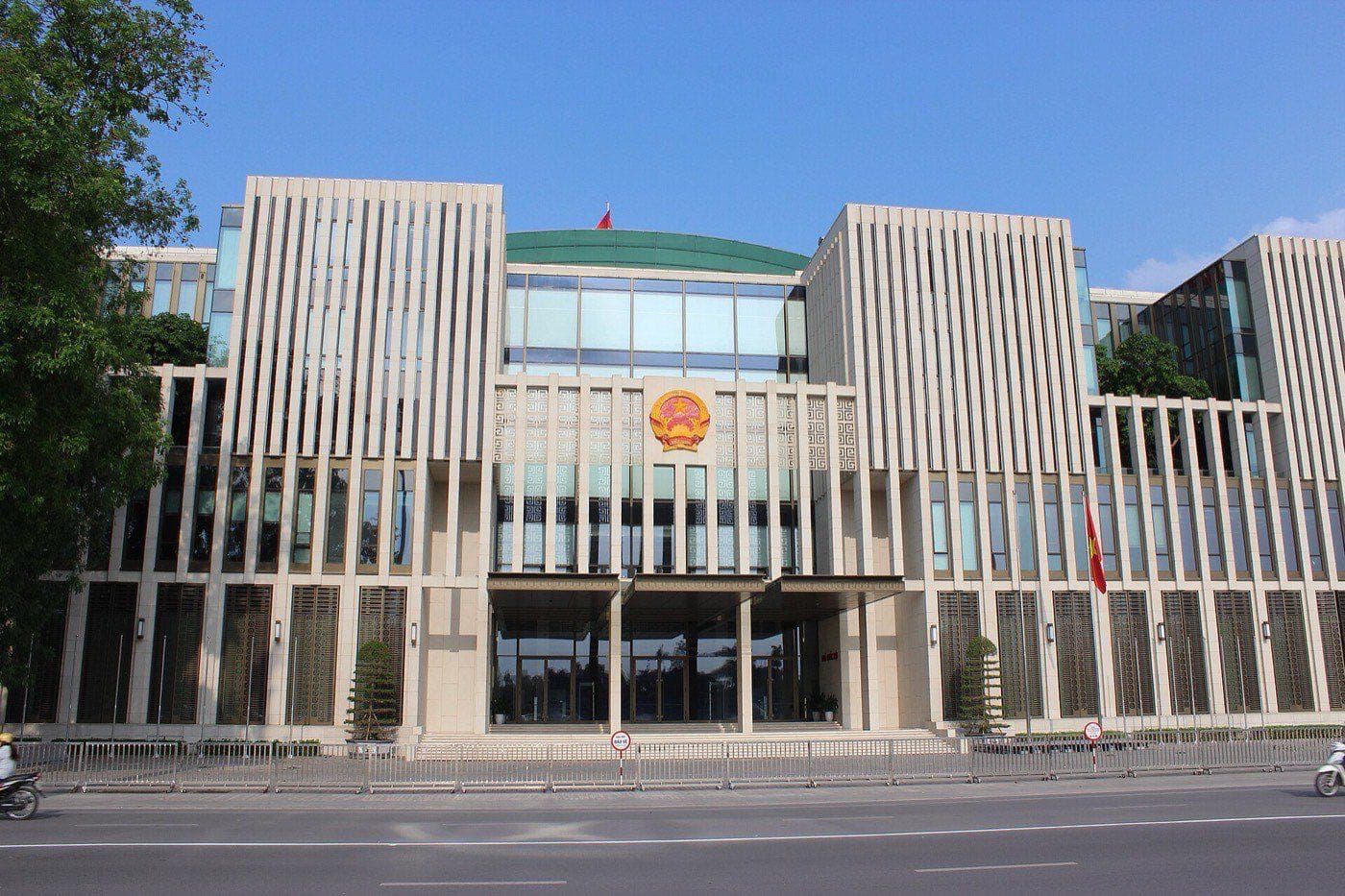
Vietnam removed the middle tier of local government. There used to be three steps — province, district, commune. Now there are two: province and commune. On top of that the provinces themselves were merged: 63 units became 34, of which 28 are provinces and 6 are centrally run cities.
| Item | Before | After | Effective |
|---|---|---|---|
| Province-level units | 63 | 34 | 12 June 2025 (act), 1 July 2025 (operations) |
| Tiers of local government | 3 | 2 | 1 July 2025 |
| Commune-level units | ~10,035 | 3,321 | 1 July 2025 |
| District-level units | 696 | 0 | 1 July 2025 |
| Types of commune-level unit | xã, phường, thị trấn | xã, phường, đặc khu | 1 July 2025 |
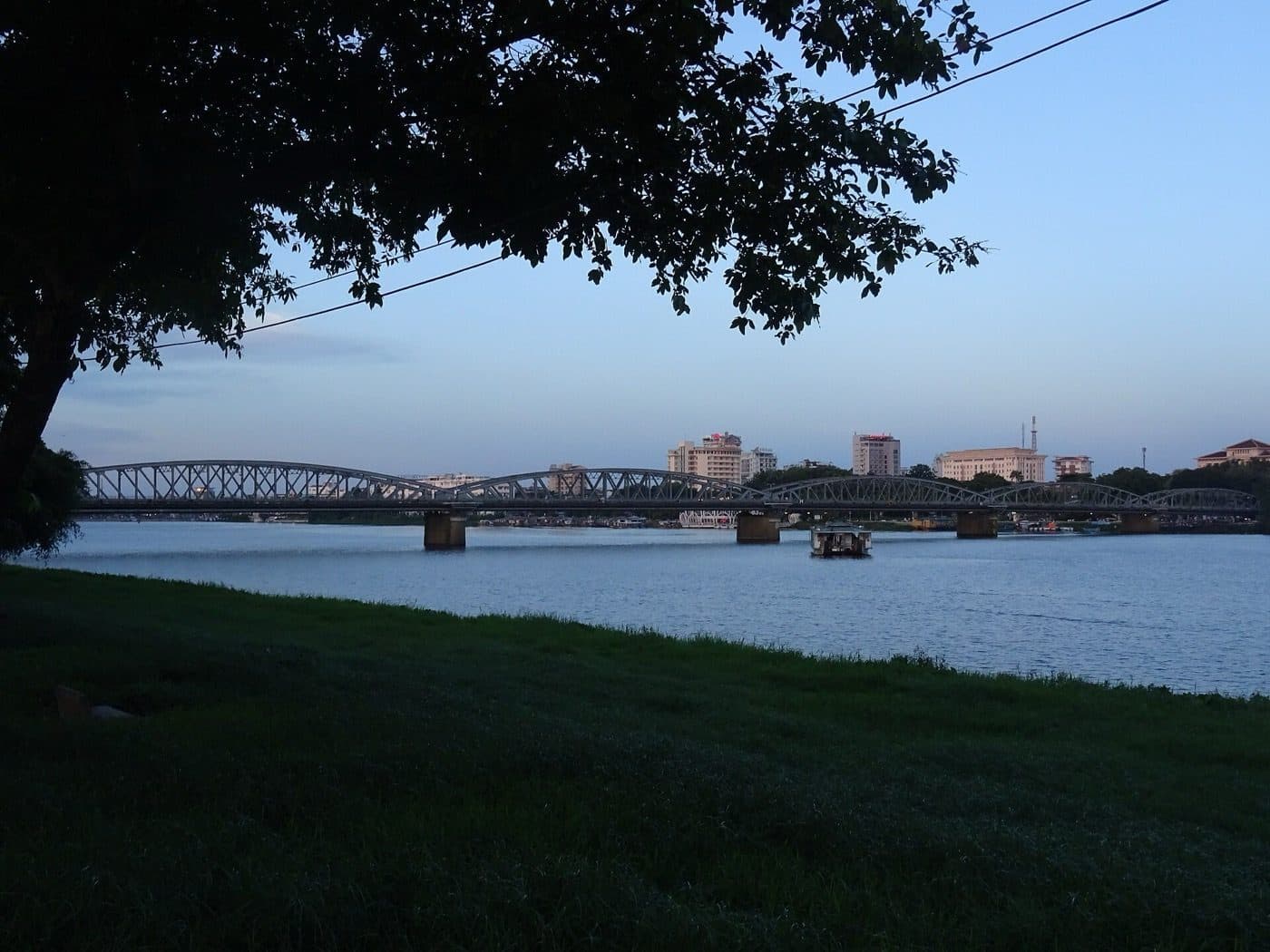
The six centrally run cities are Hanoi, Hai Phong, Hue, Da Nang, Ho Chi Minh City and Can Tho. Hue joined that list slightly ahead of the rest, under Nghị quyết 175/2024/QH15 of 30 November 2024, in force from 1 January 2025.
Why there are several dates
The reform is a chain of documents rather than a single act:
- 19 February 2025 — Nghị quyết 190/2025/QH15, a separate act on transitional issues of restructuring the state apparatus. It came first because the apparatus reshuffle started before the provincial mergers.
- 12 April 2025 — Central Committee resolution Nghị quyết 60-NQ/TW, adopted at the 11th plenum. The political decision: 34 units, two tiers.
- 12 June 2025 — Nghị quyết 202/2025/QH15. This is the act that legally merged 63 provinces into 34.
- 16 June 2025 — Nghị quyết 203/2025/QH15 amending the 2013 Constitution, and Luật 72/2025/QH15, the Law on Organisation of Local Government. The Constitution had entrenched three tiers, so it had to be amended first.
- 16 June 2025 — resolutions of the National Assembly Standing Committee, one per province, cutting the commune level inside each. Khanh Hoa is Nghị quyết 1667/NQ-UBTVQH15; Hanoi 1656, Da Nang 1659, Lam Dong 1671, Ho Chi Minh City 1685, An Giang with Phu Quoc 1654.
One date matters for you: 1 July 2025. That is when district administrations stopped existing and the new wards began operating.
Two tiers instead of three
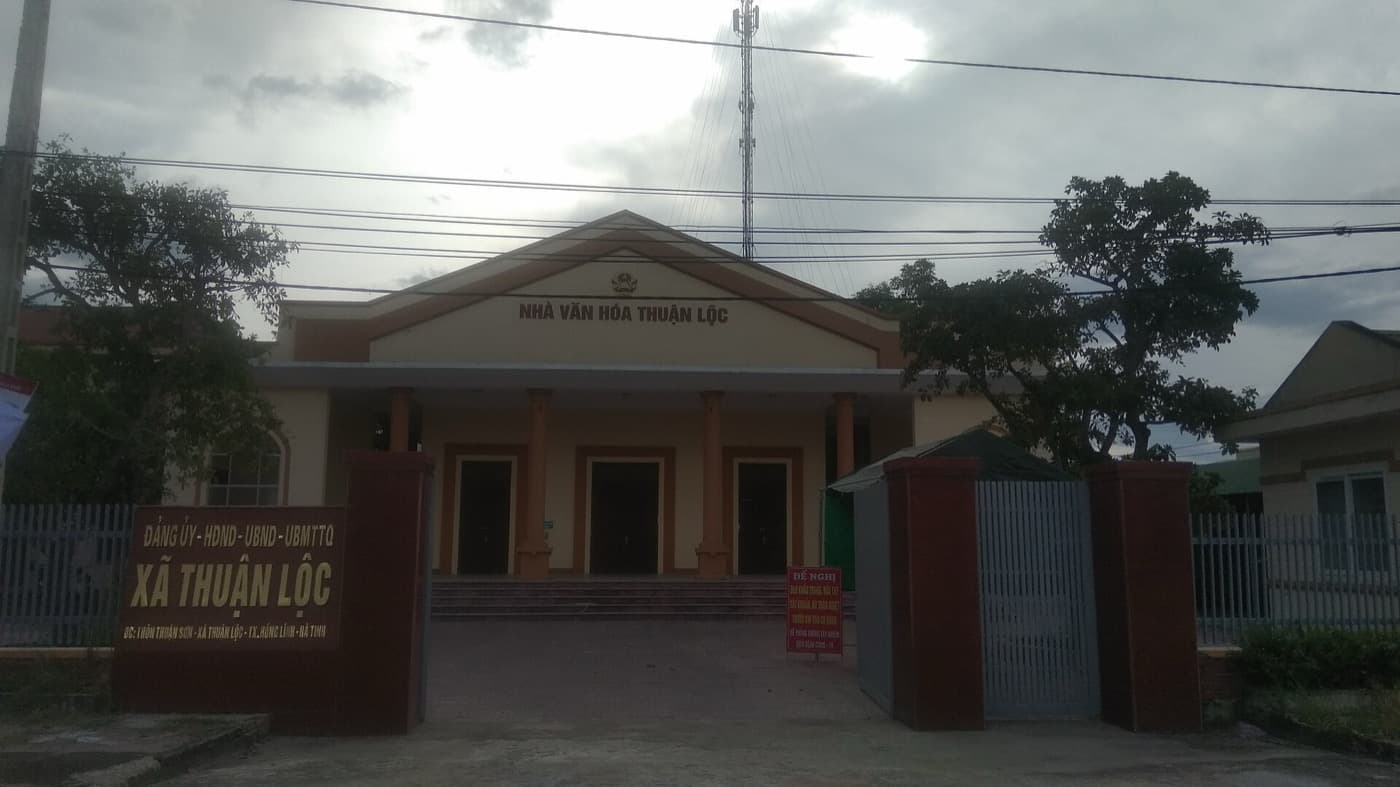
The powers of the vanished district went in two directions. A small share moved up to provincial departments (Sở): 9 of 99 powers, by the Home Affairs Ministry's count. The rest moved down to the ward or commune. The principle written into the reform: provincial matters to the province, grassroots matters to the grassroots.
The vocabulary you will meet on forms:
| Term | What it means now |
|---|---|
| tỉnh | Province, the upper tier |
| thành phố trực thuộc trung ương | Centrally run city, same rank as a province |
| phường | Ward, the urban commune-level unit |
| xã | Commune, the rural equivalent |
| đặc khu | Special zone, the island equivalent |
And the words that are gone: quận (urban district), huyện (rural district), thị xã (town), thị trấn (township), thành phố thuộc tỉnh (city within a province). That last one is why Nha Trang, Da Lat and Hoi An disappeared as units: all three were cities within a province.
What a ward does now
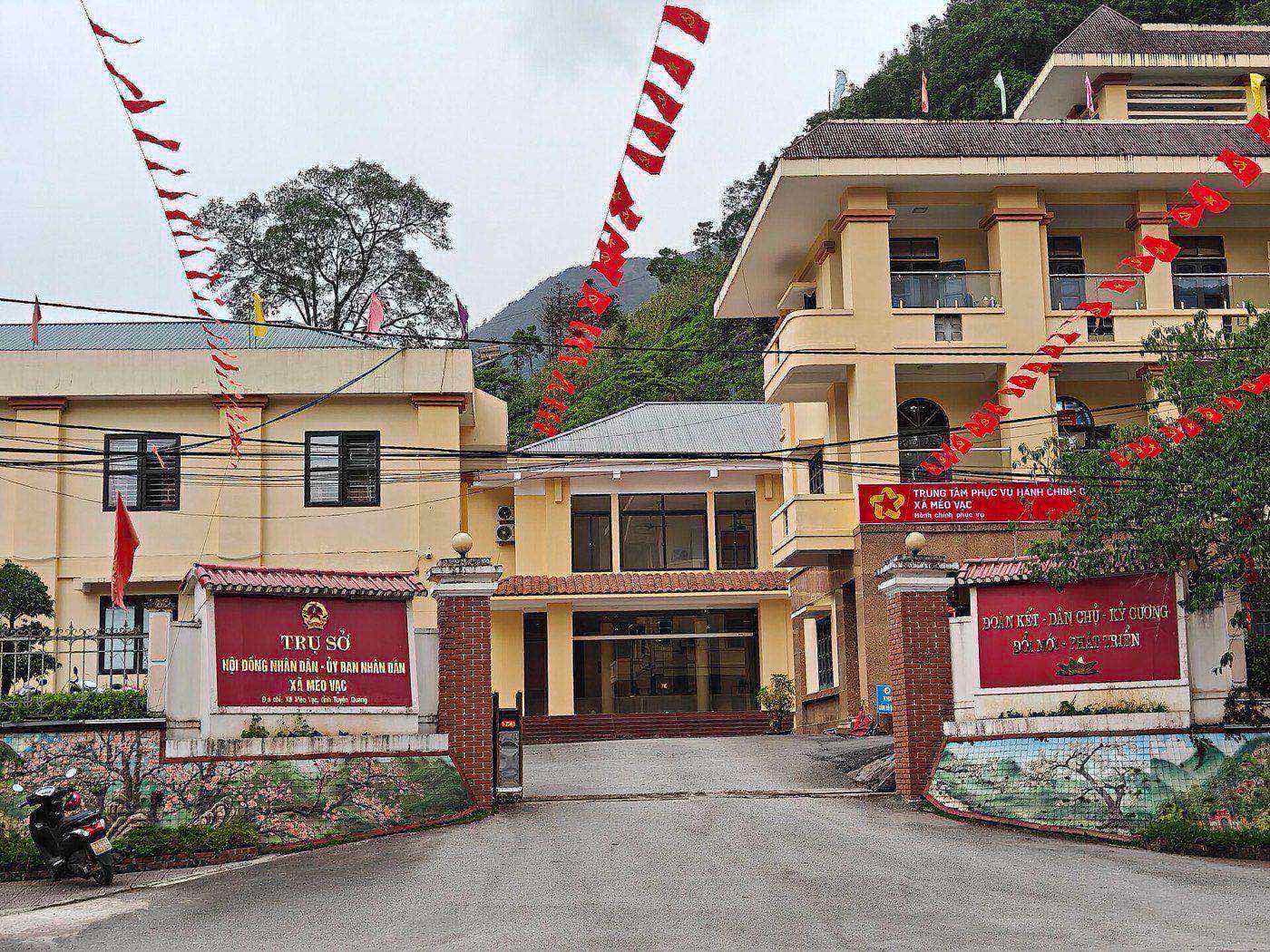
The people's committee of your ward went from "the place you get a stamp" to the main counter. Residence registration, document certification, everyday permits — all the things you used to travel to the district office for.
The province kept the heavy items: business and foreigner permits, land decisions at policy level, sectoral administration. There is no intermediary between the two, which was the entire point. The district was the step where files sat longest.
The side effect is visible on the ground. Wards were merged roughly threefold, the workload per office rose, and headcount did not always follow. In the first months after 1 July 2025 the queues were noticeably longer than usual.
The trap almost everyone falls into
District names did not disappear: they became ward names. Ngu Hanh Son in Da Nang was a district, now it is a ward. Hai Chau was a district, now a ward. Hoan Kiem in Hanoi was a district, now a ward.
That produces hybrids like "quận Ngũ Hành Sơn" on paperwork. No such unit exists — the word survived, the rank changed. The correct form is phường Ngũ Hành Sơn.
The same break shows up in procedures that worked for years. Work permits, for instance: applications used to pass through the district, and now the labour department has been folded into the province's Sở Nội vụ. An instruction sheet that sends you to "District 7" leads nowhere. The current route is covered in the guide to getting a Vietnamese work permit.
Old name to new name: the places you will actually look up
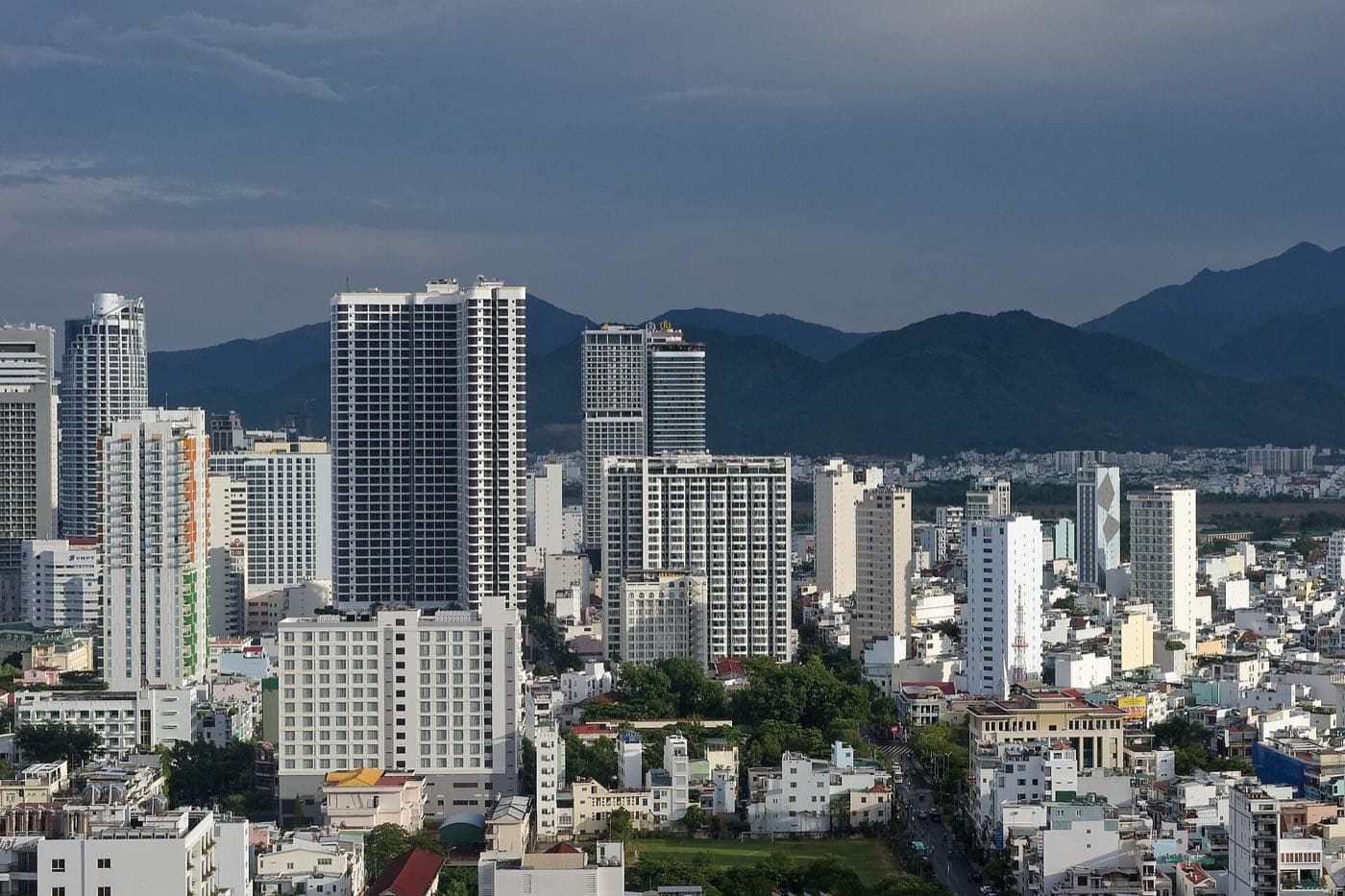
The short version first. Detailed compositions follow.
| Place | Was | Now |
|---|---|---|
| Nha Trang | thành phố Nha Trang, tỉnh Khánh Hòa | Four wards: Nha Trang, Bắc, Tây, Nam Nha Trang |
| Cam Ranh | thành phố Cam Ranh, tỉnh Khánh Hòa | phường Cam Ranh and neighbouring wards |
| Phu Quoc | thành phố Phú Quốc, tỉnh Kiên Giang | đặc khu Phú Quốc, tỉnh An Giang |
| Hoi An | thành phố Hội An, tỉnh Quảng Nam | phường Hội An, thành phố Đà Nẵng |
| Da Nang, An Thuong | phường Mỹ An, quận Ngũ Hành Sơn | phường Ngũ Hành Sơn |
| Ho Chi Minh City centre | phường Bến Nghé, Quận 1 | phường Sài Gòn |
| Thu Duc | thành phố Thủ Đức | phường Thủ Đức and neighbours |
| Hanoi Old Quarter | quận Hoàn Kiếm, 13 wards | One phường Hoàn Kiếm |
| Da Lat | thành phố Đà Lạt, tỉnh Lâm Đồng | Five wards ending in "– Đà Lạt" |
| Mui Ne | phường Mũi Né, thành phố Phan Thiết, tỉnh Bình Thuận | phường Mũi Né, tỉnh Lâm Đồng |
| Con Dao | huyện Côn Đảo, tỉnh Bà Rịa – Vũng Tàu | đặc khu Côn Đảo, Ho Chi Minh City |
Nha Trang and Cam Ranh
Khanh Hoa absorbed Ninh Thuan and now holds 65 commune-level units: 16 wards, 48 communes and one special zone, Truong Sa. The provincial seat is the ward of Nha Trang.
The city itself was split into four wards, and all 22 of its former wards and communes were distributed among them without remainder.
| New ward | Former units | Area | Population |
|---|---|---|---|
| Nha Trang | Van Thanh, Loc Tho, Vinh Nguyen, Tan Tien, Phuoc Hoa | 47.1 km² | 136,118 |
| Bắc Nha Trang | Vinh Hoa, Vinh Hai, Vinh Phuoc, Vinh Tho, Vinh Luong, Vinh Phuong | 97.0 km² | 128,239 |
| Tây Nha Trang | Ngoc Hiep, Phuong Sai, Vinh Ngoc, Vinh Thanh, Vinh Hiep, Vinh Trung | 27.9 km² | 108,065 |
| Nam Nha Trang | Phuoc Hai, Phuoc Long, Vinh Truong, Vinh Thai, Phuoc Dong | 82.2 km² | 130,164 |
Tran Phu beachfront, Loc Tho and the Cau Da pier where island boats leave all fall into the ward of Nha Trang. The northern beach, Vinh Hoa and Vinh Luong went to Bac Nha Trang. Phuoc Dong and the southern edge went to Nam Nha Trang.
A concrete case you can verify yourself. Amiana Resort is listed in older descriptions as being in Vinh Hoa ward, Nha Trang city; its own website now gives Bac Nha Trang Ward, Khanh Hoa. The hotel did not move — the unit underneath it changed. The Amiana review explains why you should take the address from the property's own site rather than from a tour voucher when filling in insurance or visa forms.
Cam Ranh went the same way. The city is gone, replaced by several wards: Cam Ranh (formed from Cam Phu, Cam Loc and Cam Phuc Nam; 17.5 km², 31,237 people), Ba Ngòi to the west, Bắc Cam Ranh to the north and Cam Linh to the south. The rural district of Cam Lam also ceased to exist.
Cam Ranh international airport, where most charter flights land, sits in Bắc Cam Ranh, which combines the former Cam Nghia, Cam Phuc Bac and the commune of Cam Thanh Nam: 134 km², 43,644 residents.
The Bai Dai resort strip between the airport and the city landed somewhere unexpected — the commune of Cam Lâm. A commune, not a ward: former Cam Hai Dong went in together with Cam Duc township, Cam Hai Tay, Cam Thanh Bac and parts of seven more communes, making 150 km² and 86,530 people.
So a line of five-star resorts is formally registered in a rural unit. In practice that changes exactly one thing: contracts and forms now read xã Cam Lâm, tỉnh Khánh Hòa, with no "Cam Ranh" in the string at all.
Da Nang and Hoi An
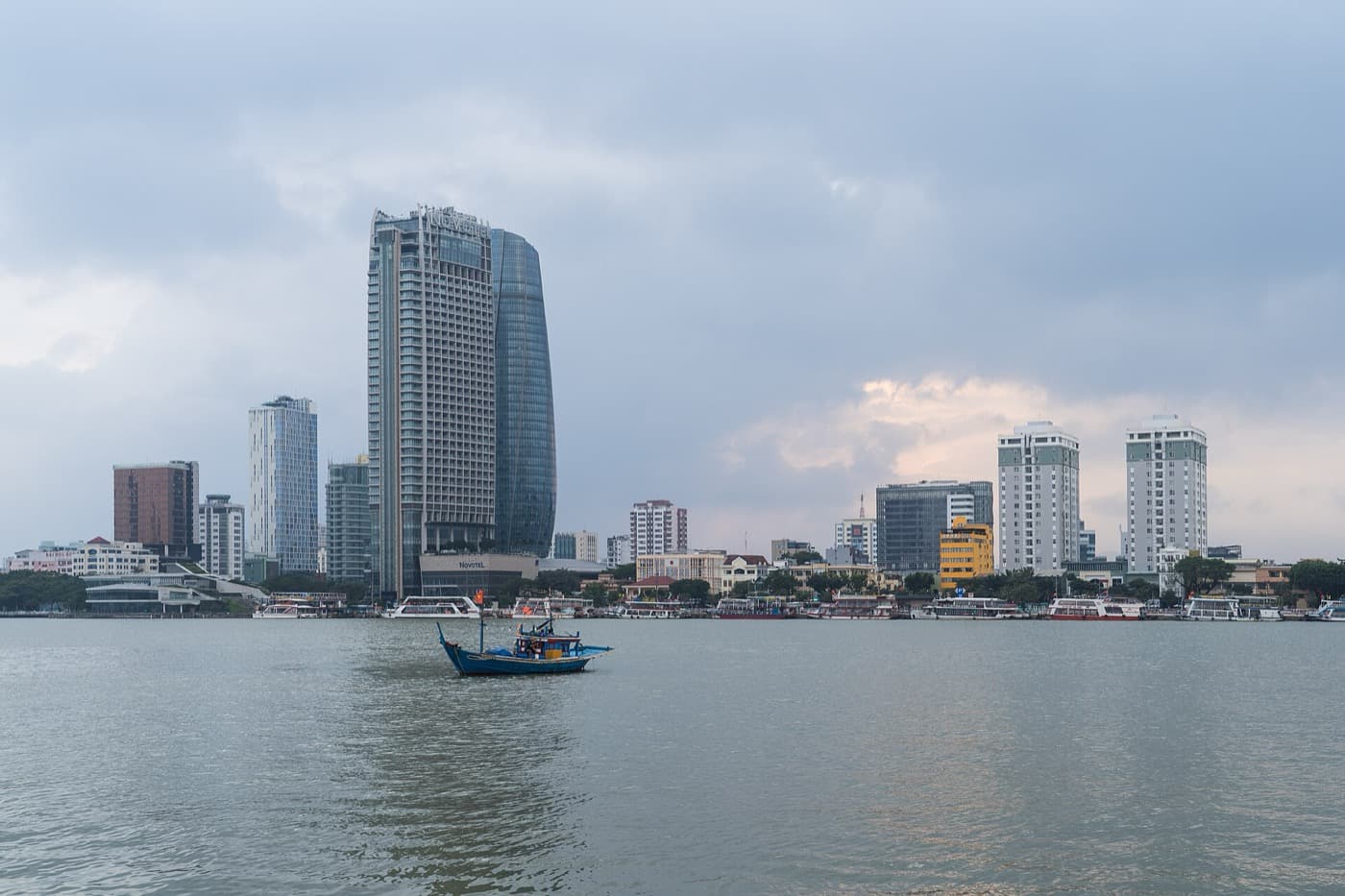
Quang Nam province was merged into the city of Da Nang. The city now has 94 commune-level units: 23 wards, 70 communes and one special zone, Hoang Sa.
Its urban wards carry the names of the former districts, which is where most of the confusion comes from:
| New ward | Former units | What is there |
|---|---|---|
| Hải Châu | Thanh Binh, Thuan Phuoc, Thach Thang, Phuoc Ninh, Hai Chau | City centre, Bach Dang riverfront, Dragon Bridge |
| Ngũ Hành Sơn | My An, Khue My, Hoa Hai, Hoa Quy | An Thuong expat area, Marble Mountains, southern beach |
An Thuong, the neighbourhood most foreigners in Da Nang actually live in, used to be written "phường Mỹ An, quận Ngũ Hành Sơn". It is now simply phường Ngũ Hành Sơn, and the "quận" line should not appear at all. How the city breaks down by area is covered in the guide to Da Nang districts.
Hoi An ended up inside Da Nang. The city of Hoi An no longer exists; in its place are three wards — Hội An, Hội An Đông and Hội An Tây. The Ancient Town with the lanterns and the yellow walls is in the first, formed from Minh An, Cam Pho, Son Phong, Cam Nam and the commune of Cam Kim: 10.8 km², 37,222 residents.
So the address line for Hoi An is now short and unfamiliar: phường Hội An, thành phố Đà Nẵng. No Quang Nam in it. If your booking confirmation still says "Quang Nam Province", that is an out-of-date record rather than a mistake by the property. City guide: Hoi An.
Fast Track — no queue at the border
5–10 minutes instead of an hour in the immigration queue
from$11per passenger
Ho Chi Minh City
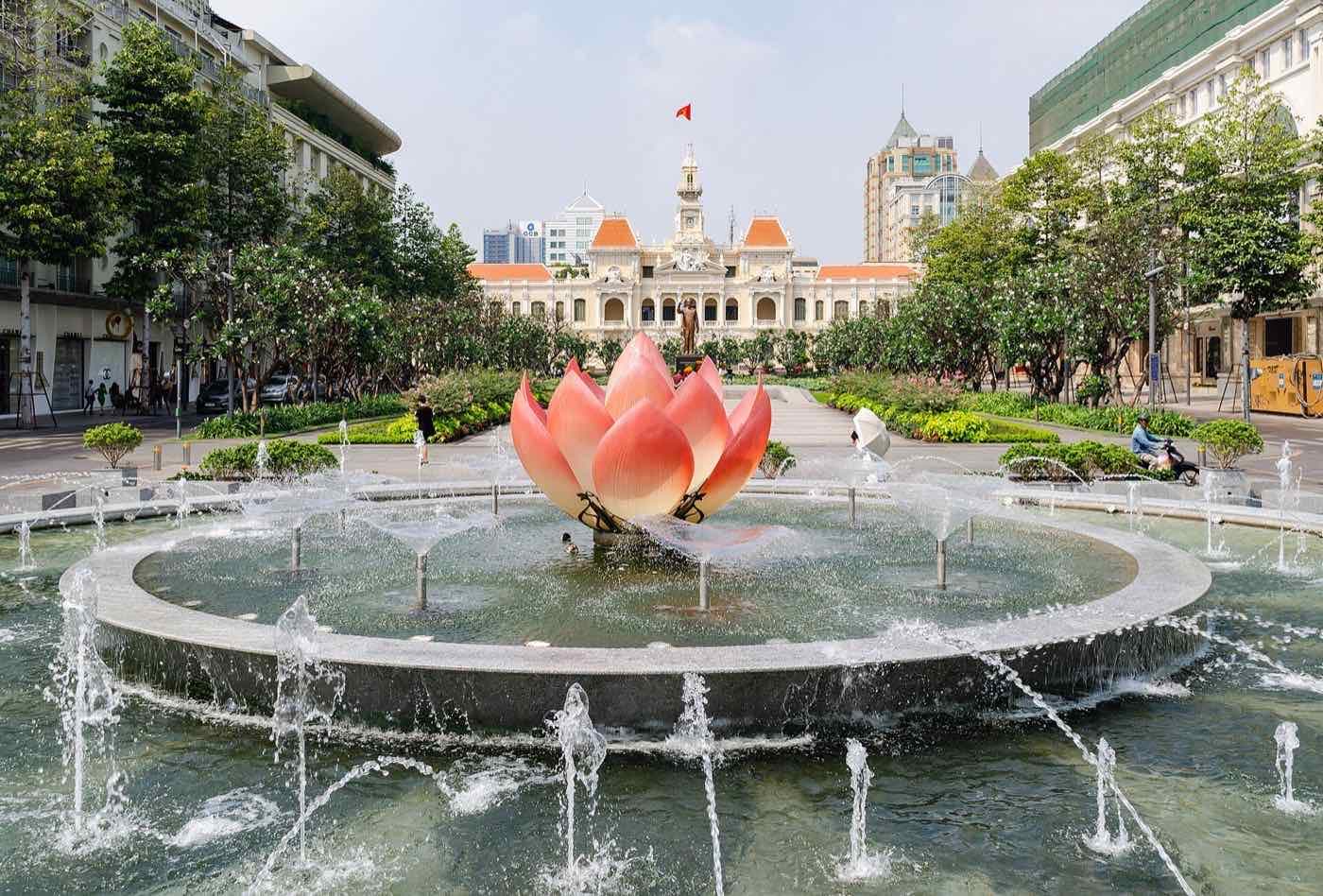
The city grew: Binh Duong and Ba Ria – Vung Tau provinces were merged into it. Inside there are 168 commune-level units — 113 wards, 54 communes and the special zone of Con Dao.
The numbered districts are gone. District 1, District 3, District 7 no longer exist as units. The core of the former District 1 became the ward of Sài Gòn: all of Ben Nghe plus parts of Da Kao and Nguyen Thai Binh, 3.04 km², 47,022 people. Around it sit the wards of Tan Dinh, Ben Thanh and Cau Ong Lanh.
Thu Duc is its own story. It was itself assembled in 2021 out of three districts and called a city within a city. In 2025 it stopped being a unit as well: its territory was split among several wards, and the ward of Thủ Đức now covers Linh Chieu, Binh Tho, Truong Tho and parts of Linh Tay and Linh Dong — 8.81 km², 118,952 people.
Con Dao moved from Ba Ria – Vung Tau to Ho Chi Minh City and became a special zone. The islands are formally part of Ho Chi Minh City, though Vung Tau, its nearest mainland part, is about 185 km away across open sea.
In speech, "District 1" and "District 7" will survive forever, and every driver will understand you. On a contract or a form you need the ward. For the geography behind the names, see Ho Chi Minh City districts and the general Ho Chi Minh City guide.
Hanoi
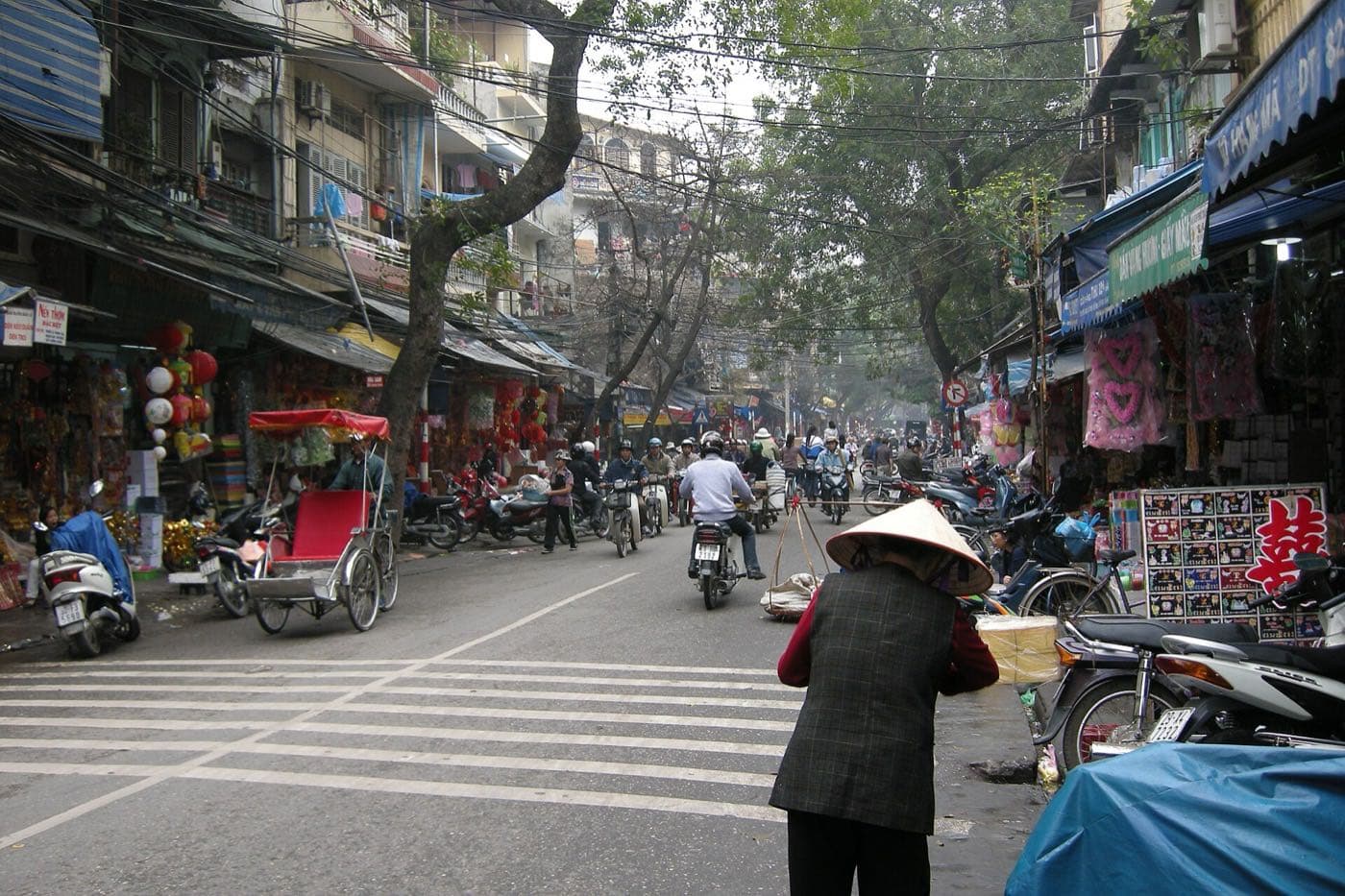
The city boundary did not change; the cut inside it did. Hanoi went from more than five hundred commune-level units to 126 — 51 wards and 75 communes.
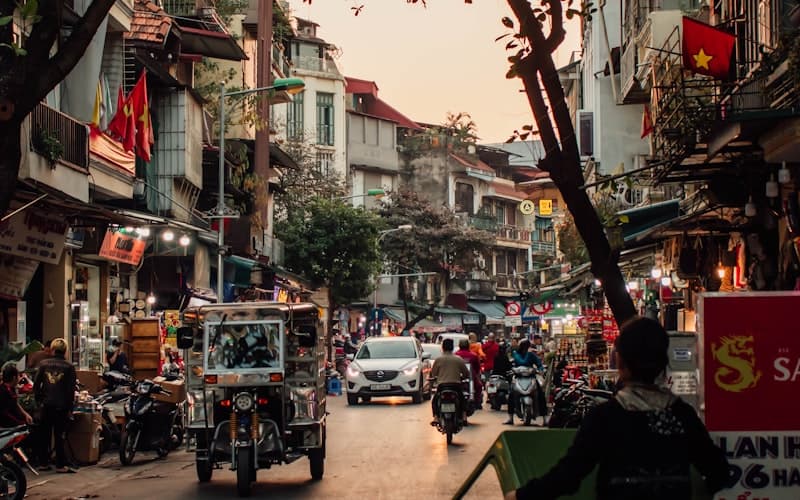
Hoan Kiem district was abolished along with its thirteen wards: Cua Dong, Cua Nam, Dong Xuan, Hang Bac, Hang Bong, Hang Bo, Hang Buom, Hang Dao, Hang Gai, Hang Ma, Hang Trong, Ly Thai To and Trang Tien. All of them, plus Dien Bien ward from the former Ba Dinh, merged into one phường Hoàn Kiếm of 1.91 km² and 105,301 people.
Which means the whole Old Quarter, where every street spent centuries specialising in one trade, is now a single administrative unit. Street names survived intact: Hang Bac is still the silversmiths' street, it just stopped being a ward. The general Hanoi guide describes the city by the landmarks people actually use — keep using those in conversation.
Da Lat, Phan Thiet and Mui Ne
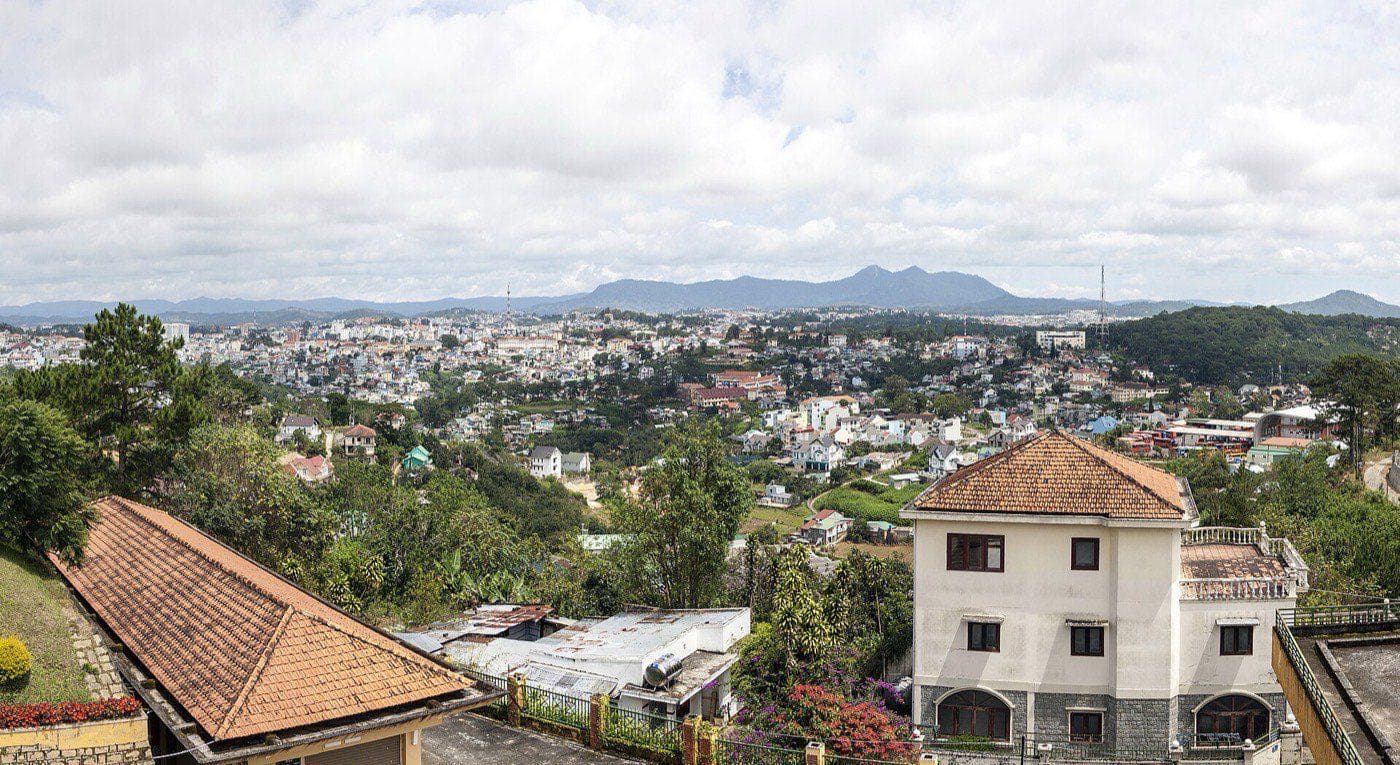
Lam Dong was assembled from three provinces: Lam Dong itself, Dak Nong and Binh Thuan. It is the largest province in the country by area, and it contains 124 commune-level units — 20 wards, 103 communes and the special zone of Phu Quy.
Da Lat was split into five wards, all of which kept the city's name: Xuân Hương – Đà Lạt, Cam Ly – Đà Lạt, Lâm Viên – Đà Lạt, Xuân Trường – Đà Lạt and Lang Biang – Đà Lạt. The seat of the whole province is Xuan Huong – Da Lat, the ward wrapped around the lake. City guide: Da Lat.
Phan Thiet also stopped being a city and is now phường Phan Thiết. Mui Ne, formerly a ward inside Phan Thiet, became a ward of the province in its own right: phường Mũi Né combines Ham Tien, Mui Ne and the commune of Thien Nghiep — 118.6 km², 50,166 people.
For Mui Ne this is the most disorienting rename of the lot. It used to be Mui Ne ward, Phan Thiet city, Binh Thuan province. It is now Mui Ne ward, Lam Dong province. Binh Thuan does not exist, and Lam Dong — until recently shorthand for pine forests and coffee — now has a coastline and kitesurfing schools. Guides to both: Mui Ne and Phan Thiet.
Phu Quoc

The sharpest change on the list. Kien Giang province was merged into An Giang, and Phu Quoc stopped being a city and became a special zone — đặc khu Phú Quốc, 575.3 km², around 157,600 residents.
A special zone sits at commune level. That means it has no internal administrative divisions at all: the wards of Duong Dong and An Thoi and the communes of Bai Thom, Cua Can, Cua Duong, Duong To, Ganh Dau and Ham Ninh stopped being units. The Tho Chau islands were split off as a separate special zone.
The correct address line is đặc khu Phú Quốc, tỉnh An Giang. Neither "thành phố Phú Quốc" nor "tỉnh Kiên Giang" can appear in it, because neither unit exists.
Phu Quoc is where the mismatch shows up most often, in English sources as much as anywhere else — including our own overview of Vietnam's islands, written while Kien Giang still existed. Read the general Phu Quoc guide with that caveat in mind.
The thirteen special zones

A special zone (đặc khu) is a unit type that did not exist before the reform. All thirteen are islands, all sit at commune level, and all report directly to their province.
| Special zone | Province or city |
|---|---|
| Van Don, Co To | Quang Ninh |
| Bach Long Vi, Cat Hai | Hai Phong |
| Con Co | Quang Tri |
| Ly Son | Quang Ngai |
| Hoang Sa | Da Nang |
| Truong Sa | Khanh Hoa |
| Phu Quy | Lam Dong |
| Con Dao | Ho Chi Minh City |
| Kien Hai, Phu Quoc, Tho Chau | An Giang |
Three things follow from that table. Phu Quoc and Con Dao, the two islands foreigners actually visit, now sit in different provinces, though both used to be rural districts of coastal provinces. Hoang Sa (the Paracels) and Truong Sa (the Spratlys) were given the same status, which is a political statement as much as an administrative one. And if you are writing an address on an island, the word "district" has no place in it.
All 34 units: what merged into what
A reference table for when you need to check somewhere other than your own resort. New unit on the left, what went into it on the right. The eleven units that were not merged are grouped at the end.
| New unit | Merged from | Seat |
|---|---|---|
| Tuyen Quang | Tuyen Quang + Ha Giang | Tuyen Quang |
| Lao Cai | Lao Cai + Yen Bai | Yen Bai |
| Thai Nguyen | Thai Nguyen + Bac Kan | Thai Nguyen |
| Phu Tho | Phu Tho + Vinh Phuc + Hoa Binh | Phu Tho |
| Bac Ninh | Bac Ninh + Bac Giang | Bac Giang |
| Hung Yen | Hung Yen + Thai Binh | Hung Yen |
| Hai Phong (city) | Hai Phong + Hai Duong | Hai Phong |
| Ninh Binh | Ninh Binh + Ha Nam + Nam Dinh | Ninh Binh |
| Quang Tri | Quang Tri + Quang Binh | Quang Binh |
| Da Nang (city) | Da Nang + Quang Nam | Da Nang |
| Quang Ngai | Quang Ngai + Kon Tum | Quang Ngai |
| Gia Lai | Gia Lai + Binh Dinh | Binh Dinh (Quy Nhon) |
| Dak Lak | Dak Lak + Phu Yen | Buon Ma Thuot |
| Khanh Hoa | Khanh Hoa + Ninh Thuan | Nha Trang ward |
| Lam Dong | Lam Dong + Dak Nong + Binh Thuan | Xuan Huong – Da Lat |
| Dong Nai | Dong Nai + Binh Phuoc | Bien Hoa |
| Ho Chi Minh City | HCMC + Binh Duong + Ba Ria – Vung Tau | Ho Chi Minh City |
| Tay Ninh | Tay Ninh + Long An | Long An |
| Dong Thap | Dong Thap + Tien Giang | My Tho |
| Vinh Long | Vinh Long + Ben Tre + Tra Vinh | Vinh Long |
| Can Tho (city) | Can Tho + Soc Trang + Hau Giang | Can Tho |
| Ca Mau | Ca Mau + Bac Lieu | Ca Mau |
| An Giang | An Giang + Kien Giang | Rach Gia |
| Hanoi, Hue and the provinces of Cao Bang, Dien Bien, Lai Chau, Lang Son, Quang Ninh, Son La, Thanh Hoa, Nghe An, Ha Tinh | Not merged | Same name |
Two patterns are worth noticing. The surviving name usually belongs to the larger or better-known component — but not always, and Lao Cai administered from Yen Bai proves it. And the seat does not have to sit in the unit whose name won: Gia Lai is called Gia Lai and is run from Quy Nhon, formerly the capital of Binh Dinh.
Practical consequence: if a province you knew has vanished from the list, look for it by geography rather than by name. It is inside a neighbour.
How to write a Vietnamese address now
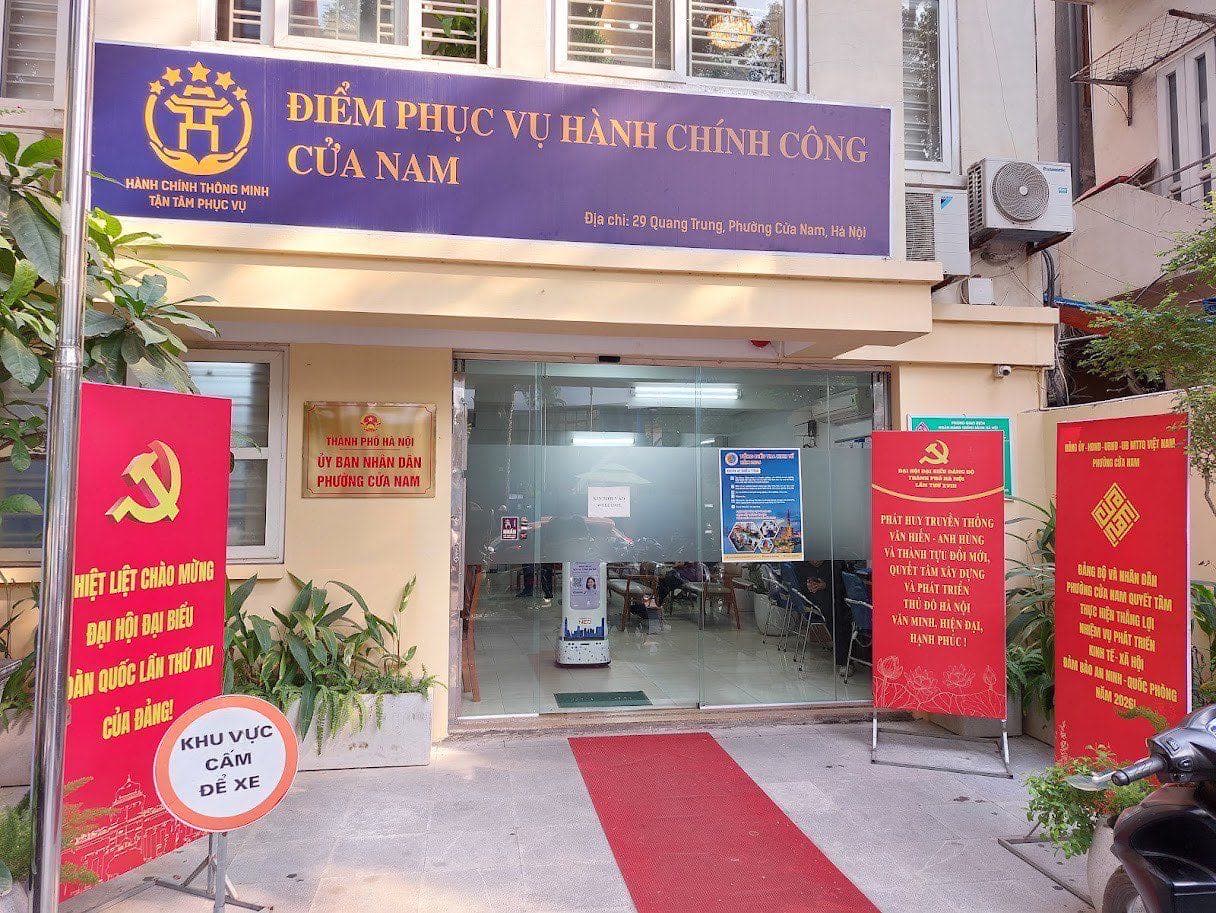
The address lost exactly one line:
| When | Address shape |
|---|---|
| Before | house number, street — phường X — quận/huyện Y — tỉnh/thành phố Z |
| After | house number, street — phường/xã X — tỉnh/thành phố Z |
The four mistakes that turn up most often on leases and application forms:
- "quận Ngũ Hành Sơn" — a hybrid. The word survived in the ward's name, the rank did not. Correct: phường Ngũ Hành Sơn.
- "thành phố Nha Trang, tỉnh Khánh Hòa" — there is no city. Correct: one of the four wards plus the province.
- "thành phố Phú Quốc, tỉnh Kiên Giang" — neither the city nor the province exists. Correct: đặc khu Phú Quốc, tỉnh An Giang.
- "Hoi An, Quang Nam Province" — the province is gone. Correct: phường Hội An, thành phố Đà Nẵng.
How to find your new name
Work from the property, not from a directory. Three methods, most reliable first:
- The venue's own website. Hotels, hospitals and malls updated their addresses early, because their own paperwork depends on it.
- A recent electricity or water bill. Utilities bill against the current unit, so a fresh invoice shows exactly the string you should put in a contract.
- The Standing Committee resolution for your province. The numbers are listed above: 1656 for Hanoi, 1659 for Da Nang, 1667 for Khanh Hoa, 1671 for Lam Dong, 1685 for Ho Chi Minh City, 1654 for An Giang. Each new unit is defined by listing the old ones, so find the old name and see which line it went into.
What not to rely on: booking aggregators. Their address databases lag, unevenly.
Deliveries and taxis work the other way round. Apps know the point by coordinates and the driver knows it by the name he grew up with, so the old name plus a landmark still performs better there.





Paperwork that predates the reform
Nothing urgent. District files, archives, finances and assets were handed over to successor bodies by 30 June 2025 — that is an explicit statutory requirement, not a hopeful intention. Your document did not fall into a void; there is an office answerable for it.
Here is what Luật 72/2025/QH15 says in Article 54:
| Clause | What it means for you |
|---|---|
| cl. 7 — districts transfer work, records, finances and assets by 30 June 2025, with handover overseen by the provincial chairperson | The district archive exists and has an address |
| cl. 8 — unfinished matters pass to the body that took over district functions, or to the newly formed ward or commune | Go to your ward, not looking for an office that closed |
| cl. 2 — existing rules keep applying until new regulations are issued | Nothing was voided on 1 July |
| cl. 3 — the province inherits international agreements signed at district level | The province carries on the district's international agreements |
| cl. 1 — the whole regulatory base must be aligned with the new model by 1 March 2027 | Inconsistent paperwork is officially normal until March 2027 |
If your document names an abolished district, the sequence is:
- Find your former ward or commune in the resolution for your province — the numbers are above — and see which new unit absorbed it.
- Apply to the people's committee of that new ward or commune. By law it is the successor for your case.
- If the matter straddles several new units, for instance a plot on a boundary, it escalates to the provincial chairperson.
- Write the new name on anything new. Keep the old one only in brackets, and only where recognition matters.
If you hold a company or an address-linked visa in Vietnam, a change of unit name cancels neither the registration nor the permit, but the address will be rewritten at the next routine data update. Worth remembering when extending a visa or dealing with a Vietnamese legal entity.
Three situations where the mismatch actually bites
Most of the time nobody cares about the difference. Trouble appears where two documents are read against each other line by line.
Temporary residence declaration. Your landlord or hotel files your details against the address of the property. If the lease shows an abolished unit and the system already shows the new one, the filing fails first time. The fix is to put the current ward name in the lease. The full filing process after the reform: temporary residence registration in Vietnam.
Banks and insurers. The form asks for a residential address and a document proving it. A mismatch here is not a formality — staff are obliged to reconcile the strings. Bring a lease with the new name, or ask the landlord for a letter.
Property transactions. The most sensitive case. An old certificate describes the plot through a unit that no longer exists, while the new extract uses the current one. Reconciling them is the notary's job, but ask in advance which wording they expect.
The opposite list is short too: flight tickets, hotel bookings, food delivery, taxis and utility payments need no rewriting. There the address is a landmark, not a legal reference.
Where to go instead of the district office
To the people's committee of your ward or commune. That is the working counter for most procedures now: almost everything the district used to do was pushed down to it, 90 of 99 powers.
What went up to the province is the larger, specialised business. A foreigner's work permit is processed through the province's Sở Nội vụ, since the labour department was folded into it and there is no district link in the chain. The same logic applies to most permit procedures that used to involve a district.
The wording worth having on your phone, for when the counter shrugs, is clause 8 of Article 54:
"cơ quan tiếp nhận chức năng, nhiệm vụ, quyền hạn của chính quyền địa phương cấp huyện hoặc chính quyền địa phương cấp xã mới hình thành sau sắp xếp nơi phát sinh công việc, thủ tục có trách nhiệm phối hợp với cơ quan liên quan để tiếp tục giải quyết" — Luật 72/2025/QH15, Article 54, clause 8
In plain terms: the body that took over district functions, or the new ward, is responsible for seeing your case through together with whoever else is involved. Not "may" — is responsible.
If you are sent in circles anyway — the ward says it is provincial, the province says it is the ward's — the law has an answer. The same clause 8, citing Article 11, has the provincial chair direct the resolution when a case involves two or more new units or is complex. Citing that norm works better than raising your voice.
Newly arrived and about to file something? Start with the first days in Vietnam checklist, which sorts out what has to be done immediately and what can wait.
Maps, listings and everyday speech
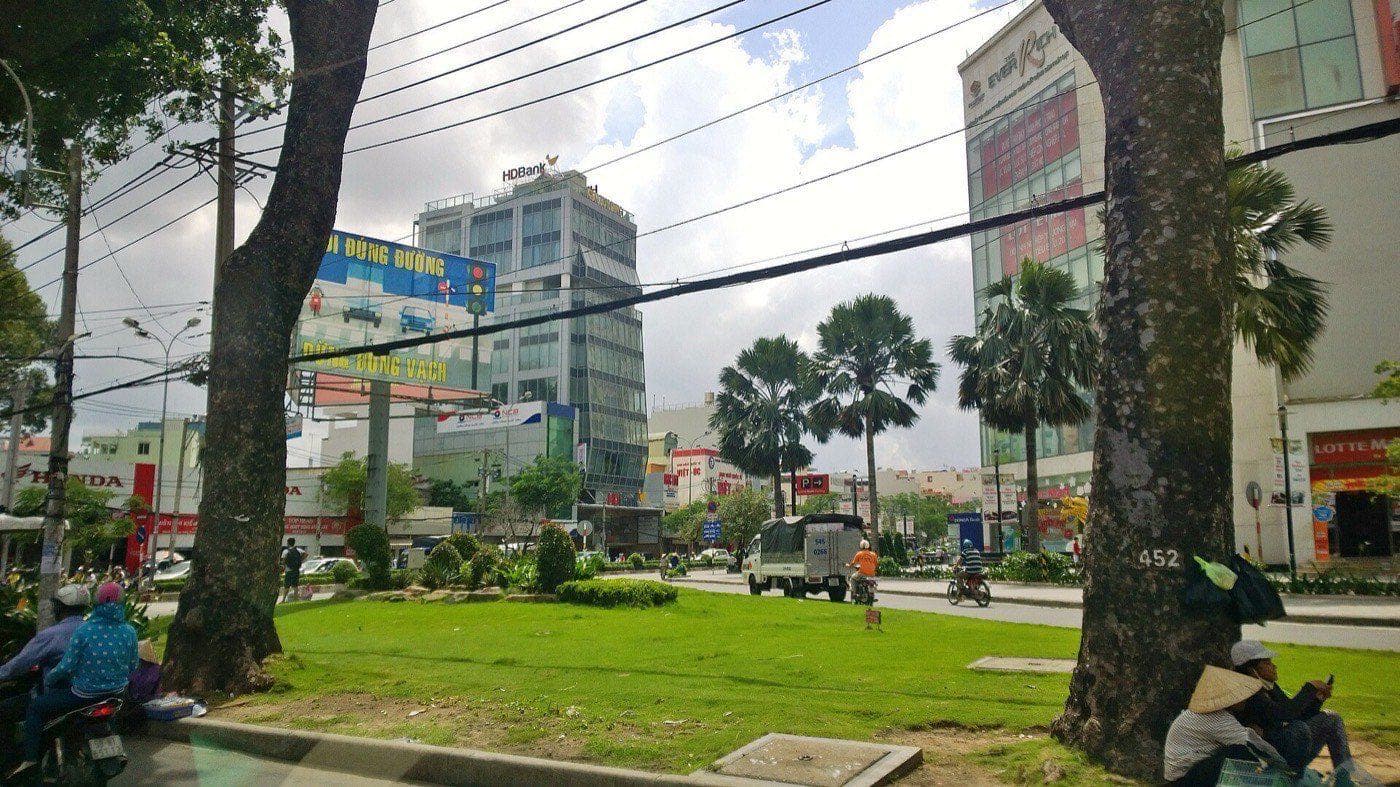
Names now exist in two parallel versions, and both are functional.
The old ones live in rental listings, in the vocabulary of agents, drivers and neighbours, in bus stop and business names, and in every guidebook printed before mid-2025. Nobody says "meet me in Sai Gon ward" — they say District 1.
The new ones live in contracts, utility bills, police registration, bank forms, official websites and hotel paperwork.
Which gives you a workable tactic. Search for housing by the old names, because that is what the market speaks. Sign by the new ones. A gap between the listing and the contract is not a sign that you are being scammed: they are two different languages describing the same place. The housing section of the guide treats the same gap from the tenant's side.
Mapping services are uneven and change month to month, so there is no single rule. Province boundaries were redrawn in the major services faster than individual place labels, which is why you get hybrids: the region already reads Lam Dong while a hotel card inside it still cites Binh Thuan. Check the venue by coordinates or by street name — both are more precise than the administrative tag and do not depend on when a service last refreshed its directory.
What the reform did not touch
A short list that removes half the anxiety.
- Street names and house numbers. The reform redefined units, not street toponymy. Hang Bac is still Hang Bac, Tran Phu is still Tran Phu.
- The boundaries of Hanoi and Hue. Both cities went through the reform with their territory unchanged, and eleven units did in total: nine provinces plus those two.
- Everyday landmarks. "Behind the bridge", "near the hospital", "the expat street" all work exactly as before.
- The places themselves. Not one hotel, beach, market or clinic moved. The address string changed, the geography did not.
What we do not know, and therefore do not claim: what happened to postal codes. No confirmed source could be found, and guessing in a topic where an error costs you a parcel is not worth it. If the code matters, ask at the post office.
One more honest warning. A reform of this size does not finish on the day it takes effect. The regulatory base must be brought into line by March 2027, which means forms, certificates and databases carrying the old structure until then. That is not a reason to treat a document as invalid. It is a reason to ask.
FAQ
Thirty-four province-level units: 28 provinces and 6 centrally run cities — Hanoi, Hai Phong, Hue, Da Nang, Ho Chi Minh City and Can Tho. Before 1 July 2025 there were 63. Eleven units came through the reform with unchanged borders; the other twenty-three were each assembled from two or three former provinces under resolution 202/2025/QH15 of 12 June 2025.
Not as an administrative unit. The city was dissolved and its territory split into four wards: Nha Trang, Bac Nha Trang, Tay Nha Trang and Nam Nha Trang. The ward of Nha Trang became the seat of Khanh Hoa province. In speech, on signage and on tickets Nha Trang is still Nha Trang — only the way it is written on documents changed. The landmarks people actually navigate by are in the Nha Trang guide.
An Giang. The former Kien Giang province was merged into An Giang, and Phu Quoc itself went from being a city to being a special zone, đặc khu Phú Quốc. The full address reads "đặc khu Phú Quốc, tỉnh An Giang". The version still printed in guidebooks and on booking sites, "Phu Quoc City, Kien Giang Province", has been out of date since June 2025.
Yes. A change of unit name does not void a contract: obligations survive, the district has a legal successor, and existing rules keep applying until new ones are issued. The practical advice is different: when you renew or re-sign, ask for the address to be rewritten under the new division. Then the lease matches your utility bills and your residence registration, and no counter will query it. How Vietnamese leases work in general is covered in the guide to renting in Vietnam.
Because markets and everyday speech move slower than paperwork. Agents, drivers and neighbours use district names they have known for decades, and third-party databases refresh on their own schedule. Navigate by street and coordinates, which are more precise than the administrative tag. A gap between a listing and a contract is a normal feature of the transition, not evidence of anything shady.
Not because of a name change alone. Valid documents are accepted with the old names, and the address is rewritten at the next routine update of your data. But if a specific document is needed for a transaction or a filing, ask the office that will receive it first — practice still varies between provinces during the transition.
The reference point is 1 March 2027, the deadline for aligning the regulatory base with the two-tier model. Until then expect forms, certificates and databases carrying the old structure, and services that recognise both versions of a name. None of this affects the places themselves: no hotel, beach or market moved because of the reform.
Read next: Renting in Vietnam · Vietnamese work permit · Da Nang districts · Phu Quoc guide
- Preparation
Long Thanh Airport 2026: Opening Date, Flights, Transport
Long Thanh Airport, Ho Chi Minh City: ACV now targets 24 Dec 2026, which flights leave Tan Son Nhat by 2028, getting to the city, and what is still unknownLong Thanh Airport 2026: Opening Date, Flights, Transport - Preparation
Getting to Doc Let Beach 2026: Bus, Grab, Taxi, Transfer
How to reach Doc Let from Nha Trang and Cam Ranh airport in 2026: bus 12 for ~$1.20, Grab, fixed-price taxis, pre-booked transfers, and how to get back.Getting to Doc Let Beach 2026: Bus, Grab, Taxi, Transfer - Preparation
Getting Around Hue 2026: Taxis, Scooters, Dragon Boats
How to get around Hue and out of it in 2026: taxis and apps, scooter rental, dragon boats, the heritage train to Da Nang and Phu Bai airport.Getting Around Hue 2026: Taxis, Scooters, Dragon Boats