Temporary residence registration in Vietnam (tạm trú): who files, where, and the fines in 2026
Temporary residence registration in Vietnam is a declaration of where a foreigner is staying, and you are not the one who files it. Your hotel, hostel or landlord does, within 12 hours of check-in. If they skip it, they face a fine starting at 3,000,000 VND (about $115). You face the same amount if you refuse to hand over your passport for it.
In Vietnamese the declaration is called khai báo tạm trú. At a hotel you will barely notice it: passport at the front desk, a scan, done. A three- or six-month apartment is different. The owner may not know the rule, may forget, or may be renting off the books and prefer not to deal with the police. This guide covers how registration works in 2026, after Vietnam abolished its districts, raised the fines and moved every declaration onto one national portal.
Four papers called "tạm trú"
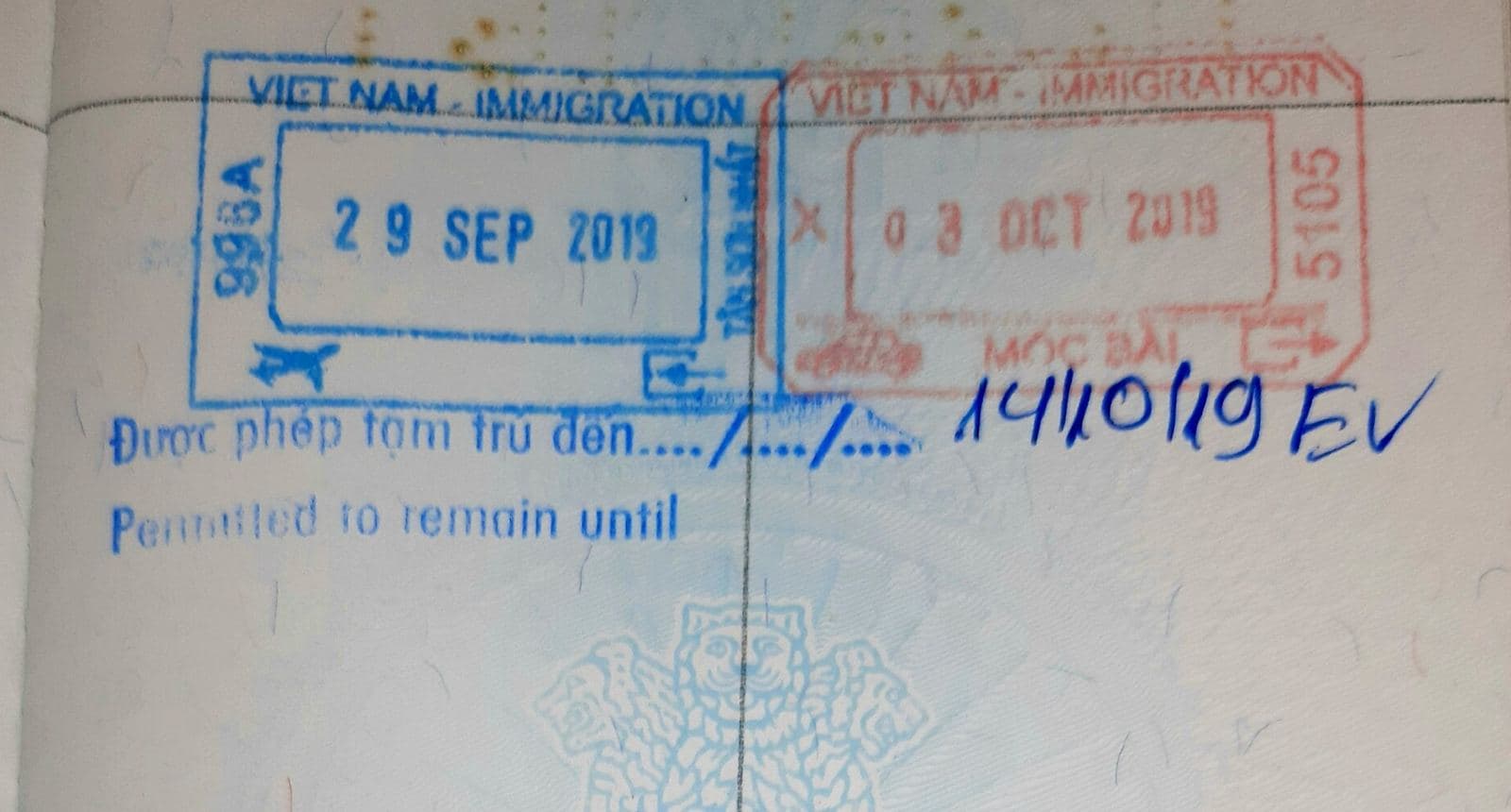
Tạm trú means "temporary stay", and it appears in the names of four different documents. Registration is only one of them. The others are your entry stamp, an extension of stay and the plastic residence card, and mixing them up leads to confused conversations with landlords.
| Term | What it is | Who issues or files it | Where you meet it |
|---|---|---|---|
| khai báo tạm trú | Declaration of where you are staying | Your hotel or landlord, to the ward police | At check-in, visa extensions, banks |
| chứng nhận tạm trú | Stamp showing how long you may stay | Border officer on entry | In your passport; overstay is counted from it |
| gia hạn tạm trú | Extension of permitted stay | Immigration, on form NA5 | When you extend inside Vietnam |
| thẻ tạm trú (TRC) | Temporary Residence Card, 1–10 years | Immigration Department | For people living in Vietnam through work, marriage or investment |
Ask a landlord "did you do tạm trú?" and they may think you mean the card and reply "that's not my job". Use the full phrase: khai báo tạm trú, the declaration.
Vietnamese sources also mention thông báo lưu trú, a stay notification. That one is for Vietnamese citizens under the Law on Residence, due before 11 pm on the day of arrival. It does not apply to foreigners, although since 2026 both procedures share the same portal.
How the entry stamp drives overstay counting is covered in our guide to overstaying in Vietnam. The card is covered in how to get a Temporary Residence Card.
Who registers a foreigner
Whoever runs the place you are staying registers you. Article 33 of Law 47/2014/QH13 says a foreigner declares their stay "through" the person who manages the accommodation, and puts the duty to fill in the declaration and send it to the police on that person. You provide the passport; the host files.
The key term is "accommodation establishment" (cơ sở lưu trú). Article 32 of the same law lists what falls under it: tourist accommodation, guesthouses, housing for foreign workers and students, hospitals and nhà riêng, a private home. A rented apartment is on that list.
Hotels, hostels and guesthouses
The easy case. By law, hotels are connected to the immigration system and send the data themselves, which is why the front desk asks for your passport. Refusing gets you nowhere: failing to present a passport for registration is a fineable offence for the guest.
Apartments and houses you rent
The owner or whoever manages the property files: the landlord, a family member, a management company or an agent acting for them. The law does not separate "professional" landlords from private ones. If you rent to a foreigner, you declare them.
Short-term rentals inside condo buildings are a separate problem. Building rules often ban them, and a host breaking those rules will not want to register you. Our Da Nang rental guide walks through how that works in one city.
Staying with friends or family
Same rule. A private home is an accommodation establishment, so the owner or head of household files. Hospitality does not cancel the duty, and the fine for not filing falls on the homeowner.
Invited by a company or a Vietnamese spouse
Article 45 of the law requires the inviting party to "coordinate with the accommodation establishment" on registration. The host still files, but your employer or spouse has a legal reason to nudge them.
For finding a place, contracts and deposits, see our guide to renting in Vietnam, and for Nha Trang specifically, the Nha Trang apartment rental guide.
Deadlines and what the police receive
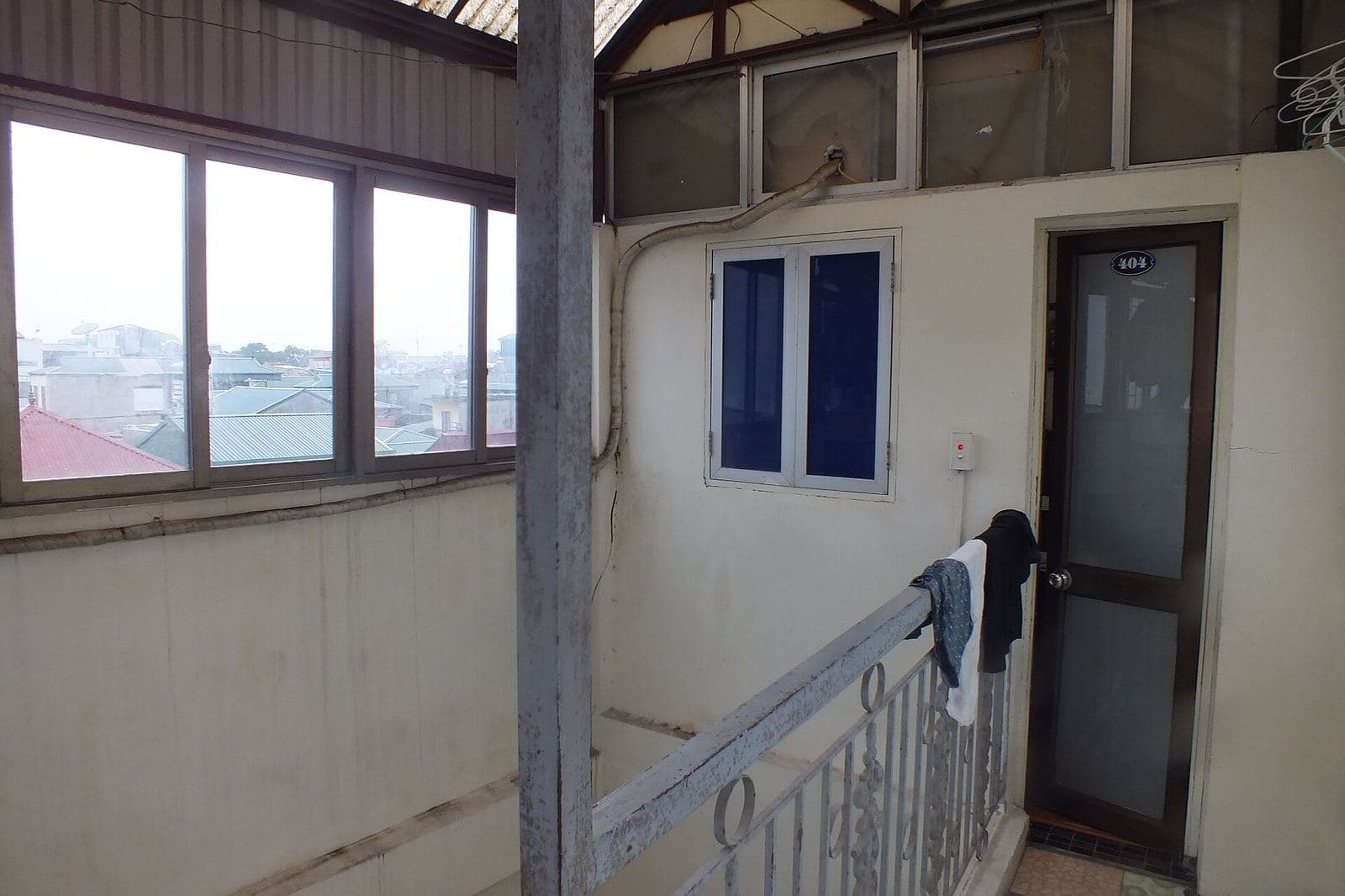
The declaration must be filed within 12 hours of your arrival, or 24 hours in remote and mountain areas. That is Article 33 of Law 47/2014. Circular 87/2026/TT-BCA, which governs the electronic system, is stricter: file "as soon as the foreigner arrives".
The data is short. Under the circular it covers:
- full name, sex and date of birth;
- nationality;
- passport number;
- the date your permitted stay ends, from your entry stamp, extension or residence card;
- how long you expect to stay at this address.
The fourth item matters more than it looks. The declaration is tied to your permitted stay. Extend your visa or do a border run and come back, and your end date changes, so the record should be updated.
Your part is simple: give the host your passport, or a photo of the data page and the page with your entry stamp or visa. Article 44 of the law requires foreigners to carry their passport and residence papers and show them on request. You never need to leave the original as a deposit. Showing it or letting the host copy it is enough.
How online filing works in 2026
Since 20 April 2026, declarations for foreigners go through a single Ministry of Public Security portal, tbltkbtt.bocongan.gov.vn. Stay notifications for Vietnamese citizens now run there too. The portal describes itself as deployed across all 34 provinces and has an English interface, which helps if you need to show a landlord where to go.
The old provincial addresses such as danang.xuatnhapcanh.gov.vn and hanoi.xuatnhapcanh.gov.vn still resolve, but they redirect to the new portal. We checked Da Nang, Hanoi, Khanh Hoa, Lam Dong and Ho Chi Minh City in September 2026. If your landlord says "I file on the immigration site", they are almost certainly landing in the same place.
You cannot file for yourself
The account on the portal belongs to the accommodation. During sign-up the system asks for a photo of the representative's căn cước, the Vietnamese ID card. A foreigner with only a passport has nothing to register with. We found no way for a foreigner to self-declare through VNeID or the dichvucong public-services portal. If you see instructions promising that, check with the ward police before relying on them.
Once submitted, a declaration shows as chưa xác nhận, "not confirmed", until the police accept it. The host can see the filing history and print the guest's details. That gives you the most useful habit in this whole guide: ask for a screenshot or printout.
The portal also goes down for maintenance now and then. On 27 June 2026, it did not accept declarations between 7 am and noon. If you checked in during a window like that, the filing will simply be late, and that is not a reason to panic.
Why your landlord's login might really be broken
"The website doesn't work" is a common excuse, and sometimes an honest one. The portal has three traps for people who rent out rarely.
- Accounts freeze after a year of silence. Under Article 6 of Circular 87/2026, an account is locked if nothing was filed from it for 12 months. A landlord who last rented to a foreigner two winters ago may not get in today. Unlocking is requested inside the system.
- Migration from the old provincial systems left casualties. The portal warned that accounts without complete details after 1 January 2026 would be deleted, and told anyone who could not log in after the switch to register again.
- Login uses two-factor codes through Google Authenticator. Nearly half of the questions in the portal's help section are about QR codes and codes that do not work or got lost.
None of this cancels the duty. But if your landlord says the site will not let them in, it may well be true, and helping them set up a new account is faster than arguing.
The paper route
Law 47/2014 also provides for a paper form: the host fills in the declaration and takes it to the police at the property's address. How a given ward treats paper in 2026, now that the circular moves everything online, is a question for that ward. For a landlord who will not deal with the portal, a realistic option is to go there together with you, your passport and the lease.
Where to go after the 2025 reform
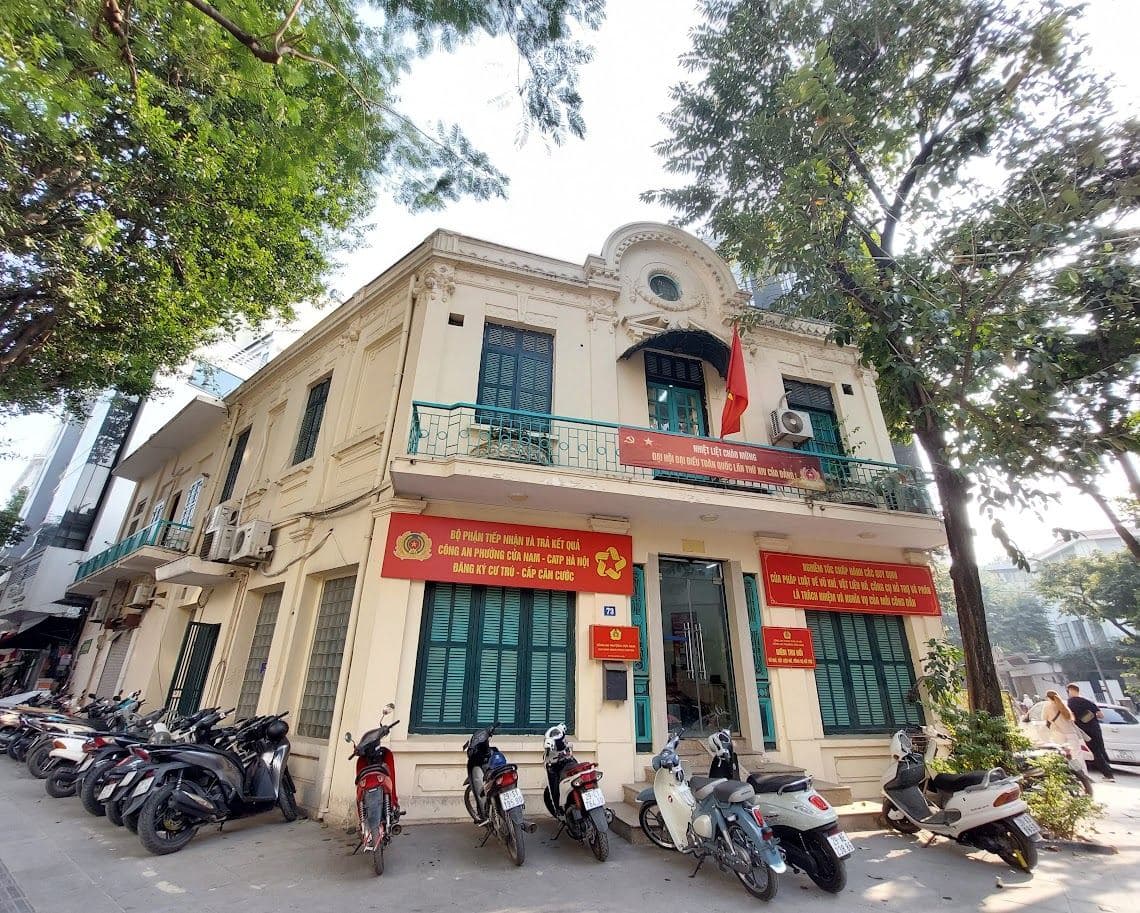
Registrations are received by ward or commune police, công an phường or công an xã. District police (quận, huyện) are out of the chain: on 1 July 2025 Vietnam abolished the district tier of government and merged 63 provinces into 34.
That changes two things for you: the address on your paperwork and the door you knock on.
Start with the lease. It should carry the current ward name and no district that no longer exists. If the lease uses the old names and the system uses the new ones, the filing may not go through first time. Ask the landlord to rewrite the address when you sign or renew. Our explainer on the 2025 administrative reform covers the new address format.
If something goes wrong, skip the "district police" that old forum threads mention and go to the công an phường for your apartment's address. The easiest way to find it is Google Maps with the ward name, or simply asking your landlord.
Overstays and visa extensions are a different office: the immigration unit of the provincial police. Ward police take registrations but do not handle visas.
Step by step: your first day in a new apartment

For a long rental the whole thing fits into six actions, three of them before you sign.
- Before signing, ask directly: "Do you file khai báo tạm trú for foreigners?" A vague answer is a warning sign that the place is rented off the books.
- Put it in the lease. One line: the landlord registers the tenant within 12 hours of move-in. If there is a dispute later, the duty is written into your contract, not only into the law.
- Check the address on the lease. The ward should follow the new division, with no "District" or "Quận".
- On move-in day, hand over your passport details. A photo of the data page and the page with your entry stamp or visa. The original stays with you.
- That evening, ask for proof. A screenshot or printout from the system showing your name and address. "Chưa xác nhận" in the first hours is normal.
- Keep the proof on your phone and in the cloud. You will need it for extensions, banks and immigration.
| What | Who holds it | Why |
|---|---|---|
| Passport data page (photo) | You, shared with the host | Data for the declaration |
| Entry stamp or visa page | You, shared with the host | End date of your permitted stay |
| Lease with the current address | Both of you | Address for the declaration, proof of residence |
| Screenshot or printout of the declaration | Host, shared with you | Proof that registration was filed |
If your landlord never registered you
On paper this is the landlord's violation and the landlord's fine. In practice, you deal with the fallout: the visa office, bank or immigration asks for proof of address and there is none. The sooner you notice, the cheaper it is.
They forgot or did not know. The most common case and the easiest. Remind them, send the portal link, offer to resend your passport photos. If the owner is older and not comfortable with the portal, offer to walk to the công an phường together.
They say "no need, my foreign tenants never bother". There is a need. Article 33 makes no exceptions for short stays or "regulars". You can calmly quote the number: 3 to 5 million VND for one to three undeclared guests. For many owners that lands harder than the law.
They rent off the books and refuse outright. Here the choice is unpleasant. You can live unregistered for as long as you need nothing from the state. The first visa extension, bank account or overstay case will hit the missing address. If you plan to stay longer than one visa period, skip that apartment or start looking for a replacement early.
The owner is away and an agent manages the place. Whoever actually runs the property should file. An agent with authority can do it. If they are unsure, they should contact the owner, who has a portal account or at least the Vietnamese ID needed to open one.
Fast Track — no queue at the border
5–10 minutes instead of an hour in the immigration queue
from$11per passenger
Registration fines in 2026
Since 15 December 2025, fines are set by Decree 282/2025/NĐ-CP. It replaced Decree 144/2021 and introduced a ladder based on how many foreigners a host failed to declare. All of it sits in Article 21 of the decree.
| Not declared | Fine, VND | Approx. USD | Art. 21 clause |
|---|---|---|---|
| 1–3 people | 3,000,000 – 5,000,000 | ~$115 – $190 | cl. 3(e) |
| 4–8 people | 10,000,000 – 15,000,000 | ~$385 – $575 | cl. 5(c) |
| 9 or more | 15,000,000 – 20,000,000 | ~$575 – $770 | cl. 6(đ) |
Plenty of rental guides still quote a 500,000 to 5,000,000 VND range. That comes from the repealed Decree 144/2021.
The fine for you. It is a separate offence: if you do not present your passport to the accommodation for registration, the fine is 3,000,000 to 5,000,000 VND (about $115 to $190). Refusing to hand your passport to a front desk "on principle" is exactly this.
What the decree does not say. The Khanh Hoa provincial police summary of the new decree contains no offence of "a foreigner living at an undeclared address". The claim that "both sides get fined" is only half right: you are fined over the passport, not over your landlord's inaction. We are not going to invent a third rule.
Do not confuse this with overstaying. Staying past your permitted date is a different offence, with fines from 500,000 VND (about $20) for a short overstay up to 40,000,000 VND (about $1,540) for a year or more. The full ladder, deportation and entry bans are in our Vietnam overstay guide.
Visa-free entry: rules and day counting · What to do after an overstay
Why registration matters to you
The law puts the duty on the host, but the requests for proof of address come to you. Registration is the one official document that links you to the apartment.
Visa extensions. Temporary residence registration, meaning confirmation from the police where you live, is on the document list for extending inside Vietnam. The full package and timings are in our Vietnam visa extension guide.
Overstay cases. If an overstay does happen, immigration asks for the declaration along with your lease.
Temporary Residence Card. Proof of residence is part of the TRC application. A short explainer on what the card is and who qualifies: Vietnam residence card explained.
Bank accounts. Banks ask for a Vietnamese address: a lease, an electricity bill in your name or police registration. Details in our guide to opening a bank account in Vietnam.
Utilities in your name. In Da Nang, moving the electricity contract to a tenant requires a lease of at least 12 months and completed temporary registration.
Buying a motorbike. We found no verifiable rule that requires tạm trú for a foreigner to buy or register a motorbike, so we are not going to scare you with an invented one. If you plan to buy, ask the seller and the police which documents are needed in your name.
Moving, border runs, extensions: when to file again
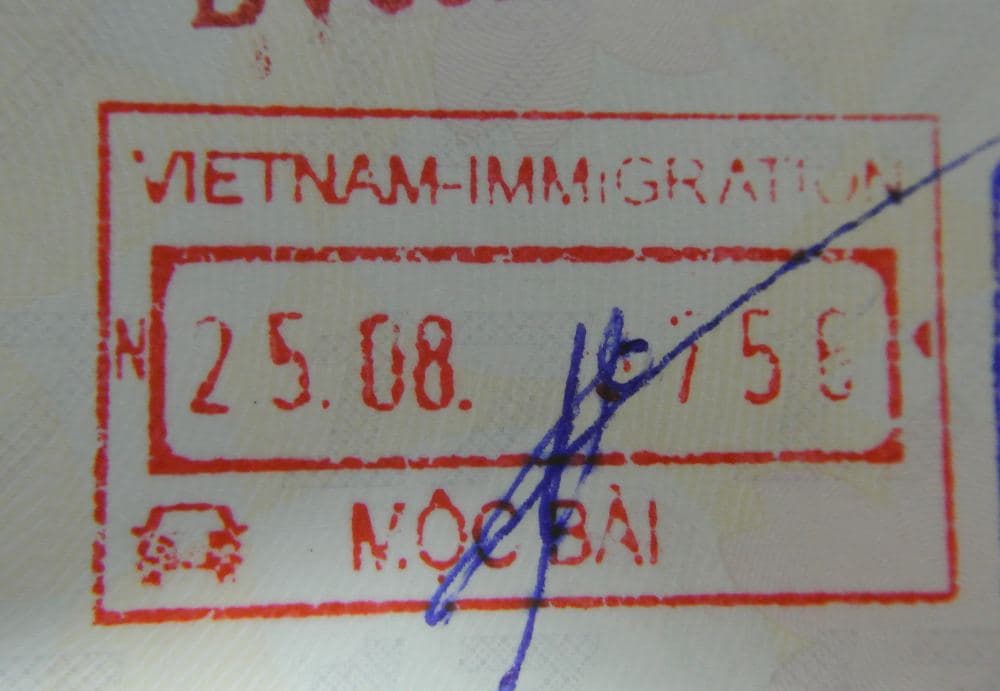
A new declaration is needed every time you change where you live. Article 33 of the law is explicit: a foreigner who changes address declares their stay again, through the host at the new place.
In practice:
- you move to another apartment: the new landlord registers you, and the old one marks your departure in the system;
- you spend a week in Da Lat or on Phu Quoc: the hotel there registers you, and your apartment back home stays yours;
- you do a border run and come back: you have a new stamp and a new end date, and that date is part of the declaration, so ask your landlord to update the record;
- you extend your visa: same thing, the end date changed, and the portal has a dedicated function for updating the stay period.
How a border run works and how it differs from an extension is covered in our Vietnam visa run guide. If you are still choosing how to enter, start with the overview of Vietnam visas.
Do you need a visa for Vietnam · Work permits · Digital nomad visa
Common mistakes
- Assuming visa-free entry means no registration. It does not. The law speaks of any foreigner temporarily staying in Vietnam, with no carve-out for how they entered.
- Confusing the declaration with the residence card. You search "tạm trú", find the TRC and decide it is not about you.
- Letting only the landlord hold the proof. The owner will be away for Tết exactly when you need the paper for an extension.
- Not updating after a border run or extension. The system keeps the old end date while your passport shows a new one.
- Leaving your passport as a deposit. A photo or copy is enough for registration, and Article 44 requires you to carry the original.
- Going to the district police. Districts have not existed since July 2025. Your office is the công an phường for your address.
Read next: visa extensions · the TRC · renting in Da Nang · safety in Vietnam
FAQ — common questions
Yes. Article 33 of Law 47/2014 requires every foreigner temporarily staying in Vietnam to be declared, with no exception for visa-free entry, e-visas or short stays. At a hotel it happens automatically at check-in. If you rent an apartment on a visa-free stay, ask the landlord to file just as they would for a long lease. Only the end date in the record differs.
We found no way to do that. The national declaration portal opens accounts for accommodation establishments, and sign-up requires a photo of the representative's Vietnamese ID card. The law itself says a foreigner declares their stay through the host. If your landlord struggles with the portal, the workable option is to visit the ward police together, with your passport and lease.
We found no government fee for filing a declaration in the law or the circular. It is a duty of the accommodation, not a paid service for the tenant. If a landlord asks for extra money "for registration", ask what it covers. It may be rental taxes the owner has to pay anyway, or it may be haggling. The filing itself costs nothing.
Not for the landlord's inaction. Decree 282/2025 has no such offence for the tenant. You are fined if you yourself failed to present your passport for registration: 3,000,000 to 5,000,000 VND. Still, without a declaration, extensions, bank accounts and overstay cases get stuck, so checking that it was filed is in your interest, ideally on move-in day.
Ask the landlord for a screenshot or printout from the declaration system showing your details and address. The portal lets hosts print guest records. For the first hours the entry may show chưa xác nhận, not confirmed, until the ward police accept it. You cannot check the status yourself because tenants have no account, so proof from the host is the only way.
Nothing special. In the other city, the hotel or hostel you stay at registers you, as it must on every check-in. Your apartment remains your home address. If you move permanently, the new landlord files a new declaration, since a change of residence requires fresh registration under Article 33. Ask them for the same proof your previous landlord gave you.






- Preparation
Healthcare in Vietnam for Expats 2026: Insurance and Costs
What health costs an expat in Vietnam per year: BHYT at 4.5% of salary, private plans $200-1,500, check-ups from $100, evacuation up to $50,000.Healthcare in Vietnam for Expats 2026: Insurance and Costs - Preparation
How to Get to Mui Ne 2026: Bus, Train, Transfer
How to get to Mui Ne in 2026 from Ho Chi Minh City, Cam Ranh, Nha Trang and Da Lat: sleeper buses, the SPT2 train, transfers and scooters, priced in USD.How to Get to Mui Ne 2026: Bus, Train, Transfer - Preparation
Getting to Ninh Binh 2026: train, limousine van, prices
Hanoi to Ninh Binh in 2026: train from $4, limousine van with hotel pickup for $10, buses, Grab. Plus how to move around a region with no public transport.Getting to Ninh Binh 2026: train, limousine van, prices