Healthcare in Vietnam when you actually live here
If you work in Vietnam on a proper contract, you're already paying into the state scheme — 4.5% of your salary, split between you and your employer. If you don't, you're uninsured until you buy something. Either way, your health cover from home almost certainly stopped working the day you left. A realistic annual health budget here runs $560 to $3,000 per person, and the line that ruins people isn't treatment. It's evacuation.
If you work in Vietnam on a proper contract, you're already paying into the state scheme — 4.5% of your salary, split between you and your employer. If you don't, you're uninsured until you buy something. Either way, your health cover from home almost certainly stopped working the day you left.
Your home cover stopped at the airport
Start here, because a surprising number of people get this wrong and only find out in an emergency room.
US Medicare provides essentially no coverage outside the United States. Not reduced coverage — none, in almost all circumstances. The NHS is residence-based: move abroad and ordinary entitlement to free non-emergency care ends, and there's no reciprocal healthcare agreement between the UK and Vietnam. Australian Medicare has reciprocal deals with a specific list of countries, and Vietnam isn't on it.
There is no safety net waiting at home. Whatever policy you buy in Vietnam is the only one you have.
| Your situation | BHYT? | What you need |
|---|---|---|
| Employed by a Vietnamese company, work permit in hand | Yes, compulsory | BHYT as the base, plus private cover for clinic choice |
| Freelancer, remote worker, digital nomad | No | Private policy only |
| Business owner without a contract of employment with yourself | No | Private policy only |
| Retiree or long-stay visitor on rolling e-visas | No | Private policy, and watch the age limits |
If the question is urgent and you need somewhere tonight, the guide to hospitals and pharmacies in Vietnam covers where to go. This article is about the system you live inside for years.
BHYT: the state scheme

BHYT is Vietnam's compulsory health insurance. A foreigner falls under it with a valid work permit and an employment contract with a Vietnamese employer running 12 months or longer.
Under the amended health insurance law (in force from 1 July 2025) two groups are exempt: intra-company transferees and people already at retirement age when the contract is signed.
The rate is 4.5% of salary — 3% paid by the employer, 1.5% deducted from you. Foreigners don't contribute to unemployment insurance, so total social contributions come to 30%: 20.5% from the employer, 9.5% from you.
| Situation | BHYT pays | You pay |
|---|---|---|
| Emergency care | 80% | 20% |
| In-network treatment, outpatient and inpatient | 80% | 20% |
| Outside your assigned network | only with a referral; outpatient without one — 0% | the rest, or all of it |
| International hospitals (Vinmec, FV, Family Medical Practice) | BHXH rules, if accepted | check with the hospital |
That last row is the whole story. BHYT does not work at international hospitals — precisely the places with English-speaking staff, familiar protocols and a coordinator who explains what's happening. So the standard expat setup is BHYT running in the background as a compulsory deduction, with a private policy doing the actual work.
Is your employer actually paying it?
Enrolment is a legal obligation on the employer, not a benefit they choose to offer, and skipping it is a recurring complaint in expat forums — particularly at smaller language centres.
Check it yourself. Install VssID, the state social insurance app: it shows your enrolment status, contribution history and assigned facility. If there's no record, your employer isn't paying, and you're not covered.
Two more things worth knowing:
- Your assigned facility matters. Outside your assigned facility, BHYT pays only with a referral, and outpatient visits without one aren't covered. Find out which facility you're attached to on the day you enrol, not the day you're ill.
- Cover lapses between jobs. Change employer and enrolment restarts from scratch. Teachers moving schools each August frequently spend weeks uninsured without realising it.
Private cover: three tiers

| Tier | Annual cost | Insurers | Who it suits |
|---|---|---|---|
| Local | $200–400 | Bao Viet, PTI, Liberty VN | You stay inside Vietnam and you're watching the budget |
| Regional | $600–1,200 | Pacific Cross, Luma, April International, XN Global | You travel around Asia and want a working app and direct billing |
| International | $1,500+ | Cigna Global, Allianz Care, AXA, Bupa, VUMI | Treatment anywhere in the world, no compromises |
For calibration: a comprehensive international plan from Cigna Global costs around $460 a month. Ask local insurers for a quote at your age.
The regional tier is usually the sweet spot. Pacific Cross and Luma come up most often for strong Vietnamese hospital networks and functioning direct billing — the clinic invoices the insurer instead of you. That distinction gets real fast: on an $8,000 admission, "pay now, claim later" means finding eight thousand dollars today.
Age limits decide everything if you're over sixty. Each insurer sets its own maximum entry age, and it's in the plan terms. That's not fine print — the later you apply, the fewer options you get and the more they cost. Anyone planning to retire in Vietnam should buy early.
Read these five clauses before you sign
You buy a policy once a year in ten minutes and read it once in your life, at the worst moment.
- Pre-existing conditions. Standard policies exclude them, almost universally. Hypertension, diabetes, asthma, anything already on your record. Plans covering chronic flare-ups exist and cost more — buy one if you need one.
- The ceiling. $30,000 looks generous until a week in intensive care plus transport eats it whole. For living here, $100,000 upward is the sane floor.
- Direct billing and the network list. Not "works with hospitals in Vietnam" — an actual list with addresses. Check there's a partner clinic in your city. A brilliant policy with no partner in Nha Trang is useless to someone in Nha Trang.
- The deductible. A $500 deductible cuts about 30% off the premium. Sensible if you're insuring against catastrophe and paying for small things yourself; pointless if you see a doctor monthly.
- Waiting periods. Most policies cover nothing for the first 30 days, and maternity and elective surgery for the first 9–12 months. Buying after something starts hurting is too late.
Things almost never covered: dentistry beyond emergencies, optical, cosmetic work, standard maternity, and motorbike injuries when you don't hold a category A licence. That last one bites hard — dental work in Vietnam is cheap enough to pay for out of pocket, but a broken collarbone from an unlicensed bike is entirely on you.
Claiming without losing money
Even with direct billing you'll sometimes pay first: the clinic isn't on the list, it's the middle of the night, the insurer hasn't approved in time.
- Call the assistance line before treatment when it isn't an emergency. Save that number to your phone the day you buy the policy.
- Get itemised paperwork: a line-by-line invoice, a discharge summary with the diagnosis, prescriptions, payment receipts. A lump-sum bill reading "services — VND 12,000,000" comes straight back to you.
- Ask for documents in English. Vietnamese clinics will provide them, but only if you ask at the time.
- Watch the filing deadline — usually 30 to 60 days. Miss it and a perfectly valid claim dies.
Evacuation: the line everyone skips
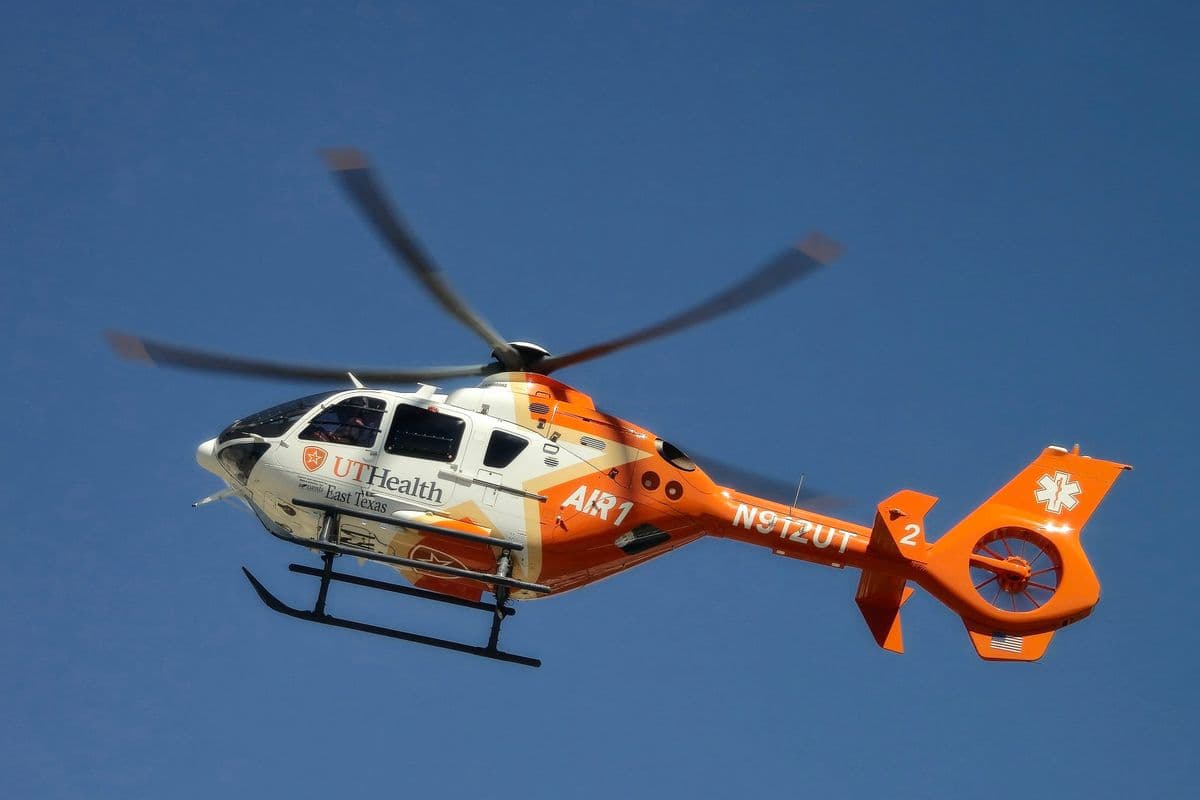
Air evacuation from Vietnam to Bangkok or Singapore costs roughly $15,000–50,000. From somewhere remote — Phu Quoc, the central highlands — the bill is higher. Repatriation of remains runs $10,000–20,000.
General medical cover does not include evacuation by default. It has to be its own line in the policy.
Check four things specifically:
- Is medical evacuation a named benefit, not a phrase in the marketing copy?
- Does it cover air ambulance, or only ground transfer between hospitals?
- Is there a cap, and what is it? A $20,000 limit against a $45,000 bill covers less than half.
- Who decides to evacuate — you, the treating doctor, or the insurer's assistance team? That determines how fast it happens.
Why this matters in a country with decent hospitals: complex neurosurgery, advanced cardiac work, major burns and rare oncology are still handled better in Bangkok and Singapore. Evacuation isn't a verdict on Vietnamese medicine. It's insurance against the tail of the distribution, where hours count.
Fast Track — no queue at the border
5–10 minutes instead of an hour in the immigration queue
from$11per passenger
The annual check-up is the best deal in the country
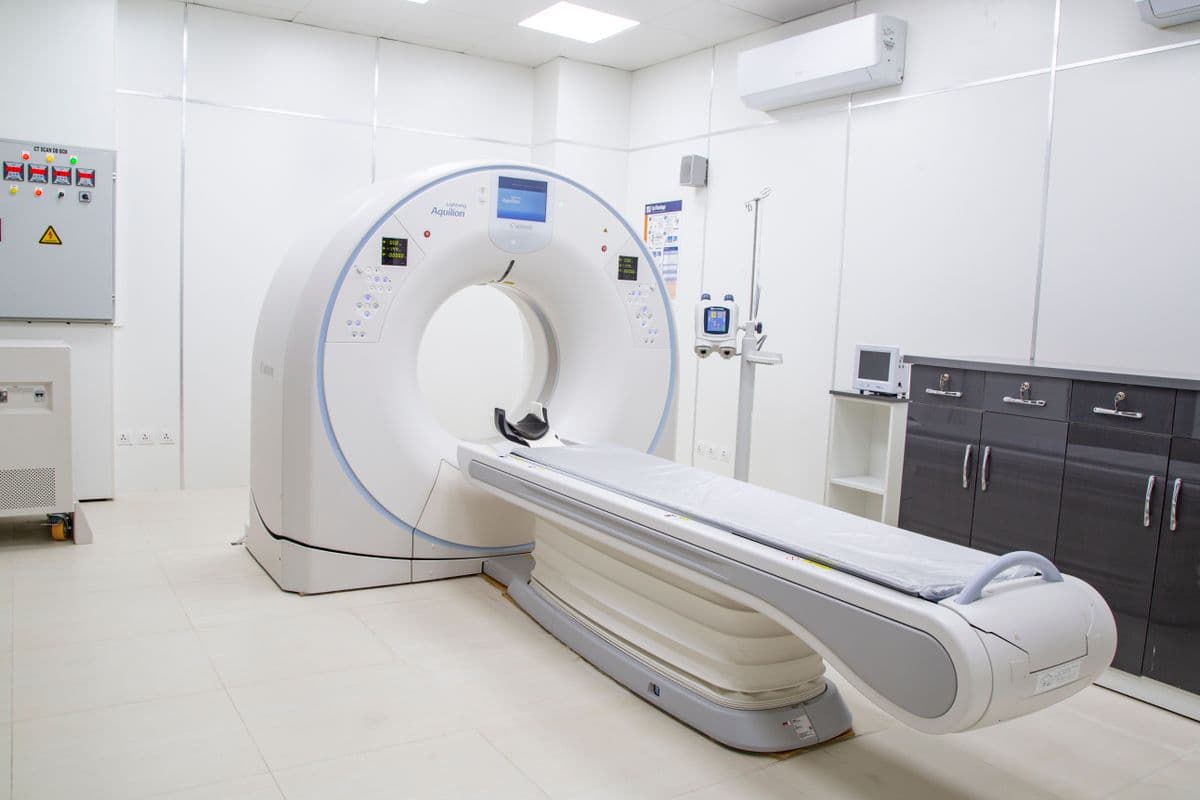
Here Vietnam beats almost everywhere, and if you're used to American prices you'll want to sit down.
A full check-up in Da Nang takes four hours and costs from $100. The basic package covers ultrasound and a lab panel; MRI and CT are charged separately.
| Where | What | Price band |
|---|---|---|
| Private clinics, Da Nang | Basic check-up in four hours: ultrasound, labs | from $100 |
| Vinmec, Standard and Advanced packages | Basic and extended screening, records in a mobile app | mid |
| Vinmec, Premium and Elite Comprehensive | In-depth screening including cancer markers | upper |
| FV Hospital, Ho Chi Minh City | Dedicated international screening centre, English coordinators, results in 24 hours | upper |
Vinmec Da Nang (30 Tháng 4 Street) works in English, Russian, Japanese and Korean.
The practical insight that saves the most money: an annual check-up costs less than the premium gap between a mid and a top-tier policy. A $150 screening once a year is cheaper than $800 a year of extra cover, and it catches things before they become claims.
Clinics: what the price difference buys

The same procedure can cost several times more at an international chain like Vinmec than at a Vietnamese private hospital like 199 Hospital in Da Nang, for broadly the same work. Ask both for a quote on your specific procedure.
| Tier | Examples | Language | Consultation | When to choose it |
|---|---|---|---|---|
| International | Vinmec, FV Hospital, Family Medical Practice | English, sometimes more | under $30, rooms $235–800/night | Complex cases, childbirth, when communication matters |
| Private Vietnamese | Hoan My, 199 Hospital, city private clinics | English not guaranteed | markedly cheaper | Planned procedures when you have someone to translate |
| Public | Provincial and city hospitals | Vietnamese | minimal | Emergencies, when there's no choice |
What the premium buys: a coordinator who speaks your language, legible records, direct billing, no queue, predictability. What it doesn't buy: fundamentally different surgery.
The strategy that works: diagnose where it's cheap, treat complex things where it's comfortable. Get screened at a private clinic for $100 and walk into Vinmec with results in hand — far cheaper than starting from zero inside the international system.
By city: Da Nang has both Vinmec and strong private clinics, the best value combination in the country. Nha Trang has Vinmec Nha Trang. Ho Chi Minh City has FV Hospital and Family Medical Practice — the strongest medicine in Vietnam at the highest prices.
Veterinary care follows exactly the same tiering, with a much thinner international layer. If you're arriving with an animal, the clinics and the import rules are covered in the guide to bringing pets to Vietnam.
Medication: what you can and cannot bring

Most drugs that need a prescription at home are sold over the counter here, which is convenient right up until the thing you need is the thing Vietnam controls.
The red flag: Adderall and other amphetamine-based medicines. Vietnam controls them as narcotic substances, and bringing them in may not be possible even with a prescription. If you take one of these daily, this single fact may decide whether you can live in Vietnam.
Methylphenidate — Concerta, Ritalin — is registered under strict controls, so a switch is possible, but it requires a Vietnamese prescriber and a plan made before you fly.
Personal import limits: narcotic and psychotropic medicines can only be brought in limited quantities without an import licence. For longer stays, check the current limits and paperwork with the Vietnamese embassy in your country of departure well before you fly.
For everything routine, the approach is simpler:
- Get a letter listing generic names of active ingredients, not brand names. A pharmacist matches "bisoprolol" instantly and a foreign brand never.
- Buy your first supply through a clinic, not a street pharmacy — better provenance and correct dosing.
- Check strengths. Asian dosages often differ; the same tablet may be 5 mg where you're used to 10.
- Don't self-substitute cardiac, hormonal or psychiatric medication. That needs a doctor, not a pharmacy counter.
- Find a local GP while you're well. Looking for one while you're ill is a bad plan.
What to vaccinate against before and after arriving is covered in the Vietnam vaccinations guide.
Children, birth and paediatrics

The cost of childbirth and prenatal care depends on the hospital and package, so ask for a price list directly. Foreign parents mostly use Vinmec International Hospital and FV Hospital in Ho Chi Minh City, or Vinmec Nha Trang. Several run dedicated international packages with interpreters, obstetric and neonatal care and postnatal support.
One thing to settle early: a child born in Vietnam to foreign parents generally does not receive Vietnamese citizenship. Vietnam has no birthright citizenship; the exceptions concern children of stateless parents. If a second passport for the baby featured in your reasoning, it shouldn't.
- Maternity is excluded from standard policies, and dedicated plans impose a 9–12 month waiting period. Buying cover in month three of a pregnancy achieves nothing.
- Paediatric consultations at international clinics cost about the same as adult ones — under $30. Vietnamese immunisation schedules differ from Western ones, so agree the plan with your paediatrician up front.
- Registering the birth goes through the ward or commune people's committee (Vietnam abolished districts in 2025) and then your embassy. It isn't quick — budget a month.
What health costs per year

Three realistic scenarios, per person, per year.
| Item | Lean | Middle | Full |
|---|---|---|---|
| Insurance policy | $250 local | $900 regional | $1,800 international |
| Annual check-up | $100 | $150 | $400 extended |
| Doctor visits | $60 (2) | $120 (4) | $200 (6) |
| Medication | $100 | $200 | $300 |
| Dentistry | $50 hygiene | $150 hygiene and treatment | $300 |
| Total per year | $560 | $1,520 | $3,000 |
Lean works for a healthy person under forty who stays in one city and is happy in private Vietnamese clinics. Middle suits most people. Full makes sense with a chronic condition, past sixty, or with a lot of regional travel.
Neither evacuation nor maternity is in these numbers. Evacuation can't be bought after the fact — only in advance, as its own policy line — and maternity is planned separately.
Where to economise safely
- Take a deductible instead of a lower ceiling. A $500 deductible with $200,000 of cover beats no deductible with $30,000.
- Do diagnostics at private Vietnamese clinics. Three to five times cheaper, comparable equipment.
- Never economise on evacuation. It's the one risk you cannot absorb personally.
- Buy annually, not monthly. Cheaper per month, and it doesn't reset the waiting period at every renewal.
- Check your renewal date against your birthday. Crossing into a new age band lifts the premium in a step; renewing a week early sometimes saves hundreds.
For how this sits against everything else you'll spend here, see the Vietnam prices guide. If you're still assembling the move itself, start with the relocation guide.
Your first month
A short list that saves both money and panic later.
- Buy the policy before you fly, not after. The 30-day waiting period starts at purchase, and your first month here is exactly when food poisoning and scooter grazes happen.
- Identify two clinics near you — one international for serious things, one private Vietnamese for everyday. Save the addresses in Vietnamese in your notes; showing a driver beats explaining.
- Store three numbers: your insurer's 24-hour line, an international clinic's reception, and 115 for emergencies.
- Get a baseline check-up within two months. Not for the insurer — for you. A change of climate, water and diet surfaces things that stayed quiet at home.
- Build a local first-aid kit: rehydration salts, something for stomach upsets, antiseptic, high-factor sunscreen, insect repellent.
- Translate your medical history into English and keep it in the cloud. In a foreign emergency room it's the most valuable document you own.
- If you're employed, open VssID and confirm your BHYT enrolment actually exists.
Also find out where your nearest 24-hour pharmacy and emergency department are. At three in the morning the options narrow to one or two addresses, and you want to already know them.
VietnamSpot on InstagramTips, lifehacks and news for living in VietnamFollow


FAQ
BHYT is Vietnam's compulsory health insurance. As a foreigner you qualify with a valid work permit and an employment contract with a Vietnamese company running 12 months or more. The rate is 4.5% of salary — 3% from the employer, 1.5% deducted from you. Freelancers, remote workers and retirees on tourist visas cannot join.
Partly. Vinmec accepts the BHYT card under social insurance rules. At other international hospitals, check the terms in advance. BHYT itself covers 80% within your assigned network of public and partner facilities; outside it, it pays only with a referral, and outpatient visits without one aren't covered. That's why employed expats treat BHYT as a compulsory baseline and buy private cover on top.
Three tiers. Local plans from Bao Viet, PTI and Liberty VN cost $200-400 a year and cover Vietnam only. Regional plans from Pacific Cross, Luma and April run $600-1,200 with Asia-wide cover and direct billing. International plans from Cigna Global, Allianz and AXA start at $1,500 for worldwide treatment.
Yes, and they matter. Each insurer sets its own maximum entry age, so check it in the plan terms before you apply. The rule of thumb: the older you are the fewer insurers will quote and the narrower the cover, so buy early if you're planning a long stay.
A comprehensive check-up at a private clinic in Da Nang starts at $100 for four hours — ultrasound and a lab panel. MRI and CT are usually extra at that price. Vinmec offers four package tiers from basic screening to in-depth cancer markers. FV Hospital in Ho Chi Minh City returns English-language results within 24 hours.
Be careful with amphetamine-based drugs such as Adderall: bringing them in may not be allowed even with a prescription. Confirm with the Ministry of Health or a Vietnamese embassy before you fly. Methylphenidate (Concerta, Ritalin) is registered under strict controls, so switching is possible with a Vietnamese prescriber.
Air evacuation from Vietnam to Bangkok or Singapore runs roughly $15,000-50,000, and more from remote areas. Repatriation of remains costs $10,000-20,000. General medical cover doesn't include evacuation by default — it must appear as a named benefit specifying air ambulance.
The cost of childbirth and prenatal care depends on the hospital and package, so ask for a price list directly. Foreign parents typically use Vinmec International Hospital, FV Hospital in Ho Chi Minh City or Vinmec Nha Trang, several of which offer packages with interpreters. Maternity is excluded from standard policies and dedicated plans carry a 9-12 month wait. Vietnam grants no citizenship by birth.
- Preparation
Getting to Doc Let Beach 2026: Bus, Grab, Taxi, Transfer
How to reach Doc Let from Nha Trang and Cam Ranh airport in 2026: bus 3 for ~$1.20, Grab, fixed-price taxis, pre-booked transfers, and how to get back.Getting to Doc Let Beach 2026: Bus, Grab, Taxi, Transfer - Preparation
Bringing Pets to Vietnam 2026: Rules, Costs, Real Life
No quarantine in Vietnam: microchip, rabies shot 30 days out, health certificate. 2026 guide to USDA and DEFRA paperwork, airlines, costs and finding a flat.Bringing Pets to Vietnam 2026: Rules, Costs, Real Life - Preparation
Vietnam Temporary Residence Registration 2026: Tạm Trú
Who registers foreigners in Vietnam, the 12-hour deadline, the 2026 national portal and Decree 282/2025 fines. What to do if your landlord never filed.Vietnam Temporary Residence Registration 2026: Tạm Trú