Retiring in Vietnam in 2026: the honest version
Vietnam has no retirement visa. Not a difficult one, not an expensive one — none at all. Retirees live here on rolling 90-day e-visas and leave the country every three months. In exchange you get the cheapest comfortable retirement in Southeast Asia, roughly $1,000 a month in Da Nang. Whether that trade works depends on three things nobody puts in the brochure: your passport, your pension scheme, and your age when you buy health insurance.

Vietnam has no retirement visa. Not a difficult one, not an expensive one — none at all. Retirees live here on rolling 90-day e-visas and leave the country every three months. In exchange you get the cheapest comfortable retirement in Southeast Asia, roughly $1,000 a month in Da Nang.
There is no retirement visa
Let's clear the head question first, because half the pages on this topic bury it.
As of 2026, Vietnam does not offer a retirement visa. Thailand does. The Philippines does. Malaysia and Indonesia do. Vietnam does not, and nothing in the current legislative pipeline changes that in the near term.
A golden visa valid for five to ten years has been under government review for a while — proposed by the Tourism Advisory Board for people making economic, scientific or cultural contributions. It has been reviewed, discussed and reported on for several years running. It has not launched. Do not build a plan around it.
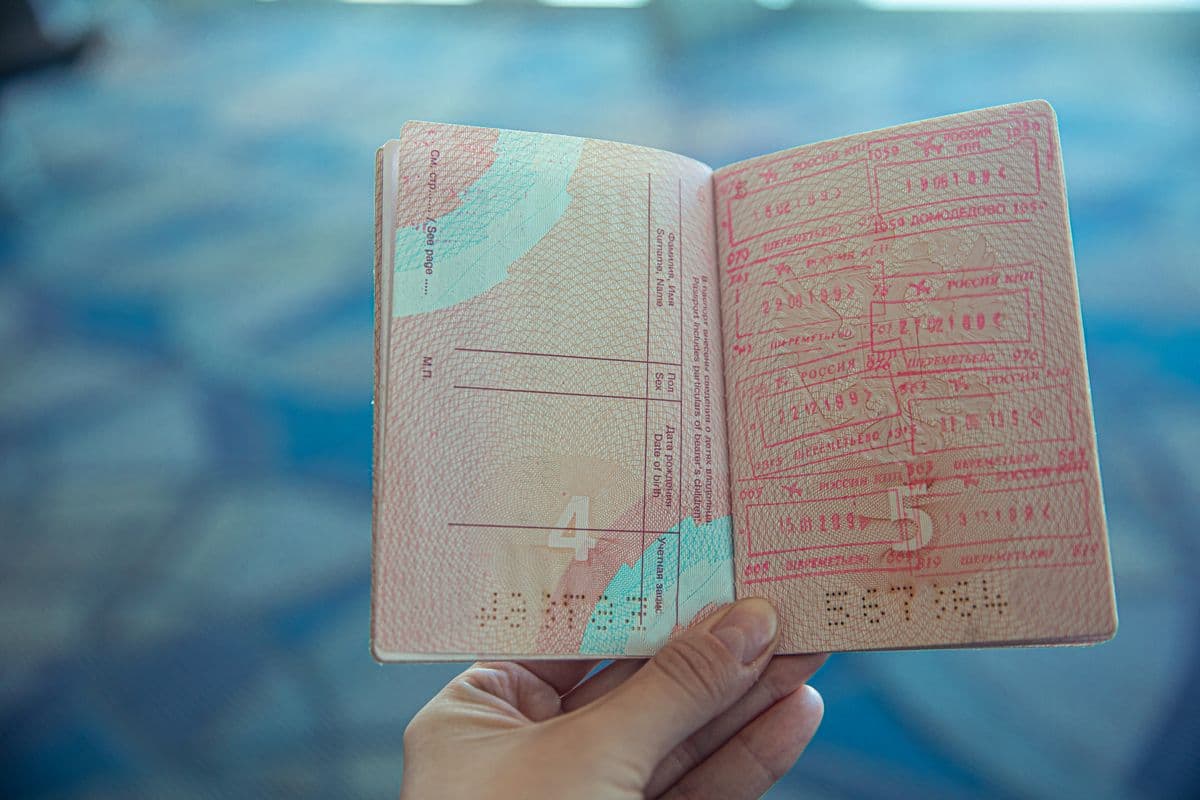
What that means in practice: a retiree in Vietnam is on the same footing as a tourist. Ninety days, then out and back in. It is not a grey area or a loophole — it is the standard legal route for anyone without a work, investment or marriage basis, and plenty of people have been doing it for a decade. But it means four border crossings a year, and at 68 that lands differently than at 38.
Your actual options, ranked
| Route | Length | What it needs | Realistic for a retiree? |
|---|---|---|---|
| E-visa, 90 days | 90 days, renewable by leaving | $25 single entry, $50 multiple entry, applied online | Yes — this is what almost everyone uses |
| Investor visa (DT) | Up to 5 years | Real investment in a Vietnamese company | Only if you're starting a business |
| Spouse visa (TT) | Residence card up to 3 years | Marriage to a Vietnamese citizen | Yes, if it applies to you |
| Viet Kieu exemption | 5-year visa exemption certificate | Overseas Vietnamese status | The most stable option on this list |
| Golden visa | 5–10 years | — | Not launched. Ignore it for planning |
The e-visa is applied for at evisa.gov.vn, takes several working days, and is available to every nationality. Pay the $50 for multiple entry even if you don't plan to travel — it costs $25 more and saves you re-applying if you take a week in Cambodia.
By law an extension is possible through an inviting sponsor, but it is the immigration service's discretion, not a right. Without a Vietnamese sponsor that route is practically closed, so you leave. How that works in practice is covered in the guide to visa runs from Vietnam, and the broader picture is in the Vietnam visa guide.
Border runs when you're older
Four a year, and the cheap way is not the sensible way.
- The bus to Cambodia from Nha Trang or Mui Ne takes a full day. It's the budget option and it's genuinely hard on anyone with a heart condition — heat, few stops, and aircon pointed at the back of your neck the whole way.
- Flying costs three or four times more and takes ninety minutes. Ho Chi Minh City to Phnom Penh, Da Nang to Bangkok. At seventy this is not indulgence, it's sense.
- Budget for all four upfront. At flight prices this is a real annual line item, not a rounding error.
- Never cut it to the last day. A delayed flight turns into an overstay fine at the border, and overstays follow you into the next application.
Vietnam, Thailand or the Philippines
This is the comparison everyone actually runs, so here it is straight.
| Criterion | Vietnam | Thailand | Philippines |
|---|---|---|---|
| Retirement visa | None | O-A retirement extension | SRRV |
| Financial test | — | Thai bank deposit or pension income test | Bank deposit, size depends on age and pension |
| Stay length | 90 days per e-visa | 1 year, renewable indefinitely | Indefinite residency |
| Ongoing admin | Exit every 90 days | 90-day reporting, annual renewal | None |
| Comfortable monthly budget | ~$1,000 (Da Nang) | ~$1,100 (Chiang Mai) | ~$1,000 |
| Healthcare | Strong private care in big cities, cheap dentistry | Regional benchmark — JCI hospitals | Good in Manila and Cebu, thin elsewhere |
The honest summary: Vietnam wins on price and loses on paperwork.
Thailand costs 20–35% more but hands you a visa that says you're welcome, plus the best hospital network in the region. The Philippines gives you the smoothest residency of the three through the SRRV: indefinite stay, multiple entry, no annual immigration reporting — in exchange for a bank deposit and an annual fee.
Pick Vietnam if the money matters most and the border runs don't frighten you. Pick Thailand if you want to stop thinking about immigration. Pick the Philippines if you want permanence and speak English as your first language anyway.
Getting your pension paid

If you're American
Your Social Security entitlement doesn't depend on where you live, and US citizens receive the same amount anywhere in the world. No reduction, no cancellation.
Vietnam used to be on the SSA's restricted list. The agency began lifting those restrictions in May 2015 and now pays current benefits to US citizens living there. How the money reaches you is then a matter of convenience. The usual setup is standard and boring: keep the US bank account open, take direct deposit into it, move money to Vietnam with Wise or a comparable service when you need it. Plenty of Americans have run this for years without incident.
If you're British
This one costs real money, and almost no Vietnam retirement guide mentions it.
The UK only uprates the State Pension for residents of the EEA, Gibraltar, Switzerland and countries with a UK social security agreement. Check the GOV.UK list for Vietnam before you move. Without an agreement your pension is locked at the rate you were receiving on the day you left, with no Triple Lock uprating while you live here, and the gap widens every April. It goes back up to the current rate only if you return to live in the UK.
Over a twenty-year retirement, that compounding difference is not a detail. Model it before you sell the house. If you split time between the UK and Vietnam and remain UK-resident for pension purposes, the picture changes — that's a conversation with a pensions adviser, not a blog.
If you're Australian or Canadian
Australian Age Pension can be paid abroad, but the rules change after a long absence and some supplements may stop. Canadian OAS and CPP are payable overseas subject to residence-history rules. Both systems have enough moving parts that you should get an answer from your own scheme in writing rather than trusting any general guide, including this one.
Moving money once it's paid
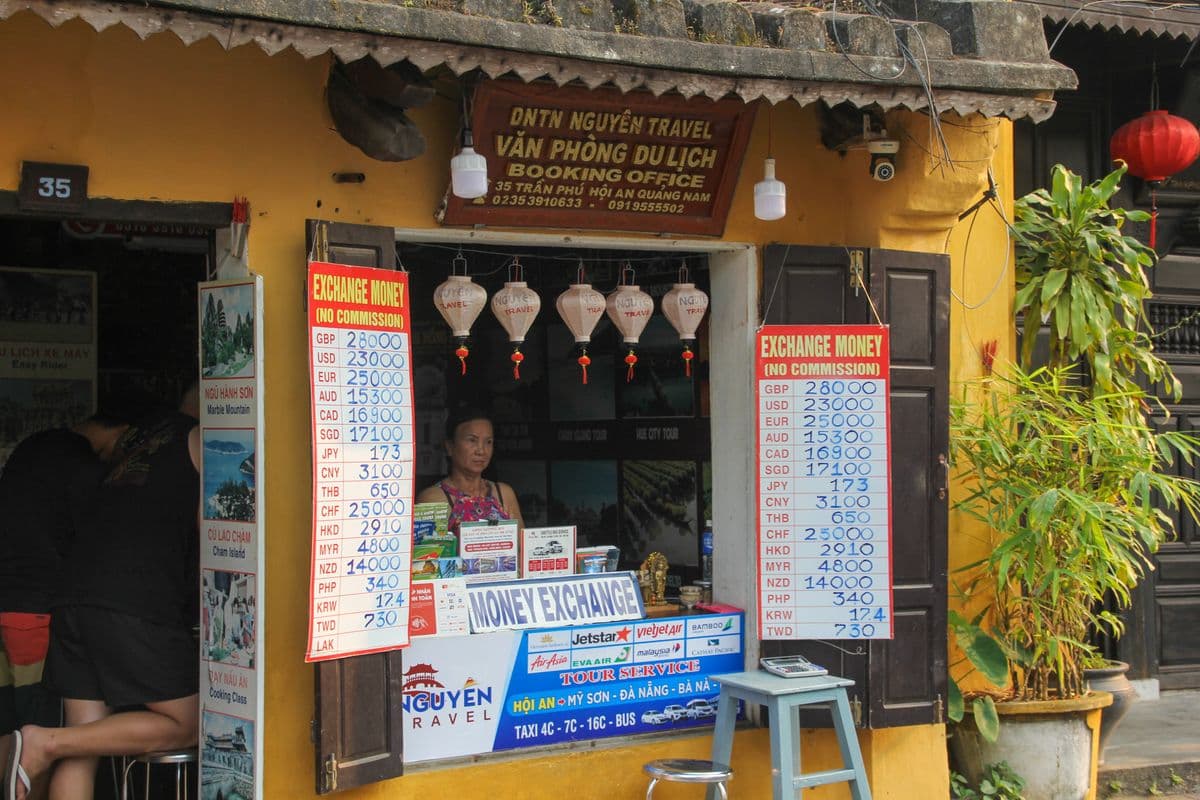
Wise is the default for most people: transparent rates, arrives in a Vietnamese bank account in a day or two. Revolut works from the UK and the EU. If you don't have a Vietnamese bank account — and without a residence card you may struggle to open one — you'll be relying on ATM withdrawals from a home-country card, which means watching two sets of fees.
Vietnamese ATMs charge per withdrawal, usually VND 22,000–66,000 ($1–3), and your home bank adds its own conversion margin. Withdraw large amounts fortnightly rather than small ones every few days. Find a machine in your neighbourhood with a high per-transaction limit and use that one; limits range from VND 2 million to 10 million and the difference adds up fast.
What it actually costs
Around $1,000 a month buys a comfortable single retirement in Da Nang. A couple in Nha Trang or Mui Ne runs $700–1,130 between them for everything except travel. Here's the shape of it:
| Item | Monthly | Notes |
|---|---|---|
| Rent, one bedroom | $250–350 | An annual lease cuts 10–20% off the monthly rate |
| Electricity and water | $30–70 | Top of the range is summer with the aircon always on |
| Internet | $6–9 | Fibre, genuinely fast |
| Mobile | $4–8 | Two lines with data |
| Groceries and market | $150–220 | Cooking at home, fruit daily |
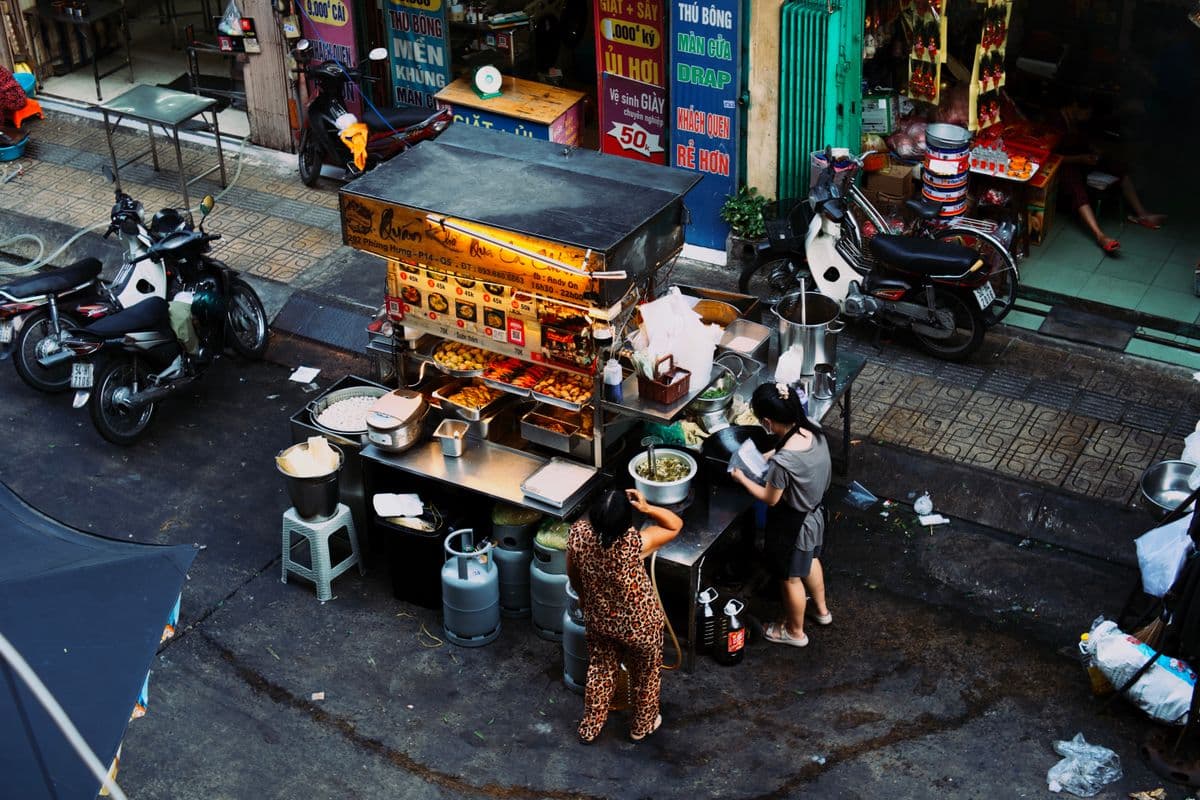
| Eating out | $80–150 | A street-food dinner for two is about $5 |
| Transport | $30–60 | Taxis and Grab, no motorbike |
| Health insurance | $60–95 per person | At 65–79, see below |
| Pharmacy and doctor | $30–80 | Routine, no hospital stays |
What people leave out of the spreadsheet and shouldn't: four border runs a year ($200–800 depending on bus or plane), the aircon bill in June through August, and an untouched reserve covering two flights home. If you don't have 15–20% slack after everything above, the budget doesn't work. Vietnam is cheap, but not so cheap that it forgives having no cushion.
Broader price context across the country is in the Vietnam prices guide, and the long-stay logistics — cities, leases, seasons — are covered in the long-stay guide.
Fast Track — no queue at the border
5–10 minutes instead of an hour in the immigration queue
from$11per passenger
Health insurance after 65

Age changes the market more here than anywhere else in this article.
Private cover in Vietnam comes in three tiers: local plans (Bao Viet, PTI, Liberty VN), regional plans at $600–1,200 (Pacific Cross, Luma, April International), and international plans from $1,500 (Cigna Global, Allianz Care, AXA, Bupa).
The line that matters: entry age. Some regional insurers stop accepting new applicants around 65, and the cut-off differs from plan to plan, so check it in the policy terms. If you are 63 and thinking about Vietnam, buy the policy now — at 66 your options narrow sharply and the ones that remain cost more.
Three clauses to read before signing anything:
- Pre-existing conditions. Standard policies exclude them. Hypertension, diabetes, anything already diagnosed. Plans that cover chronic flare-ups exist and cost more; buy one if you need one.
- Medical evacuation. Air evacuation to Bangkok or Singapore runs $15,000–50,000, and many mid-tier plans cap it or leave it out. General medical cover does not include it automatically — it has to appear as its own line naming air ambulance, not just ground transfer.
- Cover ceiling. $30,000 sounds ample until a week in intensive care plus transport swallows it whole. For living here, look for $100,000 upward.
How the whole system works — public insurance, private tiers, annual check-ups — is set out in the guide to long-term healthcare in Vietnam.
Health in the tropics at seventy
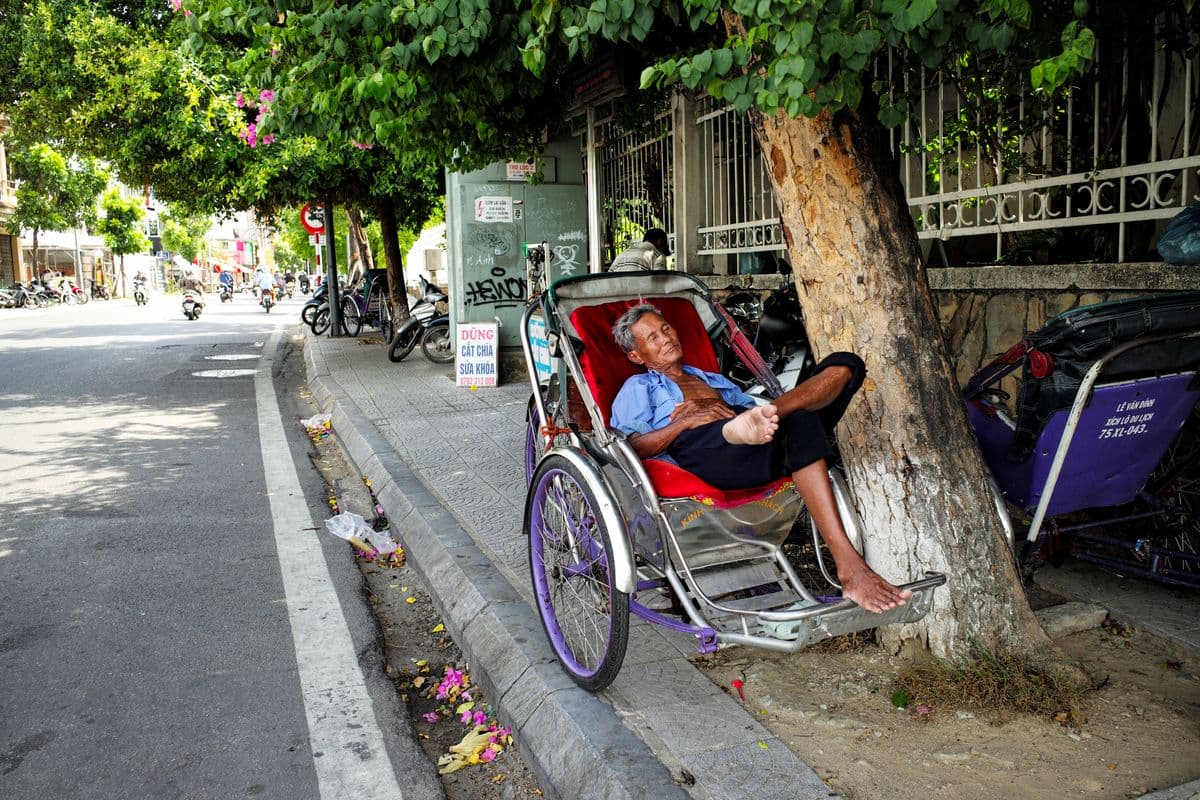
Your body adapts to a climate change differently at seventy than at thirty. That's not a reason to stay home; it's a reason to plan the first month properly.
The first one to two weeks bring fatigue, poor sleep and loss of appetite. That's normal acclimatisation, not illness. By weeks three to six most people have settled.
With hypertension, blood pressure swings for the first two to three weeks. Heat above 35 °C is genuinely dangerous for anyone with cardiac or blood-pressure conditions. Practical consequences:
- Arrive in the cool season — November to March in the south and centre. Stepping into 28 °C is easier than stepping into 36 °C.
- Bring a blood pressure monitor. Measure morning and evening for the first three weeks and write it down. Persistent swings mean a doctor, not "waiting to get used to it".
- Nothing outdoors between 11am and 4pm. Everything early or late.
- Set the aircon to 25–26 °C, not 18. Sharp temperature swings cause more problems here than the heat itself.
- Drink more than you think. Dehydration arrives quietly and faster with age.
Medication. Pharmacies are everywhere and many drugs that need a prescription at home are sold over the counter here. Your specific brand may not exist, though. Bring a three-month supply of anything you take daily plus a letter from your doctor listing the generic names of the active ingredients — a pharmacist can match those instantly, a foreign brand name never. Where to go when something goes wrong is covered in the guide to hospitals and pharmacies.
This section is general information, not medical advice. If you have a chronic condition, make this decision with your own doctor.
Where to live
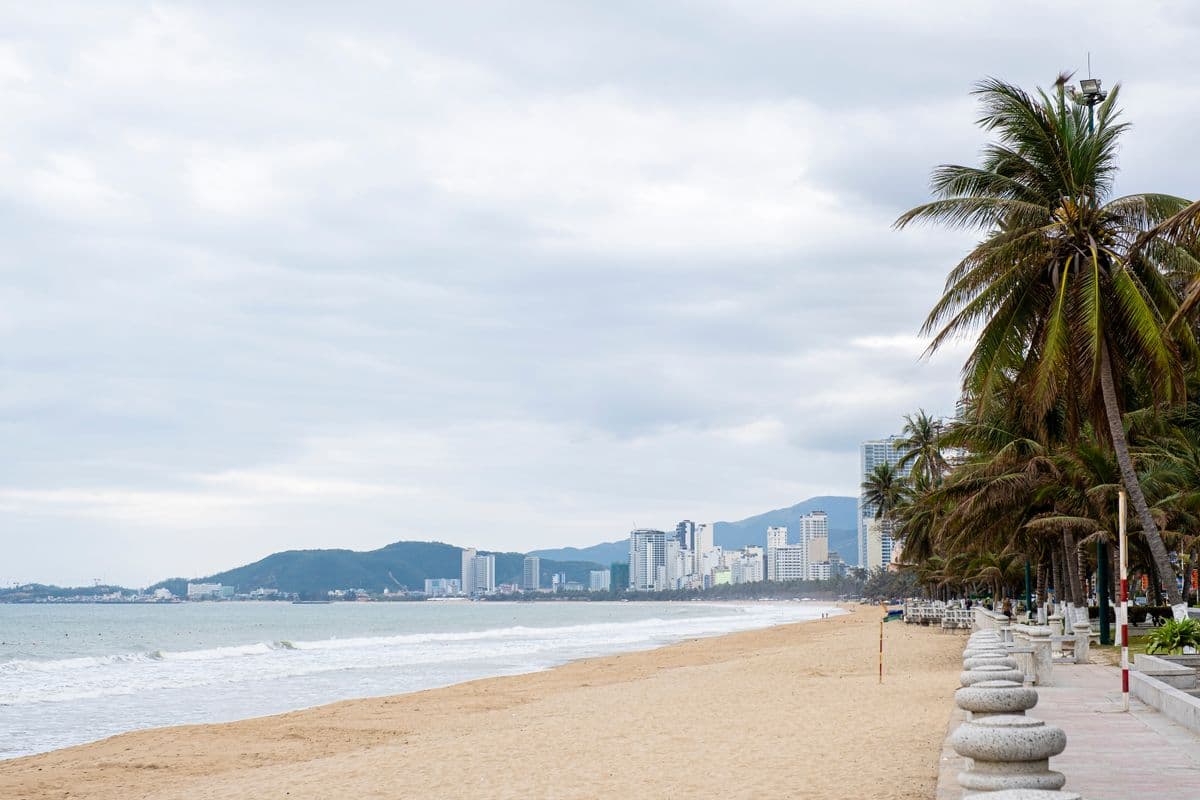
The criteria that matter to a retiree aren't the ones on the digital-nomad lists. Not "fast wifi and good coffee" — can I live here without a motorbike, is there a lift, and how far is the hospital.
| City | Why it works | What's harder |
|---|---|---|
| Da Nang | International clinics, wide pavements, beach promenade, airport in the city | Pricier than the small towns, hot in summer |
| Nha Trang | Compact centre, flat seafront walk, established foreign community | Loud in season, humid |
| Vung Tau | Quiet, flat, an hour and a half from Ho Chi Minh City's hospitals | Smaller expat scene, fewer services |
| Mui Ne | Cheapest of the lot, slow pace, dry climate | Strung along one road; hard without transport |
| Ho Chi Minh City | The best medicine in the country | Traffic, noise, air quality — hard work day to day |
When you view a flat, check four things: the floor and whether there's a lift (cheap apartments are routinely on the third or fourth floor with stairs only), minutes by taxi to the nearest emergency department, whether a market, pharmacy and café are within a ten-minute walk, and the pavements — Vietnamese ones are usually parked full of motorbikes, which makes Da Nang's and Vung Tau's rare exceptions genuinely valuable.
City detail: Nha Trang, Vung Tau, Da Nang.
The annual admin calendar

Four things a year, none of them optional.
| What | How often | Where | Cost of missing it |
|---|---|---|---|
| Border run and new e-visa | Every 90 days | Cambodia, Laos, Thailand | Overstay fine, problems with the next application |
| Insurance renewal | Annually, on policy date | Online | Uninsured, and re-underwritten at your new age |
| Pension proof of life or annual declaration | Varies by scheme | Your national provider | Payments suspended |
| Medication review | Every 3 months | Clinic or pharmacy | Running out at the worst moment |
| Health check-up | Annually | Da Nang from $100 | Nothing caught early |
Stack them. A border run through Bangkok combined with a check-up and a pharmacy restock is one three-day trip instead of three separate ones.
Try it for one season first
The single best piece of advice in this article: go for ninety days on one e-visa before you decide anything. No border run, no commitment, no shipping container.
Ninety days is long enough to find out whether you sleep in the humidity, whether the heat exhausts you, whether the language barrier wears you down, and whether you actually like the place when you're not on holiday. Keep the house at home, keep your bank accounts, keep your doctor.
If the season works, come back for six months and do one border run. If that works too, then think about selling things. People who move in stages almost never regret it. People who sell everything and fly out on a one-way ticket sometimes do.
One thing you don't have to leave behind: the dog or the cat. The paperwork chain takes about three months, and much less if the microchip and rabies shot are already done; the sequence is in the guide to bringing pets to Vietnam.
VietnamSpot on InstagramTips, lifehacks and news for living in VietnamFollow




FAQ
No. As of 2026 Vietnam offers no retirement visa category, unlike Thailand, the Philippines, Malaysia and Indonesia. Retirees use the 90-day e-visa ($25 single entry, $50 multiple) and renew by leaving and re-entering. A five-to-ten-year golden visa has been under government review for several years but has not launched, so it shouldn't feature in your planning.
About $1,000 a month covers a comfortable single retirement in Da Nang; a couple in Nha Trang or Mui Ne runs $700-1,130 combined. That includes rent, utilities, food, transport and basic insurance, but not border runs or flights home. Add 15-20% slack and an untouched reserve for two tickets home, or the budget won't survive a bad month.
Vietnam is 20-35% cheaper. Thailand gives you an actual retirement visa, 90-day reporting instead of border runs, and the region's best hospital network. Choose Vietnam if cost dominates and quarterly travel doesn't bother you; choose Thailand if you'd rather stop thinking about immigration entirely.
Likely, yes. The UK only uprates the State Pension for residents of the EEA, Gibraltar, Switzerland and countries with a UK social security agreement, so check the GOV.UK list for Vietnam. Without an agreement your pension stays at the rate in payment when you left, with no Triple Lock uprating while you live abroad; it goes back up to the current rate only if you return to live in the UK. Over a long retirement the compounding shortfall is substantial — model it properly before you commit.
Your entitlement continues in full and US citizens receive the same amount worldwide. SSA began lifting its Vietnam restrictions in 2015 and now pays current benefits to US citizens living there. The simplest setup is still to keep a US bank account open, take direct deposit into it, and transfer to Vietnam with Wise or similar. Don't close that account before you leave.
It depends on the insurer, and the market narrows fast. Some regional insurers stop accepting new applicants around 65, and the cut-off differs by plan. Local Vietnamese plans are cheaper but usually cap entry around 75 and exclude pre-existing conditions. If you're approaching 65, buy before that birthday.
Da Nang for international clinics, flat pavements and an airport in the city. Nha Trang for a compact centre and an established foreign community. Vung Tau if you want quiet and proximity to Ho Chi Minh City's hospitals. Mui Ne if budget dominates. Check the lift, the distance to an emergency department and whether you can walk to a market.
Foreigners cannot own land, and apartment ownership comes with term limits and per-building quotas. For someone living on rolling 90-day visas it's almost always worse than renting: your capital is locked up and it buys you no residency rights. An annual lease with a long-stay discount is cheaper and reversible.
- Guide
Hai Van Pass: How to Cross Vietnam's Best Coast Road
The Hai Van Pass between Da Nang and Hue: motorbike, easy-rider, car or the heritage train — how to cross, what to see and the best time to go.Hai Van Pass: How to Cross Vietnam's Best Coast Road - Guide
Hoi An Workshops: Tailoring, Lanterns & Cooking Classes
Hands-on Hoi An: get clothes tailored, make a lantern, take a cooking class or try pottery at Thanh Ha — prices, where to go and what to pick.Hoi An Workshops: Tailoring, Lanterns & Cooking Classes - Guide
Cam Ranh Reviews 2026: Quiet Resort or Too Sleepy?
Honest Cam Ranh reviews: a calm resort break vs busy Nha Trang, the pros and cons and who it suits, with a verdict.Cam Ranh Reviews 2026: Quiet Resort or Too Sleepy?