Bringing your dog or cat to Vietnam in 2026
Vietnam does not quarantine healthy pets. Three things get your dog or cat through the border: an ISO microchip, a rabies vaccination given at least 30 days before departure, and an official health certificate issued within 10 days of arrival. No titre test, no import permit for one or two animals. This guide covers the USDA and DEFRA paperwork, which airlines will actually carry an animal, what it really costs, and the bit that takes longest: finding a landlord who says yes.
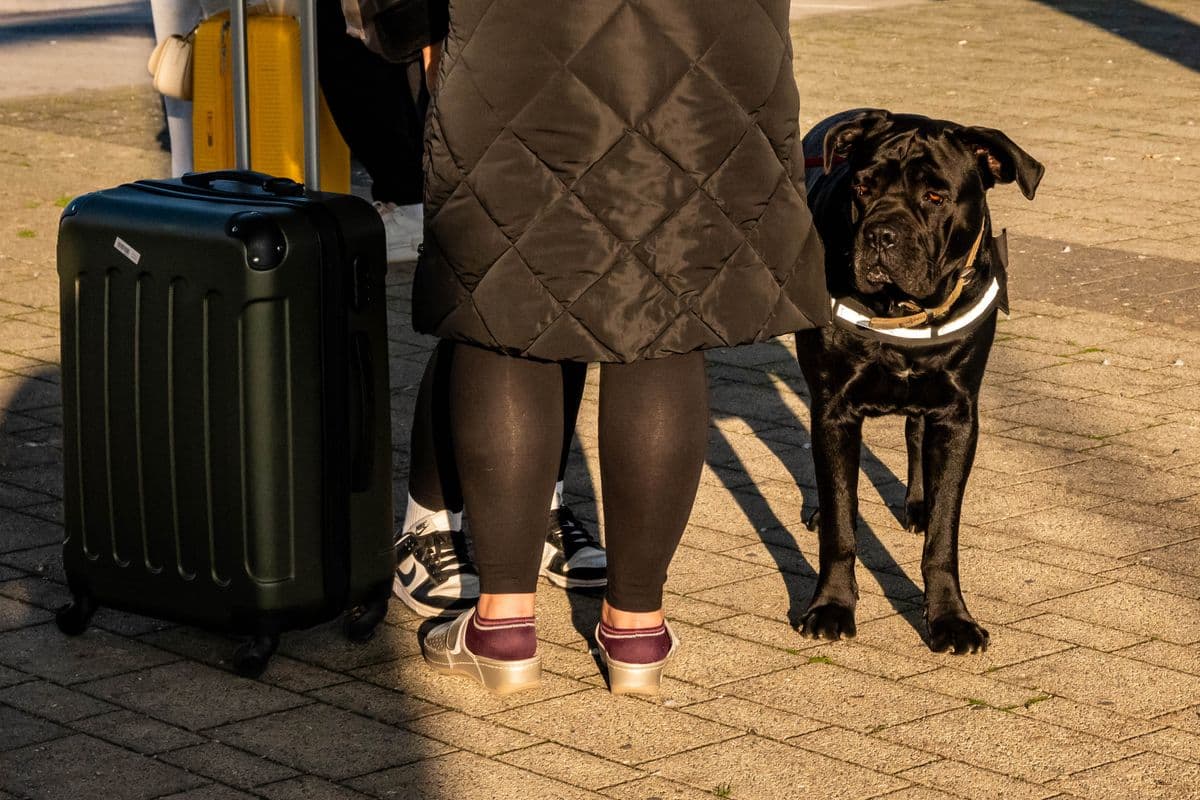
Vietnam does not quarantine healthy pets. Three things get your dog or cat through the border: an ISO microchip, a rabies vaccination given at least 30 days before departure, and an official health certificate issued within 10 days of arrival. No titre test, no import permit for one or two animals. The paperwork is easier than for the EU.
Start four to six months out
Every experienced pet shipper says the same thing, and they are right: begin half a year before you fly. Not because Vietnam is difficult — it isn't — but because the sequence has hard gates in it, and missing one costs you a month.
The chain looks like this: microchip → rabies vaccination → 30-day wait → book the flight and the pet's seat → health certificate in the last 10 days → government endorsement → fly. If your pet is already chipped and currently vaccinated, you can compress this to a fortnight. If not, three months minimum, and four to six if you want any slack.
Sorting out the rest of the move at the same time? The Vietnam relocation guide covers visas, money and housing in the order you actually need them. If you're moving here to retire, add four border runs a year to the plan — the dog has to be settled somewhere while you do them.
What Vietnam asks for
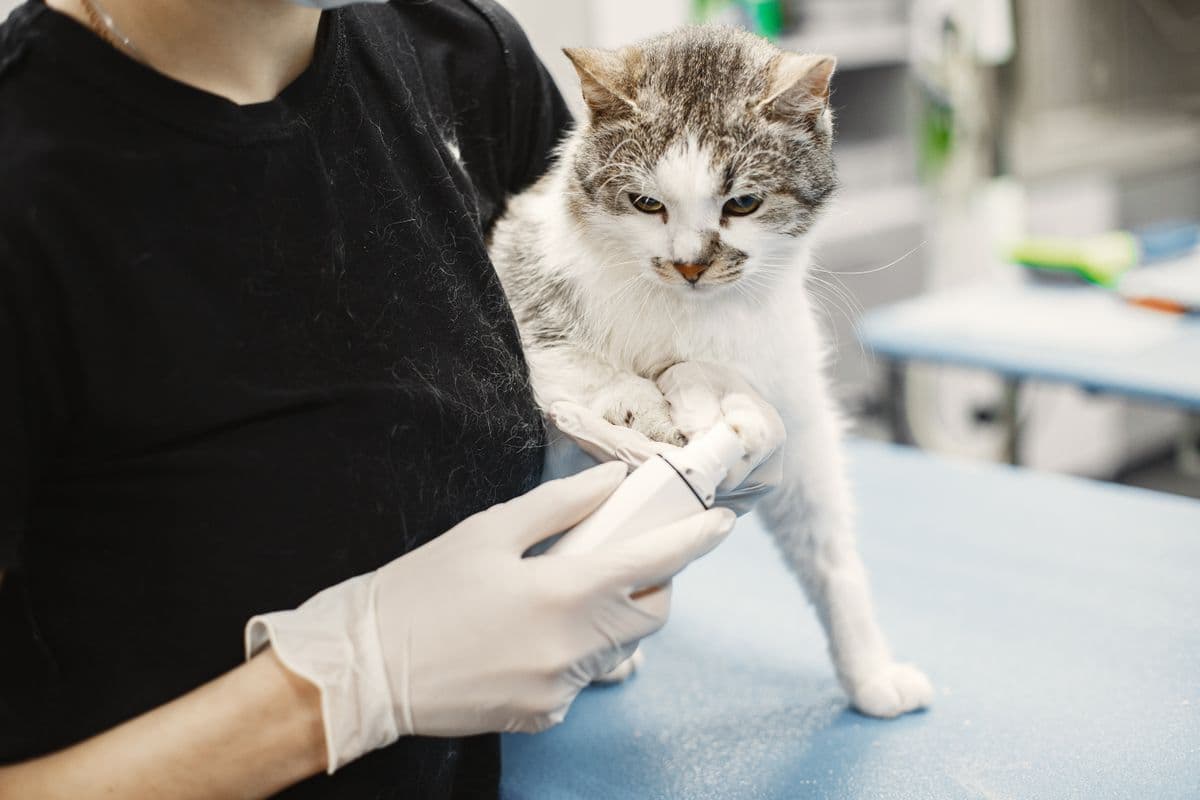
Since 1 January 2026, pet imports fall under Circular 01/2026/TT-BNNMT, issued by the Ministry of Agriculture and Environment. It consolidated a stack of older rules into one instrument. Dogs and cats are named as animals subject to border veterinary control, and rabies sits on the controlled disease list.
In plain terms, five requirements:
| Requirement | Detail | Timing |
|---|---|---|
| Microchip | 15-digit ISO 11784/11785, number recorded on the certificate | Before the rabies shot |
| Rabies vaccination | Valid, from a licensed vet | At least 30 days before departure, within 12 months of arrival |
| Health certificate | Official, in English, endorsed by the government | Issued within 10 days of arrival |
| Age | Minimum 3 months | Realistically 4 months once you count the 30-day wait |
| Number of animals | Up to 2 per person, no permit | 3 or more needs a ministry import permit |
What Vietnam does not ask for, unlike the EU, Japan or Australia: a rabies antibody titre test, vaccinations beyond rabies, an advance import permit for one or two animals, or timed parasite treatment before boarding. This is one of the easiest pet destinations in Asia.
The one rule that catches everyone
The microchip must be implanted and registered before the rabies vaccination. Not after. If the records show the rabies injection happened even a single day before the chip was registered, border authorities treat the vaccination as unlinked to that animal and the history is void. You revaccinate and count 30 days again.
Read your pet's records right now, before anything else. The two dates on that page decide whether your timeline is two weeks or three months.
Paperwork by country

From the United States
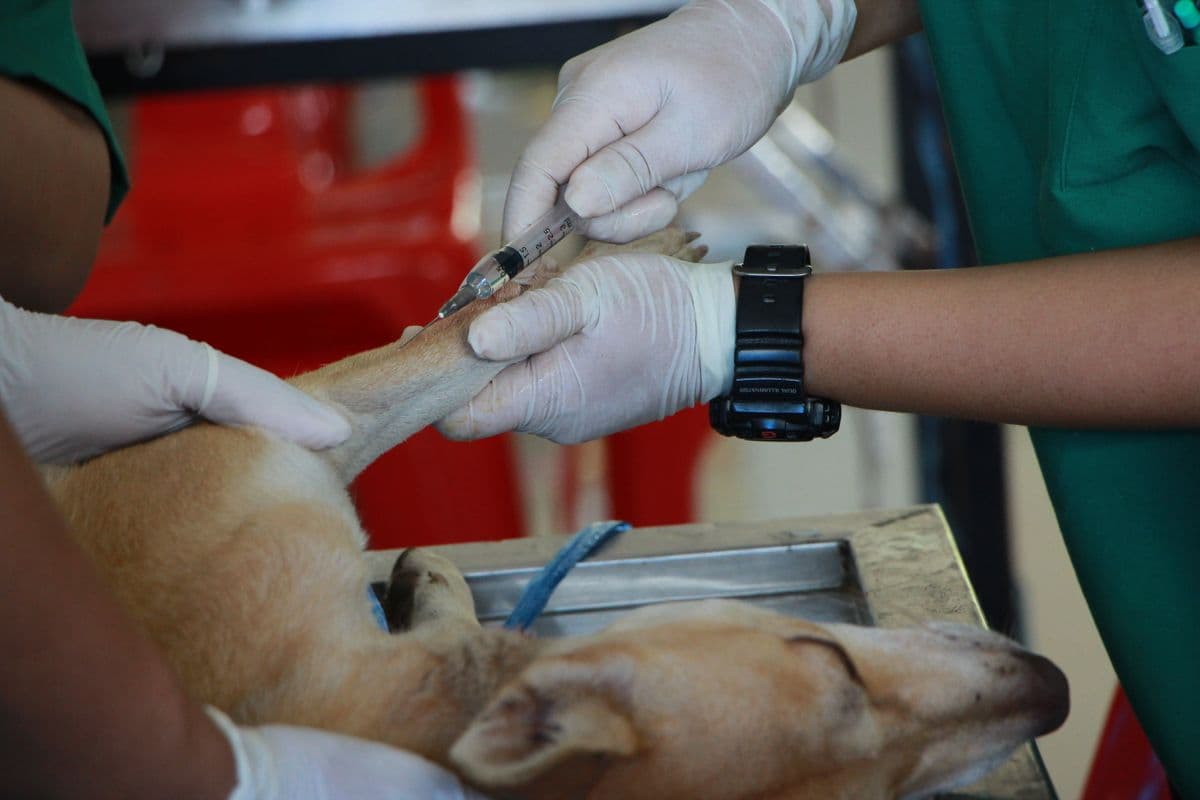
Your USDA-accredited vet issues the health certificate and submits it through VEHCS, the Veterinary Export Health Certification System, for digital endorsement by APHIS. The endorsed certificate prints straight out of VEHCS — nothing gets mailed back and forth any more, which took a fortnight of anxiety out of the process.
APHIS charges an endorsement fee per certificate, and it goes up when lab work is involved; check the current amount on the APHIS site. Add your vet's own charge on top. Book the appointment early: accredited vets in smaller towns are not always available inside a 10-day window.
Flying a dog from the US, plan on a carrier other than Vietnam Airlines: it does not carry dogs between Vietnam and the United States.
From the United Kingdom
You need an Export Health Certificate, number 4068 — that's the specific certificate for cats and dogs going to Vietnam. Apply through the GOV.UK online service; Northern Ireland applies to DAERA instead. An Official Veterinarian completes it on behalf of DEFRA and the Animal and Plant Health Agency.
The certificate has to fit Vietnam's 10-day window before arrival. Expect a certificate fee plus the OV's charges for the examination and paperwork.
From the EU and elsewhere
Same shape, different letterhead: your national state veterinary authority issues an international certificate in English carrying the microchip number and rabies date. Australia, Canada, Singapore and Thailand all turn this around in one to three working days. Whatever your country calls the document, it has to be in English and it has to be inside the 10-day window on arrival.
Flying: who actually carries animals
This is where the plan usually breaks.
As far as we know, Vietjet does not carry animals — not in the cabin, not in the hold. Check the airline's conditions of carriage before you buy. This matters more than it sounds, because Vietjet has the cheapest fares both into the region and on domestic routes. People book Hanoi–Da Nang for £20, then discover at the desk that the cat is not flying. If you'll need internal flights, cross the budget carrier off before you start.
Vietnam Airlines is the realistic option, with one exception: it does not carry dogs on flights between Vietnam and the United States, in the cabin or the hold.
| Parameter | In cabin | In hold |
|---|---|---|
| Minimum age | 10 weeks | 10 weeks |
| Weight with carrier | 6 kg | 32 kg |
| Carrier size | 35×30×20 cm | IATA standard |
| Slots per flight | 1 in A321 business, 2 in economy and premium economy | On request |
| Booking deadline | 24 hours before departure | 24 hours before departure |
| Fee | $300–650 by zone | $100–550 by weight and zone |
The 6 kg cabin limit includes the carrier, which in practice means cats and genuinely small dogs. Anything bigger flies in the hold, and that is a conversation to have with your vet rather than a box to tick.
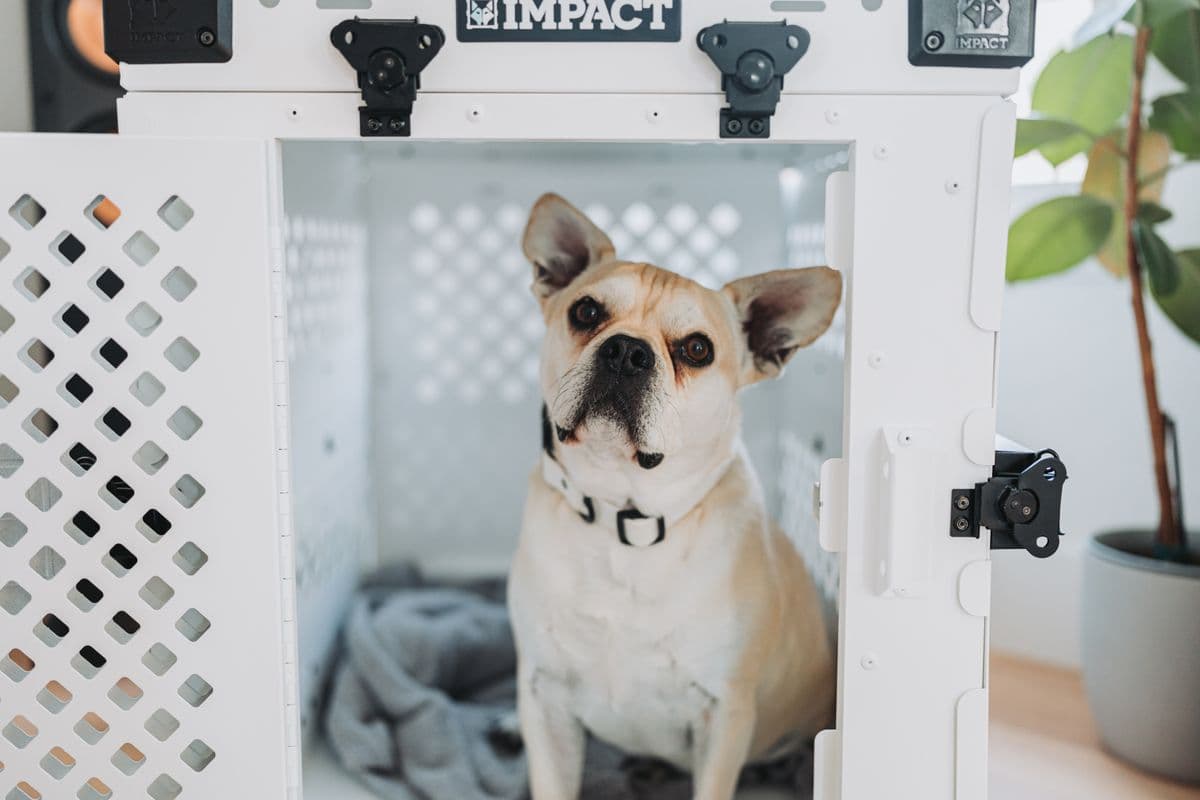
Vietnam Airlines does not carry flat-faced breeds at all, in the cabin or the hold. Bulldogs of every variety, pugs, Shih Tzus, boxers, Boston terriers, Pekingese, Persian, exotic, Himalayan and Burmese cats. Mastiffs, Rottweilers, pit bulls and Akitas are on the same list. Short muzzle plus stress plus tropical heat produces statistics no airline wants attached to its name.
Routing
One rule above all: do not book two separate tickets for a connection. Without a single through-checked itinerary you have to collect the crate at the transit airport, clear local veterinary control and re-check the animal — which requires the right to enter that country, and you may not have it.
Turkish Airlines through Istanbul is the most predictable one-carrier option out of Europe. Gulf carriers through Dubai and Doha run more flights but impose summer embargoes when apron temperatures pass about 29 °C, which in July and August effectively cancels the hold. Korean Air and Singapore Airlines work well from North America and Australia, though transit rules for animals repay a careful read — in some cases a connecting animal counts as an import.
What it costs
Budget in USD, and budget generously. The airline fee is rarely the biggest line.
| Item | Cost |
|---|---|
| Microchip and rabies (if needed) | $60–150 |
| APHIS endorsement (US) | APHIS fee plus vet |
| Animal health certificate (UK) | certificate fee plus OV charges |
| Certificates, tests, processing — baseline | $250–800 per animal |
| IATA crate | $60–350 depending on size |
| Vietnam Airlines, per sector | $100–650 |
| Documentation-only service | from $350 |
| Full relocation, Europe to Vietnam | $1,500–6,500+ per animal |
| Full-service agency, door to door | $3,500+ |
Doing it yourself with a cat and one connection lands around $700–1,200. A large dog in the hold with a stopover runs $2,000–3,500. An agency handling everything roughly doubles that, and for a first international move with a big dog, plenty of people decide it's worth it.
There is one line that almost never makes it into the spreadsheet: the pet premium on rent. Serviced apartments in Vietnam routinely charge a one-off cleaning fee of VND 3–8 million ($120–320), and building-managed condos often want an extra month's deposit. Budget for it from the start. For the wider cost picture, see the Vietnam prices guide.
Fast Track — no queue at the border
5–10 minutes instead of an hour in the immigration queue
from$11per passenger
Landing day
Major international airports such as Noi Bai in Hanoi, Tan Son Nhat in Ho Chi Minh City and Da Nang run an Animal Quarantine Station in the arrivals hall. Enter through one of them; smaller regional airports may have no duty officer, and you will wait with your animal until one appears.
The sequence:
- Collect your pet. Cabin animals walk out with you; hold crates come out at oversized baggage.
- Go to the quarantine desk with the original documents.
- The officer scans the chip, matches the number against the certificate, checks the rabies entry and the examination date.
- Stamp, papers back, you're through.
Forum reports put this at twenty minutes to ninety, depending on how busy the shift is and how clean your file is.
When something goes wrong
Most of it is fixable at the desk if you stay calm.
- The chip won't scan. Older chip standards defeat some readers. Carry a printout of the number and the registration sticker so it can be matched by hand.
- Dates fall outside the window. If a delayed flight pushed you past the 10-day mark, show your boarding passes. Delays caused by the carrier are generally read in your favour.
- The certificate isn't in English. That's a refusal. It has to be right at departure; it cannot be fixed on arrival.
- Your animal travelled badly. Ask for the station vet before you clear the border, not after. Dehydration after a long sector is the most common complaint and an hour on fluids solves it.
Save the phone number and Vietnamese-language address of an international vet clinic in your arrival city before you fly. Searching for one at two in the morning is not a plan.
Housing: the actual hard part
Here is the honest version. Vietnam is not a pet-friendly country by default. You'll assemble the paperwork in a month. You may spend just as long finding a flat.
The share of rentals that accept animals is small, and worse, tenants are sometimes asked to leave after moving in, once building management notices a dog in the lift. A verbal yes from the landlord protects you from nothing.
In Ho Chi Minh City permission has to clear three gates, and you need all three:
- Building management. Many condo complexes ban animals outright, regardless of what the owner thinks.
- The landlord. Can agree on the phone and change their mind in month three.
- A written clause in the lease. The only one that actually holds.
The safe sequence for a foreigner: declare the pet before viewings, filter hard over messages, and get the permission written into the lease before any deposit changes hands. Yes, this cuts the shortlist by two thirds. It also means you move once.
Where people succeed:
- Thao Dien and District 7, Ho Chi Minh City — long-established expat areas, more tolerant buildings, actual green space for walking.
- An Thuong, Da Nang — low-rise, lots of private houses where the owner decides and there's no management company to overrule them. More on the city in the Da Nang guide.
- Serviced apartments almost everywhere will take a pet for an extra deposit or cleaning fee — expensive, but settled in writing on day one.
Vets, heat and heartworm
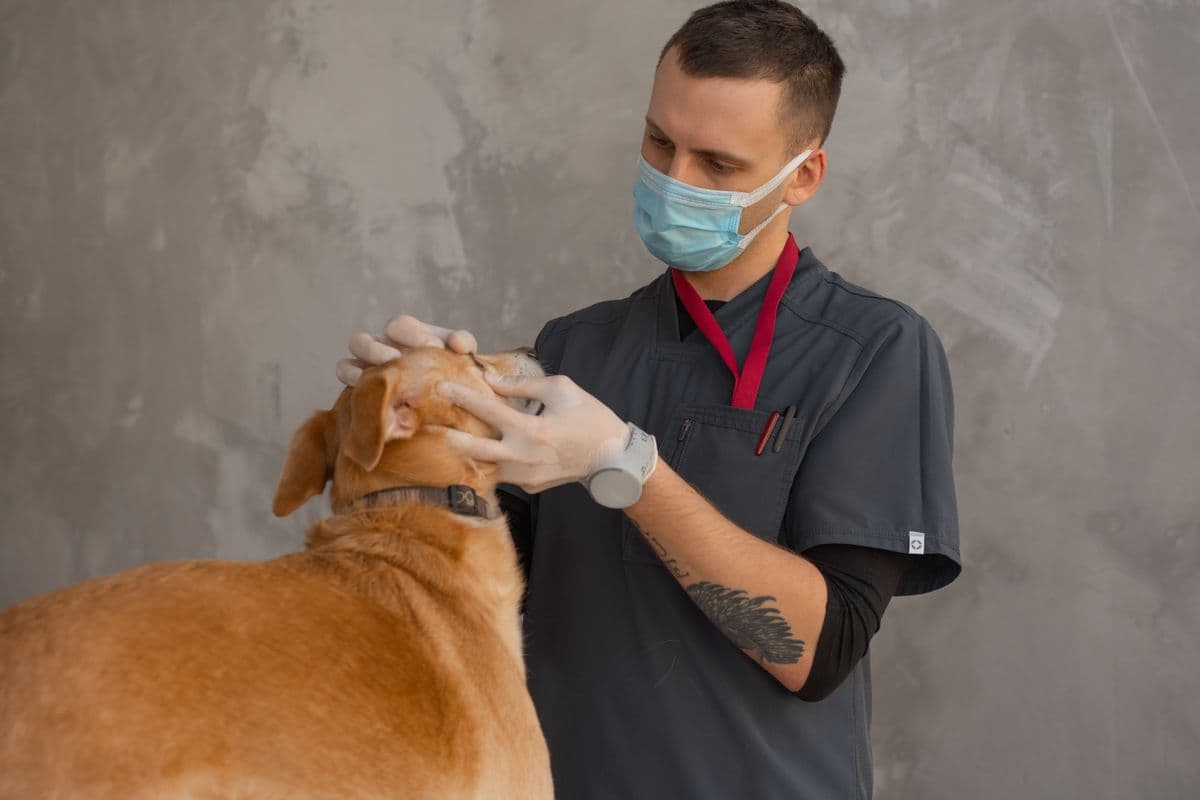
Veterinary care in Vietnam is more stratified than human healthcare. International clinics follow Western protocols and price accordingly. Local Vietnamese practices cost a fraction, but English is a lottery and vaccination schedules differ from what you're used to.
| Clinic | City | Notes |
|---|---|---|
| Animal Doctors International | Ho Chi Minh City (Thao Dien), Hanoi | International vets, 24/7 emergency, treats birds and exotics |
| PAWS International Vet Clinic | Da Nang | International clinic |
| Local practices | Everywhere | Three to five times cheaper, English not guaranteed |
What changes about routine care once you land:
- Parasite prevention becomes year-round. Heartworm, carried by mosquitoes, is a genuine and common threat here rather than a textbook curiosity. Tick and worm treatment runs continuously too — there is no winter to take off.
- Heat is the main daily risk. Heatstroke is possible year-round in Ho Chi Minh City and Nha Trang. Walk before 9am and after 6pm. Asphalt at two in the afternoon burns paw pads in under a minute.
- Rabies is endemic. Street dogs are common, and annual boosters are both a legal requirement and simple common sense.
- Food. Imported brands exist at Pet Mart, Paddy Pet Shop and on the big marketplaces, but the range is narrower and the prices higher than at home. If your animal is on a prescription diet, bring a month's supply and start hunting for a local equivalent immediately.
For how the same tiering works in human medicine, see the guide to hospitals and pharmacies in Vietnam — the pattern is identical. If you're staying for years, the annual numbers are in the guide to long-term healthcare; families usually buy one policy for everyone at the same time.
Taking your pet out again
This is the section most guides skip, and for Europeans it is the expensive one.
Vietnam lets your animal leave easily: an export health certificate from the Department of Animal Husbandry and Veterinary Medicine in your departure city, or a valid international passport with a clinical examination noted within 14 days of the flight. Allow a couple of working days.
The problem is at the other end. The EU and the UK require a rabies antibody titre test for animals arriving from a non-listed third country, and the blood sample has to be taken at least three months before the return date. Vietnam never asked you for it, so most people have never had one done.
Practical consequence: if there is any chance you'll return to Europe with your animal, get the titre test done in Vietnam while you're still settled, not when the moving date is six weeks away. It costs little and it expires only if the rabies vaccination lapses.
Flying on to Thailand, Bali or elsewhere in Asia? Check that country's rules rather than assuming they mirror Vietnam's. They usually don't.
Seven mistakes that cost money
- Chipping after vaccinating. The vaccination doesn't count. Revaccinate, wait 30 days again.
- Booking Vietjet. As far as we know, no animals, in the cabin or the hold.
- Not reserving the pet's slot. One or two per flight. Your own ticket guarantees nothing.
- Documents in checked baggage. The quarantine officer needs originals in hand.
- Separate tickets on a connection. You'll be re-checking the animal in a country you may not be allowed to enter.
- A lease with no pet clause. The landlord's verbal yes doesn't bind the building.
- Buying the crate the night before. Your animal needs a fortnight sleeping in it, or ten hours in the hold becomes ten hours of panic.





FAQ
No. A healthy animal with a microchip, current rabies vaccination and a valid international health certificate is examined at the border and released the same day. Quarantine, return to the country of origin or euthanasia apply only to animals arriving without documents or with expired paperwork. Those consequences are written into the regulations, not internet folklore.
Doing it yourself with a cat and one connection costs roughly $700-1,200. A large dog in the hold with a stopover runs $2,000-3,500. Full relocation between Europe and Vietnam is quoted at $1,500-6,500 per animal, and a door-to-door agency starts around $3,500. Vietnam Airlines charges $100-650 per sector, depending on zone, weight and cabin or hold.
Yes, if the cat and carrier together weigh 6 kg or less and the carrier fits 35x30x20 cm. Vietnam Airlines accepts animals from 10 weeks old, with two cabin slots in economy and one in A321 business class. Book at least 24 hours ahead. Persian and exotic shorthair cats are refused in the cabin because of their flat faces.
Three months on paper, four in practice. The rabies vaccination is given at three months and the animal cannot enter until 30 days after that shot. Count forward from the vaccination date, not the birthday. Airlines separately require a minimum of 10 weeks, but the veterinary rule is the binding one.
It won't be admitted. The chip number has to appear on the health certificate and the officer scans it at the border. Have the chip implanted before the rabies vaccination — done in the wrong order, the vaccination isn't legally linked to the animal, and you'll be revaccinating and waiting another 30 days.
Brachycephalic — flat-faced — breeds. Vietnam Airlines does not carry them at all: bulldogs of all types, pugs, Shih Tzus, boxers, Boston terriers, Pekingese, and Persian, exotic, Himalayan and Burmese cats. The same list bars several large breeds, including mastiffs, Rottweilers, pit bulls and Akitas. Each carrier keeps its own list, so confirm before you buy the ticket.
Yes, but plan a quarter ahead. The EU and UK require a rabies antibody titre test for animals arriving from a non-listed third country, taken at least three months before travel. Vietnam never requires it, so most expats don't have one. Get the blood drawn early in your stay — it stays valid as long as the rabies vaccination doesn't lapse.
- Preparation
Vietnam Work Permit 2026: Rules, Salaries, Where to Look
How foreigners get a Vietnam work permit in 2026: Decree 219/2025, a 10-working-day decision, the VND 3 billion exemption, real salaries, fines and job boards.Vietnam Work Permit 2026: Rules, Salaries, Where to Look - Preparation
Vietnam Visa Extension: How to Extend In-Country 2026
How to extend your Vietnam visa or visa-free stay from inside the country: using agents, costs, timing and the immigration offices.Vietnam Visa Extension: How to Extend In-Country 2026 - Preparation
Travel Insurance for Vietnam: What to Cover & Where
Travel insurance for Vietnam: why you need it, what to cover (medical evacuation, motorbikes), where to buy, how much and how to make a claim.Travel Insurance for Vietnam: What to Cover & Where