Car rental in Vietnam in 2026: with a driver or self-drive
Car rental in Vietnam without a driver is legal for a foreigner only with an International Driving Permit (IDP) issued under the 1968 Vienna Convention plus your home licence, both showing category B. If you're from the US, Canada or Australia, your IDP doesn't qualify. Get it wrong and the fine is 18–20 million VND (~$690–770), and Vietnam's compulsory insurance won't pay out. That's why, for most intercity trips, hiring a car with a driver comes out cheaper: a whole seven-seat Green SM electric car from Da Nang to Hue costs 830,000 VND (~$32).
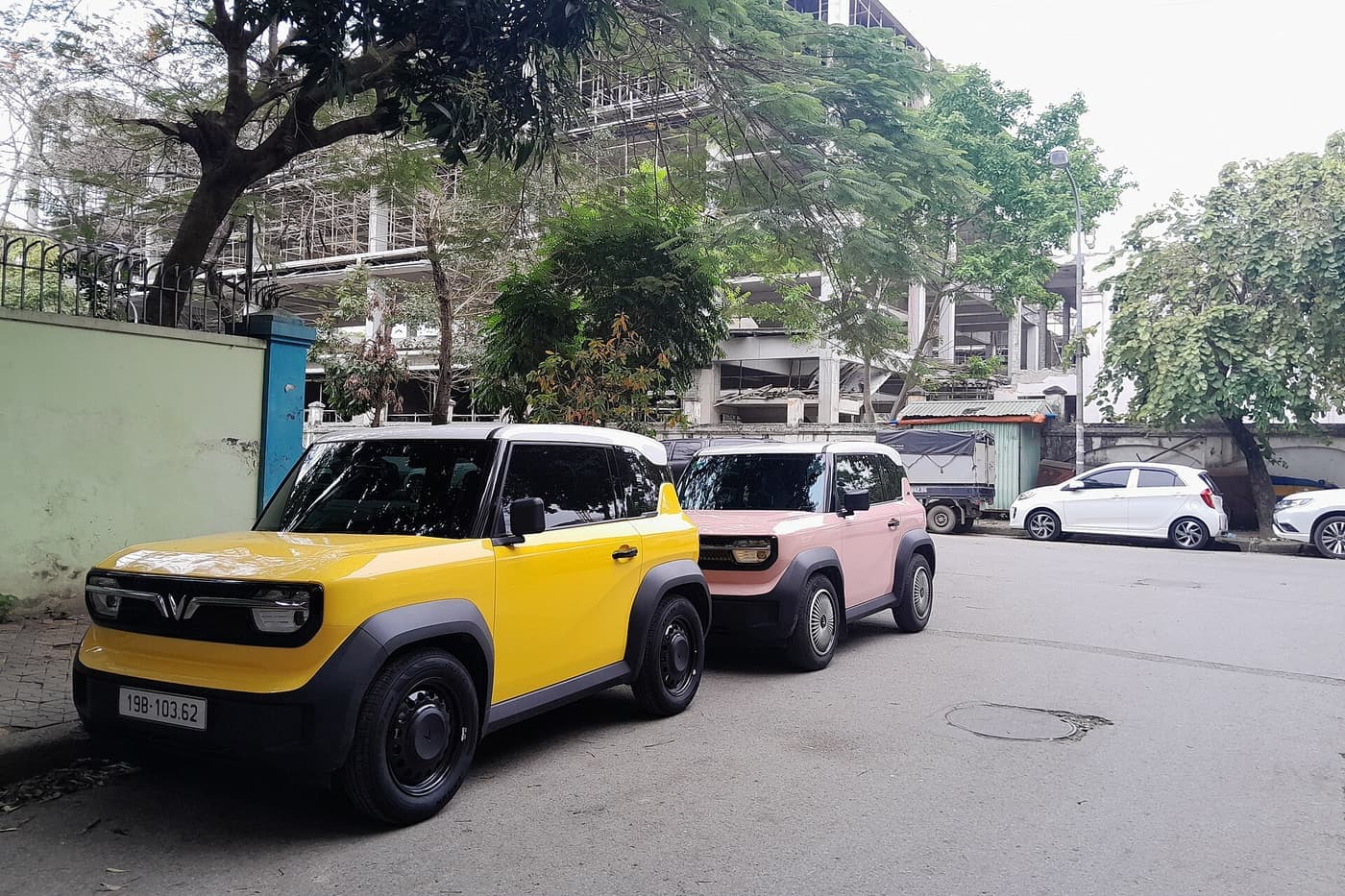
Below are the three ways to get around by car, side by side: driving yourself, hiring a driver for the day, and booking an intercity ride in an app. For each one you'll see what the law expects from you, what it costs at official rates, and who is liable if something goes wrong.
Three ways to get around by car: comparison
You can rent a car in Vietnam in three ways: a car with a driver for a day or a route, a ride booked in an app (Grab, Green SM), or a self-drive rental. The first two need no licence from you and leave road liability with the operator. Self-drive gives you freedom, but the documents, fines and insurance risk are all on you.
| Option | What you need | Price guide | Liable in a crash |
|---|---|---|---|
| Fixed intercity route (Green SM Xanh Liên Tỉnh) | The app and a payment method | Da Nang–Hue: seat 150,000 VND (~$5.80), whole car for up to 6 passengers 830,000 VND (~$32), Nov 2025 | Operator and its driver |
| Metered intercity ride (GrabCar Chuyến Xa, trial since July 2026) | Grab app, pickup in Ho Chi Minh City or Hanoi | HCMC: from 736,364 VND (~$28) for trips over 100 km, plus per km and per minute, tolls extra | Operator and its driver |
| Hourly car with driver (Grab) | Grab app | 2–8 hour packages, fixed price, must end in the same province | Operator and its driver |
| Self-drive (Green Future, VinFast EVs) | Valid IDP + home licence with B, passport, deposit from 5 million VND (~$190) | 550,000–2,100,000 VND (~$21–81) per day, October 2026 price list | You as the driver |
Unless you drive every day in dense scooter traffic, start with the first three rows. Self-drive makes sense when your route fits none of the apps and you're ready for Vietnamese road rules.
Can foreigners drive a car in Vietnam?
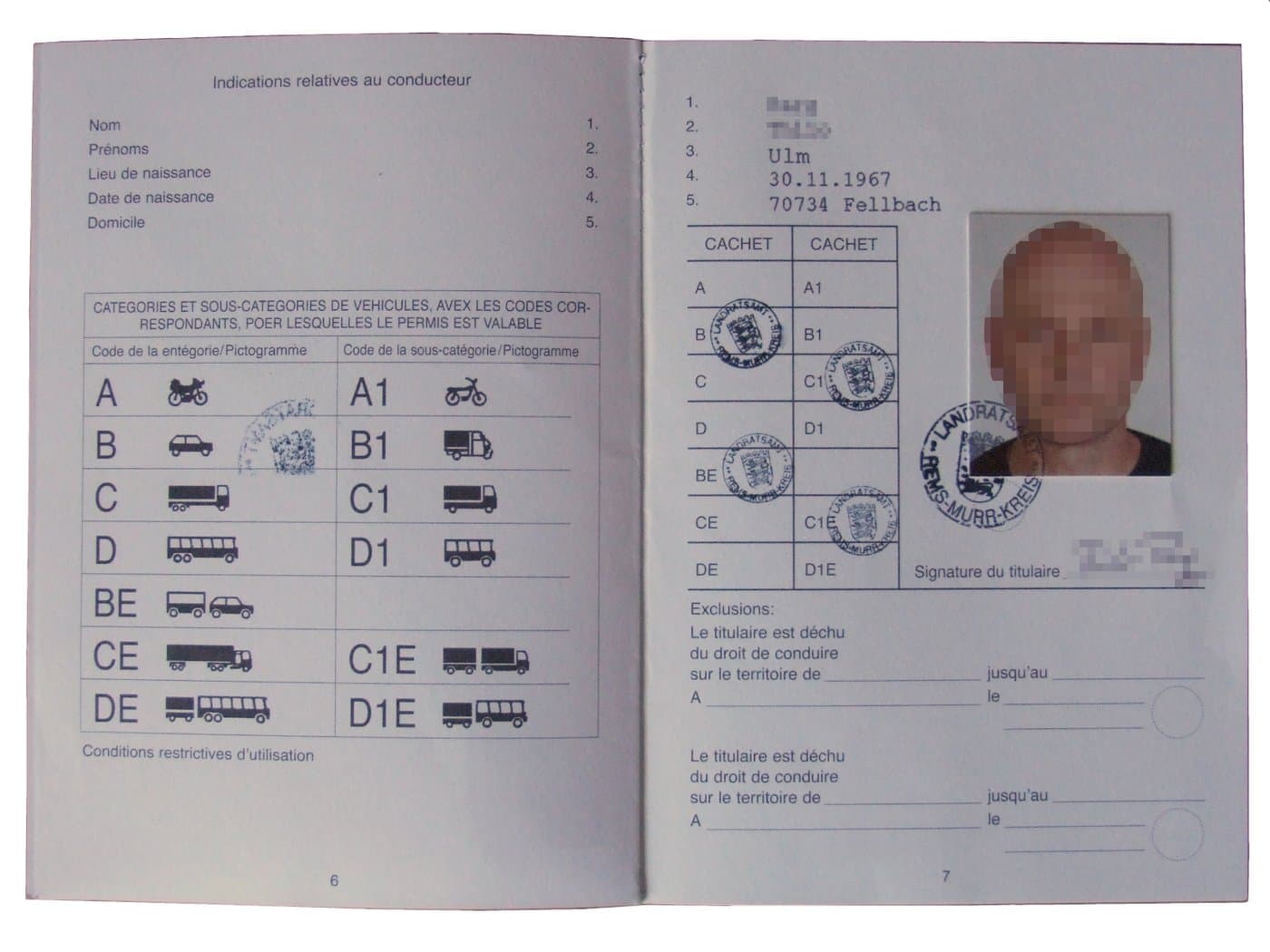
Yes, but only on the right paperwork. A visitor can drive a car on an International Driving Permit issued under the 1968 Vienna Convention, carried together with the national licence, both showing category B. That's paragraphs 6 and 8 of Article 57 of Luật Trật tự, an toàn giao thông đường bộ No. 36/2024/QH15, in force since 1 January 2025.
Whose IDP works
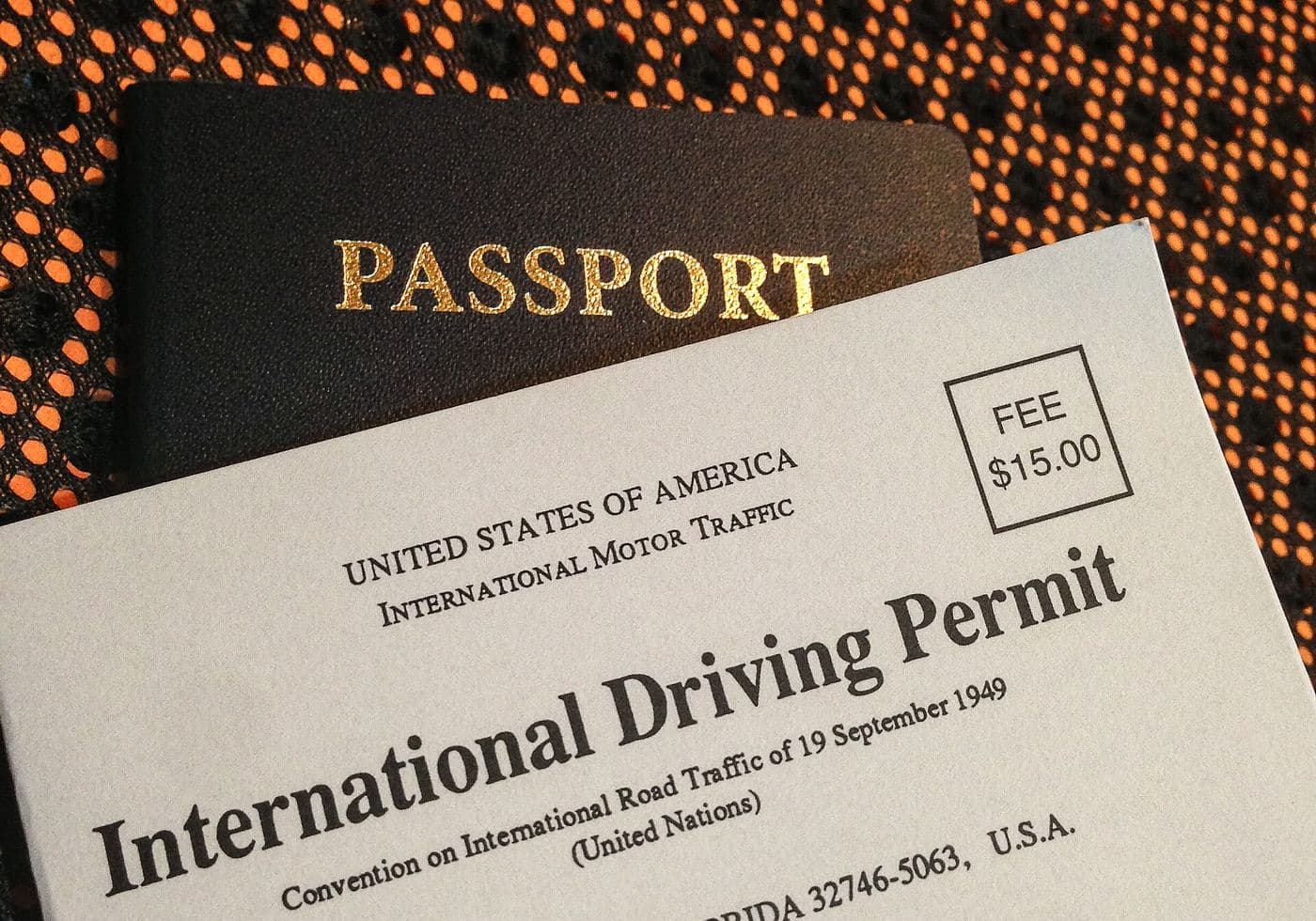
Vietnam acceded to the 1968 Convention on Road Traffic on 20 August 2014. Under Article 47 the convention takes effect for an acceding country twelve months later, so it has applied to Vietnam since 20 August 2015, the date of effect recorded in the UN Treaty Series. Article 57.6b of the traffic law names only the 1968 convention, so a 1949-format IDP isn't on the list of valid documents.
| Your licence is from | Can you self-drive on an IDP? |
|---|---|
| UK (party since 2018), Germany, France, Netherlands, Russia, Thailand | Yes, IDP + home licence with B |
| USA, Canada, Australia, New Zealand, Ireland, India | No, these countries are not 1968 parties |
| ASEAN member state | Your domestic licence works under the ASEAN agreement Vietnam joined in 1997, matching category only |
Check your country on the UN treaty status page before you fly. An IDP without the plastic home licence counts as an offence under Decree 168/2024: 8–10 million VND (~$310–385) for a car driver.
Which category
Vietnamese category B covers cars with up to 8 seats besides the driver, trucks up to 3,500 kg and a trailer up to 750 kg (Article 57, para 1 d). A seven-seat MPV is fine on B; a 16-seat minibus isn't. Motorcycle categories A and A1 don't cover cars, and B doesn't cover scooters, see our guide to scooter licences and category A1.
Living in Vietnam long term
Since 1 July 2026, a foreigner can convert a home licence into a Vietnamese one without a test under Article 24 of Thông tư 108/2026/TT-BCA, provided their visa or temporary residence card (TRC) has at least 90 days left. The fee is 115,000 VND (~$4.40). A 90-day e-visa almost never qualifies. Documents and steps are in our guide to converting a foreign licence.
Why a car with a driver costs less than you'd think
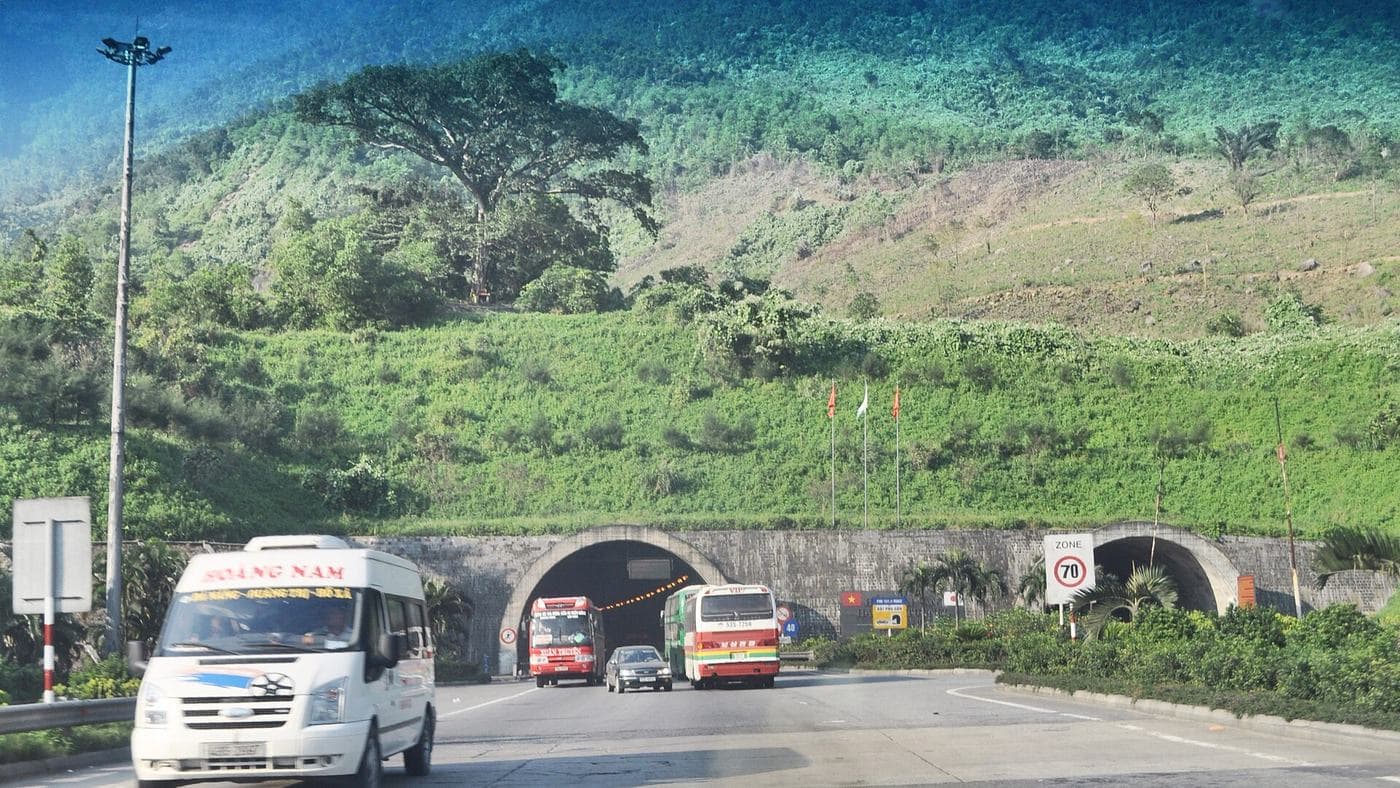
On a short intercity trip, a car with a driver usually beats self-drive: you pay for the ride, not for a full day, there's no deposit and no fine risk. On a route of about 100 km, a whole seven-seat car costs a little more than a day's rental of a four-seat VF 3 and less than half a day of a seven-seat VF 9.
Here's one route, Da Nang–Hue:
| Cost | With driver (Green SM, whole car) | Self-drive (Green Future) |
|---|---|---|
| The trip | 830,000 VND (~$32) for up to 6 passengers | 550,000–2,100,000 VND (~$21–81) per day, up to 300 km a day, weekend surcharge 100,000 VND (~$3.80) |
| Returning the car | Not needed | Drive it back, or pay for a one-way drop-off if offered |
| Deposit | Not mentioned in Green SM's terms | From 5 million VND (~$190), depends on the model |
| Energy and tolls | Ask when booking | Free charging at V-Green stations until 31 Dec 2027 under Green Future's terms; tolls are yours |
| If your papers are wrong | Not your problem | 18–20 million VND (~$690–770) and no insurance payout |
Look at the last row. Article 7, para 2 c of Decree 67/2023 excludes compulsory insurance payouts when the driver has no licence, or the licence is invalid, expired or the wrong category. Victims are then compensated without insurance, out of the at-fault driver's pocket.
The driver option has downsides too. Green SM's fixed routes mostly serve the areas around Hanoi, Hue with Da Nang, and Ho Chi Minh City. From Nha Trang, Da Lat or Phu Quoc you'll book a private operator, and the driver's overnight costs, waiting time and tolls need agreeing up front. So does any "let's stop at that waterfall" detour.
Getting set up in Vietnam?
Visa fast-track, housing rentals, tours — our manager sorts it out for you, in English.
Car with a driver and intercity rides in apps
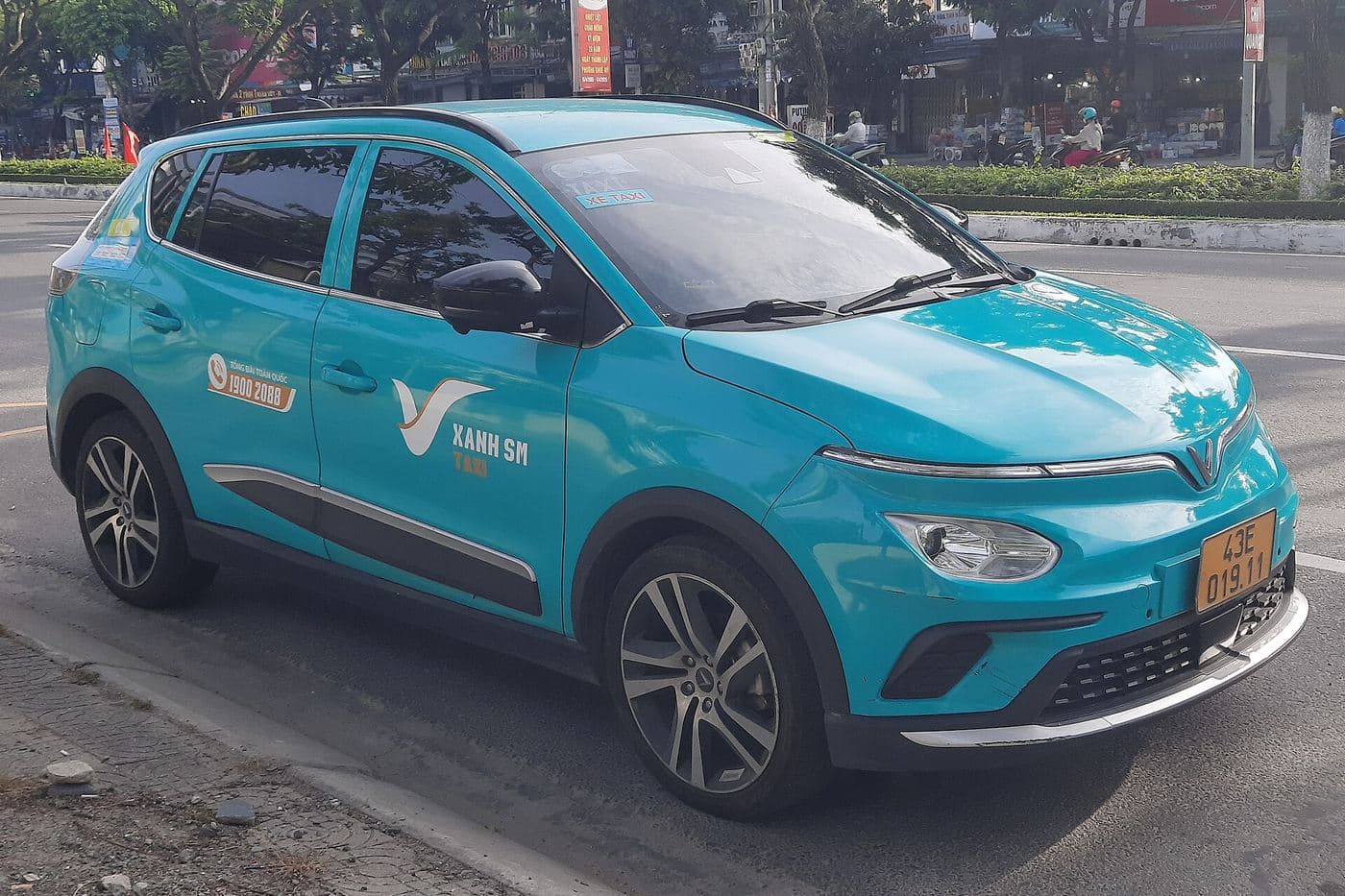
The easiest way to get a car with a driver in Vietnam is Grab or Green SM. Grab sells hourly packages and is trialling intercity rides from HCMC and Hanoi; Green SM runs fixed intercity routes priced per seat or per car. Everything else means a private driver.
Grab: hourly hire
GrabCar thuê xe theo giờ sells packages from 2 to 8 hours with a distance cap. Stops are unlimited and waiting inside the package is free. The price is fixed and includes VAT, but not tolls, parking or airport fees. The catch: your final stop must be in the same province as pickup. Good for a city tour, useless for getting to the next city.
Grab: GrabCar Chuyến Xa
Since 2 July 2026, Grab has been trialling GrabCar Chuyến Xa for trips between provinces. It only works for pickups in Ho Chi Minh City (excluding the Binh Duong and Vung Tau areas) and Hanoi.
| Pickup | Minimum distance | Minimum fare | Per extra km | Per minute |
|---|---|---|---|---|
| HCMC, 4 seats | 100 km | 736,364 VND (~$28) | 2,062 VND | 2,945 VND |
| HCMC, 6 seats | 100 km | 993,600 VND (~$38) | 2,784 VND | 3,976 VND |
| Hanoi, 4 seats | 50 km | 363,273 VND (~$14) | 2,553 VND | 3,731 VND |
| Hanoi, 6 seats | 50 km | 490,909 VND (~$19) | 3,447 VND | 5,037 VND |
Fares are one-way with 8% VAT included; tolls and airport fees are extra. Get out before your booked destination and you still pay 100%.
Green SM: Xanh Liên Tỉnh
Xanh SM was renamed Green SM on 13 April 2026 and the app was relaunched. Its Xanh Liên Tỉnh feature (app version 4.18+) sells a seat or a whole car on fixed routes in both directions: Hanoi–Nam Dinh, Hanoi–Ninh Binh, Hanoi–Thai Binh, Hue–Da Nang, Hue–Quang Nam, HCMC–Ba Ria-Vung Tau and HCMC–Can Tho. You can pay cash, by e-wallet or by credit or debit card. The route list still uses pre-reform province names: since the 1 July 2025 reform, Nam Dinh is part of Ninh Binh province, Thai Binh part of Hung Yen, Quang Nam part of Da Nang, and Ba Ria-Vung Tau part of HCMC.
Green SM published fares for three routes on the seven-seat Limo Green in November 2025:
| Route | Whole car | One seat |
|---|---|---|
| Hanoi – Nam Dinh | 1,110,000 VND (~$43) | 140,000 VND (~$5.40) |
| Da Nang – Hue | 830,000 VND (~$32) | 150,000 VND (~$5.80) |
| HCMC – Vung Tau | 980,000 VND (~$38) | 180,000 VND (~$6.90) |
Booking a day ahead or buying a return gave 10% off, not combinable. Check the current price in the app.
Private driver: what to agree before you set off
Off the app routes, hotels, travel agencies and private operators provide cars with drivers. We found no reliable dated public price list, so here's what to ask instead:
- What's included: fuel, tolls, parking.
- Hour and kilometre limits, and the overtime rate.
- The driver's overnight costs on multi-day trips: who pays for their room and meals.
- Real luggage space if four of you have suitcases.
- Detours and extra stops and what they cost.
Keep the deal in writing in a chat. If there's a dispute, that's your only evidence.
Self-drive car rental: who rents to foreigners and what they ask for
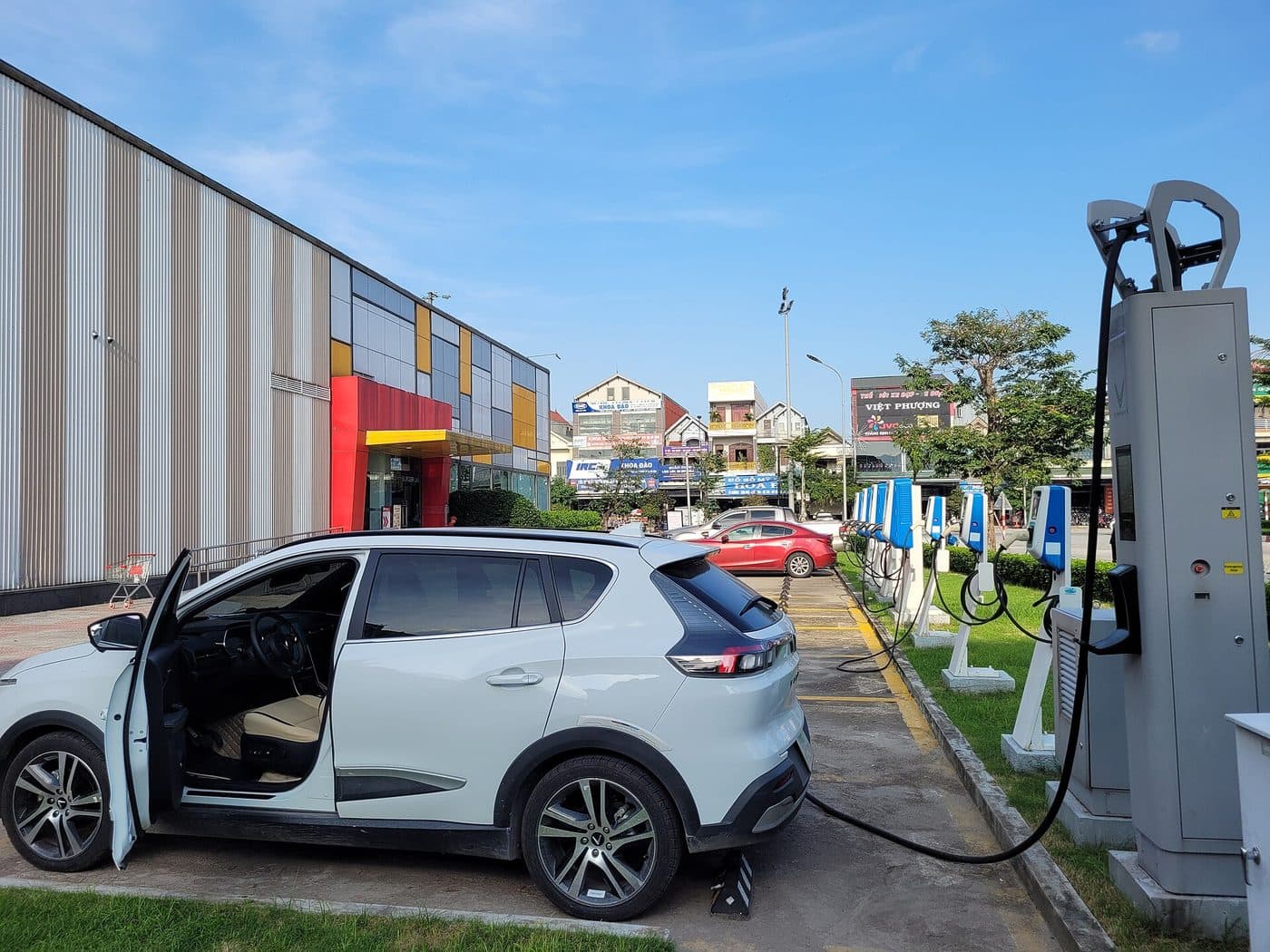
Green Future rents self-drive cars to foreigners in Vietnam: it's a VinFast EV rental service that merged into GSM, Green SM's parent company, on 28 February 2026. On its website Green Future says a foreigner needs a passport plus an IDP or a licence valid in Vietnam, with no Vietnamese ID required.
What the company's own pages confirm:
- 4- to 7-seat cars: VinFast VF 3, VF 6, VF 8, VF 9;
- daily, monthly and yearly rentals, with paid delivery to the airport, hotel or home;
- free charging at V-Green stations until 31 December 2027;
- hotline 1900 1877.
Green Future's own price list (checked October 2026) runs from 550,000 VND (~$21) a day for a VF 3 to 2,100,000 VND (~$81) for a VF 9 Plus, VAT included. A day includes up to 300 km, and Saturdays and Sundays cost 100,000 VND (~$3.80) extra. The deposit starts at 5 million VND (~$190) depending on the model. Confirm the exact deposit and accepted cards before you book.
Papers that must be in the car
Under Article 56, para 1 of Law 36/2024 the driver must carry a licence for the right category, the vehicle registration (chứng nhận đăng ký xe), the inspection certificate and the compulsory liability insurance certificate. The licence is yours; the rest should come with the car.
Pickup checklist
- Papers: registration, inspection and insurance with dates covering your whole rental.
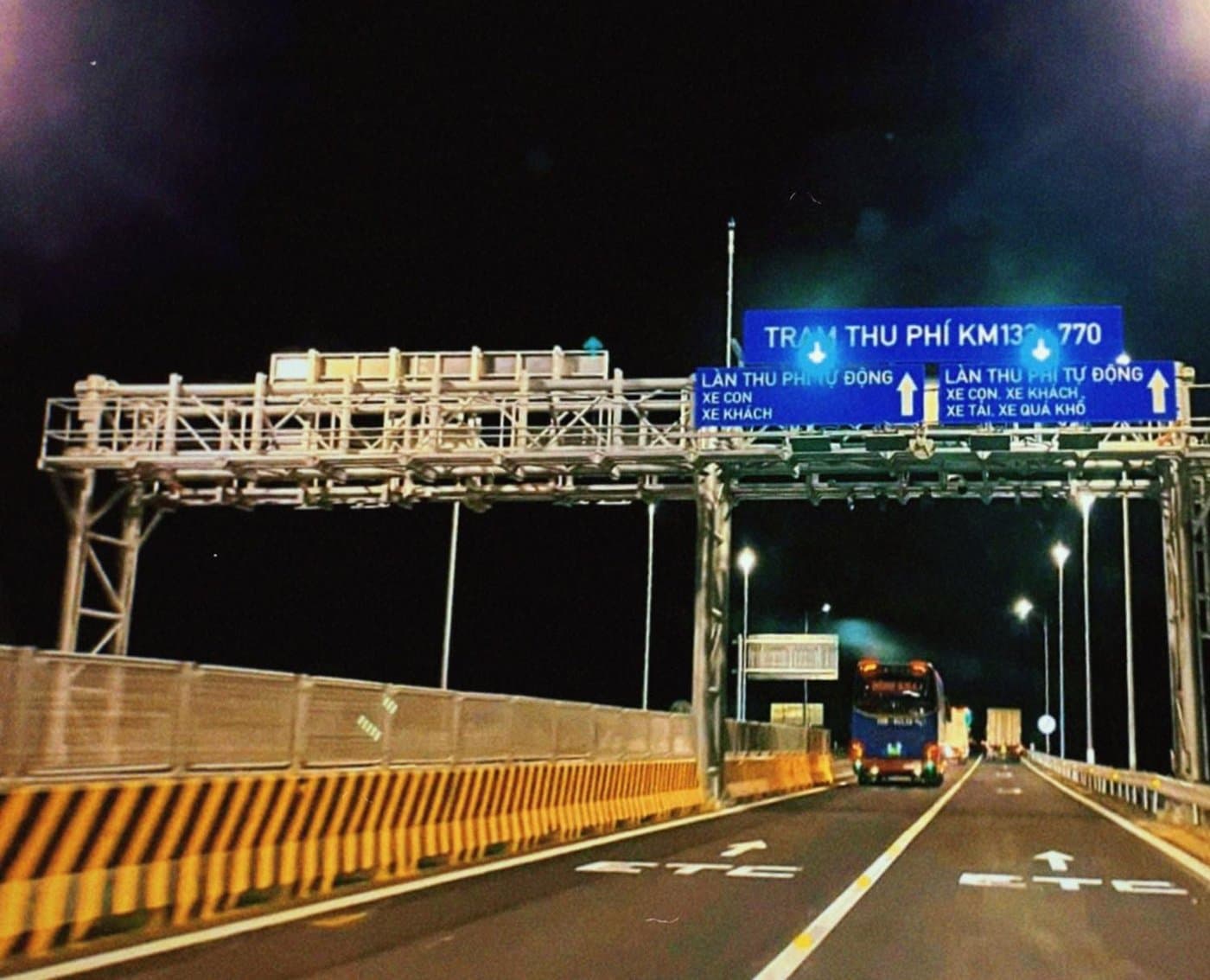
- ETC tag on the windscreen for non-stop tolls, and its balance. Entering an ETC-only lane without one costs 2–3 million VND (~$77–115).
- Photos and video of the body, interior and battery level, with a staff member present.
- The crash and breakdown procedure in the contract: who you call first.
- Optional own-damage cover if the company sells it, and the excess.
Fast Track — no queue at the border
5–10 minutes instead of an hour in the immigration queue
from$11per passenger
Insurance: what Vietnam's compulsory cover pays for
Vietnam's compulsory motor liability insurance (bảo hiểm bắt buộc trách nhiệm dân sự) covers harm the car does to other people and to passengers. It doesn't cover the car itself or your own injuries. The rules are in Decree 67/2023/NĐ-CP, amended by Decree 220/2026 from 1 July 2026.
| What | How much | Where in the decree |
|---|---|---|
| Cap for injury or death | 150 million VND (~$5,770) per person per crash | Art. 6 para 1 |
| Cap for third-party property | 100 million VND (~$3,850) per crash | Art. 6 para 2 b |
| Annual premium, private car under 6 seats | 437,000 VND (~$17) before VAT, insurer may adjust by 15% | Appendix I, Art. 8 |
| Annual premium, 6–11 seats | 794,000 VND (~$31) before VAT | Appendix I |
The rental company buys the policy as the owner. What matters to you are the Article 7 exclusions. The insurer doesn't pay if the driver fled the scene without meeting their liability, if the driver had no licence or the wrong category, or if the damage was deliberate. Property damage isn't paid either when the driver was over the alcohol limit.
Being legal on the road ensures your travel and medical insurance will cover you.Tony Kuschert, expat in southern Vietnam since 2013, Việt Nam News, 21 May 2026
So two things. The caps are low, so ask the rental company about own-damage cover and the excess. And only your own travel policy pays for your treatment, so look for its clause on driving abroad. Our guide to health insurance for Vietnam covers how to choose one.
Premiums and caps current as of October 2026.
Road rules and fines for car drivers
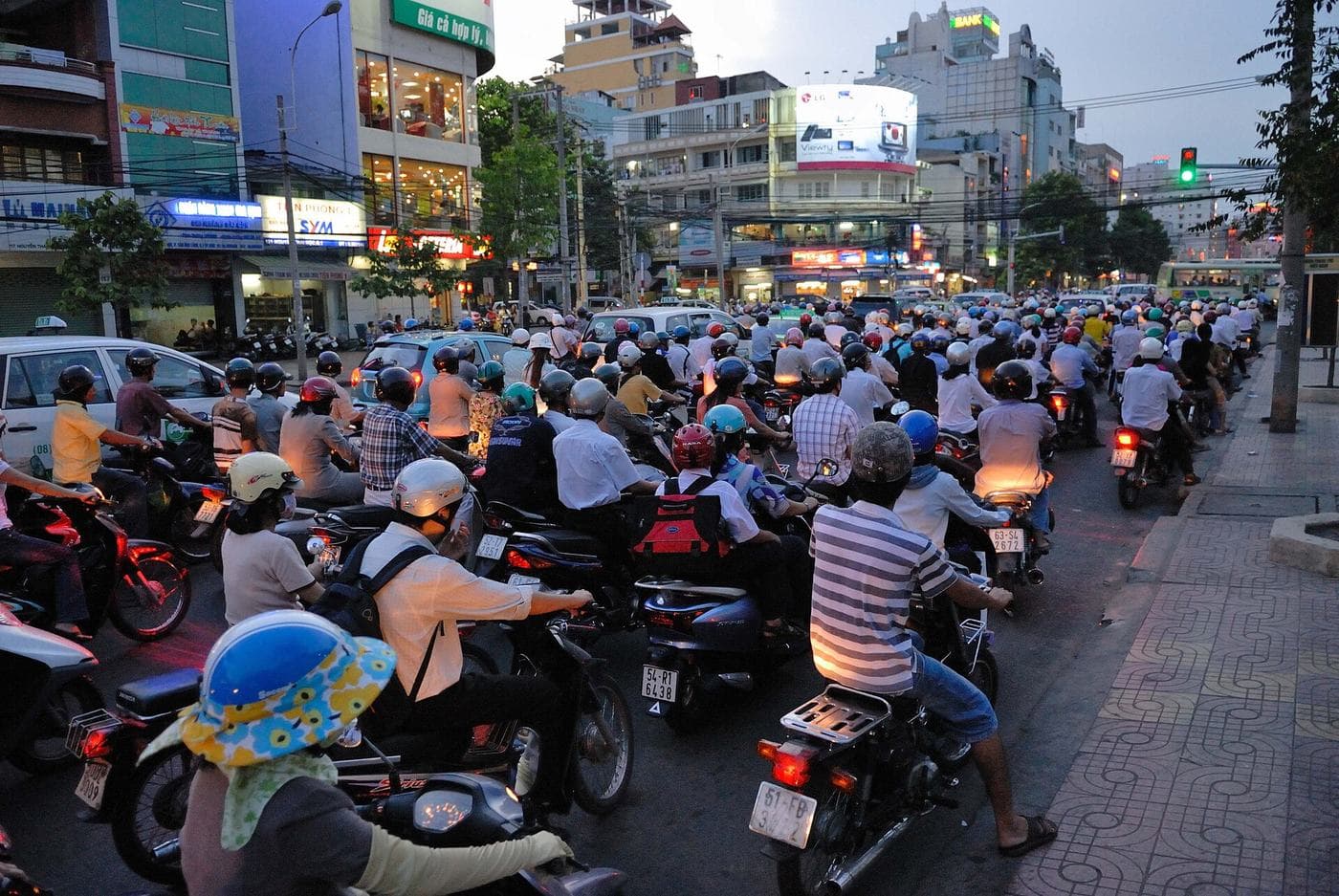
Vietnam drives on the right, with limits of 50–60 km/h in built-up areas and 80–90 km/h outside them, and zero tolerance for alcohol. Car fines are far higher than scooter fines: driving without a licence costs 18–20 million VND in a car against 2–4 million on a scooter.
| Offence (car driver) | Fine | ~USD | Decree 168/2024 |
|---|---|---|---|
| No licence, wrong category, expired a year or more | 18–20 million VND | $690–770 | Art. 18 para 9 |
| IDP without home licence | 8–10 million VND | $310–385 | Art. 18 para 8 b |
| No valid compulsory insurance | 400,000–600,000 VND | $15–23 | Art. 18 para 4 c |
| Alcohol up to 50 mg/100 ml blood (0.25 mg/l breath) | 6–8 million VND | $230–310 | Art. 6 para 6 c |
| Alcohol 50–80 mg (0.25–0.4 mg/l) | 18–20 million VND | $690–770 | Art. 6 para 9 a |
| Alcohol over 80 mg (0.4 mg/l) or refusing a test | 30–40 million VND plus 22–24 months' licence suspension | $1,150–1,540 | Art. 6 para 11, para 15 c |
| Running a red light | 18–20 million VND | $690–770 | Art. 6 para 9 b |
| Speeding by 10–20 km/h | 4–6 million VND | $155–230 | Art. 6 para 5 đ |
| Speeding by more than 35 km/h | 12–14 million VND | $460–540 | Art. 6 para 7 a |
| Handheld phone while moving | 4–6 million VND | $155–230 | Art. 6 para 5 h |
| Driver or passenger without seatbelt | 800,000–1,000,000 VND | $31–38 | Art. 6 para 3 k, l |
Currency converter
Amounts follow the consolidated text including Decree 238/2026/NĐ-CP, in force since 15 August 2026. Scooter fines differ; see our guide to Vietnam's traffic rules.
Speed limits
Limits are set by Thông tư 38/2024/TT-BGTVT. Road signs override the general numbers.
| Where | Dual carriageway or one-way with 2+ lanes | Ordinary two-way road |
|---|---|---|
| Built-up area | 60 km/h | 50 km/h |
| Outside built-up areas, cars up to 28 seats | 90 km/h | 80 km/h |
| Expressway (cao tốc) | up to 120 km/h, minimum 60 km/h, per signs | — |
Lanes and alcohol
Article 13 of Law 36/2024: slower traffic keeps right, and you change one lane at a time with a signal. Driving slowly outside the right-hand lane costs 800,000–1,000,000 VND.
Alcohol is the easy part. Article 9, para 2 bans driving with any alcohol in your blood or breath, with no threshold. A glass of wine at dinner means someone else drives tonight.
A crash in a rental car: what to do
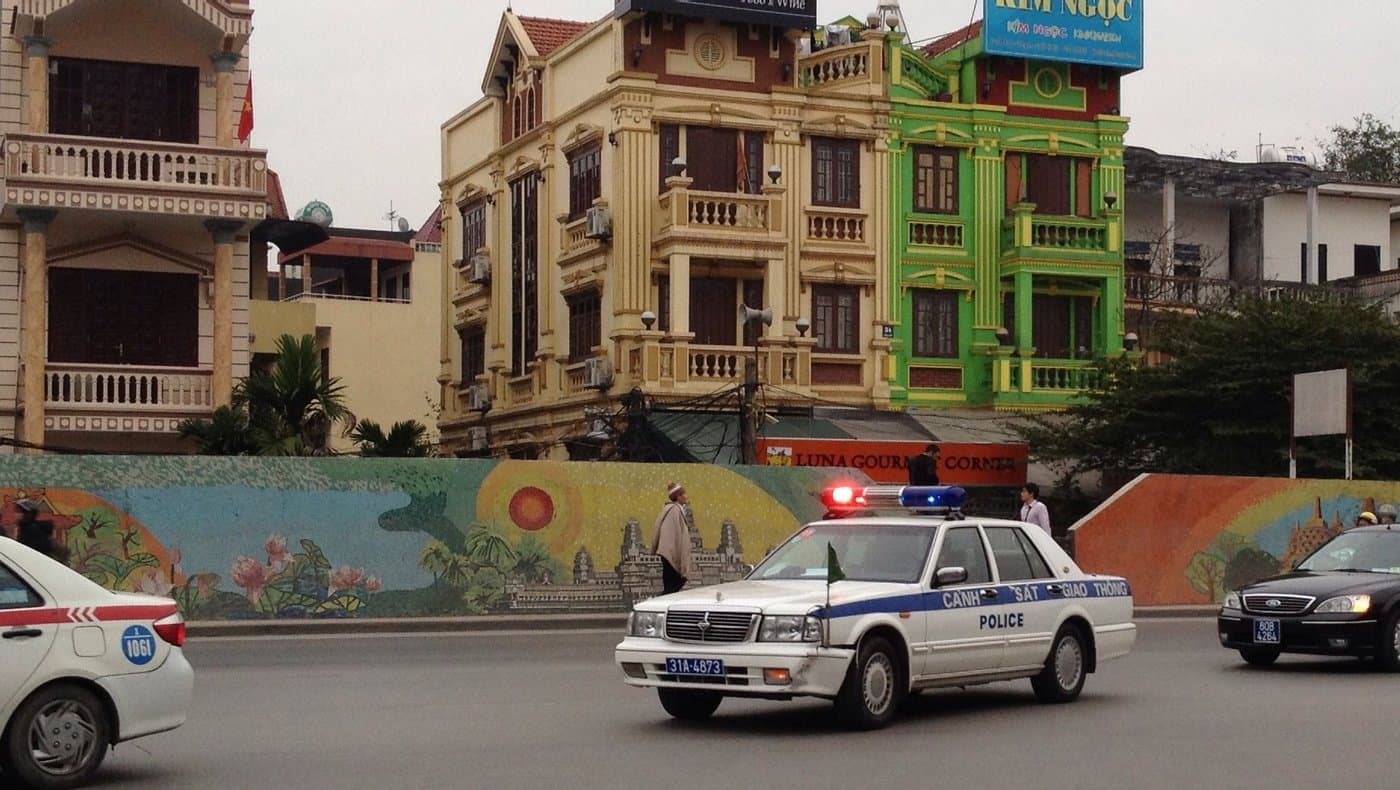
After a crash in Vietnam the driver must stop, warn other traffic, help the injured, call the police and wait for them. That's Article 80 of Law 36/2024. Fleeing costs 16–18 million VND (~$615–690) under Decree 168/2024, and if the driver who fled didn't compensate the victims, compulsory insurance won't pay.
- Stop and switch on your hazard lights. Leave the scene as it is: cars, marks and debris.
- Help the injured and call for help: ambulance 115, police 113, fire and rescue 114.
- Take an injured person in your own car only if no other vehicle is available, and first mark where the car and the person were (Article 80, para 3).
- Wait for the police. You may leave only to go to hospital yourself, to take an injured person there, or if you're in danger, and then report to the police straight away.
- Call the rental company. Under Article 81, para 5 the insurer must send a representative to the scene.
- Photograph the vehicles, plates, road and the other party's documents.
Hospitals take blood from drivers after a crash to test for alcohol (Article 81, para 3), so "one beer at lunch" will show up.
One change ahead: in April 2026 the Ministry of Public Security described a plan to merge 113, 114 and 115 into a single 113 number, with launch expected from the third quarter of 2027 (Tuoi Tre, 17 April 2026). For now all three numbers work.
Common mistakes
- "My US licence and IDP are enough." The US isn't a 1968 Convention party. That IDP doesn't make you legal in Vietnam.
- "I'll leave my home licence at the hotel." An IDP alone doesn't count: 8–10 million VND.
- "I have a motorbike category, so a car is fine." Cars need B, on both documents.
- "One glass doesn't count." There's no threshold. Fines start at 6 million VND.
- "The company insured the car, so I'm covered." Compulsory cover pays only third parties and not for an unlicensed driver.
- "I'll film the car later." Damage missing from your pickup photos can be charged to you.
FAQ
No. Vietnam recognises IDPs only from countries party to the 1968 Vienna Convention, and the US, Canada, Australia and New Zealand aren't parties, so their 1949-format IDPs aren't valid. Driving on them counts as driving without a licence: 18–20 million VND (~$690–770), and compulsory insurance won't pay after a crash. Your options are a car with a driver or, if you live here with 90+ days left on your visa, converting your licence.
It depends on the option. Guide prices from official sources
- Self-drive at Green Future, per day550,000–2,100,000 VND~$21–81October 2026 price list
- Whole seven-seat car with driver, Da Nang to Hue, Green SM830,000 VND~$32
- One seat in that car150,000 VND~$5.80
- GrabCar Chuyến Xa from HCMC, trips over 100 kmfrom 736,364 VND~$28
No. The licence is the driver's business, not yours. As a passenger you need your passport and, in Grab or Green SM, a payment method. An IDP only matters if you decide to take the wheel yourself. Then you need a valid 1968-format IDP and your home licence with category B, and the company must hand over a car with its registration, inspection and insurance papers.
No. Vietnam has no permitted alcohol level for drivers. Article 9, para 2 of Law 36/2024 bans driving with any alcohol in your blood or breath. The lowest fine band for a car is 6–8 million VND (~$230–310); the highest is 30–40 million VND plus a 22–24 month licence suspension. On top of that, compulsory insurance won't pay for property damage.
Almost certainly not. Thông tư 108/2026 requires a visa or TRC with at least 90 days remaining, and Vietnam's e-visa is issued for 90 days at most. So it only has 90 days left on the day you arrive. On an e-visa, drive on a valid IDP with your home licence if your country is a 1968 party, or hire a car with a driver.
Don't use expressways with non-stop tolling. Entering an ETC lane without a tag costs 2–3 million VND (~$77–115) under Article 6, para 4 of Decree 168/2024. Check the tag on the windscreen and its balance at pickup, and ask the company who tops it up and how tolls are settled when you return the car.
If you'd rather skip the car, compare the Reunification Express train and buses in our guide to getting around Vietnam.
Read next: Vietnam traffic rules and fines · Driving licences and IDPs in Vietnam · Grab and taxis in Vietnam
VietnamSpot on InstagramTips, lifehacks and news for living in VietnamFollow




- Preparation
Scams in Vietnam 2026: Common Tourist Traps and Fixes
Common scams in Vietnam: taxis, change, money exchange, bike rental, tours and online. Real cases 2022–2026, fines and where to report — numbers checked.Scams in Vietnam 2026: Common Tourist Traps and Fixes - Preparation
Vietnam Typhoon Season 2026: What to Do If a Storm Hits
Vietnam typhoon season plan: official forecasts, what insurance covers, flight and train disruption, where to move, and lessons from the 2025 Nha Trang floodsVietnam Typhoon Season 2026: What to Do If a Storm Hits - Preparation
Da Lat Airport 2026: Flights, Fares and the Ride Into Town
Lien Khuong Airport reopened on 19 August 2026. Routes, ticket prices from $25 and how to cover the 30 km into Da Lat in 35–45 minutes by taxi or Grab.Da Lat Airport 2026: Flights, Fares and the Ride Into Town