Vietnam typhoon season in 2026: what to do as a traveler
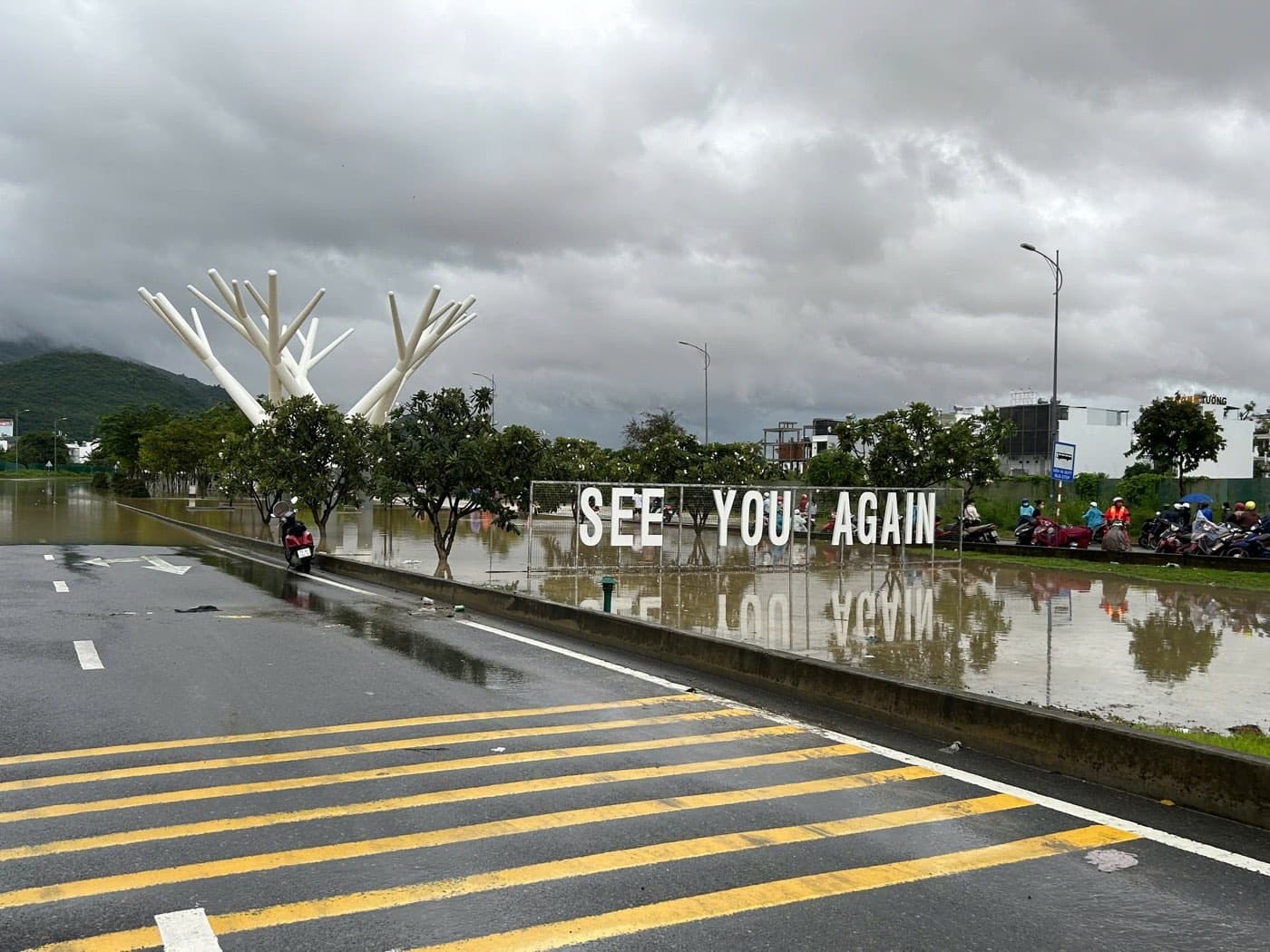
In November 2025, after nearly a week of rain, floodwater in low-lying parts of Nha Trang rose above two meters in places and ran with a strong current. Vietnam's typhoon season doesn't cancel your trip, but it changes the rules: buy insurance before a storm has a name, book refundable, and don't pick a hotel in a riverside lowland. This guide is the action plan. For monthly climate tables, see the Vietnam weather by month guide.
When and where the typhoon risk is highest
Typhoon season in Vietnam runs roughly from June to the end of November, with most storms arriving in September and October. The UK Foreign Office gives a slightly wider window, May to November. On the long-term average cited by NCHMF, the East Sea (Vietnam's name for the South China Sea) sees about 9.6 storms between August and December, and about 3.8 of them directly affect Vietnam's mainland.
For 2026, NCHMF's March outlook said August to December may bring fewer storms than average. But the risk of strong storms, heavy rain, floods and landslides "remains a significant concern", and tracks are getting harder to forecast. The season also started late: the first named storm, Maysak, formed in early July, nearly a month behind the historical average. A quiet start tells you nothing about November.
The typhoon itself is only part of the risk. Nha Trang's November 2025 flood came about ten days after Typhoon Kalmaegi, from days of rain rather than a direct hit. Watch flood warnings, not just storm tracks.
| Region | Storm season | Landfalls per year | What it means for you | Climate guide |
|---|---|---|---|---|
| North: Hanoi, Ha Long | June to September | 1 to 2 | boats kept in port, heavy rain | Hanoi weather |
| Center: Thanh Hoa to Hue | July to October, peak September and October | 2 to 3 | wind, flight changes, floods | Vietnam in October |
| South-central: Quang Nam (Hoi An) to Khanh Hoa (Nha Trang, Cam Ranh) | September to November, peak October and November | 1 to 2 | floods, landslides on passes, boat bans | Nha Trang weather |
| South: Phan Thiet, Vung Tau, Ho Chi Minh City | mostly November | about once in 5 years | usually a weakened depression with rain | Ho Chi Minh City weather |
The regional breakdown comes from a review by Vietnam's Institute for Building Science and Technology (IBST). The season moves from north to south, and by the time a system reaches the southern coast it is usually a weakened tropical depression. These are long-term averages, not a promise for any given November.
So if you're heading to the central coast in October or November, build in slack. Keep one or two free days at the end of the trip and book with free cancellation. Month-by-month detail lives in Vietnam in November and Vietnam in December.
Autumn 2025: what shut down, and for how long
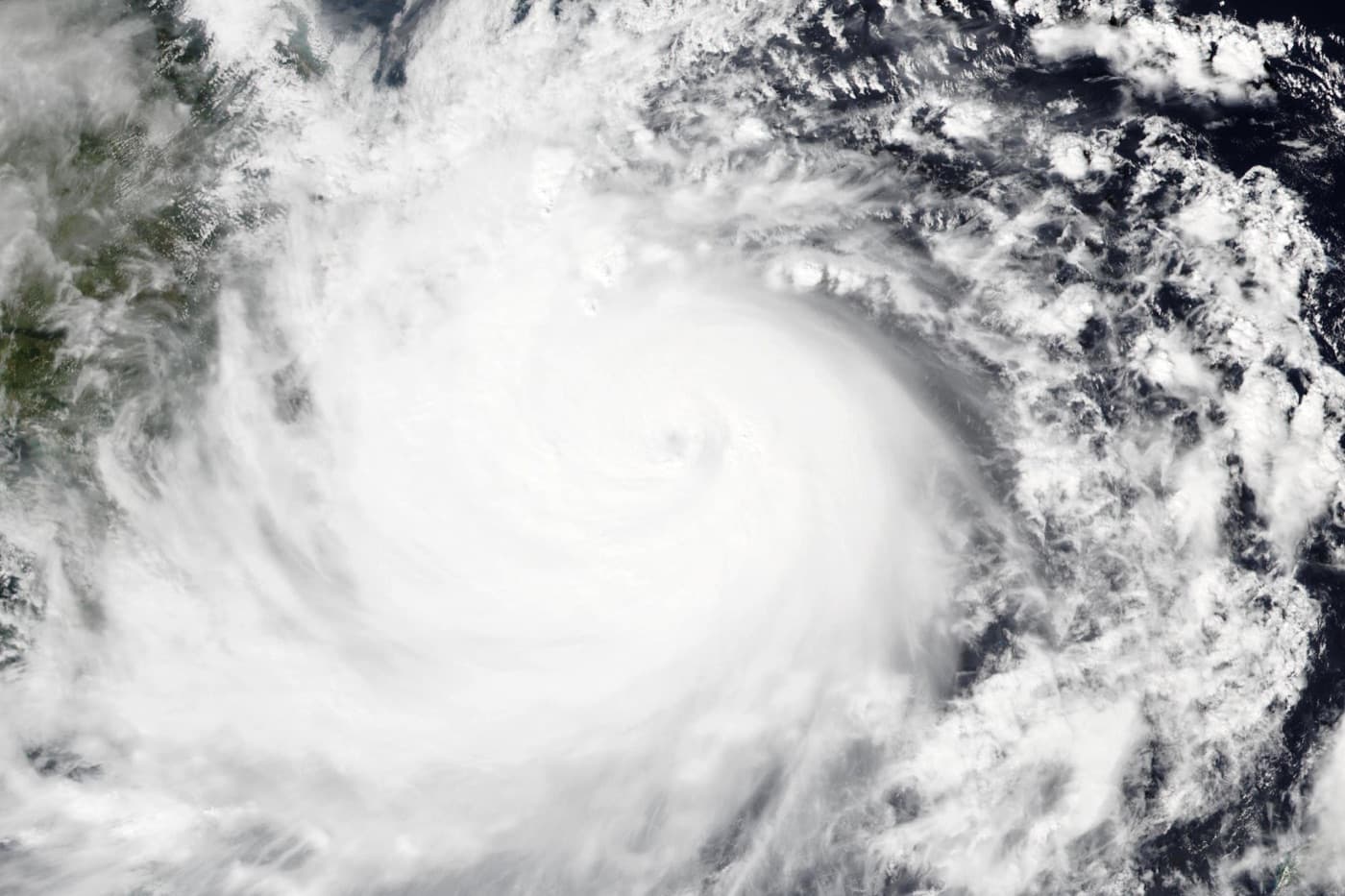
In autumn 2025 south-central Vietnam went through a historic flood in Hoi An, Typhoon Kalmaegi and record floods in Khanh Hoa and Dak Lak, one after another. The pattern is clear: airports close for hours, roads and railways for days. By 26 November, authorities counted 98 dead and 10 missing in the south-central floods.
| Event | Dates | What stopped | How long |
|---|---|---|---|
| Hoi An flood | late October 2025 | water in about 70% of homes, highest level since 1964 | city said it would reopen "in a few days" |
| Typhoon Kalmaegi, airports | 6–7 November 2025 | six airports closed: Phù Cát, Tuy Hòa, Pleiku, Chu Lai, Buôn Ma Thuột, Liên Khương | 5 to 11 hours (Tuy Hoa: 3 pm to 8 pm) |
| Kalmaegi, Khanh Hoa coast | 5–7 November 2025 | tour boats banned from Vĩnh Hy Bay from 10 am on 5 November, island tours paused | sights reopened at 6 am on 7 November |
| Nha Trang flood | mid-November 2025 (rain 15–19 November) | low-lying Tây Nha Trang and Nam Nha Trang flooded, water over 2 m in places, landslides on the Khánh Lê and Khánh Sơn passes | Khanh Le road blocked for a long time |
| North–South railway | from 17 November 2025 | Nha Trang to Diêu Trì section halted, 10 passenger trains cancelled by 9 am on 19 November | the line was disrupted for about 8 days, service back on 25 November |
A Czech tourist has recounted his experience of being stranded on a train for three days after the historic floods in south-central Vietnam paralyzed travel… Although passengers were allowed to leave the train during the day, Burianova quickly realized that staying aboard was the safest option after seeing the extent of flooding in Tuy Hoa, where main streets were submerged under 0.5–1 meter of water… With onboard food supply sufficient for only a day, the staff struggled to feed the hundreds of people on boardTu Nguyen, VnExpress International, 25 Nov 2025
The rain totals explain why this wasn't just "rainy season". From 15 to 19 November 2025 the Sông Hinh station in Dak Lak recorded 1,861 mm and Quy Nhơn 380 mm. Vietnam's Meteorological and Hydrological Administration reported water levels not seen in 50 years of records.
Tourists were caught too. At 6:20 pm on 17 November 2025, the provincial police fire and rescue division in Khanh Hoa got a call: three Russian tourists were cut off by rising water in Tay Nha Trang. By 8:30 pm the team had reached them through strong currents and moved them to higher ground. One of them was exhausted because of an underlying medical condition and couldn't walk.
The takeaway: a cancelled flight usually means leaving the same day or the next. A train or a mountain road can mean a week. And boat trips get cancelled before the storm arrives, a day or more ahead.
Where to track a typhoon in Vietnam
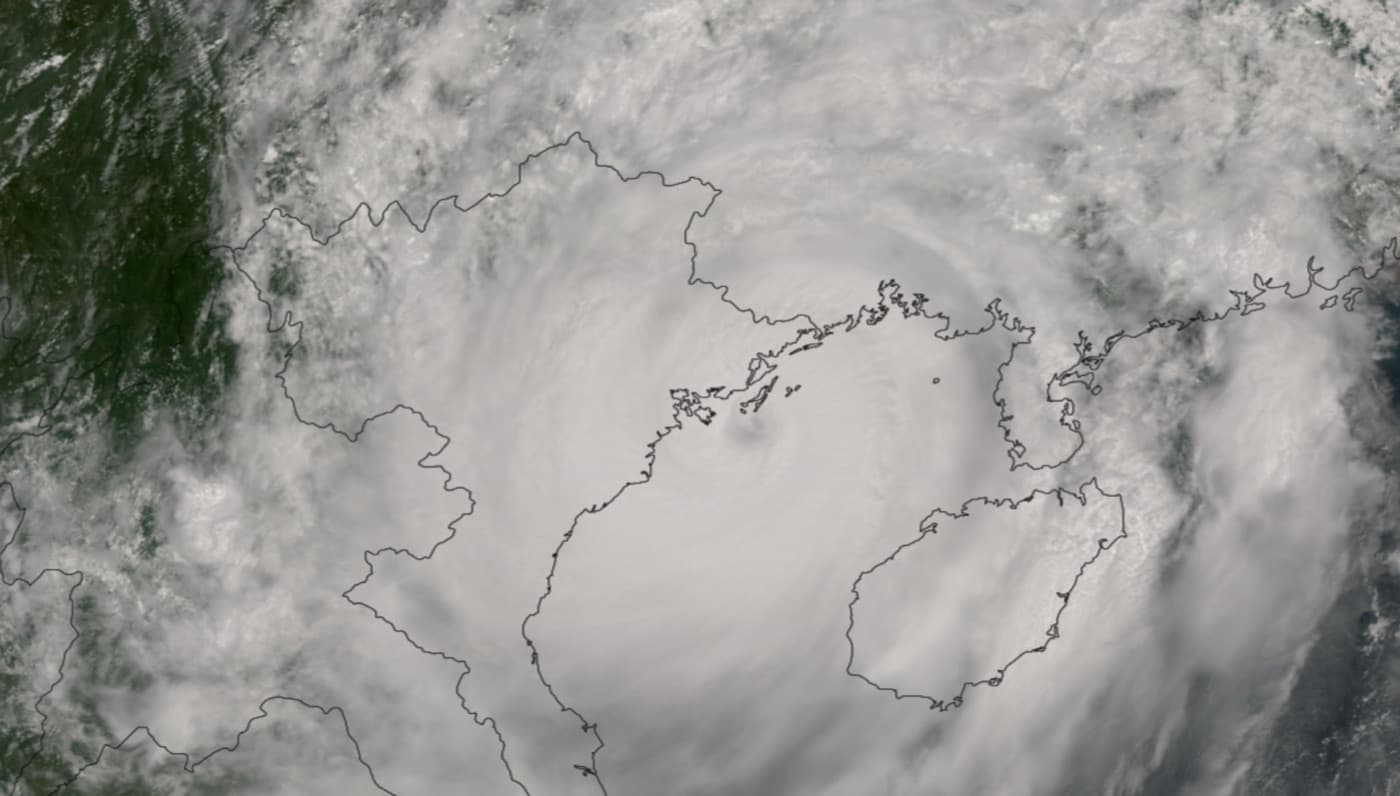
The primary source for typhoon forecasts in Vietnam is the National Center for Hydro-Meteorological Forecasting (Trung tâm Dự báo Khí tượng Thủy văn Quốc gia, NCHMF). Its site has an English version with a Tropical cyclone section, plus flood and landslide warnings. The UK Foreign Office also points travelers to NCHMF and the Japan Meteorological Agency.
| Service | Who runs it | What to look at | Language |
|---|---|---|---|
| nchmf.gov.vn | Vietnam's national forecasting center | storm, flood and landslide bulletins | Vietnamese |
| NCHMF English site | same center | Tropical cyclone section with storm bulletins | English |
| JMA | Japan Meteorological Agency | forecast track for the next several days | English, Japanese |
| JTWC | Joint Typhoon Warning Center, US Navy and Air Force | second-opinion track and wind speed | English |
| phongchongthientai.mard.gov.vn | Vietnam's disaster prevention authority | urgent directives (công điện) from the civil defense command, flood and landslide warnings | Vietnamese |
Windy and similar apps show model output, not official warnings. They're great for a picture of the storm, but the warnings that count are NCHMF bulletins and local authority decisions.
Reading Vietnamese storm news
Vietnamese media often call a storm by its number in the season, not its international name. Typhoon Kalmaegi ran in local news as "bão số 13". If your hotel group chat mentions "bão số 9", search for that number on NCHMF.
| Term | Meaning | Wind (Beaufort) | What to do |
|---|---|---|---|
| áp thấp nhiệt đới | tropical depression | force 6–7 | watch the forecast, move boat trips |
| bão | storm, typhoon | force 8 and up | stock up, check your flights |
| bão mạnh | strong storm | force 10–11 | stay in during the hit |
| bão rất mạnh | very strong storm | force 12–15 | follow authorities and hotel staff, be ready to evacuate |
| siêu bão | super typhoon | force 16 and up | leave the track early if you still can |
The scale is set by Vietnam's Prime Minister's Decision No. 18/2021/QĐ-TTg. The very worst storms are not the norm: per IBST, about 25% of landfalling storms bring gusts above force 12 on land. Three more words help with signs and chats: cấm biển (sea ban), lũ (flood) and sạt lở (landslide).
Travel insurance and typhoons: what's covered and what isn't
Travel insurance covers a typhoon only if you bought it before the storm became a known event. Even then, a policy rarely refunds a trip you cancel because a storm is heading for Vietnam. These are two different risks, and mixing them up gets expensive.
The "before it has a name" rule
World Nomads says it plainly in a help article on its Australian site:
You need to have bought your policy before these whirling dervishes of destruction become a known natural disaster and warnings have been issued by authorities.World Nomads, worldnomads.com, updated July 2024
Their natural disaster definition includes flood, cyclone, typhoon and landslide. Buy cover after the storm is named and warnings are out, and by that logic the storm isn't covered. Other insurers word it differently, but the "known event" principle is common.
So buy the policy the day you buy your flights, not the day before you leave.
How narrow cancellation cover can be
Cancellation clauses are often narrower than the marketing. One example is the public 2023 wording from ERV, a Russian travel insurer (policy rules No. 2, in Russian), which spells it out clause by clause:
| Situation | What the wording says | Clause |
|---|---|---|
| Typhoon in Vietnam, you decide not to go | not covered: cancellation for a natural disaster counts only if the disaster is at your home and transport is cancelled or delayed for over 2 days | 32.2 "з", 34.1.4 |
| Stuck in Vietnam, flights cancelled for over 2 days | covered, but as a fixed payout equal to $200 or €200 | 32.3 "г", 33.1.10 |
| Trip booked after the disaster happened | excluded | 34.1.4 |
| Policy bought today | natural disaster risks start at midnight the next day | 5.12 |
| You cancel because the forecast scares you | not covered | 32.4 |
One rough edge in the wording itself: clause 34.1.4 lifts the natural disaster exclusion only for cancellation cases 32.2 "в" and "з", and says nothing about the stuck-abroad case 32.3 "г". Ask the insurer in writing how they apply it before you buy.
$200 covers a night or two in a hotel. It doesn't cover a lost tour. If the trip is expensive, refundable fares and free-cancellation hotels protect you better than the policy.
What to check in your own policy
- Exclusions: does it list natural disasters, adverse weather or "known events"?
- Trip cancellation: does it cover a disaster at your destination, or only at home?
- Trip interruption or travel delay: how long the delay must be, and whether it pays actual costs or a flat amount.
- Start date for natural disaster cover: purchase, next day or departure date.
- Medical cover: are injuries during a natural disaster included?
Flights and trains during a typhoon
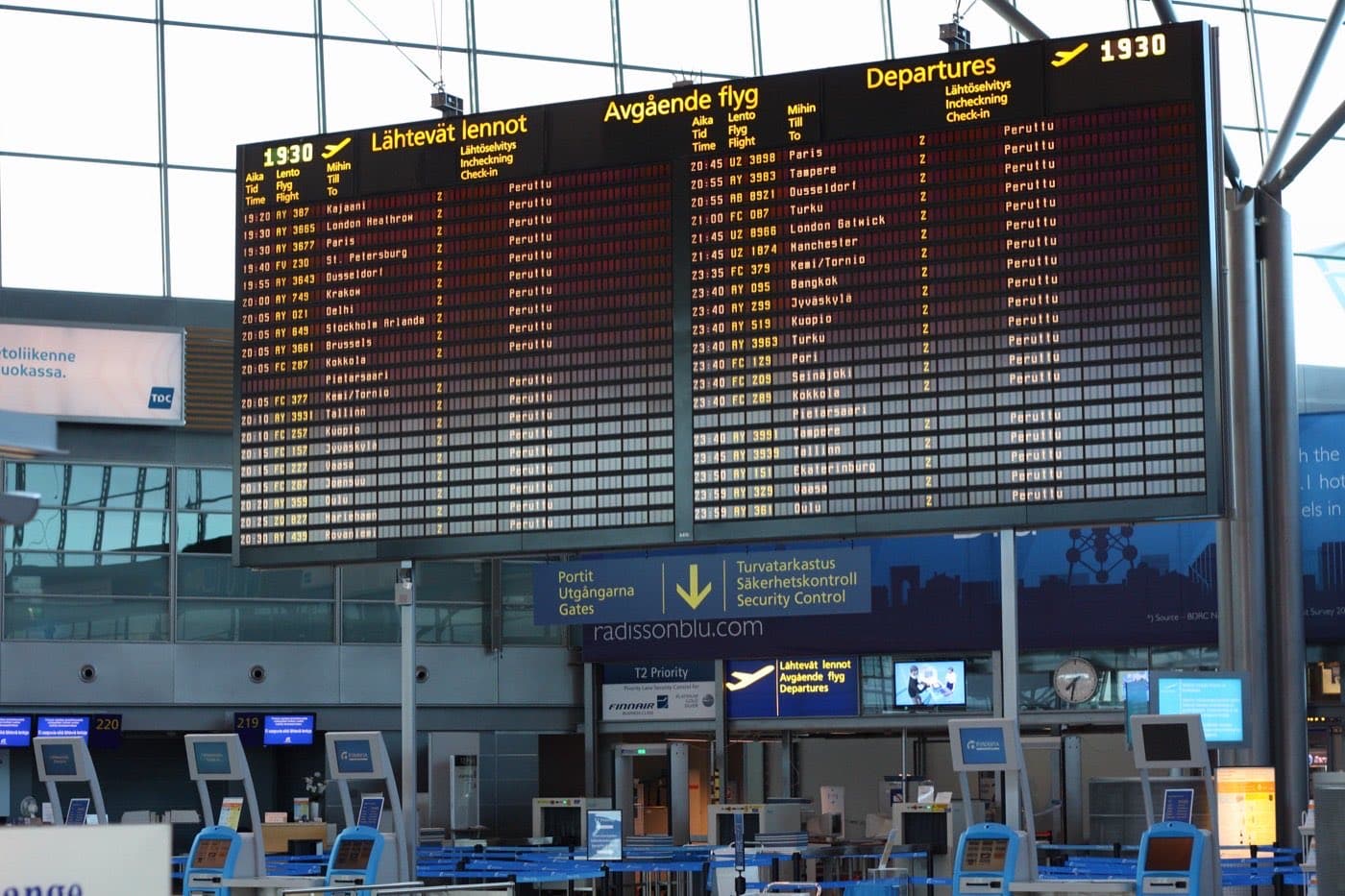
Airports in Vietnam usually close for hours during a typhoon, not days. During Kalmaegi in November 2025, six airports shut for 5 to 11 hours. Your refund and rebooking rights depend on the airline and the route, so read the carrier's own storm notice.
Vietnam Airlines publishes press releases listing changed and cancelled flights on its website when storms hit. Its contact center is 1900 1100 inside Vietnam and +84 24 3832 0320 from abroad.
What actually breaks:
- Airports. A same-day or next-day departure is likely once the airport reopens.
- Self-transfer connections. If your domestic flight and your long-haul flight are separate bookings, each airline is responsible only for its own flight.
- Trains. In November 2025 the Nha Trang to Dieu Tri section was halted, and the North–South line only resumed service after 8 days. 39,000 passengers got refunds worth about $910,000. If you planned the Reunification Express, keep a flight as plan B.
- Buses over mountain passes. The Nha Trang to Da Lat road over the Khanh Le pass was blocked by landslides after the 2025 rains.
If you booked a package
With a tour company, the terms of your package contract apply, not the separate rules of each airline or hotel. Contact them as soon as NCHMF issues the first bulletin, not on departure day. Ask for a written answer: new dates, another resort, or cancellation terms. Save links to the official warnings for both the operator and your insurer.
Leave a visa buffer
Your allowed stay depends on your passport and visa type. In October and November, don't book your flight home on the last day of your visa or visa-free stay. And avoid tight self-transfers out of Cam Ranh, Da Nang or Hue. For routes and connections, see the flights to Vietnam guide and flights to Nha Trang.
Fast Track — no queue at the border
5–10 minutes instead of an hour in the immigration queue
from$11per passenger
Hour-by-hour plan: from a week out to the day after
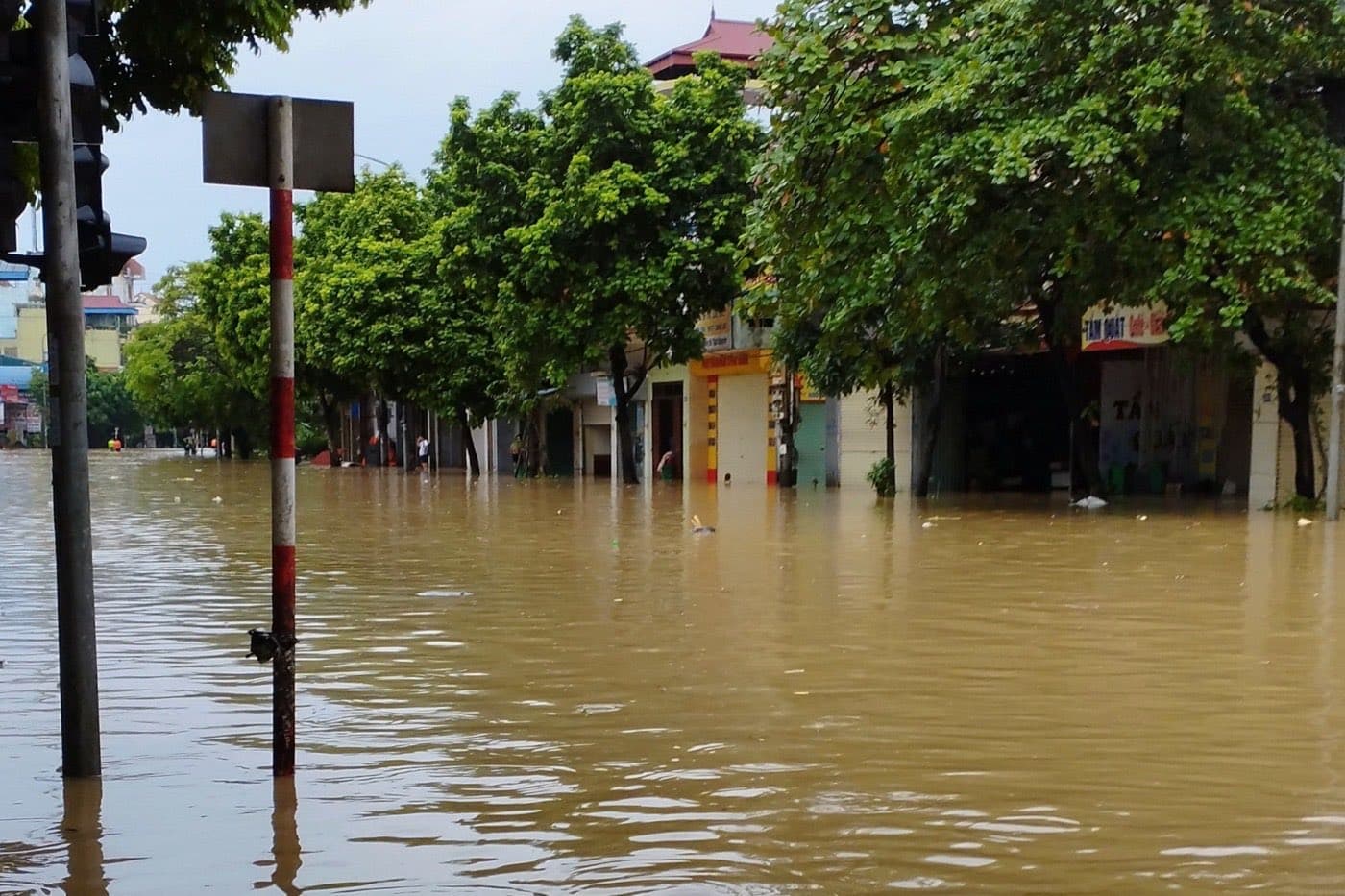
A typhoon shows up on forecast maps days ahead, so you can do almost all of this in advance. The steps below assume a forecast storm is heading for your area.
5 to 7 days out
- Open the JMA track and the NCHMF bulletin, note the storm's number ("bão số …").
- Check your policy: dates, natural disaster cover, assistance phone number. Save a PDF offline.
- Check where your hotel is. In November 2025 Nha Trang flooded on 23 Tháng 10 Street, Võ Nguyên Giáp Boulevard and the Tay Nha Trang and Nam Nha Trang wards along the Cai River. If you're there, consider moving to higher ground or at least to an upper floor.
- Push boat trips to after the storm. Boats get banned before the wind arrives.
72 hours out
- Decide whether you stay or go. Leave while flights run and roads are open, not on the last day.
- Take out cash for a few days: card terminals and ATMs stop working when the power goes.
- Buy water and no-cook food for 2 to 3 days.
- Charge power banks. Make sure your local SIM or eSIM has data, because bulletins live online. Setup tips are in the Vietnam SIM card guide.
- Put your passport, policy, tickets and medicines in a waterproof bag.
24 hours out
- Don't rent a motorbike, and skip day trips, especially over passes.
- Ask reception where the safe spot in the building is and what happens if the power goes out.
- Tell family where you are and how to reach you, including your hotel and room number. US citizens can also register their trip in the State Department's STEP program.
During the storm
- Stay indoors, away from windows. Don't go to the promenade to watch the waves.
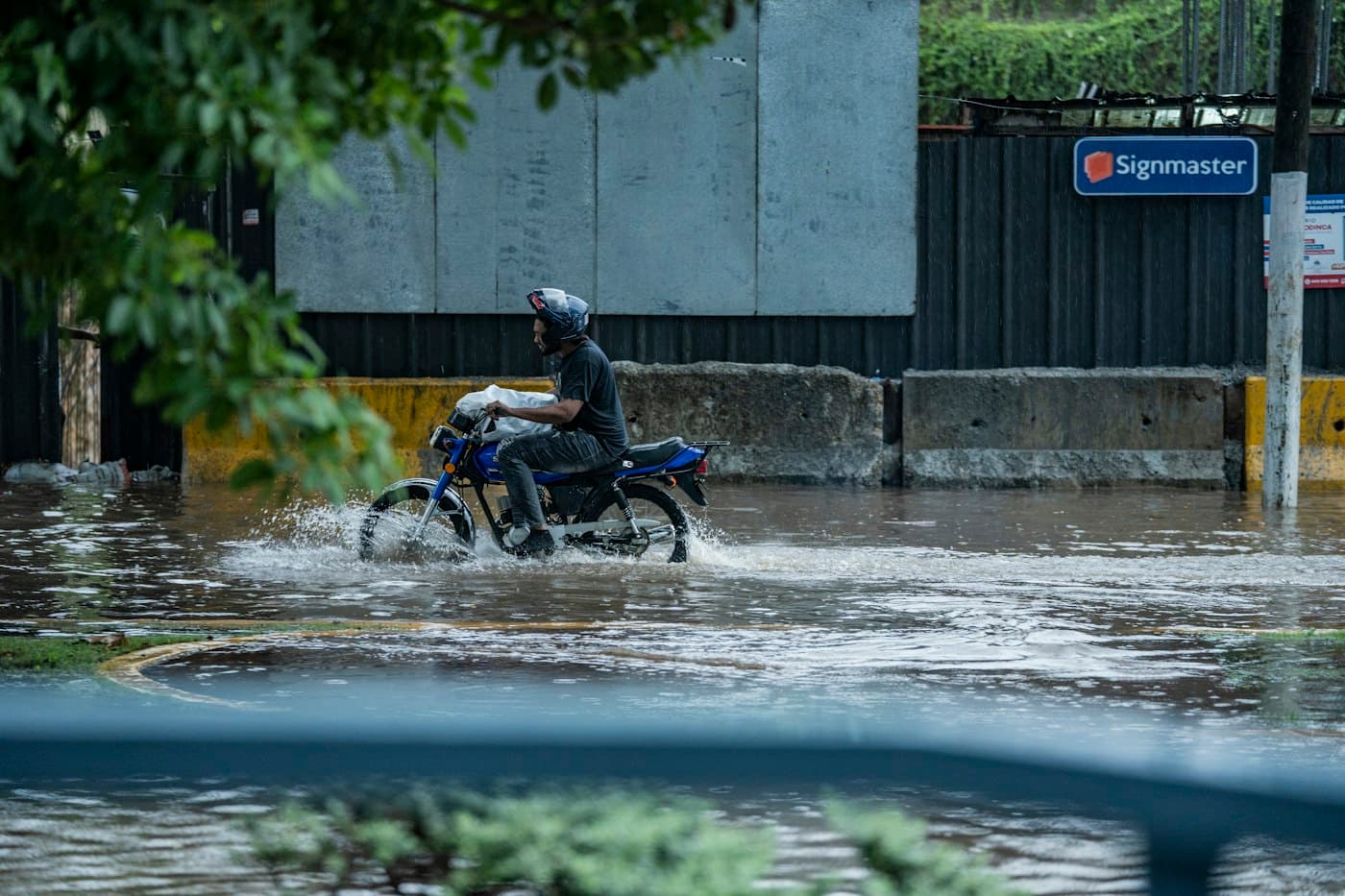
- Don't step into moving water, on foot or on a bike. In Nha Trang in 2025 the current swept away motorbikes and cars.
- If water rises and you're cut off, call 112, the line for disaster reports and search and rescue. Police are 113, fire and rescue 114, ambulance 115.
After the storm
- Don't head into the mountains right away: landslides keep coming after the rain stops.
- Stay clear of fallen power lines and flooded areas with electrics.
- Collect paperwork for your insurer: the airline's cancellation notice, hotel and meal receipts, and a police report if something was stolen or damaged. For injuries or illness, see hospitals and pharmacies in Vietnam.
General emergency info is in the Vietnam safety guide.
Where to go if a typhoon is heading your way
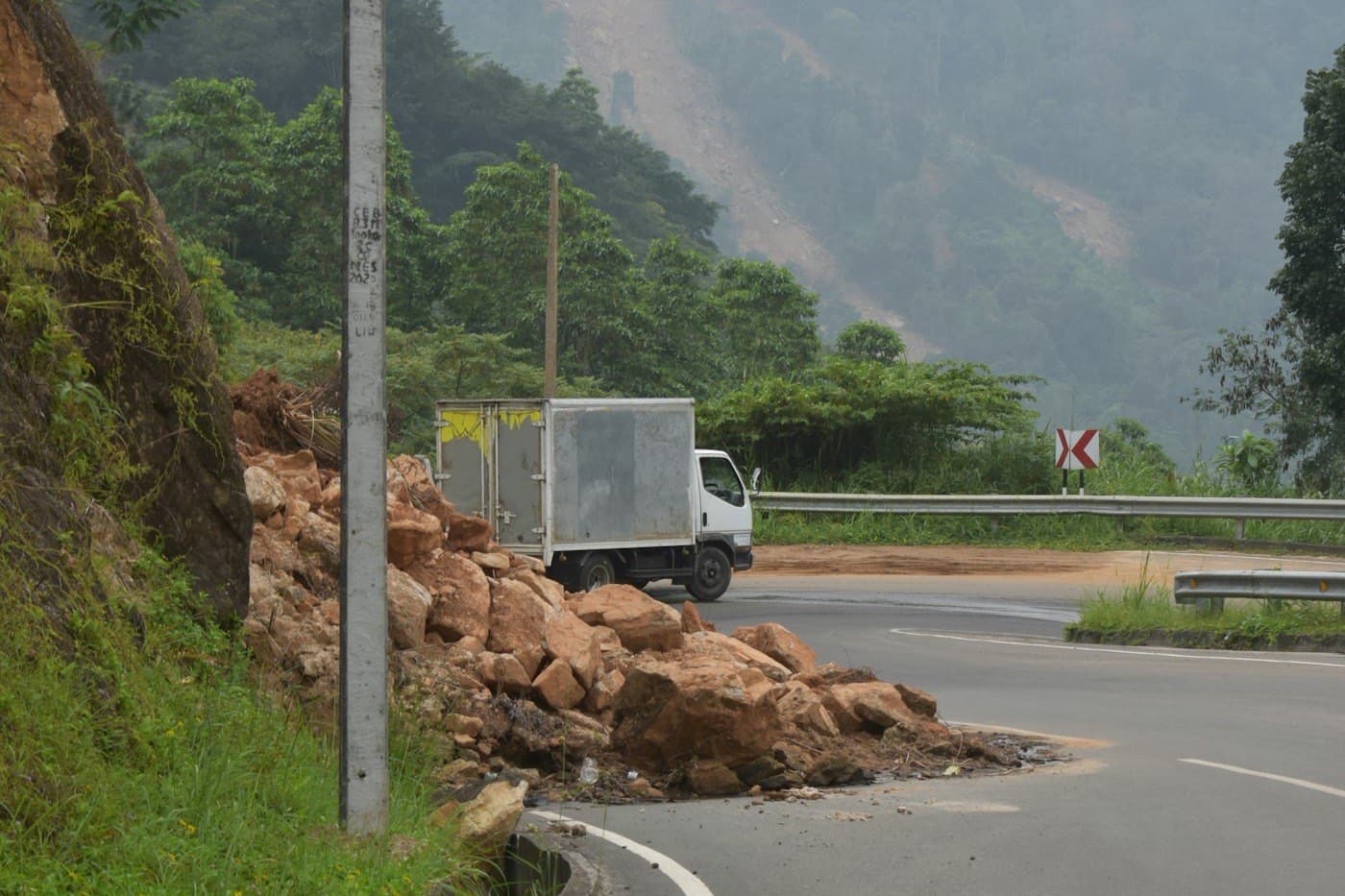
Move away from the storm's track, not just "somewhere else", and only while transport is still running. Mountains are a bad bet in heavy rain because landslides cut the roads. A city well outside the forecast cone that you can fly to is the safer choice.
| If you're in… | Better option | How | Risk on the way |
|---|---|---|---|
| Nha Trang | a city outside the forecast track, such as Ho Chi Minh City if the storm isn't heading south | fly from Cam Ranh | none while the airport is open |
| Nha Trang | Da Lat | bus over the Khanh Le pass | landslides: blocked for a long time in November 2025 |
| Hoi An or Da Nang | a city outside the storm's track | fly from Da Nang | flooded streets on the way to the airport |
| A riverside lowland anywhere | a hotel on higher ground or closer to the center | taxi | move before the rain starts |
Two honest caveats. The southern coast averages a storm about once in five years, but "the south is safe" isn't a rule: NCHMF's March 2026 outlook said that from September to December the main storm impact may shift to the center and the south. Pick a destination by the actual track and check its climate, for example Phu Quoc weather. Da Lat itself isn't the problem, the road is: the Khanh Le pass from Nha Trang was blocked by landslides after the 2025 rains. More on the city in the Da Lat guide.
Too late to leave? Ride it out in a solid building above the ground floor instead of driving a wet mountain road or crossing a flooded neighborhood.
Common mistakes in typhoon season
- Buying insurance the day before departure. If the storm is already named, it isn't covered, and some insurers start disaster cover only the next day.
- Trusting "weather cover". Cancellation for a storm at your destination is often excluded. Delay cover may be a flat amount.
- Booking non-refundable hotels and tours on the central coast in November. You won't get that money back.
- Booking self-transfer connections with a two-hour buffer. One cancellation and the second ticket is gone.
- Staying by the river. In Nha Trang in 2025 the worst flooding was in the low-lying areas along the Cai River.
- Riding a bike through floodwater. The current takes both the bike and the rider.
- Flying home on the last day of your visa. A cancellation can push you into overstaying.
FAQ
You can buy a policy, but it probably won't cover that typhoon. World Nomads requires the policy to be bought before the disaster becomes known and authorities issue warnings. Some wordings also exclude cancellation if the trip was booked after the disaster happened. And disaster cover may start only at midnight after you pay, so a same-day purchase can miss the first hours of a storm
Not necessarily. Vietnam closes specific airports in the storm's path for specific hours. During Kalmaegi in November 2025, six airports in the central region and Central Highlands closed while the rest kept operating. Check your airline's notices and flight status on the day. If your flight is cancelled, rebooking and refund terms are set by the airline and route
They're the first thing cancelled. Authorities declare cấm biển, a sea ban. During Kalmaegi, tour boats were banned from Vinh Hy Bay from 10 am on 5 November, more than a day before the storm hit. Tours don't restart right after the storm either, because the sea stays rough and the province decides. Book islands near the end of your trip with free rescheduling
NCHMF publishes bulletins mainly in Vietnamese, and its site also has an English version with a Tropical cyclone section. Keep both open and machine-translate the Vietnamese page. Look for the storm number ("bão số …") and the words lũ (flood) and sạt lở (landslide). In 2025 Khanh Hoa required tourism businesses to warn guests about the weather, so ask at reception
Act before your permitted stay ends, not after. Don't assume a cancelled flight extends your stay automatically: check with Vietnam's immigration authorities. Keep the airline's written cancellation notice and grab the next available flight. If you can't leave in time, look at options in our guides to extending a Vietnam visa and visa-free entry
Read also: Vietnam weather by month · Health insurance for Vietnam · Vietnam safety guide · Vietnam in November
VietnamSpot on InstagramTips, lifehacks and news for living in VietnamFollow


- Preparation
Visa-Free Entry to Vietnam: What to Show at the Border
How visa-free entry to Vietnam works in practice: the digital arrival card, what to show at immigration (onward ticket, passport), the process and refusals.Visa-Free Entry to Vietnam: What to Show at the Border - Preparation
Da Lat Airport 2026: Flights, Fares and the Ride Into Town
Lien Khuong Airport reopened on 19 August 2026. Routes, ticket prices from $25, the 50,000 VND shuttle and four other ways to cover the 30 km into Da Lat.Da Lat Airport 2026: Flights, Fares and the Ride Into Town - Preparation
Digital Nomad Visa for Vietnam: The Real Options 2026
Is there a Vietnam digital nomad visa? No — but remote workers stay legally on a 90-day e-visa, business visa or residence card. Plus the 183-day tax rule.Digital Nomad Visa for Vietnam: The Real Options 2026