Vietnam customs rules in 2026: what you can bring in and take out
Vietnam customs lets each adult bring in 1.5 litres of spirits or 2 litres of wine, 200 cigarettes and up to VND 10,000,000 (~$385) of other goods duty-free. Cash over $5,000, or over VND 15,000,000, has to be declared on arrival and on departure. Vapes and heated tobacco are banned outright.
That covers Vietnam's side. The other half is your home country's border, and its numbers are different. Most of the bad advice online comes from mixing the two, or from repeating figures that aren't in Vietnamese law today: "400 cigarettes", "declare anything over $3,000".
Below, every rule comes with the decree and the article it sits in. Vietnam replaced its customs-fines decree and its banned-goods list in 2026, so guides written a couple of years ago are now wrong in places.
Vietnam customs allowances at a glance
Vietnam limits what comes in and hardly limits what goes out. Your home country limits what comes in on the way back. Here is Vietnam's side in one table, with the legal basis.
| Item | Entering Vietnam | Leaving Vietnam | Legal basis |
|---|---|---|---|
| Spirits 20% ABV and over | 1.5 L or one of the two options below | No quantity limit | Decree 134/2016/ND-CP, Art. 6 |
| Alcohol under 20% ABV | 2 L or another option | No quantity limit | Decree 134/2016/ND-CP, Art. 6 |
| Beer and other alcoholic drinks | 3 L or another option | No quantity limit | Decree 134/2016/ND-CP, Art. 6 |
| Tobacco | 200 cigarettes, or 20 cigars, or 250 g | No quantity limit | Decree 134/2016/ND-CP, Art. 6 |
| Other goods | Up to VND 10,000,000 (~$385) | No quantity limit | Decree 134/2016/ND-CP, Art. 6 |
| Cash | Declare over $5,000 or over VND 15,000,000 | Same thresholds; above what you brought in, a bank certificate | Circular 15/2011/TT-NHNN, Arts. 2–3 |
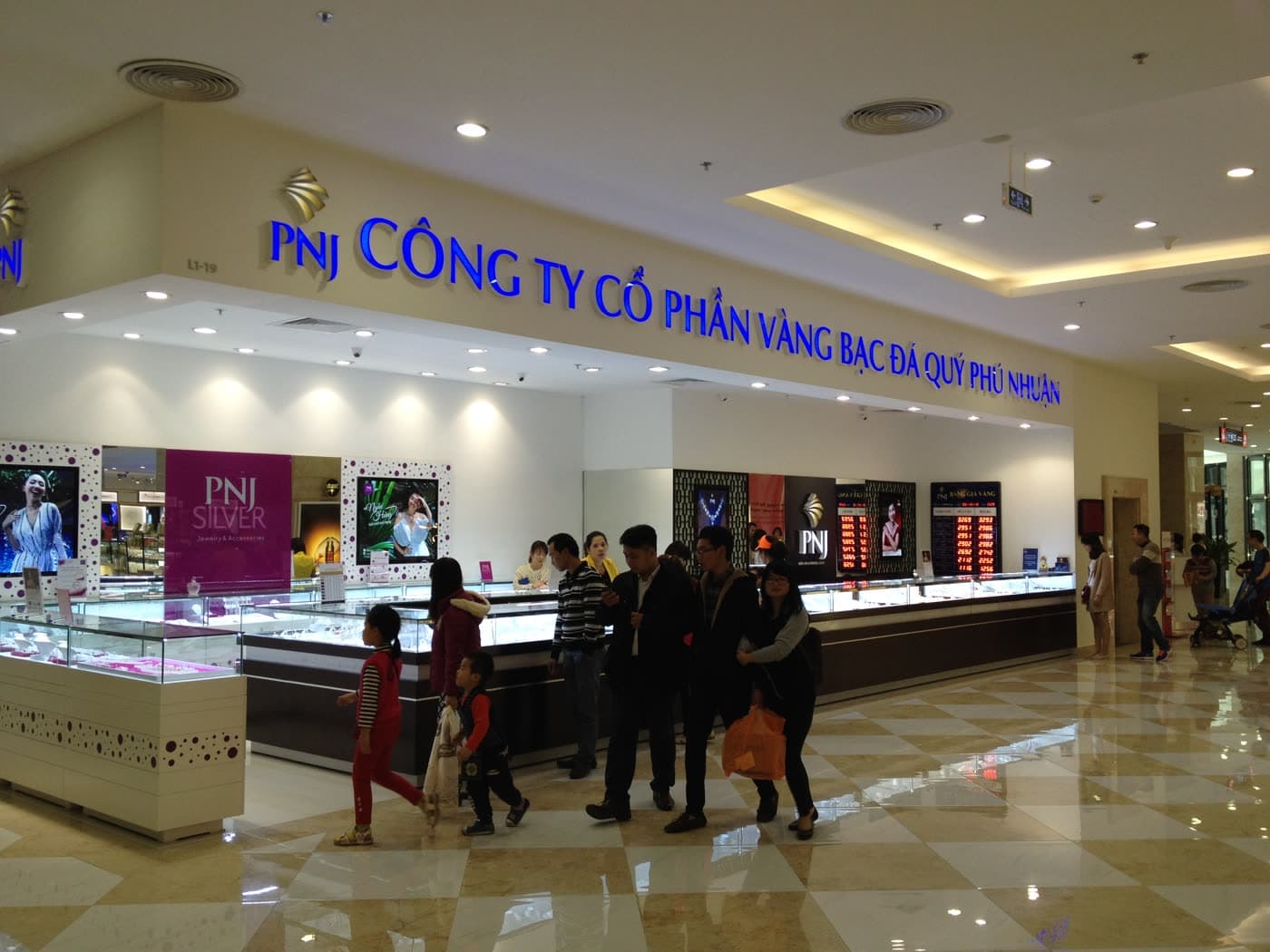
| Gold jewellery | Declare 300 g or more | Same | Circular 11/2014/TT-NHNN, Art. 2 |
| Vapes, heated tobacco | Prohibited | — | Resolution 173/2024/QH15; Decree 292/2026/ND-CP |
| Medication | Without a licence: 7 days of narcotics, 10 days of psychotropics, ordinary drugs up to $200 or 30 days on prescription | No limit for personal use | Decree 163/2025/ND-CP, Art. 60 |
| Antiques, CITES species | — | Permit only | Law 45/2024/QH15, Art. 9; CITES |
What changed in the last 18 months:
- from 1 July 2026, fines come from Decree 169/2026/ND-CP, not 128/2020;
- from 5 September 2026, Decree 292/2026/ND-CP sets the banned import and export lists, replacing 69/2018;
- from 21 August 2026, Decree 273/2026/ND-CP governs duty-free shops;
- from 1 July 2025, Decree 163/2025/ND-CP covers medication in baggage, replacing 54/2017;
- from 5 November 2025, Decree 288/2025/ND-CP covers drones, replacing 36/2008.
The duty-free allowances themselves haven't moved since 2016. On 14 October 2026 Vietnam's Ministry of Finance published a draft decree for consultation, and it keeps the same numbers. Amendments to the Customs Law itself (Luật Hải quan, Law 11/2026/QH16) take effect on 1 March 2027.
Do you need to fill in a customs declaration?
Most visitors don't. If your bags are within the allowances, your cash is under the thresholds and you carry nothing that needs a permit, walk through the green channel. The procedure for passenger baggage is in Decree 08/2015/ND-CP, as amended by Decree 59/2018/ND-CP.
Go to the red channel if you have:
- Alcohol, tobacco or goods over the Decree 134/2016 allowances.
- Cash over $5,000 or over VND 15,000,000 per person.
- Gold jewellery weighing 300 g or more in total.
- Medication beyond the Decree 163/2025 limits (see below).
- Baggage shipped separately before or after your trip.
- Goods that need a permit from a Vietnamese authority.
The passenger declaration form is set by Circular 38/2015/TT-BTC (amended in 2018 and 2025). Keep your stamped copy: if you declared cash, it is what lets you take that cash back out for the next 12 months.
Your laptop, phone and camera count as personal effects. Decree 134/2016 doesn't give them a number, only the test "suited to the purpose of the trip". Three identical new phones still in their boxes fail that test and will draw questions.
Passport control comes before customs. Visa rules by nationality are in our Vietnam visa guide, and travelling with a cat or dog is its own procedure, covered in bringing a pet to Vietnam.
How much cash you can bring to Vietnam
There is no cap on cash, but anything over $5,000 in foreign currency, or over VND 15,000,000 (~$577), has to be declared. That is Article 2(1) of State Bank Circular 15/2011/TT-NHNN, and it applies to anyone travelling on a passport, whatever the nationality. Exactly $5,000 doesn't need declaring. $5,001 does.
The thresholds count banknotes only. Cards, traveller's cheques, savings books and securities are outside them (Art. 2(3)). One detail most guides miss is in Art. 2(2): if you bring in less than $5,000 but want to pay it into a foreign-currency account at a Vietnamese bank, you must declare it anyway, because the bank needs the customs stamp.
Taking dong out is legal. You only declare amounts over VND 15,000,000. The real reason to spend or change your dong before you fly is that almost nobody outside Vietnam will take it. Rates and where to change are in our guide to the dong exchange rate.
Leaving with more than the threshold
Article 3 of the circular covers two cases.
- Taking out more than $5,000 but no more than you declared on arrival: show your stamped arrival declaration. It stays valid for 12 months from the arrival date.
- Taking out more than you brought in, or with no declaration: you need a certificate from an authorised bank (Giấy xác nhận) or written approval from the State Bank of Vietnam.
Gold
Gold jewellery and gold artwork weighing 300 g or more in total must be declared, on entry and exit, by Vietnamese and foreign travellers alike. The basis is Article 2(2) of Circular 11/2014/TT-NHNN; Vietnam Customs restated the procedure in dispatch 15029/CHQ-GSQL on 9 April 2026. Pearl jewellery is a separate topic, covered in buying pearls on Phu Quoc.
Fines
Decree 169/2026/ND-CP of 15 May 2026 has applied since 1 July 2026. It replaced Decree 128/2020 and Article 2 of Decree 102/2021. Fines for cash and gold are in Article 11, published in full on the government portal:
| Offence (Art. 11) | Fine by value of the violation | Cap ≈ USD |
|---|---|---|
| Undeclared or misdeclared foreign currency, dong or gold on arrival (cl. 2) | VND 1–2M for VND 5–50M; VND 5–10M for VND 50–100M; VND 10–20M for VND 100M+ | up to ~$770 |
| Declaring more than you carry on arrival (cl. 3) | VND 2–5M if overstated by VND 5–20M; VND 5–15M for VND 20–100M; VND 15–25M for VND 100M+ | up to ~$960 |
| Undeclared or misdeclared foreign currency, dong or gold on departure (cl. 1) | VND 1–3M for VND 5–30M; VND 5–15M for VND 30–70M; VND 15–25M for VND 70–100M; VND 30–50M for VND 100M+ | up to ~$1,920 |
| Other precious metals, gemstones, negotiable instruments (cl. 5) | VND 1–3M for VND 5–30M; VND 5–15M for VND 30–50M; VND 15–30M for VND 50–100M; VND 30–50M for VND 100M+ | up to ~$1,920 |
The value of the violation isn't the whole amount you carry: the part you didn't have to declare is subtracted first (Art. 11(6)). Bring in $6,000 undeclared and the fine is based on the $1,000 over the threshold.
Currency converter
Your home country may have its own cash rules on departure and return. Check them on its official customs site, since thresholds and declaration duties differ.
Alcohol and cigarettes: Vietnam's duty-free allowance
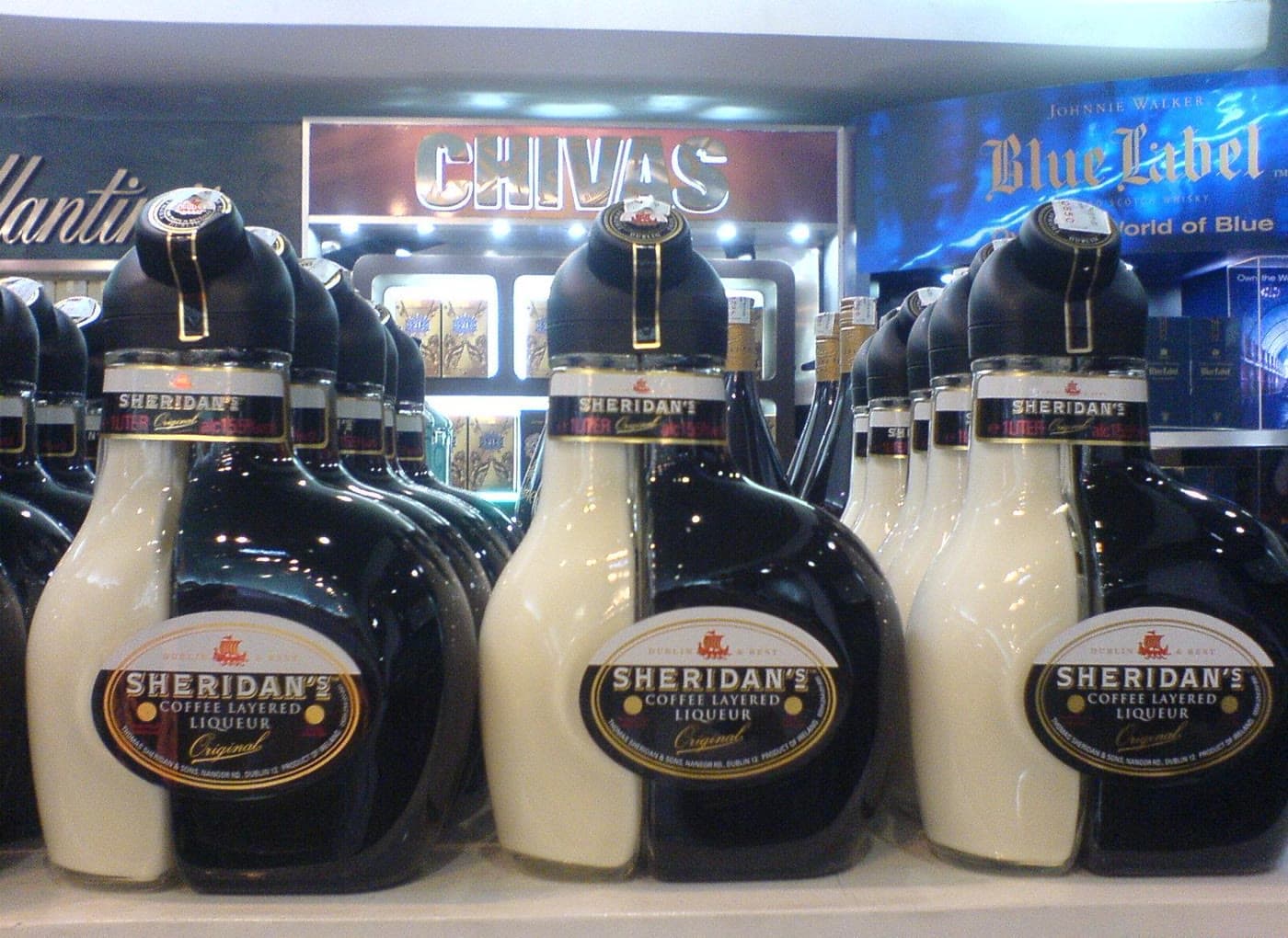
Each adult gets 1.5 L of spirits at 20% ABV or more, or 2 L of drinks under 20%, or 3 L of beer and other alcoholic drinks. Tobacco works the same way: 200 cigarettes, or 20 cigars, or 250 g of tobacco. The text of Decree 134/2016/ND-CP, Article 6(1), separates the options with hoặc, Vietnamese for "or". They are alternatives, not a sum.
Three details from the same clause:
- One whole bottle. If a single bottle is bigger than the allowance but by no more than 1 L, the whole bottle goes through duty-free. Over that, duty is charged on the excess.
- Age. Under-18s get no alcohol or tobacco allowance at all.
- Families. Allowances are per traveller and can't be pooled.
Buying at the arrivals duty-free doesn't add anything: Decree 273/2026/ND-CP, in force since 21 August 2026, ties arrivals purchases to the same Article 6 numbers. What's worth drinking locally, and what your home country allows on the way back, is in our guide to alcohol in Vietnam.
Vapes, medication and drones
E-cigarettes and heated tobacco can't be brought into Vietnam. Medication can, within limits counted in days and with a prescription. Drones are harder: flying one needs a permit, with an exemption only for light recreational drones under 250 g.
Can I bring a vape to Vietnam?
No. National Assembly Resolution 173/2024/QH15 banned the production, sale, import, storage, transport and use of e-cigarettes and heated tobacco from 2025. Since 5 September 2026, Decree 292/2026/ND-CP also lists e-cigarettes and heated tobacco as prohibited imports.
Using one carries a fine of VND 3–5 million (~$115–190) and destruction of the device, and letting others use them on premises you own or run costs VND 5–10 million. Decree 371/2025/ND-CP introduced these fines at the end of 2025; since 15 May 2026 they apply under Decree 90/2026/ND-CP on health-sector penalties. The acts have no separate procedure for tourists.
Bringing medication into Vietnam
Article 60 of Decree 163/2025/ND-CP allows medication for your own treatment without an import licence within these limits:
| Group | Limit without a licence | Condition |
|---|---|---|
| Narcotic drugs | Up to 7 days of use | At the prescribed dose |
| Psychotropics and precursors | Up to 10 days of use | At the prescribed dose |
| Ordinary drugs, on prescription | Up to 30 days of use | Prescription |
| Ordinary drugs | Up to $200 customs value, no more than 3 times a year | — |
The limits cover both baggage shipped under a bill of lading and goods the traveller carries in person (hàng hóa mang theo người), as Article 60(1)(a) says. The 7- and 10-day limits are counted from the dose on your prescription, so keep the prescription with you.
Article 60(3) lists what a prescription must show for a licence application: the patient's name and age, the drug and its strength, the quantity or number of days, the dose, the doctor's name and signature, and the clinic's address. A prescription with the same details is useful without a licence too. If yours isn't in English, carry an English version. Article 60 doesn't require one, but it makes the officer's job easier.
What to pack in your first-aid kit is in our Vietnam packing list, and where to find a pharmacy or clinic on the ground is in hospitals and pharmacies in Vietnam.
Can I bring a drone to Vietnam?
Since 5 November 2025, drone flights fall under Decree 288/2025/ND-CP, which replaced Decree 36/2008. According to LuatVietnam's summary:
- flight permits (phép bay) are issued by the Ministry of Defence (Art. 21);
- the only permit-free flying is a recreational drone under 250 g outside prohibited and restricted zones, and even then you must notify the local military and police (Art. 21(1)(b));
- a drone of 250 g or more needs a pilot licence; 2 kg or more, or flying beyond visual line of sight, needs a higher-category licence or an international one recognised by the Ministry of Defence (Art. 19);
- a foreigner flying in Vietnam needs a Vietnamese organisation or citizen as guarantor (Art. 19).
Article 6 of the decree ties import and temporary import of drones to a permit from the provincial People's Committee. The summaries reviewed don't say whether a tourist's drone in personal luggage is exempt, so check with Vietnam Customs. The safe plan is not to count on aerial footage without a permit. Hanoi police confiscated and destroyed more than 150 drones between August 2025 and February 2026, although most belonged to sellers without paperwork rather than tourists.
What you can't bring into Vietnam
Since 5 September 2026, Appendix I of Decree 292/2026/ND-CP lists 23 groups of goods banned from import. According to the Ministry of Finance's tax and customs journal, they include:
- weapons, ammunition and explosives;
- fireworks and sky lanterns;
- e-cigarettes and heated tobacco;
- used consumer goods, used medical equipment and used digital devices;
- pesticides and veterinary drugs banned in Vietnam, radioactive waste, and amphibole asbestos.
Illegal drugs need no list: they carry criminal liability in Vietnam. This is only part of the 23 groups; the full list is in Appendix I of the decree. If you plan to bring something unusual, check it first.
Decree 134/2016 treats personal effects separately, by the purpose of the trip. The laptop you travel with is a personal effect under that article.
Fast Track — no queue at the border
5–10 minutes instead of an hour in the immigration queue
from$11per passenger
What you can take out of Vietnam
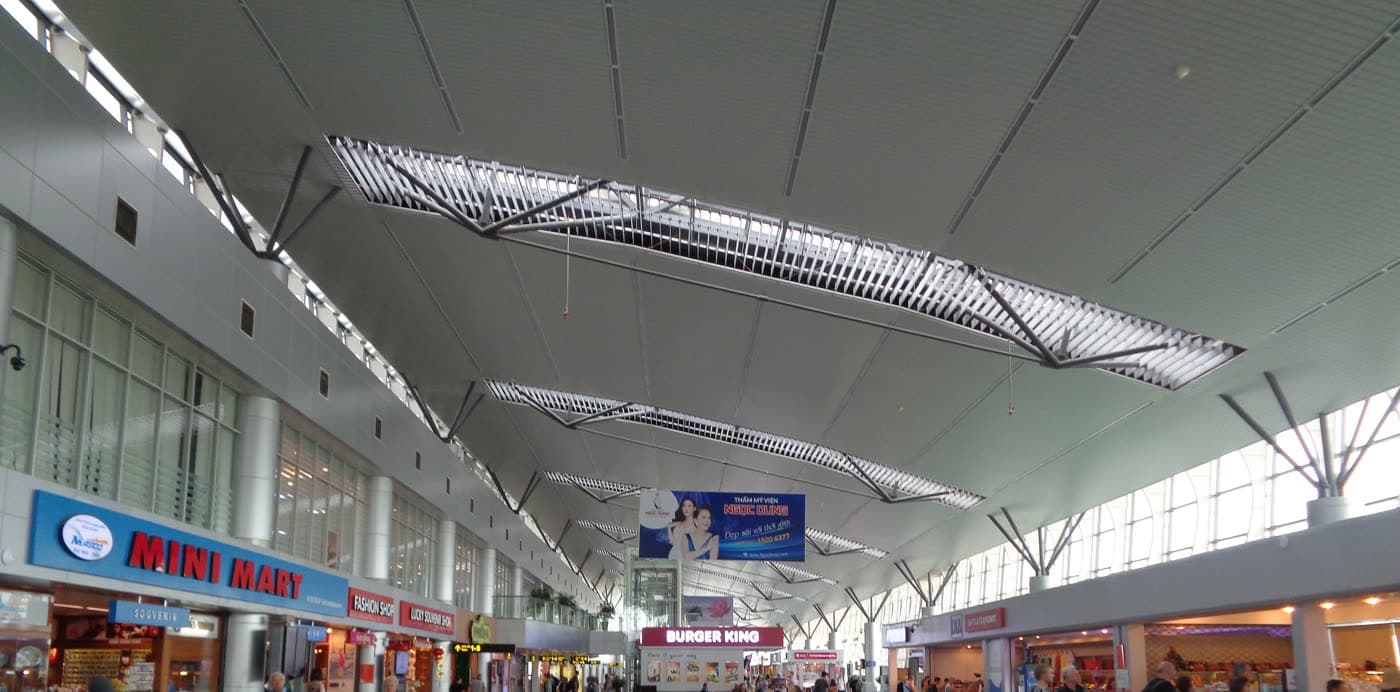
Vietnam doesn't cap the volume of departing baggage. The 14 October 2026 draft decree says it outright: departing travellers' baggage is exempt from export duty "with no limit", except for banned goods and goods that need a permit. Decree 273/2026 sets no quantity limits for departing duty-free shoppers either.
Paperwork is needed in four cases.
Cash and gold. The same thresholds as on arrival: cash over $5,000 or VND 15,000,000, gold jewellery from 300 g. How to take out more is covered above.
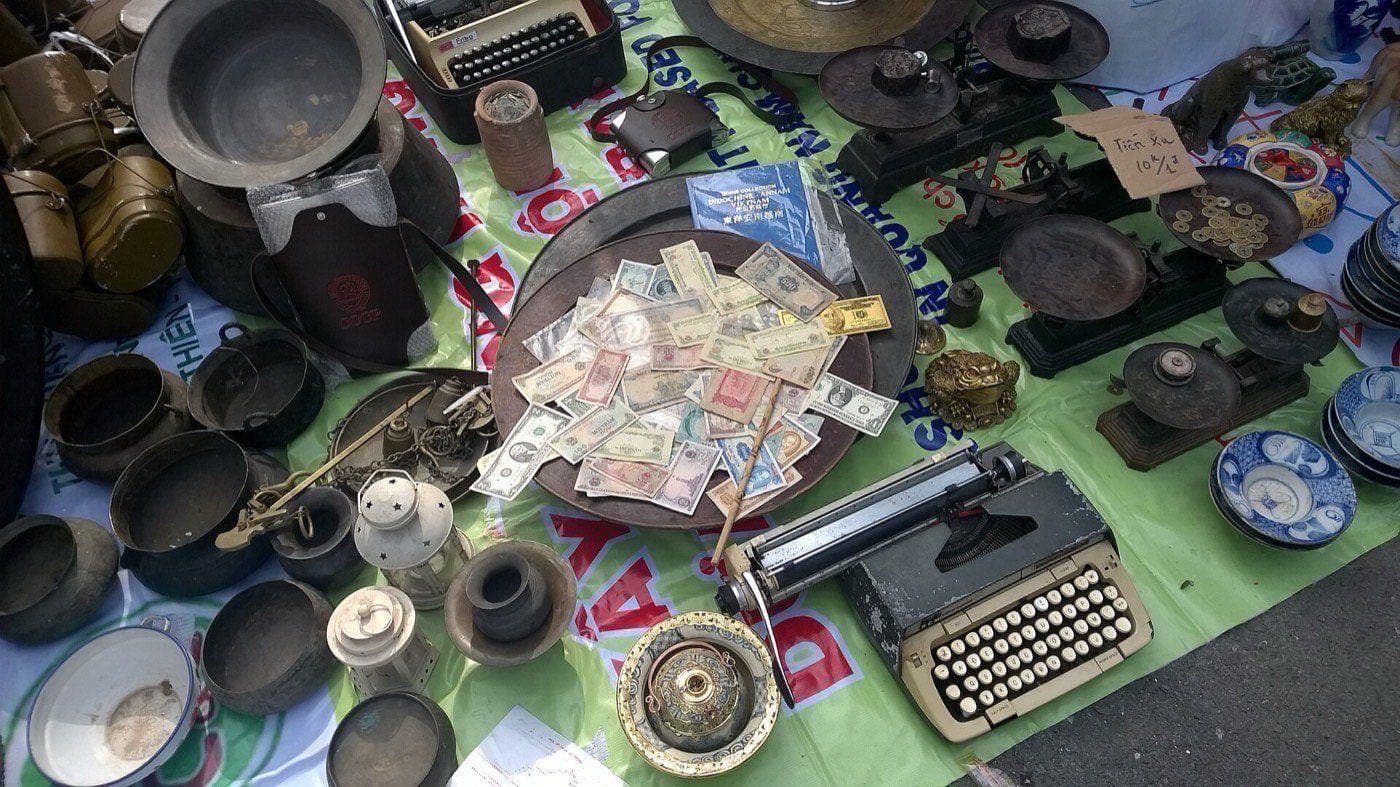
Antiques. The Law on Cultural Heritage 45/2024/QH15 has applied since 1 July 2025. Article 9(11) prohibits "illegally taking relics, antiquities and national treasures abroad" (di vật, cổ vật, bảo vật quốc gia). Article 50 covers temporary export for exhibitions, research or safekeeping, and Article 45(5) leaves the rules for taking antiquities abroad to a government decree. The law itself has no special route for a tourist who bought an "old" Buddha at a market. A souvenir replica isn't an antique, but at inspection you may have to show that, so ask for a receipt that calls it a souvenir.
Wildlife. Vietnam implements CITES through Decree 06/2019/ND-CP, amended by Decree 84/2021/ND-CP. Anything made from a CITES-listed species won't leave without an export permit. Illegal trade in ivory and rhino horn falls under Article 244 of Vietnam's Criminal Code.
Medication. Vietnam sets no export limit on medicine for personal use. Your destination country might, which is the next section.
| Souvenir | Will Vietnam let it out? | What to check at home | Basis |
|---|---|---|---|
| Coffee, tea | Yes, no limit | Your country's food and agricultural rules | No coffee allowance in 134/2016 |
| Fresh fruit | Yes | Often restricted or banned without a phytosanitary certificate | Your country's biosecurity rules |
| Dried fruit, chips | Yes | Usually easier than fresh | Your country's rules |
| Rum, rice spirit | Yes | Your country's alcohol allowance | Your country's rules |
| Snake wine | Only with a CITES permit if the species is listed | CITES import rules | CITES App. II (cobras) |
| Golden Star, White Tiger balm | Yes | Medicine import rules | Your country's rules |
| Cobratoxan (cobra venom) | Yes | Medicine and toxin rules | Your country's rules |
| Pearls, jewellery | Yes | Your general allowance | Your country's rules |
| Coral, giant clam shells | CITES permit only | CITES import rules | CITES App. II |
| Ivory, crocodile leather | CITES permit only | CITES import rules | CITES; Criminal Code Art. 244 (VN) |
| Antiques | Only under Law 45/2024 | Cultural-property rules | Law 45/2024, Art. 9(11) |
Most coffee advice online quotes "3 kg of coffee and 5 kg of tea". That norm isn't in Decree 134/2016. Your airline's baggage limit usually bites before any customs rule does. What to buy is in our guide to Vietnamese coffee.
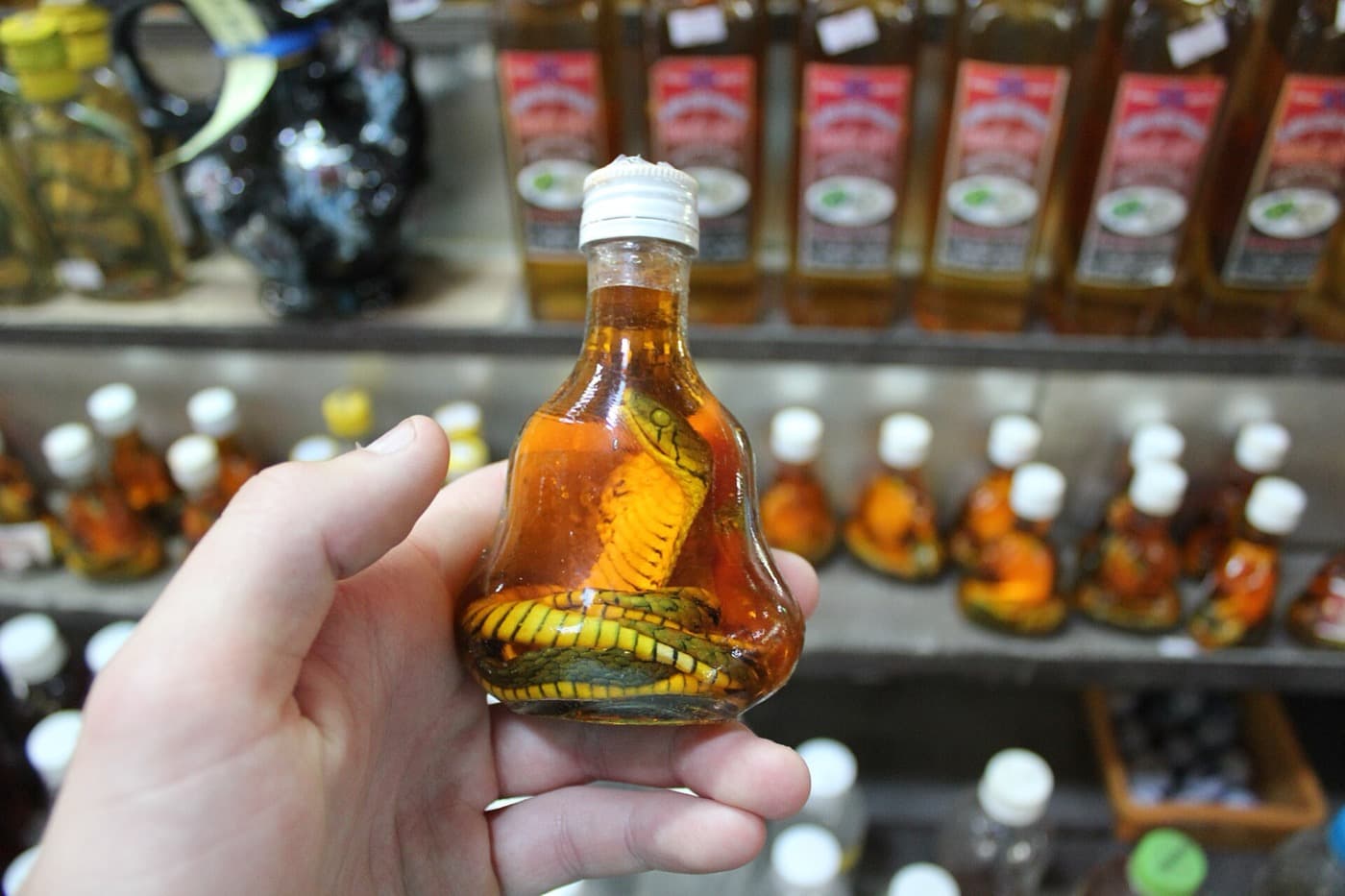
Asian cobras and the king cobra are in CITES Appendix II. You can't tell the species in the bottle, and a market stall won't hand you a CITES permit. Try a shot locally if you want to, but don't take a bottle home. All stony corals (san hô), black corals and giant clams are in Appendix II too. A coral branch from a souvenir stand technically needs an export permit, and that permit comes from the CITES authority, not the seller.
Taking it home: check your own country's rules
Vietnam's exit rules are only half the trip. What you can bring home, duty-free and at all, is set by the country you land in. The numbers differ widely, and some countries are much stricter than Vietnam on food, plants and medicine. Check the official page before you pack:
| Destination | Official page |
|---|---|
| European Union | Your Europe: alcohol, tobacco and cash |
| United Kingdom | GOV.UK: bringing goods into the UK |
| United States | CBP: Know Before You Go |
| Australia | Australian Border Force: duty-free |
| Canada | CBSA: what to declare |
Four things to look up on that page for a Vietnam trip:
- the alcohol and tobacco allowance (our alcohol guide tabulates the EU, UK, US and Australia);
- fresh fruit, seeds, meat and dairy, which many countries refuse at the border whatever Vietnam lets out;
- medicines, especially anything with controlled or toxic ingredients, such as cobra venom in Cobratoxan (Vietnamese balms);
- cash declaration on arrival.
CITES works the same everywhere: a CITES-listed item needs an export permit from Vietnam, and for Appendix I species an import permit from your country as well.
Common customs mistakes
Most trouble at customs starts with a number someone got wrong.
- Adding up the alcohol options. 1.5 L of whisky plus 2 L of wine plus 3 L of beer doesn't work. Vietnam gives you one of the three.
- Trusting "$3,000" or "dong can't leave Vietnam". Both float around travel sites. Neither is in Circular 15/2011: the threshold is $5,000, and dong can leave.
- Throwing away the arrival declaration. If you brought in a large sum, that paper is how you take it back out.
- Flying in with a vape. It's been a prohibited import since 2025, and using one carries a fine of VND 3–5 million.
- Buying snake wine as a gift. It's sold openly in Vietnam, but CITES applies at the border.
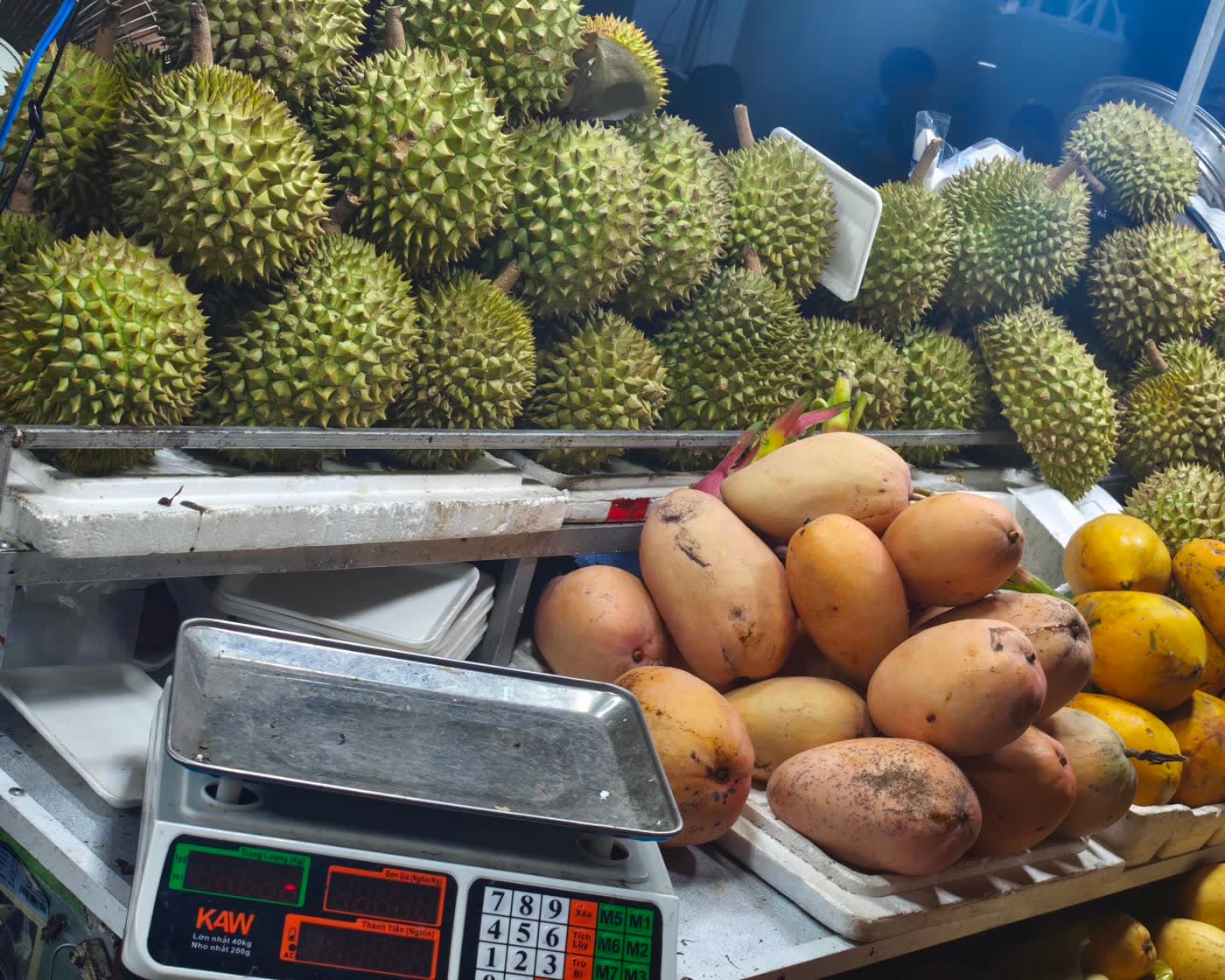
- Confusing the airline with customs. Durian, liquids over 100 ml in carry-on and spirits over 70% ABV are limited by airlines and aviation security, not by customs.
- Assuming your home country matches Vietnam. Fresh fruit leaves Vietnam freely and can be refused on arrival at home.
FAQ
Circular 15/2011 sets the thresholds per individual (cá nhân): declare anything over $5,000, or over VND 15,000,000. It doesn't say separately how a child's share is counted when travelling with parents. If the family total is near the line, declare it. Declaring is free, while failing to declare can cost up to VND 20 million (~$770) under Decree 169/2026
Yes, with a declaration. If you brought the money in and declared it on arrival, show that same declaration when you leave: it is valid for 12 months. If you're taking out more than you brought in, you need a certificate from an authorised Vietnamese bank or approval from the State Bank. That is Article 3 of Circular 15/2011. Dong is close to useless outside Vietnam anyway, so change it before you fly
No, as long as it's what you need for the trip. Decree 134/2016 exempts personal effects "suited to the purpose of the trip" without a number. Questions start when something looks like stock: several identical new devices still in their boxes. Then customs may not accept it as a personal effect and count it as other goods, with a VND 10,000,000 (~$385) limit and duty above that. Keep receipts for expensive gear
Decree 169/2026/ND-CP has applied since 1 July 2026. The fine is based on the amount over the threshold (Art. 11(6)): here $1,000, about VND 26 million. On arrival that means a fine of VND 1–2 million (~$38–77); the cap for large sums is VND 20 million. The second problem comes at departure: without a customs stamp you can't show that the money you're taking out is the money you brought in, and for anything over $5,000 you'll need a bank certificate
That is the airline's call, not customs'. Vietnam Airlines accepts up to 5 kg of tightly sealed durian, except on its ATR72 flights. Other carriers set their own rules, so check before you buy. Then check your home country: many treat durian like any other fresh fruit, which can mean a phytosanitary certificate or an outright refusal on arrival
Vietnam doesn't limit medicine you take out for personal use. Your home country does, and the rules vary most for prescription drugs and products with controlled or toxic ingredients. Keep medicines in their original packaging with the leaflet, carry a prescription or doctor's note for anything strong, and check your country's customs or medicines regulator before buying in bulk
- Preparation
How to Get to Mui Ne 2026: Bus, Train, Transfer
How to get to Mui Ne in 2026 from Ho Chi Minh City, Cam Ranh, Nha Trang and Da Lat: sleeper buses, the SPT2 train, transfers and scooters, priced in USD.How to Get to Mui Ne 2026: Bus, Train, Transfer - Preparation
Vietnam 5-Year Talent Visa 2026: Exemption Card and UĐ1
Vietnam's 5-year talent visa: the visa exemption card under Decree 221/2025 and the new UĐ1 visa from July 2026. Who qualifies and how to apply.Vietnam 5-Year Talent Visa 2026: Exemption Card and UĐ1 - Preparation
Vietnam Administrative Reform 2025: Districts Are Gone
Vietnam cut 63 provinces to 34 and abolished districts on 1 July 2025. Old-to-new names for the resorts and what to put on a lease, visa form or bank record.Vietnam Administrative Reform 2025: Districts Are Gone