Vietnamese coffee: a guide to beans, drinks and café culture
Vietnam is the world's second-largest coffee exporter and the undisputed king of robusta. An iced cup with condensed milk on the street costs under a dollar; a kilo of good robusta beans starts around $8. Here's how to order like a local, what the drinks are, how the phin filter works, which brands to trust — and what to bring home.
Below: the varieties and growing regions, the drinks with their Vietnamese names and how to order them, the truth about weasel coffee, a step-by-step guide to the phin filter, brands, prices in VND with dollar conversions, plantations you can visit and a buyer's guide to what to take home. Prices convert at roughly 26,000 VND to $1.
Vietnam as a coffee power — history and numbers
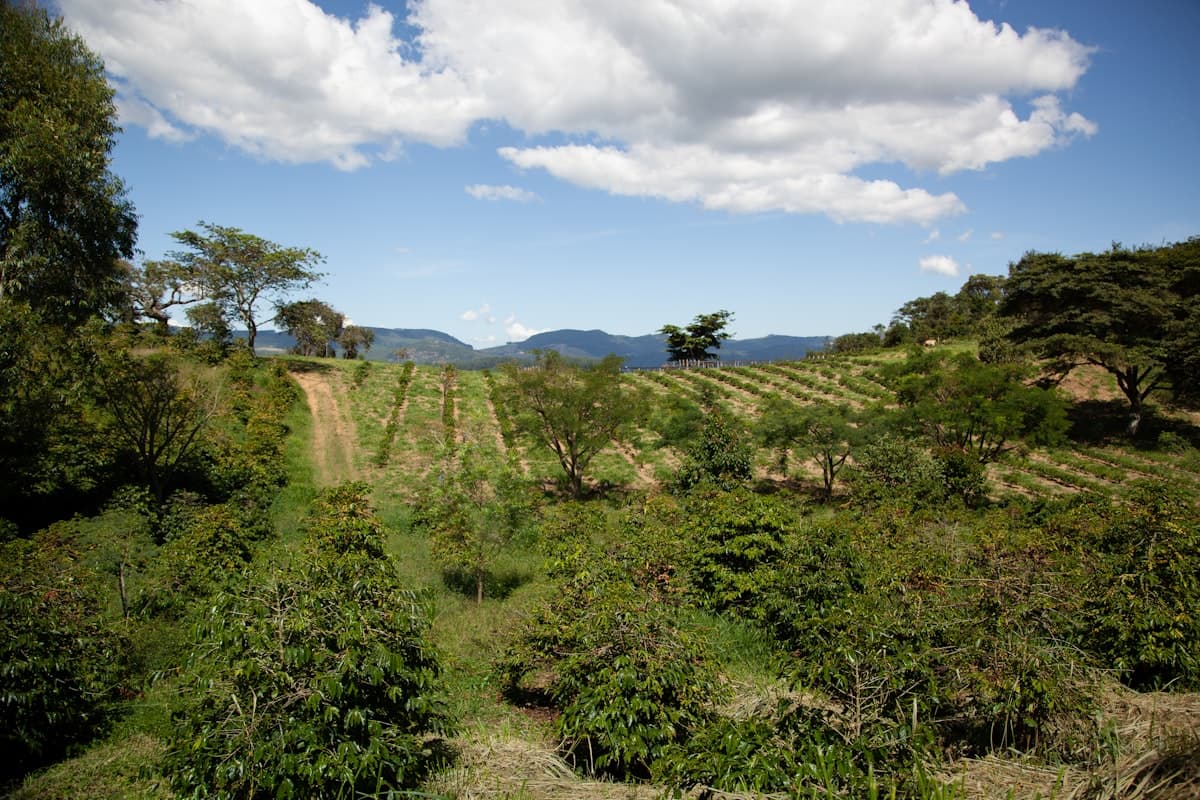
By exports, Vietnam sits second only to Brazil — and for robusta, it is first on the planet, per the International Coffee Organization (ICO). Each year the country ships around 1.9 million tonnes of beans, mostly to Germany, Italy, Spain and Japan. The coffee industry supports millions of Vietnamese, and the drink has long been part of the national identity.
It began in 1857, when French missionaries brought the first seedlings. Robusta and liberica arrived in 1908; robusta took to the volcanic soil of the Central Highlands and became the backbone of the industry. By 1930 exports had reached 1,500 tonnes a year, and 2,000 by 1940.
The real leap came in the 1990s. A state programme to develop the sector turned Vietnam from a regional player into the world's second coffee power in a decade. According to the General Statistics Office, coffee covered more than 720,000 hectares in 2023, supporting millions of farming families.
Where coffee grows — the regions
| Region (pre-2025 provinces) | Share | Variety | Notes |
|---|---|---|---|
| Dak Lak (Buon Ma Thuot) | ~36% | Robusta | The "coffee capital," basalt soils |
| Lam Dong (Da Lat) | ~20% | Arabica + robusta | Highland 1,200–1,800 m, fruity notes |
| Gia Lai | ~15% | Robusta | Softer flavour, pleasant acidity |
| Dak Nong | ~10% | Robusta | Volcanic soils, full-bodied profile |
| Kon Tum | ~5% | Robusta + arabica | Mountainous, experimental plots |
Dak Lak is the heart of coffee Vietnam. Its capital, Buon Ma Thuot, hosts an annual coffee festival, and farms pass down through generations. Da Lat is the second centre: most of Vietnam's arabica is grown here at 1,200–1,800 metres, where cool nights build that fruity, floral profile. The roasteries, cafés and what to eat alongside them are in the Da Lat food guide.
Coffee varieties in Vietnam — robusta, arabica and the rare ones
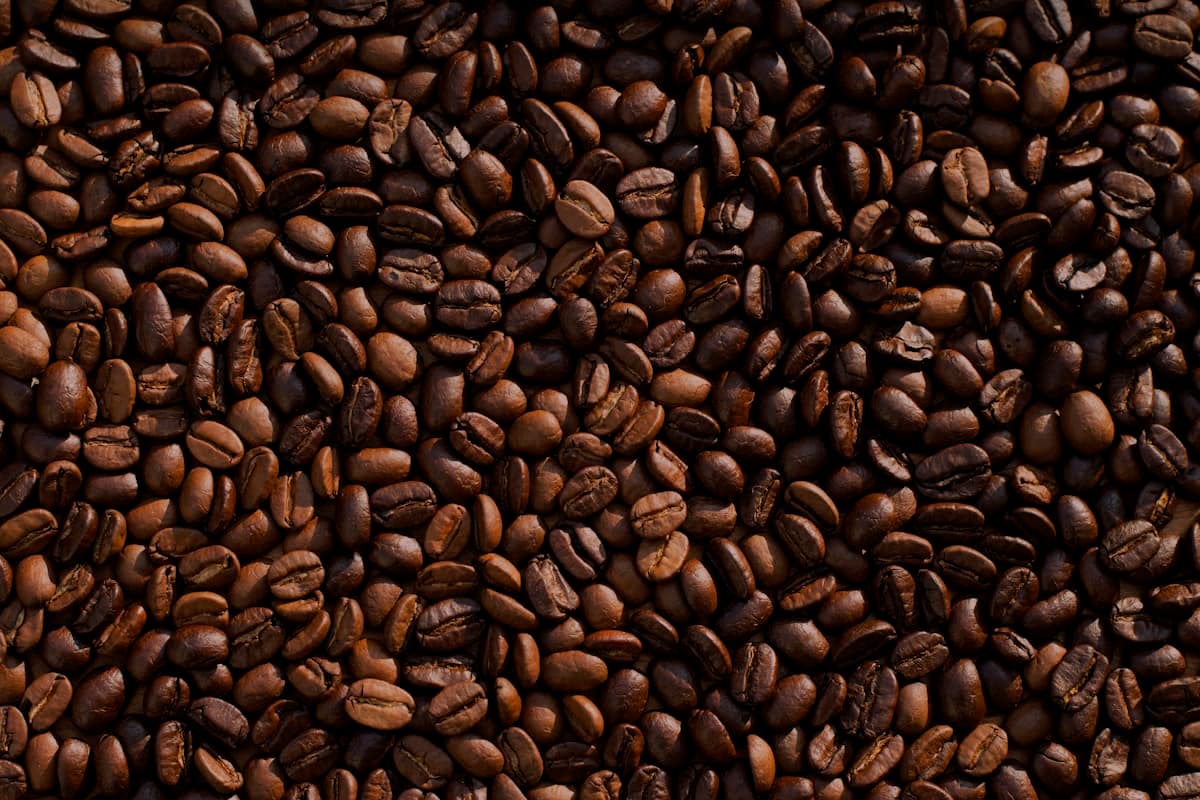
Vietnam officially grows four kinds of bean, but 95% is robusta: strong, bitter and carrying roughly double the caffeine of arabica. Robusta is what gives Vietnamese coffee its character — heavier, more intense and, frankly, angrier than the arabica you may know from Ethiopia or Colombia.
| Variety | Share | Region | Altitude | Flavour |
|---|---|---|---|---|
| Robusta | ~95% | Dak Lak, Central Highlands | 500–600 m | Strong, smoky-nutty, bitter |
| Arabica | ~5% | Da Lat, Lam Dong | 1,200–1,800 m | Fruity, floral, bright acidity |
| Liberica | <1% | Lam Dong | 600–1,000 m | Floral, smoky, unusual |
| Excelsa (Chari) | <1% | Central Highlands | 500–800 m | Fruity-berry, used in blends |
Robusta — Vietnam's signature
Robusta has one and a half to two times the caffeine of arabica — hence the punchy strength that surprises first-timers. The beans are roasted dark, often with butter and sugar, which gives a caramel edge and that oily sheen anyone who has tried Vietnamese coffee will recognise.
Robusta is also low-maintenance. It grows on plains and low hills (500–600 m), shrugs off disease and yields more per hectare than arabica. For hot, humid Vietnam, it is the ideal crop.
Arabica — Da Lat's gold
Arabica grows in the mountains around Da Lat, at 1,200–1,800 metres. Nights can drop to +15 °C, so the cherries ripen slowly and build more sugars and acids. The result is a more complex cup: citrus, tropical fruit, a light caramel.
The specialty segment is picking up. Farms like La Viet Coffee and Son Pacamara in Da Lat work single lots, run cuppings and sell to specialty roasters worldwide. For plantations, specialty cafés and Da Lat wine, see the separate Da Lat coffee & wine guide.
Liberica and excelsa — for collectors
Liberica and excelsa (chari) together make up under 1% of Vietnam's output. Liberica is floral with smoky notes and larger beans than arabica; excelsa is fruity-berry and mostly goes into blends. Finding them on their own is hard, but plantations around Da Lat sometimes let you taste them.
Fast Track — no queue at the border
5–10 minutes instead of an hour in the immigration queue
from$11per passenger
How to order — from the classic to egg coffee
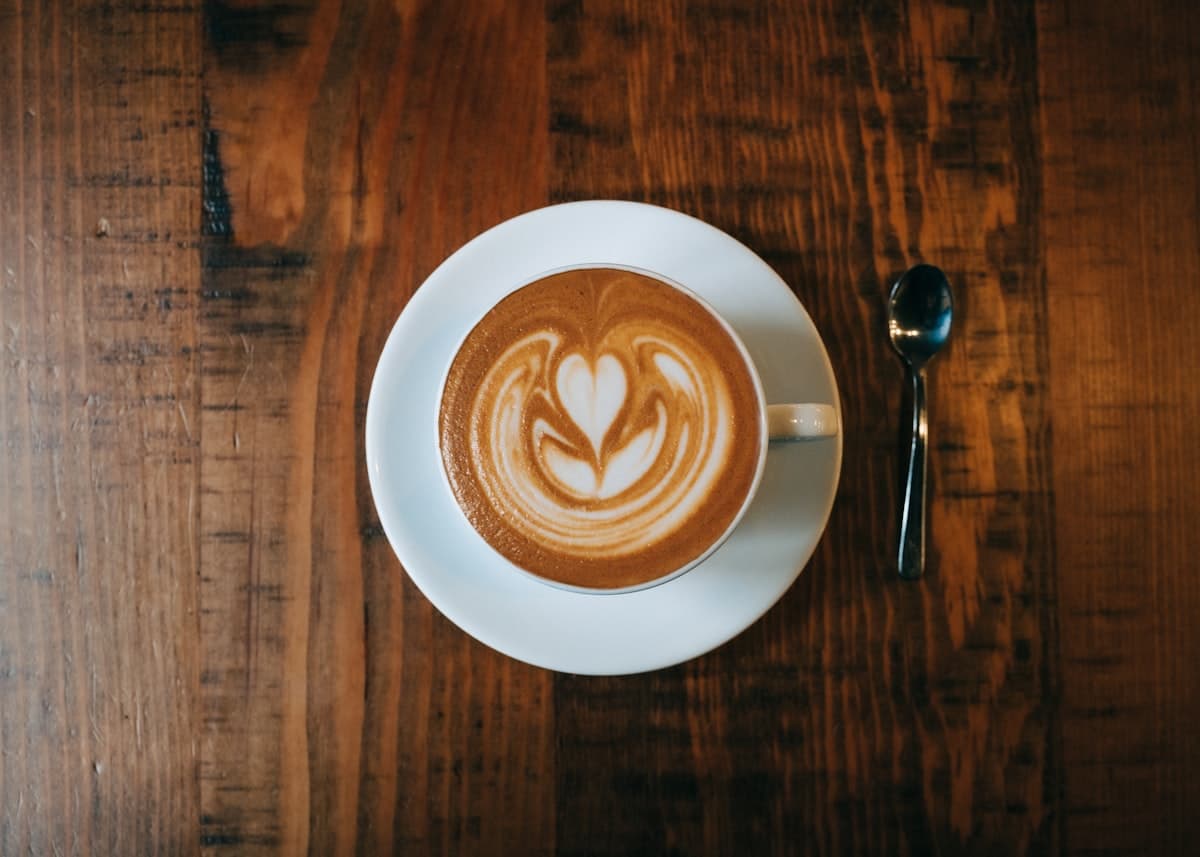
Vietnam does not drink coffee the way Europe does. Traditional cafés don't do cappuccinos or flat whites — they have their own drinks, recipes and rituals. Most start with the same base: strong robusta through a phin filter, plus condensed milk. Here are the eight to know, with what to actually say when you order. Where to drink them is in the Vietnamese coffee drinks guide.
| Drink | Say | What it is | Where to try |
|---|---|---|---|
| Iced coffee, condensed milk | Cà Phê Sữa Đá | The classic — strong coffee, condensed milk, ice | Everywhere |
| Iced black coffee | Cà Phê Đá | No milk, maximum strength | Everywhere |
| Hot, with condensed milk | Cà Phê Sữa Nóng | The morning classic, hot with milk | Everywhere |
| Egg coffee | Cà Phê Trứng | Whipped yolk + condensed milk + coffee | Hanoi, Cafe Giảng |
| Coconut coffee | Cà Phê Dừa | With coconut milk or cream | Cộng Cà Phê |
| Salt coffee | Cà Phê Muối | Coffee + lightly salted whipped cream | Hue (its home), everywhere |
| Yogurt coffee | Cà Phê Sữa Chua | Coffee + yogurt + ice | Hanoi |
| Coffee with tapioca | Cà Phê Trân Châu | Coffee + tapioca pearls | Modern cafés |
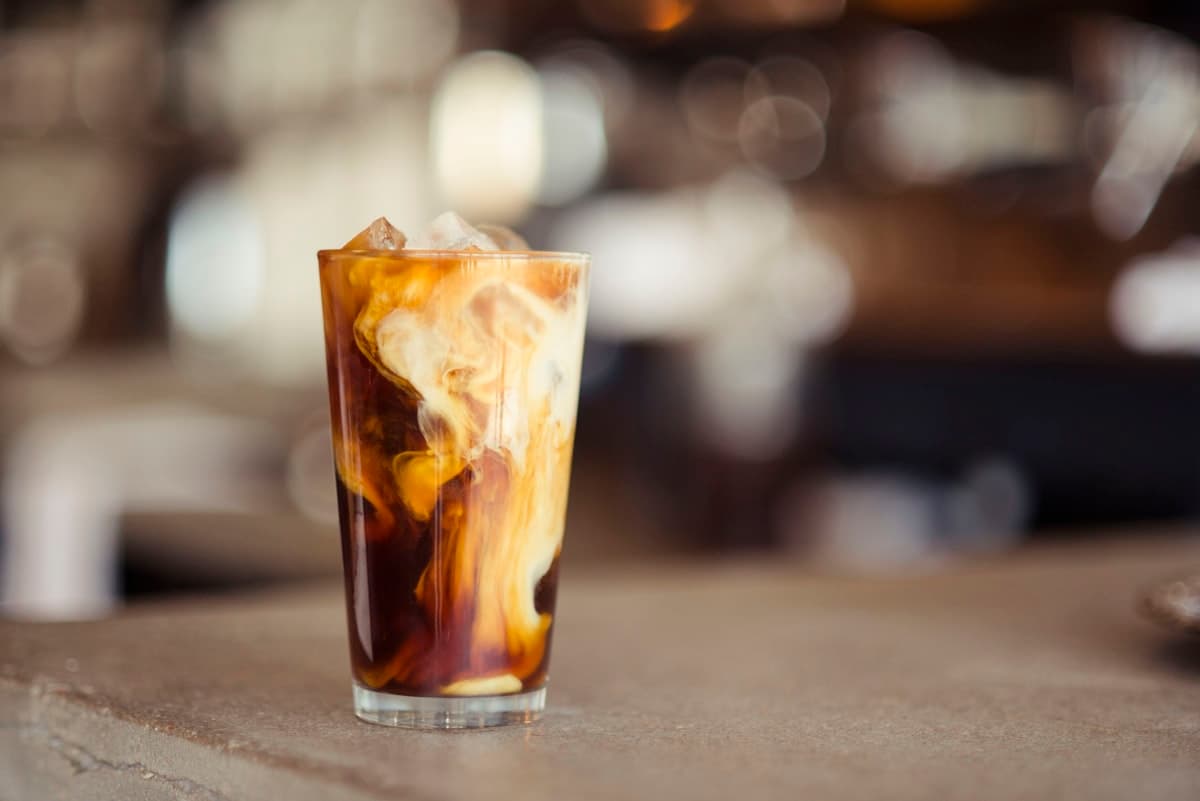
Cà Phê Sữa Đá — iced coffee with condensed milk
Cà Phê Sữa Đá is Vietnam in a glass, and the one drink to order first. Two or three spoons of condensed milk go in the bottom; a phin of ground coffee sits on top and is filled with hot water. The coffee drips slowly — 4–5 minutes — then it is stirred and poured over crushed ice.
The taste is thick and sweet, with the bitterness of robusta and a caramel note from the condensed milk, served ice-cold. In the heat — which is most of the time in Vietnam — it is the best pick-me-up going.
Price: 15,000–25,000 VND (~$0.60–1) at a street café, 35,000–55,000 VND (~$1.40–2.20) at a sit-down café.
Cà Phê Trứng — egg coffee
Egg coffee was invented in Hanoi in 1946. A bartender named Giảng, working at the grand Sofitel Legend Metropole, had no milk in the post-war shortage — so he whipped egg yolks with sugar and condensed milk. The result is a dense, crème-brûlée-like foam spooned over hot coffee.
The texture is like liquid tiramisu. You eat the foam with a spoon first, then drink the coffee underneath, now steeped in the eggy cream. It comes in a small cup set inside a bowl of hot water to stay warm.
The address: Cafe Giảng (39 Nguyễn Hữu Huân, Hanoi), open since 1946 and founded by that same Giảng. There is almost always a queue, but it moves fast and it is worth it. Price: 30,000–50,000 VND (~$1.20–2). For the recipe, the full story and where to drink it in Hanoi and Ho Chi Minh City, see the dedicated egg coffee guide.
There are 2 downsides to the rendition at Cafe Giang though. Firstly, we felt that the egg froth was not as smooth as Cafe Dinh's rendition. Also, the coffee was a tad too sweet.Tom, 2bearbear, 2023
Cà Phê Muối — salt coffee from Hue
Salt coffee comes from Hue, in central Vietnam. A pinch of salt boosts the strength, softens the bitterness of robusta and lifts the sweetness of the milk. On top sits a cap of lightly salted whipped cream.
It sounds odd. It tastes surprisingly balanced — salty-sweet-bitter with a creamy texture. You can find it in any city now, but it is most authentic in Hue.
Cà Phê Dừa — coconut coffee
Coconut coffee is the signature of the Cộng Cà Phê chain. Coffee is blended with coconut milk or coconut cream and ice — tropical, refreshing, with a mellow coconut sweetness.
Cộng Cà Phê is easy to spot: a retro-communist interior, green walls and Soviet-era props.
Weasel coffee — the truth behind the world's priciest cup
Weasel coffee (Cà Phê Chồn, also known as Kopi Luwak) is coffee beans that have passed through the digestive system of the Asian palm civet. The animal eats ripe cherries, stomach enzymes partly break down the proteins in the beans, and the result is a smooth, faintly sweet cup with no bitterness. Farmed civet coffee costs from about $150 a kilo, wild $1,000–3,000 — and most of what markets sell as "luwak" is not the real thing.
How it works
The civet (Asian palm civet) is a small, marten-like animal. It picks only the ripest cherries, eats the pulp, and the beans pass through its gut in 24–36 hours. Enzymes break down some of the proteins responsible for bitterness. Once collected, the beans are washed, dried and roasted.
Each civet eats about 1,000 grams of cherries a day and yields only around 50 grams of beans. Hence the price.
What it costs
How to spot the fake
Signs of the genuine article:
- A deep aroma with earthy, chocolate and fruity notes
- Beans uniform in size and shape
- The seller provides a certificate of origin
- Priced from 500,000 VND (~$20) per 100 grams
- Sold in specialist shops, not off a market stall
The sensible compromise: Trung Nguyen Legendee, an "artificial luwak." The beans are treated with enzymes that mimic the civet's digestion. The taste comes close to the original at a fraction of the price.
The ethical question
Most commercial luwak comes from civets kept in cages on farms. Animal-welfare groups criticise the practice: the animals are kept in stressful conditions and fed only coffee cherries instead of their natural diet.
"Wild" luwak — beans gathered in the forest after wild civets — costs far more and is rare. If this matters to you, ask about the sourcing. But in most tourist shops, "luwak" is either farmed or an outright fake.
How to brew Vietnamese coffee — the phin filter
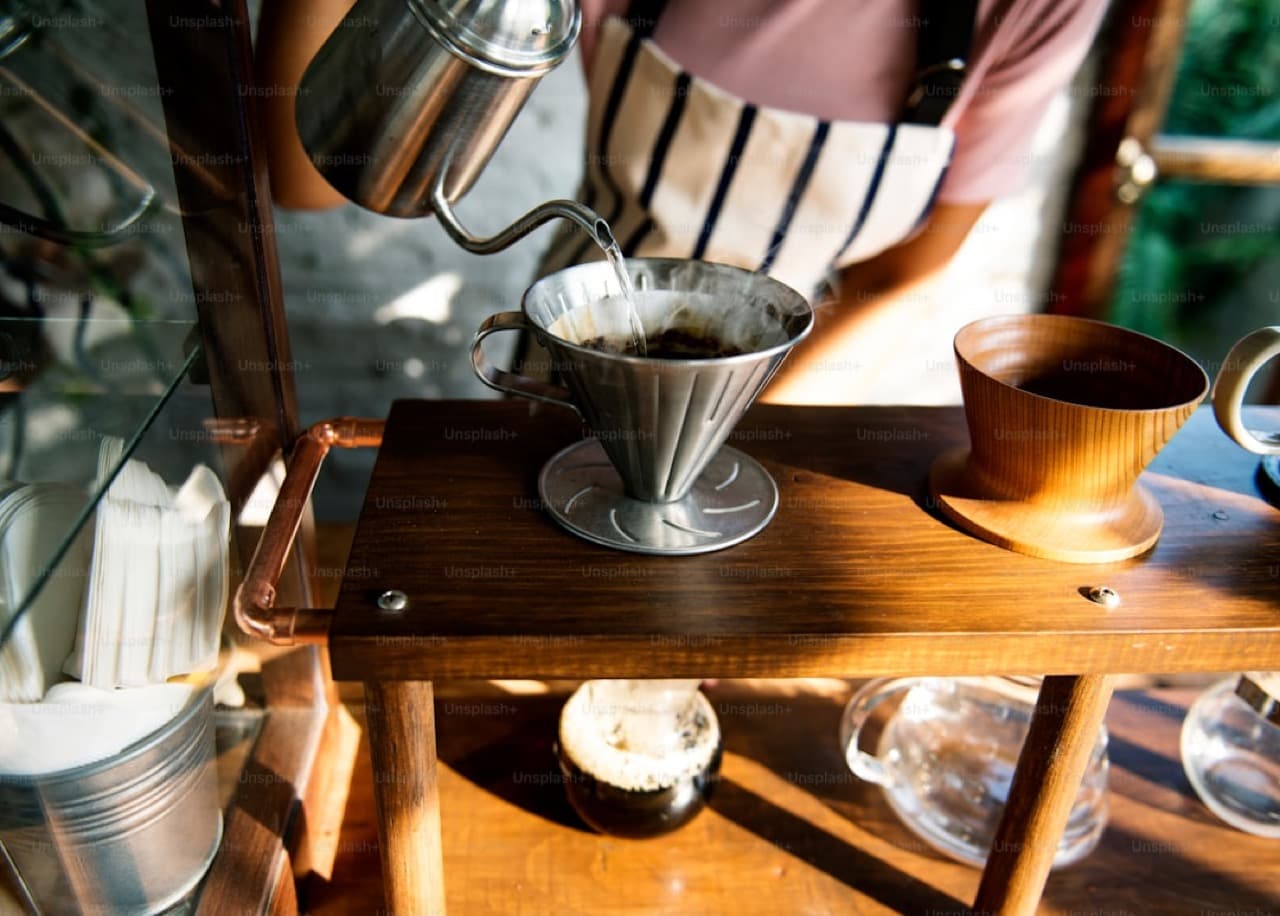
Vietnamese coffee is brewed through a metal phin filter — a simple stainless-steel or aluminium device in three parts: a cup with a mesh bottom, an inner press and a lid. The phin sits straight on your glass and the coffee drips down over 4–5 minutes. No electricity, no paper filters — just metal, coffee and hot water.
A phin in Vietnam costs 30,000–80,000 VND (~$1.20–3.20) — cheap enough to bring one home for everyone you know.
Step by step
- Set the phin on a cup or glass (for the sweet version, add 2–3 spoons of condensed milk to the bottom first).
- Add 2–3 teaspoons of medium-ground coffee (10–15 g).
- Level it and press down gently — don't pack it too tight.
- Pour in 30 ml of hot water (90–95 °C, not boiling) to bloom it.
- Wait 30 seconds while the grounds swell.
- Slowly add 100–150 ml of water and cover with the lid.
- The first drop appears in 1–2 minutes, the last in 4–5.
- Lift off the phin, stir in the condensed milk. For iced, pour over crushed ice.
Vietnamese coffee brands — the ones to know
A handful of big brands carve up the Vietnamese market, each with its own niche. Trung Nguyen is one of the largest producers and also owns the G7 instant brand. Highlands Coffee is one of the largest café chains, Vietnam's answer to Starbucks.
| Brand | Specialty | Notes |
|---|---|---|
| Trung Nguyen | Beans, ground, instant | One of the country's largest producers |
| G7 (Trung Nguyen) | Instant 3-in-1 | Best-seller, won a 2003 blind taste test |
| Highlands Coffee | Cafés + packaged | The "Vietnamese Starbucks" |
| Me Trang | Beans, ground | Popular in Nha Trang, its own café chain |
| Vinacafe | Instant | One of the oldest Vietnamese brands |
| Cộng Cà Phê | Cafés | Retro style, famous for coconut coffee |
| Phúc Long | Cafés + tea | Premium segment, high quality |
| MR.VIET | Export brand | Farmer robusta, nutty notes |
Trung Nguyen — a closer look
Trung Nguyen is a coffee empire founded by Đặng Lê Nguyên Vũ in 1996. Its G7 brand is on the shelf of every Vietnamese shop.
| Range | Type | For whom |
|---|---|---|
| Sang Tao 1 | Ground, pure robusta | Lovers of strong coffee |
| Sang Tao 3 | Ground, robusta + arabica | Balance of strength and softness |
| Sang Tao 5 | Ground, mostly arabica | Milder, fruity notes |
| G7 3-in-1 | Instant | The quick option: sugar + creamer + coffee |
| Legendee | Ground | "Artificial luwak" via enzymes |
| S (Specialty) | Beans / ground | Premium, limited batches |
G7 3-in-1 — the people's choice
G7 is a popular Vietnamese instant coffee. A box of 50 sachets runs 130,000–160,000 VND (~$5–6.50) in Vietnam. Each sachet is coffee + creamer + sugar; add hot water and you're done — the easiest souvenir there is.
In 2003, G7 beat Nescafé in a blind taste test on the Vietnamese market. It has exported hard ever since — you'll find it on Amazon and in Asian supermarkets back home, usually at two to three times the Vietnam price.
Me Trang — the Nha Trang classic
Me Trang is a brand from Nha Trang. If you're on the coast, drop into a Me Trang café: you can try different varieties, buy beans without the markup and even pick up a phin in gift packaging.
What coffee to bring home — a buyer's guide
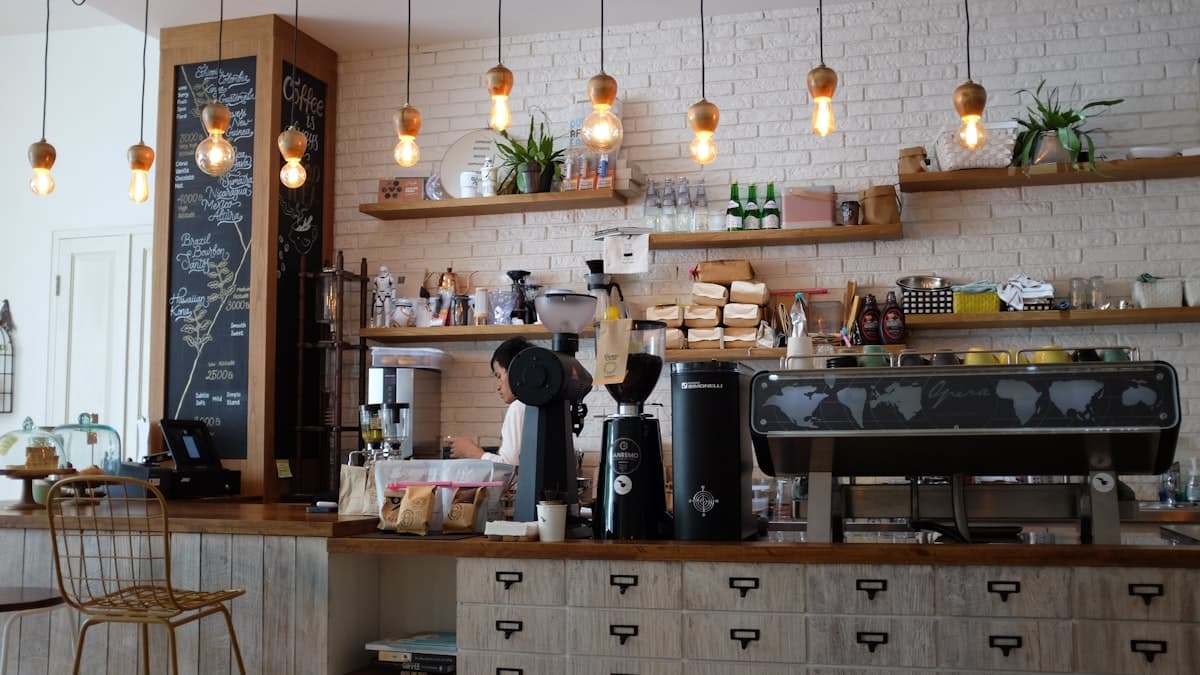
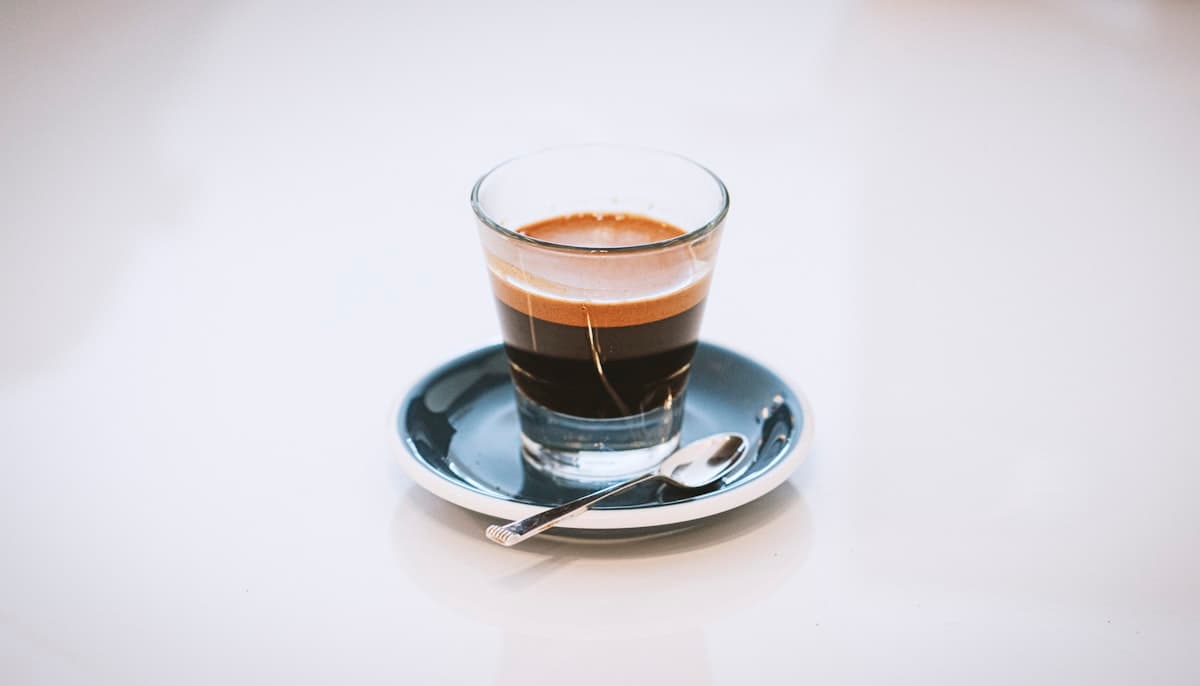
Coffee is the best souvenir from Vietnam: light, compact, and people are genuinely glad to get it. The tricks are to avoid the fakes, not overpay for dubious "luwak," and check the import rules of the country you fly to.
What to buy
For yourself (if you have a phin or grinder):
- Whole-bean robusta, 1 kg — 200,000–350,000 VND (~$8–14)
- Whole-bean arabica, 1 kg — 300,000–600,000 VND (~$12–24)
- Trung Nguyen Sang Tao No.3 or No.5 — a solid gift
For gifts (no grinder needed):
- Ground coffee, vacuum-packed — from 80,000 VND (~$3.20) for 500 g
- G7 3-in-1 (50 sachets) — 130,000–160,000 VND (~$5–6.50)
- A phin filter — 30,000–80,000 VND (~$1.20–3.20), the perfect companion gift
For enthusiasts:
- Trung Nguyen Legendee (luwak imitation) — from 200,000 VND (~$8) for 250 g
- Specialty arabica from Da Lat (La Viet, Son Pacamara) — from 300,000 VND (~$12) for 250 g
Where to buy
Your best bets are brand-owned shops and big supermarkets:
- Lotte Mart, GO! (formerly Big C), WinMart — fixed prices, many brands, easy to compare
- Trung Nguyen and Me Trang brand stores — the real product, sometimes with a tasting
- GURU, Viet Farm (Nha Trang) — specialist coffee shops set up for visitors
Markets are cheaper, but the risk of a fake is higher. If you buy at a market, check the packaging is sealed and in date — and don't fall for "luwak" at $15 a kilo.
The trap: added flavourings
Customs rules
Out of Vietnam: coffee for personal use leaves duty-free and without a limit; the allowances in Decree 134/2016 apply only on arrival. On the way in, most countries allow coffee for personal use in reasonable amounts — check your home country's rules if you're stocking up.
Coffee prices in Vietnam in 2026
Coffee in Vietnam is cheap by any Western standard. A kilo of good whole-bean robusta starts around $8, and a street cup is under a dollar. Even at a chain like Highlands Coffee the average is ~$1.60–2.80 — roughly what a single espresso costs back home.
In shops and markets
| Product | Price (VND) | Price (~USD) |
|---|---|---|
| Ground robusta, 500 g | 80,000–150,000 | ~$3.20–6 |
| Ground arabica, 500 g | 150,000–300,000 | ~$6–12 |
| Whole-bean robusta, 1 kg | 200,000–350,000 | ~$8–14 |
| Whole-bean arabica, 1 kg | 300,000–600,000 | ~$12–24 |
| G7 3-in-1 (50 sachets) | 130,000–160,000 | ~$5–6.50 |
| Trung Nguyen Sang Tao No.3, 340 g | 70,000–90,000 | ~$2.80–3.60 |
| Phin filter | 30,000–80,000 | ~$1.20–3.20 |
| Luwak coffee (genuine), 100 g | from 500,000 | from ~$20 |
In cafés
| Where | Price (VND) | Price (~USD) |
|---|---|---|
| Cà Phê Sữa Đá (street) | 15,000–25,000 | ~$0.60–1 |
| Cà Phê Sữa Đá (café) | 35,000–55,000 | ~$1.40–2.20 |
| Highlands Coffee, a drink | 39,000–69,000 | ~$1.60–2.80 |
| Egg coffee (Hanoi) | 30,000–50,000 | ~$1.20–2 |
| Coconut coffee (Cộng) | 39,000–55,000 | ~$1.60–2.20 |
Buying Vietnamese coffee once you're home is easy too — Amazon, Asian supermarkets and specialty importers all carry the big brands, usually at two to three times the Vietnam price.
Prices current as of July 2026, converting at roughly 26,000 VND to $1.
Map & coffee plantations worth a tour
The plantations you can visit cluster in two regions: Da Lat (Lam Dong) and Buon Ma Thuot (Dak Lak). Da Lat is the easier one to reach — day tours run there from Nha Trang and Ho Chi Minh City.
The map explains why everyone ends up in Da Lat: four of the five sites sit within half an hour of each other, while Buon Ma Thuot, the coffee capital, is another 200 km north. Green pins are free to walk into, the amber one charges. Tap a pin to see what is there.
- Me Linh Coffee Garden (Mê Linh Coffee Garden): Da Lat · free entry — Plantation, tasting, panoramic view
- La Viet Coffee (Là Việt Coffee): Da Lat · free entry — Specialty production, cupping
- K'Ho Coffee (K'Ho Coffee): Da Lat · free entry — Coffee from the K'Ho highland people, an ethno experience
- Son Pacamara (Sơn Pacamara): Da Lat · free entry — Specialty farm, processing experiments
- Trung Nguyen Coffee Village (Làng cà phê Trung Nguyên): Buon Ma Thuot · ~50,000 VND (~$2) — Coffee museum, plantation, tasting
| Place | City | Entry | What to see |
|---|---|---|---|
| Me Linh Coffee Garden | Da Lat | Free | Plantation, tasting, panoramic view |
| La Viet Coffee | Da Lat | Free | Specialty production, cupping |
| K'Ho Coffee | Da Lat | Free | Coffee from the K'Ho highland people, an ethno experience |
| Son Pacamara | Da Lat | Free | Specialty farm, experiments |
| Trung Nguyen Coffee Village | Buon Ma Thuot | ~50,000 VND (~$2) | Coffee museum, plantation, tasting |
Visiting the farm is free. For an extra fee you can book a tour that includes a walk around the farm with a guide explaining how coffee is produced, a tasting, and there are even tours where you make the coffee yourself. But you don't have to take a tour: on your own you can walk the same route — along the coffee trees on the path, past the pavilion with the animals, and through the demonstration hall where you see how it is processed.Sergey Mitrofanov, Nasha Planeta, 2024, translated by VietnamSpot
Guided tours
- Da Lat coffee tour from Nha Trang: from ~$55 per person (English-speaking guide, transport, lunch, plantation visit and tasting)
- Bespoke coffee tour: from ~$330 (private, for enthusiasts — cupping, roasting, meeting the farmers)
- Day trip to Da Lat (includes a plantation): ~$30–40 (group)
Da Lat is more than coffee. It is a mountain town at 1,500 metres with a cool climate, French architecture and pine forests. Many pair the coffee tour with a look around the town.
Vietnam's cafés — where to drink the real thing
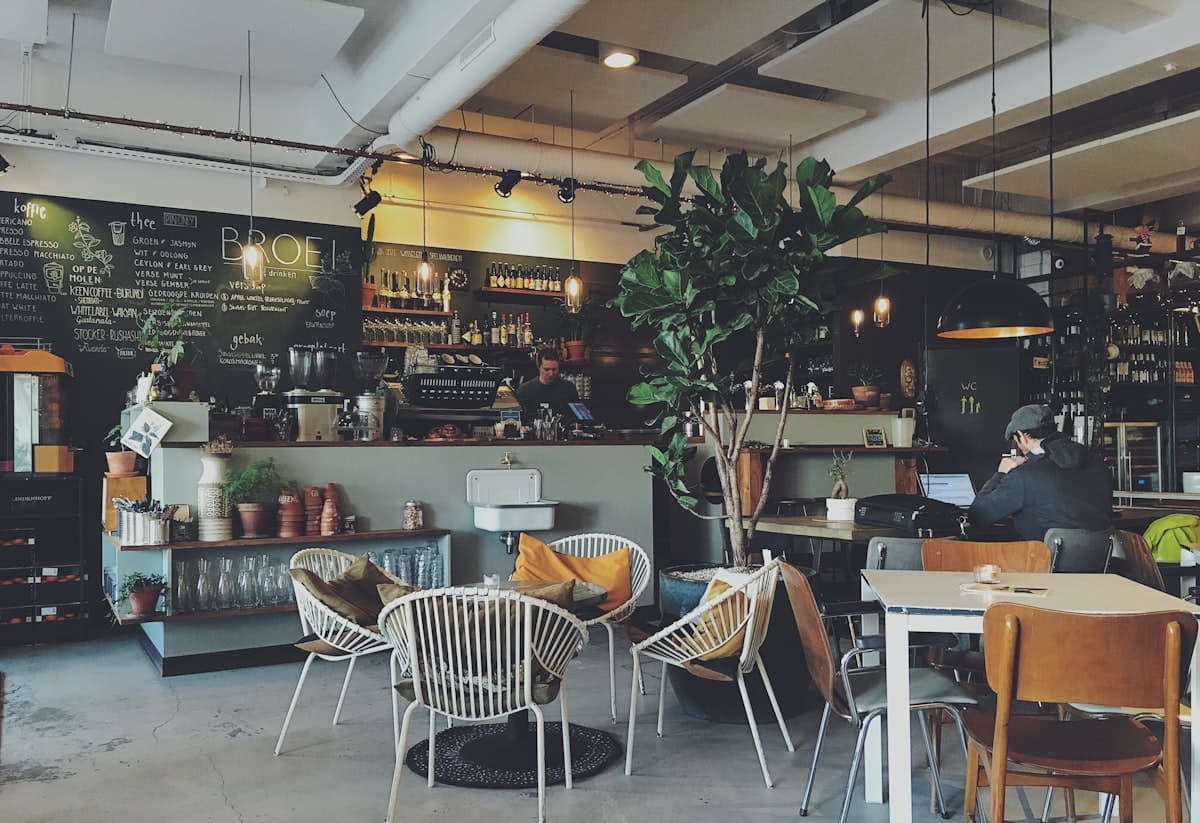
A café in Vietnam is not just somewhere to drink coffee. It is a social space, a "second office," a place to gather. People spend hours in them — working, talking, playing chess. In any town, you'll find at least two cafés on every corner.
Chain cafés
| Chain | Avg. spend (VND) | Style |
|---|---|---|
| Highlands Coffee | 45,000–65,000 | "Vietnamese Starbucks," AC, Wi-Fi |
| Cộng Cà Phê | 39,000–55,000 | Retro-communist, coconut coffee |
| The Coffee House | 39,000–55,000 | Modern, youthful |
| Phúc Long | 45,000–69,000 | Premium, coffee + tea |
| Trung Nguyen Legend | 55,000–85,000 | Premium, "coffee philosophy" |
Street cafés
The most authentic experience is a street café. Plastic stools knee-high off the ground, a table the size of a stool, a fan instead of AC. The coffee is brewed in front of you in a phin, the condensed milk poured on generously. Price: 15,000–25,000 VND (~$0.60–1).
These places have no names and no signs — just a cart or an awning on the pavement. This is where locals actually drink their coffee. See a queue of Vietnamese? The coffee is good.
Legendary cafés
- Cafe Giảng (39 Nguyễn Hữu Huân, Hanoi) — the birthplace of egg coffee. Open since 1946, tiny. A must in Hanoi.
- Cộng Cà Phê (Hanoi) — the cult café for coconut coffee. Décor: army canteens, propaganda posters, Soviet aesthetic.
FAQ — common questions about Vietnamese coffee
Four varieties: robusta (~95%), arabica (~5%), plus liberica and excelsa (under 1% each). Robusta grows in the Central Highlands (500–600 m), arabica in the mountains around Da Lat (1,200–1,800 m). Vietnam is the world's number-one robusta exporter.
Beans that have passed through the digestive tract of the Asian palm civet. Enzymes strip out the bitterness, giving a smooth, faintly sweet cup. Farmed civet coffee costs from about $150 a kilo, wild $1,000–3,000; most "luwak" in shops is fake.
Add 10–15 g of medium-ground coffee and press it down. Pour 30 ml of water (90–95 °C) to bloom, and after 30 seconds add 100–150 ml. It drips for 4–5 minutes; the ideal rate is one drop per second. Condensed milk in the bottom makes it the classic.
- The safe crowd-pleaser is G7 3-in-1~$5–6.5050 sachets
- Ground Trung Nguyen Sang Tao No.3~$2.80–3.60
- For enthusiasts, arabica from Da Lat~$12–24 a kilo
- A phin~$1.20–3.20always grab
Vietnam sets no limit on taking coffee out for personal use
- A street café~$0.60–1a cup
- A chain café~$1.60–2.80
- Whole-bean robusta, 1 kg~$8–14
- Arabica~$12–24a kilo
Roughly what a single coffee costs back home
95% of it is robusta, with 1.5–2 times more caffeine than arabica. Dark roasting adds bitterness, and the phin gives a high extraction — a concentrated cup. The condensed milk is not decoration; it balances the bitterness.
Vietnam sets no duty or limit on taking coffee out for personal use: the duty-free allowances in Decree 134/2016 apply only on arrival. The limits that matter are set by the country you fly to. Vacuum-pack it and put it in checked luggage.
- Food
Da Nang Food 2026: What & Where to Eat
Da Nang food guide: mi Quang, banh xeo, seafood, night markets, Michelin picks and cafes — the best dishes and where to eat them, with prices.Da Nang Food 2026: What & Where to Eat - Food
Ho Chi Minh City Food 2026: What & Where to Eat
Saigon food guide: pho, banh mi, com tam, street food and the best restaurants by district — the local dishes to try and where, with prices.Ho Chi Minh City Food 2026: What & Where to Eat - Food
Alcohol in Vietnam 2026: Beer, Rum, Rice Wine & Limits
What to drink in Vietnam in 2026: Bia Saigon and 333, rice wine rượu, Sampan rum, Dalat wine. Prices in USD, duty-free limits and methanol safety.Alcohol in Vietnam 2026: Beer, Rum, Rice Wine & Limits