Vietnamese balms in 2026: Golden Star, Cobratoxan and White Tiger, what they're for and how to use them
A jar of Golden Star balm costs 18,000 VND (~$0.70) in a Vietnamese pharmacy. A bottle of White Tiger rub is 26,000 VND (~$1), and a tube of Cobratoxan, the cream with cobra venom, runs 45,000–70,000 VND (~$1.70–2.70). They sit side by side on the same shelf, but they are three different products with different ingredients and different warnings.
The one most visitors recognise by name is actually none of them. Tiger Balm is Singaporean. The Vietnamese "White Tiger" is a separate liniment from a local company, with a fifth of its weight in methyl salicylate. And Golden Star, Cao Sao Vàng in Vietnamese, has a history of its own: from 1975 Vietnam shipped it to the Soviet Union by the million.
This guide covers what's inside each one, what the label says it treats, how to use it and who shouldn't. For a full souvenir shopping list rather than a medicine guide, see what to buy in Vietnam.
The three balms at a glance
Golden Star is for the head and nose: headaches, colds, congestion, bites. White Tiger and Cobratoxan are for muscles and joints, and both rely on methyl salicylate for the warming effect. All three have age limits.
| Product | Main ingredients | What the label says it's for | Children | Pharmacy price |
|---|---|---|---|---|
| Golden Star (Cao Sao Vàng, OPC) | Camphor, menthol, peppermint, cajeput and cinnamon oils | Headache, colds, blocked nose, dizziness, motion sickness, insect bites | Not under 30 months (OPC), not under 3 years (Hello Bacsi) | 18,000 VND (~$0.70) for 10 g |
| White Tiger (Bạch Hổ Hoạt Lạc Cao, Bảo Linh) | Methyl salicylate 20%, peppermint oil, camphor, menthol | Back pain, sciatica, arthritis, sprains, sore muscles | Not under 30 months | 26,000 VND (~$1) for 20 g |
| Cobratoxan | Cobra venom 0.5 mg, methyl salicylate, menthol | Rheumatic pain, myositis, neuritis, post-workout muscle pain | Not under 30 months (Vinmec), not under 5 years (pharmacies) | 45,000–70,000 VND (~$1.70–2.70) for 20 g |
The choice is simple. Headache or stuffy nose: Golden Star. Sore back after a day on a motorbike or aching knees after a lot of walking: White Tiger or Cobratoxan. Between those two, the deciding factor is usually the warnings, not the effect. Both contain methyl salicylate, a salicylate like aspirin.
Planning to combine rubs? Vinmec recommends checking with a doctor before using Cobratoxan together with other topical products.
Golden Star (Cao Sao Vàng): forms, ingredients, how to use it
Golden Star is camphor, menthol and essential oils in a wax base. You rub it on your temples and the back of your neck for a headache, on the outside of your nostrils for a blocked nose, and on mosquito bites. The name translates literally: cao is balm, sao star, vàng golden.
A Soviet bestseller
According to Russian Wikipedia, Golden Star went to the USSR from 1975, and later to Russia and other former Soviet states. Vietnamese Wikipedia adds the scale: production was assigned to five state pharmaceutical plants, and the Da Nang plant alone had a quota of 10–15 million boxes a year. The peak was 1983, at 20 million boxes. The last year with a quota was 1986, at 4 million. Russia is still the largest importer of Cao Sao Vàng, the same article says.
The sources disagree on when it was invented. Russian Wikipedia says 1954; Vietnamese Wikipedia says the formula became stable around 1968–1969.
There's a twist for anyone comparing labels online. The "Golden Star" sold in Russian pharmacies today is registered to a Russian company, Dominanta-Service, according to the Vidal drug reference. The jar you buy in Vietnam is a different registration, made by the Vietnamese company OPC. Similar ingredients, different proportions and different instructions.
What's inside
| Form | Camphor | Menthol | Peppermint oil | Other oils | Source |
|---|---|---|---|---|---|
| OPC balm (Vietnam), per 4 g | 849.2 mg | 425.2 mg | 525.2 mg | Cajeput 210.8 mg | Hello Bacsi |
| Balm, 4 g jar (Russian registration) | 910 mg | 455 mg | 0.59 ml | Eucalyptus 0.14 ml, clove 0.228 ml, cinnamon 0.053 ml | Vidal |
| Inhaler stick (Russian registration) | 124 mg | 658 mg | 258 mg | Eucalyptus 65 mg, cinnamon 6 mg, clove 5 mg | Vidal |
Pharmacity's listing for the OPC jar also mentions mint oil (130.8 mg) and cinnamon oil (53.2 mg), but it doesn't say what weight the figures refer to, so the table uses the Hello Bacsi version with an explicit 4 g.
Vietnamese Wikipedia lists the Vietnamese version in 3, 4 and 10 g jars. We didn't find an OPC inhaler stick in the Vietnamese pharmacy listings we checked. The inhaler is a Russian-registered form.
How to use it
OPC and Vidal agree on the basics: external use only, a thin layer, rubbed in gently.
- Headache or dizziness. A little on the temples and the back of the neck.
- Cold or flu. On the chest and back, per Vidal.
- Blocked nose. On the outside of the nostrils, never inside. The Vietnamese label also suggests a steam inhalation: one or two chopstick-tips of balm in boiling water, then breathe the steam.
- Insect bites. Dab directly on the bite.
- Motion sickness. OPC lists it as an indication; apply to the temples.
Keep it away from your eyes, the inside of your nose, open wounds and broken skin. If it itches or reddens, wash it off with warm water and stop using it.
One odd line on the OPC label: "simple headache" (đau đầu đơn thuần) appears under contraindications, even though headache is also listed as a use. Our reading is that the balm isn't meant for regular headaches with no cold behind them. Those are worth showing to a doctor.
White Tiger (Bạch Hổ Hoạt Lạc Cao): the muscle and joint rub
White Tiger is a warming liniment made by the Vietnamese company Đông Nam Dược Bảo Linh, sold in 20 g bottles for 26,000 VND (~$1). You rub it in 3–4 times a day for back pain, sciatica, arthritis, sprains and sore muscles.
Ingredients per 20 g bottle, from the An Khang pharmacy listing:
| Ingredient | Amount | Share |
|---|---|---|
| Methyl salicylate | 4.0 g | 20% |
| Peppermint oil | 3.18 g | ~16% |
| Camphor | 2.18 g | ~11% |
| Menthol | 1.6 g | 8% |
| Eucalyptol | 0.98 g | ~5% |
| Clove oil | 0.4 g | 2% |
| Cinnamon oil | 0.3 g | 1.5% |
A fifth of the weight is methyl salicylate. It's a salicylate, the same family as aspirin, and it brings blood to the skin. It's also the main risk: if you're allergic to aspirin, don't use salicylate rubs.
The label describes it in traditional-medicine terms: khu phong, hoạt lạc, tiêu viêm, chỉ thống, roughly "expels wind, gets the circulation going, reduces inflammation, stops pain." In plain terms that means acute and chronic back pain, sciatica, arthritis, sports injuries and a stiff neck. Headaches and bites are on the list too, but Golden Star is the handier choice for those.
To use it, clean and dry the skin, apply and rub in with your palm. Not on scrapes, inflamed or infected skin. Shelf life is 30 months from the production date. The pharmacy listing has no data on pregnancy or breastfeeding, so ask a doctor first.
Massage therapists in Vietnam work with local essential-oil balms too; more in our guide to Vietnamese massage and spas. A rub doesn't replace treatment for an injury, though. Severe pain or swelling needs a doctor.
White Tiger is not Tiger Balm
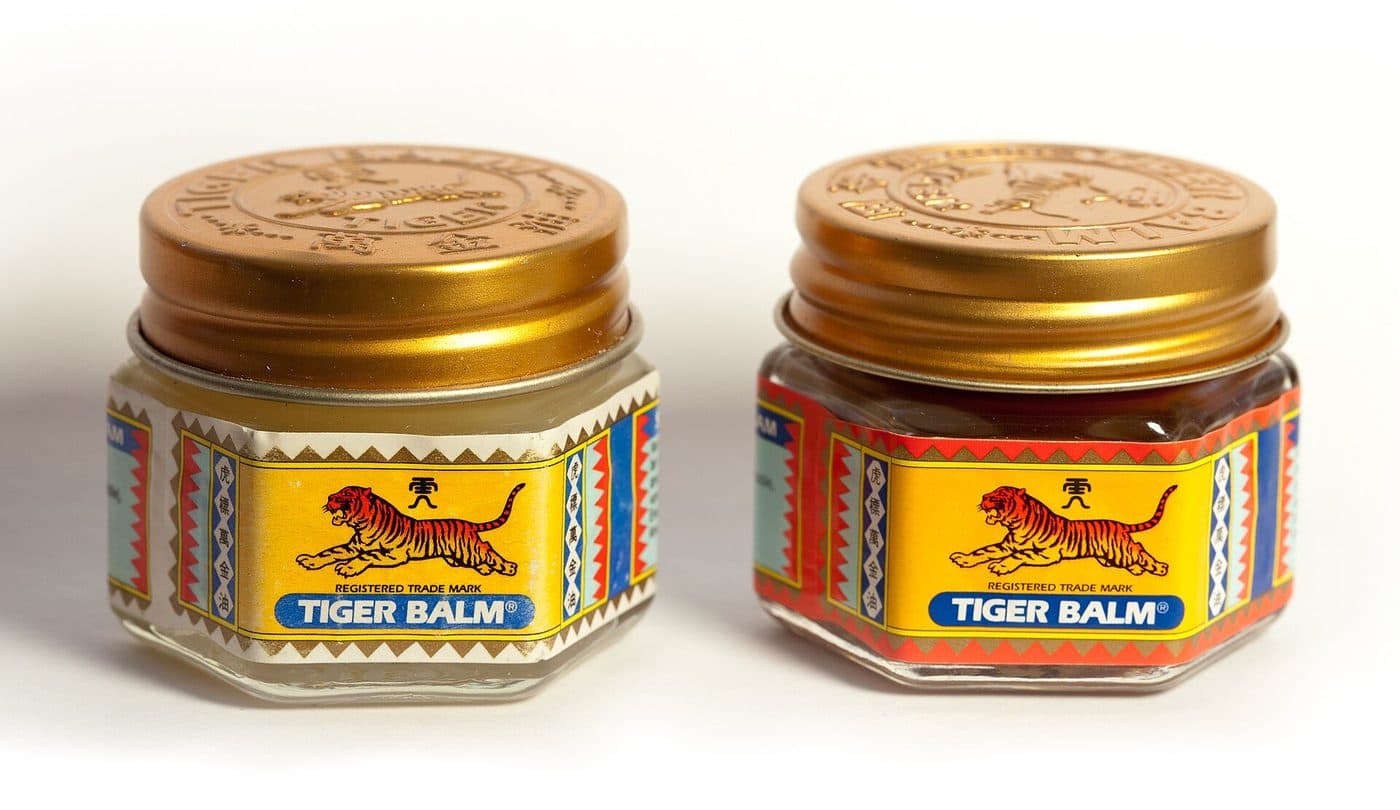
Tiger Balm is made by Haw Par Healthcare in Singapore. Its predecessor dates to the 1870s in Rangoon; the Tiger Balm name came in 1918, and the business moved to Singapore in the 1920s. According to Wikipedia, the actives in classic Red and White Tiger Balm are menthol and camphor (11% or 25% camphor depending on the version), with mint, cajeput and clove oils in a petroleum jelly base.
So the Vietnamese "White Tiger" and White Tiger Balm are two different products. The Vietnamese one says Bạch Hổ and Bảo Linh on the label. If the jar says Tiger Balm and Haw Par, it's the Singaporean one.
Cobratoxan: the cream with cobra venom
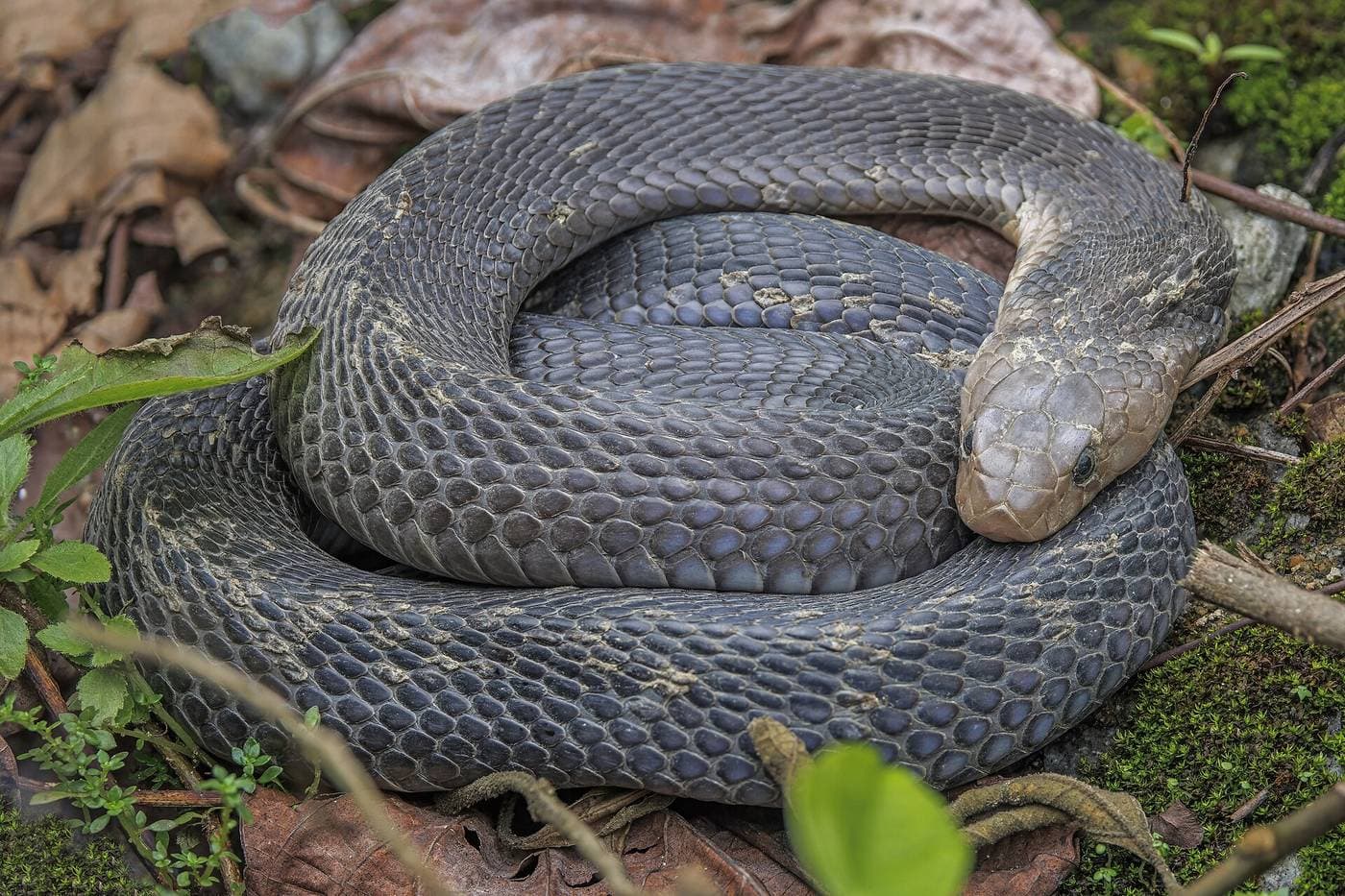
Cobratoxan is a Vietnamese topical cream in a 20 g tube. It contains 0.5 mg of cobra venom (nọc rắn hổ mang), 2.824 g of methyl salicylate and 0.588 g of menthol or peppermint oil. Vinmec lists it for rheumatic pain, myositis, neuritis and muscle pain after running, football or the gym. Apply a thin layer 2–3 times a day. Pharmacies charge 45,000–70,000 VND (~$1.70–2.70).
What's inside
| Ingredient | Per 20 g tube | Share |
|---|---|---|
| Cobra venom | 0.5 mg (0.0005 g) | 0.0025% |
| Methyl salicylate | 2.824 g | ~14% |
| Menthol / peppermint oil | 0.588 g | ~3% |
| Cream base | to 20 g | — |
Sources disagree on the third line. Vinmec and the Thuốc biệt dược drug directory say peppermint oil; two pharmacy listings say menthol.
There is very little venom in the tube: 0.0025% of its weight. Methyl salicylate makes up about 14%, thousands of times more. Thuốc biệt dược lists skin redness and airway irritation from breathing the fumes up close as side effects.
How to use it
Based on Vinmec and the Trường Thọ pharmacy listing:
- Wash and dry the skin.
- The first time, put a tiny amount on a small patch and watch for a reaction.
- If nothing happens, apply a thin layer 2–3 times a day and rub in until absorbed.
- Keep the area away from water and clothing right after applying.
Store below 30°C and out of direct sun. If the cream changes colour, separates or shows mould, throw it out even before the expiry date.
Who shouldn't use it
Anyone allergic to an ingredient. Not on open wounds, ulcers or scrapes, and not on the lips, mouth or eyelids. Breastfeeding mothers shouldn't apply it to the breast. Thuốc biệt dược warns that methyl salicylate isn't suitable for people allergic to aspirin or other salicylates.
The age limit depends on the source. Vinmec says not for children under 30 months, or children with epilepsy or fever-related seizures. Two Vietnamese pharmacies are stricter: no one under 5. Go with the stricter limit.
The manufacturer on the box may also differ. Drug directories show at least two registrations: Cơ sở sản xuất đông dược 408 (number VD-26649-17) and Đông dược Cửu Long QK9 in Hanoi (V1660-H12-10). The registration number (SĐK) is printed on the box. No number, no purchase.
Who shouldn't use Vietnamese balms: children, pregnancy, allergies
Short answer: all three need caution with young children, pregnancy and breastfeeding, and the two salicylate rubs are off-limits if you're allergic to aspirin. The labels disagree on the numbers, so the table names the source for each.
| Product | Minimum age | Pregnancy and breastfeeding | Main don'ts |
|---|---|---|---|
| Golden Star, OPC balm | 30 months (Pharmacity), 3 years (Hello Bacsi) | Pregnant: not near the nose, no steam inhalation. Breastfeeding: not on the breast before feeding | History of seizures, asthma, respiratory conditions, wounds, eyes |
| Golden Star, inhaler stick (Russian registration) | 2 years (Vidal) | Not covered in Vidal | Hypersensitivity, not on mucous membranes |
| White Tiger | 30 months; not for children with epilepsy, high fever or seizures | No data | Broken skin, salicylate allergy |
| Cobratoxan | 30 months (Vinmec), 5 years (pharmacies) | Ask a doctor first; not on the breast when breastfeeding | Wounds, lips, eyelids, aspirin allergy |
The labels don't explain where the 30-month limit comes from. But next to it OPC lists a history of seizures, asthma and respiratory conditions, and White Tiger and Cobratoxan list epilepsy and fever-related seizures. Dabbing Golden Star under a toddler's nose is exactly what the manufacturers rule out.
Pregnancy is a common question. The OPC label doesn't ban Golden Star outright, but it says not to apply it near the nose and not to use it for steam inhalation. Hello Bacsi simply says "use with caution." Ask your own doctor.
If you need a doctor in Vietnam, our guide to hospitals and pharmacies in Vietnam lists clinics for foreigners by city. What a policy covers is explained in our article on travel health insurance for Vietnam.
Fast Track — no queue at the border
5–10 minutes instead of an hour in the immigration queue
from$11per passenger
Prices and where to buy in Vietnam
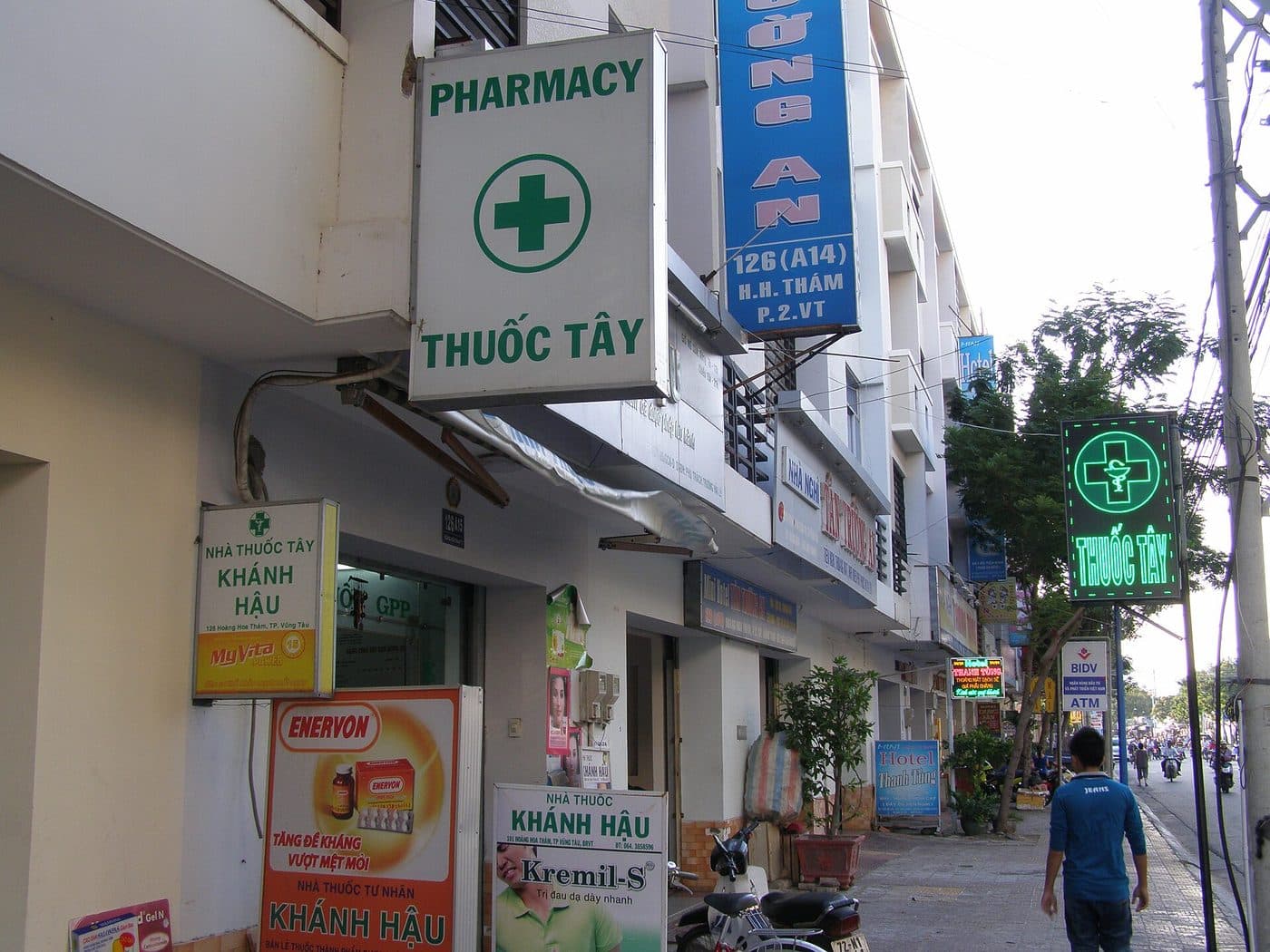
At the Pharmacity chain, a 10 g jar of OPC Golden Star is 18,000 VND and a 20 g bottle of White Tiger is 26,000 VND. Cobratoxan was 45,000 VND at one pharmacy we checked online and 70,000 VND at another.
| Product | Pack | VND | ~USD | Price from |
|---|---|---|---|---|
| Golden Star (OPC) | 10 g jar | 18,000 | $0.70 | Pharmacity |
| White Tiger (Bảo Linh) | 20 g bottle | 26,000 | $1.00 | Pharmacity, An Khang |
| Cobratoxan | 20 g tube | 45,000 | $1.70 | Nhà thuốc Trường Thọ |
| Cobratoxan | 20 g tube | 70,000 | $2.70 | Trung Tâm Thuốc |
USD at $1 ≈ 26,000 VND. Pharmacy website prices, September 2026.
Currency converter
A pharmacy is nhà thuốc in Vietnamese. The big chains, Pharmacity, Long Châu and An Khang, publish prices on their websites, which is where the table comes from. In a pharmacy it's easy to check the four things that matter: manufacturer, registration number, expiry date and an unbroken seal.
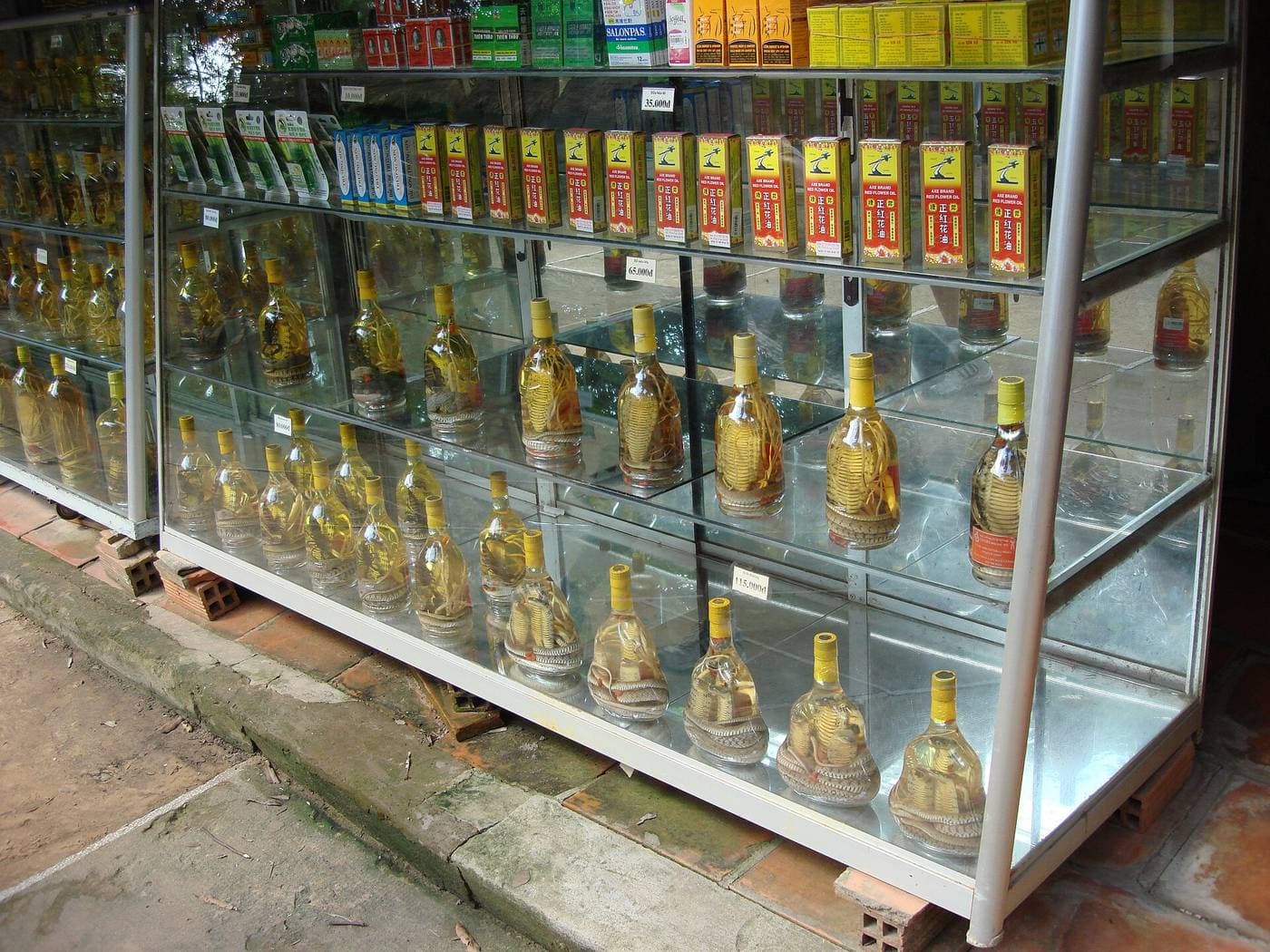
Souvenir stalls near markets sell balms too, but there's no way to know how the stock was stored. If you buy there, check the same four things.
How Vietnamese pharmacies work and what they sell over the counter is covered in our guide to pharmacies and clinics in Vietnam. For everyday costs from coffee to taxis, see prices in Vietnam, and for shop prices in one resort city, shopping in Nha Trang.
Flying home with Cobratoxan and other balms
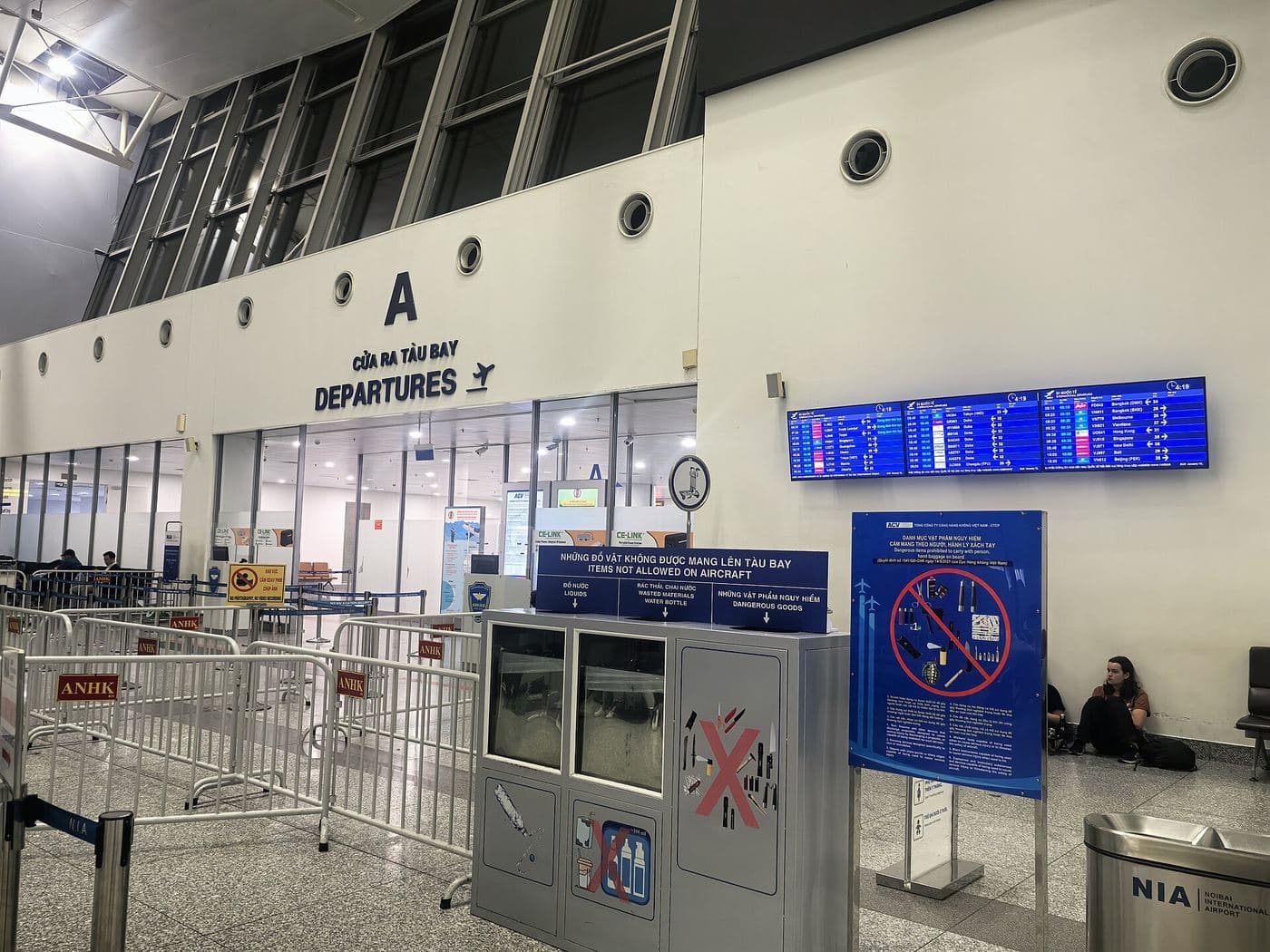
Golden Star and White Tiger are ordinary over-the-counter topical products made of camphor, menthol, essential oils and methyl salicylate. Cobratoxan is the one to think about, because it contains an animal venom. Rules on bringing medicines into a country are set by that country, and we haven't verified them for every destination. Check your own customs authority's page on medicines before you fly.
One example we did check is Russia. Its Government Decree No. 964 of 29 December 2007 lists "snake venom" among poisonous substances. Under Eurasian Economic Union rules, bringing in a medicine containing a poisonous substance requires a document showing it was prescribed to you, with a notarised Russian translation if it's in another language, plus a passenger customs declaration.
If you only need the cream once you're in Russia, there's no need to carry it across the border: Viprosal B, a snake venom ointment made with viper venom, is sold in Russian pharmacies without a prescription.
For what else is worth bringing home, and the limits on things like alcohol, see markets and customs rules in Vietnam. To sort out your first aid kit before the trip, use our Vietnam packing list.
Common mistakes
Using it on a toddler "like grandma did." All three are ruled out under 30 months, and some labels say 3 or even 5 years. For children with a history of seizures, the answer is simply no.
Mixing up White Tiger and Tiger Balm. Reviews and advice about the Singaporean balm don't apply to a Vietnamese rub with 20% methyl salicylate, and vice versa.
Rubbing a warming balm into a scrape. Methyl salicylate and menthol sting and irritate broken skin. All three list it as a contraindication.
Forgetting about aspirin. If you've ever reacted to aspirin, White Tiger and Cobratoxan aren't for you.
Buying without a registration number. No SĐK on the box, no production date, or past the expiry date: leave it on the shelf, even if the stall price is lower.
FAQ: Vietnamese balms
No. The label lists pain from rheumatism, myositis, neuritis and exercise, so it works as a local pain-relieving, warming cream. It doesn’t fix the cause of spine pain. If your back hurts for more than a few days or the pain keeps coming back, you need a doctor and an examination, not another tube. You can keep using the cream alongside treatment if the doctor agrees
White Tiger has a 30-month shelf life from the production date, according to the pharmacy listing. For Golden Star and Cobratoxan, check the date on the pack. Keep Cobratoxan below 30°C and out of the sun. If a cream changes colour, separates or grows mould, throw it out even before the expiry date. And if a pack has no production date at all, don’t buy it
No. Both OPC and Vidal say not to apply it to mucous membranes. For a blocked nose, put it on the outside of the nostrils. The Vietnamese label also suggests dissolving a little in boiling water and breathing the steam, but not if you’re pregnant. The Russian-registered inhaler stick is sniffed, 1–2 breaths per nostril, not inserted, and isn’t for children under 2
You can only compare the labels. Both rely mainly on methyl salicylate, and White Tiger has more of it: 4 g per 20 g against 2.824 g in Cobratoxan. White Tiger also contains camphor and more peppermint oil. How strong it feels varies from person to person, so start on a small patch of skin. And neither is suitable if you’re allergic to aspirin
You can’t tell by looking, which is why a pharmacy is the safer bet. The Vietnamese pack should show the manufacturer (OPC), the SĐK registration number, the production date and the expiry date. If anything is missing or the seal is broken, skip it. For reference, Pharmacity sells a 10 g jar for 18,000 VND (~$0.70)
Read next: What to buy in Vietnam · Hospitals and pharmacies · Markets and customs · Packing list
- Shopping
Phu Quoc Pearls: Farms, Real vs Fake & Prices 2026
Buying pearls in Phu Quoc: the pearl farms, how to tell real from fake, 2026 prices, where to shop and how to avoid getting ripped off.Phu Quoc Pearls: Farms, Real vs Fake & Prices 2026 - Shopping
Hanoi Shopping 2026: Markets, Silk and Craft Villages
Where to buy silk, ceramics and souvenirs in Hanoi: Dong Xuan market, Hang Gai street, Bat Trang and Van Phuc villages, malls. Prices, map, haggling rules.Hanoi Shopping 2026: Markets, Silk and Craft Villages - Shopping
Shopping in Vietnam: What to Buy & Where 2026
What to buy in Vietnam: coffee, silk, ao dai, lacquerware, spices and pearls — where to shop, how to bargain and what to know about customs.Shopping in Vietnam: What to Buy & Where 2026