Vietnamese artichoke in 2026: tea, extract, how to take it and who shouldn't
Vietnamese artichoke tea, extract ampoules, capsules and the dark "artichoke paste" sold in jars are, on paper, food products rather than medicines.
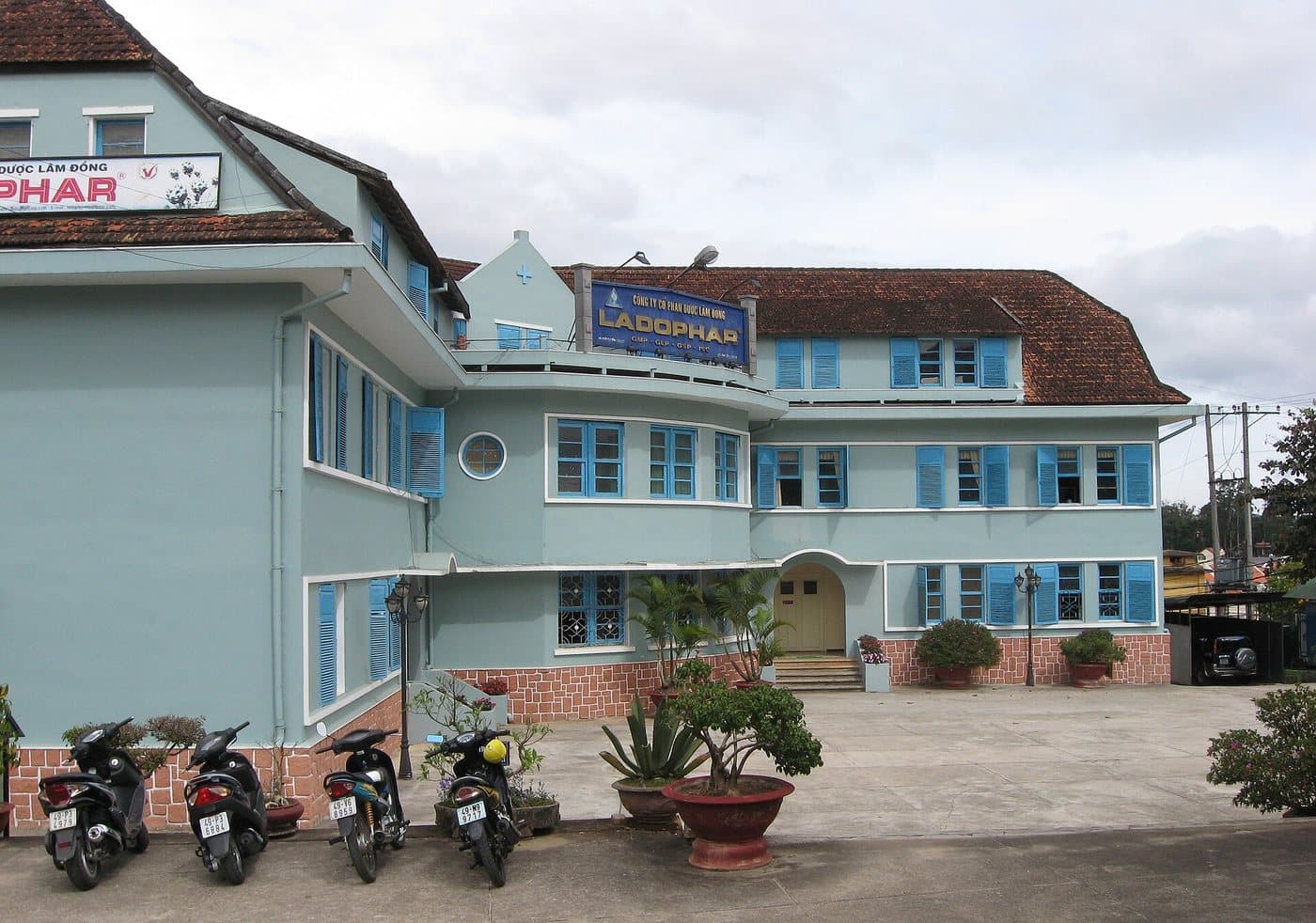
Ladophar, a pharmaceutical company founded in Dalat, says it right in its ampoule description: "Thực phẩm này không phải là thuốc", "this product is not a medicine". A box of ten ampoules costs 42,000 VND (~$1.60) on the company's own online store.
The box promises more than that. "Supports liver protection", "supports liver detox". The European Medicines Agency (EMA) recognises much less for artichoke leaf: traditional use for a heavy, bloated feeling and wind after meals. That status rests on decades of use, not on clinical trials.
Below: what's sold as atisô, which claims hold up in research and how strongly, how to brew the tea and dose the extract by the label, who should skip it, and what to know before packing it in your luggage. If you're after artichoke as food, including Dalat's artichoke hotpot, that's in our Dalat food guide.
Tea, paste, ampoules, capsules: what's sold as "artichoke"
Four forms carry the word atisô in Vietnam: tea bags, thick extract ("paste"), ampoules of diluted extract, and capsules. All come from the same plant, Cynara scolymus, but the ingredients, strength and directions differ for each one.
One brand with full labels online is Ladophar, full name Công ty Cổ phần Dược Lâm Đồng. According to the company, it was founded in Dalat in 1982 and has carried the Ladophar name since 2007. It says it grows its artichoke in its own area of Lâm Đồng province to the GACP-WHO standard. The ingredients and directions below come from Ladophar's online store listings, which reproduce the label text.
| Form | What's inside (Ladophar product page) | Directions on the label | Age on the label | Price on ladophar.com |
|---|---|---|---|---|
| Tea bags (LADO TEA) | 2 g bag: 1.7 g artichoke, stevia, thảo quyết minh seeds | One bag in 150–200 ml boiling water for 3–5 minutes | Not stated | 105,000 VND (~$4) |
| Ampoules (LADO ACTISO, sugar-free) | 10 ml: 0.2 g thick leaf extract 1:35, about 7 g of fresh leaves | Adults 1–2 ampoules twice a day | Over 6 | 42,000 VND (~$1.60) for 10 |
| Extra ampoules | 10 ml: 300 mg stem and root extract, 200 mg leaf extract | Adults 1–2 ampoules twice a day | Over 2 | 68,000 VND (~$2.60) for 10 |
| Thick extract in a jar (LADO ACTISÔ CAO ĐẶC) | 120 g leaf extract; 100 g equals 3.5 kg of fresh leaves | 3–5 g (a teaspoon) in a glass of warm water | Over 6 | 150,000 VND (~$5.80) |
| Capsules (LADO CARE Actisô Extra) | 300 mg dry artichoke extract 1:42 plus 100 mg diệp hạ châu đắng extract | Not on the online listing | Not stated | 59,000 VND (~$2.30) for 30, out of stock on 7 October |
Prices were taken from Ladophar's official online store on 7 October 2026. The tea listing doesn't say how many bags are in the box, so check the pack, and the jar listing doesn't say how many times a day to take it. Handy for non-Vietnamese readers: the online listings for the tea and the Extra ampoules give the text in both Vietnamese and English.
What "artichoke paste" means
The paste is cao đặc, a thick extract, which EMA's terminology calls a soft extract. Ladophar's label gives the ratio 1:35, so 0.2 g of it in one ampoule equals roughly 7 g of fresh leaves.
Ladophar sells the paste itself too: a 120 g jar of LADO ACTISÔ CAO ĐẶC, where 100 g of extract equals 3.5 kg of fresh leaves, the same 1:35. Other brands sell the dark paste in jars as well, and each one sets its own strength. That's why there's no universal dose for "artichoke paste". The right dose is whatever the label on your specific jar says.
What else goes into the tea bag
Not every bag is pure artichoke. All three Ladophar tea-bag products add stevia and thảo quyết minh, the seeds of Senna tora, a plant from the legume family. The herbal blend also contains đảng sâm, and the capsules pair artichoke with diệp hạ châu (Phyllanthus).
Each extra herb is another plant with its own effects. If herbal blends have ever disagreed with you, turn the box over and read the Thành phần (ingredients) section before you buy.
What the research shows, and what it doesn't
Not much is proven. EMA accepts artichoke leaf as a traditional remedy for dyspepsia: a feeling of fullness, bloating and wind. For cholesterol and the liver there are meta-analyses showing small effects, but they tested ready-made artichoke extracts, mostly from the leaf. Vietnamese teas and pastes weren't part of those studies.
| The claim | What the research says | Strength of evidence |
|---|---|---|
| Helps digestion, eases heaviness | EMA: traditional use for fullness, bloating and wind. A 2003 trial of 247 people with functional dyspepsia: extract beat placebo | Traditional use. EMA judged the clinical studies too small and short for firm conclusions |
| Lowers cholesterol | Cochrane, 2013: 3 trials, 262 people, evidence "not convincing" yet. 2018 meta-analysis: 9 trials, 702 people, total cholesterol down 17.6 mg/dL | Small effect, small studies |
| Protects or "cleanses" the liver | 2022 meta-analysis: 5 trials, 333 people with fatty liver disease, ALT and AST fell. A 2024 network meta-analysis ranked artichoke leaf extract first among seven plant remedies for lowering AST and high for ALT | Few studies, enzymes not outcomes |
| Detox | "Detox" isn't a medical term, and we found no research testing such a claim | Not supported |
| Hangover help | Extra ampoule label: "Take 2 ampoules before or after alcohol consumption". We found no clinical data for this product | Manufacturer claim only |
What "traditional use" means
EMA's herbal committee adopted the current artichoke leaf monograph in 2018; the first version dates from 2011. It lists one use: relief of dyspepsia with fullness, bloating and flatulence. The text itself carries the key caveat: the indication is based "exclusively upon long-standing use". That status requires at least 30 years of use, 15 of them in the EU, and no efficacy trials. The committee did review the dyspepsia studies, including the 2003 trial, but drew no firm conclusions from them because they were small and short. In 2025 EMA reviewed newer publications and decided the monograph needed no revision.
The stronger status, "well-established use", backed by clinical evidence, has not been granted to artichoke. Neither the liver nor cholesterol appears in EMA's indications.
Cholesterol: Cochrane versus a meta-analysis
The 2013 Cochrane review found three randomised trials with 262 participants. The authors concluded there was "an indication" that leaf extract lowers cholesterol, "but the evidence is, as yet, not convincing". Cochrane withdrew the review in 2016, not because of new findings but because its heart group decided the topic was low priority.
A 2018 meta-analysis in Critical Reviews in Food Science and Nutrition pooled 9 trials and 702 people. Total cholesterol fell by 17.6 mg/dL on average (about 0.46 mmol/L), LDL by 14.9 mg/dL and triglycerides by 9.2 mg/dL, while HDL didn't change. The effect was bigger in people who started with higher LDL.
Is that a lot? A 2025 review of cardiometabolic markers called artichoke's effect "modest but significant". It doesn't replace statins or diet, and the 2018 authors themselves framed it as something that might work alongside lipid-lowering therapy.
Liver: enzymes, not outcomes
A 2022 meta-analysis in the Journal of Medicinal Food combined five trials of 333 patients with non-alcoholic fatty liver disease. Leaf extract lowered ALT and AST, plus cholesterol and triglycerides. A 2024 network meta-analysis in Phytotherapy Research compared seven plant remedies across 37 trials, and its ranking put artichoke leaf extract first for lowering AST and near the top for ALT. That's an indirect comparison built on small trials, not a head-to-head test.
Two caveats. The studies measured blood tests, not how many people avoided cirrhosis. And EMA lists liver disease as a contraindication. If your liver enzymes are raised, artichoke is a question for a hepatologist, not a reason to buy ampoules.
Why none of this is about Vietnamese paste
The studies above used ready-made artichoke extracts at a known dose, mostly from the leaf: the dyspepsia trial, for example, gave 2 × 320 mg three times a day. Vietnamese products aren't always leaf-only. The Extra ampoules contain stem and root extract, the teas add other herbs, and strengths vary. You can't carry the meta-analysis numbers over to them.
So here's where that leaves you. Vietnamese artichoke tea is a herbal drink that, by European tradition, may ease that heavy after-dinner feeling. No one has proven anything beyond that.
How to drink Vietnamese artichoke tea
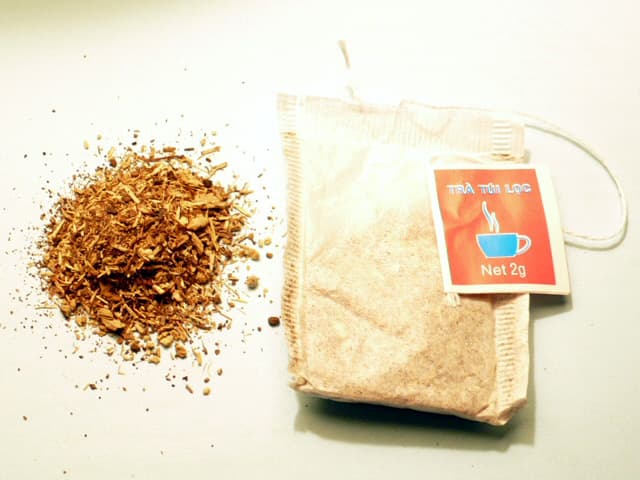
Brew Vietnamese artichoke tea like any herbal tea: one bag in 150–200 ml of boiling water, steeped for 3–5 minutes. That's the direction on Ladophar's boxes. For leaf tea, EMA gives 3–6 g of dried herb a day as a guide, and says to see a doctor if symptoms last longer than two weeks.
- The bag. Pour 150–200 ml of boiling water over it and wait 3–5 minutes. The label says you can add sugar if you like.
- How much a day. A Ladophar bag holds 1.65–1.7 g of artichoke, so 2–3 bags give 3.3–5.1 g. That's inside EMA's daily range for leaf, but EMA only covers leaf, and Ladophar's listing doesn't say which part of the plant the tea is made from.
- When. EMA's indication is fullness and bloating, so after a meal or when symptoms show up makes sense.
- How long. If you're drinking it for an uncomfortable stomach and it hasn't settled within two weeks, the next step is a doctor, not another box.
Ladophar's bags contain stevia, so the brew tastes slightly sweet even without sugar.
EMA doesn't recommend artichoke leaf for children under 12 because there isn't enough safety data. Ladophar's tea box gives no age limit at all, so go by EMA.
How to take artichoke extract, ampoules and capsules
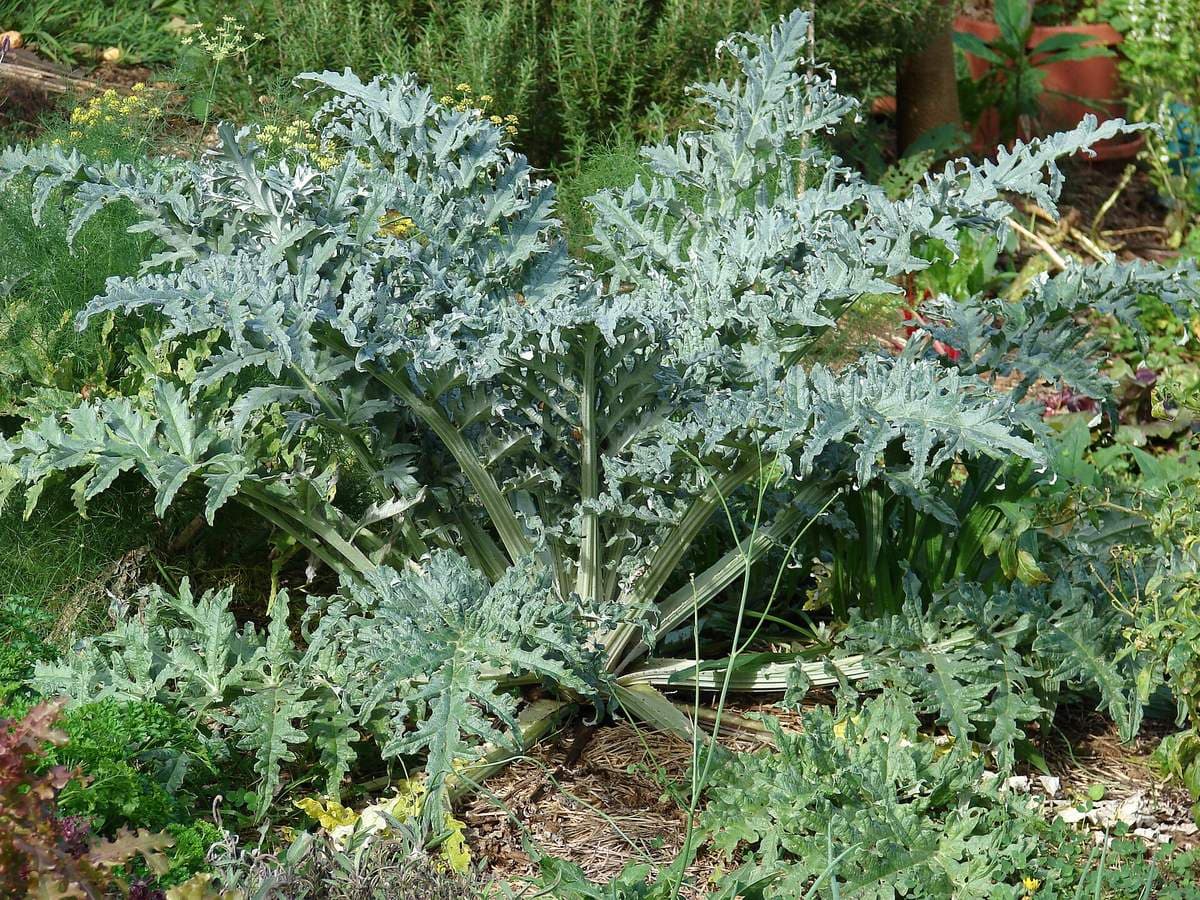
Take Vietnamese artichoke extract strictly by the label on your own pack, because strength varies between brands. For Ladophar ampoules that means 1–2 ten-millilitre ampoules twice a day for adults, straight or diluted in water. For paste in a jar, there's no standard dose.
Ampoules
- LADO ACTISO (0.2 g leaf extract per ampoule). Adults 1–2 ampoules twice a day; children over 6, one ampoule twice a day. Drink as is or dilute with water.
- LADOACTISO Extra (500 mg stem, root and leaf extract). Adults 1–2 ampoules twice a day. The label allows children over 2 to take ½–1 ampoule twice a day.
There's a second mismatch. The Extra listing names people with liver failure, cirrhosis and hepatitis among those the ampoules are for. Under the EMA monograph, liver disease is a contraindication for artichoke leaf, so with that diagnosis the call belongs to a hepatologist, not the box.
The standard Ladophar ampoules also carry a direct warning: people on medication, pregnant women and breastfeeding mothers should talk to a doctor first.
Paste in a jar
Thick extract is taken diluted in water. How much to use is up to the maker of your particular jar, and there's no other reliable guide. Ladophar's jar says 3–5 g, about a teaspoon, in a glass of warm water, without saying how many times a day. If the label is only in Vietnamese, look for the Cách dùng (directions) section and run the dose through Google Translate's camera mode.
Skip any jar with no label, no manufacturer or no production date: you can't know the dose or the expiry. Start at the lowest dose on the label and see how your stomach reacts.
Capsules
Capsules are the most predictable form, since every one holds the same amount. LADO CARE has 300 mg of dry artichoke extract per soft capsule plus Phyllanthus. For comparison, the dyspepsia trial used 2 × 320 mg of leaf extract three times a day. The online listing gives no dosing, so check the box.
Who shouldn't take artichoke
- ✓ Healthy adults without liver or gallbladder problems who'd like a herbal tea
- ✓ People who get heaviness and bloating after a big meal, for up to two weeks
- ✗ Anyone with gallstones or blocked bile ducts
- ✗ Anyone with hepatitis, cirrhosis or another liver condition, unless their doctor agrees
- ✗ Pregnant or breastfeeding women and children under 12
- ✗ Anyone allergic to chamomile, calendula, ragweed, dandelion, sunflower or other daisy-family plants
Daisy-family allergy
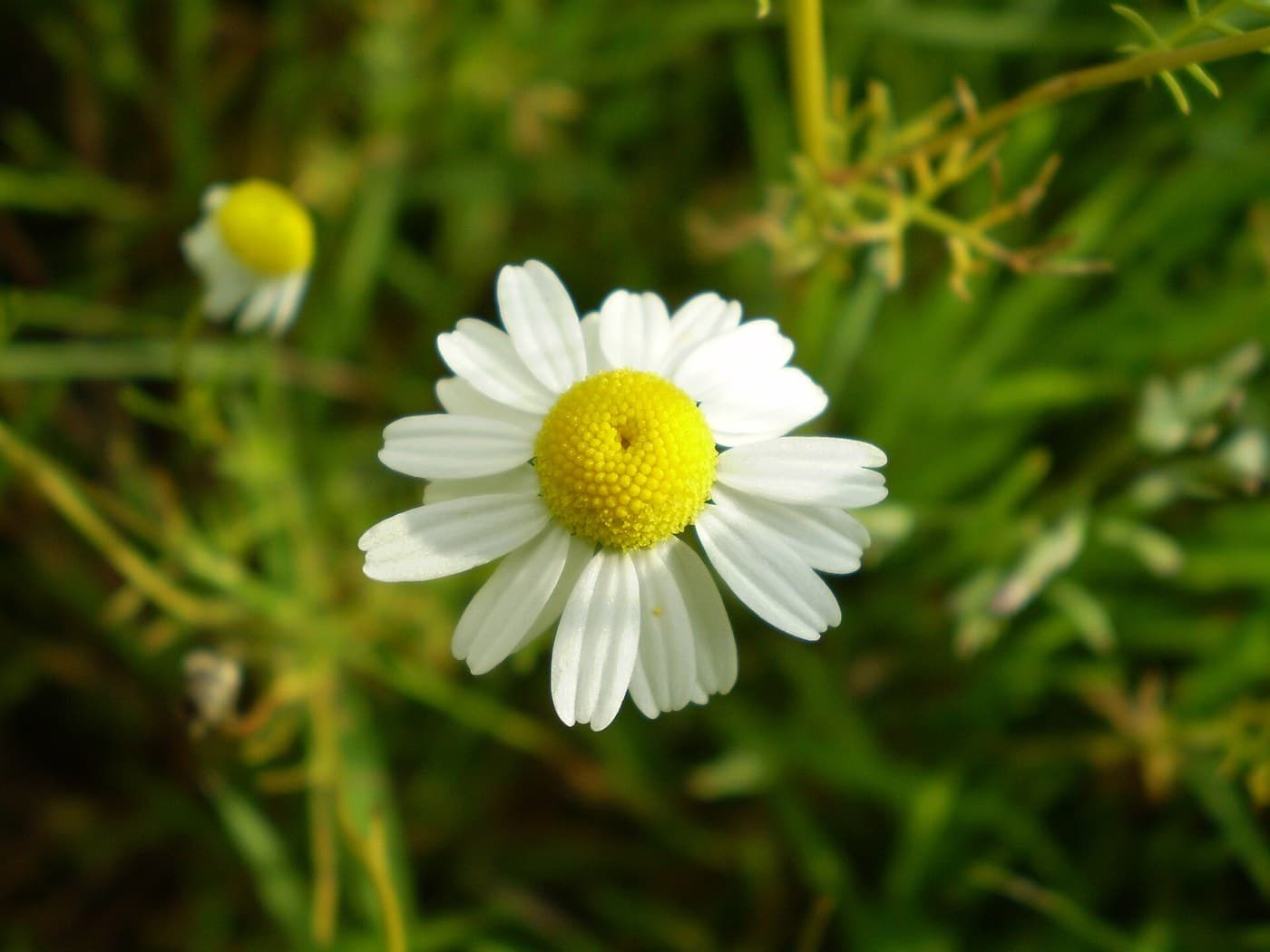
Artichoke belongs to the Asteraceae, also called the daisy or composite family. So do chamomile, calendula, echinacea, dandelion, sunflower and ragweed. EMA lists an allergy to this family as a contraindication in its own right. If chamomile tea or ragweed season gives you trouble, don't try artichoke without checking with an allergist.
Side effects
EMA lists mild diarrhoea with abdominal cramps, nausea, heartburn and allergic reactions, with frequency unknown. The Cochrane review describes adverse events in the trials as mild, transient and infrequent with short-term use.
Medication
EMA reports no known interactions, which reflects missing data rather than proof of safety. Ladophar's ampoule label asks anyone on medication to speak to a doctor first, and if you take anything regularly, that's a sensible request. What a policy covers and how to use it with a local doctor is in our guide to travel insurance for Vietnam.
Fast Track — no queue at the border
5–10 minutes instead of an hour in the immigration queue
from$11per passenger
Prices and where to buy in Vietnam
A box of Ladophar ampoules costs 35,000–68,000 VND (~$1.35–2.60), artichoke tea bags 40,000–110,000 VND (~$1.50–4.20), a jar of thick extract 150,000 VND (~$5.80), and the large 100-bag herbal blend 260,000 VND (~$10). These are prices on Ladophar's official online store on 7 October 2026.
| Ladophar product | Pack | Price | ~USD |
|---|---|---|---|
| LADO ACTISO, sugar-free ampoules | 10 × 10 ml | 42,000 VND | ~$1.60 |
| LADOACTISO ampoules with sugar | 10 × 10 ml | 35,000 VND | ~$1.35 |
| LADOACTISO Extra ampoules | 10 × 10 ml | 68,000 VND | ~$2.60 |
| LADO ACTISÔ CAO ĐẶC thick extract | 120 g jar | 150,000 VND | ~$5.80 |
| LADO CARE Actisô Extra capsules (out of stock) | 30 | 59,000 VND | ~$2.30 |
| LADO TEA tea bags, small box | 2 g bags | 40,000 VND | ~$1.50 |
| LADO TEA tea bags | 2 g bags | 105,000 VND | ~$4.00 |
| LADOACTISO tea bags | 2 g bags | 110,000 VND | ~$4.20 |
| LADO TEA Actisô thảo mộc, herbal blend | 100 × 2 g | 260,000 VND | ~$10 |
Prices as of October 2026, at roughly 26,000 VND to $1. Pharmacies and markets may charge differently, so check the price tag. For what everything else costs, from coffee to taxis, see our Vietnam prices guide.
Currency converter
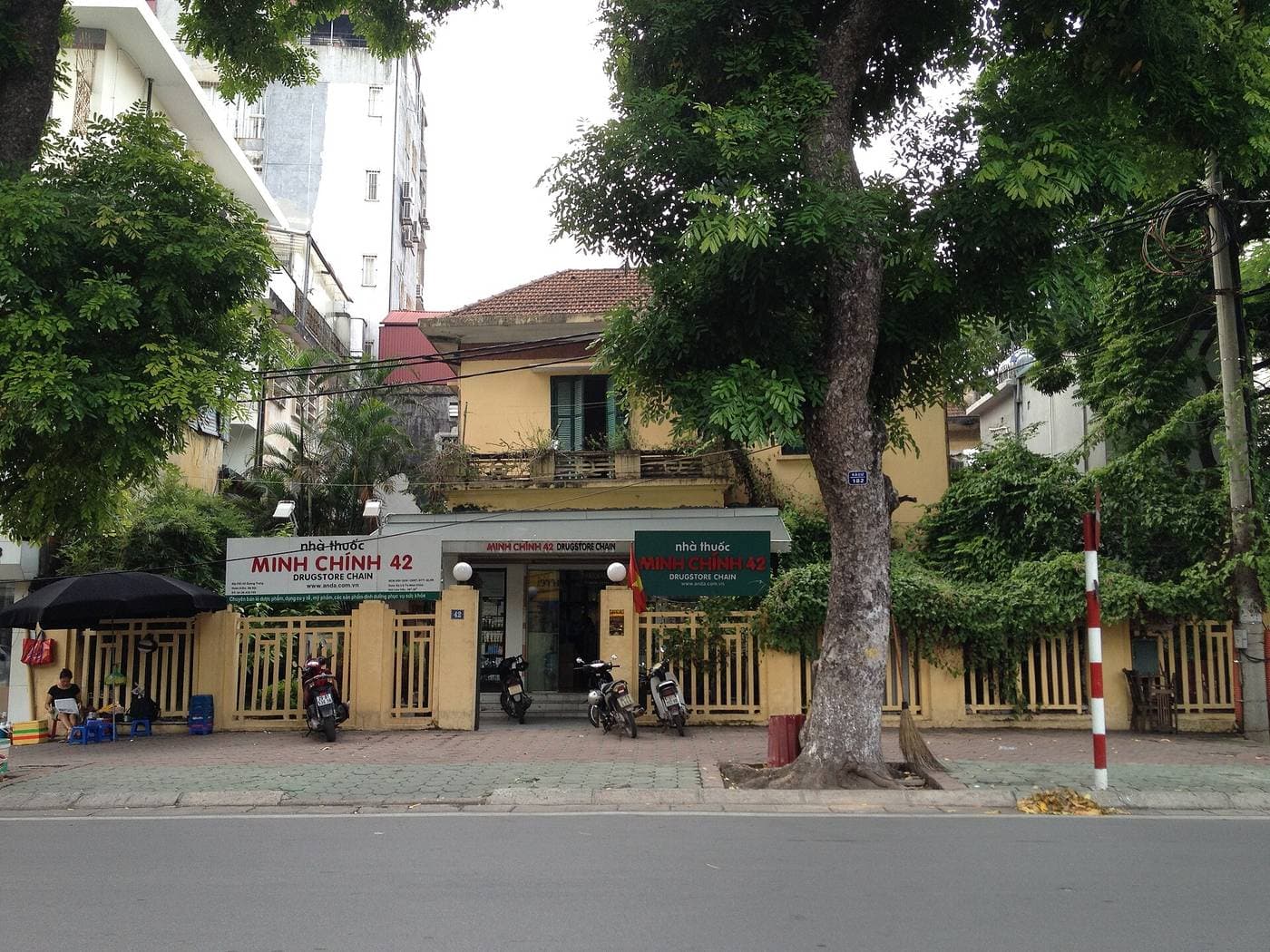
Choose where to buy by the label, not the shop. The pack should show the manufacturer, ingredients (Thành phần), directions, production date and expiry date. A pharmacy has the advantage that you can ask the pharmacist to point all of that out. How Vietnamese pharmacies work is covered in our guide to hospitals and pharmacies in Vietnam.
An unlabelled jar or extract sold by weight is a gamble on strength. Ladophar comes from Dalat, so if you're heading there yourself, our Dalat travel guide will help.
Taking artichoke products home
Factory-sealed artichoke tea, ampoules and capsules are ordinary food purchases in Vietnam, but your home country decides what comes in. Customs and biosecurity rules for plant-based food differ by destination, so check your own country's official site before you fly.
If you're entering the United States, US Customs and Border Protection asks travellers to declare all agricultural items and present them for inspection, so an agriculture specialist can decide whether they're admissible. CBP says that, as a general rule, packaged tea is admissible, and failing to declare agricultural items can cost a first-time offender a $300 penalty. Artichoke tea and extract are plant products, so declare them and keep them in their original packaging with the label visible.
Rules for alcohol, medicines and other purchases are collected in our guide to markets and customs, and what to pack in a first-aid kit before you fly is in our Vietnam packing list.
Common mistakes
- Drinking it "for the liver" with gallstones. Gallstones are a contraindication in the EMA monograph. If you don't know whether you have them, ask a doctor before buying a course of ampoules.
- Giving ampoules to a child because the label allows it. The Extra label says over 2; EMA advises against it under 12. Not without a paediatrician.
- Expecting artichoke to replace statins. Even the most positive meta-analysis found an average drop of about 0.46 mmol/L in total cholesterol. If a doctor prescribed treatment, artichoke doesn't cancel it.
- Drinking it for months with no goal. EMA says see a doctor if symptoms last beyond two weeks.
- Buying an unlabelled jar. No manufacturer, no date: no dose and no expiry.
- Skipping the ingredients list. Tea bags may contain stevia, Senna tora seeds and other herbs, not just artichoke.
- Confusing hotpot with a supplement. Artichoke in soup is food; see our guide to Dalat food and artichoke hotpot. Ampoules and paste are concentrates with contraindications.
Packing Vietnamese ointments for back pain too? Our guide to Vietnamese balms explains who shouldn't use Golden Star or Cobratoxan.
FAQ: Vietnamese artichoke
It hasn’t been convincingly shown. In studies of people with fatty liver disease, leaf extract lowered the liver enzymes ALT and AST, but researchers measured blood tests rather than outcomes like cirrhosis, and they used ready-made leaf extract, not Vietnamese paste. Ladophar itself prints on its ampoules that the product is not a medicine. And EMA lists liver disease as a contraindication, so talk to a hepatologist first
EMA doesn’t recommend it. The safety of artichoke leaf during pregnancy and breastfeeding hasn’t been established because there isn’t enough data. Ladophar’s ampoule label also asks pregnant and breastfeeding women to consult a doctor before use. Without your doctor’s okay, skip both the tea and the extract while you’re pregnant or breastfeeding
Tea is dried herb you brew yourself, so the dose is easy to keep steady, one bag at a time. Paste, the thick extract, is more concentrated, and its dose depends on the maker: Ladophar’s extract is 1:35, so 0.2 g in an ampoule equals about 7 g of fresh leaves, and from the jar you take 3–5 g in a glass of water. For a mild herbal drink after meals, tea is enough. Ampoules beat jars because each holds a fixed, labelled dose
EMA’s guide for leaf tea is 3–6 g a day. A Ladophar bag contains 1.65–1.7 g of artichoke, so that’s 2–3 bags a day. If you’re drinking it for heaviness and bloating and nothing has improved after two weeks, EMA advises seeing a doctor. If any of the contraindications in this article apply to you, don’t drink it at all, not even a single cup
The EMA monograph reports no interactions, but that reflects a lack of data, not proven safety. Ladophar’s ampoule label asks people on medication to consult a doctor before use. If you take any prescription drugs regularly, show your doctor the ingredients list on the box before your first ampoule. Bring the box itself if you can, so the strength and the added herbs are visible
Mild diarrhoea with cramps is a known side effect of artichoke leaf, listed in the EMA monograph alongside nausea and heartburn. Vietnamese tea bags can also contain other herbs, such as Senna tora seeds. Cut the dose or switch to a tea without added herbs. If the diarrhoea is severe or doesn’t stop, stop taking it and see a doctor
Read next: Vietnamese balms · What to buy in Vietnam · Hospitals and pharmacies · Dalat food
- Shopping
Hoi An Shopping 2026: Tailors, Silk and Lanterns
Where to get a suit made for $90, buy real silk, lanterns and ceramics in Hoi An. The top five tailors, 2026 prices, and what not to buy.Hoi An Shopping 2026: Tailors, Silk and Lanterns - Shopping
Vietnam Markets, Haggling & Customs: What You Can Take Home
Vietnam's markets and the art of the haggle: market types, bargaining technique, etiquette, what to buy, scams and cash vs card.Vietnam Markets, Haggling & Customs: What You Can Take Home - Shopping
Shopping in Da Nang: Markets, Malls & What to Buy
Where to shop in Da Nang: Han and Con markets, malls, the marble village and what to bring home — bargaining tips, prices and cash-vs-card advice.Shopping in Da Nang: Markets, Malls & What to Buy