Vietnamese tea in 2026: types, lotus tea and where to buy
Vietnamese tea is mostly green tea: Thái Nguyên from the north, mountain Shan tuyết, oolong from Lam Dong, plus scented teas with jasmine and lotus. One of the most expensive is lotus tea from Hanoi's West Lake. A kilo made the traditional way costs 7–10 million VND (~$269–385). In 2015, jasmine and lotus tea made with chemical flavouring powder was selling for 100,000–200,000 VND (~$3.85–7.70) a kilo.
That gap, 35 to 100 times, is the whole question when you shop. A pack with a lotus on the front might hold tea that spent two weeks layered with lotus anthers. Or it might hold green tea and the words "hương liệu tổng hợp" in the ingredients. Below: which teas come from where, how real lotus tea is made, how to tell it from flavoured tea, what street trà đá is, and where to buy.
A note on place names. On 1 July 2025 Vietnam merged its provinces: Ha Giang became part of Tuyen Quang, Yen Bai part of Lao Cai, and Lam Dong absorbed Dak Nong and Binh Thuan. This guide uses the new names, with the old province in brackets.
What tea do people drink in Vietnam: five types and where they grow
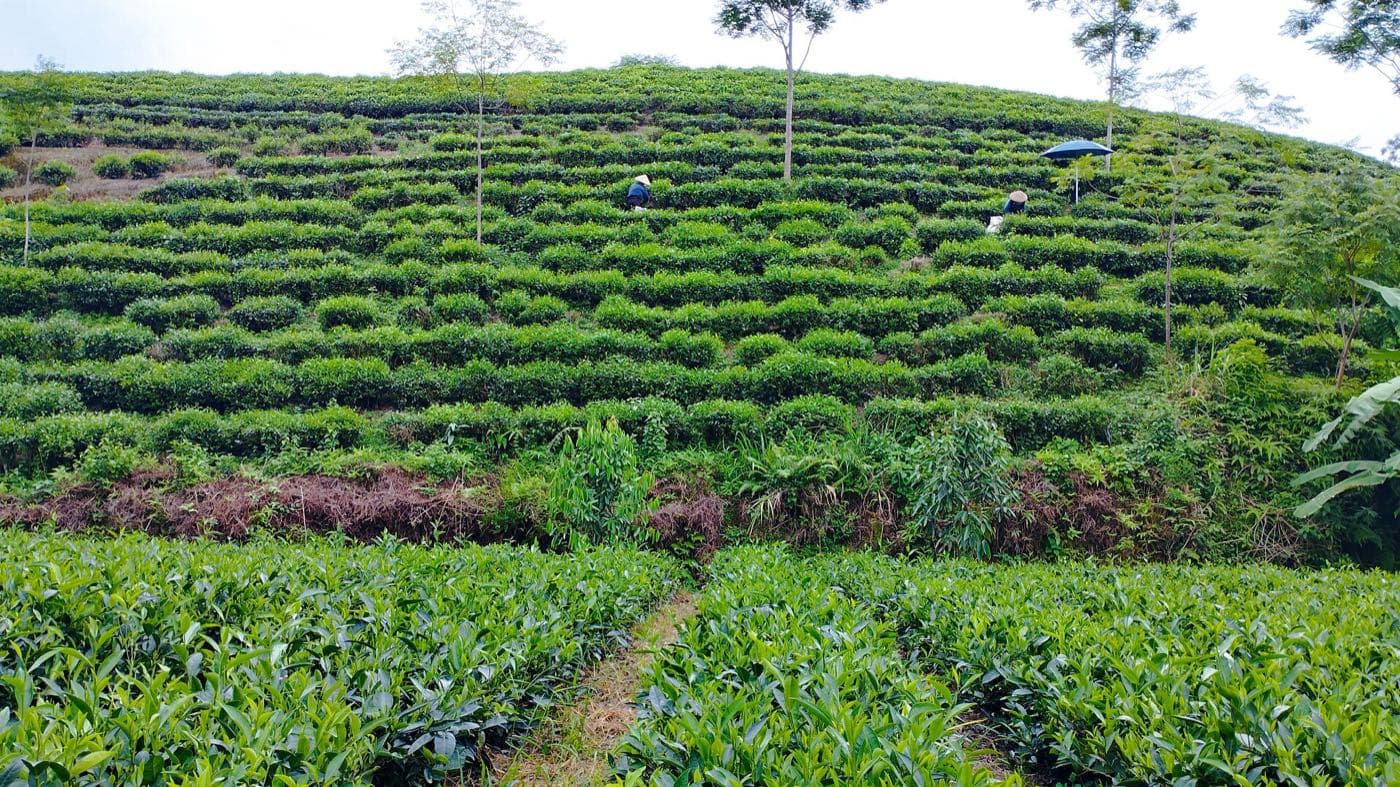
Vietnam mostly drinks green tea, and its best-known region is Thai Nguyen province, with over 18% of the country's tea area and 24% of its harvest. Four more types are worth knowing: Shan Tuyet from old trees in the northern mountains, Lam Dong oolong, jasmine and lotus.
All places on the map · 6
Tap a name to show it on the map
- Tan Cuong (Xã Tân Cương, Thái Nguyên): Green tea with the "Tân Cương" geographical indication — Over 657 ha of tea in the commune
- Suoi Giang (Suối Giàng, xã Văn Chấn, Lào Cai): Old Shan Tuyet trees — Around 1,400 m up
- Hoang Su Phi (Hoàng Su Phì, Tuyên Quang): Shan Tuyet of former Ha Giang province
- Bao Loc (Bảo Lộc, Lâm Đồng): Oolong and green tea — Oolong here since the mid-1990s
- Cau Dat (Đồi trà Cầu Đất, Đà Lạt): Tea hills outside Da Lat
- Dam Tri ponds (Đầm Trị, phường Tây Hồ, Hà Nội): Lotus for West Lake tea — Blooms from late May
| Type | Where from | Taste and look | Price guide |
|---|---|---|---|
| Thái Nguyên green | Thai Nguyen, Tan Cuong commune | Thin twisted leaf, young-rice aroma (hương cốm) | Trà nõn 1–2 mln VND/kg, trà đinh 3–5 mln VND/kg (2021 data) |
| Shan Tuyet | Tuyen Quang (former Ha Giang), Lao Cai (former Yen Bai, Suoi Giang) | Large bud with white down, trees over 100 years old | No overall price in the sources |
| Oolong (ô long) | Lam Dong: Bao Loc, Bao Lam, Di Linh | Cultivars and methods from Taiwan | No overall price in the sources |
| Jasmine (trà nhài, trà lài) | Scented all over the country | Green tea with jasmine flowers or flavouring | Depends on the ingredients |
| Lotus (trà sen) | Traditional: Hanoi's West Lake | Green tea scented with lotus anthers | 7–10 mln VND/kg for traditional (2024) |
The prices come from different years and sellers, so treat them as rough orders of magnitude.
Thai Nguyen and Tan Cuong
Thai Nguyen tea is called "đệ nhất danh trà", "the first of the famous teas". Sources count its area differently. VnEconomy wrote in August 2025, after the merger with Bac Kan, of almost 24,000 ha. Tạp chí Công Thương, citing the provincial government in August 2026, wrote "over 22,000 ha". The best-known area is Tan Cuong commune (Tân Cương). After three communes merged, it has over 657 ha of tea, 12 craft villages, 31 co-ops and more than twenty products with the state OCOP mark of three to five stars.
"Tan Cuong" is a protected geographical indication. By the end of 2024, VOV reported, over thirty producers from six communes had the right to put it on the pack. The GI logo is your first sign the tea really comes from there.
There are grades. Trà đinh ("nail tea") is picked from the very top unopened buds. In 2021 one grower in Tan Cuong sold it for 3–5 million VND (~$115–192) a kilo, and up to 6 million before Tet. Her simpler trà nõn went for 1–2 million VND (~$38–77). Ordinary supermarket green tea bags have nothing to do with these grades.
Shan Tuyet: Tuyen Quang (former Ha Giang) and Suoi Giang
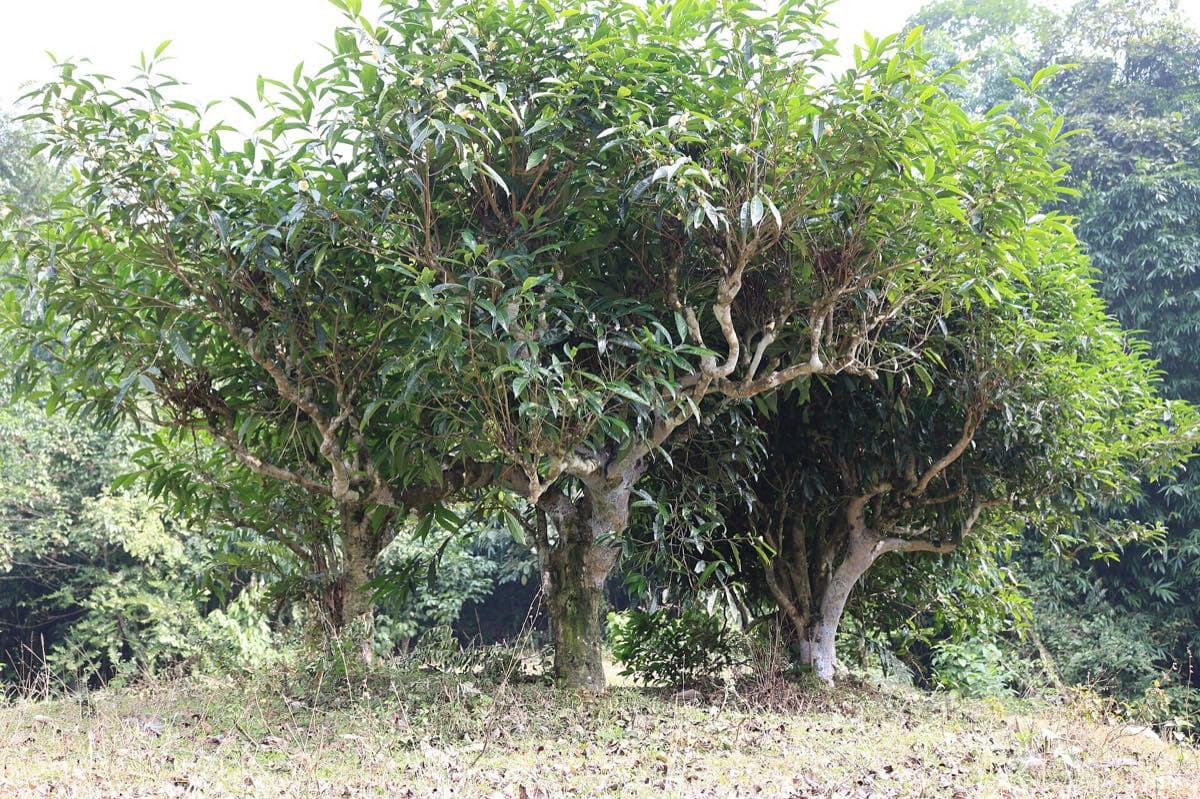
Shan Tuyet grows on trees rather than bushes. White down covers the bud, hence the name: tuyết means "snow". Pickers climb the old trees, sometimes with a ladder.
The best-known areas are the mountains of former Ha Giang province (now Tuyen Quang) and Suối Giàng in former Yen Bai (now Van Chan commune, Lao Cai). In 2018 Nhân Dân reported over 20,000 ha of tea in Ha Giang, more than 16,000 ha of it old Shan Tuyet trees at 600 to over 1,000 m. We found no fresh total after the merger.
On Suoi Giang the sources disagree. VOV wrote in 2018 of thousands of trees over a hundred years old at about 1,400 m, the oldest over 300. Báo Lào Cai in March 2026 gives 84,000 trees aged 200–500 years across the whole new Van Chan commune, while an expert in the same article speaks of "more than 40,000" old trees in Suoi Giang. The picking here is done by the Hmong, three harvests a year.
How to ride the mountains of former Hà Giang by motorbike is covered in our Ha Giang loop guide. It's about roads rather than tea, but those are the roads that get you there.
Lam Dong oolong
Lam Dong oolong is Taiwanese by origin. The first tea bushes in Bao Loc went into a French plantation in 1930, and in the mid-1990s Taiwanese businesspeople brought oolong cultivars and methods, according to Đại Đoàn Kết. The soils are basalt, the altitude over 800 m.
Lam Dong now has over 9,360 ha of tea and harvests over 120,000 tonnes a year, mainly around Bao Loc, Bao Lam, Di Linh and Cầu Đất near Da Lat (Nhân Dân, December 2025). The Phúc Long chain started here too, founded in Bao Loc in 1968. Bao Loc as a city disappeared in the 2025 reform and is now four wards of Lam Dong province, but the name lives on, on packs and in speech.
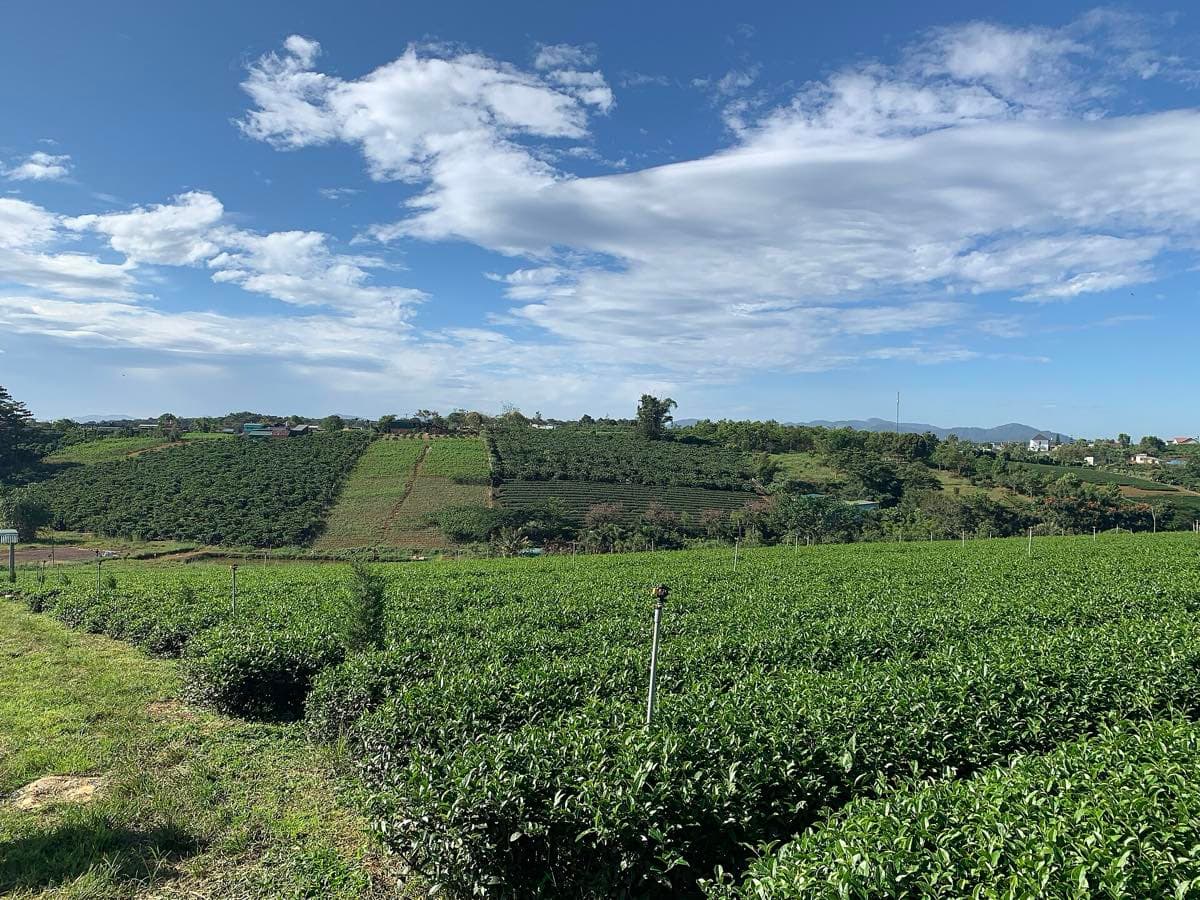
The Cau Dat tea hills fit easily into a Da Lat trip. Coffee farms and shops there are in our guide to Da Lat coffee and wine.
Jasmine, black and herbal
Jasmine tea (trà nhài or trà lài) is the most common scented tea. Cozy, a Vietnamese brand founded in 2003, lists "green tea and natural jasmine flowers" on its jasmine tea bags. The same brand sells hồng trà, which is what Vietnamese call black tea.
Da Lat "artichoke tea" is not made from tea leaves. It is an artichoke infusion with its own claims and contraindications, all covered in our guide to Vietnamese artichoke.
West Lake lotus tea: why it costs so much
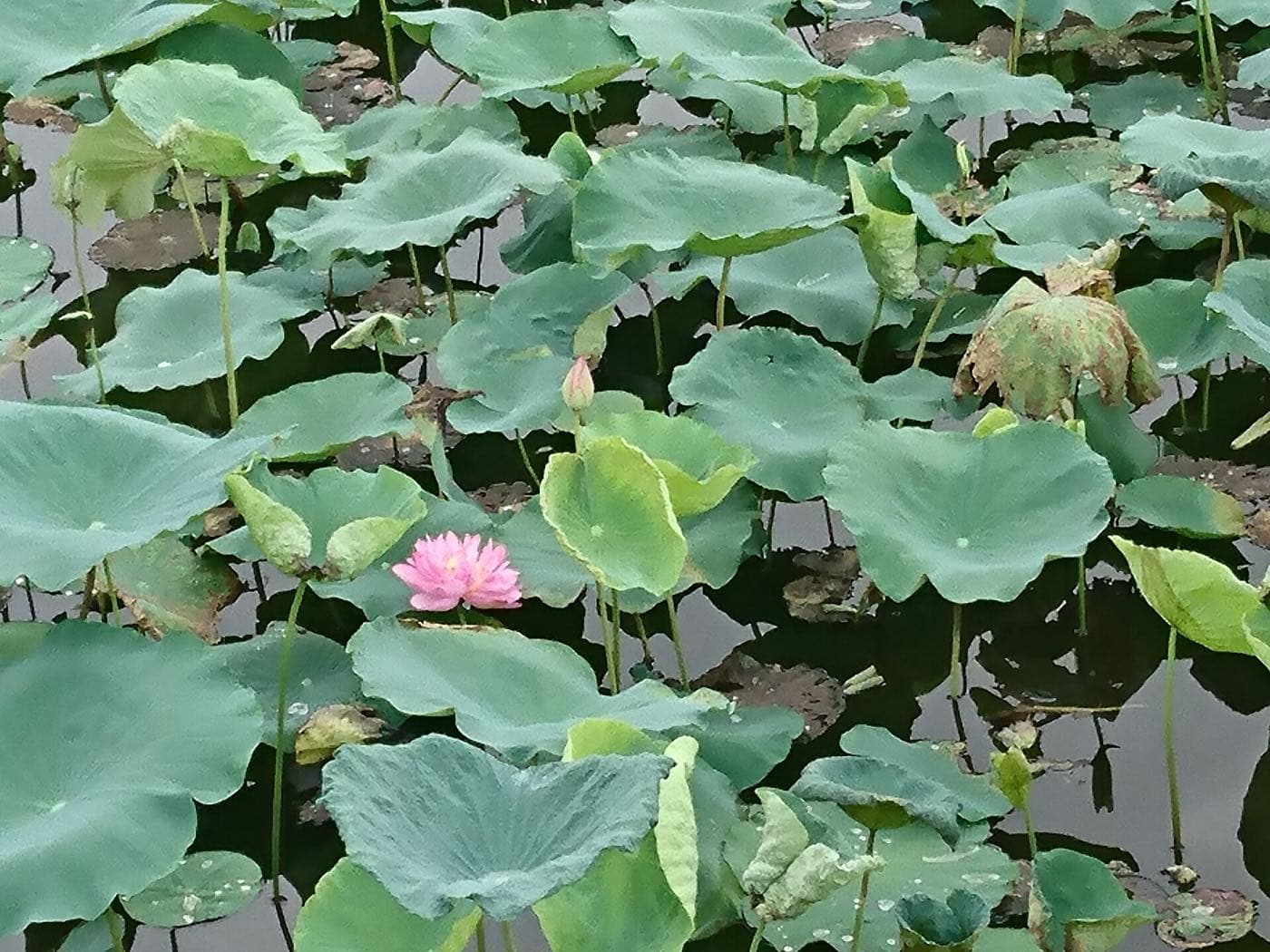
Traditional lotus tea from West Lake (Hồ Tây) costs 7–10 million VND (~$269–385) a kilo, Nhân Dân reported in July 2024. That is 700,000–1,000,000 VND (~$27–38) per 100 g. The price is raw material and time: a kilo of tea takes the anthers of a thousand-plus flowers and about two weeks of work.
The craft survives in the former Quảng An ward. Hanoi has had no districts since 2025, and most of Quang An is now phường Tây Hồ, but on packs the tea is still "Tây Hồ".
How it is made
Sen bách diệp ("hundred-petal lotus") flowers are picked before dawn, when the scent is strongest. From each flower the makers remove the gạo sen, "lotus rice": the small white anthers at the tips of the stamens. Then layers of dry green tea alternate with layers of anthers, rest, get sifted and dried. The cycle is repeated 5–7 times.
The base is good dry tea from Thai Nguyen, Ha Giang or Phu Tho, Nhân Dân writes. The lotus blooms from late May, and the scenting season runs roughly until July.
There is a shortcut called ướp xổi. A handful of dry tea goes straight into a bud, which is tied and left overnight. These "tea flowers" are sold one by one, vacuum-packed, and kept in the freezer; one makes 2–3 pots. In 2024 a bud cost 70,000–100,000 VND (~$2.70–3.85). The scent falls short of dry scenting, and the makers say so themselves.
Flowers per kilo: the numbers differ
| Source | Flowers per 1 kg of tea | Price of 1 kg traditional | "Xổi" bud |
|---|---|---|---|
| Vietnamnet, June 2019 | 1,000–1,200 | 7–10 mln VND | 30,000 VND |
| VnEconomy, July 2019 | about 1,000 per 1 kg of anthers | nearly 20 mln VND production cost with genuine West Lake lotus | 30,000–100,000 VND and up |
| Nhân Dân, July 2024 | from 1,000, 100–200 more in July | 7–10 mln VND | 70,000–100,000 VND |
| Vietnam National Authority of Tourism (TITC) | 1,200–1,500 | — | — |
The gap makes sense: in July a flower holds fewer anthers than in June, so a kilo needs more flowers. The 20 million VND figure in VnEconomy comes from a pond owner talking about tea scented with lotus from West Lake itself. He said he uses the same lotus variety grown outside the city, because it comes out cheaper.
Why there is so little of it
Not much dry-scented tea gets made. According to the Quang An ward authorities, quoted by Nhân Dân, over 30 families keep the craft, producing about 500 kg of traditional tea and 20,000 "xổi" buds a season. The ward's ponds are polluted, some have no lotus left, and families rent ponds nearby.
As early as 2019 VnEconomy wrote that lotus of the same variety grown outside the city had become the main raw material for both "xổi" and dry-scented tea, and that a casual drinker can hardly tell the difference. For West Lake beyond tea, see our Hanoi guide.
How to tell real lotus tea from flavoured tea
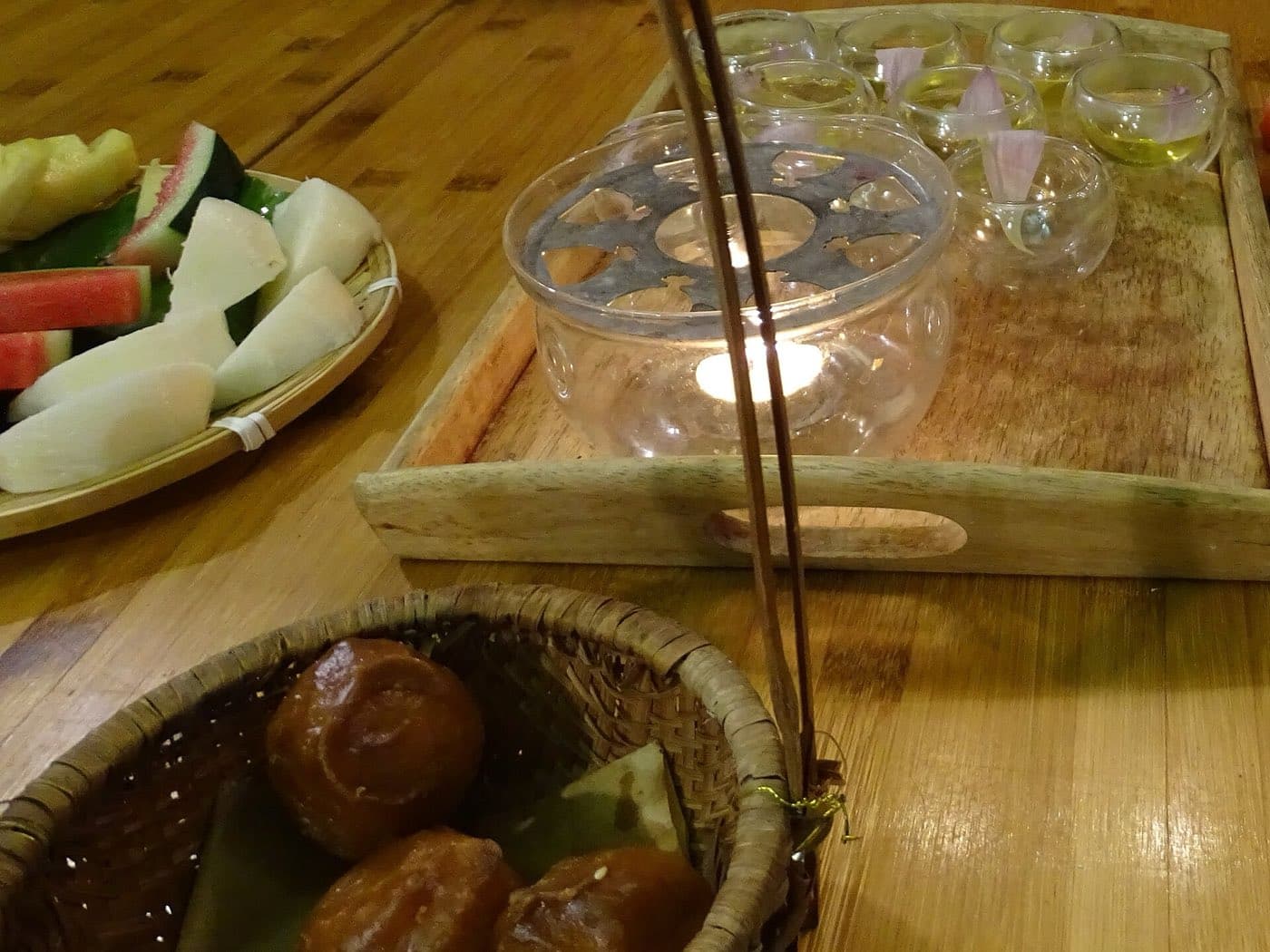
Four checks: the ingredient list, the price, who made it, and whether the scent survives a second brew. No single one proves anything. Together they tell you whether to pay "Tây Hồ" money.
- Read the ingredients. The section is called Thành phần. The words "hương liệu" ("flavouring") and especially "hương liệu tổng hợp" ("synthetic flavouring") mean the scent comes from flavouring, not from lotus anthers. "Trà hương sen" translates as "lotus-scented tea" and promises nothing.
- Check the price. Traditional dry-scented tea costs 700,000–1,000,000 VND (~$27–38) per 100 g from the makers. A 50,000 VND pack can be decent tea, but it isn't West Lake lotus tea.
- Ask who made it and where. Traditional tea is made by families in Quang An, and according to Nhân Dân their "xổi" buds are ordered by phone, social media and marketplaces. Fresh dry-scented tea won't appear before June: the lotus blooms in late May and a batch takes about two weeks.
- Brew it a second and third time. One Hanoi producer told VTC News (2016) that natural lotus scent lasts into the third or fourth infusion, while flavouring hits hard in the first and is almost gone by the second. That's one maker's experience; nobody has lab-tested it.
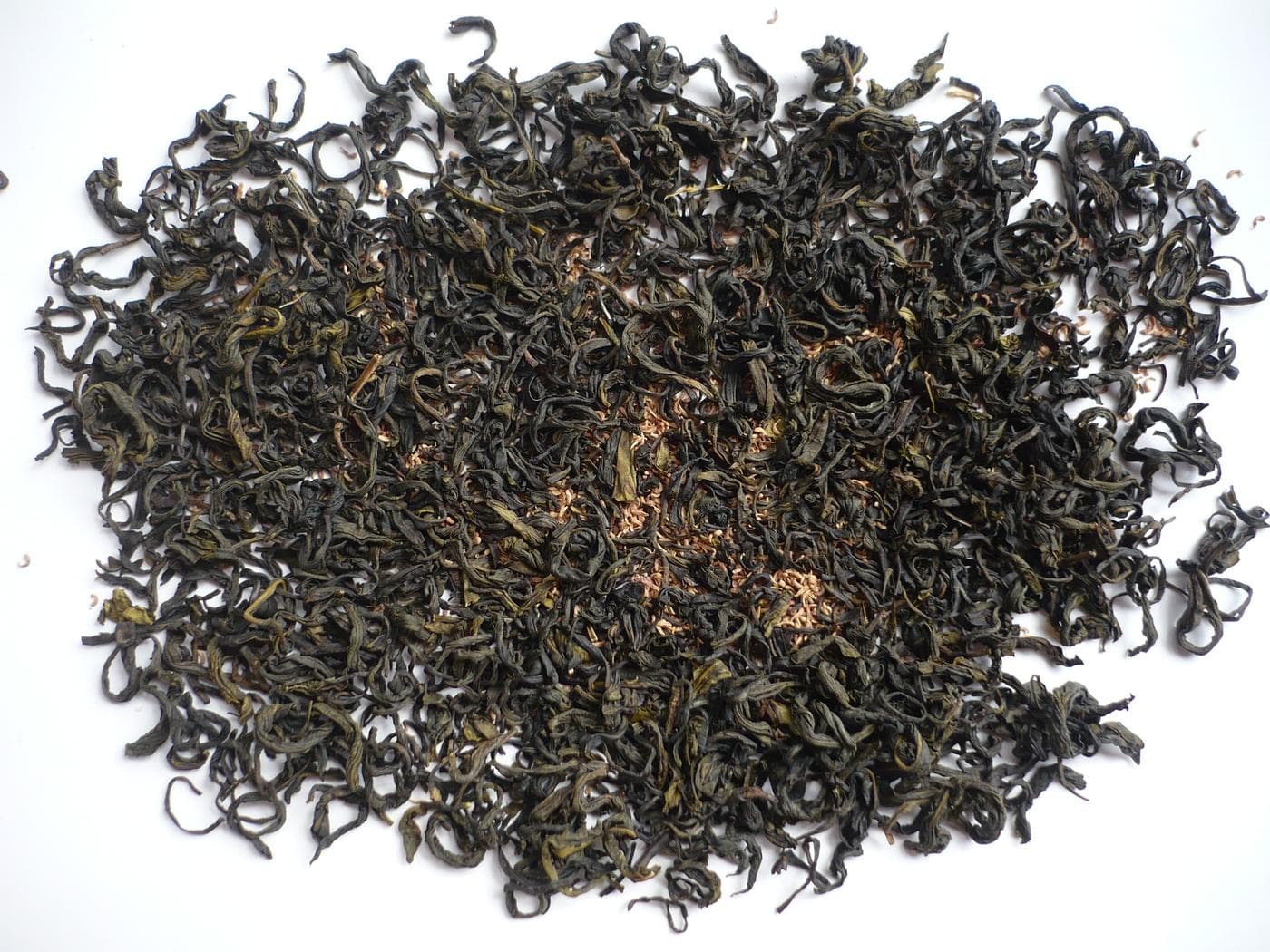
Here is how it looks on a real product page: Cozy's "Trà hương sen" tea bags. The description on the brand's site says "trà xanh có hương thơm tự nhiên của hoa sen", "green tea with the natural scent of lotus flowers". The "Thành phần" section says "Trà xanh và hương liệu tổng hợp: hương sen": green tea and synthetic lotus flavouring. The same brand lists "Trà xanh và hoa nhài tự nhiên" (green tea and natural jasmine flowers) for its jasmine tea and "100% lá trà xanh" for its Thai Nguyen tea. What's inside is in the "Thành phần" section, not in the picture or the blurb.
Trà đá: Vietnam's street iced tea
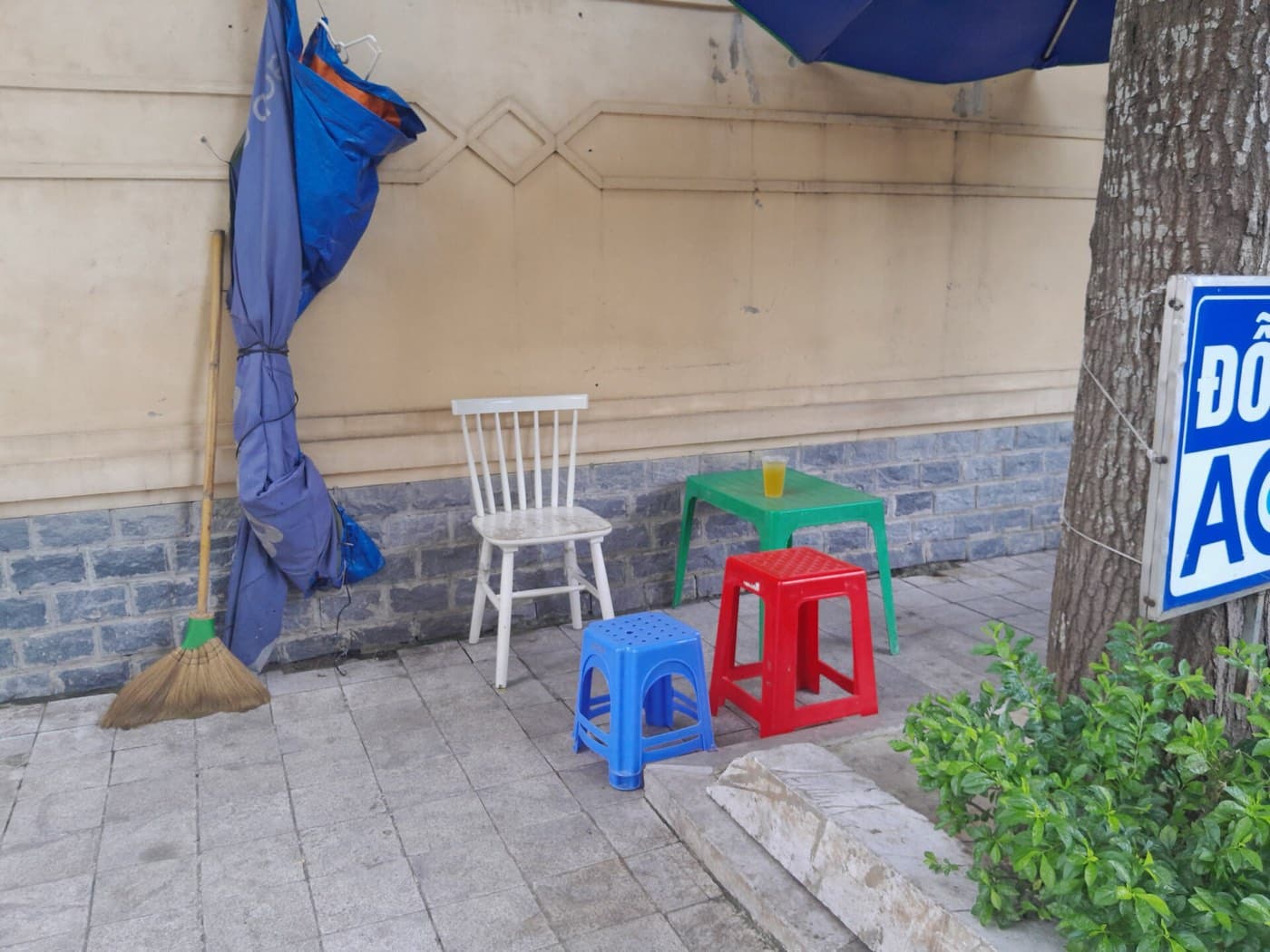
Trà đá is cheap green tea brewed strong and poured over ice. In Hanoi in September 2025 a glass cost 4,000–5,000 VND (~$0.15–0.19). Before the rise 3,000 VND was normal, and in the centre, by hospitals and in parks, stalls had charged 5,000 VND for a while, Vietnamnet wrote.
In cafés and restaurants trà đá can cost more, 10,000–15,000 VND (~$0.38–0.58). If it matters to you, ask the price before you pour.
It's a drink for sitting, not for flavour. A trà đá stall is a couple of low stools on the pavement, a flask and a stack of glasses, usually next to food. The food side is in our Vietnamese street food guide.
Tea culture in Vietnam
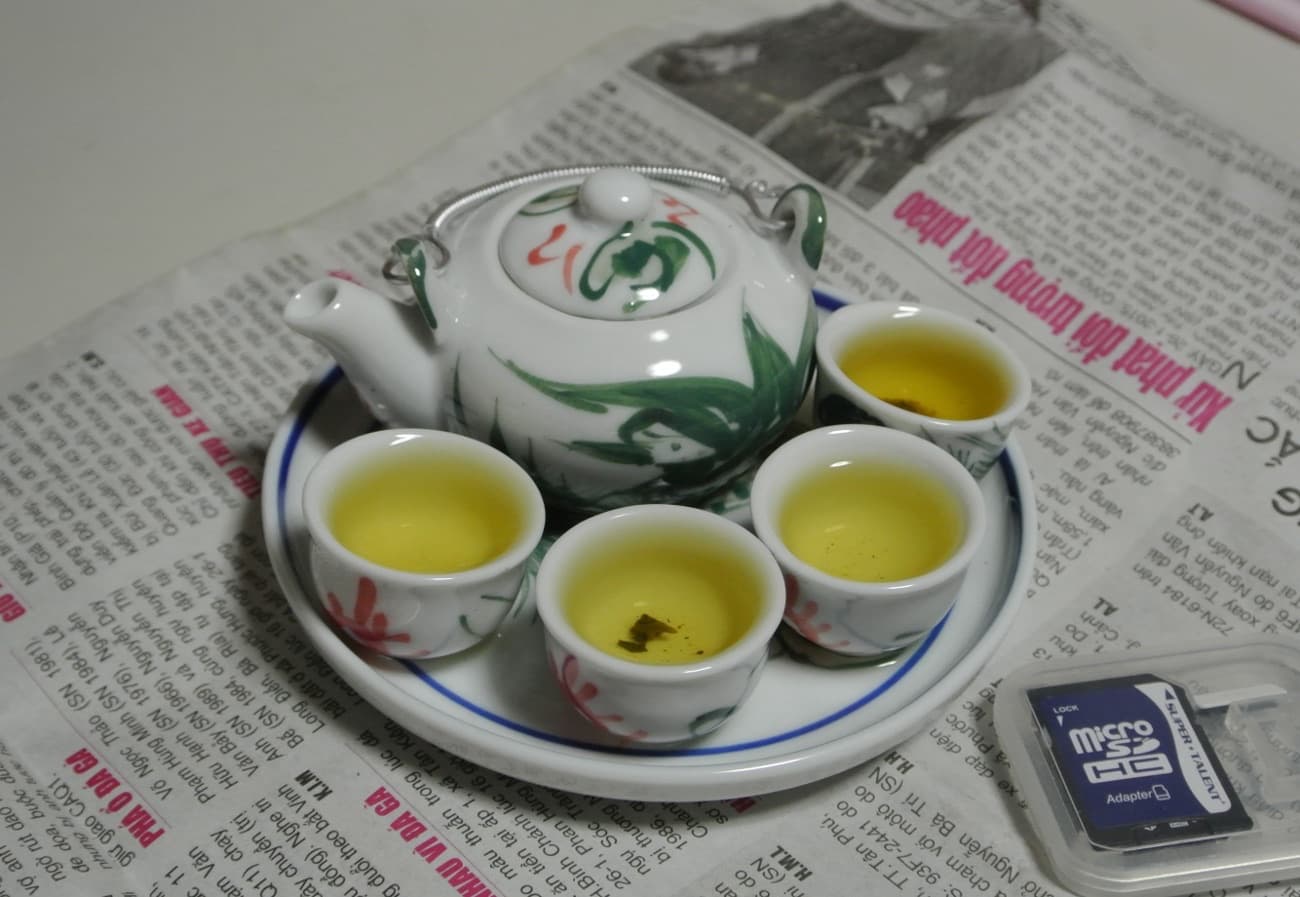
In Vietnam, tea is how you welcome someone. When a guest arrives, the host brews a fresh pot, and the saying goes "Chén trà là đầu câu chuyện": "a cup of tea starts the conversation". Not offering tea is rude, writes Sài Gòn Giải Phóng.
Tea is part of family rituals too. When the groom's family first visits to discuss the match, they bring tea. For the engagement (ăn hỏi) they bring tea and sweets, which the bride's family hands out to relatives to announce the wedding. At funerals, tea is served to guests. Among the Hmong, the same article says, a newborn's feet are rubbed with tea leaves so the child grows up a strong walker in the mountains.
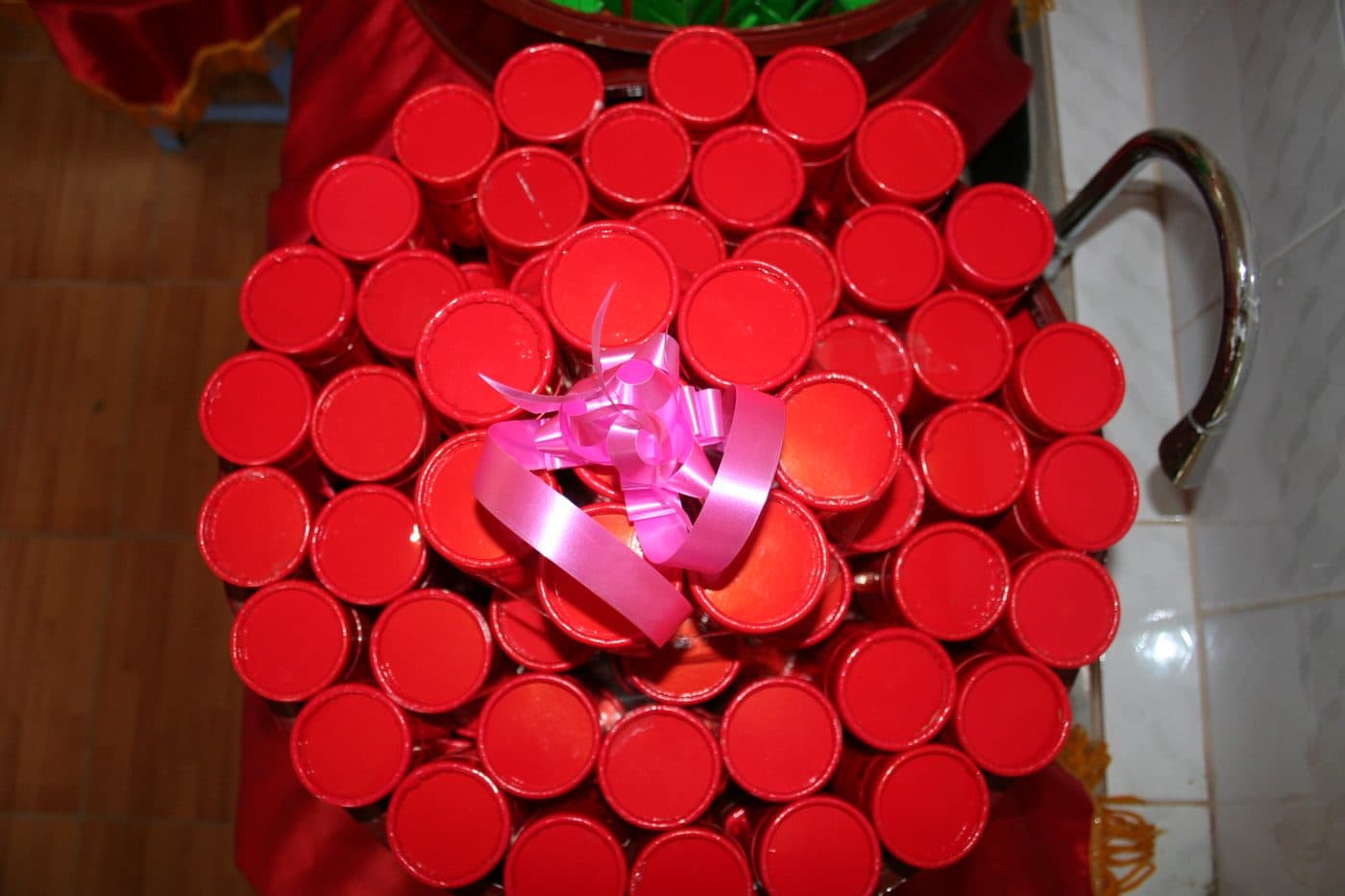
In Hanoi, lotus tea is a traditional gift for Tet and weddings and a drink for honoured guests, according to the national tourism authority.
How to brew Vietnamese green tea
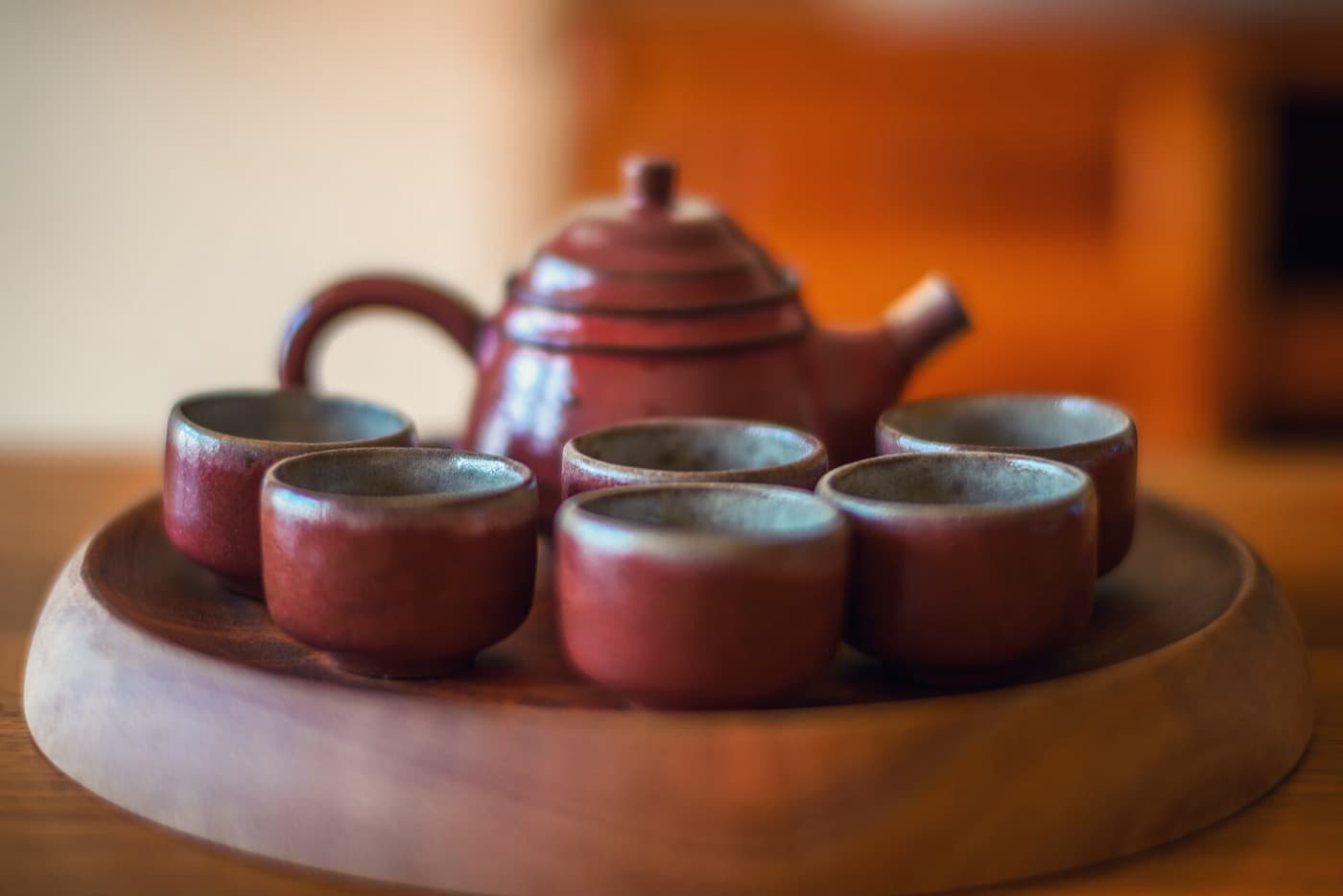
This is how VnEconomy recommends brewing Tan Cuong trà đinh:
- Rinse the pot and cups with boiling water.
- Add tea to taste.
- Pour in boiling water just to cover the leaves and pour it straight off. That's the rinse.
- Fill the pot almost to the top with water at 85–90 °C and steep for 4 minutes.
- Pour, but leave a third in the pot as the base for the second infusion.
Boiling water is only for the rinse; the brew itself uses water at 85–90 °C. With lotus tea, the second infusion also shows whether the scent is natural.
Fast Track — no queue at the border
5–10 minutes instead of an hour in the immigration queue
from$11per passenger
Health benefits of Vietnamese tea: what reviews show
The proven benefit of green and black tea is small. A 2013 Cochrane review pooled 11 randomised trials with 821 people: tea slightly lowered LDL cholesterol and blood pressure, but there were few trials, each lasting from three months, and none looked at heart attacks or strokes. The authors ask for caution with the results.
Weight loss looks even weaker. Another Cochrane review (2012) found green tea preparations gave a small, statistically non-significant weight loss that is "not likely to be clinically important". "Vietnamese slimming tea" is marketing.
Safety depends on the form. The European Food Safety Authority (EFSA) concluded in 2018 that catechins from green tea brewed the traditional way are generally safe, though rare cases of liver injury after ordinary tea have been reported. At 800 mg of EGCG a day or more as a supplement, trials showed raised liver enzymes. A brewed cup and "green tea extract" capsules are different things.
Tea contains caffeine. EFSA considers up to 400 mg of caffeine a day from all sources safe for healthy adults, and up to 200 mg for pregnant and breastfeeding women. We found no systematic reviews on lotus tea specifically, so any claims about its special benefits are unsupported so far.
Where to buy tea in Vietnam
Vietnamese tea is sold in four kinds of places: markets, supermarkets, brand stores and the producers themselves. For a safe gift, go to a supermarket or brand store. For expensive tea, go to the maker.
| Where | What you find | Plus | Minus |
|---|---|---|---|
| Markets (e.g. Chợ Đà Lạt in Da Lat) | Loose tea, packs, gift sets | You can bargain and smell | Loose tea has no label, so no ingredient list |
| Large supermarkets | Bags and packs from mass brands | Fixed price, ingredients on the pack | Mass-market rather than craft |
| Brand stores (e.g. Phúc Long) | Their own packaged tea | You know who made it | Pricier than the market |
| Producing families (West Lake, Tan Cuong) | Dry-scented lotus tea, trà đinh | The real thing | Order ahead, hundreds of thousands of VND per 100 g |
We deliberately don't name individual shops: they can't be verified from open sources, and a "Trà sen Hồ Tây" sign over a stall proves nothing. Where to shop city by city is in our Vietnam shopping guide, and Hanoi specifics are in shopping in Hanoi.
How much Vietnamese tea costs
There is no shared retail price list for tea in Vietnam, so below is a price ladder per kilo from Vietnamese media, with the year. It shows the spread, not today's shelf price.
| What | Price per 1 kg | In USD | Source and year |
|---|---|---|---|
| Jasmine and "lotus" tea with chemical flavouring | 100,000–200,000 VND | ~$3.85–7.70 | Vietnamnet, 2015 |
| Plain dry tea used for "xổi" buds | up to 200,000 VND | up to ~$7.70 | VnEconomy, 2019 |
| Tan Cuong trà nõn | 1–2 mln VND | ~$38–77 | VnEconomy, 2021 |
| Tan Cuong trà đinh | 3–5 mln VND, up to 6 mln before Tet | ~$115–192 | VnEconomy, 2021 |
| Dry-scented West Lake lotus tea | 7–10 mln VND | ~$269–385 | Nhân Dân, 2024 |
USD at $1 ≈ 26,000 VND. Check the price with the seller before buying.
Currency converter
The trà nõn and trà đinh prices come from one grower and aren't a market average. If coffee matters more to you than tea, types and prices are in our Vietnamese coffee guide.
Can you take tea home from Vietnam
Packaged dry tea for personal use is an ordinary purchase, but the limits are set by the country you are flying to, so check your own customs authority's website. For Russia and the EAEU, the rules for the return flight are in our article on Vietnam customs.
Common mistakes
- Buying "West Lake lotus tea" for 50,000 VND at a night market. It's flavoured tea; at best the label says so. Traditional lotus tea costs 700,000–1,000,000 VND per 100 g.
- Judging by the picture. Packs of tea with synthetic flavouring carry lotus flowers too. Read the Thành phần.
- Brewing green tea with boiling water. For Tan Cuong trà đinh, VnEconomy recommends 85–90 °C for 4 minutes.
- Buying trà đinh by the kilo "to try". It's the top grade of Thai Nguyen tea. Start with 100 g.
- Expecting tea to treat anything. Reviews found no meaningful weight loss, and the drops in blood pressure and cholesterol were small. Drink it because it tastes good.
- Confusing artichoke infusion with tea. Artichoke has contraindications that tea leaf doesn't, and vice versa.
FAQ
The safest pick is Thai Nguyen green tea from Tan Cuong: Vietnamese people know it well, and the geographical indication logo on the pack confirms where it comes from. For someone who likes scented tea, choose jasmine with natural flowers in the ingredients. West Lake lotus tea is expensive and divisive, so try it yourself first. Supermarket packs beat loose market tea because weight and ingredients are printed
Traditional lotus tea from West Lake costs 7–10 million VND (~$269–385) a kilo, or 700,000–1,000,000 VND (~$27–38) per 100 g, according to Nhân Dân in 2024. A "xổi" bud filled with tea cost 70,000–100,000 VND (~$2.70–3.85) the same year. Anything far cheaper is flavoured tea or the simplified method
Probably not. Supermarkets stock mass brands, and "lotus" in mass-market tea bags can be flavouring: Cozy's "Trà hương sen", for example, lists "hương liệu tổng hợp: hương sen" in its ingredients. That's flavoured tea, not dry-scented West Lake tea. Traditional dry-scented lotus tea is sold by the producing families, often to order and after the lotus season
Not in any meaningful way. A 2012 Cochrane review found a small, statistically non-significant weight loss from green tea preparations that is unlikely to matter clinically. Green tea extract capsules aren't the same as a brewed cup either: EFSA links supplement doses of 800 mg EGCG a day or more to raised liver enzymes. Drink tea for the taste
Shan Tuyet is picked from old trees in the northern mountains, not from pruned plantation bushes. The bud is large and covered in white down, hence tuyết, "snow". It grows in Tuyen Quang (former Ha Giang) and Lao Cai (former Yen Bai), including Suoi Giang at about 1,400 m. Regular Thai Nguyen tea comes from plantation bushes
Lotus on the West Lake ponds blooms from late May, and the scenting season runs roughly to July. "Xổi" buds are sold during the season itself. A batch of dry-scented tea takes about two weeks, so fresh tea appears closer to midsummer. One Hanoi producer told VTC News that two thirds of his Tet batch had been pre-ordered as gifts


- Food
Vietnamese Fruits: A Guide to Tropical Fruit & Seasons
A guide to Vietnam's tropical fruits: durian, mangosteen, rambutan, dragon fruit and more — seasons, how to eat them, prices and where to buy.Vietnamese Fruits: A Guide to Tropical Fruit & Seasons - Food
Vietnamese Coffee Guide 2026: What to Order and Where
Eight Vietnamese coffee drinks explained: how they taste, what they cost in VND and USD, and 12 cafés in seven cities, from Hanoi to Nha Trang.Vietnamese Coffee Guide 2026: What to Order and Where - Food
Vietnamese Spring Rolls: Nem, Cha Gio, Goi Cuon Explained
Nem ran, cha gio, goi cuon, banh trang — four dishes, one English word. Recipes for fried and fresh rolls, which rice paper to buy, and prices in Vietnam.Vietnamese Spring Rolls: Nem, Cha Gio, Goi Cuon Explained