Vietnamese street food: what to eat in 2026
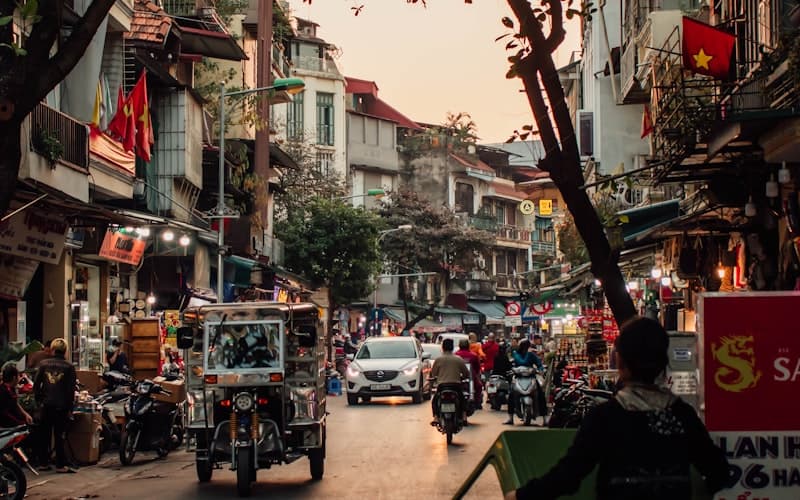
Vietnamese cuisine has hundreds of dishes, and most are cooked right on the pavement. A knee-high plastic table, a tiny stool, smoke from the grill overhead, and a bowl of pho bo in front of you for under $2. Three full meals a day on the street cost roughly $5–10.
Street food in Vietnam isn't a budget compromise. It is the backbone of the food culture and the reason food lovers fly to Hanoi and Ho Chi Minh City in the first place. For $5–10 a day you get bone-broth soup, a crusty baguette with pâté, fresh spring rolls and iced coffee with condensed milk.
Vietnamese cuisine ranks high in global lists: TasteAtlas placed it 16th of 100 world cuisines in December 2025. CNN, TasteAtlas and Lonely Planet keep putting its dishes on best-of lists year after year. In 2025 Vietnam was named Asia's Leading Culinary Destination at the 6th World Culinary Awards, and placed 4th (96.67 points) in the Conde Nast Traveller Readers' Choice Awards. And the street version isn't a tourist-friendly edit — it's the same food locals eat every day.
Below: every key dish with 2026 prices and practical tips. Soups, small bites, sweets, drinks, seafood and the exotica — so you know exactly what to order at a street stall.
Our pick: 5 dishes for day one
Just landed and not sure where to start? Here's a route for your first day:
- Breakfast: pho bo at the nearest quán with a queue — a first taste of the country's signature soup
- Snack: banh mi from a cart — a crackly baguette you'll remember
- Lunch: com binh dan — point at three dishes, get a full plate for ~$1.20
- Afternoon: ca phe sua da + banh flan — coffee and dessert for ~$0.80
- Dinner: a seafood bờ kè stall, or bun cha if you're in Hanoi
Total for the day: around 250,000 VND (~$10). For that you try five completely different dishes and start to see why this cuisine is rated one of the best in the world.
Pho bo — the soup your morning starts with
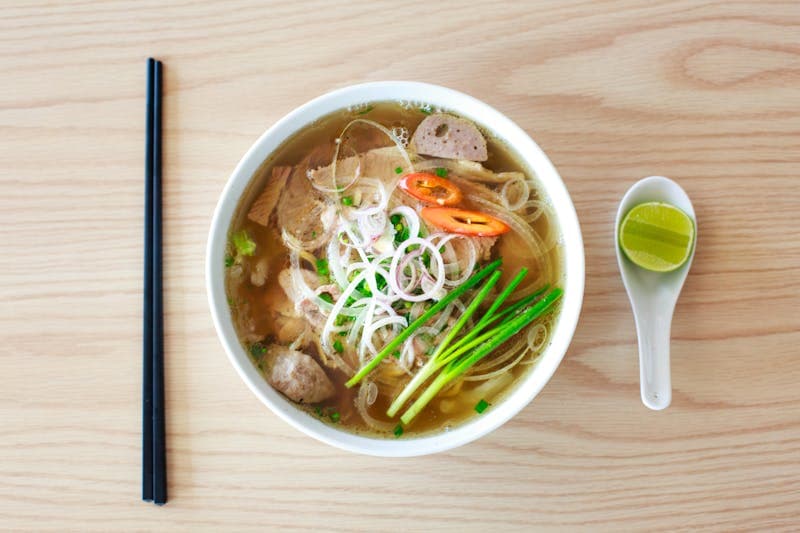
Pho bo is Vietnam's calling card and the first dish to try. December 12 is Pho Day — a campaign run by the newspaper Tuổi Trẻ since 2017. In 2024 the pho craft of Hanoi and Nam Dinh was added to Vietnam's national list of intangible cultural heritage.
The base is a clear broth simmered 8–12 hours on beef bones with star anise, cinnamon, cardamom and charred ginger. That slow, low simmer is what makes it so fragrant — no stock cube comes close. Into the broth go rice noodles (bánh phở) and thinly sliced beef.
The beef comes in several cuts, and it matters when you order:
- Tái — rare, cooked by the hot broth in the bowl
- Chín — well-done and tender
- Gầu — fatty brisket, richer flavour
- Nạm — flank, a leaner cut
- Gân — with tendon, for texture lovers
- Tái nạm — a mix of rare and cooked
In the north (Hanoi) pho is ordered "clean," without extras — herbs aren't served on the side, just a little goes straight into the soup. In the south a plate of herbs always comes with it: Thai basil, mint, bean sprouts, lime, chilli, saw-leaf herb. You decide what and how much to add.
How to eat pho bo
Use chopsticks for the noodles and beef, a spoon for the broth. Tear the basil by hand and drop it in. Squeeze lime to taste. Hoisin (sweet, dark) and sriracha (hot, red) are on the table, but regulars will tell you to taste the broth clean first. Slurping is normal, even encouraged.
If you order the tái (rare) version, wait 30 seconds while the slices turn from pink in the hot broth.
Hanoi vs Ho Chi Minh City
The difference is real. Hanoi pho is minimalist. The broth is cleaner and clearer, the portion smaller, herbs kept to a minimum. It's considered "authentic" because pho was born in the north.
Saigon pho is richer and a touch sweet, piled with herbs and extra sauces. Portions are bigger. Southerners love adding bean sprouts, Thai basil and saw-leaf herb, and drown it in hoisin.
Both cost the same: 40,000–60,000 VND (~$1.60–2.40).
There's also pho ga (phở gà), the chicken version. Lighter broth, gentler flavour, fewer calories, same price. A good pick if beef isn't your thing.
Banh mi — the best sandwich in the world
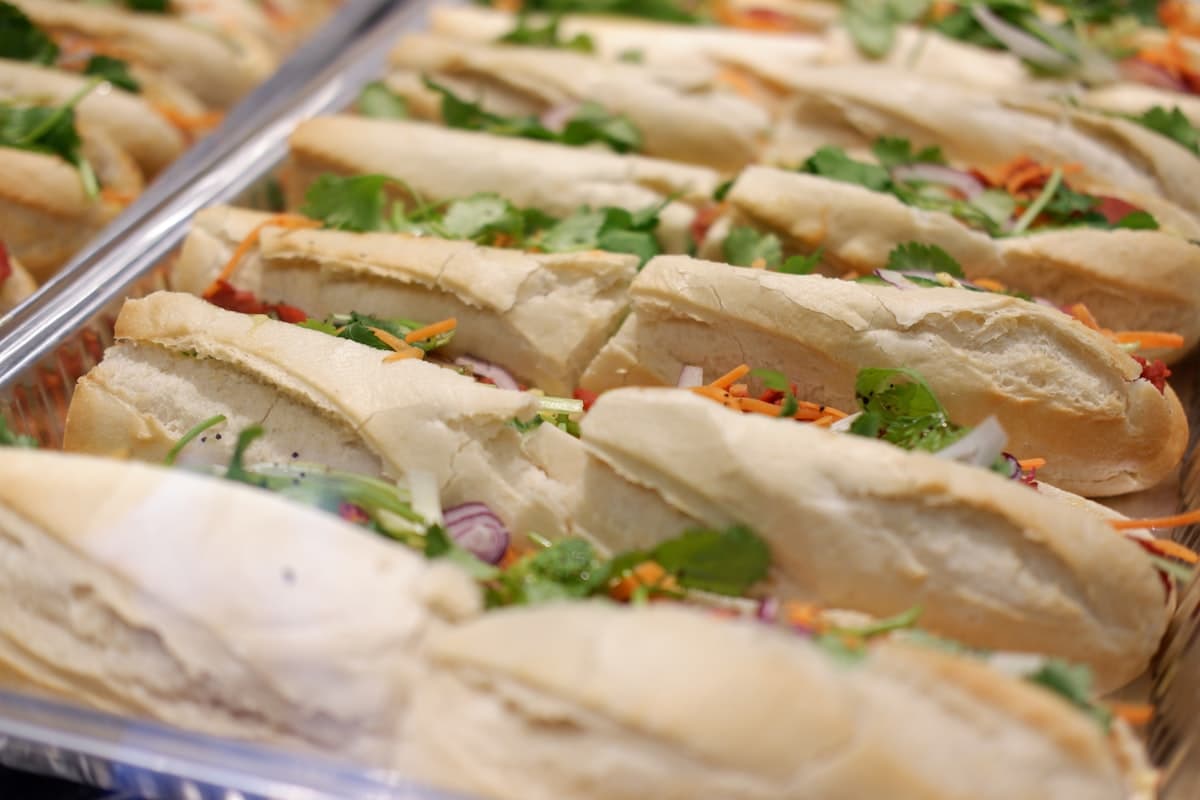
In 2011 the word "bánh mì" entered the Oxford English Dictionary. In 2023 TasteAtlas ranked the Vietnamese baguette among the top three sandwiches on the planet. Earlier, in 2012, CNN placed banh mi 11th on its list of the world's best street foods. In November 2025 CNN Travel again put banh mi on its list of 25 best sandwiches in the world, praising the crisp crust and huge range of fillings.
The banh mi story is a collision of two food traditions. French colonists brought the baguette to Vietnam in the 19th century. Vietnamese cooks made it their own: the dough got lighter (rice flour added), the crust thinner and crisper, and the filling changed completely.
What's inside a classic banh mi
- Pork pâté (pâté) — a French inheritance
- Vietnamese ham (chả lụa) — smooth, dense pork sausage
- Pickled carrot and daikon (đồ chua) — a sweet-sour note
- Fresh cucumber
- Cilantro and spring onion
- Chilli (fresh or as a sauce)
- Mayo and/or margarine
A classic banh mi costs 20,000–40,000 VND (~$0.80–1.60). It's sold on nearly every corner, from glass carts and tiny shops. Mornings, the popular ones draw a queue — Vietnamese grab a banh mi for breakfast the way you grab a coffee to go.
Variations
- Bánh mì trứng — with fried egg
- Bánh mì gà — with chicken
- Bánh mì chay — vegetarian (tofu and mushrooms)
- Bánh mì thịt nướng — with grilled pork
- Bánh mì xíu mại — with meatballs in tomato sauce
Hoi An makes its own legendary version — Bánh Mì Phượng, which CNN called "one of the best banh mi in Vietnam." There's a queue at any time of day. Address: 2B Phan Chu Trinh, Hoi An. Price: 25,000–30,000 VND (~$1–1.20).
Fast Track — no queue at the border
5–10 minutes instead of an hour in the immigration queue
from$11per passenger
Soups and noodles: from bun cha to cao lau

Vietnam is a country of soups. Beyond pho there are dozens of noodle dishes, and every region takes pride in its own signature recipe. Here are the ones worth ordering past pho.
Bun cha (Bún chả) — Hanoi
This is what Barack Obama ordered at the Hanoi eatery Bún Chả Hương Liên in 2016, sitting on a plastic stool next to Anthony Bourdain. The place renamed the dish the "Obama combo."
The idea: rice vermicelli (bún) served separately. In a bowl beside it — charcoal-grilled pork patties and sliced pork floating in a sweet-sour fish-sauce dip (nước chấm) with carrot and papaya. A third plate holds fresh greens: lettuce, mint, perilla, cilantro.
How to eat it: pick up noodles with chopsticks, dip into the bowl of meat and sauce, chase with greens. You can pile it all into one bowl, but the classic way tastes better. Price: 40,000–70,000 VND (~$1.60–2.80). The Obama story and the best Hanoi spots are in our bun cha guide.
Bun bo Hue (Bún bò Huế) — Hue
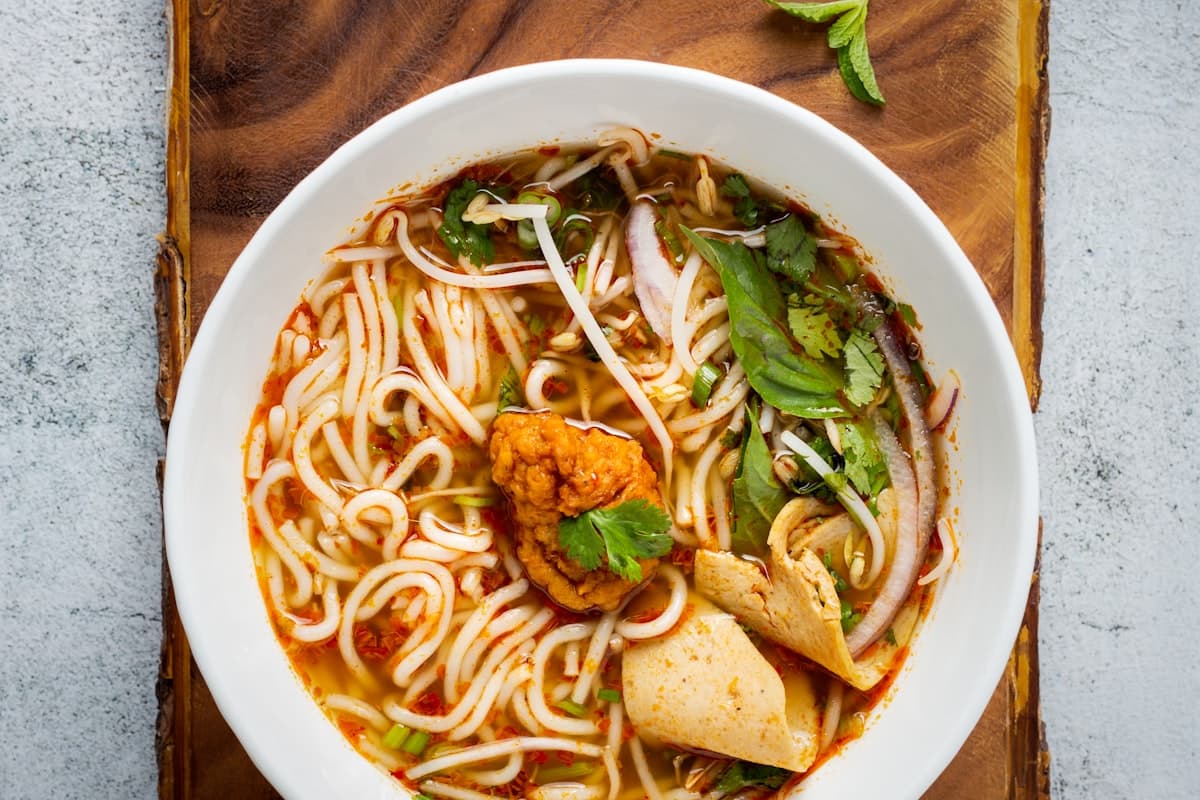
If pho bo is the elegant, clean soup, bun bo Hue is its bolder sibling. Spicy, rich, with a reddish broth from annatto. Lemongrass aroma, chilli heat, the depth of shrimp paste (mắm ruốc).
Hue is Vietnam's former imperial capital, and its cuisine is considered the most sophisticated in the country. In the bowl: thick rice noodles (bún), beef, pork knuckle, often huyết (blood pudding) and chả lụa pork roll, added at the stall's discretion. Served with shredded cabbage, herbs and lime. Price: 35,000–60,000 VND (~$1.40–2.40). A full taste-and-recipe breakdown is in our bun bo Hue guide.
Mi Quang (Mì Quảng) — Da Nang
Wide yellow noodles (from turmeric) with barely any broth — more gravy than soup. On top: shrimp, pork or chicken, peanuts, rice crackers (bánh tráng) and a pile of greens. Mi Quang is for travellers who've found their feet with the cuisine and want something new. In Da Nang it's on every corner. Price: 30,000–50,000 VND (~$1.20–2). Addresses in Da Nang and Hoi An are in our mi Quang guide.
Cao lau (Cao lầu) — Hoi An
Cao lau is made only in Hoi An and nowhere else. Legend says the proper recipe needs water from one specific well, Bá Lễ, and the lye for the noodles comes from the ash of trees on the Cham Islands.
Thick noodles (like Japanese udon, but denser and chewier) come with slices of barbecue pork, crisp crackers from the same dough and fresh herbs. There's almost no broth — it's closer to a sauce. Price: 35,000–50,000 VND (~$1.40–2). Why it's made only in Hoi An — in our cao lau guide.
Hu tieu (Hủ tiếu) — Ho Chi Minh City
A southern soup with rice noodles, pork and seafood. The broth is sweetish and clear — simmered on pork bones with dried squid. There's a "dry" version (khô) too: noodles with sauce, broth served on the side in a cup.
Hu tieu is a Teochew Chinese-Cambodian inheritance adapted by the south. You'll find it mostly in Ho Chi Minh City and the Mekong Delta. The best spots open early — hu tieu is a classic southern breakfast. Price: 35,000–60,000 VND (~$1.40–2.40).
Bun rieu (Bún riêu)
A tomato soup with crab meat and tofu — bright, tangy, unusual. The crab paste is shaped into little clumps and cooked in tomato broth. Served with rice vermicelli, herbs and shrimp paste. A soup for people who like to be surprised. Price: 35,000–55,000 VND (~$1.40–2.20).
Small bites: spring rolls, crepes, steamed buns
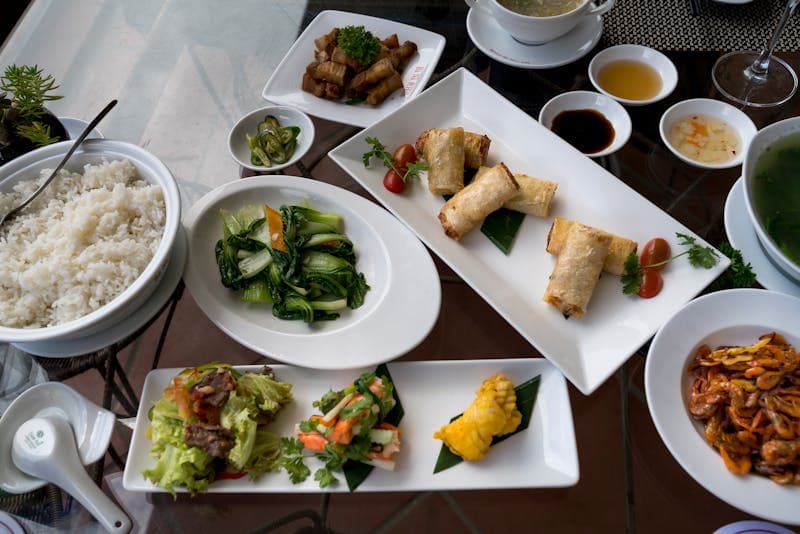
Vietnamese small bites are a whole universe, no less varied than the soups. There's everything from light fresh rolls to crunchy fried snacks.
Goi cuon (Gỏi cuốn) — fresh spring rolls
Translucent rice paper wrapped around boiled shrimp, rice vermicelli, lettuce, mint and basil. Served with a peanut dip (tương đậu phộng) or hoisin. Goi cuon isn't fried — it's a healthy, light snack with barely any calories.
In the north they're called "nem cuon," in the south "goi cuon." Same thing. Sometimes the shrimp is swapped for pork or tofu. Price: 25,000–50,000 VND (~$1–2) for 2–4 pieces.
Nem (Nem rán / Chả giò) — fried spring rolls
Same ingredients, fried — crisp with a golden shell. Filling: minced meat, wood-ear mushroom, carrot, glass noodles. In the north they're "nem" (nem), in the south "cha gio" (chả giò). Every kind of nem, fried or fresh, and where to try them — in our guide to Vietnamese spring rolls.
Served with fish sauce (nước mắm) and lettuce — you wrap the roll in greens and dip. One of the most popular things to eat with beer. Price: 25,000–45,000 VND (~$1–1.80) for 3–5 pieces.
Banh xeo (Bánh xèo) — the crispy crepe
The name means "sizzling cake" — from the sound the batter makes on a screaming-hot pan. "Xèo" is the sizzle itself.
A thin rice-flour crepe with turmeric (that's the yellow), stuffed with pork, shrimp and bean sprouts. You tear off pieces, wrap them in lettuce and rice paper, and dip in a garlic-chilli fish sauce.
In the south banh xeo is bigger and thicker; in the north small and thin. The best big ones are in Ho Chi Minh City, where a crepe can be the size of a whole plate. Price: 30,000–50,000 VND (~$1.20–2). Full details in our guide to banh xeo.
Banh bao (Bánh bao) — steamed buns
Vietnam's take on the Chinese baozi: a white, fluffy steamed bun filled with minced meat, quail egg and mushroom. Sold from glass steamer cases on every corner. The perfect snack on the move.
There's a chicken version, a vegetarian one (tofu and vegetables), even a sweet one (coconut cream). Price: 15,000–25,000 VND (~$0.60–1) each.
Banh cuon (Bánh cuốn) — steamed rice rolls
Paper-thin rice-flour rolls steamed over a stretched cloth. Inside: minced meat with mushrooms and fried shallots. Served with sliced Vietnamese sausage (chả), fried shallots and fish sauce.
Banh cuon is a classic Hanoi breakfast. Watching it made is half the fun: the cook pours batter onto the cloth, it sets in 30 seconds, then she lifts it with a thin stick and folds in the filling. Price: 20,000–35,000 VND (~$0.80–1.40). More in our banh cuon guide.
Com tam and com binh dan — rice the Vietnamese way
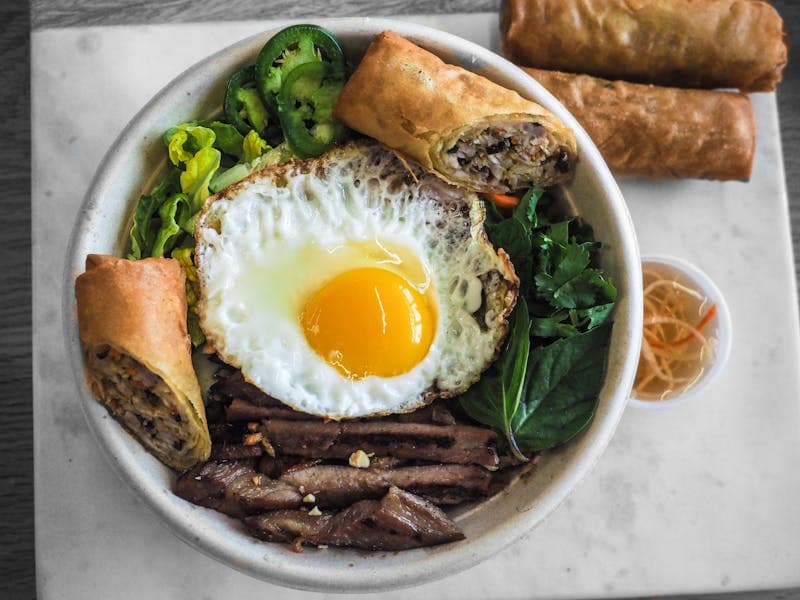
Rice is the foundation of the cuisine, and on the street it comes in two main forms. Both are filling, cheap and loved by locals more than pho or banh mi.
Com tam (Cơm tấm)
"Broken rice" — a signature dish of Ho Chi Minh City. The name means exactly that: broken grains, once considered milling waste, turned out tastier than whole ones — softer, and better at soaking up sauce.
A standard plate: rice, a grilled pork chop (sườn nướng), an omelette (trứng ốp la), shredded pork skin (bì), pickled vegetables (đồ chua) and fish sauce (nước mắm). Together it's a burst of textures and flavours.
Com tam spots in Saigon open at 6 a.m. and run till lunch; some are open around the clock. Price: 35,000–60,000 VND (~$1.40–2.40).
Com binh dan (Cơm bình dân)
Literally "people's food." It works like a buffet: you walk in, 5–10 dishes sit behind glass — fried fish, braised pork, tofu in tomato sauce, stir-fried vegetables, boiled eggs, soups. You point at what you want and it's piled onto rice.
This is the perfect option if you don't speak Vietnamese — zero language barrier. Just point at whatever looks good. Most people take 2–3 dishes with rice.
Com binh dan is the cheapest way to fill up in Vietnam. Workers, students and taxi drivers eat here. See a spot packed with men in work uniforms? That's the one. Price: 30,000–50,000 VND (~$1.20–2) for a full plate.
Seafood on the street
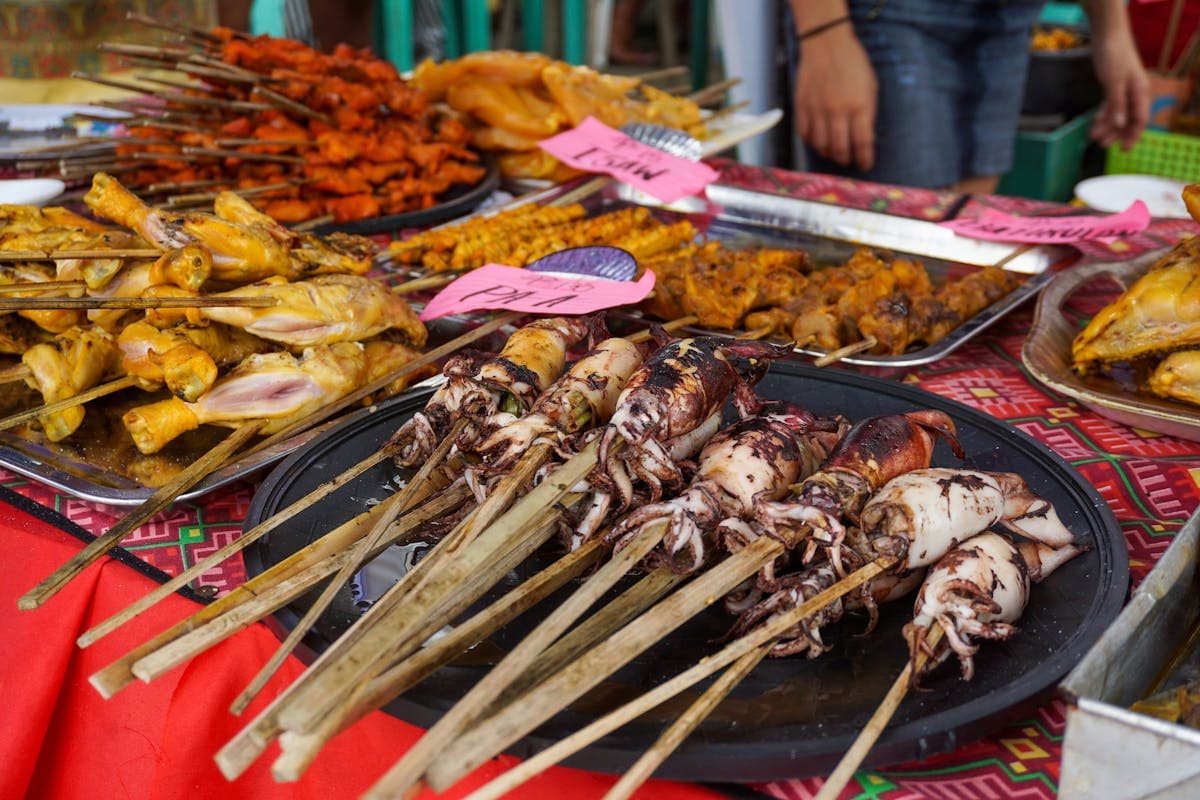
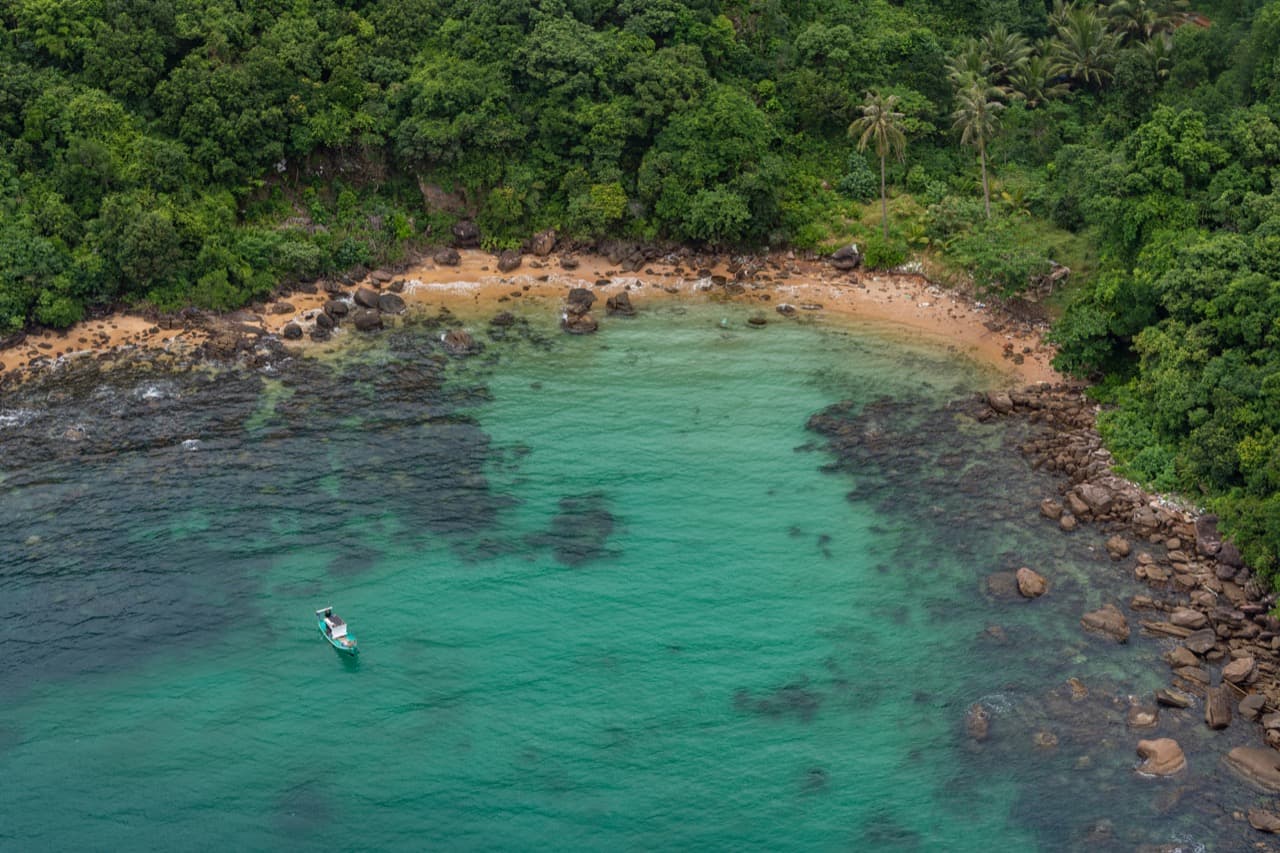
Vietnam has 3,260 km of coastline, and seafood here is cheaper than in most of Asia. Fishing villages, oyster farms and shrimp ponds mean the catch hits the counter within hours.
Bo ke (Hải Sản Bờ Kè)
Along the waterfronts of coastal cities — Nha Trang, Da Nang, Phu Quoc — you'll find bo ke: street eateries with tanks where you pick live seafood. Point at a shrimp or crab and they grill it, boil it, or fry it with garlic butter or tamarind sauce.
The bo ke format: plastic tables on the pavement, tanks at the entrance, a menu (if any) in Vietnamese. But you don't need the language — it's all visual.
What to try
| Seafood | Style | VND per kg | ~USD per kg |
|---|---|---|---|
| Shrimp | Garlic grill / boiled | 150,000–350,000 | ~$6–14 |
| Squid | Grilled / stir-fried with chilli | 130,000–200,000 | ~$5–8 |
| Oysters | Grilled with cheese / raw | 10,000–30,000 each | ~$0.40–1.20 each |
| Crab | Boiled / with tamarind | 200,000–500,000 | ~$8–20 |
| Whole fish | Grilled / steamed | 100,000–250,000 | ~$4–10 |
| Mussels | Stir-fried with lemongrass | 50,000–100,000 | ~$2–4 |
| Lobster | Grilled / steamed with ginger | 500,000–1,200,000 | ~$20–48 |
Best cities for seafood
- Nha Trang — the Trần Phú waterfront and streets near the fishing pier. The widest choice.
- Phu Quoc — Dinh Cau night market (Dinh Cậu). Check that the market is open before you go: in 2026 the authorities are considering moving it to a new site. The freshest oysters, squid, urchins.
- Da Nang — the Hải sản Bờ Kè strip along the Han River. Local prices.
- Vung Tau — a fishing town two hours from Ho Chi Minh City. Cheaper and more authentic.
Sweets and drinks
Sweets
Vietnamese desserts aren't cakes or pastries. They're light, refreshing things built on beans, tapioca and coconut milk. Most are sold on the street from carts or small stalls.
Che (Chè) — the umbrella name for sweet dessert soups. There are dozens:
- Chè đậu xanh — with mung beans
- Chè đậu đen — with black beans
- Chè ba màu — a three-colour dessert (beans, jelly, coconut milk)
- Chè thập cẩm — a mix of everything: beans, tapioca, fruit, coconut, ice
- Chè bưởi — with pomelo and tapioca
Served in glasses — hot in winter, iced in the heat. Price per serving: 15,000–30,000 VND (~$0.60–1.20). All the types, Hue's royal versions and where to eat them are in our che guide.
Banh flan (Bánh flan) — Vietnamese crème caramel, a French colonial inheritance. Softer than the European version, with a coconut aroma and a more pronounced caramel. Sold in small glass cups, often paired with ca phe sua da for a "coffee and dessert" combo for pennies. Price: 10,000–20,000 VND (~$0.40–0.80).
Tropical fruit — every corner sells cut mango, pineapple, watermelon, papaya, rambutan, mangosteen. The trick is chilli-salt (muối ớt): a mix of salt, sugar and ground chilli. Dip a slice of mango into it — salty, sweet and spicy at once. Sounds odd, tastes brilliant. A bag from a cart: 20,000–40,000 VND (~$0.80–1.60). What grows when and how to eat it — in our Vietnam fruit guide.
Drinks
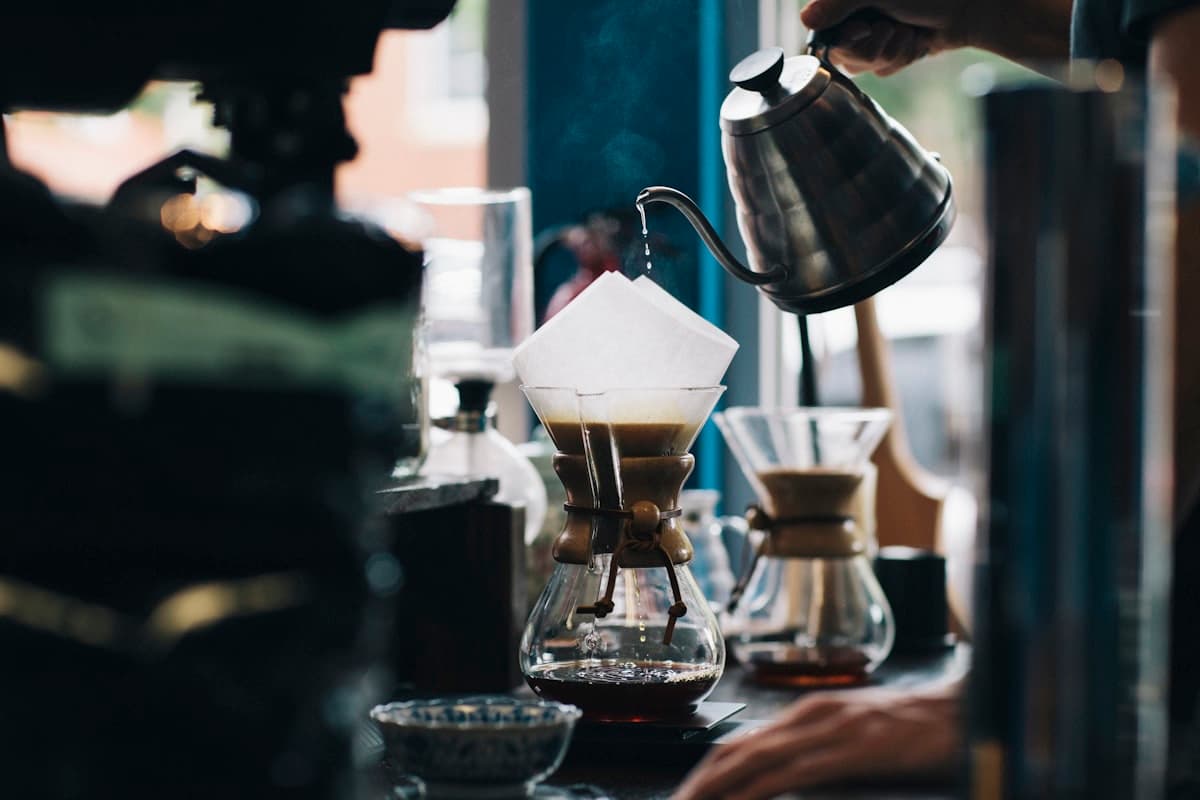
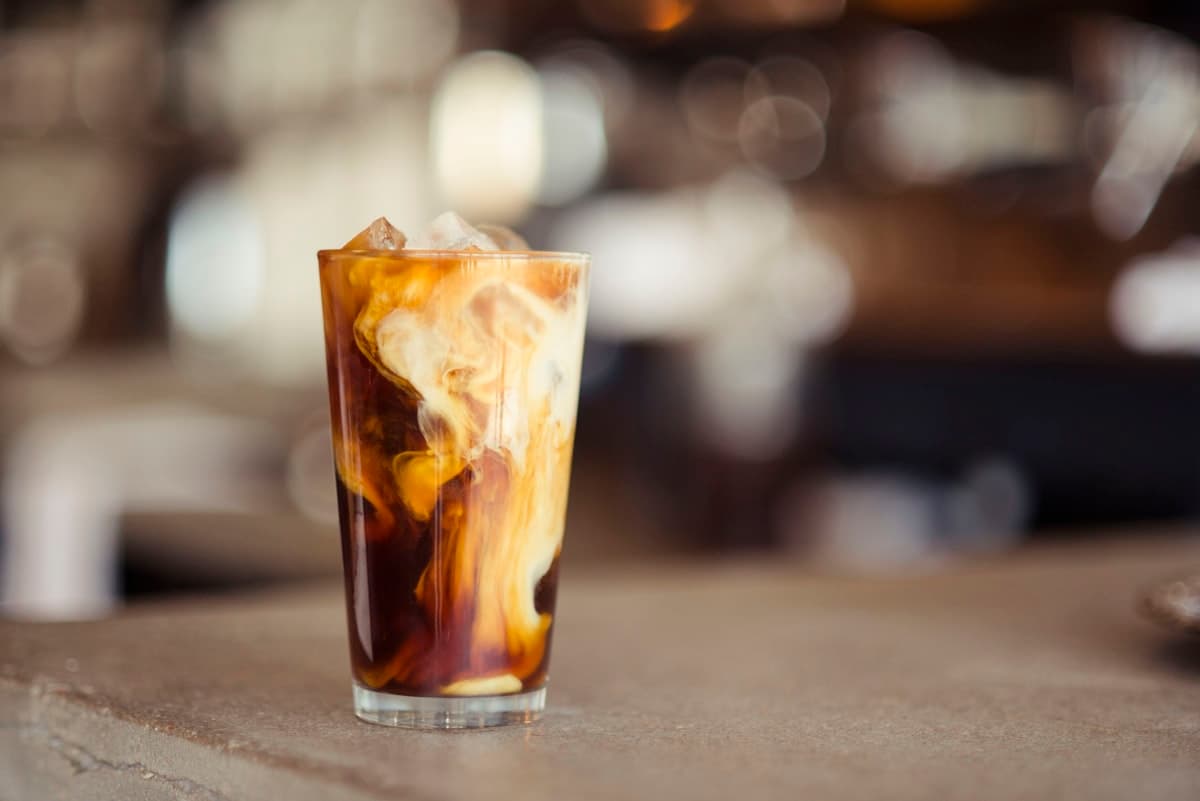
Ca phe sua da (Cà phê sữa đá) — iced coffee with condensed milk. Strong (Vietnamese robusta), sweet and seriously energising. Served over ice, dripped through a metal filter (phin) in front of you. One cup in the morning sets you up for half a day. Price: 15,000–30,000 VND (~$0.60–1.20).
Ca phe trung (Cà phê trứng) — egg coffee, invented by Hanoi barista Nguyen Van Giang in the late 1940s. Milk was scarce in post-war Hanoi, so he replaced it with egg yolk whipped with condensed milk into a cream. The result: warm coffee under a cap of silky egg cream. Tastes like tiramisu in a cup. The best is at Cafe Giảng (39 Nguyễn Hữu Huân) in Hanoi, where it was invented. Price: 25,000–45,000 VND (~$1–1.80). The story and recipe are in our egg coffee guide.
Nuoc mia (Nước mía) — sugarcane juice. The cane goes through a hand or electric press right on the street, with a squeeze of kumquat and ice added. The most refreshing thing you can drink in 35°C heat. Price: 10,000–20,000 VND (~$0.40–0.80).
Sinh to (Sinh tố) — fruit smoothies of mango, avocado, passionfruit, soursop (mãng cầu) or sapodilla. Thick, with condensed milk and ice. Price: 20,000–40,000 VND (~$0.80–1.60).
Bia hoi (Bia hơi) — Hanoi's draught beer. Brewed fresh daily with no preservatives, around 3% ABV. It has a claim to being the cheapest beer in the world: from 5,000 VND (~$0.20) a glass. You drink it on plastic stools on the pavement — a Hanoi ritual in itself. The main spot is the corner of Tạ Hiện and Lương Ngọc Quyến in the Old Quarter. More in our bia hoi guide.
Tra da (Trà đá) — iced green tea. Most street eateries serve it free — they just put a jug on the table. It's part of Vietnamese hospitality.
Street food price table for 2026
All prices are national averages. In tourist districts (central Nha Trang, Ben Thanh in Ho Chi Minh City) it can be 20–30% dearer. In non-tourist neighbourhoods, cheaper.
Currency converter
Main dishes
| Dish | VND | ~USD |
|---|---|---|
| Pho bo / pho ga | 40,000–60,000 | ~$1.60–2.40 |
| Banh mi | 20,000–40,000 | ~$0.80–1.60 |
| Bun cha | 40,000–70,000 | ~$1.60–2.80 |
| Bun bo Hue | 35,000–60,000 | ~$1.40–2.40 |
| Com tam | 35,000–60,000 | ~$1.40–2.40 |
| Com binh dan | 30,000–50,000 | ~$1.20–2 |
| Banh xeo | 30,000–50,000 | ~$1.20–2 |
| Bun rieu | 35,000–55,000 | ~$1.40–2.20 |
Small bites
| Dish | VND | ~USD |
|---|---|---|
| Goi cuon (fresh rolls) | 25,000–50,000 | ~$1–2 |
| Nem (fried rolls) | 25,000–45,000 | ~$1–1.80 |
| Banh bao (steamed bun) | 15,000–25,000 | ~$0.60–1 |
| Banh cuon | 20,000–35,000 | ~$0.80–1.40 |
Sweets and drinks
| Item | VND | ~USD |
|---|---|---|
| Che (dessert) | 15,000–30,000 | ~$0.60–1.20 |
| Banh flan | 10,000–20,000 | ~$0.40–0.80 |
| Ca phe sua da (coffee) | 15,000–30,000 | ~$0.60–1.20 |
| Egg coffee | 25,000–45,000 | ~$1–1.80 |
| Sugarcane juice | 10,000–20,000 | ~$0.40–0.80 |
| Fruit smoothie | 20,000–40,000 | ~$0.80–1.60 |
| Young coconut | 15,000–30,000 | ~$0.60–1.20 |
| Bia hoi (beer) | 5,000–15,000 | ~$0.20–0.60 |
Daily food budget (3 meals)
| Style | VND | ~USD |
|---|---|---|
| Street food only | 130,000–250,000 | ~$5–10 |
| Street + cafe | 250,000–400,000 | ~$10–16 |
| Cafe + restaurant | 400,000–800,000 | ~$16–32 |
Exchange rate used here: 1 USD ≈ 26,000 VND (check the live rate before you travel). Since street stalls are cash only, pull VND from an ATM and keep small notes handy.
Where to find street food
- Hanoi — Old Quarter (Phố Hàng Buồm): Hàng Buồm — sweets, Hàng Mành — bun cha, — Lý Quốc Sư — pho
- Hanoi — Dong Xuan Market (Chợ Đồng Xuân): The biggest covered market — Food zone on the second floor
- Hanoi — the Bia Hơi corner (Tạ Hiện × Lương Ngọc Quyến): The beer corner of the Old Quarter — Skewers, peanuts, salads
- Hoi An — Central Market (Chợ Hội An): Banh mi, cao lau, mi quang
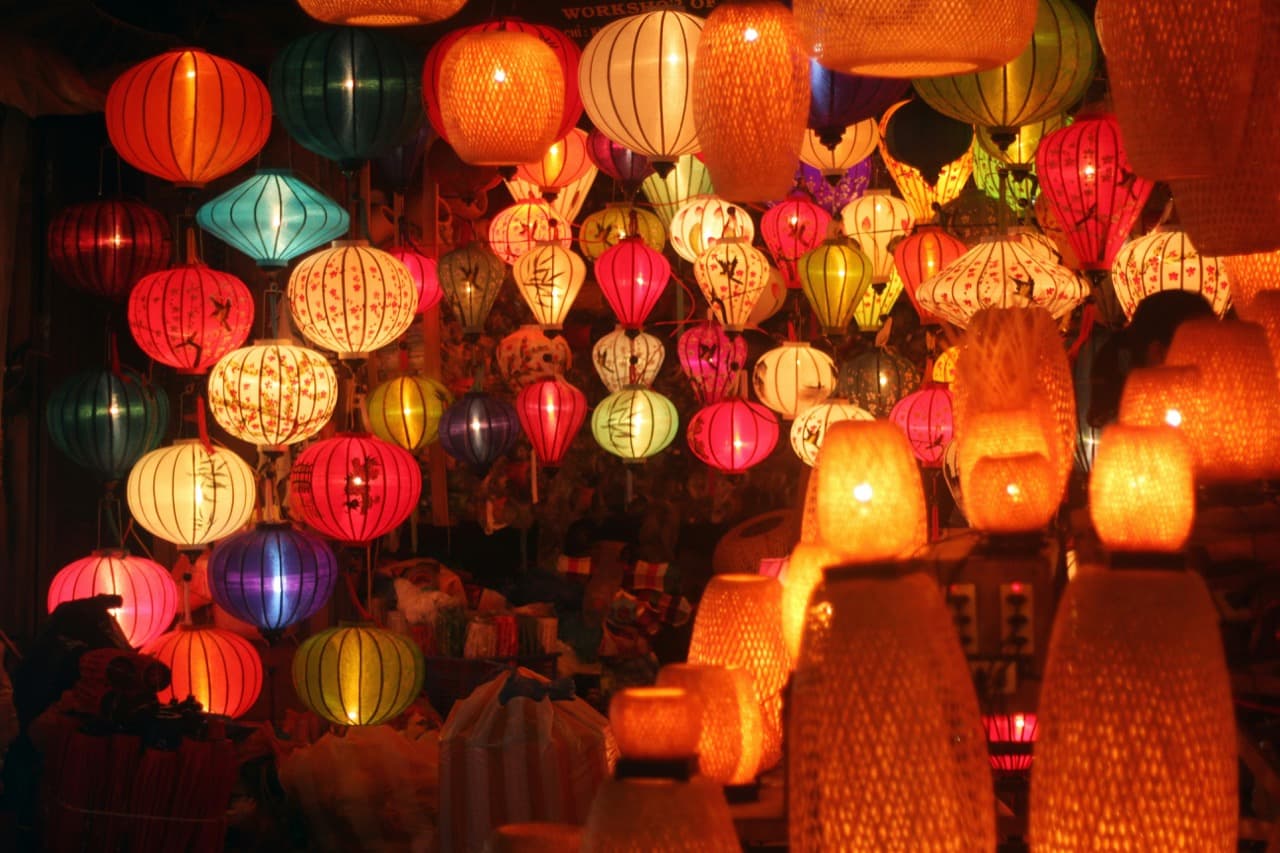
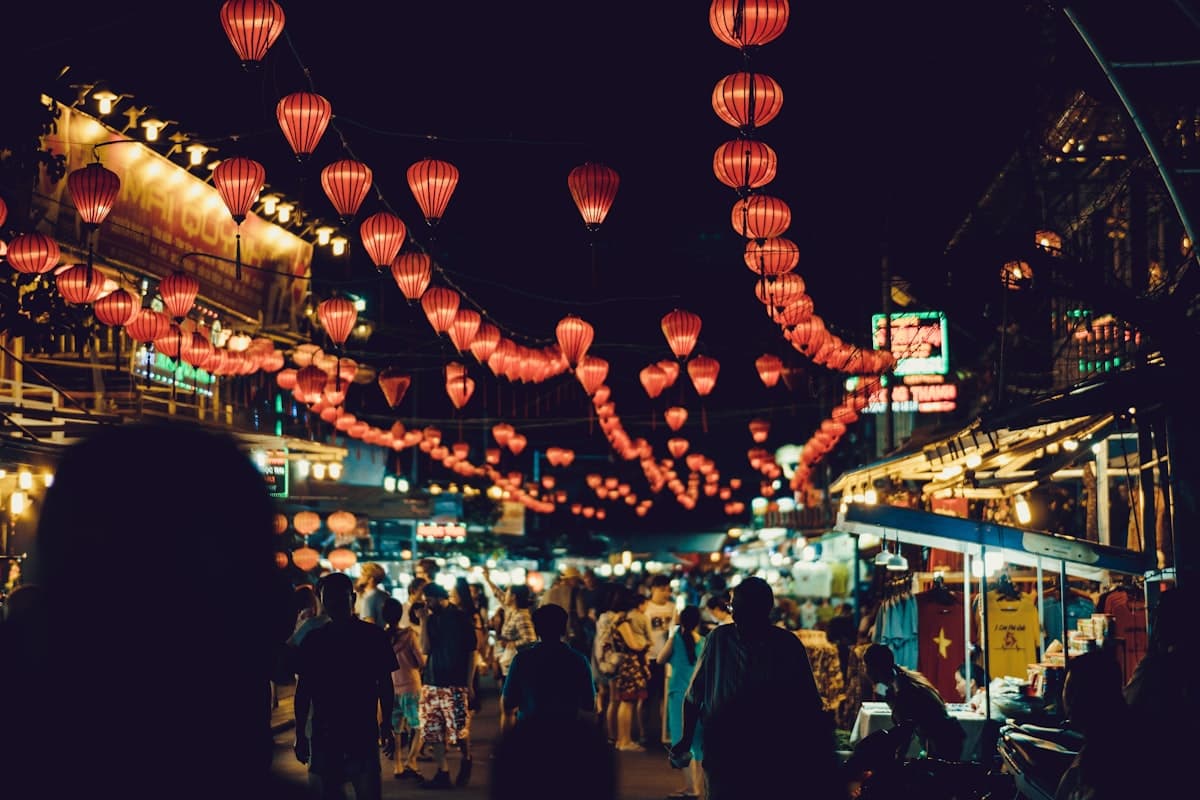
- Hoi An — Thu Bon riverfront (Bạch Đằng): Night market with lanterns
- Hoi An — Tran Phu Street (Trần Phú): Street stalls mixed in — with souvenir shops
- Nha Trang — night market (Chợ đêm Nha Trang): From 5 p.m. — Seafood, banh mi, fresh juices
- Nha Trang — Dam Market (Chợ Đầm): Dozens of street eateries around it
- Nha Trang — Hung Vuong Street (Hùng Vương): Seafood spots for locals — Cheaper than the waterfront
- Da Lat — night market (Chợ Đêm Đà Lạt): From 5 p.m. by the lake — Bánh tráng nướng, hot soy milk
- Da Lat — Tang Bat Ho Street (Tăng Bạt Hổ): The morning cluster — Bánh căn, bánh ướt lòng gà
- Da Lat — Hoang Dieu alley (Hoàng Diệu): Beef hot pot, lẩu bò Ba Toà
- Ho Chi Minh City — Ben Thanh Market (Chợ Bến Thành): Food zone by day, night market after dark
- Ho Chi Minh City — Bui Vien Street (Bùi Viện): The backpacker quarter — Dozens of street stalls
- Ho Chi Minh City — Cholon (Chợ Lớn): Chinatown — Dim sum, wonton noodles
Types of spots
Street food in Vietnam isn't random stalls — it's a clear system of formats. Know them and you'll find your way around any city.
Xe đẩy (carts) — mobile stalls on wheels. Usually one dish and nothing else. The auntie with the pho cart on the corner is the classic. She parks at a junction in the morning and rolls off by lunch. Cheapest prices, often the highest quality: cook one dish for 20 years and it's perfect.
Quán (street eateries) — fixed spots with plastic tables and 20 cm stools. A sign over the door names the dish (Phở, Bún chả, Cơm tấm). The menu is wider, 3–5 items. Most famous spots are quán — they have an address, regulars and often a queue.
Com binh dan (people's canteens) — the buffet format. Rice plus 5–10 ready dishes to choose from. Zero language barrier: you point. The cheapest option.
Night markets (chợ đêm) — food courts running 5 p.m. to 11 p.m. The widest choice of dishes from different regions. Prices run 20–30% above street level, but the atmosphere is worth it: fairy-lit stalls, grill smoke, crowds. The best night markets city by city are in our night markets guide.
Chợ (day markets) — covered markets with food zones. Fresh produce plus cooked food. The food zone usually has 10–20 stalls with different dishes. Sit at a shared table and order from any of them. Đông Ba market and the rest of Hue's street food are in our Hue food guide.
Best spots by city
Hanoi:
- Old Quarter (36 streets) — each street historically specialised in one kind of goods, and now in one kind of food. Phố Hàng Buồm — sweets, Phố Hàng Mành — bun cha, Phố Lý Quốc Sư — pho.
- Dong Xuan Market (Đồng Xuân) — Hanoi's biggest covered market. Food zone on the second floor.
- The Bia Hơi corner — the legendary beer joints at Tạ Hiện and Lương Ngọc Quyến. Hundreds sit on plastic stools here in the evening.
- Ben Thanh Market (Bến Thành) — a covered market with a food zone by day, a night market around it after dark. A symbol of Saigon.
- Bùi Viện Street — the backpacker quarter with dozens of street stalls. Loud, fun, cheap. Also the heart of the city's nightlife.
- Chợ Lớn (Cholon) — Chinatown with its own cuisine: dim sum, Vietnamese-Peking duck, wonton noodles.
- Night market on the waterfront (from 5 p.m.). Seafood, banh mi, fresh juices.
- Around Dam Market (Chợ Đầm) — dozens of street eateries.
- Hùng Vương Street — a row of seafood spots for locals (cheaper than the waterfront).
Hoi An:
- Central Market — banh mi, cao lau, mi quang, all fresh and cheap.
- Night market on the Thu Bon riverfront — lanterns, atmosphere, food.
- Trần Phú Street — a scatter of street stalls mixed in with souvenir shops.
Da Lat:
- Night market (Chợ Đêm) — from 17:00 by the lake. The draw is charcoal-grilled bánh tráng nướng and hot soy milk.
- Tăng Bạt Hổ Street — the morning cluster: bánh căn and bánh ướt lòng gà, which barely exists anywhere else in Vietnam.
- The Hoàng Diệu alley — beef hot pot, lẩu bò Ba Toà. All of it is broken down in the Da Lat food guide.
For the brave
Vietnamese street food isn't only pho and banh mi. Some dishes take a bit of nerve. And honestly — not all of them are must-tries.
Hot vit lon (Hột vịt lộn) — balut, a duck egg with a partly formed embryo. For Vietnamese it's an ordinary evening snack. Eaten with salt, pepper, Vietnamese coriander (rau răm) and a slice of ginger. Costs 5,000–10,000 VND (~$0.20–0.40) each. Sold from carts in the evening.
Fried insects — crickets (dế chiên), silkworms (nhộng tằm), grasshoppers. Fried with garlic and chilli. Crisp and salty, tasting like chips with a nutty finish. A portion: 30,000–60,000 VND (~$1.20–2.40). More common in the north, especially the highlands.
Snails (ốc) — a street-food culture of their own, especially in the south. Dozens of kinds: boiled with lemongrass, fried with garlic and chilli, stewed in coconut milk. Dedicated "quán ốc" spots run in the evening — Vietnam's answer to a beer hall. A portion: 30,000–80,000 VND (~$1.20–3.20).
Snake wine and snake dishes — rice liquor with a snake steeped in it (rượu rắn). Sold as a souvenir, but locals drink it for "health" as a tonic. Specialist restaurants serve snake-meat dishes: soup, fried skin, spring rolls.
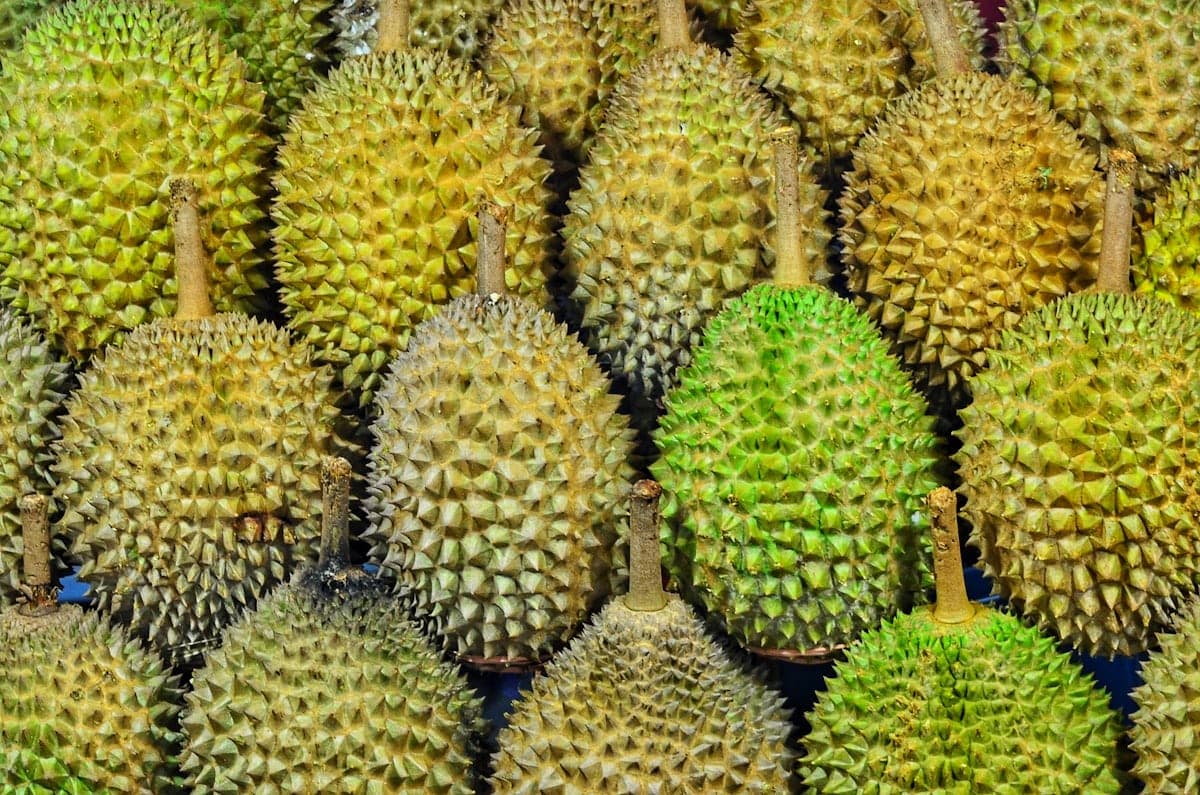
Durian (sầu riêng) — the "king of fruit," with a smell no one describes neutrally. Some say rotten onion, others old socks. Many hotels, planes and buses ban it. But if it clicks for you: a custard texture, a flavour of vanilla pudding with caramel and a faint garlic note. Price: 60,000–120,000 VND (~$2.40–4.80) per kg.
Fast Track — no queue at the border
5–10 minutes instead of an hour in the immigration queue
from$11per passenger
Is it safe? Hygiene and how to eat smart
The number-one fear about street food is "will I get sick?" Short answer: the risk is minimal if you follow a few simple rules. Hygiene at the popular spots is usually better than it looks, and high turnover keeps the ingredients fresh.
Five rules for eating safely on the street
1. Watch the queue. If locals are lining up, the food is fresh and safe. An empty stall at lunchtime is a warning sign. High turnover means fresh ingredients. As local guides point out, a place always full of Vietnamese diners is the best guarantee of quality and freshness.
2. Hot is safer. Soup boiling in front of you, food fried in scorching oil — bacteria don't survive that. Pho bo is one of the safest street options: the boiling broth kills bacteria and the beef cooks right in the bowl (source). Be more careful with cut fruit and salads that have sat out unrefrigerated for hours.
3. Drink only bottled water. Never drink tap water — brush your teeth with bottled water too. Ice: tube ice with a hole through the middle (đá viên) is usually factory-made from purified water. Irregular block ice (đá cây) may come from the tap — best avoided at dubious spots.
4. Ease in over the first days. Don't dive into everything at once. Give your stomach 2–3 days to adjust to the new water, food and spices. Start with boiled dishes (pho, bun cha), then move to fried and raw.
5. Pack a small kit. A basic set: an oral rehydration powder, activated charcoal or a good antidiarrhoeal, and hand sanitiser. Serious poisoning from street food in Vietnam is rare, but a mild upset in the first days is possible from the change of water, unfamiliar spices and a new climate. Keeping sanitiser and wipes on you is a simple step that prevents most problems.
Information current as of July 2026.
Why Vietnamese street food is safer than it looks
Vietnamese vendors watch street-food hygiene more closely than in neighbouring countries. The key principle is freshness: no one cooks with yesterday's ingredients. Vegetables, meat and fish are bought at market every morning and used up that day. Pho broth simmers overnight. Banh mi is baked in the morning.
Vietnamese cooking values natural ingredients. Complex sauces or pre-made products are rarely used. The base is fresh meat, poultry, seafood, vegetables, rice and noodles.review by TourProm (in Russian), 2026
If a stall has worked the same spot for years, its quality is steady. Vietnamese are picky about food and won't go back somewhere that was once bad or stale.
What to do if you get an upset stomach
If it does catch up with you:
- Mild upset — rehydration salts and plenty of water. Usually gone in a day.
- Diarrhoea without fever — an antidiarrhoeal plus rehydration. Rest, rice, bananas.
- Fever, vomiting, sharp pain — go to a hospital. Nha Trang, Ho Chi Minh City and Hanoi have international clinics with English-speaking staff. Travel insurance is a must.
In the vast majority of cases it's not "poisoning" but your body adjusting to new water, climate and gut flora. It passes in 2–3 days.
- Pick stalls with a queue of locals — high turnover means fresh ingredients.
- Eat hot food straight off the flame — heat kills bacteria.
- Drink only bottled water; brush your teeth with it too.
- Ease in over the first 2–3 days — let your stomach adjust.
- Carry a small kit: rehydration salts, activated charcoal, an antidiarrhoeal, sanitiser.
FAQ
Yes, if you follow a few basics. Pick stalls with a queue of locals, eat food that's hot off the flame, and drink only bottled water. Serious poisoning is the exception, not the rule. A stomach upset is not always the food: a change of water and climate plays a part too.
- On street food alone~$5–10130,000–250,000 VNDbuys three proper meals
- Mixing street stalls with cafes~$10–16
- A seafood dinner~$4–20adds on top
Chopsticks for the noodles and beef, a spoon for the broth. Tear the herbs (basil, mint, sprouts) by hand and drop them in. Squeeze lime to taste. Hoisin and sriracha are optional — regulars prefer to taste the broth clean first. Slurping is fine.
The top five for a first visit: pho bo (soup), banh mi (sandwich), bun cha (grilled pork with noodles), goi cuon (fresh spring rolls) and ca phe sua da (iced coffee). Safe, delicious, cheap and loved by almost everyone.
Yes. Look for a sign that says "Chay" — those are vegetarian eateries. Buddhism runs deep here, and vegetarian cooking (ẩm thực chay) is a full tradition with hundreds of dishes. Tofu, vegetables, mock meat, mushrooms and rice for 25,000–40,000 VND (~$1–1.60). On the full and new moon many Vietnamese also eat vegetarian, so the choice is even wider.
At a com binh dan buffet, point at the dishes behind the glass. Night markets often have photos or an English menu. At street eateries, show a photo on your phone or learn two words: "này" (this one) and "bao nhiêu" (how much). Google Translate's camera reads Vietnamese signs and menus in real time — a genuinely useful tool.
Yes. Street stalls, carts and small quán are cash only — carry small VND notes (10,000–50,000). Cards and QR pay work mostly in cafes and restaurants, not at the corner cart selling pho. Pull VND from an ATM on arrival.
Around Dam Market (Chợ Đầm), the waterfront night market, and Hùng Vương Street for seafood. More in our full Nha Trang food guide.
Yes, with caveats. Hot soups and grilled dishes are safe. Skip anything too spicy (ask for "không cay" — no chilli), the exotica and ice at dubious spots. Wash fruit with bottled water. Vietnamese children grow up on the same street food — it's not dangerous with basic hygiene.
Updated July 2026. Prices are current but vary by region and season. Exchange rate used: 1 USD ≈ 26,000 VND. More on the food culture at vietnam.travel. For city-by-city eating, see our guides to Ho Chi Minh City, Da Nang, Nha Trang and Phu Quoc.
- Food
Hanoi Food 2026: Pho, Bun Cha & Where to Eat
Hanoi food guide: pho, bun cha, banh cuon, egg coffee and Old Quarter street food — the local dishes to try and where, with 2026 prices.Hanoi Food 2026: Pho, Bun Cha & Where to Eat - Food
Banh Xeo: Vietnam's Sizzling Pancake — Where to Eat It
What banh xeo is, how southern and central versions differ, how to eat it, where to try it in Vietnam with prices, and whether it's gluten-free.Banh Xeo: Vietnam's Sizzling Pancake — Where to Eat It - Food
Phu Quoc Food 2026: Seafood & Where to Eat
Phu Quoc food guide: seafood, the Duong Dong night market, herring salad, fish sauce and sim wine — local dishes and where to eat, with prices.Phu Quoc Food 2026: Seafood & Where to Eat