Vietnam in November: weather, resorts and prices in 2026
November is Vietnam's turning point: the south enters its dry season (29–33°C, 28°C water, 5–7 rainy days), and Phu Quoc and Mui Ne open high season. The north is dry and cool — perfect for Hanoi and Ha Long Bay. The centre (Da Nang, Hue, Nha Trang), meanwhile, is buried in peak rain and possible typhoons.
November at a glance
- Where to go
- Phu Quoc and Mui Ne
- Sea in the south
- 28–29 °C
- Wettest
- Da Nang and Hue
- Prices
- below December

Below: a detailed weather table for every region, a resort-by-resort comparison, real 2026 prices in VND with rough USD conversions, and a packing checklist. Visas depend on your passport: citizens of the UK and 18 EU countries get 45 days visa-free, while US and Australian travellers apply for the 90-day e-visa ($25 single, $50 multiple entry).
Vietnam weather in November by region: map, air, sea
November splits Vietnam into three climate zones: a dry, warm south; a wet, stormy centre; and a cool, comfortable north. The temperature difference between Phu Quoc and Sapa runs up to 15 degrees — effectively two different countries on the same date.
Green pins are where November works, blue ones are fine for sightseeing and cruises but not for the beach, red ones are best left for another month. Tap a pin for temperature, sea and how much rain to expect.
- Phu Quoc (Phú Quốc): 29–32°C, sea 28–29°C — Rain: 5–7 days (40–60 mm) — Start of high season
- Phan Thiet / Mui Ne (Phan Thiết / Mũi Né): 29–32°C, sea 27–28°C — Rain: 6–8 days (50–80 mm) — Beach, kitesurfing
- Hanoi (Hà Nội): Day 20–26°C, night 10–18°C — Rain: 6–8 days (20–30 mm) — Sightseeing, trekking
- Sapa (Sa Pa): Day 20–26°C, night 10–18°C — Rain: 6–8 days (20–30 mm) — Sightseeing, trekking
- Ha Long (Hạ Long): 22–25°C, sea 23°C — Rain: 7–9 days (30–40 mm) — Bay cruise
- Ho Chi Minh City (TP. Hồ Chí Minh): Day 30–33°C, night 23–25°C — Rain: 8–12 days (80–120 mm) — Sightseeing, rain easing
- Da Nang (Đà Nẵng): 24–27°C, sea 25–26°C — Rain: 18–24 days (200–350 mm) — Avoid — typhoons
- Hue (Huế): 24–27°C, sea 25–26°C — Rain: 18–24 days (200–350 mm) — Avoid — typhoons
- Hoi An (Hội An): 24–27°C, sea 25–26°C — Rain: 18–24 days (200–350 mm) — Avoid — typhoons
- Nha Trang (Nha Trang): 26–29°C, sea 26–27°C — Rain: 15–18 days (200–300 mm) — Peak rain, not for the beach
| Region | Day t° | Night t° | Water t° | Rain, mm | Rainy days | Verdict |
|---|---|---|---|---|---|---|
| Hanoi, Sapa | 20–26°C | 10–18°C | — | 20–30 | 6–8 | Sightseeing, trekking |
| Ha Long | 22–25°C | 18–20°C | 23°C | 30–40 | 7–9 | Bay cruise |
| Da Nang, Hue, Hoi An | 24–27°C | 21–23°C | 25–26°C | 200–350 | 18–24 | Avoid — typhoons |
| Nha Trang | 26–29°C | 22–24°C | 26–27°C | 200–300 | 15–18 | Peak rain, not for the beach |
| Ho Chi Minh City | 30–33°C | 23–25°C | — | 80–120 | 8–12 | Sightseeing, rain easing |
| Phan Thiet, Mui Ne | 29–32°C | 23–25°C | 27–28°C | 50–80 | 6–8 | Beach, kitesurfing |
| Phu Quoc | 29–32°C | 24–26°C | 28–29°C | 40–60 | 5–7 | Start of high season |
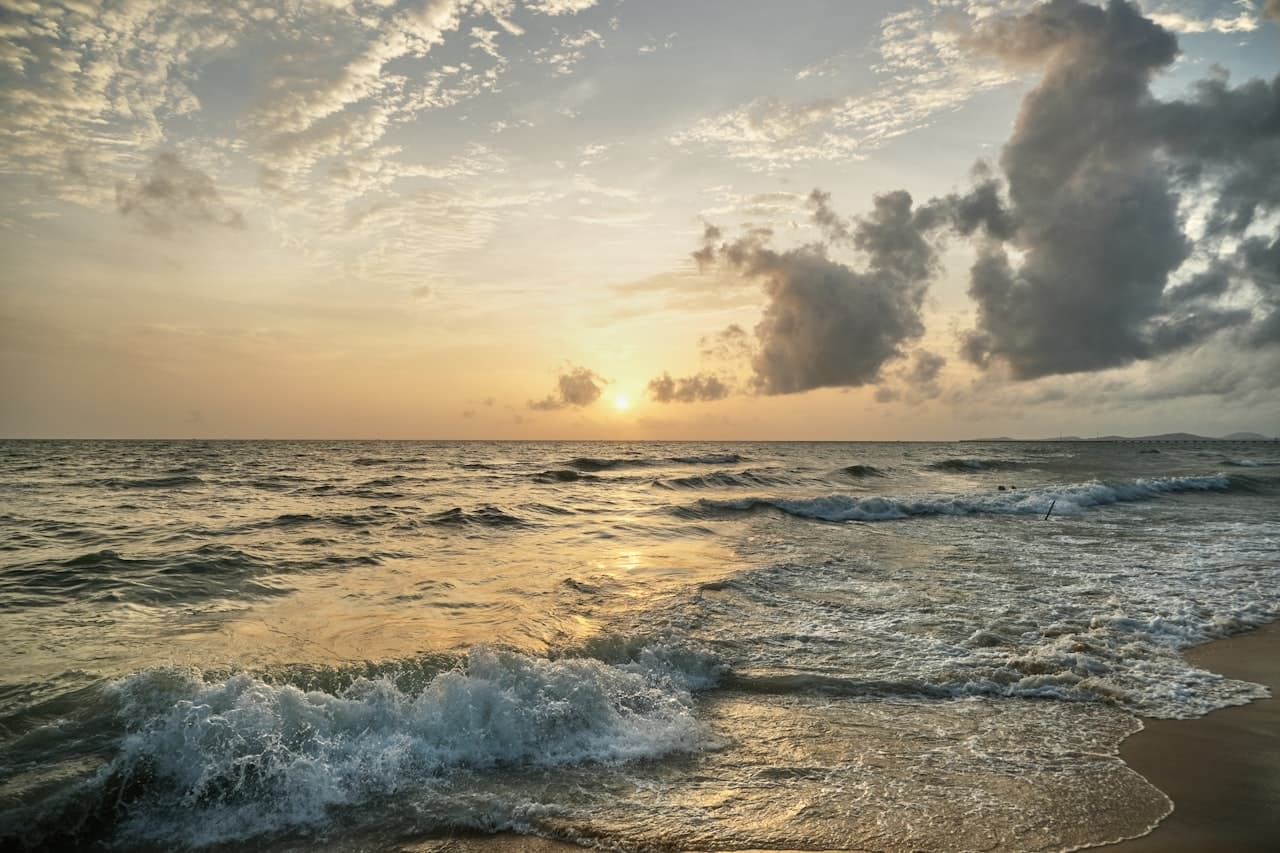
The south is the main target in November. The rainy season is leaving and the sky clears. On Phu Quoc showers still happen — short bursts of 1–2 hours, usually between 2 and 5 pm — while mornings and evenings on the beach are clear and sunny. Mui Ne is already drier, and the wind is starting to build, which delights the kite crowd.
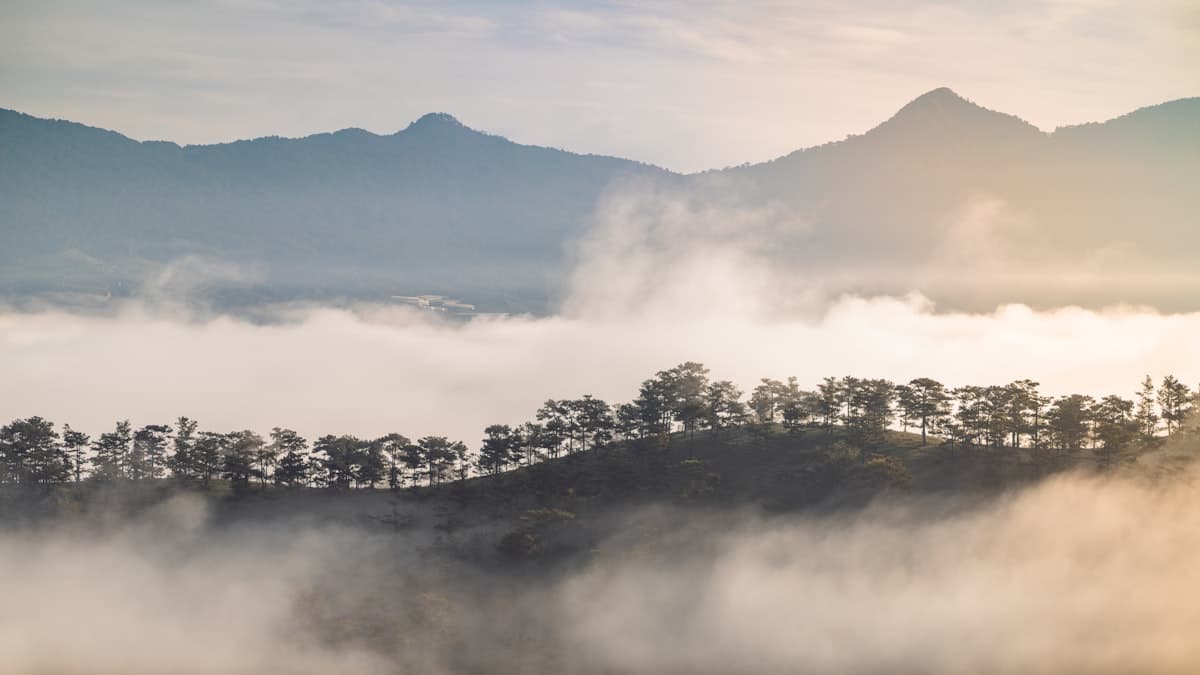
The centre is the problem zone. Đà Nẵng (Da Nang) gets up to 350 mm of rain over 18–24 wet days in November — its wettest of the year. Typhoons from the Philippines arrive precisely in October and November, bringing floods and storms. Nha Trang is also in its rainy season: up to 300 mm of rain, with a murky, choppy sea. In Da Lat it is cool and foggy — 18–23°C.
The north is a pleasant surprise. Autumn Hanoi is dry and mild: 22–27°C. Misty Ha Long Bay looks almost mystical in November — the karst peaks dissolve into the haze. The downside: swimming is out, with the water at 23°C.
Weather figures are current for 2026. Sources: climate-data.org, weatherspark.com.

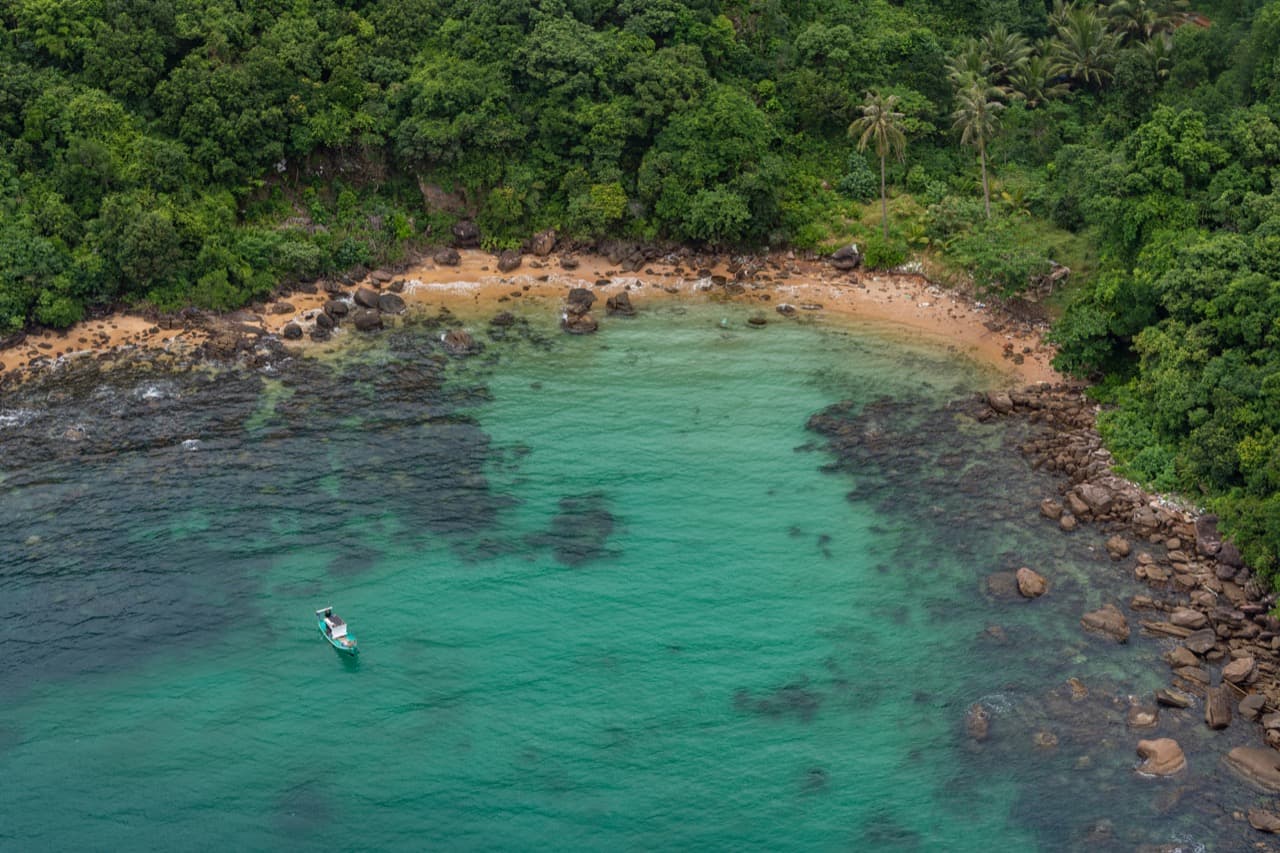
Where to go in Vietnam in November — resorts by region
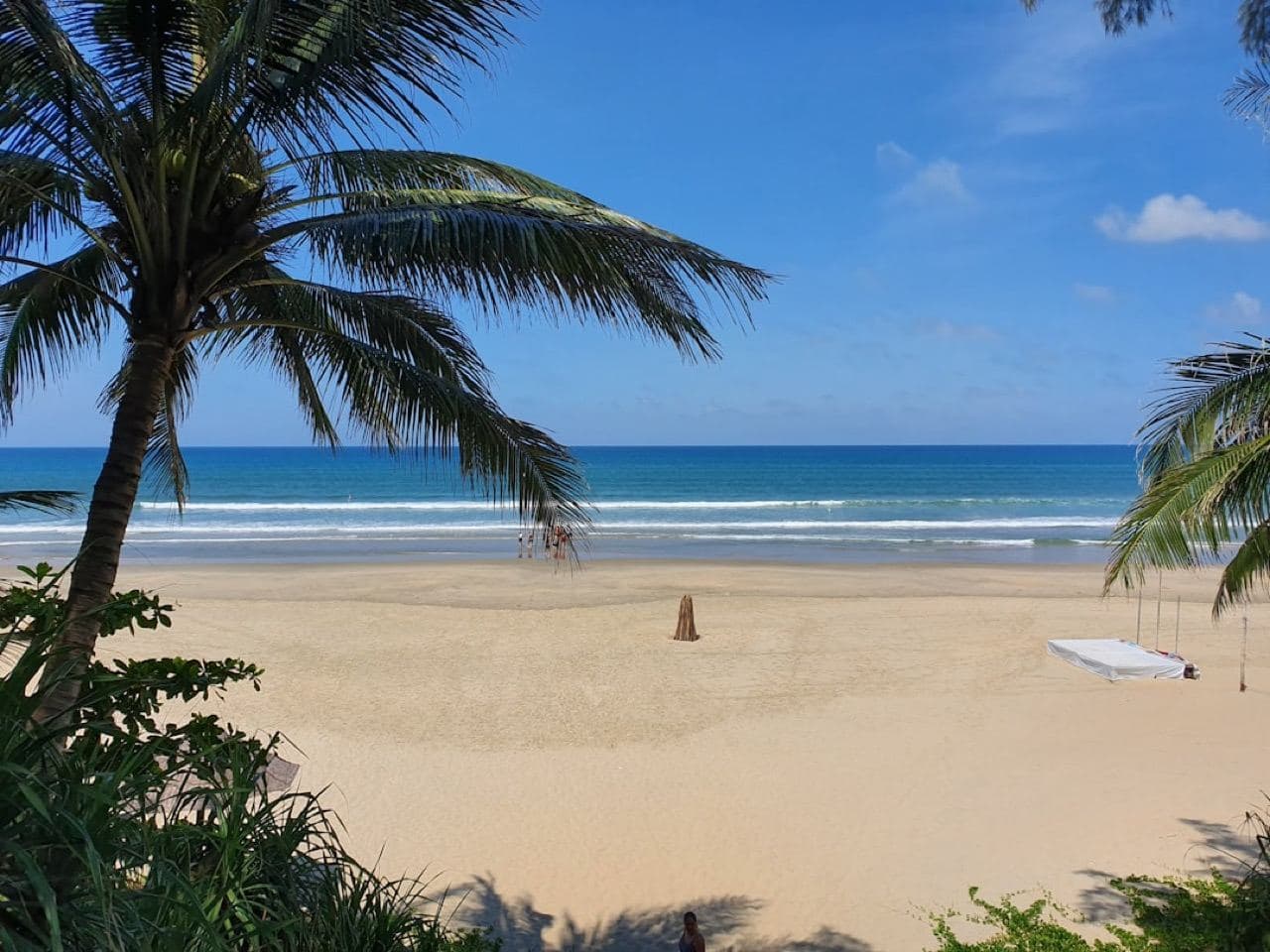
November opens high season in southern Vietnam — that is where to fly for the beach. The north suits sightseeing, and the centre is best saved for spring.
Southern Vietnam — high season begins
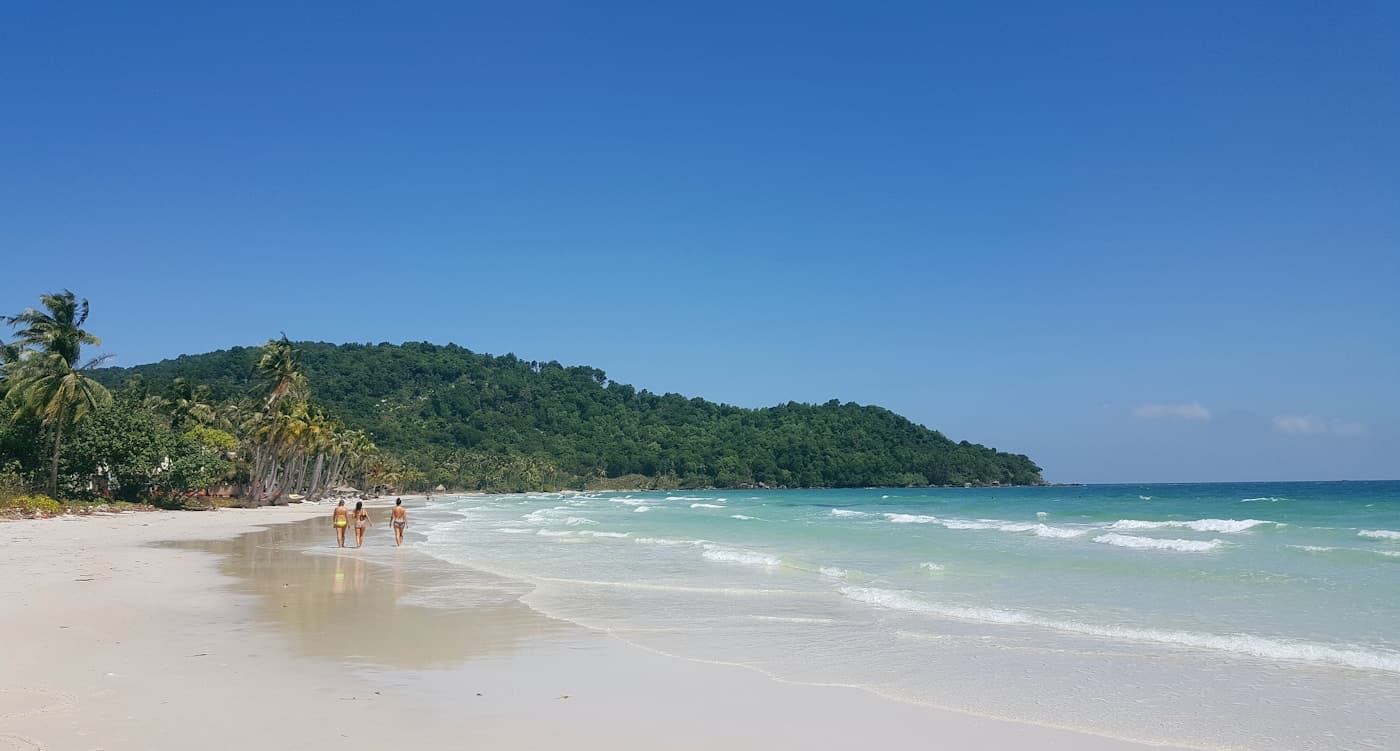
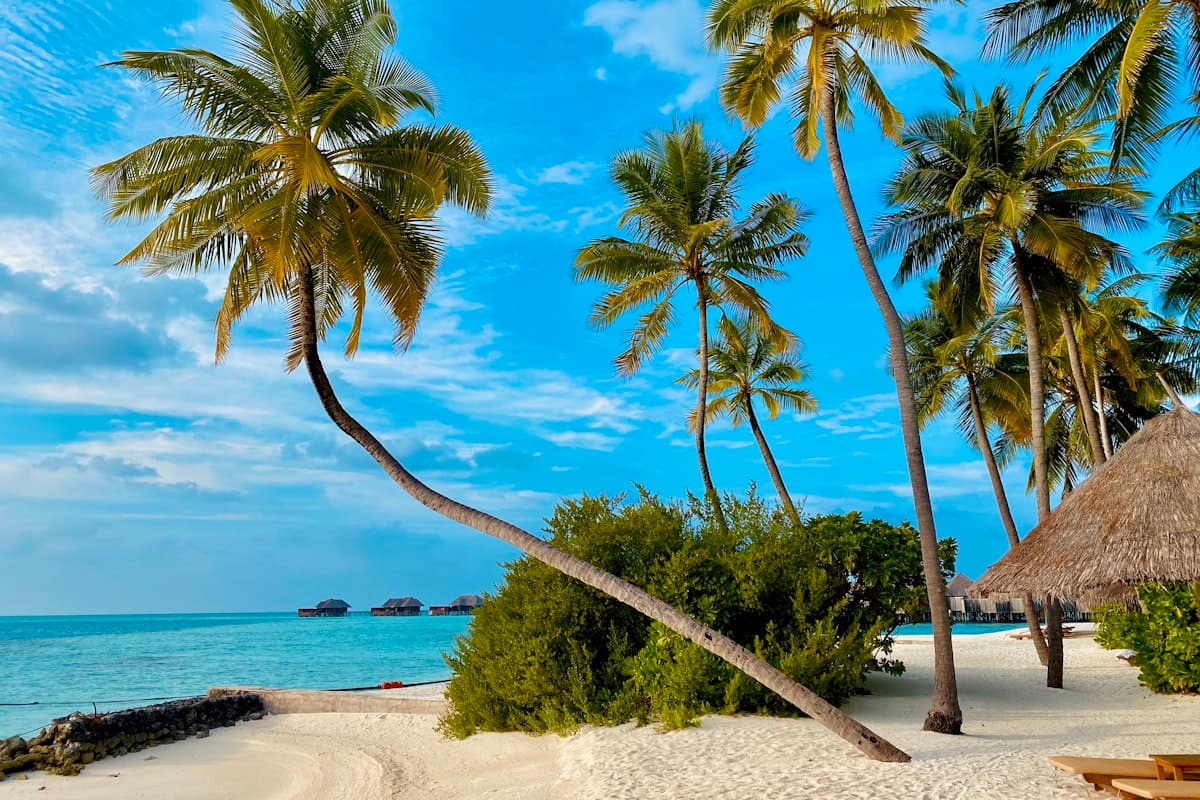
Phu Quoc is November's headline act. The dry season starts, the sea calms to a hush and the water warms to 28–29°C. Best beaches: Bãi Sao (Bai Sao) — powder-white sand and turquoise shallows; Bãi Dài (Bai Dai) — a 20-km stretch with few crowds. Diving off Turtle Island offers 15–20 m of visibility, the best conditions of the year. Another plus: there are fewer tourists in November than in December–January, and hotels run 15–25% below peak prices. Everything else is in our Phu Quoc guide.
Phan Thiet and Mui Ne — the wind is building, and kiters from around the world start arriving. Steady 15–25 knots is a couple of weeks off, but by late November conditions are already excellent. The sea is warm (27–28°C) and rain is rare. The red and white sand dunes sit crowd-free. More in our Phan Thiet guide.
In Mui Ne the waves and wind are constant (we were there from 1 to 13 November), but that doesn't get in the way of a beach holiday at all. It's not scorching or muggy, and bobbing about in the waves is fun, since the bottom is sandy and shallowпряник, Vinsky Forum, 2015, translated by VietnamSpot
Ho Chi Minh City — the rainy season is not technically over, but the rain is fading. Expect 30–33°C and 8–12 wet days. It is a handy base for day trips: the Mekong Delta (floating markets, fruit orchards), the Cu Chi tunnels, and Bến Thành (Ben Thanh) market. The city never sleeps — nightlife around Bui Vien runs until morning. See our Ho Chi Minh City guide.
Con Dao is the archipelago for those after seclusion. It is a 45-minute flight from Ho Chi Minh City, with no waves and 28°C water. Turtle season runs from late May to October, so it is over by November (see the Con Dao guide). Few hotels, few tourists — the clean opposite of Phu Quoc.
Northern Vietnam — for sightseeing
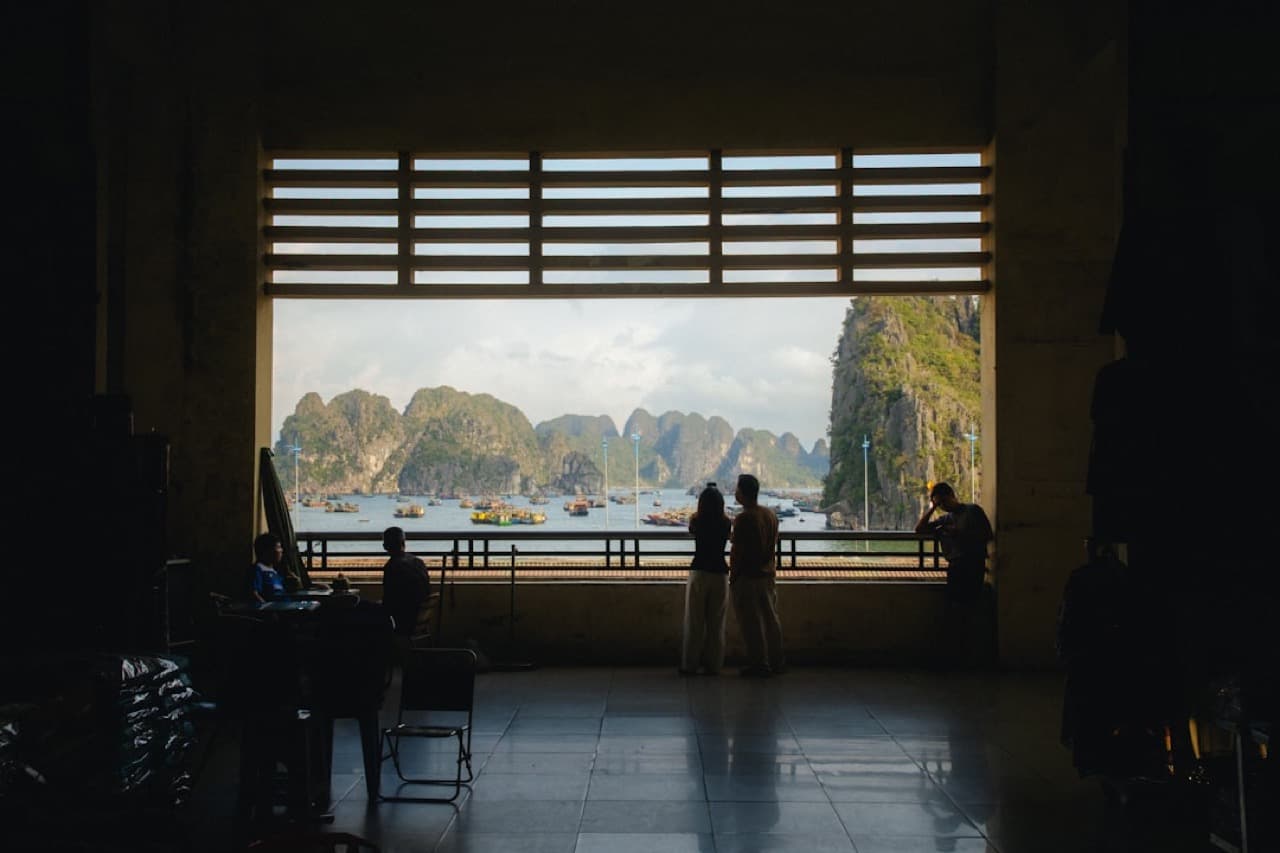
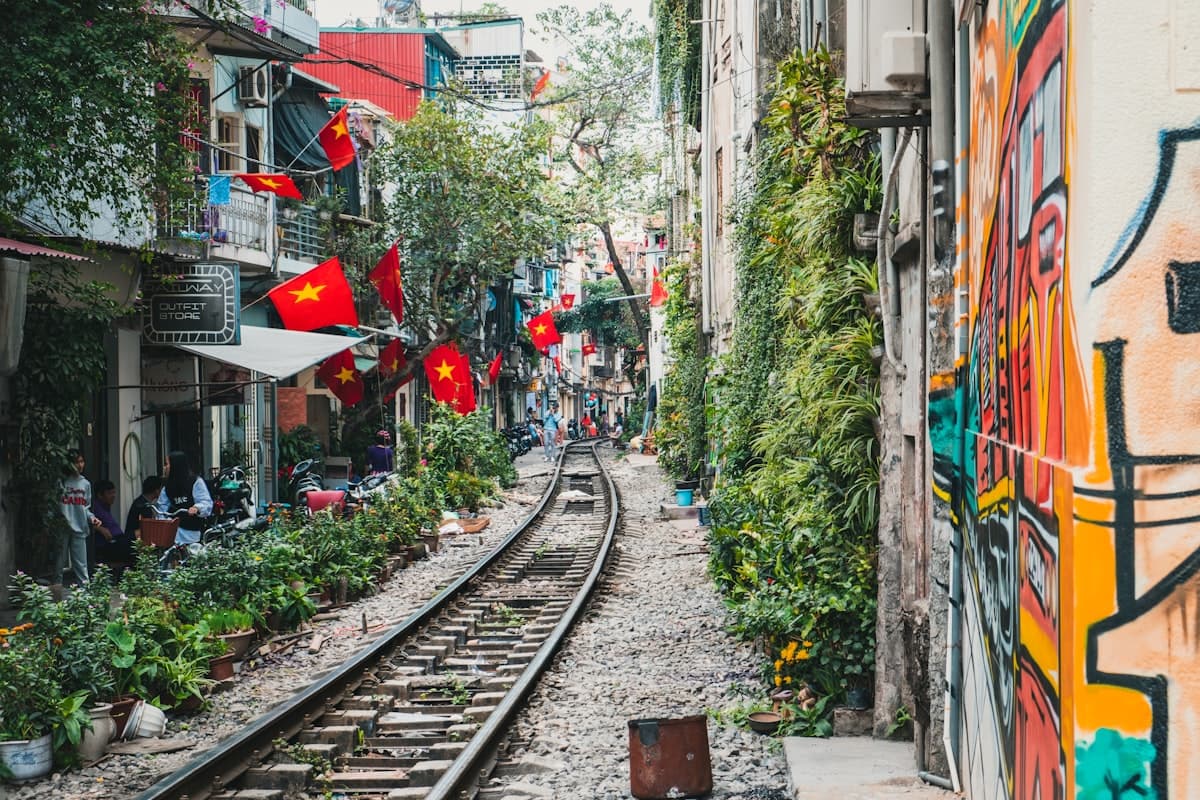
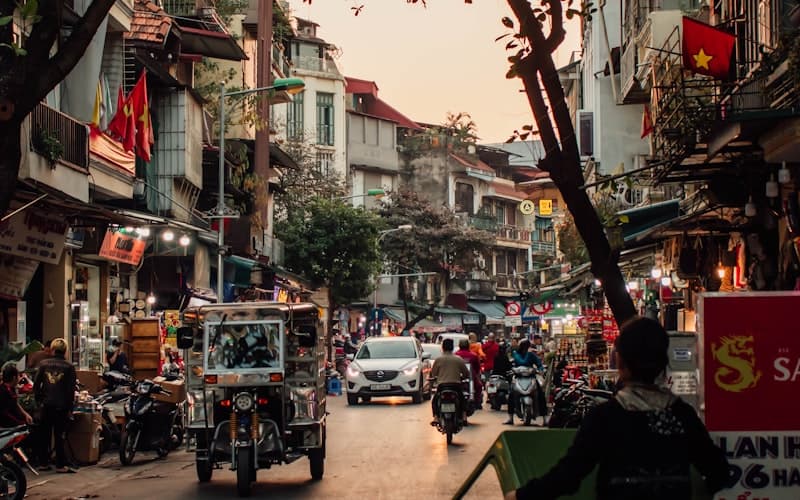
Hanoi — autumn Hanoi is considered one of the loveliest times of year. It is 22–27°C, dry, with the leaves turning. The Old Quarter, the Ho Chi Minh Mausoleum, the Temple of Literature — all far nicer at 24°C than at 38°C in summer. A bowl of hot phở (pho) on a street stool in mild weather is the quintessential Hanoi experience. All about the city is in our Hanoi guide.
Ha Long Bay — cruises run year-round, but November mist gives the karst cliffs a cinematic quality, and there are noticeably fewer tourists than in summer. A day cruise starts around 1,500,000 VND (~$60), an overnight cruise on a junk from about 3,500,000 VND (~$140). See our Ha Long Bay guide for the routes and the Ha Long weather guide for day-by-day conditions.
Sapa — the rice terraces have been harvested, but the Hmong mountain villages are still worth the visit. Nights drop to 10°C, and the summit of Fansipan can get frost. The cable car costs 700,000 VND (~$28). A warm jacket is a must.
Central Vietnam — not recommended
Nha Trang — peak rainy season: up to 300 mm of rain, a choppy, murky sea, and red flags on Trần Phú (Tran Phu) beach. Swimming is hit-or-miss. But there is an upside: hotel and tour prices are the lowest of the year and crowds are minimal. If the beach is not the point, the mud baths, island tours and night market are all still there. Full details in our Nha Trang guide.
If Da Nang is non-negotiable, aim for the last week of November. More in our Da Nang guide.
Fast Track — no queue at the border
5–10 minutes instead of an hour in the immigration queue
from$11per passenger
Can you swim in Vietnam in November?
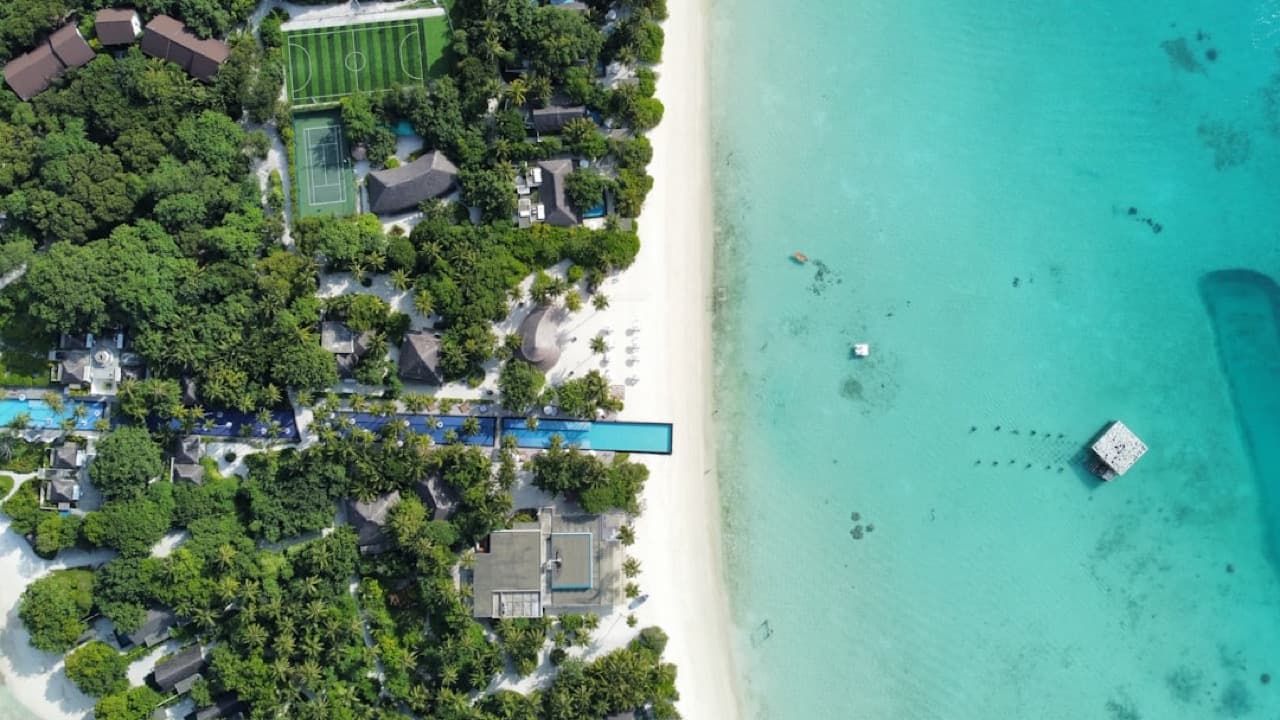
In the south, yes, and the water is superb: 27–29°C, glassy calm on Phu Quoc, light waves in Mui Ne. In the centre it is a gamble: Nha Trang is choppy, Da Nang is dangerous. In the north swimming is off the table.
| Resort | Water t° | Waves | Comfort |
|---|---|---|---|
| Phu Quoc | 28–29°C | Calm | Excellent |
| Phan Thiet | 27–28°C | Light | Excellent |
| Mui Ne | 27–28°C | Light–moderate | Good |
| Ho Chi Minh City (Vung Tau) | 27°C | Light | Good |
| Nha Trang | 26–27°C | High | Not recommended |
| Da Nang | 25–26°C | Stormy | Dangerous |
| Ha Long | 23°C | — | No |
Phu Quoc is the clear favourite. Bãi Sao: fine white sand, a gentle entry, water at 28°C. Perfect for kids, and there are almost no jellyfish in November.
Nha Trang is risky. Lifeguards fly red flags and swimming out is banned. The sea is murky from storms and stirred-up sand. If you came for the beach, Nha Trang in November is a no — go in April–August instead.
Da Nang is a flat no. Waves reach 2–3 metres, the water is murky, and rip currents are strong. Lifeguards close beaches for days at a stretch. Surfers love it, but swimmers have no business here.
What a Vietnam trip costs in November — flights, tours, spending

November is the start of high season but not yet peak prices. Fares run 10–20% cheaper than January, and Phu Quoc hotels have not maxed out. A good window. Want it cheaper and can stomach the tail of the rains? See Vietnam in October; happy to pay more for settled weather and festive buzz? Compare December.
Getting there
Vietnam is well connected. There are direct flights from most Asian hubs — Bangkok, Singapore, Kuala Lumpur, Hong Kong — and from Europe, the Middle East and Australia (via Doha, Dubai, Singapore or Bangkok). From Western Europe, expect roughly 12–16 hours with one stop; from the US West Coast, 17–20 hours. Vietnam Airlines, Bamboo Airways and low-cost VietJet cover domestic hops between Hanoi, Da Nang, Ho Chi Minh City and Phu Quoc for as little as ~$30–50 one way.
Visa — check by passport
Most travellers use the e-visa: it grants a 90-day single- or multiple-entry stay, applied for online at evisa.gov.vn for $25 (single) or $50 (multiple), usually processed within three working days, so leave a buffer. Separately, citizens of the UK, Germany, France, Italy, Spain and several others get a 45-day visa-free stay. Rules change by nationality, so confirm your own case on the official site before booking.
Spending on the ground
- Lunch at a café80,000–150,000 VND ≈ $3–6
- Dinner at a restaurant200,000–500,000 VND ≈ $8–20
- Taxi (flag fall)16,000–24,000 VND ≈ $0.60–1
- Taxi per km5,500–9,500 VND ≈ $0.22–0.38
- 3-star hotel (night)400,000–800,000 VND ≈ $16–32
- 4–5-star hotel (night)1,500,000–5,000,000 VND ≈ $60–200
- Spa / massage (1 hour)200,000–400,000 VND ≈ $8–16
Budget per couple, excluding the hotel: about $35–60 a day for food, transport and activities. Vietnam remains one of Asia's most affordable destinations. Cards are widely accepted in cities and at hotels, but keep cash for street food, markets and small towns — many stalls are cash-only.
Prices current as of 2026 (~26,000 VND = $1). Sources: local menus and booking platforms.
What to do in Vietnam in November
Beaches and water sports
Diving on Phu Quoc — November opens the best diving season. Visibility is 15–20 metres and the water is 28–29°C. Turtle Island (Hòn Quy) has coral, sea turtles and reef fish. Two dives with gear cost from 2,000,000 VND (~$80).
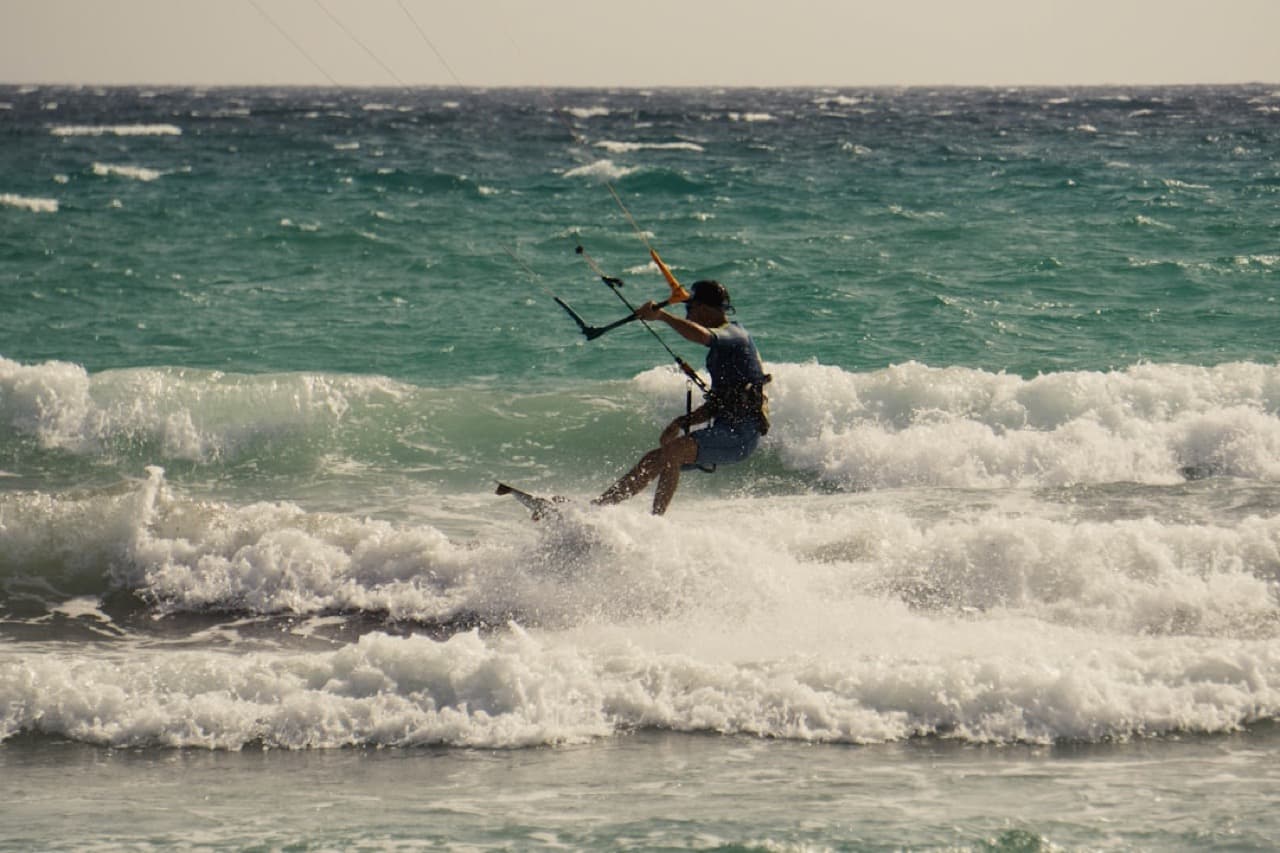
Kitesurfing in Mui Ne — the wind is still ramping up in November, but by month's end it is a steady 12–20 knots. The pros arrive in December, so November means fewer people on the spots and lower lesson prices. School prices are in the Mui Ne kitesurfing guide.
Snorkelling on Con Dao — clear water, turtles, minimal current. A half-day trip from 800,000 VND (~$32).
Sights and excursions
Ha Long Bay — a UNESCO site of 1,969 islands. November mist makes the scenery surreal: the cliffs dissolve into a milky haze, and there are half as many tourists as in summer. A day cruise from 1,500,000 VND (~$60).
Mekong Delta — a river cruise from Ho Chi Minh City: the Cái Răng (Cai Rang) and Cái Bè (Cai Be) floating markets, fruit orchards, rice wine. From 800,000 VND (~$32) with transfers.
Da Lat — a mountain resort at 1,500 m: 18–22°C, coffee plantations, waterfalls. A flight from Ho Chi Minh City from 700,000 VND (~$28). The Da Lat Flower Festival comes later in 2026, on 19–31 December (dates and programme).
Holidays and events in November
Vietnam Culture Day (Ngày Văn hóa Việt Nam, 24 November) — a public holiday since 2026 (National Assembly resolution of 24 April 2026) and a paid day off. Museums run free events and there are fairs in the streets.
Buckwheat Flower Festival (Hoa Tam Giác Mạch) — an annual event in the former Hà Giang (Ha Giang) province, part of Tuyên Quang province since 2025, in the far north. The mountain slopes turn pink with buckwheat blossom — a spectacle photographers travel across Asia for.
Ok Om Bok — a festival of the Khmer minority in the Mekong Delta. Dragon-boat races on the river, traditional rituals and Khmer food. Atmospheric and off the beaten track.
Fruit in season
November is not peak fruit season, but the choice is solid:
- Mangosteen — in season in the south, with a purple rind and tangy white flesh. From 40,000 VND/kg (~$1.60)
- Rambutan — hairy red balls with a sweet flavour. From 30,000 VND/kg (~$1.20)
- Dragon fruit (pitaya) — available year-round. From 20,000 VND/kg (~$0.80)
- Coconut — from 15,000 VND each (~$0.60), sipped straight through a straw on the beach
- Sapodilla — a brown fruit with a caramel flavour, one of those fruits travellers discover in Vietnam. From 30,000 VND/kg (~$1.20)
The main markets: Bến Thành (Ben Thanh) in Ho Chi Minh City and the Phu Quoc night market. Haggling is expected — you can safely halve the first price.
What to pack for November
November Vietnam calls for two different wardrobes. The south and centre want light clothes; the north wants layers.
For the south (Phu Quoc, Mui Ne, Ho Chi Minh City)
- T-shirts, shorts, light linen trousers
- Swimwear and beach footwear
- SPF 50+ sunscreen — the November sun is deceptive; you can burn in 40 minutes
- Sunglasses, a sun hat
- A light rain jacket or umbrella — for the afternoon shower
- Bug spray (especially for Phu Quoc — they come out in the evening)
For the north (Hanoi, Sapa, Ha Long)
- An insulated jacket or windbreaker
- A fleece or sweater
- Jeans or sturdy trousers
- Closed shoes — for trekking and sightseeing
- An umbrella — drizzle is possible
- A scarf — Sapa drops to 10°C at night
For any region
- A plug adapter, just in case: sockets are type A (US-style) and C, and European plugs don't fit everywhere
- A power bank — if you plan day trips
- A small first-aid kit: anti-diarrhoea meds, plasters, antiseptic, painkillers. Your stomach spends the first few days adjusting to the new cuisine
- A dry bag for documents and electronics — handy on boats and in the rain
November vs January — is it worth waiting?
A common question: fly in November or wait for January? The short answer — it depends on your budget and priorities.
| Factor | November | January |
|---|---|---|
| Southern weather | 29–33°C, 5–7 rainy days | 30–34°C, 2–3 rainy days |
| Hotel prices (Phu Quoc) | 15–25% below peak | Peak season |
| Airfare | Lower | Higher (holidays) |
| Crowds | Few | Many |
| Nha Trang | Rain, waves | Start of dry season |
| Centre (Da Nang) | Typhoons | Rain easing |
November wins on price and empty beaches. January wins on stable weather and the option of Nha Trang. If you are set on the south, November delivers almost the same conditions for less money. More on the next month in our Vietnam in January guide.
FAQ
The south is hot and drying out: 29–33°C, only 5–7 rainy days, and the showers are short afternoon bursts — 30–40 minutes, then sun again. The centre hits peak rainy season: Da Nang gets up to 350 mm of rain, typhoons are possible, and Nha Trang gets up to 300 mm with waves dragging debris onto the beach. The north is dry and cool: 20–26°C, dropping to 10°C at night in Sapa. The gap between south and north is 10–12 degrees, so pack for your specific region.
For the beach, Phu Quoc: the dry season starts, water is 28–29°C, the sea is calm, and hotels are not yet at peak prices. Book on Long Beach or Bai Sao for the calmest entries into the water. For kitesurfing, Mui Ne: the wind builds from mid-month, and gear rental runs from 1,500,000 VND (~$60) a day. For sightseeing, Hanoi and Ha Long Bay: dry and a comfortable 22–27°C, with 2-day/1-night cruises from 3,500,000 VND (~$140). Skip the centre (Da Nang, Hue, Hoi An) — peak rain and typhoon risk.
Yes, comfortably in the south. Phu Quoc: water 28–29°C, calm, with visibility up to 10 metres — great for snorkelling. Phan Thiet: 27–28°C, gentle waves and a shallow, sandy entry. Nha Trang is not recommended — high waves (up to 2–3 metres), murky water, and lifeguards flying red flags. Da Nang is dangerous, with storms and strong rip currents. In the north the water is 23°C, so swimming is out, though you can still walk the Ha Long promenade.
- On the ground, per coupleabout $35–60 a daybudget for food, transport and activities (excluding the hotel)
- A 3-star hotelstarts at ~$16a night
- November vs December–January10–20% cheaper
High season is only just starting — the best time to catch good weather without the crowds. Book flights a couple of months ahead for the lowest fares
November is the start of high season in the south: Phu Quoc, Mui Ne and Phan Thiet enter the dry period. There are not yet as many tourists as in December–January, and hotels offer early-bird discounts — look for rates with free cancellation to lock in a price. The north gets a pleasant autumn, good for sightseeing: Hanoi, Ninh Binh, Sapa. The centre is the opposite — peak rainy season, with Da Nang, Hue, Hoi An and Nha Trang under rain and possible typhoons. Southern prices are rising but have not hit the winter peak — a sweet spot between budget October and pricey December.
South (Phu Quoc, Mui Ne, Ho Chi Minh City): light clothes — shorts, T-shirts, swimwear, SPF 50+, a compact rain jacket (a shower can catch you mid-tour). Bring a rash guard if you plan to snorkel — it shields against jellyfish and sun. North (Hanoi, Sapa): a jacket, sweater or fleece, sturdy trousers, closed shoes — Sapa drops to 10°C at night, so you will feel cold without warm layers. Centre: light clothes plus a rain jacket, umbrella and waterproof shoes. Bug spray is useful everywhere, especially in the south in the evening.
- Weather
Doc Let Beach Weather by Month 2026: Sea, Seasons, Wind
Month-by-month table, the third windy season nobody mentions, how it differs from Nha Trang, typhoon risk and what to pack.Doc Let Beach Weather by Month 2026: Sea, Seasons, Wind - Weather
Da Lat Weather by Month: Best Time to Visit 2026
Da Lat weather and seasons month by month: eternal-spring cool, dry vs rainy, the best time to visit and what to pack for the highlands.Da Lat Weather by Month: Best Time to Visit 2026 - Weather
Phu Quoc Weather by Month: Best Time to Visit 2026
Phu Quoc weather and seasons month by month: dry (Nov–Apr) vs rainy, the best time to go, sea temperature and what to pack.Phu Quoc Weather by Month: Best Time to Visit 2026