Nha Trang weather month by month
Nha Trang is one of the few Vietnamese resorts where the sea never drops below +23 °C, and the dry season runs February to August. With a yearly average of +25.7 °C it is comfortable almost all the time — but October and November bring up to 290 mm of rain and storm surf. Here is when to go, what to expect each month, and what to pack.
Below is a full month-by-month breakdown with temperatures, rainfall and practical advice, plus 2026 prices and concrete tips for planning your trip. For the bigger picture — where to stay, how to get around, what to do — see the full Nha Trang guide.
Climate data current as of 03/2026. Sources: climatestotravel.com, weather-and-climate.com, and the National Center for Hydro-Meteorological Forecasting of Vietnam.
Nha Trang weather month by month: the table
Weather in Nha Trang month by month
colour depth — rainfall per month
October
Rainyrainfall 290 mm · rainy days 15–20Peak rain — a quarter of the annual total. Not for the beach, but hotels are 30-50% cheaper.
| Month | Air, day | Sea | Rain / rainy days | Verdict |
|---|---|---|---|---|
| January | +27 °C | +24 °C | 45 mm / 5–7 | Good, windy |
| February | +28 °C | +24 °C | 17 mm / 3–4 | Ideal |
| March | +30 °C | +26 °C | 25 mm / 3–5 | Ideal |
| April | +33 °C | +28 °C | 35 mm / 4–5 | Ideal |
| May | +34 °C | +29 °C | 55 mm / 7–8 | Good, hot |
| June | +34 °C | +29 °C | 40 mm / 5–7 | Ideal |
| July | +34 °C | +29 °C | 40 mm / 5–7 | Good, busy |
| August | +33 °C | +29 °C | 50 mm / 6–8 | Good |
| September | +32 °C | +28 °C | 175 mm / 12–15 | Mixed |
| October | +31 °C | +27 °C | 290 mm / 15–20 | Rainy |
| November | +29 °C | +26 °C | 225 mm / 14–18 | Rainy |
| December | +27 °C | +24 °C | 125 mm / 10–14 | Mixed |
Three numbers to remember: the hottest stretch is May–July (up to +34 °C), the warmest sea is May to September (+28...+29 °C), and the trickiest window is October–November (up to 20 rainy days a month).
Nha Trang weather, month by month

January
Air +26...+27 °C by day, dropping to +21...+22 °C at night — cool by Vietnamese standards. The sea is +24 °C, swimmable, but the wind gets you as soon as you step out. Little rain (40–50 mm, 5–7 days). January's catch is the northeast monsoon: it kicks up surf and gusty wind on the central beach, where a red flag sometimes goes up.
Around 170 hours of sun — enough for a tan, but the wind spoils the mood. For families with kids, January comes with caveats: cool water and surf that can spook little ones.
What to do: sunbathe in sheltered coves south of town, walk the promenade, take day trips — the heat won't bother you.
February
One of the best months. The winds die down, the sea calms, air warms to +27...+28 °C and the water to +24...+25 °C. Rainfall is the year's lowest: 15–20 mm, just 3–4 rainy days. Around 200 hours of sun — 30 more than January. February is ideal if you don't handle heat well: warm but not stifling.
The one catch is Tết (Vietnamese New Year), usually late January to mid-February. During Tet, prices jump 1.5–2x, some restaurants and shops close for 3–5 days, and the streets are loud with firecrackers. Catch Tet and you see the real Vietnam — just be ready for shut cafes and empty markets.
March
Air +28...+30 °C, sea +26 °C, rainfall 20–30 mm, around 240 hours of sun. The heat is not oppressive yet, humidity is bearable, and the sea feels like a pool. Ideal for both the beach and island trips.
March is also great for activities: diving, snorkelling, kayaking, island hopping. The weather is stable enough to plan trips without watching the forecast. Any rain tends to fall at night and dry up by morning.
April
Temperatures climb to +30...+33 °C, water to +27...+28 °C. Humidity starts to show, but rain is still scarce (30–40 mm, 4–5 days). April is excellent for diving and snorkelling: underwater visibility reaches 15–20 metres, currents are weak and plankton is minimal.
An occasional short evening shower — 10–15 minutes, then clear again. The downside: by mid-April the sun really bites, and without SPF 50+ you'll burn within an hour. Aim for the beach before 11 am and after 3 pm. Where else is good this month: Vietnam in April.
May
Hot. +31...+34 °C, and rising humidity. Water +28...+29 °C — warm as bathwater. A bit more rain now (50–60 mm, 7–8 days), but the showers are short — they roll in after lunch and pass quickly.
Typical pattern: sunny morning, clouds by 2–3 pm, a 20-minute downpour, then clear again by 4. The room A/C shifts from a nice bonus to a necessity. May hotel prices sit between the winter low and the summer peak.
June
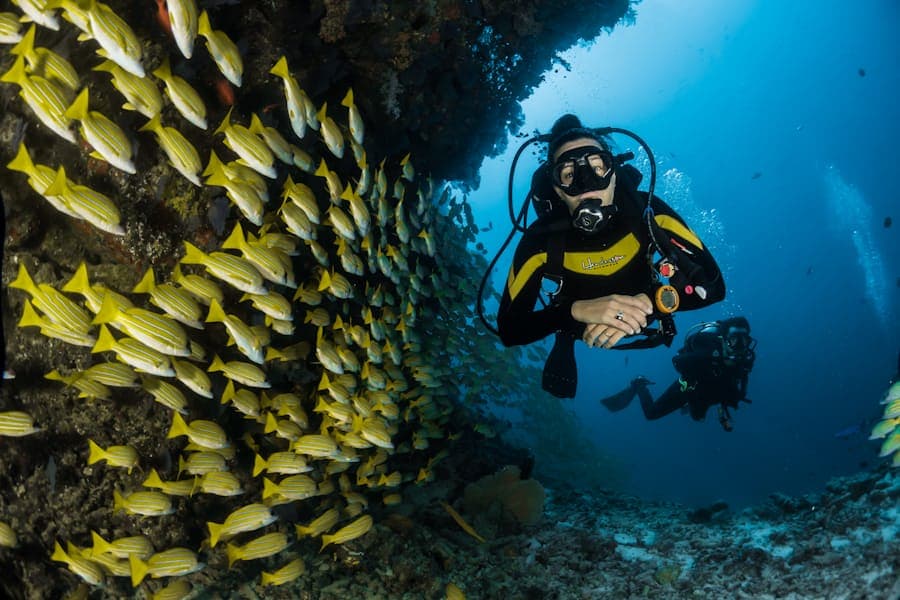
One of the sunniest months — 270 hours. Air +32...+34 °C, water +28...+29 °C. Rainfall 30–50 mm, modest for the tropics. The sea is calm and underwater visibility is at its best: snorkel the coral off Hòn Một island, but note that scuba diving in the Hòn Mun reserve has been banned since 27 June 2022. Marine life is active in June: turtles, moray eels and schools of reef fish.
One drawback: the sun is aggressive, and without SPF 50+ you'll burn within an hour. The UV peak runs 10 am–2 pm — hide in the shade or break for lunch then.
July
Close to June on paper. +32...+34 °C, water +28...+29 °C, 30–50 mm of rain. This is peak high season: the beach is crowded and prices are at their top. Sun loungers on the city beach fill up early, and popular restaurants need a booking. The sea is flat — great for boat trips and snorkelling.
Planning a July trip? Book the hotel 2–3 months ahead, especially near the shore. The price gap between seafront and inland stays is roughly double.
August
Temperatures start easing down to +32...+33 °C. Water is still +28...+29 °C. A touch more rain (40–60 mm, 6–8 days), but the same short-shower pattern. This is the last reliably beachy month before the rains.
By late August the occasional swell appears — a herald of the autumn monsoon. Evenings are a little cooler than June–July, which many find a plus. Mid-August is a good bet for beach time without the July crowds.
September
The turning point. Rain jumps sharply — 150–200 mm, 12–15 rainy days. Air +30...+32 °C, water +28 °C. Showers are no longer 10-minute affairs: they can pour for half an hour to an hour, sometimes with thunder. Surf builds, and swimming off the central beach gets risky — the red flag appears more often.
The upside: hotel prices start falling, 15–25% below August. Island trips still run but may be cancelled in bad weather. September is a lottery — you might luck out, or get socked in.
You can swim in the first half of the day… In the second half the wind picks up and drives the waves in… Heavy rain happens in the evening and at nightТильда53, Vinsky Forum, 2019, translated by VietnamSpot
October
Peak rainy season. 290 mm of rain — a quarter of the annual total in one month. Up to 20 rainy days. Prolonged downpours, sometimes all day. Big surf and a red flag on the beach are routine. Air +29...+31 °C, water +27...+28 °C.
Not the best time for a beach holiday, but there is a solid upside — hotels are 30–50% cheaper and the sights are empty.
In practice October is a gamble. Some get lucky and the rain only falls at night; others hit three days of nonstop showers. If you go in October, keep a plan B for every day.

November
The second-wettest month: 200–250 mm, 14–18 rainy days. The northeast monsoon is at full strength — strong wind, beach surf, occasional storm warnings. Air +28...+29 °C, water +26...+27 °C. Typhoons happen: on average 1–2 a season, and November is their peak month.
Not a beach month, but Nha Trang is more than a beach. Mud baths, spa, markets, temples, cooking classes — all open. Hotel prices are at their yearly low.
December
Rain eases off — 100–150 mm — but the winds are still strong. Air +26...+27 °C, water +24...+25 °C — it feels cooler than March even though the numbers are close. It's all the wind.
By month's end the weather settles: rain retreats, wind weakens, the sea calms. If you go in December, pick the second or third week. The final stretch before New Year sees a 30–50% price spike as travellers book Nha Trang for the holidays.



Nha Trang seasons — dry and rainy

Nha Trang's climate splits into two clear seasons plus two transitional periods. The dry season runs February to August (7 months), the rainy season October to December (3 months), while January and September are border months with unpredictable weather.
Dry season (February–August)
The best time for the beach, and not just in town: Doc Let weather follows the same calendar. Air +27...+34 °C, water +24...+29 °C, rainfall 15–60 mm a month. The sea is calm and diving visibility reaches 20 metres. Within the dry season there are two sub-periods:
- February–April — comfortable and warm without extreme heat. The best months for families with kids and anyone who struggles with sweltering weather.
- May–August — hot (+31...+34 °C), higher humidity, but the sea is warm and calm. Short evening showers don't stop you sunbathing.
Dry-season prices run 20–40% above the rainy season. The peak is July and holiday weeks (Tết, New Year). Book hotels 1–2 months ahead, and 3 for peak dates.
Transitional periods (January, September)
January — technically dry, but windy. The northeast monsoon still makes itself felt: surf on the central beach, cool evenings (+21...+22 °C). Little rain (40–50 mm), sunbathing is fine. A good choice if you want to mix beach days (on calm days) with sightseeing.
September — technically wet, but the rains aren't prolonged yet. Rainfall jumps to 150–200 mm and the sea starts to churn. Swim at your own risk. On the plus side, prices drop 15–25% and there are far fewer tourists than in summer.
Rainy season (October–December)
The northeast monsoon delivers most of the rain. The peak is October–November (225–290 mm a month). Most of it comes as 30–60 minute downpours that clear afterwards, but all-day washouts happen too. Typhoons happen but rarely — 1–2 a season, usually passing north or south of Nha Trang.
A typical rainy day looks like this: cloudy morning, clouds gathering by midday, a heavy 30–60 minute downpour, then clearing skies. There are all-day washouts too, but they're more the exception.
The rainy season's main advantage is price. Hotels are 30–50% cheaper, tours 20–30%. If the beach isn't the priority and you're after spa, food and culture, it's a workable time to travel. Mud baths, massage, markets, VinWonders — all run regardless of weather.
Sea temperature in Nha Trang by month

The South China Sea off Nha Trang is warm year-round — it never drops below +23 °C even in the "coldest" months. In winter (December–February) it's +24...+25 °C — comfortable to swim in, though a strong wind makes it feel chilly once you're out. In spring (March–April) it warms to +26...+28 °C, good for long swims. From May to September it peaks at +28...+29 °C — like bathwater. In autumn (October–November) the water is +26...+27 °C, but surf and currents appear.
For scale: many temperate beaches back home barely reach +25 °C in high summer. In Nha Trang that is the winter minimum — even December water is warmer than a European summer sea. Comparing regions before you book? The Vietnam weather guide lines up sea and air temperatures across Phu Quoc, Da Nang, Hanoi and the rest.
Fast Track — no queue at the border
5–10 minutes instead of an hour in the immigration queue
from$11per passenger
When to go to Nha Trang
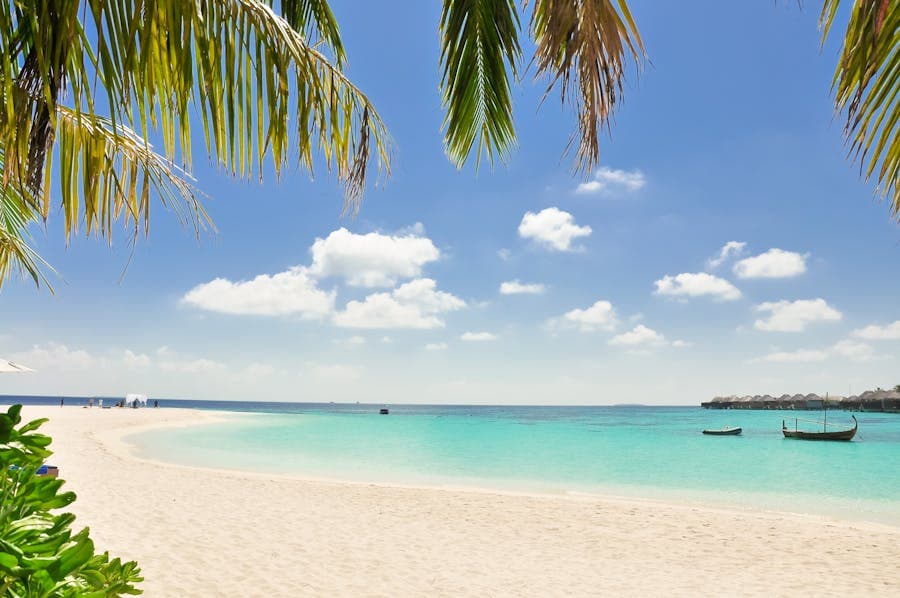
The best time to visit Nha Trang is February to April: minimal rain (15–40 mm), comfortable temperatures (+27...+33 °C), a warm sea (+24...+28 °C) and no extreme heat. Budget travellers can consider October, November and early December: cheaper, but rainy. Travelling with children? Those same calm, warm months are also the best window for a family trip.
| Trip goal | Best months | Why |
|---|---|---|
| Beach and tanning | February–April | Minimal rain, calm sea, no heat |
| Diving and snorkelling | April–August | Visibility up to 20 m, flat sea, warm +28 °C water |
| Budget travel | October–December | 30–50% off hotels, cheap tours |
| With kids | March–April | Water from +26 °C, little rain, calm sea |
| No crowds | May–June | Between tourist waves, good weather |
Many nationalities can enter Vietnam visa-free for short stays or on an e-visa — check the rules for your passport in the Vietnam visa guide before you book. That makes a quick beach break here easy to arrange.
What to pack for Nha Trang
Your packing list depends on the season. The general rule: natural fabrics, minimal synthetics, and non-negotiable sun protection. For a full trip checklist beyond the weather kit, see the Vietnam packing guide.
Dry season (February–August)
- Light cotton or linen clothing
- SPF 50+ sunscreen (the tropical sun can burn you in 40 minutes)
- Sunglasses and a hat
- A rash guard for snorkelling — sun and jellyfish protection
- At least two swimsuits (one drying, one on you)
- A water-resistant phone case
- A light sweater or long-sleeve shirt — air-conditioned cafes and buses can hit +18 °C
Rainy season (September–December)
- A compact umbrella or light poncho (sold on every corner for 30,000–50,000 VND / ~$1.20–2)
- Non-slip footwear — flip-flops slide on wet marble
- A waterproof backpack or dry bag for electronics
- A warm layer for the evening (December–January drops to +21 °C, cooler with wind)
- A windbreaker
Year-round
- Mosquito repellent (especially at dusk near the water)
- A mini first-aid kit: antihistamines, anti-diarrhoea meds, plasters
- A plug adapter (Vietnam uses type A/C; often no adapter needed, but there are exceptions)
Things to do in Nha Trang in the rain
Rain in Nha Trang isn't the end of the day. A downpour usually lasts 30–60 minutes, then it clears. But if it settles in for half a day, here are ten proven options.
- Mud baths — Nha Trang's signature. I-Resort, Thap Ba Hot Spring Center, 100 Egg Mud Bath. The mineral mud is hot and relaxing even in a downpour. Cost: 200,000–500,000 VND (~$8–20)
- Spa and massage — Su Spa, Galina Mud Bath & Spa. A full-body massage from 200,000 VND (~$8). Ninety minutes and the rain's over
- Oceanarium (Institute of Oceanography) — a collection of South China Sea marine life. Check ticket price and hours on site
- VinWonders — rides (mostly open-air), aquarium, arcades, a dolphinarium. Standard ticket 1,050,000 VND (~$40, January 2026). Enough for a full day
- Markets — Xóm Mới and Đàm Market: covered street food, souvenirs, spices, coffee. Haggling is a must
- Seafood buffet — restaurants on the waterfront. A fixed 300,000–500,000 VND (~$12–20) for all-you-can-eat: shrimp, crab, mussels, grilled fish
- Long Sơn Pagoda — covered temple halls and a white Buddha statue on the hilltop. Free entry
- Cooking classes — make phở or spring rolls yourself. From 500,000 VND (~$20)
- Cafes — wait out the rain with Vietnamese coffee. Cà phê sữa đá from 25,000 VND (~$1). Try the egg coffee while you're at it
- Shopping — Nha Trang Center and Maximark malls: air conditioning, coffee, fair prices
Good to know: you pay in Vietnamese đồng in Nha Trang; change foreign cash at banks and licensed exchange counters. At markets it's dong only, so keep small notes on you.
FAQ
February to April is the sweet spot: the least rain (15–40 mm), a comfortable +27...+33 °C, warm sea and no extreme heat. For diving and snorkelling, April to August brings up to 20 m visibility. For the lowest prices, October to December is 30–50% cheaper on hotels — but expect rain.
The South China Sea here never drops below +23 °C. In winter (December–February) it's +24...+25 °C — swimmable but breezy after you get out. In spring it warms to +26...+28 °C, and from May to September it peaks at +28...+29 °C. Kids under 5 swim comfortably at +26 °C and up, so March to November.
October to December, with the peak in October–November (225–290 mm). Most rain comes as 30–60 minute downpours that clear afterwards, but all-day washouts happen too. Island trips can be cancelled in bad weather, so keep a plan B: spa, mud baths, a cooking class or a mall. A poncho costs about 30,000 VND (~$1.20) on the spot.
Yes, but pick your beach. The central Trần Phú beach gets the roughest surf, while Paragon beach 4 km to the south is sheltered by a breakwater and stays calm. Alternatives are heated hotel pools at Havana or Vinpearl, or the Thap Ba hot springs, where waves are a non-issue.
They happen, mostly in November, but most storms pass north of Nha Trang, near Da Nang and Hue, or to the south. Install Windy to get 3–5 days of warning. If a flight is cancelled because of weather, the airline offers a rebooking — check your carrier’s terms. Street flooding is a risk as well as wind.
The weather is the same; the consequences are not. In Nha Trang, if it rains you have malls, cafes and museums. In Cam Ranh you are stuck at the resort, since there is little infrastructure beyond it. So for an October–December trip Nha Trang wins, while for guaranteed sun in February–April, Cam Ranh is a great option. For a fuller head-to-head, see the Nha Trang comparison.
- Guide
Nha Trang Islands in 2026: Hon Tre, Hon Tam, Hon Mun
Nha Trang islands in 2026: why diving at Hon Mun is still banned, where you can dive instead, Hon Tam ticket tiers, cable car fares and boat times.Nha Trang Islands in 2026: Hon Tre, Hon Tam, Hon Mun - Guide
Nha Trang Photo Spots: Where to Get the Best Shots
The best photo spots in Nha Trang: beaches, Cham towers, viewpoints and markets — what to shoot, when to go and a one-day photo route.Nha Trang Photo Spots: Where to Get the Best Shots - Guide
Flights to Nha Trang: Cam Ranh Airport & Connections
How to reach Nha Trang by air: Cam Ranh (CXR) airport, connections via HCMC or Hanoi, hub routes and the airport-to-city transfer — with booking tips.Flights to Nha Trang: Cam Ranh Airport & Connections