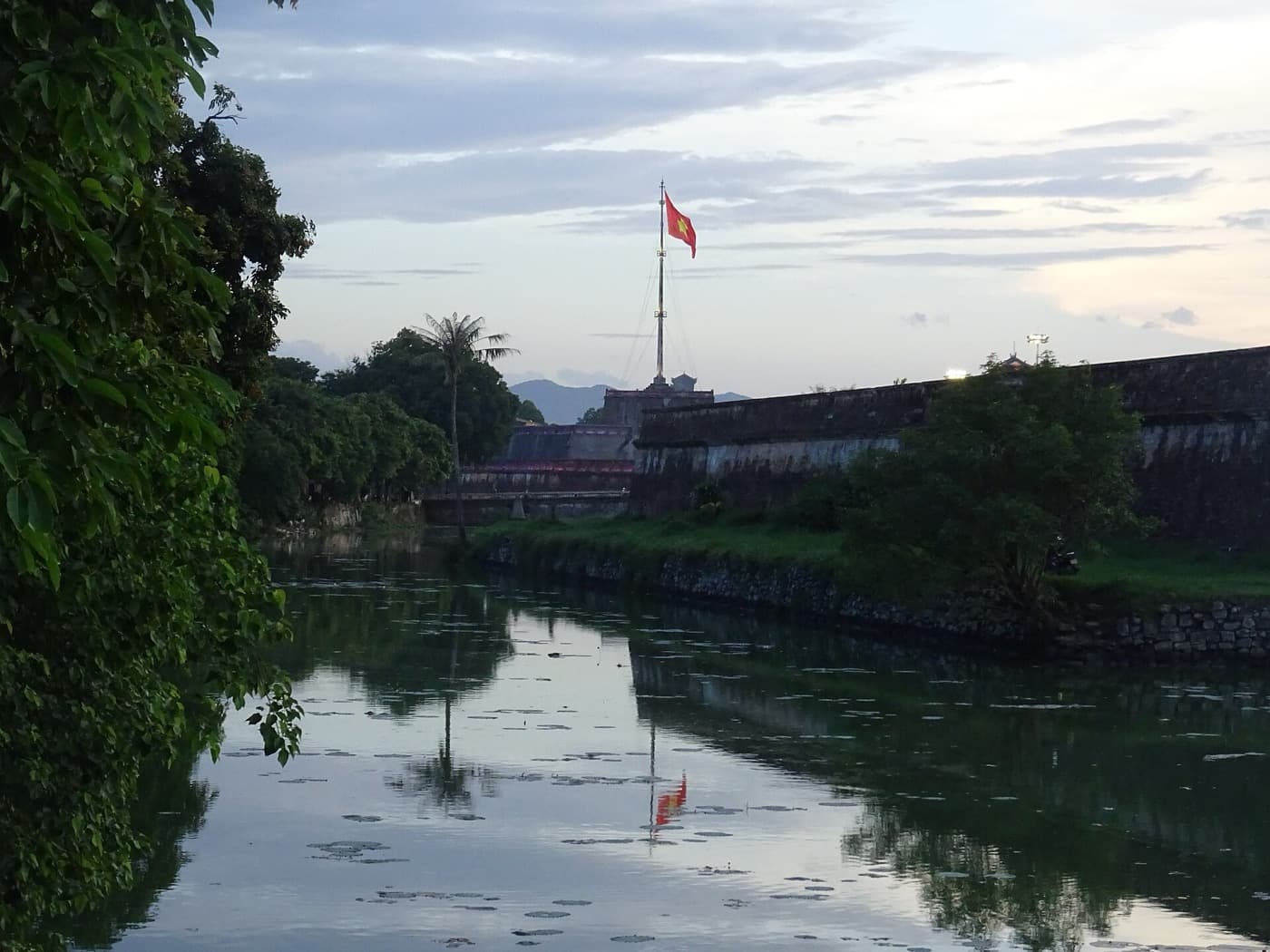
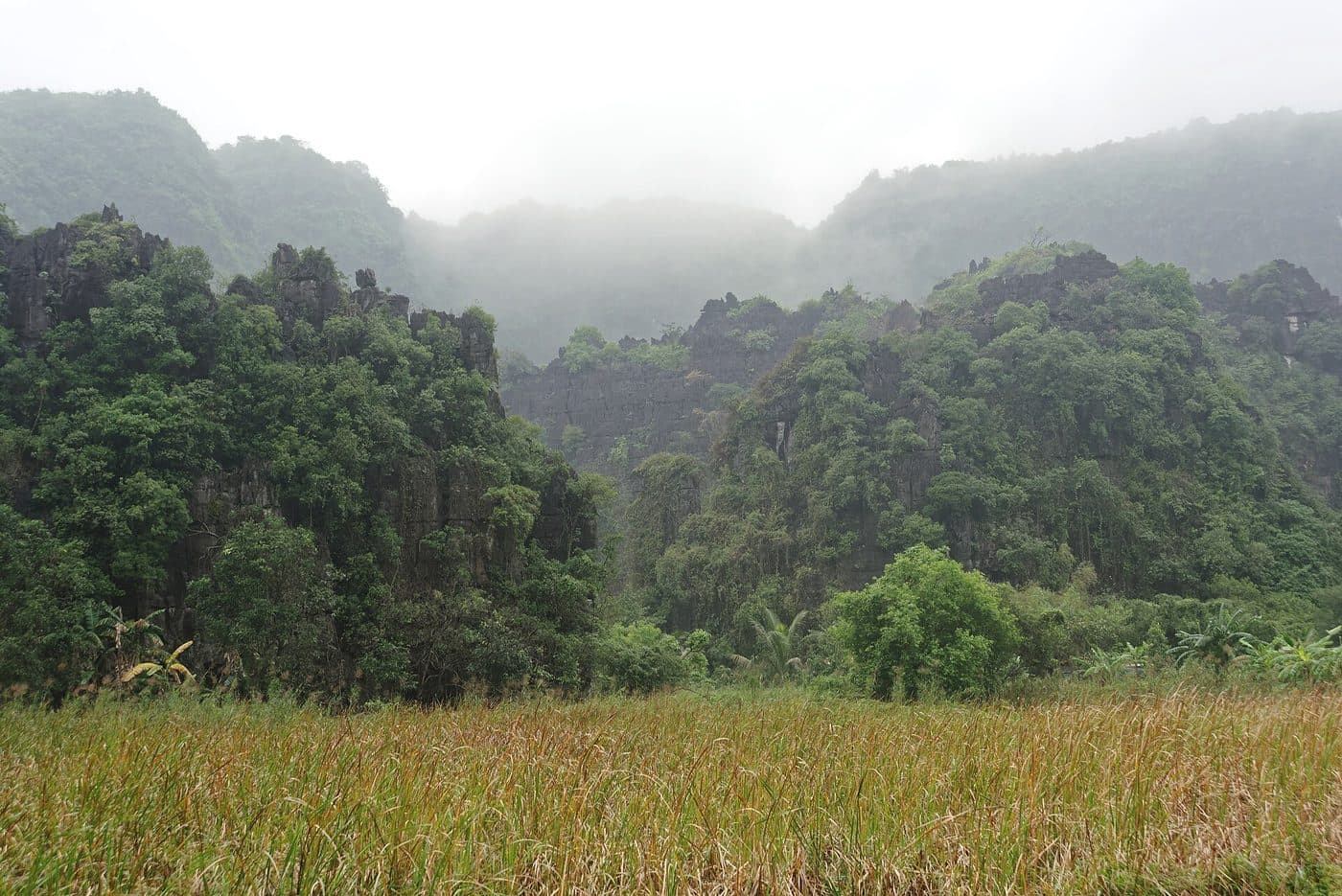
Best time to visit Vietnam — weather by month
Vietnam stretches 1,650 km from north to south, so it holds three climate zones at once: while the south sits at 33 °C with a flat, sunny sea, the north can be 15 °C with cold drizzle. March and April are the only months that work almost everywhere. Below: air and sea temperatures, the rainy season, month-by-month tables and clear picks for where to go, when, and what to pack.

Short answer: for the south (Phu Quoc, Ho Chi Minh City, Phan Thiet) — December to March, for the centre (Da Nang, Hoi An, Nha Trang) — February to August, for the north (Hanoi, Ha Long, Sa Pa) — March to May and October to November. Want to see it all in one go? Fly in March or April, when it is warm almost everywhere.
Climate data current as of 03/2026. Sources: climatestotravel.com, weather-atlas.com, vietnam.travel.
Vietnam weather by month — the overview
The table below is the quick reference: pick a month and read off the average air and sea temperature, rainfall and a verdict for southern Vietnam (Ho Chi Minh City and around). Detailed per-resort tables follow.
Weather in southern Vietnam month by month
colour depth — rainfall per month
October
Mixedrainfall 265 mm · rainy days 18–21The trickiest month: typhoons around Da Nang. Rain eases in the south and Phan Thiet opens up.
| Month | Air | Sea | Rain | Verdict |
|---|---|---|---|---|
| January | +32 | +27 | Dry | Ideal |
| February | +33 | +27 | Dry | Ideal |
| March | +34 | +28 | Dry | Best month |
| April | +35 | +29 | Dry, hot | Very good |
| May | +34 | +30 | Rain starts | Fair |
| June | +32 | +29 | Showers | Wet |
| July | +32 | +28 | Showers | Wet |
| August | +31 | +28 | Peak rain | Wettest |
| September | +31 | +28 | Rainy | Wet |
| October | +31 | +28 | Easing | Improving |
| November | +31 | +28 | Drying out | Good |
| December | +31 | +27 | Dry | Ideal |
Air temperature by resort
| Month | Hanoi | Da Nang | Nha Trang | HCMC | Phu Quoc |
|---|---|---|---|---|---|
| January | +19 | +25 | +27 | +32 | +31 |
| February | +20 | +24 | +28 | +33 | +32 |
| March | +23 | +26 | +29 | +34 | +33 |
| April | +27 | +30 | +31 | +35 | +33 |
| May | +32 | +33 | +32 | +34 | +32 |
| June | +33 | +34 | +32 | +32 | +31 |
| July | +33 | +34 | +32 | +32 | +30 |
| August | +32 | +34 | +32 | +31 | +30 |
| September | +31 | +31 | +31 | +31 | +30 |
| October | +28 | +27 | +29 | +31 | +30 |
| November | +24 | +25 | +28 | +31 | +31 |
| December | +20 | +25 | +27 | +31 | +31 |
Note the spread: in winter Hanoi and Ho Chi Minh City differ by 13 degrees. That is a bigger gap than most travellers expect from a single country.
Sea temperature by resort
| Month | Da Nang | Nha Trang | Phu Quoc | Phan Thiet |
|---|---|---|---|---|
| January | +23 | +25 | +27 | +26 |
| February | +23 | +25 | +27 | +26 |
| March | +24 | +26 | +28 | +27 |
| April | +26 | +27 | +29 | +28 |
| May | +28 | +28 | +30 | +29 |
| June | +29 | +28 | +29 | +28 |
| July | +29 | +28 | +28 | +28 |
| August | +29 | +28 | +28 | +28 |
| September | +28 | +27 | +28 | +28 |
| October | +27 | +27 | +28 | +28 |
| November | +26 | +26 | +28 | +27 |
| December | +24 | +25 | +27 | +26 |
Phu Quoc and Phan Thiet win on warm water: 26–30 °C year-round. Da Nang is cooler in winter (23 °C), but still fine for a swim.
Vietnam's three climate zones
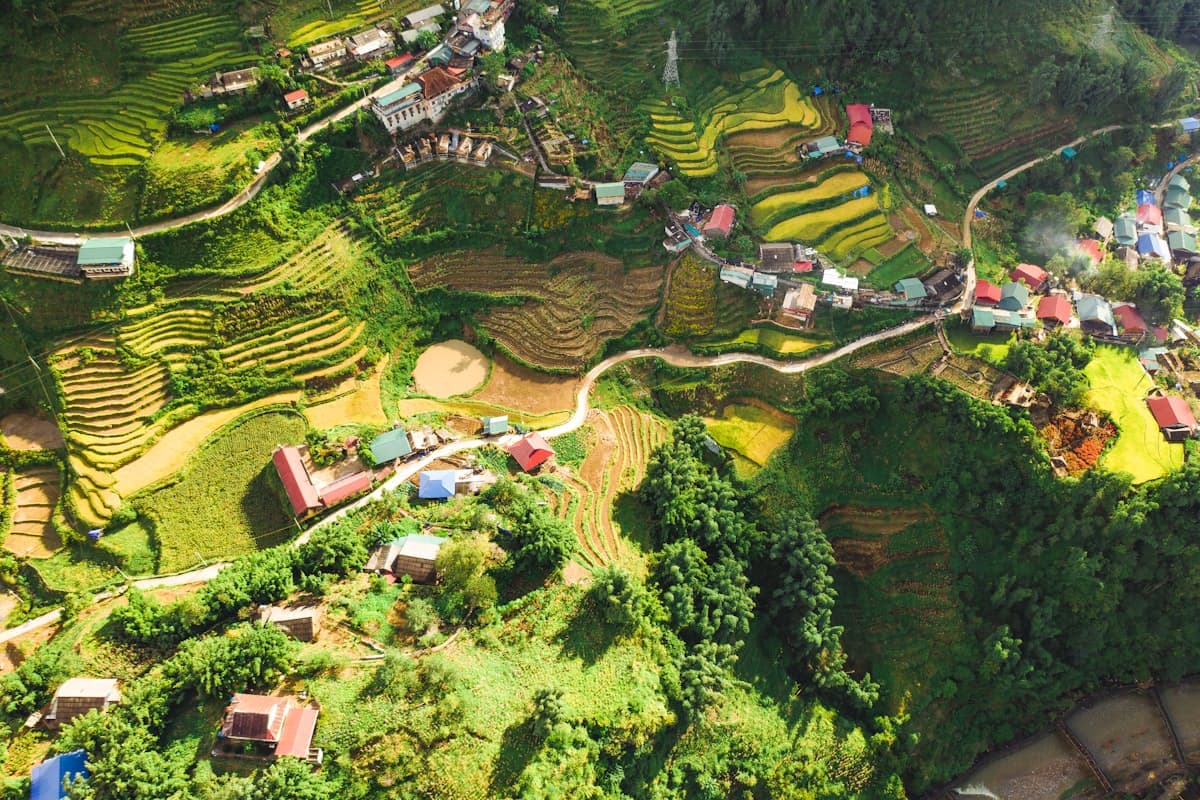
Vietnam is not a country where "it's always warm" holds true. Those 1,650 km from north to south mean three distinct climates, three separate rainy seasons and three different answers to "when should I go?"
Northern Vietnam (Hanoi, Ha Long, Sa Pa, Ninh Bình)
A subtropical monsoon climate with real seasons. In winter (November–February) Hanoi sits at 15–20 °C, and Sa Pa can be 5–10 °C with fog, so a warm jacket is a must. Summer (May–September) is hot and humid: 32–35 °C with heavy downpours. The best windows are March–May (warm, dry) and October–November (autumn cool without the rain).
For more on the capital, see our Hanoi guide. A month-by-month breakdown of Ha Long's climate lives in the Ha Long weather guide.
Central Vietnam (Da Nang, Hue, Hoi An, Nha Trang)
A tropical climate with an inverted rainy season — the rain falls in autumn and winter (September–January), while summer is dry and hot. Nha Trang is the exception: its microclimate is shifted, with a wet season of only three months (October–December), and neighbouring Cam Ranh follows the same pattern. The best time for Da Nang and Hoi An is February to August; for Nha Trang, mid-February to September. Hue, over the Hai Van Pass, is wetter than Da Nang — see Hue weather by month.
Everything on Da Nang — food, hotels, sights — is in our Da Nang guide.
Southern Vietnam (Ho Chi Minh City, Phu Quoc, Phan Thiết, Mũi Né)
A tropical climate with two clear seasons: dry (December–April) and wet (May–November). Temperatures are steady — 30–33 °C year-round with little swing. In the wet season the rain is usually short and comes in the evening: a downpour for an hour or two, then sun again. Phan Thiet and Mũi Né have a drier microclimate, with less rain even in season.
Our full Ho Chi Minh City guide covers the south's main hub.
Vietnam weather month by month — in detail
January
The south (Phu Quoc, Phan Thiet, Ho Chi Minh City) is ideal: 31–32 °C, dry, sea at 26–27 °C. Nha Trang is good too (27 °C, little rain). Da Nang and Hoi An are cool (25 °C) and sometimes overcast. Hanoi is cold (19 °C), grey and drizzly. More in our Vietnam in January guide.
February
The south stays excellent. Nha Trang warms up (28 °C). Da Nang starts to dry out (24 °C). Hanoi is 20 °C and warming. February is Phu Quoc's driest month — you may not see a single drop of rain. See Vietnam in February.
March
The best month to travel the whole country. Hanoi at 23 °C is comfortable, Da Nang at 26 °C is already swimmable, Nha Trang is 29 °C, and the south hits 33–34 °C — hot but dry. Ha Long and Ninh Bình are at their finest. Details in Vietnam in March.
April
The hottest month: 30–35 °C everywhere. Da Nang and Hoi An open the beach season (30 °C air, 26 °C sea). The south bakes at 35 °C, but rain is still scarce — the last dry month before the wet season kicks in. More in Vietnam in April.
May
The turning point: the south's rainy season begins (about 14 rainy days in Ho Chi Minh City, 16 on Phu Quoc). The centre is excellent — Da Nang at 33 °C, sea at 28 °C, dry. Hanoi is hot (32 °C), humid, and downpours start. See Vietnam in May.
June
Prime time for the beaches of Da Nang and Hoi An: 34 °C, sea at 29 °C, sunshine. The south gets showers (about 16 rainy days in Ho Chi Minh City), but it's sunny between them. Hanoi is sweltering (33 °C) with downpours. More in Vietnam in June.
July
Da Nang and Nha Trang are a beach paradise (sea 28–29 °C, only 3–5 rainy days). Sa Pa's rice terraces are at peak green, though wet. The south is rainy and Phu Quoc gets choppy — but hotel rates there drop by up to 40%. See Vietnam in July.
August
Much like July. Da Nang stays good, though the heat eases a touch by month's end. The south hits peak rain (17–20 rainy days). Nha Trang is still dry (4 rainy days), 32 °C. More in Vietnam in August.
September
Da Nang starts to "close" — the first autumn rains (about 12 days). Nha Trang is still bearable (9 days). The south is still wet (18 days in Ho Chi Minh City). In Hanoi the rain eases, 31 °C. Ha Long is a gamble: still typhoon season. See Vietnam in September.
October
The trickiest month. Da Nang and Hoi An get typhoons and downpours (about 17 rainy days). Nha Trang's rain builds (14 days). The south's rain is easing (16 days in Ho Chi Minh City, drying by month's end). Phan Thiet and Mũi Né begin to open up. More in Vietnam in October.
November
The south dries out — the start of high season on Phu Quoc and Phan Thiet. Da Nang and Hoi An are still wet (18 days), so skip them. Nha Trang has its last rainy month (13 days). Hanoi is pleasant (24 °C) and dry. See Vietnam in November.
December
The south is excellent (Phu Quoc, Ho Chi Minh City, Phan Thiet): 31 °C, dry, the start of high season. Nha Trang's rain eases (9 days), 27 °C. Da Nang is still wet (15 days). Hanoi is cool (20 °C). More in Vietnam in December.
The rainy season in Vietnam
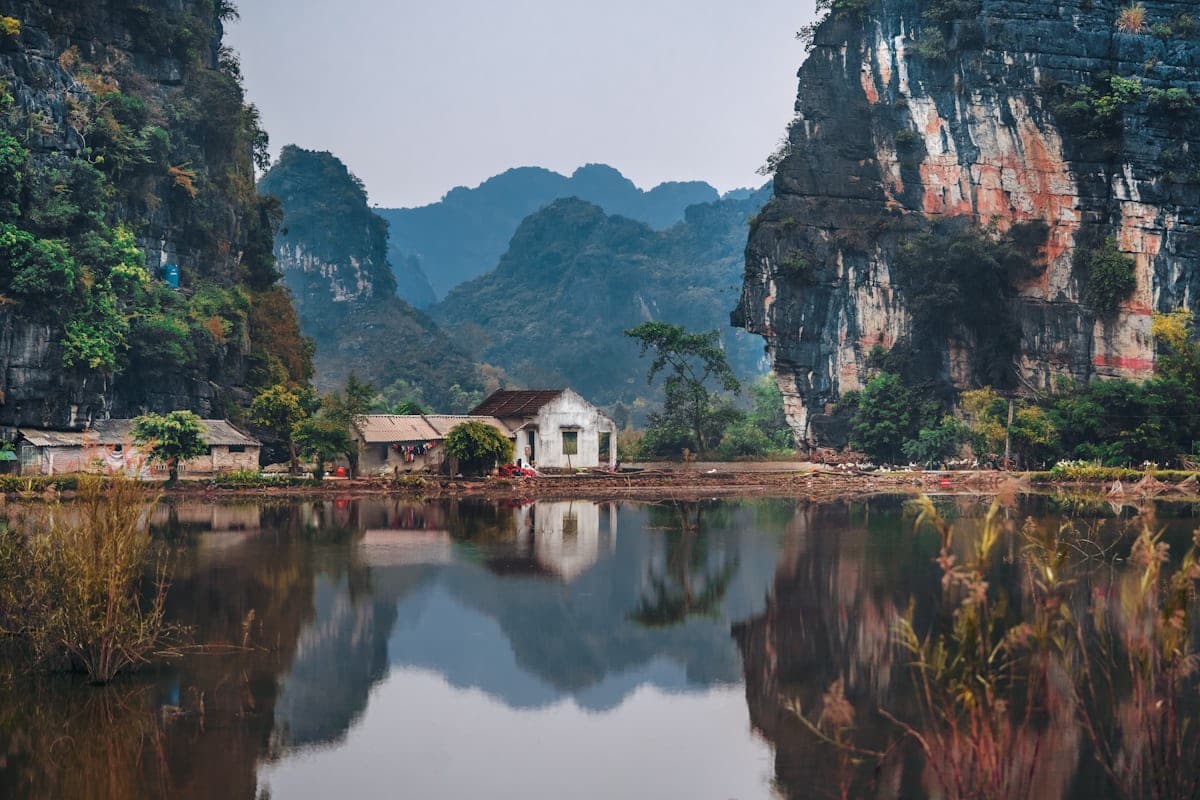
The rainy season in Vietnam is not one date for the whole country. Three regions, three schedules. Here are the exact windows:
| Region | Start | End | Peak | Character |
|---|---|---|---|---|
| North (Hanoi, Ha Long) | April | September | July – August | Heavy downpours, humidity 85%+ |
| Centre (Da Nang, Hoi An, Hue) | September | January | October – November | Prolonged rain, typhoons, floods |
| Nha Trang | October | December | November | Short season (3 mo.), not daily rain |
| South (HCMC, Phu Quoc) | May | November | June – September | Short showers 1–2 h, usually afternoon |
Rain in Vietnam is not the grey all-day drizzle you might picture. In the south it's a tropical burst for an hour or two, after which the sun comes out and you can go back to the beach. The central coast in autumn is a different animal: rain that settles in for days, with the chance of a typhoon.
Second day of good swimming. The weather is changeable, but it's not nonstop rain like the forecast says. The water is warm, no waves, both days we caught an hour or two of sun, otherwise cloudya tourist on Phu Quoc in September, TourDom.ru, 2026, translated by VietnamSpot
Is it worth visiting in the rainy season?
Yes — if you pick the right region and accept a couple of hours of rain a day. The upside:
- Hotel prices are 30–50% lower
- Far fewer tourists — empty beaches and sights
- Landscapes at peak green, waterfalls in full flow
- Fruit is cheaper and more varied (peak durian, mangosteen, rambutan)
Fast Track — no queue at the border
5–10 minutes instead of an hour in the immigration queue
from$11per passenger
High and low season in Vietnam

| Season | Months | Prices | Crowds | Weather |
|---|---|---|---|---|
| High | Dec – Mar | +30–60% | Busy | Dry in the south, warm |
| Shoulder | Apr – May, Oct – Nov | Mid | Moderate | Transitional, can be lucky |
| Low | Jun – Sep | -30–50% | Quiet | Wet south, but Da Nang is dry |
Prices peak around Tết Nguyên Đán (Vietnamese New Year, late January to early February) and the year-end holidays (late December). In those weeks hotel rates double and flights sell out months ahead — book at least three months out. More on Tet and prices in our Tet guide.
The cheapest window is June–September for the south, or the shoulder months (April–May) for the whole country. More in our Vietnam prices guide.
Where to go, month by month
| Month | Best picks | Skip |
|---|---|---|
| January | Phu Quoc, Phan Thiet, Nha Trang, HCMC | Da Nang (rain), Hanoi (cold) |
| February | Phu Quoc, Phan Thiet, Nha Trang, HCMC | Da Nang (still cool) |
| March | Everywhere — the best month! | — |
| April | Everywhere | — |
| May | Da Nang, Hoi An, Nha Trang, Hue | Phu Quoc (rain starts) |
| June | Da Nang, Hoi An, Nha Trang | HCMC (showers), Phu Quoc |
| July | Da Nang, Hoi An, Nha Trang, Sa Pa | Phu Quoc, the south (rain) |
| August | Da Nang, Nha Trang | Phu Quoc, the south |
| September | No clear winner: the north is ending its rain and typhoon season | Da Nang (typhoons), the south |
| October | Phan Thiet, HCMC | Da Nang, Nha Trang (typhoons) |
| November | Phu Quoc, Phan Thiet | Da Nang, Hue (typhoons) |
| December | Phu Quoc, Phan Thiet, HCMC | Da Nang (rain) |
With kids
The best months are January–March: settled weather in the south, a warm calm sea, no storms. Resorts to aim for: Phu Quoc (gentle entry, 27–28 °C), Phan Thiet (few waves) and Nha Trang (infrastructure, VinWonders). Avoid central Vietnam in October–November. More in our Vietnam with kids guide.
What to pack for Vietnam

It depends on the region and the season. Here are the specifics.
Dry season (November – April)
- Light cotton or linen clothing
- Sunscreen SPF 50+ — the tropical sun is harsh and you can burn fast
- A hat and sunglasses — non-negotiable
- Light sandals plus trainers for excursions
- Swimwear and a towel
- A light cardigan for air-conditioned spaces (buses and malls can hit 18 °C)
Rainy season (May – October)
- Everything from the dry-season list, plus:
- A compact rain jacket or poncho — an umbrella is no match for a tropical downpour
- A waterproof bag or pouch for documents and electronics
- Quick-drying clothes
- Closed shoes with good grip — it's slippery after rain
- Mosquito repellent — there are noticeably more after the rains
Winter in the north (November – February)
- A warm jumper or fleece
- A windbreaker
- Long trousers
- For Sa Pa: a warm jacket and hat — nights can drop to 5 °C
For the full checklist, see our Vietnam packing list.



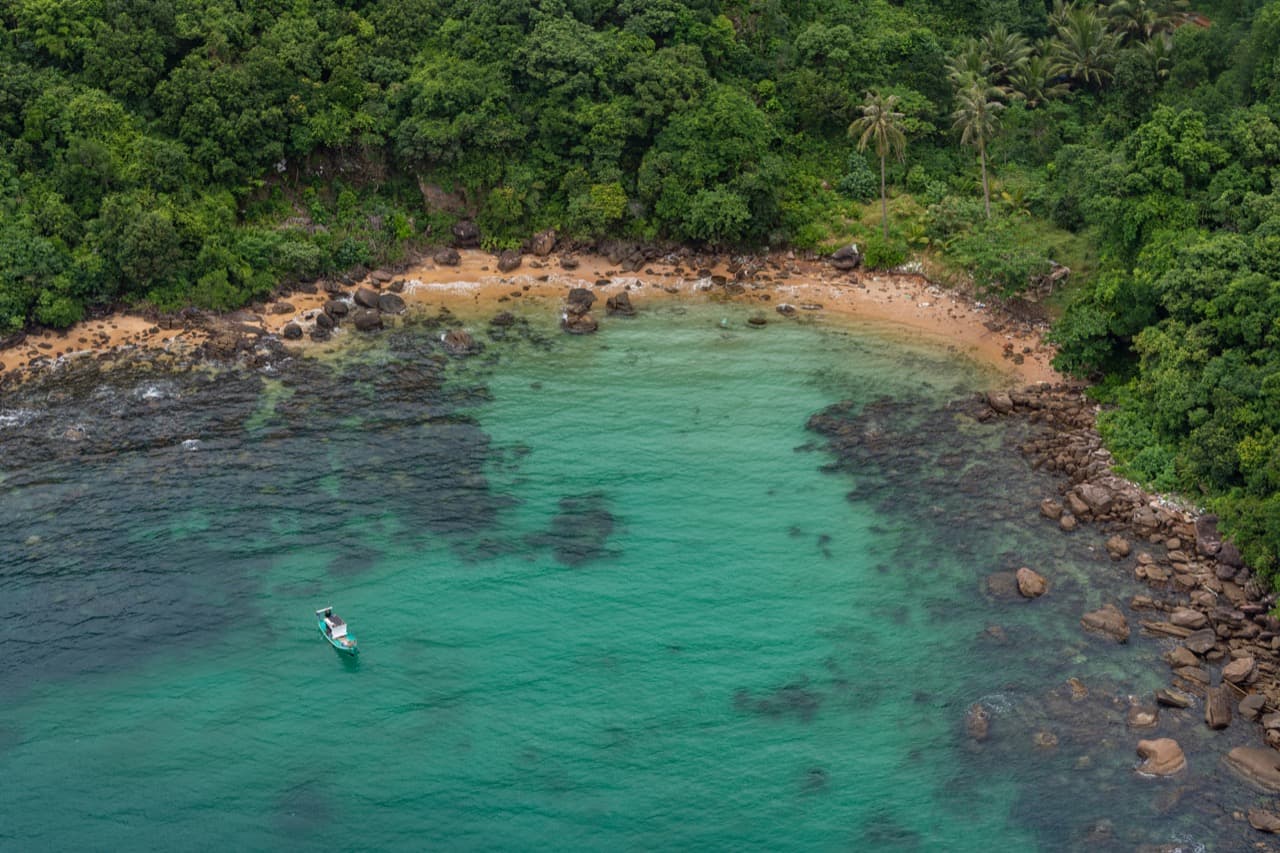
Things to do in Vietnam when it rains
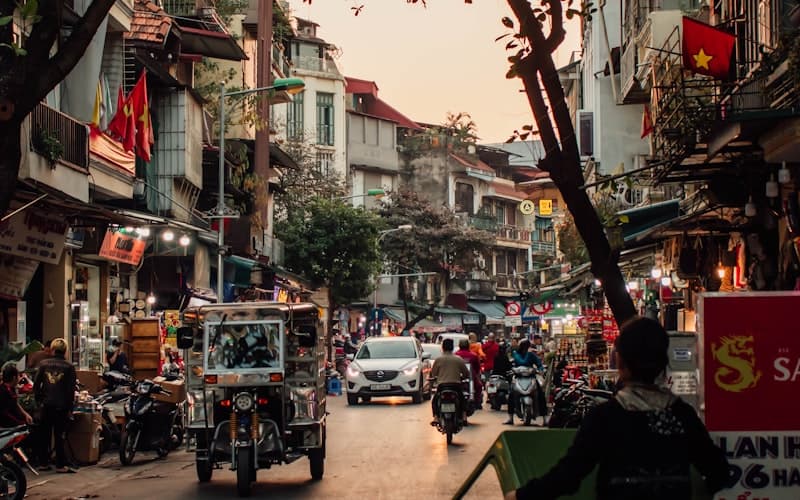
Rain in Vietnam is no reason to sit in your room. Here are 10 tested options, with prices.
- Spa and massage. A Vietnamese massage from 200,000 VND (~$8) a session. In Nha Trang, the Tháp Bà mud baths cost 260,000–350,000 VND (~$10–13) per adult, per the spa's website as of September 2026.
- Cooking classes. Learn to make phở, spring rolls and Vietnamese coffee.
- Museums and temples. The Temple of Literature in Hanoi, the Hue Citadel, the War Remnants Museum in Ho Chi Minh City — entry 40,000–200,000 VND (~$1.60–7.70).
- Shopping. Bến Thành Market in Ho Chi Minh City, Chợ Hàn in Da Nang, and the malls.
- Vietnamese coffee. Egg coffee in Hanoi (cà phê trứng), coconut coffee in Ho Chi Minh City. From 35,000 VND (~$1.40).
- Cinemas. Modern CGV and Lotte Cinema multiplexes.
- Hot springs. Tháp Bà in Nha Trang, Núi Thần Tài near Da Nang.
- Theme parks. VinWonders (Nha Trang, Phu Quoc) — rides, aquariums, VR zones. An adult ticket in Nha Trang with the cable car is 1,050,000 VND (~$40), or 700,000 VND (~$27) after 4 pm, per vinwonders.com as of September 2026.
- Food tours. Covered street-food tours let you try the local street food while the rain pours behind you.
- Change region. When it's raining in the south, the central coast is sunny.
Fruit season in Vietnam, month by month
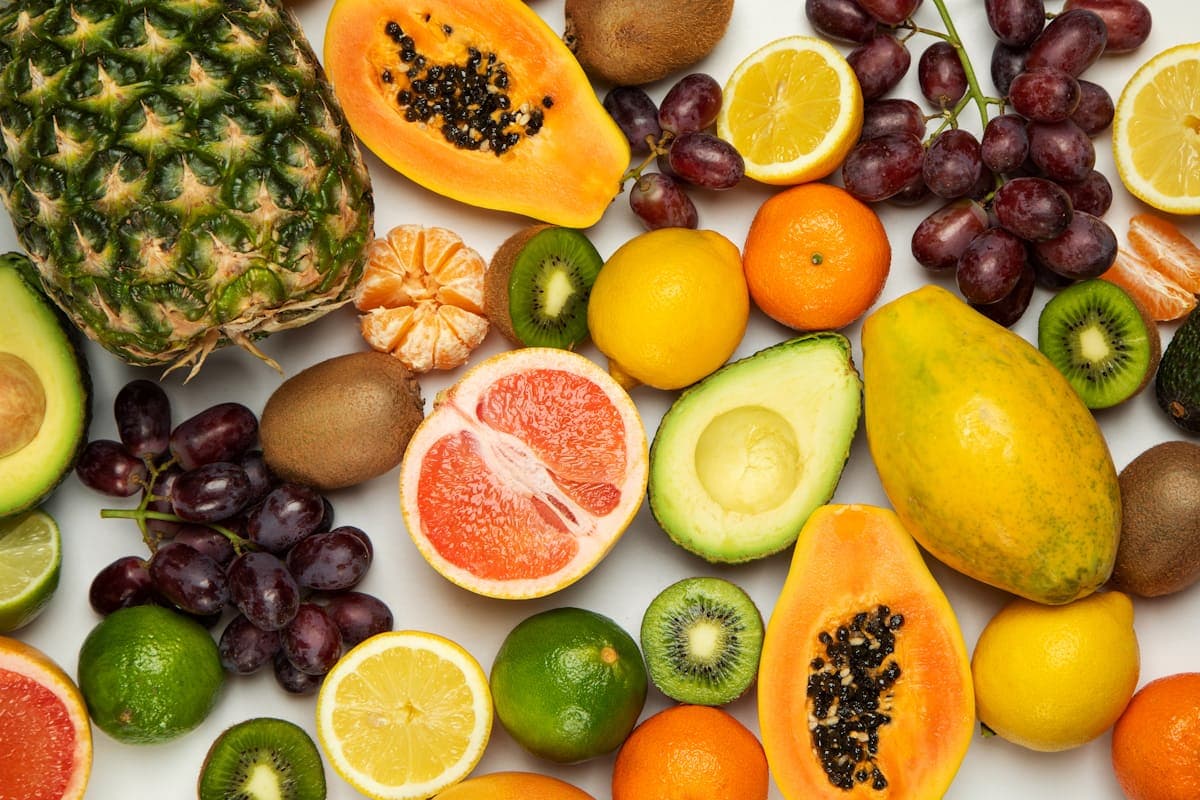
Vietnam is a fruit paradise. Papaya, coconut and bananas are around all year, but the exotics (durian, mangosteen, lychee) you have to catch in season.
| Fruit | Season |
|---|---|
| Mango | February – May |
| Durian (sầu riêng) | May – November |
| Mangosteen | May – August |
| Rambutan (chôm chôm) | May – October |
| Lychee (vải) | May – July |
| Jackfruit (mít) | March – June |
| Passion fruit | Year-round (peak: June – December) |
| Dragon fruit (thanh long) | Year-round (peak: May – October) |
| Watermelon | Year-round (peak: March – May) |
| Pineapple | Year-round (peak: March – June) |
| Papaya | Year-round |
| Coconut | Year-round |
The most fruit-rich window is May–July: mango, durian, mangosteen, rambutan and lychee all at once. Fruit is also cheaper and tastier in the wet season — one more reason not to fear the rainy months.
More on Vietnamese food in our guide to Vietnamese street food.
Vietnam weather FAQ
There's no universal answer — it depends on the region. For the south (Phu Quoc, Ho Chi Minh City, Phan Thiet) it's December to March. For the centre (Da Nang, Hoi An, Nha Trang) it's February to August. For the north (Hanoi, Ha Long, Sa Pa) it's March to May and October to November. To cover it all in one trip, fly in March or April, when the weather is good almost everywhere.
It depends on the region. In the south it runs May to November (peak: June–September). In the centre, September to January (peak: October–November). In the north, April to September (peak: July–August). The rain is usually brief — a downpour for an hour or two, then sun.
Yes, but not everywhere at once. In the south (Phu Quoc, Phan Thiet) the sea is 26–30 °C all year. Nha Trang is 25–28 °C always. Da Nang in winter is 23–24 °C. The north (Ha Long) drops to 18–20 °C in winter, which is too cold to enjoy.
December to March for the south and the coast. Prices peak around New Year and Tết (late January to early February). Hotel rates run 30–60% higher. For central Vietnam the high season shifts to March–August.
January to March: settled weather in the south, a warm calm sea, no storms. The best resorts are Phu Quoc, Phan Thiet and Nha Trang. More in our Vietnam with kids guide.
Papaya, coconut and watermelon are year-round. Mango runs February–May, durian May–November, mangosteen May–August, rambutan May–October, lychee May–July. The richest window is May–July.
Yes, typhoon season runs September to December. Da Nang, Hoi An, Hue and Nha Trang are exposed, with the peak in October. The north is not immune: in September 2024 Super Typhoon Yagi made landfall in Quang Ninh and Hai Phong. Typhoons rarely reach the southern resorts (Phu Quoc, Phan Thiet, Ho Chi Minh City). Don't plan a Da Nang or Hoi An trip for October–November.
- Weather
Phan Thiet Weather by Month: Best Time to Visit 2026
Phan Thiet and Mui Ne weather month by month: dry season, the kite wind window and the best time for the beach vs kiting, with sea temperatures.Phan Thiet Weather by Month: Best Time to Visit 2026 - Weather
Hue Weather by Month 2026: Best Time to Visit
Hue weather by month: temperature, rain and sea tables, the October flood season and 2025 record, plus when to go for sights, beaches and festivals.Hue Weather by Month 2026: Best Time to Visit - Weather
Ninh Binh Weather by Month 2026: When to Go
Ninh Binh weather month by month: rain, sunshine, the 10-day golden rice window at Tam Coc, lotus season, typhoons and what to pack.Ninh Binh Weather by Month 2026: When to Go