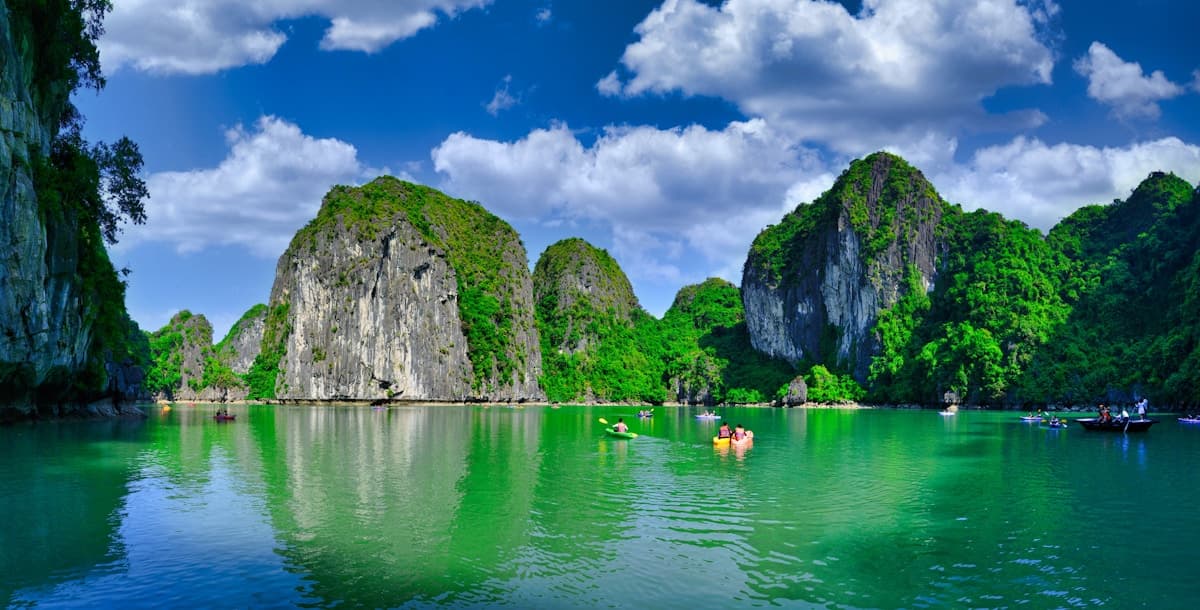
Vietnam in February 2027: weather, prices and where to go
February is one of the best months to visit Vietnam. The south and centre are dry and sunny: air 27–33°C, sea 24–29°C, almost no rain, and Nha Trang, Phu Quoc, Phan Thiet and Da Nang are at their peak. The one thing to plan around is Tet (6 February 2027): a week or more of holiday, hotel prices up to double, and shops shut for several days.

Vietnam stretches 1,650 km from north to south, so in a single week Hanoi and Phu Quoc can be 15 degrees apart. Below: the weather region by region with tables, what a trip actually costs in 2026 (in VND with a rough USD conversion), the full story on Tet, and practical tips for February specifically.
February at a glance
- Where to go
- Phu Quoc and Nha Trang
- Sea
- 24–29 °C
- Rain
- almost none
- Prices at Tet
- +30–100%
Vietnam weather in February by region
February splits Vietnam into two worlds: a hot, dry south and a cool, cloud-covered north. The centre and south-central coast land in the comfort zone, with temperatures of 23–30°C and minimal rain.
| Region | Air temp | Sea temp | Rainfall, mm | Rainy days | Verdict |
|---|---|---|---|---|---|
| North (Hanoi, Ha Long, Sapa) | 17–20°C | 19–21°C | drizzle, fog | — | Sightseeing, not beach |
| Centre (Da Nang, Hoi An, Hue) | 23–27°C | 22–24°C | 30–50 | 3–5 | Comfortable, swimming ok |
| South-central (Nha Trang, Cam Ranh) | 27–30°C | 24–26°C | 15–25 | 2–3 | Excellent beach time |
| South (HCMC, Phan Thiet, Mui Ne) | 30–33°C | 26–28°C | 5–15 | 1–2 | Hot and dry, ideal |
| Phu Quoc | 28–32°C | 27–29°C | ~35 | 1–2 | Peak dry season |
Weather figures are for 2026. Sources: climate-data.org, Vietnam Tourism.

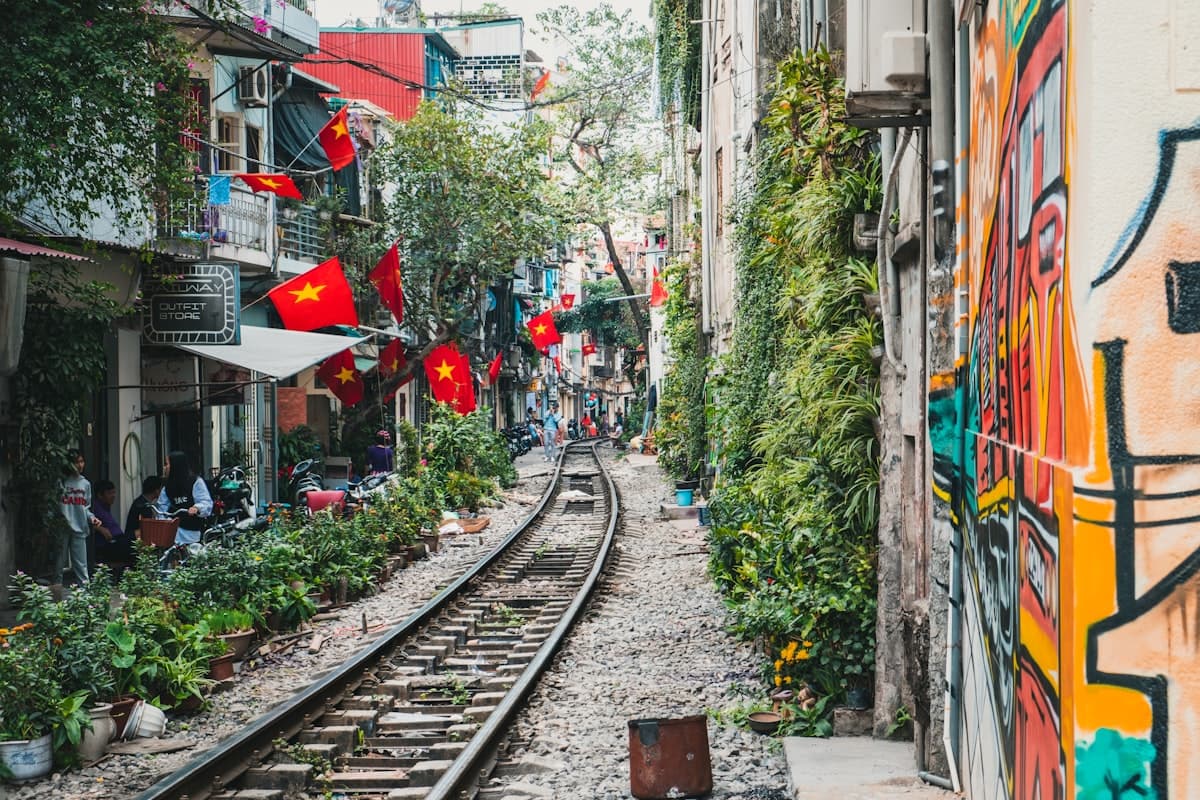
The north is not for beach-goers in February. In Hanoi it is 17–20°C by day and dips to about 13°C at night. The sky stays grey and it often drizzles, but the month warms as it goes: by late February the fog thins, peach and apricot blossom open, and spring is on its way. For walking the Old Quarter, cruising Ha Long Bay and a trip out to Ninh Binh it is perfect — no punishing heat and no crowds. Up in the mountains, Sapa is colder: 8–10°C and thick fog in the morning, clearing to 15–18°C by midday.
In late February our main problem was rain and fog so thick you couldn't see anything beyond three metres. In Sapa and in Ha Long alike. And it wasn't particularly coldextremallka, Vinsky Forum, 2018, translated by VietnamSpot
The centre is a transition zone. In Da Nang, Hoi An and Hue it is 23–27°C, with the sea at a cool but tolerable 22–24°C. The sea breeze eases off by late February and the swell settles. Come here to mix a cultural itinerary with some beach time.
The south is at the peak of the dry season. In Ho Chi Minh City it is 30–33°C with almost no rain. Phan Thiet and Mui Ne are windswept — kiters and windsurfers love it, while everyone else may find the blowing sand tiresome.
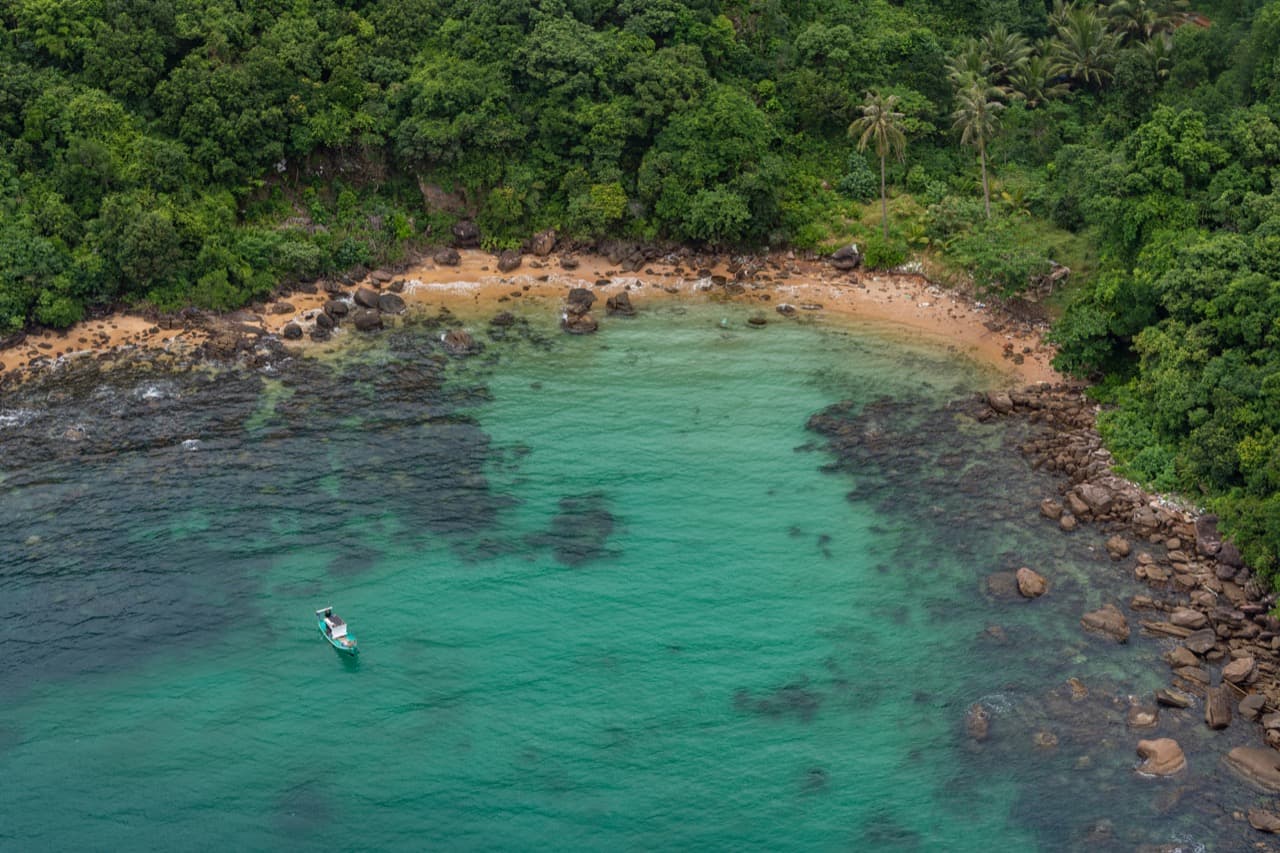
Phu Quoc has near-perfect conditions: 28–32°C, a warm and calm Gulf of Thailand, and rain is rare.
February is much like January, just a touch warmer — and by March the south heats up further still. To compare all twelve months at a glance, see the Vietnam weather by month overview.
Fast Track — no queue at the border
5–10 minutes instead of an hour in the immigration queue
from$11per passenger
Nha Trang weather in February
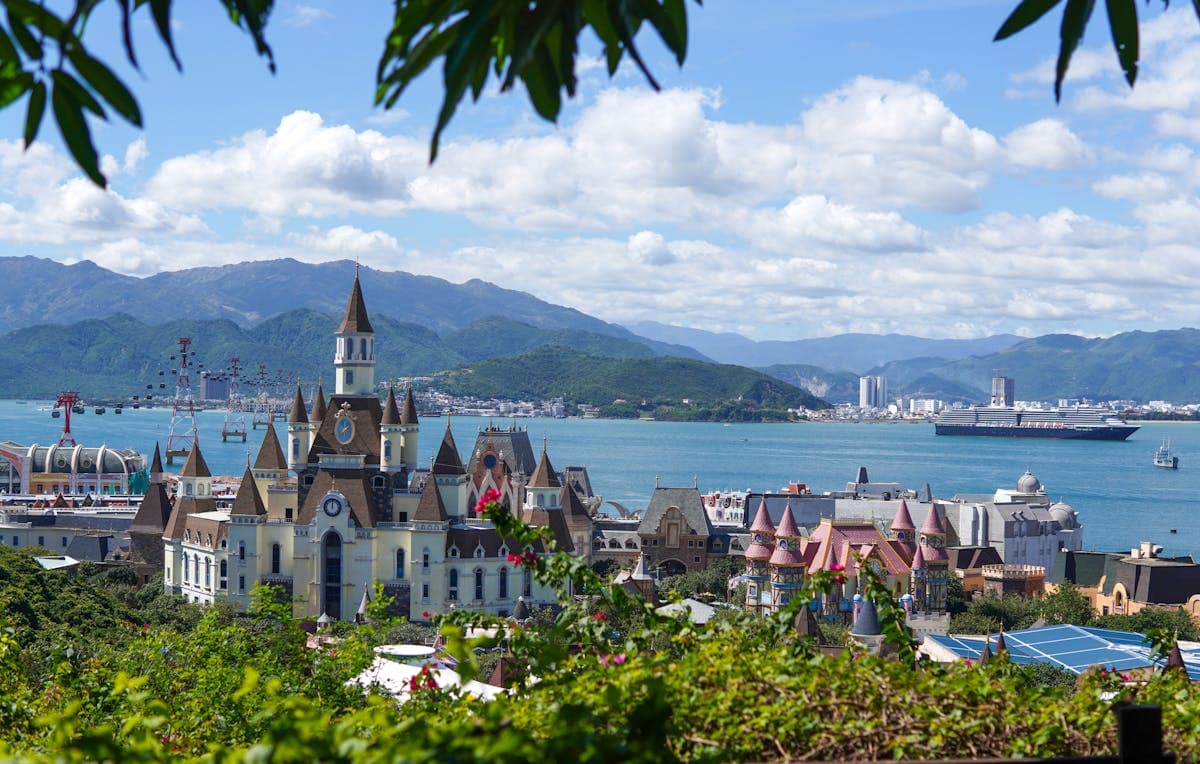
Nha Trang in February is dry, warm and sunny: 27–30°C by day, 20–23°C at night, sea at 24–26°C. The whole month adds up to two or three rainy days, and even those are short night showers that dry off by morning. For the balance of weather and price, it is one of the best months on the coast.
Nha Trang's city beach runs 7 km along the Trần Phú promenade. The sand is yellow and fine, and the water shelves gently. In February the sea is calm — waves happen, but rarely and small. For snorkelling and diving, head to the islands: Hòn Một (Hon Mot) with its snorkelling bay, or Hòn Tằm (Hon Tam) with white-sand beaches.
Start vs end of the month. There is no real weather difference — all February is steadily warm and dry. The one catch: mid-month you run into Tet, which means higher prices and crowds of domestic tourists on the beaches. Want it quieter? In 2027, come before 4 February or after the 14th.

Where to go in Vietnam in February — map and resorts compared
The top resorts for a February trip are Nha Trang, Phu Quoc and Phan Thiet. The south and south-central coast are in high season with minimal rain and warm sea. The north is good for sightseeing but not for the beach.
Green pins are the five-star picks for February, blue ones four stars, amber three. Tap a pin for air and sea temperature and who the place suits.
- Nha Trang (Nha Trang): 27–30°C, sea 24–26°C — Beach and day trips: couples, families, budget — Rating ★★★★★
- Phu Quoc (Phú Quốc): 28–32°C, sea 27–29°C — Beach and nature: couples, upscale stays — Rating ★★★★★
- Phan Thiet / Mui Ne (Phan Thiết / Mũi Né): 30–33°C, sea 26–28°C — Kitesurfing and surfing: active, watersports — Rating ★★★★
- Da Nang (Đà Nẵng): 23–27°C, sea 22–24°C — Culture and beach: photographers, history buffs — Rating ★★★★
- Hoi An (Hội An): 23–27°C, sea 22–24°C — Culture and beach: photographers, history buffs — Rating ★★★★
- Hanoi (Hà Nội): 17–20°C, sea 19–21°C — Sightseeing: foodies, history — Rating ★★★
- Ha Long (Hạ Long): 17–20°C, sea 19–21°C — Sightseeing: foodies, history — Rating ★★★
| Resort | Type | Best for | Air / sea temp | Rating |
|---|---|---|---|---|
| Nha Trang | Beach + day trips | Couples, families, budget | 27–30 / 24–26°C | ★★★★★ |
| Phu Quoc | Beach + nature | Couples, upscale stays | 28–32 / 27–29°C | ★★★★★ |
| Phan Thiet / Mui Ne | Kitesurfing, surfing | Active, watersports | 30–33 / 26–28°C | ★★★★ |
| Da Nang / Hoi An | Culture + beach | Photographers, history buffs | 23–27 / 22–24°C | ★★★★ |
| Hanoi + Ha Long | Sightseeing | Foodies, history | 17–20 / 19–21°C | ★★★ |
Nha Trang is the easiest all-rounder. Cam Ranh airport is close, the infrastructure is developed, and English menus are common. It is cheaper than Phu Quoc, with hotels from hostels to five stars. Full picture in our Nha Trang guide.
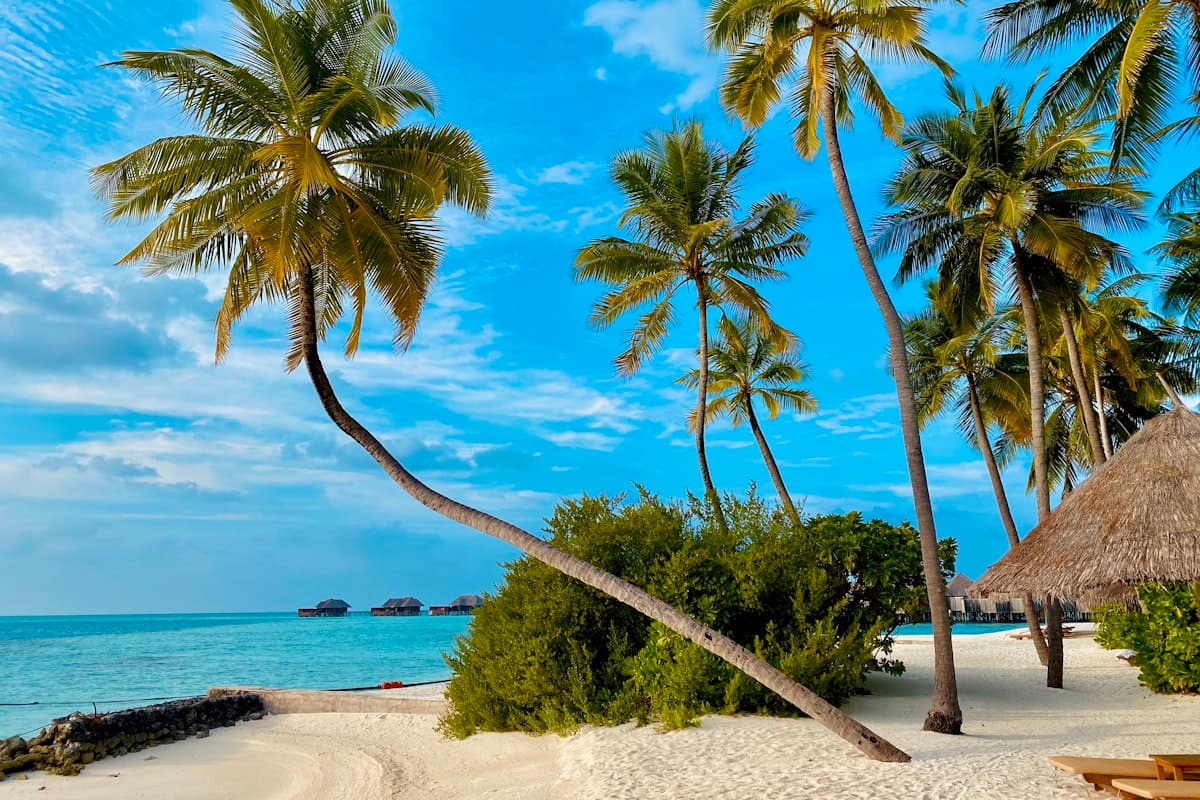
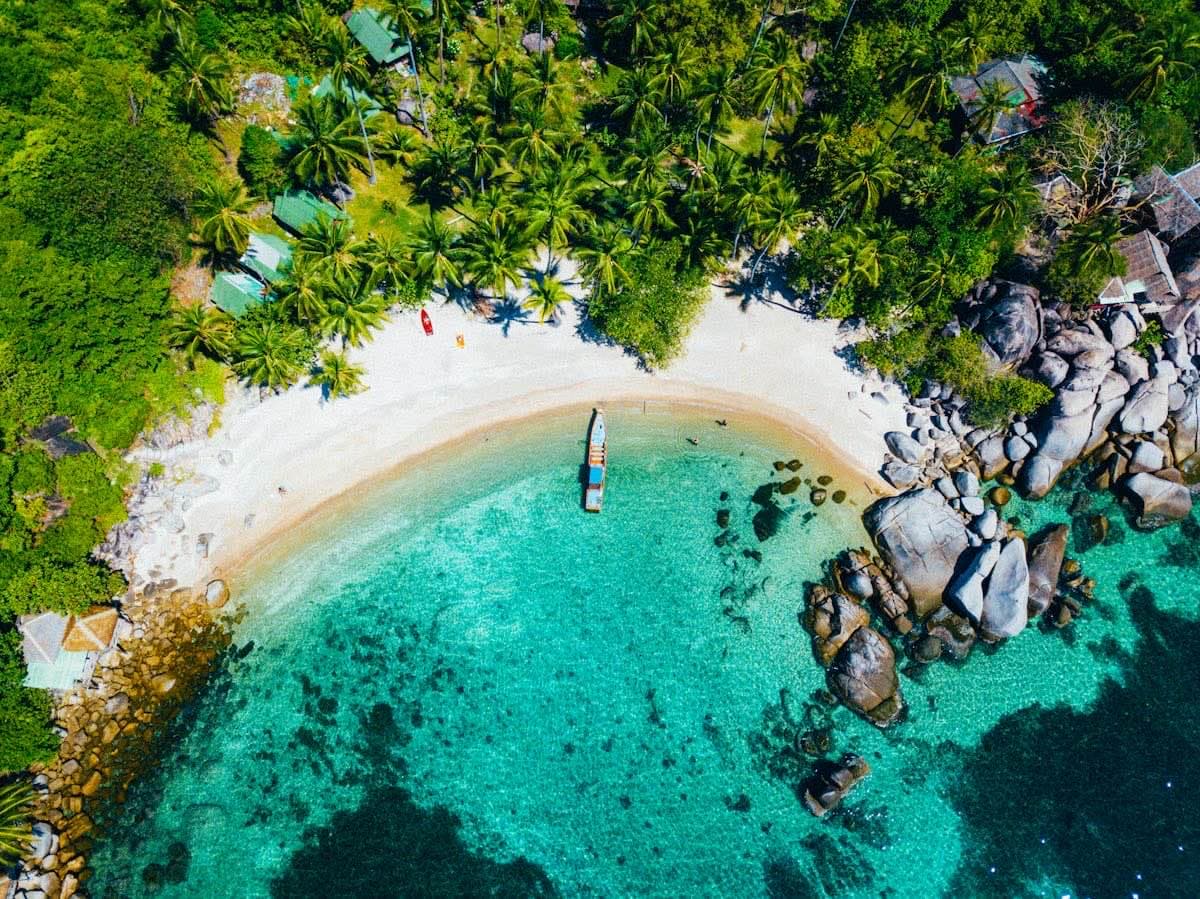
Phu Quoc is for calm sea and white sand. The beaches Bãi Sao (Sao) and Bãi Dài (Long Beach) are among the finest in Southeast Asia. The trade-offs: less going on outside the resorts, and a higher price tag. See the full Phu Quoc guide.
Phan Thiet and Mui Ne are a niche pick. Strong onshore wind makes them a paradise for kiters and windsurfers, but not the most relaxing spot for a quiet beach day — expect blowing sand, waves and cool evenings.
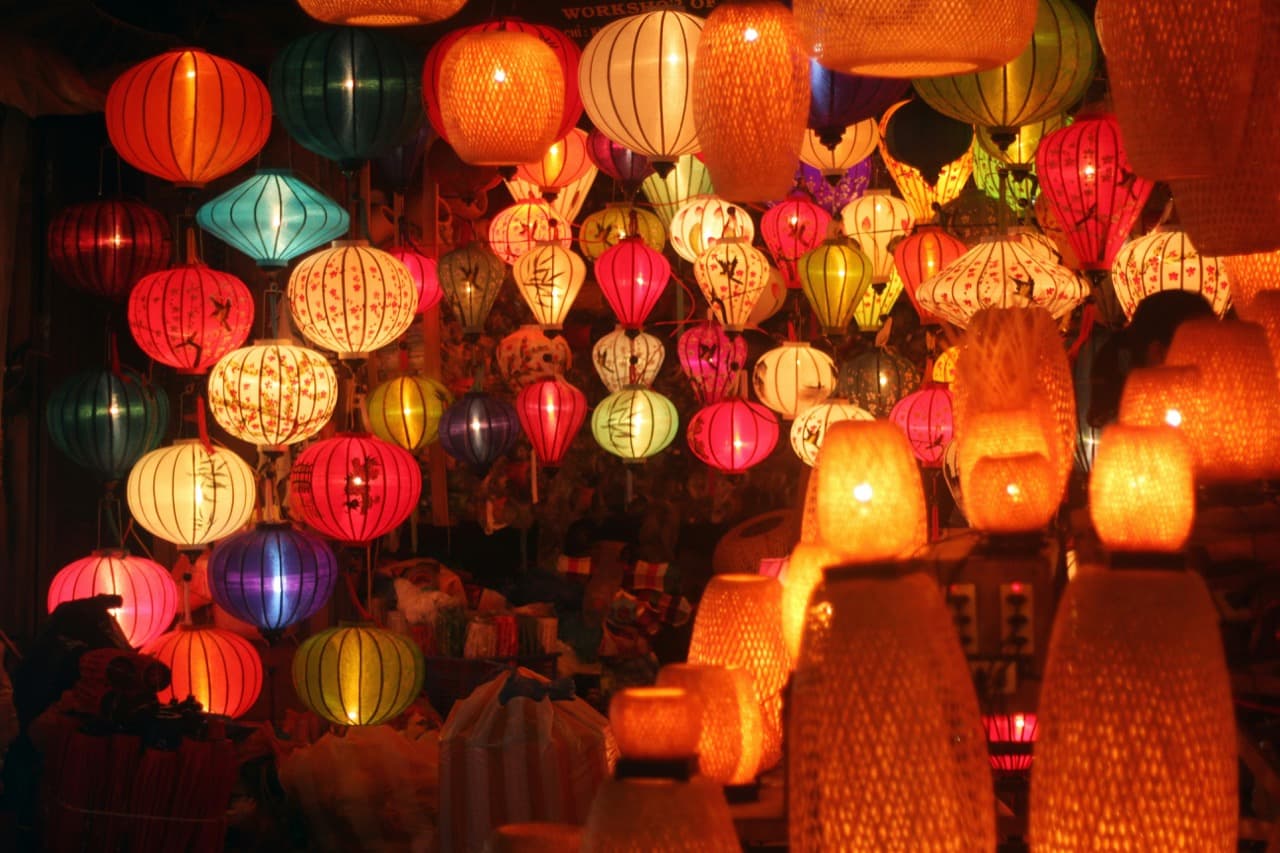
Da Nang and Hoi An are the culture-plus-beach compromise. The water in February is still cool (22–24°C), but Hoi An's UNESCO Old Town, with its lanterns and cooking classes, is worth the trip on its own. Everything is in our full Da Nang guide.
Hanoi is not about the beach — it is about depth. It is 17–20°C, grey and drizzly, but you can walk all day without heatstroke: the Old Quarter, the Temple of Literature, Hoan Kiem Lake, and above all the food. Hanoi has the country's best pho and dozens of street-food options, and it is the launch point for a day cruise on Ha Long Bay. Details in the Hanoi guide.
Tet — Vietnamese Lunar New Year in February 2027
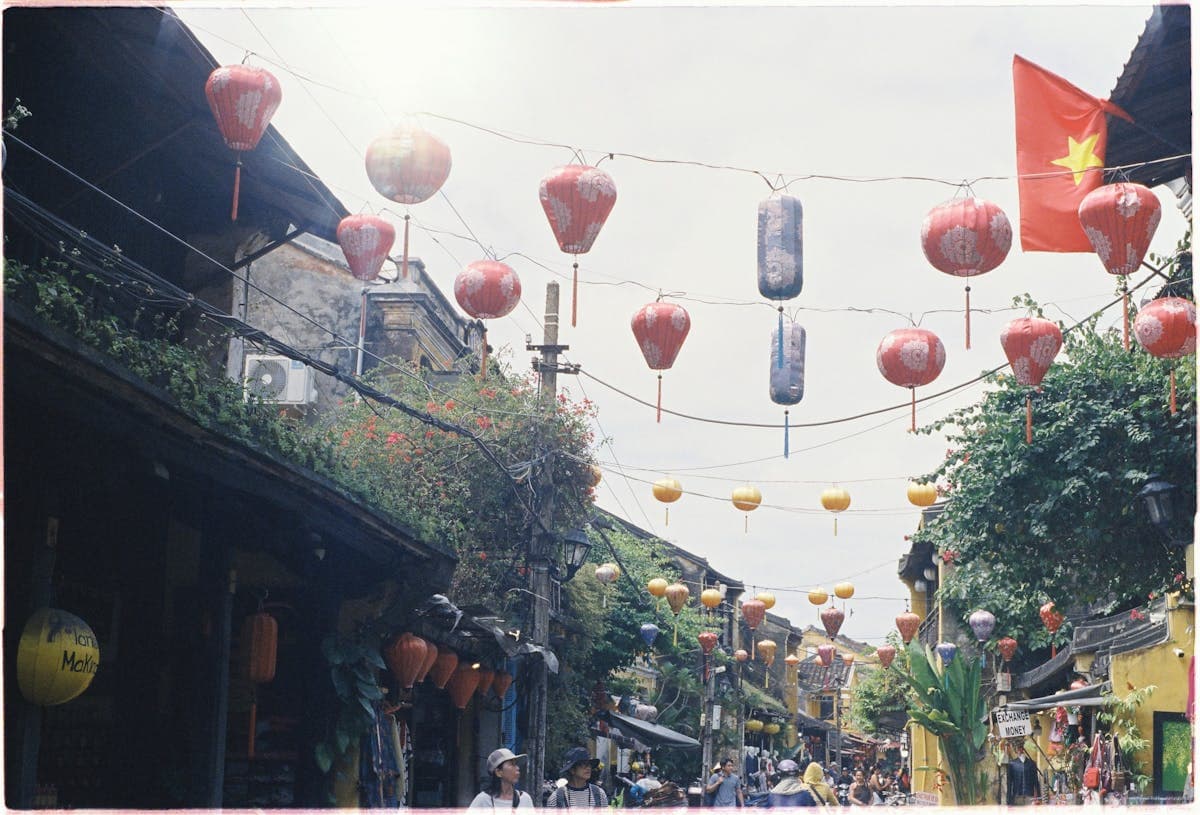
Tết Nguyên Đán (Tet) 2027 falls on 6 February — the Year of the Goat on the lunar calendar. The law gives five days off; for civil servants the Ministry of Home Affairs has proposed either 4–10 February (7 days) or 5–14 February (10 days). Check which one is approved before you book (ministry proposal). For Vietnamese it is the biggest day of the year, family Christmas and New Year rolled into one. For travellers it is a surprise that can get expensive if you don't plan for it. For the full breakdown of traditions, customs and how to travel through the holiday, see our guide to Tet in Vietnam.
How Tet affects a trip
Prices. Hotels rise 30–50%, and at popular resorts (Phu Quoc, Nha Trang) the jump can reach 100%. Flights are up 20–40%. Grab and taxis are scarce and pricier, up 30–50%.
Infrastructure. Many restaurants, shops and museums close for the first three days of Tet (6–8 February in 2027). ATMs can run empty as locals withdraw cash en masse before the holiday.
Atmosphere. The upside is huge. Streets fill with red-and-gold lanterns, flower markets with peach trees and apricot branches open in the days before Tet, and on New Year's Eve (5–6 February in 2027) there are fireworks nationwide.
Practical tips
- Book accommodation and flights two to three months ahead, or three to four for Tet and Phu Quoc
- Arrive before 4 February or after the 14th to dodge peak prices
- Carry cash (200,000–500,000 VND, roughly $8–20) — ATMs can be empty
- Keep two or three days of food and water — mini-marts open, but stock thins out
- Check whether your accommodation stays open over Tet — some guesthouses close
What a Vietnam trip costs in February 2026

February is high season but not the most expensive month of the year — that comes later. The trick is to book ahead and steer clear of the Tet dates (4–14 February in 2027), when everything spikes.
Hotels (booking yourself)
| Category | Nha Trang | Phu Quoc | Da Nang |
|---|---|---|---|
| Hostel / guesthouse | ~$6–20/night | ~$10–26/night | ~$8–20/night |
| 3-star | ~$20–40 | ~$26–52 | ~$20–46 |
| 4-star | ~$40–80 | ~$52–105 | ~$40–92 |
| 5-star (Vinpearl, Marriott) | ~$105–265 | ~$130–330 | ~$92–235 |
During Tet (4–14 February in 2027) rates are 30–100% higher. Book early. Conversion at ~26,000 VND = $1.
Daily budget on the ground
What to do in Vietnam in February
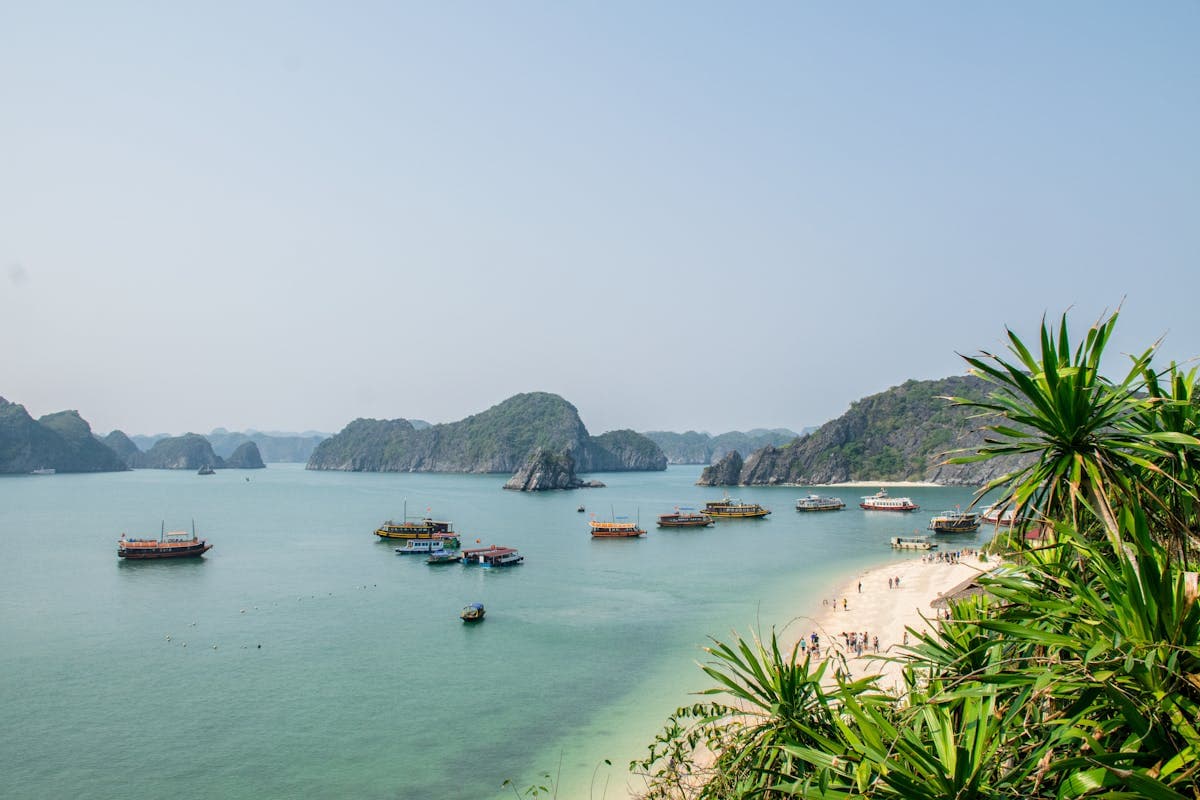
February opens up almost everything: beaches, day trips, diving, surfing and a full cultural programme. The one limit is Tet, when part of the infrastructure shuts down.
Beaches
- Nha Trang — 7 km city beach, plus the islands of Hòn Một (snorkelling) and Hòn Tằm (white sand)
- Phu Quoc — Bãi Sao (Sao) and Bãi Dài (Long Beach) — calm, warm sea
- Mui Ne / Phan Thiet — kitesurfing and windsurfing (steady strong wind)
- Da Nang — Mỹ Khê (My Khe)
Day trips and sights
- VinWonders Nha Trang — island theme park with a water park and aquarium (~1,050,000 VND / ~$40)
- Ha Long Bay — a junk cruise from Hanoi (from ~2,700,000 VND / ~$104)
- Hoi An Old Town (UNESCO) — lanterns, markets, cooking classes (entry 120,000 VND / ~$5)
- Cu Chi Tunnels — a history day trip from Ho Chi Minh City (from ~400,000 VND / ~$15)
- Da Lat — mountain town, flower gardens, 18–22°C — cool relief after the beach heat
- I-Resort mud baths in Nha Trang — hot mineral springs (from ~250,000 VND / ~$10)
Entry and tour prices are approximate, so check them before you go.
Festivals and events
- Tet (6 February 2027) — fireworks, red-and-gold decorations, family feasts
- Flower markets — in the days before Tet, brightest in Ho Chi Minh City (on Nguyễn Huệ street)
- Hoi An Lantern Festival — on the full moon, hundreds of paper lanterns on the Thu Bồn river
- Boat races — in southern provinces after Tet
Rainy-day ideas
Rain in February is rare, but if it catches you:
- Mud baths — I-Resort or Thap Ba in Nha Trang (from ~250,000 VND / ~$10). Warm mineral mud and pools
- VinWonders — indoor rides, 4D cinemas and an aquarium run in any weather
- Cooking class — in Hoi An or HCMC, learn pho, spring rolls and banh mi (from ~400,000 VND / ~$15)
- Massage and spa — from ~200,000 VND (~$8) for an hour
- Shopping — Vincom and Lotte Mart malls are in every major city
What to pack for Vietnam in February

The rule: pack for the south, but add a couple of things for air conditioning and evenings. Heading north? You'll want warm clothes. Here is the February essentials list.
Clothes
- Light cotton and linen — the backbone of a southern wardrobe
- Long sleeves and trousers — for sun by day and mosquitoes at night
- A thin sweater or windbreaker — buses, planes and malls run the AC hard
- Swimwear (bring two — one dries while you wear the other)
- A sun hat or cap — the February sun is deceptive; you can burn in an hour
- For the north: a warm layer, jeans, and a raincoat or umbrella
Footwear
- Sandals or flip-flops — your main shoes 90% of the time
- Trainers — for day trips, long walks and temples (closed shoes)
- Reef shoes (water shoes) — for rocky beaches and coral
First-aid kit
- Sunscreen SPF 50+ (available locally, but with a 30–50% markup)
- Mosquito repellent — sold in any mini-mart from 30,000 VND (~$1.20)
- Antiseptic, plasters, something for an upset stomach
- Electrolytes — the heat dehydrates you faster than you expect
Tech and documents
- An eSIM you can activate on arrival, or buy a local SIM at the airport with your passport
- Power bank — handy on day trips
- A copy of your passport and the details of your e-visa or visa exemption. Rules vary by nationality — check evisa.gov.vn
- Plug adapter — Vietnam uses type A and C sockets: slim European two-pin plugs usually fit, anything else needs a universal adapter
FAQ
The best bets are Nha Trang, Phu Quoc and Phan Thiet. All three sit in the dry season with minimal rain and a warm sea of 24–29°C. Nha Trang is the most versatile: Cam Ranh airport is close, the infrastructure is developed, and there are hotels for every budget, from hostels at around $6 a night to five stars. Phu Quoc is for a quiet escape — the white sand of Bãi Sao, diving with turtles, few crowds. Phan Thiet is for kiters and windsurfers, with steady 15–25 knot wind in February. To combine beach and sightseeing, pair Nha Trang with Da Lat (three hours by bus).
The south and centre are hot and dry: 27–33°C by day, one to three rainy days all month, and the rain comes in short bursts: afternoon showers in the south, mostly night-time in Nha Trang. The north (Hanoi, Sapa) is cool: 17–20°C, overcast, with drizzle, and morning fog and frost up in Sapa. Sea temperatures on the southern coast are 24–29°C, comfortable without a wetsuit. February is one of the driest months of the year and, with January and March, one of the three best to visit.
Yes, on most beaches in the south and centre. In Nha Trang the water is 24–26°C, on Phu Quoc 27–29°C, in Phan Thiet 26–28°C — comfortable without a wetsuit. Jellyfish are all but absent in winter, and most beaches shelve gently, so they suit children. In Da Nang it is slightly cooler (22–24°C) and borderline for some, but the waves make for good surfing. In the north swimming is chilly: 19–21°C in Ha Long Bay — though the cruise itself is stunning.
- A hostelfrom ~$6 a nighthotels booked yourself run
- A comfortable 3–4 star room~$40–90
- Five stars$100+
- Street meals~$1.20–2.40
- A restaurant dinner~$8–15
Prices are from February 2026. Flights depend heavily on where you fly from, so price them for your route. The key nuance: during Tet (in 2027 the holiday falls within 4–14 February, exact dates still pending) prices climb 30–100% — Phu Quoc hotels get booked three to four months ahead. To see the festival but still save, book before 4 or after 14 February and visit on a day trip
Tet 2027 is 6 February (Year of the Goat). The law gives five days off; for civil servants the Ministry of Home Affairs has proposed either 4–10 February (7 days) or 5–14 February (10 days). Check which one is approved before you book. Hotels rise 30–100%, flights 20–40%. Many shops and restaurants close for three to five days — stock up in advance or pick a hotel with breakfast included. Grab rides are scarcer and pricier as drivers go on holiday. But the atmosphere is unforgettable: fireworks over the Ho Chi Minh City waterfront, flower markets on Nguyễn Huệ, red-and-gold decorations and lion dances. To save money, arrive before 4 or after 14 February.
The sea in Nha Trang in February is 24–26°C — warm enough to swim all day, and most visitors wade straight in. The water is calm and big waves are rare; red flags go up no more than once or twice a month. The best snorkelling is around the islands of Hòn Một and Hòn Tằm, where visibility reaches 15–20 metres. A four-island tour with lunch and snorkelling starts from ~250,000 VND (~$10). For diving, February is one of the three best months alongside March and April.
It depends on your passport. Visa-free stays depend on nationality — citizens of the UK and 18 EU countries, for instance, get 45 days visa-free, while Australian and US travellers usually apply online. Most nationalities can get a 90-day e-visa (single or multiple entry) through the official portal evisa.gov.vn, processed in a few working days. Rules and eligibility change, so check your nationality against the official site before you book, and print or save the e-visa PDF to show on arrival.
- Weather
Ha Long Bay Weather by Month: Best Time to Cruise
Ha Long Bay weather and seasons month by month: the best time to cruise, fog and typhoons, sea temperature and what to pack.Ha Long Bay Weather by Month: Best Time to Cruise - Weather
Hanoi Weather by Month: Best Time to Visit 2026
Hanoi weather and seasons month by month: the real winter, hot summer, dry vs rainy, the best time to go and what to pack.Hanoi Weather by Month: Best Time to Visit 2026 - Weather
Ho Chi Minh City Weather 2026: Month by Month
Saigon weather guide: a month-by-month table, the dry and rainy seasons, the best time to visit and what to pack for the heat.Ho Chi Minh City Weather 2026: Month by Month