Scams in Vietnam: how tourists get ripped off and how not to
Most scams in Vietnam are small and loud rather than dangerous. A Hanoi taxi driver reads 42,000 dong off the meter and asks for 420,000. A street vendor on Hàng Gai takes two 500,000 notes for a conical hat and insists she was handed one. Both cases come from the Vietnamese press, and the vendor ended up returning every dong because bystanders stepped in.

In the cases collected below, the money at stake runs from under $10 to about $40, and nearly every trick relies on the same thing: the price is named after the service, and you pay in cash, in a hurry. This guide covers six scenarios (taxis, money, the street, rentals, tours and online), with the warning signs first and what to do second. The last section lists who to call, with numbers checked against official sites on 23 October 2026.
How to spot a scam in Vietnam: three signs and a cheat sheet
Almost every scam in Vietnam shows three signs: no price before the service, pressure to pay cash quickly, and an "official" look that nothing actually backs up. A sign, a driver's uniform or a phone screen showing an "app" prove nothing on their own.
So one rule covers it. Fix the price and the payment method before you get in, eat or take anything. Use an app where you can; where you can't, agree out loud, on the seller's calculator, and photograph the price tag.
| Scenario | What it looks like | What to do |
|---|---|---|
| Airport taxi | A driver walks up in arrivals: "I'm from Grab" | Book in the app only, match the plate to the screen |
| Meter | Numbers climb in traffic, total is 10× the route | Keep the map open; if it goes wrong, photograph meter and plate |
| Change | You get 20,000 instead of 500,000, or "you only gave me one note" | Count in front of the seller, name big notes out loud |
| Street exchange | Better than bank rate, on the street or via a chat | Bank or licensed counter, no prepayment to strangers |
| Bike rental | They want your passport, then find a "scratch" on return | Cash deposit, photos and video at pick-up |
| Street tour | Cheap, foreign guide, cash up front | Look the company up at csdl.vietnamtourism.gov.vn |
| Online | "e-visa" site not on .gov.vn, "confirm your card" message | evisa.gov.vn only; never enter card details from a link |
None of it needs Vietnamese. It needs the habit of agreeing first and paying second.
Taxis, motorbike taxis and airport rides
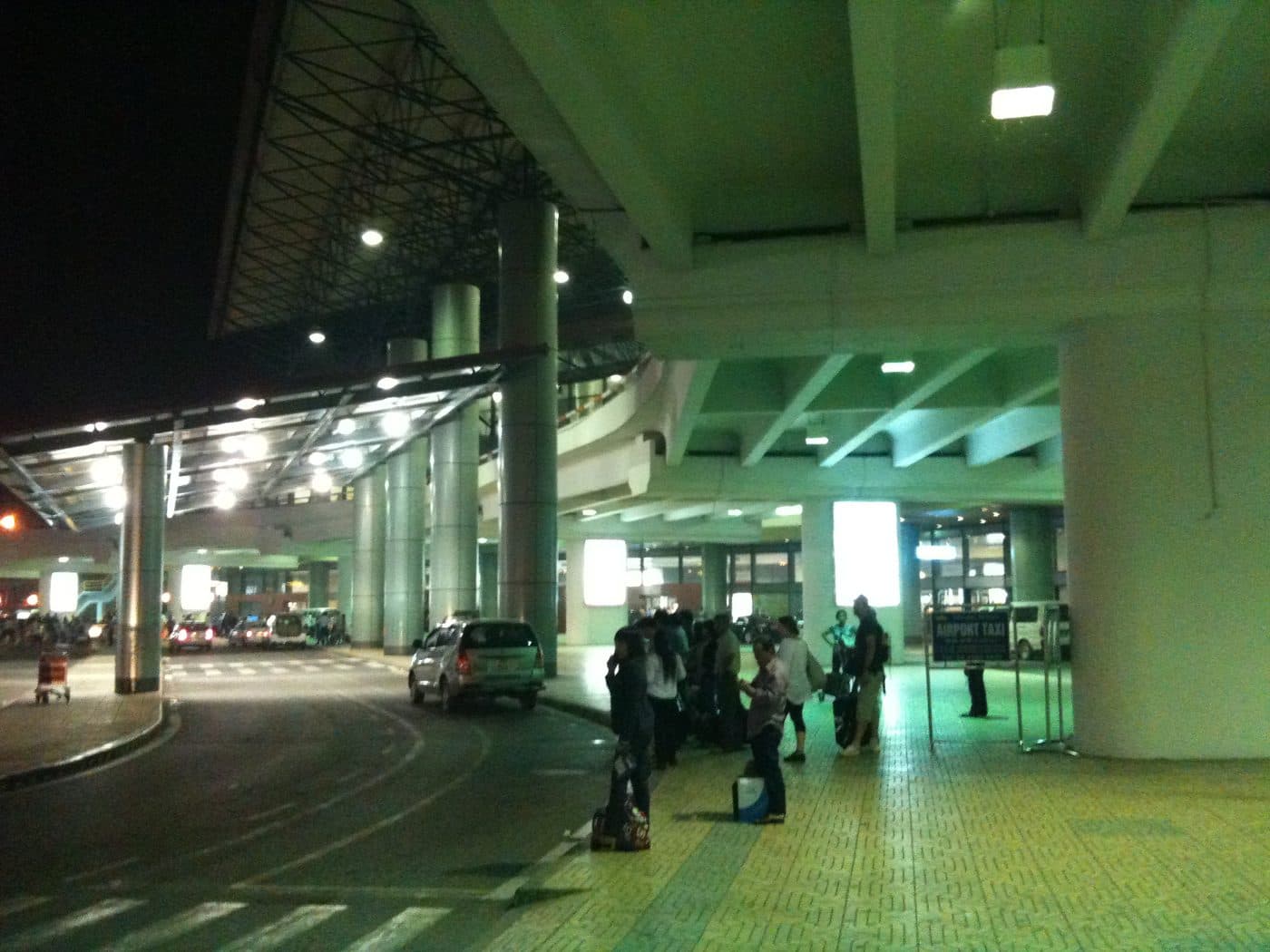
The nastiest taxi trick in Vietnam isn't a broken meter. It's a car you never booked. A fake "app driver" approaches you, then shows a doctored screen with the fare at the end. The fix is one habit: book the whole ride in the app and check the plate before you get in.
Here is how it plays out. On 7 June 2025 at Noi Bai airport, a man approached a tourist from Taiwan, said he drove for a ride-hailing app and took him to a hotel on Hàng Bông. At the hotel he opened a fake app and demanded 900,000 ₫ (~$35): 700,000 for the ride and 200,000 for "parking". The usual fare from Noi Bai to the Old Quarter is about 367,000 ₫ (~$14) including the toll. The tourist paid, but photographed the plate and emailed the airport. Three days later airport police had identified the offenders, Dtinews reported.
The UK Foreign Office puts it in one line:
Be wary of scammers who claim to be from these companies and always book your full journey on the appFCDO, GOV.UK, checked 10/2026
Rigged meters and the extra zero
In a regular cab the trick is in the numbers. There are two versions.
- The fast meter. In June 2023, Ho Chi Minh City transport inspectors tested taxis at Tan Son Nhat: a test run to a street 3 km from the airport and back cost 53,000 ₫, and 530,000 ₫ (~$20) with the device in the meter switched on. Two drivers were fined and lost their licences temporarily, and two operators had their airport dispatch suspended (Tuoi Tre News).
- The extra zero. In early September 2022 a Hanoi taxi driver was accused of charging two Japanese students 420,000 ₫ (~$16) with 42,000 on the meter, and Hoàn Kiếm district police opened an inquiry (VOV). The bet is that a new arrival won't count the zeros in time.
A meter that climbs while the car is stuck in traffic is the giveaway. Keep the route open in Google Maps and compare the distance. If you hail on the street, use the big fleets with a dispatch line: Mai Linh (1055) or Green SM, also called Xanh SM (1555). How to tell a real Mai Linh or Vinasun from a repainted copy is covered in our guide to Grab and taxis in Vietnam.
Motorbike taxis and the scenic route
A street motorbike taxi (xe ôm) makes money on the route. In February 2026 a 62-year-old driver in Hanoi took an American tourist from the Vietnam Museum of Ethnology to Tràng Tiền street, detoured via Train Street, and asked for 1,000,000 ₫ (~$38) for about 7 km. The same ride in an app is around 50,000 ₫ (~$1.90). At the police station he admitted stretching the trip on purpose and paid money back: Tuoi Tre says he agreed to refund the full amount, Dan Tri says he returned 800,000 ₫ (Tuoi Tre News, Dtinews).
Agree the price before you get on, and get it as digits on a phone screen. "Pay what you like" is not a price.
Money: change, look-alike notes and exchange
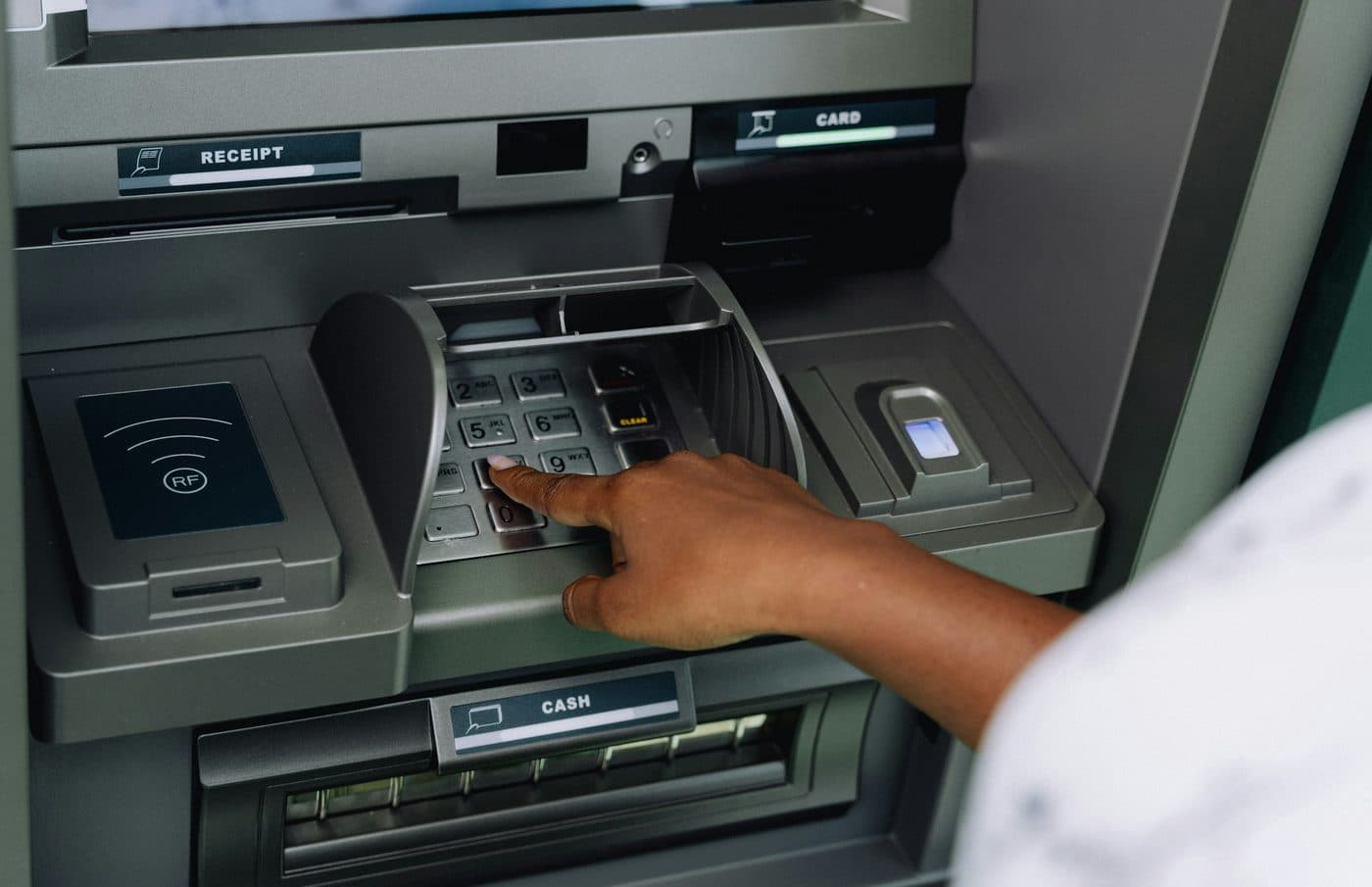
Money scams in Vietnam come in three kinds: mixing up similar notes in your change, arguing about how much you handed over, and "good rate" exchange outside a bank. Counting in front of the seller stops the first two. The third can cost you the money and is also against the law.
Two blue notes
The 20,000 ₫ and 500,000 ₫ notes are both blue polymer. One is worth 25 times the other, and in a dim stall they are easy to confuse. The 500,000 is noticeably longer and shows Ho Chi Minh's house in his home village of Kim Liên on the back. The 20,000 shows the Japanese Covered Bridge in Hoi An. The second risky pair is 50,000 and 500,000, which differ by a single zero. Today's rates and what a note is worth in dollars are in our guide to the Vietnamese dong exchange rate.
"You only gave me one"
On 11 January 2026 on Hàng Gai in Hanoi, a street vendor asked a foreign woman for 850,000 ₫ (~$33) for a conical hat. The tourist handed over two 500,000 notes; the vendor insisted she had received one. She returned the full million only after a local shopkeeper and other witnesses stepped in. Hoàn Kiếm ward police fined her 225,000 ₫ (~$8.70), though for trading in a banned spot, not for the trick itself (Báo Pháp luật).
Two habits follow. Say the amount as you pay: "two five-hundreds". And don't let go of a big note until the seller shows you the change.
Changing money on the street
The FCDO is blunt here: "Only change money at official money exchange counters with a clear sign showing this status. Changing money elsewhere is illegal and you risk losing your money." Since 9 February 2026, Nghị định 340/2025/NĐ-CP sets the fines. Buying or selling foreign currency between individuals or at an unlicensed place gets a warning under $1,000, and a 10–20 million ₫ fine (~$385–770) from $1,000 to $10,000, rising from there (Báo Văn hóa).
The same logic applies to anyone offering to swap money through a chat app: if you pay first and they have no track record, you have no protection. A rate well above the market is a warning, not a bargain. If you deal in crypto, our guide to USDT and P2P exchange in Vietnam explains how to do it without getting burned.
Cards and ATMs
Canada's travel advice says card and ATM fraud "occurs frequently, including scams involving drugging victims and taking them to ATMs to withdraw money" (travel.gc.ca, updated 19.10.2026). Use ATMs inside bank branches in daylight, cover the keypad, and don't let your card leave your sight in a small shop.
Street, markets and bars: agree the price first
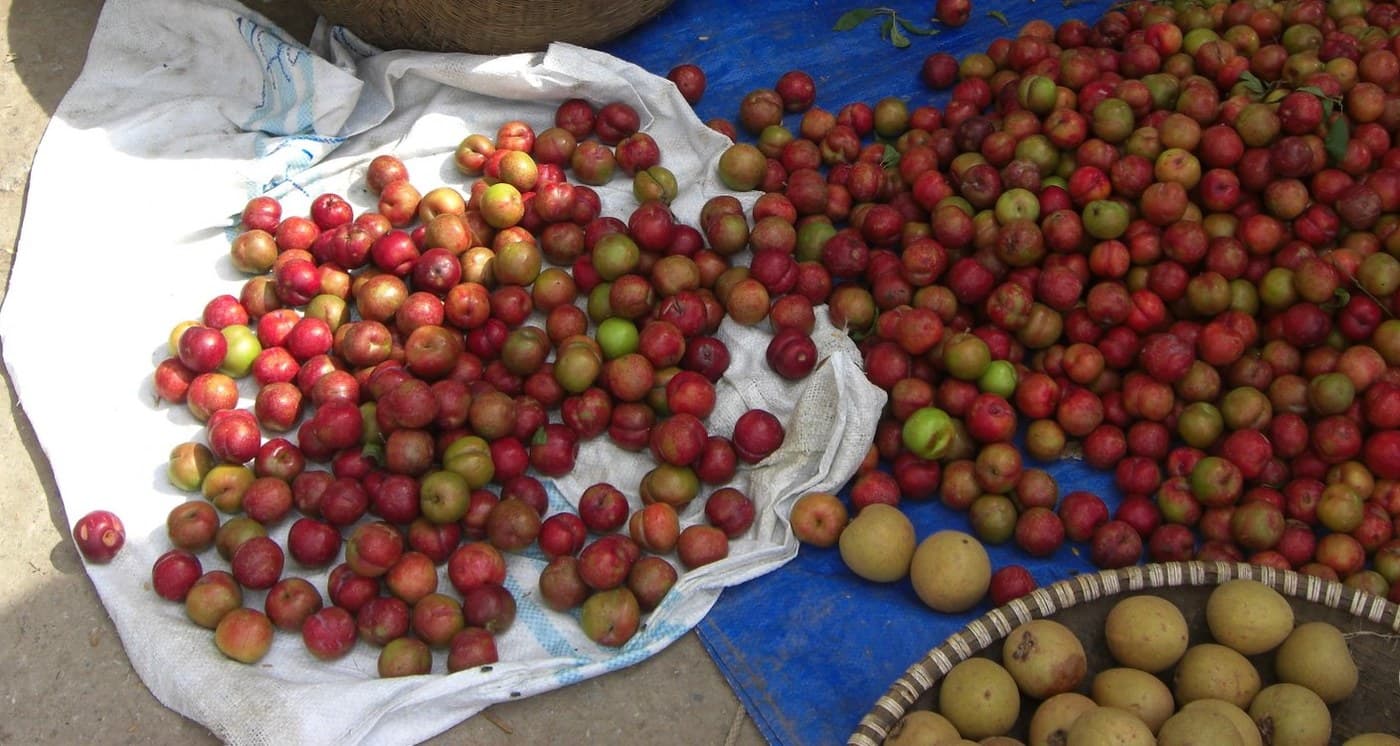
On the street and at the market, tourists are cheated not with fakes but with a price invented on the spot. With no price tag, the seller sizes up the buyer and names a number, and that is a violation in itself. In Hanoi vendors get fined for it. Ask the price before you buy; if there's no tag and the number looks odd, walk away.
An example from March 2024: a vendor on Thụy Khuê street in Hanoi asked a foreigner 200,000 ₫ (~$7.70) for a small bag of apples. The ward fined her for street vending and for not posting prices (Báo Pháp luật).
What you'll run into most:
- The "gift". A bracelet slipped on your wrist, a carrying pole handed over for a photo, a piece of fruit, and then a demand for money. Don't take anything from street sellers unless you mean to buy. Saying no offends nobody.
- The menu with no prices. In tourist-zone cafés, ask the price of the dish and photograph the menu. No menu at all? Try the place next door.
- The late-night bar bill. Canada's advice notes that some bars and clubs "have overcharged customers under the influence of alcohol". Pay per round, not on a running tab.
- The market. Haggling is normal, but once you both say "okay", the price doesn't change. Type the number on the seller's calculator and show it back.
Haggling isn't fraud. Rough prices and what's worth taking home are in our guide to Vietnam's markets and souvenirs, and our tipping guide covers when service is already on the bill.
More street tricks are in the Safety section of our Vietnam guide.
Motorbike and apartment rentals
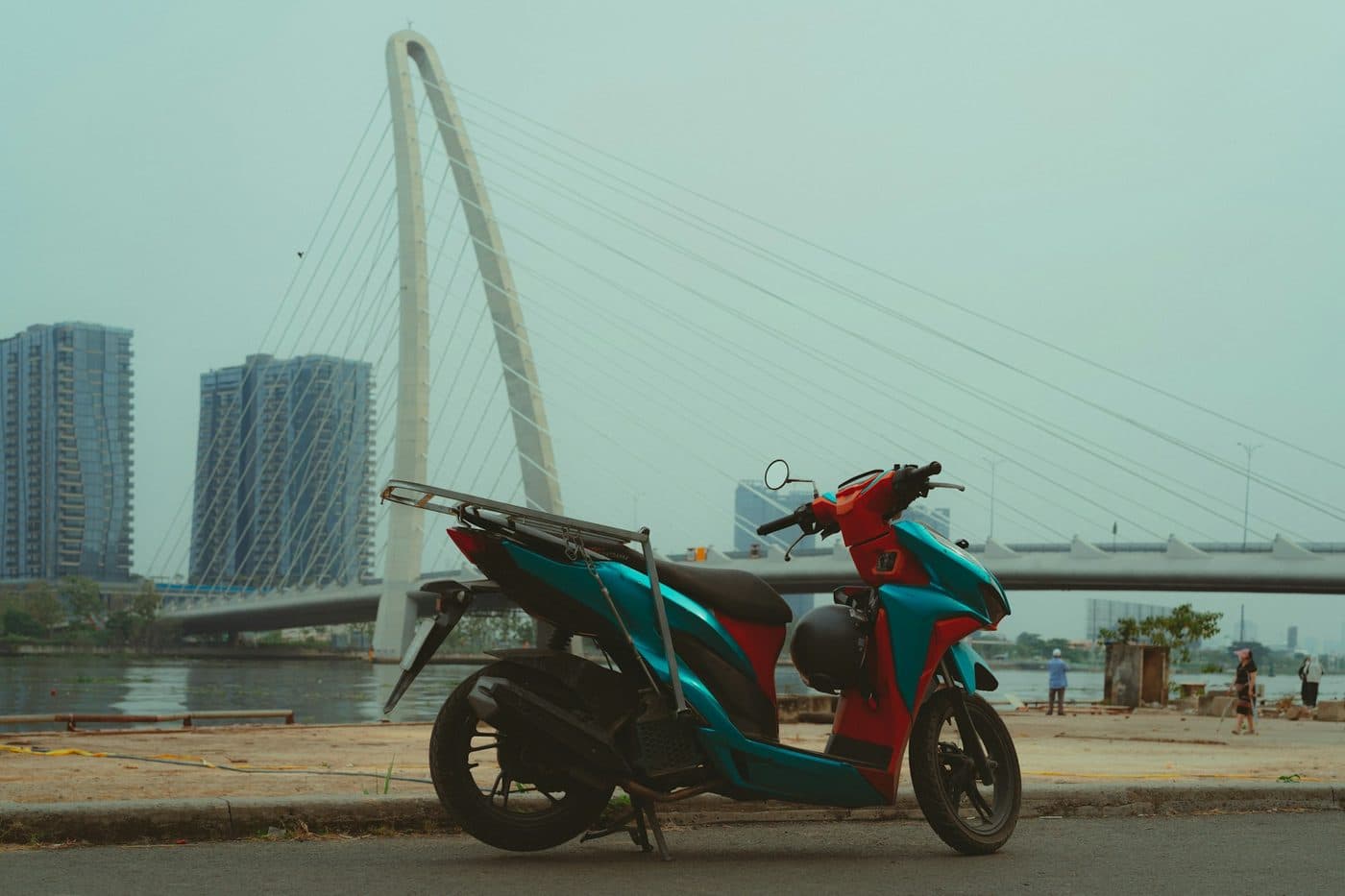
The rental scam in Vietnam is a deposit you struggle to get back. With a scooter it's your passport plus a "scratch" on return; with a flat it's a deposit for a place you've only seen in photos. Both are stopped at the start: a cash deposit instead of a document, a video at pick-up, and no transfers to strangers before a viewing.
Scooters: the passport and the scratch
The FCDO is explicit:
Do not give your passport to others as a guarantee – for example, to motorcycle rental shops or landlords.FCDO, GOV.UK, checked 10/2026
A passport in the shop's drawer is leverage: in a damage dispute you don't get it back until you pay. What to do:
- Offer a cash deposit or a card hold upfront, before the shop asks for your passport.
- At pick-up, video the bike from every side, close up on scratches, mirrors, tyres and dashboard, with the owner in the shot.
- Put the plate, daily price and deposit in writing in a Zalo or WhatsApp chat. A verbal deal won't help in a dispute.
- Return the bike in daylight with someone around, and check it against the same video.
Prices and deposits by city plus a bike check-list are in our guide to renting a motorbike in Vietnam. If your passport is already stuck with a rental shop or gone, see what to do if you lose your passport in Vietnam.
Apartments: the flat in the photos
A great flat at a great price appears in a chat group or on a listings site, the "owner" asks for a deposit to hold it, then disappears. Sometimes the same flat is let to several people at once. Rule: no money until you've viewed it in person or on a live video call, and checked the owner's papers. How to check them and what to put in the contract is in our guide to renting an apartment in Vietnam.
Fast Track — no queue at the border
5–10 minutes instead of an hour in the immigration queue
from$11per passenger
Tours, guides and copycat agencies
Only a company holding a travel-business licence may sell tours in Vietnam, and only a Vietnamese citizen can hold a tour-guide card. A cheap tour "from a friend" with a foreign guide is a grey-market deal: the organiser has no licence, and if something goes wrong there's no one to hold responsible.
That's what happened in February 2022 on Hoa Lan island near Nha Trang. A local man without a licence drove groups of Russian tourists in his own car, charged 660,000 ₫ (~$25) per adult and hired a foreigner without a work permit as guide. Inspectors filed a violation report on the organiser and provincial police took up the guide's case (Báo Văn hóa).
How to check who's selling the tour:
- The company. Search the national tourism database at csdl.vietnamtourism.gov.vn, section "Doanh nghiệp lữ hành" (travel businesses).
- The guide. Guide cards can be checked at huongdanvien.vn. Under the Luật Du lịch (Law on Tourism) 09/2017/QH14, article 59, cards go to Vietnamese nationals who live in the country.
- Copycats. Well-known brands have been cloned for years: back in 2013 VietNamNet reported that fake Sinh Cafés outnumbered the real ones eight to one. Book on the operator's own site or through a major platform, not at a shop "with the same sign".
- The "free shuttle to your hotel". The FCDO warns against free bus transfers to hotels offered at stations and airports unless you arranged them in advance.
How to choose day trips and what they cost by city is in our Vietnam tours guide. Massage works the same way: a salon with a price list at the door beats a "therapist" who approaches you on the beach. More in our guide to massage in Vietnam.
Online scams: visas, hotel messages, jobs and romance
Online, travellers get caught before they even fly: on a fake e-visa site, or by a message "from your hotel" asking you to confirm your card. The common sign is a link you didn't go looking for. The rule is to type the official address yourself and never continue a conversation you didn't start.
Fake e-visa and arrival-form sites
There are two official e-visa addresses: evisa.gov.vn and thithucdientu.gov.vn. In July 2026 the Ministry of Public Security's cybersecurity department (A05) warned that fraudsters build sites that "closely resemble official portals", register misleading domains, buy search ads and promise "instant visas", "urgent processing" or "guaranteed approval" (VietnamPlus). The risk is not just overpaying: your passport and card details stay with the clone.
The government fee is $25 for a single-entry e-visa and $50 for multiple entry. How to apply is in our Vietnam visa guide. The same goes for the online arrival form: look-alike domains charge for "help filling it in". How to spot a fake is in our guide to the arrival QR form.
"Please confirm your card" from your hotel
The UK's Action Fraud has described criminals taking over hotels' Booking.com accounts and messaging guests in the app, by email or on WhatsApp, asking them to confirm card details. Between June 2023 and September 2024 it logged 532 reports and £370,000 in losses (Travel Weekly). Any request to pay through a link outside your booking's payment terms is a reason to call the hotel on the number from its own website.
Jobs and romance
The FCDO warns against job offers that "appear too good to be true": people arriving in the Mekong region have been moved illegally to neighbouring countries on the promise of high pay. Canada's advice separately flags romance scams through dating sites and social media. The rule here is firm: never hand your passport to an employer, and never send money to someone you haven't met in person.
Already scammed? What to do and where to report it
If you've been scammed in Vietnam, collect evidence first and call second: the police are on 113, the main tourist cities run hotlines for visitors, and your embassy has an emergency line. In the cases above, money came back to people who had a photo of the plate or witnesses on their side.
Step by step
- Don't argue alone and don't hand over documents. Move somewhere busy, to your hotel or to a security guard.
- Get evidence. Plate number, meter, the "app" screen, the price tag, the seller, your chat history. In the Noi Bai case, police found the offenders from a photo of the plate.
- Call the police on 113. According to the FCDO, emergency lines operate in Vietnamese only. Ask your hotel reception to help, or use a translation app.
- Report it to the tourist hotline of the city where it happened (table below). They take complaints about overcharging, pushy sellers and fraud.
- Paid by card or transfer? Call your bank right away. Freeze the card in the app and dispute the charge.
- Documents stolen or something serious? Contact your embassy. The police report is filed where it happened, and both your embassy and your insurer will want it.
Who to call
| Who | Number | When |
|---|---|---|
| Police | 113 | Fraud, theft, threats |
| Ambulance | 115 | Injury, poisoning, drugged drink |
| Fire and rescue | 114 | Fire, collapse |
| Search and rescue | 112 | Natural disasters, rescue |
| Da Nang Tourist Support Centre | *8899 or 1022 | Fraud, overcharging, lost property |
| Khanh Hoa (Nha Trang) Tourist Support Centre | 0947 528 000, *2258 from a mobile | Same; *2258 runs 24/7 |
| Hanoi Department of Tourism, general line | 024 3733 9898 | The department's general number, not a hotline: contacts on its official site |
| Ho Chi Minh City Department of Tourism | 028 1022, then press 8 | Overcharging and fraud. Tourist information on 1087, 24/7 |
| Phu Quoc special zone authorities | 0948 864 606 | Tour and booking complaints. Prices and trade fraud: 0916 990 633 |
| Da Lat (Lam Dong) tourism promotion centre | 0263 3725 555 | Tourist help and information |
| Hue Department of Culture, Sports and Tourism | 0234 3828 288 | Tourist hotline |
| Your embassy | See your government's travel advice | Lost passport, arrest, serious incident |
Numbers checked 23.10.2026 on travel.gc.ca, GOV.UK, Da Nang's official tourism portal, Khanh Hoa's tourist support centre and the Hanoi Department of Tourism. *2258 was introduced by decision 2322/QĐ-UBND from 02.12.2025 (Báo Văn hóa). The Ho Chi Minh City, Phu Quoc, Da Lat and Hue lines were checked against Tuổi Trẻ (30.04.2025), Báo Pháp luật (Phu Quoc notice 4840/TC-UBND of 31.12.2025), Tiền Phong (13.07.2025) and the official portals of Ho Chi Minh City, Lam Dong and Hue.
Hospitals, embassy locations and step-by-step plans for accidents and theft are in the Emergency help section of our guide.
What the law says
You don't need article numbers, but in an argument with a driver or a seller, naming the law works better than shouting.
- Fraud. Under article 174 of Vietnam's 2015 Criminal Code, obtaining property by deception worth 2,000,000 ₫ (~$77) or more is a crime: under clause 1, up to three years of non-custodial reform or six months to three years in prison. The article stands as amended in 2017; the 2025 amendments to the Code left it untouched (Dân chủ và Pháp luật).
- Touting and pressure selling. Under article 6(3)(a) of Nghị định 45/2019/NĐ-CP, scrambling for tourists or forcing them to buy goods or services carries a 1–3 million ₫ fine (~$38–115) for an individual, double for a company. The decree was amended in 2021 and 2025. The latest amendment, Decree 348/2025, in force from 15.02.2026, left this rule unchanged, and the police are among those who can impose the fine (text of 348/2025).
- Street vending. Selling in banned spots is fined under Decree 168/2024/NĐ-CP, as in the Hàng Gai hat case.
- Price tags. Selling without posted prices is fined too. That's exactly what the apple vendor on Thụy Khuê was penalised for.
If you plan to claim from your insurer, you'll need the police report. What a policy should cover is in our guide to health insurance for Vietnam.
Five mistakes behind most of these losses
Nearly every case in this guide comes down to five habits. Each looks harmless until it isn't.
- Getting into a car you didn't book. Especially in arrivals, especially when the driver says he's "from Grab".
- Paying with a big note without saying it out loud. Two 500,000s become one; a 500,000 becomes a 20,000.
- Leaving your passport as a deposit. Rental shop, landlord, "employer" — nobody.
- Paying a stranger in advance. A chat-app money changer, a flat from photos, a tour from an unlicensed stall.
- Entering card details from a link someone sent you. E-visa only on .gov.vn; hotels on the number from their own site.
For the wider picture, from road risks to typhoons, see our Vietnam safety guide.
FAQ
Inside the app the fare is fixed before the ride and the driver's name and plate are on screen, so scams usually happen around the app instead. A man in arrivals says he's your Grab driver, but you have no booking. A fake screen with a fare appears at the end of the ride. You're asked to pay "parking" in cash. If the car, plate and name don't match the booking on your phone, don't get in
Only if the shop displays an official currency-exchange sign. The UK Foreign Office says to change money only at counters showing that status. Exchanging anywhere else, or between individuals, has been fined since 9 February 2026 under Decree 340/2025/NĐ-CP:
- under $1,000a warning
- $1,000–10,00010–20 million ₫
- $10,000–100,00020–30 million ₫
- $100,000 and above80–100 million ₫
Not sure about a counter? Go to a bank
We found no nationwide tourist police number confirmed by an official source. Call the regular police on 113, but expect the operator to answer in Vietnamese. Instead of tourist police, the main tourist cities run hotlines for visitors; in Hanoi there is the tourism department's general line:
- Da Nang*8899 or 1022
- Khanh Hoa (Nha Trang)0947 528 000, *2258
- Ho Chi Minh City028 1022, then press 8
- Phu Quoc0948 864 606
- Da Lat0263 3725 555
- Hue0234 3828 288
- Hanoi024 3733 9898general line of the Hanoi Department of Tourism
For anything serious, your embassy's emergency line is the next call
Pay what the meter or the app shows, not the number he says out loud, but photograph the meter and the plate first. If he pushes, get out at your hotel and ask staff for help. Call 113 if you're threatened. A photo and the time of the ride are enough for a complaint: that is how Noi Bai airport police tracked down a fake driver within three days. Next time, book through an app or a dispatch line: Mai Linh 1055, Green SM 1555
Sometimes, if you have evidence and you're still in town. The Hanoi motorbike driver paid back after police called him in, the hat seller returned the cash on the spot in front of witnesses, and the fake Noi Bai driver was found from a photo of the plate. If you paid by card or transfer, dispute it with your bank the same day. Cash handed over on the street with no witness or photo is almost impossible to recover
Read next: Getting around Hanoi · Vietnam first-trip checklist · Getting around Nha Trang
VietnamSpot on InstagramTips, lifehacks and news for living in VietnamFollow



- Preparation
Long Thanh Airport 2026: Opening Date, Flights, Transport
Long Thanh Airport, Ho Chi Minh City: ACV now targets 24 Dec 2026, which flights leave Tan Son Nhat by 2028, getting to the city, and what is still unknownLong Thanh Airport 2026: Opening Date, Flights, Transport - Preparation
Getting Around Hue 2026: Taxis, Scooters, Dragon Boats
How to get around Hue and out of it in 2026: taxis and apps, scooter rental, dragon boats, the heritage train to Da Nang and Phu Bai airport.Getting Around Hue 2026: Taxis, Scooters, Dragon Boats - Preparation
Hospitals & Pharmacies in Vietnam 2026: A Traveller's Guide
Best clinics for foreigners, hospitals by city, pharmacies and medicines, emergency numbers, costs and insurance — what to know before you go.Hospitals & Pharmacies in Vietnam 2026: A Traveller's Guide