
Lost your passport in Vietnam: the full step-by-step
Your embassy can hand you an emergency travel document in a day or two. That still does not get you out of Vietnam. Your visa or visa-exemption stamp was inside the passport you lost, it does not transfer to the new document, and Vietnamese Immigration has to issue a replacement or exit visa before the airline will let you board. Here is the whole chain: local police, your embassy, the Immigration Department — with real durations and real fees.

Your embassy can hand you an emergency travel document in a day or two. That still does not get you out of Vietnam. Your visa or visa-exemption stamp was inside the passport you lost, it does not transfer to the new document, and Vietnamese Immigration has to issue a replacement or exit visa before the airline will let you board.
That second half is where most guides stop. Embassy pages explain their own step and go quiet. Visa agencies explain the immigration step and quietly attach an invoice. Nobody lays out the three authorities you have to deal with — local police, your embassy, the Immigration Department — as one calendar with real durations.
Here it is: what to say at the police station, what your embassy needs, where to file for the exit visa, how long each step takes and what the whole thing costs. If you are still at the planning stage, the entry rules themselves are in our Vietnam visa guide.
The first two hours

Spend the first two hours searching, not filing paperwork. Most "lost" passports in Vietnam are misplaced, not stolen.
- Check the room safe and the front desk. Vietnamese hotels routinely take your passport to scan at check-in. The night shift may have filed it in a drawer and never told the morning shift.
- Call the last places you were. Café, bar, rental shop, spa. If you took a taxi, you can reach the driver through your ride history and in-app chat in Grab.
- Check the rental shop. If you hired a motorbike, your passport may be sitting in the owner's drawer as a deposit. That is not a loss, that is an unfinished conversation.
- Give yourself one day, not more. After that the visa clock starts to matter more than the search.
- Go to the police where you lost it. Nothing else moves without that report.
- Notify your travel insurer. Most policies want to hear from you within 24 to 48 hours or they start trimming the claim.
Vietnam's emergency police number is 113. It is worth calling for a theft; for a straightforward loss it is faster to walk into the station, since you will have to file a written statement in person anyway.
One thing not to do: wait a week hoping it turns up. Your visa exemption or e-visa keeps counting down, and an overstay on top of a lost passport is a second problem you do not need.
Step 1. The police report, without which nothing works
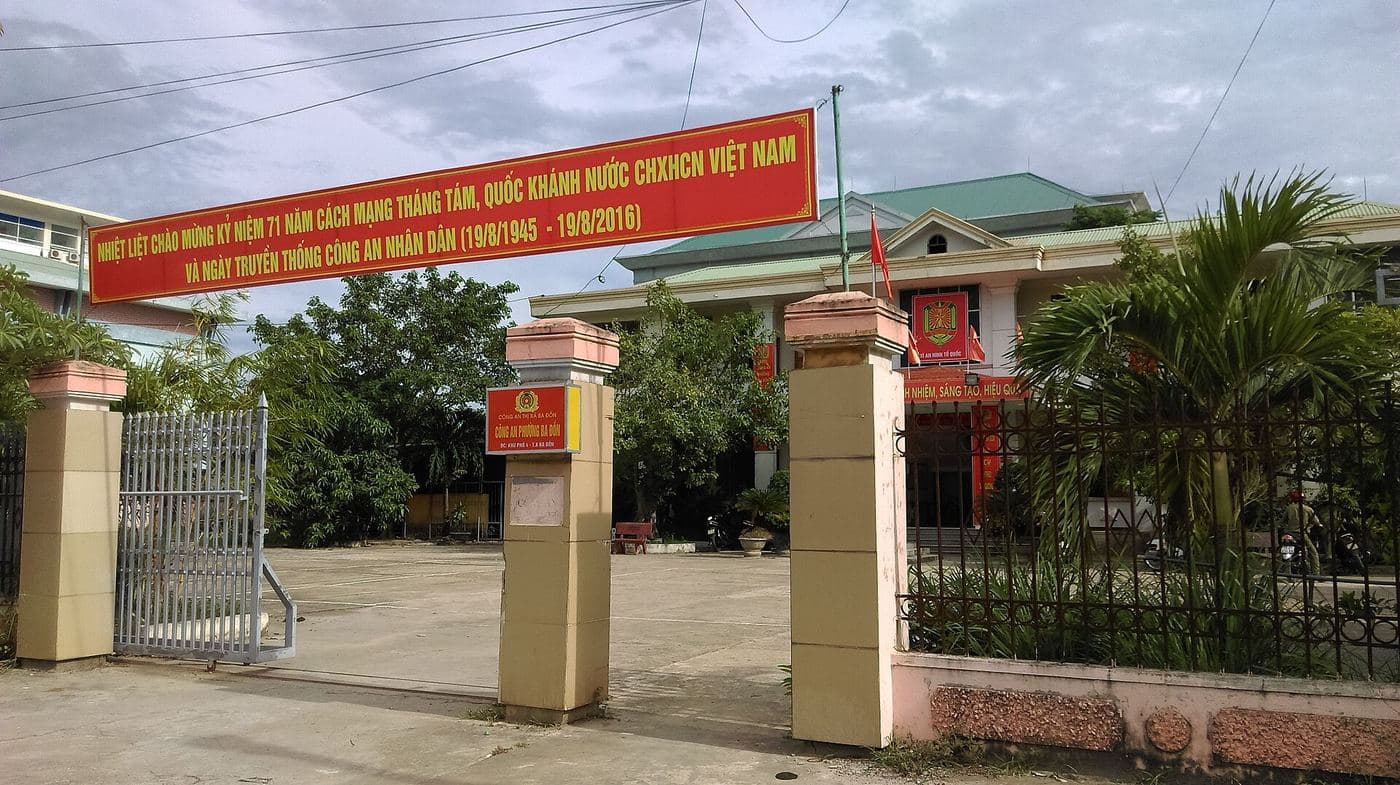
File in the district where the passport was lost or stolen, within two
Where to go and what to bring
You want the local police for the place where it happened. Since the 2
Bring everything that proves who you are: driving licence, a photo or scan of&nb
What the report must contain
The statement you file is called đơn trình báo mất hộ chiếu. W
- your surname and given names spelled exactly as in the lost passport;
- date of birth and nationality;
- the lost passport number;
- the date and place of loss;
- the station stamp and the officer's signature.
A misspelled name is the most avoidable delay in this whole process. Your embassy and Immigration both check the spelling letter by letter.
Language, timing and the fine
The report is issued in Vietnamese only. Your embassy will accept it as is; your insurer will want a certified translation, which you pay for. There is no published price list for that, so ask locally.
There is also no published norm for how long a foreigner waits for the confirmation. Large cities often hand it over the same day, smaller ones the next. Plan on at least one day.
If the language barrier is a problem, a phone translator and a handful of prepared phrases carry you through — the basics are in our Vietnamese phrasebook. The one word every station understands is hộ chiếu, passport.
If the passport turns up after you have reported it
You cannot use it. Reporting a passport lost gets it cancelled in your own country's system, and finding it the next day does not reverse that. What you are holding at that point is a booklet with your photo in it.
Which sets the order of operations. Give yourself a day of searching before you go to your embassy, not after. Filing with the Vietnamese police is safe either way: their report records the fact, it does not cancel anything. The point of no return is the embassy.
If it does resurface after cancellation, take it home with you and hand it in rather than binning it. A cancelled document with your details on it is not something to leave in a hotel room.
Step 2. An emergency travel document from your embassy
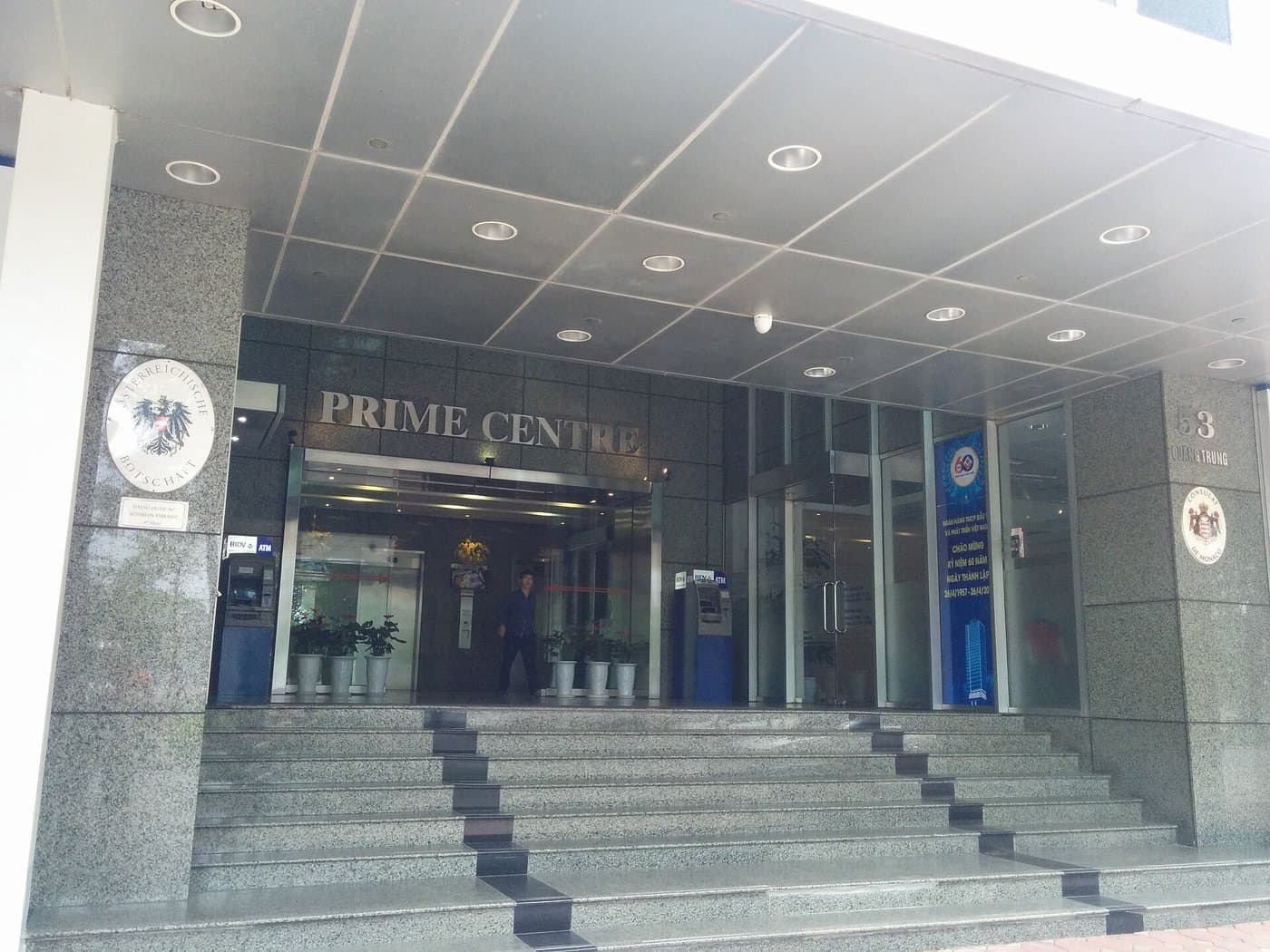
Your embassy issues a temporary document that replaces the passport for the journey home. What it is called, what it costs and how long it takes depends on your nationality, so treat the numbers below as examples rather than a universal table.
| Nationality | Document | Fee | Turnaround |
|---|---|---|---|
| UK | Emergency Travel Document | £125, non-refundable | Usually 2 working days |
| USA | Limited-validity replacement passport | See the embassy fee page | Sometimes 1 business day for emergencies |
| Australia | Emergency passport | Payable to the Australian Government | 2 working days |
| Others | Varies | Check your embassy | Typically 1–3 working days |
What almost every embassy will ask for
- The Vietnamese police report from step 1.
- Two identical passport photographs — bring three, requirements vary.
- As much photo ID with your signature as you can produce: driving licence, expired passport, national ID card.
- A copy of the lost passport, if you kept one. This is the single thing that shortens the process most.
- The application form. The UK's is filed online before you attend; others are completed at the counter.
The catch nobody mentions until it matters
An emergency document is built for one trip, not for continuing your holiday. The UK ETD is normally valid for one single or return journey and lets you pass through a maximum of five countries. US emergency passports carry limited validity, up to a year, and cannot be extended. Which means your onward plans — the week in Bangkok, the flight to Bali — are probably finished.
Check your routing before you buy anything. A one-stop flight home is usually fine on an ETD; a two-week trip through three more countries is not.
Where the embassies are
Almost every embassy sits in Hanoi. Several countries — the US, Australia, the UK among them — also run a Consulate-General in Ho Chi Minh City. There is nothing in Da Nang, Nha Trang, Hoi An or Phu Quoc for most nationalities, which matters if you lost the passport on a beach three hundred kilometres from either city.
Book an appointment before you travel to one. Walking in unannounced rarely works, and consular hours are short.
Step 3. The exit visa — the part that catches everyone
With the emergency document in hand you still cannot leave. Your visa or entry stamp was physically inside the lost passport, and the Vietnamese system ties permission to stay to a travel document number. The new document has a different number, so on paper you have no legal basis to be in the country, and the border officer will see exactly that.
The Australian Consulate-General puts it plainly: Vietnamese authorities will not permit you to depart Vietnam until your exit visa is issued.
What gets issued
Immigration issues a new visa or exit permit and puts it in the document you now hold. The procedure is cấp thị thực mới, the issue of a new visa.
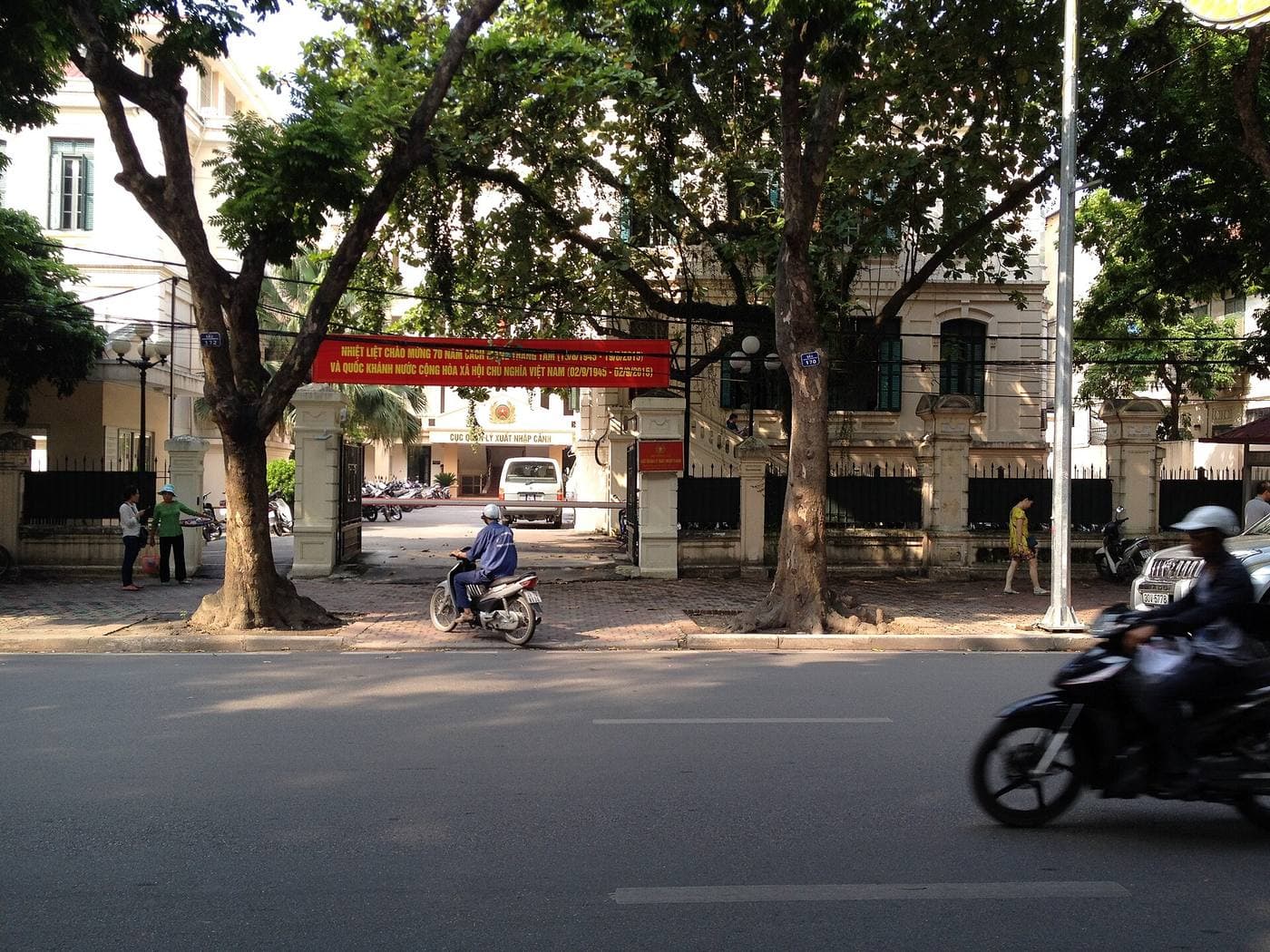
You file with the Cục Quản lý xuất nhập cảnh, the Immigration Department of the Ministry of Public Security. The pack is short: your new travel document, the police report, an application form and photographs. Some embassies also issue an introduction letter to attach. And step 1 comes back one last time — Immigration takes the Vietnamese police report and nothing else.
Timing and fee
| Where you file | Processing | Fee |
|---|---|---|
| Hanoi | 3–4 working days | $25 |
| Ho Chi Minh City | 5–7 working days | $25 |
| Elsewhere | Longer, varies by province | $25 |
The $25 is the single-entry visa rate under Ministry of Finance Circular 25/2021/TT-BTC as amended by 62/2023. There is no separate "lost passport exit visa" line in the tariff, so the general rate applies. Payment is taken in dong or US dollars.
There is no priority service. Immigration does not expedite exit visas, and your embassy cannot push them, whatever the reason for your travel.
Addresses
The Hanoi office has moved. Since 1 June 2026 the Immigration Department works from 69 Mạc Thái Tổ, Yên Hòa ward, with applications and collection handled at Gate 2, on Nguyễn Quốc Trị street. The old address on Trần Phú took visitors until 15 June 2026 and is now closed — half the guides online still send people there.
In Ho Chi Minh City filings are handled on Nguyễn Trãi street; the Australian Consulate-General gives number 254. Elsewhere, go to the immigration section of the provincial or municipal police. There is no reliable public list of those addresses, and the ones visa agencies publish are frequently out of date.
Four situations worth calling out
You entered on an e-visa. It was issued against the old passport number and cannot be transferred, corrected or refunded. You need a fresh one for any future trip, issued against your new passport — the current rules are in our guide to the Vietnam visa.
You entered visa-free. The entry stamp went with the passport, but the entry date is in the immigration database and will be pulled from your details. You do not have to prove it. What does keep running is the exemption period itself, while you collect paperwork.
Your permission expires before the exit visa is ready. Apply for an extension of stay at the same Immigration office — extending a Vietnam visa covers the procedure and the cost. Do not leave it to the last day; overstaying is fined separately.
You hold a temporary residence card or a long-term visa. Bad news for residents rather than tourists: a thẻ tạm trú and a work visa are tied to the passport number in exactly the same way. Reissuing goes through the same Immigration Department and runs into the same missing-old-passport problem. Expect to rebuild the status rather than transfer it, and check the sequence with your employer or the lawyer who handled the card.
Timings and fees current as of 09/2026. Confirm with the Immigration office where you file.
Fast Track — no queue at the border
5–10 minutes instead of an hour in the immigration queue
from$21per passenger
If it was stolen rather than lost
Theft is a different legal event from loss. You file a criminal complaint, the report lists what was taken, and only that version supports an insurance claim.
| What | Lost | Stolen |
|---|---|---|
| Where to file | Police where you lost it | Police where the theft happened |
| What you file | Loss statement | Criminal complaint |
| What the report shows | The fact of loss | The theft plus an inventory of what was taken |
| Insurance | Usually declined | Grounds for a document-loss claim |
| What else to do | Replace documents | Also freeze cards and watch your identity |
List everything that went with the passport: phone, cards, cash, the bag itself. Adding an item later is much harder than naming it at the counter.
Your insurer will want a package: the translated police report, receipts for replacing documents, invoices for the extra hotel nights and for rebooking flights. Notify them within a day or two — most policies reduce or void a late claim. What travel cover for Vietnam actually pays for is broken down in our health insurance guide.
Then there is the quieter risk: your passport details in someone else's hands. In Vietnam a passport gets you a SIM card and a rented motorbike; at home a scan can be enough for someone to try a loan application. Freeze your cards, set a credit block if your bank offers one, and do not ignore unfamiliar messages about loans for the next few months.
The theft patterns themselves — bag-snatching from a moving motorbike, room thefts, distraction jobs in markets — are laid out in our guide to safety in Vietnam.
Getting around while you wait
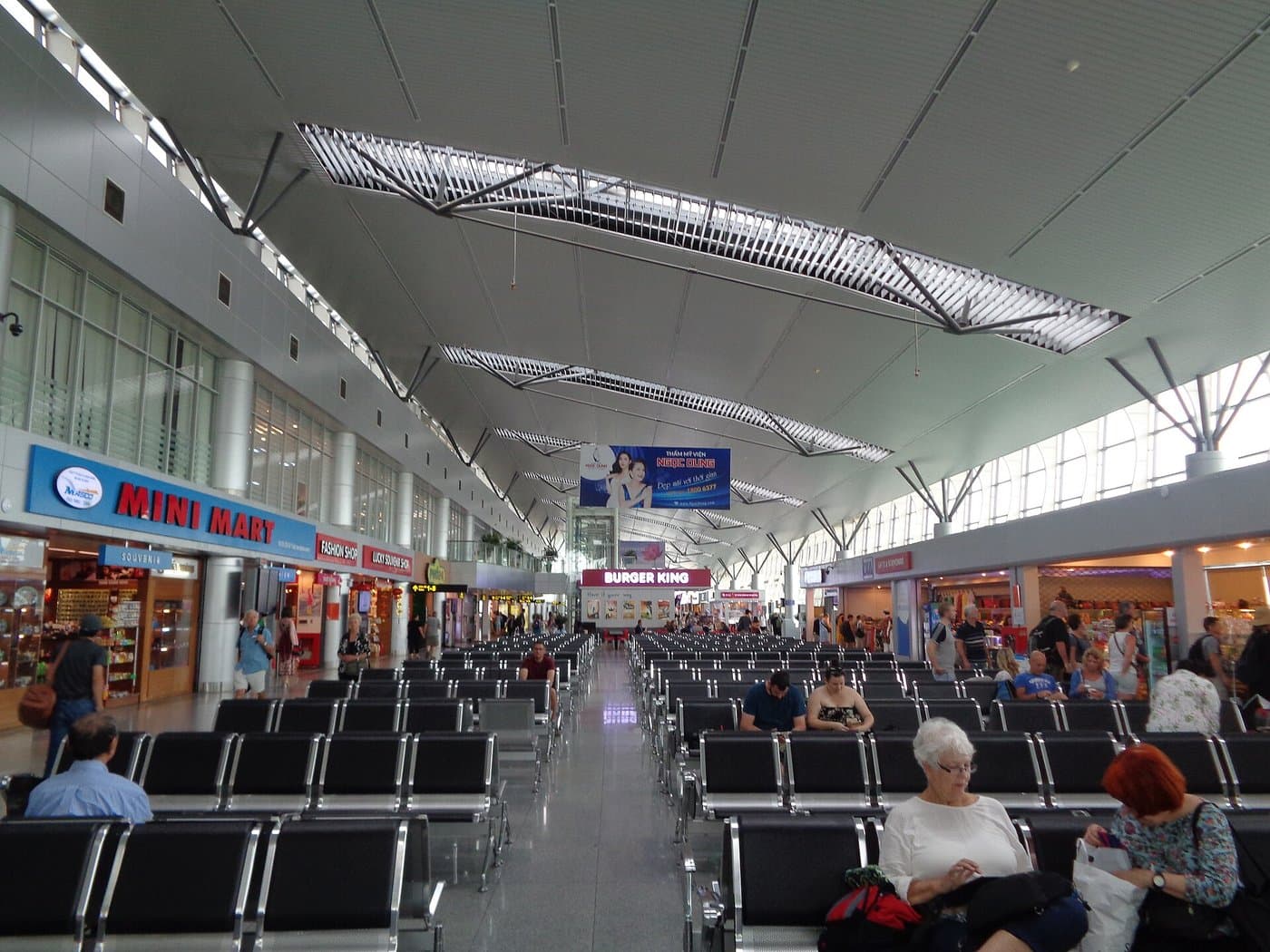
The real constraint of a week without a passport is movement. Domestic flights are closed to a foreigner without documents by default, and those flights are usually what you need, because the embassies sit in two cities and passports get lost everywhere.
Domestic flights
Vietnam Airlines will carry a foreigner without a passport, but only against paperwork. What works is a công hàm — a diplomatic note from your country's embassy or consulate — or an official letter from the provincial department of foreign affairs confirmed by the police where the loss happened. The requirements are strict:
- it confirms your identity and the loss of the passport;
- it carries an affixed photograph;
- it is sealed with a giáp lai stamp across the edge of that photo;
- it is valid for 30 days from the date of issue.
The practical consequence: lose your passport on Phu Quoc or in Nha Trang and you are not flying to Ho Chi Minh City until that note exists. Options are to get it from your embassy, arrange it through the provincial foreign affairs department, or travel overland. Buses and trains do not usually check foreigners' documents, but Nha Trang to Ho Chi Minh City is eight or nine hours on the road against an hour in the air.
Leave your flight home alone for now — there is no point rebooking until the exit visa exists.
Hotels, registration and money
Your hotel or landlord files a khai báo tạm trú temporary residence notification against your passport. Tell them immediately, and once the emergency document is issued, ask them to re-register you against it. Some hostels and apartment hosts refuse to check in a guest without a passport; the police report usually settles that.
Money is the second pinch point. Without a passport you cannot change currency at a bank, collect a wire transfer or pick up a parcel. Exchange counters in tourist areas will trade without ID at a worse rate. Card payments and ATMs still work normally, which is the main reason to keep at least one card separate from your passport.
A short glossary to point at
Half the friction at a police station or an immigration counter is not the law, it is that you and the officer do not share a language. English is hit and miss. Opening your phone and pointing at the right Vietnamese phrase works better than a voice translator in a noisy hall.
| What you need | Vietnamese | Where it helps |
|---|---|---|
| Passport | hộ chiếu | everywhere |
| I lost my passport | Tôi bị mất hộ chiếu | police, hotel |
| My passport was stolen | Hộ chiếu của tôi bị đánh cắp | police |
| Lost passport statement | đơn trình báo mất hộ chiếu | police |
| Lost passport confirmation | giấy xác nhận mất hộ chiếu | police, embassy, immigration |
| Ward police | công an phường | addresses, taxis |
| Immigration Department | Cục Quản lý xuất nhập cảnh | taxis, maps |
| Issue of a new visa | cấp thị thực mới | immigration |
| Temporary residence notification | khai báo tạm trú | hotel, landlord |
Screenshot the table into your photo gallery. You can hand a screen across a counter; you cannot hand across a translation app that needs quiet to hear you.
The calendar and the budget
The whole cycle from loss to departure fits into one or two weeks. The spread comes down to which city you are in, how complete your identity documents are, and whether a public holiday lands in the middle.
| Stage | Duration | Cost | Where |
|---|---|---|---|
| Searching and phone calls | Up to 1 day | Free | You |
| Police report | From 1 day | Free | Police where you lost it |
| Emergency travel document | 1–3 working days | £125 for a UK ETD; varies by nationality | Your embassy |
| Exit visa, Hanoi | 3–4 working days | $25 | Immigration Department |
| Exit visa, Ho Chi Minh City | 5–7 working days | $25 | Immigration Department |
| Certified translation for the insurer | 1–2 days | Local rate | Translation office |
What stretches it most: Tết and public holidays, when offices close for several days in a row; having no secondary photo ID; and a weekend landing in the middle of the cycle.
Fees as published for 09/2026. Vietnamese government charges are set by Ministry of Finance circulars and change with them.
Five expensive mistakes
Each of these costs either money or an extra week in Vietnam. All five happen regularly.
- Skipping the police. "They'll never find it" is true and irrelevant — the report is not for the search. Without it your embassy will not issue a document and Immigration will not issue a visa, and you can be fined up to VND 2,000,000 for not reporting.
- Filing in the wrong district. Lost it in Hoi An, reported it in Da Nang because that was the easier trip. Neither the embassy nor Immigration will take that report.
- Rebooking the flight home too early. Until the exit visa is stamped, your departure date is guesswork. The ticket burns and insurers are inconsistent about refunding it.
- Assuming you can continue the trip. An emergency document is built for the journey home, and a US emergency passport or a UK ETD will not carry you through an open-ended itinerary.
- Leaving the passport as a rental deposit. The shop puts it in a drawer, loses it, closes for a holiday or holds it hostage over a scratch. That is how most of these stories start.
How not to lose it in the first place
The rule is simple: the original lives in the safe, a copy travels with you. Vietnamese police and hotels almost always accept a photocopy or a phone photo, and the belief that you must carry the original is an expensive myth.
The FCDO's Vietnam advice makes the key warning explicit: do not give your passport to others as a guarantee — for example, to motorcycle rental shops or landlords.
What else is worth doing, before you fly and once you are there:
- Cloud scan. Passport photo page, visa, insurance, tickets, all in a cloud folder you can open from your phone. Keep a second copy with someone at home.
- Paper copy, stored apart. Original in the safe, copy in the day bag. Never both in the same pocket.
- Bag on the pavement side. Motorbike bag-snatching is common in busy parts of Ho Chi Minh City and Hanoi. Carry it in front of you or away from the traffic.
- Split what you carry. Passport, cards and cash in one wallet turns a single theft into four separate problems.
- A dedicated copy for rentals. A pre-printed photocopy removes half the argument with a rental shop before it starts.
The full pre-departure list is in our first trip to Vietnam checklist.
FAQ
Plan on one to two weeks. No part of the chain can be expedited by paying more.
- Police report1 day
- Emergency travel document from your embassy1–3 working days
- Exit visa, Hanoi3–4 working days
- Exit visa, Ho Chi Minh City5–7 working days
Public holidays and weekends stretch every line in this table
No. The exit or replacement visa from the Immigration Department is a separate document and a separate step. Your visa or entry stamp was in the lost passport and does not carry over to a new travel document number. Airlines check this at the gate, and border officers check it again, so there is no way to improvise around it.
It stops being valid. A Vietnam e-visa is issued against one specific passport number, and once you hold a different document the old approval no longer applies. It cannot be transferred, amended or refunded. To leave you need the exit visa; for any future trip you apply for a fresh e-visa against your new passport details, and the current rules are in our Vietnam visa guide.
Yes, and it has to be Vietnamese. Your embassy needs it to issue an emergency document, and Immigration will not process an exit visa without it. A statutory declaration witnessed by your own consular officer is not accepted as a substitute. File it in the district where the loss happened, within two working days, and ask for two stamped copies.
Only with a diplomatic note. Vietnam Airlines accepts a note from your embassy or consulate, or a letter from the provincial department of foreign affairs confirmed by local police.
- It confirms your identity and the loss of the passport
- It carries an affixed photograph
- It is sealed with a stamp across the edge of that photo
- It is valid for 30 days from the date of issue
- A police report alone will get you through the gate
Less than most people fear, apart from the accommodation.
- Police reportFree
- Exit visa from the Immigration Department$25
- UK Emergency Travel Document£125varies by nationality
- Certified translation of the police reportlocal rate
Add the extra hotel nights and any change fees on your ticket
Possibly. Waiting for documents does not pause your visa exemption or e-visa clock. If your permission runs out before the exit visa is ready, apply for an extension of stay at the same Immigration office — that is cheaper and calmer than explaining yourself at passport control. Your police report helps here as evidence of the reason.
Vietnam visa guide · Extending a Vietnam visa · Safety in Vietnam · First trip checklist
Vietnam Time Zone 2026: UTC+7, Differences and Jet Lag
Vietnam runs on UTC+7 all year — one zone, no daylight saving. Time differences from the UK, Europe, the US and Australia, plus opening hours and flight math.
Digital Nomad Visa for Vietnam: The Real Options 2026
Is there a Vietnam digital nomad visa? No — but remote workers stay legally on a 90-day e-visa, business visa or residence card. Plus the 183-day tax rule.
Getting to Doc Let Beach 2026: Bus, Grab, Taxi, Transfer
How to reach Doc Let from Nha Trang and Cam Ranh airport in 2026: bus 3 for ~$1.20, Grab, fixed-price taxis, pre-booked transfers, and how to get back.