
Hanoi tips & FAQ: money, SIM, safety and what to pack
Cash or card, SIM or eSIM, the taxi scam, the tap water, the plugs, the winter jacket nobody warns you about, and how not to get lost in the Old Quarter — the practical answers first-time visitors to Hanoi actually need.

This is the practical hub for a first trip to Hanoi: how money and ATMs work, whether to buy a SIM or an eSIM, the scams worth knowing, tap water and pharmacies, plugs and voltage, local etiquette, and the Hanoi-specific quirks — the winter cold, the winter air quality, and the maze that is the Old Quarter. If this is your first stop in the city, start with the complete Hanoi guide for districts, sights and where to stay.
Money, cards and ATMs
The currency is the Vietnamese dong (VND), and the rough rule of thumb is ~26,000 VND = $1. The prices look alarming until you get used to the zeros: a bowl of phở at 40,000 VND is under two dollars. Carry both cash and a card — they cover different halves of the city.
| Where | How to pay | Note |
|---|---|---|
| Street food, markets | Cash only | Keep small notes; nobody breaks 500,000 VND for noodles |
| Malls, hotels, big restaurants | Visa / Mastercard | Widely accepted; a small surcharge is common |
| Grab, delivery | Card in-app or cash | Link a card before you fly for one-tap rides |
| ATMs | Visa / Mastercard | Cap and fee depend on the bank |
ATMs are everywhere, but the per-withdrawal cap and the fee on every withdrawal mean it pays to take out larger amounts less often. Machines attached to major banks — Vietcombank, BIDV, Techcombank — tend to give the highest limits and the best rates. Tell your bank you're travelling so the card isn't blocked, and carry a backup card in case one gets swallowed. For the full breakdown of prices in the city, see the Hanoi food, transport and prices guide and the Hanoi price guide with two-week and monthly budgets. For what visitors actually make of the city, see Hanoi reviews.
SIM, eSIM and the apps you need
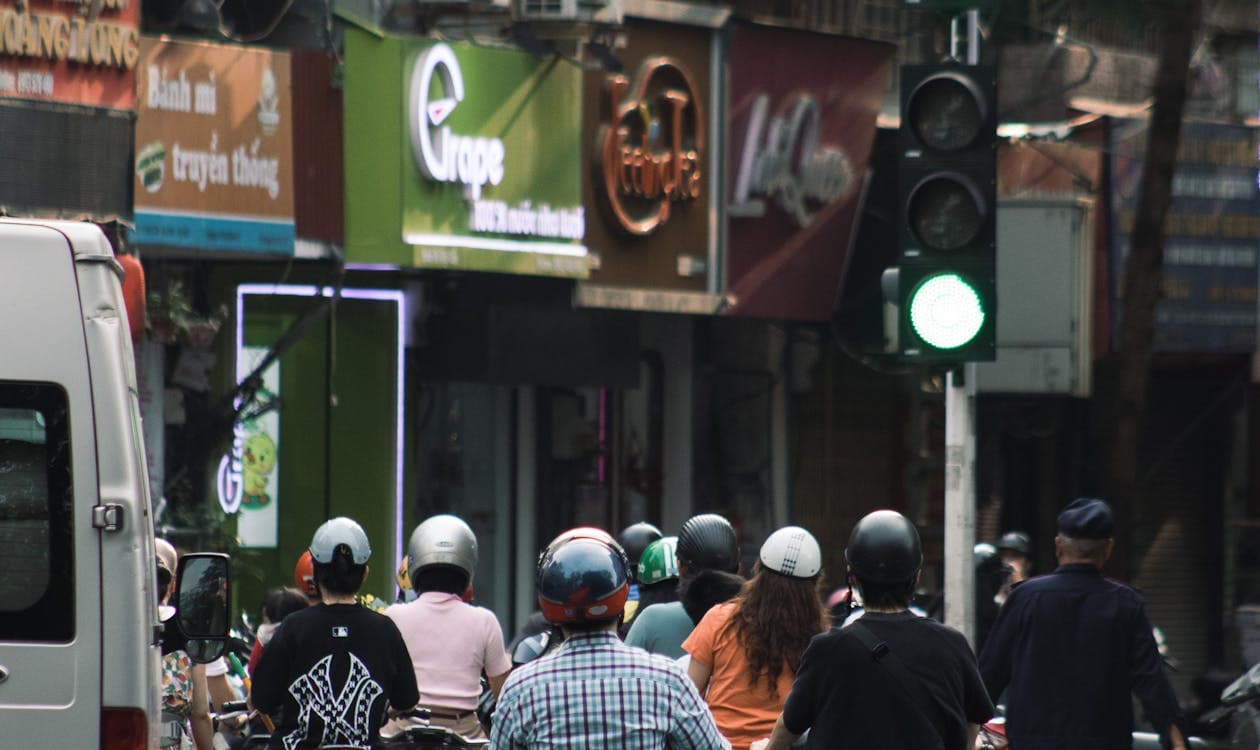
For a short trip, an eSIM bought before you leave home is the simplest option: you land already online, no queue, no paperwork. If you prefer a physical SIM, buy one at Noi Bai Airport or any phone shop in town — you'll need your passport to register it. Viettel has the widest coverage and holds a signal even up in the Sapa hills. Almost every cafe and hotel has free WiFi, and it is usually fast enough for calls.
A handful of apps turn Hanoi from confusing to easy. Install them before you land, on airport WiFi or that eSIM.
| App | For | Note |
|---|---|---|
| Grab | Cars, bike taxis, delivery | The essential one. Link a card before you fly |
| Xanh SM / Be | Cars, bike taxis | Local rivals; Xanh SM runs electric, sometimes cheaper |
| Google Maps | Navigation, the Old Quarter | Far better than Apple Maps in Vietnam |
| Google Translate | Camera translation of menus | Download Vietnamese for offline use |
| Zalo / WhatsApp | Messaging hosts and drivers | Both work without a VPN |
| Air-quality + 12Go | AQI checks; bus and train tickets | AQI matters in winter; 12Go for Sapa and Ninh Binh |
Safety and scams
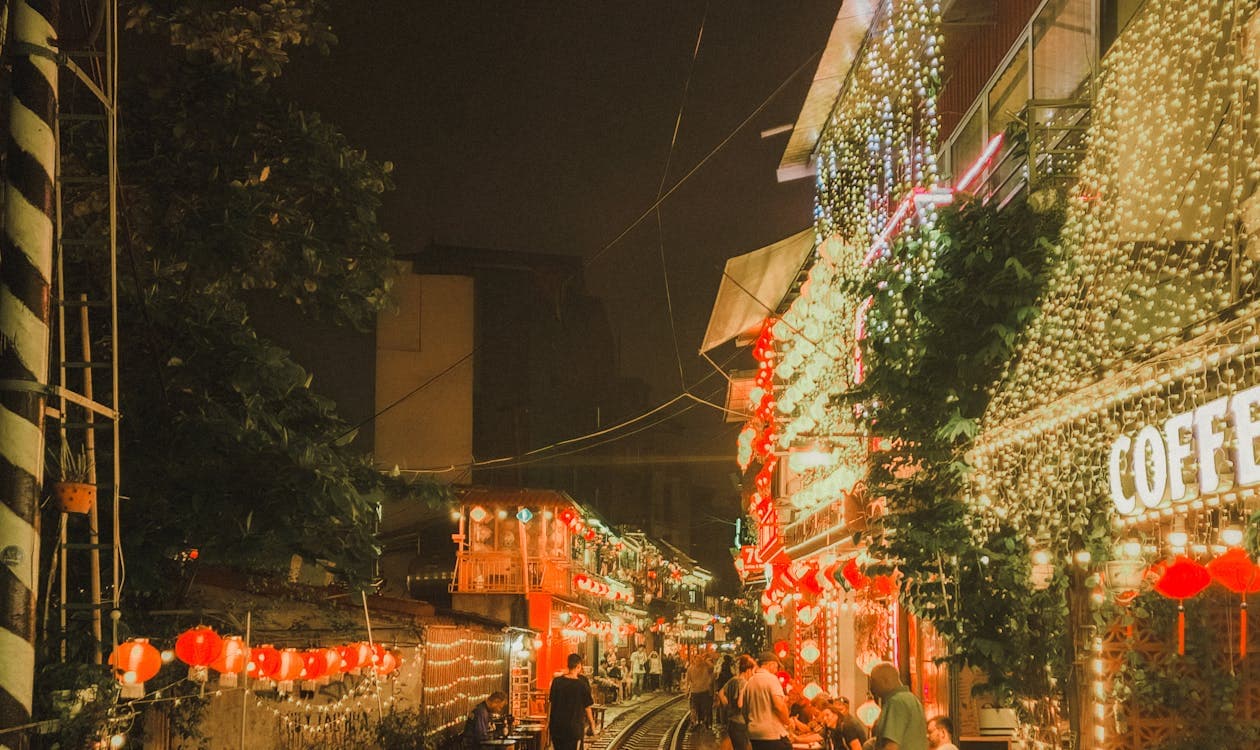
For a capital of this size, Hanoi is remarkably safe. Robbery and assault against travellers are rare, and walking around at night in the central districts is normal. The trouble here is petty, not violent — and almost all of it is avoidable if you know the pattern.
| Risk | Where | How to avoid it |
|---|---|---|
| Pickpocketing | Old Quarter, night markets | Bag in front, phone gripped, no back pockets |
| Taxi scam | Airport, tourist spots | Book Grab; ignore rigged meters and touts |
| Padded bill | Tourist restaurants | Check the check; ask prices before ordering |
| Cyclo / shoe-shine setup | Old Quarter, Hoan Kiem | Agree the price up front, in writing if unsure |
| Bag-snatching | Roadside, from motorbikes | Bag on the wall side, strap across the body |
| Traffic | Everywhere | Cross slow and steady, never run or freeze |
The one to burn into memory is the taxi meter. A minority of metered cabs, especially the ones circling the airport and Hoan Kiem, run doctored meters that spin two or three times too fast, or the driver claims a "fixed" fare far above the norm. The fix is boringly simple: book everything on Grab, or if you want a street taxi, stick to the reputable meter firms — Mai Linh and G7. The app price is set before you get in, so there's nothing to argue about.
One more to watch: bag-snatching from motorbikes. It's uncommon but real — a rider swipes a phone or handbag held on the road side and is gone. Walk with your bag on the inside, keep the phone away from the kerb, and don't stand at the roadside scrolling a map.
The other classics are the friendly stranger plays — a cyclo ride, a fruit-basket photo, a shoe repair "on the house" — that end in a bill several times what you agreed to. And in tourist-heavy restaurants, glance over the bill: an extra beer or a phantom side dish occasionally "forgets" to leave.
Fast Track — no queue at the border
5–10 minutes instead of an hour in the immigration queue
from$11per passenger
Health, tap water, pharmacies and plugs

Don't drink the tap water — bottled only, and it's cheap everywhere. Ice in cafes and restaurants is generally made from purified water and is fine. The safest street food is what's cooked fresh in front of you at a busy stall; the riskier stuff is anything left sitting out. A basic travel first-aid kit plus rehydration salts covers most trouble.
Pharmacies (nhà thuốc) are on almost every block, well-stocked and cheap, and staff often speak enough English to help; many common medicines are sold over the counter. For anything beyond a stomach upset, Hanoi has international-standard clinics — Family Medical Practice and Vinmec among them — with English-speaking doctors. Travel insurance that covers medical care is worth having; save your insurer's assistance line before you go.


Etiquette and the Hanoi specifics

Hanoians are forgiving of tourists, but a handful of courtesies will change how you're treated. Most of it is common sense; a couple of things are easy to get wrong.
- Dress modestly at temples and pagodas. Cover shoulders and knees, take your shoes off where asked, and keep your voice down inside.
- Mind your head and feet. The head is considered the highest part of the body — don't pat anyone's, including children. The feet are the lowest, so don't point your soles at people, altars or Buddha images.
- Use both hands to give or receive something — money, a business card, a gift. It reads as respect.
- No photos of the guards at the Ho Chi Minh Mausoleum, and dress properly there — it's a solemn, tightly-run site.
- Keep it low-key. Big public affection and losing your temper both go down badly; staying calm gets you further in any dispute.
Pack a jacket in winter — really
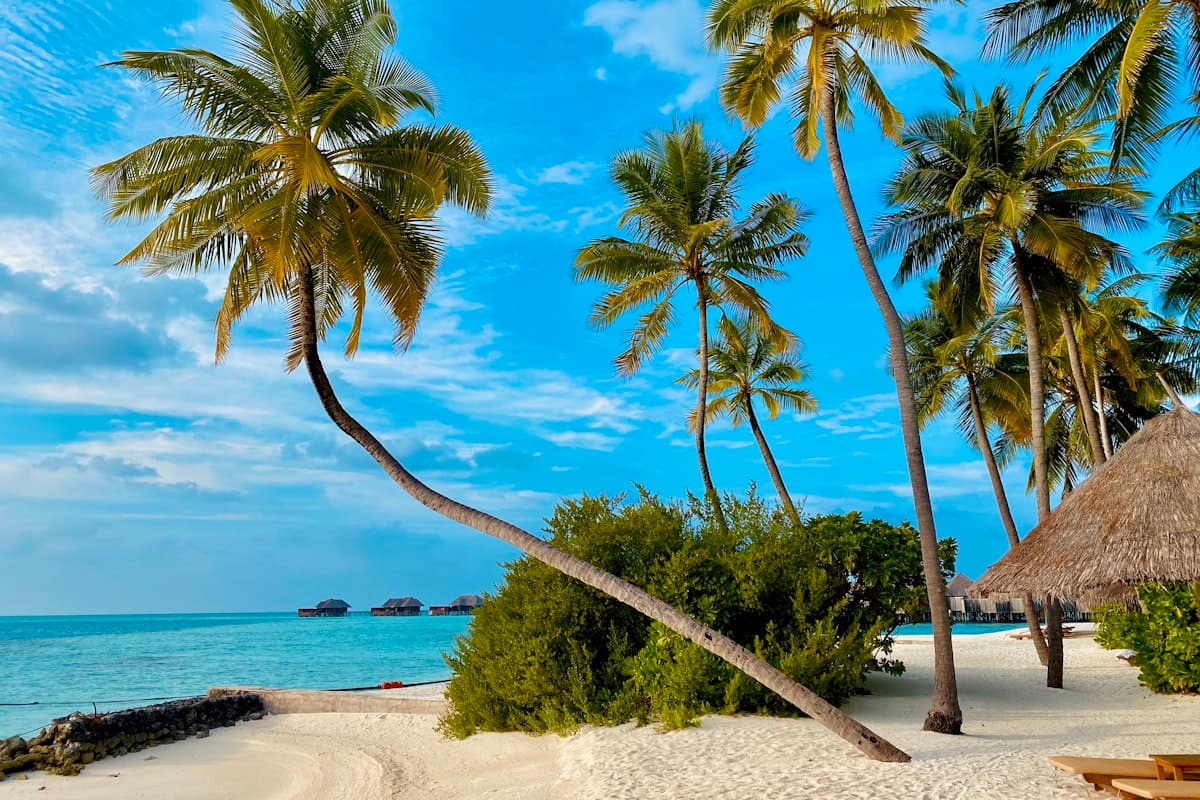
The thing no beach-and-palm-trees image prepares you for: Hanoi has a genuine winter. From December to February it sits around 10–15 °C, grey and damp, and — this is the catch — hotels and homes have no central heating. Indoors feels as cold as out. Bring a warm jacket and a couple of layers; a light thermal top earns its place. The rest of the year is warm to hot, so for a May–September trip swap the jacket for a rain layer and light, quick-dry clothes.
Winter air quality
The flip side of the cool, still winter months (roughly November to March) is air quality: AQI readings can climb into unhealthy territory on the worst days. Check an air-quality app in the morning. If it's bad and you're in a sensitive group — asthma, young kids, older travellers — wear a mask and go easy on outdoor exertion. A good rain usually clears the air within a day.
Navigating the Old Quarter
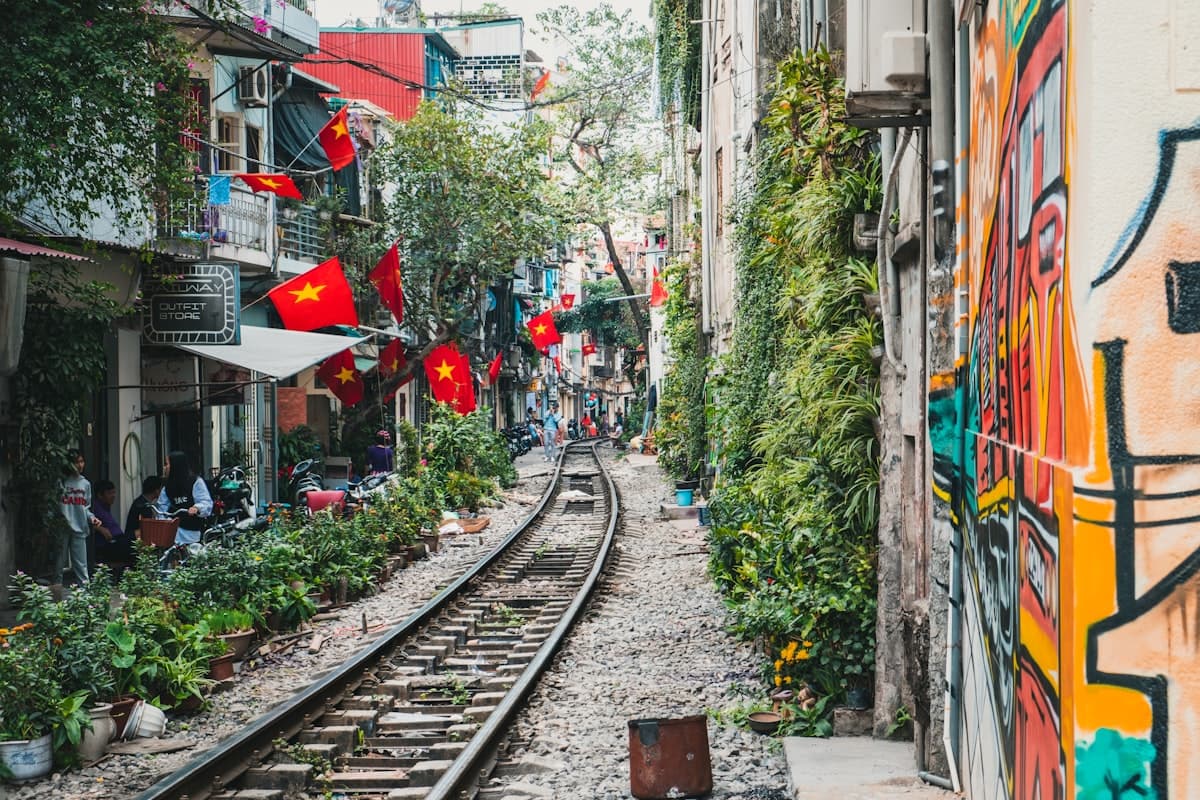
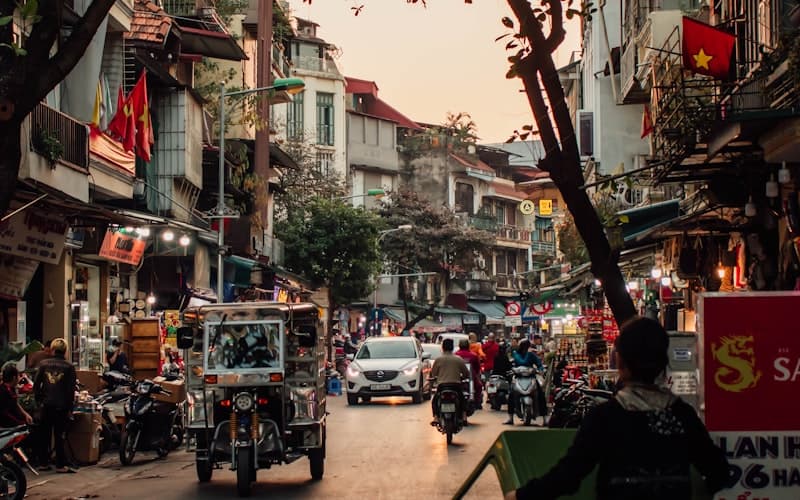
The Old Quarter is a walkable maze of 36 short streets, each historically named for the trade once sold there — silk, tin, sugar, paper. It's the fun of the place and the reason people get turned around. Keep Google Maps open and count intersections rather than trusting street names, which change every block or two. Use Hoan Kiem Lake as your anchor to the south, and know that the streets around it go car-free and pedestrian-only on weekend evenings (Friday to Sunday) — great for wandering, confusing for a Grab pickup, so agree a meeting point at the edge of the zone.
No sea in Hanoi — where to swim
Worth knowing before you arrive: there is no beach in Hanoi. The nearest coast is 120–160 km away. For a proper beach, fly to Da Nang, Nha Trang or Phu Quoc (1.5–2 hours, from ~$30–40); to just get on the water, the Ha Long options below are the move.

| Destination | Distance | What you get |
|---|---|---|
| Ha Long Bay | 160 km | Swim from a cruise boat or island beaches |
| Cat Ba Island | 150 km | Wilder take on Ha Long, with real beaches |
| Do Son | 120 km | City beach, popular with locals |
Visas
Visas depend on your passport. Citizens of the UK, Norway, Switzerland, Japan, South Korea and 18 EU countries (including Germany, France, Italy, Spain, the Netherlands and Poland) get 45 days visa-free. Most others, including US, Australian and Canadian travellers, apply for the e-visa at evisa.gov.vn: up to 90 days, $25 single entry or $50 multiple entry. Full rules — visa guide
FAQ

Carry both. Street food, markets and small shops are cash-only; malls, hotels and larger restaurants take Visa and Mastercard. ATMs are everywhere, but each withdrawal carries a fee and the cap depends on the bank, so pull out larger amounts less often. Keep small notes for taxis and noodle stalls.
For a short trip an eSIM bought before you fly is easiest — you land already online. Otherwise buy a physical SIM at Noi Bai Airport or any phone shop; you need your passport to register it. Viettel has the widest coverage. Almost every cafe and hotel has free WiFi.
Yes. Violent crime against travellers is rare, and in our experience Hanoi is a calm city. The real risks are petty: pickpocketing and bag-snatching in the crowded Old Quarter, taxi overcharging and the traffic. Use Grab, keep your bag in front and away from the roadside, and cross roads slowly.
Rigged taxi meters, "friendly" cyclo or shoe-shine offers that end with a big bill, padded restaurant checks and shops quoting inflated prices. Book cars through Grab or a trusted meter firm like Mai Linh or G7, agree any price before the service, and check the bill before you pay.
No — bottled water only. Ice in cafes and restaurants is usually made from purified water and is generally safe. Street food cooked fresh at a busy stall is one of the safer things to eat.
Not the way you would in the West. Rounding up or leaving small change at restaurants and for drivers is appreciated but optional. Upscale places may add a service charge, so check the bill first.
Mains power is 220V, 50Hz. Plugs are types A, B and C, and most sockets accept both the flat two-pin (US-style) and round two-pin (EU-style) shapes, so many travellers manage without an adapter. UK three-pin plugs do need one. Modern phone and laptop chargers handle 220V automatically.
Police 113, fire 114, ambulance 115. For anything serious, international-standard clinics in Hanoi — Family Medical Practice, Vinmec — are the fastest route to English-speaking care. Save your travel-insurance assistance line too.
In winter, yes. From December to February Hanoi can drop to 10–15 °C, and buildings have no central heating, so a warm jacket and a layer or two make a real difference — indoors and out. The rest of the year is warm to hot; pack a rain layer for the May–September wet season.
It can be, mainly in the cool dry months from November to March, when AQI readings sometimes reach unhealthy levels. Check an air-quality app; on bad days, sensitive groups should wear a mask and ease off outdoor exertion. It clears up quickly after rain.
The Old Quarter is a walkable maze of 36 short streets, each historically named for its trade. Use Google Maps and count intersections rather than trusting street names, keep Hoan Kiem Lake as your anchor to the south, and note that the core goes car-free and pedestrian-only on weekend evenings.
- Guide
Hanoi vs Ho Chi Minh City: Which to Visit in 2026
Hanoi or Ho Chi Minh City? North vs south compared — weather, prices, food, atmosphere, things to do and who each city suits.Hanoi vs Ho Chi Minh City: Which to Visit in 2026 - Guide
Beaches Near Hanoi: Cat Ba, Ha Long & Day Trips 2026
Where to find a beach from Hanoi: Cat Ba, Do Son, Ha Long, Quan Lan and Co To — how to get there, the swimming season and day-trip tips.Beaches Near Hanoi: Cat Ba, Ha Long & Day Trips 2026 - Guide
Hanoi Reviews 2026: An Honest 7.2 out of 10
Honest Hanoi reviews for 2026: rated across 10 categories, the real pros and cons, food, air quality, day trips to Ha Long and Ninh Binh. Is it worth it?Hanoi Reviews 2026: An Honest 7.2 out of 10


