Where to go in Vietnam: resorts compared in 2026
Vietnam has about eight main beach and mountain destinations, and each suits a different kind of traveller. Prices in VND with rough USD, a month-by-month season matrix, and honest pros and cons for every spot — so you don't have to keep ten browser tabs open.
Vietnam stretches 1,650 km from north to south, and the climate at the two ends is a different world. When Nha Trang is in swimming season, Phu Quoc is under rain. When Da Nang gets hit by typhoons, Mui Ne is dry and windy. So picking a resort without checking the month you travel is a mistake. The map of Vietnam's resorts shows where each one sits. The whole choice comes down to three questions: when you are going, how much you want to spend, and what you want out of the trip.
Below: VND prices with rough USD, a month-by-month season matrix, and honest pros and cons for each place. All prices and conditions are current as of July 2026.
Pick 2–3 cities — we’ll compare the key parameters.
Vietnam resorts on the map: season, budget, beaches
The three main beach resorts are Nha Trang, Phu Quoc and Mui Ne. Want culture — take Da Nang with Hoi An. Mountains without the sea — Da Lat. A cruise among limestone karsts — Ha Long. The choice depends on the season, the budget and why you are flying at all.
Pin colour is the beach score: green for four stars or more, blue for three, amber for two or no sea at all. Tap a pin for the season, the budget and the infrastructure score — the "Details" link jumps to that resort's section.
- Nha Trang (Nha Trang): Beaches ★★★★, infrastructure ★★★★★ — City + beach, season Feb–Sep — Budget from ~$15/day
- Phu Quoc (Phú Quốc): Beaches ★★★★★, infrastructure ★★★ — Island, season Nov–Apr — Budget from ~$18/day
- Da Nang (Đà Nẵng): Beaches ★★★★, infrastructure ★★★★ — City + beach, season Mar–Aug — Budget from ~$15/day
- Hoi An (Hội An): Beaches ★★★★, infrastructure ★★★ — City + culture, season Mar–Aug — Budget from ~$12/day
- Mui Ne (Mũi Né): Beaches ★★★, infrastructure ★★ — Beach + sport, season Nov–Apr — Budget from ~$10/day
- Phan Thiet (Phan Thiết): Beaches ★★★, infrastructure ★★★ — Beach, season Nov–Apr — Budget from ~$11/day
- Ha Long (Hạ Long): Beaches ★★, infrastructure ★★ — Excursions and cruises, season Apr–Oct — Budget from ~$16/day
- Da Lat (Đà Lạt): No sea, infrastructure ★★★ — Mountains, year-round — Budget from ~$10/day
| Resort | Type | Best season | Budget/day | Beaches | Infrastructure | Who for |
|---|---|---|---|---|---|---|
| Nha Trang | City + beach | Feb–Sep | from ~$15 | ☆☆☆☆ | ☆☆☆☆☆ | Everyone, esp. young travellers & expats |
| Phu Quoc | Island | Nov–Apr | from ~$18 | ☆☆☆☆☆ | ☆☆☆ | Families, couples, romance |
| Mui Ne | Beach + sport | Nov–Apr | from ~$10 | ☆☆☆ | ☆☆ | Surfers, budget trips |
| Phan Thiet | Beach | Nov–Apr | from ~$11 | ☆☆☆ | ☆☆☆ | Quiet stays, slow travel |
| Da Nang | City + beach | Mar–Aug | from ~$15 | ☆☆☆☆ | ☆☆☆☆ | Families, culture |
| Hoi An | City + culture | Mar–Aug | from ~$12 | ☆☆☆☆ | ☆☆☆ | Couples, history lovers |
| Da Lat | Mountains | Year-round | from ~$10 | — | ☆☆☆ | Anyone tired of the heat |
| Ha Long | Excursions | Apr–Oct | from ~$16 | ☆☆ | ☆☆ | Cruises, day trips |
The "from" budget is the minimum per person per day: a simple hotel, food at local cafés and local transport. Flights not included.
Next, a closer look at each resort: what to expect, what it costs, when to go and who it definitely is not for.
Nha Trang — the country's flagship resort
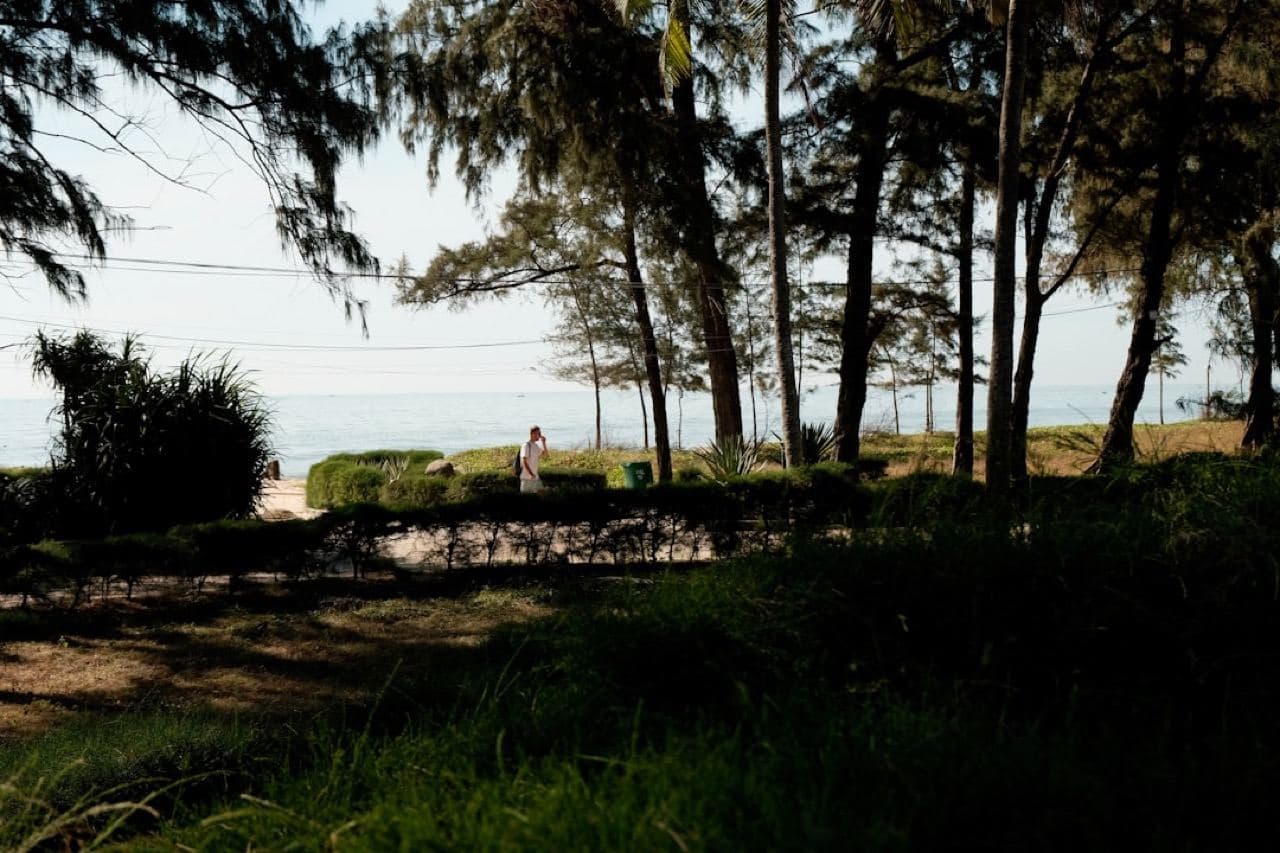
Nha Trang is the default first stop for a reason: the airport at Cam Ranh is 30 minutes from the hotels, and the city beach runs 7 km along the promenade. It is also the most walkable resort in Vietnam — you rarely need a taxi.
The resort works almost year-round. The real off-season is only mid-October to December, when it storms and pours. The rest of the year it sits at +26 to +32°C, with warm water and clear skies.
Beaches and sea
The city beach runs along Trần Phú promenade — yellow sand, a gentle entry. A lounger and umbrella cost 40,000–60,000 VND (~$1.60–2.40). For clean water and snorkelling there are islands: Hòn Một with a snorkelling bay and Hòn Tằm with a good beach and facilities. An island day trip is from 250,000 VND (~$10).
The downside of the city beach: after rain the water clouds up and litter appears. Locals know to swim in the morning, when the sea is calm.
Things to do
VinWonders on the island — a water park, roller coasters, an aquarium and a 4D cinema. The cable car across the bay is 3.3 km, one of the longest over-sea cable cars in the world. Entry is around 1,050,000 VND (~$40) for adults, including all rides and the cable car.
In the evening there are bars on Biệt Thự and nightclubs. For longer stays there are coworking spaces (from ~$80/month), private clinics with English-speaking staff and a large international expat community. Nha Trang is sometimes called "Vietnam's Pattaya" — loud, energetic, everything within reach.
Prices in Nha Trang
- Pho or fried rice on the street30,000–50,000 VND ≈ $1.20–2
- Lunch at an air-conditioned café50,000–80,000 VND ≈ $2–3.20
- Dinner for two at a restaurant300,000–500,000 VND ≈ $12–20
- 3☆ hotel / night500,000–1,000,000 VND ≈ $20–40
- 5☆ hotel / night2,500,000–6,000,000 VND ≈ $100–240
- Studio rental / month6,000,000–13,000,000 VND ≈ $240–520
- Scooter / day120,000–150,000 VND ≈ $5–6
On prices, Nha Trang is mid-range: cheaper than Phu Quoc, noticeably dearer than Mui Ne. For a long stay, a studio in a decent area starts around 6,000,000 VND (~$240) a month. See the full Nha Trang guide.
Who it's not for
Anyone chasing quiet and solitude. The city beach gets grubby in the rainy season (October–December). The tourist centre has pushy vendors and taxi touts. Budget hotels vary in quality — booking without reviews is risky. If you want the "beach from the brochure," Phu Quoc is closer to the dream.


Phu Quoc — an island for a quiet break
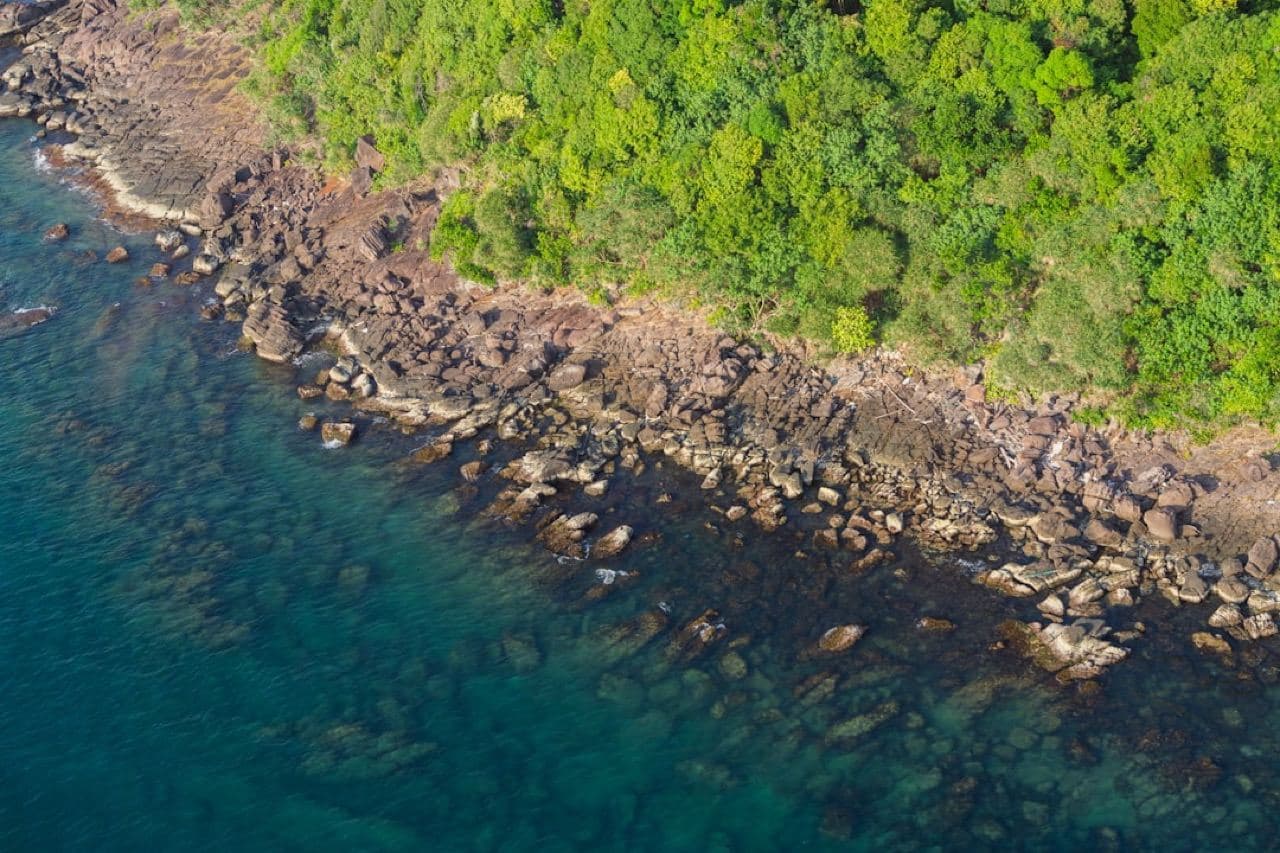
Phu Quoc is the anti-Nha Trang. A quiet island in the far south, largely covered in tropical forest, with some of the best beaches in the country and almost no nightlife. High season runs November to April, when the mainland is cold or wet. It is also the easiest resort for many nationalities to enter: according to Vietnam Airlines, Phu Quoc has a separate 30-day visa exemption for any nationality arriving from abroad, including via a connection in Ho Chi Minh City or Hanoi without leaving the airport. It covers the island only: you cannot continue to the mainland on it.
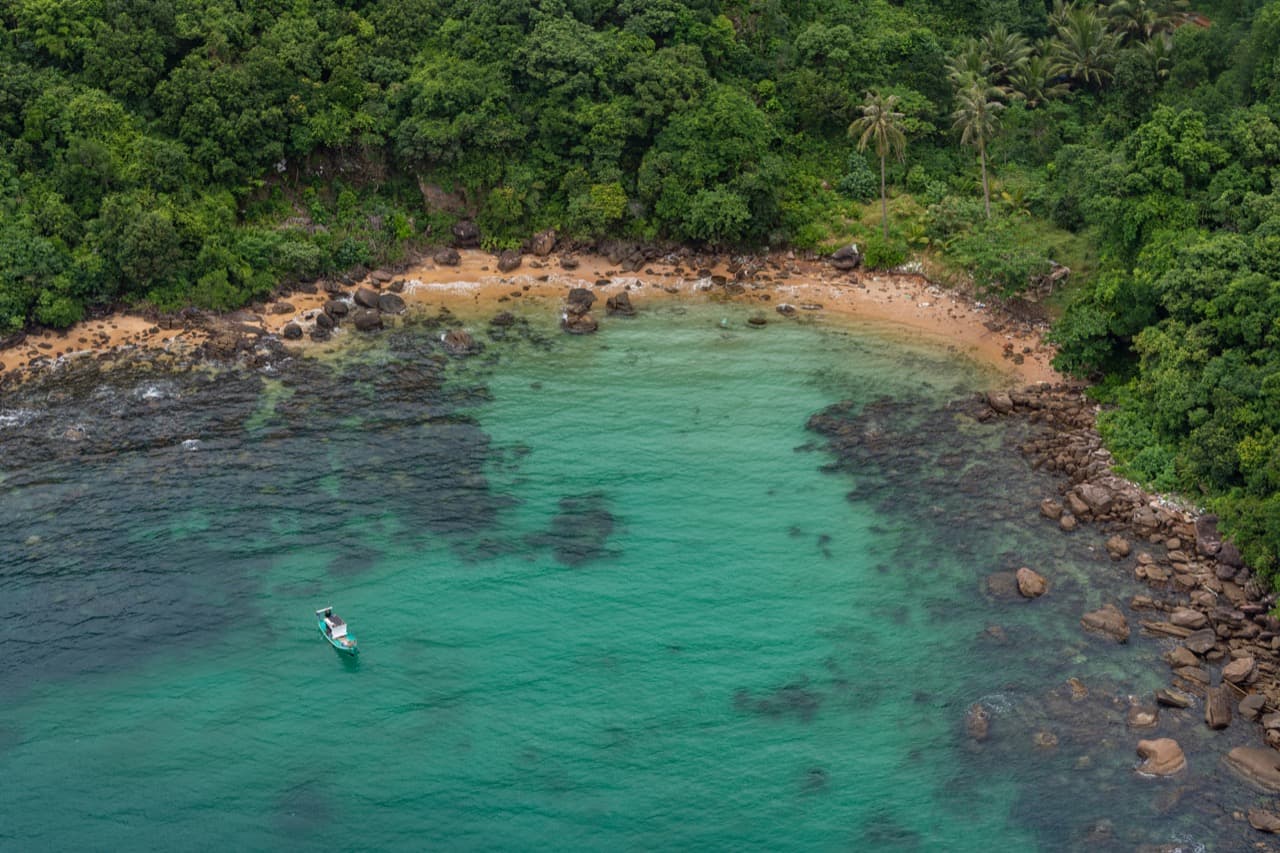
The island is being built up fast: new hotels keep opening. But beyond the resort zones it is jungle, fishing villages and dirt roads.
Beaches
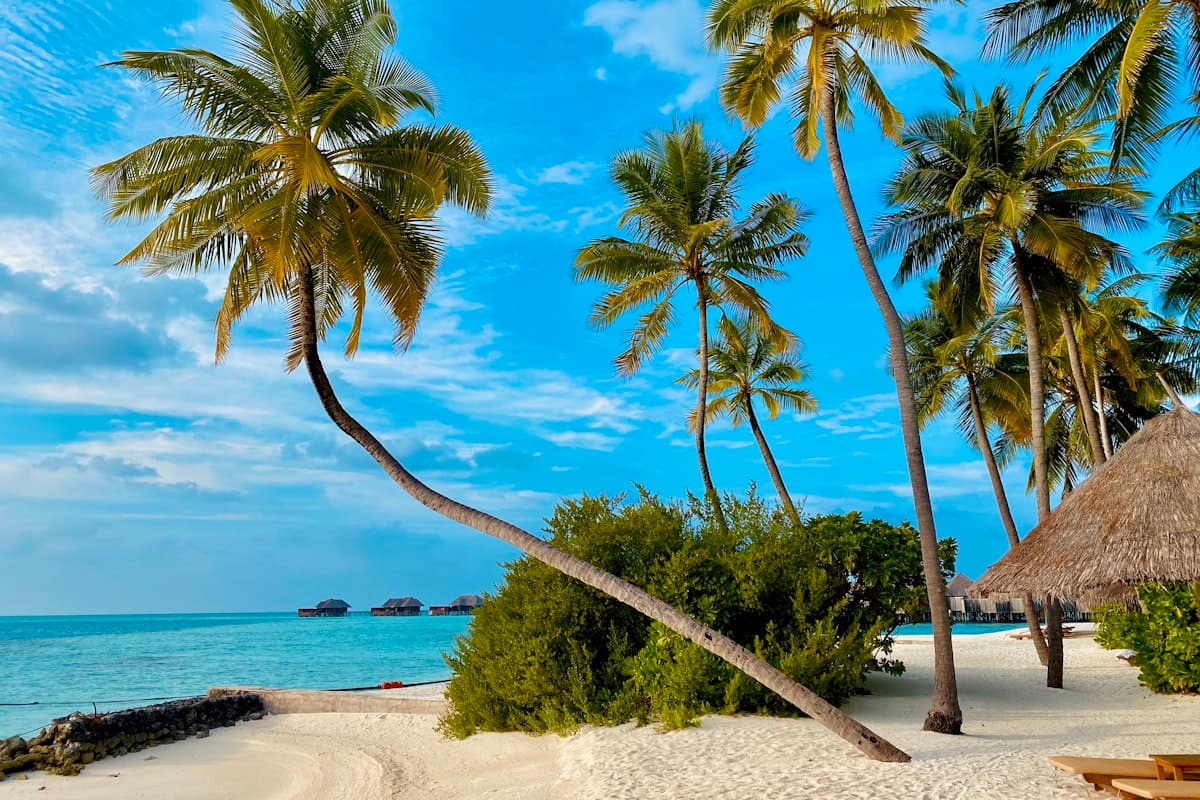
Bãi Sao — powder-white sand, calm turquoise water, a gentle entry. Ideal for small children. Bãi Dài — long and less crowded, with the Vinpearl and Marriott resorts nearby. For a wild feel, Bãi Thơm in the northeast: fishing boats, coconut palms, not a single lounger.
What to do
Vinpearl Safari — one of Vietnam's largest zoos, an open-range park with giraffes, zebras and rhinos. Snorkelling and diving around the southern islands (An Thới) — coral reefs, visibility up to 15 metres. The Dinh Cậu night market in the island capital Dương Đông — grilled seafood from 100,000–200,000 VND a plate.
Sights in the classic sense are few. The island is about the beach, the quiet and the sunsets. See the full Phu Quoc guide.
Prices on Phu Quoc
The island runs 20–30% dearer than the mainland — everything arrives by ferry. Budget travel is possible, but the floor is higher.
- Pho or rice at a café40,000–60,000 VND ≈ $1.60–2.40
- Lunch at a café60,000–100,000 VND ≈ $2.40–4
- Dinner for two at a restaurant400,000–700,000 VND ≈ $16–28
- 3☆ hotel / night700,000–1,500,000 VND ≈ $28–60
- 5☆ hotel / night3,500,000–12,000,000 VND ≈ $140–480
- Studio rental / month8,000,000–16,000,000 VND ≈ $320–640
- Scooter / day150,000–200,000 VND ≈ $6–8
Who it's not for
Anyone who wants nightlife and busy city energy. Getting there takes longer: outside high season you often connect via Ho Chi Minh City (+2–3 hours). Infrastructure beyond Dương Đông is thin: few ATMs, pharmacies or shops. In summer (May–October) it is rain and 85%+ humidity. For a multi-month stay it can feel dull.
Fast Track — no queue at the border
5–10 minutes instead of an hour in the immigration queue
from$11per passenger
Mui Ne and Phan Thiet — wind and dunes

Mui Ne is a former fishing village that became the kitesurfing capital of Southeast Asia. People come for the wind, the red dunes and prices lower than any other resort in Vietnam. Phan Thiet is the town next door — a little quieter and cheaper. Both share the same stretch of coast.
The red and white dunes are the region's signature. The Fairy Stream (Suối Tiên) is a gorge of red clay you wade through barefoot in warm ankle-deep water. Kitesurfing and windsurfing run November to April, when a steady northeast wind blows. Kite schools work right on the beach — a lesson from $40–60, gear rental $20–30 a day.
Hotels in Mui Ne sit right on the sand — step out of your room and you are on the beach in 30 seconds. In Nha Trang or Da Nang that is rare (the full head-to-head is in our Phan Thiet vs Nha Trang comparison).
Prices in Mui Ne
Vietnam's cheapest resort. Food at the market and in cafés runs 10–30% below Nha Trang.
- Pho on the street25,000–40,000 VND ≈ $1–1.60
- Lunch at a café40,000–70,000 VND ≈ $1.60–2.80
- Dinner for two at a restaurant250,000–450,000 VND ≈ $10–18
- 3☆ hotel / night400,000–900,000 VND ≈ $16–36
- 5☆ hotel / night2,000,000–5,000,000 VND ≈ $80–200
- Studio rental / month5,000,000–11,000,000 VND ≈ $200–440
- Scooter / day100,000–150,000 VND ≈ $4–6
Who it's not for
Anyone used to city infrastructure and variety. The main snag: it is a 4–5 hour drive from Ho Chi Minh City airport, the nearest big hub. The beach has waves — swimming is best in the morning, before the afternoon wind. Under-7s may find it unsafe: waves and a strong current. Beyond the beach and the dunes there is little to do — one strip, Hàm Tiến, with restaurants, rentals and minimarkets. See the full Mui Ne guide.
Da Nang and Hoi An — beaches and culture

Da Nang is one of Vietnam's largest cities; since the 2025 merger with Quang Nam province, its boundaries also take in Hoi An. Thirty minutes south is Hoi An, a UNESCO-listed museum town. The two work as a pair: Da Nang's beaches and modern comfort plus Hoi An's cultural depth and atmosphere.
Da Nang
Mỹ Khê (My Khe Beach) — ten kilometres of white sand. Clean water, a gentle entry, loungers and kids' pools at the hotels. Bà Nà Hills — a mountain-top theme park with the Golden Bridge (the one held up by giant stone hands) and a 5.8 km cable car. The Marble Mountains (Ngũ Hành Sơn) — cave temples and viewpoints 20 minutes from the centre.
The city is modern and clean: wide streets, new bridges over the Han River (lit up at night), and international chains — Hyatt, InterContinental, Pullman. For families with kids it is the best balance of beach and city comfort in all of Vietnam.
Hoi An
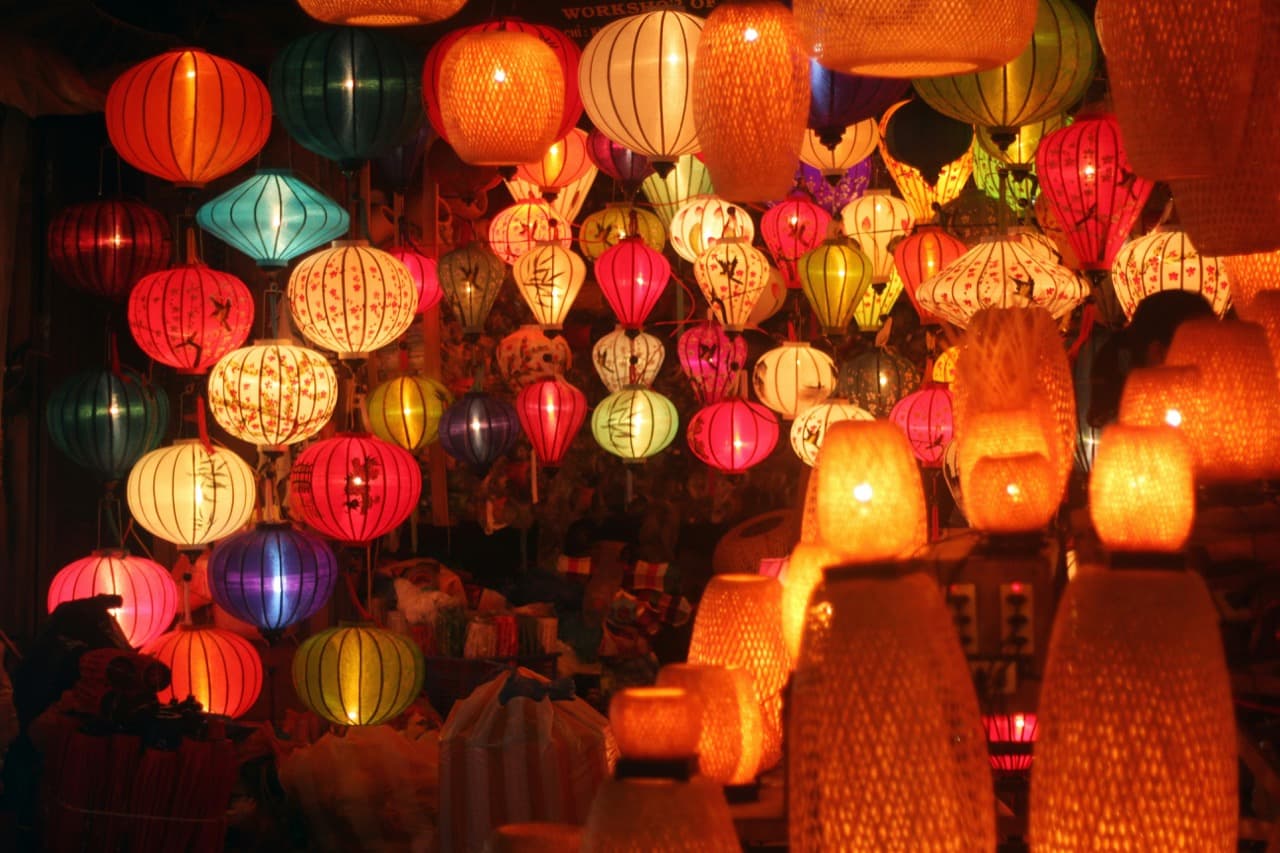
An old quarter a few blocks wide: the 16th-century Japanese covered bridge, Chinese temples, French mansions. In the evening the streets glow with hundreds of paper lanterns — the sight photographers fly in for.
An Bang beach (An Bàng) is 4 km from the old town — calm, with good restaurants on the sand. Hoi An is Vietnam's tailoring capital: a made-to-measure silk or cashmere suit starts at $90 and takes one to three days. Leather shoes and bags are custom-made too.
Da Nang vs Hoi An: food and hotel prices
| Item | Da Nang (VND / ~$) | Hoi An (VND / ~$) |
|---|---|---|
| Lunch at a café | 50,000–80,000 / ~$2–3.20 | 50,000–80,000 / ~$2–3.20 |
| Dinner for two | 300,000–500,000 / ~$12–20 | 250,000–450,000 / ~$10–18 |
| 3☆ hotel / night | 600,000–1,200,000 / ~$24–48 | 500,000–1,000,000 / ~$20–40 |
| 5☆ hotel / night | 3,000,000–10,000,000 / ~$120–400 | 2,500,000–8,000,000 / ~$100–320 |
See our Da Nang guide with districts, beaches and routes, plus the Hoi An guide.
Who it's not for
Anyone after a cheap beach break with a direct flight. The rainy season (October–January) hits hard: flooded streets in Hoi An, stormy seas. Hoi An in December–January is packed — crowds in the old town, hotel prices spike. Nightlife is thinner than Nha Trang — a couple of bars, no more.
Da Lat — mountain Vietnam without the sea
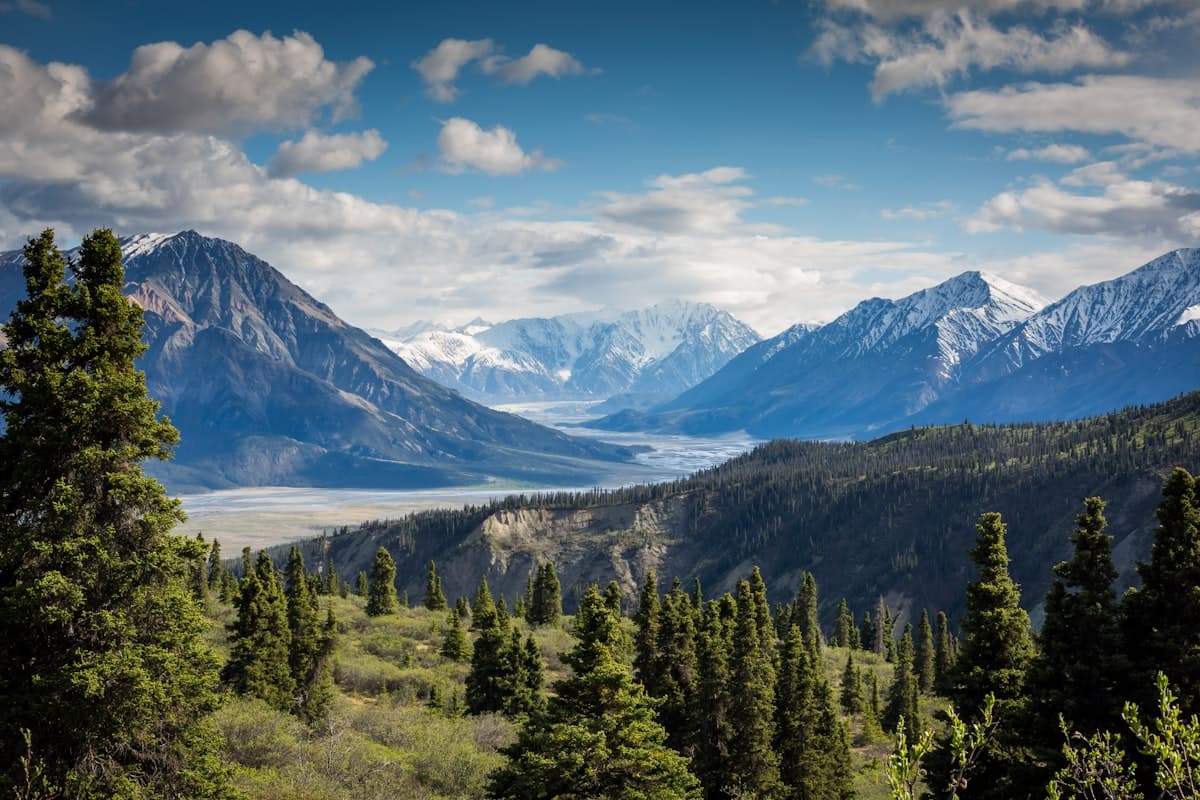
1,500 metres above sea level. +18–22°C year-round — none of the tropical heat. Da Lat is "little Paris": French colonial architecture, coffee plantations, pine forests and morning mist rolling down the hills. No sea. None at all. And for a certain traveller that is exactly the appeal.
The Datanla waterfalls (entry 50,000 VND, ~$2), the Crazy House (Hằng Nga — architect Đặng Việt Nga's wild fantasy building), flower gardens and strawberry greenhouses. Da Lat coffee is rated the best in Vietnam — robusta and arabica, with plantations open for tastings.
Who it suits: families with small children (no heat), anyone who struggles in the tropics (cool mountain air) and remote workers (cosy cafés with fast Wi-Fi and stable power). A growing expat community picks Da Lat for the climate and low prices — a 3☆ hotel from 400,000 VND (~$16) a night, a studio from 4,000,000 VND (~$160) a month.
Downsides: it gets genuinely cool in the evenings (bring a jacket), the rainy season (May–November) brings frequent afternoon showers, and getting there means a domestic flight from Ho Chi Minh City, Hanoi or Da Nang, or a bus — 3 to 3.5 hours from Nha Trang, about six from Ho Chi Minh City. See the full Da Lat guide.
Ha Long, Hue and other destinations
Not everyone comes to Vietnam for the beach. Some destinations are for a different kind of experience.
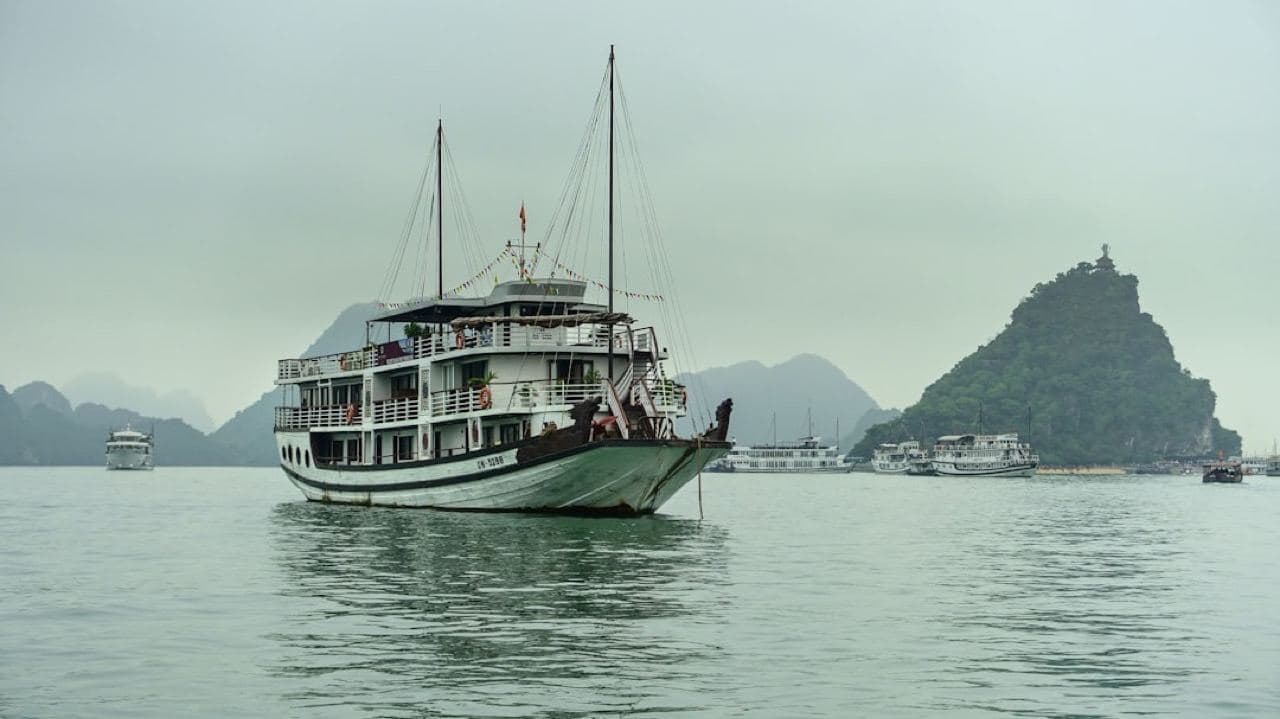
Ha Long — a bay of 1,600 limestone islands rising out of emerald water. A UNESCO site. People come for the junk cruise (1–2 days, from 3,000,000 VND / ~$120 per person on a two-day cruise with a cabin and meals). Beach time is not the point here: the water is cool most of the year and beaches are few. Best season is April–October. The nearest airport is Van Don, 50 km away by expressway, but most people come from Hanoi: 2.5–3 hours on the Hanoi–Hai Phong–Ha Long expressway. See the full Ha Long guide.
Hue — the former imperial capital (1802–1945). The Citadel, the Nguyen dynasty tombs, the Forbidden Purple City. A must for history and architecture lovers. No beach holiday, but the Lăng Cô beaches are two hours away. Easy to combine with Da Nang — see the Hue guide.
Vung Tau — the "weekend coast": a resort two hours from Ho Chi Minh City by ferry, where locals go on weekends. Few foreign tourists, everything in Vietnamese. Cheap and authentic — but the beaches are average and the infrastructure targets domestic travel. See the Vung Tau guide.
Con Dao — an archipelago of 16 islands for anyone willing to pay for solitude. Wild beaches, sea turtles nesting June to September, and Six Senses Con Dao, one of Vietnam's best hotels. Reached by a domestic flight from Ho Chi Minh City (45–55 minutes) or Hanoi, or by fast ferry from the Mekong Delta, Vung Tau and Ho Chi Minh City — see the Con Dao guide.
When to go — the month-by-month matrix
There is no universal "best time" for Vietnam — it all depends on the resort. The country runs 1,650 km, and the climate at the two ends is opposite. Here is the matrix: green means great weather, yellow means acceptable, red means don't risk it.
| Month | Nha Trang | Phu Quoc | Mui Ne | Da Nang | Da Lat | Ha Long |
|---|---|---|---|---|---|---|
| January | waves | high | dry | rain | cool | cold |
| February | season starts | high | dry | cool | cool | cold |
| March | good | hot | dry | warm | warm | cool |
| April | excellent | hot | season ends | warm | warm | good |
| May | peak | rain starts | transitional | hot | rain | good |
| June | peak | rain | wind eases | hot | rain | good |
| July | peak | rain | humid | hot | rain | peak |
| August | peak | rain | humid | hot | rain | peak |
| September | rain begins | peak rain | rain | rain | rain | warm |
| October | rain, waves | rain | transitional | typhoons | rain | cool |
| November | rain ends | season starts | season starts | rain | rain | cold |
| December | waves | high | dry | rain | cool | cold |
The short version by season — what to pick and when:
- Winter (December–February): Phu Quoc, Mui Ne, Phan Thiet — dry and warm (+28–31°C), the ideal time for the south
- Spring (March–May): Nha Trang picks up, Da Nang warms up. The best month for "all resorts at once" is April
- Summer (June–August): Nha Trang, Da Nang and Ha Long peak. Phu Quoc and Mui Ne are off-season
- Autumn (September–November): a transitional stretch for most. Phu Quoc opens high season from November
Which resort fits you
Instead of scrolling forums — find your type in the table. One resort, one profile.
| You are... | Resort | Why |
|---|---|---|
| With kids under 7 | Phu Quoc | Shallow calm sea, quiet, Vinpearl Safari |
| With teenagers | Nha Trang or Da Nang | VinWonders, Ba Na Hills, snorkelling, activities |
| Young crowd (bars, nightlife) | Nha Trang | Bars on Biet Thu, clubs, lively scene, cheap |
| Couple on a romantic break | Phu Quoc or Hoi An | Sunsets on Bãi Dài, Hoi An lanterns, quiet |
| Surfer / kiter | Mui Ne | Steady wind Nov–Apr, a dozen beach schools |
| Expat / long stay (3+ months) | Nha Trang or Da Nang | Community, coworking, clinics, sane rents |
| Budget traveller | Mui Ne / Phan Thiet | Lowest prices (from ~$10/day incl. food) |
| History buff | Hoi An + Hue | UNESCO, imperial tombs, Japanese bridges |
| Escaping the heat | Da Lat | +18–22°C, mountains, pine forests, coffee |
| Premium and seclusion | Con Dao | Wild beaches, turtles, Six Senses |
If this is your first trip to Vietnam, start with Nha Trang or Phu Quoc. Nha Trang is easier logistically (direct flights, everything walkable), Phu Quoc is prettier and calmer. Both are safe bets that are hard to get wrong.
Vietnam or Thailand — the short version

The eternal question in every travel chat (the runner-up is Vietnam or Bali). Thailand is the more mature destination, with polished infrastructure and decades of experience hosting visitors. Vietnam is cheaper, more authentic and less "worn in," but chaotic in places.
| Criterion | Vietnam | Thailand |
|---|---|---|
| Prices | 15–30% cheaper | Dearer, esp. Phuket and Samui |
| Visa (typical) | Exemption 15–45 days, or 90-day e-Visa | Exemption 30–60 days for many passports |
| Beaches | Best — Phu Quoc and Da Nang | Best — Phi Phi, Krabi, Koh Lipe |
| Food | Phở, banh mi, seafood. Less spicy | Tom yum, pad thai, curry. Spicier |
| Infrastructure | Developing, chaotic in places | Developed, tourist-friendly |
| Nightlife | Nha Trang (moderate), rest quiet | Bangkok, Pattaya, Phuket — anything goes |
| Healthcare | Nha Trang & HCMC private clinics, rest basic | Bangkok Hospital, Bumrungrad — world-class |
The price gap shows most on rent: a studio in Nha Trang is ~$240–520/month; a comparable place in Phuket starts at ~$550–750.
Verdict: Vietnam — if budget matters more, and you want real Asia without the "tourist bubble" and newer places. Thailand — if you want polished comfort, more services and fewer language barriers. Many seasoned travellers do both: a week in Vietnam plus a week in Thailand. What people say after the trip is collected in our Vietnam reviews.
FAQ
Mui Ne and Phan Thiet, with one catch: what you save on rooms and food you spend on taxis — there is almost no public transport and the nearest sights are 30–60 km away
- To keep it cheap, book on Agodaoften 15–20% underBooking
- Eat at plastic-stool local jointsfrom ~$1.20 a dish
- Rent a scooter$4–5/day
Nha Trang costs 30–40% more, but that buys you everything within walking distance
It depends on age. Under 3 — Phu Quoc (shallow warm sea, no scooters, quiet hotels). Ages 3–7 — Da Nang (hotel playgrounds, Ba Na Hills rides, the gentle beach Mỹ Khê). Over 7 — Nha Trang (VinWonders, island snorkelling, water slides). Rule of thumb: book a hotel with a pool — the beach is unsafe for kids in the 11am–3pm heat, but the pool is fine.
Every southern and central resort works in March; the pick depends on your priority. Easy beach time — Phu Quoc (last month of high season, book two months ahead). Beach plus a city — Nha Trang (start of the dry season, prices not yet peak). Culture plus beach — Da Nang and Hoi An (warm and dry, fewer crowds than summer). Kitesurfing — Mui Ne (still windy, season ends in April). Skip Ha Long: cool and misty until April.
It depends on your passport. Many nationalities get a visa exemption of 15–45 days (the UK, France, Germany, Italy, Spain and others get 45 days under a regime that runs to 14 March 2028). Everyone else, or anyone staying longer, can get a 90-day e-Visa online for about $25 at evisa.gov.vn before flying — it works for all main airports and land borders. Always confirm current rules for your nationality before booking.
A practical mix: some cash in crisp new US dollars ($50 and $100 notes exchange best; worn ones may be refused) plus a Visa or Mastercard. Cards work in hotels, malls and mid-range restaurants; ATMs are everywhere but cap withdrawals. Don't change money at the airport — the rate is 5–10% worse. In town, use a bank or a licensed exchange counter, not a gold shop. Keep small VND notes for street food and scooter taxis.
On beaches alone, Phu Quoc wins, with a caveat: the best sand (Bãi Sao, Bãi Dài) sits far from the centre, so you need a scooter or taxi. In Nha Trang the beach is five minutes from any hotel, but the water quality is lower. A good compromise is to base in Nha Trang and fly to Phu Quoc for two or three days (VietJet from ~$40, an hour and a half) so you see both coasts.
- Guide
Cu Chi Tunnels Private Guide 2026 — Tour from Saigon
A private Cu Chi Tunnels tour from Saigon with local expert guide Denny: itinerary, inclusions, per-person pricing from $40, easy booking via VietnamSpot.Cu Chi Tunnels Private Guide 2026 — Tour from Saigon - Guide
Getting Around Nha Trang: Grab, Taxis, Scooters & Buses
How to get around Nha Trang: Grab, Xanh SM, scooter rental, buses and the train — costs, the Cam Ranh airport run and tips for foreigners.Getting Around Nha Trang: Grab, Taxis, Scooters & Buses - Guide
Cam Ranh 2026: Airport Gateway & Bai Dai Beach Guide
Cam Ranh guide: where flights land, the quiet Bai Dai resort strip, beaches, hotels, getting to Nha Trang and 2026 prices.Cam Ranh 2026: Airport Gateway & Bai Dai Beach Guide