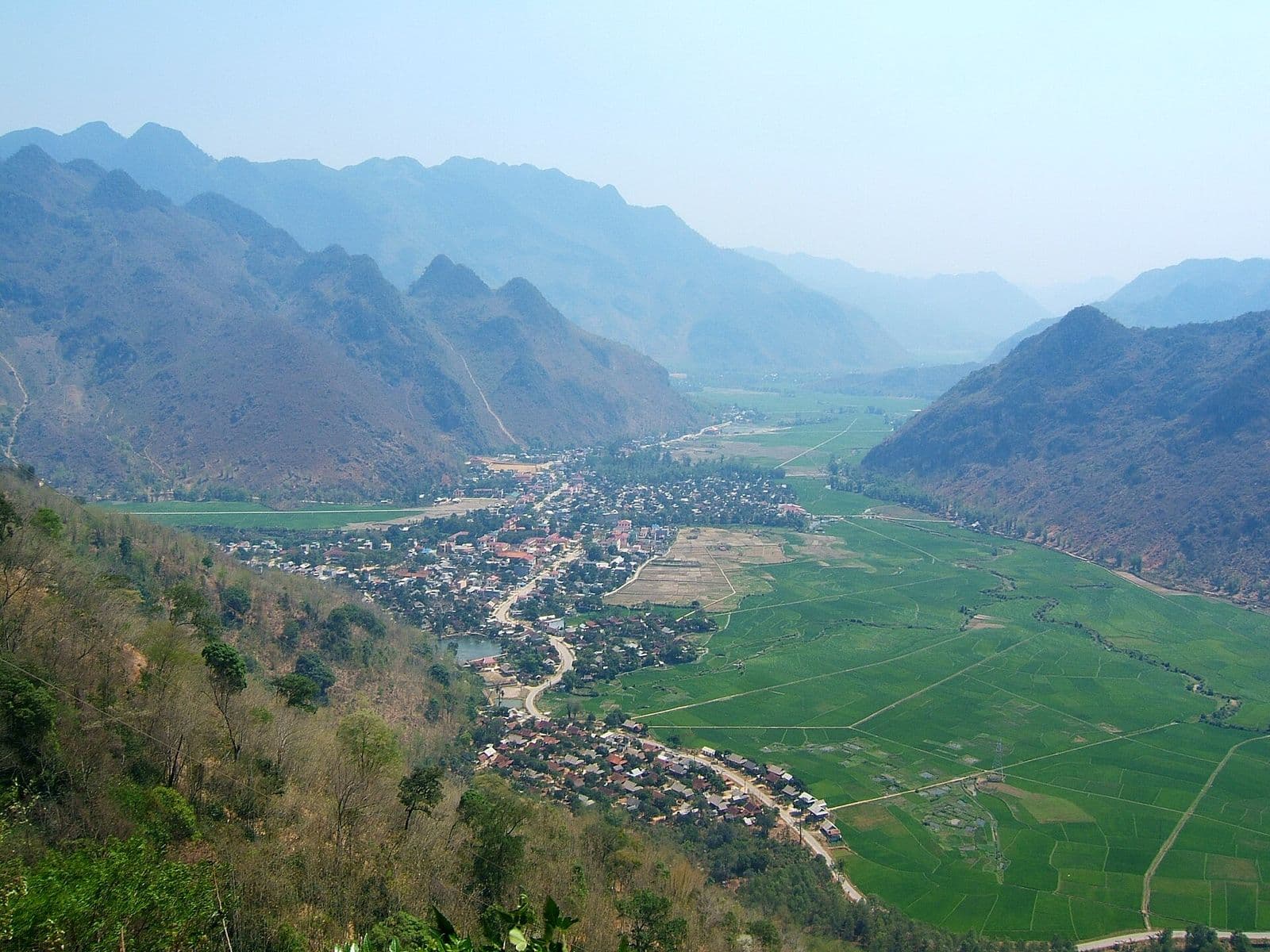
Vietnam map: resorts and cities in 2026
Vietnam stretches 1,650 km down the coast of the South China Sea — from the subtropical north around Hanoi to the tropical Mekong Delta. This map guide breaks the country into three regions, covers 13 resorts and cities, five main international airports, distances and travel times, and how to find your way around as a foreign traveller.
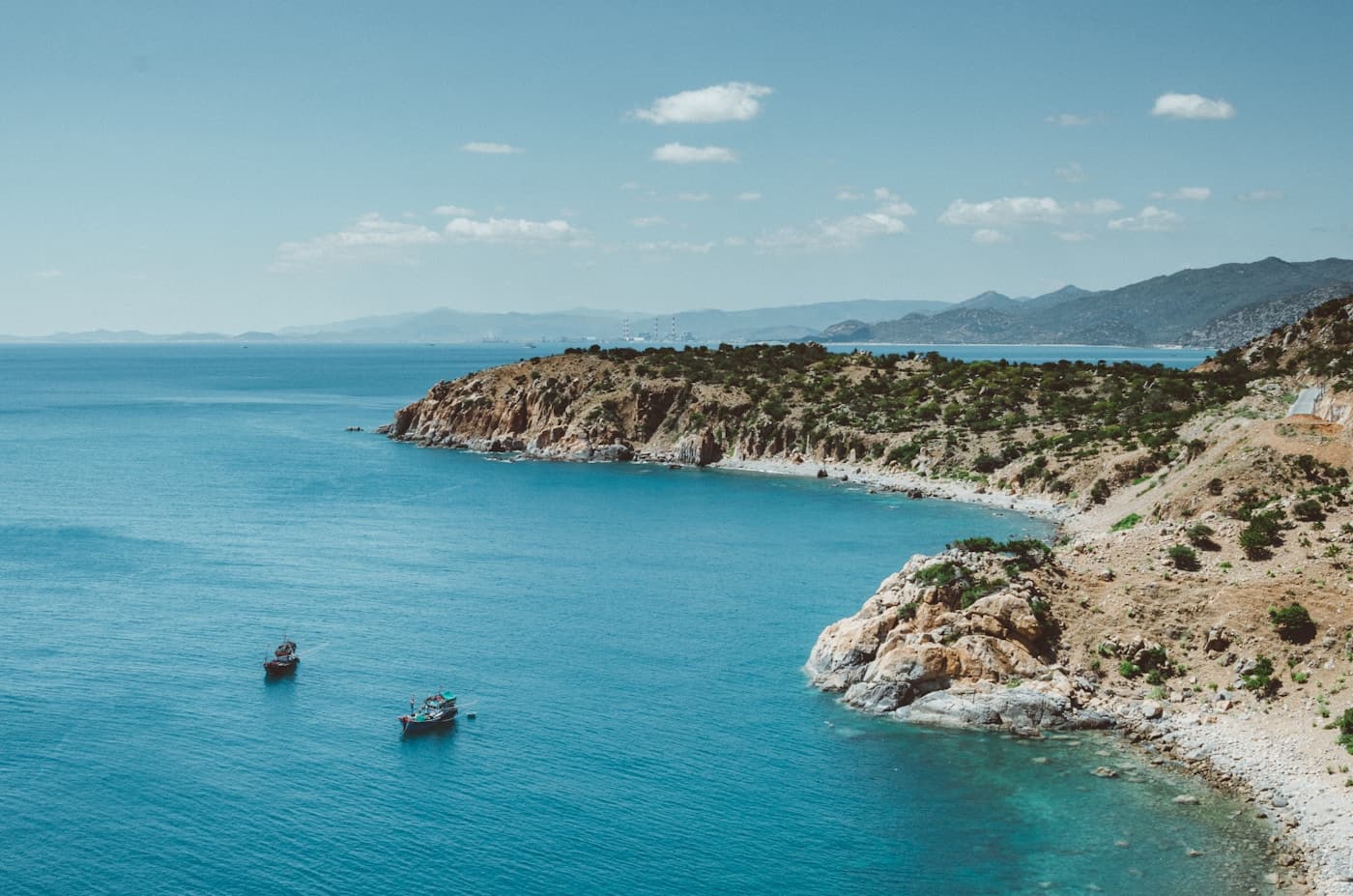
Việt Nam runs in a long S-shaped curve from the Chinese border down to the Mekong Delta. That shape matters: the country looks compact on a map, but it is 1,650 km top to bottom, and the north, centre and south each have their own climate, food and feel. This guide is a practical map of the country — where each region and resort sits, what it is good for, how far apart things are, and how to navigate once you land.
Information current as of July 2026. Prices are in Vietnamese dong (VND) with a rough US-dollar conversion at ~26,000 VND = $1.
- Nha Trang (Nha Trang): The best-known beach city — City beach, islands, nightlife
- Cam Ranh (Cam Ranh): Quiet resorts by the airport — 4–5-star, all-inclusive
- Phu Quoc (Phú Quốc): The best beaches in Vietnam — Diving, VinWonders
- Phan Thiet / Mui Ne (Phan Thiết / Mũi Né): Kitesurfing, budget — 230 windy days a year
- Ho Chi Minh City (TP. Hồ Chí Minh): The southern transit hub — Michelin Guide, history
- Da Lat (Đà Lạt): 1,500 m, eternal spring — Waterfalls, coffee farms
- Da Nang (Đà Nẵng): My Khe beach (Forbes 2005) — Golden Bridge, modern city
- Hoi An (Hội An): UNESCO old town, lanterns — Best food in the centre
- Hue (Huế): Imperial Citadel — UNESCO, 1–2 days
- Quy Nhon (Quy Nhơn): Top trending spot for 2026 — Luxury resorts, empty beaches
- Hanoi (Hà Nội): The capital, direct flights — Pho bo, Hoan Kiem Lake
- Ha Long (Hạ Long): ~1,600 UNESCO islands — Cruises from ~$100
- Sapa (Sa Pa): Rice terraces — Fansipan, 3,143 m
Where Vietnam is on the world map
Vietnam sits in Southeast Asia, along the eastern edge of the Indochina peninsula. It borders China to the north and Laos and Cambodia to the west; the east and south face the South China Sea (the Vietnamese call it Biển Đông, the "East Sea"), while the southwest, including Phu Quoc, opens onto the Gulf of Thailand.
The country covers 331,210 km2 (a little smaller than Germany) and has passed 100 million people. The outline looks like the letter S: narrow in the middle (just 50 km from the sea to the Laotian border in places) and wider at both ends.
Three key regions:
- North (Bắc Bộ) — the capital Hanoi, Ha Long Bay, the mountains of Sapa. Cool winters: 10–18C in January
- Centre (Trung Bộ) — Da Nang, Hoi An, Hue. Dry season March–August
- South and south coast — Ho Chi Minh City, Nha Trang, Phu Quoc. Warm year-round: 26–33C
Vietnam runs on UTC+7, with no daylight saving. Because of the S-shape, getting between resorts takes longer than the map suggests — plan around domestic flights for the long hops.
Vietnam resorts: season, airport, price level
A quick index of every resort and city, from the most popular to the up-and-coming:
| Resort | Region | Good for | Best season | Airport | Price level |
|---|---|---|---|---|---|
| Nha Trang | South | Beach + city + tours | Mar–Sep | CXR (own) | mid |
| Cam Ranh | South | Quiet beach resorts | Mar–Sep | CXR (shared) | upper-mid |
| Phu Quoc | South (island) | Families, diving, relax | Nov–Jun | PQC (own) | upper-mid |
| Phan Thiet / Mui Ne | South | Kitesurfing, budget | Nov–Apr | via SGN | budget |
| Ho Chi Minh City | South | City travel, transit | Nov–Apr | SGN (own) | mid |
| Da Lat | South (highlands) | Cool air, nature, couples | Nov–Mar | via CXR / SGN | budget |
| Da Nang | Centre | Beach + culture + city | Mar–Aug | DAD (own) | mid |
| Hoi An | Centre | Culture, atmosphere, food | Feb–Aug | via DAD | budget |
| Hue | Centre | History | Feb–Aug | via DAD | budget |
| Quy Nhon | Centre | Luxury, empty beaches | Mar–Sep | UIH (small) | upper-mid |
| Hanoi | North | Culture, food, transit | Oct–Dec, Mar–Apr | HAN (own) | mid |
| Ha Long | North | Cruises, nature | Mar–May, Sep–Nov | via HAN | mid |
| Sapa | North | Trekking, rice terraces | Sep–Nov, Mar–May | via HAN | budget |
Fast Track — no queue at the border
5–10 minutes instead of an hour in the immigration queue
from$11per passenger
Southern Vietnam on the map
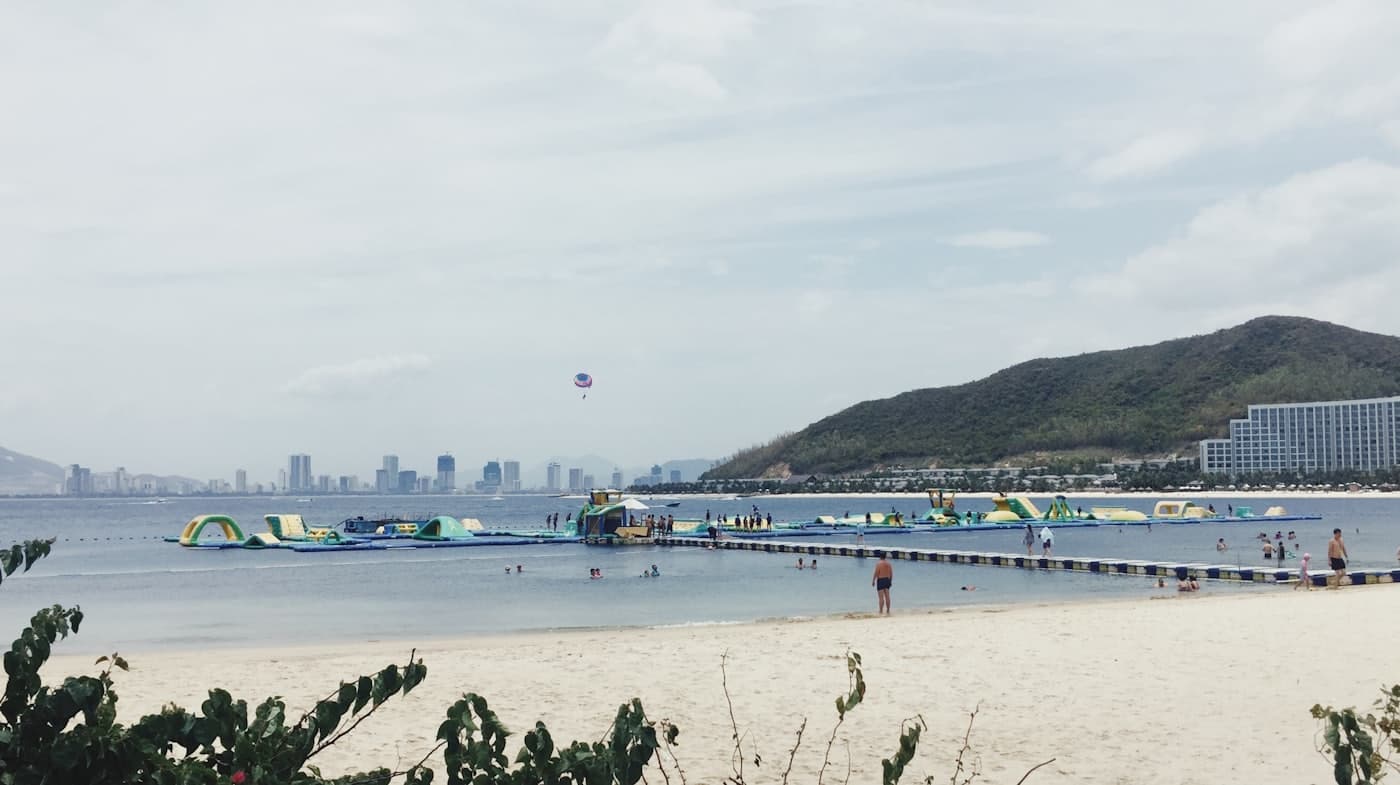
The south is where most beach travel happens: warm sea all year, four airports and resorts for every budget — from cheap-and-breezy Mui Ne to upscale Phu Quoc.
Nha Trang — the main beach city
Nha Trang, in Khánh Hòa province, is Vietnam's best-known beach city: 7 km of city beach, hundreds of restaurants at every price point, and the full run of activities — from VinWonders with its cable car to island-hopping boat tours.
Getting there: Cam Ranh airport (CXR) is 30 km south of the city. A taxi transfer is 400,000–500,000 VND (~$15–19); the shuttle bus is 60,000 VND (~$2.30).
Good for: just about everyone. Families get water parks and the shallow beaches of the southern islands. Younger travellers get the bars along Trần Phú promenade and Sailing Club nightlife. Long-stayers get an established expat scene and easy rentals — a studio in the centre starts around 7,000,000 VND (~$270) a month.
What to do: a four-island boat tour (from 300,000 VND / ~$12), the Long Sơn pagoda with its giant Buddha, the I-Resort mud baths (entry 250,000 VND / ~$10), and VinWonders theme park on Hòn Tre island. In the evening the promenade fills with seafood restaurants, massage shops and fruit stalls. A bowl of phở bò runs 40,000–60,000 VND (~$1.50–2.30); a kilo of fresh prawns at the market is from 200,000 VND (~$8).
Downsides: it gets loud and crowded in high season, and the city beach can turn murky after storms. October–November is the rainy stretch, with swell that makes swimming unpleasant. In January–February the water drops to about 23–24C.
For a deeper look, see the Nha Trang guide.
Cam Ranh — quiet beaches by the airport
Cam Ranh is not a resort town but a strip of resorts 5–20 minutes from the airport. Bãi Dài (Long Beach) runs for kilometres: finer, whiter sand than much of Nha Trang, and calmer water.
Good for: couples and families who want no city bustle — all-inclusive stays at 4–5-star level. A night at the Radisson Blu Cam Ranh is from 3,500,000 VND (~$135); the Movenpick from 4,000,000 VND (~$155).
Downsides: outside your hotel there is almost nothing. Want a restaurant or a market, and you drive to Nha Trang (45 minutes, taxi ~500,000 VND / ~$19). The trade-off is an empty, silent beach in the morning.
Phu Quoc — the island for diving and families
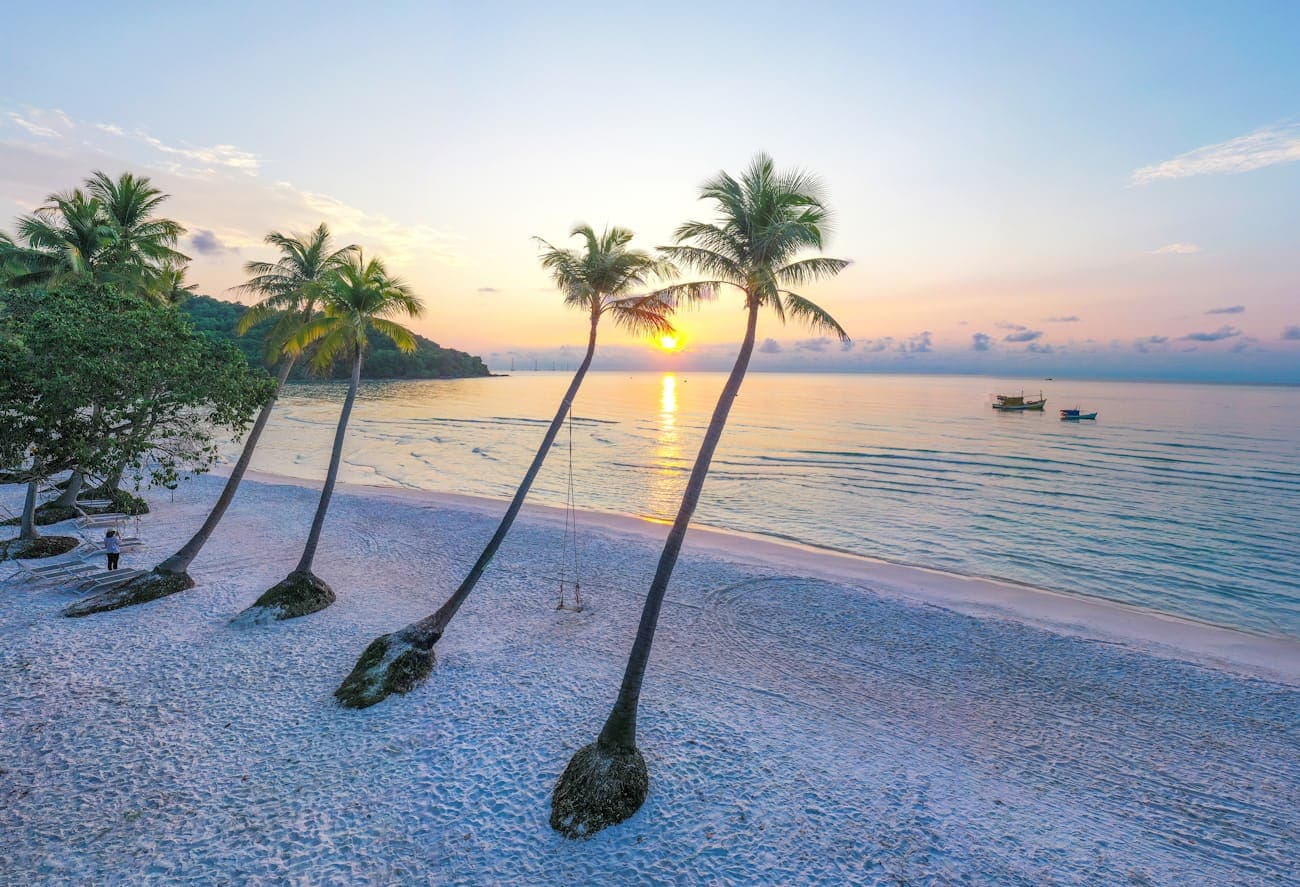
Vietnam's largest island (574 km2) sits in the Gulf of Thailand, closer to Cambodia than to Ho Chi Minh City. It has the country's best beaches — Bãi Sao (Sao Beach), with flour-fine sand and turquoise water, and the 20-km Long Beach on the west coast — plus VinWonders, a safari park and a record-breaking 7.9 km sea cable car.
Getting there: Phu Quoc airport (PQC) has domestic flights and some international routes. From Ho Chi Minh City it is a 1-hour hop, from 600,000 VND (~$23).
What it costs: about 30% more than the mainland resorts. Dinner for two at a good restaurant is 600,000–1,000,000 VND (~$23–38); a night in a 4-star hotel from 2,500,000 VND (~$96). But stay in a guesthouse in Dương Đông — from 500,000 VND (~$19) a night — and eat at the night market for 100,000–150,000 VND (~$4–6) a head.
Downsides: pricier than Nha Trang. The rainy season runs July–October with heavy downpours. Medical care is basic; serious cases are evacuated to the mainland.
More detail in the Phu Quoc guide.
Phan Thiet and Mui Ne — the kitesurfing capital
200 km northeast of Ho Chi Minh City, 4–5 hours by bus (~150,000 VND / ~$6). Mũi Né is a former fishing village turned kitesurfing mecca: 230 windy days a year and steady 12-knot-plus wind from October to April.
What is special: the red dunes with sand slides (free), the white dunes (entry 15,000 VND / ~$0.60) — a Sahara-like landscape. The Fairy Stream is a barefoot walk up a shallow creek between rock walls. And the fishing village, with its hundreds of round basket boats (thúng chai), is worth the early start for the sunrise.
Downsides: the swimming beaches are mediocre — waves, seaweed and litter in patches. Infrastructure is simple: few malls, ATMs or pharmacies. There is no airport — the nearest is Ho Chi Minh City (4–5 hours).
More in the Phan Thiet guide.
Ho Chi Minh City — the gateway to the south
The country's biggest city (about 14 million people after the 2025 merger), the former Saigon, and the economic engine of Vietnam. It is not a beach resort but the main transit hub of the south: Tân Sơn Nhất airport (SGN) is the country's busiest. From here, Phan Thiet is 4 hours away, Da Lat 6 hours, and Phu Quoc a 1-hour flight.
What to do: Bến Thành market (souvenirs, coffee, spices), the Cu Chi tunnels (tour from 200,000 VND / ~$8), and the rooftop bars of District 1. A meal at a street cafe averages 50,000–80,000 VND (~$2–3.10).
Downsides: hot and humid all year (27–35C), chaotic traffic, no beaches, and smog in the centre.
More in the Ho Chi Minh City guide.
Da Lat — the highlands, without a beach
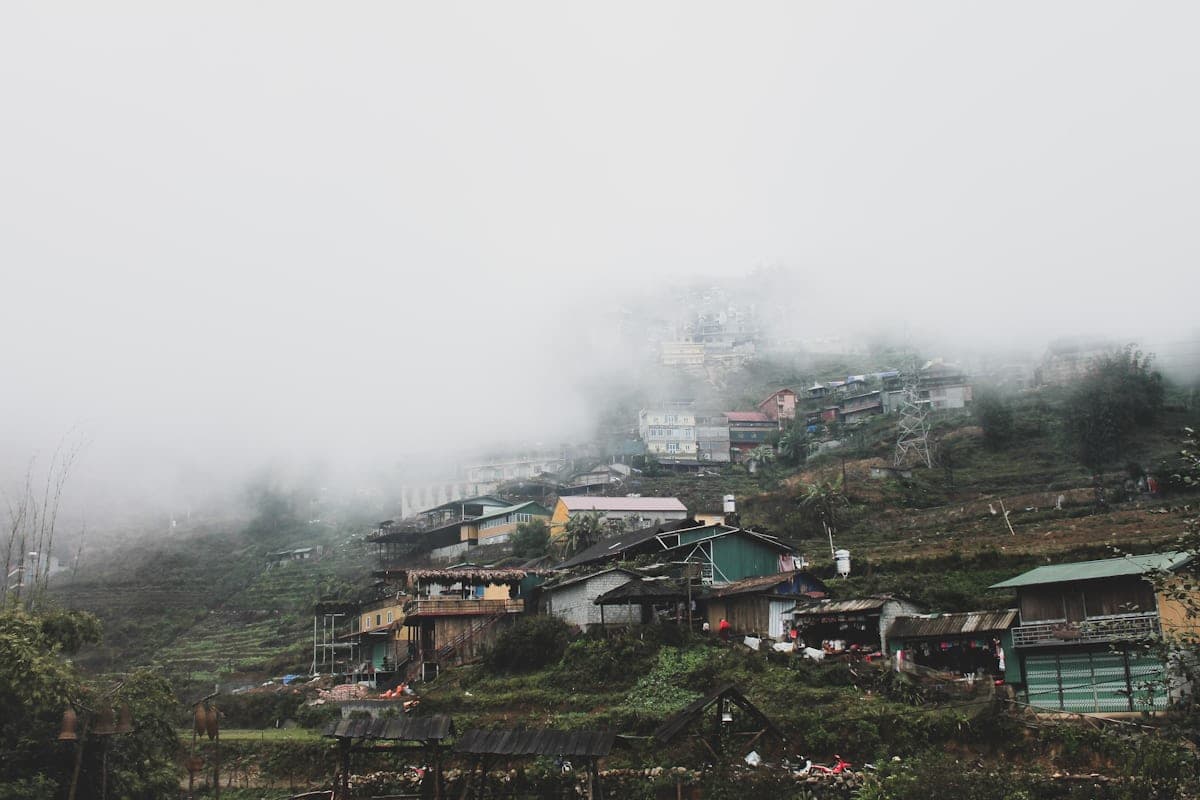
1,500 m above sea level, 138 km from Nha Trang via a switchback road (2–4.5 hours, bus 119,000 VND / ~$4.60). Nicknamed "Little Paris" and the "city of eternal spring," days are 22–26C year-round and nights 13–16C — an ideal escape from the coastal heat.
Good for: couples (a romantic town), nature lovers (the Datanla and Pongour waterfalls, Langbiang mountain at 2,167 m), and digital nomads (cheap housing and endless coffee shops).
What it costs: a guesthouse from 375,000 VND (~$14) a night, lunch from 40,000 VND (~$1.50), a scooter rental 150,000 VND (~$6) a day.
Downsides: no sea, a rainy season (May–October) with afternoon downpours, and limited nightlife.
Central Vietnam on the map
Central Vietnam is imperial heritage, the best mainland beaches and food worth flying for on its own. Three towns sit in a line along the coast: Hue, Da Nang and Hoi An. They are only 125 km apart — doable in a single day.
Da Nang — a modern city with world-class beaches
The largest city in central Vietnam (about 3 million people since it absorbed Quang Nam province in 2025) and the hub of the region. Its airport (DAD) is right in town, 3 km from the centre. Mỹ Khê (My Khe) beach — 8 km of golden sand — made the Forbes 2005 list of the world's six most attractive beaches.
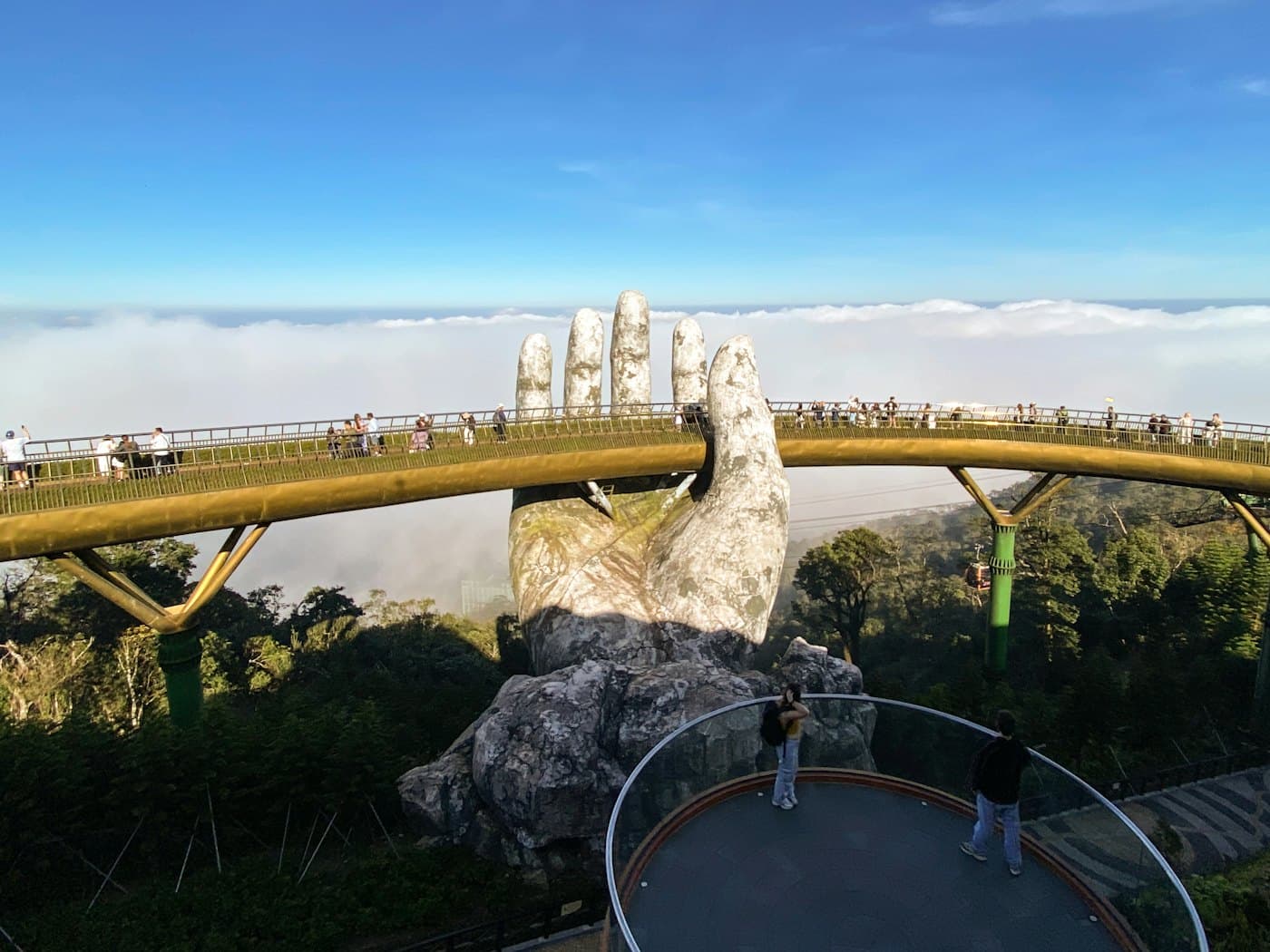
Good for: travellers who want city and beach together. Morning at Cồn market for street food (bún chả cá from 30,000 VND / ~$1.20), afternoon surfing at My Khe, evening at the Golden Bridge on Bà Nà Hills (ticket ~950,000 VND / ~$37). Da Nang is a handy base for day trips to Hoi An and Hue.
Downsides: a rainy season September–December with typhoons, and less English signage than you might expect for a city this size.
More in the Da Nang guide.
Hoi An — the ancient town of lanterns
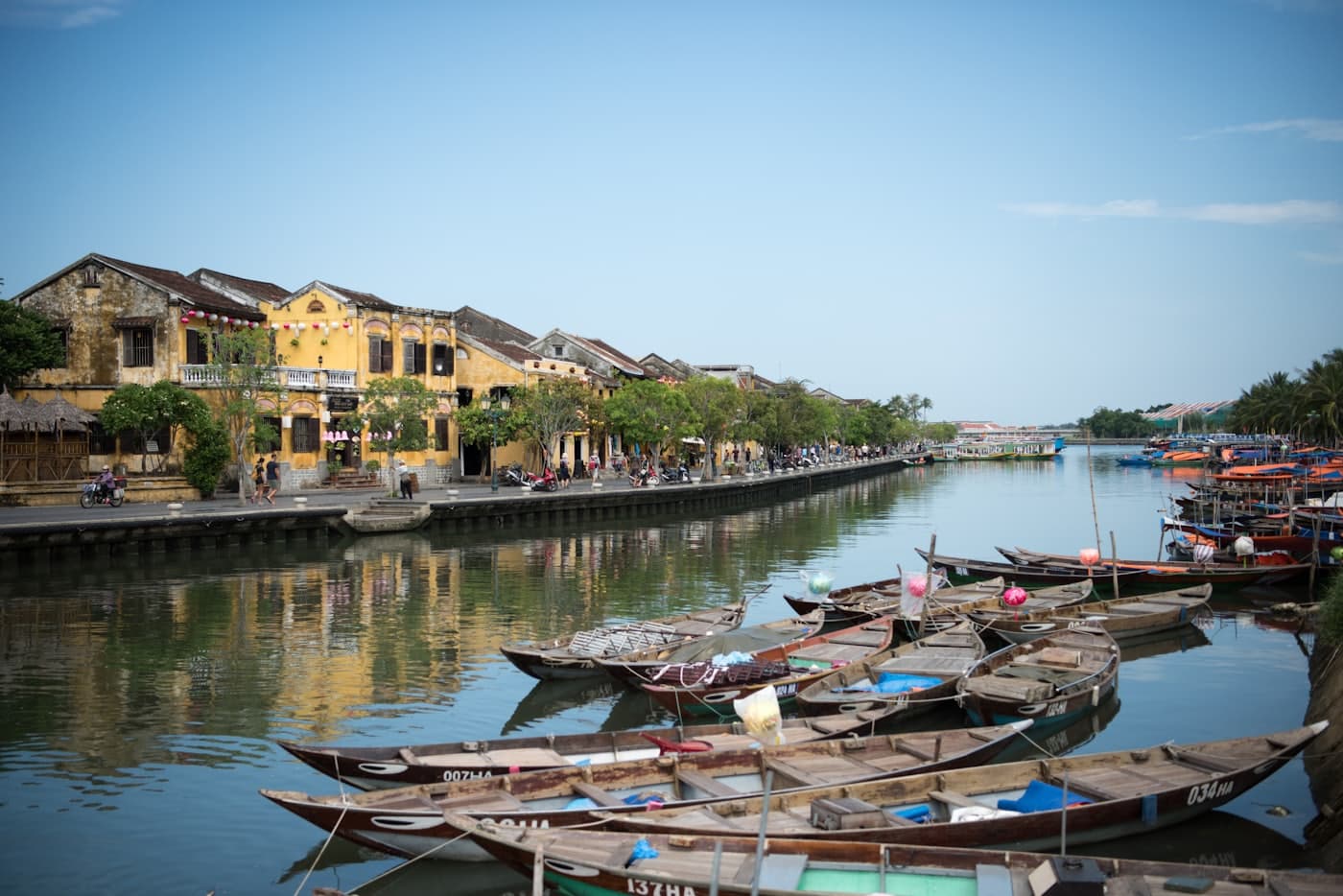
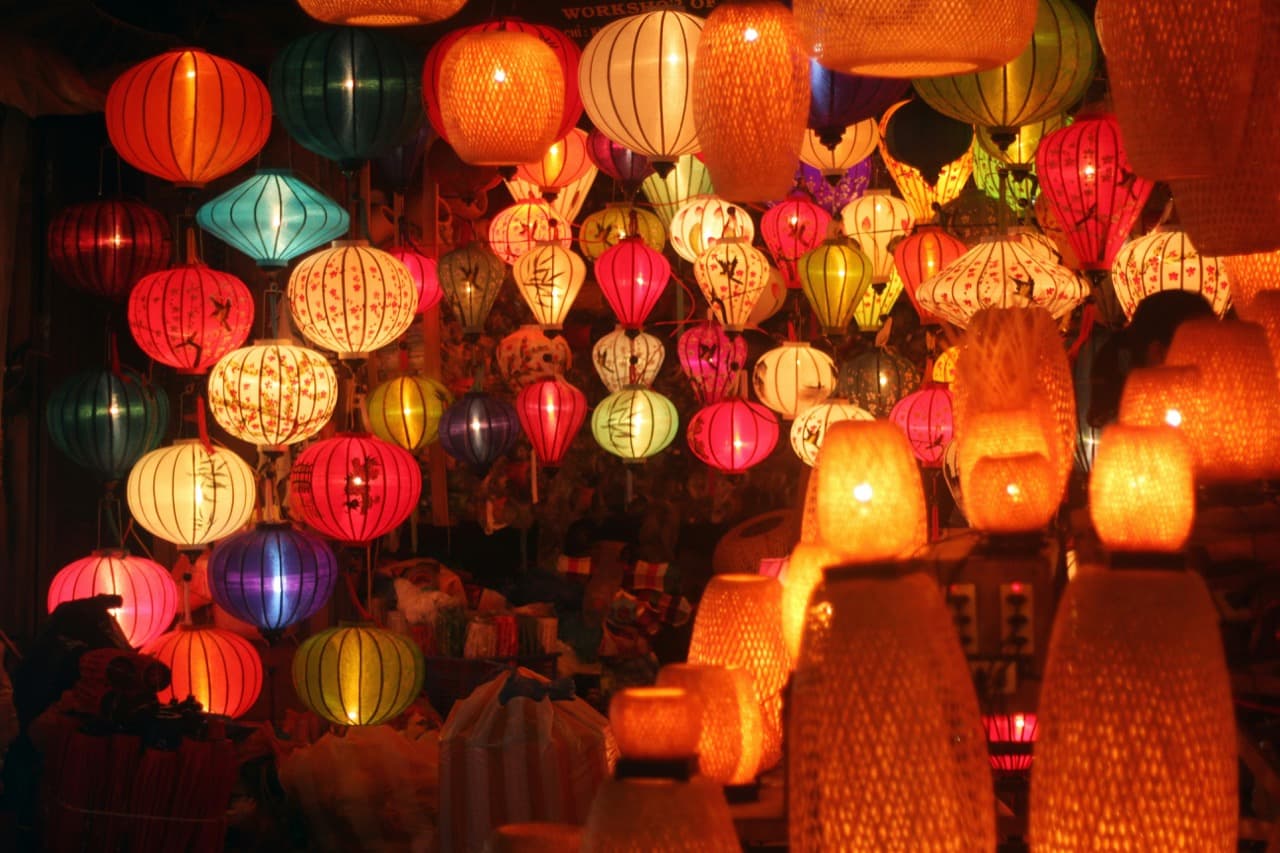
30 km from Da Nang (30–40 minutes, taxi ~250,000–400,000 VND / ~$10–15). A UNESCO site since 1999: 800+ historic buildings, the 17th-century Japanese Covered Bridge, narrow lanes of centuries-old wooden houses lit by hundreds of paper lanterns.
Good for: atmosphere-seekers, food lovers (the best cooking in central Vietnam — cao lầu, and bánh mì from the famous Bánh Mì Phượng from 25,000 VND / ~$1), and shoppers (tailors will make a suit to measure in 24 hours, from $80–150).
Downsides: the rainy season (September–December) can bring floods — the old town sometimes goes knee-deep in water. Little nightlife.
More in the Hoi An guide.
Hue — the former imperial capital
95 km north of Da Nang (2 hours by bus or 2.5–3 hours by train over the scenic Hải Vân pass). Here are the Imperial Citadel (UNESCO), the tombs of the Nguyen dynasty and the pagodas along the Perfume River. Hue is not a beach resort — you come for 1–2 days for the history.
Quy Nhon — the rising star of 2026
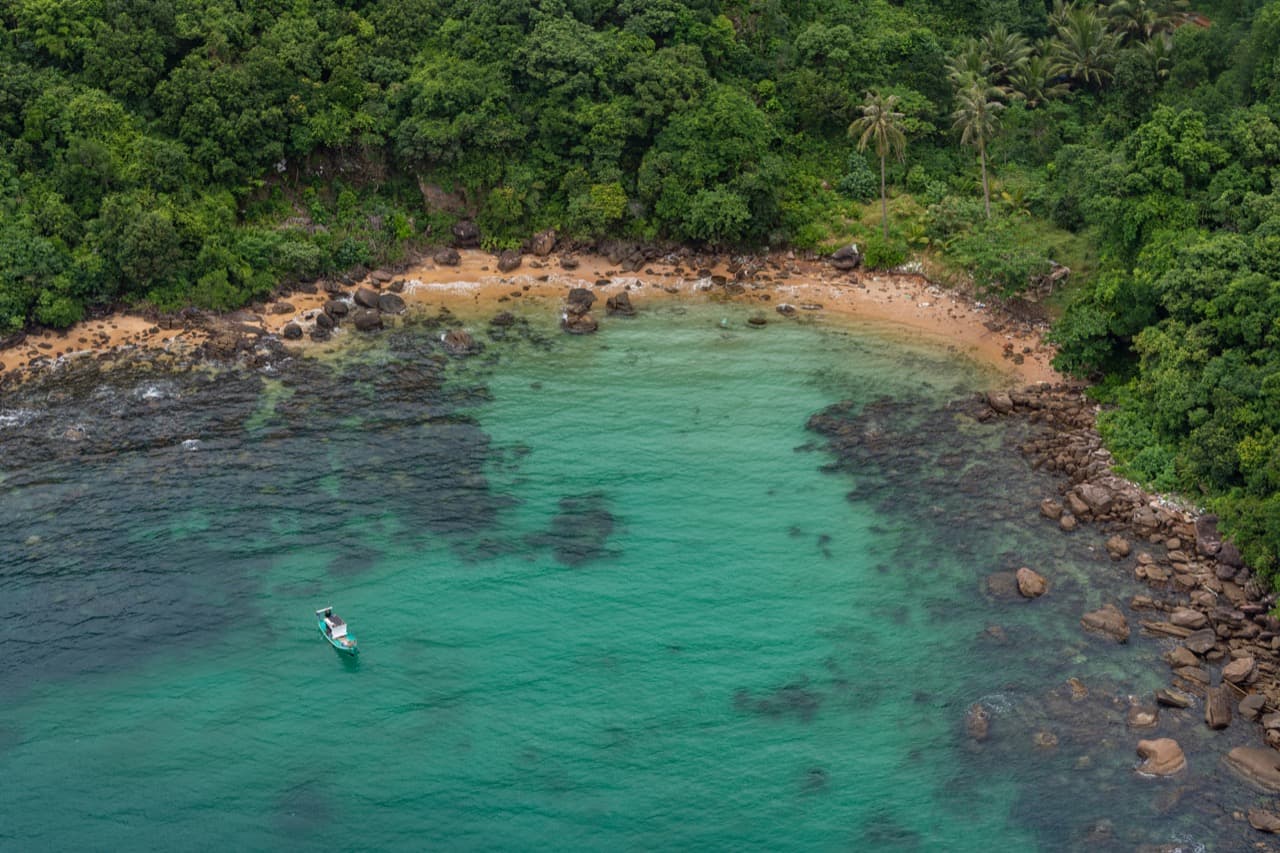
Quy Nhơn broke into Tripadvisor's Travellers' Choice top trending destinations for 2026. There is no mass tourism yet — instead you get luxury resorts (Anantara, Avani, MAIA), empty beaches and untouched coast.
An hour's flight from Ho Chi Minh City, Quy Nhon offers some of Vietnam's most beautiful beaches — all without the crowds.Tripadvisor via VietnamPlus, 2026
Good for: travellers who have "been everywhere" and want somewhere new. There is a small airport (UIH); most people connect through Ho Chi Minh City or Hanoi.

Northern Vietnam on the map
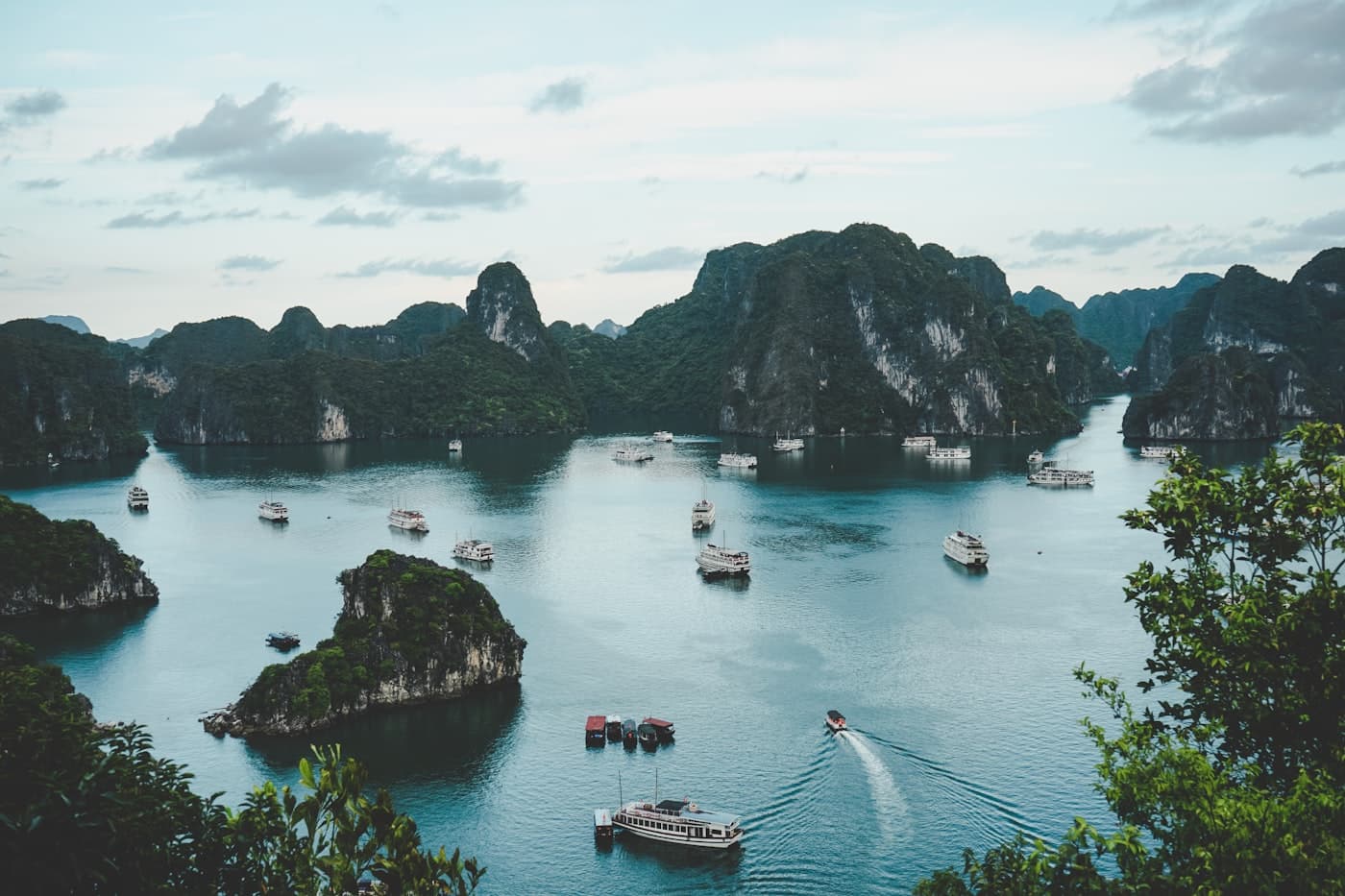
The north is a different Vietnam: cool winters, rice terraces, mountain passes and UNESCO sites. Base yourself in Hanoi, and the routes fan out from there — east to Ha Long, northwest to Sapa.
Hanoi — the capital and gateway to the north
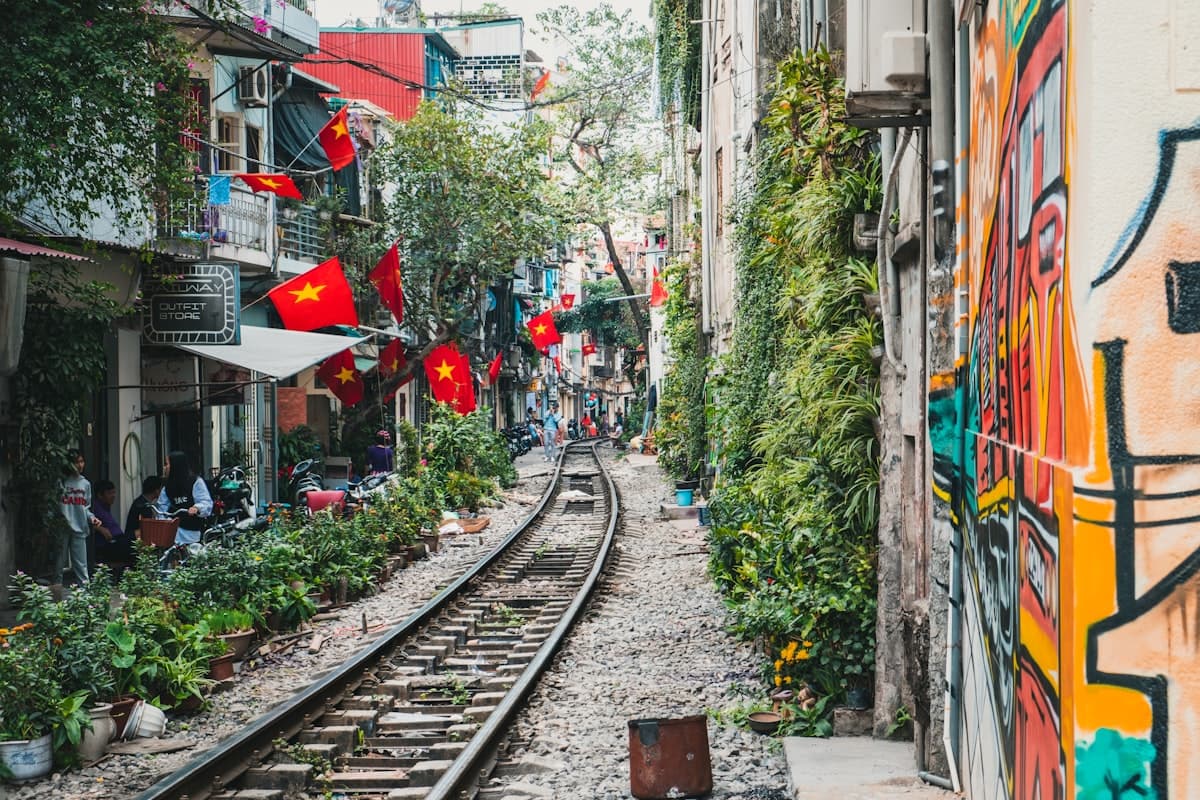
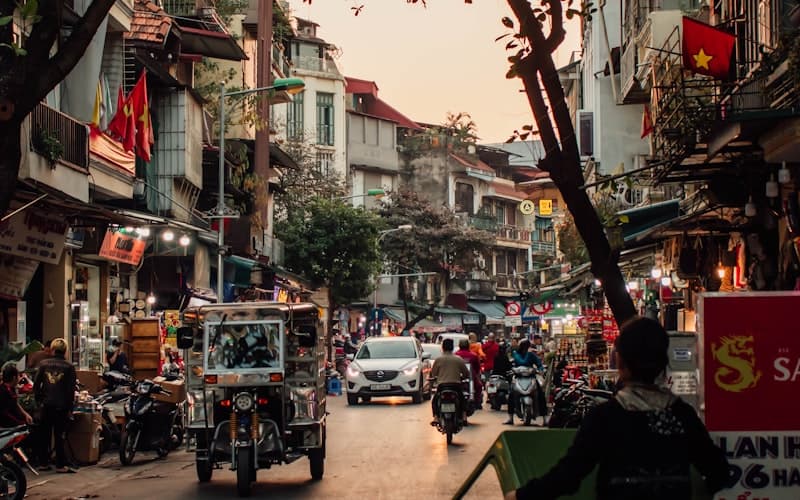
Eight million people, a thousand years of history, lakes tucked into the city grid, and traffic so chaotic it has become a sight in its own right. Hanoi (HAN) has direct international flights and is the main entry point for the whole north.
What to do: Hoàn Kiếm Lake with its Turtle Tower and red bridge, the Old Quarter (36 craft streets), the Temple of Literature (Vietnam's first university, 11th century), and the Ho Chi Minh Mausoleum (free). The country's best street food is here — phở bò in Hanoi is from 35,000 VND (~$1.30).
When to go: October–December (dry, 20–25C) and March–April. Summer is hot and humid (35C, downpours). Winter can drop to 10C with damp fog — bring a warm layer.
Downsides: no sea, polluted air in winter (AQI often above 150), and it is loud. Use the Grab app rather than street taxis.
More in the Hanoi guide.
Ha Long Bay — around 1,600 UNESCO islands
160 km east of Hanoi (2–3 hours by bus, ~250,000–300,000 VND / ~$10–12). A World Heritage site: around 1,600 limestone islands in strange shapes rising from emerald water — one of the most recognisable landscapes in Asia.
How you visit: cruises of 1 to 3 days. A two-day / one-night trip is from 2,500,000 VND (~$96); premium from 6,000,000 VND (~$230). Neighbouring Lan Hạ bay is a less touristy alternative.
When to go: March–May and September–November. Summer brings storms; winter fog and 12–18C.
Sapa — rice terraces and mountain villages
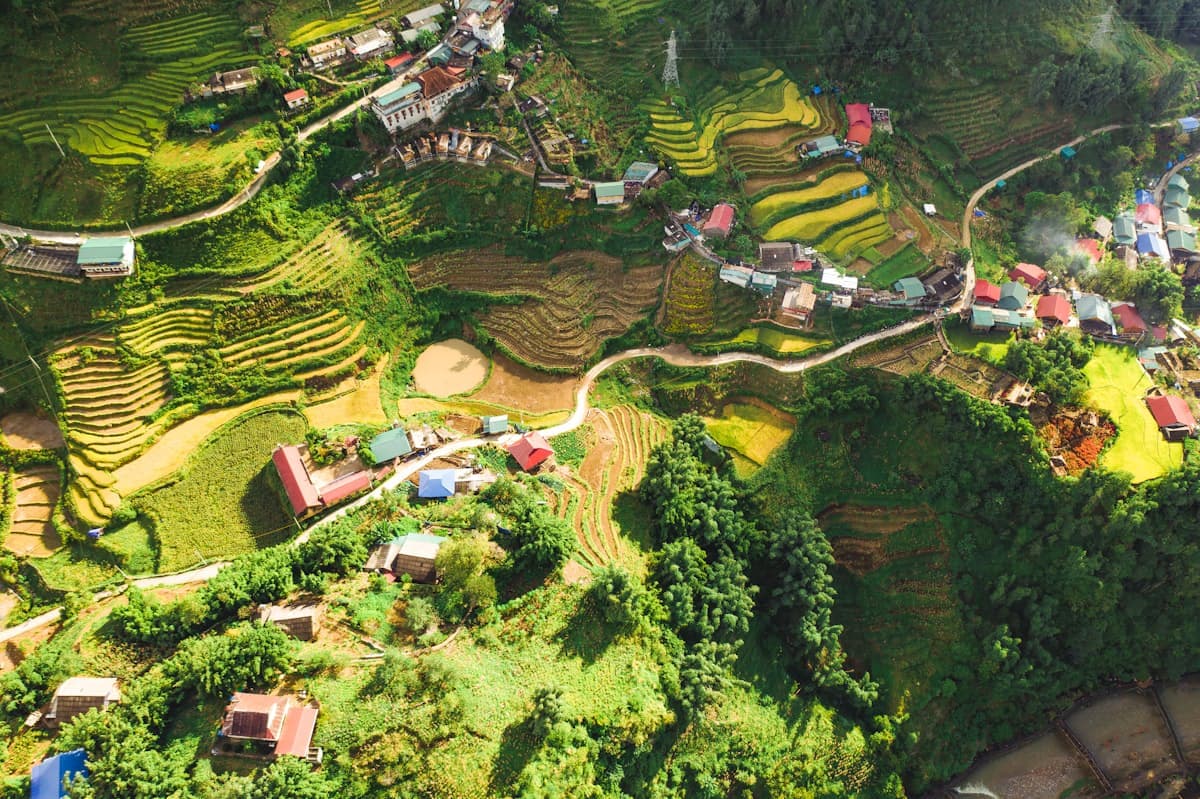
350 km northwest of Hanoi, near the Chinese border. Get there by night train to Lao Cai (about 8 hours, from 500,000 VND / ~$19), then about an hour by bus, or by direct bus (about 6.5 hours). At 1,500–1,600 m it stays cool even in summer.
Good for: trekkers, photographers and anyone drawn to ethnic-minority culture. Rice terraces (best in September, the golden harvest), Hmong and Dao villages, and the climb up Fansipan (3,143 m — the highest peak in Indochina, with a cable car).
Downsides: winter fog and 5C, so bring warm clothes. The tourist infrastructure exists but is basic.
How to get to Vietnam
Vietnam's five main international gateways are Ho Chi Minh City (SGN), Hanoi (HAN), Da Nang (DAD), Cam Ranh (CXR) and Phu Quoc (PQC). From Western Europe, expect a direct or one-stop flight; from North America, at least one connection.
| Airport | Serves | Region | Notes |
|---|---|---|---|
| Ho Chi Minh City (SGN) | HCMC, Mekong, Phan Thiet | South | Busiest hub, most international routes |
| Hanoi (HAN) | Hanoi, Ha Long, Sapa | North | Gateway to the whole north |
| Da Nang (DAD) | Da Nang, Hoi An, Hue | Centre | In-town, some direct international flights |
| Cam Ranh (CXR) | Nha Trang, Cam Ranh | South | Beach gateway, seasonal charters |
| Phu Quoc (PQC) | Phu Quoc island | South | Domestic + a few regional routes |
Inside the country, budget Vietjet Air and full-service Vietnam Airlines connect everything: Ho Chi Minh City → Da Nang from 600,000 VND (~$23), Hanoi → Cam Ranh from 800,000 VND (~$31).
For visas, the rule depends on your passport: many UK and EU nationals get a visa exemption of up to 45 days, while US, Australian and Canadian travellers apply for the e-visa (up to 90 days) at evisa.gov.vn. Always confirm the current rule for your nationality before booking.
When to go — season by resort
Vietnam is not a place where it is "always summer." When Nha Trang is 33C and sunny, Hanoi can be pouring and Da Lat 16C and foggy. Here is the seasonality matrix:
| Resort | Jan | Feb | Mar | Apr | May | Jun | Jul | Aug | Sep | Oct | Nov | Dec |
|---|---|---|---|---|---|---|---|---|---|---|---|---|
| Nha Trang | — | — | + | + | + | + | + | + | ~ | - | - | — |
| Phu Quoc | + | + | + | + | + | ~ | - | - | - | - | + | + |
| Phan Thiet | + | + | + | + | ~ | - | - | - | - | ~ | + | + |
| Da Nang | — | ~ | + | + | + | + | + | + | - | - | - | - |
| Hanoi | — | — | ~ | + | + | - | - | - | ~ | + | + | — |
| Da Lat | + | + | + | ~ | - | - | - | - | - | - | ~ | + |
+ great, ~ okay, - rainy season, — cool or not recommended
The short version:
- Winter (Nov–Feb): Phu Quoc, Phan Thiet / Mui Ne, Da Lat
- Summer (Mar–Aug): Nha Trang, Da Nang, Hoi An
- Year-round: Ho Chi Minh City (27–35C, but humid)
Which resort to pick — a comparison matrix
A rating on 6 key criteria — each resort scored out of five:
| Criterion | Nha Trang | Phu Quoc | Phan Thiet | Da Nang | Da Lat | Hanoi | Ha Long |
|---|---|---|---|---|---|---|---|
| Beach & sea | 4/5 | 5/5 | 3/5 | 4/5 | — | — | 3/5 |
| Value (cheaper = higher) | 4/5 | 3/5 | 5/5 | 4/5 | 5/5 | 4/5 | 3/5 |
| Infrastructure | 5/5 | 4/5 | 3/5 | 4/5 | 3/5 | 5/5 | 3/5 |
| For kids | 4/5 | 5/5 | 3/5 | 4/5 | 3/5 | 3/5 | 3/5 |
| Culture & tours | 3/5 | 2/5 | 2/5 | 4/5 | 4/5 | 5/5 | 5/5 |
| English-friendly | 4/5 | 4/5 | 3/5 | 4/5 | 3/5 | 4/5 | 3/5 |
By type of trip:
- First trip to Vietnam: Nha Trang — the most infrastructure and an easy airport
- With kids: Phu Quoc (VinWonders, calm sea) or Cam Ranh (resorts)
- On a budget: Phan Thiet / Mui Ne or Da Lat
- Kitesurfing: Mui Ne — no contest
- Culture + beach: Da Nang + Hoi An (30 km apart)
- Long stay, 1–3 months: Nha Trang (expat infrastructure) or Da Lat (cool and cheap)
- Nature and adventure: Ha Long + Sapa (via Hanoi)
Distances between Vietnam resorts
Vietnam is a long, thin country: it is 1,700 km from Hanoi to Ho Chi Minh City, a two-hour flight. Between neighbouring resorts it ranges from 30 minutes to 10 hours.
| Route | Distance | Plane | Bus | Train |
|---|---|---|---|---|
| Hanoi → Ha Long | 160 km | — | 2–3 h, ~$10 | — |
| Hanoi → Sapa | 350 km | — | ~6.5 h, ~$15 | ~8 h (night, to Lao Cai), ~$19 |
| Da Nang → Hoi An | 30 km | — | — | taxi 30 min, ~$12 |
| Da Nang → Hue | 95 km | — | 2 h, ~$5 | 2.5 h, ~$4.50 |
| Nha Trang → Da Lat | 138 km | — | 2–4.5 h, ~$4.80 | — |
| Nha Trang → HCMC | 430 km | 1 h, ~$24 | 7–8 h, ~$9 | 7 h, ~$8 |
| HCMC → Phan Thiet | 200 km | — | 4–5 h, ~$6 | — |
| HCMC → Phu Quoc | 400 km | 1 h, ~$19 | — | — |
| Hanoi → HCMC | 1,700 km | 2 h, ~$32 | 30+ h | 30+ h |
For the long hops, flying is the sensible choice (Vietjet Air and Vietnam Airlines — fares from 600,000 VND). For short ones, take the bus or train.
FAQ
Vietnam sits in Southeast Asia, on the eastern edge of the Indochina peninsula. It borders China to the north and Laos and Cambodia to the west, and faces the South China Sea to the east. The country stretches 1,650 km from north to south, and by area (331,210 km2) it is comparable to Germany — but the S-shape means getting between resorts takes longer than the map suggests. It runs on UTC+7, with no daylight saving.
The east and south coasts face the South China Sea, which the Vietnamese call Biển Đông, the East Sea. The southwest, including Phu Quoc, opens onto the calmer, warmer Gulf of Thailand. Water temperatures run from about 24C in winter in the north to 30C in summer in the south, and swimming is comfortable almost year-round in Nha Trang and Phu Quoc.
From Western Europe it is roughly an 11–13 hour direct flight to Hanoi or Ho Chi Minh City; from the US west coast, expect one stop and 18–22 hours in total. Vietnam Airlines, Vietjet Air and several international carriers serve Hanoi (HAN), Ho Chi Minh City (SGN), Da Nang (DAD), Cam Ranh (CXR) and Phu Quoc (PQC). For beach resorts, fly into the nearest of these and connect domestically.
There is no single best season — Vietnam runs 1,650 km and each region has its own climate. Nha Trang is best March–September, Da Nang March–August (dry, calm sea). Phu Quoc and Phan Thiet are best November–June. Hanoi is good in October–December and March–April (not too hot or damp). Da Lat works all year but is driest November–March. A neat first-timer plan: fly south in November–March, then shift to the central coast in April–May.
Yes, and more than one. Google Maps works offline — download the Vietnam map over Wi-Fi in advance (about 300 MB). Maps.me and Organic Maps show footpaths and small lanes that Google misses. For taxis, use the Grab app — the local Uber, working in every major city. One more tip: save your key places (hotel, airport, favourite cafe) as pins in Google Maps, then show the driver even with no signal.
It depends on your passport. Many UK and EU nationals get a visa exemption of up to 45 days; US, Australian and Canadian travellers usually apply for the e-visa (up to 90 days, $25 at evisa.gov.vn, roughly 3 working days to process). Note that the day count starts from the date of entry, so if you land at 23:50, that day already counts. Always confirm the current rule for your nationality before you fly.
Visa and Mastercard work in hotels, malls and mid-range restaurants in the big cities, and ATMs are everywhere. Street food, markets and small guesthouses are cash only, so always carry some VND. ATM rates are fair; a low-fee travel card and cash withdrawals as you go is the simplest setup. If you bring US dollars or euros, change them at a bank or at the airport: since February 2026 exchanging money outside licensed points is fined (Decree 340/2025), and a tourist has no way to check the licence of a gold shop.
- Guide
Hai Van Pass: How to Cross Vietnam's Best Coast Road
The Hai Van Pass between Da Nang and Hue: motorbike, easy-rider, car or the heritage train — how to cross, what to see and the best time to go.Hai Van Pass: How to Cross Vietnam's Best Coast Road - Guide
Phu Quoc Spa & Massage: Prices, Salons & Tips 2026
Spa and massage in Phu Quoc: types, best salons and resort spas, mud baths, booking, 2026 prices and tipping — what to expect as a foreigner.Phu Quoc Spa & Massage: Prices, Salons & Tips 2026 - Guide
Mai Chau Valley 2026: White Thai Homestays from $6
Mai Chau valley guide for 2026: 145 km from Hanoi, White Thai stilt house homestays from $6, getting there by limousine van, what to do, prices and a map.Mai Chau Valley 2026: White Thai Homestays from $6