Pho bo: Vietnam's national soup — history, styles and where to eat it
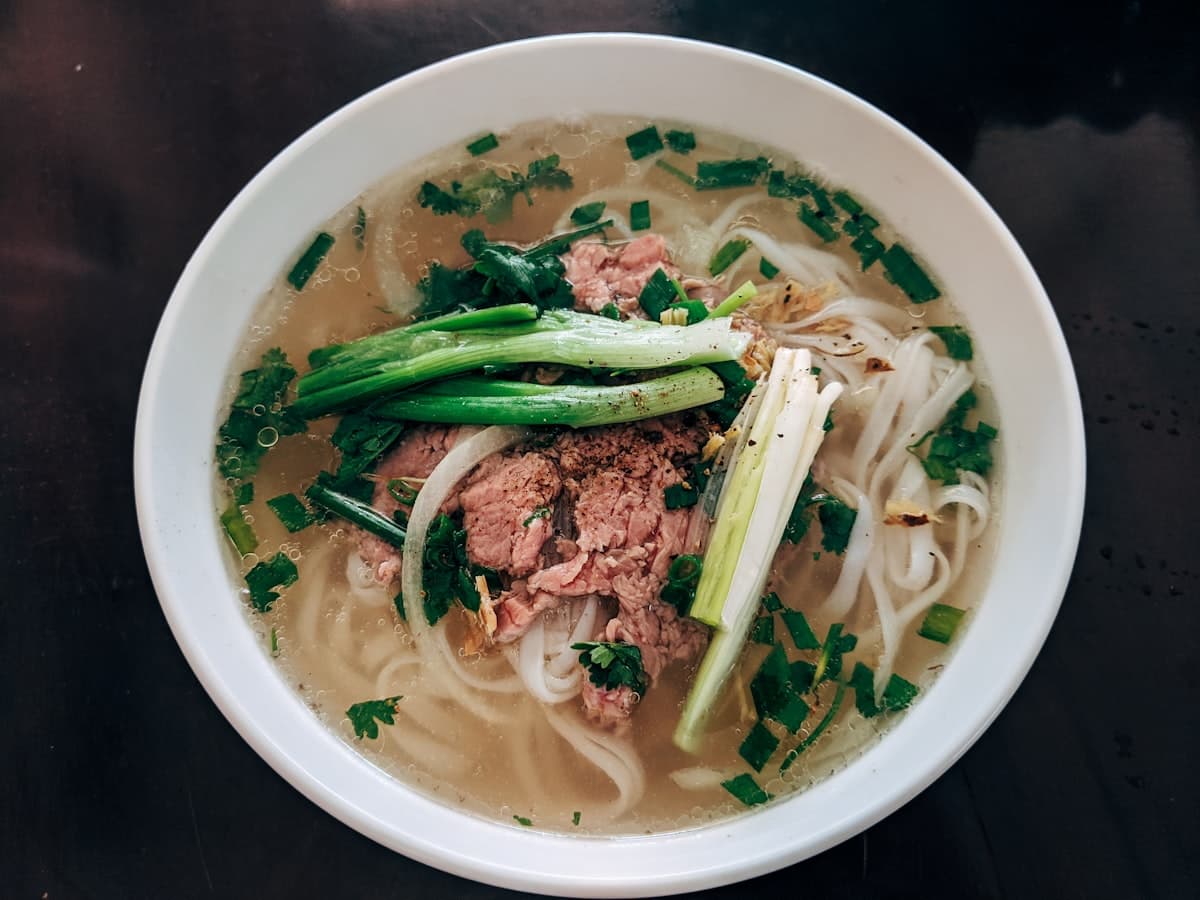
Every morning millions of Vietnamese start the day with a bowl of pho bo — beef, rice noodles and a broth simmered for five to six hours. On a Hanoi street it costs from about $1.50: a clear anise-scented broth, silky noodles and thinly sliced beef. Here's the history, the two regional styles, how to order it without a word of Vietnamese, and where to try the best.
Below: the history of pho bo, a home recipe, what actually builds the flavour, how to order it without speaking Vietnamese, and where in Vietnam the best bowls are — with 2026 prices. If you want to eat your way beyond pho, see our guide to Vietnamese street food.
What is pho bo — ingredients and make-up

Phở bò is a Vietnamese soup of three things: a rich beef broth, rice noodles and thinly sliced meat. It sounds simple. Behind the simplicity are hours of simmering, a precise balance of spices and firm rules of assembly. Vietnamese cooks say that in a good pho bo every flavour is distinct and none overpowers the rest.
The word phở is the dish itself — a rice-noodle soup with broth. Bò means beef. Together phở bò is beef pho, the most classic and popular version.
The broth — the soul of pho
The broth for pho bo is simmered from beef marrow bones for 3 to 12 hours. It decides the flavour and takes up 90% of the cooking time. The onion and ginger aren't just dropped in the pot — they are first charred over an open flame until blackened. That char is what gives the broth its smoky note; you can't fake it.
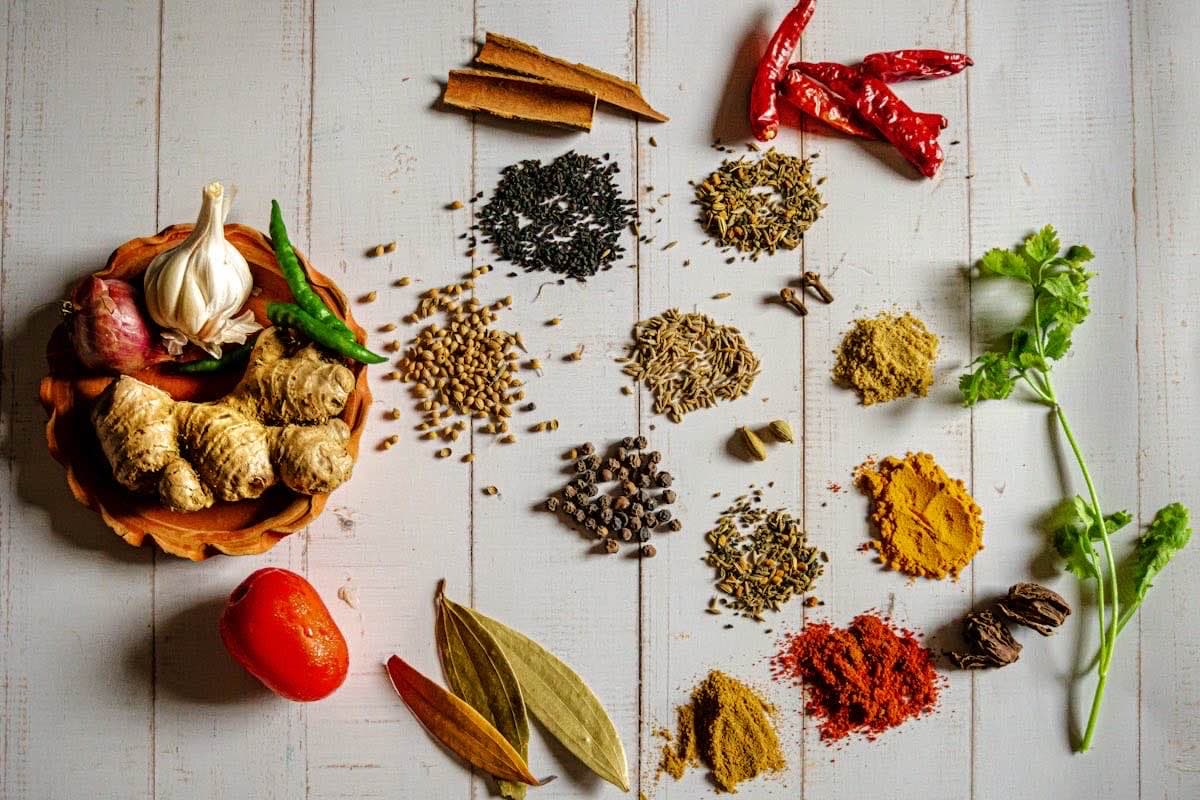
Depth comes from a spice blend: star anise, cinnamon sticks, cloves, black cardamom, coriander and fennel seeds. Each opens at its own temperature, so they are toasted in a dry pan before they go in.
A good broth is clear and golden — rich but not greasy. A cloudy broth is a sure sign it was boiled too hard. Real pho broth barely trembles on the surface, with no rolling boil.
The noodles — banh pho
Pho uses flat rice noodles, bánh phở. They are semi-translucent, soft, silky and almost flavourless, so they don't fight the broth. The north prefers wide noodles (up to 1 cm); the south goes thin.
The noodles are cooked separately and laid in the bottom of the bowl. Boil them in the broth itself and the starch clouds it.
Don't confuse rice noodles for pho with egg noodles (yellow and dense) or glass noodles (clear, made from mung-bean starch) — three completely different products. At an Asian grocer, look for "rice noodles," bánh phở or "rice sticks;" 3–5 mm wide is the classic width.
The meat
Classic pho bo is beef. There are two main ways the meat is served, and seasoned locals usually order a combination of both:
| Name | Cut | What's special |
|---|---|---|
| Phở tái | Rare beef, thinly sliced | Cooks in the boiling broth right in the bowl |
| Phở chín | Cooked brisket | Tender, sliced thin |
| Phở tái chín | Both combined | The most popular order — get this if you're unsure |
| Phở tái nạm | Rare beef + flank | For those who like it richer |
| Phở gân | With tendon | A southern speciality, for textural contrast |
For tái, cooks use sirloin or tenderloin, sliced across the grain so thin it's almost see-through. That slicing is a craft — the best cooks cut slices under a millimetre. A home trick: half-freeze the beef for 20–30 minutes and it's far easier to slice thin.
The add-ons at the table
Every bowl comes with a separate plate or basket of add-ons. You decide what and how much to add — that's part of the ritual. The standard kit:
- Bean sprouts — crunchy freshness against the hot broth
- Thai basil (húng quế) — an aniseed aroma, not the same as sweet basil
- Lime wedges — the acidity that "wakes up" the broth
- Red chilli — heat, sliced into rings or added whole
- Fish sauce (nước mắm) — a salty, fermented accent, a few drops
- Hoisin sauce — sweet and thick (popular in the south; Hanoi purists refuse it)
- Sriracha — fiery heat for those who want it
- Cilantro and spring onion — usually already in the bowl, but you can ask for more
Some shops also serve thinly sliced white onion in vinegar, added to the soup for a light tang and crunch.
The history of pho — how Vietnam's national soup began
Pho is a fairly young dish. It's a little over 120 years old, and its story is tangled up with French colonialism, Chinese migration and the division of Vietnam. Unlike many "ancient" Asian recipes, pho has a reasonably clear starting point.
Birth: Nam Dinh, early 20th century
The home of pho is not Hanoi, as many assume, but the town of Nam Định in the former province of the same name (merged into Ninh Bình in 2025), about 100 km southeast of the capital. Here, in the villages of Vân Cù and Dao Cù (or Giao Cù), the prototype of the future national dish appeared between 1900 and 1907.
Nam Dinh was a textile hub with a large French factory. Three culinary traditions met there: French (beef broth), Chinese (rice noodles) and Vietnamese (aromatic herbs and spices). Pho was born at the crossroads.
French and Chinese influence
Before the French protectorate in 1884, the Vietnamese barely ate beef. Oxen and buffalo were kept for work in the rice paddies; slaughtering them was wasteful, almost sacrilege. The French brought the habit of raising cattle for meat and of simmering pot-au-feu — a hearty beef-in-a-pot stew, one of the pillars of French home cooking.
The word phở may itself come from the French "feu" (fire) in "pot-au-feu." The way "feu" is pronounced in French is strikingly close to the Vietnamese phở.
Another theory looks east: phở may come from the Chinese "fěn" (粉), meaning rice noodles. Chinese migrants who settled in northern Vietnam sold "niúròu fěn" — beef with rice noodles in broth.
The truth is probably in between. The Vietnamese took the French idea of a beef bone broth, the Chinese technique of rice noodles, and added their own aromatics — star anise, cinnamon, cardamom, fresh herbs. The result resembles neither pot-au-feu nor Chinese beef noodle soup — it's something entirely new.
Hanoi: from a shoulder pole to a cult
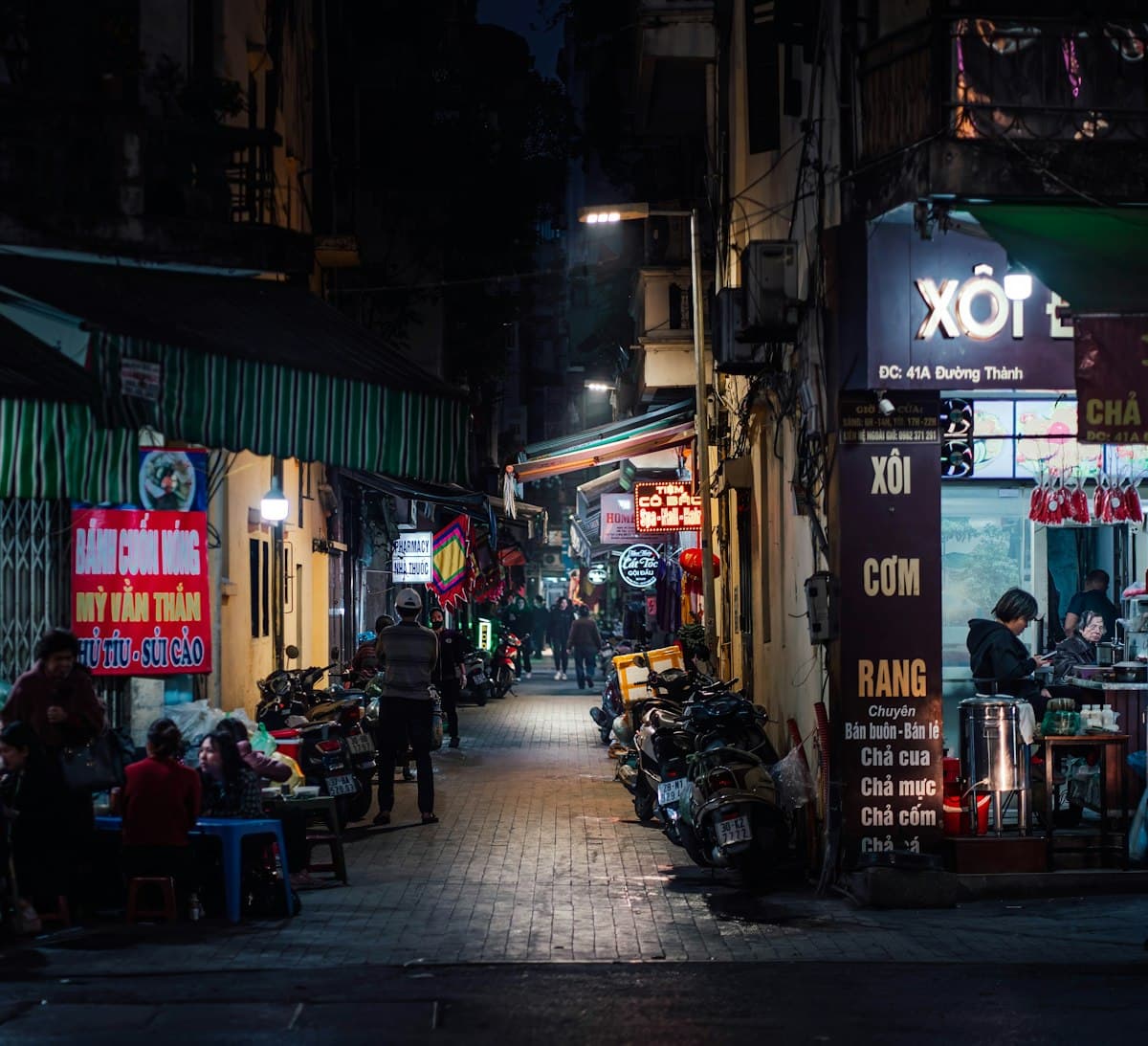
In the 1920s–30s, street vendors from Nam Dinh moved to Hanoi. They carried the hot soup on shoulder poles: a cauldron of broth on one side, a basket of noodles, meat and add-ons on the other. They stopped at crossroads and squares, calling out "Phở-ơ! Phở-ơ!" in a long, drawn-out cry.
The dish was a sensation. People ate standing or perched on low plastic stools on the pavement — a tradition still alive today. By the 1930s Hanoi had its first permanent pho shops, and by the 1940s pho was part of daily life.
Division: two Vietnams, two styles
1954. The Geneva Accords split Vietnam into North and South along the 17th parallel. Around a million northerners moved south, carrying the pho recipe with them. But in hot, abundant Saigon the dish transformed.
Southerners added everything their markets grew: bean sprouts, Thai basil, mint, lime, fresh chilli. The broth turned sweeter, with sugar and hoisin. The meat expanded: alongside tái and chín came tendon, tripe and meatballs. Two distinct styles were born — the spare, minimalist Hanoi version and the generous, colourful Saigon one.
Going global
After the fall of Saigon in 1975, hundreds of thousands of Vietnamese emigrated to the US, France, Australia and Canada. They brought pho with them — and over a few decades turned it into one of the most recognisable dishes in world cuisine.
Today there are pho restaurants in every major city on earth. In 2011 CNN Go ranked pho 28th on its list of the world's 50 most delicious foods. And since 2023 Vietnam has had its own MICHELIN Guide — Hanoi and Ho Chi Minh City won the country's first stars, and the inspectors' attention has reached humble pho shops too. For more on the country's food culture, see the official Vietnam tourism portal.


Hanoi vs Saigon — two styles of one soup

Ask a Vietnamese person whether Hanoi or Saigon pho is better and it's like asking an Italian which pizza is right, Neapolitan or Roman. The answer depends on which side of the 17th parallel you grew up on. But the differences aren't just nuance — they're two fundamentally different takes on one dish.
| Feature | Hanoi (phở bắc) | Saigon (phở Sài Gòn) |
|---|---|---|
| Broth | Clear, clean flavour, beef bones only | Slightly cloudy, sweeter, + chicken bones |
| Noodles | Wide, flat (up to 1 cm) | Thin (3–5 mm) |
| Herbs | Minimal: spring onion, cilantro | Generous: basil, sprouts, mint |
| Sauces | No hoisin added | Hoisin and sriracha standard |
| Meat | Tái or chín | Variety: + tendon, tripe, meatballs |
| Philosophy | Minimalism. The broth is the star | Abundance. Everyone mixes their own |
| Portion | Smaller | Usually larger |
Which style to try first?
If you value a clean flavour and minimalism, start with Hanoi. Everything rides on the broth: if it's good, nothing else is needed. Hanoi pho is like a good Vietnamese black coffee — nothing extra.
If you want brightness, contrast and the freedom to tune the soup yourself, go south. Saigon pho is a build-your-own: the broth, meat and noodles are the base, and you create the final flavour from a dozen add-ons on the table.
Don't limit yourself to one style, though. The real trip is trying both and deciding for yourself. Plenty of travellers who've been to both Hanoi and Ho Chi Minh City admit they never could choose — and ended up loving both.
Fast Track — no queue at the border
5–10 minutes instead of an hour in the immigration queue
from$11per passenger
A classic pho bo recipe you can make at home
You can make pho bo at home, but be ready to spend time on it. The broth isn't a "fill with water and forget" job — it needs attention at every stage. The payoff is worth every hour: a home pho bo can rival a restaurant one if you follow the method.
This recipe is the Hanoi style: clean broth, minimal add-ons, maximum flavour. Want the southern version? Just add more herbs, hoisin and sriracha at the table.
For some reason people think presentation is what matters in pho bo, but that's not so! The basis of the soup is the right noodles, and the right noodles are called exactly that, "pho" (not bun, not mien, but pho), and a properly cooked broth. Everything else is secondaryLien, forum.awd.ru, 2016, translated by VietnamSpot
Broth ingredients (serves 4)
| Ingredient | Amount | Why |
|---|---|---|
| Beef marrow bones | 1.5 kg | Base of the broth, adds body and collagen |
| Beef (brisket or shank) | 500 g | Meat for chín (cooked beef) |
| Onion | 2 large | Charred for a smoky aroma |
| Ginger (root) | ~80 g | Freshness and a light bite |
| Star anise | 5 pods | The signature aroma of pho |
| Cinnamon stick | 2 | A warm, spiced note |
| Cloves | 6 buds | A sharp note, use sparingly |
| Black cardamom | 2 pods | A smoky, camphor aroma |
| Fish sauce | 2–3 tbsp | Umami and salt |
| Water | 3.5 l | The base |
To serve
Step by step
Step 1. Prep the bones (blanch them). Cover the marrow bones with cold water in a big pot and bring to a hard boil. Boil 5–7 minutes — the water will turn murky and foamy. Drain, rinse the bones thoroughly under running water, and rinse the pot. This step is the key to a clear broth. Skip it and it'll be cloudy no matter what.
Step 2. Char the onion and ginger. Halve the onion and ginger. Lay them cut-side down on a dry, screaming-hot cast-iron pan (or under the grill). Dry-cook, no oil, until blackened — 5–7 minutes. The char gives the broth its depth and the smoky note that separates real pho from "just beef soup with noodles."
Step 3. Toast the spices. In a dry pan, toast the anise, cinnamon, cloves, cardamom and coriander over medium heat for 1–2 minutes, stirring constantly. As soon as the aroma turns intense, take them off. Don't overdo it: burnt spices go bitter.
Step 4. Simmer the broth — the main event. Cover the prepped bones with 3.5 litres of cold water. Add the whole piece of brisket, the charred onion and ginger, and the spice bag. Bring to a boil over high heat, then drop to the lowest setting.
For the first 30 minutes, skim the foam regularly with a slotted spoon. Then leave it to simmer. Minimum time: 3 hours. Best: 5–6 hours. Pro pho shops simmer 10–12 hours, starting the night before.
After 90 minutes, pull out the brisket — it's already done. Cool it and slice thin across the grain. Thirty minutes before the end, add the fish sauce, sugar and salt. Taste and adjust — the broth should be slightly over-salted, since the noodles and meat will absorb some of the salt.
Step 5. Cook the noodles. Soak the rice noodles in warm water for 20–30 minutes. Then boil in plenty of water for 30–60 seconds — they should be tender but not falling apart. Drain immediately and rinse in cold water.
Step 6. Slice the raw beef (for tái). Put the tenderloin in the freezer for 20–30 minutes. Half-frozen meat is far easier to slice thin. Cut it as thin as you can, across the grain — ideally paper-thin.
Step 7. Assemble the bowl. Lay a portion of noodles in the bottom of a big deep bowl. Arrange slices of cooked brisket and raw tenderloin on top. Scatter chopped spring onion and cilantro. Bring the broth to a boil and pour it through a fine sieve — it has to be genuinely boiling. That boiling liquid is what flash-cooks the raw beef in seconds.
Secrets to a perfect broth
- Never boil it. A rolling boil is enemy number one. Only a slow simmer gives crystal clarity
- Skim meticulously. Especially in the first hour. Every spoon of foam removed is a plus to clean flavour
- Charring the onion isn't decoration. The black bits give that smoky aroma
- Fish sauce by the drop. Add it a little at a time and taste. Better to under-salt
- Skim the fat, but not all of it. A thin film on the surface holds aroma and heat
Types of pho — not just beef
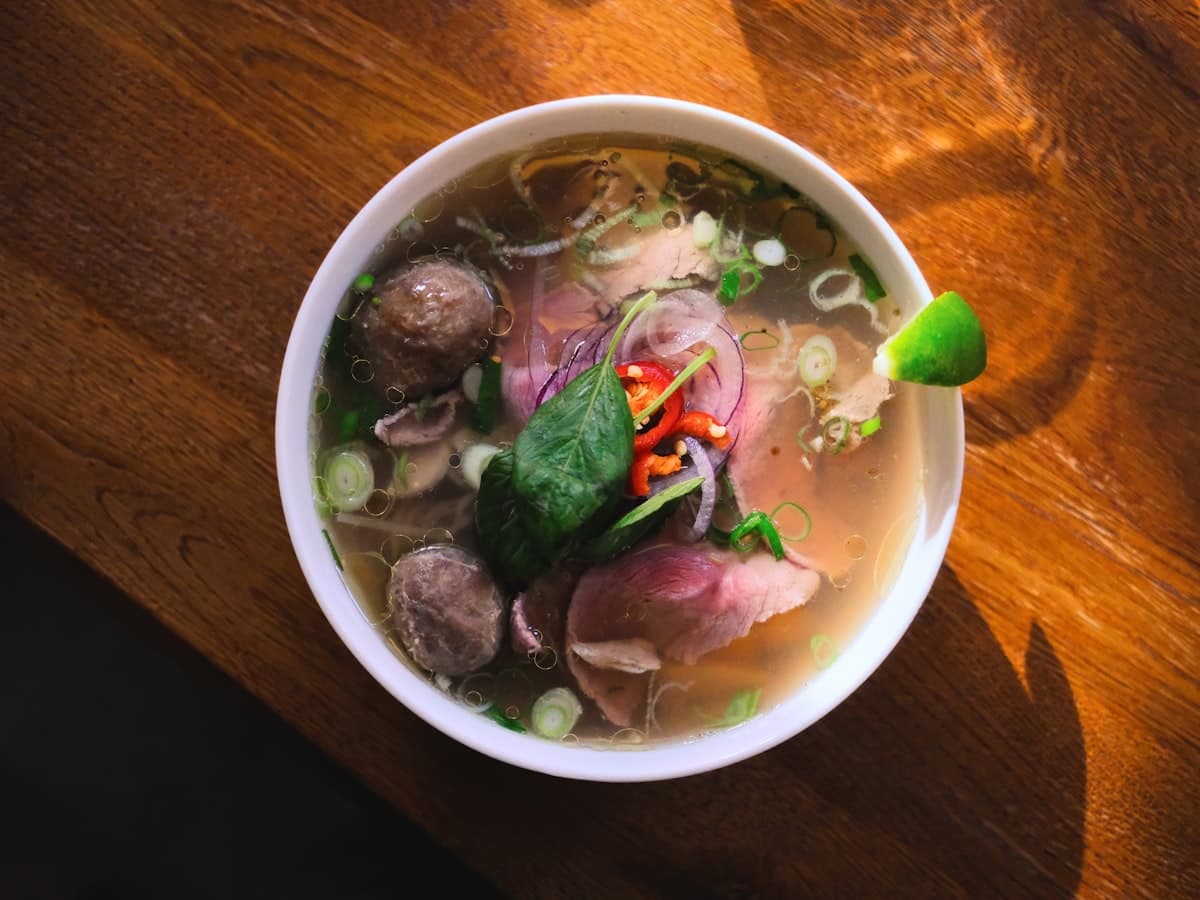
Pho bo is the best-known version, but not the only one. The Vietnamese adapted the base formula — broth + noodles + protein — for every taste and budget:
| Name | Inside | Where it's popular | Average price |
|---|---|---|---|
| Phở bò (beef) | Beef | Everywhere, the classic | 40,000–70,000 VND (~$1.50–2.70) |
| Phở gà (chicken) | Chicken | Everywhere | 35,000–60,000 VND (~$1.30–2.30) |
| Phở cá (fish) | Fish | Coastal regions | 40,000–65,000 VND (~$1.50–2.50) |
| Phở hải sản (seafood) | Seafood | Tourist areas | 60,000–100,000 VND (~$2.30–3.80) |
| Phở chay (veg) | Tofu, mushrooms | Buddhist neighbourhoods | 25,000–45,000 VND (~$1–1.70) |
| Phở khô (dry) | "Dry" pho: noodles served apart | Saigon | 45,000–70,000 VND (~$1.70–2.70) |
Phở gà (chicken) is pho bo's closest rival and the second most popular in the family. Its broth is lighter, clearer and gentler in aroma. It cooks faster — chicken bones don't need such a long simmer — and costs a touch less. If you want something less rich, this is the one.
Phở chay (vegetarian) simmers the broth on daikon, Asian pear, dried shiitake and sometimes seaweed. It comes out surprisingly aromatic and deep — hard to believe there's no meat in it. Find it in Buddhist neighbourhoods and dedicated vegetarian cafés.
Phở khô is an unusual format popular in Saigon. The noodles are served apart from the broth: dressed with sauce and topped with meat, while the hot broth arrives in a separate bowl. You eat them together — a bite of noodles with meat, a sip of broth.
If pho feels too "clean" and you want something spicier and bolder, try bun bo Hue: a central-Vietnamese beef soup built on lemongrass, with thick round rice noodles and a fiery red chilli oil. It isn't a type of pho but a dish of its own — and the second most famous Vietnamese beef soup after pho bo. For central Vietnam's semi-dry turmeric noodles, see our mi Quang guide.
How to eat pho bo properly

Pho isn't a bowl you attack with a fork. It has its own rituals, and knowing them makes the whole experience better.
1. Smell the broth first. A good pho smells in layers: first anise, then cinnamon, then a meaty aroma with a faint smoke from the charred onion. If it smells only of "meat" and nothing else, that's a mediocre pho — try another shop.
2. Add herbs and seasonings. Tear basil leaves by hand (don't cut them — tearing releases more aroma), squeeze a lime wedge, tear or slice the chilli. Don't be shy — this isn't an "advanced option," it's part of the dish. Pho without add-ons is like pizza with no toppings.
3. Chopsticks and spoon together. Lift noodles and meat with the chopsticks, scoop broth with the spoon. Both hands work in parallel: spoon in one, chopsticks in the other.
4. Can you drink the broth straight from the bowl? Absolutely. At the end, Vietnamese diners lift the bowl and drink the broth down. It's a mark of respect for the cook.
5. Sauces to taste, but with sense. Add hoisin straight into the soup (southern style) or use it as a dip for the meat. Sriracha is for those who like heat.
How to order without any Vietnamese
You don't need the language to eat well. Most pho shops that see tourists have a menu, often numbered, and pointing works everywhere. Two words carry you a long way: phở bò (beef pho) and phở gà (chicken pho). Unsure which meat? Say "tái chín" for the popular rare-and-cooked combo. To ask the price, point and say "bao nhiêu?" (how much?). A few extras: ít bánh (less noodles), thêm thịt (extra meat), không hành (no onion). At most stalls the price is fixed and posted, so overcharging is rare.
6. When is pho eaten? In Vietnam pho is above all breakfast. Shops open at 5–6 a.m., and by nine the best have a queue of locals. A bowl of hot, aromatic soup before the workday is a Vietnamese ritual that hasn't changed in decades.
Calories and nutrition of pho bo
Pho bo is surprisingly balanced and light. Most people expect a rich meat soup with noodles to be "heavy," but the numbers say otherwise.
| Metric | Per 100 g | Per bowl (~400 g) |
|---|---|---|
| Calories | 78 kcal | 250–350 kcal |
| Protein | 3.3 g | 13–15 g |
| Fat | 2.0 g | 8–10 g |
| Carbs | 11.5 g | 45–50 g |
A standard bowl of pho bo holds 250–350 kcal — less than a plate of pasta carbonara (500+ kcal) or a burger (600+ kcal). And it keeps you full for a long time thanks to the protein from the meat and broth combined with slow carbs from the rice noodles.
Calories depend on the amount of meat and noodles. To cut them, ask for less noodles (ít bánh) and more herbs. To bulk up, order a double portion of meat (thêm thịt).
Why pho bo is good for you
- Low in fat. The fat is skimmed during cooking
- Quality protein. Beef plus bone broth give a full set of amino acids
- Vitamins and minerals. Rice noodles bring B vitamins, potassium and magnesium; fresh herbs bring vitamin C and antioxidants
Map & where to try the best pho bo in Vietnam
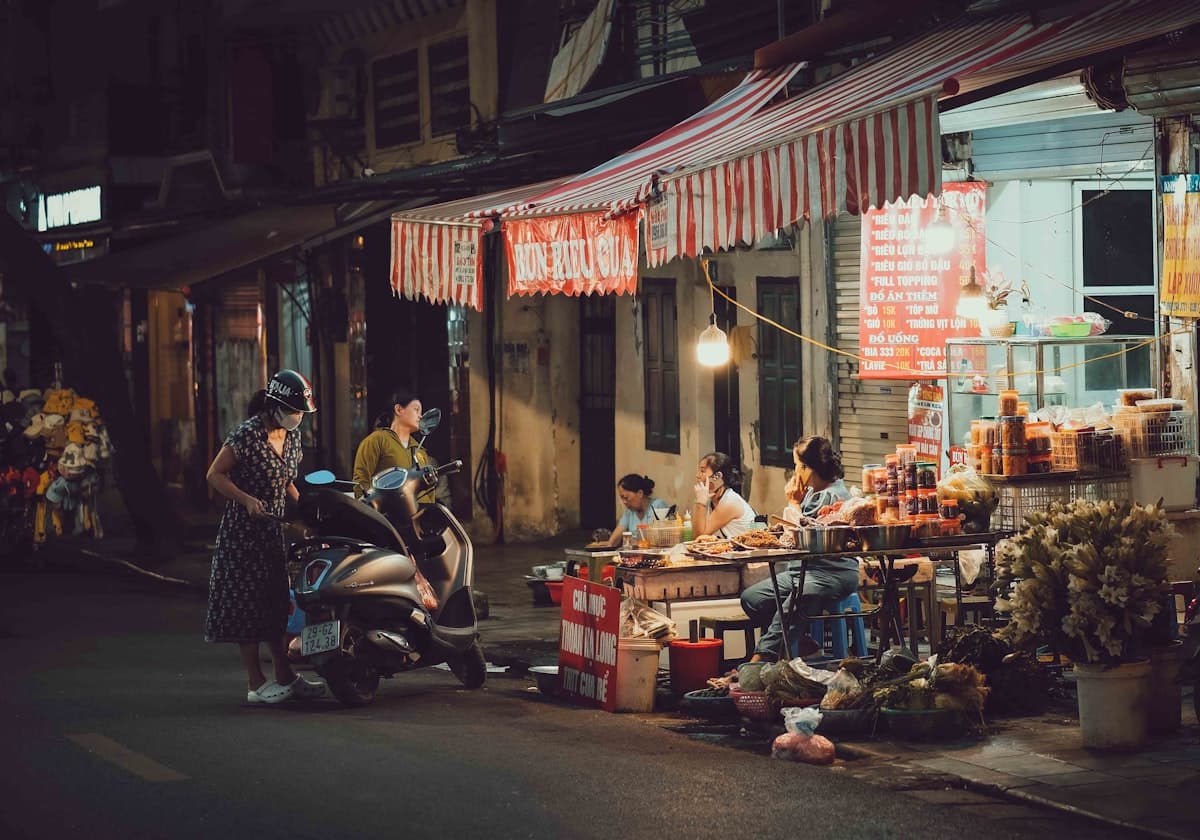
Pho is sold on every corner of Vietnam, from mobile carts to air-conditioned restaurants. But some places are worth getting up at 6 a.m. and queueing for.
Five addresses, pinned. Blue is Hanoi and the northern style: clear broth, no sauces. Amber is Saigon and the southern one: a pile of herbs, hoisin, sriracha. Tap a pin for the address, the average bill and what the place is known for.
- Phở Gia Truyền Bát Đàn (Phở Gia Truyền Bát Đàn): Hanoi, 49 Bát Đàn — A cult shop, morning queues — ~40,000 VND (~$1.50)
- Phở Thìn (Phở Thìn, 13 Lò Đúc): Hanoi, 13 Lò Đúc — Beef stir-fried in oil — a signature technique — ~50,000 VND (~$1.90)
- Phở 10 Lý Quốc Sư (Phở 10 Lý Quốc Sư): Hanoi, 10 Lý Quốc Sư — A tidy café: tables, English menu — ~55,000 VND (~$2.10)
- Phở Hòa (Phở Hòa Pasteur): Ho Chi Minh City · a southern classic — Running for decades — ~55,000 VND (~$2.10)
- Phở Phú Vương (Phở Phú Vương): Ho Chi Minh City · Western tables, air-con — English menu — ~65,000 VND (~$2.50)
Hanoi — the home of pho
The capital is a mecca for pho lovers. Here they serve the classic northern style: spare, minimalist, with an absolute focus on the broth.
| Shop | What's special | Average bill | Where |
|---|---|---|---|
| Phở Gia Truyền Bát Đàn | A cult shop. Morning queues | ~40,000 VND (~$1.50) | 49 Bát Đàn |
| Phở Thìn | Pho with beef stir-fried in oil — a signature technique | ~50,000 VND (~$1.90) | 13 Lò Đúc |
| Phở 10 Lý Quốc Sư | A tidy café: tables, English menu | ~55,000 VND (~$2.10) | 10 Lý Quốc Sư |
| Phở Huy 67 | A local favourite, fewer tourists | ~35,000 VND (~$1.30) | 6C Cửa Đông, Old Quarter, open evenings and late at night |
Ho Chi Minh City — southern pho
In Saigon pho comes with a pile of herbs, hoisin and sriracha. The broth is richer, sweeter and brighter, and portions are usually larger.
| Shop | What's special | Average bill |
|---|---|---|
| Phở Hòa | A southern classic, running for decades | ~55,000 VND (~$2.10) |
| Phở Phú Vương | Western tables, air-con, English menu | ~65,000 VND (~$2.50) |
| Phở Lệ | 413–415 Nguyễn Trãi | ~50,000 VND (~$1.90) |
How much pho bo costs in Vietnam in 2026
| Venue | Price (VND) | Price (~USD) | What you get |
|---|---|---|---|
| Street stall | 25,000–50,000 | ~$1–1.90 | Plastic stools, big portions |
| Café / bistro | 50,000–80,000 | ~$1.90–3 | Tables, menu, choice of meat |
| Air-con restaurant | 80,000–150,000 | ~$3–5.50 | Air-con, service, English menu |
Rate used here: ~26,000 VND = $1 (2026).
The best pho isn't necessarily the priciest. Street stalls with a queue of locals often cook better than air-conditioned restaurants. The rule is simple: see a line of Vietnamese, join it.
Common mistakes when making pho bo at home
Even experienced cooks slip up with pho. The dish is deceptively simple — it seems hard to ruin "meat soup with noodles" — but there are plenty of pitfalls:
- Boiling the broth hard. The most common mistake. A rolling broth turns cloudy. Only a slow simmer — the surface barely trembles
- Skipping the char on onion and ginger. Without the black bits the broth is "flat," with no depth
- Over-steeping the spices. Anise and cinnamon go bitter over a long simmer. Pull the bag after an hour to 90 minutes
- Using egg noodles or glass noodles. Pho is rice noodles only. Egg noodles give a "Chinese" taste; glass noodles a "rubbery" texture
- Adding everything at once. Fish sauce, sugar and salt go in only at the end, a little at a time. One extra splash of fish sauce and the broth is ruined
- Skimping on bones. Marrow bones are the source of collagen and gelatin that give the broth body. Meat without bones gives a thin, watery broth
- Not skimming the foam. The foam is coagulated protein and impurities. In the first hour, skim every 5–10 minutes
- Overcooking the noodles. Rice noodles cook in 30–60 seconds. Longer and they fall apart into mush
Pho bo vs tom yum: what's the difference
These two Asian soups are often confused or compared. Both are their countries' calling cards; both are aromatic and spiced. But the similarities end there.
| Feature | Pho bo (Vietnam) | Tom yum (Thailand) |
|---|---|---|
| Base | Beef bone broth | Broth, often with shrimp |
| Noodles | Rice noodles — essential | Usually no noodles |
| Key spices | Anise, cinnamon, clove, cardamom | Lemongrass, galangal, kaffir lime |
| Heat | Optional (chilli on the table) | High (chilli in the broth) |
| Cooking time | 3–12 hours | 20–40 minutes |
Pho bo is a long meditation: hours of waiting for a clean, deep flavour. Tom yum is a bright hit — sour, spicy, aromatic, ready in half an hour. Both are superb, but comparing them is like comparing a symphony to a rock concert.
FAQ — common questions about pho bo
Vietnam. Pho bo is the unofficial national soup, born in the north in the early 20th century. In 2011 CNN Go ranked it 28th on its list of the world's 50 most delicious foods. Today there are pho shops in every Vietnamese city, from five-star restaurants to plastic tables on the pavement. The street stalls are considered the best: the broth simmers overnight and the noodles are fresh. Try it on your first visit — more in our street-food guide.
Roughly "fuh" — a short sound between "fuh" and "fur," with a rising tone (Vietnamese is tonal). "Bo" has a falling tone and means beef. It does not rhyme with "faux." Want to surprise the cook? Say "cho tôi một phở bò" (give me a pho bo). Your accent won't be perfect, but locals appreciate the effort and often bring you the best bowl.
A standard bowl (~400 g) is 250–350 kcal. That's less than most Western soups, and much less than pasta or a burger. Pho bo is one of the lightest options for a full meal: protein from the meat, slow carbs from the rice noodles, vitamins from the herbs. Watching calories? Order it without extras (phở đặc biệt, the premium version with offal, runs 30–40% higher).
Flat rice noodles — bánh phở. White, semi-translucent, soft. Width runs from 3 mm (southern style, Ho Chi Minh City) to 10 mm (northern, Hanoi). Don't confuse them with glass noodles (clear, from bean starch) or egg noodles — those are for other dishes. Cooking at home? Look for packs labelled "Banh Pho" in the Asian aisle or online.
Yes — that's phở gà, the second most popular version. The broth is on chicken bones, the meat is breast or thigh. Pho ga is lighter, cooks faster (2–3 hours instead of 5–6 for beef) and costs a little less. Many Vietnamese think it's the better breakfast in hot weather — it isn't as heavy. Try both and decide. More on the country's food in our guide to Vietnamese cuisine.
A hot soup in the morning is an old habit tied to climate and the rhythm of the day. Pho warms you, fills you for half a day and is easy to digest. Shops open at 5–6 a.m., and early morning is the best time: the broth is freshly made and the meat just sliced. By lunch, the broth in some shops "tires." For the authentic experience, arrive around 7 a.m., when locals eat before work.
Different countries, different soups. Pho bo is Vietnamese, on a beef bone broth (5–6 hours) with rice noodles, anise, cinnamon and clove — a deep, mellow flavour. Tom yum is a Thai hot-and-sour soup, often with shrimp, lemongrass and galangal — bright, sour and spicy. Love both? You'll find tom yum in Vietnam too (especially in the south), but for the real thing, go to Thailand.
Generally yes. The broth is boiling and the meat is cooked or flash-cooked to order, so a busy stall with high turnover is a safe bet — pho is one of the safer street dishes in Vietnam. The herbs come raw: rinse them or skip them if your stomach is sensitive. As always, pick a place with a queue of locals and where you can see the food being made.
Pho bo is more than a soup. It's 120 years of history, two regional styles, dozens of variations and millions of bowls a day. Make it at home with our recipe or try the real thing in Vietnam — and you'll see why this soup became a global phenomenon.
- Food
Eating in Da Lat 2026: artichokes, strawberries, hot pot, coffee
What to eat in Da Lat: charcoal-grilled "Vietnamese pizza" from $0.80, hot pot in three broths, artichokes, strawberry farms and specialty coffee.Eating in Da Lat 2026: artichokes, strawberries, hot pot, coffee - Food
Alcohol in Vietnam 2026: Beer, Rum, Rice Wine & Limits
What to drink in Vietnam in 2026: Bia Saigon and 333, rice wine rượu, Sampan rum, Dalat wine. Prices in USD, duty-free limits and methanol safety.Alcohol in Vietnam 2026: Beer, Rum, Rice Wine & Limits - Food
Vung Tau Food Guide 2026: Seafood, Banh Khot, Prices
What to eat in Vung Tau: banh khot, Long Son oysters, stingray hotpot. Seven restaurants, the Xom Luoi fish market, prices in USD, one-day route.Vung Tau Food Guide 2026: Seafood, Banh Khot, Prices