Vung Tau tours from Saigon: what they cost and which one to take
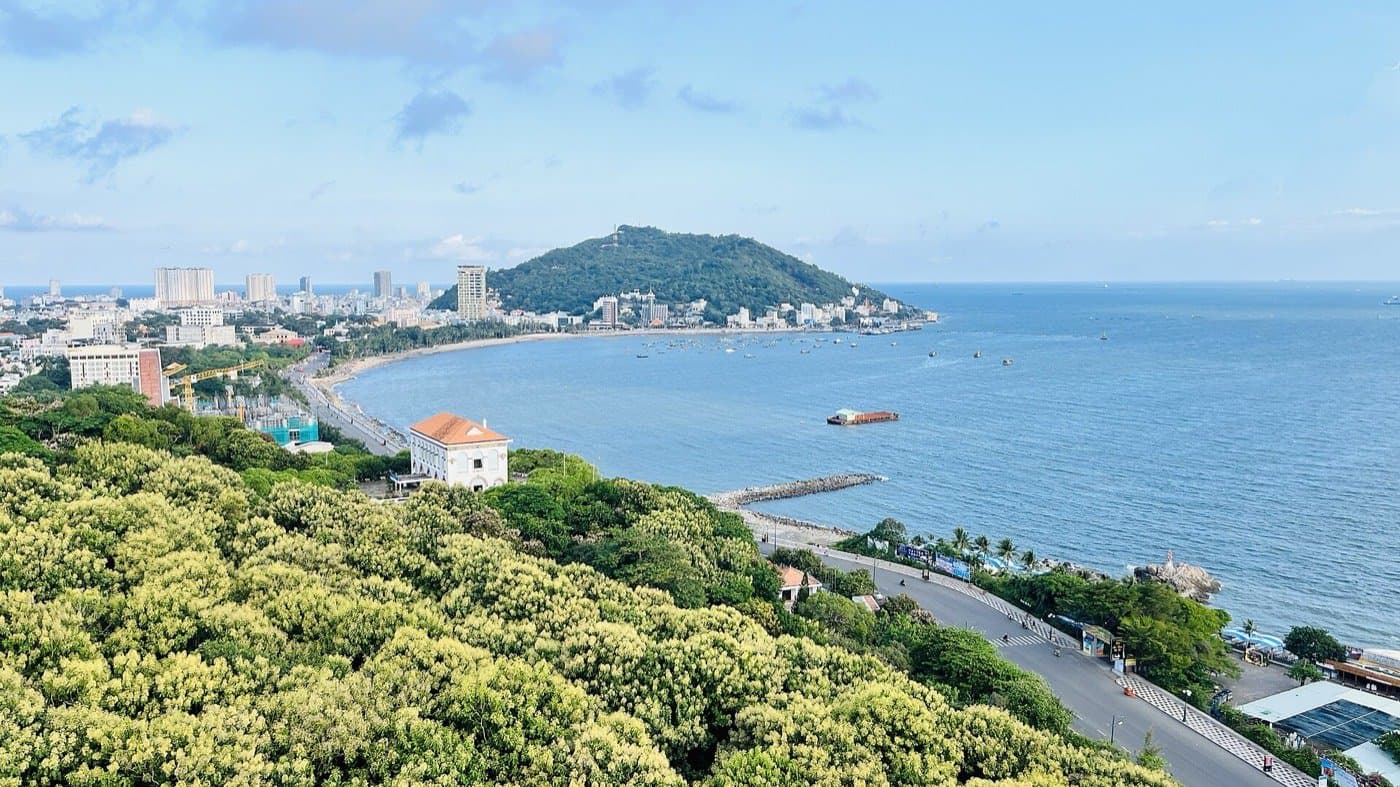
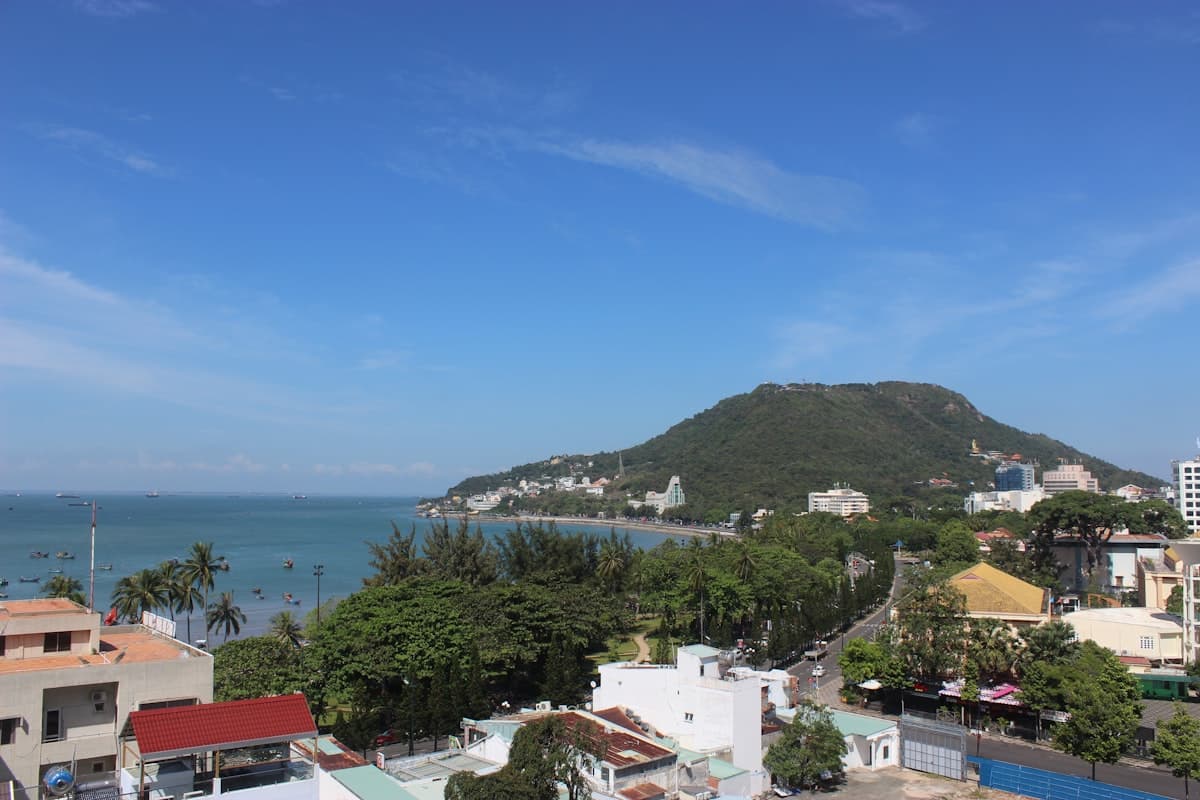
Vung Tau is the closest the sea gets to Saigon: 95 km, 90 minutes by car on the new expressway, two hours by ferry. That makes it the default escape for anyone living or working in Ho Chi Minh City, and it is why the tour market here is crowded, repetitive and priced all over the place. Six formats are worth knowing about — here is what each one costs and where it falls apart.
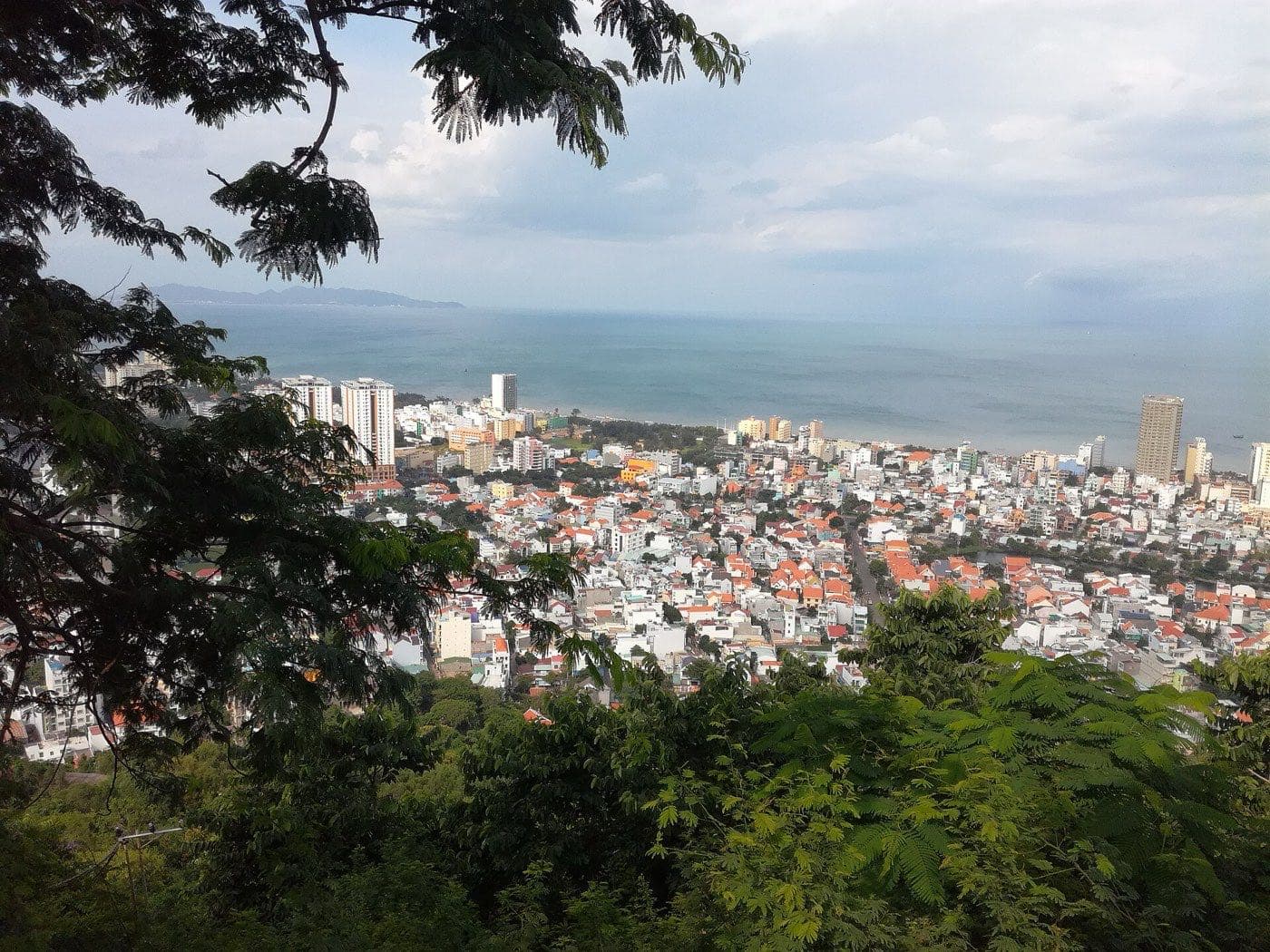
A group day trip runs $47–70 per person. A three-day package at a Ho Tram beach resort runs $380–500. The same tour, from the same operator, can cost $52 online and $90 through your hotel desk. Below is what each format costs, what the day actually looks like hour by hour, and where it falls apart.
- City day trip (Christ statue, lighthouse, Bạch Dinh): 8–10 hours, $47–70 in a group, from $120 private for two.
- Long Son island and the oyster rafts: 8 hours, $55–80. The most authentic format and the least English spoken.
- Ho Tram, 60 km up the coast: 2 days from $130, 3 days at a five-star from $380. Clean water, empty sand.
- Evening food tour: 4–5 hours, $30–50. Cheapest format, and the one you can most easily do yourself.
- Going alone: bus from ~$3.50, Greenlines ferry $12–13.50, Grab $46–58.
- The statue has 811 steps and no lift. Anyone selling you a lift ticket is selling you nothing.
Prices checked August 2026. Rate used: 1 USD ≈ 26,000 VND.
Which Vung Tau tour to pick
The cheapest thing on this list is a $30 evening food walk. The most expensive is three nights on the Ho Tram strip for $500. Everything in between is a variation on one day of driving and four stops.
Currency converter
- Christ the King statue (Tượng Chúa Kitô Vua): 32 m on Nui Nho hill — 811 steps on foot, free entry
- Vung Tau lighthouse (Hải Đăng Vũng Tàu): Built 1862, one of the oldest in Vietnam — Free, roughly 07:00–22:00
- Bach Dinh (Bạch Dinh): Colonial villa, 1898–1902 — 15,000 VND, check hours locally
- Front Beach (Bãi Trước): Promenade, cafes and restaurants — The main strolling strip
- Whale temple (Đình thần Thắng Tam): Complex with Lang Ca Ong shrine — Whale bones inside, free entry
- Xom Luoi seafood market (Chợ Hải sản Xóm Lưới): Fish market, 05:00–22:00 — Catch lands 05:00–07:00 and 16:00–18:00
- Long Son raft village (Làng bè Long Sơn): 23 km north of central Vung Tau — Oysters and floating restaurants
- Nha Lon temple (Nhà Lớn Long Sơn): Built 1910–1929, two hectares — National monument since 1991
- Nui Lon gun battery (Trận địa pháo cổ Núi Lớn): Entrance at 444 Tran Phu — Six guns over 15 tonnes, torpedo bunker
- Ho Tram beach (Bãi biển Hồ Tràm): 60 km up the coast from Vung Tau — Quiet sand and the resort strip
- Binh Chau hot springs (Suối khoáng nóng Bình Châu): 70 km from Vung Tau, inside the forest — Mineral pools and hot springs
- Bach Dang pier (Bến Bạch Đằng): Greenlines ferries leave central Saigon — 320,000–350,000 VND, two hours
| Format | Length | Group price | Private (2 people) | Best for |
|---|---|---|---|---|
| City day trip (statue + Bạch Dinh) | 8–10 h | $47–70 | $120–150 | First visit |
| Long Son island and oysters | 8 h | $55–80 | ~$130 | Food, no crowds |
| Ho Tram, 2 days at a 3-star | 2 d / 1 n | $130–180 | ~$350 | Couples, quiet |
| Ho Tram, 3 days at a 5-star | 3 d / 2 n | $380–500 | ~$700 | Proper resort break |
| History day (battery, colonial villa) | 6–8 h | $45–60 | ~$110 | Anyone tired of the statue |
| Evening food tour | 4–5 h | $30–50 | ~$80 | Eating |
Every tour starts in Ho Chi Minh City. Vung Tau has no commercial airport (the local airfield serves oil crews and Con Dao helicopters), so you arrive by road or by water. Most operators collect from hotels in District 1, so if you are staying somewhere quieter like District 7 or Thảo Điền, add half an hour to reach the pickup point. Getting around the city itself is covered in our HCMC transport guide.
Picking between them takes about thirty seconds. First visit and you want the photograph with the statue: take the city day trip. Been already, and the crowds on Back Beach put you off: go to Long Son for oysters, or further to Ho Tram where the water is actually clear. Want a weekend rather than a day: buy the package with the hotel and the transfer. Budget is tight: go independently and pay only for entries, which saves around 60%.
Things to do in Vung Tau · the beaches, ranked · other day trips out of Saigon
The classic city day trip
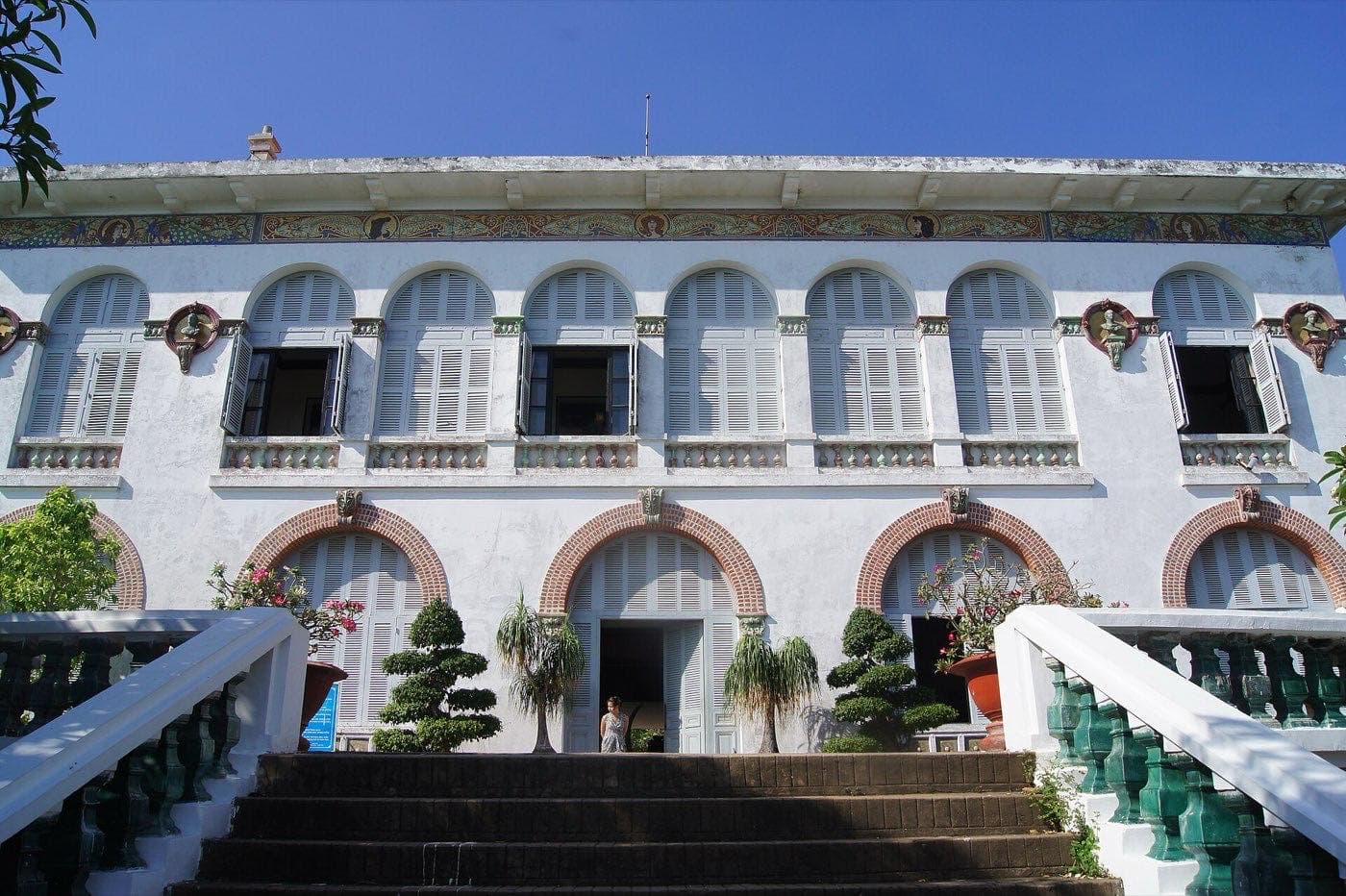
Four stops: the 32-metre Christ the King statue, the 1862 lighthouse, the white colonial villa Bạch Dinh and the whale-cult shrine Thắng Tam. Eight hours covers all of it plus lunch and a walk along Front Beach. Group price starts at $47 per person.
This is the format everyone sells, because it closes off the landmarks in one day and you never have to find a hotel. Each stop is described in detail in our guide to things to do in Vung Tau.
The day, hour by hour
Most operators run an almost identical schedule out of Ho Chi Minh City:
- 07:30 — pickup in District 1, air-conditioned minivan
- 10:00 — arrive in Vung Tau, first stop Thắng Tam (10 minutes)
- 11:00 — Bạch Dinh, interiors and the terrace view
- 12:30 — lunch at a local seafood restaurant, included
- 14:00 — the Christ statue, 811 steps on foot
- 16:00 — the lighthouse and the view over the peninsula
- 16:45 — Front Beach, coffee or a cold coconut
- 17:00 — depart
- 19:30 — back in Saigon
The heat peaks between noon and 3pm, which is exactly when the climb to the statue happens. Bring water, a hat and shoes you can walk in. Flip-flops on 811 steps become a punishment somewhere around step 300.
About those steps
Once you reach the base, there are another 133 steps inside the figure itself, a spiral staircase that ends on a small balcony in the statue's shoulder. That balcony fits four to six people, so at weekends from 10am there is two-way traffic on a staircase built for one direction. Go early or accept the queue. Entry to the whole site is free.
Included and not included
| Included | Not included |
|---|---|
| Return transfer from Ho Chi Minh City | Dinner |
| English-speaking guide | Personal drinks and souvenirs |
| Entry tickets (Bạch Dinh, 15,000 VND) | Tips |
| Lunch at a local restaurant | The Hồ Mây cable car on the other hill |
| A bottle of water | A sun lounger if you want one |
Group tours with lunch run $47–70. A private car for two starts around $120, which buys you the right to stop wherever you like. Worth it if there are two or three of you and you want the lighthouse at sunset rather than at 4pm.
Is one day enough?
Honestly, the format grinds you down. An hour to get collected, two hours out, eight hours of programme, two hours back. You return to your Saigon hotel with nothing left. With children under eight, expect complaints from about hour six.
There are two ways out. Stay a night in Vung Tau and see the town at a human pace over two days. Or swap the city programme for Long Son or Ho Tram, which deliver more for the same money. If you genuinely have one free day and you want the colonial-and-statue version of Vietnam, the day trip does its job.
Long Son island: oysters and a very strange temple
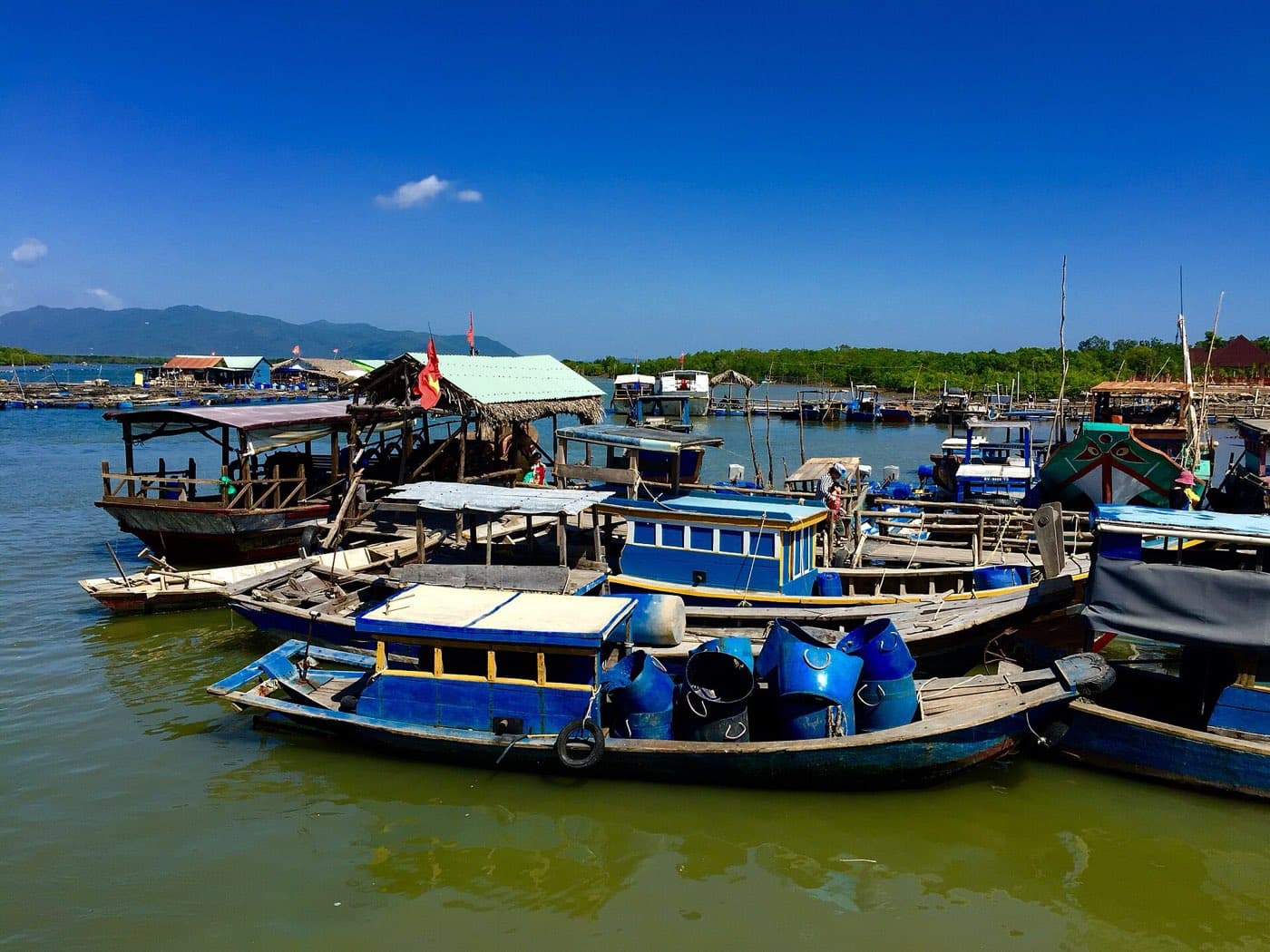
Đảo Long Sơn is an island commune 23 km north of central Vung Tau, joined to the mainland by a bridge and a causeway across mangrove. Two things to see: the temple complex Nhà Lớn, and the oyster rafts, where dinner comes out of a cage under your table. Organised tours from HCMC cost $55–80. From Vung Tau you can do it yourself on a rented motorbike from 150,000 VND a day (~$6).
This is the least polished format on the list and the best one. No coach parks, no triple pricing, no English menus. Also no English, full stop, which is either the point or the problem depending on your mood.
Nha Lon, the temple of Ong Tran
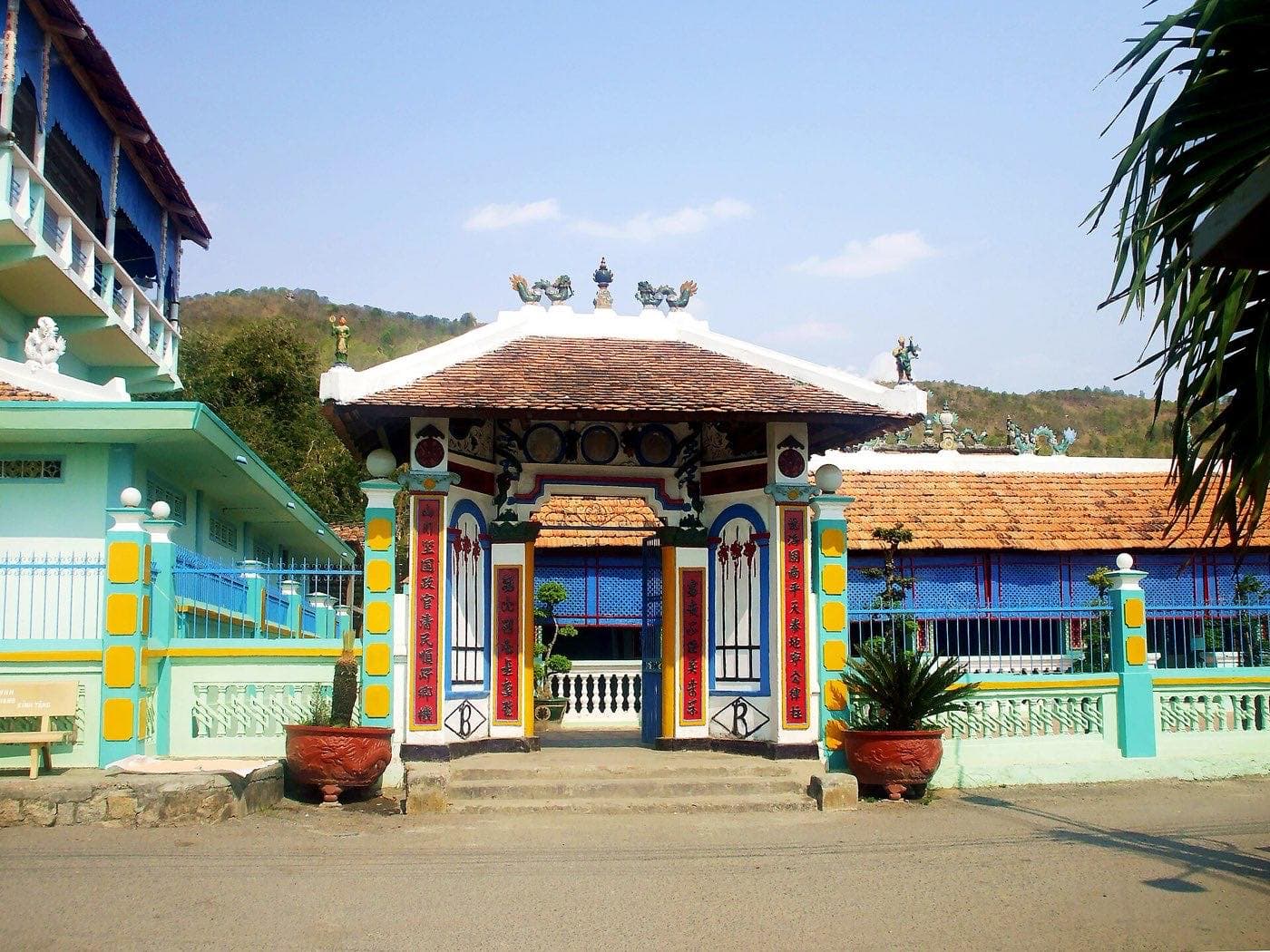
The complex was built between 1910 and 1929 and covers about two hectares. It became a national historical and cultural monument in August 1991. It is the centre of the Ông Trần faith, a syncretic teaching that folds Buddhism, Confucianism and local ancestor worship into one thing. A man from Ha Tien founded it after clearing this land around 1900.
Inside are wooden galleries, lanterns, pavilions, a school, a market and living quarters. Almost no tourists, so photographs without crowds take minutes rather than patience. Entry is free; a donation of 10,000–20,000 VND is normal.
The atmosphere is slow and slightly disorienting. In one pavilion old men are playing draughts, in another somebody is cooking, in a third a service is under way. If the incense-seller gauntlet at Saigon's temples has worn you out, Long Son is a useful shock.
The oyster rafts
Long Son is one of southern Vietnam's main oyster grounds: over 300 farms working thousands of cages across the Chà Và, Dinh and Rạng rivers. Bamboo cages sit in the water, wooden platforms sit between them, and the oysters come up while you watch.
| Dish | VND | USD |
|---|---|---|
| Oyster off the raft, each | 26,000–50,000 | ~$1–2 |
| Grilled oyster with spring onion and peanut | 30,000–50,000 | ~$1–2 |
| Grilled tiger prawns, per kg | 350,000–500,000 | ~$13–19 |
| Lobster, per 100 g | 80,000–150,000 | ~$3–6 |
| Seafood broth | 100,000 | ~$4 |
A full lunch works out at 200,000–550,000 VND per person, so 400,000–1,100,000 VND (~$15–42) for two with oysters, prawns and beer. Cheaper than any floating restaurant in Nha Trang, and noticeably fresher. What else to order in the region is in our Vung Tau food guide.
Tour or independent
The organised version from HCMC covers transfer, lunch on a raft, a guide and a short run through the temple. Convenient, but you are paying for logistics and a group pace.
Doing it yourself from Vung Tau: 23 km over the bridge and causeway, roughly 40 minutes on a motorbike to Nhà Lớn. Rental from 150,000 VND a day plus about 50,000 in fuel. Our motorbike rental guide covers the licence question, which matters more than people think. For the rafts, follow Trường Sa road along the Chà Và river to the raft village and negotiate with a boatman: 50,000–80,000 VND return.
Best season is November to April, the dry half of the year. Oysters are harvested year-round, but low tide makes the visit better: you can walk out on the bamboo platform and look down into the cages.
What to eat in Vung Tau · renting a motorbike in Vietnam · the city guide
Ho Tram and the Binh Chau hot springs
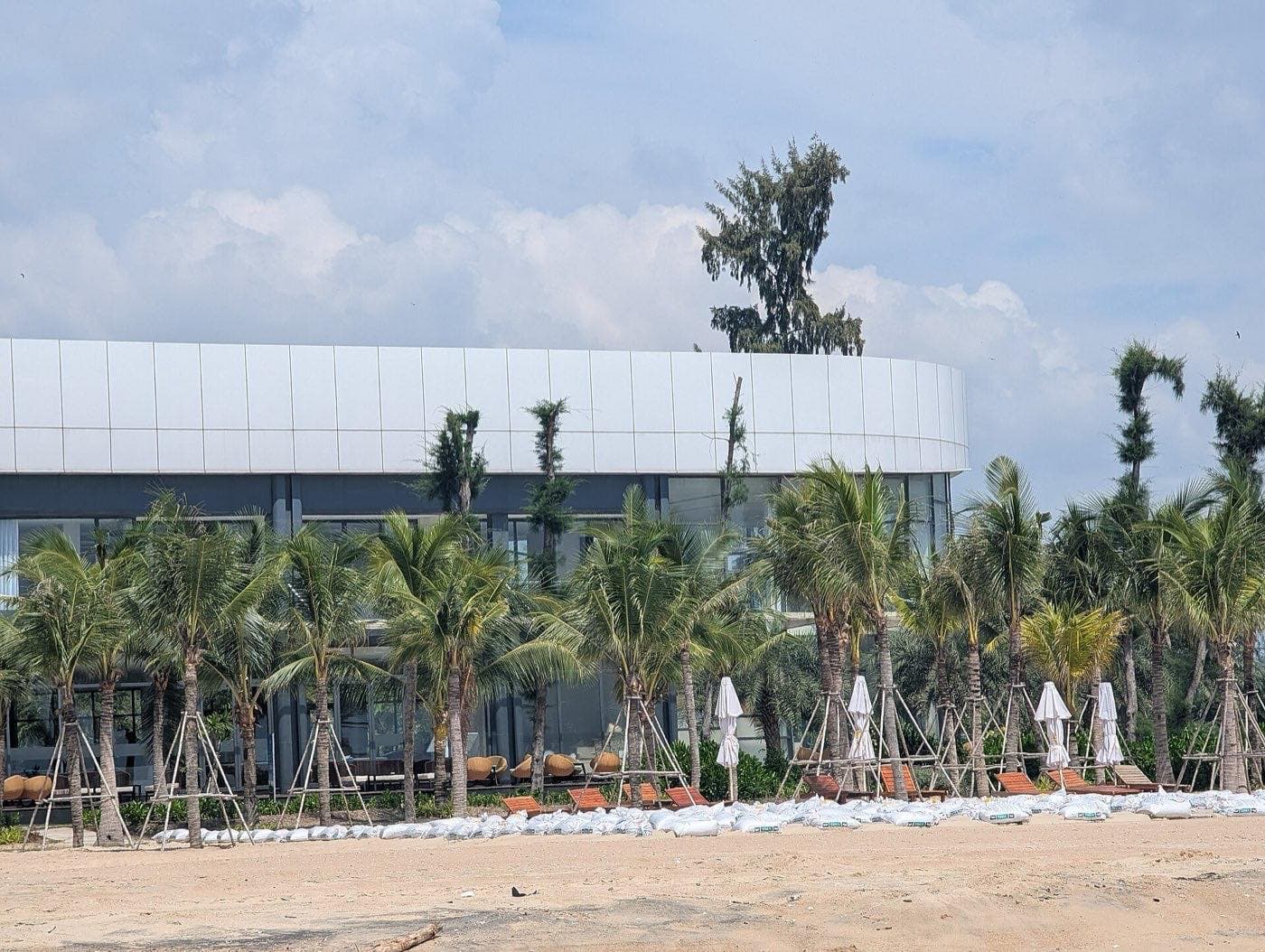
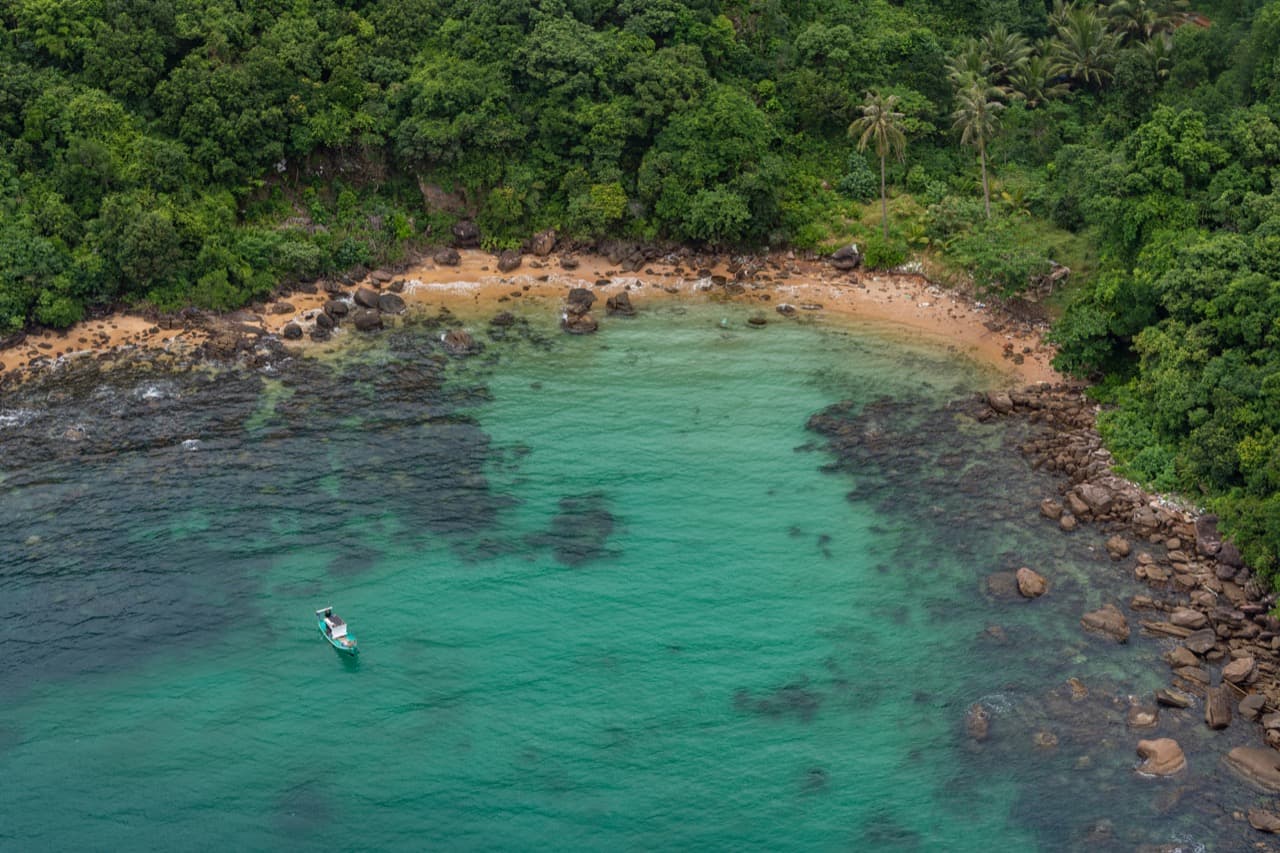
Hồ Tràm sits about 60 km up the coast from Vung Tau and 110 km from Ho Chi Minh City. It is a quiet shoreline of clear water, casuarina groves and a handful of large resorts: The Grand Ho Tram Strip, Angsana Ho Tram & Dhawa, Melia Ho Tram, Carmelina. Another 25 km beyond that are the Bình Châu thermal springs. A two-day package at a three-star starts at $130.
The two places do not feel related. Vung Tau has crowds and plastic chairs at the waterline; Ho Tram has kilometres of empty sand and wind in the trees. It has built out fast over the last decade, with new resorts and a proper coastal road, but mass tourism still has not turned up.
Why people come here instead
The water. Vung Tau's Bãi Sau is cloudy from river sediment and port traffic. Ho Tram's is clear, no silt, no weed. The sand is white and firm enough to walk barefoot without watching for shells. Every beach on the peninsula is compared in our Vung Tau beaches guide.
The catch is access. There are no direct buses from Vung Tau, and a taxi for the 60 km runs around 600,000 VND (~$23) one way. As a day trip it only makes sense with an organised tour or a car and driver for the day (about $80).
The resorts
| Resort | Class | From, per night | Notes |
|---|---|---|---|
| Melia Ho Tram Beach Resort | 5★ | ~$180 | Family-oriented, infinity pool, kids' club |
| Angsana Ho Tram & Dhawa | 5★ | ~$120 | Two Banyan Group brands in one complex, spa |
| The Grand Ho Tram Strip | 5★ | ~$150 | Casino, golf, nightlife |
| Carmelina Beach Resort | — | ~$85 | Pool-view and beachfront bungalows, the value pick |
| Sanctuary Ho Tram | 4★ | ~$70 | Villas in a resort community, very quiet |
Day passes without an overnight stay do exist at the larger resorts, but the price and what it covers move with the season, so confirm before you drive out. The format works well if you are based in Vung Tau and want one quiet day: pool, lounger, shower and lunch without booking a room.
Binh Chau hot springs
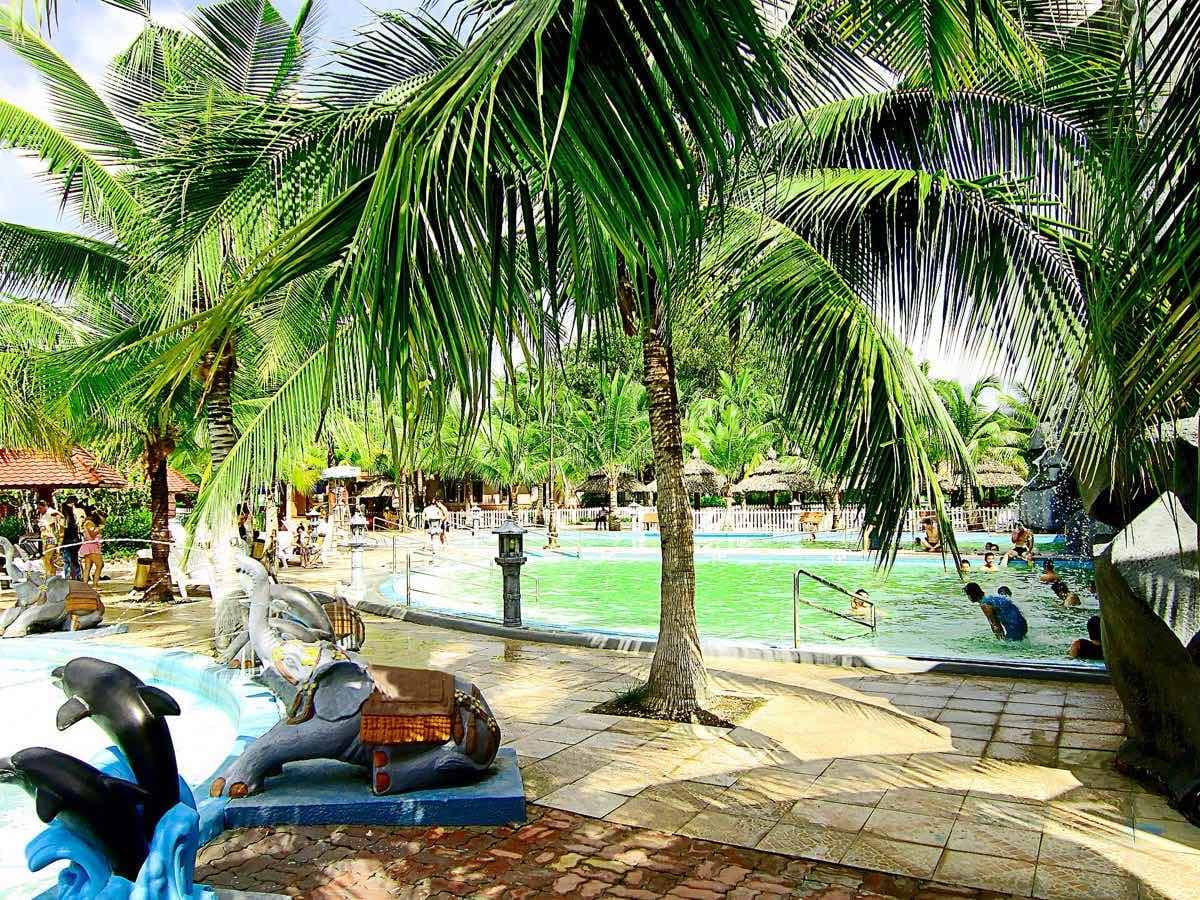
Binh Chau is 70 km from Vung Tau, a set of open-air mineral springs inside the Binh Chau–Phuoc Buu primary forest. The French found them in 1905 and called them the Cu Mi springs; a French doctor, Albert Sallet, wrote them up in 1928. The natural pools are hot enough that people boil eggs in them and sell them steaming at the edge. You bathe in built pools instead, graded from cool to hot.
Entry, bath and massage prices at the complex change, so check the current price list on site before you pay.
Come between 7 and 10am, before the coaches. After lunch you queue about twenty minutes for a bath.
Multi-day packages
| Package | Group price | What's in it |
|---|---|---|
| 2 days / 1 night, 3-star Ho Tram | $130–180 | Transfer, breakfast, Binh Chau optional |
| 2 days / 1 night, Angsana or Melia | $250–350 | Transfer, all-inclusive, Binh Chau included |
| 3 days / 2 nights, Saigon → Vung Tau → Ho Tram | $230–300 | City tour plus a night, then the coast |
| 3 days at Melia with transfers | $380–500 | Full board, the premium version |
Who it suits: couples, or families with teenagers. With small children, stay in Vung Tau instead. Shops, pharmacies and something to do in the evening are all within walking distance there, and at Ho Tram they are not.
The history day: colonial villas and a French gun battery
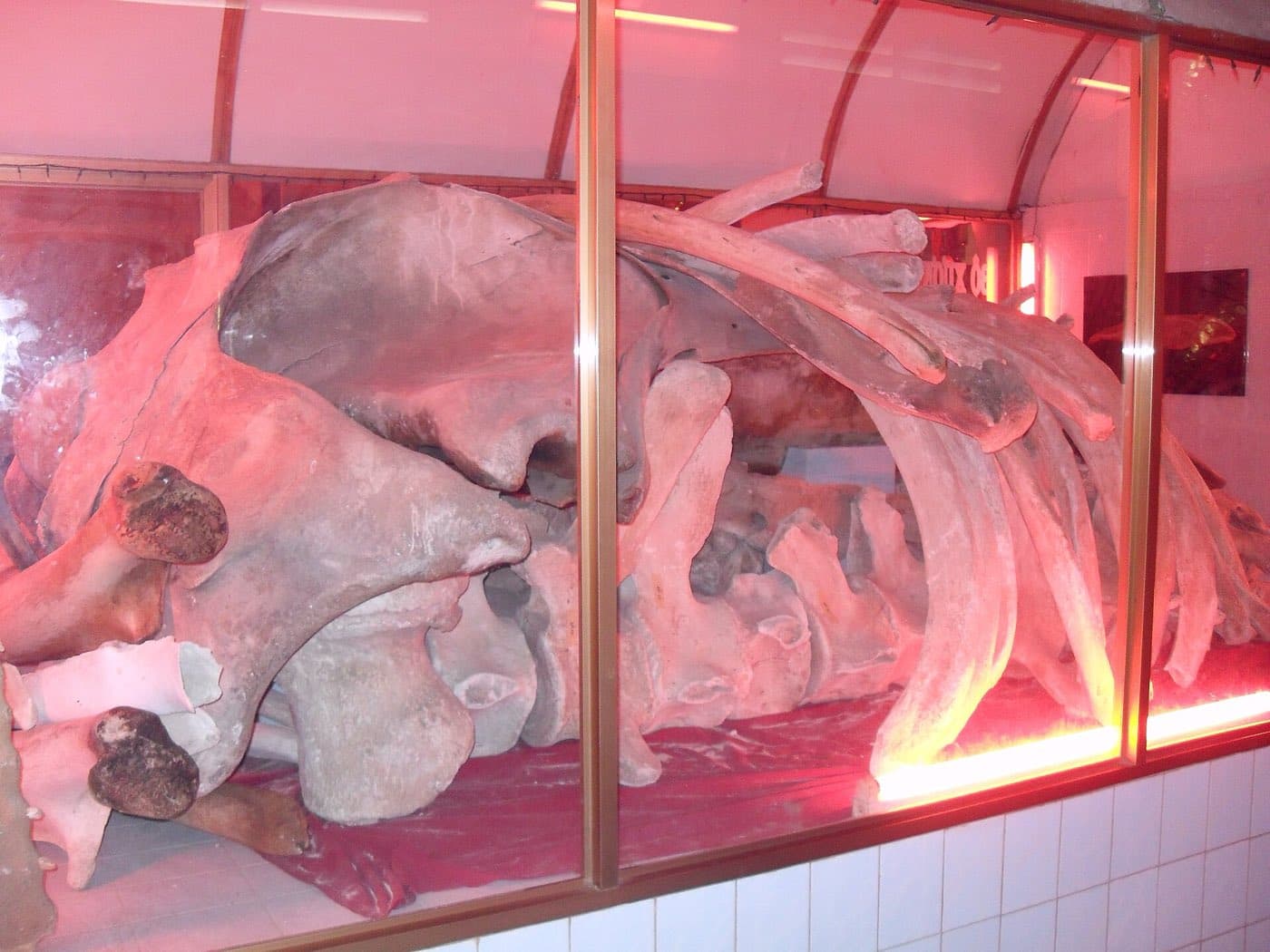
A history-first day in Vung Tau is built around four things from the colonial and military period: the 1862 lighthouse, the governor's white villa, the old coastal battery on the Big Mountain, and the whale shrine. It costs $45–60 and runs 6–8 hours without lunch. This is the format for people who did not come for the beach.
The town used to be called Cap Saint-Jacques and served as the summer capital of French Indochina, which is why so much of this survives in a place otherwise known for oil rigs.
What you actually see
The lighthouse, 1862. The French put it on Núi Nhỏ at 149 metres; in 1913 they rebuilt it and moved it up to 170 metres, where it stands now. The tower is 18 metres tall and the light still works. You approach up a narrow road between houses, then the last hundred metres on foot. Free, open roughly 07:00–22:00. From the top: the whole peninsula, Front Beach, Back Beach, the oil platforms offshore, and Long Son on a clear day.
Bạch Dinh, 1898–1902. The Governor-General's residence on the slope of the Big Mountain. Paul Doumer commissioned it and named it Villa Blanche after his wife, Blanche. The same Doumer ordered the bridge over the Red River in Hanoi, which the French called Pont Doumer and which is now Long Biên.
From 1907 to 1916 the villa held the deposed emperor Thanh Thai under house arrest. Inside: original furniture, Qing dynasty porcelain, bronzes. Entry 15,000 VND (~$0.60); check opening hours locally.
Trận địa pháo cổ Núi Lớn, the old gun battery. A French coastal position: six guns weighing more than fifteen tonnes each. Next to it is Hầm Thủy Lôi, an underground torpedo store. You go in from 444 Trần Phú and walk up the path towards the Quan Am pagoda. The site is half-abandoned: no ticket office, nobody selling anything, nowhere to sit down. Wear trainers. There is a second battery on the Small Mountain, right by the lighthouse, if you want both.
The whale temple, Thắng Tam. One of the surviving whale-cult shrines of southern Vietnam. Inside are the bones of whales that washed ashore over the last two centuries. Fishermen still pray here before going out. Free.
The day, hour by hour
- 08:00 — leave Ho Chi Minh City
- 10:30 — whale temple (30 minutes)
- 11:15 — Bạch Dinh (1 hour)
- 12:30 — lunch on your own; most tours do not include it
- 14:00 — lighthouse (45 minutes)
- 15:30 — the gun battery, 1.5 hours including the climb
- 17:00 — depart
- 19:00 — back in Saigon
Doing it independently, you can stretch this over a full day and add sunset coffee on Front Beach. Tours skip lunch because the sites are scattered and there is nowhere convenient to seat a group of twelve.
The weakness of the format is that without some grounding in Vietnamese colonial history, half the meaning slides past. If Doumer and Leclerc are interchangeable names to you, take the standard city trip with a guide who will supply the context.
The food tour
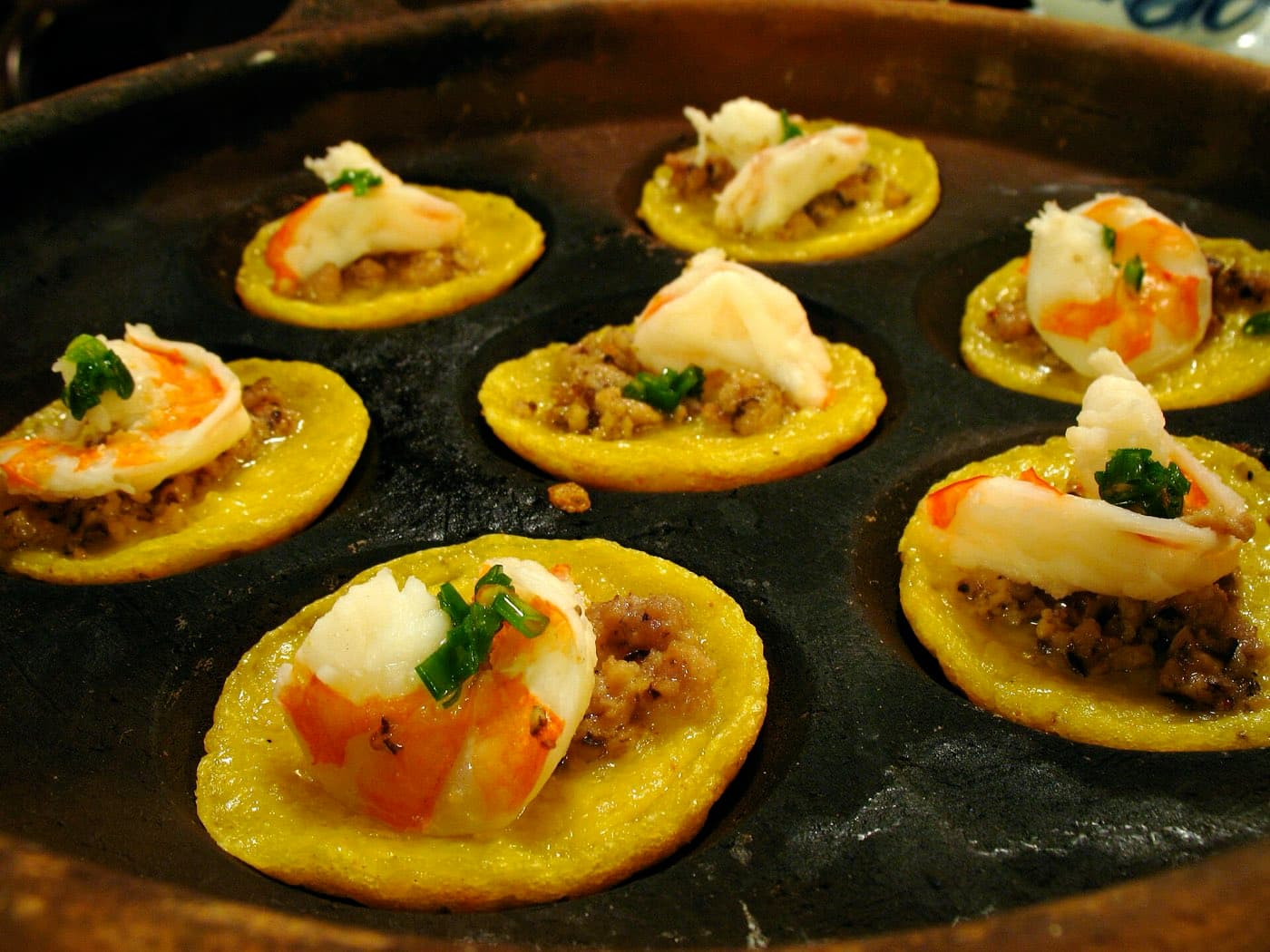
A Vung Tau food tour runs 4–5 hours in the evening, usually 17:00 to 22:00, for $30–50. It covers three or four stops: street food in the centre, the Xóm Lưới seafood market, bánh khọt, and a finish on sea snails or grilled oysters. It is the cheapest of the formats and the one that most reliably pays for itself.
The food here is stronger than in several better-known resorts. The town lives off the sea, the boats unload in the port, and bánh khọt is a local speciality that nowhere else in Vietnam does the same way.
What to order
| Dish | What it is | VND | USD |
|---|---|---|---|
| Bánh khọt | Tray of mini pancakes with a prawn on each | 55,000–75,000 | ~$2–3 |
| Grilled oysters | With spring onion and crushed peanut, each | 30,000–50,000 | ~$1–2 |
| Ốc (sea snails) | With lemongrass and garlic, per portion | 50,000–100,000 | ~$2–4 |
| Bún mực | Noodles with squid | 60,000 | ~$2 |
| Fresh coconut | Large, chilled | 25,000 | ~$1 |
| Mango smoothie | With condensed milk | 30,000 | ~$1 |
The Xom Luoi market
A lot of guides send you to a night seafood market on Back Beach. There is no such market. The one that exists is Chợ Hải sản Xóm Lưới, on the corner of Nguyễn Công Trứ and Phan Bội Châu, a couple of blocks back from Front Beach. Two hundred metres of stalls, tanks and crates of live fish, prawns, crab, shellfish and lobster.
The mechanic is worth knowing, because English-language guides rarely explain it. You buy raw at the market by weight, hand it to a kitchen next door (the arrangement is called gia công) and pay a small cooking fee. It comes back grilled, wok-fried or in a broth in fifteen or twenty minutes, for roughly half what a restaurant would charge for the same thing.
Dinner for two with beer works out at 600,000–900,000 VND (~$23–35). That is two to three times cheaper than the tourist strip in Nha Trang, at very similar quality.
Market rules
- Agree the weight before anything is cooked. The vendor should weigh it in front of you and write the number down. This removes most billing surprises
- Check whether the price is per 100 g or per kilo. Lobster and crab are usually quoted per 100 g, so a kilo of crab lands at one and a half to two times what you expected
- Bargain, but gently. Ten to fifteen per cent is realistic; thirty is not
- Come at 05:00–07:00 or 16:00–18:00. Those are the two windows when the boats unload and the counters are at their best
- The market runs roughly 05:00 to 22:00. There is no all-night version; by eleven it is packing up
- Bring wet wipes. Hands and chopsticks after grilled oysters are their own event
- Bring cash. Stalls take cash or VietQR, not foreign cards
Where to book a food tour
Organised food tours in Vung Tau are thin on the ground. The format usually turns up as a block inside a weekend package rather than as a product of its own. There are individual options with a local guide on the big platforms at $45–60 per person.
Doing it yourself costs two to three times less, but you lose the running commentary on what a thing is, how to eat it and how to order it in Vietnamese. If it is your first time in Vietnam and you have no language, the first evening is worth paying for.
A note on the "Vung Tau winery"
English and Russian listicles both carry the same line about a local winery near Vung Tau: Vang Vĩnh Tiến, sometimes styled "Château de Vũng Tàu", making wine from Cardinal grapes, with tours and tastings.
We could not confirm that it exists. There is no entry on OpenStreetMap, no address, no opening hours, no phone number and no booking page. No operator sells the visit, international or local. What circulates is one paragraph, copied from article to article.
So do not build a day around it. If you want Vietnamese wine, the Dalat labels are on the shelf at Co.opmart or Lotte in Vung Tau from about 150,000 VND (~$6). And if you do find a working winery out there and get through the gate, tell us and we will update this section.
Getting there from Ho Chi Minh City
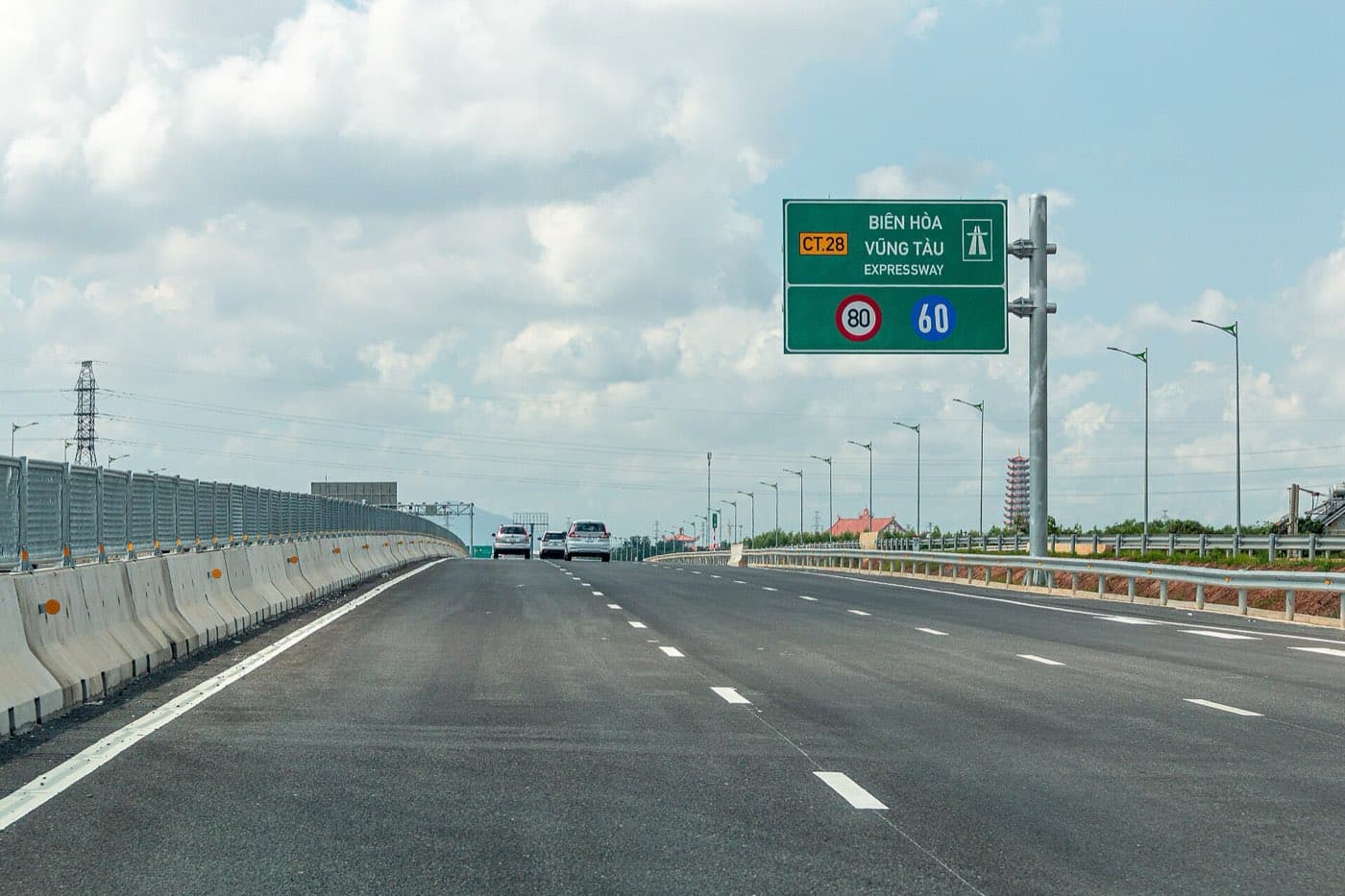
Fastest is a car on the new CT.28 expressway: 70–90 minutes from central Saigon. Cheapest is the 16-seat Toàn Thắng minibus at 90,000–100,000 VND (~$3.50–4). Nicest is the Greenlines catamaran from Bến Bạch Đằng in the middle of the city to the Hồ Mây pier at Front Beach: two hours, 320,000 VND on a weekday (fare from 1 July 2026; passengers 63 and over and children 6–11 pay 270,000 VND on weekdays and 300,000 at weekends).
| Option | Time | VND | USD | Upside | Downside |
|---|---|---|---|---|---|
| Toan Thang minibus, 16 seats | 2.5–3 h | 90,000–100,000 | ~$3.50–4 | Cheap, runs all day | Stuck on the old QL51 |
| FUTA coach | 2.5–3 h | ~140,000 | ~$5.50 | Own terminal, luggage | Also QL51 |
| 9-seat limousine | 2 h 15 min | 140,000–200,000 | ~$5.50–8 | Allowed on CT.28 | Few seats, book ahead |
| Greenlines ferry | 2 h | 320,000–350,000 | ~$12–13.50 | No traffic, delta views | Weather-dependent, few sailings |
| Grab or taxi | 1.5–2 h | 1,200,000–1,500,000 | ~$46–58 | Door to door with luggage | Expensive |
| Motorbike rental | 3–4 h | from 150,000/day | from ~$6 | Freedom | Banned from CT.28, all of it on QL51 |
| Car with driver | 1.5–2 h | 1,800,000–2,200,000 | ~$69–85 | Stop wherever you want | Dearer than Grab |
One rule explains most of that table. The new Bien Hoa – Vung Tau expressway (CT.28) only admits vehicles of nine seats or fewer. Motorbikes, trucks and any coach bigger than a nine-seater still take the old QL51 through Bien Hoa, behind the container traffic from Cai Mep port. So the "90 minutes to Vung Tau" you keep reading is a Grab or a limousine, not your tour bus. The dedicated exit into Vung Tau itself is still under construction.
Tickets and terminals
Buses. FUTA and Toàn Thắng leave from Miền Đông Mới station at 501 Hoàng Hữu Nam, out on the north-eastern edge of the city rather than downtown. From Pham Ngu Lao that is 18 km, about 120,000 VND (~$5) on Grab. Book on futabus.vn or vexere.com, or at the counter. Weekends sell out.
Ferry. Greenlines DP runs the regular sailings on the route; the old Petro Express hydrofoils have long stopped. Timetables change, so check current sailings at greenlines-dp.com.
The crossing takes two hours. It lands at the Hồ Mây pier, 1A Trần Phú, at the foot of the cable car. Not at Cầu Đá further south, which serves Con Dao and which older guides keep listing by mistake.
Grab. Works from anywhere in HCMC. For the intercity run, pick GrabCar Premium; regular drivers frequently decline a 95 km fare. Our Grab and taxi guide covers payment and the app's quirks with foreign cards.
Things worth knowing
- Weekends mean traffic. Leaving Saigon on a Friday after 17:00 turns two hours into three or four. Sunday evening back is the same in reverse
- Tet and public holidays. Ferry and bus fares double and seats go a week ahead
- You only pay one toll. The HCMC – Long Thanh – Dau Giay section costs 70,000–90,000 VND (~$3–3.50). CT.28 itself was still free as of August 2026, while it runs in temporary operation
- Bus luggage. FUTA includes one large bag and one carry-on. A second large one may cost 30,000 VND

Where to book and what not to overpay for
Three kinds of seller work this route: international marketplaces (GetYourGuide, Viator, Klook), Vietnamese operators (TNK Travel, Origin Vietnam, Maika Tours) and hotel concierge desks. The same product varies by up to 40% between them. For the wider picture of package tours across the country, see our Vietnam tours guide.
International platforms carry the widest choice of Vung Tau day trips, with real review counts and free cancellation. Prices start around $30 for a group format. Guides are English-speaking.
Vietnamese operators run 10–15% below the marketplaces for standard itineraries. TNK Travel is the large Saigon-based one; Origin Vietnam sits at the premium end with private cars and expert guides at roughly double the average; Maika Tours is a small outfit specialising in Vung Tau and the Mekong.
Hotel desks are where the money goes. Expect 30–50% on top of the operator's own price for the service of clicking a link on your behalf.
Five things that save money or a day:
- Never book at the hotel desk. Book online, the night before if you must
- Compare at least three sources. The identical tour can be $50 on one platform and $70 through a local agent
- Read reviews from the last six months only. Operators change suppliers, routes and guides constantly
- Pin down the guide's English in writing. "English speaking" covers an enormous range. Ask for a voice note before you pay
- Ask specifically about lunch. A half-day tour without lunch looks cheaper and often is not, once you have eaten in a tourist restaurant
When to go for each tour format
November to April is the dry season and the right answer for every format: 28–32°C, almost no rain, clear water at Long Son and Ho Tram, everything running. May to October is the wet season, peaking in September and October, and sea-based tours get cancelled on weather.
| Month | Formats that work | Notes |
|---|---|---|
| January | All | Dry; Tet is peak, prices +30% |
| February | All | Best month after Tet: empty and dry |
| March | All | Hot (34°C), dry, excellent visibility |
| April | All | 35°C, peak season, prices climbing |
| May | All but long sea trips | Rain starts, short evening downpours |
| June | City, food | Regular rain, choppy water at Ho Tram |
| July | City, food | Frequent rain, sea trips risky |
| August | City, food | Peak humidity, but the downpours are short |
| September | City | Peak rain, sea trips mostly off |
| October | City | Wet season ending, improving late |
| November | All | Dry season starts, ideal weather |
| December | All | The best month; peak foreign arrivals |
Dates to avoid: 30 April (Reunification Day), 2 September (National Day) and Tet, when prices double and domestic tourists fill everything. Ho Tram resorts go three months ahead over Tet.
For rainfall, sea temperature and wind by month, see our Vung Tau weather guide.
Fast Track — no queue at the border
5–10 minutes instead of an hour in the immigration queue
from$11per passenger
Five ways people get this wrong
Most mistakes come down to two things: underestimating the logistics and overestimating what fits in one day.
1. Booking one day when you need two. The city day trip is five hours of driving wrapped around three hours of actual programme. If you have a spare twenty-four hours, sleep in Vung Tau. You see more, you are less wrecked, and you skip the evening drive back.
2. Not budgeting for the exit from Saigon. Morning traffic near the Phú Mỹ bridge adds an hour on weekdays. Good operators leave at 06:30; the rest leave at 07:30 and reach the statue at the hottest point of the day.
3. Assuming the guide's English works. Ask for a voice message or a two-minute video call before paying. Five minutes of your time against a whole day of nodding politely.
4. Ignoring the season. Long Son sea trips get pulled on weather through September and October. The money usually comes back; the day does not. Ho Tram in the rain is an empty beach under a downpour, not a beach holiday.
5. Swimming without looking at the flags. Back Beach gets rip currents in heavy surf, and lifeguards only cover the central stretch in daylight. A red flag means out of the water. Details in our Vung Tau beaches guide.
The beaches and the flag system · weather month by month · where to sleep
FAQ
In 2026
- An evening food tourfrom $30
- Three days at a Ho Tram five-starup to $500
- The standard city day trip with lunch$47–70 per personin a group
- A private car for two$120–150
- Two-day packages with a three-star hotelstart around $130
Return transfer from HCMC, an English-speaking guide, the climb to the Christ statue (811 steps, on foot; there is no lift), Bach Dinh with its 15,000 VND entry, the 1862 lighthouse, the Thang Tam whale shrine, a walk on Front Beach and lunch at a seafood restaurant. Not included: dinner, personal drinks, tips, and the Ho May cable car, which goes up a different hill.
811 steps up the hill, then another 133 on a spiral staircase inside the statue to a small balcony in the shoulder. Entry is free and there is no lift or cable car serving it. Allow 30–60 minutes for the climb and do it before 10am or after 4pm.
Yes, but it is a long day: five hours of driving, three hours of sightseeing, and heat. If Saigon is a stopover, take the day trip and tick off the must-sees. If you have a spare night, stay over — you get the sunset, the market in the evening, and no drive home in the dark. Where to sleep is covered in our Vung Tau hotels guide.
Vung Tau for a first visit and for colonial history; Ho Tram for couples who want quiet and clear water. Vung Tau is cheaper ($47 and up), Ho Tram is dearer ($130 and up for two days) and gives you a genuinely different kind of break. If the budget allows and you do not need the landmark photographs, Ho Tram.
Three ways
- Bus with Toàn Thắng or FUTA from Miền Đông Mới station$3.50–5.502.5–3 hours on the old highway
- Greenlines ferry from Bến Bạch Đằng to the Hồ Mây pier$12–13.50two hours, passport required at boarding
- Grab or taxi on the CT.28 expressway$46–581.5–2 hours
Full timetables are in our HCMC to Vung Tau guide
No separate permit. Vung Tau is part of Ho Chi Minh City, so whatever entry you hold for Vietnam covers it — our Vietnam visa guide has the e-visa and exemption rules by passport. Take the physical passport with you anyway: the ferry checks it at boarding and a photo on your phone is not accepted.
More on Vung Tau and Saigon
- Vung Tau travel guide — the whole city in one place
- Ho Chi Minh City to Vung Tau — ferry, bus, limousine, the CT.28 expressway
- Vung Tau hotels — city five-stars, budget rooms and the Ho Tram resorts
- What to eat in Vung Tau — bánh khọt, Long Son oysters, the markets
- Vung Tau beaches — which ones are worth swimming at
- Things to do in Vung Tau — statue, lighthouse, villa, pagodas
- Vung Tau weather — month by month
- Day trips from Ho Chi Minh City — the Cu Chi tunnels, the Mekong Delta, Can Gio
- Vietnam tours 2026 — package tours across the country
Checked August 2026. Tour prices and ferry timetables move with the season — confirm with the operator before you pay.
- Guide
Vung Tau Weekend Trip from Ho Chi Minh City: 2-Day Plan
Vung Tau weekend trip from Ho Chi Minh City: ferry times and fares, a 2-day hour-by-hour itinerary, where to stay, what to eat and budgets from $42.Vung Tau Weekend Trip from Ho Chi Minh City: 2-Day Plan - Guide
Vung Tau Attractions: Christ Statue, Lighthouse & More
What to see in Vung Tau: the giant Christ statue, the lighthouse, the White Palace, the Ho May cable car and temples — plus how to get there from Saigon.Vung Tau Attractions: Christ Statue, Lighthouse & More - Guide
Vung Tau 2026: Beach Escape from Ho Chi Minh City
Vung Tau guide: an easy beach weekend from Saigon — the Christ statue, lighthouse, beaches, seafood and how to get there by ferry or bus.Vung Tau 2026: Beach Escape from Ho Chi Minh City