Expat communities in Vietnam: where everyone actually lives
Vietnam does not have one expat scene. It has five, they barely overlap, and the one you land in decides your rent, your friends and whether you ever learn a word of Vietnamese. Four neighbourhoods, a map, and the scams that run inside each bubble.
Nobody publishes a clean headcount of foreigners living in Vietnam. The state counts work permits, not residents, and there were roughly 160,000 of those on issue in 2024. What is not in doubt is that those people do not form one community. They form at least five, they rarely mix, and the one you land in decides your rent, your social circle and whether you ever learn a word of Vietnamese.
Koreans are by far the largest group. Japanese cluster into a few blocks of central Saigon. Westerners split between two neighbourhoods, one in Hanoi and one in Saigon. Russians dominate a single beach town almost nobody in the English-speaking scene ever visits. Digital nomads occupy about six streets in Da Nang.
How many foreigners live in Vietnam, and who they are
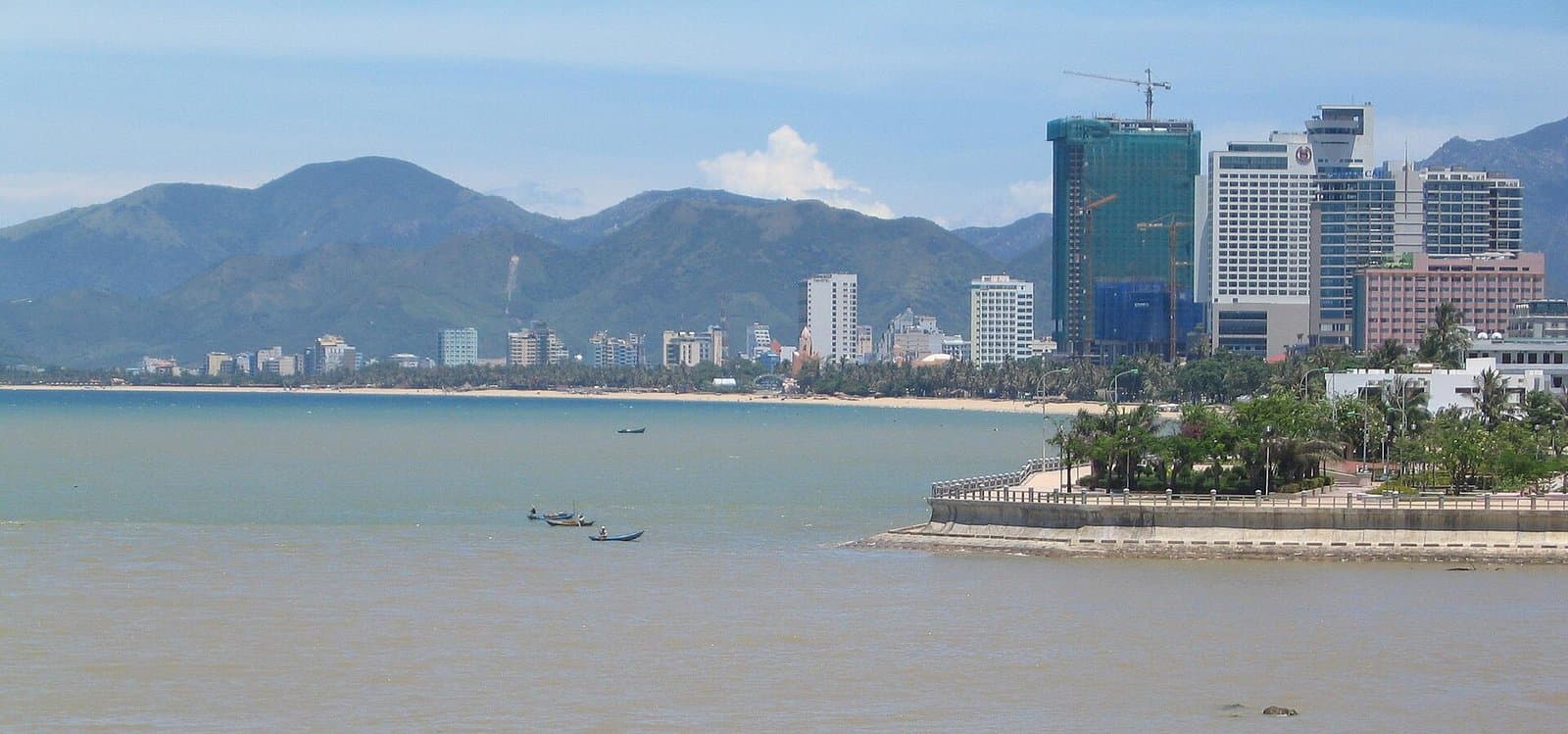
Start with the thing every guide gets wrong: there is no authoritative number. Vietnam publishes work permit counts, not residency counts, and the widely quoted "83,500 to 100,000 foreigners" range traces back to travel blogs quoting each other rather than to any statistics office. Work permits on issue in 2024 came to roughly 160,000 across 110 nationalities. Either way the foreign population is small for a country of 100 million — Thailand hosts several times more — which is why expat life here feels concentrated rather than diffuse.
Now the lopsided part. Here is what the public numbers say, with the caveat that several of them are older than you would like.
| Community | Estimated size | Main locations | Year of data |
|---|---|---|---|
| Korean | Largest group, no current count | HCMC, Hanoi, Dong Nai, Binh Duong | — |
| Japanese | ~22,000 | HCMC ~10,600, Hanoi ~8,700 | 2023 |
| Taiwanese | ~20,000 | HCMC, Binh Duong, Dong Nai | 2002 baseline |
| Russian-speaking | 4,000–10,000 | Nha Trang, Da Nang, Vung Tau | 2026 estimate |
| Western (US, UK, EU, AU) | No official figure | Thao Dien, Tay Ho, An Thuong | — |
The gaps and mismatched years in this table are a data problem, not a typo. Diaspora estimates count long-stay residents, dependants and people on rolling business travel; permit counts only count people with a permit; nobody counts the retirees and remote workers on rolling tourist visas at all. Treat every row here as an order of magnitude, not a census.
One recent and methodologically clean data point exists: InterNations Expat Insider 2025, based on 12,000+ responses across 46 destinations. Vietnam came 5th overall, 1st for personal finance for the fifth year running, 11th for ease of settling in and 8th for general happiness. Around 89% of respondents said they were satisfied with the cost of living.
Fifth in the world, eleventh for settling in. That gap is the entire subject of this article: Vietnam is easy to afford and harder to belong to.
Where expats live in Vietnam: the neighbourhood map
All places on the map · 7
Tap a name to show it on the map
- Ho Chi Minh City (Thảo Điền): The Western enclave: international schools, coworking, breweries — Little Tokyo and Phú Mỹ Hưng sit across the river
- Hanoi (Tây Hồ / West Lake): The densest foreign presence in the north — Embassies, IB schools, the Quảng An gathering corner
- Da Nang (An Thượng): Nomad capital, six streets wide — Studios $300–500, coworking at Toong, Base, Enouvo Island
- Nha Trang (Nguyễn Thiện Thuật): The Russian-speaking core — Cyrillic signage outnumbers English in the tourist centre
- Vung Tau (Nguyễn Thái Học): The gated Vietsovpetro compound — Own school since 1984, shops, stadium, clinic, chapel. Access by pass
- Mui Ne (Bãi tắm Hàm Tiến): Kite-surfing community, October to April — The kite stations are the social infrastructure
- Phu Quoc (Dương Đông): Newest and most seasonal community — Direct Russia flights resumed November 2025
Four neighbourhoods hold most of Vietnam’s expat life. Learn these four names and you have learned 80% of the geography.
| Neighbourhood | City | Who lives there | Rent guide |
|---|---|---|---|
| Thảo Điền | Ho Chi Minh City | Western families, corporates | From $350–500/mo, more with a pool |
| Lê Thánh Tôn and Thái Văn Lung | Ho Chi Minh City | Japanese | Premium central pricing |
| Phú Mỹ Hưng | Ho Chi Minh City | Korean and Taiwanese families | Mid-to-high, planned township |
| Tây Hồ / West Lake | Hanoi | Western families, diplomats, teachers | Wide range, villas at the top end |
| An Thuong / Mỹ An | Da Nang | Digital nomads, remote workers | Studios $300–500, 1–2BR $500–900 |
Ho Chi Minh City is really three cities
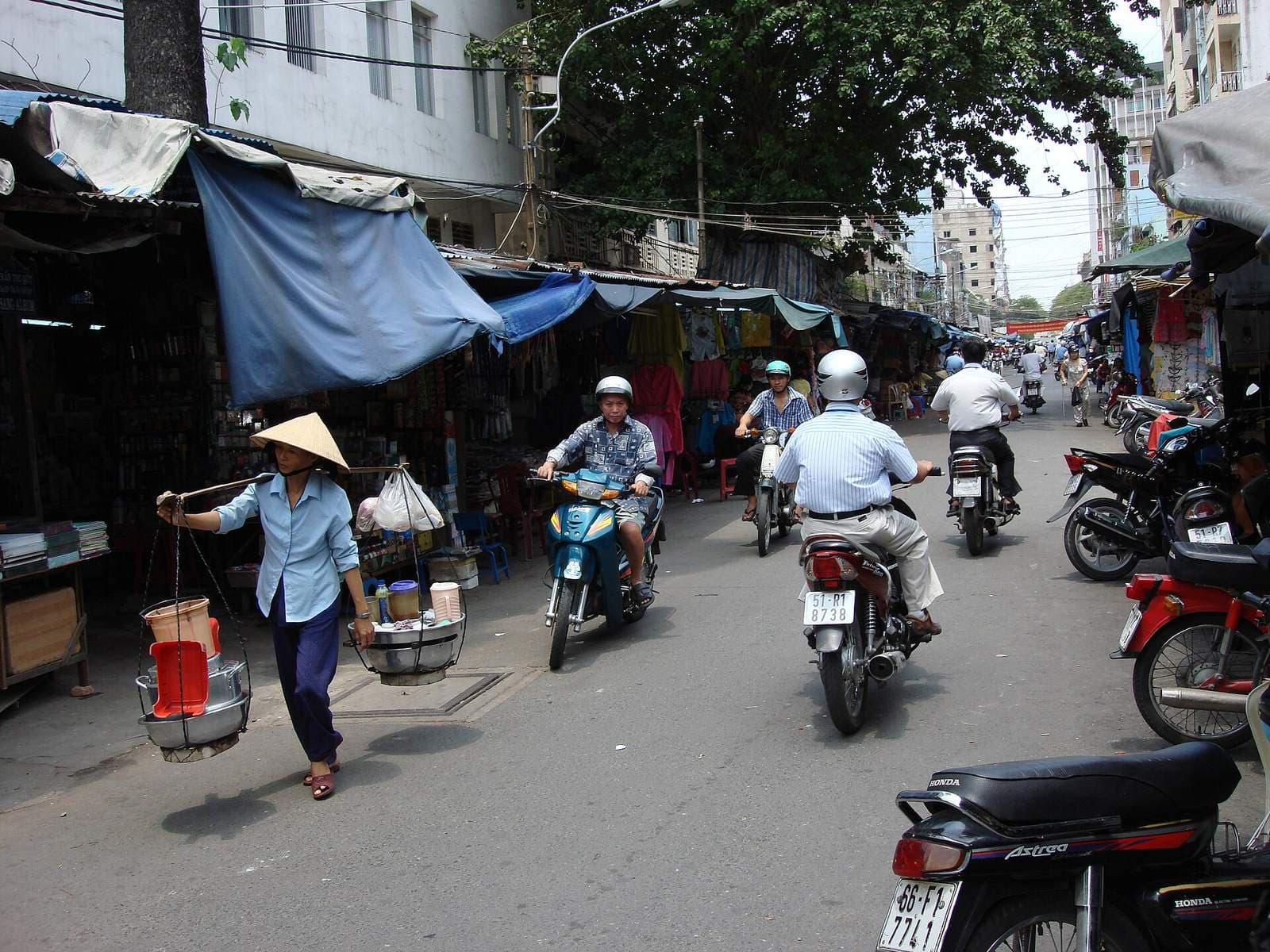
Saigon is where the numbers are, and it splits cleanly by nationality.
Thảo Điền is the Western enclave: international schools, coworking, yoga studios, craft breweries and tree-lined streets. People call it "little Australia" and mean it affectionately. Rent starts around $350–500 a month, and the cost of everything else runs on expat pricing.
Little Tokyo is the tightest, most concentrated foreign community in the country. It occupies under 2 km of Lê Thánh Tôn and Thái Văn Lung in the centre, houses more than 300 Japanese families, and supports over 100 Japanese restaurants, izakayas, boutiques and services. It has been forming since the 1990s and, unlike most expat areas, it did not need a real estate developer to happen.
Phú Mỹ Hưng is where Korean and Taiwanese families concentrate, along with the Korean International School — 745 students from kindergarten through high school, running since 1998.
One thing to keep straight: Chợ Lớn is Saigon’s historic Chinatown, home to the Hoa community. They are Vietnamese citizens, not expats. Guides that lump them in with the foreign community are simply wrong.
Hanoi: everything happens around one lake
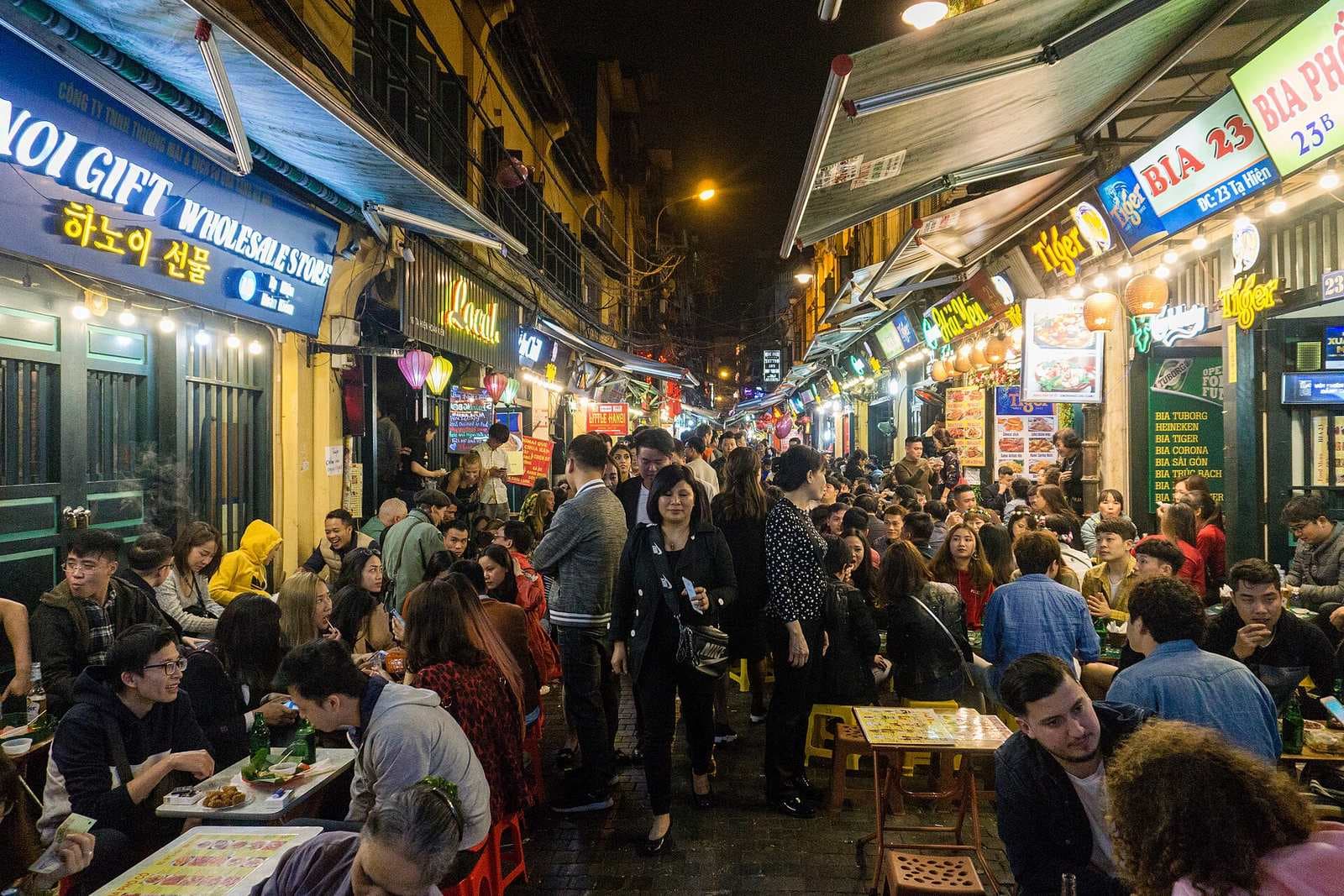
Tây Hồ, the West Lake district, is the highest concentration of foreigners in northern Vietnam, as VnExpress International describes it. No reliable headcount exists for it — the "20,000 foreigners" figure that circulates in guides belongs to a different Hanoi district entirely.
The pull is practical: embassies are close, and so are UNIS Hanoi, Westlink and Horizon, which decides where families live more reliably than any lifestyle argument. The Quảng An corner has become the default gathering spot for diplomats, consultants and long-term teachers.
The tradeoff is a small pond. In Hanoi you will run into the same forty people at every event within a month. Some find that comforting; some find it claustrophobic by year two.
Da Nang: the nomad capital, six streets wide
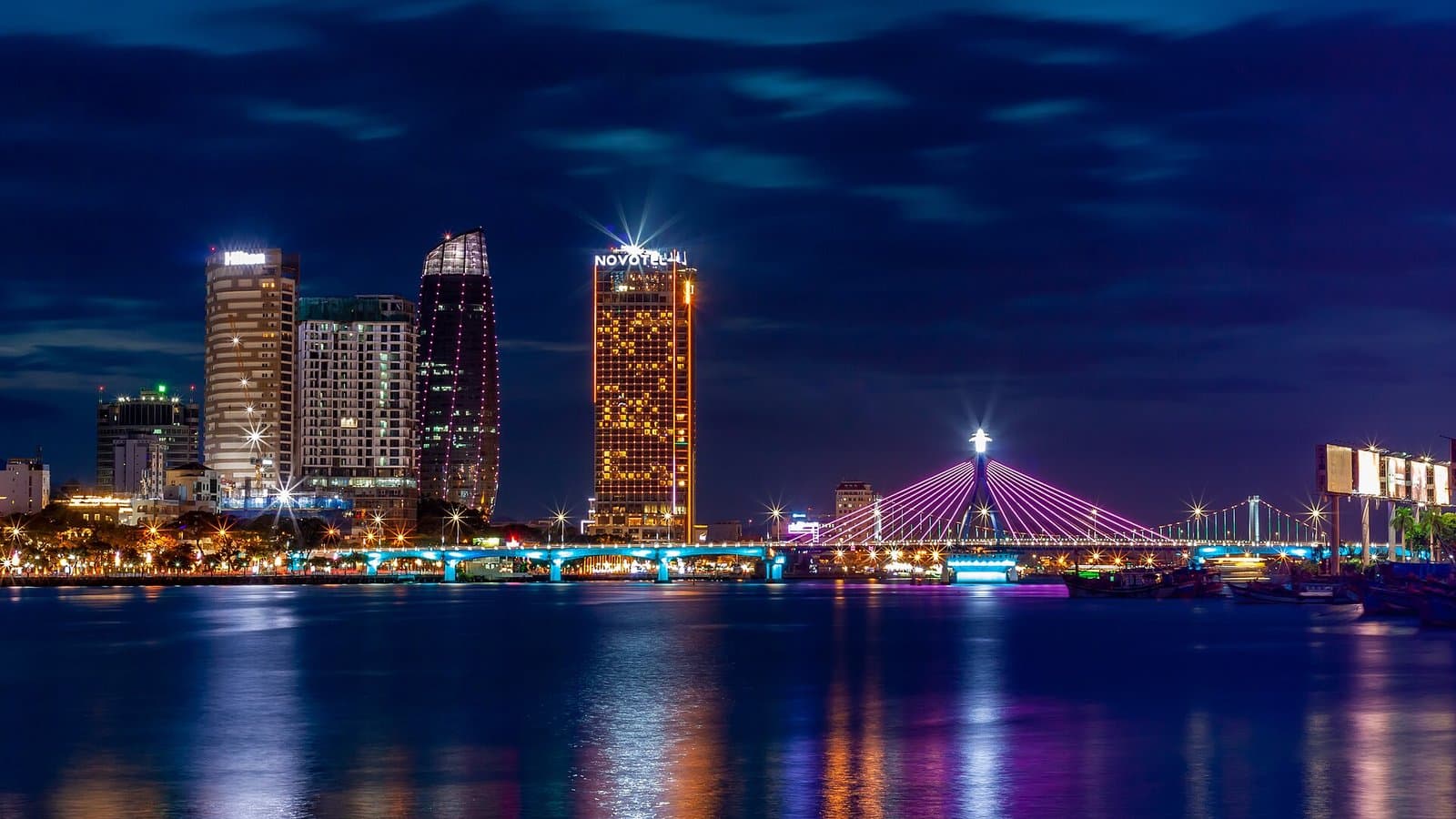
An Thuong is the closest thing Southeast Asia has to a purpose-built digital nomad district, and it happened by accident. It sits a short walk from My Khe Beach and packs the highest density of cafés, coworking spaces and international restaurants in the city into a walkable grid.
Studios run $300–500 a month, one- and two-bedroom flats $500–900. Coworking clusters around Toong, Base and Enouvo Island, and the meetup calendar mostly runs out of those three.
Now the part the listicles skip. An Thuong is also the noisiest, most touristy and most expensive corner of Da Nang, with the sharpest foreigner markup in the city. Move two kilometres inland and you keep the lifestyle and drop a third off the rent — provided you ride a motorbike, which in Da Nang is not optional.
Da Nang also carries a large Korean presence, both resident and seasonal. Korean media ranked it 4th among international destinations for Korean travellers in summer 2025, and the Korean restaurant scene around Mỹ An and Sơn Trà reflects that. See our Da Nang city guide and coworking roundup.
The communities most English-language guides skip
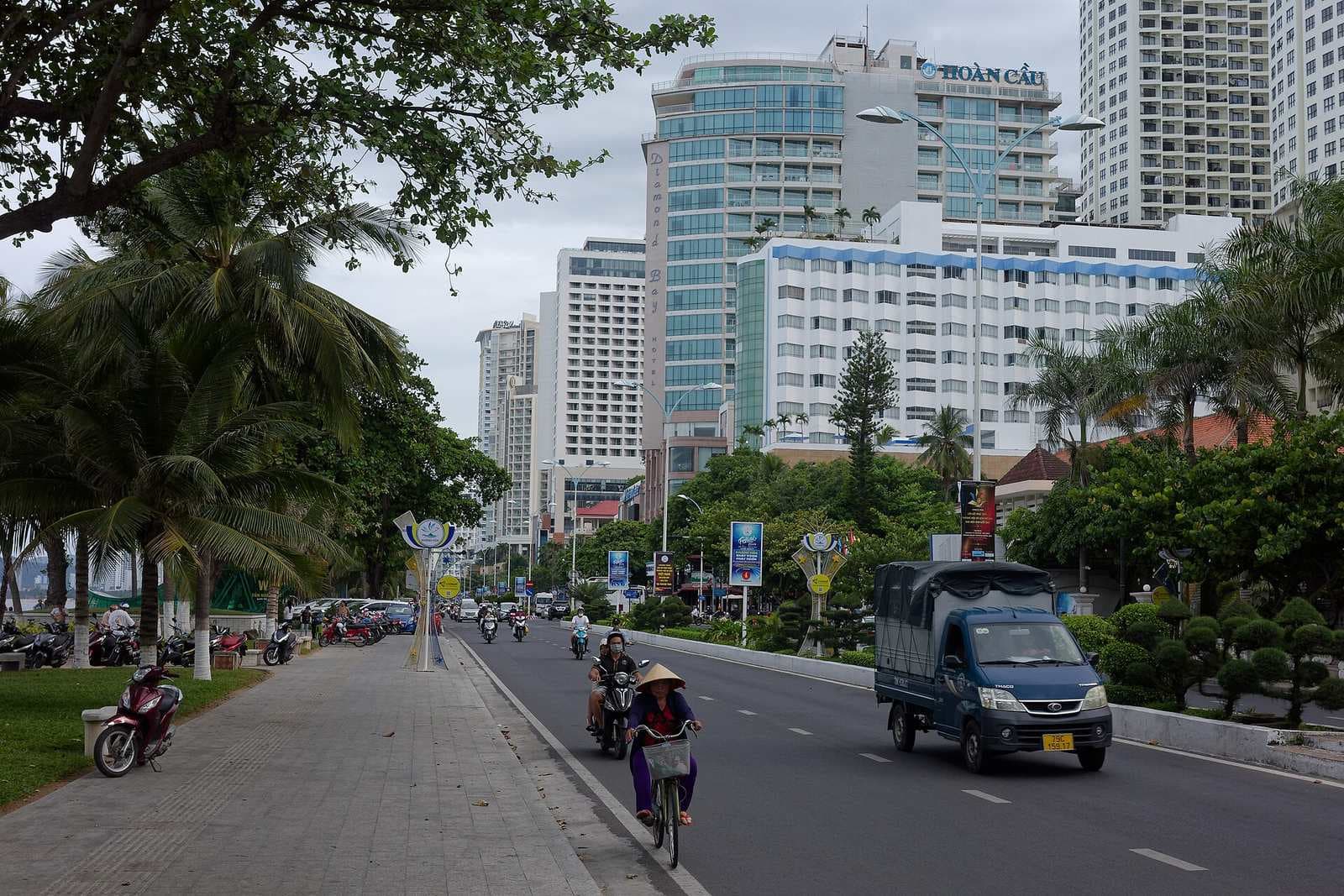
Nha Trang is Vietnam’s Russian city. In the tourist core, Cyrillic signage outnumbers English, menus are in Russian and shop staff speak it. Somewhere between 4,000 and 10,000 Russian speakers live in Vietnam permanently, and around 70% of them are here. If you are not part of that community, Nha Trang can feel like a beach town that quietly runs in a language you don’t read. Full breakdown in our Nha Trang guide.
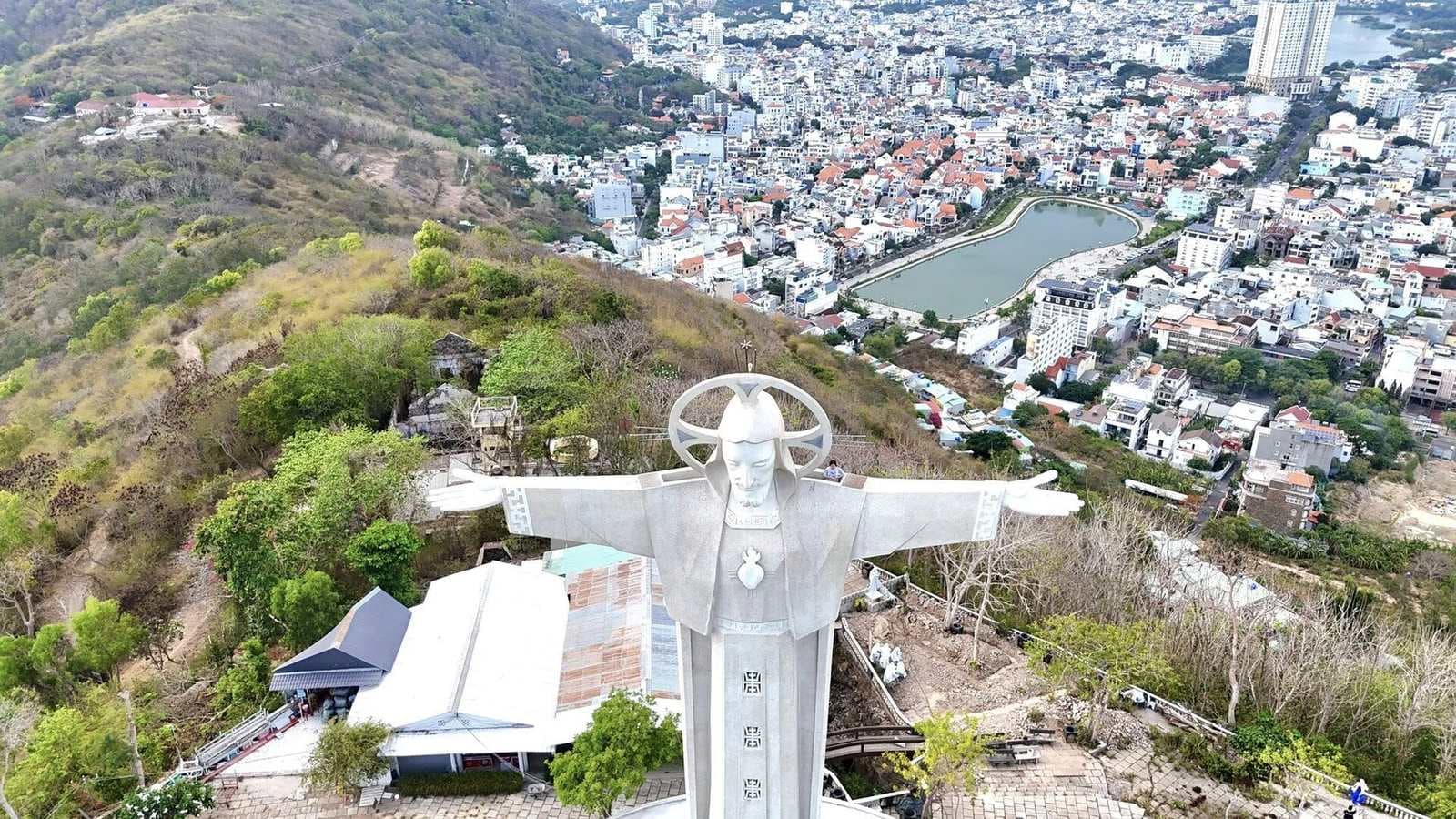
Vung Tau hosts the only genuine foreign company town in the country. The Vietsovpetro oil joint venture, running since 1981, built a residential compound on Nguyễn Thái Học street with its own school (open since 1984, 259 students in December 2024), shops, stadium, clinic, bakery and Orthodox chapel. Access is by pass, and headcounts vary wildly — anywhere from a few hundred Russians to a few thousand including families, with no official figure published. Details on the city in our Vung Tau guide.
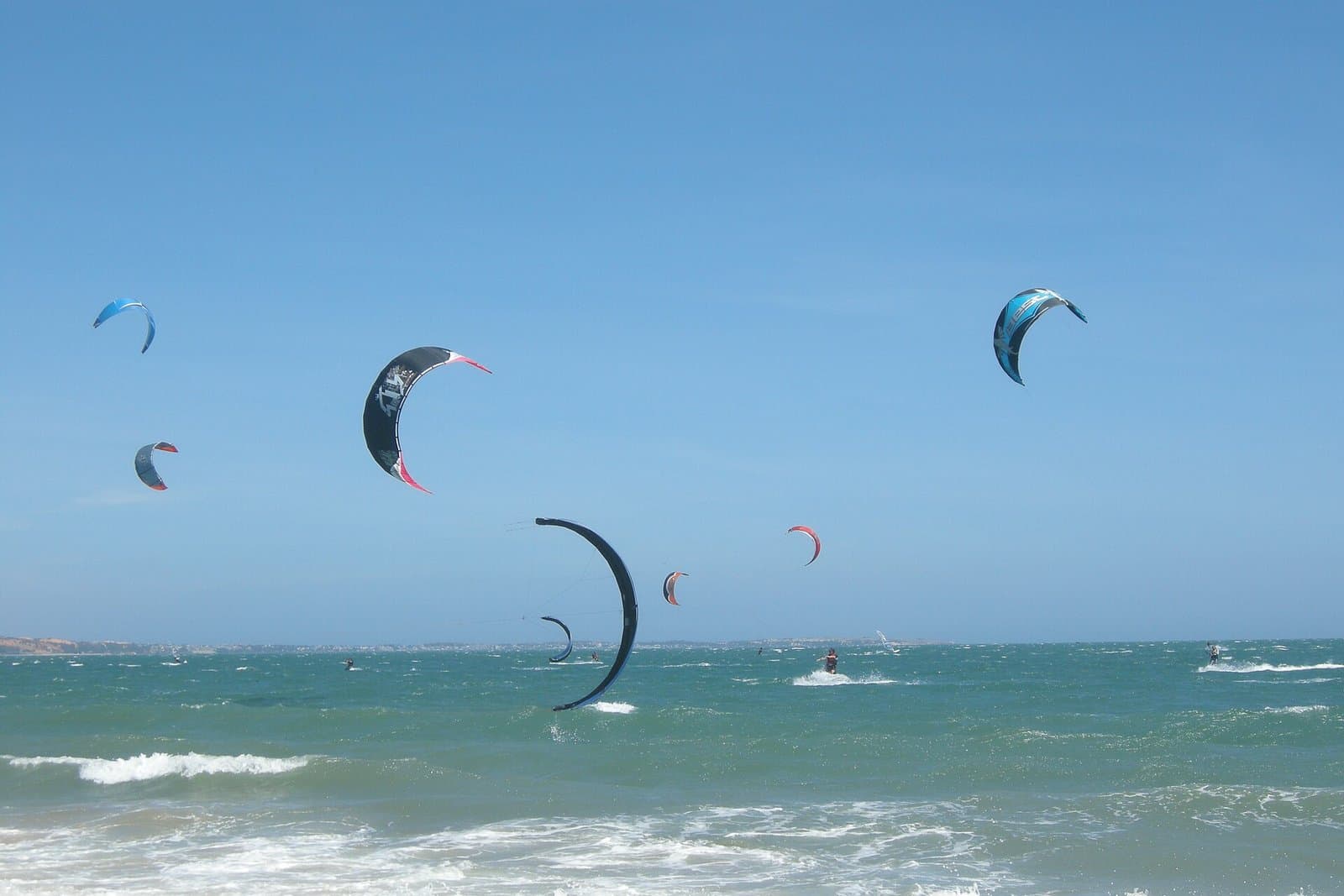
Mui Ne is a kite-surfing community, seasonal from October to April, where the kite stations at Hàm Tiến function as the social infrastructure. Small, tight, family-heavy. See the Mui Ne guide.
Binh Duong and Dong Nai hold a large Korean, Taiwanese and Japanese managerial population attached to industrial zones — 14.4% and 7.4% of the country’s foreign workforce in the 2018 breakdown. Nobody writes lifestyle guides about them, which tells you something about who writes lifestyle guides.

Phu Quoc is the newest and most seasonal community of the lot. Direct flights from Russia resumed in November 2025 after a five-year gap, and the island now runs on a winter crowd of remote workers and families who leave again in spring. Nothing has settled yet — no trusted contractors, no established groups — which makes it harder to get answers and easier to get in, since everyone is new.
How to get into a community in your first month
Give it a week of deliberate effort and you will have a social base. The mechanics are boring and they work: two Facebook groups, one Meetup, one recurring offline commitment.
Facebook is still the backbone for non-Russian speakers, which surprises people arriving from markets where it died years ago. The groups that matter are city-level: Expats in Ho Chi Minh City (Saigon), Expats in Saigon, Hanoi Expats, Digital Nomads in Da Nang. Use them for housing, buying and selling, and the specific question you cannot Google.
Meetup carries the professional layer. Saigon Digital runs regular networking nights for entrepreneurs and tech expats in HCMC, and it is the most reliable way to meet people who are actually building something rather than passing through.
InterNations runs structured events in Hanoi and Saigon, skewing corporate and paid-tier. Useful if you arrived on a company package; less so on a freelance budget.
Reddit — r/VietnamTravel, r/expats, r/saigon — is where you get the unvarnished answer, especially about landlords, agents and visa services.
Zalo is the one almost every foreigner underestimates. It is Vietnam’s default messenger, and your landlord, your mechanic, your kid’s school and your delivery driver all use it. Not an expat network — the local one you need to function, and it wants a Vietnamese number, so sort a local SIM or eSIM in week one.
Offline, three things work better than everything else combined:
- Coworking with a monthly desk rather than day passes. Same faces, repeat contact, actual friendships.
- Sport with a fixed schedule: run clubs, football leagues, kite stations, climbing gyms.
- A language exchange or a workshop — cooking, photography, yoga. This is the only reliable path to meeting Vietnamese people instead of only other foreigners.
Schools: the real cost of bringing kids
International school fees are the single largest line item in an expat family budget in Vietnam, and the sticker price is not the price.
| Type | Monthly cost | What you actually get |
|---|---|---|
| International (IB / British) | $1,500–2,500 | English-medium, classes of 12–18, Western pedagogy |
| Bilingual | $500–800 | Vietnamese curriculum plus English teachers, classes up to 30 |
| National-community schools | Varies | Korean International School HCMC, Hanoi Hangul School, Russian embassy and consulate schools |
| Home-schooling support centres | $200–400 | Supervision and socialisation; enrolment sits with an online school abroad |
On top of international school tuition, budget application fees of $1,000–4,000, an annual capital fee of $1,000–5,000, a security deposit and transport at $80–120 a month. Total tuition alone clears $20,000 a year at the top schools.
The national-community route is the cheaper and less-discussed option. The Korean International School in HCMC has been running since 1998 and enrols 745 students from kindergarten to high school. Hanoi Hangul School operates as a weekend programme, founded in 1996. Russian-speaking families have the embassy school in Hanoi, running since 1975, a school at the consulate general in HCMC and the Vietsovpetro school in Vung Tau.
The catch with community schools is that they educate for a specific national curriculum and a specific return path. Good if you are going home in three years. Complicated if you are not.
School fee ranges reflect 2026 published rates. Ask each school for the current fee schedule including hidden charges — they are rarely on the website.
Faith communities and where they meet
English-language congregations are one of the fastest offline entry points in Hanoi and Saigon, and they function as social infrastructure well beyond the religious part — newcomer introductions, childcare referrals, housing leads.
| City | Community | Detail |
|---|---|---|
| Hanoi | Hanoi International Church, 76 Yên Phụ | Ecumenical, Catholic-Protestant-Orthodox, Sundays 10:30 |
| Hanoi | Al-Noor Mosque, 12 Hàng Lược | Daily services in Arabic |
| Ho Chi Minh City | River Church Vietnam | English services Sunday morning and midday |
| Ho Chi Minh City | International Grace Assembly, Binh Thanh | English service Sundays 10:30 |
| Ho Chi Minh City | Thu Thiem International Service | English congregation since 2010 |
| Ho Chi Minh City | Chabad House | Regular Shabbat and holiday services |
Russian Orthodox parishes operate in Vung Tau (2002), Hanoi and Ho Chi Minh City (both 2019) and Nha Trang (2024) — only the Vung Tau parish has a dedicated building.
The scams that run inside expat communities
Here is the pattern nobody says out loud: the scams that work best on foreigners in Vietnam are run by other foreigners, usually from the same country. A Korean agent working Korean newcomers. A Western "property consultant" selling leasehold as freehold. A Russian "visa helper" charging ten times the state fee.
It works because shared language reads as shared trust, and trust is exactly what the scheme needs. The street vendor overcharging you $2 is not your problem. The person who speaks your language and asks for a $500 deposit is.
Deposit before viewing. Professionally photographed listings, priced under market, deposit requested to "hold" the place. Then the property turns out to be occupied, different, or fictional. Around 37% of expats report rental fraud and 60% report motorbike deposit disputes, per Living in Vietnam’s 2025 review. Never pay before you have stood inside the flat.
Renting out property they don’t own. Forged paperwork, a real apartment, a fake landlord. Vietnam has exactly one legal proof of ownership: the pink book, sổ hồng. Ask to see it, and ask for a notarised copy of the landlord’s ID attached to it.
The deposit you never get back. Vague damage clauses let a landlord withhold thousands of dollars over scuffed walls or "insufficient cleaning". Fix it in the contract: define deductible damage versus normal wear, in writing, in both languages.
Visa "assistance". The government e-visa fee is fixed and public: $25 single entry, $50 multiple entry, up to 90 days, open to every nationality since 2023, on evisa.gov.vn or thithucdientu.gov.vn — the immigration department’s two official domains, and the only ones that charge the state fee alone. Agents legitimately charge a service fee on top for speed, but the state fee never changes. If someone quotes you a single number ten times the official one and calls it "the procedure", that is markup, not procedure. Our Vietnam visa guide walks the official route.
The freehold that isn’t. Foreigners can own a structure — a condo, a house — but not the land under it. What you are buying is typically a leasehold of 50 years or more. Anyone describing it otherwise is either uninformed or selling.
Investment circles for insiders. A closed group, a promised return, early participants paid out of later deposits. Standard pyramid mechanics, and expat communities are ideal terrain because everyone sort-of knows everyone.
For scale: Vietnamese authorities have reported fraud-related losses approaching $1.6 billion. Most of that is domestic and online, but it tells you how normalised the machinery is.
Five checks before money moves:
- Bilingual contract — Vietnamese plus English. A document in English alone is weak in a Vietnamese court.
- Pink book sighted, plus a notarised copy of the owner’s ID.
- Receipts for every payment, including cash.
- Viewing before deposit, always.
- Reputation confirmed outside the group where you found the person.
Fast Track — no queue at the border
5–10 minutes instead of an hour in the immigration queue
from$11per passenger
Work, housing and what communities are actually good for
Expat communities are excellent at housing, referrals and one-off gigs. They are poor at full-time employment: pay inside a community network is almost always below market, because the employer is paying for convenience rather than skill.
Note also what the e-visa does not permit: paid employment, running or founding a company, degree study, or settling. Plenty of people work on the wrong status. It is a risk both parties carry, not just the employer.
- ✓ Taking over a flat from someone leaving — no agent fee, furniture included
- ✓ Finding a tutor, a nanny, a mechanic, a vet
- ✓ Selling or buying a motorbike, furniture, gear
- ✓ One-off professional work in your own field
- ✓ Moving documents or parcels between cities
- ✗ Full-time work without a contract or a permit
- ✗ Any sum you would mind losing
- ✗ Anything requiring a licence — medicine, law, property transactions
- ✗ Loans, investments, "come in as a partner"
If you are staying long-term, sort the paperwork rather than the network: a Vietnamese bank account, the right visa track and a temporary residence card do more for you than any group chat. Our relocation guide covers choosing a city on budget rather than vibe.
The bubble: what community costs you
Every expat community in Vietnam charges rent on convenience, and the currency is not only money.
Vietnamese is tonal and genuinely hard, and outside the big cities English thins out fast. The barrier bites hardest exactly where it matters: administration, hospitals, small businesses, government offices. Inside the bubble you never hit it, so you never learn — and then you hit it in a hospital.
First-hand accounts from people who left are consistent on this point. No cinema, no theatre, no local events, everything mediated by Google Translate until the effort stops feeling worth it, and the world narrows to a handful of English-speaking venues.
The bubble is also more expensive. An Thuong carries the steepest foreigner markup in Da Nang. Thảo Điền runs on expat pricing across the board. You pay a premium for the neighbourhood where the menu is in English.
And these communities are transient by construction. People arrive for a season, a contract, a school year. Friendships restart annually, and reputations never quite accumulate — which is, not coincidentally, why the scams above keep working year after year.
- ✓ You arrived with kids and need a school, a doctor and a nanny this month
- ✓ You work remotely for clients abroad and need internet, coffee and other people doing the same
- ✓ You want a soft landing before deciding whether to stay
- ✗ You moved specifically for cultural immersion and language
- ✗ You are building something that needs Vietnamese partners and customers
- ✗ You dislike environments where everybody knows everybody’s business
A fair number of long-term foreigners here deliberately live outside all of it: local neighbourhoods, local cafés, Vietnamese friends, some functional Vietnamese. They lose speed on the practical stuff and gain the country. Most people who last more than three years end up somewhere in between.
FAQ
Nobody knows, and anyone quoting a precise figure is quoting a blog. Vietnam publishes work permits rather than residency counts — roughly 160,000 on issue in 2024, across 110 nationalities, with the largest groups from Korea, Japan, Taiwan, China and the US. That undercounts retirees and remote workers on rolling tourist visas. Diaspora estimates run higher because they add dependants and business travellers. Treat every figure as an order of magnitude.
Ho Chi Minh City has the largest and most varied community, split by nationality across Thảo Điền, Little Tokyo and Phú Mỹ Hưng. Da Nang is best if you work remotely — An Thuong concentrates the nomad scene into a walkable few streets. Hanoi’s community is smaller and centred on Tây Hồ, which suits families and people on corporate packages more than freelancers.
Not to survive in Thao Dien, Tay Ho or An Thuong. You will need it, or a translator, the moment you deal with administration, hospitals, police or a landlord dispute. Expats consistently name language as the top barrier, and the neighbourhoods that make daily life easiest are the ones that make learning hardest.
You can own a structure — a condo or a house — but not the land beneath it. In practice that means a leasehold, typically 50 years or more, with limits on how much of a building can be foreign-owned. Anyone marketing Vietnamese property to you as freehold is misrepresenting it. Verify ownership through the pink book, not through a brochure.
Expect $1,500–2,500 a month for an IB or British-curriculum school, which is $20,000+ a year in tuition alone. Add application fees of $1,000–4,000, an annual capital fee of $1,000–5,000, a deposit, and transport at $80–120 a month. Bilingual schools run $500–800 a month, and national-community schools are usually cheaper again.
Rental deposits. Around 37% of expats report rental fraud and 60% report motorbike deposit disputes. The mechanics are always the same: money requested before you have seen the property or signed a bilingual contract. Pay after viewing, insist on seeing the pink book, and take receipts for cash. Book a few nights in a hotel first rather than committing to a flat from abroad — it costs less than a lost deposit.
By expat survey standards, yes — InterNations put it 5th of 46 countries in 2025 and 1st for personal finance for the fifth consecutive year. The weak spots are bureaucracy, language and the fact that "easy to afford" is not the same as "easy to belong to". Settling in ranked 11th, and that gap is what most people underestimate.
What to do in your first month
Vietnam’s expat scene is not one community and does not behave like one. Pick your neighbourhood deliberately, because it decides your rent, your friends and your Vietnamese more than the city does.
Three things worth doing immediately: join two city-level Facebook groups and one Meetup, install Zalo before you need it, and commit to one recurring offline thing — a coworking desk, a sport, a class. Do that and you have a social base inside a month.
And one rule that will save you more than everything else here combined: shared language is not a background check. Bilingual contract, ownership verified, payment after delivery. Especially when the person asking speaks yours.
Current as of September 2026. Population figures, school fees and service times change — the map coordinates were checked against OpenStreetMap in September 2026, but check the primary source before you move money or make plans.
Read next: Moving to Vietnam · Vietnam visas · Da Nang guide · Prices in Vietnam
- Preparation
Getting Around Hue 2026: Taxis, Scooters, Dragon Boats
How to get around Hue and out of it in 2026: taxis and apps, scooter rental, dragon boats, the heritage train to Da Nang and Phu Bai airport.Getting Around Hue 2026: Taxis, Scooters, Dragon Boats - Preparation
English-Speaking Doctor in Vietnam 2026: Where to Go
English-speaking doctors in Vietnam sit inside international clinics and nowhere else. Interpreters, dual pricing, phrases and the 2026 prescription rules.English-Speaking Doctor in Vietnam 2026: Where to Go - Preparation
Permanent Residence in Vietnam: Who Qualifies & How
Permanent residence in Vietnam: who can apply, the grounds (marriage, investment, contribution), the process and how it differs from a residence card.Permanent Residence in Vietnam: Who Qualifies & How