
Seeing a doctor in Vietnam without a shared language
English in Vietnamese healthcare has a hard border, and it runs along the front door of the international clinics. Inside a private international hospital, someone will speak to you in English. Step into a public hospital, a neighbourhood clinic or a pharmacy two streets away, and the conversation is in Vietnamese only.
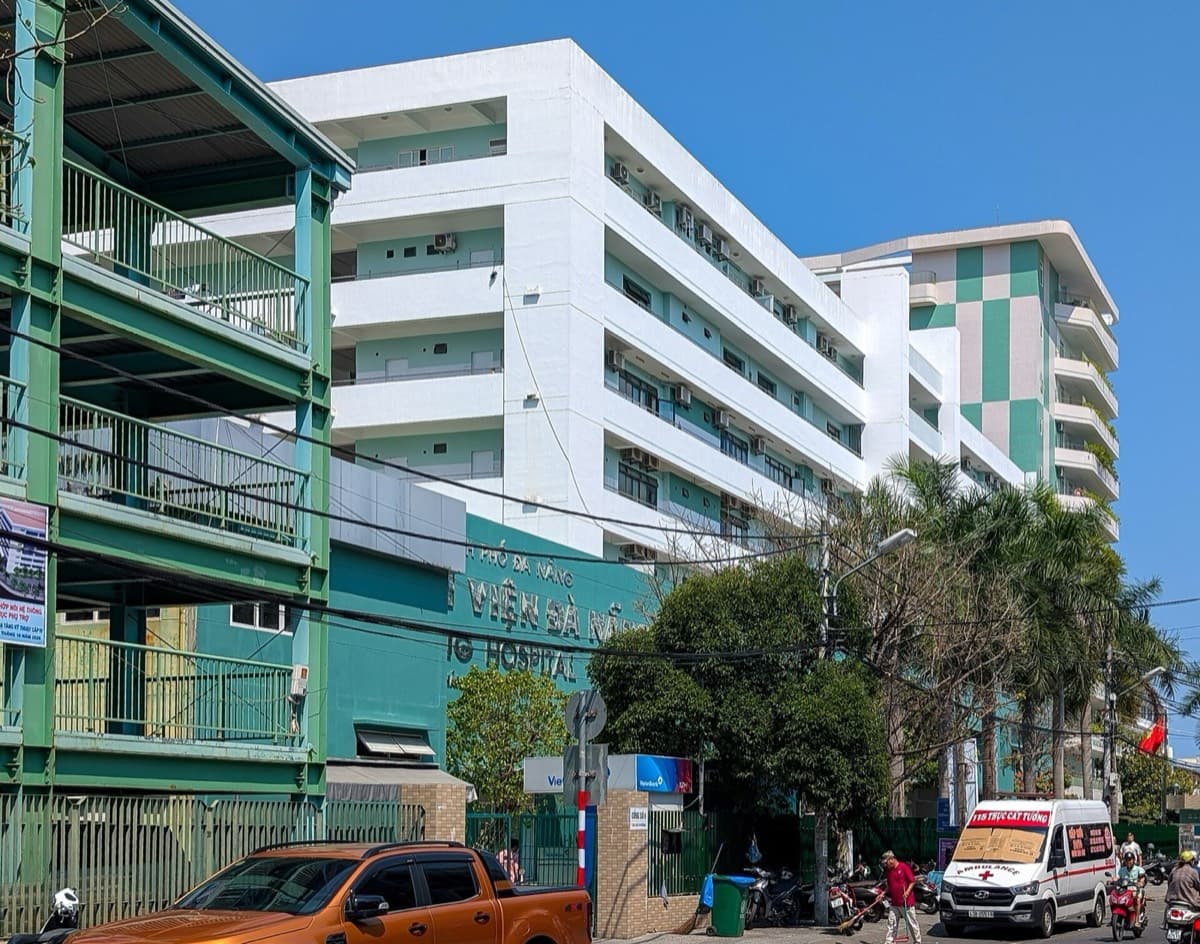
That border has a price. International clinics charge several times what a local private hospital charges for the same consultation, and plenty of travellers pay the premium purely to be understood.
There is a cheaper route, and it is the one Vietnamese law actually assumes you will take: a doctor who speaks Vietnamese plus an interpreter. This piece covers how that works, what it costs, and how to run a consultation, a prescription and an emergency without a shared language. Addresses and hospital tiers live in the separate guide to hospitals and pharmacies in Vietnam.
- English is reliable only inside international clinics. Everywhere else you need an interpreter, not a bilingual doctor.
- Vietnamese clinics run two price lists. A GP visit in Da Nang costs 165,000 VND (~$6) at the local rate against 350,000 VND (~$13) at the foreigner rate.
- Your travel policy already includes a 24/7 assistance line that can interpret the consultation over the phone. Almost nobody uses it.
- Since 1 January 2026 prescriptions are electronic and pharmacies must dispense strictly against one. The old "buy anything over the counter" advice is dead.
- 115 is the ambulance number and the operator answers in Vietnamese. In a city, a Grab to a known hospital is often faster.
Who actually speaks English in Vietnamese healthcare

English-speaking doctors in Vietnam are concentrated in a short list of private international hospitals, and they are not distributed evenly across the country. Everything outside that list runs in Vietnamese, including the paperwork.
| Where you are | Language you will get | What it costs you |
|---|---|---|
| International hospital (Vinmec, Family Medical Practice and peers) | English, sometimes French, Japanese, Korean | The highest tariff in the country |
| Private Vietnamese clinic | Vietnamese, occasional basic English | Mid-range, and lower still with an interpreter |
| Public hospital | Vietnamese, English by luck | The cheapest care available |
| Pharmacy | Vietnamese | Free advice, variable quality |
Family Medical Practice has run foreign-invested clinics in Vietnam since 1994, with sites in Ho Chi Minh City, Hanoi and Da Nang, a multilingual team, 24/7 emergency cover and direct insurance billing. Vinmec runs staff medical interpreters across its network in English, French, Korean, Japanese, Russian and Chinese, plus international patient coordinators who arrange the visit before you arrive.
That is the whole reliable list. Anything beyond it is a coin toss.
Vietnamese law is refreshingly blunt about the arrangement. The Law on Medical Examination and Treatment No. 15/2023/QH15 lets a foreign practitioner treat patients through an interpreter, and only from 1 January 2032 will long-term foreign practitioners be required to speak Vietnamese fluently themselves. Interpreted care is the designed path, not a workaround.
One more thing worth knowing before you go looking. The clinics that do staff full language departments do it for the patient volumes that justify the payroll: roughly two hundred thousand Koreans and more than twenty thousand Japanese live in Vietnam, and hospitals build around them. Smaller communities do not get departments. They get interpreters.
City by city: where the language holds up
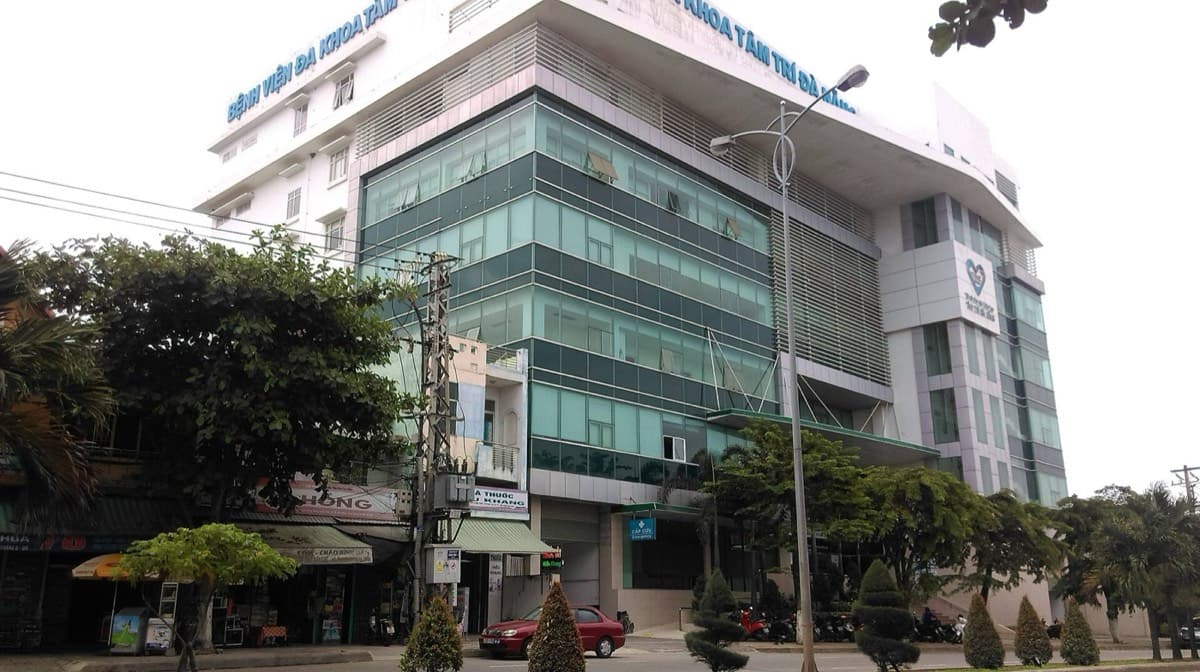
Ho Chi Minh City and Hanoi have the deepest bench of specialists and the most English inside private hospitals. Da Nang has the most developed market of freelance medical interpreters. Outside those hubs, assume nothing.
| City | What you get | How it works | What to do |
|---|---|---|---|
| Ho Chi Minh City | Widest choice of international clinics and specialists | English inside private hospitals, Vietnamese everywhere else | Best place in the country for anything complex |
| Hanoi | International clinics, departments in English, Japanese, Korean | Same split as HCMC | Same approach |
| Da Nang | International hospital plus a real interpreter market | Interpreter books the hospital and walks you through it | The most predictable option on a budget |
| Nha Trang | International hospital, tourist-facing dental clinics | Dentists often handle foreign patients directly | Fine for dental, interpreted for everything else |
| Phu Quoc | International hospital, languages not published | Serious cases fly to HCMC | Check insurance covers evacuation |
| Small towns | Nothing | Public hospital, Vietnamese only | Travel to a hub for anything planned |
Da Nang deserves the attention. It has an established market of medical interpreters, people who know which hospital handles which symptom and what the visit should cost. That is where the two-tier pricing below plays out most visibly.
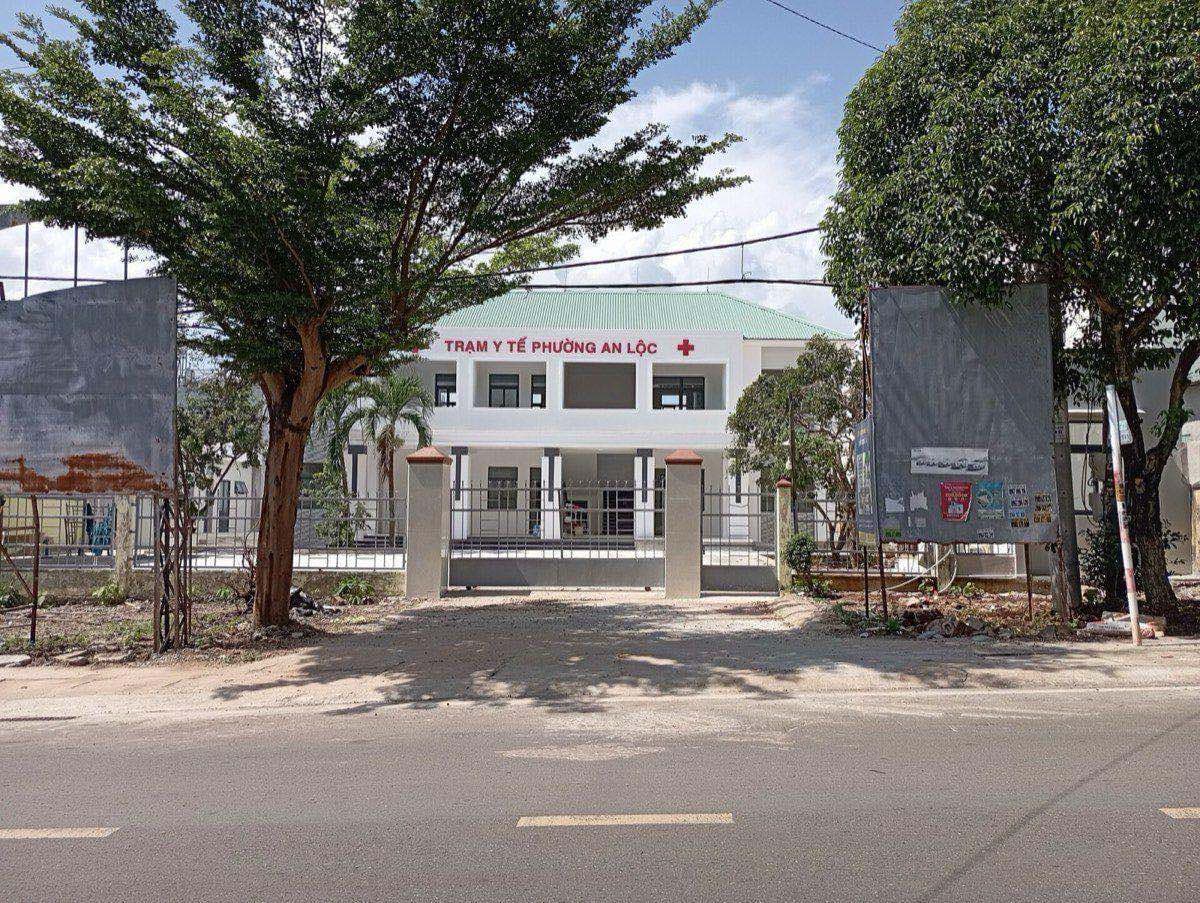
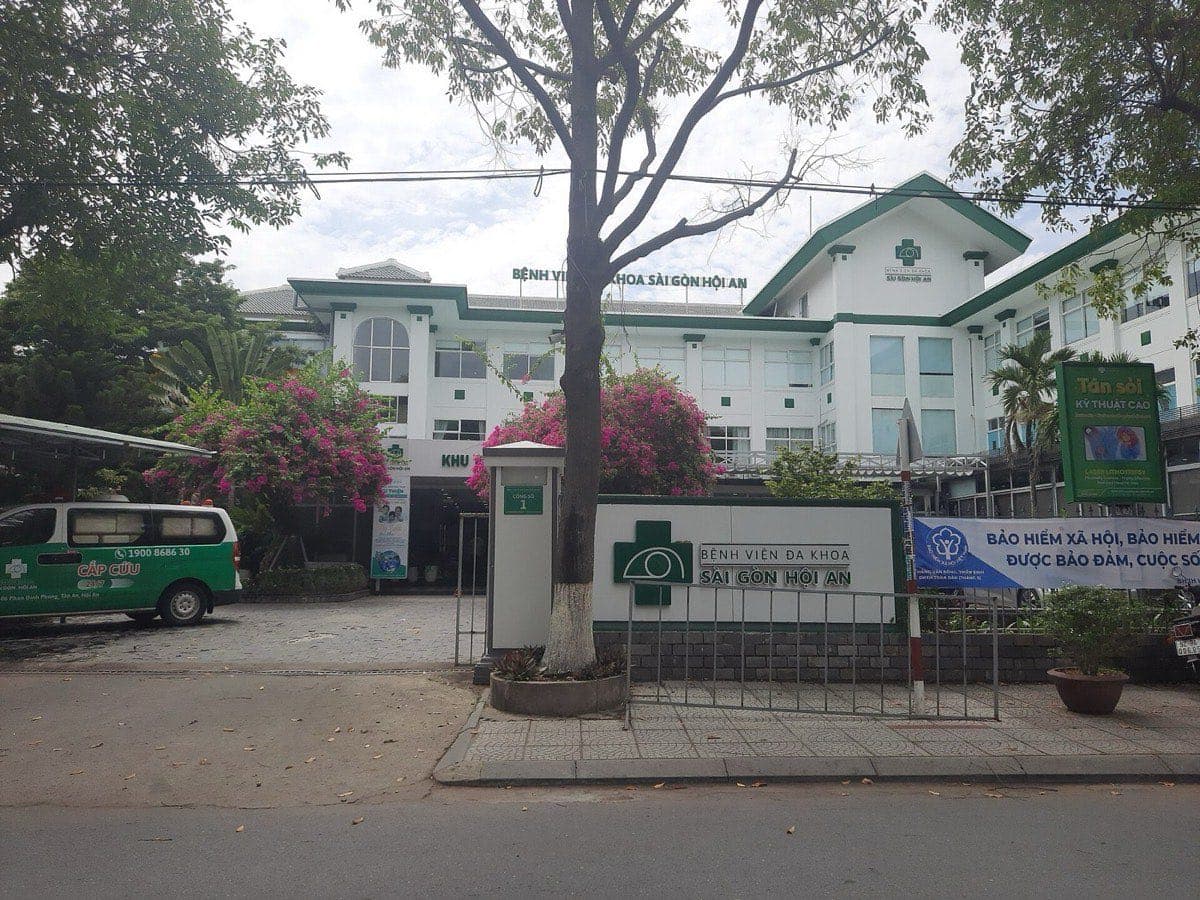
Small towns are the honest gap. Hoi An, Quy Nhon, Phan Thiet, Da Lat and Vung Tau have no meaningful language support in healthcare. A district hospital will treat you in an emergency, but the consultation and the discharge paperwork will be in Vietnamese. Anything you can schedule, whether that is thyroid, joints, cardiology or women's health, schedule it in a hub.
The travel is cheap compared with the alternative. A bus from Hoi An to Da Nang takes an hour and costs pocket change. Weigh that against a diagnosis reached by gesture.
Ask the clinic directly when you book: is an interpreter available, during which hours, and is there a fee. "Our doctors speak English" is an answer about the doctors, not about the person who will handle your paperwork.
For hospital addresses, tiers and public-sector prices, see the guide to hospitals and pharmacies in Vietnam. Nha Trang itself is covered in the city guide. Dental work, the one field where foreign patients are routinely handled directly, has its own dentistry guide.
The unlicensed "doctor from the expat group"
Every expat community has one: a compatriot with a medical background back home who consults out of an apartment. Treating patients without a Vietnamese practice licence is an administrative offence under Decree 117/2020/NĐ-CP, carrying a fine of 30 to 40 million VND (~$1,150–1,540) and suspension of the certificate for 22 to 24 months.
The fine lands on the practitioner. The losses land on you, quietly and later.
- Your insurer will not pay. Reimbursement runs on documents issued by a licensed facility. A handwritten receipt is not one. How claims actually work is covered in the travel insurance guide.
- Nobody is accountable. If the advice turns out to be wrong, there is no facility, no regulator and no contract to point at.
- The prescription is worthless. Since 2026 that is literal, and the pharmacy section below explains why.
- There is no record. The next doctor, in Vietnam or at home, has nothing to read: no results in any system, no report, no history.
Checking is easy. The licence is called giấy phép hành nghề, it names one person and one scope of practice, and it is tied to the facility where they work. A legitimate clinic posts the licence and the doctor list in the lobby, has phòng khám (clinic) or bệnh viện (hospital) on the building rather than the stairwell door, takes payment at a cashier instead of a personal transfer, and hands you a receipt and a report with the facility's stamp.
Two situations get confused and they are not the same. A doctor at home reading your test results over video and saying "looks minor, but get this checked" is a second opinion, and it is both legal and useful. The same person prescribing you an antibiotic is treatment. The line sits at the prescription, not at the format of the conversation.
Fast Track — no queue at the border
5–10 minutes instead of an hour in the immigration queue
from$21per passenger
Your insurance assistance line is a free interpreter
Every travel policy comes with a 24/7 assistance hotline, and the operator speaks your language. Beyond finding a clinic and clearing payment, that operator can interpret the consultation itself if you hand the doctor your phone. The service is already paid for inside the premium and almost nobody uses it.
What assistance covers and how to pick a policy for Vietnam is a separate subject, handled in the insurance guide. Here we are only after the interpreting.
- Save the assistance number in your contacts before you fly. Not the policy PDF buried in your inbox. A phone number you can reach in one tap.
- Call before the visit, not after. Retroactive approval is the single most common reason claims get cut.
- Give them four things: policy number, city, what happened, when it started. Not "I feel awful" but "second day of 38.5, vomiting, I'm in Da Nang." The operator picks the clinic by protocol, so precise input means a precise referral.
- Ask for the consultation to be interpreted. Phrase it as a request, not a question: "I need interpreting during the appointment, please stay on the line."
- Put the call on speaker. Easier than passing the handset back and forth, and both sides can hear.
- Collect every document. Invoice, prescription, report, test results. Photograph them in the clinic before you leave.
Now the honest part. Interpreting under a policy is not an unconditional right, and terms vary between insurers.
| What to check | Why it matters | Where to look |
|---|---|---|
| Interpreting outside emergencies | Some insurers restrict the service to urgent cases only | Service benefits section |
| The cap | Typically an equivalent of 100–1,000 € | Limits table |
| Interpreters you hire yourself | Usually not reimbursed | Exclusions |
| Interpreting during hospitalisation | Covered by some insurers, explicitly excluded by others | Exclusions |
Call assistance every time. Just don't hang the whole plan on it. If you are staying long or managing a chronic condition, read the policy wording before you fly and keep a paid interpreter as the fallback. Long-stay healthcare, including local insurance, is covered in healthcare for long-term residents.
Medical interpreters: the cost, and why they pay for themselves
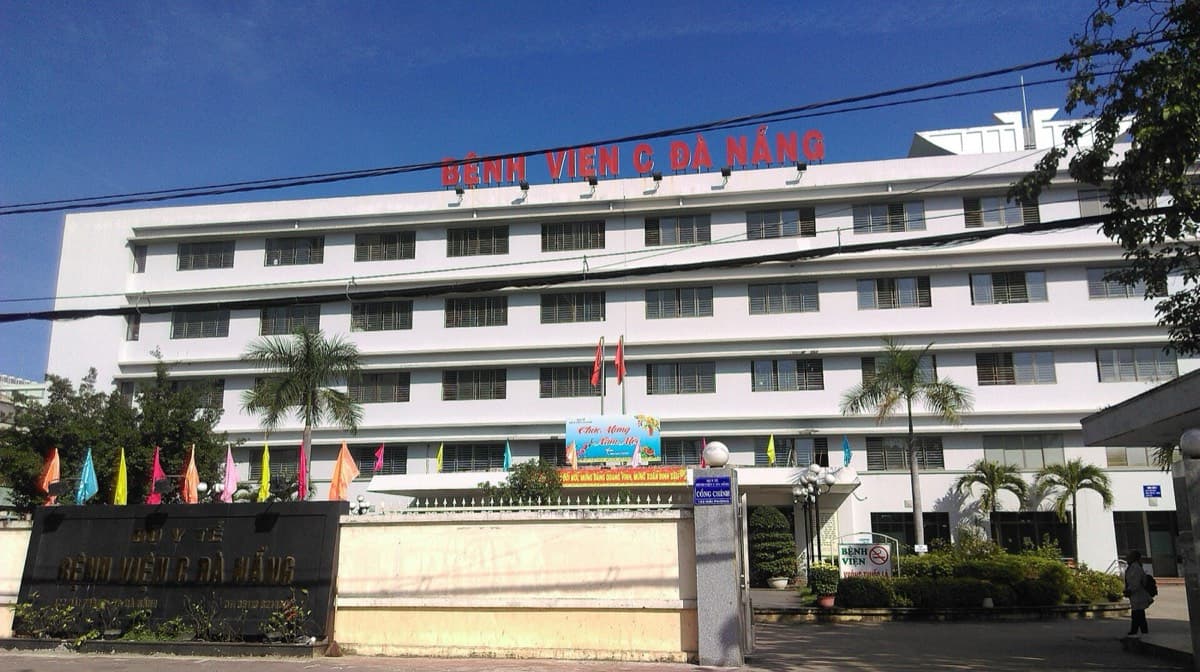
Vietnamese clinics keep two price lists, a local one and a foreigner one. An interpreter books you through at the local rate, and on a first consultation the gap is roughly double. This is not a discount or a grey scheme. A foreigner without the language costs the clinic more staff time, and the tariff reflects it.
Here is a real pair of prices from our own Da Nang clinic directory, compiled by a medical interpreter who walks patients through these hospitals.
| Service | With interpreter | Without | Difference |
|---|---|---|---|
| GP consultation | 165,000 VND (~$6) | 350,000 VND (~$13) | ~$7 |
| GP consultation, budget clinic | 85,000 VND (~$3) | 200,000 VND (~$8) | ~$5 |
| Ultrasound | 210,000 VND (~$8) | 414,000 VND (~$16) | ~$8 |
| X-ray | 102,000 VND (~$4) | 185,000 VND (~$7) | ~$3 |
| Echocardiogram | 250,000 VND (~$10) | 644,000 VND (~$25) | ~$15 |
| MRI 3.0T | from 3,078,000 VND (~$118) | from 5,540,400 VND (~$213) | ~$95 |
Prices current as of 09/2026 and updated as clinic tariffs change. Confirm the figure at reception before the consultation.
Currency converter
Same doctor, same room, same day: 165,000 VND with an interpreter and 350,000 VND without. The gap covers a good chunk of the interpreter's fee before anyone has said a word.
On imaging the gap stops being trivial. An MRI swings by about $95. If the doctor orders a series of scans, tests and a follow-up, the interpreter has paid for themselves on the first referral.
Where to find one. Expat groups on Facebook and the Expat.com Vietnam forum, where interpreters get recommended by name. International clinics with staff interpreting. Medical concierge services that handle the whole path from booking to pharmacy.
Nobody publishes a rate card, and we're not going to invent one: the fee is agreed in advance and separately from the clinic bill. Ask upfront whether it is priced per visit or per hour, whether travel is included, what happens if the appointment overruns, and whether payment is due afterwards.
What the visit actually looks like. You talk the day before and describe the symptom, and they pick the hospital and the department. That is half the job, because Vietnamese hospitals split specialities across buildings and it is easy to queue at the wrong one. Then a meeting at the entrance, registration, payment at the local rate, and the consulting room. During the appointment they translate both ways and make sure the doctor states the dosage out loud. On the way out, the hospital pharmacy and a check that the bag matches the prescription.
A medical interpreter does more than speak Vietnamese. They know drug names and do not guess at them. They understand dosages and query the doctor when a number sounds wrong. They can navigate a specific hospital's registration desk. A general purpose interpreter borrowed from a property viewing will flounder.
And the limitation, stated plainly. An interpreter is not a doctor. They won't judge whether a prescription is appropriate, won't catch an unnecessary antibiotic, and don't replace a second opinion. Their job is accuracy of transfer.
Our directory, incidentally, covers Da Nang only and lists prices rather than languages. It is a price list, not a register of English-speaking doctors.
Twenty phrases that get you to a doctor
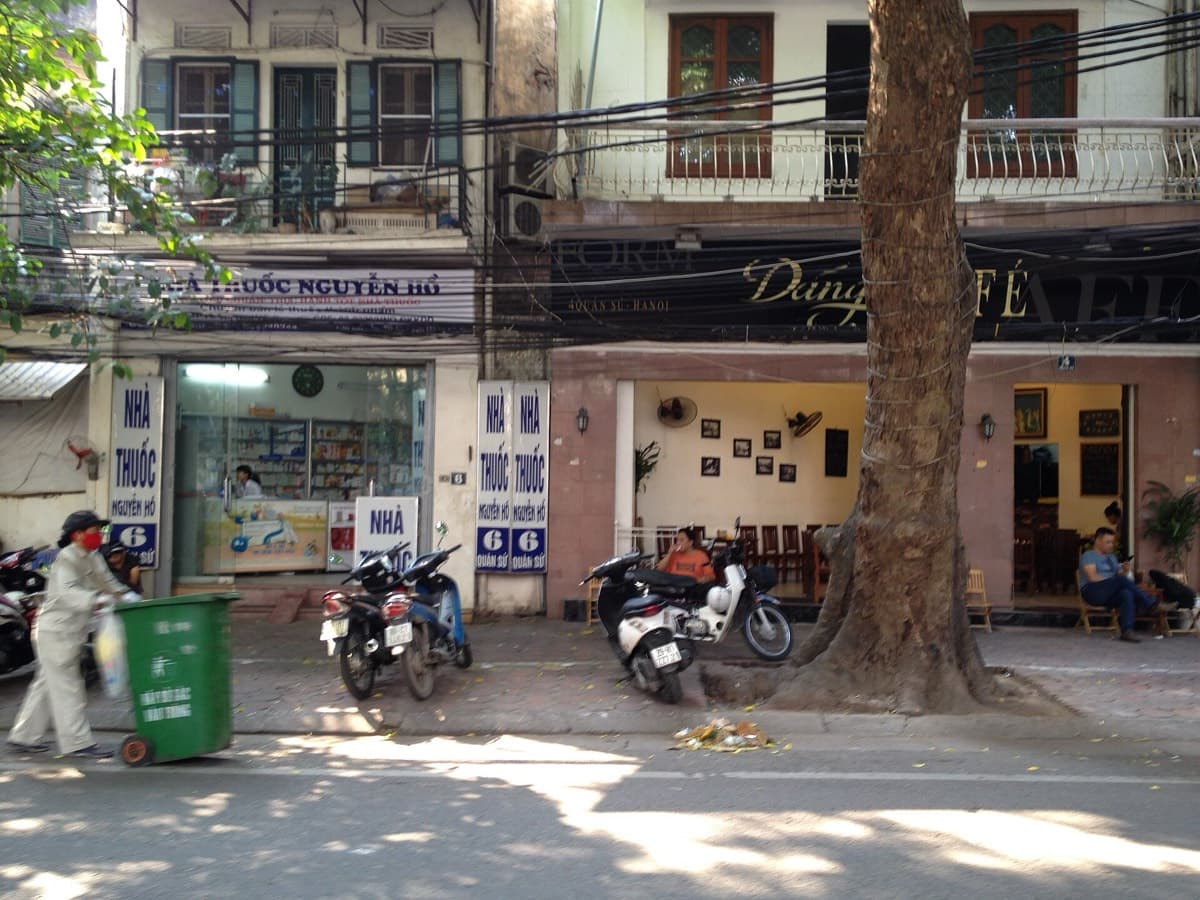
Four groups of phrases will get you through a reception desk and away from the wrong medication: ask for help, name the symptom, flag an allergy, and handle money and paperwork. You do not need the pronunciation. Show the screen.
Reception and interpreting
| English | Vietnamese |
|---|---|
| I need to see a doctor | Tôi cần gặp bác sĩ |
| I need an interpreter | Tôi cần phiên dịch |
| Does anyone speak English? | Có ai nói tiếng Anh không? |
| Take me to the hospital | Cho tôi đi bệnh viện |
| Call an ambulance | Gọi cấp cứu đi! |
Symptoms
| English | Vietnamese |
|---|---|
| I have a fever | Tôi bị sốt |
| I have a cough | Tôi bị ho |
| I feel dizzy | Tôi bị chóng mặt |
| My stomach hurts | Tôi đau bụng |
| I have a rash here | Tôi có vết mẩn ngứa ở đây |
| It hurts a lot | Tôi đau lắm |
Allergies, medication, pregnancy
| English | Vietnamese |
|---|---|
| I am allergic to… | Tôi bị dị ứng với… |
| I am taking this medication | Tôi đang uống thuốc này |
| I am pregnant | Tôi đang mang thai |
| I cannot take antibiotics | Tôi không dùng được kháng sinh |
Money, documents, confusion
| English | Vietnamese |
|---|---|
| How much does this cost? | Bao nhiêu tiền? |
| I have insurance | Tôi có bảo hiểm |
| I need a prescription | Tôi cần đơn thuốc |
| I don't understand | Tôi không hiểu |
| Please write it down here | Viết ra đây giúp tôi |
Vietnamese is tonal, and the same syllable means different things at different pitches, so showing text beats attempting the sounds. Tones, apps and the everyday phrase set are covered in the Vietnamese phrasebook.
Consent forms are the other paperwork trap. Public hospitals hand foreign patients forms in Vietnamese with no English version. Photograph the sheet, run it through a camera translator, and ask the doctor to state what they are about to do before you sign anything.
Reading a Vietnamese prescription and what to ask the pharmacist
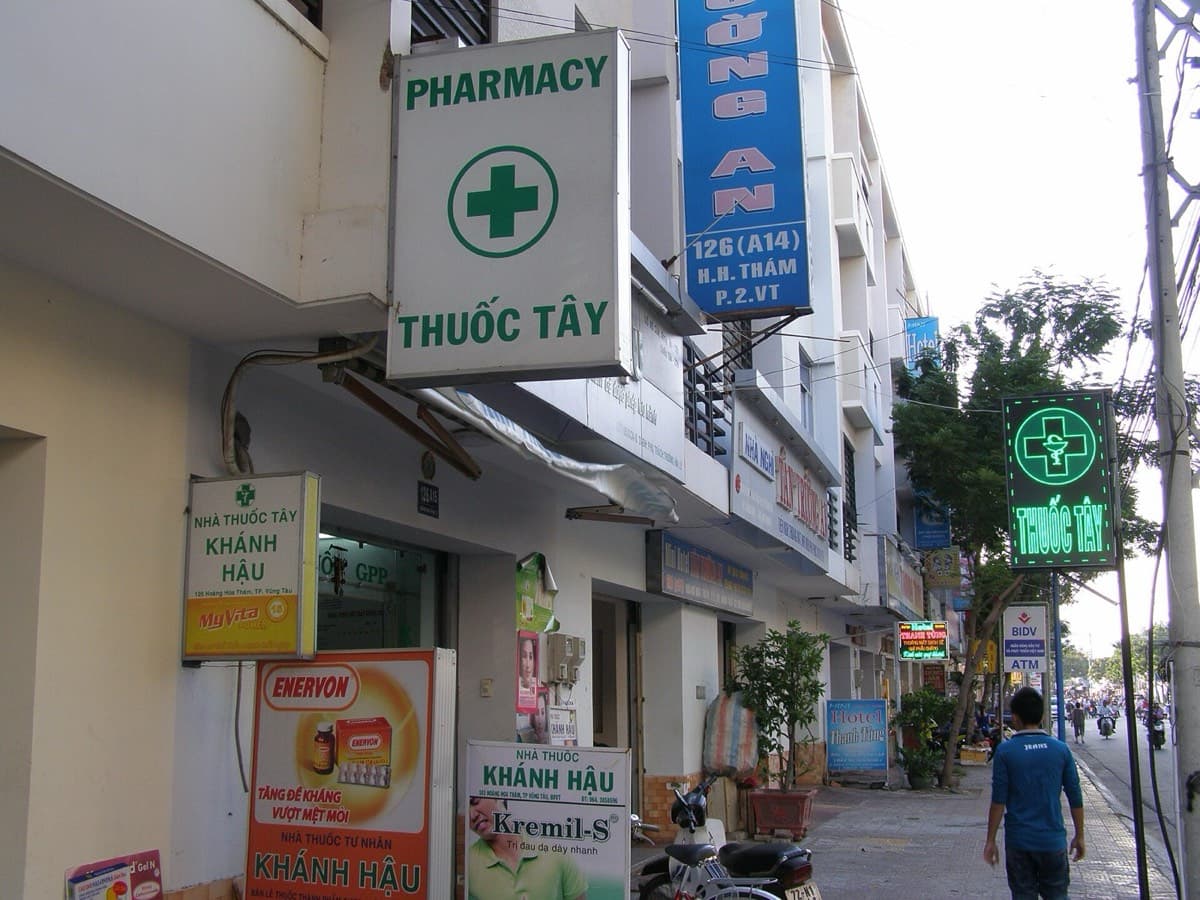
Since 1 January 2026 prescriptions in Vietnam are electronic and pharmacies must dispense strictly against one. Circular 26/2025/TT-BYT required hospitals to switch by 1 October 2025 and every other facility by 1 January 2026. A pharmacy that ignores it faces a fine starting at 10 million VND (~$385), a facility at 3 million VND (~$115), and serious breaches can cost a pharmacy its licence.
For a foreigner this is mostly good news. An electronic prescription sits in the national system, cannot be lost, and carries the same legal weight as paper. It also explains why the note from the unlicensed compatriot no longer works anywhere: that prescription does not exist in the system.
Older guides still claim you can buy anything over the counter in Vietnam. That used to be true. Observation of thirty private pharmacies in the Hanoi region found antibiotics dispensed without a prescription at 88 % of urban and 91 % of rural outlets — but that is 2010 field data, published in 2014. Chain pharmacies in the cities tightened up years ago, and from 2026 the rule binds everyone.
Prescription vocabulary. Pharmacies are the green signs reading nhà thuốc.
| Vietnamese | Meaning |
|---|---|
| Đơn thuốc | prescription |
| Chẩn đoán | diagnosis |
| Liều dùng | dosage |
| Cách dùng | how to take it |
| Uống | take orally, literally "drink" |
| Viên | tablet or capsule |
| Gói | sachet, powder |
| Ống | ampoule or vial |
| Lần/ngày | times per day |
| Sáng / trưa / chiều / tối | morning / midday / afternoon / evening |
| Trước ăn / sau ăn | before food / after food |
| Tái khám | follow-up visit |
Dosage lines follow one pattern: units per dose, doses per day, number of days. A line reading "1 viên × 2 lần/ngày × 5 ngày" means one tablet twice a day for five days. The date beside tái khám is when to come back.
Four questions for the pharmacist, every time:
- Is this an antibiotic? If it is, the course cannot be abandoned halfway.
- How many days?
- Before or after food?
- What must not be combined with it?
Repeat medication brought from home is its own problem. A Vietnamese pharmacy will not extend a foreign prescription; getting a local one means a local doctor and a local consultation. If you are staying a season, bring a supply and see a GP with your notes and the original box before it runs out. An equivalent is nearly always available under the international generic name; the questions are strength and format.
One practical oddity. Many drugs here are dispensed loose rather than boxed: the pharmacist counts tablets into a bag and writes the instructions on it by hand. There won't be a leaflet inside. Ask to see the manufacturer's box and photograph it, so you can read the composition later.
What Vietnamese pharmacies stock and what to bring from home is in the hospitals and pharmacies guide. Shots worth having before you fly are covered in vaccinations for Vietnam.
If something is wrong right now
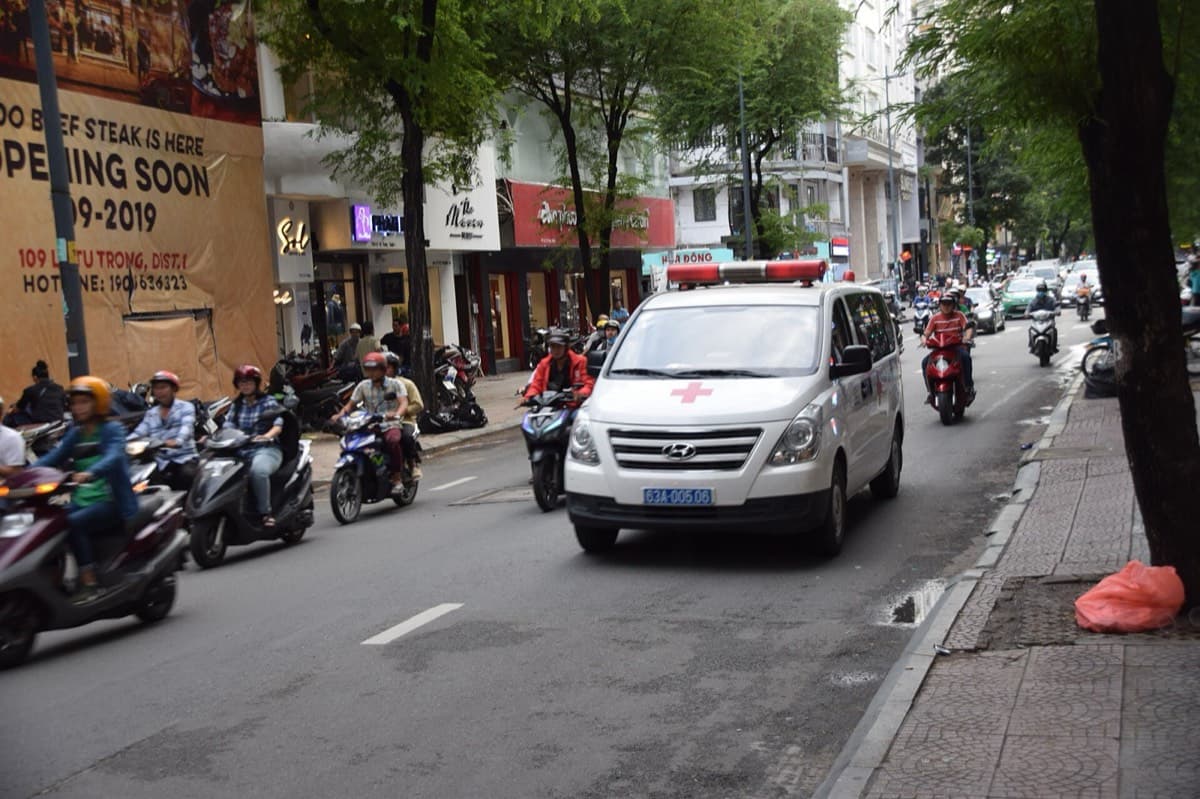
Call 115, and work the hotel reception and your assistance line in parallel, because the ambulance operator answers in Vietnamese and English is not guaranteed. Vietnamese public ambulances often won't attend at home either: they collect the patient and deliver them to their assigned hospital rather than the one you had in mind.
| Number | Service | Language |
|---|---|---|
| 115 | Ambulance | Vietnamese |
| 113 | Police | Vietnamese |
| 114 | Fire and rescue | Vietnamese |
The sequence when there is no time to think:
- Judge the severity. Loss of consciousness, seizures, heavy bleeding, chest pain, difficulty breathing — 115 immediately.
- If the state allows it, take a Grab to an international hospital. In a city that is often faster, and you control the destination.
- Call assistance. From the car if necessary. They clear the clinic and join in as interpreter.
- Send someone your location. One tap, and nobody has to hunt for you later.
- Bring your passport and policy. Without a passport, registration at an international hospital drags.
Ambulances are billed. In Da Nang the base call-out starts at 600,000 VND (~$23), and a vehicle staffed with a doctor and nurse for up to 25 km runs to 2,700,000 VND (~$104). A short reference with the numbers and the sequence lives in the emergency section of our guide.
Six mistakes almost everyone makes
Hunting for a doctor who speaks your language instead of an interpreter. A week disappears into forums looking for something rare, when one phone call to the insurer solved it. Start with the language problem, not the doctor's passport.
Calling the insurer after paying. The classic route to a reduced claim. Assistance has to approve the visit beforehand.
Using an unlicensed practitioner. The saving on the consultation becomes an invoice no insurer accepts and a prescription nobody stands behind.
Buying medicine by the brand name from home. Trade names and strengths differ. Write down the international generic name and the pharmacist will find the equivalent.
Taking a planned problem to a small-town public hospital. You'll get a consultation. You won't get the diagnostics. Schedule it in a hub.
Not photographing the paperwork. Prescription, invoice, report, scans. Two weeks later, when the insurer asks for evidence, there's nothing left to reconstruct.
What to bring to the appointment
A short checklist that saves time at registration:
- Passport. A photo of it is often refused at international hospitals.
- Policy details and the assistance number in your contacts, not in your inbox.
- Your medication list in Latin script — generic names, not brands.
- Notes on any chronic condition. A photo on your phone is enough.
- Allergies written out in Vietnamese on paper, one line you can hand over.
- Cash. Direct billing is not universal and smaller clinics do not take cards.
- A charged phone with an offline Vietnamese language pack.
Travelling with a child adds two items: the vaccination record and the child's weight in kilograms, because dosing here is calculated by weight rather than age. The rest of what changes with kids is in the Vietnam with children guide.
Hospitals and pharmacies · Travel insurance · Healthcare for long-term residents · Vietnamese phrasebook
FAQ
Yes, but only in private international hospitals such as Vinmec and Family Medical Practice, and mainly in Ho Chi Minh City, Hanoi, Da Nang and Nha Trang. Public hospitals and neighbourhood clinics operate in Vietnamese, and so does the paperwork. Outside the major cities, assume no English at all and arrange an interpreter before you need one.
A GP consultation at a private clinic in Da Nang costs 165,000 VND (~$6) at the local rate and 350,000 VND (~$13) at the foreigner rate. Budget clinics start around 85,000 VND (~$3). International hospitals charge several times that. Imaging follows the same split: ultrasound from 210,000 VND (~$8), MRI from 3,078,000 VND (~$118).
No. Since 1 January 2026 pharmacies must dispense strictly against a prescription, with fines starting at 10 million VND (~$385). Enforcement used to be weak: 2010 field data found 88 % of urban pharmacies selling antibiotics over the counter. Chain pharmacies tightened up years ago, and the rule now binds everyone.
Go to a private Vietnamese clinic rather than an international hospital: a consultation there costs 165,000–350,000 VND (~$6–13) instead of ten times that. You pay cash on the spot and arrange your own interpreter. If the situation is life-threatening, call 115 or go to the nearest hospital and settle the money question afterwards.
On printed and electronic prescriptions, well enough: drug names and dosages come through. On a doctor’s handwriting, badly, because the camera loses the diacritics and in Vietnamese diacritics change the word. If yours is handwritten, ask reception for a printout. Download the Vietnamese offline pack before you travel, and see the phrasebook for how the tones work.
Sometimes. Most insurers include interpreting through their assistance hotline, but many restrict it to emergencies, cap it at an equivalent of 100–1,000 €, and refuse to reimburse an interpreter you hired yourself. Cover during hospitalisation varies by company. Read the service benefits and exclusions in your policy wording before you fly.
Yes, and it is a separate errand from ordinary care. The medical certificate for a work permit or long-stay paperwork is done at an authorised hospital as a package of tests; foreigners report the whole thing taking about an hour at a public hospital and costing in the region of 600,000 VND (~$23). Bring your passport, expect the forms in Vietnamese, and budget cash rather than a card.
Vietnamese Language 2026: Phrasebook and What to Know
Vietnamese uses Latin script and six tones. Where English works in Vietnam and where it stops, 30 phrases by situation, why camera translation lies on menus.
Vietnam Work Permit 2026: Rules, Salaries, Where to Look
How foreigners get a Vietnam work permit in 2026: Decree 219/2025, a 10-working-day decision, the VND 3 billion exemption, real salaries, fines and job boards.
How to Get to Quy Nhon 2026: Trains, Phu Cat Airport, Buses
Getting to Quy Nhon in 2026: Phu Cat (UIH) flights and the $1.90 airport bus, Reunification Express times to Dieu Tri, sleeper buses. Fares in VND and USD.