Vietnam e-visa rejected in 2026: why it happened and what to do next
A rejected Vietnam e-visa costs you exactly what you paid to apply: $25 for a single-entry visa or $50 for a multiple-entry one, and that money doesn't come back. The official portal, evisa.gov.vn, says so in the declaration you tick before paying.
What many people read as a rejection isn't one, though. The status "Amendment required" means immigration wants something fixed, and you fix it inside the same application without paying again.
What your Vietnam e-visa status means
You check your Vietnam e-visa status on the portal under "Check application status and download e-Visa", using your application number (App no.), email and date of birth. There are six statuses, and only one of them is a refusal.
| Status on the portal | What it means | What to do |
|---|---|---|
| Unpaid / Not paid | The application exists, but the fee didn't go through | Pay. Nobody reviews an unpaid application |
| Processing | Under review | Wait: the standard is 3 working days after a complete form and payment |
| Amendment required | Immigration wants something corrected or added | Open the application, fix the field and return it for review |
| Acceptance / Approved | Visa issued | Download the PDF via "Get e-Visa" and check it against your passport |
| Denial / Denied | Refused | Work out why, then file a new application or go visa-free |
| Cancel / Canceled | The issued visa was cancelled | File again if the trip is still on |
"Amendment required" looks scarier than it is. Next to it the portal says "click here to edit and return to the reviewing agency". There's nothing about paying again. If you file a brand-new application instead, you pay a second fee and restart the three-working-day clock.
Those three working days start once immigration has a complete form and a paid fee. Weekends and Vietnamese public holidays don't count, so if you're applying yourself, leave a week before your flight.
Why Vietnam refuses e-visas

A Vietnam e-visa denial almost always comes down to one of two things: the application doesn't match your passport, or you fall under one of the grounds on which Vietnam can refuse entry. The first takes an evening to fix. A second application won't fix the other.
What the portal checks before you submit
The portal compares your portrait with the photo in your passport and checks the images as you upload them. If something's off, you get a warning. These are the checks built into the interface:
- no face, or more than one face, in the portrait;
- face not looking straight at the camera;
- portrait "captured from another source", meaning a photo of a photo;
- no face or no machine-readable zone (MRZ) found on the passport scan;
- portrait or scan resolution too low, or the file format isn't supported;
- portrait and passport photo have a "low match rate".
Most of these warnings end with "Your application may be rejected". If no face is found in the portrait or on the passport scan, or the portrait shows several faces, the portal won't let you go any further. With the other warnings it still lets you submit, and if you click through, the risk is yours. If you see a warning, retake the picture.
Form errors the officer will see
Your name goes in exactly as printed in the MRZ lines at the bottom of the passport data page, in capital letters. Not as on your plane ticket or bank card. If your passport only has a surname or only given names, the portal asks you to enter what's there in the given-names field. After you upload the scan, the portal pulls your details from it and asks you to double-check them. Character recognition can get things wrong, such as one letter in your passport number.
For your address in Vietnam, the portal asks for the full address and gives an example: hotel name, street number, street, district, city. "Hanoi" on its own doesn't meet that standard. Check your entry date and port of entry too: e-visa holders can only enter through the 83 designated border points, which include all the main airports (Hanoi, Ho Chi Minh City, Da Nang, Cam Ranh, Phu Quoc).
The last thing you confirm before paying is that everything is true and that you're responsible for it under Vietnamese law. Take that literally. The law lists false information as a ground for refusing entry and for revoking any visa obtained with it.
Legal grounds: when a new application won't help
Visa and entry conditions are set out in Law 47/2014/QH13 on entry, exit, transit and residence of foreigners. A visa is issued only if you don't fall under Article 21. Its grounds are:
- forged papers or false information used to get a visa or residence permit;
- deportation from Vietnam within the last 3 years;
- being made to leave Vietnam within the last 6 months;
- a mental illness or an infectious disease that threatens public health;
- a child under 14 travelling without a parent or guardian;
- epidemics, natural disasters, national security or public order.
How a forced exit differs from deportation, and where the 6-month and 3-year bans come from, is covered in our guide to overstaying in Vietnam.
Is the Vietnam e-visa fee refunded if you're denied?

No. The e-visa fee, $25 for single entry and $50 for multiple entry, is not refunded if the application is refused. The portal says it in the notes on its home page and again in the declaration every applicant accepts at the end of the form.
"I am aware that the application fee is not refunded if the application for e-Visa of Viet Nam is denied"applicant declaration on evisa.gov.vn, 11/2026
So the maths is simple. Fixing an "Amendment required" application is free; a new application after a denial is another $25 or $50. Work out what went wrong before you pay again.
Also check where you actually paid. The portal has two genuine addresses, evisa.gov.vn and thithucdientu.gov.vn, both ending in .gov.vn. Clone sites copy the look of the government portal and add their own markup on top of the $25 fee. If you applied through one of those, your application may never have reached immigration at all, and that site is who you'll be dealing with.
What to do after a Vietnam e-visa refusal, step by step
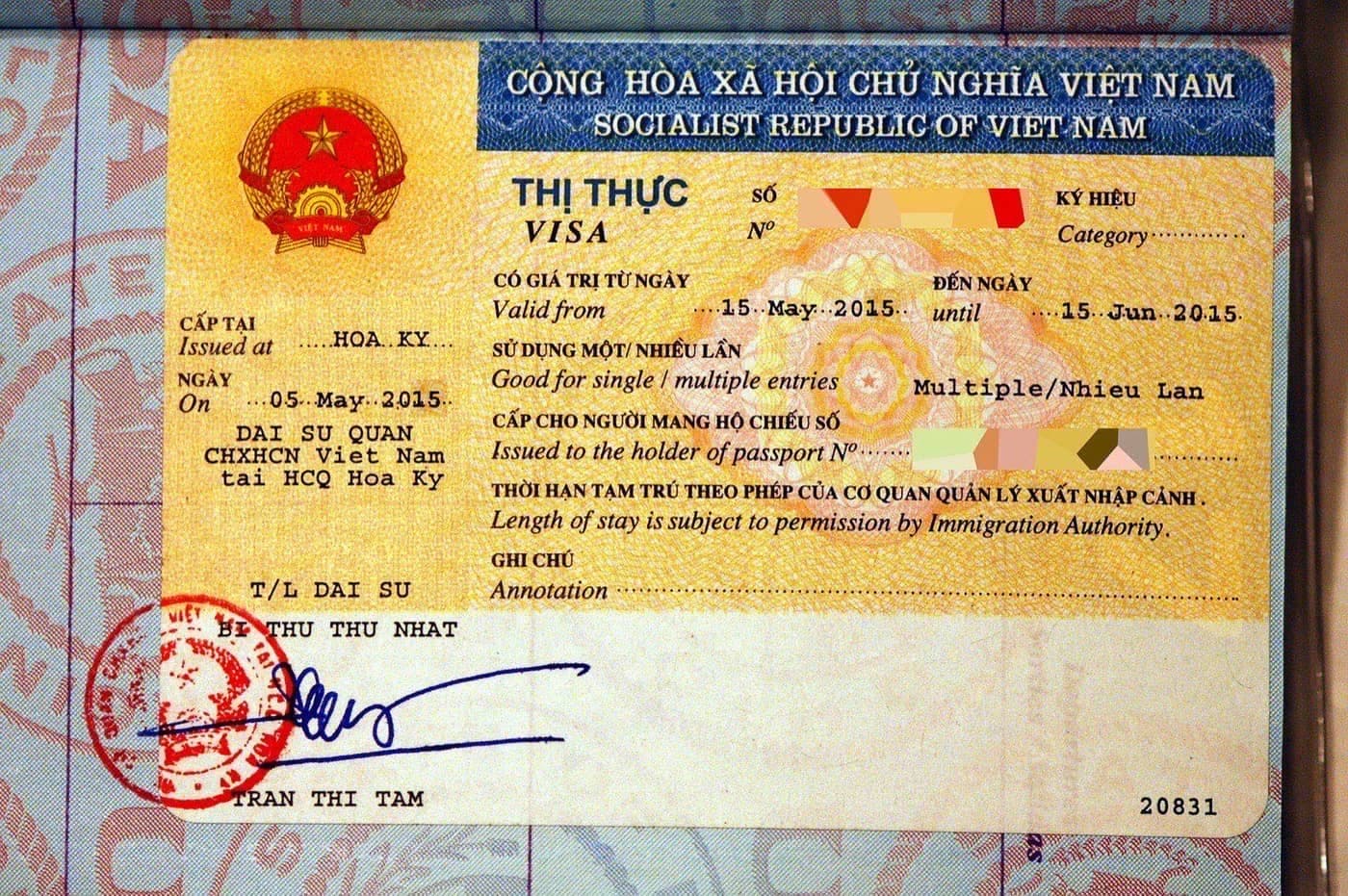
After a Vietnam e-visa refusal, work through it in this order. The portal has no formal appeal for e-visas, so the options are to fix the cause and file again, or to enter another way.
- Open the application and save the number. Read the status and anything written next to it. The portal shows a reason only for "Amendment required"; for "Denial" the interface has no reason line at all. If it says "Amendment required", stop here and edit the same application.
- Compare the form with your passport line by line. Name as in the MRZ, passport number, date of birth, nationality, expiry date.
- Retake the photo and scan if you saw any warning. White background, daylight, no glasses, the full data page with the MRZ visible.
- Check whether Article 21 applies to you. If you were deported or made to leave, a new application probably won't help, and neither will visa-free entry.
- Count the days to your flight. A week or more: file a new application yourself. Less: look at visa-free entry or urgent processing through a manager.
- File the new application only on evisa.gov.vn or thithucdientu.gov.vn. That's a new fee and a new three working days.
- Once approved, download the PDF and check it against your passport. Name, passport number, dates, port of entry. Print it and keep a copy on your phone.
If you can't tell why you were refused, the portal has a support request form where you give your passport number, nationality, email and a description of the problem. It doesn't promise a response time, so don't count on it if you fly in two days.
Fast Track — no queue at the border
5–10 minutes instead of an hour in the immigration queue
from$11per passenger
Can you enter visa-free after an e-visa refusal?
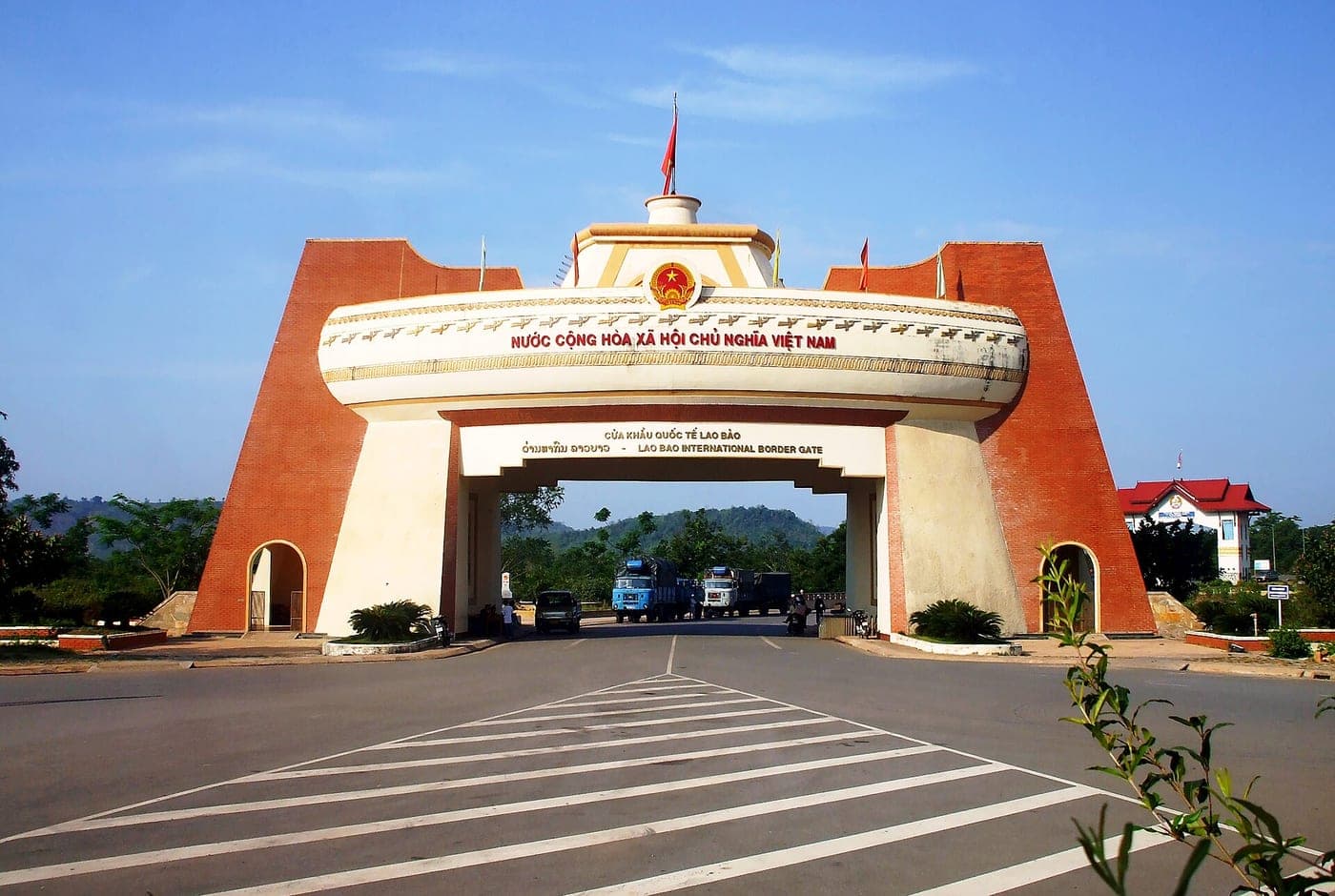
Yes, if your passport is on the exemption list and your trip fits the visa-free stay. Citizens of the UK, Germany, France, Italy, Spain and 16 more EU and Schengen states, Japan and South Korea get 45 days without a visa. Russian citizens also get 45 days, until 14.03.2028. For a two- or three-week trip on one of these passports you don't need an e-visa at all, and a refusal changes nothing.
Some passports get shorter stays: Belarus, Kazakhstan and Kyrgyzstan get 30 days. US, Canadian, Australian and New Zealand passports have no exemption, so for them the e-visa remains the main route. Entry conditions, from passport validity to how the days are counted, are in our guide to visa-free entry to Vietnam.
The catch is that the law sets the same "not covered by Article 21" condition for a visa and for visa-free entry. If your e-visa was refused because of, say, a deportation in the last three years, visa-free entry won't get you past the border either. If the problem was a photo or a typo, it has nothing to do with visa-free entry.
If you need more than your visa-free stay and a second e-visa won't arrive in time, you can enter visa-free and later leave and come back. Routes and costs are in our guide to visa runs from Vietnam.
Visa-free entry to Vietnam · Extending a visa · Arrival QR code
If your flight is only days away
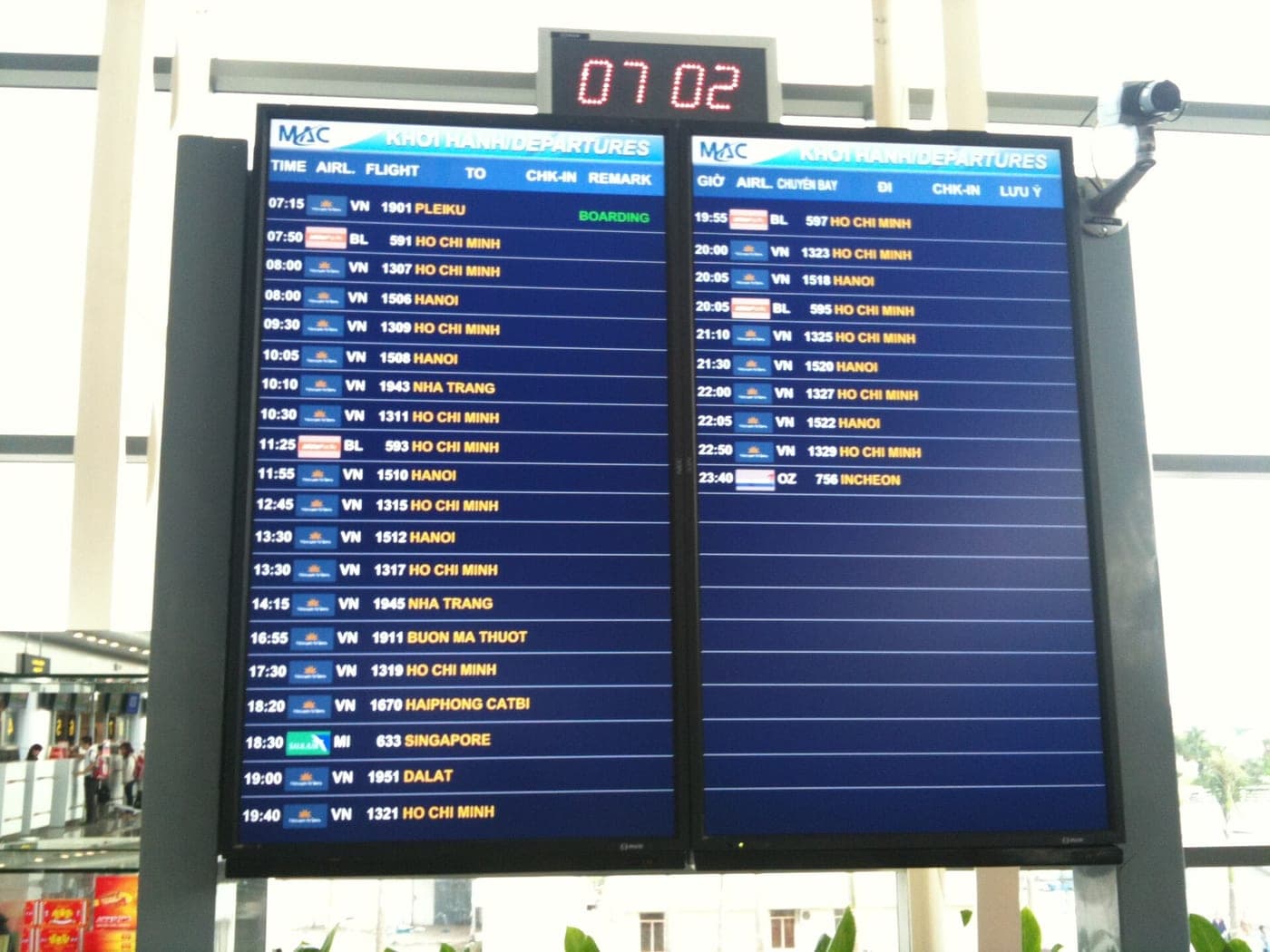
If you fly in a couple of days and do need an e-visa (your passport isn't exempt, or the trip is longer than the visa-free stay), you can hand the application to us through VietnamSpot visa services. A manager fills in the form, pays the government fee and follows the application through to a decision. Urgent processing is available.
We can't promise approval, and neither can any agency: the visa is issued by Vietnam's immigration authorities, not by whoever files the form. What we control is an error-free form, a photo and scan checked before submission, and a turnaround named up front. If the application is still refused, we reapply at our own cost, or refund you if a second attempt is not what you need.
Getting set up in Vietnam?
Visa fast-track, housing rentals, tours — our manager sorts it out for you, in English.
Common mistakes

- Treating "Amendment required" as a refusal and filing a new application. That's an extra $25 and three more working days.
- Submitting despite a portal warning about the photo or scan. "May be rejected" is there for a reason.
- Entering your name as on your ticket or bank card instead of the MRZ lines in your passport.
- Giving only a city as your address. The portal wants the hotel, street number, street, district and city.
- Applying on a clone site. A markup on top of the $25 fee, and no guarantee the form ever reached immigration.
- Applying for an e-visa you don't need. On an exempt passport and a short trip, a refusal only adds stress before your flight.
- Not checking the issued visa. Find a wrong name or passport number at home, not at the check-in desk.
FAQ
You don't have to wait. Neither the portal nor the law sets a gap between a refusal and a new application, and we haven't found any such rule. You can file again straight away, but with the data corrected: the same form with the same mistakes will most likely get the same answer
There's no such rule. Article 21 of the law, which lists the grounds for refusing someone entry to Vietnam, doesn't include a past e-visa refusal. There's no public ban list either. But if the refusal itself was caused by an Article 21 ground, such as a deportation in the last three years, that ground applies at the border too
Not on your own. The Immigration Department says the portal is for foreigners who are outside Vietnam. People already in the country can get a new visa only through an inviting or sponsoring party. Ways to stay longer legally are in our guide to extending a visa in Vietnam
Don't fly on it without checking. If the name or passport number on the visa doesn't match your passport, it may fail the check at boarding. We haven't found a public procedure for correcting an issued e-visa on the portal. You can write in through the support form on evisa.gov.vn, but the safer route is a new application with the correct data
By the address. The portal has two: evisa.gov.vn and thithucdientu.gov.vn, both ending in .gov.vn. A site with any other address isn't the government's, however many flags and crests it shows. The second tell is the price: the real fee is $25 for single entry and $50 for multiple entry
Read also: Vietnam visa guide · Visa-free entry · Overstaying in Vietnam · Scams in Vietnam
VietnamSpot on InstagramTips, lifehacks and news for living in VietnamFollow


- Preparation
Vietnam Administrative Reform 2025: Districts Are Gone
Vietnam cut 63 provinces to 34 and abolished districts on 1 July 2025. Old-to-new names for the resorts and what to put on a lease, visa form or bank record.Vietnam Administrative Reform 2025: Districts Are Gone - Preparation
Visa-Free Entry to Vietnam: What to Show at the Border
How visa-free entry to Vietnam works in practice: the digital arrival card, what to show at immigration (onward ticket, passport), the process and refusals.Visa-Free Entry to Vietnam: What to Show at the Border - Preparation
VNeID for Foreigners: Bank Biometrics and SIM Rules 2026
VNeID for foreigners after Decree 320, bank biometrics at the counter, SIM face checks: what the 2024–2026 rules require and what gets cut off if you skip them.VNeID for Foreigners: Bank Biometrics and SIM Rules 2026