VNeID for foreigners: bank biometrics, SIM checks and the eID account in 2026
VNeID for foreigners opened up on 28 September 2026: any foreigner who entered Vietnam lawfully can now ask for an account, not just residence-card holders. That's one of three biometric rules that touch you. Banks have checked faces since 2024, and mobile carriers since 15 April 2026.

Three different authorities write these rules: the State Bank, the Ministry of Science and Technology, and the Ministry of Public Security. Most Vietnamese news coverage is about citizens with a chip ID card (căn cước). This guide keeps only what applies to someone on a foreign passport, and flags the gaps where no official source covers foreigners.
The three rules and who they apply to
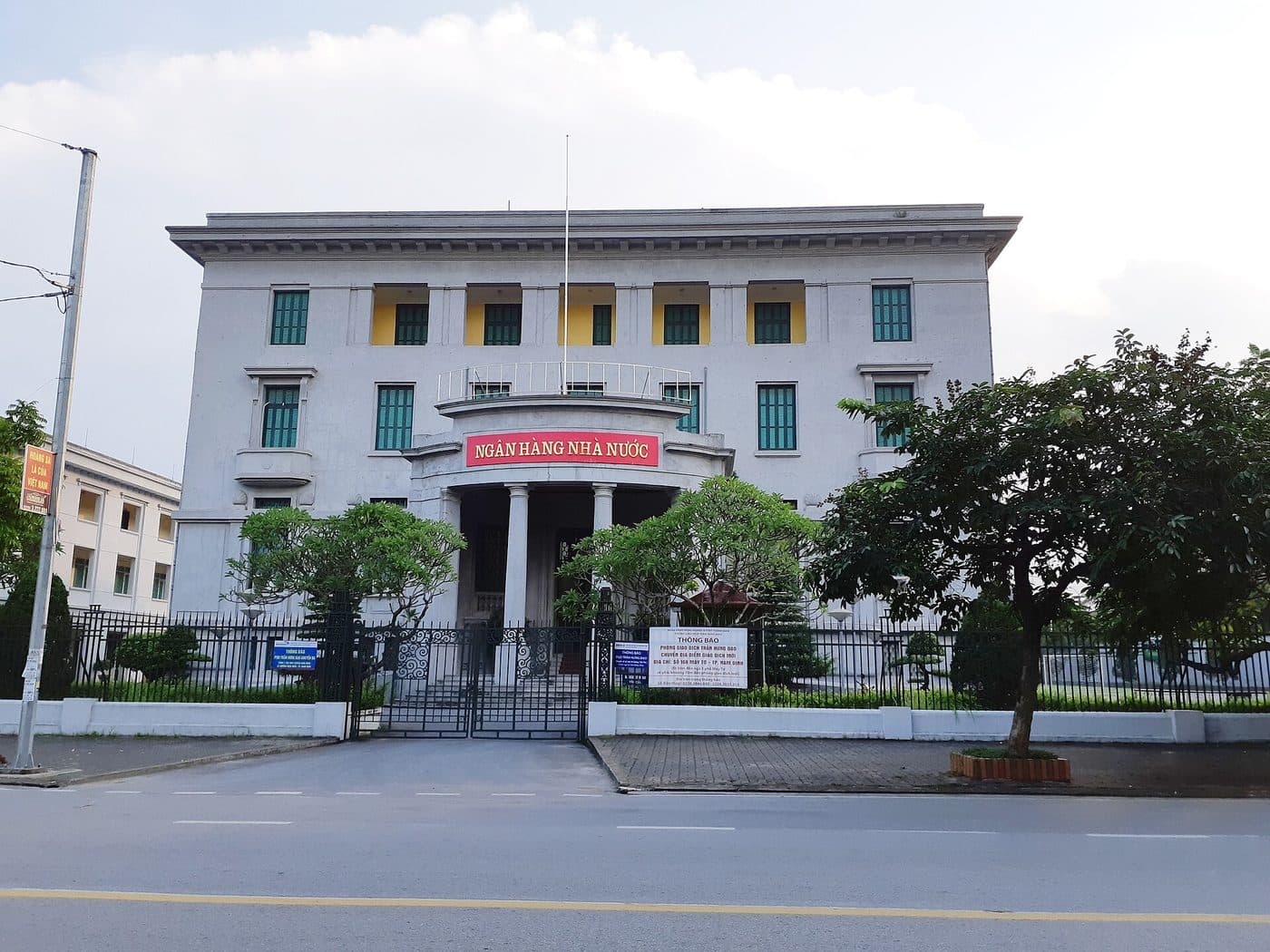
Three rules apply to foreigners: bank biometrics (since 2024), SIM face matching (since 15.04.2026) and the VNeID account (open to all lawful entrants since 28.09.2026). The first two are mandatory if you use a Vietnamese bank account or phone number. The VNeID account itself is optional: the decree grants it "khi có nhu cầu", on request. The exception is a foreigner who is the legal representative of a company: KPMG (June 2026, under Decree 69/2024 before the amendments) says registration is mandatory for them.
One caveat. The same Decree 320/2026 requires electronic transaction accounts on digital platforms in banking, telecoms, e-commerce and several other fields to be linked to an eID account. Accounts created before 28.09.2026 must be linked by 31.12.2026, or by 30.06.2027 for banking (Vietnam Briefing). As of October 2026 nobody has explained how this applies to a foreigner without VNeID. Watch for notices from your bank and carrier.
| Rule | Act | In force from | Applies to foreigners |
|---|---|---|---|
| Face check on online transfers above 10M VND per transaction or 20M VND per day | Decision 2345/QĐ-NHNN of 18.12.2023 | 01.07.2024 | Yes |
| No electronic withdrawals or payments until ID and biometrics are matched | Circular 17/2024/TT-NHNN, art. 17(5)(c) | 01.01.2025 for individuals | Yes; biometrics taken in person |
| Face match at SIM registration and after a phone swap | Circular 08/2026/TT-BKHCN, arts. 6 and 8 | 15.04.2026; art. 8 from 15.06.2026 | Yes; art. 6 is the foreigner article |
| VNeID account with no levels for lawful entrants | Decree 320/2026/NĐ-CP, amending Decree 69/2024/NĐ-CP | 28.09.2026 | Yes |
You can ignore one headline from early 2026. From 1 January 2026 banks stopped accepting passports as ID, but only from Vietnamese citizens. The banking association's magazine spelled it out: "người nước ngoài vẫn được sử dụng hộ chiếu", foreigners still bank on their passports (thitruongtaichinhtiente.vn, 01.01.2026).
Bank biometrics: at the counter, not in the app
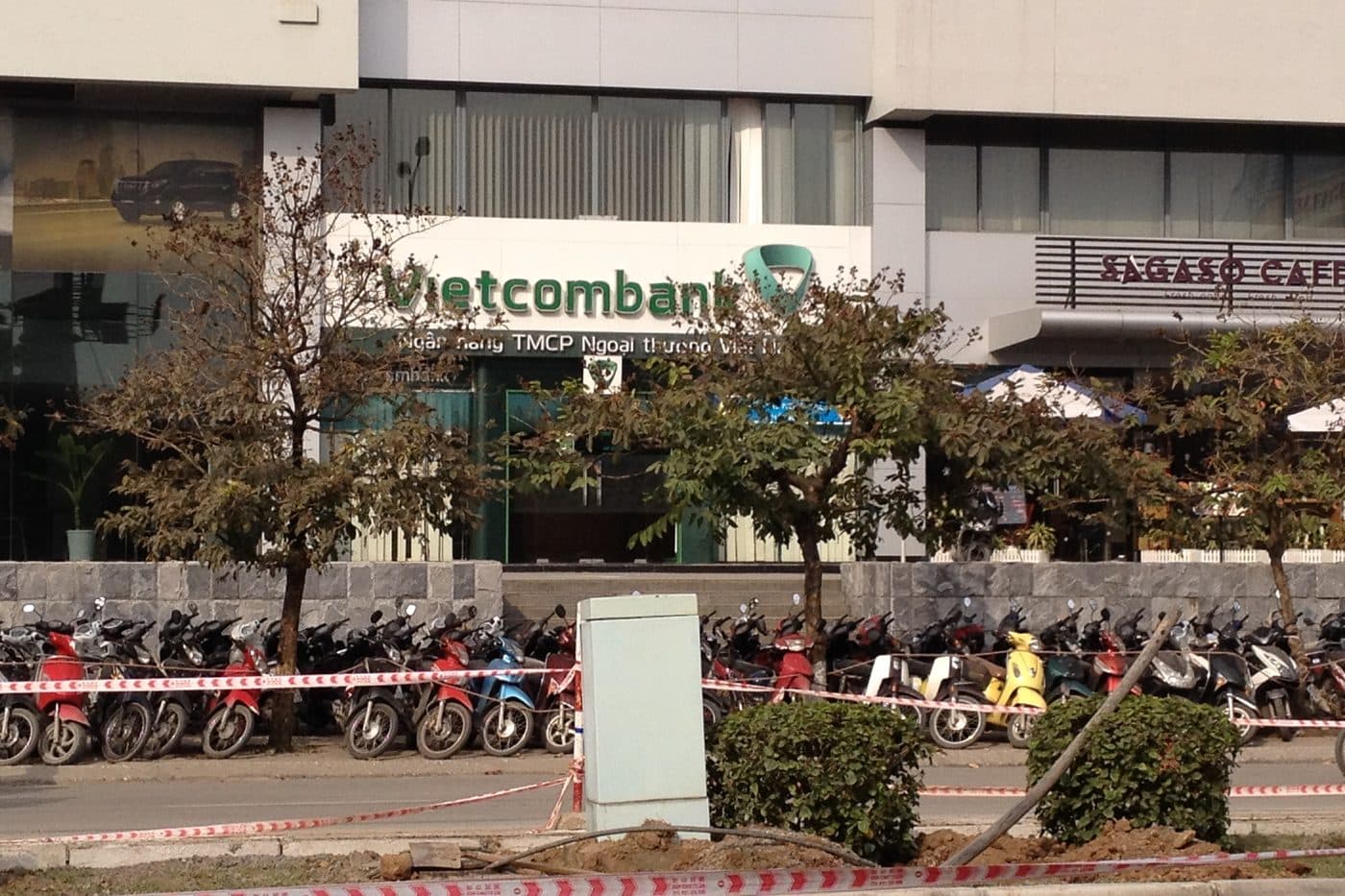
Foreigners register bank biometrics at a branch: bring your passport, a teller captures your face and matches it to the document. Banking apps can do this themselves, but only with a Vietnamese chip ID card or a citizen's VNeID. Until it's done, online transfers and app withdrawals are blocked.
Why it has to be a branch
Circular 17/2024/TT-NHNN of 28.06.2024 lists what the bank can match your face against: the chip in a Vietnamese ID card, an electronic identification account, or biometrics collected face to face. The last route is written for foreigners who don't use an electronic identity. Circular 45/2025/TT-NHNN, in force from 05.01.2026, set the same routes for bank cards (luatvietnam.vn).
VietnamNet summed up the State Bank's guidance in 2024, citing Le Hoang Chinh Quang, deputy director of the SBV's IT department.
Foreign customers, who do not have chip-based ID cards, can visit bank branches and bank staff will guide them to register biometric information directly at the counterVietnamNet, 28.06.2024
Vietcombank published three ways to update biometrics that summer. Two were online: an app-to-app link with a citizen's Level 2 VNeID, and NFC reading of a chip ID card. The third was the branch, and that's the only one open to foreigners. Bring a valid passport and residence permit documents; the process is "taking just a few minutes", Vietnam News reported (Vietnam News, 01.07.2024).
When the app asks for your face
Since 1 July 2024, under Decision 2345/QĐ-NHNN, the app asks for a face scan on any transfer above 10M VND (~$385) or once your daily total passes 20M VND (~$770). It compares the scan with what you registered at the counter. A 2M VND transfer for coffee and a scooter rental goes through without the camera. A 15M VND rent payment won't.
At launch, face matching was shaky for locals too. A TPBank customer told Tuổi Trẻ his face failed more than three times on the same iPhone he'd registered it on.
Due to the flop of the system, I had to divide the amount into lower-value transactions to avoid a requirement of face verificationTPBank customer, Tuổi Trẻ News, 06.07.2024
If the camera keeps rejecting you, the fix for a foreigner is the same as the first time: the branch.
When you need to go back
The bank has to see every new document. Woori Bank Vietnam lays out the consequences in its official FAQ for foreign customers:
- Passport expired and the new one isn't on file: transfers and withdrawals stop on every channel, counter included, and all card transactions stop;
- A resident's visa or TRC expired (resident means a residence card or visa valid for 12 months or more): the same restrictions;
- Biometrics never registered: no outward transfers, card transactions, online or ATM withdrawals; counter service and ATM withdrawals with a physical card still work.
That's one bank's policy. Circular 45/2025 separately exempts in-store card payments and ATM transactions with a physical card from the biometric match (luatvietnam.vn). We couldn't find a foreigner FAQ this detailed from Vietcombank, BIDV or Techcombank, so check timing and restrictions with your own branch.
What about NFC on my passport?
Nothing official says you can. Every published State Bank and bank instruction ties NFC to the chip in a Vietnamese ID card, and none of Vietcombank, Techcombank, VPBank, TPBank or BIDV describes reading a foreign passport chip in its app. If a branch offers it, great. Just don't plan around it.
The same goes for a foreigner's VNeID. The law lets banks match faces through an eID account, and under Decree 320/2026 online banking accounts created before 28.09.2026 must be linked to eID accounts by 30.06.2027 (Vietnam Briefing). As of October 2026, no bank has announced that a foreigner's VNeID replaces the counter visit.
SIM cards: face match at purchase and after a phone swap
Since 15 April 2026 carriers match a foreigner's face when registering a SIM, and since 15 June 2026 they do it again whenever the SIM moves to another phone. After a swap, outgoing calls and SMS stop within two hours until you re-verify. The basis is Circular 08/2026/TT-BKHCN of 31.03.2026.
Article 6 of the circular covers foreigners. The carrier must verify you one of two ways. The first is an electronic match of four fields against the national immigration database: identification number, full name, date of birth and face image. The second is the set of measures in points b and c of art. 18(2) of Decree 163/2024/NĐ-CP, applied to each number separately. In the text of Decree 163/2024, point b is a one-time OTP code sent to a SIM you registered earlier, when you register a second or further number, and point c is a video call with a carrier agent (hethongphapluat.com). We couldn't find any public description of how Viettel, Vinaphone or Mobifone run these checks for foreigners.
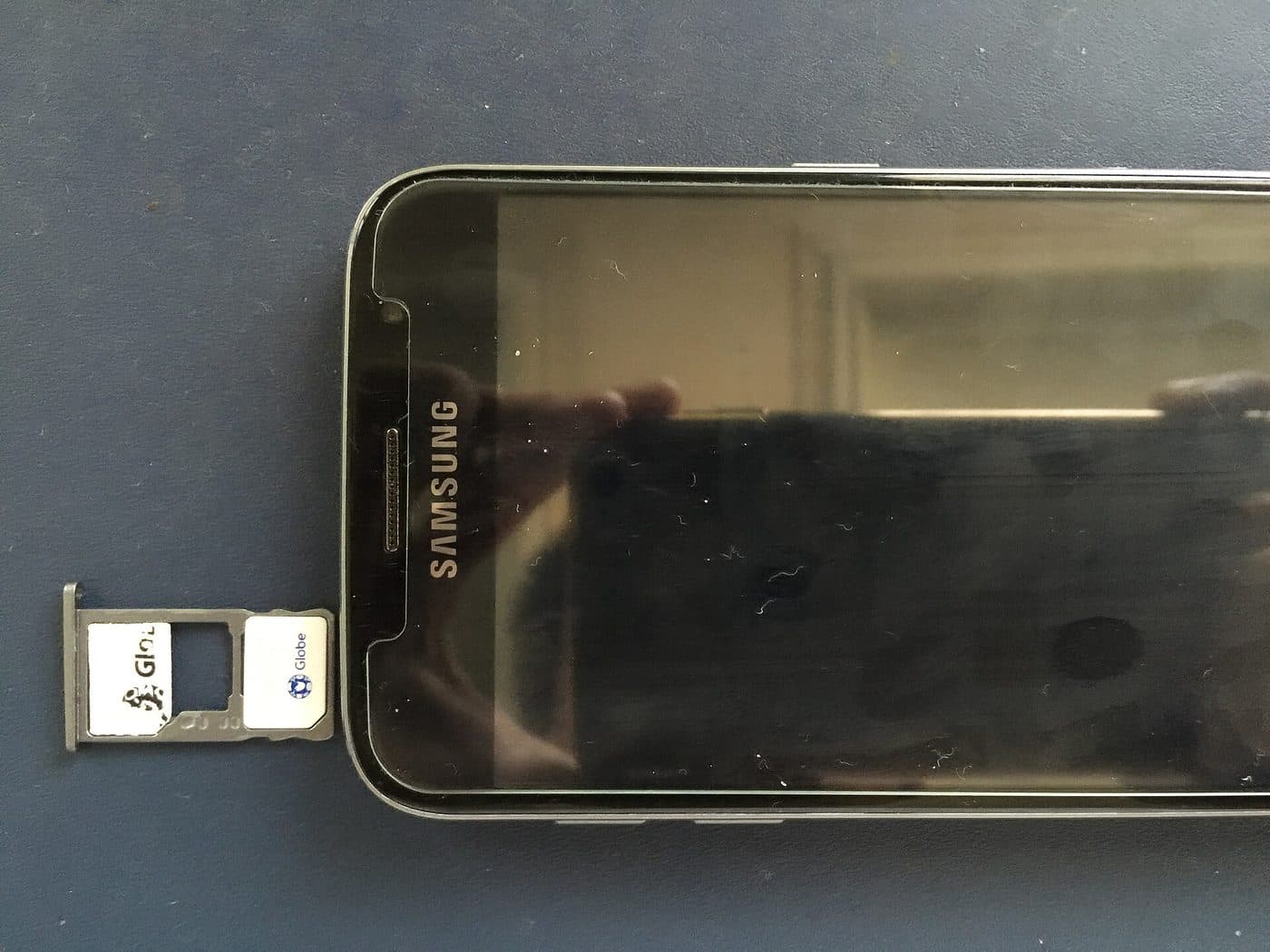
Article 8 on phone swaps (full text):
- You put your SIM in a different phone.
- Within two hours the carrier suspends outgoing calls and SMS and asks you to redo the face check.
- You have 30 days. After that, service stops both ways.
- Five days later the carrier terminates the contract, and the number is gone.
Citizens can re-verify in VNeID, in the carrier's app or at a store. There's no separate published route for foreigners. The safest bet is your carrier's official store, with your passport and the new phone.
Getting a VNeID account as a foreigner
Since 28 September 2026 any foreigner who entered Vietnam lawfully or lives there lawfully can get a VNeID account; a residence card is no longer required. You apply in person at the provincial police immigration office with your passport, a form, a face photo and fingerprints. It's free and takes 2–5 working days.
What changed
From 1 July 2024, Decree 69/2024/NĐ-CP limited accounts to foreigners with a temporary or permanent residence card, in two levels. Level 1 was online; Level 2 was in person with biometrics (Vietnam Briefing). Level 2 went out at scale from 1 July to 19 August 2025, in a 50-day Ministry of Public Security campaign for TRC holders (hatinh.gov.vn; Vietnam News, 01.07.2025).
Decree 320/2026/NĐ-CP of 13.08.2026 rewrote art. 7(2): "Người nước ngoài nhập cảnh hợp pháp vào Việt Nam hoặc cư trú hợp pháp tại Việt Nam được cấp tài khoản định danh điện tử không phân biệt theo mức độ khi có nhu cầu". In plain English: a foreigner who entered or lives in Vietnam lawfully gets an account on request, with no level split (thitruongtaichinhtiente.vn). Levels 1 and 2 now exist only for citizens. Any 2025 guide telling foreigners to "get Level 2" is out of date.
Eligible doesn't mean issued automatically. Vietnam Briefing warns that the ministry may need further guidance for recent arrivals with thin immigration records, and that short-term visitors shouldn't assume they can get and use VNeID right away.
Step by step: how to get VNeID
This follows art. 11 of Decree 69/2024 as amended by Decree 320/2026, as summarised by Vietnam News (03.09.2026) and Vietnam Briefing.
- Get a SIM in your own name. The form needs a number registered to you. Your landlord's or employer's number won't do.
- Find your provincial immigration office (Phòng Quản lý xuất nhập cảnh). In Hanoi it's 44 Phạm Ngọc Thạch; in Ho Chi Minh City, 196 Nguyễn Thị Minh Khai, Xuân Hòa ward. Districts were abolished and provinces merged in 2025, so confirm the address for your province on the police website or by phone.
- Bring your passport (or another international travel document) and fill in form TK01: your own phone number, email optional.
- Give biometrics. An officer captures your face and fingerprints and checks them against the immigration database, then helps you install the VNeID app.
- Wait for the result: 2 working days if your face and fingerprints are already on file, 5 if not. It arrives in VNeID, by SMS or by email.
- Activate the account in the app within 7 days of the notice. Missed it? Call the VNeID hotline.
There's no fee to register or to use the account. Children under 14 are registered with a parent or guardian, on the parent's phone number.
| Document | Why | Where to get it |
|---|---|---|
| Passport | Main document, checked against immigration records | Your own |
| Form TK01 | The application | At the immigration office |
| Phone number in your name | Goes on the form; results are sent to it | Viettel, Vinaphone or Mobifone store |
| Optional second channel for the result | Your own |
What the account does
Under Decree 320/2026 the account is for logging in to public services, storing documents (passport, visa, residence card, work permit, driving licence) and electronic transactions. Agencies may not ask for paper copies of documents already in VNeID. Since 28.09.2026 foreigners with an eID account or complete immigration data can use automated border gates (Vietnam News); KPMG adds the caveat "subject to applicable regulations".
What it doesn't do yet. Your landlord still files your residence declaration; see our guide to temporary residence registration. The residence card is still its own document with its own process, covered in the Vietnam TRC guide. And, as above, a foreigner's VNeID doesn't yet replace the bank counter.
Fast Track — no queue at the border
5–10 minutes instead of an hour in the immigration queue
from$11per passenger
What order to do it in
Do it in this order: SIM in your own name, then VNeID, then the bank. VNeID needs your number on the form, and banks ask for a Vietnamese number when you open an account. Bank biometrics are easiest on the same visit you open the account.
- Day 1. SIM at a carrier store or airport counter, on your own passport. The face match happens right there.
- First week. Apply for VNeID at the immigration office if you're staying more than a couple of weeks or fly often enough to want the autogates.
- Account opening. Register biometrics at the counter on the same visit. Tell the teller you need biometrics for online transfers.
- New passport or new phone. Passport: straight to the bank branch. Phone: straight to the carrier store, well inside the 30 days.
If you're moving for real, this slots into the bigger plan in our Vietnam relocation guide.
What happens if you skip it
Skip bank biometrics and the account stays open, but the app becomes read-only for money going out. Skip the face re-check after a phone swap and the SIM loses outgoing service, then all service, then the number five days later. Skip VNeID and, for now, nothing gets cut off, because it's optional. How the Decree 320/2026 account-linking deadlines will apply to foreigners hasn't been explained yet.
| What you skipped | What gets cut off | What keeps working |
|---|---|---|
| Bank biometrics | Online transfers, online withdrawals, online card payments (Circular 17/2024; Woori FAQ) | Counter service; per Woori, ATM withdrawals with a physical card; per Circular 45/2025, in-store card terminals |
| Updating an expired passport at the bank | Per Woori, transfers and withdrawals on all channels, all card transactions | Check with your bank |
| Face re-check after a phone swap | Outgoing within ≤ 2 hours, both ways after 30 days, contract after 5 more days (Circular 08/2026 art. 8) | Incoming, for the first 30 days |
| SIM in your own name | A number in someone else's name can be blocked and won't work for VNeID | — |
| VNeID account | Nothing for now: it's optional; how the account-linking deadlines (31.12.2026, banking 30.06.2027) apply to foreigners isn't explained yet | Everything; regular counters at the border |
Common mistakes
Expecting the banking app to take your passport. In-app biometric updates are built around the Vietnamese chip ID. Foreigners go to a branch, ideally on the day they open the account.
Buying a SIM at a beach kiosk. It may be registered to someone else's passport. Then it's no good for the VNeID form or the bank, and it can be blocked.
Swapping phones right before a long trip upcountry. Two hours after the swap your outgoing calls stop, and not every small town has a carrier store. Swap in a city with an official store.
Renewing your passport and forgetting the bank. Per Woori's FAQ, once the old passport expires even counter transactions freeze until the bank has the new one. Take the new passport in before the old one runs out.
Following 2025 guides about "VNeID Level 2". Since 28.09.2026 there are no levels for foreigners and no residence-card requirement.
FAQ
No. The account is optional, and right now no bank or carrier requires it from a foreigner. Decree 320/2026 does require online banking and telecom accounts to be linked to an eID, but how that applies to foreigners hasn't been explained yet. It takes up to 5 working days plus an office visit, and Vietnam Briefing warns the process for recent arrivals may still be refined. Without it you use the regular immigration counter. For a short trip, a SIM registered to your own passport is enough.
Officially, no. In 2024 the State Bank and Vietcombank sent foreigners to the counter, and in-app updates are only described for the Vietnamese chip ID and citizens' Level 2 VNeID. No major bank has published a way to read a foreign passport chip by NFC. The law allows matching through an eID account, but as of October 2026 no bank has announced it accepts a foreigner's VNeID. Ask your branch.
Redo the face check. Under art. 8 of Circular 08/2026/TT-BKHCN the carrier suspends outgoing service within two hours of a device change and gives you 30 days to re-verify. For a foreigner the simplest route is the carrier's official store with your passport. After 30 days service stops both ways, and five days later the contract is terminated. Don't leave it to the last week.
Yes. Registering and using the account in electronic transactions costs nothing, according to Vietnam News, and the 2025 campaign was free too (Hà Tĩnh provincial portal, Vietnam News). There's no point paying a middleman to "speed it up": the process is in person only, with fingerprints, at a police immigration office. Anyone offering remote VNeID for a fee isn't using the official route.
Yes, if you want to use the app. Under Circular 17/2024 you can't withdraw or pay electronically from the account until your ID and biometrics are matched, whatever the amount. The 10M VND per transaction and 20M VND per day thresholds from Decision 2345 are a separate rule: the app asks for your face on any transfer above 10M VND, and on the transfer that takes your unverified daily total past 20M VND.
Read next: Extending your Vietnam visa · Work permits in Vietnam
VietnamSpot on InstagramTips, lifehacks and news for living in VietnamFollow





- Preparation
Getting Around Hue 2026: Taxis, Scooters, Dragon Boats
How to get around Hue and out of it in 2026: taxis and apps, scooter rental, dragon boats, the heritage train to Da Nang and Phu Bai airport.Getting Around Hue 2026: Taxis, Scooters, Dragon Boats - Preparation
Vietnam Visa Extension: How to Extend In-Country 2026
How to extend your Vietnam visa or visa-free stay from inside the country: using agents, costs, timing and the immigration offices.Vietnam Visa Extension: How to Extend In-Country 2026 - Preparation
Travel Insurance for Vietnam: What to Cover & Where
Travel insurance for Vietnam: why you need it, what to cover (medical evacuation, motorbikes), where to buy, how much and how to make a claim.Travel Insurance for Vietnam: What to Cover & Where