Russian phone number in Vietnam in 2026: how to keep it and still get SMS codes
A Russian phone number in Vietnam is mostly there for SMS codes from Russian banks and Gosuslugi, the Russian state services portal. Receiving those codes costs nothing: MTS, Beeline, MegaFon and T2 (formerly Tele2) all let you receive SMS in international roaming for free. The catch is that a free incoming SMS doesn't count as using the number. After 3 to 6 months without paid activity the operator can terminate your contract, and the number goes to someone else, still linked to your bank.
Each of the four operators keeps an idle number for a different length of time, and each sells its own way to hold it for years. A Russian eSIM has to be set up before you fly, Gosuslugi can be reached without SMS, and when you fly back to Russia a 24-hour "cooling period" is waiting for you.
Incoming SMS in roaming are free on all four
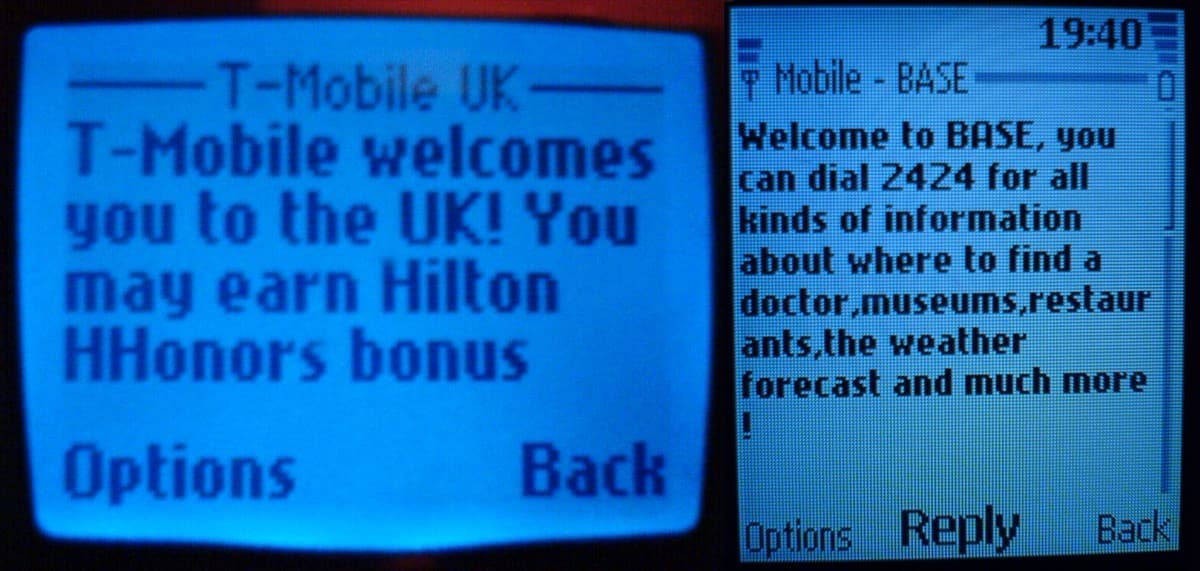
Incoming SMS in international roaming are free on all four major Russian operators, so bank and Gosuslugi codes reach you in Vietnam at no cost. You only pay for what you send.
| Operator | Incoming SMS | Outgoing SMS | Where it says so |
|---|---|---|---|
| MTS | 0 ₽ | depends on the country, see "My MTS" app → Roaming | MTS help page (in Russian) |
| Beeline | 0 ₽ | 45 ₽ (~$0.57) | Beeline base roaming prices |
| MegaFon | 0 ₽ | depends on the country, see the MegaFon app | MegaFon roaming page |
| T2 | 0 ₽ | 20 ₽ (~$0.25) in Vietnam, 15 ₽ on business tariffs | "Roaming in Vietnam" page |
For SMS to arrive at all, international roaming has to be enabled on the number. On MTS, outgoing SMS abroad only work with the "Easy roaming and international access" or "International and national roaming" service. Check it in the app while you're still in Russia.
Data on a Russian SIM in Vietnam is expensive, and there's no reason to pay for it just to get codes. Turn off mobile data for that SIM in your phone settings and use a Vietnamese SIM or eSIM for the internet. How roaming compares with a local SIM is in the roaming section of our SIM card guide, and how local mobile internet works is covered in the Vietnam internet guide.
The easiest setup is a dual-SIM phone, or one SIM plus eSIM: the Russian SIM sits in one slot and receives codes, the Vietnamese one handles data.
How long a number survives without use
If you don't use the number, T2 can terminate the contract after 90 days, MegaFon after 90 days with a zero balance, MTS after 6 months, and Beeline after more than six months. "Use" here means making calls, sending SMS, going online or topping up; MegaFon also counts answering an incoming call. Free incoming SMS aren't on any of these lists, so bank codes alone won't save the number.
| Operator | What happens when the number sits idle | What counts as use | Getting the number back |
|---|---|---|---|
| MTS | No-monthly-fee tariff: from day 30, a 1.5 ₽ (~$0.02) daily "number keeping" fee; once the balance hits zero, the number is blocked and the contract ends 6 months later. Tariff with a monthly fee: blocked if nothing is charged for 6 months | a paid call or SMS, or a top-up of 5 ₽ or more | possible if nobody else has it yet: chat in "My MTS" or 8 800 250-08-90 |
| MegaFon | Zero or negative balance and 90 days without use: the contract counts as terminated. Positive balance: after 90 days (calling tariffs) or 270 days (data tariffs) a daily number-keeping fee starts | once every 90 days: a call, answering a call, sending an SMS, going online | possible if it hasn't been put back on sale; 150 ₽ (~$1.90) on reactivation |
| Beeline | Blocked if the number hasn't been used for more than six months; an overview on Beeline's own site gives 180 to 365 days after the balance hits zero, the exact period is in your tariff | — | at an office with your passport, if it hasn't gone to someone else |
| T2 | Under T2's terms of service, the contract counts as terminated after at least 90 calendar days of non-use, unless your tariff says otherwise | — | with your passport, while it hasn't gone to another subscriber |
«Если не пользоваться номером 30 дней, сначала включится плата 1,5 ₽/день для сохранения номера» (If you don't use the number for 30 days, a fee of 1.5 ₽ a day to keep the number kicks in first.)MTS help page, checked 11/2026
Money on the account doesn't protect the number: the MTS keeping fee eats the balance down to zero, stops, and the number is closed anyway.
The cheapest way to keep a number alive without paid add-ons is one paid action every month or two: send one outgoing SMS or top up. On MTS that's enough to stop the daily fee. MegaFon and T2 give you 90 days, so a calendar reminder every two months covers it.
Your own tariff may differ from the general rule: MTS lists the period in each tariff's PDF, and MegaFon and T2 tariffs can set their own. Check before you leave.
Getting set up in Vietnam?
Visa fast-track, housing rentals, tours — our manager sorts it out for you, in English.
How to keep the number long term
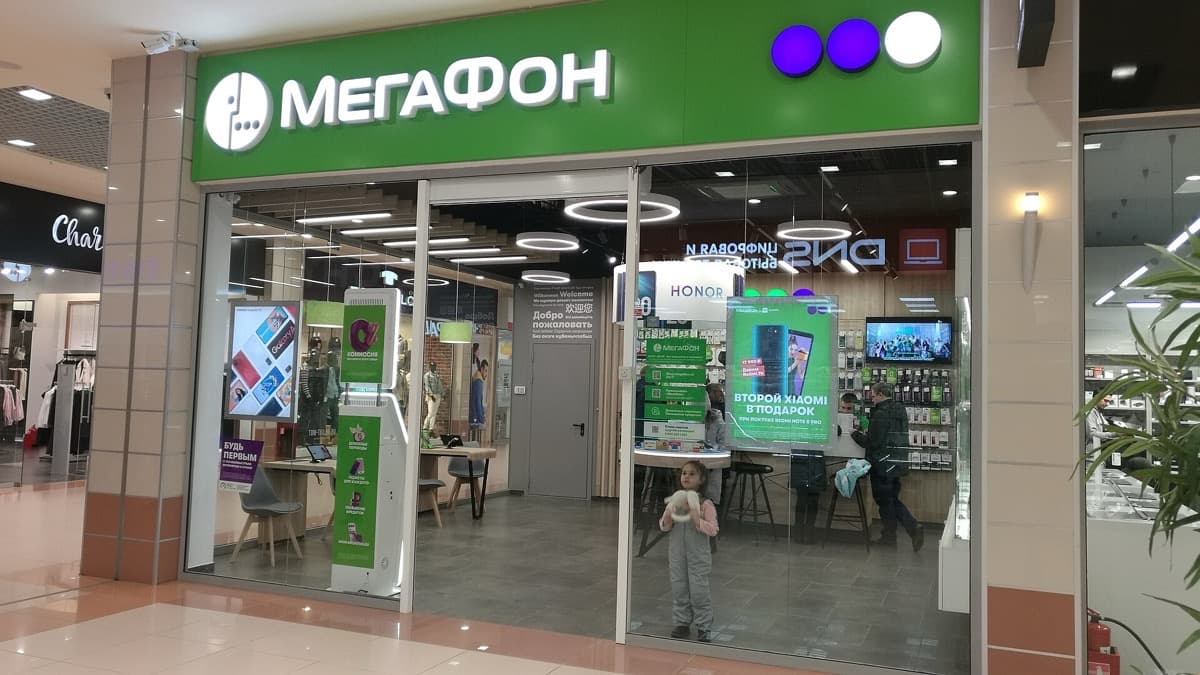
If you're leaving for a year or more, a number-keeping service is more reliable than remembering to top up. Each operator has its own: some charge once, some monthly.
| Operator | Service | Price | Notes |
|---|---|---|---|
| MTS | "Number Forever" («Номер навсегда») | 1,500 ₽ (~$19) once | the number won't go to anyone else even after six months unused; not available on bundled mobile + home internet + TV tariffs |
| MTS | "I'm keeping my number" («Сохраняю номер») | 349 ₽ (~$4.42) per 6 months | for tariffs without a monthly fee and with no paid services or subscriptions |
| MegaFon | "Number keeping" («Сохранение номера») | 69 ₽ (~$0.87) per 30 days | no end date; Moscow region price, other regions may differ |
| Beeline | "Protection against losing your number" | 999 ₽ (~$12.65) for 5 years or 149 ₽ (~$1.89) for 90 days | per iGuides, September 2026 |
| T2 | "Eternal number" («Вечный номер») | free | only when buying a SIM or switching to T2 |
The Beeline prices and T2's "Eternal number" terms come from an iGuides review (in Russian) dated 14.09.2026: the operators' own pages didn't load when we checked. Confirm the price in the app before you sign up.
Every operator also offers a voluntary block. On MTS the first 14 days are free, then 1.1–3 ₽ a day depending on the tariff. On Beeline it's free for up to 90 days, then 5.5 ₽ (~$0.07) a day from day 91. T2's "Temporary block" costs 2 ₽ a day. It doesn't keep the number forever: on MTS it holds for up to 6 months from the last charge or top-up, and on T2 an inactive-mode fee starts after 90 days of blocking.
If you need codes every week, keep the number active and either add a keeping service or make a paid action on a schedule. If you just don't want to lose the number, "Number Forever" or another paid keeping service does the job, and a block works for a few months.
A Russian eSIM: only before you fly
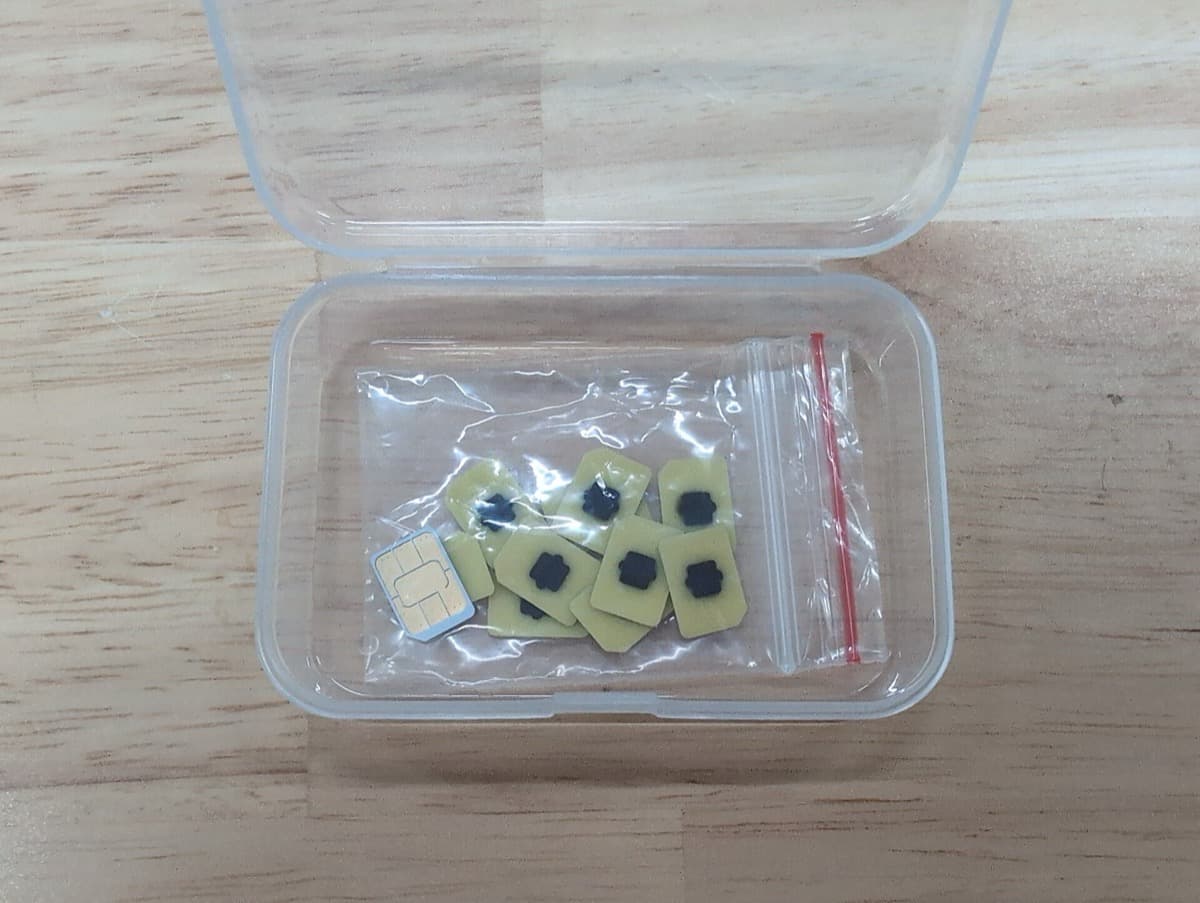
You most likely can't move your Russian number to eSIM from Vietnam: operators require the eSIM to be activated on their home network, in Russia. MTS says so directly in its help page updated 27.10.2026: an MTS eSIM can only be activated on MTS's network in Russia, not abroad, and MTS can't deliver an eSIM to another country.
«Активировать eSIM МТС можно только в сети МТС России» (An MTS eSIM can only be activated on the MTS network in Russia.)MTS help page, checked 11/2026
In November 2025 Business FM (in Russian) reported complaints from Russians abroad who couldn't replace or activate an eSIM. MTS pointed to communications law; T-Mobile cited a clause in its rules saying an eSIM for international roaming "must be activated in Russia". Roskomnadzor, the telecom regulator, said operators may set special conditions for eSIM.
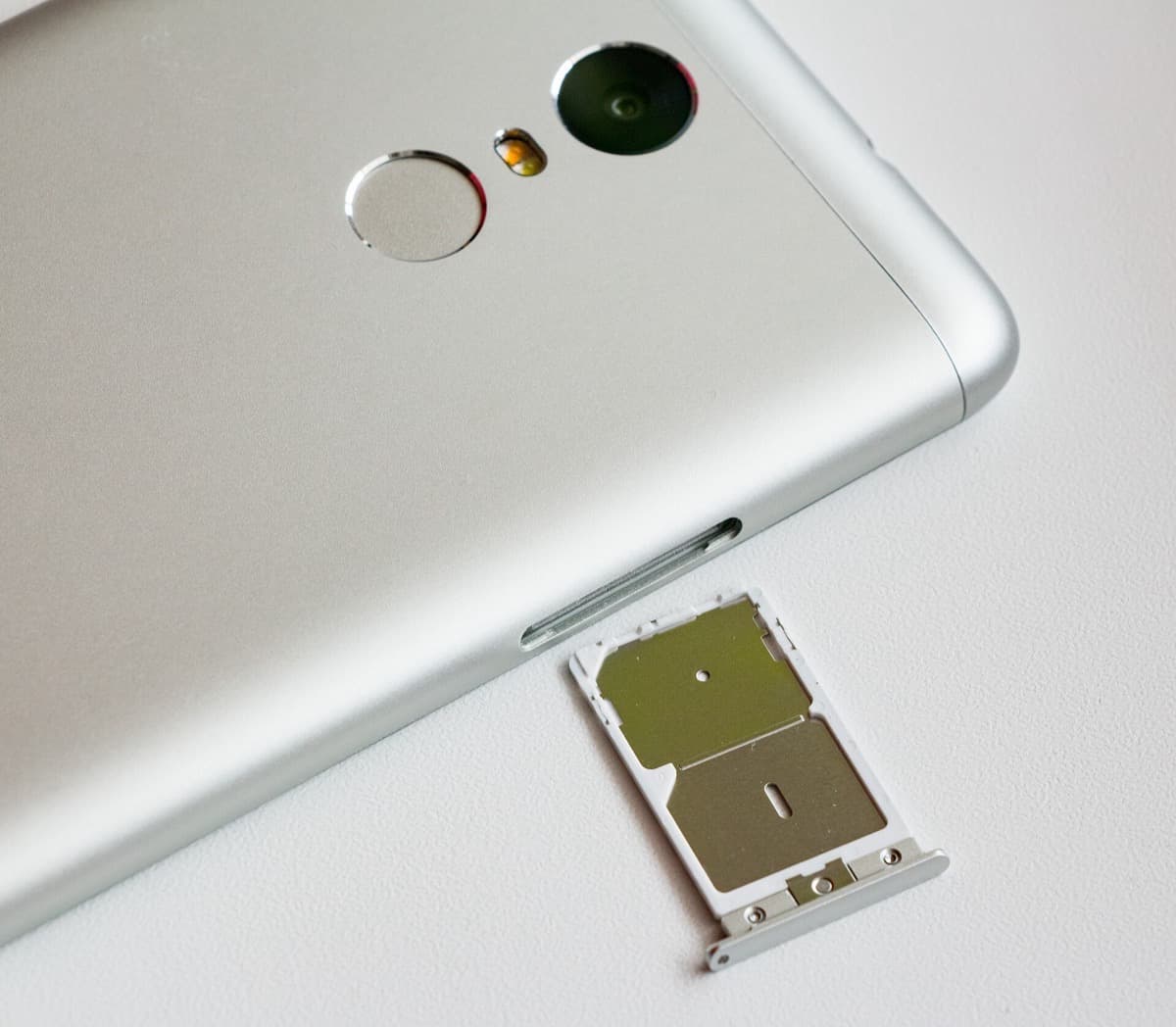
If your phone has a single physical slot and you want your Vietnamese SIM in it, switch the Russian number to eSIM at home and make sure it connects before your flight. Losing a phone with an eSIM abroad means no Russian number until you're back or get a physical SIM: MTS will deliver a plastic SIM to another country, but not an eSIM. So a backup way to sign in to your bank and Gosuslugi (next section) matters twice as much.
Gosuslugi and banks without SMS
You can sign in to Gosuslugi without SMS. Since December 2025 Russia's Ministry of Digital Development has been phasing out SMS confirmation for sign-in, starting with sign-in from mobile devices, and offers three replacements: a one-time code in the Max messenger, biometrics, and a TOTP one-time code from an authenticator app such as Google Authenticator, Microsoft Authenticator or Yandex Key (Interfax, 05.12.2025, in Russian, citing the ministry's statement).
TOTP is the most practical option abroad: the code is generated on your phone and doesn't depend on a SIM or roaming. You set it up in your Gosuslugi profile:
- Install an authenticator app that generates one-time codes.
- In Gosuslugi, open "Profile" → "Security" → "Sign-in".
- Choose "One-time code (TOTP)" and tap "Continue".
- Scan the QR code with the authenticator app or enter the key manually, then type in the code it shows.
- Store the backup key somewhere safe: without it, signing in after losing your phone gets hard.
- Turn on automatic time on your phone, since TOTP codes depend on an accurate clock.
Banks have no single rule. T-Bank, for example, says in its help page (in Russian) that it sends transaction alerts as push notifications and falls back to SMS if the push doesn't get through; app versions below 7.24 always get SMS. Check in your own bank's app before you leave how it confirms payments and sign-in on a new phone. If you're moving for good, the guide to opening a bank account in Vietnam gives you a local option that doesn't depend on a Russian SIM.
Fast Track — no queue at the border
5–10 minutes instead of an hour in the immigration queue
from$11per passenger
The "cooling period" when you return to Russia
When you come back to Russia, your Russian SIM loses mobile data for 24 hours. This "cooling period" was launched in test mode by the Ministry of Digital Development on 10 November 2025. It kicks in on return from international roaming and when a SIM hasn't been on the network for 72 hours. Wi-Fi and calls keep working (Rossiyskaya Gazeta, 11.11.2025, in Russian). The official reason is protection against drones that may carry SIM cards.
«Блокировка заработает или при возвращении из международного роуминга, или если не пользоваться SIM-картой 72 часа» (The block kicks in either on return from international roaming or if the SIM card isn't used for 72 hours.)Rossiyskaya Gazeta, 11.11.2025
As of November 2026 it is still in place: the MTS help page (in Russian), updated 29.10.2026, says data and SMS are restricted for 24 hours after you return from another country or if the phone has been off the network for more than 72 hours.
According to Kommersant, as reported by 3DNews on 19.02.2026, sending SMS is also blocked for the day. You can lift the block early by solving a captcha at the link your operator sends; on a push-button phone you call the operator's contact centre and verify your identity. It doesn't always work smoothly: some subscribers never get the link, and sometimes the block starts a few hours after arrival. MTS said 70% of its subscribers clear it within the first hour.
When you fly home, book the airport taxi over the airport Wi-Fi or by phone. If you need your bank or Gosuslugi on day one, TOTP sign-in helps.
Checklist before you fly
Everything your Russian number needs takes one evening at home:
- Check that international roaming is on, and on MTS the international access service.
- Look up the inactivity period for your tariff in the operator's app.
- Add a number-keeping service, or set a reminder for one paid action every 1–2 months.
- If you want an eSIM, switch the number and test it in Russia.
- Set up TOTP sign-in for Gosuslugi and save the backup key.
- Check in your bank's app how it sends codes and what happens when you sign in on a new phone.
- Leave enough on the balance for outgoing SMS and the number-keeping fee.
The rest of your pre-trip list is in the first trip to Vietnam checklist, and if you're moving long term, in the Vietnam relocation guide.
Common mistakes
- Expecting incoming SMS to keep the number alive. To the operator, a free incoming SMS isn't use. The number can be closed after 3–6 months even if codes arrive every day.
- Leaving mobile data on the Russian SIM. The phone will pull updates over roaming and the balance goes negative. With a zero balance MegaFon ends the contract after 90 days without use, while a positive balance only triggers the keeping fee.
- Putting the number on a voluntary block and waiting for codes. SMS don't reach a blocked number.
- Leaving the eSIM switch for later. On MTS you can't activate it from abroad, and judging by complaints, the same goes for the other operators.
- Setting up TOTP once SMS already don't arrive. Changing the sign-in method may need an SMS code.
- Tapping "cooling period" links in random SMS. Only your own operator sends the captcha.
FAQ
Almost. Incoming SMS are free on MTS, Beeline, MegaFon and T2, and you can switch data off for that SIM. But with no paid activity the number gets closed within 3–6 months, so it can't be entirely free: one outgoing SMS or top-up every month or two, or a paid number-keeping service
It depends on the operator:
- MTS, "I'm keeping my number"698 ₽ a year~$8.84
- MTS, "Number Forever"1,500 ₽ once~$19
- MegaFon, "Number keeping"about 840 ₽ a year~$10.63
Outgoing SMS you send yourself are extra
Yes, as long as the operator hasn't given it to someone else:
- MTS checks this via the "My MTS" chat or 8 800 250-08-90
- MegaFon charges 150 ₽ to reactivate
- Beeline and T2 need your passport
That's harder to do from Vietnam, so it's easier not to let it happen
Most likely not. MTS says in its help pages that its eSIM can only be activated on its network in Russia. According to Business FM in November 2025, other operators also require eSIM activation in Russia, and Russians abroad couldn't complete the switch. Do it before you fly
That's the "cooling period": after roaming, mobile data and outgoing SMS are cut for 24 hours. Calls and Wi-Fi work. You can lift it early with the captcha link your operator sends
Read next: SIM cards and eSIM in Vietnam · Internet in Vietnam · Bank account in Vietnam · Retiring in Vietnam
VietnamSpot on InstagramTips, lifehacks and news for living in VietnamFollow



- Preparation
Getting to Doc Let Beach 2026: Bus, Grab, Taxi, Transfer
How to reach Doc Let from Nha Trang and Cam Ranh airport in 2026: bus 12 for ~$1.20, Grab, fixed-price taxis, pre-booked transfers, and how to get back.Getting to Doc Let Beach 2026: Bus, Grab, Taxi, Transfer - Preparation
Vietnam Work Permit 2026: Rules, Salaries, Where to Look
How foreigners get a Vietnam work permit in 2026: Decree 219/2025, a 10-working-day decision, the VND 3 billion exemption, real salaries, fines and job boards.Vietnam Work Permit 2026: Rules, Salaries, Where to Look - Preparation
Vietnam Visa Run: Border Runs, Routes & Costs 2026
The Vietnam visa run: resetting your stay via a border with Cambodia or Laos — the routes, costs, risks and whether it's still worth it.Vietnam Visa Run: Border Runs, Routes & Costs 2026