Hue Festival 2026 — Vietnam's year-long cultural event
Hue Festival 2026 is not one week — it is nearly 80 events stretched from January 1 to December 31: royal court rituals in spring, the International Arts Festival Week on June 13–18, boat races and Mid-Autumn lanterns in September, and a Countdown finale on New Year's Eve. The headline week is over, but the festival is not. Here is what already happened, what you can still catch in 2026, and what it all costs in VND and dollars.
What Festival Huế Is, and Why 2026 Is Special
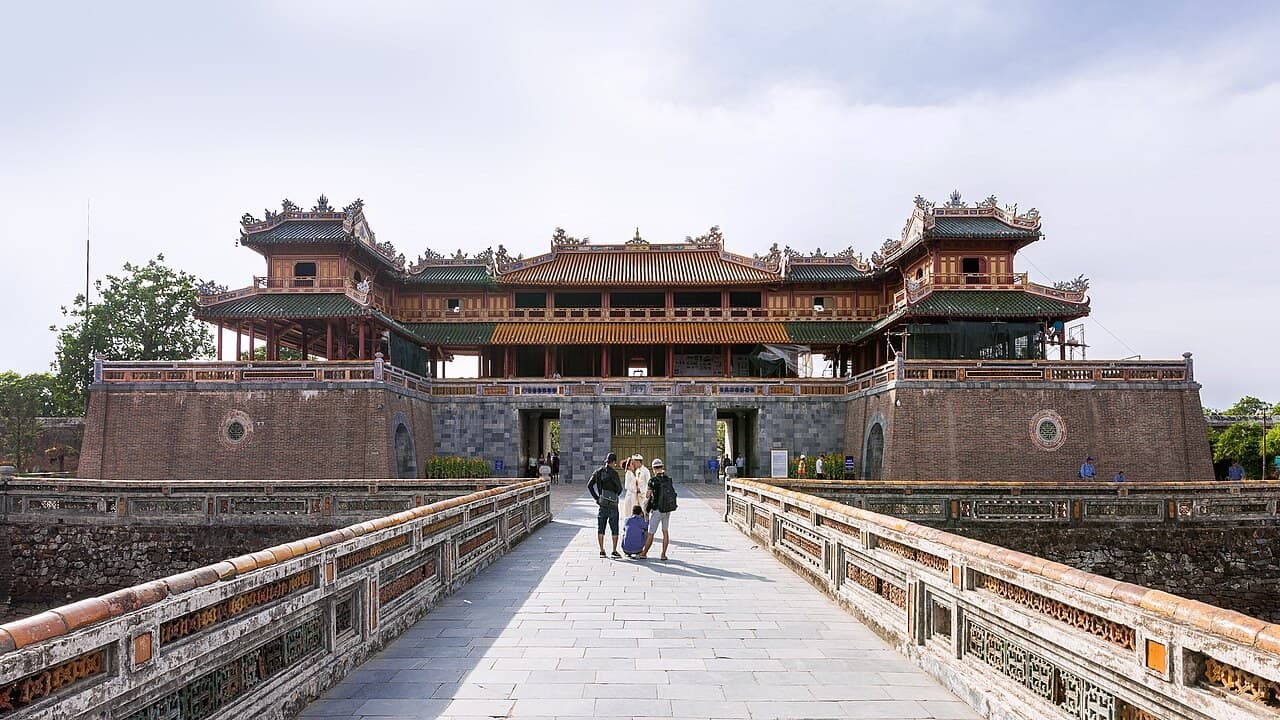
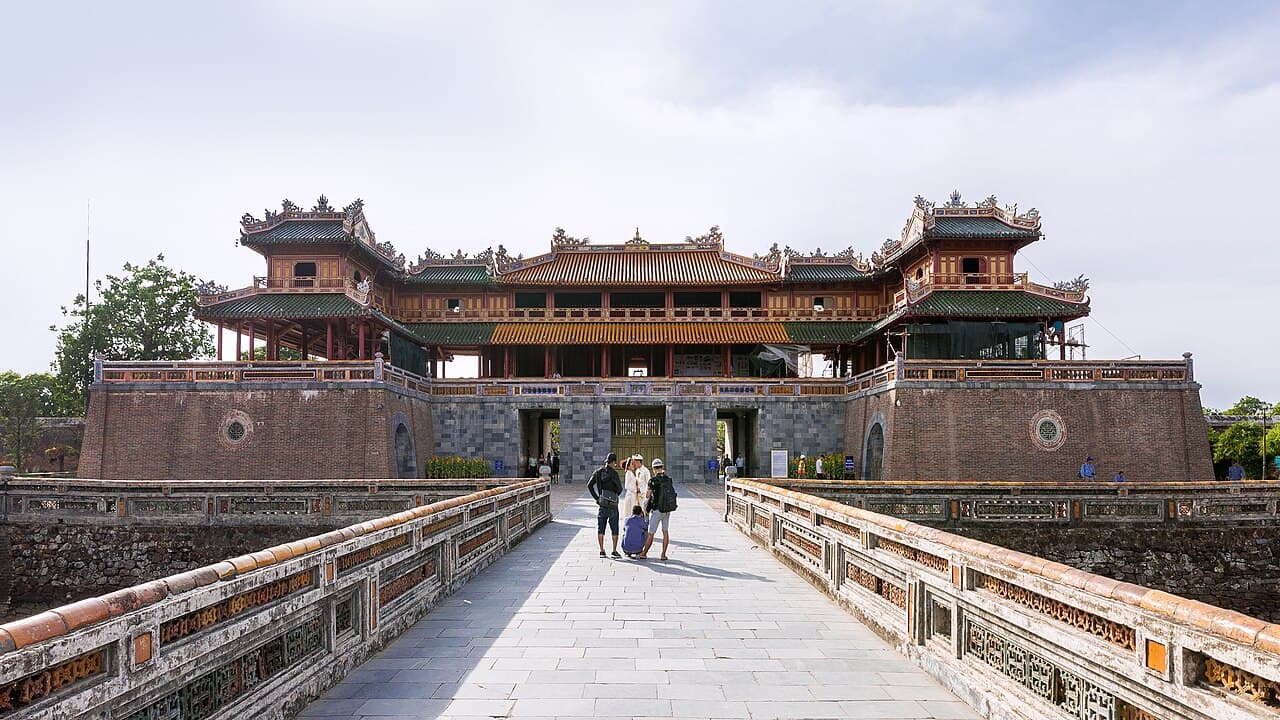
- Imperial City (Ngọ Môn — Đại Nội): Main festival venues — Entry 200,000 VND (~$8)
- Kien Trung Palace (Điện Kiến Trung): Main stage of the 2026 arts week
- Perfume River (Sông Hương): Ghe boat races — Autumn evening programs
- Tourist quarter (Phố đi bộ — Lê Lợi): Street parades, cafés — Right-bank hotels
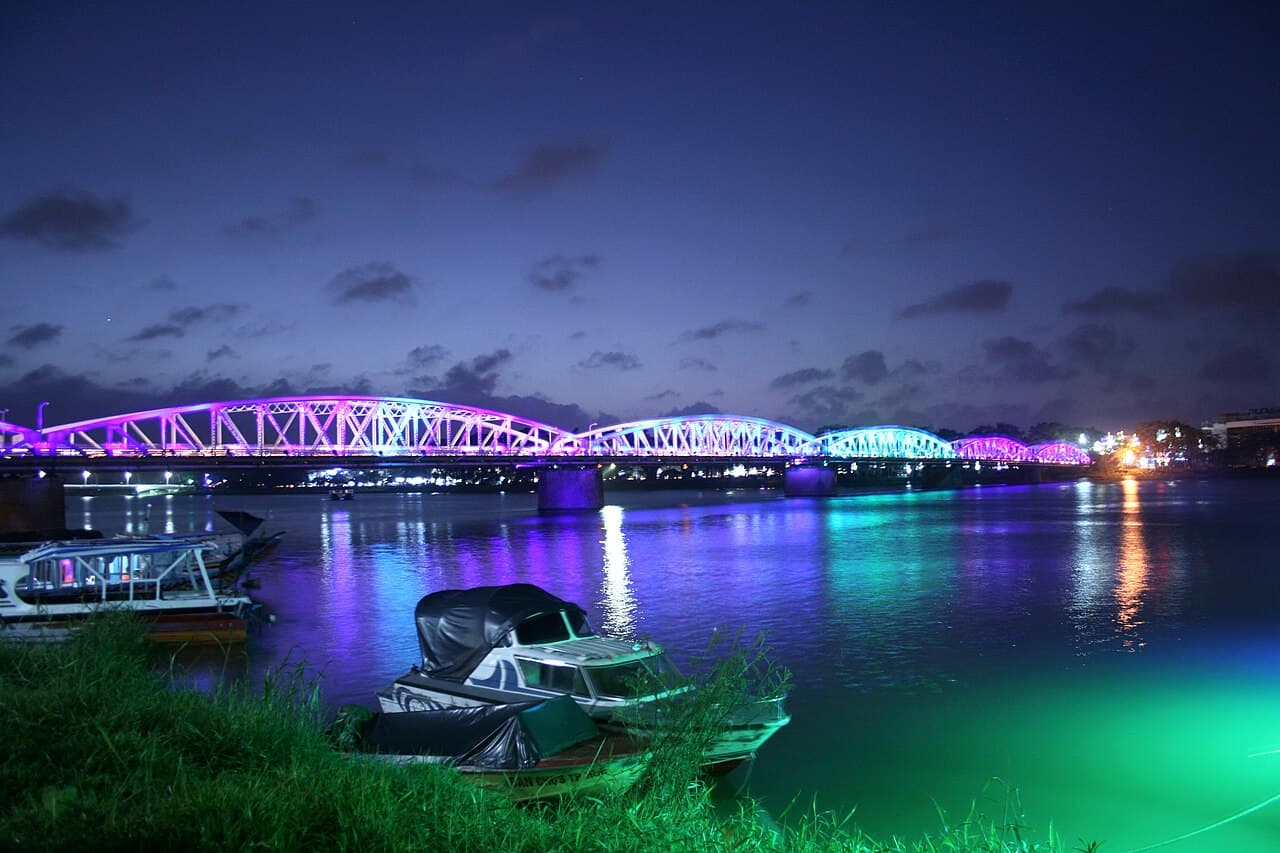
- Truong Tien Bridge (Cầu Trường Tiền): City symbol — Night illumination, lanterns
- Phu Bai Airport (Sân bay Phú Bài): 15 km from the center — Flights from Hanoi and HCMC
Festival Huế is Vietnam's oldest international arts festival: launched in 2000 on the model of Avignon and Edinburgh, it grew out of the 1992 "Vietnam — France" cultural gathering. The stage is Hue, the former capital of the Nguyen dynasty, whose citadel has been a UNESCO World Heritage site since 1993.
The founding idea was ambitious: turn the old imperial capital into a "Vietnamese Avignon" — a city that lives off culture. It worked. Over a quarter century the festival grew into central Vietnam's biggest cultural brand: troupes came from France, Japan, Korea, Belgium and beyond, and the Nguyen court rituals (from the Sacrifice to Heaven ceremony to royal banquets) became reenactments you will not see anywhere else.
For over two decades the festival ran as a biennial: once every two years the city spent a week as one continuous stage, drawing 250,000–300,000 visitors. The obvious flaw — for the other 103 weeks the city lived in its own shadow.
So in 2022 the format changed radically into a "four-season festival" (Festival bốn mùa) that runs all year. The bet paid off fast: the 2024 cycle drew about 2 million domestic visitors and 200,000 international ones.
2026 is a "full program" year. On top of the year-round seasons came the International Arts Festival Week, which only happens in even years — the old biennial's core. The official theme, "Cultural Heritage with Integration and Development," sounds bureaucratic, but there is a concrete story behind it: Hue recently became Vietnam's sixth centrally governed city, and the festival is its main argument for the role of the country's cultural capital.
Hue itself stays a living, walkable city — for the citadel, royal tombs and food, see our full Hue guide.
What Past Editions Were Known For
Every edition added something to the formula. The first Festival Huế in 2000 brought together Vietnamese and French troupes and proved the old capital could host an international event. The 2000s added court ceremony reenactments: the Sacrifice to Heaven on Nam Giao hill, royal elephant processions, Nguyen-style night banquets. In 2023 hot-air balloons rose over the Perfume River: a tethered ride cost 200,000 VND (~$8), a point-to-point flight 4,000,000 VND (~$154). In 2024 the restored Kien Trung Palace opened its doors, and the 2026 arts week cemented its status as the main stage.
The practical takeaway: no season's program copies the previous one. The core (parades, races, Mid-Autumn, Countdown) is stable; the special projects rotate.
The 2026 Calendar — Four Seasons
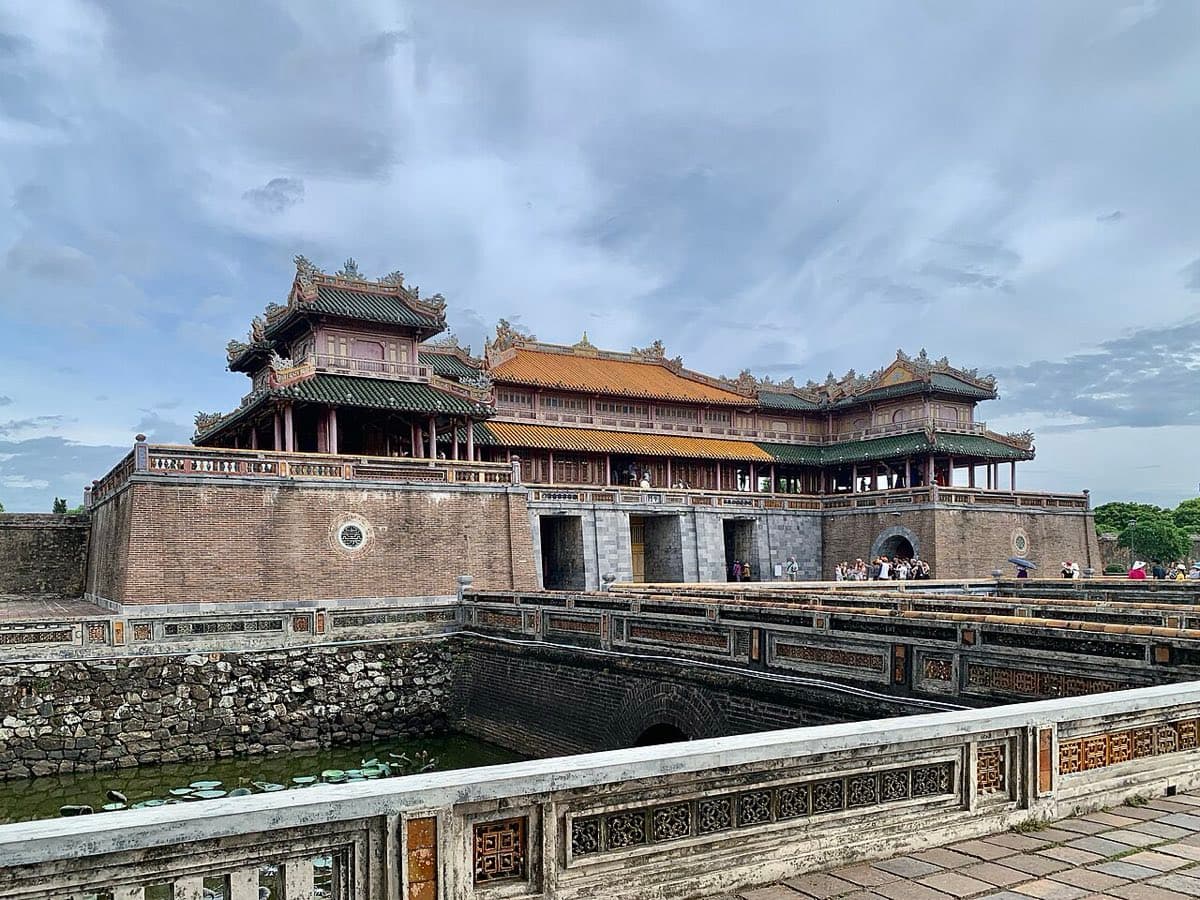
Festival Huế 2026 opened on January 1 with the Ban Sóc ceremony (a reenactment of the royal lunar calendar distribution at Ngo Mon Gate) and closes on December 31 with a Countdown program welcoming 2027. In between — four themed seasons:
| Season | Period | Name | Headline events |
|---|---|---|---|
| Spring | Jan 1 – March | "Spring of the Ancient Capital" | Ban Sóc, royal rituals, Tet in Hue, folk games |
| Summer | April – June | "Shining Citadel" | Arts week June 13–18, ao dai shows, parades |
| Autumn | Aug – Sep (announced from July) | "Hue Into Autumn" | Boat races, lion festival, lanterns, Mid-Autumn |
| Winter | October – Dec 31 | "Winter of Hue" | Music programs, Countdown on December 31 |
The spring block is the most "imperial": court ceremony reenactments, calligraphy, Tet folk games. If you want to see how the Nguyen court looked rather than a concert staged in front of it, choose spring. Summer is built around the arts week and the ao dai programs. Autumn belongs to folk traditions: water, lanterns, lion dances. Winter is chamber concerts and the New Year finale.
The traveler's logic is simple: any month of 2026 will have something festival-related going on. But the scale varies wildly. The arts week means international troupes and palace shows; the seasonal events are closer to local holidays — atmospheric, free, and crowd-light.
There are gaps between seasons. In July 2026 there were hardly any major events: the autumn season was announced from July, but the program shifted to August. Late December is the busiest finale. Check the concrete dates two to three weeks before your trip — seasonal schedules are published late and get adjusted.
The Main Week, June 13–18 — How It Went
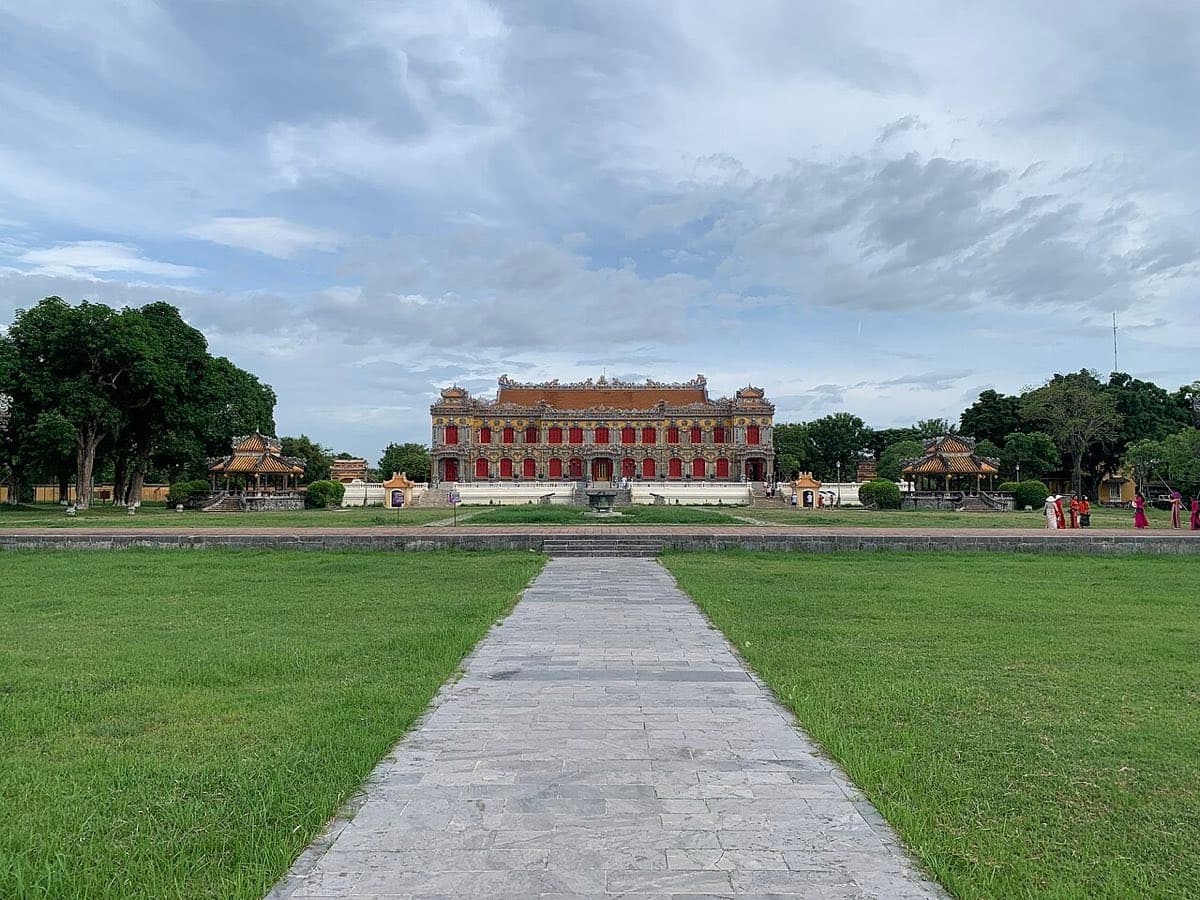
The International Arts Festival Week ran June 13–18 across the Imperial Citadel's venues. For the first time the central stage was fully hosted by Kien Trung Palace (Điện Kiến Trung) — the residence of the last two Nguyen emperors, destroyed in the war in 1947 and reopened after restoration only in 2024. Hard to script better symbolism: the arts week literally played inside a palace that did not exist three years ago.
The program by day:
- June 13 — opening ceremony in the citadel: a large-scale show blending royal court music with modern staging, light and projections on the palace walls.
- June 14 — the "Cultural Colors" street festival: a parade of Vietnamese and international troupes. The same day Kien Trung opened the exhibition "Doors to Hue's Heritage" — 45 works from the fifth artist residency.
- June 15–16 — concerts by international ensembles, with a second "Cultural Colors" parade on June 16.
- June 17 — the beer festival: long tables, street food and the local Huda, the beer Hue considers its own.
- June 18 — the closing ceremony, passing the baton to the next cycle.
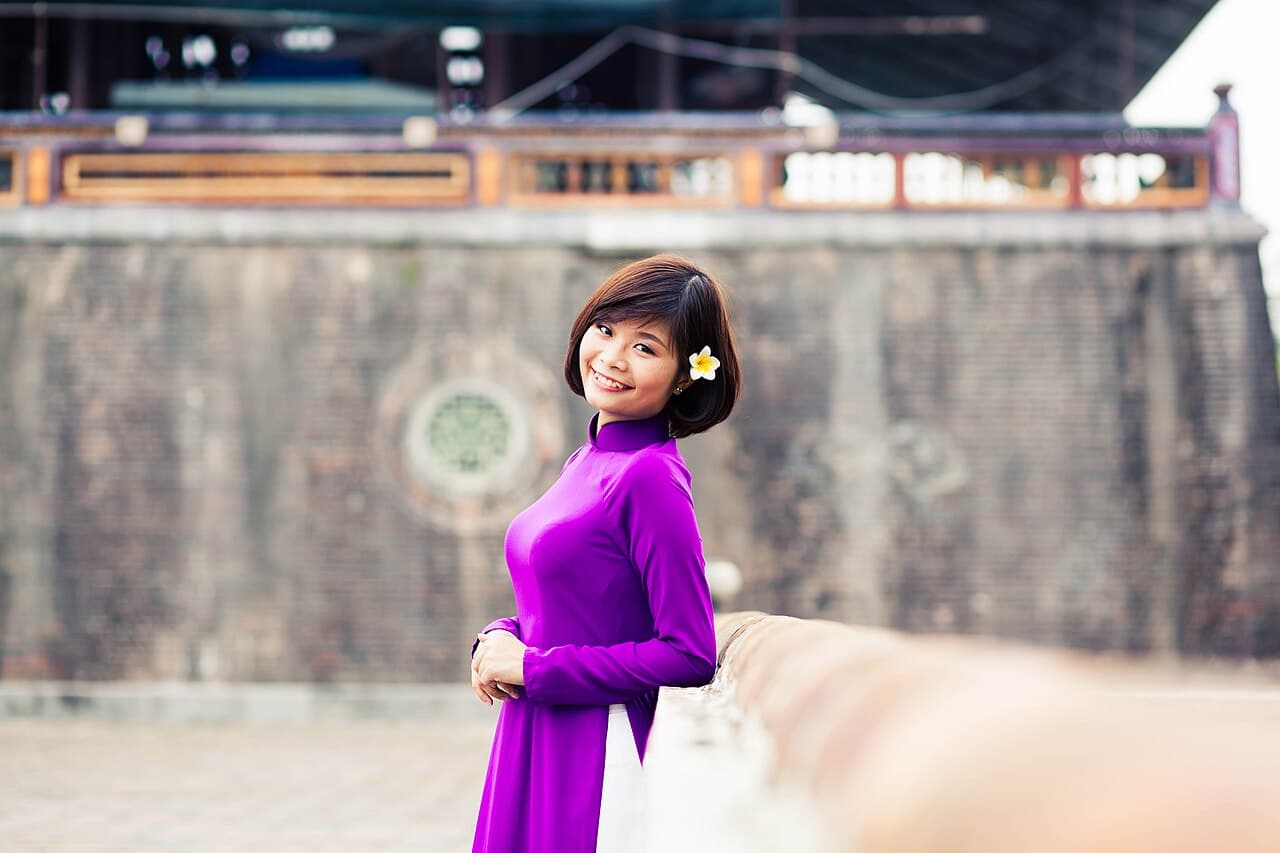
A separate line goes to the ao dai (áo dài) program — the national costume shows that traditionally pull photographers from across the country. Hue is the birthplace of the purple ao dai; festival shows are staged right in the palace interiors and on the Perfume River bridges.
Hue is far calmer than Ho Chi Minh City, and during festival week the contrast is at its sharpest: parades march down streets where bún bò is sold at dawn.
Based on past arts weeks, the city takes in 250,000–300,000 guests over six days. Which means: hotels near the citadel and riverfront sell out months ahead, prices for the week's dates jump 1.5–2x, and the opening ceremony is accessible only with grandstand tickets bought in advance. The street part — parades, open-stage concerts — is free if you claim a spot an hour or so early.
If you are reading this with regret about missing it — breathe out. The next arts week is in 2028: the big weeks run in even years. And 2026 still has two active seasons left, which is where the practical part begins.
The Autumn Season — What to Catch in August and September
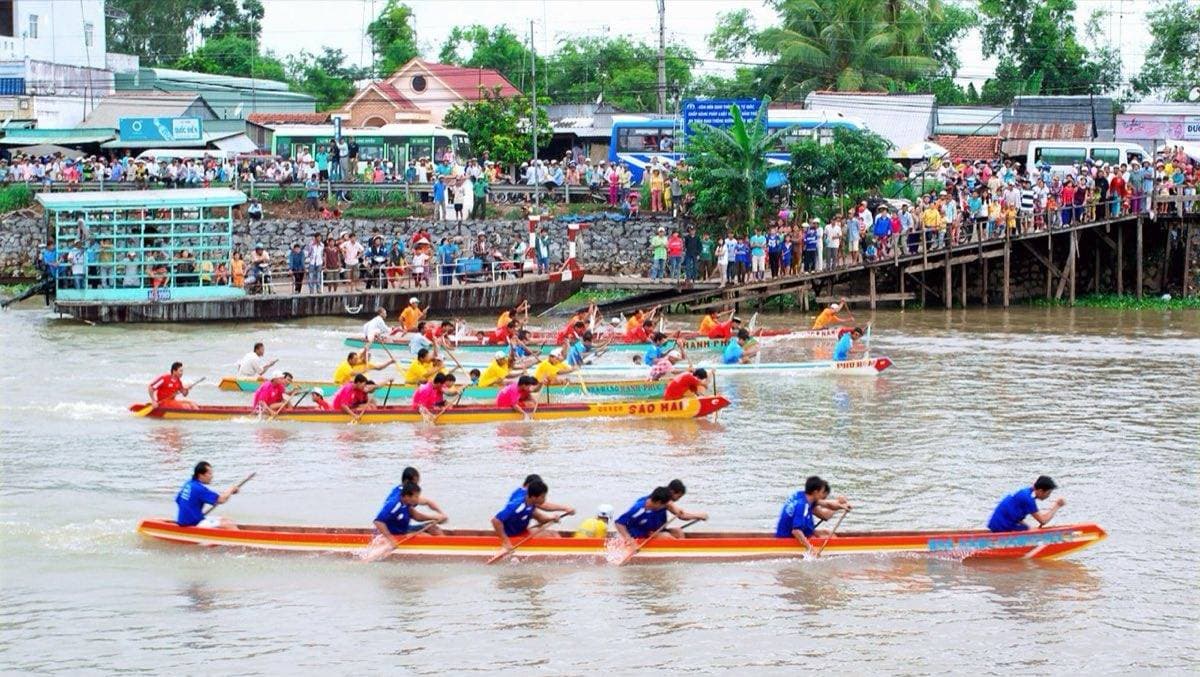
From August 1 to September 30 the festival runs its autumn block, "Hue Into Autumn" (Huế vào thu). This is the most accessible part of the program: nearly everything is free, outdoors, and requires no advance tickets.
On the program:
- Traditional ghe boat races on the Perfume River — September. Neighborhood and village crews race long narrow boats. Best viewing is the riverfront between Truong Tien Bridge and Thuong Bac park.
- Huế Lion Fest 2026 — processions of lions, unicorns and dragons through the center, evening troupe performances.
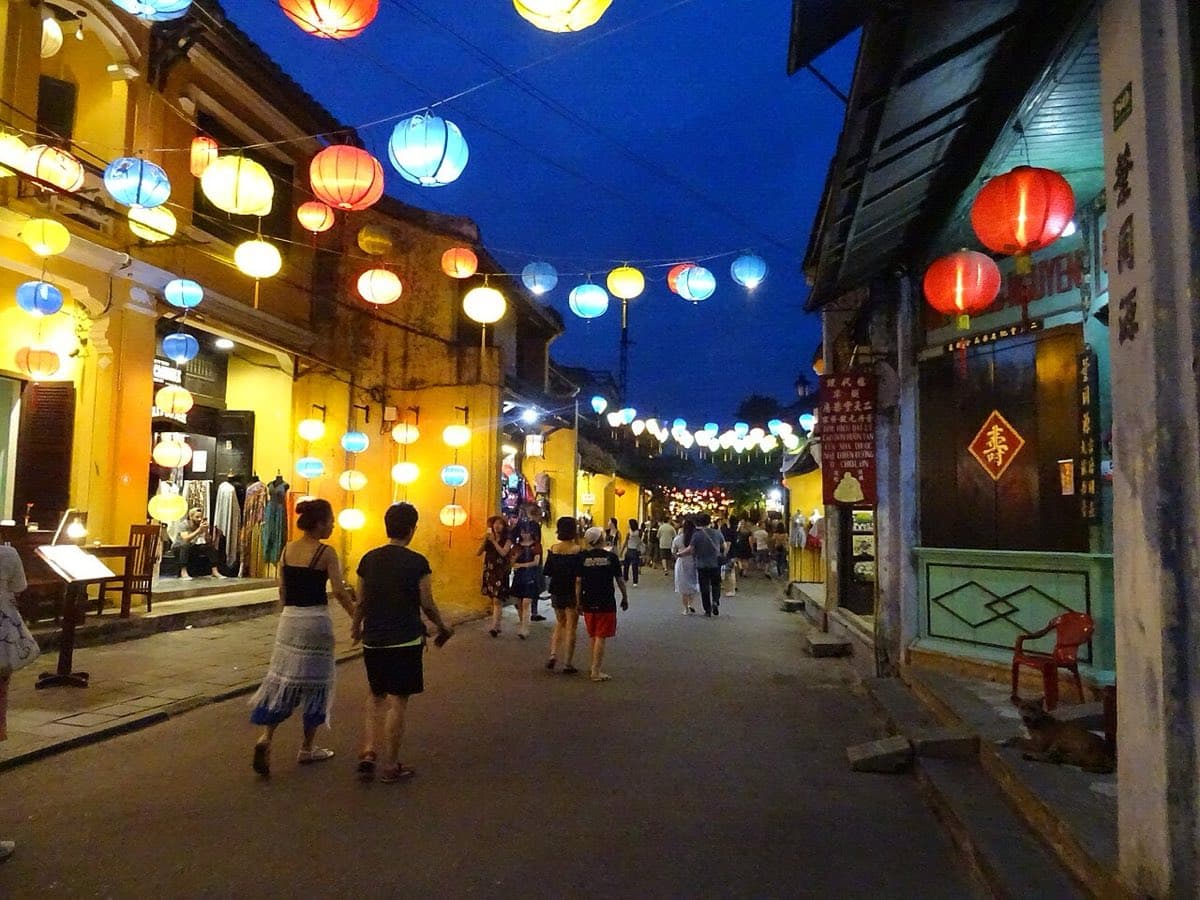
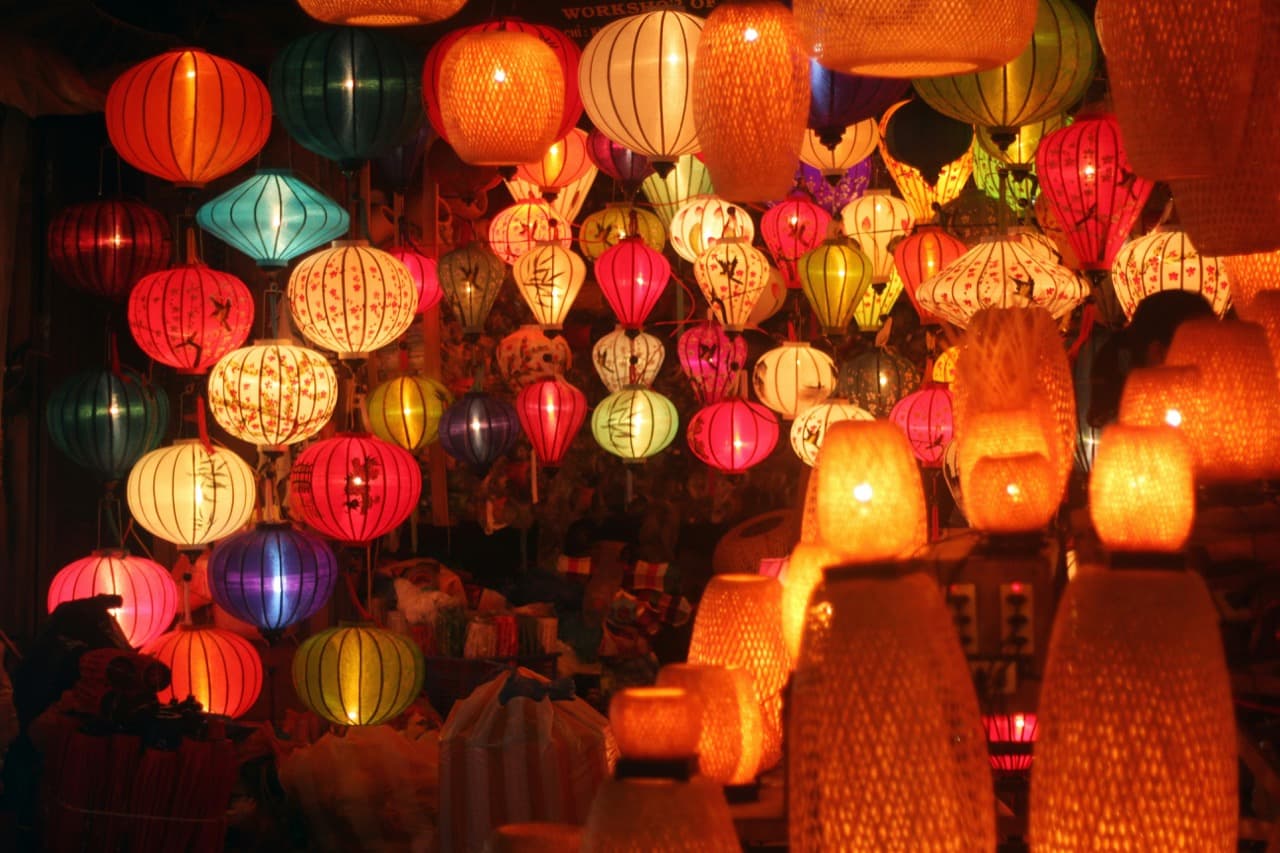
- Lantern parades — neighborhood processions in the run-up to Mid-Autumn: kids with star lanterns, drums, marching lines. A city holiday in its pure form.
- "Royal Palace Mid-Autumn Night" — the Trung Thu program inside the citadel. For the holiday itself, see our Mid-Autumn Festival guide.
- Tuong opera "Echoes of Antiquity" — court theater taken onto public stages.
- Hue Sports Festival — 19 disciplines through August, plus the spiritual festival of Hue Nam Palace (Điện Huệ Nam) on August 20–22.
Autumn in Hue is a compromise season. August is still hot (27–34°C) but dry; the second half of September brings the first rains, which turn into a full monsoon by October. If your goal is festival events plus decent weather, August and early September win. For late-September events, pack a raincoat — the odds of a downpour are already real. Monthly rain and temperature norms are in our Hue weather by month guide.
Fast Track — no queue at the border
5–10 minutes instead of an hour in the immigration queue
from$11per passenger
Nha Nhac, Ca Hue and Tuong — the Court Arts Behind It All
The festival is the packaging. The content is three genres of Hue court art that the city preserved from imperial times and shows year-round, not only on festival dates.
Nha nhac (nhã nhạc) — the "elegant music" of the Nguyen court: an orchestra of drums, lutes, flutes and gongs that accompanied everything from coronations to sacrifices. In 2003 UNESCO proclaimed nha nhac a Masterpiece of the Intangible Heritage of Humanity, and in 2008 inscribed it on the Representative List — Vietnam's first such status.
At the festival it opens ceremonies and scores the ritual reenactments; on ordinary days it plays at the Duyet Thi Duong theater inside the citadel, the country's oldest working theater (1826).
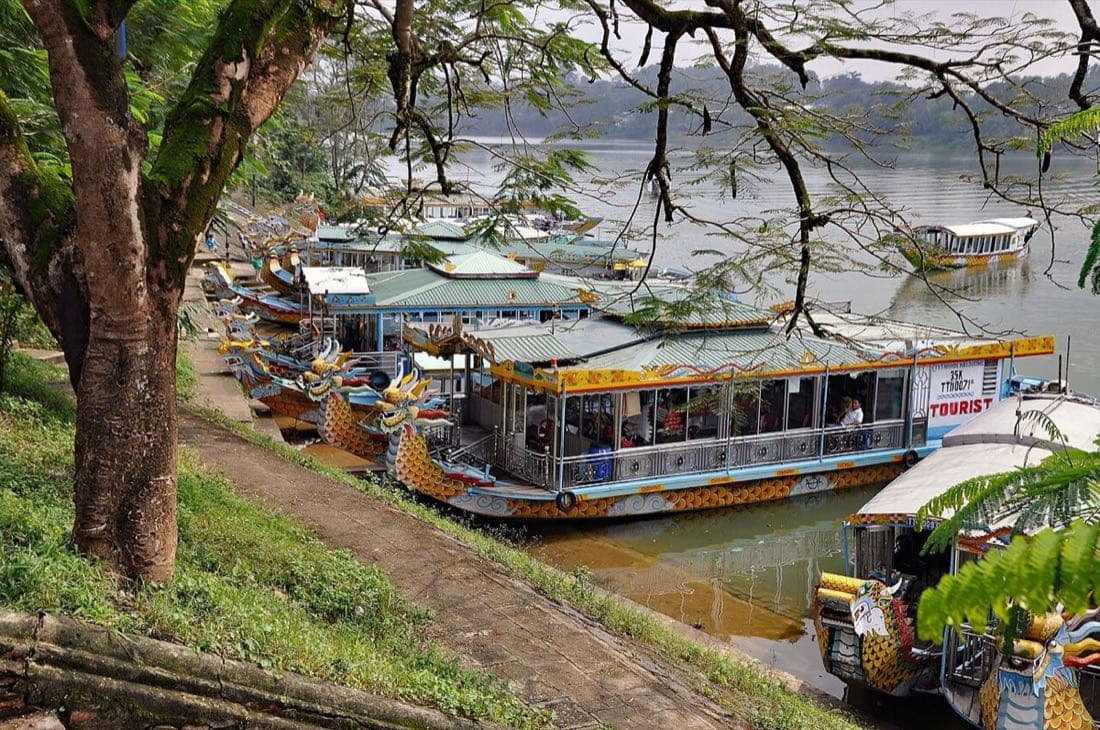
Ca Hue (ca Huế) — chamber singing over zither and moon lute. The classic way to hear it: an evening concert on a dragon boat. The boat leaves the riverfront by Truong Tien Bridge, thirty to sixty minutes of music on the water, paper lanterns released at the end. Tickets are sold right on the promenade, around 100,000–150,000 VND (~$4–6) per person. Fair warning: quality varies, and the cheapest departures can feel like a conveyor belt. During festival seasons extended programs appear on the river, and they are noticeably better produced.
Tuong (tuồng) — classical musical drama with masks and codified face paint, Vietnam's cousin of Peking opera. Under the Nguyens it was the state theater; its home base today is the same Duyet Thi Duong. During the 2026 autumn season the "Echoes of Antiquity" program brings tuong onto open-air stages — a rare chance to see the genre without a ticket.
Ranked by accessibility: ca Hue on a boat is the easiest (nightly, cheap), nha nhac is best caught at the big ceremonies, and tuong is the most exotic of the three — and in autumn 2026 you do not even need a theater seat.
The Winter Season and the Year's Finale
From October to December 31 the festival shifts into the low-key "Winter of Hue": music programs, exhibitions, closing events. The finale is the New Year's Eve Countdown — a stage, a concert and the whole riverfront counting down to 2027. Countdown shows are their own genre in Vietnam; every major city stages one, and Hue's fills the Perfume River embankment end to end.
Tickets and Prices — What's Free and What Isn't
Most Festival Huế events are free — parades, boat races, lantern processions and open-stage concerts require no tickets at all. The paid items are monument entry and the grandstands of the big ceremonies.
| Item | VND | ~$ | Notes |
|---|---|---|---|
| Imperial City (Đại Nội), adult | 200,000 | 8 | Ngo Mon, Thai Hoa, To Mieu, antiquities museum |
| Imperial City, children 7–12 | 40,000 | 1.5 | Under 7 free |
| Combo: citadel + 2 royal tombs | ~420,000 | 16 | Minh Mang and Khai Dinh, valid 2 days |
| Festival street events | 0 | 0 | Parades, races, lanterns, open stages |
| Ceremony grandstands | 300,000–500,000 | 12–19 | Historical range; sold shortly before |
Rate used: ~26,000 VND = $1.
Buying Tickets Online
Online sales are listed on the official portal hueworldheritage.org.vn: pick the site and a date. If the site does not load or the payment fails, the ticket office is faster. The booths at Ngo Mon Gate open at 7:00 and take cash and cards. Grandstand tickets for the arts week ceremonies appear a few weeks before the dates — watch the festival's official channels.
A ballpark budget for two festival days per person (excluding the trip to Hue):
| Expense | VND | ~$ |
|---|---|---|
| 3★ hotel near the riverfront, 2 nights | 1,200,000–1,800,000 | 46–69 |
| Citadel + tombs combo | 420,000 | 16 |
| Food: bún bò, cafés, dinners — 2 days | 500,000–800,000 | 19–31 |
| City transport (Grab, cyclos) | 200,000–300,000 | 8–12 |
| Total | ~2,300,000–3,300,000 | ~88–127 |
The practical conclusion: the "festival" share of the budget is minimal — lodging and transport cost more than any tickets. Food in Hue runs cheaper than Da Nang. Agoda did not include the city among Asia's most distinctive food destinations for nothing: a bowl of the signature bún bò costs 35,000–50,000 VND (~$1.5–2), and an "imperial" set dinner starts around 300,000 VND (~$12).
Getting There and Where to Stay
Hue sits in the middle of the country, and festival logistics are simply city logistics. The basic routes:
- From Da Nang — 100 km: 2–2.5 hours by car through the Hai Van tunnel (or over the scenic pass), 2.5–3 hours by train. A private transfer runs from ~900,000 VND (~$35) per car; sleeper buses from 150,000 VND (~$6). First time in the area? Start with our Da Nang guide.
- By air — Phu Bai airport (Phú Bài, HUI) is 15 km from the center, with daily Vietnam Airlines and Vietjet flights from Hanoi and Ho Chi Minh City. A taxi to the center is 200,000–250,000 VND (~$8–10).
- By train — Hue station sits on the Hanoi–Ho Chi Minh City mainline. Night trains from Hanoi take ~13 hours, a soft sleeper from 900,000 VND (~$35); the Hue–Da Nang coastal stretch is widely considered the most scenic on the whole line.
The festival's one housing rule: book early for the big dates. Arts-week hotels sell out 2–3 months ahead; for the Mid-Autumn Night and the year-end finale give it at least two weeks. Which riverbank depends on your scenario. The right bank (the Le Loi quarter and walking streets) has the cafés, the promenade and most hotels; the left bank puts the citadel within walking distance and stays quiet at night. The full breakdown is in our Hue hotels guide.
Plan a monuments day outside the festival too: the tombs of Tu Duc and Khai Dinh, Thien Mu Pagoda, the abandoned waterpark at Thuy Tien Lake — routes and prices are collected in Hue tours.
Is It Worth Traveling For?
The short answer: flying across the world specifically for the 2026 seasonal events — no. Routing your Vietnam trip so you hit Hue on festival dates — absolutely yes. The arts week is a different story: in 2028 it is worth building the whole vacation around, the way people plan for Oktoberfest or the Venice Carnival.
- ✓ Anyone already heading to central Vietnam: Da Nang and Hoi An are 2–3 hours away, and the events are free
- ✓ Fans of Asian festivals: lanterns, lion dances and boat races are the concentrate
- ✓ Photographers: ao dai, illuminated citadel walls, parades
- ✗ Anyone allergic to heat and crowds: the June week means 35°C and 300,000 guests
- ✗ Schedule perfectionists: seasonal events are announced late and dates shift
The honest downsides. June in Hue is heat up to 37°C, and daytime events are draining — the arts week lives in the evening for a reason. Autumn is a rain lottery. Seasonal schedules are published weeks, not months, ahead, so pinning a trip to one specific event is hard. And outside festival dates Hue remains a quiet town: if you expect opening-ceremony-level spectacle nonstop, the seasonal blocks will feel modest.
For scale: Da Nang's DIFF fireworks festival is several evenings of shows at one paid-grandstand venue, while Festival Huế is a year of mostly free events spread across a city. They complement each other well in one itinerary; here is our DIFF breakdown.
Festival Hue in Three Days — a Ready Itinerary
The "city + festival" combo fits neatly into three days. The route below was built around the 2026 autumn season, but the skeleton works for any festival period, winter included.
Day 1 — the citadel and an evening on the water. Be at the Imperial City for the 7:00–8:00 opening: Ngo Mon, the Thai Hoa throne hall, the To Mieu temple, Kien Trung Palace with its festival exhibitions. Budget 3–4 hours and a liter of water. After lunch — the Le Loi quarter and Dong Ba market (Chợ Đông Ba): conical hats, dried spices and the city's best bún bò upstairs. In the evening — a ca Hue concert on a dragon boat, or the day's festival program on the riverfront.
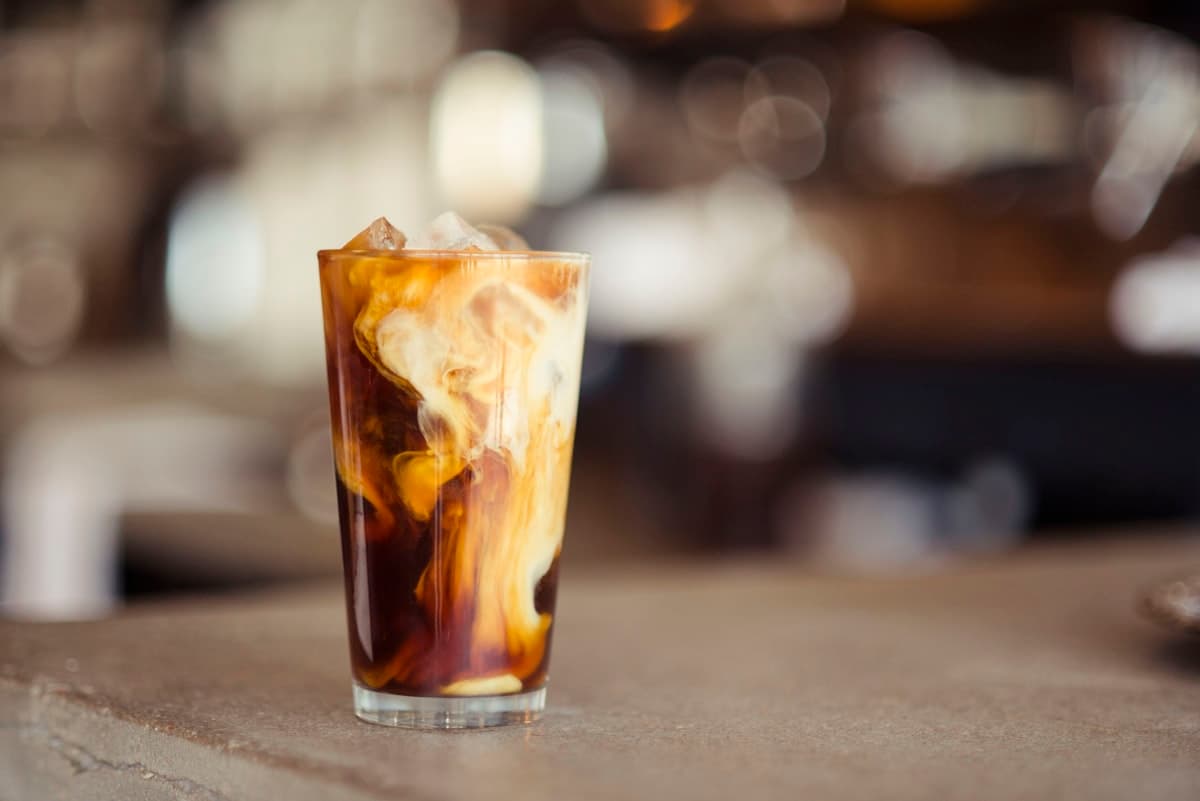
Day 2 — royal tombs and the day's event. Morning at the tombs of Minh Mang and Khai Dinh (the 420,000 VND combo ticket with the citadel saves about 80,000 VND). Afternoon coffee break: Hue is the birthplace of salt coffee (cà phê muối), best tried at a Cà Phê Muối café. Evening — your dates' headline event: in September the boat races or lion troupe performances; in winter, music programs and the Countdown.
The original cafe is very close to the northern gate of the imperial city. A great place to put your feet up after a lengthy walk with both a pleasant indoor and garden areaLuke Digweed, Vietnam Coracle, 2022
Day 3 — surroundings and slack. Thien Mu Pagoda and a boat on the Perfume River, the abandoned Thuy Tien waterpark for lovers of odd places, and the Vong Canh hill viewpoint at sunset. Day three is also your insurance: if day two's event got moved by rain (it happens in Hue), you still have a window.
Plan B for an Event-Free Evening
If your dates land on an empty stretch of the calendar, evening Hue still delivers. The walking streets Pham Ngu Lao — Chu Van An — Vo Thi Sau close to traffic on weekends: live music, street food, craft beer bars. Truong Tien Bridge runs its color-shifting lights after sunset, and the embankment becomes one long promenade. The Ngo Mon Gate illumination works year-round, no festival required. And there is always ca Hue on a boat: concerts run nightly as long as there are travelers on the river.
VietnamSpot on InstagramTips, lifehacks and news for living in VietnamFollow
FAQ — Hue Festival 2026
All year: Festival Huế 2026 runs from January 1 to December 31 in a four-season format with about 80 events. The main International Arts Festival Week took place June 13-18. The autumn season ended on September 30; the winter season runs from October to December with a Countdown finale on December 31.
Mostly yes. Street parades, boat races, lantern processions and open-stage concerts need no tickets. You pay for monument entry — the Imperial City costs 200,000 VND (~$8) when an event is held inside — and for grandstand seats at the arts week ceremonies, historically 300,000-500,000 VND (~$12-19).
In 2028. The International Arts Festival Weeks run in even-numbered years, once every two years, as under the old biennial format. Exact dates will be announced closer to the event; past editions point to early June.
The winter season runs from October to December. The organizers have announced new festival events and music programs, with a Countdown on New Year's Eve as the finale. Schedules come out late, so check the dates two to three weeks before your trip. The autumn season, with its boat races, Hue Lion Fest and lantern parades, ended on September 30.
Two full days is the comfortable minimum: one for the citadel and royal tombs, one for festival events and the city itself. If you are timing a specific event like the boat races, add a third day as a buffer — seasonal schedules are announced late and can shift.
June (arts week) — dry heat at 29-37°C. August — 27-34°C and still dry; rains begin in the second half of September. October-November is peak monsoon and typhoon season, with occasional street flooding. The most comfortable window is August and early September.
It is 100 km
- By car or bus via the Hai Van tunnel2-2.5 hoursor the scenic pass
- By train2.5-3 hours
- A private transferaround 900,000 VND~$35starts per car
- Sleeper busesfrom 150,000 VND~$6
- From Phu Bai airport to the center15 kmit is 200,000-250,000 VND (~$8-10) by taxi
Trip Checklist
Plan ahead:
- Check the season's program on the festival's official channels 2–3 weeks before the trip
- Book your hotel: months ahead for the big dates, two weeks for seasonal events
- Buy the citadel ticket online (hueworldheritage.org.vn) if palace events are on your list
- Pack a light raincoat — from September through December you will need it
- Carry cash VND: street food and parade souvenirs are cash-only
Classic mistakes:
- Coming in July "for the festival" — in July 2026 there were hardly any major events
- Squeezing everything into one day — the citadel and the events physically do not fit
- Expecting the exact schedule six months out — seasonal programs drop weeks ahead
- Ignoring the heat: June–August daytime events demand water and a hat
- Staying far from the river: nearly everything happens along the Huong
- Guide
Hue Tours 2026: Tombs, DMZ & Day Trips
Hue tours guide: imperial tombs, Bach Ma, the DMZ, a Perfume River boat and the Hai Van Pass to Hoi An — how to book and 2026 prices.Hue Tours 2026: Tombs, DMZ & Day Trips - Guide
Is Hue Worth Visiting in 2026? An Honest 8/10 Review
Is Hue worth visiting? Our verdict is 8/10. The Citadel, the tombs and bun bo make the case for; ruins, rain and dead nights make the case against.Is Hue Worth Visiting in 2026? An Honest 8/10 Review - Guide
Hue 2026: Imperial City Guide — Citadel & Tombs
Hue guide: the imperial citadel, royal tombs, Thien Mu, imperial cuisine, the Hai Van Pass and how to visit Vietnam's old capital.Hue 2026: Imperial City Guide — Citadel & Tombs