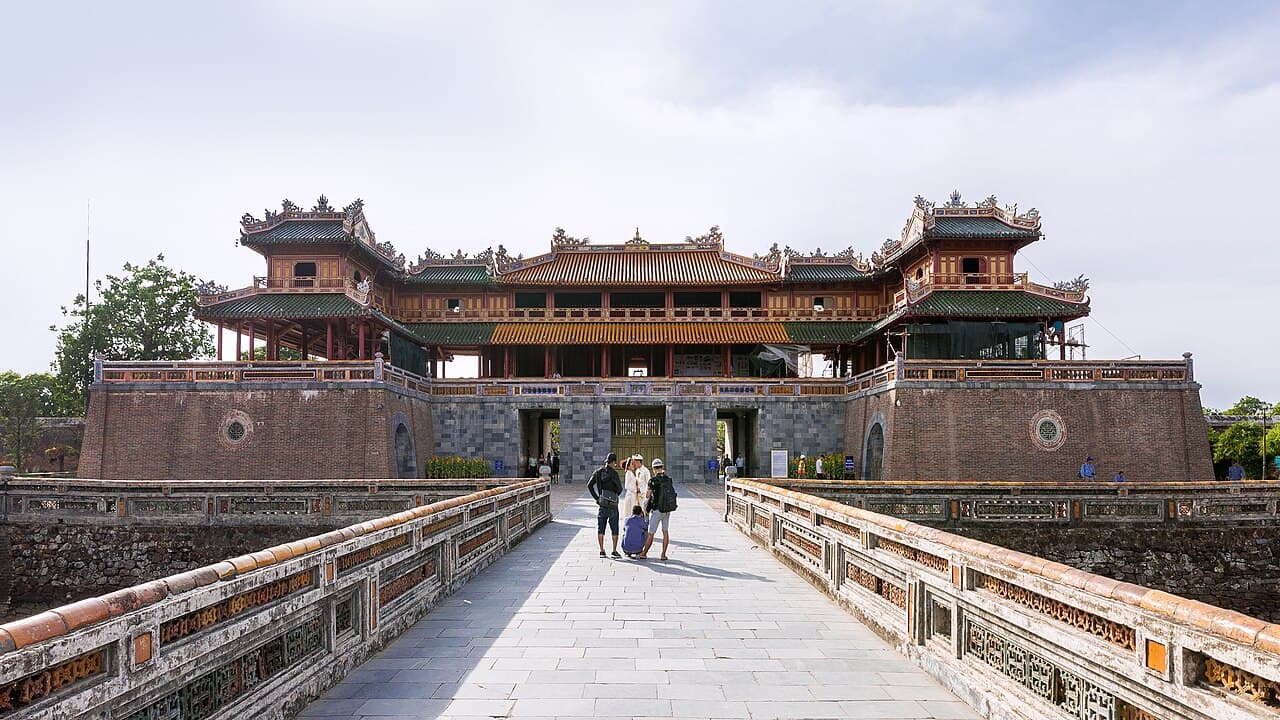
Hue weather by month in 2026
On 26–27 October 2025, the weather station on Bach Ma mountain outside Hue logged 1,739.6 mm of rain in 24 hours. Only one reading in recorded history beats it. The Imperial City sat under about a metre of water, and the Bo River broke its 2020 flood record three times in a week. Yet Hue's annual mean temperature is a mild 25.5 °C (78 °F). That's central Vietnam for you: seven fairly dry months and five you should plan around carefully.
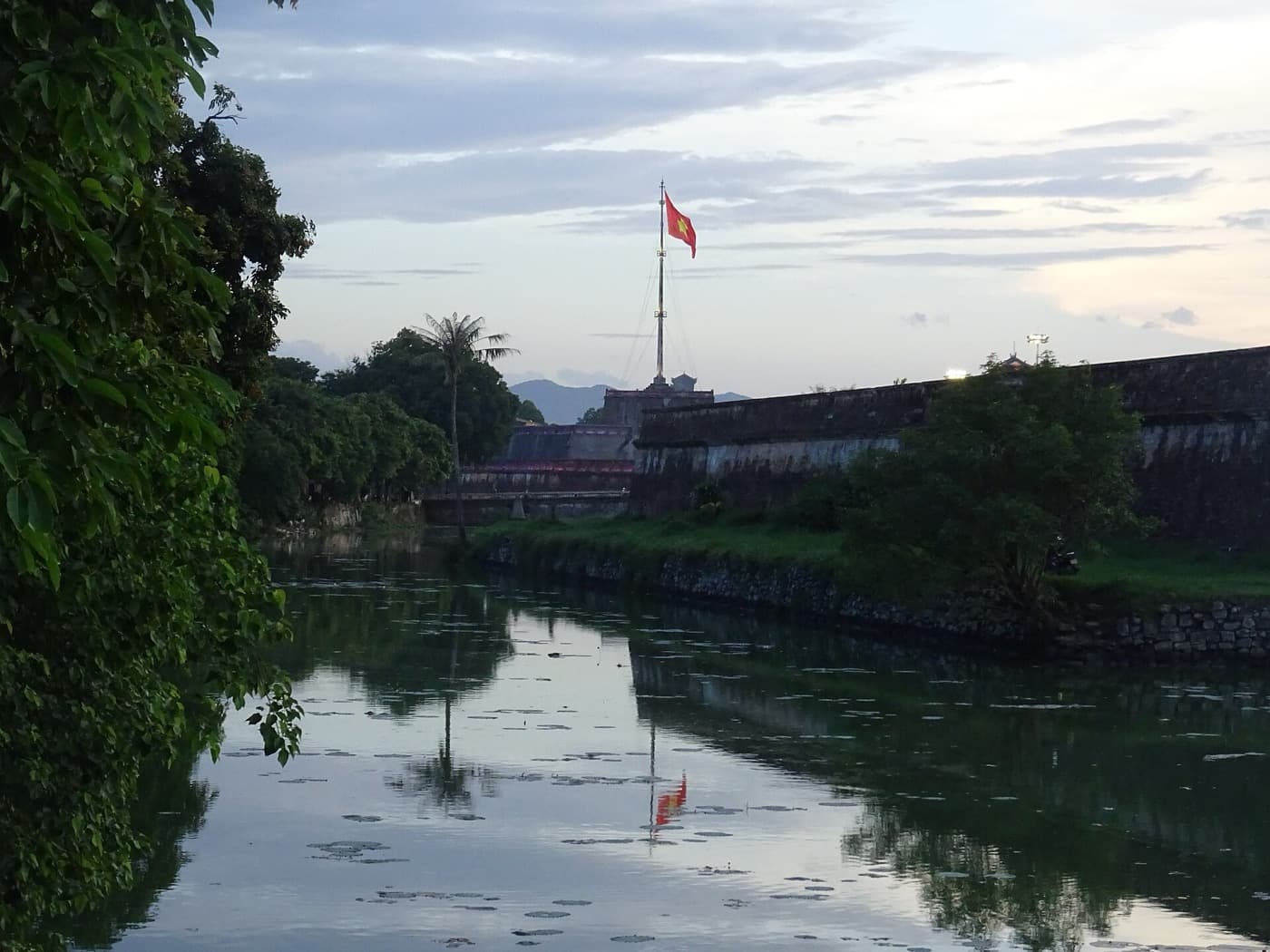
Hue weather by month in one line: go February to April for sightseeing, May to August for the beach (and the heat), and treat October and November as flood season. Below you'll find the full 12-month table with air and sea temperatures, rainfall and rainy days, plus when to go for tombs, beaches and festivals, and what to pack. For the city itself, see our Hue travel guide.
Data checked September 2026. Climate normals: Vietnam Institute for Building Science and Technology (VIBST), climatestotravel.com.
Hue weather by month: the table
Daytime highs in Hue run from 24 °C (75 °F) in January to 35 °C (95 °F) in June and July. The sea goes from 23 °C in winter to 30 °C in August. March is the driest month at 45–50 mm of rain; October and November are the wettest at roughly 770 mm and 640 mm.
Weather in Hue month by month
colour depth — rainfall per month
September
Mixedrainfall 410 mm · rainy days 16–17The rains begin and totals jump fourfold. Prices start to fall; some Bach Ma trails may close.
| Month | High °C | Low °C | Sea °C | Rain, mm | Rainy days | Sun, h/day | Verdict |
|---|---|---|---|---|---|---|---|
| January | 24 | 18 | 23 | 125–130 | 14–16 | 3.5 | Cool, damp |
| February | 25 | 18 | 23 | 60–65 | 12 | 4 | Drying out, pleasant |
| March | 28 | 20 | 24 | 45–50 | 10 | 4.5 | Driest month, ideal for sightseeing |
| April | 31 | 23 | 26 | 60 | 9–11 | 6 | Warm and dry |
| May | 34 | 24 | 28 | 100–110 | 12–13 | 7.5 | Hot, swimmable sea |
| June | 35 | 25 | 29 | 105–115 | 9–10 | 7.5 | Peak heat, up to 40 |
| July | 35 | 25 | 30 | 90–95 | 8–9 | 8 | Hot, warm sea |
| August | 34 | 25 | 30 | 115–140 | 11 | 7 | Storms, transition |
| September | 32 | 24 | 29 | 395–410 | 16–17 | 5.5 | Rains begin |
| October | 29 | 23 | 28 | 755–775 | 21 | 4.5 | Peak rain, typhoons |
| November | 27 | 21 | 27 | 620–640 | 21–22 | 3.5 | Wet, floods |
| December | 24 | 19 | 25 | 310–350 | 20 | 2.5 | Cool, damp |
For °F: 24 °C is 75 °F, 30 °C is 86 °F, 35 °C is 95 °F, 40 °C is 104 °F.
February to April is the sweet spot. Little rain, mild heat, flowers everywhere. June is brutal around midday. October and November are when travellers cancel bookings, flights slip, and the evening news shows the Citadel under water.
Hue's climate: why it runs backwards
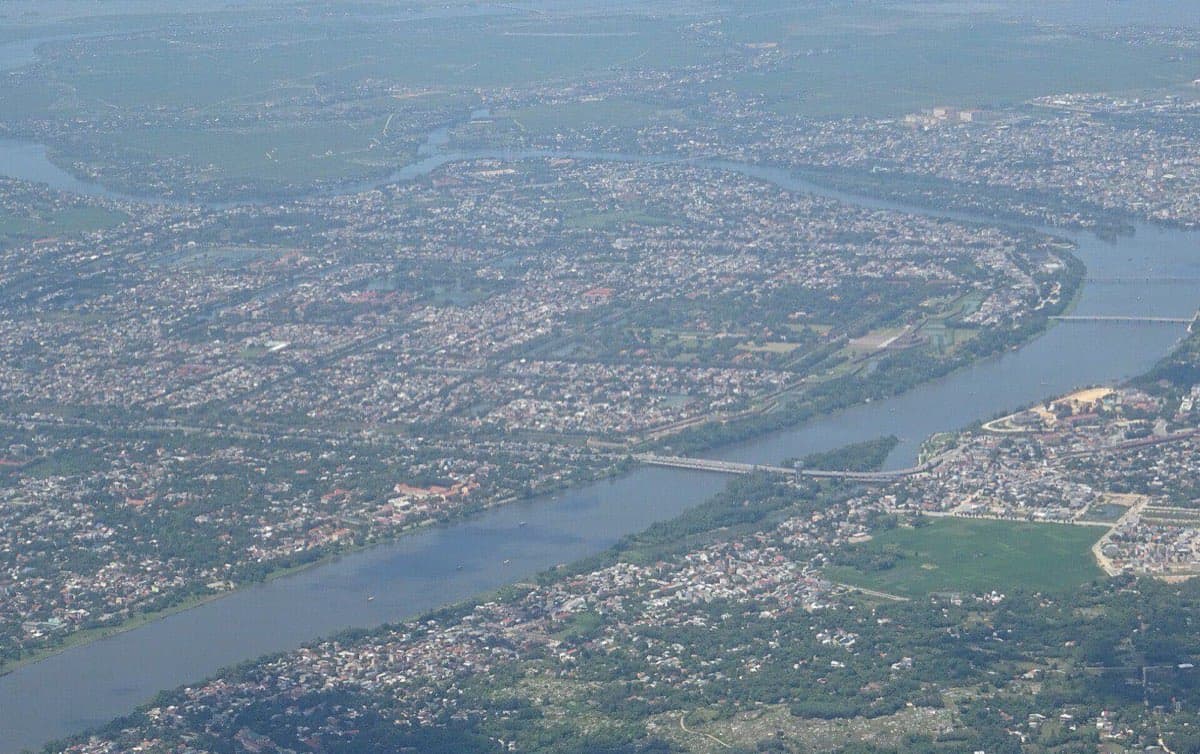
Hue sits at 16°28'N, about 12 km from the South China Sea. Since 1 January 2025 it has been a centrally governed city, and the former Thừa Thiên Huế province now lies entirely inside its boundaries. The climate is tropical monsoon with two seasons, and it runs the opposite way to southern Vietnam: here the winter is wet and the summer is dry. Ho Chi Minh City and Phu Quoc get their rain in summer.
Three bits of geography decide the weather:
- The Bach Ma mountains (Bạch Mã) to the southwest catch the clouds and wring out record rainfall. The October 2025 record came from the station there: 3,393 mm in three days, 25–27 October.
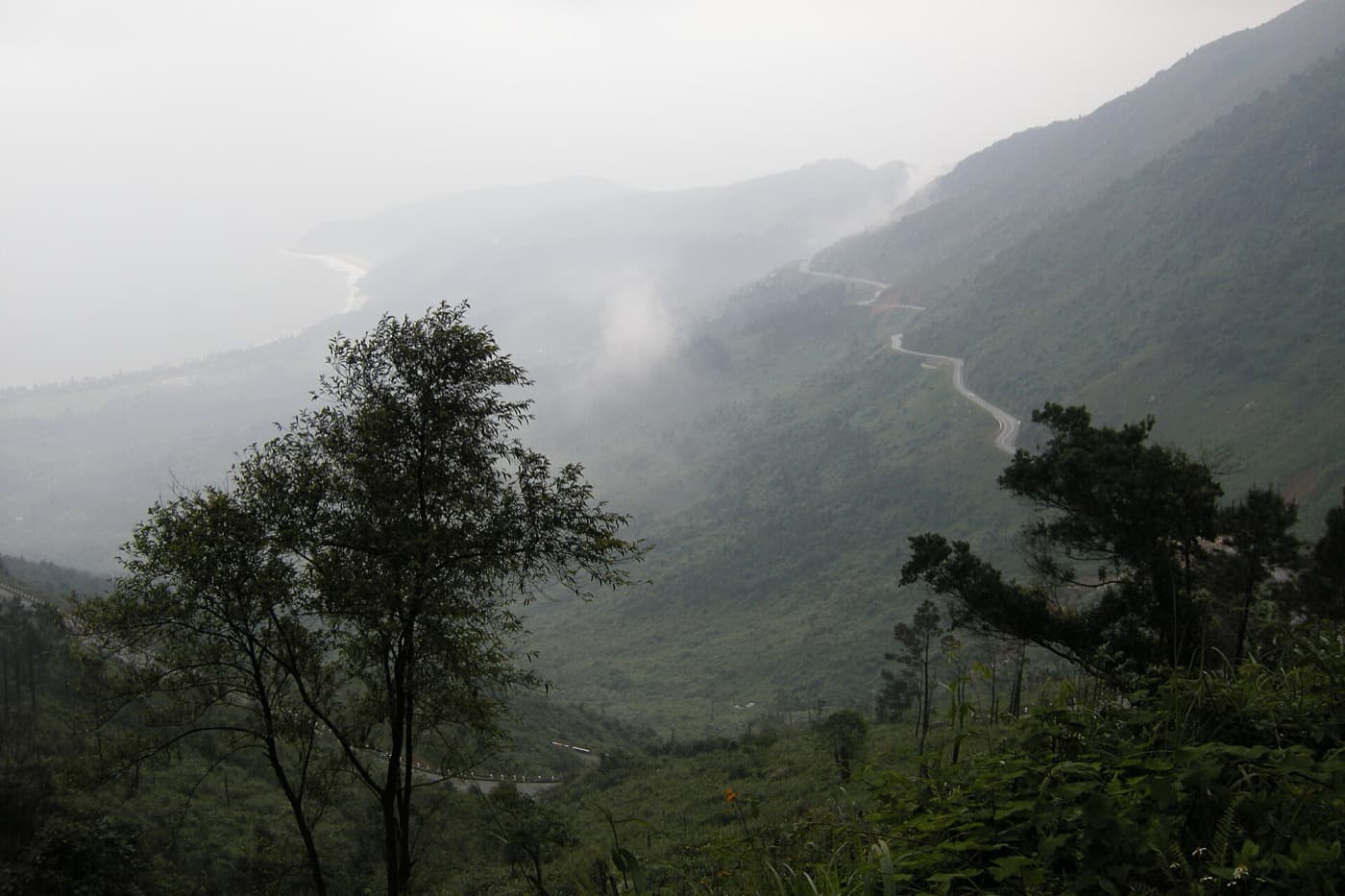
- The Hai Van Pass (Hải Vân) between Hue and Da Nang acts as a climate wall. Da Nang can be dry while Hue is still getting soaked.
- The South China Sea feeds moisture to the monsoon and the typhoons.
Hue gets around 2,800–2,950 mm of rain a year, nearly five times London and three times Seattle. There are about 165 rainy days, so on almost every other day something falls from the sky.
Dry season (February to August)
From February to August, the northeast monsoon backs off and monthly rain drops to 45–140 mm. Humidity falls slowly: still 88–90 % in February and March, down to about 75 % by June and July. The season splits in two.
February to April brings highs of 25–31 °C and lows of 18–23 °C. These are the best months for walking the Citadel and riding out to the tombs. It isn't hot yet, rain is rare, and in the mornings mist hangs over the Perfume River like a film set.
From May to August, a hot, dry southwesterly wind comes over the mountains from Laos (a foehn wind the locals call "Laos wind"). Highs climb to 34–35 °C, and on the worst days to 40–42 °C; the all-time record is 42.2 °C (108 °F). The sea warms to 28–30 °C, which makes this beach season at Thuan An and Lang Co.
Short downpours happen in April and July too. They last 20–40 minutes, usually in the afternoon, and rarely wreck a plan. By August you can feel the monsoon coming: evening thunderstorms and rising humidity.
Rainy season (September to January)
The monsoon flips in September. First the southwesterly carries moisture in, then the strong northeasterly flow off the sea takes over. October and November are the peak: 620–770 mm a month and about 21 rainy days. October alone gets more rain than New York does in six months.
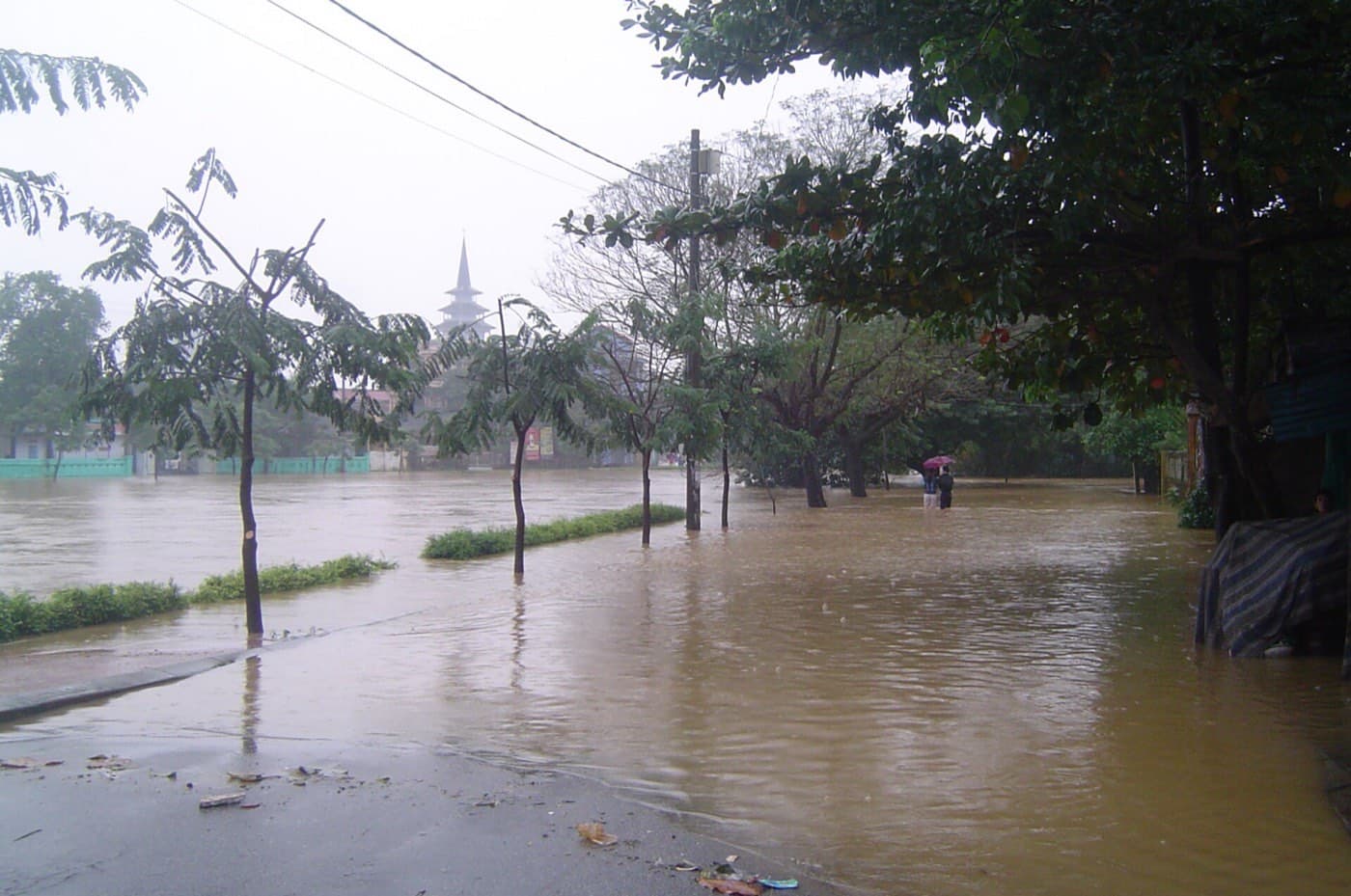
This isn't drizzle. Tropical downpours start suddenly, and half an hour later the streets are rivers. The Perfume River (Sông Hương) can rise within 6–8 hours. The Citadel, the tombs of Tu Duc and Minh Mang, and the riverside promenade all sit in the risk zone. In late October 2025, the sites inside the Citadel closed twice in eight days.
Traveller reports from October read much the same: streets flood within a couple of hours, the hotel moves guests to upper floors, and the flight to Da Nang or Ho Chi Minh City slips by a day.
The rainy season does have upsides:
- Hotel rates drop by 30–50 %
- Museums and the Citadel are nearly empty
- The rice fields around Hue are at their greenest
- Fewer tourists means more time with locals
Those perks are for people with flexible plans and solid insurance. If you have five days and a fixed flight home, October and November aren't your months.
Typhoons and floods: what to know
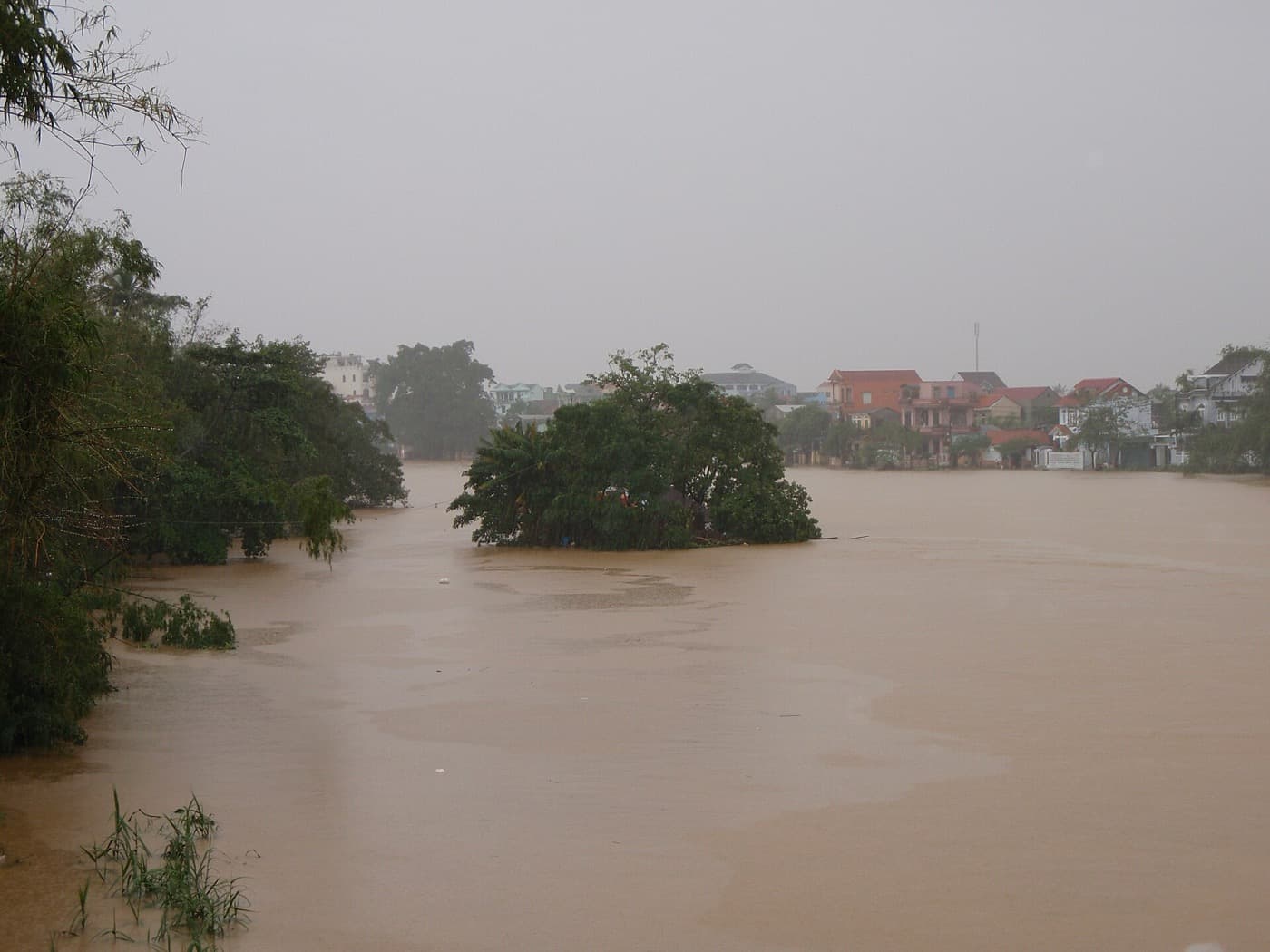
Central Vietnam takes more typhoon hits than any other part of the country. The season runs September to December and peaks in October. On average, two or three typhoons affect the Hue area each year, sometimes back to back, as in 2025.
What happened in 2025: Tropical Storm Fengshen and Typhoons Kalmaegi and Koto stacked on top of the northeast monsoon. Bach Ma recorded 1,739.6 mm in 24 hours. The Bo River at Phú Ốc reached 5.25–5.27 m and beat its 2020 record three times in one week. The Perfume River at Kim Long peaked at 5.05 m, second only to 1999. The one heavier 24-hour rainfall on record is 1,825 mm on Réunion in 1966.
If you travel in October or November, expect that:
- Flights into Phu Bai (HUI) can be cancelled or delayed by a day or two
- Trips to Bach Ma, the tombs and pagodas may be called off
- Low-lying streets near the river can flood
- Hotels rarely refund, but they usually move you to a higher floor
- Power and mobile data can drop for hours, and ATMs go down with them
How to prepare:
- Buy travel insurance that covers natural disasters and trip interruption, before a storm is named. Many policies exclude "known events" (see our guide to health insurance for Vietnam)
- Watch the forecast; Vietnamese forecasters usually give 2–3 days' warning
- Pick a hotel on higher ground, away from the Perfume River
- Leave a spare day before your flight out; Da Nang airport (DAD) and the train south are the usual fallbacks
- Carry VND cash and have a plan B: museums, spas, malls (Vincom Plaza, GO! Huế, formerly Big C)
Hue weather month by month
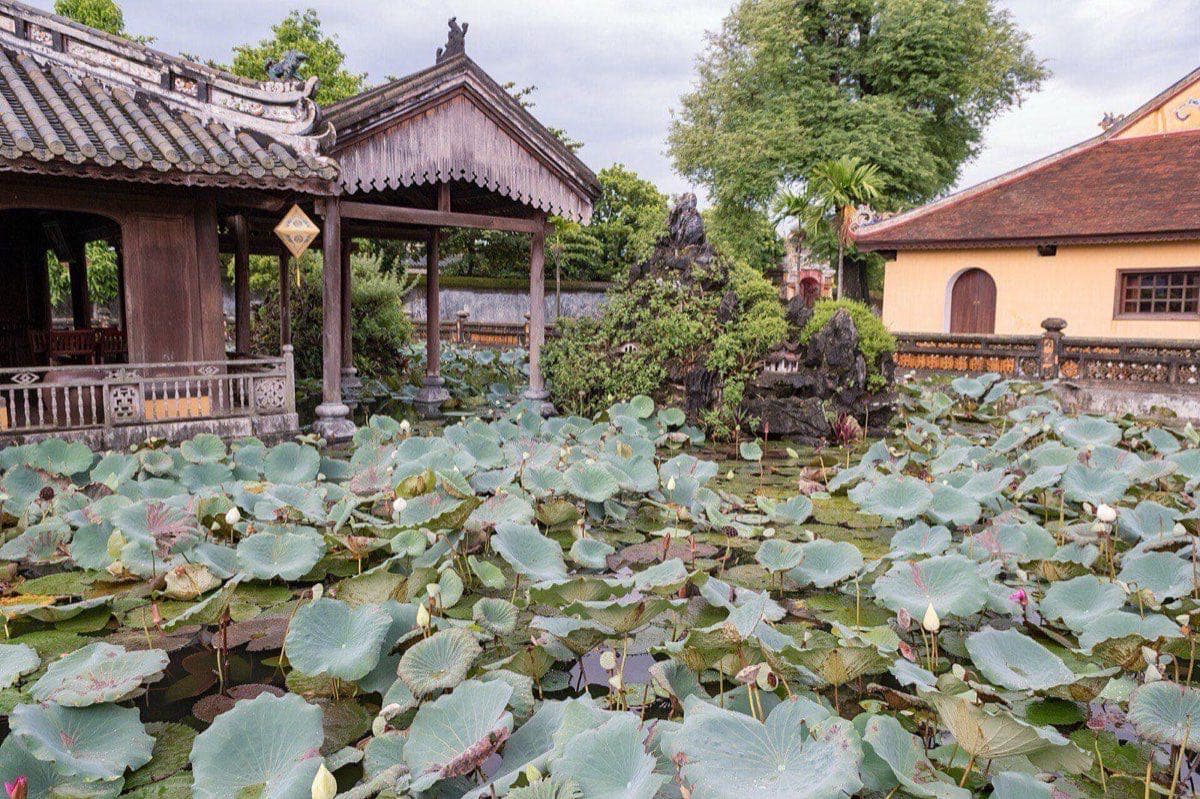
The averages hide a lot: how mornings differ from evenings, whether the sea is swimmable, how it feels to walk around. Here's the year in three-month blocks.
Hue in January to March: the tail of the rains, then spring
January is the last month of the rainy season. Highs are 24 °C, lows 18 °C, and the sea sits at 23 °C, which most visitors find chilly. Humidity is around 90 %, so everything feels damp. It still rains (125–130 mm over 14–16 days), but typhoons are over. Morning mist makes the Citadel look like a period drama set. Good for photographers and anyone who likes empty streets.
February is when the rain tails off. Totals fall to 60–65 mm over about 12 days, mostly drizzle. Highs of 25 °C, lows of 18 °C, humidity still near 90 %. Tet, the Lunar New Year, fell on 17 February in 2026. It's the biggest holiday in Vietnam: hotel prices jump, and many restaurants and museums keep short hours for the first three days. In exchange, the city is covered in yellow chrysanthemums and peach blossom.
March is the driest month of the year and the start of prime season. Highs of 28 °C, lows of 20 °C, sea at 24 °C, only 45–50 mm of rain, humidity around 88 %. Mist on the river in the morning, sun by midday, a warm breeze in the evening. Cycling, tomb visits and boat trips all work. Hue marks its Liberation Day on 26 March with parades.
Hue in April to June: the heat builds
April is peak high season. Highs of 31 °C, lows of 23 °C, sea at 26 °C, about 60 mm of rain and 6 hours of sun a day. Humidity is around 84 %. The summer season of Festival Huế runs from April to June: palace concerts, street processions, craft fairs in the Citadel grounds. In even years it includes the main international week.
May is the move into summer. Highs of 34 °C, lows of 24 °C, sea at 28 °C. Rain picks up (100–110 mm, 12–13 days), but it comes as short afternoon downpours. Around 7.5 hours of sun. Thuan An's beach season opens. Prices are still high, crowds thinner than April.
June is the hottest month. Highs average 35 °C and reach 40–42 °C when the Laos wind blows. Nights stay at 25 °C, the sea at 29 °C. Rain is low (105–115 mm) and humidity is the lowest of the year at about 75 %, which doesn't help much in direct sun. Tomb visits at noon become an endurance test: the grounds are big and shade is scarce.
The most common summer complaint in reviews is cycling out to the tombs at midday: 38 °C, scorching stone courtyards, and the water runs out halfway.
Hue in July to September: heat and thunderstorms
July keeps the heat on. Highs of 35 °C, lows of 25 °C, sea at 30 °C. Rain is 90–95 mm over 8–9 days, fewer than any other month, mostly as evening storms. The sea is warm and still calm, peak beach time at Lang Co. Humidity is about 74 %.
August is a transition month. Highs of 34 °C, lows of 25 °C. Rain climbs to 115–140 mm over about 11 days, with regular evening storms. The first tropical disturbances show up, though they rarely turn into typhoons. The sea stays at 30 °C but can turn murky after heavy rain.
September starts the rainy season. Highs of 32 °C, lows of 24 °C, sea at 29 °C. Rain jumps to 395–410 mm over 16–17 days, humidity to about 84 %. Visitors split into those who left in August and those who realise it's now too late. Prices start to fall. Some trails on Bach Ma may close. The Mid-Autumn Festival (Tết Trung Thu) falls in September or October (25 September in 2026): mooncakes for the kids and lantern parades in the streets.
Hue in October to December: rain and typhoons
October is the wettest and riskiest month. Highs of 29 °C, lows of 23 °C, sea at 28 °C. Rainfall is about 770 mm, a quarter of the annual total, spread over some 21 of 31 days. It's also typhoon peak. Hue set its flood records in October 2020 and again in October 2025. Unless you have a specific reason to come, pick another month.
November keeps the heavy rain going. Highs drop to 27 °C, lows to 21 °C. Rain is 620–640 mm over 21–22 days. Typhoons are less frequent but possible into early December. The rivers may have receded a little, but fresh downpours easily overwhelm the drains.
December is the wind-down. Highs of 24 °C, lows of 19 °C, sea at 25 °C. It still rains a lot (310–350 mm, about 20 days), though typhoons are rare. Humidity sits near 90 % and sunshine hits its yearly low at 2.5 hours a day. Cheap hotels often have no heating, so ask for a blanket or an air conditioner with a heat mode.
Fast Track — no queue at the border
5–10 minutes instead of an hour in the immigration queue
from$11per passenger
Best time to visit Hue by trip type
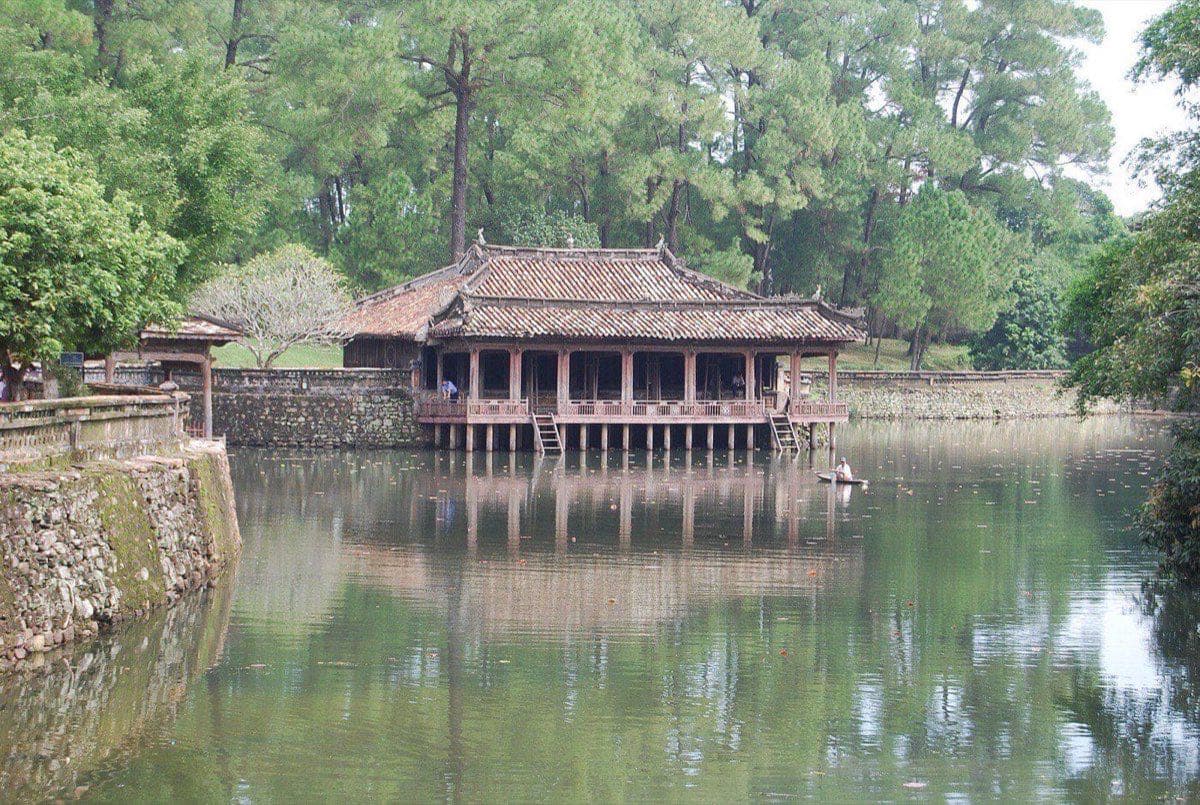
There's no single best month to visit Hue; it depends on what you're coming for. February is great for sightseeing but too cool for the beach. July is great for the sea but miserable for tomb walks at noon.
| Trip type | Best period | Worst period | Why |
|---|---|---|---|
| Citadel and tombs | March to April | October to December | Dry, not too hot, grounds not flooded |
| Beach (Thuan An, Lang Co) | May to August | October to January | Sea 28–30 °C, no storms |
| Cycling and motorbike | February to April | June–July, Oct–Nov | Neither baking nor pouring |
| Citadel in the mist (photos) | January to March | May to August | Morning mist, soft light |
| Budget trip | September to December | February to April | Rooms 30–50 % cheaper |
| Festivals (Tet, Festival Huế) | late Jan to June | — | Tet in February, festival summer season April to June |
| Bach Ma mountain | March to August | October to January | Dry trails, road not washed out |
Rainy-season discounts are real. A budget room that costs around 400,000 VND (~$16) a night in high season drops to about 250,000 VND (~$10). Mid-range goes from 1,200,000 VND (~$48) to 700,000 VND (~$28), and upscale from 3,500,000 VND (~$140) to 2,000,000 VND (~$80). For picking an area and a hotel by season, see our Hue hotels guide.
Currency converter
Beach season near Hue: Thuan An and Lang Co
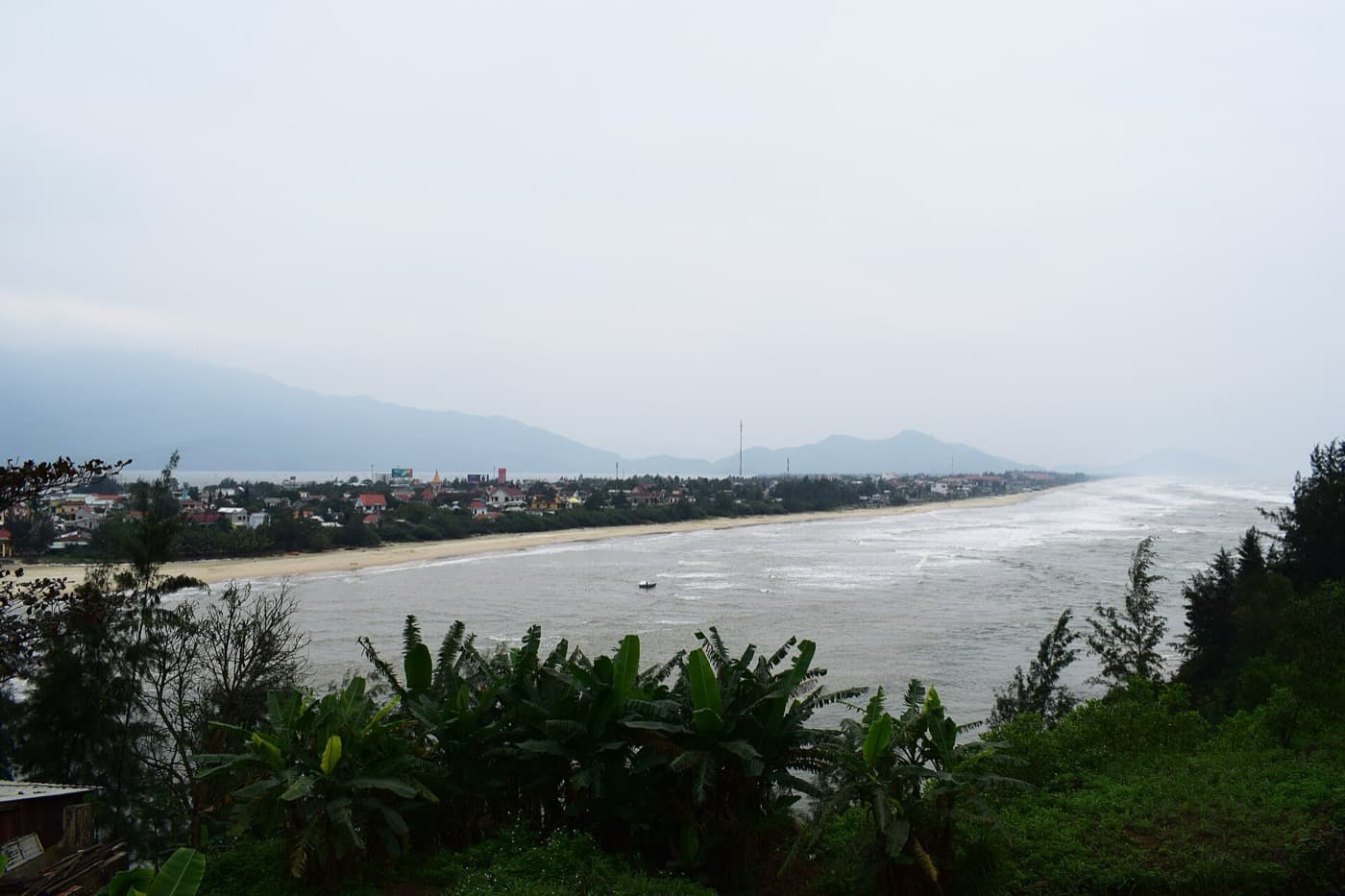
Most people come to Hue for history, not sand. Still, there are two beaches within reach, and in the right season each is worth a day.
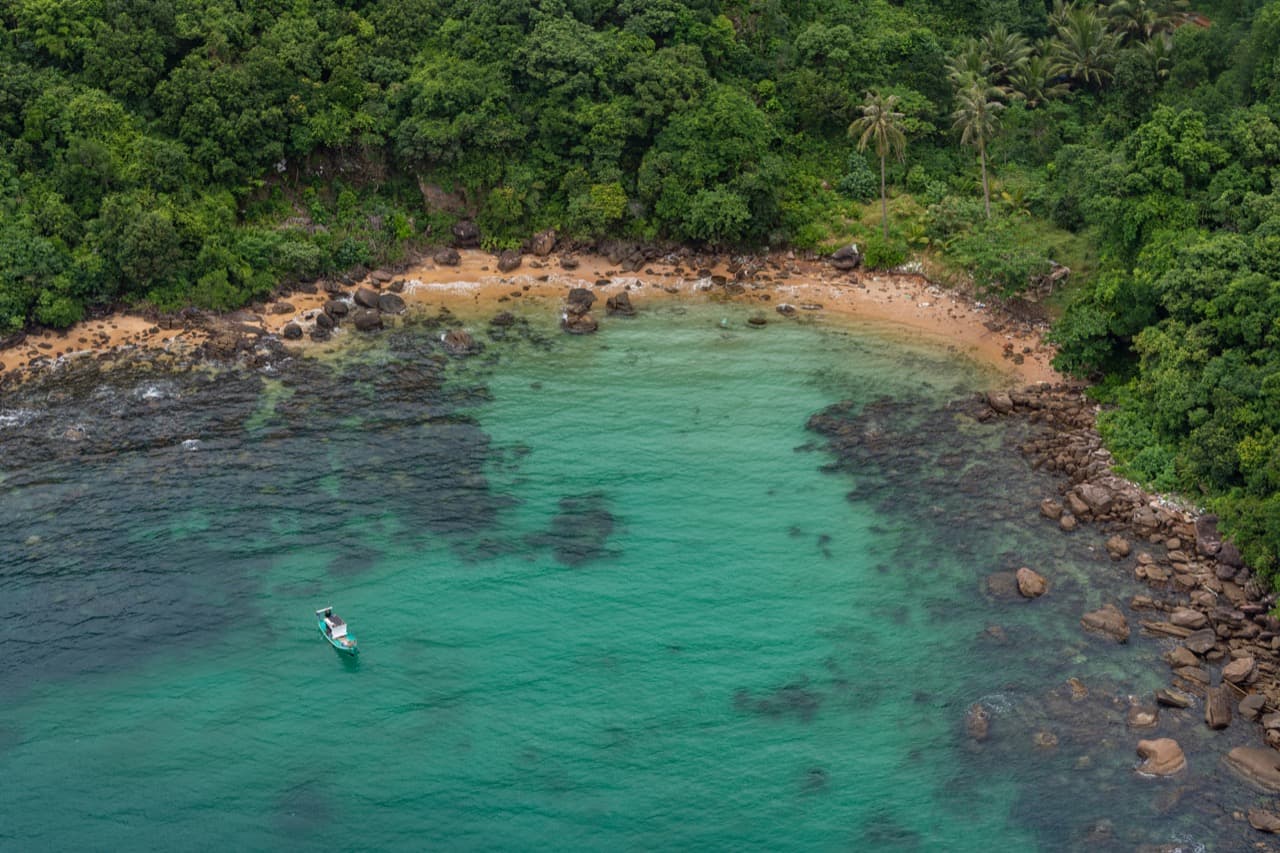
Thuan An (Bãi biển Thuận An) is the closest beach, 15 km and about 25 minutes by taxi or scooter. It sits on a narrow spit between the open sea and Tam Giang lagoon, and in summer the surf is moderate. The sand is yellow and uneven, the facilities basic: a few cafés, loungers, showers. Go between May and August. In winter it's empty and bleak, with wind off the sea and most cafés shut.
Lang Co (Bãi biển Lăng Cô) is 70 km south, about 1.5 hours by road. The Hai Van Pass starts right after the village, so it's easy to combine with the pass viewpoints. The beach is a 10 km strip of pale sand between the sea and a lagoon, with mountains behind. The microclimate is a touch milder than in Hue. Best from April to August. For getting there and taxi prices, see our Hue transport guide.
Sea temperature by season (Thuan An):
| Season | Sea °C | Swimming? |
|---|---|---|
| December to February | 23 °C (73 °F) | Chilly |
| March to May | 26 °C (79 °F) | Fine |
| June to August | 30 °C (86 °F) | Perfect |
| September to November | 28 °C (82 °F) | Warm but stormy |
After rainy-season downpours, the water at Thuan An goes brown as the river mouth flushes silt out of the lagoon. Lang Co stays cleaner because it faces the open sea. In October and November both beaches are close to deserted, cafés closed, no loungers for hire.
What to see in Hue by season
The Citadel is big enough to make you forget the weather. But most of Hue's sights are outdoors, and rain changes how they work.
The Imperial City (Đại Nội) is the main event. It's open 7:00–17:30, plus evenings 19:00–22:00, and a ticket is 200,000 VND (~$8). It works in any weather: pavilions, the throne hall and tea houses give you cover. In the rain you'll want waterproof shoes, since the courtyards are paved and the puddles are big. In June, the evening opening is the way to beat the heat.
The royal tombs of Tu Duc, Khai Dinh and Minh Mang are park complexes with ponds and avenues. The dry season shows them at their best: quiet, pine shade, reflections on the water. In the rain the paths get slippery and photos come out grey. Each tomb costs 150,000 VND (~$6); the 4-site combo with the Imperial City is 530,000 VND (~$21).
Thien Mu Pagoda (Chùa Thiên Mụ) sits on the Perfume River and is free to enter. The monastery dates from 1601; its seven-tiered tower, built in 1844, is the city's emblem. The best photos come on January to March mornings, when mist lifts off the water.
Bach Ma National Park (Vườn Quốc gia Bạch Mã) is about 60 km from Hue and runs 5–7 °C cooler than the city. Go between February and August; in the rainy season the summit road washes out. After the 2025 floods the park closed, then reopened on 1 January 2026. For now you walk from the 12 km mark to the summit, and you need to reach the Visitor Centre by 9:00. It's a good escape from June heat, when the top sits around 26 °C. For other parks, see our guide to Vietnam's national parks.
The former abandoned water park at Hồ Thủy Tiên sat derelict for nearly 20 years. It was patched up in 2024–2025 and reopened with free entry, and the concrete dragon above the lake is still there. It works year-round, though the stairs get slippery after rain.
| Sight | Best season | Keep in mind |
|---|---|---|
| Imperial City | Year-round | Waterproof shoes in rain, hat in heat |
| Royal tombs | March to August | Slippery paths in rain |
| Thien Mu Pagoda | January to March (mist) | Free, open all day |
| Bach Ma | March to August | Summit road washes out in the rains |
| Thuy Tien water park | Year-round | Slippery after rain |
Hue festivals and events by season
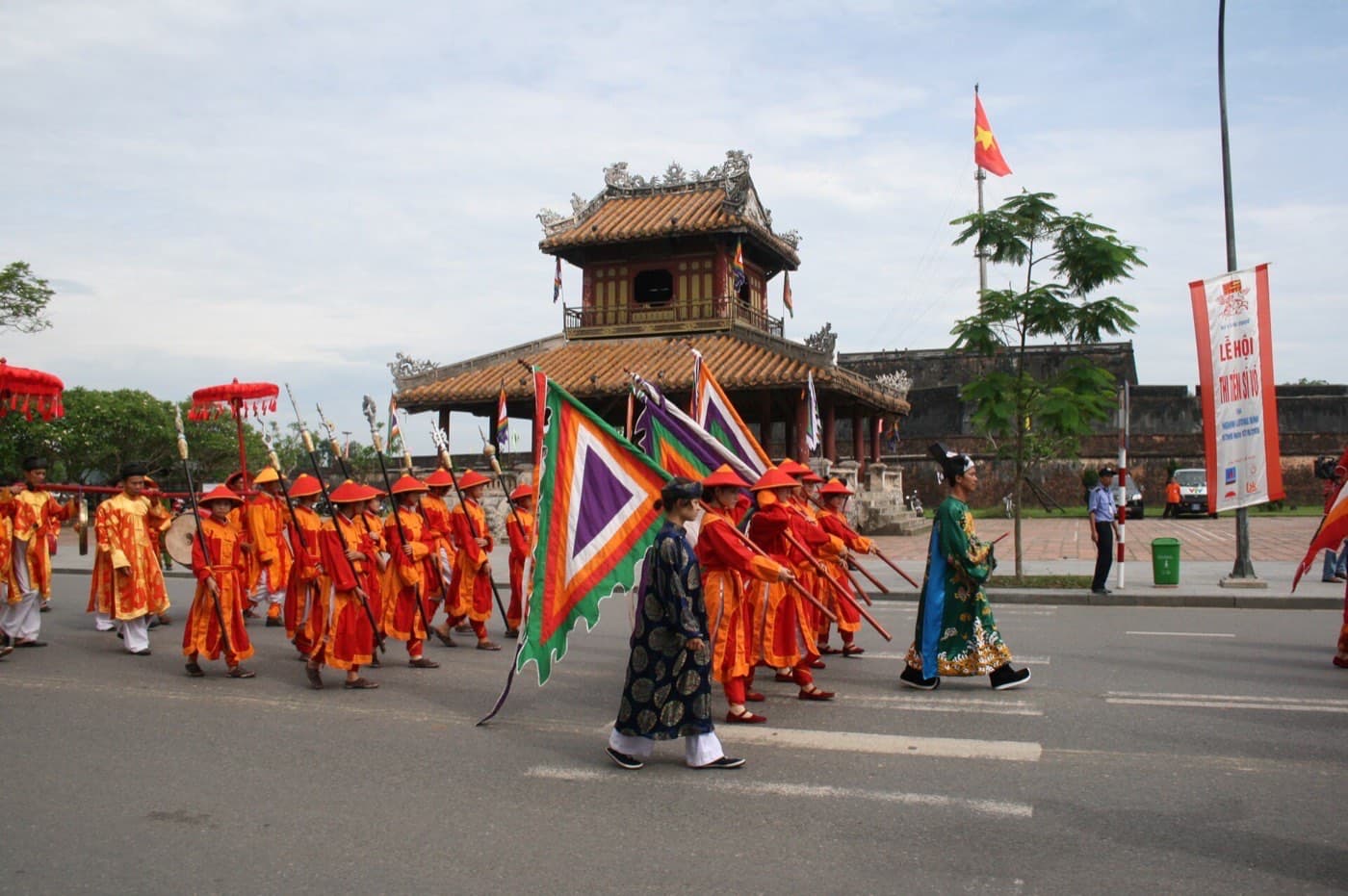
Hue is Vietnam's former imperial capital, and its calendar is busy. If you plan around an event, the weather becomes a secondary concern.
Tet (Lunar New Year) fell on 17 February in 2026. Officially it lasts three days, in practice about a week. Hotel rates and flights run 30–50 % higher, and many restaurants and museums keep short hours at first. In return, the streets are decorated and the temples are full. The weather usually cooperates: dry, around 25 °C. More in our Tet guide.
Festival Huế has run year-round in seasons since 2023, with the main summer season from April to June. In even years it adds an international week; in 2026 that ran 13–18 June, and the next is due in 2028. Expect palace concerts in the Citadel, street processions in period costume, craft fairs and exhibitions. Rooms get pricier during the peak week, so book 2–3 months ahead. Weather: 31–35 °C, dry, the odd evening storm. Dates and programme are in our Festival Huế 2026 guide.
Hue Liberation Day on 26 March brings local parades and evening concerts near the Citadel. It's usually dry and about 28 °C.
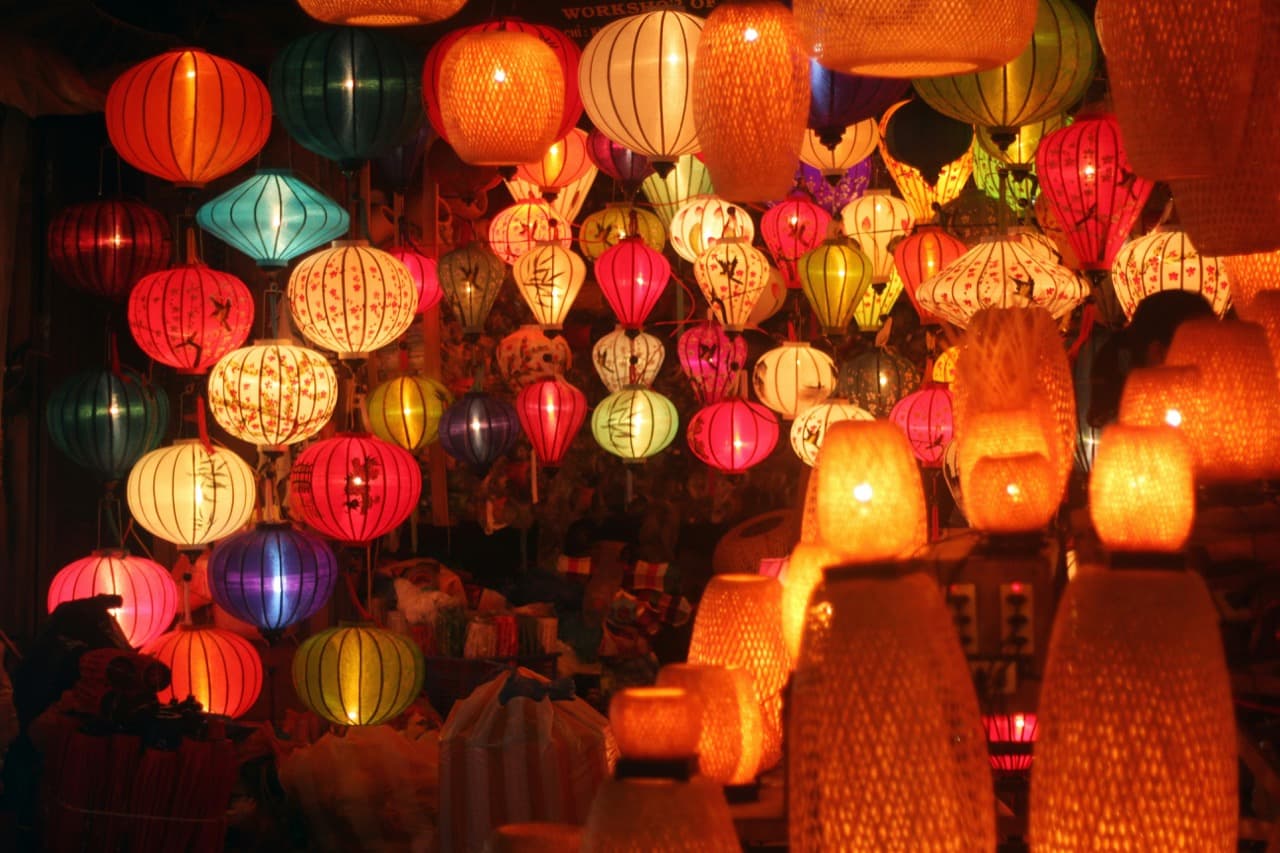
The Mid-Autumn Festival (Tết Trung Thu) floats between September and October. Kids get mooncakes and the streets fill with star- and dragon-shaped lanterns. The weather is already turning, but you'll usually get a dry day or two.
Vietnam's National Day on 2 September means flags on every house, concerts and fireworks.
What to pack for Hue by season
Packing for Hue is easy once you know the season. The classic mistake is turning up in December in shorts and a T-shirt. Mornings are 18 °C, the wind comes off the sea and humidity is 90 %. It feels properly cold.
| Period | Clothes | Shoes | Extras |
|---|---|---|---|
| December to March | Sweater or fleece, windbreaker, jeans, T-shirts | Sneakers plus flip-flops | Umbrella, wet wipes, warm sleepwear |
| April to August | Linen, cotton, shorts, light dresses | Sandals plus sneakers | SPF 50+, hat, 2 litres of water, power bank |
| September to November | Quick-dry clothes, poncho, light sweater | Rubber sandals, spare sneakers | Waterproof phone pouch, torch, first-aid kit |
A few habits that save a day:
- Rubber sandals with a grippy sole work for the tombs in any season. Dong Ba market sells them from 50,000 VND (~$2). In the rain they hold on wet stone steps, and in the heat they stay cooler than sneakers.
- Ask about heating before you check in. Guesthouses around 250,000 VND (~$10) usually don't have it, so ask for a blanket or a heater.
- Take a poncho, not an umbrella. In a monsoon downpour the wind wrecks umbrellas. Locals wear vinyl ponchos that cost about 30,000 VND (~$1.20) on every corner.
- Carry cash in October and November. ATMs and card terminals go down when the power does. Keep 1–2 million VND (~$40–80) in reserve.
- Bring mosquito repellent from May to October, especially near water and in the tomb gardens.
Average humidity in Hue is 84 %, and about 90 % from October to March. Clothes don't dry overnight, so bring at least two sets for each kind of activity and don't count on washing in the evening and wearing it in the morning.
FAQ: Hue weather
February, March and April. Highs are 25–31 °C (77–88 °F), rain is minimal at 45–65 mm a month, and March is the driest month of the year. You also get Hue Liberation Day in late March, and the summer season of Festival Huế starts in April. The catch is that this is high season, so hotel rates are at their peak. If your budget is tight and the weather matters less, look at September.
From December to February the sea at Thuan An and Lang Co stays around 23–24 °C (73–75 °F). Locals think that's normal; most visitors find it cool. You can swim, but 15–20 minutes is plenty. Beach cafés are mostly closed and the sea is often rough. For proper swimming, come in April or May, when the water reaches 26–28 °C.
Yes. On average two or three typhoons a year affect central Vietnam, Hue included. The season runs September to December and peaks in October. In October 2025, the Bach Ma station recorded 1,739.6 mm of rain in 24 hours, the second-highest total ever measured anywhere. The Bo River broke its 2020 flood record three times in a week. For October and November, get insurance that covers natural disasters and cancelled flights.
It's doable, but you'll need to adjust your day. Highs average 35 °C (95 °F), and with the dry Laos wind they can hit 40–42 °C. Humidity is around 75 %. A plan that works: be out before 9 a.m., spend midday at the pool or napping, and head out again after 4 p.m. Tomb gardens at noon are hard going. On the plus side, the sea is already 29 °C and Lang Co is in full beach season.
Not for the beach or the tombs. But from October to December hotel rates and flights drop by 30–50 %, there are few tourists, and you can have the Citadel almost to yourself. It suits photographers, backpackers with flexible plans and good insurance, and anyone who likes a moody city. It doesn't suit families with kids, anyone with a fixed flight five days out, or people who can't stand 90 % humidity.
Officially September to January. The peak is October and November, and October to December together bring about 60 % of the year's rain. September already gets around 400 mm, while February falls to 60–65 mm. The season really ends in the second half of February: the air dries out, the morning mist thins and Bach Ma's trails open for hiking again.
The cities are 100 km apart, with the Hai Van Pass between them acting as a climate divide. Hue is wetter, at about 2,900 mm of rain a year against 2,500 mm in Da Nang. In winter Hue runs 1–2 °C cooler, and in summer the Laos wind can make it hotter. In the rainy season Da Nang can be sunny while Hue is still getting soaked. More in our Da Nang weather and Hoi An weather by month guides.
When to go to Hue: the short version
For the Citadel and tombs, go February to April: dry and not too hot. For the beach and a warm sea, go May to August, but schedule June and July around mornings and evenings. For festivals, aim for the April–June summer season of Festival Huế (with the international week in even years) or mid-February for Tet. On a budget and fine with rain? September is the compromise between prices and weather.
The months to avoid are October and November. The rain itself is bearable. The typhoons are the problem: cancelled flights, floods, evacuations. The 2025 record won't repeat every year, but build the risk into your plans.
Even a calm March can throw a downpour at you, and the worst October can still hand you a sunny morning with mist on the Perfume River. So pack insurance, a poncho and grippy sandals whatever the month. They take up little space and save a lot of stress.
Read next: Hue travel guide · What to eat in Hue · Bach Ma National Park · Da Nang weather
VietnamSpot on InstagramTips, lifehacks and news for living in VietnamFollow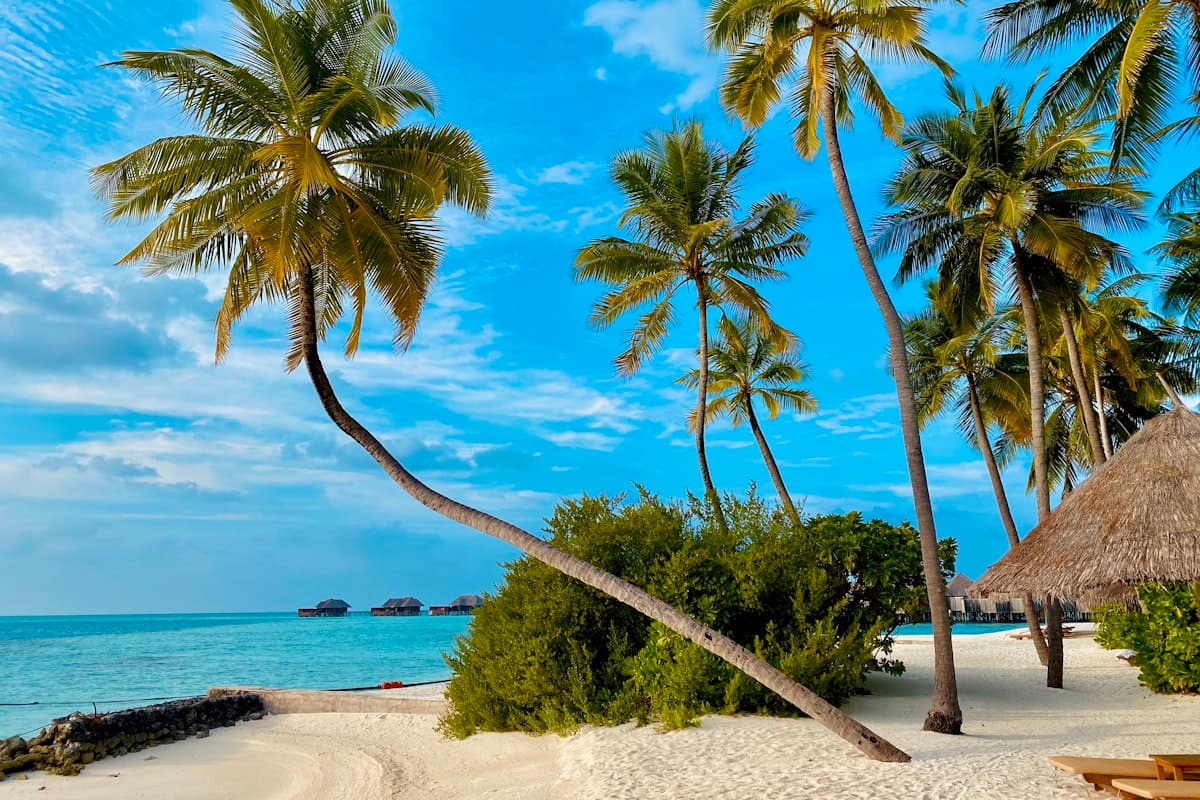

- Guide
Hue Attractions 2026: Citadel, Tombs & Pagodas
Hue attractions: the imperial Citadel, the royal tombs, Thien Mu Pagoda, the Perfume River and Dong Ba Market — tickets, routes and tips.Hue Attractions 2026: Citadel, Tombs & Pagodas - Guide
Hue Festival 2026: Dates, Program, Tickets & Tips
Hue Festival 2026 guide — four-season program, June 13–18 arts week recap, autumn events, ticket prices in VND and USD, and how to plan your visit.Hue Festival 2026: Dates, Program, Tickets & Tips - Housing
Hue Hotels 2026: Where to Stay Guide
Hue hotels guide: the best areas by the river and the citadel, boutique and budget stays, resorts, when to book and how to save.Hue Hotels 2026: Where to Stay Guide