Dengue fever in Vietnam: symptoms, testing and where to get treated
Dengue fever in Vietnam started early in 2026: the Ministry of Health counted more than 50,000 cases in the first five months, 2.5 times more than in the same months of 2025. Mosquitoes spread it, there is no specific cure, and the most dangerous moment often comes after the fever breaks, just when you think you're over it. This guide covers how to recognise dengue, which test to take on which day and what it costs, when to go straight to hospital, and where the Qdenga vaccine stands.
Dengue in Vietnam in 2026: the numbers
Vietnam recorded 190,040 dengue cases in 2025, up 28.4% on 2024 (Ministry of Health via Báo Pháp luật, January 2026). 2026 took off sooner than usual.
| Period | Cases | Deaths | vs same period of 2025 |
|---|---|---|---|
| All of 2025 | 190,040 | — | +28.4% vs 2024 |
| 2026, to mid-April | 31,927 | 4 | — |
| 2026, first 5 months | over 50,000 | 5 | 2.5 times higher |
| 2026, first 7 months | over 70,000 | 9 | about 1.3 times higher |
Sources: Vietnam's Ministry of Health as reported by VTV, Tuổi Trẻ, Sức khỏe & Đời sống and Sức khỏe & Đời sống, 19 Aug 2026.
One caveat. "2.5 times" compares the first five months of 2026 with the same five months of 2025, not with the whole previous year. 50,000 cases is roughly a quarter of the 2025 total, and by month seven the gap had narrowed to about 1.3 times.
At a Hanoi roundtable on 10 June 2026, Võ Hải Sơn, deputy head of the ministry's Department of Disease Prevention, said the DENV-2 serotype now dominates and pushes up the risk of severe cases. Nguyễn Thanh Hùng, vice president of the Vietnam Pediatric Society, added that more than a decade ago 60–70% of patients in the south were children under 15; now children and over-15s are almost level (Tuổi Trẻ). Dengue is no longer mainly a children's disease.
"Sốt xuất huyết không phải là bệnh nhẹ" ("Dengue is not a mild disease")Võ Hải Sơn, Department of Disease Prevention, Vietnam Ministry of Health, Báo Tin tức, 13 June 2026
Latest regional figures, October 2026:
- Ho Chi Minh City: 37,369 cases from January to 4 October, per the city CDC (Sức khỏe & Đời sống, 8 Oct 2026).
- Hanoi: 4,351 cases by 9 October, below the 2021–2025 average (Gia đình & Xã hội, 13 Oct 2026).
- An Giang province, which has included Phu Quoc since 1 July 2025: over 7,000 cases, 1.9 times last year's figure for the same period, and one death (Sức khỏe & Đời sống, 16 Oct 2026). Why the province names changed: Vietnam's 2025 administrative reform.
We found no fresh autumn 2026 reports for Nha Trang or Da Nang. That doesn't mean they're quiet; see the season section.
Dengue symptoms, and how it tricks you
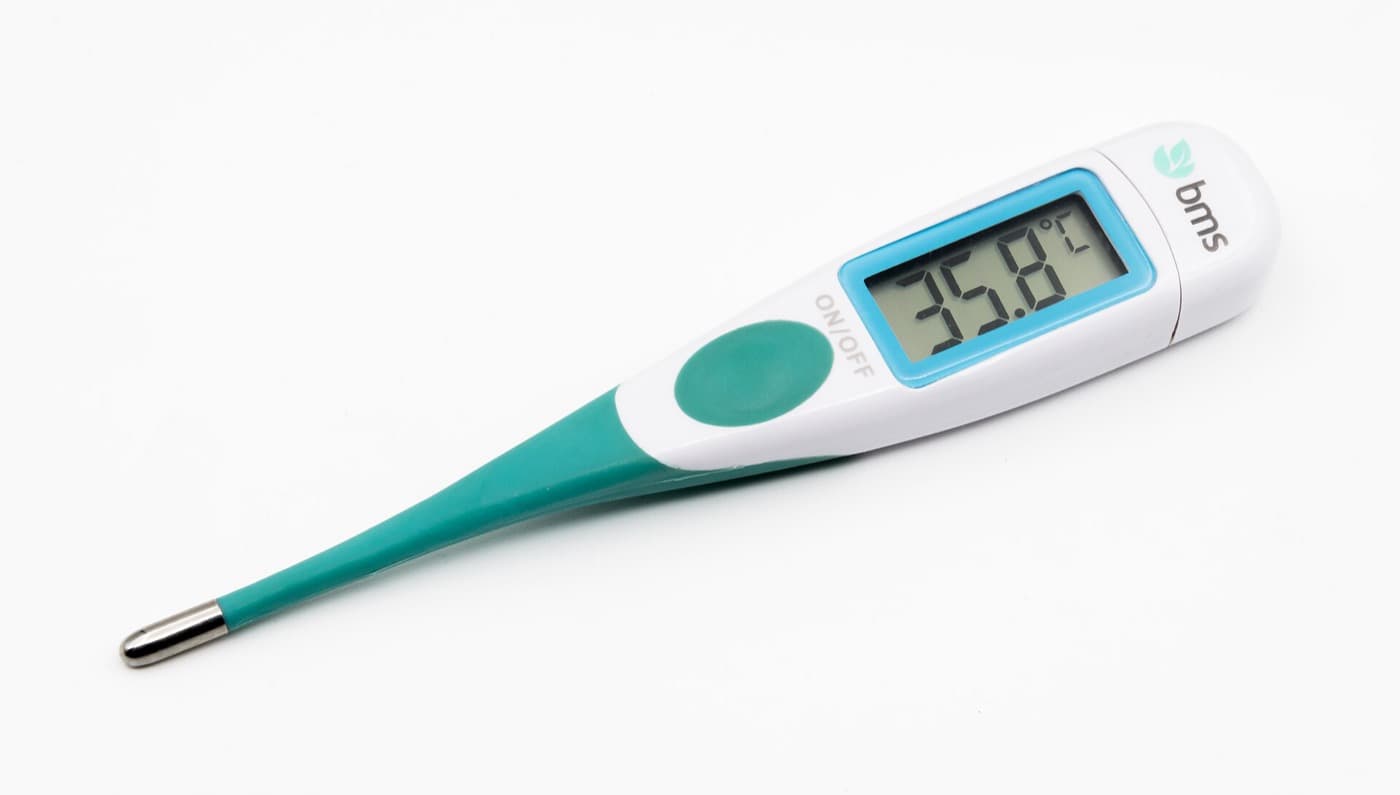
Classic dengue hits suddenly: a fever around 40°C, a severe headache, pain behind the eyes, and aching muscles and joints. The CDC notes the sudden onset; the WHO lists the symptoms.
The WHO's full list:
- high fever (around 40°C);
- severe headache;
- pain behind the eyes;
- muscle and joint pain;
- nausea and vomiting;
- swollen glands;
- rash.
Symptoms usually start 4–10 days after the infected bite and last 2–7 days. So dengue can show up after you've flown home.
Most infected people have mild symptoms or none at all and recover in 1–2 weeks. Tiredness can linger for several weeks afterwards.
Three phases and the trap in the middle
The CDC splits the illness into three phases:
- Febrile: 2–7 days of high fever, sometimes in two waves.
- Critical: starts when the fever drops and usually lasts 24–48 hours. In some patients plasma leaks out of the blood vessels, and severe dengue can develop within a few hours.
- Recovery: fluid returns to the bloodstream and things settle.
The trap works like this. Three days in bed with a fever, then on day four your temperature is normal, you feel relieved and head to the beach. That's exactly when you need to watch yourself most closely. Hanoi doctors said the same in October 2026: the danger window runs roughly from day 3 to day 7, especially as the fever falls.
Warning signs: go to hospital now
If you have dengue, or have just come out of a fever, and notice even one sign from this list, go to hospital now, not in the morning. The WHO calls these signs of severe dengue and notes they often appear after the fever has gone.
- severe abdominal pain;
- vomiting that won't stop;
- rapid breathing;
- bleeding gums or nose;
- blood in vomit or stool;
- fatigue;
- restlessness;
- intense thirst;
- pale, cold skin;
- feeling weak.
The ambulance number in Vietnam is 115. If it doesn't come, take a taxi or Grab to the nearest hospital with an emergency department. Tell the doctor you suspect dengue and on which day the fever started; that decides which tests they order.
A second dengue infection is more dangerous than the first. The WHO says previous infection raises the risk of severe dengue. If you've had dengue before, in Thailand, Bali or anywhere else, act faster on any high fever.
Which hospital to go to in each city, and how to call an ambulance: hospitals and pharmacies in Vietnam.
Why you shouldn't take ibuprofen or aspirin with dengue
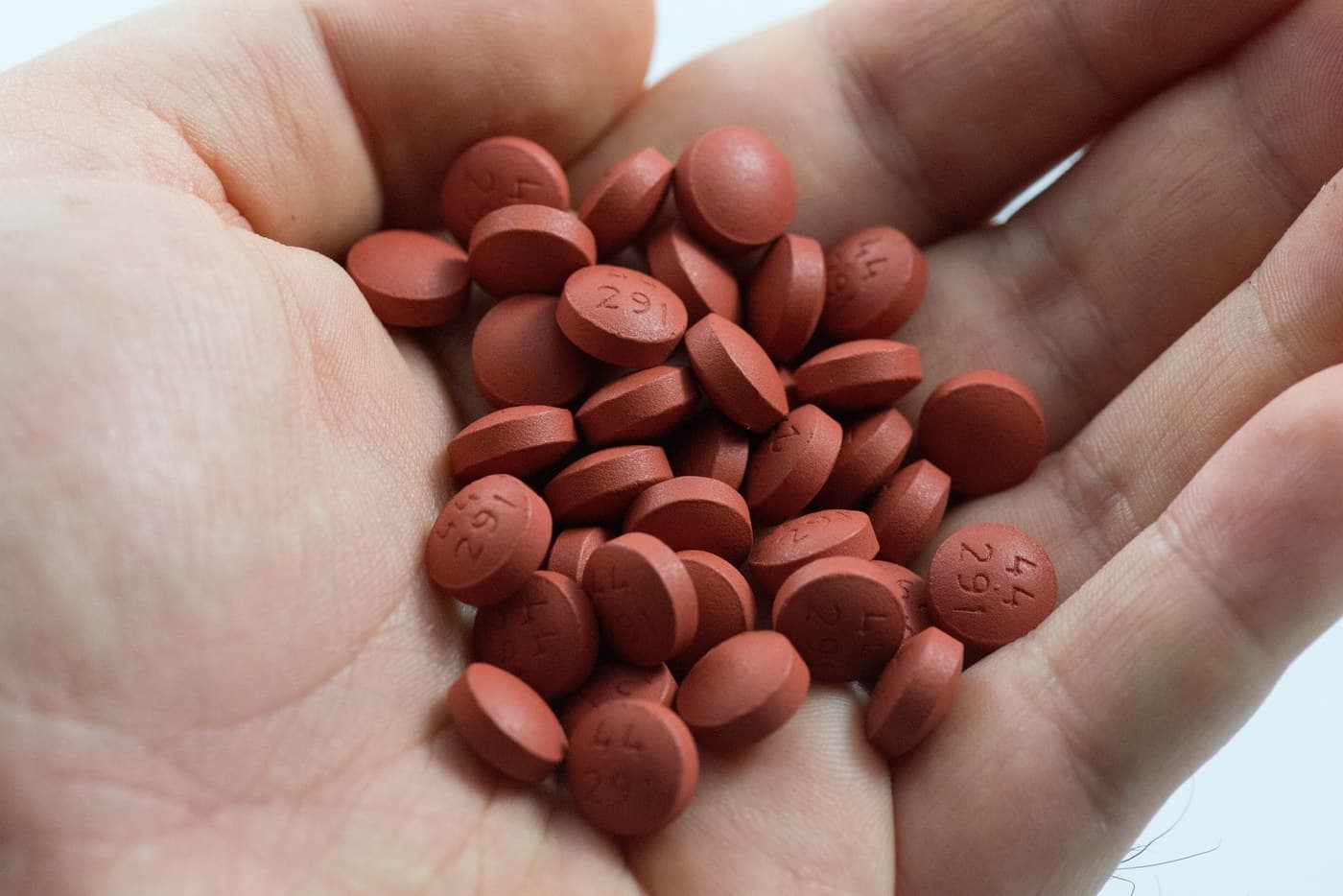
With dengue, fever and pain are treated with paracetamol (acetaminophen). The WHO says to avoid ibuprofen and aspirin because they increase the risk of bleeding. There's no specific treatment for dengue; medicine only eases the symptoms.
Ibuprofen and aspirin belong to the non-steroidal anti-inflammatory drugs, or NSAIDs. Vietnamese doctors put it more broadly in 2026: don't take aspirin, ibuprofen or any other NSAID on your own (Gia đình & Xã hội, 13 Oct 2026).
In practice:
- Check your travel kit. Naproxen, diclofenac, ketoprofen and nimesulide are NSAIDs too, even though they're sold as everyday headache pills.
- Combination cold and flu powders can contain aspirin or ibuprofen. Read the label.
- Paracetamol strictly as directed. If you want to take more because it isn't working, that's a reason to call a doctor, not to raise the dose.
- Rest and drink plenty of fluids. The WHO advises this for everyone with dengue.
How Vietnamese pharmacies work and what to ask for: the medicine section of our guide.
Dengue tests: NS1 and IgM, which day and where
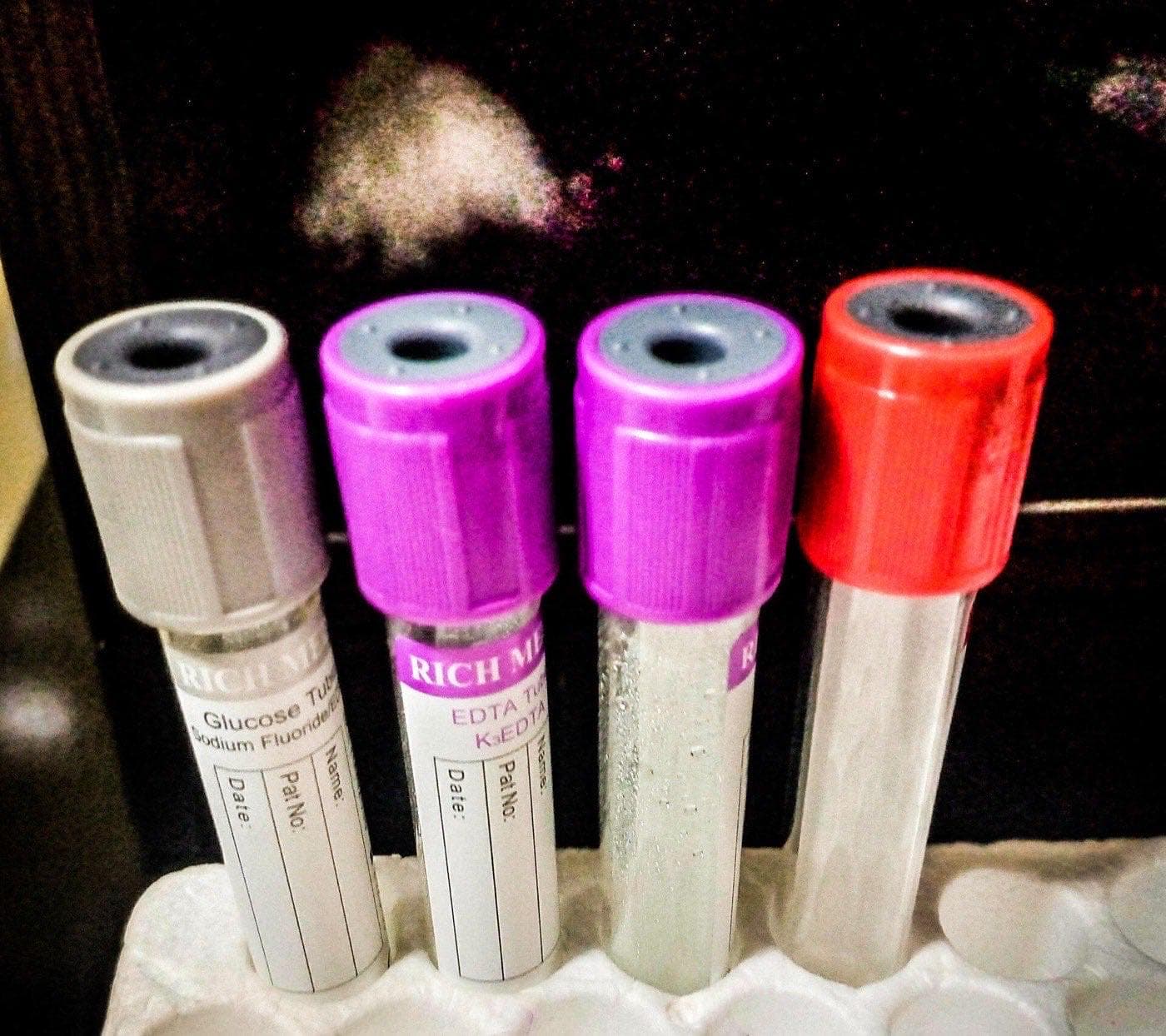
Which test makes sense depends on the day of illness. For the first 7 days, the CDC advises testing for the virus protein NS1 (or viral RNA by PCR) together with IgM antibodies. IgM picks up most recent infections after day 3, and after day 7 it becomes the main test.
| Day since symptoms began | What's tested | Worth knowing |
|---|---|---|
| 1–3 | NS1 (or PCR); the CDC advises pairing it with IgM | in the first week NS1 can be almost as sensitive as PCR |
| 4–7 | NS1 + IgM | IgM picks up most recent infections after day 3 |
| after day 7 | IgM | NS1 and PCR may no longer find the virus |
| any day | IgG | on its own, doesn't prove current dengue: it may be from a past infection |
Three things people miss:
- A negative NS1 doesn't rule dengue out. If the fever continues, the test is repeated or IgM is added.
- IgM can cross-react with other flaviviruses such as Zika. Let a doctor read the result, not you in the lab's app.
- A full blood count (platelets, haematocrit) is used to track the illness. Your doctor decides how often to repeat it.
What it costs
Prices from the Diag lab chain's own website, checked on 22 October 2026:
Source: diag.vn, 22 Oct 2026. Hospitals and other labs set their own prices; ask when you book.
Currency converter
Diag quotes NS1 results in about 1 hour 50 minutes, has an English website and offers home sample collection. The chain covers the south, Ho Chi Minh City and nearby provinces, and is licensed by the HCMC Department of Health. In Hanoi, the Medlatec lab chain runs the NS1 test; check prices with them. You can also have blood taken at the lab of any hospital you visit.
A test without a doctor tells you little. A positive NS1 confirms dengue but not which phase you're in or whether you need monitoring. Take the result to a doctor the same day.
Where to get dengue treated in Vietnam
Mild dengue is usually managed at home with a doctor keeping an eye on you; severe dengue needs a hospital bed. The WHO says hospitalisation is often necessary for severe dengue. Your doctor decides based on blood tests and how you feel, not on how many days the fever lasted.
Where to go:
- The Vinmec international hospital network: Hanoi, Ho Chi Minh City, Da Nang, Nha Trang, Phu Quoc, Hai Phong, Ha Long and Can Tho (list from its website, October 2026). The website and booking work in English.
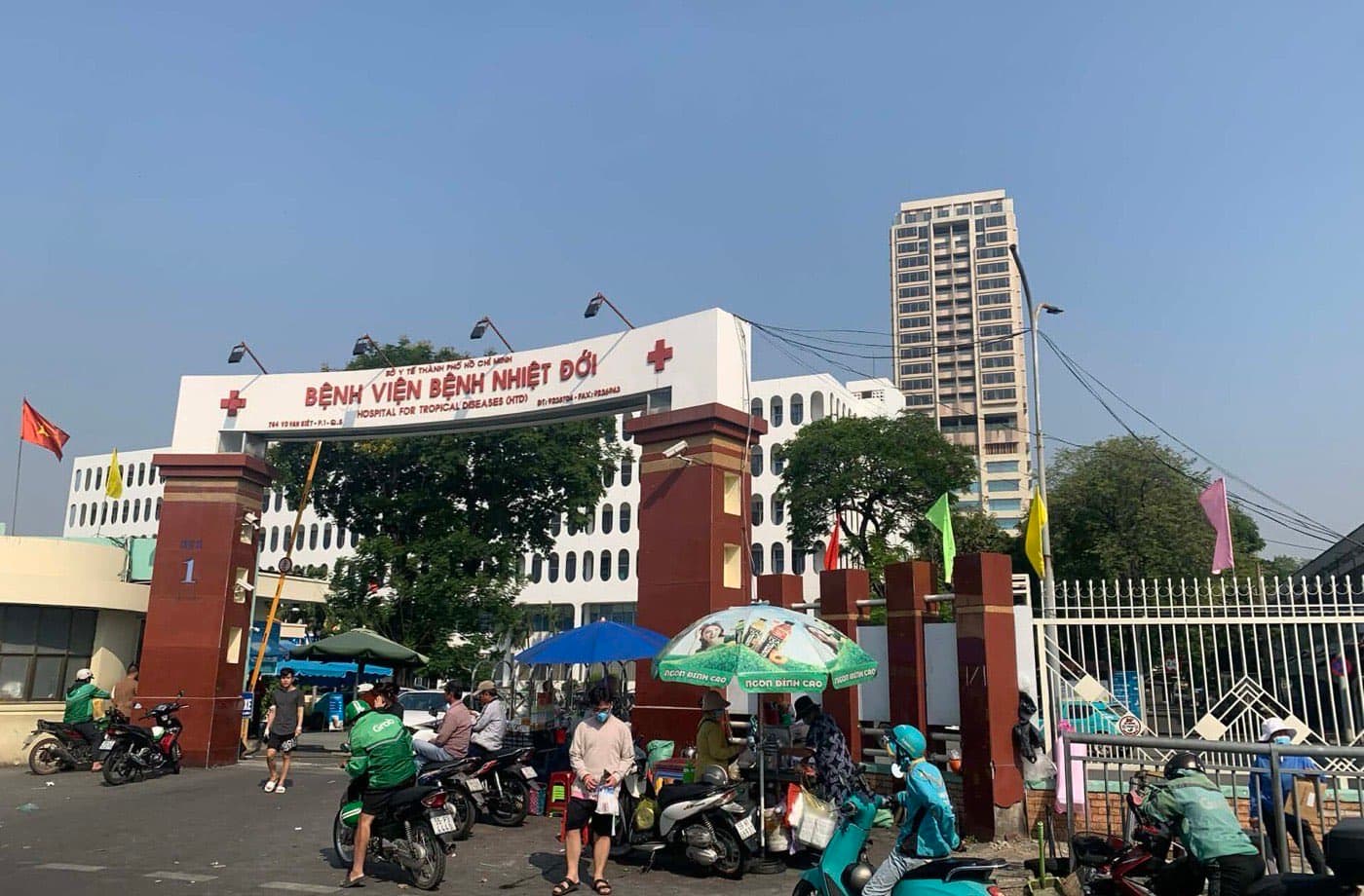
- Bệnh viện Bệnh Nhiệt đới, the public Hospital for Tropical Diseases in Ho Chi Minh City; dengue is its speciality. Address under the new scheme: 764 Võ Văn Kiệt, phường Chợ Quán.
- Other clinics by city: see hospitals and pharmacies in Vietnam.
Fast Track — no queue at the border
5–10 minutes instead of an hour in the immigration queue
from$11per passenger
Dengue season in Vietnam by region
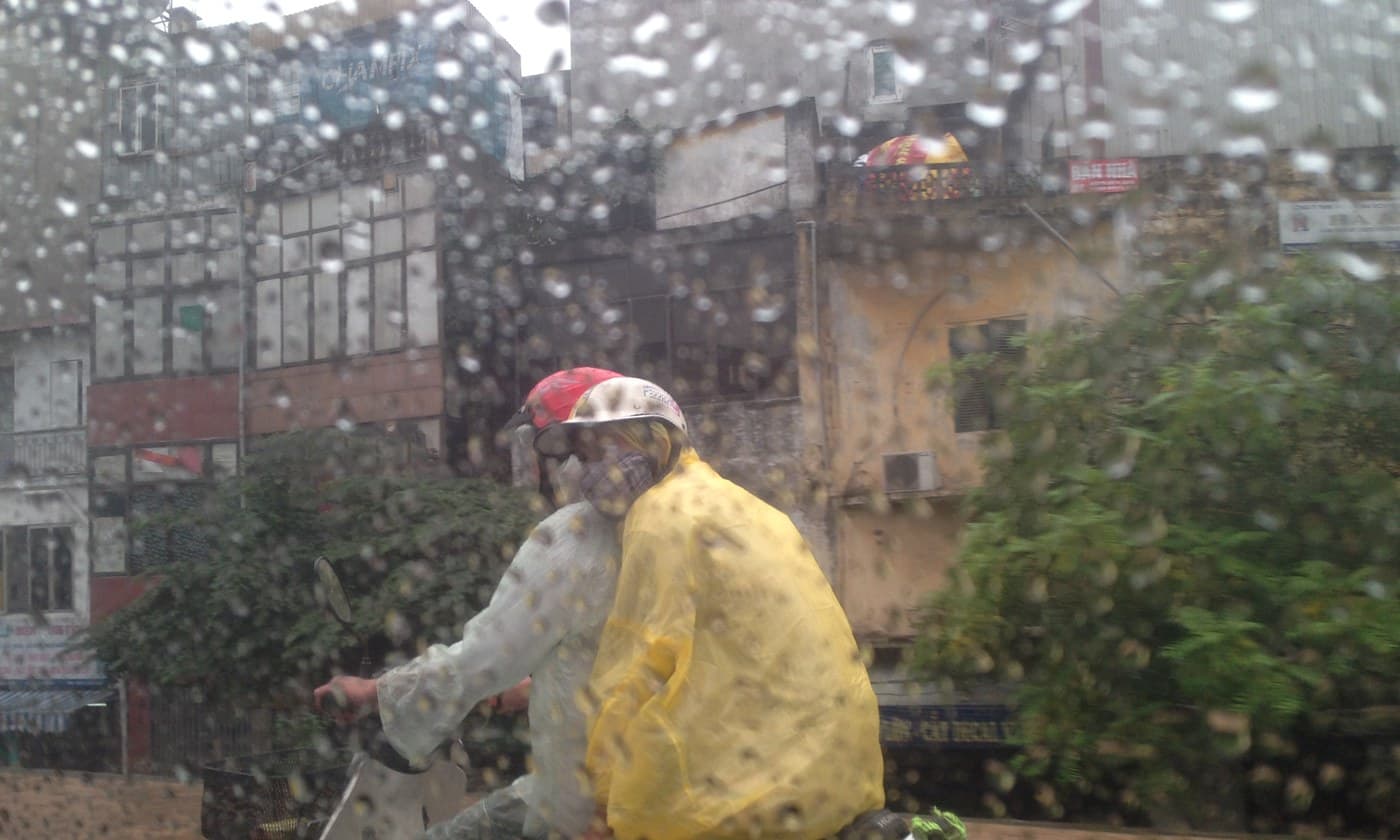
Dengue in Vietnam rises in the second half of the year, May to December, during the rainy season. That's what 20 years of data from Hanoi, Khanh Hoa, Ho Chi Minh City and An Giang show (Lee et al., BMC Infectious Diseases, 2017). In the south, dengue circulates all year round (Nguyen et al., IJERPH, 2020). In Hanoi the peak is in October and the low point in February.
| Region | When dengue is highest | Source |
|---|---|---|
| North (Hanoi) | second half of the year, peak in October, low in February | BMC Infect Dis, 2017 |
| Central, Khanh Hoa (Nha Trang) | second half of the year, highest October–December; rainy season September–December, heaviest rain October–November | BMC Infect Dis, 2017; IJERPH, 2020 |
| Central, Da Nang | second half of the year, highest October–December; rainy season September–December | IJERPH, 2020 |
| South (Ho Chi Minh City, Phu Quoc, Mekong) | year-round, rising in HCMC from mid-June | IJERPH, 2020; Tuổi Trẻ, 2026 |
A study of central Vietnam counted 230,458 cases between 2005 and 2018 and named Da Nang and Khanh Hoa as the region's two main hotspots (Nguyen et al., IJERPH, 2020). In Khanh Hoa, each extra 1°C of average temperature meant 17% more cases that month.
The dry season is no guarantee. In 2025 cases didn't fall at year end as they usually do and stayed high through November and December. When it rains in your city: Vietnam weather by month.
How to avoid mosquito bites in Vietnam
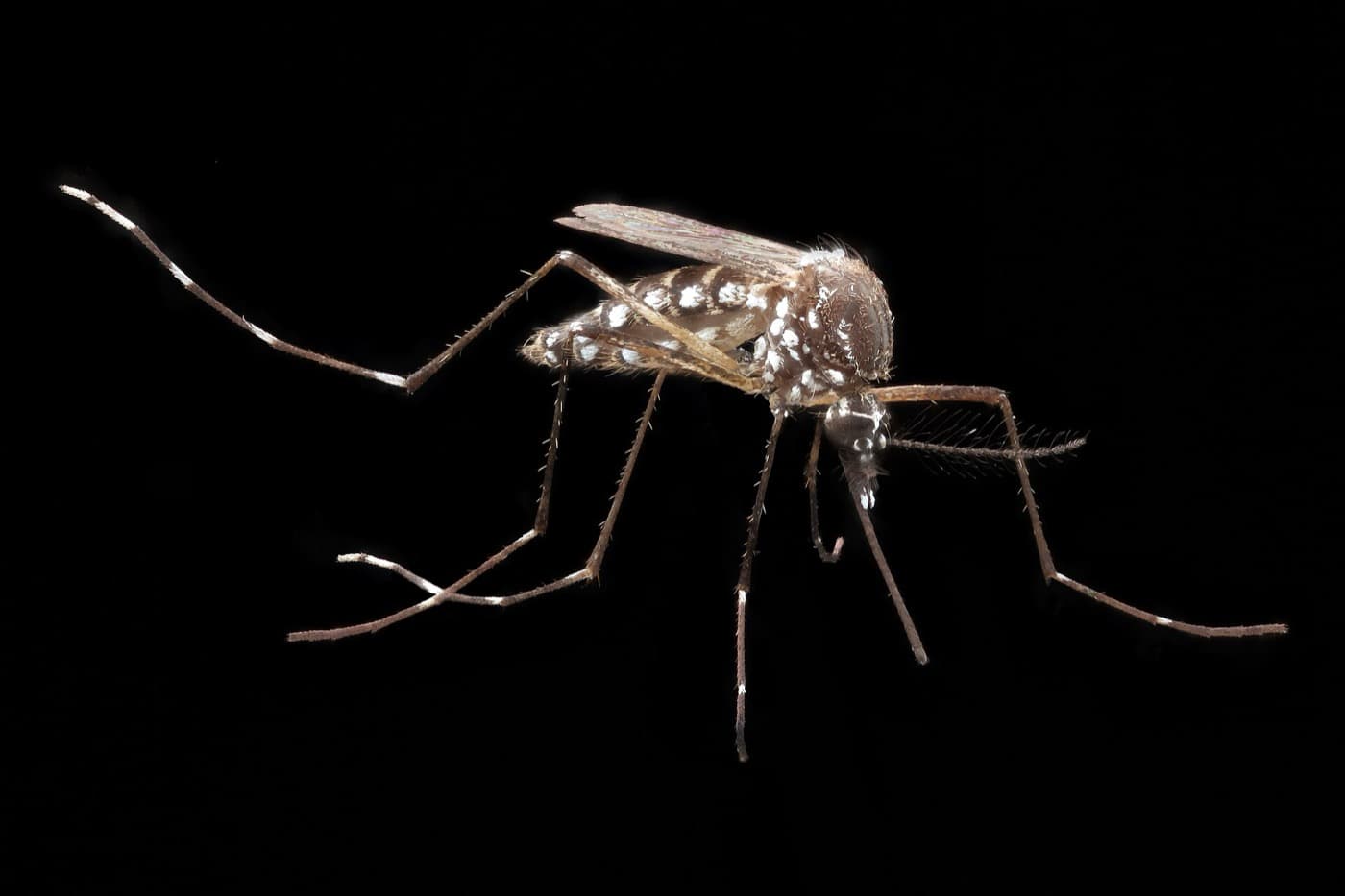
The only real protection against dengue is not getting bitten. The main carrier is the Aedes aegypti mosquito, with Aedes albopictus in a secondary role. The WHO says they're active during the day; the CDC adds they can bite both day and night. So repellent isn't just for evening walks.
What the WHO recommends:
- Repellent with DEET, picaridin or IR3535 on exposed skin.
- Clothing that covers as much of your body as possible.
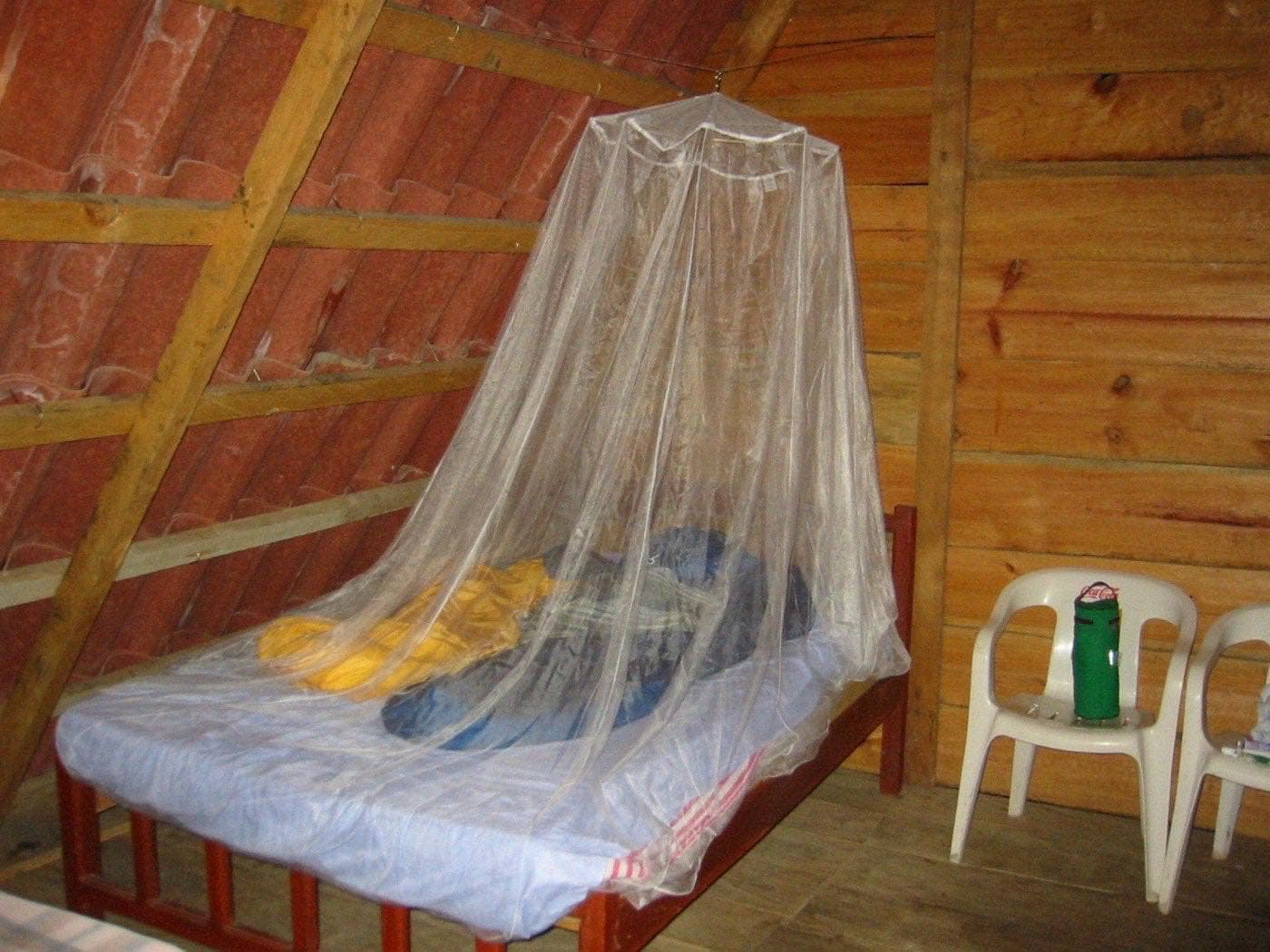
- Window screens, and a mosquito net if you sleep during the day. The WHO suggests nets, ideally sprayed with insect repellent.
- Coils and plug-in vaporisers indoors.
If you're renting for months, the second half of the WHO advice matters too. Mosquitoes breed in standing water, so empty and clean water containers once a week: plant saucers, buckets, balcony barrels.
Repellent and vaporisers are sold in Vietnamese pharmacies and supermarkets. What to bring and what to buy locally: our Vietnam packing list. Travelling with children? See Vietnam with kids.
The Qdenga dengue vaccine: who recommends what
Vietnam licensed Takeda's Qdenga vaccine in May 2024 for people from age 4, given as two shots three months apart. Health agencies disagree on who should get it, so the decision belongs with your doctor.
| Agency | Position |
|---|---|
| EMA (EU), authorised 5 Dec 2022 | from age 4, 2 shots 3 months apart; not for pregnant or breastfeeding women or people with weakened immunity |
| Vietnam, May 2024 | from age 4, no pre-vaccination test required; VNVC started vaccinating on 20 Sep 2024 |
| WHO | recommended only for children aged 6–16 in high-transmission settings |
| UK (UKHSA Green Book, Sept 2026) | usually recommended for travellers aged 4+ who have had dengue before; usually not for those who haven't, though it may be considered after discussion with an experienced travel health clinician |
| CDC (US) | its Vietnam page lists dengue among diseases that can't be prevented with a vaccine |
Sources: EMA, Daklak.gov.vn, Tuổi Trẻ News, WHO, UKHSA Green Book, CDC.
Why the UK is more cautious: Qdenga is a live attenuated vaccine against all four serotypes. The September 2026 Green Book chapter says that someone who has never had dengue carries a theoretical risk of severe disease if later exposed to the DENV-3 or DENV-4 serotypes. No such safety signal has emerged so far, but data on DENV-3 and DENV-4 are limited, so UK advisers take a precautionary line. Vietnam's regulator doesn't require a test before vaccination.
Price at the VNVC vaccination chain, October 2026 list: 1,290,000 VND per dose (~$50) retail, 1,548,000 VND (~$60) with pre-order. A two-dose course is about 2,580,000 VND (~$99). Prices change; check the VNVC price list, and ask VNVC directly whether they vaccinate foreign visitors.
The full course takes three months, so a week before your flight it's too late to finish it. Repellent and nets work from day one. All other jabs for the trip: vaccinations for Vietnam.
Travel insurance: what to check before you go
Severe dengue often means a hospital stay, according to the WHO. Without cover, you pay the hospital bill yourself. So sort out medical insurance before you fly, not after the first bite.
What to check in your policy:
- no exclusion for tropical or epidemic diseases;
- the hospitalisation limit;
- whether a clinic near you bills the insurer directly;
- the assistance phone number, saved on your phone and on paper with your passport.
Comparing policies and what to do when you need to claim: health insurance for Vietnam.
Common dengue mistakes
- Taking ibuprofen out of habit. The WHO specifically advises avoiding it with dengue because of bleeding risk.
- Relaxing when the fever breaks. That's exactly when the critical phase starts.
- Testing NS1 on day 7 and trusting a negative result. By then NS1 may miss the virus; you need IgM.
- Wearing repellent only in the evening. The dengue mosquito is active during the day.
- Not telling your doctor at home where you've been. Symptoms can start up to about 10 days after the bite.
More on staying safe in Vietnam, from traffic to scams: Vietnam safety guide.
Dengue in Vietnam: FAQ
Yes. There are four dengue serotypes, so someone who has recovered can be infected by a different one. The WHO warns that a previous infection raises the risk of severe dengue next time. If you've had it before, take bite prevention more seriously on future trips to the tropics and see a doctor sooner with any high fever. The UK Green Book mainly recommends Qdenga for exactly this group of travellers, with the decision made alongside a doctor
Not in the usual way: a mosquito bites an infected person and then a healthy one. The CDC lists rare exceptions. A pregnant woman can pass the virus to her baby during pregnancy or around birth. Spread through blood is uncommon and happens with transfusions, organ transplants or needlestick injuries. You can look after a sick person at home, but keep mosquitoes out of their room
Yes. The WHO puts the gap between bite and first symptoms at 4–10 days. If you develop a high fever within two weeks of leaving Vietnam, see a doctor and say straight away that you've been to Vietnam and when you came back. That way the doctor considers dengue and orders the right test, instead of treating it like flu
The fever lasts 2–7 days. Many people have mild or no symptoms and recover within 1–2 weeks, though the WHO notes tiredness can drag on for several weeks. The riskiest window is the 24–48 hours after the fever breaks. Stay close to a clinic during that time; it's not the day for a long bus ride or a tour
No. The risk is lower but not zero. In the south, including Ho Chi Minh City, Phu Quoc and the Mekong Delta, dengue circulates all year, and in 2025 cases stayed high even in November and December. Nha Trang and Da Nang see most cases in the second half of the year, and Hanoi's low point is February. Use repellent in any month
In Vietnam and the EU the vaccine is licensed from age 4. The WHO recommends it for children aged 6–16 in places with high dengue transmission, meaning local populations. Whether your child should have it before a trip is a question for a paediatrician, weighing the route, length of stay and any past dengue. The course is two shots three months apart
Read also: Hospitals and pharmacies in Vietnam · Travel insurance for Vietnam · Vaccinations for Vietnam · Vietnam safety guide
- Preparation
Scams in Vietnam 2026: Common Tourist Traps and Fixes
Common scams in Vietnam: taxis, change, money exchange, bike rental, tours and online. Real cases 2022–2026, fines and where to report — numbers checked.Scams in Vietnam 2026: Common Tourist Traps and Fixes - Preparation
Vietnam Visa-Free Entry: Who Qualifies & For How Long
Which nationalities enter Vietnam visa-free and for how long — the 45-day list of 24 countries, ASEAN, the Phu Quoc 30-day exemption and conditions.Vietnam Visa-Free Entry: Who Qualifies & For How Long - Preparation
Vietnamese Language 2026: Phrasebook and What to Know
Vietnamese uses Latin script and six tones. Where English works in Vietnam and where it stops, 30 phrases by situation, why camera translation lies on menus.Vietnamese Language 2026: Phrasebook and What to Know