Reunification Day — Vietnam's April 30 holiday, explained
On April 30 Vietnam marks Reunification Day — the anniversary of the fall of Saigon in 1975 and the end of the war. It is a national holiday that merges with May 1 into the spring's biggest break: parades and fireworks in Ho Chi Minh City, flags on every building, and millions of Vietnamese heading for the beaches. Here is how to play the most spectacular and most inconvenient dates of the season smart.
What April 30 Celebrates
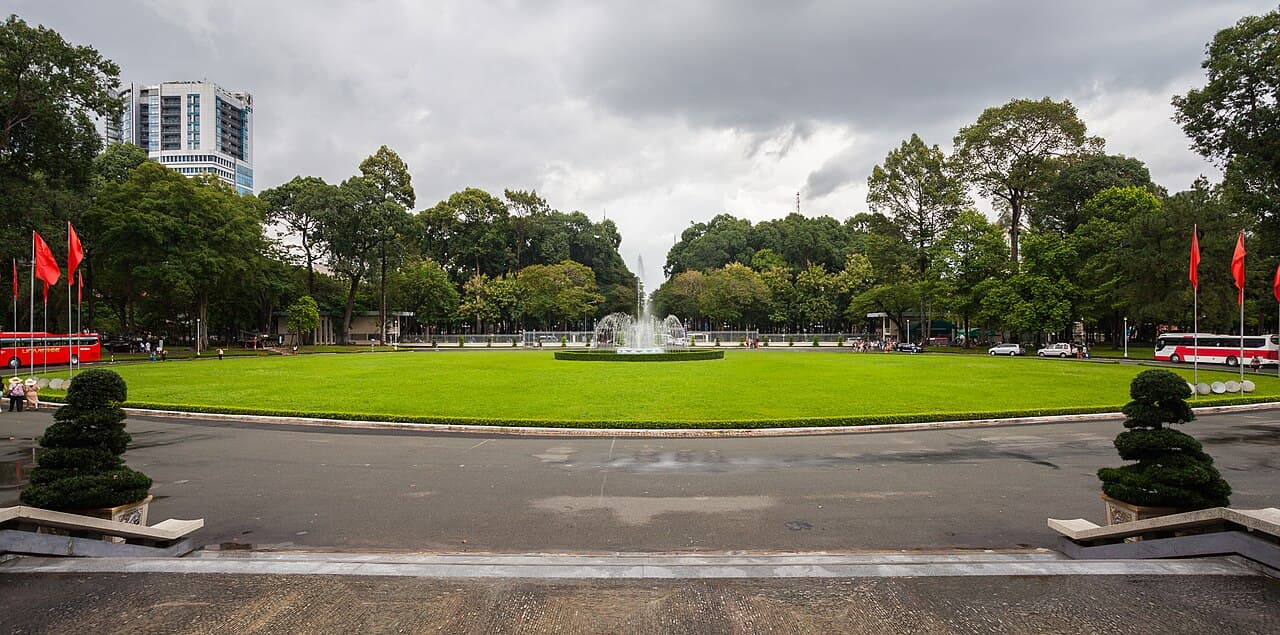
- Reunification Palace (Dinh Độc Lập): 80,000 VND (~$3) — 7:00–18:00, the tank gates
- War Remnants Museum (Bảo tàng Chứng tích Chiến tranh): 40,000 VND (~$1.5) — Open through holidays
- Le Duan Boulevard (Đường Lê Duẩn): The parade axis on April 30
- Nguyen Hue walking street (Phố đi bộ Nguyễn Huệ): Evening street party — Screens, drone shows
- Notre-Dame Cathedral (Nhà thờ Đức Bà): Festivity hub next to the parade axis
- Thu Thiem tunnel (Hầm Thủ Thiêm): One of 8 fireworks sites in 2026
The short answer: the end of the Vietnam War. On April 30, 1975, North Vietnamese forces entered Saigon, the capital of South Vietnam, and the twenty-year war was over. A year later the country was formally unified and Saigon was renamed Ho Chi Minh City. Since then April 30 has been one of Vietnam's two premier state holidays, alongside National Day on September 2.
The official name is a mouthful — "Liberation of the South and National Reunification Day" (Ngày Giải phóng miền Nam, thống nhất đất nước) — but in conversation everyone just says 30/4. In the calendar it sits next to May 1, Labor Day, and the government glues them into a single block every year: two days minimum, up to five when the dates land well, as they did for the jubilee year 2025.
For context, here is Vietnam's entire short list of public holidays (the full year is in our Vietnam holidays guide) — April 30 anchors the only "double" block of the year:
| Holiday | Date | Days off |
|---|---|---|
| New Year (solar) | January 1 | 1 |
| Tet — Lunar New Year | Jan–Feb, floating | 5–9 |
| Hung Kings Day | 10th day of 3rd lunar month | 1 |
| Reunification Day | April 30 | 2–5 block |
| Labor Day | May 1 | within the block |
| National Day | September 2 | 2 |
The holiday carries a double meaning. The official line is victory and unity; for millions of families with southern roots the story is more complicated. What a traveler needs to know is simple: the day is celebrated sincerely and massively, but it is a day of remembrance, not a carnival. Watching, photographing and joining the street party is welcome; war jokes are not.
The main stage is Ho Chi Minh City. If it is not on your route yet, start with our Ho Chi Minh City guide.
The History: How the War Ended
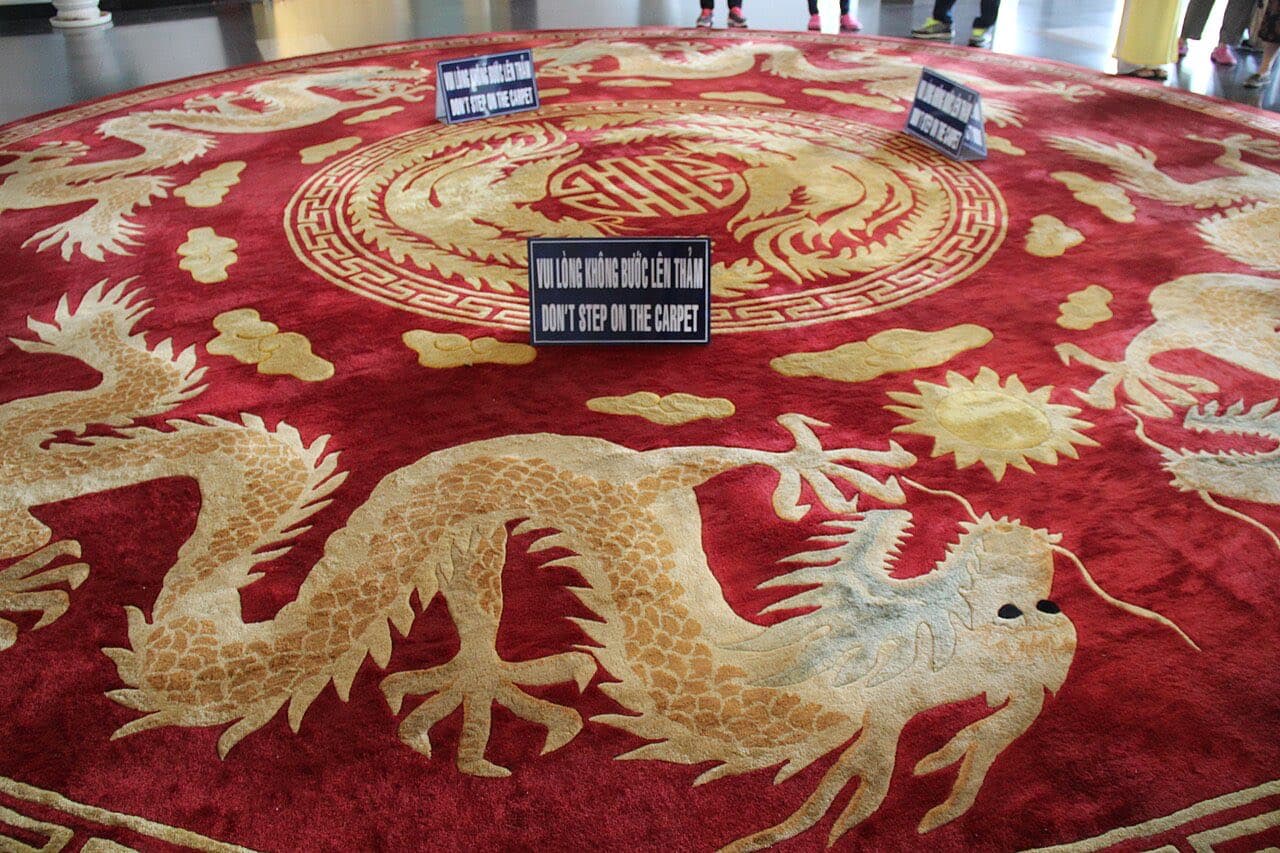
By April 1975 the outcome was settled: American troops had left in 1973 under the Paris Accords, and North Vietnam's spring offensive moved faster than either side expected. A campaign the general staff had planned for two years took 55 days — the title of Alan Dawson's book on the fall of Saigon.
| 1975 date | Event |
|---|---|
| March 10 | Buon Ma Thuot taken — the spring offensive begins |
| March 26 | Hue falls — the former imperial capital |
| March 29 | Da Nang falls — the South's second city |
| April 21 | Xuan Loc abandoned — the last line before Saigon |
| April 29–30 | Operation Frequent Wind — the helicopter evacuation |
| April 30, 11:30 | Tanks at Independence Palace; the South surrenders |
On the morning of April 30 a tank column entered the city center. Around noon the tanks reached Independence Palace, the seat of the South Vietnamese government: tank No. 843 rammed a side gate and No. 390 drove through the main one. Duong Van Minh, the South's president of two days, announced unconditional surrender. A war that had run for twenty years and cost, by varying estimates, one and a half to three million Vietnamese lives, ended in a single morning.
The war's last 24 hours also produced one of the 20th century's most recognizable images: Operation Frequent Wind, the largest helicopter evacuation in history. In one day around seven thousand people were lifted off Saigon's rooftops and onto carriers. The photo of the queue on the roof at 22 Gia Long Street (often mislabeled "the embassy roof") became the visual shorthand for the end of the war.
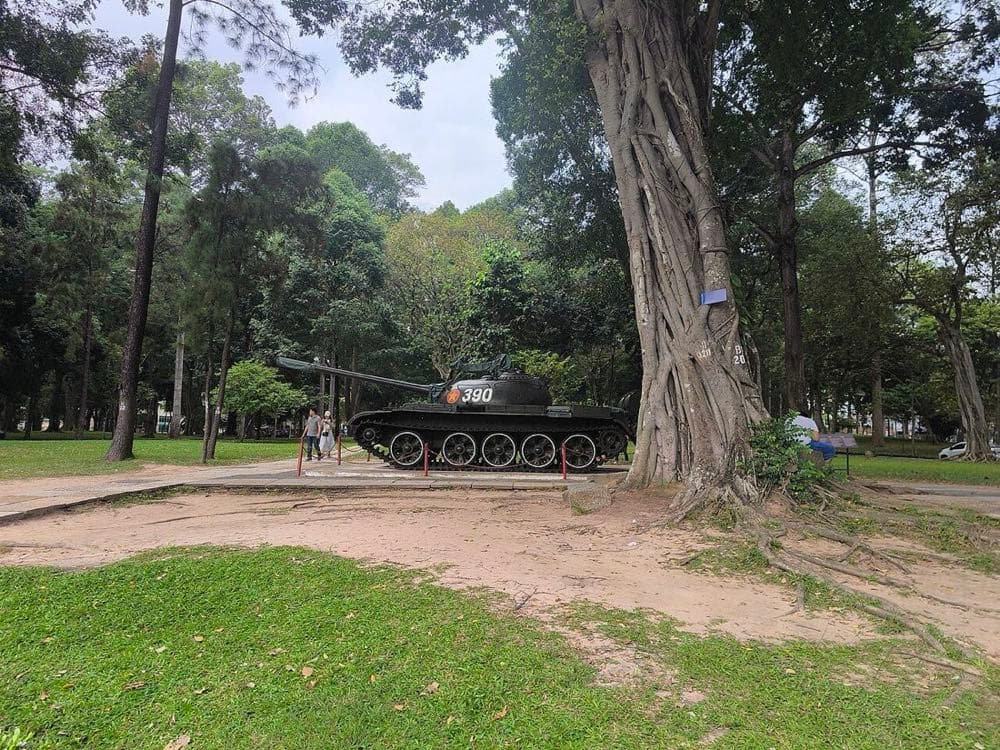
Formal unification came later: on July 2, 1976 the North and South became the single Socialist Republic of Vietnam, and Saigon took Ho Chi Minh's name. Independence Palace was renamed Reunification Palace — today it is a museum, the famous gates are restored, and the tanks stand in the yard.
Half a century on, the tone has softened noticeably. The US, now a partner, does not take part in the parades, but there is no confrontation either: for most Vietnamese under fifty this is simply "the day the war ended" — and the start of a long weekend.
Where That History Lives Today
The war's final chapter fits into a few blocks of central Ho Chi Minh City, walkable in a day. Reunification Palace is the literal endpoint, gates restored and tanks in the yard. The War Remnants Museum, ten minutes away on foot, shows what those 55 days cost, without gloss. The rooftop at 22 Ly Tu Trong (formerly Gia Long) — the one from the famous evacuation photo — is visible from the street: the building is offices now, but the angle from the opposite sidewalk is instantly recognizable. An hour out of town are the Cu Chi tunnels, the guerrilla underside of the same war; they feature in every Ho Chi Minh City attractions itinerary.
How It's Celebrated: Parades, Drones, Fireworks
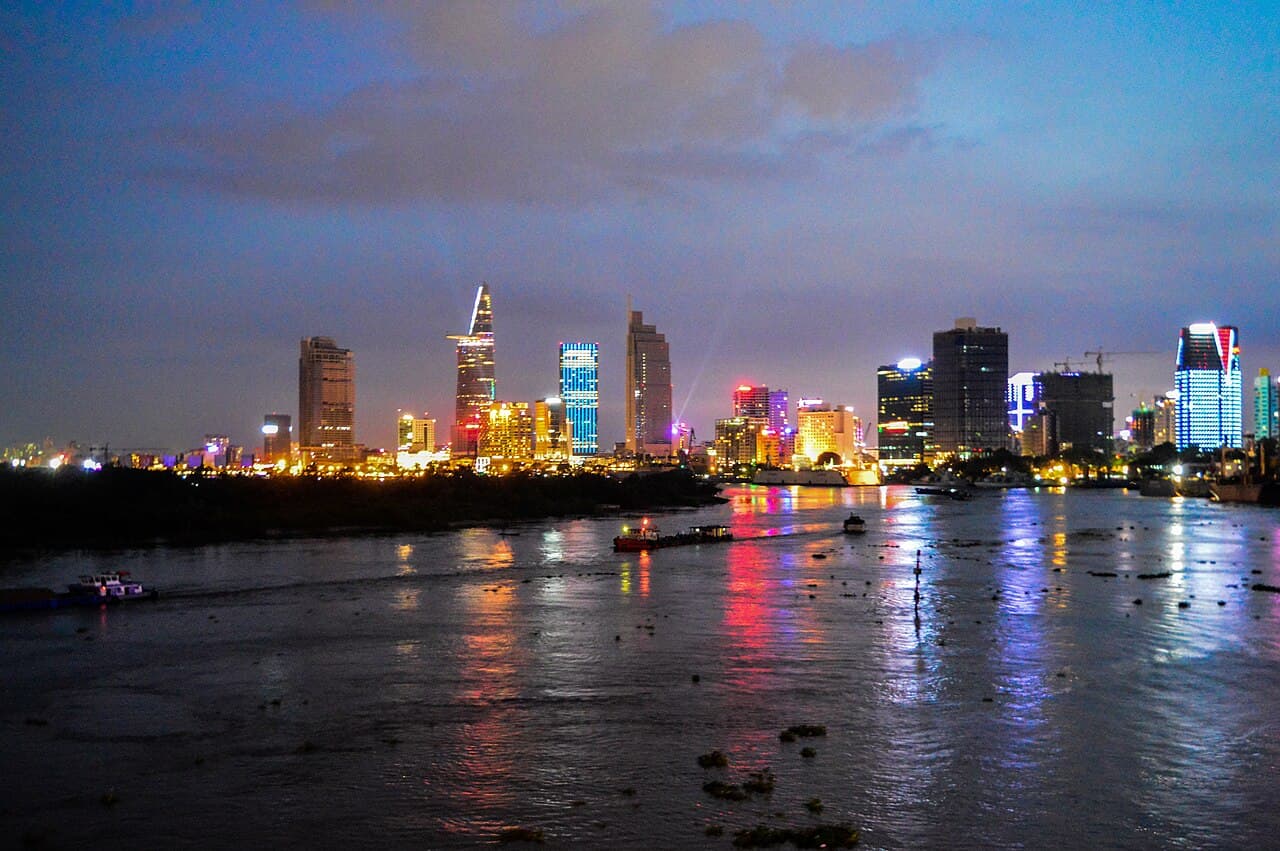
The scale depends on how round the anniversary is — the single most useful fact for planning.
Jubilee years get the full spectacle. The 50th anniversary on April 30, 2025 was the biggest celebration in the holiday's history: a military parade through Ho Chi Minh City with roughly 13,000 participants starting at 6:30 am, aircraft over the center, and crowds staking out spots on Le Duan Boulevard the night before — thousands slept on the sidewalks. That evening a record drone show lit the Saigon River: 10,500 drones at once, beating the previous record of 10,200. Guinness confirmed the record a few days later.
Regular years are more modest but still visible. The 2026 program (51st anniversary): morning ceremonies and wreath-layings, the "Love Songs of the Homeland" concert on Nguyen Hue, and at 21:00 fireworks at eight locations at once. High-altitude shows went up by the Saigon River tunnel entrance, in Binh Duong and in Ba Ria; low-altitude ones at the Cu Chi tunnels, Dam Sen park, the Saigon Marina IFC tower, Nha Be and Can Gio.
The 2025 jubilee also set a new bar for internationality: contingents from China, Laos and Cambodia marched in the parade, helicopters flew giant flags over the center, and Su-30s drew patterns in the sky. Newspapers printed special editions and Saigon's coffee chains sold drinks in patriotic cups — the 50th was as much a popular event as an official one.
Beyond the official program, the holiday has an everyday layer visible in any city:
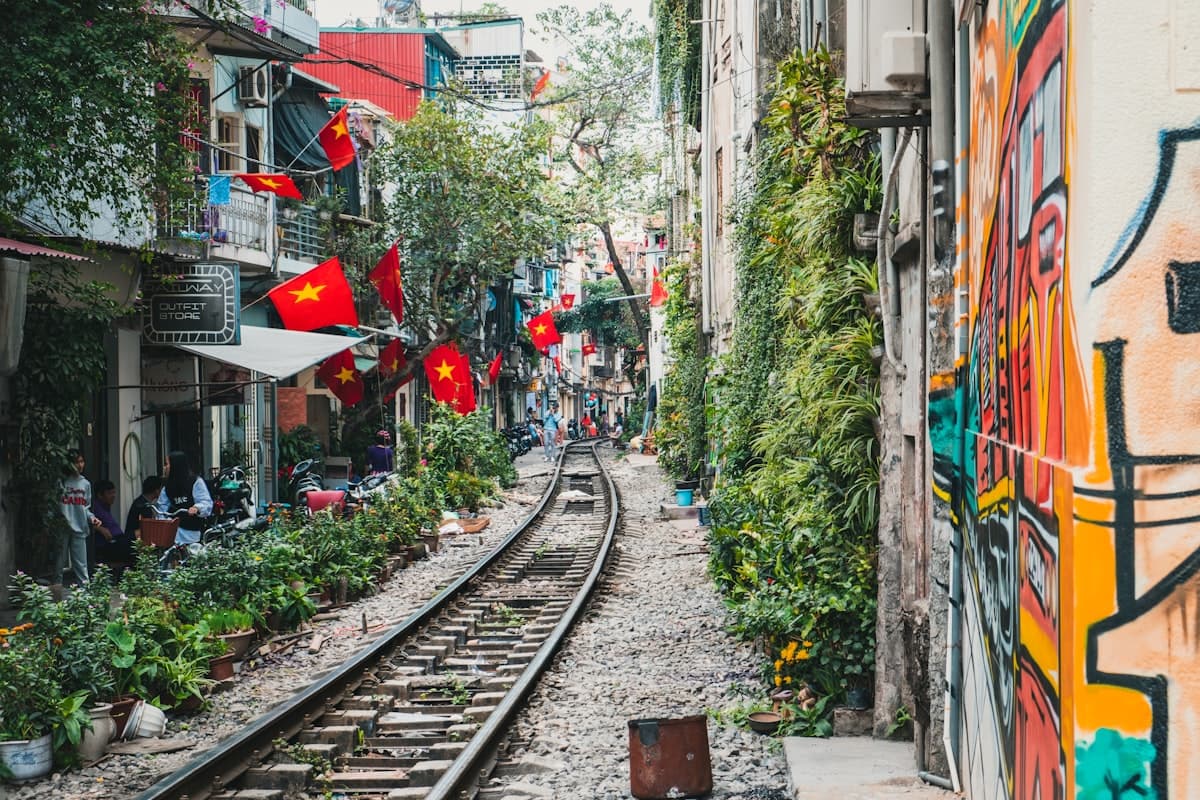
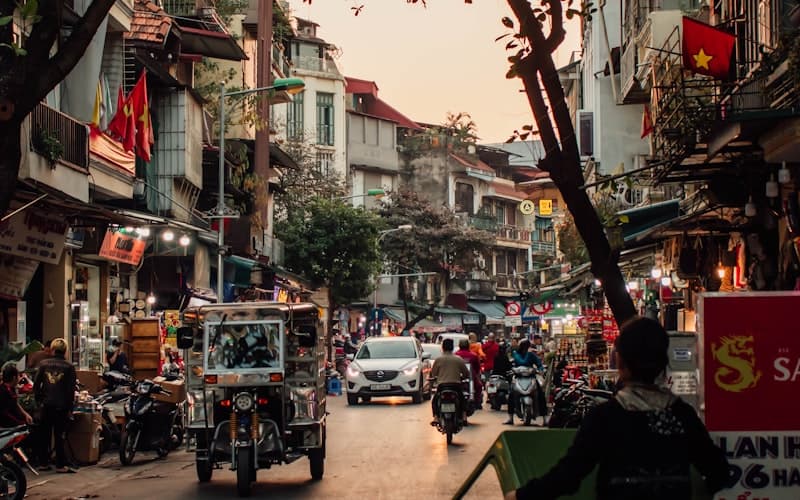
- Flags. A few days before April 30 Vietnam turns red: offices, cafés and homes hang the national flag. Old-quarter streets under solid red bunting are the most photogenic version.
- Television switches to war chronicles and war films.
- Temples. Many families light remembrance candles — almost every Vietnamese family lost someone in that war, whichever side they fought on.
- Free concerts and street stages in every major city.
The next big jubilee is the 55th, on April 30, 2030. If you want a 2025-scale parade, aim for that; in between, expect the "ceremonies + concerts + fireworks" format.
Fast Track — no queue at the border
5–10 minutes instead of an hour in the immigration queue
from$11per passenger
The April 30 – May 1 Block: What to Expect as a Traveler
Now the practical part. For a visitor, April 30 + May 1 is not "two red days in a calendar" — it is a full high season up to a week long that reshapes prices, crowds and logistics nationwide.
What's closed. Banks, government offices, consulates, visa centers and most offices shut for April 30 and May 1. If you have a visa extension or a bank errand planned for those dates, move it earlier. Immigration offices are closed for the whole block.
What's open. Almost the entire tourist sector: museums (the War Remnants Museum explicitly works through holidays), restaurants, cafés, shops, malls, tours. Street food does not pause. Reunification Palace may restrict entry on April 30 itself because of official ceremonies — plan your visit for May 1–2.
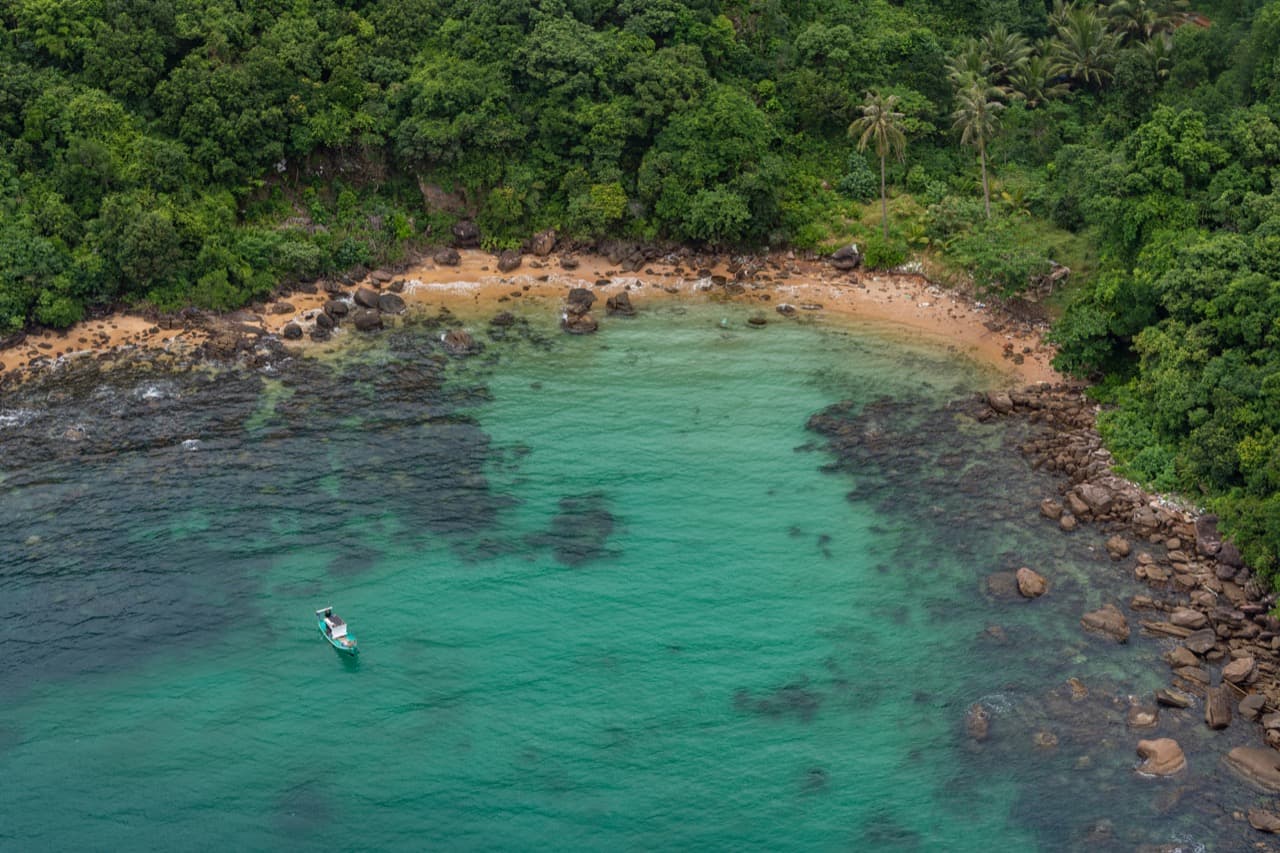
Crowds. The block's main force is domestic tourism. April 30 – May 1 is Vietnam's second-biggest travel peak after Tet: families head for the sea and the mountains, and resorts like Vung Tau, Da Lat, Nha Trang and Phu Quoc absorb millions of guests in a few days.
Prices. Hotels for the block go up 1.5–2x; domestic flights rise earlier and harder. Book lodging and late-April flights a month or six weeks out. Grab runs surge pricing on April 30, and the center is closed to traffic in the morning.
Small logistics. You cannot change money at a bank during the holidays, so withdraw dong from an ATM in advance. Since February 9, 2026, exchanging currency outside licensed points is an offence: Decree 340/2025/NĐ-CP, up to 20 million ₫ for an individual changing $1,000–10,000, more above that. A gold shop may change money only with a State Bank exchange-agent certificate, and a tourist has no way to check it. A bank is the safer bet; more in our Vietnamese dong guide. Pharmacies, Circle K and WinMart+ minimarts run as usual. SIM cards and eSIMs sell without interruption. The block's one real shortage is free tables at popular restaurants on the evening of April 30: book ahead or go street food.
The honest takeaway: if the holiday is not part of your plan, just do not be in transit on these dates. The worst-case scenario is trying to move between cities on April 29–30, when the whole country is doing the same.
A Mini Phrasebook for the Holiday
| Phrase | Vietnamese | Rough pronunciation |
|---|---|---|
| Happy holiday! | Chúc mừng ngày lễ! | chook mung ngai leh |
| April 30 | Ngày ba mươi tháng Tư | ngai ba muoi tang tu |
| Liberation Day | Ngày Giải phóng | ngai zai fong |
| Public holiday | Ngày nghỉ lễ | ngai ngi leh |
| Where are the fireworks? | Bắn pháo hoa ở đâu? | ban fao hwa uh dow |
Simple lines, big effect: locals warm up fast when a foreigner congratulates them on the national holiday in Vietnamese.
Where to Go in Ho Chi Minh City
If you are in the city for the holidays, here is the proven program, tied to the map above.
Reunification Palace (Dinh Độc Lập, 135 Nam Ky Khoi Nghia) — where the war physically ended. The 1960s interiors are frozen in time: the president's office, the map-lined command bunker, a helicopter on the roof. The tanks are in the yard. Open daily 7:00–18:00.
War Remnants Museum (Bảo tàng Chứng tích Chiến tranh, 28 Vo Van Tan) — the city's most visited museum and its heaviest: war photography, the aftermath of Agent Orange, hardware in the courtyard. Not for kids under 12. Open 7:30–17:30, holidays included.
| Sight | Adult | Children | Hours |
|---|---|---|---|
| Reunification Palace | 80,000 VND (~$3) | 20,000 VND (6–15); students and seniors 40,000 VND | 7:00–18:00 |
| War Remnants Museum | 40,000 VND (~$1.5) | 20,000 VND (6–16) | 7:30–17:30 |
| Nguyen Hue walking street | free | — | 24/7 |
| Fireworks on April 30 | free | — | from 21:00 |
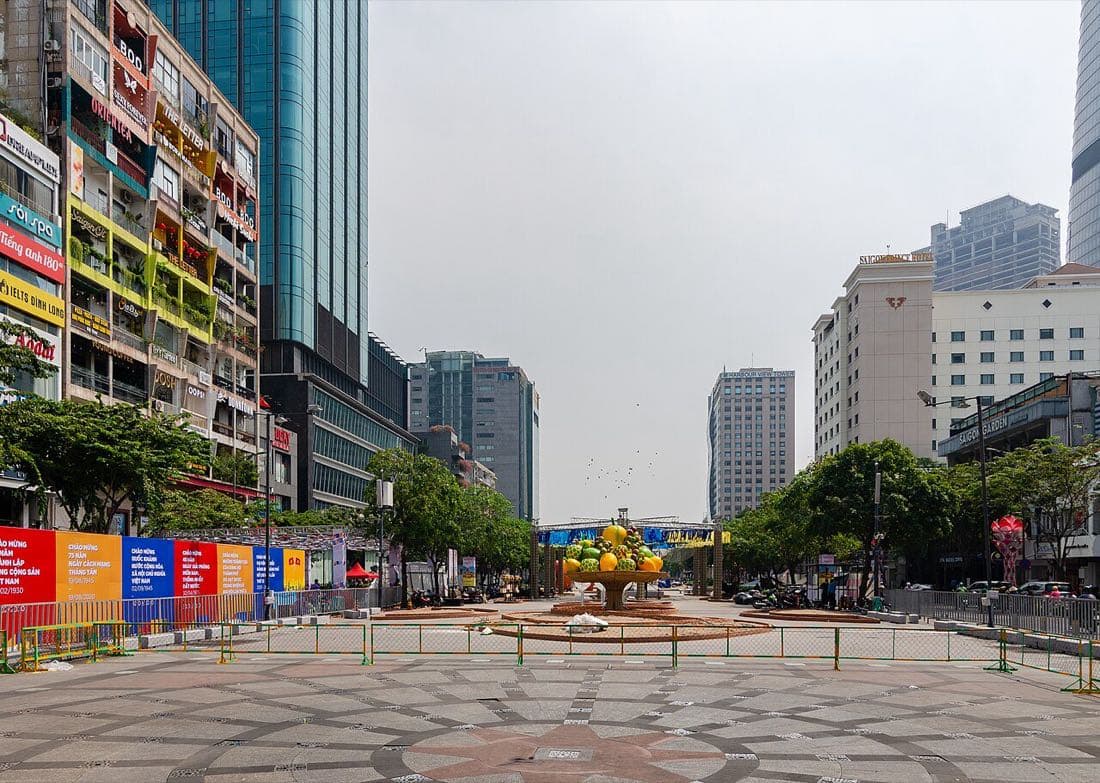
On the evening of April 30 head to Nguyen Hue walking street (Nguyễn Huệ): screens, stages, a flag-waving crowd and the best view of the drone show when there is one. For the fireworks, the Saigon riverfront near the Thu Thiem tunnel works best — or a rooftop bar, where tables for the night go a week in advance with minimum spends from 500,000 VND (~$19).
The Day, Hour by Hour
To do the holiday properly: 5:30–9:00 is the official part — ceremonies, and in parade years the parade itself along Le Duan, viewable only if you claim a spot before dawn. From 9:00 to 16:00 the city lives a normal, slightly denser life: a good window for museums and cafés. By 19:00 the center drains toward the river and Nguyen Hue: stages, screens, street food. At 21:00 — fireworks, after which comes the most Vietnamese part of the night: the whole city gets on its motorbikes at once, creating the most photogenic traffic jam of the year.
A Weekend Budget in Ho Chi Minh City
Good news: the holiday itself costs almost nothing. Bad news: rooms on those dates are priced like peak season. Per person for two days:
| Expense | VND | ~$ |
|---|---|---|
| 3★ hotel in the centre (former District 1), 2 nights (holiday rate) | 1,600,000–2,400,000 | 62–92 |
| Reunification Palace + War Remnants Museum | 120,000 | 4.5 |
| Food: cafés, street food, coffee — 2 days | 500,000–800,000 | 19–31 |
| City transport (Grab incl. surge) | 250,000–400,000 | 10–15 |
| Total | ~2,500,000–3,700,000 | ~96–142 |
Rate used: ~26,000 VND = $1. Every spectacle — parade, street party, fireworks, drones — is free.
The full city playbook, from the Cu Chi tunnels to Ben Thanh market, is in our Ho Chi Minh City attractions guide.
If You're Not in Ho Chi Minh City
The holiday is visible nationwide, in different formats.
Hanoi keeps it restrained: ceremonies at the Ho Chi Minh Mausoleum, flags, concerts by Hoan Kiem Lake. No April 30 parades here — Hanoi's big military parade belongs to September 2, National Day. The upside: the capital empties out as Hanoians leave for Ha Long and Ninh Binh, and for once you can cross the Old Quarter without weaving between motorbikes.
Da Nang and the central coast — waterfront concerts, fireworks in the big years. Da Nang absorbs its wave of domestic tourists more gracefully than most thanks to the long beach.
The southern resorts — Vung Tau, Mui Ne, Phu Quoc — are where Ho Chi Minh City goes, in its entirety. Since June 12, 2025, Vung Tau has formally been part of Ho Chi Minh City, but it is still a two-hour drive from the centre, and on April 30 that drive becomes a four-to-five-hour crawl.
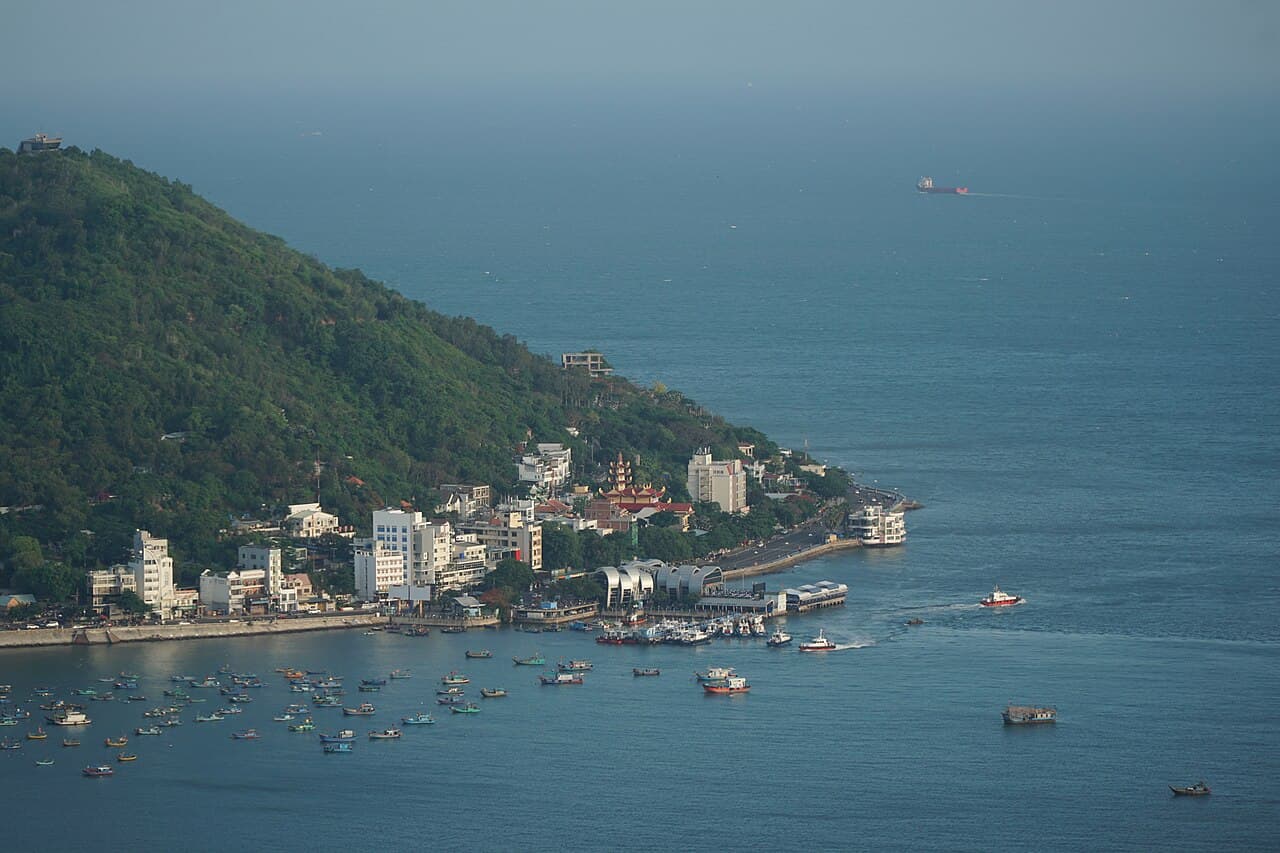
Who goes where during the block — a cheat sheet so you know where it will be packed:
| From | Mass destination | What it means for you |
|---|---|---|
| Ho Chi Minh City | Vung Tau, Mui Ne, Da Lat | Jams on the exits Apr 29–30, packed beaches |
| Hanoi | Ha Long, Ninh Binh, Sapa | Cruises and hotels sell out, prices ×1.5 |
| Da Nang | stays put + Hoi An | Hoi An evenings are shoulder to shoulder |
| Everyone | Nha Trang, Phu Quoc | Domestic flights are first to spike |
The reverse strategy follows from the same table: the cities everyone left are empty on April 30 – May 1. A resort strategy also works: check in before April 28, stay put until May 2, and the busiest block of the year turns into an ordinary beach holiday. Late April weather is summer-grade across the country — the regional breakdown is in our Vietnam weather guide.
April 30 vs September 2 — Vietnam's Two Big Holidays
Vietnam has two first-tier state holidays and travelers regularly mix them up. The difference is simple. September 2 is National Day: the anniversary of Ho Chi Minh proclaiming independence in 1945. Its stage is Hanoi — Ba Dinh Square and the mausoleum, where the round-date parades happen. April 30 is Reunification Day: the end of the war in 1975, and its capital is Ho Chi Minh City.
For planning purposes: festive Hanoi means early September; festive Saigon means late April. Both days are public holidays with comparable effects on prices and crowds, but the September block is shorter — it pairs with at most one adjacent day rather than May 1. And both are dwarfed by Tet, the Lunar New Year, which rearranges the country for two weeks; if you pick one Vietnamese holiday to experience, start with Tet.
The Reunification Express — the Holiday's Namesake
A common search-engine mix-up: the "Reunification Express" is not an April 30 event but the unofficial name of the Hanoi–Ho Chi Minh City railway. The name points straight at the holiday: through service on the line was restored in late 1976, symbolically stitching the country back together with rails.
Today it is one of Asia's great rail journeys: 1,726 km, over 30 hours end to end, with the Hue–Da Nang stretch running right along the sea. The symbolism cuts both ways — riding the "reunification line" after Reunification Day is the most coherent itinerary Vietnam can offer.
One practical note: for the April 30 – May 1 block, train tickets sell out like flights, sleeper cars first. If your plan is to leave Ho Chi Minh City by rail right after the holiday, buy two to three weeks ahead. Classes, prices and tips are in our Reunification Express guide.
Should You Plan a Trip Around It?
Depends on what you want from Vietnam on those dates.
- ✓ Big-event lovers: jubilee parades and drone shows come once every five years
- ✓ Anyone already in Ho Chi Minh City: fireworks and a city in flags, free
- ✓ Photographers: streets in red — the most "Vietnam" picture of the year
- ✗ Anyone with visa or banking errands: government offices close for the block
- ✗ Beach-goers without bookings: resorts slammed, prices ×1.5–2
The honest math: in a non-jubilee year the holiday itself is a morning ceremony on TV and fifteen minutes of fireworks. Crossing half the country for that makes no sense — while the crowds and the price surge are real every year. The optimal strategies are two: be in Ho Chi Minh City "in passing" and take the holiday as a bonus, or build a plan around the 2030 jubilee.
If Vietnamese holidays as a phenomenon interest you, start with the main one — Tet, the Lunar New Year — and see how the country celebrates New Year on January 1 too.
What to Watch and Read Beforehand
Ninety minutes of prep changes the experience — the palace, the museum and the parade all read differently once you know the plot. A short, non-academic list: Graham Greene's The Quiet American (the 2002 film adaptation was shot in Saigon itself); Ken Burns's ten-part documentary The Vietnam War (2017), the best entry point covering both sides; and the archive footage of April 29–30, 1975 — after it, the palace courtyard stops being a parking lot of retro hardware.
VietnamSpot on InstagramTips, lifehacks and news for living in VietnamFollow
FAQ — Reunification Day
The end of the war: on April 30, 1975 North Vietnamese forces took Saigon, ending twenty years of fighting. The official name is Liberation of the South and National Reunification Day. The formal unification of North and South came on July 2, 1976, when Saigon was renamed Ho Chi Minh City.
Yes. Together with May 1 (Labor Day) it forms a holiday block of at least two days; when the dates fall well, government-scheduled bridge days stretch it to four or five. Banks, government offices and visa centers close for the block.
Closed: banks, government offices, consulates and immigration offices. Open: restaurants, cafés, shops, markets, tours and nearly all museums — the War Remnants Museum works through the holiday itself. Reunification Palace may restrict entry on April 30 for ceremonies; go on May 1-2.
The 55th anniversary — April 30, 2030. Full military parades in Ho Chi Minh City are reserved for round dates: the 2025 jubilee fielded around 13,000 parade participants and a record 10,500-drone show. In-between years get ceremonies, concerts and fireworks.
In a jubilee year — yes, it is the country's biggest spectacle. In a regular year — only if the city is on your route anyway: you get fireworks, the Nguyen Hue street party and flag-lined streets as a bonus. Factor in the closed center on the morning of April 30, Grab surge pricing and higher hotel rates.
Yes. The April 30 - May 1 block is Vietnam's second domestic-travel peak after Tet: resort hotels rise 1.5-2x and domestic flights sell out weeks ahead. Book lodging and flights a month or more in advance, and avoid intercity travel on April 29-30.
Yes, with caveats. The metro, buses and Grab run all day; the center around Le Duan closes to traffic in the morning, so taxis drop you a couple of blocks out. After the evening fireworks Grab demand spikes — walk 10-15 minutes away from the crowd before booking. Intercity buses and trains run on schedule but full.
Absolutely — foreigners are a normal sight at the concerts, street parties and fireworks, and the reception is friendly. The one rule is respect: this is a remembrance day for a war that killed millions. Photograph the parades and flags freely; leave the war jokes at home.
Holiday Block Checklist
If you are in Ho Chi Minh City on April 30:
- For a parade year, be on the Le Duan axis by 5:30–6:00 — there will be no space later
- Evening: Nguyen Hue or the Thu Thiem riverfront by 20:30; fireworks at 21:00
- Save Reunification Palace for May 1–2
- Cash and a charged phone: networks sag in the crowd
General rules for April 30 – May 1:
- Book hotels and domestic flights 4–6 weeks ahead
- Finish visa and banking errands by April 29
- Do not schedule intercity travel for April 29–30
- At resorts: check in by April 28, leave after May 2
Read also: Ho Chi Minh City guide · Reunification Express train · Tet, the Lunar New Year · Weather by month
- Guide
Hue Festival 2026: Dates, Program, Tickets & Tips
Hue Festival 2026 guide — four-season program, June 13–18 arts week recap, autumn events, ticket prices in VND and USD, and how to plan your visit.Hue Festival 2026: Dates, Program, Tickets & Tips - Guide
Is Hue Worth Visiting in 2026? An Honest 8/10 Review
Is Hue worth visiting? Our verdict is 8/10. The Citadel, the tombs and bun bo make the case for; ruins, rain and dead nights make the case against.Is Hue Worth Visiting in 2026? An Honest 8/10 Review - Guide
Da Lat Attractions: Crazy House, Pagodas & the Old Station
Da Lat's city sights: Crazy House, Linh Phuoc Pagoda, Truc Lam Monastery, the old station, Xuan Huong Lake and the glass bridge — with 2026 tickets and a one-day route.Da Lat Attractions: Crazy House, Pagodas & the Old Station