Hanoi map: areas, landmarks and how to move between them in 2026
Hanoi spreads across 3,360 km² of the Red River delta. It is not a hard city to read once you have the shape of it, and very easy to lose half a day in without: the Old Quarter is a deliberate maze and the Ho Chi Minh complex is further west than it looks. Six areas actually matter to a visitor. Below is an interactive map with 14 pinned points, the landmarks grouped into three walkable clusters, both working metro lines with 2026 fares, and honest Grab fares between everything.
Hanoi by area
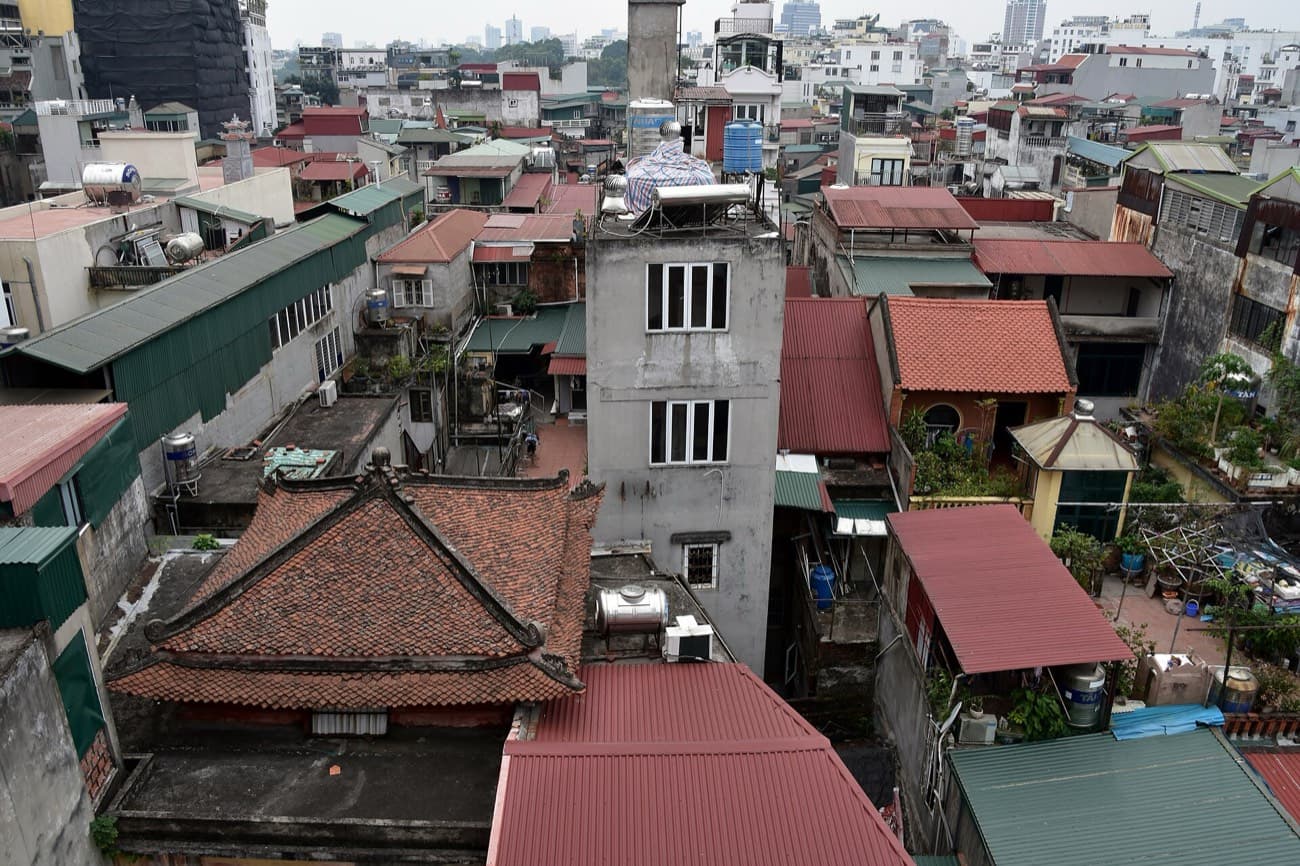
- Hoan Kiem (Hoàn Kiếm): The Old Quarter and the lake — Guesthouses from $12 a night
- Tay Ho (Tây Hồ): West Lake, the expat area — Studios from $400 a month
- Ba Dinh (Ba Đình): The mausoleum and the embassies — Studios from $500 a month
- Hai Ba Trung (Hai Bà Trưng): Times City and Vincom Mega Mall — Apartments $600-1,800 a month
- Dong Da (Đống Đa): Temple of Literature, universities, Cat Linh metro — Studios from $250 a month
- Cau Giay (Cầu Giấy): Tech hub, new Vinhomes compounds — Metro line 3 runs through it
- Hoan Kiem Lake (Hồ Hoàn Kiếm): The Turtle Tower, the centre of the city — Free, open around the clock
- The Old Quarter (Phố cổ Hà Nội): 36 guild streets — Night market and street food
- Ho Chi Minh Mausoleum (Lăng Chủ tịch Hồ Chí Minh): Free, Tue-Thu, Sat and Sun: 07:30-10:30 (Apr-Oct), 08:00-11:00 (Nov-Mar) — Closed for maintenance 4 Sep to 2 Nov 2026
- Temple of Literature (Văn Miếu): Vietnam's first university, 1070 — Entry 70,000 VND (~$2.7)
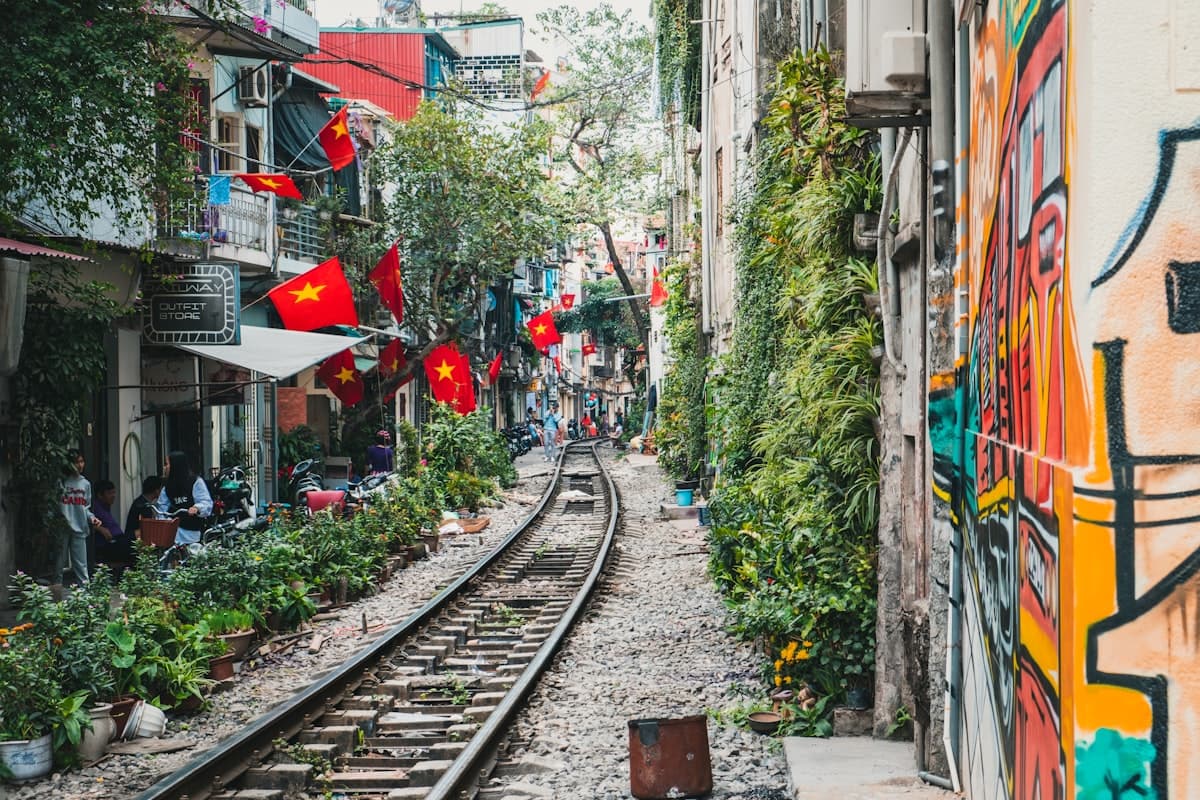
- Train Street (Phố đường tàu): A working train between the houses — Coffee on the tracks from 50,000 VND
- Tran Quoc Pagoda (Chùa Trấn Quốc): The oldest pagoda in Hanoi — On an islet in West Lake, free
- Noi Bai Airport (Sân bay Nội Bài): 27 km from the centre — Bus 86 costs 45,000 VND (~$1.75)
- Cat Linh station (Ga Cát Linh): Line 2A terminus, interchange with line 3 once the underground section opens — Fares from 8,000 VND
How Hanoi is laid out
Start with the thing every English guide still gets wrong. Hanoi no longer has districts. On 1 July 2025 Vietnam abolished the district tier (quận and huyện) and moved to two levels, city and ward. The capital's 30 former districts were rebuilt into wards and communes. Nationally, 63 provinces became 34 in the same round.
In practice nothing about navigating the city changed. Hoan Kiem, Tay Ho and Ba Dinh are still the names on Google Maps, on booking sites, in rental listings and in every driver's head. What changed is paperwork: an address written after July 2025 skips the district line entirely. Treat "district" in this article as a colloquial area, not an administrative unit.
Six of those areas are worth knowing. Tay Ho in the northwest and Hai Ba Trung in the southeast sit 9 km and 25-35 minutes apart by Grab in daylight.
| Area | Known for | Infrastructure | Studio rent | Who it suits |
|---|---|---|---|---|
| Hoan Kiem | Old Quarter, the lake | Maximum: hotels, cafes, markets | from $400/mo | First visit, sightseeing |
| Tay Ho | West Lake | Premium: international schools, cafes | from $400/mo | Expats, remote workers, families |
| Ba Dinh | Mausoleum, embassies | Good: parks, quiet, clean | from $500/mo | Families, diplomats |
| Hai Ba Trung | Times City, malls | High: compounds, mall, park | from $600/mo | Long contracts, comfort |
| Dong Da | Temple of Literature, universities | Basic, very local | from $250/mo | Budget long stays, students |
| Cau Giay | Tech hub, Vinhomes | New: metro, lifts, security | from $400/mo | IT workers, corporate expats |
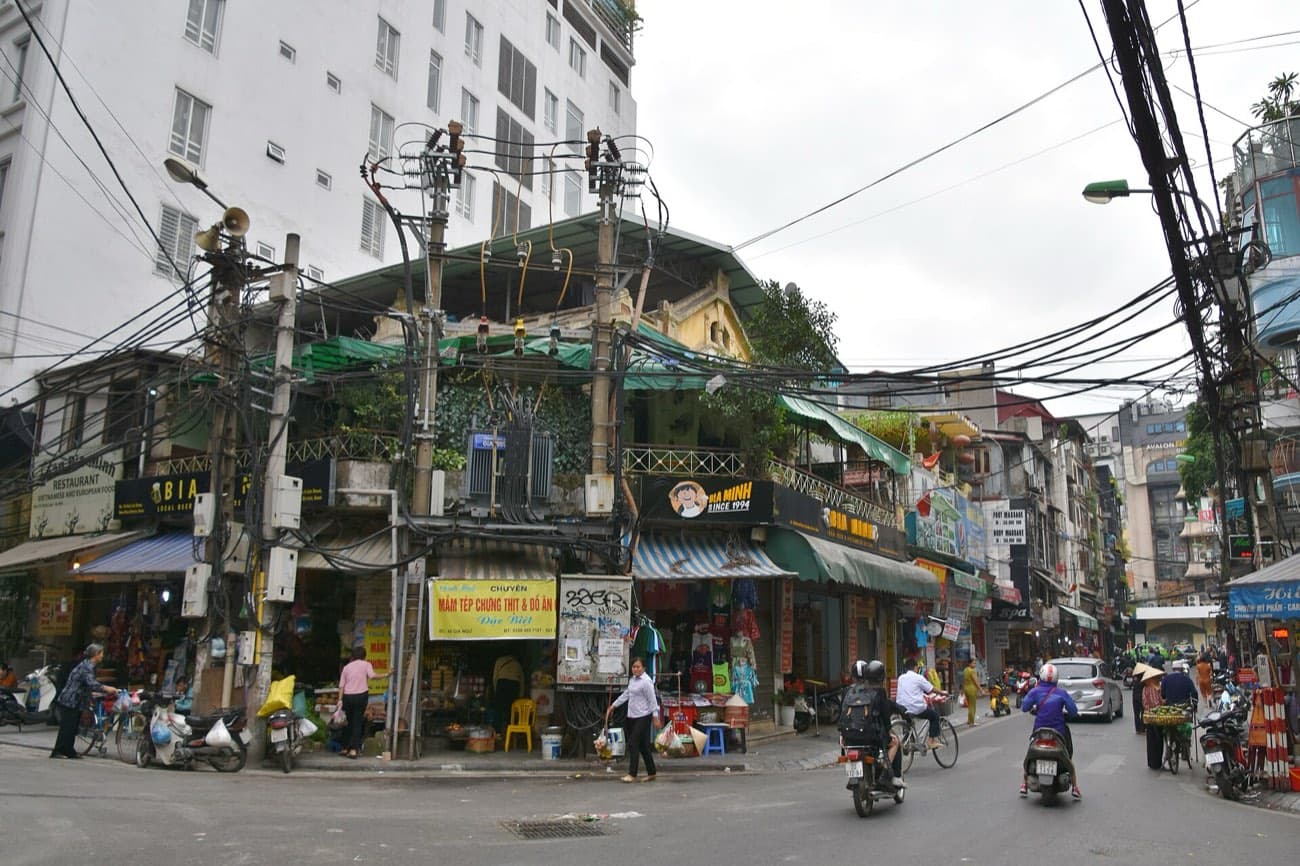
Hoan Kiem is the tourist core and the reason most people come. A 1.5 km radius around the lake holds the guesthouses, the plastic-stool bars, the silk shops and the colonial-era cafes. Streets to know: Hàng Đào for shopping and the weekend night market, Mã Mây for bars, Tạ Hiện for the backpacker beer corner, Nhà Thờ for the cathedral and the boutiques around it. The street food here is the best in the country and it has its own guide. Beds run from $8 in a dorm and $12 in a guesthouse; a boutique with a lake view is $80-150.
The cost of that convenience is noise. Motorbikes start at six in the morning, the bars on Tạ Hiện run to two, and the pavements are a parking lot. If eight hours of sleep beats a one-minute walk to the lake, book Tay Ho or Ba Dinh instead.
Tay Ho: the expat area around West Lake
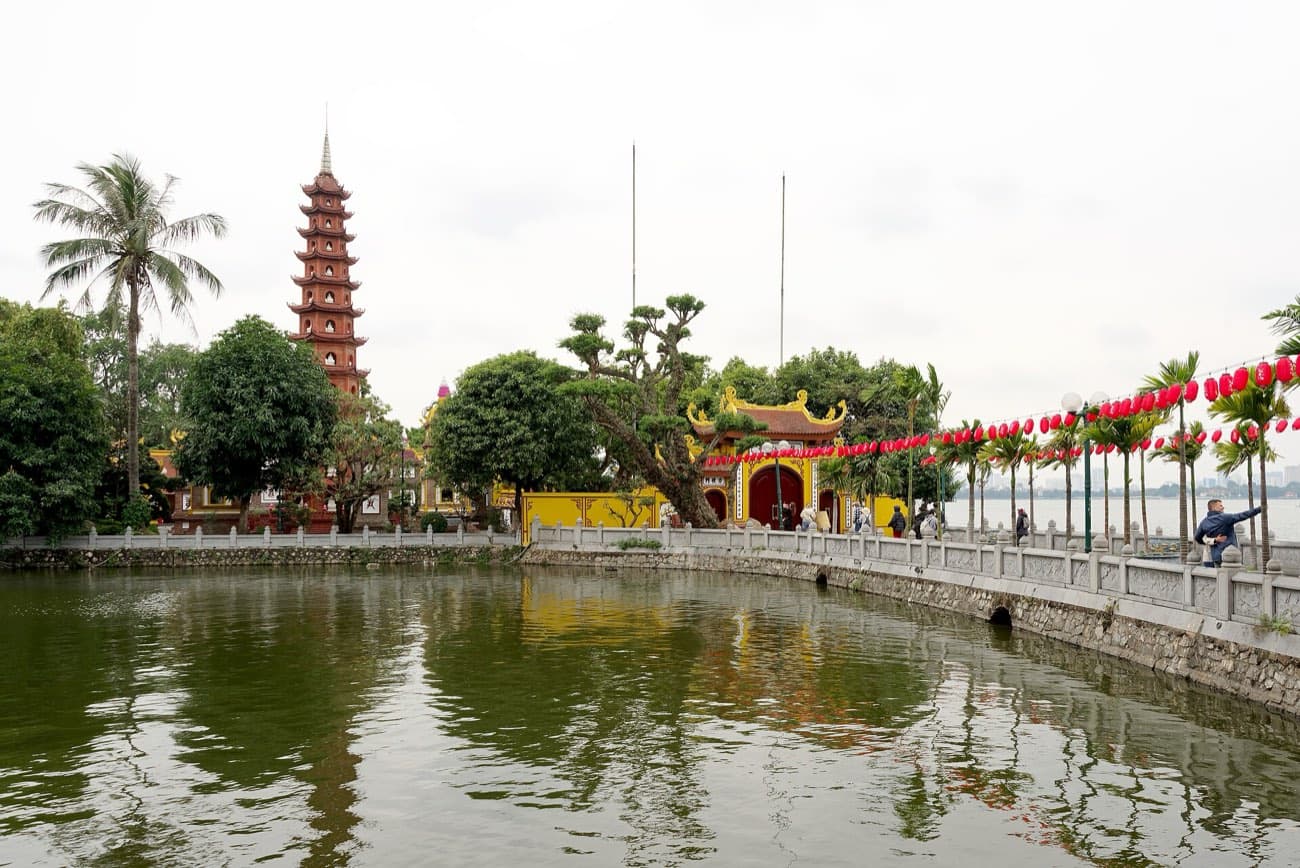
West Lake (Hồ Tây) is about 5 km² of water with a lakeside promenade that people run, cycle and walk dogs on. It is where the foreign community concentrated: international schools (UNIS, Concordia), embassies, coworking spaces, vegan cafes and French bakeries. Xuân Diệu is the most expat street, Tô Ngọc Vân the Korean quarter, Quảng An the lake-view apartments, Âu Cơ the cheaper eastern shore.
Studios start at $400, a two-bed with a water view around $700, villas $1,500-3,000. Hotels here are apart-style and discount 30-40% on a month.
The trade-off is distance: 6 km to the Old Quarter, 15-25 minutes and 70,000-100,000 VND by Grab. Every sightseeing day becomes a commute.
Ba Dinh: the ceremonial quarter
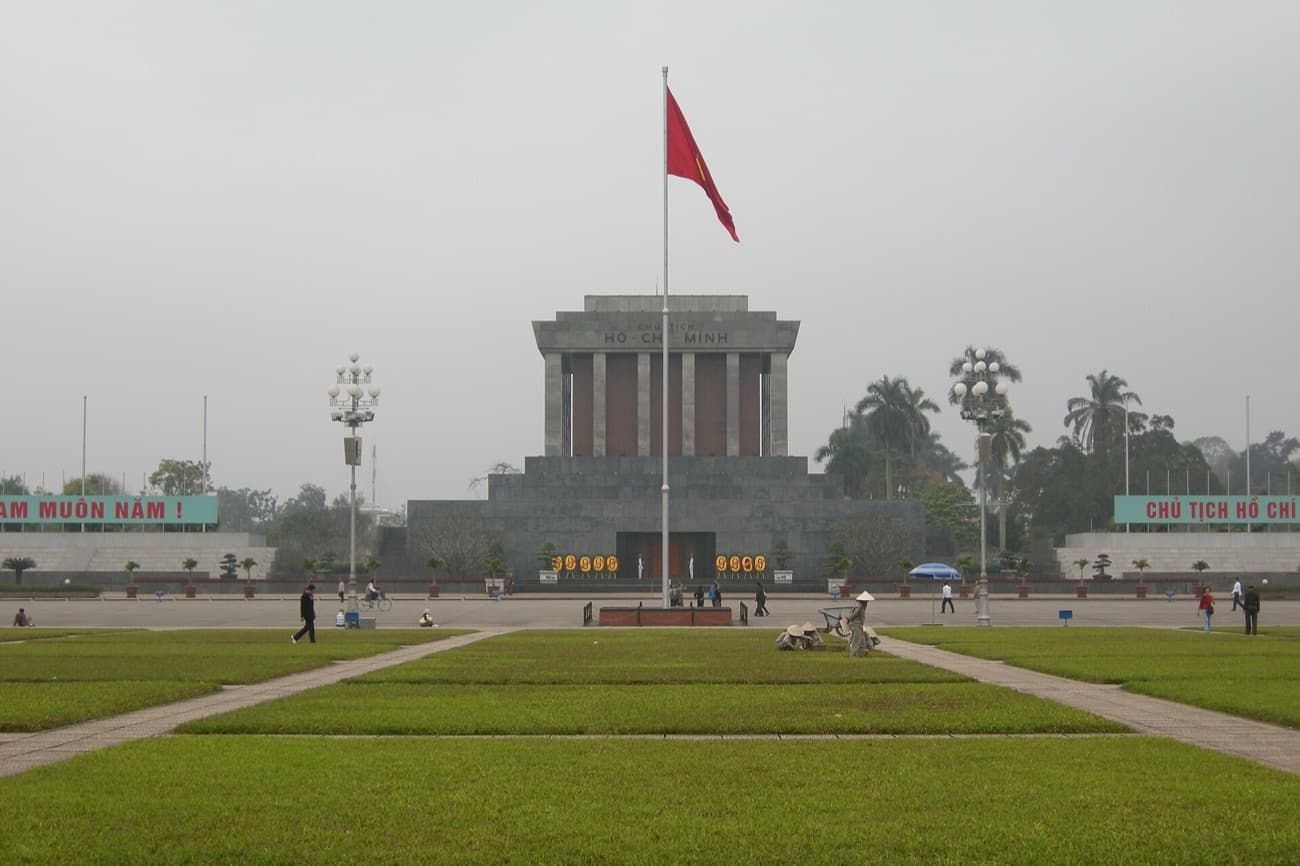
The ceremonial city: the mausoleum, the Presidential Palace, the UNESCO-listed Hoàng thành Thăng Long citadel, the One Pillar Pagoda and several dozen embassies. Wide boulevards, parks, guards on the corners, clean streets.
Housing splits between the modern towers by Lotte Center and simpler blocks around Trúc Bạch lake; a studio is $500 and up. It is quiet, which also means the cafes shut early and the area empties after ten. Lotte Center's 65th-floor observation deck (230,000 VND, ~$9) is the area's landmark and the best cheap panorama in the city.
Hai Ba Trung, Dong Da and Cau Giay
Hai Ba Trung sits southeast of Hoan Kiem and is built around Times City and Park Hill, two of northern Vietnam's largest residential compounds, with mall, aquarium, cinema and food court all inside. One-bed apartments run $600, two-beds $900-1,200, three-beds up to $1,800. The older half is the streets around Chợ Hôm and Chợ Mơ markets and the free 50-hectare Thống Nhất park. Good for a long contract with kids, short on atmosphere.
Dong Da is a densely built former district near the centre, packed with universities, the Temple of Literature and one terminus of metro line 2A. Studios from $250, one-beds from $350. The building stock is old and lifts are not a given, but this is where the actual city lives: 30,000 VND noodle soup, a 50,000 VND haircut, a tailor on the corner.
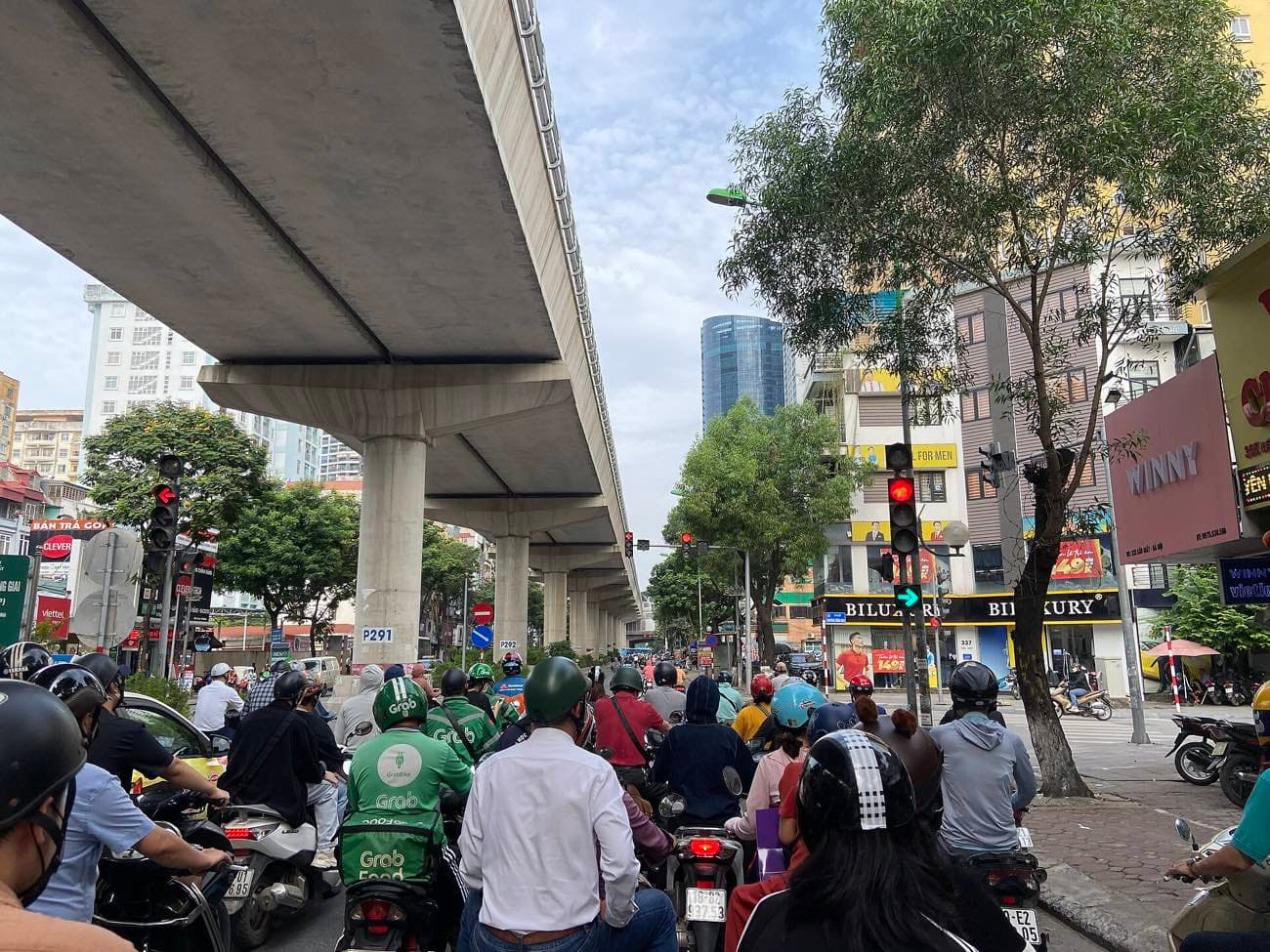
Cau Giay is the western business district: FPT, Samsung R&D, VinAI, language teachers and corporate expats. Vinhomes Metropolis, Indochina Plaza and Mandarin Garden are the compounds, with security, pool and gym. One-beds from $400, two-beds $700, three-beds $1,000-1,200; older stock from $200. Metro line 3 runs through it, which is the real argument for the area. Seven kilometres to the Old Quarter, 20-30 minutes by Grab.
The landmarks, in three clusters
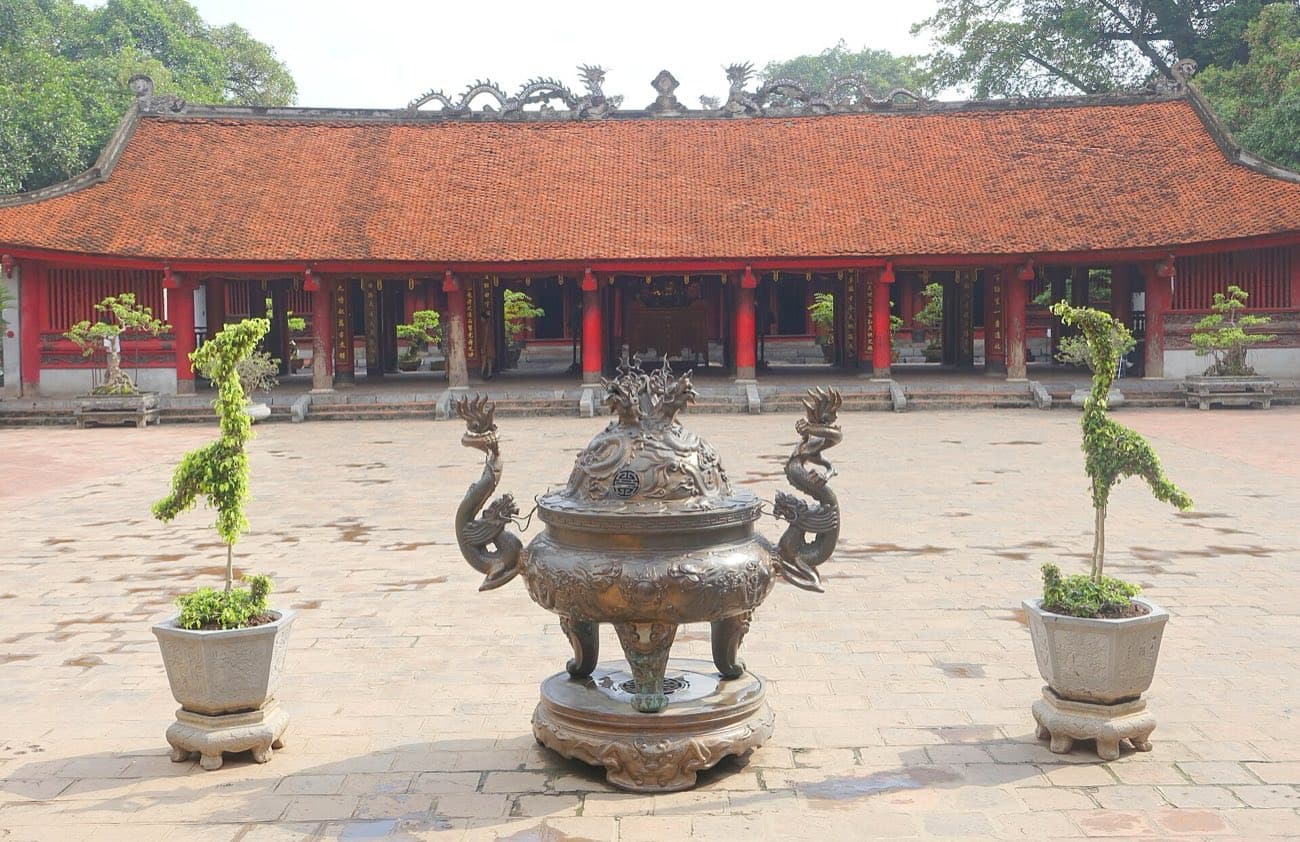
There are sixteen or so sights people genuinely travel for, and half of them sit in three clusters: the Old Quarter, the Ho Chi Minh complex and West Lake. The furthest two clusters are 6 km apart, a 20-minute Grab.
| Landmark | Vietnamese | Area | Entry | Hours |
|---|---|---|---|---|
| Hoan Kiem Lake and Turtle Tower | Hồ Hoàn Kiếm | Hoan Kiem | Free | 24/7 |
| Ngoc Son Temple | Đền Ngọc Sơn | Hoan Kiem | 50,000 VND (~$2) | 07:00-18:00 |
| Old Quarter | Phố cổ | Hoan Kiem | Free | 24/7 |
| St Joseph's Cathedral | Nhà thờ Lớn | Hoan Kiem | Free | 08:00-11:00, 14:00-19:30 |
| Hoa Lo Prison | Hỏa Lò | Hoan Kiem | 50,000 VND (~$2) | 08:00-17:00 |
| Ho Chi Minh Mausoleum | Lăng Bác | Ba Dinh | Free | Tue-Thu, Sat, Sun 07:30-10:30 (Apr-Oct), 08:00-11:00 (Nov-Mar); closed 4 Sep to 2 Nov 2026 |
| Presidential Palace and Stilt House | Phủ Chủ tịch | Ba Dinh | 40,000 VND (~$1.5) | 07:30-11:00, 14:00-16:00 |
| One Pillar Pagoda | Chùa Một Cột | Ba Dinh | Free | 07:00-18:00 |
| Temple of Literature | Văn Miếu | Dong Da | 70,000 VND (~$2.7) | 08:00-17:00 |
| Thang Long Citadel | Hoàng thành | Ba Dinh | 100,000 VND (~$3.85) | 08:00-17:00 |
| West Lake | Hồ Tây | Tay Ho | Free | 24/7 |
| Tran Quoc Pagoda | Chùa Trấn Quốc | Tay Ho | Free | 08:00-16:00 |
| Train Street | Phố đường tàu | Hoan Kiem | Coffee from 50,000 VND | Train times |
| Dong Xuan Market | Chợ Đồng Xuân | Hoan Kiem | Free | 06:00-18:00 |
| Old Quarter night market | Chợ đêm Hàng Đào | Hoan Kiem | Free | Fri-Sun, evenings |
| Lotte Center observation deck | Lotte Center 65F | Ba Dinh | 230,000 VND (~$9) | 09:00-22:00 |
Cluster one: Hoan Kiem. The lake in the middle, the cathedral five minutes away, Ngoc Son on its island, silk on Hàng Gai and silver on Hàng Bạc. Hoa Lo Prison and Train Street are both within 800 metres. This is a full day with no transport at all.
Cluster two: the Ho Chi Minh complex in Ba Dinh. The mausoleum opens five mornings a week; Monday and Friday are closed. It also shuts once a year for maintenance, and in 2026 that window runs 4 September to 2 November, reopening on 3 November. Check the date before you build a day around it. Entry is free but strict: no shorts, no hands in pockets, no phone. The Presidential Palace, the stilt house, the One Pillar Pagoda and the Ho Chi Minh Museum are all within the same grounds. Half a day covers it.
Cluster three: West Lake in Tay Ho. This one is for the evening: Tran Quoc Pagoda, the shoreline, a cafe with the sun going down over the water. Lotus fields in summer, bike rental year-round. A walk rather than a checklist.
Thang Long Citadel and the Temple of Literature sit on their own. The citadel was the imperial seat from the 11th to the 19th century and has been UNESCO-listed since 2010. The Temple of Literature (Văn Miếu – Quốc Tử Giám) opened as Vietnam's first university in 1070; people come for the stone stelae carved with graduates' names and the five courtyards behind them.
Heat is not a year-round problem here. November to March is cool and damp, and February drizzle cancels half the walking plans. The month-by-month picture is in the Hanoi weather guide.
Metro and Noi Bai airport
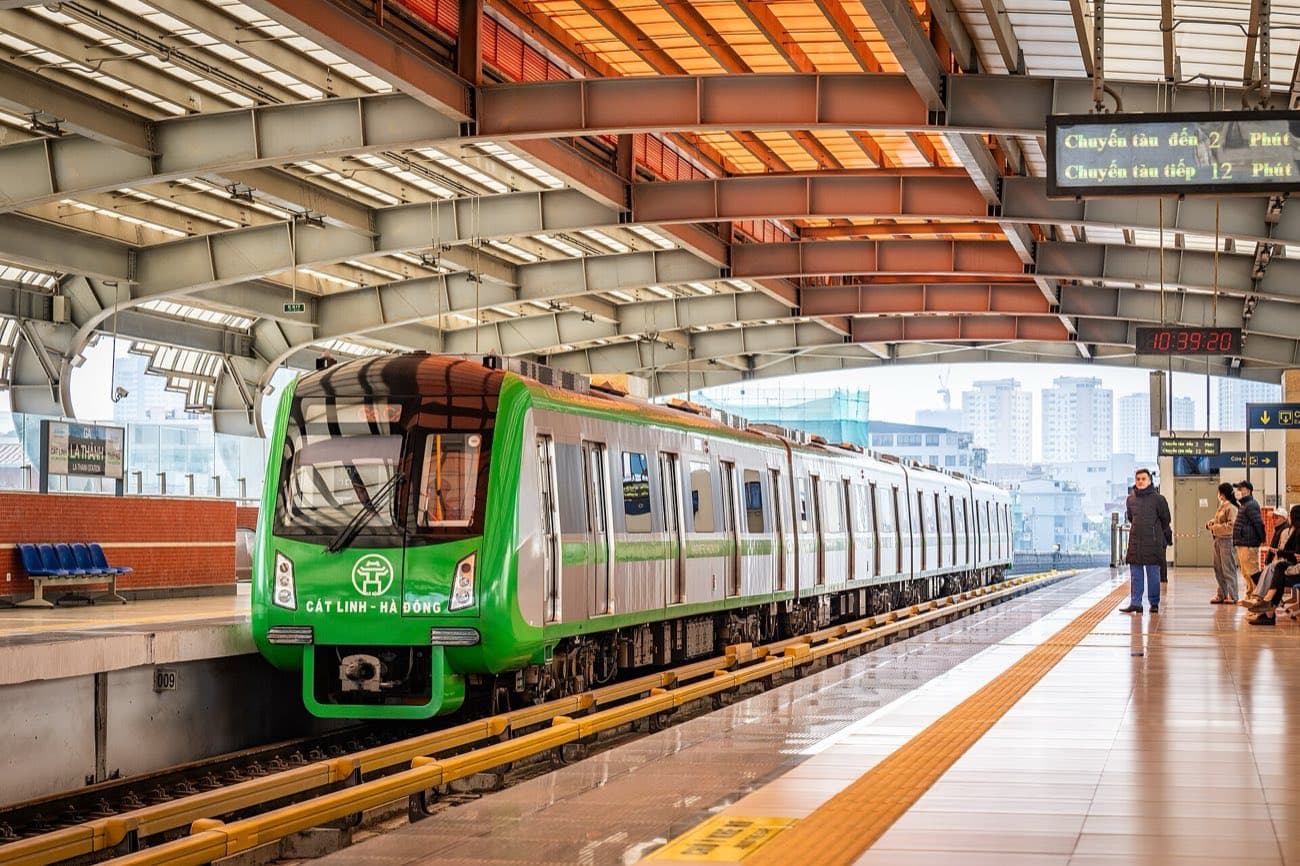
Hanoi has two working metro lines. For a city of nearly nine million that is not much, but both are useful because they link the centre to the outer areas. They are not connected yet: the interchange at Cát Linh opens with the underground section of line 3.
Line 2A: Cat Linh to Ha Dong
Elevated, open since 6 November 2021. Twelve stations over 13 km, running from Cát Linh near the centre southwest to Yên Nghĩa.
- Fare: 8,000-15,000 VND (~$0.30-0.60) by distance. A day pass is 30,000 VND.
- Hours: 05:30-22:00, every 6-10 minutes.
- Why you care: Cát Linh is a 700 m walk from the Temple of Literature; the interchange with line 3 opens here with the underground section.
Line 3: Nhon to Hanoi Station
Partially open since 8 August 2024. The 8.5 km elevated section from Nhổn to Cầu Giấy is running, eight stations. The 4 km underground extension to Hanoi Station with four more stops is under construction and expected around 2027.
- Fare: 8,000-12,000 VND (~$0.30-0.45).
- Hours: 05:30-22:00, every 6-8 minutes.
- Why you care: it reaches Cầu Giấy. Once the underground section opens, it will run from Hanoi Station past Văn Miếu, which will make it the tourist line.
Eight more lines are planned by 2035 and progress is slow. Until 2027 you need to know about two, and most of the time you will take a Grab anyway. The full picture on buses, bikes and ride-hailing is in the Hanoi transport guide.
Noi Bai airport to the centre
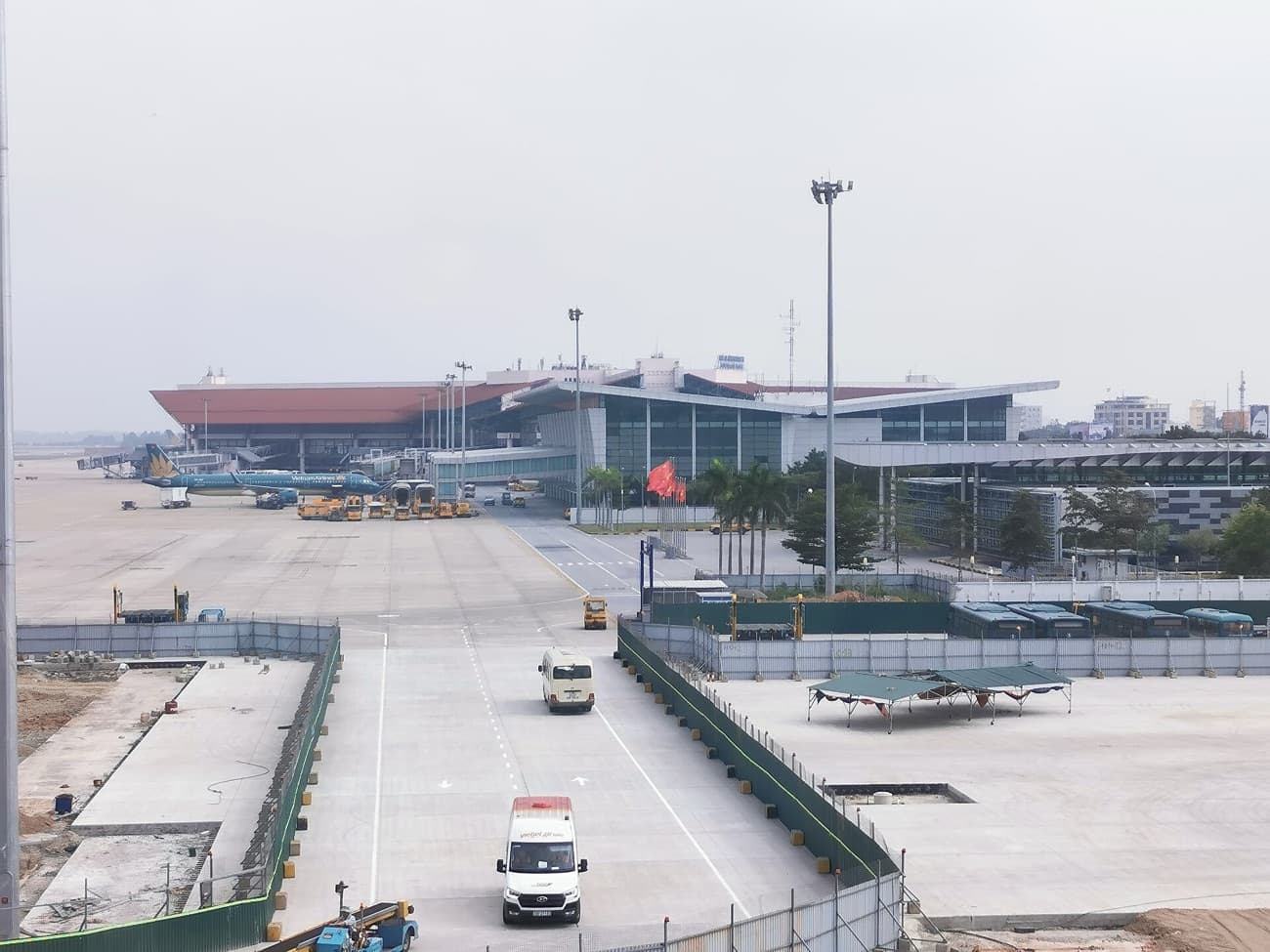
Nội Bài International (HAN) is 27 km north of the centre. There are two terminals, T1 for domestic and T2 for international, with a free shuttle between them.
| Option | Price | Time | When |
|---|---|---|---|
| Bus 86 (express) | 45,000 VND (~$1.75) | 50-60 min | Budget, light luggage |
| Bus 17 | 9,000 VND (~$0.35) | 1 h 30 min | Cheapest, slowest |
| Grab, Be, Xanh SM | 280,000-380,000 VND (~$11-15) | 35-50 min | Standard, 1-3 people |
| Mai Linh, Taxi Group, G7 | 350,000-450,000 VND (~$13-17) | 35-50 min | No smartphone or SIM |
| Private transfer | $15-25 | 30-45 min | Groups of 4+, heavy bags |
Bus 86 is the best budget option with a single suitcase. You pay the conductor on board; check the timetable in an app before you go. Route: T2, T1, Vinh Tuy bridge, Long Bien, the main post office by Hoan Kiem, Hanoi Station. About an hour to the Old Quarter.
Distances and fares between the key points
| Route | Distance | Grab Car | Time |
|---|---|---|---|
| Old Quarter to Ho Chi Minh Mausoleum | 2.5 km | 40,000-60,000 VND (~$1.5-2.3) | 10-15 min |
| Old Quarter to Tay Ho (Xuân Diệu) | 6 km | 70,000-100,000 VND (~$2.7-4) | 15-25 min |
| Old Quarter to Lotte Center | 5 km | 60,000-90,000 VND (~$2.3-3.5) | 15-20 min |
| Hoan Kiem to Noi Bai | 27 km | 280,000-380,000 VND (~$11-15) | 35-50 min |
| Hoan Kiem to Cau Giay (Vinhomes Metropolis) | 7 km | 80,000-110,000 VND (~$3-4.2) | 20-30 min |
| Tay Ho to Hai Ba Trung (Times City) | 9 km | 100,000-140,000 VND (~$4-5.4) | 25-35 min |
Fares are indicative. Between 17:30 and 19:30 Grab multiplies by 1.3-1.8. Grab Bike, the motorbike option, runs 30,000-60,000 VND on the same routes, with no luggage and the city's air in your face. What a day in Hanoi costs overall is broken down in the food and transport prices guide.
Which area to book

It depends on the length and purpose of the trip. Concrete recommendations by traveller type:
| Type | Area | Why | Budget |
|---|---|---|---|
| First visit, 3-5 days | Hoan Kiem | Everything on foot, the widest hotel choice | from $12/night |
| Family, 1-2 weeks | Ba Dinh or Tay Ho | Parks, quiet, clean, safe | from $35/night |
| Long stay, 1-3 months | Tay Ho | Expat community, cafes, coworking, English everywhere | from $400/month |
| Remote worker on a budget | Dong Da or Cau Giay | Cheaper, metro nearby | from $250/month |
| Corporate expat | Cau Giay, Hai Ba Trung, Tay Ho | Modern compounds with security, pool, school | from $700/month |
| Backpacker | Hoan Kiem (Tạ Hiện) | Hostels from $5, the beer street, nightlife | from $5/night |
| Business trip | Hai Ba Trung or Ba Dinh | Malls, meeting rooms, taxis on the door | from $80/night |
The real fork is Hoan Kiem against Tay Ho. Hoan Kiem is close to everything and cheap, but loud and tight. Tay Ho has space, water and a community, and every walk through the Old Quarter turns into a 20-minute ride at 70,000 VND.
Families usually land on Tay Ho: international schools, a park loop around the lake, and relatively clean air. Backpackers end up on Tạ Hiện and the lanes off it, where a twin room in a hostel costs less than a coffee in Tay Ho.
Fast Track — no queue at the border
5–10 minutes instead of an hour in the immigration queue
from$11per passenger
Money, cards and ATMs
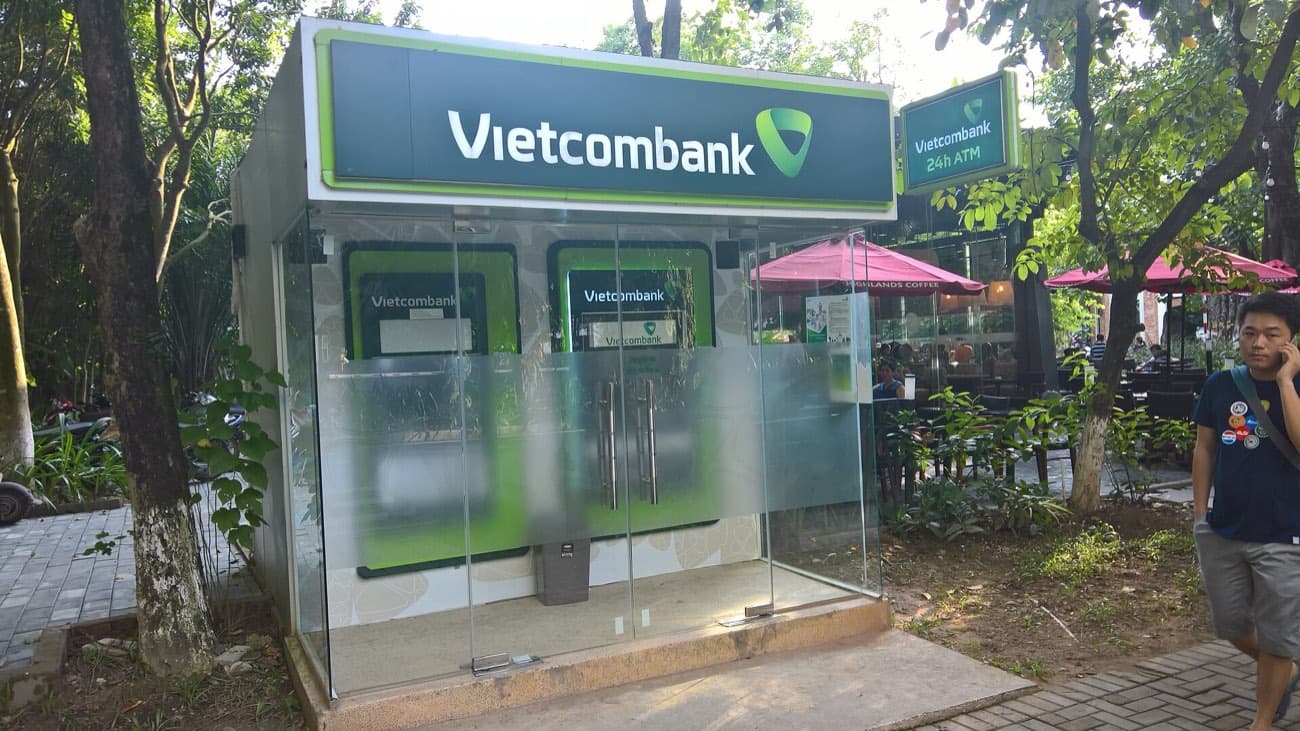
Hanoi is a cash city with a card layer on top, and knowing which is which saves a lot of standing around.
ATMs. Foreign Visa and Mastercard work in Vietcombank, BIDV, Techcombank, TPBank and Agribank machines, and those networks cover every part of the city discussed here. Expect a local fee of 22,000-55,000 VND per withdrawal on top of whatever your own bank charges, and a per-transaction cap between 2 and 5 million VND (~$75-190). TPBank and Techcombank tend to have the highest limits and the lowest fees; Agribank the lowest limits. Withdraw larger amounts less often.
Cards in shops. Hotels, malls, chain cafes and mid-range restaurants take cards. The Old Quarter's street kitchens, the markets, Train Street coffee, the night market and most taxis do not. Carry a few hundred thousand dong at all times.
Changing cash. The gold shops on Hà Trung street, between Hoan Kiem lake and Hoa Lo, offer a better rate than banks, but a visitor has no way to check their licence, so we do not recommend them. Use a bank or a licensed counter instead — both still beat the airport. Bring clean $50 and $100 notes, because torn or heavily creased bills get refused.
Correct as of September 2026. Check your own bank's foreign withdrawal fee before you travel.
SIM cards and data
A 4G SIM with 30 days of unlimited data runs 100,000-200,000 VND (~$4-8). The price gap between the airport and the city is only 10-15%, so the decision is really about convenience.
- Noi Bai airport — Viettel, Vinaphone and Mobifone counters in T2 arrivals, open around the clock. The 30-day tourist package is 200,000 VND.
- In town — Viettel and Mobifone shops on every main street, including Hàng Bài in Hoan Kiem and Xuân Diệu in Tay Ho.
- eSIM — Airalo, Holafly or Klook, from about $7 for 7 days and 5 GB. Live before you land, no queue, no passport.
A physical SIM needs your passport; the shop registers and configures it in five minutes. Wi-fi is in every cafe and hotel, but mobile data is what makes Google Maps and Grab usable on the street. Viettel has the best coverage outside the city (Sapa, Ha Long), Mobifone is steadier in the centre, Vinaphone is the cheap fallback. The countrywide comparison is in the Vietnam SIM and connectivity guide.
Finding your way around
Google Maps works normally, with no VPN and no gaps. Grab and its competitors Be and Xanh SM show the fare before you book. That covers 95% of everything.
A few things that save time.
House numbers. Hanoi addresses come as "12", "12A", "12B", "12 ngõ 3" and "12 hẻm 5". Ngõ is a lane; hẻm is a lane off a lane. So "15 ngõ 6 Đặng Văn Ngữ" means house 15 in lane 6, which branches off Đặng Văn Ngữ street. Google Maps parses this correctly.
Addresses for drivers. Show the pin on your phone. Vietnamese drivers do not work from English names: "Mausoleum" lands, "Temple of Literature" often does not. A screenshot of the map or the Vietnamese name (Văn Miếu) on screen solves it every time.
Streets worth memorising:
- Đinh Tiên Hoàng — the road around Hoan Kiem lake
- Hàng Đào — Old Quarter, the night market
- Tạ Hiện — the backpacker beer corner
- Xuân Diệu — expat Tay Ho
- Cầu Giấy — the tech district's spine
- Trần Duy Hưng — the Korean quarter in Cau Giay
From Noi Bai it is 27 km to the centre, 35-50 minutes by car. Planning a day trip to the coast? The realistic options are in the beaches near Hanoi guide. For the city as a whole, start with the full Hanoi guide. And if you would rather not assemble the logistics yourself, guided tours cover the standard routes.
FAQ — getting around Hanoi
For a first visit, Hoan Kiem around the Old Quarter. A 1.5 km radius holds guesthouses from $12 a night, the best street food in the country, the cafes and the night market, and the main sights are either walkable or a five-minute Grab. If you want quiet and have the budget, Ba Dinh or Tay Ho are calmer without being far.
Tay Ho, around West Lake. That is where the international schools (UNIS, Concordia), the embassies, the coworking spaces and the English-speaking cafes are. A studio runs from $400 a month, a two-bed with a lake view from $700. The alternatives are Cau Giay for tech workers, with newer buildings and the metro, and Hai Ba Trung for the all-in-one Times City compound.
Twenty-seven kilometres
- Bus 8645,000 VND~$1.75the budget answer, 50 to 60 minutes to the post office by Hoan Kiem
- Grab or Xanh SM280,000 to 380,000 VND~$11-15costs in 35 to 50 minutes
- Licensed taxis from the arrivals desks350,000 to 450,000 VND
Do not take an unmarked car at the exit, because they open at $50
Two lines. Line 2A, Cat Linh to Ha Dong, is elevated with twelve stations and costs 8,000 to 15,000 VND a ride. Line 3, Nhon to Hanoi Station, runs its elevated Nhon to Cau Giay section of eight stations; the underground extension to Hanoi Station is expected around 2027. The two lines are not connected yet: the Cat Linh interchange opens with the underground section.
Day one, Hoan Kiem: the lake, Ngoc Son temple, a wander through the 36 streets, St Joseph's Cathedral, egg coffee and the evening on Ta Hien. Day two, the Ho Chi Minh complex in Ba Dinh, then the Temple of Literature and sunset at Tran Quoc Pagoda on West Lake. Train Street fits into day one, right after the cathedral.
It runs Tuesday to Sunday mornings, 07:30 to 10:30, closed Monday and Friday, and free to enter with a strict dress code. Once a year it shuts for maintenance: in 2026 that runs 4 September to 2 November, with visits resuming on 3 November. The rest of the complex stays open throughout, including Ba Dinh Square, the stilt house and the One Pillar Pagoda.
In ATMs and mid-range businesses, yes. Foreign Visa and Mastercard work in Vietcombank, BIDV, Techcombank, TPBank and Agribank machines, with a 22,000 to 55,000 VND fee per withdrawal and caps of 2 to 5 million VND. Hotels, malls and chain cafes take cards. Street food, markets, most taxis and Train Street coffee are cash only, so keep dong on you.
For a first-timer, yes. Seven million motorbikes, left turns on red, riding against traffic and pavements used as an extra lane make Hanoi harder than Ho Chi Minh City. If you have not ridden in the region, use Grab Bike at 30,000 to 60,000 VND a trip. If you have, rental is 120,000 to 200,000 VND a day, a helmet is mandatory, and you need a 1968-convention IDP for your insurance to mean anything.
Read next: Hanoi guide · Where to stay in Hanoi · Things to do in Hanoi · Noi Bai airport
VietnamSpot on InstagramTips, lifehacks and news for living in VietnamFollow


- Guide
Flights to Hanoi: Noi Bai Airport, Hubs & Transfers
How to reach Hanoi by air: Noi Bai (HAN) airport, international hubs, domestic flights and the airport-to-centre transfer — with booking tips.Flights to Hanoi: Noi Bai Airport, Hubs & Transfers - Guide
Hanoi Tips & FAQ: Scams, Etiquette & Safety 2026
Practical Hanoi tips: common scams, etiquette, crossing the road, safety, apps and visas — the things first-time visitors need to know.Hanoi Tips & FAQ: Scams, Etiquette & Safety 2026 - Guide
Hanoi Attractions 2026: Old Quarter & Top Sights
Hanoi attractions: Hoan Kiem Lake, the Old Quarter, the Temple of Literature, the Mausoleum, West Lake and water puppets — tickets and routes.Hanoi Attractions 2026: Old Quarter & Top Sights