International schools in Vietnam 2026: fees, curricula and admissions
A working guide for families moving to Vietnam for a year or more: 2026/27 fees, four curricula, admissions timing and the costs on top of tuition.
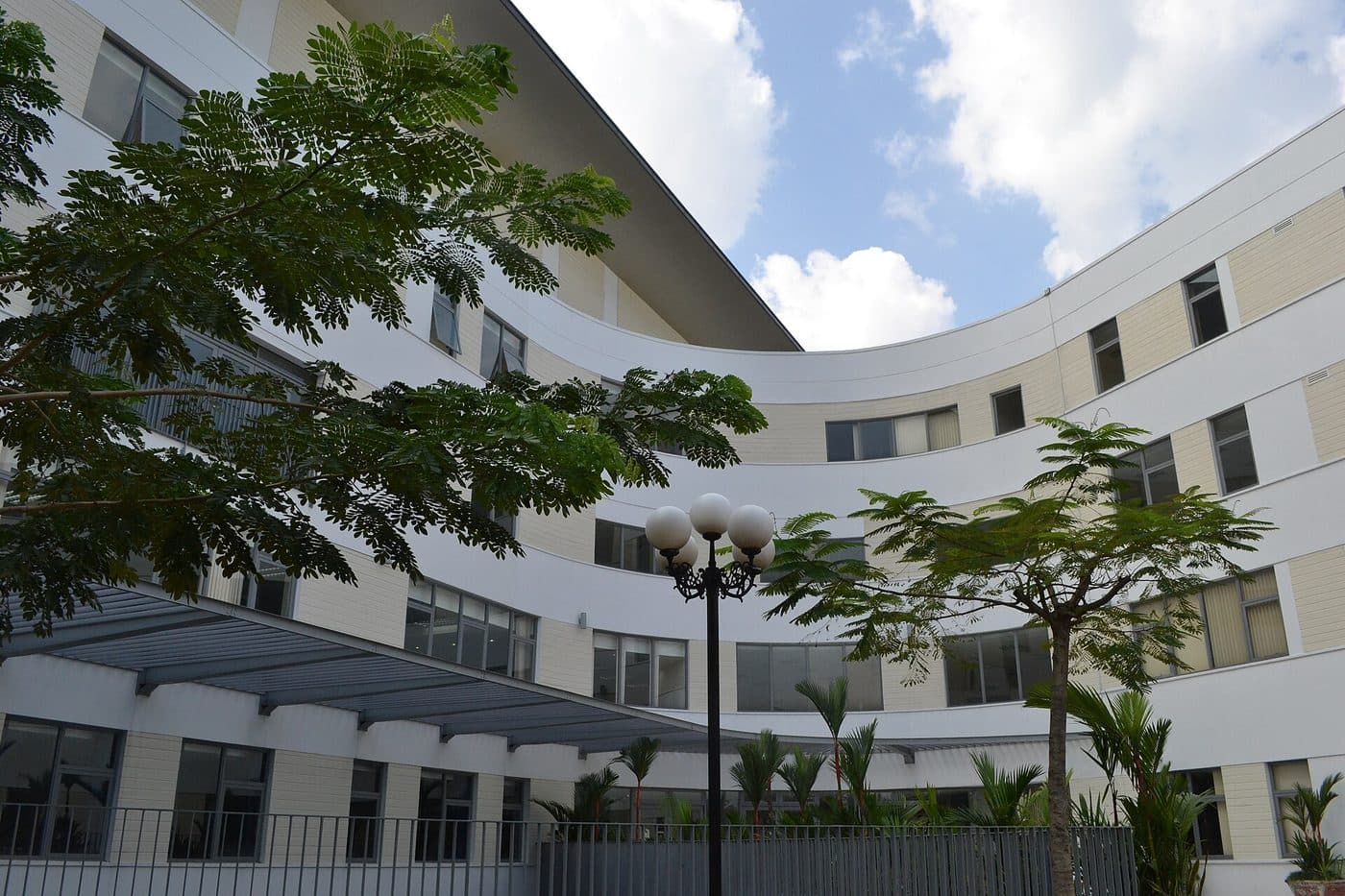
International school fees in Vietnam for the 2026/27 school year run from about 168 million to 1.04 billion dong a year. That’s roughly $6,500 to $40,000, a sixfold spread. At the top end sits UNIS Hanoi, where the senior grades cost around 1.04 billion VND. At the bottom are small Da Nang schools like St. Nicholas, where the youngest grades start at 168.5 million VND. In between you’ll find British, American, IB and Cambridge programs across three cities.
This guide is for families planning to live in Vietnam for a year or more. It covers 2026/27 tuition at 16 international schools (two more publish fees only on request), how the four main curricula differ, a realistic admissions timeline, and the 20 to 30% of first-year costs that don’t appear on the headline fee sheet. If you’re coming for a two- to four-week holiday with kids, you want our family travel guide to Vietnam instead.
One piece of advice up front: popular year groups at the top schools in Ho Chi Minh City and Hanoi fill 12 to 18 months ahead. If school starts in six months and your child needs Reception or Year 7, look at Da Nang and Hoi An, where your chances of finding a place by August are noticeably better.
The big picture: fees by city
International education in Vietnam clusters in three places: Ho Chi Minh City, Hanoi, and the Da Nang and Hoi An pair. The International Schools Database lists 41 international schools in Ho Chi Minh City, 30 in Hanoi and 7 in Da Nang.
| City | Entry-level fees, USD/year | Flagship schools, USD/year | Flagship schools, million VND/year |
|---|---|---|---|
| Ho Chi Minh City | ~$10,000 (BVIS, youngest grades) | $35,000 to $38,500 | 925 to 1,000 |
| Hanoi | ~$10,000 (BVIS Hanoi, youngest grades) | $37,000 to $40,000 | 970 to 1,040 |
| Da Nang | ~$6,500 (St. Nicholas, youngest grades) | $23,000 to $25,500 | 600 to 665 |
| Hoi An | ~$8,300 (HAIS, youngest grades) | ~$19,600 | 510 |
Figures are 2026/27 tuition, converted at 26,000 VND to $1. Schools invoice in dong, so the dollar amount you actually pay will depend on the exchange rate on the day.
Currency converter
Which city fits? If your package or income lets you spend $30,000 to $40,000 a year per child and you want the widest choice of programs, go with Ho Chi Minh City. If you’re a diplomatic or academic family, or simply want IB, go with Hanoi. If you want a middle ground between quality, budget and a beach nearby, Da Nang is the obvious pick. Hoi An suits families who like a small town and a slow pace. How the two big cities compare beyond schools: Ho Chi Minh City vs Hanoi.
The price gap comes down to three things: land (a campus in Thảo Điền costs a multiple of one outside Hoi An), teacher salaries (big cities attract and pay more overseas staff), and demand (flagship schools in HCMC and Hanoi fill popular grades early and raise fees every year without losing students).
How the system works: curricula
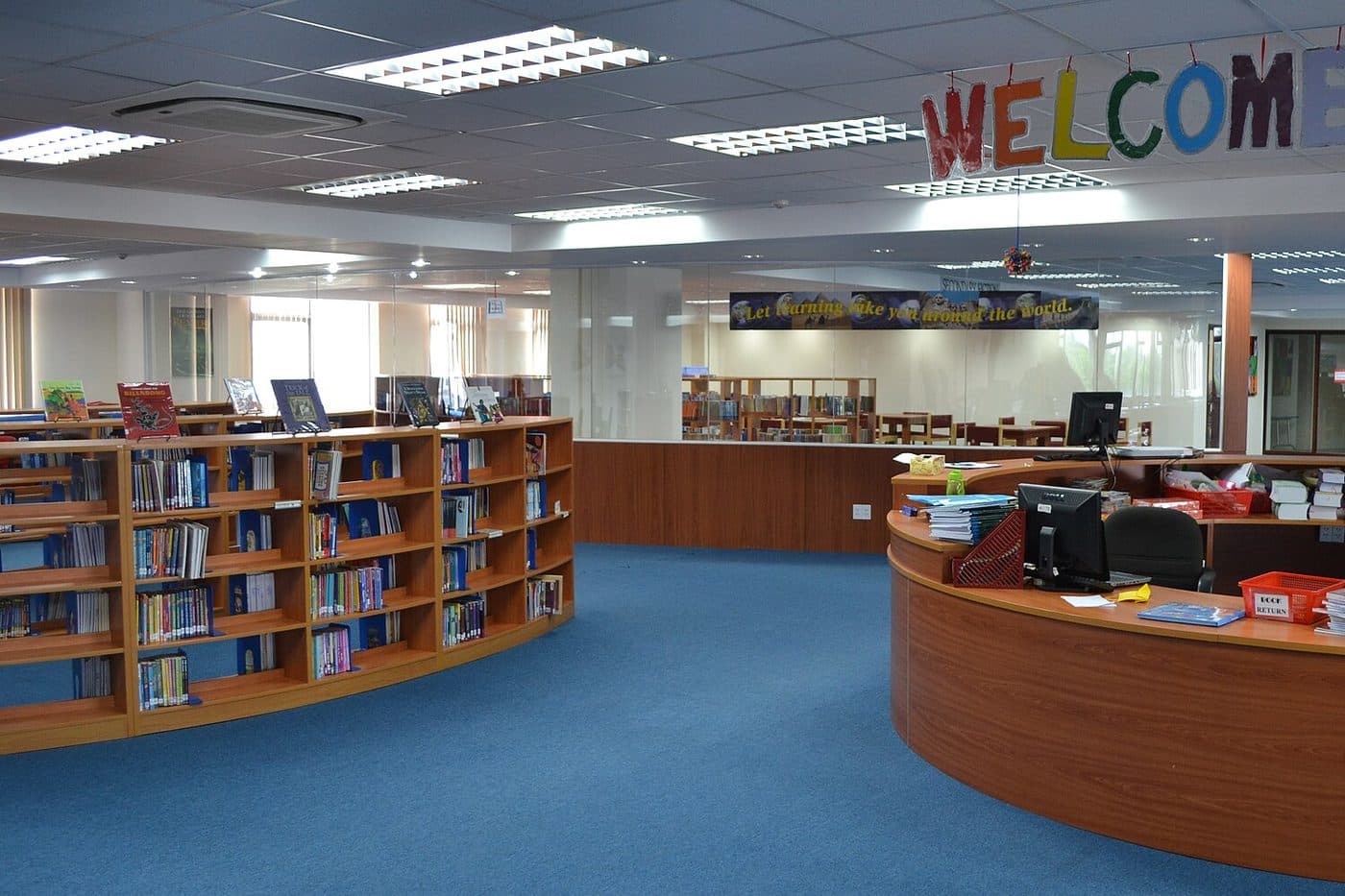
"International school" in Vietnam covers four different education systems. Pick the curriculum first and the school second. Families who do it the other way round often choose "the school near the apartment," discover their child struggles with IB’s written work, switch to a British school, lose six months and pay twice.
IB (International Baccalaureate)
Three stages: PYP (Primary Years, ages 3 to 12), MYP (Middle Years, 11 to 16) and DP (Diploma Programme, 16 to 18). The IB Diploma is scored out of 45: six subjects plus points for the Extended Essay and Theory of Knowledge, with the CAS program (Creativity, Activity, Service) as a requirement.
IB suits families who move often. The diploma is recognized almost everywhere and the stages connect cleanly between schools in different countries. It’s interdisciplinary and heavy on writing. A teenager who likes essays and debate usually thrives. One who wants to work through problem sets by the method often struggles.
IB schools in Vietnam include ISHCMC, UNIS Hanoi, HIS, EIS Saigon, BIS HCMC and BIS Hanoi (in the senior years), and Odyssey in Da Nang (a candidate school).
British (EYFS to IGCSE to A-Level)
The British system runs in Key Stages, with IGCSE exams at 16 and A-Levels at 18. After IGCSE, students narrow down to three or four subjects. It suits kids who know their strengths early: a teenager set on physics and maths can spend two years on just those.
Universities in the UK, Hong Kong, Singapore and Australia accept A-Levels, as do most in the US, Canada and Europe. British schools in Vietnam: BIS HCMC, BIS Hanoi, BVIS HCMC and BVIS Hanoi (the last two are bilingual with Vietnamese).
American (Common Core plus AP)
A broad spread of subjects through Grade 12, plus Advanced Placement courses in Grades 11 and 12. Students graduate with a High School Diploma, and many US universities give first-year credit for AP scores.
This is the route for families aiming at US and Canadian universities. American schools in Vietnam include SSIS, AISVN, St. Paul American School Hanoi, Concordia Hanoi, and APU and St. Nicholas in Da Nang.
Cambridge
British-style content delivered internationally: Cambridge Primary, IGCSE at 16, A-Levels at 18. It’s more flexible and often combined with a local or national program. Hoi An International School and Singapore International School in Da Nang both build on the Cambridge pathway.
Side-by-side comparison
| Parameter | IB | British | American | Cambridge |
|---|---|---|---|---|
| Ages | 3 to 18 | 3 to 18 | 5 to 18 | 5 to 18 |
| Final qualification | IB Diploma (out of 45) | A-Levels (3 to 4 subjects) | High School Diploma + AP | IGCSE, A-Level |
| Style | interdisciplinary, essays | specialization after 16 | broad + AP | flexible, close to British |
| Best for | families who move often | UK universities | US and Canadian universities | British curriculum at smaller schools |
| Recognition | global | UK and most countries | US and most countries | UK, Commonwealth and most countries |
Ho Chi Minh City schools: the widest choice, the highest fees
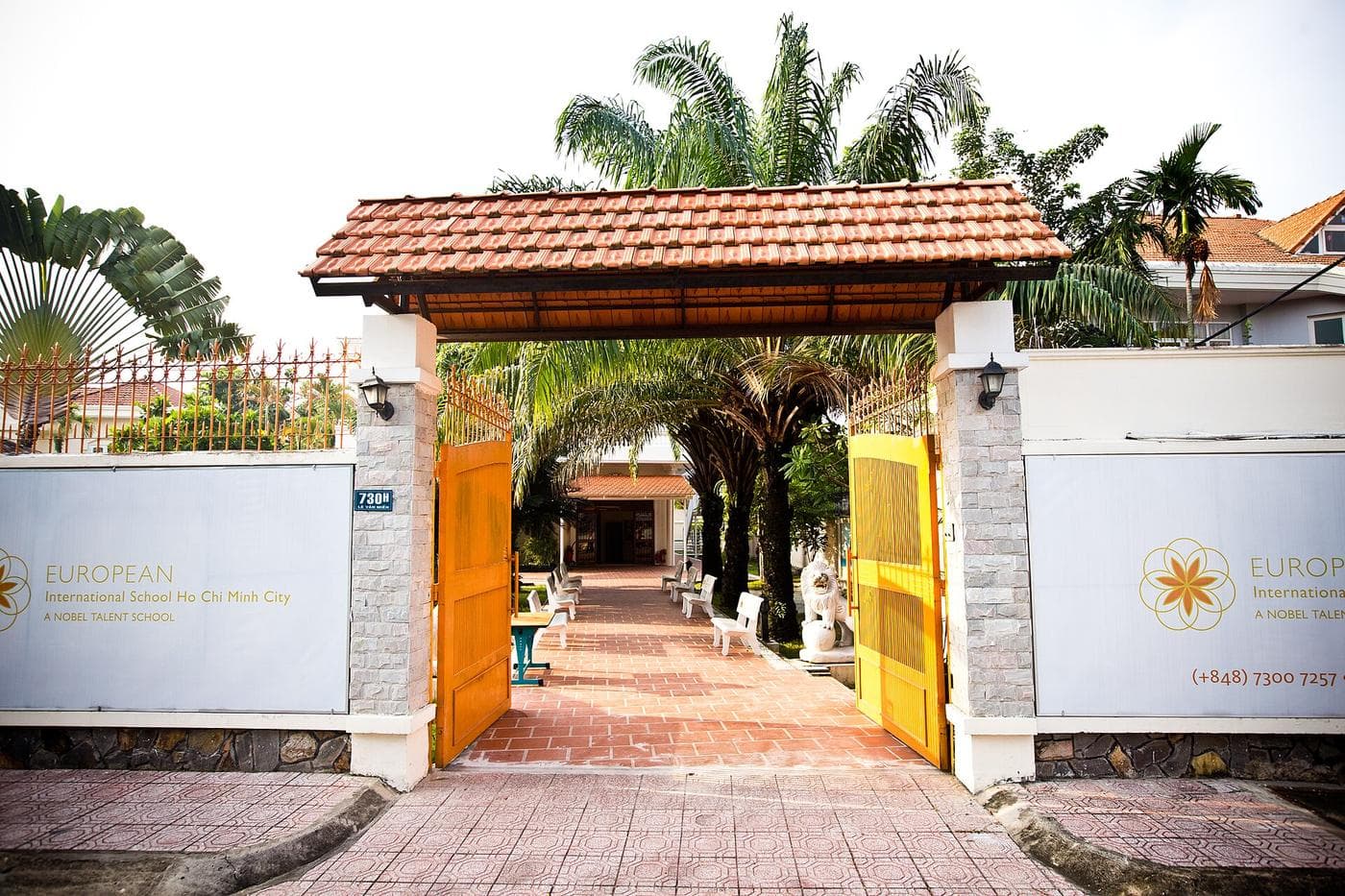
Ho Chi Minh City is the country’s main international school hub. Schools cluster in two expat neighborhoods: Thảo Điền (the old District 2, now part of An Khánh ward) and Phú Mỹ Hưng (the old District 7). Vietnam abolished its district level in July 2025, but the neighborhood names are still what everyone uses.
ISHCMC, the IB flagship
International School Ho Chi Minh City has been running since 1993 and teaches IB at every stage, with campuses in Thảo Điền. 2026/27 tuition runs from 287.4 million VND (~$11,050) in early years to 987.8 million VND (~$38,000) in the senior grades. Popular grades fill well ahead, so a family landing in July for a September start should have a backup ready.
SSIS, Saigon South International School
An American curriculum with AP, on a campus in Phú Mỹ Hưng. 2026/27 tuition is 530.2 to 924.5 million VND (~$20,400 to $35,560). The school offers sibling and early payment discounts; check the current fee schedule for exact rates.
BIS HCMC, Nord Anglia’s British school
British International School HCMC is part of the Nord Anglia Education group, with a British curriculum and the IB Diploma in the final years. 2026/27 tuition is 333.3 to 999.3 million VND (~$12,800 to $38,400), the highest ceiling in the city. Being part of a global group makes it easier to transfer within the network if you move countries.
BVIS HCMC, bilingual British
British Vietnamese International School is the bilingual (English and Vietnamese) school in the same Nord Anglia group, roughly a third cheaper than BIS at the top end. 2026/27 tuition is 259.2 to 708.8 million VND (~$9,970 to $27,260). A good fit if you want your child to pick up Vietnamese properly.
AISVN, American International School Vietnam
An American curriculum with an IB Diploma option in the senior years, with its main campus in Nhà Bè, south of Phú Mỹ Hưng. We couldn’t open its 2026/27 fee schedule when we checked, so ask admissions directly.
Canadian International School and EIS
CIS teaches the Ontario provincial curriculum, with 2026/27 tuition of 366.9 to 865.2 million VND (~$14,100 to $33,300). A natural pick if you’re aiming at Canadian universities. EIS Saigon is an IB school charging 289.9 to 814.1 million VND (~$11,150 to $31,300).
Ho Chi Minh City schools at a glance
| School | Curriculum | 2026/27 tuition, million VND | USD/year |
|---|---|---|---|
| ISHCMC | IB | 287.4 to 987.8 | 11,050 to 38,000 |
| SSIS | American + AP | 530.2 to 924.5 | 20,400 to 35,560 |
| BIS HCMC | British + IB DP | 333.3 to 999.3 | 12,800 to 38,400 |
| BVIS HCMC | British, bilingual | 259.2 to 708.8 | 9,970 to 27,260 |
| AISVN | American + IB DP | on request | n/a |
| Canadian IS | Ontario | 366.9 to 865.2 | 14,100 to 33,300 |
| EIS Saigon | IB | 289.9 to 814.1 | 11,150 to 31,300 |
More on the city in our Ho Chi Minh City guide.
Hanoi schools: diplomats, IB and a cool winter
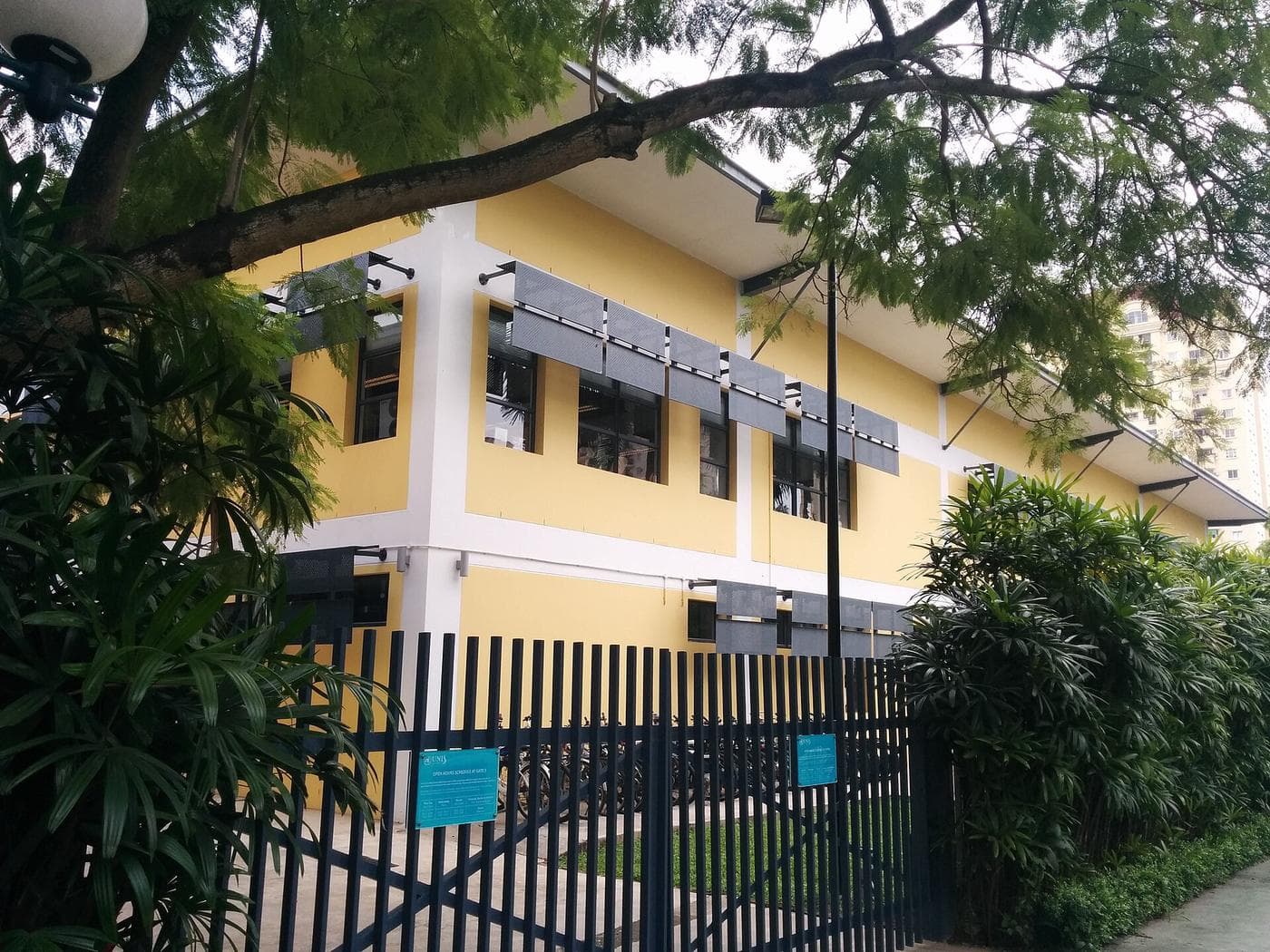
Hanoi is the second hub. The main expat areas are Tây Hồ around West Lake, the Ciputra development next to it, and Long Biên across the Red River. There are fewer schools than in HCMC, but the top of the fee range is even higher.
UNIS Hanoi, the United Nations school
United Nations International School of Hanoi was founded for the children of diplomats and international organization staff, and it also admits other expat families. IB throughout, on a campus in Ciputra. 2026/27 tuition runs from 455 million VND (~$17,500) to 1.039 billion VND (~$40,000), the highest tuition in our list. Part of the appeal is the community: classmates come from diplomatic and international organization families.
BIS Hanoi, Nord Anglia in Long Biên
British International School Hanoi is a large Nord Anglia school with the IB Diploma in the final years. 2026/27 tuition is 343.1 to 970.2 million VND (~$13,200 to $37,300). Check the fee schedule for what’s included, since that changes from year to year.
HIS, Hanoi International School
One of Hanoi’s oldest international schools (since 1996), teaching IB. 2026/27 tuition is 440 to 797 million VND (~$16,900 to $30,650). Families who want IB without the UN price tag often choose it: at the top end it’s about a quarter cheaper than UNIS.
BVIS Hanoi, St. Paul, Concordia
- BVIS Hanoi: bilingual British, 261.8 to 661.5 million VND (~$10,070 to $25,440).
- St. Paul American School Hanoi: American with AP, 666 to 855 million VND (~$25,600 to $32,900).
- Concordia International School Hanoi: American curriculum; fees aren’t published and are available on request.
Hanoi schools at a glance
| School | Curriculum | 2026/27 tuition, million VND | USD/year |
|---|---|---|---|
| UNIS Hanoi | IB | 455 to 1,039 | 17,500 to 40,000 |
| BIS Hanoi | British + IB DP | 343.1 to 970.2 | 13,200 to 37,300 |
| HIS | IB | 440 to 797 | 16,900 to 30,650 |
| BVIS Hanoi | British, bilingual | 261.8 to 661.5 | 10,070 to 25,440 |
| St. Paul American | American + AP | 666 to 855 | 25,600 to 32,900 |
| Concordia | American | on request | n/a |
Hanoi has one downside that families moving from the tropics forget: winter. From December to February the sky is grey, daytime temperatures can sit around 12 to 15°C, there’s drizzle, and many apartments have no heating. After year-round sun, the first Hanoi winter is hard on some kids. More in our Hanoi guide.
Da Nang and Hoi An schools: the sweet spot for expat families
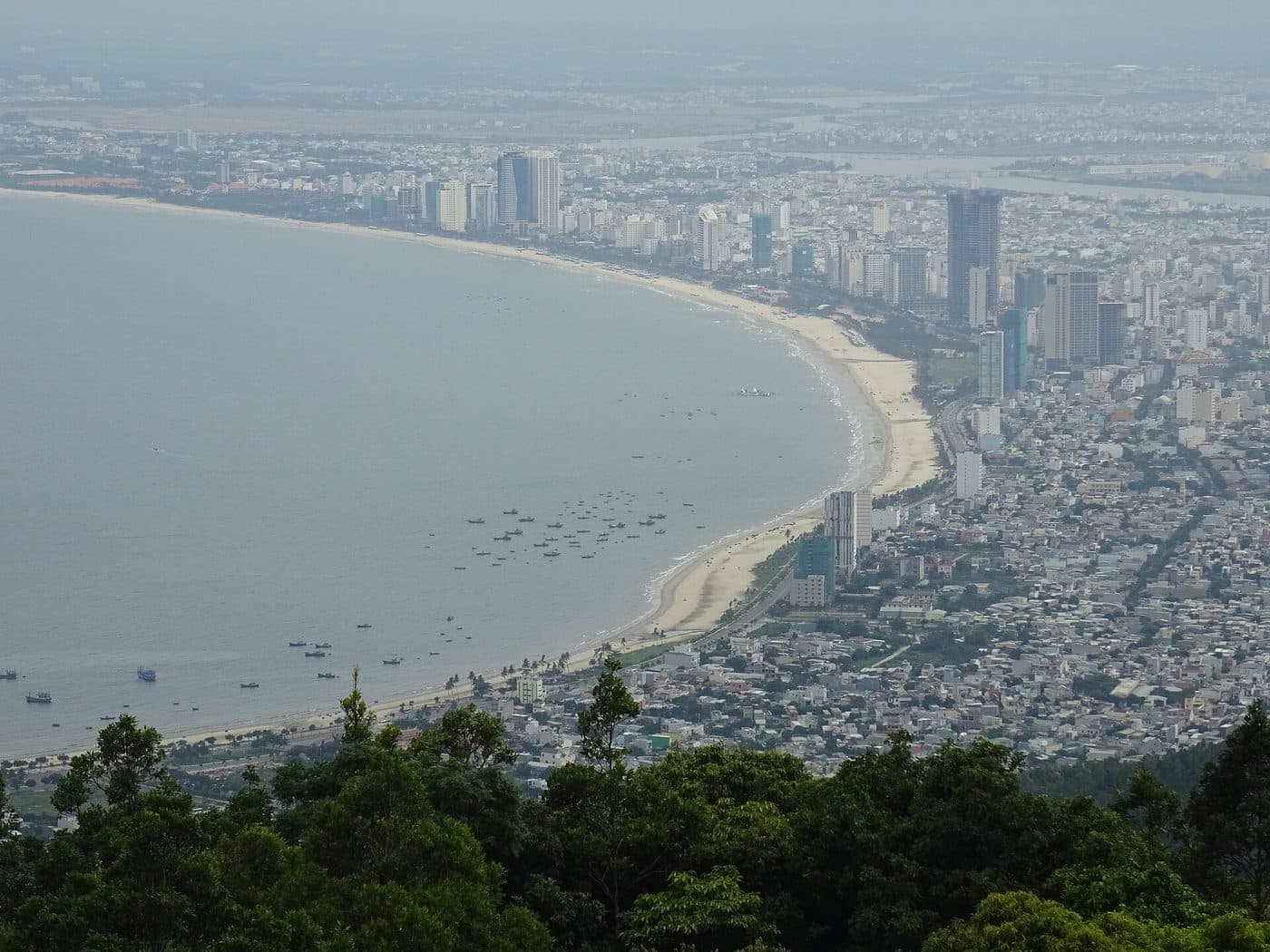
The main reason long-stay families end up in Da Nang is cost. The top of the tuition range is 30 to 40% below the flagship schools in HCMC and Hanoi, and the youngest grades start from about $6,500 to $10,000.
The city is compact. From expat areas like An Thượng or Sơn Trà, most schools are 15 to 25 minutes away by motorbike or taxi, and the beach is closer still. Since July 2025, Hoi An has been part of Da Nang city: the former Quảng Nam province was merged into it during the reform.
Singapore International School @ Da Nang (SIS)
A Singapore curriculum combined with Cambridge, for ages 2 to 18. 2026/27 tuition is 264.7 to 663.6 million VND (~$10,180 to $25,500). Singapore maths is a real strength in the primary and middle years.
APU American International School Da Nang
An American curriculum from preschool through Grade 12. 2026/27 tuition is 249.5 to 597.4 million VND (~$9,600 to $23,000). It’s one of the best value options in the country: a full American K-12 school for what a mid-range school costs in HCMC. Check the fee schedule for admission and one-off fees, which vary by grade.
Odyssey International School (OIS)
Located between Da Nang and Hoi An, teaching IB PYP and MYP as a candidate school. 2026/27 tuition is 233 to 450 million VND (~$8,960 to $17,300). Check which grades the school runs in your target year: if there’s no senior school, you’ll need to change schools at 15 or 16.
Hoi An International School (HAIS)
A British curriculum with Cambridge IGCSE and A-Levels plus a Vietnamese track, on a campus in Hoi An. 2026/27 tuition is 215 to 510 million VND (~$8,270 to $19,600). It’s small: teachers know every student by name, but subject and activity choice in the senior years is narrower than at big schools.
The St. Nicholas School
An American curriculum combined with the Vietnamese program. It has the lowest published fees of the Da Nang schools: 168.5 to 271 million VND (~$6,480 to $10,420).
Da Nang and Hoi An schools at a glance
| School | Curriculum | 2026/27 tuition, million VND | USD/year |
|---|---|---|---|
| SIS @ Da Nang | Singapore + Cambridge | 264.7 to 663.6 | 10,180 to 25,500 |
| APU Da Nang | American | 249.5 to 597.4 | 9,600 to 23,000 |
| Odyssey (OIS) | IB PYP/MYP (candidate) | 233 to 450 | 8,960 to 17,300 |
| HAIS (Hoi An) | British/Cambridge + Vietnamese | 215 to 510 | 8,270 to 19,600 |
| St. Nicholas | American + Vietnamese | 168.5 to 271 | 6,480 to 10,420 |
Da Nang’s main drawback: fewer schools run all the way to a senior diploma than in the big cities. If your child is 14 or 15 and will finish school here, check early which schools teach Grades 11 and 12. By goal, the choice is simple: for the US, APU; for a British or Singapore track, SIS or HAIS. More in our Da Nang guide.
Choosing a curriculum you won’t regret in three years
The most common mistake is choosing a school for its brand or its distance from home, then realizing the curriculum doesn’t suit the child. Start with the goal, then the curriculum, then the school.
Aiming for US universities. American plus AP is the most direct route: SSIS in HCMC, St. Paul in Hanoi, APU in Da Nang. US universities also value the IB Diploma highly.
Moving often. IB, since switching between IB schools in different countries is close to seamless. ISHCMC, UNIS Hanoi, HIS, EIS Saigon, Odyssey.
Aiming for the UK or Hong Kong. British or Cambridge. After IGCSE, students focus on three or four subjects. BIS HCMC and BIS Hanoi, BVIS, HAIS.
Tight budget. Da Nang and Hoi An: St. Nicholas, HAIS, Odyssey, and the lower grades at APU and SIS, from about $6,500 to $9,000 a year.
What matters more than the curriculum is your child’s grades and the standard of the specific school. A strong IB score from a strong school carries more weight than an average diploma from a weak one.
On workload: IB and A-Levels are roughly equally demanding, but differently. IB spreads the load evenly across two years of DP, plus the Extended Essay and TOK. A-Levels concentrate it in final exams in May and June. Steady workers tend to do better in IB, sprinters in A-Levels.
Fast Track — no queue at the border
5–10 minutes instead of an hour in the immigration queue
from$11per passenger
How to get in: process, timing, documents
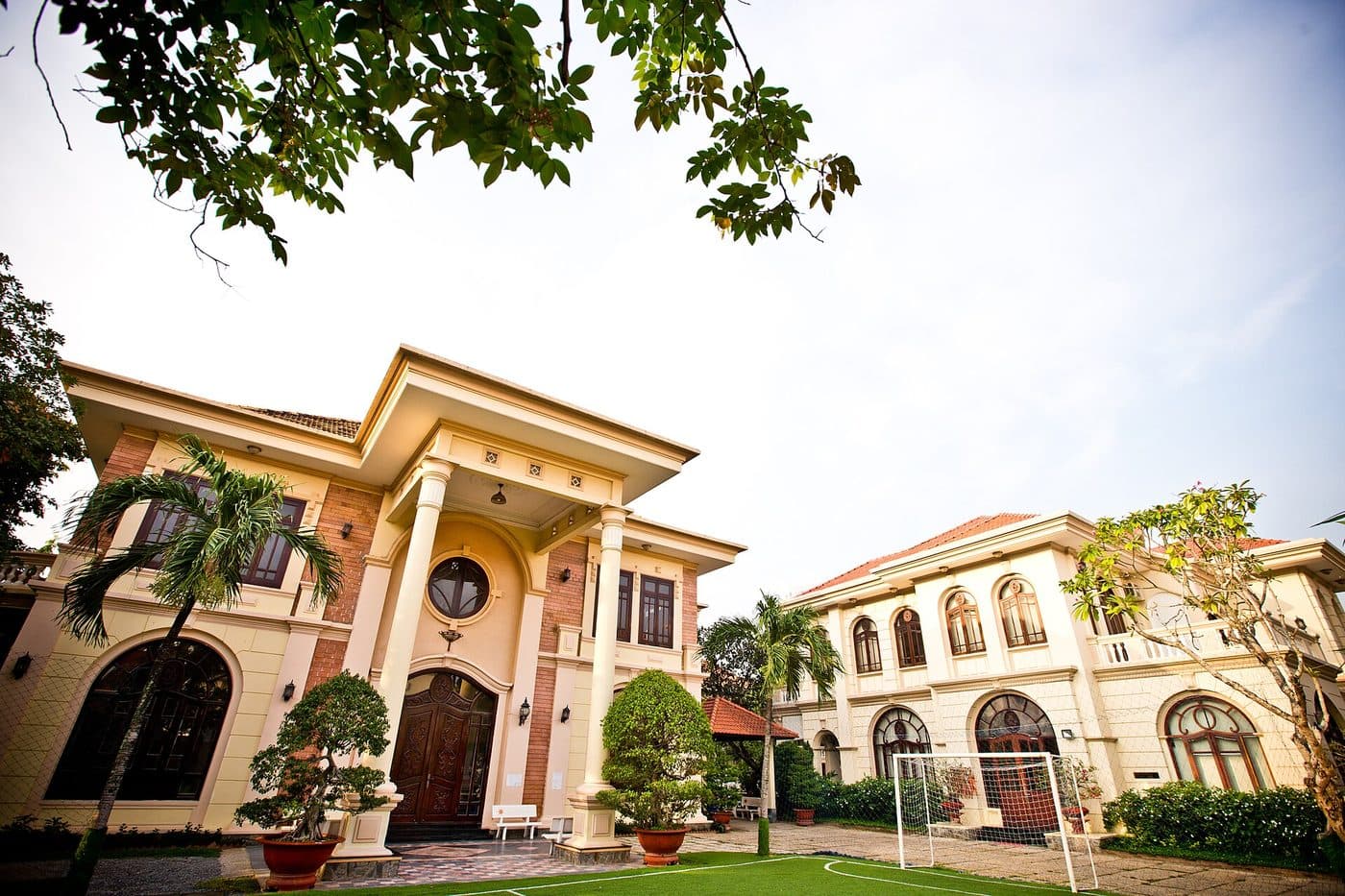
International schools in Vietnam run from August to June. The main intake is in August, with a second entry point in January. Most schools accept applications year-round (rolling admissions), but not every grade has space.
At the top schools in HCMC and Hanoi, the most popular grades (Reception, Year 7, and the years before IB DP or A-Levels) fill early and go to waitlists.
When to apply
- Top schools in HCMC and Hanoi (ISHCMC, UNIS, SSIS, BIS): 12 to 18 months ahead. The best window is November to March of the previous school year.
- Schools in Da Nang and Hoi An: usually 3 to 6 months ahead.
- Small schools: sometimes a few weeks before the start, if the class has room.
What to submit
- Online application form.
- A non-refundable application fee; every school sets its own, so check the fee schedule.
- Passports for the child and parents.
- School reports and references for the last two years, translated into English.
- Medical records and vaccination certificate.
- A psychologist’s or teacher’s report on request, more often for younger children.
Most schools want certified translations. It’s easiest to get them done at home before you move.
Assessments and interviews
From Grade 1, schools usually test maths and English, and from Grade 7 there’s often a written task. Moving into IB DP or A-Levels can mean subject placement tests. A family interview is standard, and video calls work if you’re not in Vietnam yet.
If your child hasn’t studied in English, brush up well ahead. Schools test everyday English as well as academic: following instructions, answering a teacher, describing a picture.
Offer and payment
Admissions usually reply within two to six weeks. After the Letter of Acceptance:
- An enrollment or registration fee, often non-refundable.
- A capital or building levy, if the school charges one.
- The first tuition payment, by term or for the full year, sometimes with a discount for paying annually.
Strategy
Applying to two schools of the same tier at once is normal, and admissions teams understand it. It’s insurance against a rejection or a full year group.
Before you apply, email admissions with a direct question: "Do you have a place in Grade 3 for August 2027?" They’ll usually tell you honestly which grades are full and which are open. That saves weeks and an application fee.
Admissions timeline
| Before the school year starts | What to do | Who |
|---|---|---|
| 18 months | Choose a city | family |
| 15 months | Shortlist 4 to 6 schools, virtual tours | family |
| 12 months | Apply to 2 schools of the same tier, pay fees | family |
| 10 months | Assessments, interviews | child + school |
| 8 months | Letter of Acceptance, deposit | school + family |
| 6 months | Rent near the school | family |
| 3 months | Visas for parents and child, insurance | family |
| 1 month | Arrive, uniforms, school bus | family |
| 0 | School starts, usually in August | school |
Family visas are a separate topic: see our Vietnam temporary residence card guide. The usual setup is one parent on a work visa backed by a work permit and the rest of the family on dependent visas or cards. If you work remotely for a foreign company with no Vietnamese employer, there’s no dedicated family status, and most families rely on the 90-day e-visa with regular exits. Ask admissions whether the school helps with visa paperwork for students.
Hidden costs: what comes on top of tuition
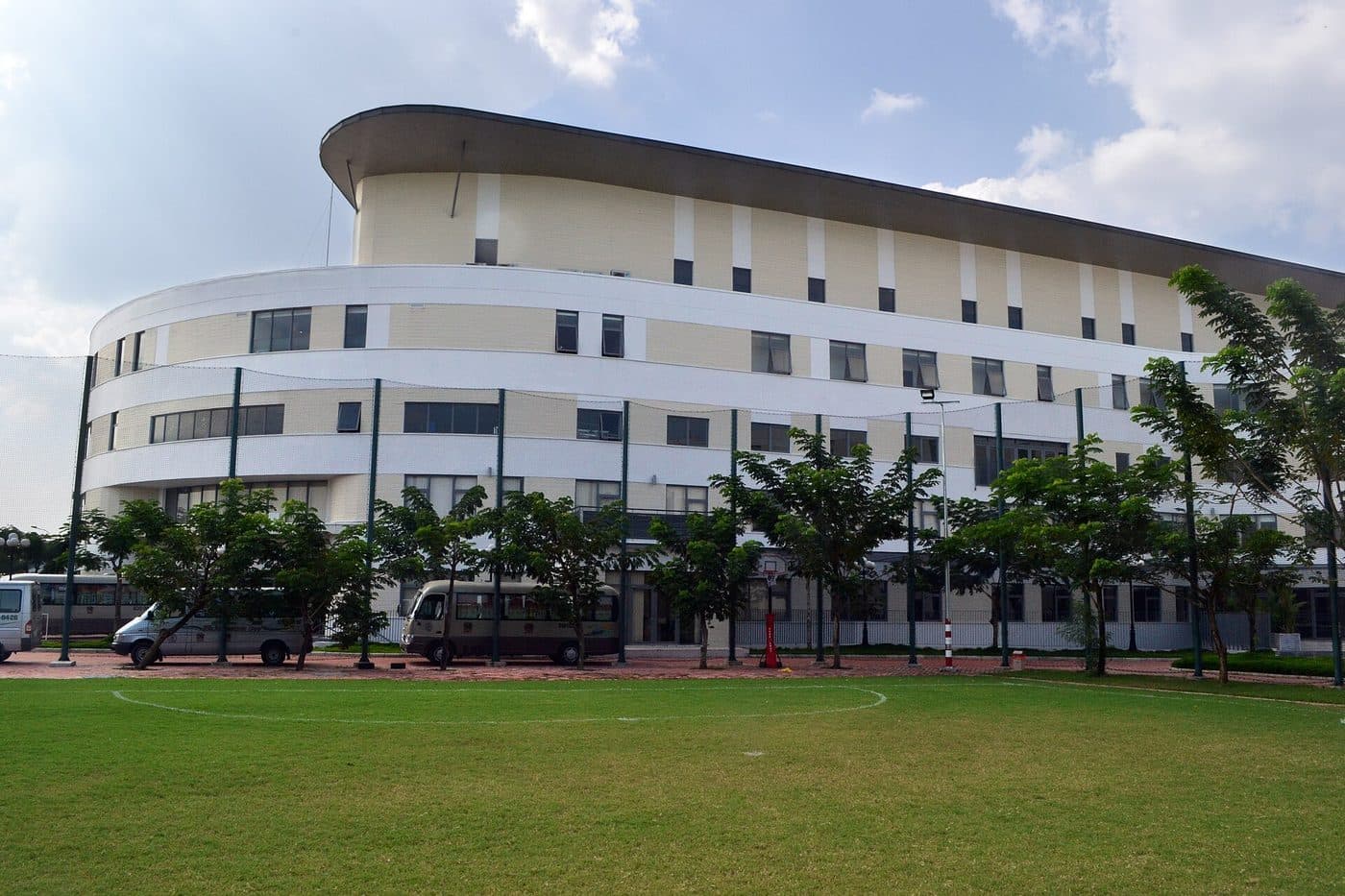
The biggest budgeting mistake is looking only at tuition. The real first-year cost is usually 20 to 30% higher.
| Item | How often | What to check on the fee schedule |
|---|---|---|
| Application fee | once, when applying | non-refundable |
| Registration fee | once, after acceptance | refundable if you withdraw? |
| Refundable deposit | once | when and with what deductions it’s returned |
| Capital or building levy | once or annually | sibling discount? |
| School bus | annually | depends on distance from home |
| Lunch | annually | included for younger grades? |
| Uniform and laptop | uniform yearly, laptop once | device requirements |
| IGCSE, IB, AP exams | final years | billed separately |
A rough example for a school charging $26,000 in tuition: add application and registration fees, a capital levy, bus, lunch, uniform and a laptop, and the first year easily reaches $32,000 to $35,000. From the second year the one-off costs drop away, leaving tuition, bus, lunch and uniform. Every school’s numbers differ, so work from its own fee schedule.
Tuition goes up almost every year. Build in a buffer for each future school year: if your child stays from Grade 5 to Grade 12, the senior years will cost noticeably more than today’s schedule suggests.
How to save: legitimate discounts
International schools in Vietnam compete for families, so discounts exist if you know what to ask.
Sibling discounts. Most schools offer them, with a bigger discount for the third child. The exact percentage is on the current fee schedule.
Paying the year up front. Many schools discount full-year payment before term starts.
Da Nang instead of HCMC. The top of the tuition range at APU is about $23,000, against about $38,000 to $38,400 at ISHCMC and BIS HCMC. In the senior grades that’s a difference of around $15,000 a year.
Corporate packages. If your employer is paying for the move, there’s often an education allowance. Ask when you negotiate the offer, even if it isn’t mentioned: many companies only grant it on request.
Timing. Schools fill their last places in spring, so a conversation about fees in April or May lands better than in September.
Checklist for relocating families
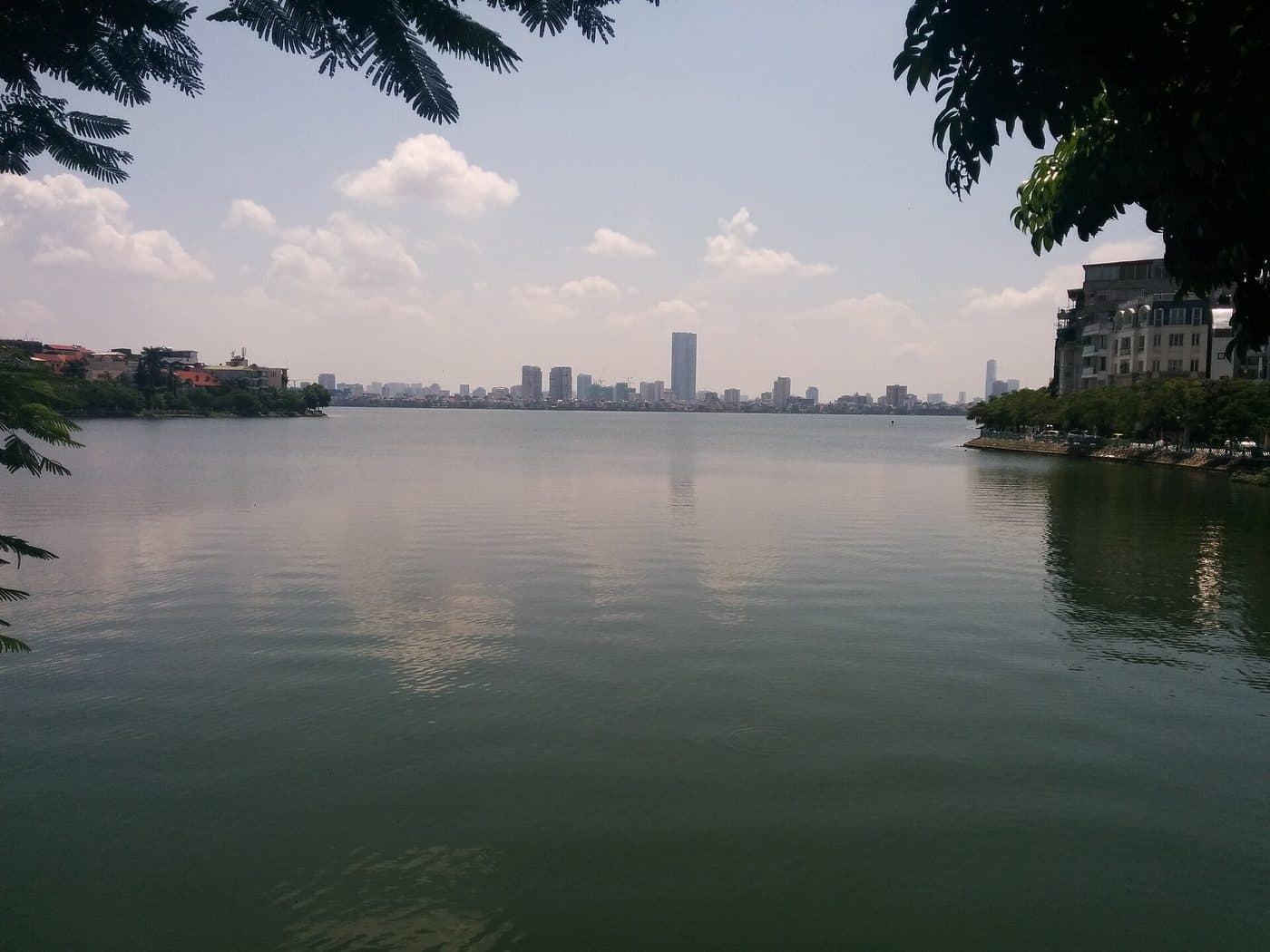
For the bigger picture, see our guide to relocating to Vietnam.
FAQ: international schools in Vietnam
2026/27 tuition runs from about 168 million VND (~$6,500) at small Da Nang schools to 1.04 billion VND (~$40,000) in the senior grades at UNIS Hanoi. The mid-range is roughly $15,000 to $25,000 a year. The first year costs 20 to 30% more than tuition once you add application and registration fees, capital levies, bus, lunch and uniforms
On published 2026/27 fees, UNIS Hanoi. The senior-grade tuition ceiling at the top three
- UNIS Hanoiup to 1.039B VND~$40,000
- BIS HCMCup to 999.3M VND~$38,400
- ISHCMCup to 987.8M VND~$38,000
With first-year one-off fees included, the ranking stays the same
Yes. The top of the tuition range in Da Nang is 30 to 40% below the flagship schools in HCMC and Hanoi: about $23,000 at APU Da Nang against about $38,400 at BIS HCMC. The lowest published fees are at St. Nicholas in Da Nang and HAIS in Hoi An, from about $6,500 to $8,300 a year for the youngest grades
American schools with AP are the most direct route: SSIS in Ho Chi Minh City, St. Paul American School in Hanoi and APU in Da Nang. US admissions offices also value the IB Diploma highly, so ISHCMC, UNIS Hanoi and the Nord Anglia schools work too. A-Levels are accepted by top US universities but are less familiar to admissions readers there
Yes. Most schools take online applications and run assessments and family interviews by video call. You’ll usually need to be there in person closer to the start date to sign paperwork, see the school and buy uniforms. Get school reports translated into English before you leave home
For top schools in HCMC and Hanoi, now, in autumn 2026: popular grades fill 12 to 18 months ahead. For schools in Da Nang and Hoi An, usually between autumn 2026 and spring 2027. The more popular the school and the grade, the earlier you should apply. Ask admissions about availability in your child’s grade before you pay a fee
The bottom line
Da Nang is the sweet spot. APU, SIS and HAIS offer a full international program for roughly 50 to 70% of what the HCMC flagships charge, with a beach and a compact city thrown in.
Ho Chi Minh City is for families working in Thảo Điền or Phú Mỹ Hưng on a dollar income. ISHCMC, SSIS, BIS and CIS give you the widest choice, along with good hospitals and direct flights, at the cost of traffic and higher living costs.
Hanoi is for diplomatic, academic and IB-minded families. UNIS Hanoi puts your child in class with diplomats’ kids, and BIS Hanoi gives you Nord Anglia’s network for transfers. The trade-off is a grey winter.
The rule that matters most: start 12 to 18 months ahead for the top schools. If you’re reading this two months before the move, look at Da Nang and Hoi An first. Your chances of a place by August are better there.
Read next: Relocating to Vietnam · Where to stay in Da Nang · Residence card (TRC) · Where to stay in Hanoi



- Preparation
Vietnam Time Zone 2026: UTC+7, Differences and Jet Lag
Vietnam runs on UTC+7 all year — one zone, no daylight saving. Time differences from the UK, Europe, the US and Australia, plus opening hours and flight math.Vietnam Time Zone 2026: UTC+7, Differences and Jet Lag - Preparation
Getting Around Hue 2026: Taxis, Scooters, Dragon Boats
How to get around Hue and out of it in 2026: taxis and apps, scooter rental, dragon boats, the heritage train to Da Nang and Phu Bai airport.Getting Around Hue 2026: Taxis, Scooters, Dragon Boats - Preparation
Vietnam Visa 2026: E-Visa, Visa-Free & On Arrival
Vietnam visas explained for every nationality: the 90-day e-visa, visa-free entry, visa on arrival — how to apply on evisa.gov.vn, costs and timing.Vietnam Visa 2026: E-Visa, Visa-Free & On Arrival