How to travel Vietnam independently — a step-by-step 2026 plan
Planning Vietnam without a tour is easier than it looks. Citizens of the UK and 18 EU countries get 45 days visa-free, the whole country is strung along one north–south line, and the infrastructure is built for independent travellers. Below is an eight-step plan with ready-made routes, budgets and the apps you actually need.

Vietnam is one of the easiest countries in Southeast Asia for a first independent trip. It is safe, cheap, and simple to navigate even without a word of Vietnamese. The country stretches about 1,600 km along the coast, so hopping between cities is straightforward — everything runs on a single north–south axis. Google Maps is accurate, Grab works in all major cities and resorts, and a sleeper bus for a few dollars will carry you halfway across the country while you sleep.
Fast Track — no queue at the border
5–10 minutes instead of an hour in the immigration queue
from$11per passenger
Step 1 — Visa and documents

Whether you need a visa depends on your passport. Citizens of the UK, France, Germany, Italy, Spain and several other countries get 45 days visa-free — a stamp on arrival, no pre-approval. Flying into Hanoi, Da Nang, Cam Ranh or Ho Chi Minh City, fill in the online arrival form at prearrival.immigration.gov.vn first: with it you use a separate priority counter. US, Canadian, Australian and most other travellers need an e-visa, which is quick and cheap to arrange online.
For visa-free entry you still need:
- A passport valid for at least 6 months beyond your entry date
- A return or onward ticket — not part of the visa-free rules, but airlines at check-in or border officers may ask for it
- Ideally, a blank page for the stamp
If you need a visa (or want to stay longer than 45 days):
- E-visa (up to 90 days) — $25 single entry, $50 multiple entry, applied for online at evisa.gov.vn, usually approved in about 3 working days
- Print or save the e-visa PDF — you show it at check-in and at immigration
Full details are in the Vietnam visa guide, and the visa-free list is in who can enter Vietnam without a visa.
What else to bring:
- A printout (or screenshot) of your first hotel booking — rarely checked, but occasionally asked for
- Travel insurance — not required for entry, but strongly recommended
- An International Driving Permit if you plan to rent a motorbike
- Copies of every document saved to the cloud (Google Drive, iCloud)
Step 2 — Booking flights
Flights are the single biggest line item — usually 40–60% of the whole trip budget, and highly dependent on where you fly from.
| Airport | Code | Best if you start in the… |
|---|---|---|
| Ho Chi Minh City | SGN | South — biggest hub, most connections |
| Hanoi | HAN | North — Ha Long, Sapa, Ninh Binh |
| Da Nang | DAD | Centre — Hoi An, Hue, beaches |
| Cam Ranh (Nha Trang) | CXR | Beach-first trip to Nha Trang |
Where to search: Google Flights and Skyscanner for the overview, then book direct on the airline site — the fare often matches and cancellations are easier. Vietnam is well connected from Europe, the Gulf, and across Asia (Bangkok, Singapore and Kuala Lumpur are cheap gateways with budget hops onward).
When to buy: roughly 2–3 months out is the sweet spot. Low season (May–October) is 20–30% cheaper, and an open-jaw ticket — into Hanoi, out of Ho Chi Minh City — saves you backtracking on a north-to-south route.
Domestic flights: Vietnam Airlines, VietJet Air and Bamboo Airways connect every major city from about $30 one-way if booked ahead. More detail in how to fly to Vietnam and the VietJet Air review.
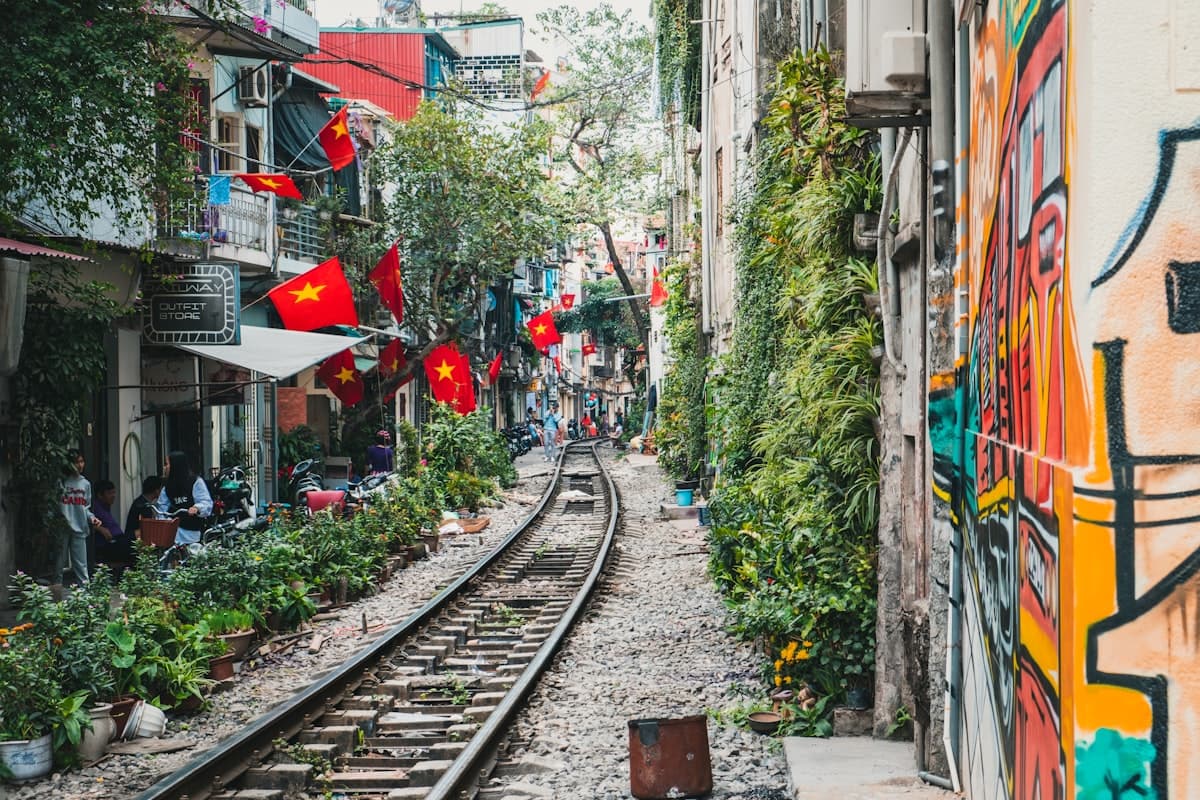
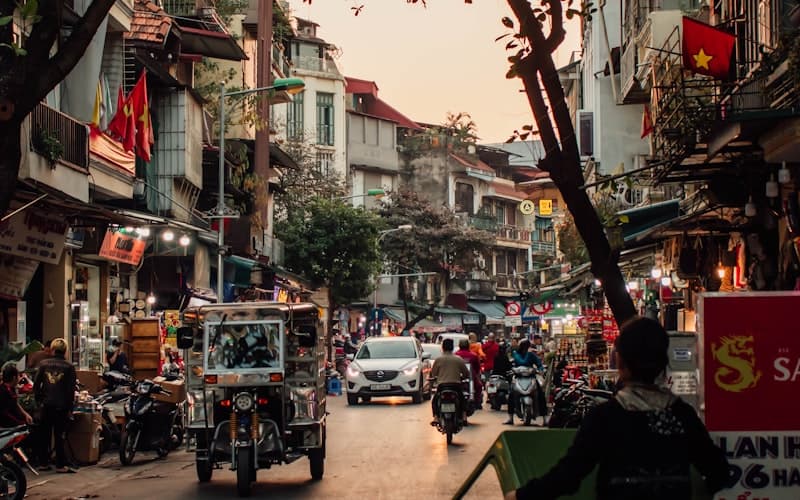

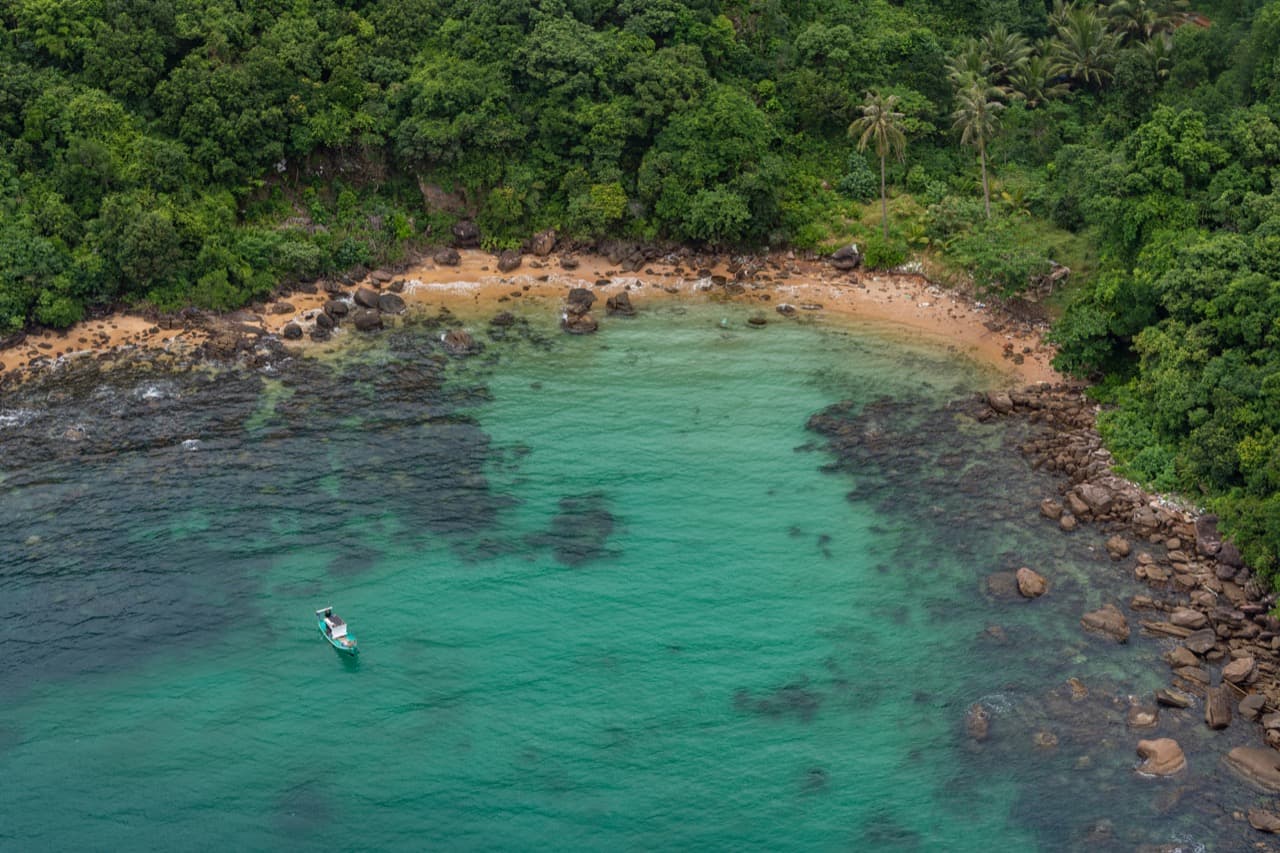
Step 3 — Pick your route

Vietnam splits into three zones, each with its own character:
North (Hanoi, Ha Long, Sapa, Ninh Binh): history, mountains and cruises through limestone bays. Best October–April.
Centre (Da Nang, Hoi An, Hue): beaches paired with historic towns. Best February–August.
South (Ho Chi Minh City, Da Lat, Nha Trang, Mui Ne, Phu Quoc): beaches, a big city, a cool mountain resort and tropical islands. Year-round, but best November–April.
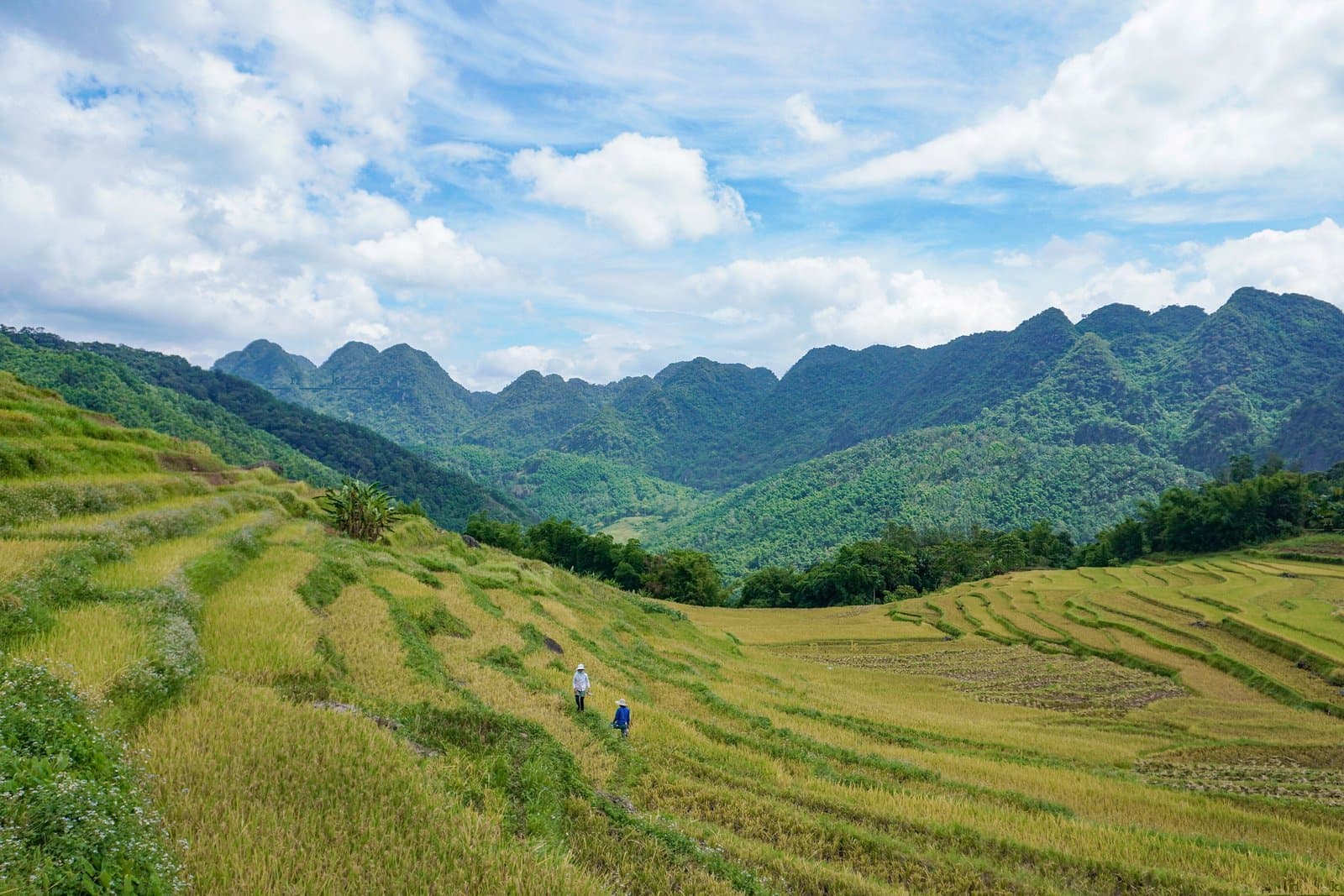
- Sapa (Sa Pa): North: mountains and rice terraces — Best October–April
- Hanoi (Hà Nội): North: start of the classic run — Days 1–2 on the 14-day route
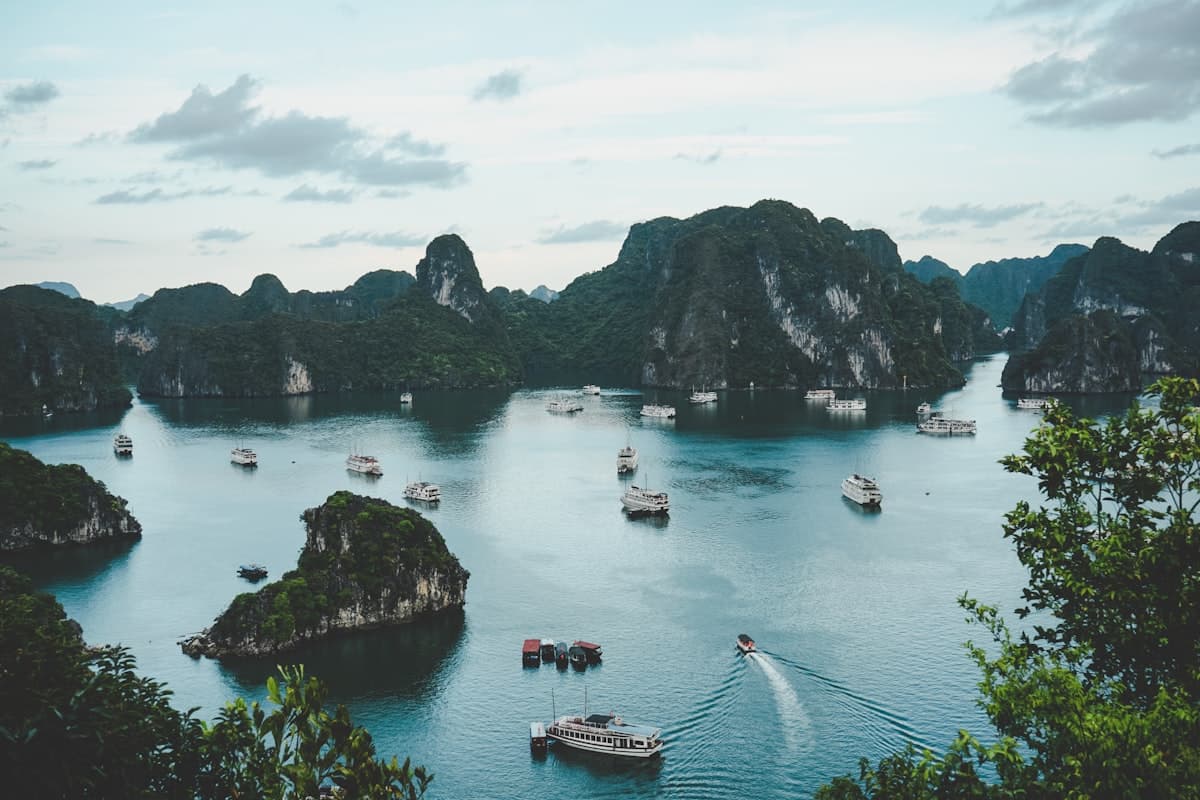
- Ha Long (Hạ Long): North: overnight cruise in the bay — Days 3–4 on the 14-day route
- Ninh Binh (Ninh Bình): North: the "dry Ha Long" — karsts and rice fields
- Hue (Huế): Centre: citadel, tombs, Perfume River — Days 5–6 on the 14-day route
- Da Nang (Đà Nẵng): Centre: Marble Mountains, Dragon Bridge — The main airport of the centre
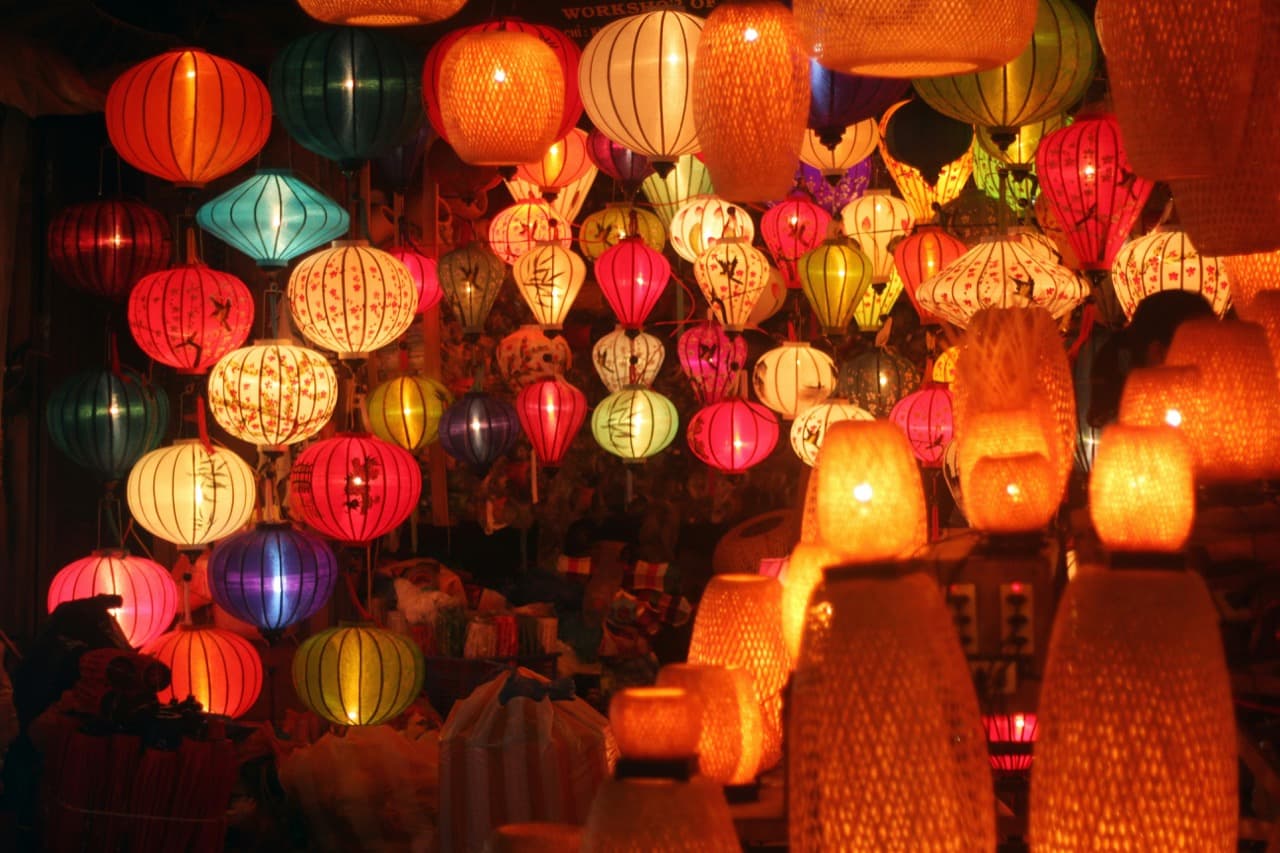
- Hoi An (Hội An): Centre: old town, tailors, beach — Two full days minimum
- Nha Trang (Nha Trang): South: beaches, islands, diving — On all three routes
- Da Lat (Đà Lạt): South: cool highlands, waterfalls, coffee — Days 3–4 on the 7-day route
- Mui Ne (Mũi Né): South: sand dunes and kitesurfing — Days 3–4 on the 10-day route
- Ho Chi Minh City (Hồ Chí Minh): South: the big city, Cu Chi tunnels, Mekong — Start of the southern routes
- Phu Quoc (Phú Quốc): South: tropical island, reachable by air only
How to decide:
- 7 days → one zone (south or central)
- 10 days → two zones (south + central, or north + central)
- 14 days → the classic run (north → central → south); with three weeks, follow the 21-day route
Ready-made routes for 7, 10 and 14 days
7 days — "Beach and city" (south)
| Days | City | What to do |
|---|---|---|
| 1–2 | Ho Chi Minh City | City centre, Notre-Dame Cathedral, Bến Thành market, Cu Chi tunnels |
| 3–4 | Da Lat | Datanla waterfall, coffee plantations, night market |
| 5–7 | Nha Trang | Beach, islands, snorkelling, shopping |
On-the-ground budget per person: budget ~$250, comfortable ~$450 (flights extra).
10 days — "South + central"
| Days | City | What to do |
|---|---|---|
| 1–2 | Ho Chi Minh City | City centre, museums, food, Cu Chi tunnels |
| 3–4 | Mui Ne | Red and white sand dunes, kitesurfing |
| 5–7 | Nha Trang | Beaches, islands, diving, night market |
| 8–9 | Hoi An | Ancient town, An Bang beach, tailors |
| 10 | Da Nang | Marble Mountains, Dragon Bridge |
On-the-ground budget per person: budget ~$350, comfortable ~$600 (flights extra).
14 days — "The classic: north → south"
| Days | City | What to do |
|---|---|---|
| 1–2 | Hanoi | Old Quarter, Hoàn Kiếm lake, street food |
| 3–4 | Ha Long | Overnight bay cruise, kayaking, caves |
| 5–6 | Hue | Imperial Citadel, royal tombs, Perfume River |
| 7–8 | Hoi An | Ancient town, tailors, beach, cooking class |
| 9 | Da Nang | Marble Mountains, Dragon Bridge, Mỹ Khê beach |
| 10–12 | Nha Trang | Beaches, islands, Vinpearl, spa, seafood |
| 13–14 | Ho Chi Minh City | City centre, shopping, Bến Thành market, Mekong |
On-the-ground budget per person: budget ~$500, comfortable ~$850 (flights extra).
Don't try to see all of Vietnam in ten days. Three or four towns done slowly beat eight at a gallop. Give Hoi An at least two full days.
Step 4 — Booking accommodation

Booking and Agoda have the widest inventory in Vietnam; Agoda often prices Asian hotels a little lower. Prices below are per room, per night, for two.
| Type | Per night (two people) | Notes |
|---|---|---|
| Hostel (dorm) | ~$6–15 | A/C, Wi-Fi, shared kitchen |
| Guesthouse | ~$12–25 | Private room, hot water |
| 3★ hotel | ~$25–50 | Pool, breakfast included |
| 4★ hotel | ~$50–100 | Spa, sea view |
| 5★ resort | from ~$120 | Vinpearl, private beach |
Book the first 2–3 nights in advance, in case your flight is delayed. Everything after that you can sort on the move — outside peak season, walking in often beats the online rate. Travelling on a shoestring, with hostels and sleeper buses? See the Vietnam backpacking guide.
Step 5 — Money and currency

The currency is the Vietnamese dong (VND). As of mid-2026, $1 ≈ 26,000 VND, so a 500,000 VND note is about $19. The big numbers throw people off at first — drop three zeros and divide by 26 for a fast dollar estimate.
How to carry money:
- A Visa or Mastercard — works in hotels, mid-range restaurants, malls and at ATMs nationwide
- Some US dollars in cash — the easiest currency to exchange at the best rate
- ATMs everywhere — withdraw dong as you go; the fee and the per-withdrawal limit depend on the bank, so check the fee on the screen before you confirm
| Place | Rate | Fee |
|---|---|---|
| Banks | Good | 0–1% |
| Airport counters | Worst (−10–15%) | None |
Since 9 February 2026, exchanging money outside licensed points is an offence under Decree 340/2025/ND-CP: for $1,000–10,000 an individual can be fined up to 20 million VND, and more above that. A gold shop may exchange currency only as a licensed State Bank agent, and a tourist has no way to check that. A bank is the safer choice.
A good split is roughly 60% cash, 40% card. Keep enough dong on hand for markets, street food and buses — those are cash-only. More in the Vietnamese dong and exchanging money.
Step 6 — SIM card and internet
Three main carriers: Viettel (best coverage, even in the mountains), Mobifone and Vinaphone. You need your passport to register a local SIM — buy it at an official carrier counter in the airport, open around the clock. Avoid random street kiosks selling "tourist SIMs" at a markup.
| Package | Price | Includes |
|---|---|---|
| 7–10 days | ~$6–10 | Unlimited 4G |
| 15–30 days | ~$10–18 | Unlimited 4G + calls |
Easier still — an eSIM. Buy one online before you fly on Airalo, Holafly or Nomad, and you land already connected — no queue, no passport paperwork. From about $5 for 7 days. WhatsApp and Google work normally; no VPN needed.
More detail in internet in Vietnam and SIM cards and connectivity.
Step 7 — Getting around the country

| Mode | When | Price |
|---|---|---|
| Grab (car / bike) | In the city | ~$1.20–2 per 5 km |
| Motorbike rental | Freedom | ~$6–12/day |
| Sleeper bus | Between cities | ~$6–14 |
| Train | Long distances | from ~$20 |
| Domestic flight | Far-apart cities | from ~$30 |
Sleeper buses are the backbone of budget travel here. The seats fold flat, there is air-con, a blanket and Wi-Fi. Reliable operators include Phương Trang (FUTA) and The Sinh Tourist. Book on 12Go or Baolau, or at the bus station.
A hoodie. You may not need it during the day, it varies, but at night it's indispensable… sometimes you can find yourself in a harsh Siberian frostMr_Viet, Vinsky Forum, 2018, translated by VietnamSpot
Trains are more comfortable than buses. The Hue → Da Nang leg over the Hải Vân Pass is one of the most scenic stretches of railway in the world.
More in getting around Vietnam and Grab and taxis.
Step 8 — Insurance and safety

Vietnam is a safe country for travellers. Violent crime is very rare, and locals are friendly and welcoming to foreigners.
| Type | Cost (2 weeks) | Coverage |
|---|---|---|
| Basic | ~$25–45 | $30,000–50,000 medical |
| Extended (with motorbike) | up to ~$90 | Same + motorbike accidents |
Buy it before you fly — on-the-spot cover is pricier and often has a waiting period. SafetyWing and World Nomads are popular with independent travellers; if you plan to ride, confirm the policy actually covers motorbikes (many exclude them unless you hold a valid licence). More in travel insurance for Vietnam.
The main risks:
- Petty theft in crowded spots — bag across the body, valuables in the room safe, phone away from the roadside (bag-snatching from bikes happens)
- Motorbike accidents. Helmet always, don't ride into oncoming traffic, and only rent if you are confident
- Upset stomach in the first 2–3 days. Don't drink the tap water; bottled is everywhere
- Sunburn. SPF 50 is a must — you burn in half an hour
- Taxi scams. Use Grab so the fare is fixed and metered in the app
Typically, there is a rise in petty crime during the Christmas and Tet Lunar New Year seasons. Bag-snatching by thieves on motorcycles is common, hold bags in front of you or on the opposite side of the traffic to make them difficult to stealUK Foreign Office, GOV.UK, 2026
More in safety in Vietnam.
Checklist — what to do before you fly
2–3 months out:
- Check your passport is valid 6+ months beyond entry
- Apply for the e-visa if your passport needs one
- Book flights
- Buy travel insurance
2–3 weeks out:
- Reserve the first 2–3 nights of accommodation
- Install the apps: Grab, Google Maps, Maps.me, 12Go
- Buy an eSIM (or plan to grab a SIM at the airport)
- Tell your bank you're travelling so the card isn't frozen
2–3 days out:
- Save copies of every document to the cloud
- Pack a small kit: stomach-upset meds, antiseptic, SPF 50, insect repellent
- Download offline Google Maps for your cities
On arrival at the airport:
- Buy a Viettel or Mobifone SIM (or activate your eSIM)
- Withdraw dong at an ATM, or change $50–100 for the ride into town
- Order a Grab to your hotel
Common mistakes independent travellers make

Trying to see it all in a week. Hanoi, Ha Long, Hue, Hoi An, Nha Trang and Ho Chi Minh City in 7 days is a bus marathon, not a holiday. Three or four towns done slowly stick with you far more.
Whichever class you travel in, road travel in Vietnam is never fast – don't expect to cover much more than 50km per hour due to the sheer volume of motorbikes, trucks, pedestrians and livestock on the roadsJoe Bindloss, Lonely Planet, 2025
Carrying no cash. Markets, street stalls and motorbike rentals are cash-only. Keep the equivalent of $100–150 in dong on you for a busy few days.
Booking the whole route in advance. Plans change easily here. Lock the first 2–3 nights, then decide as you go.
Ignoring the sleeper bus. An overnight bus saves both money and a hotel night — a few dollars instead of a domestic flight, and you wake up in the next city.
Renting a bike with no experience. Vietnamese traffic is organised chaos. Practise in quieter Hoi An or Da Lat before you take on a city.
Not haggling. At markets the first price is the tourist price — 30–50% off is standard, done with a smile.
Eating only in tourist restaurants. The best and cheapest food is at local spots with plastic stools. A bowl of phở for about $1.50 on the street beats a $6 one from an English-menu restaurant.
FAQ

Book flights, reserve a hotel for the first few nights, buy insurance, and go. Citizens of the UK and 18 EU countries get 45 days visa-free; most others, including US, Canadian and Australian travellers, need an e-visa. On the ground you move by sleeper bus, train, Grab or short domestic flights. Booking or Agoda, Google Maps and Grab are the three apps that cover the whole trip.
On the ground, budget on roughly $35–70 a day per person: a private room, three meals of street and local food, local transport and a few activities. Ten days is about $350–700 per person, with international flights on top.
It depends on your passport. The UK, most of the EU and several other countries get 45 days visa-free. US, Canadian, Australian and most other travellers need an e-visa: up to 90 days, $25 single entry or $50 multiple entry, applied for online at evisa.gov.vn. More in the Vietnam visa guide.
Yes — Vietnam is one of the safest countries in Southeast Asia. Violent crime against tourists is rare. The main risks are petty theft in crowded spots and motorbike accidents. Stick to the basics: bag across the body, Grab instead of street taxis, insurance, and a helmet.
For a first 10-day trip, go south plus central: Ho Chi Minh City, Mui Ne, Nha Trang, then Hoi An and Da Nang. Varied scenery, short easy hops. With 14 days, add Hanoi and Ha Long Bay. All routes with budgets are in the section above.
Essentials
- Grabrides
- Google Mapsnavigation
- 12Gobuses, trains
- Booking or Agodafor stays
Handy extras: Maps.me for offline maps and Google Translate, whose camera reads Vietnamese signs for you
- A minimum for one zone7 days
- Comfortable for two or three zonesten to fourteen
- The full runthree weeks
- A single beach base like Nha Trang or Phu Quoc5–7 daysis enough
- Guide
Pu Luong Nature Reserve 2026: Rice Terraces & Homestays
Pu Luong Nature Reserve guide: getting there from Hanoi, two rice harvests a year, stilt-house homestays, treks, prices in USD and a map of 9 spots.Pu Luong Nature Reserve 2026: Rice Terraces & Homestays - Guide
Ha Long Bay Beaches: Where to Swim in 2026
Ha Long Bay beaches: Bai Chay, Tuan Chau, Ti Top and Lan Ha — where to swim, how to get there and the best time to go.Ha Long Bay Beaches: Where to Swim in 2026 - Guide
Phan Thiet Map: Areas, Beaches & Where to Stay
A traveller's map of Phan Thiet and Mui Ne: the city vs the resort strip, beaches, dunes and sights — and where to base yourself.Phan Thiet Map: Areas, Beaches & Where to Stay