Buying a motorbike in Vietnam as a foreigner in 2026: papers, resale and risks
Anyone can buy a motorbike in Vietnam, but only a foreigner with a temporary or permanent residence card that has at least 6 months left can register it in their own name. That's Article 10.2.b of Circular 79/2024/TT-BCA, and it applies to every nationality. A used Honda Vision averages 18–20 million VND (~$690–770), and transferring it costs 1% of its value plus a plate fee.
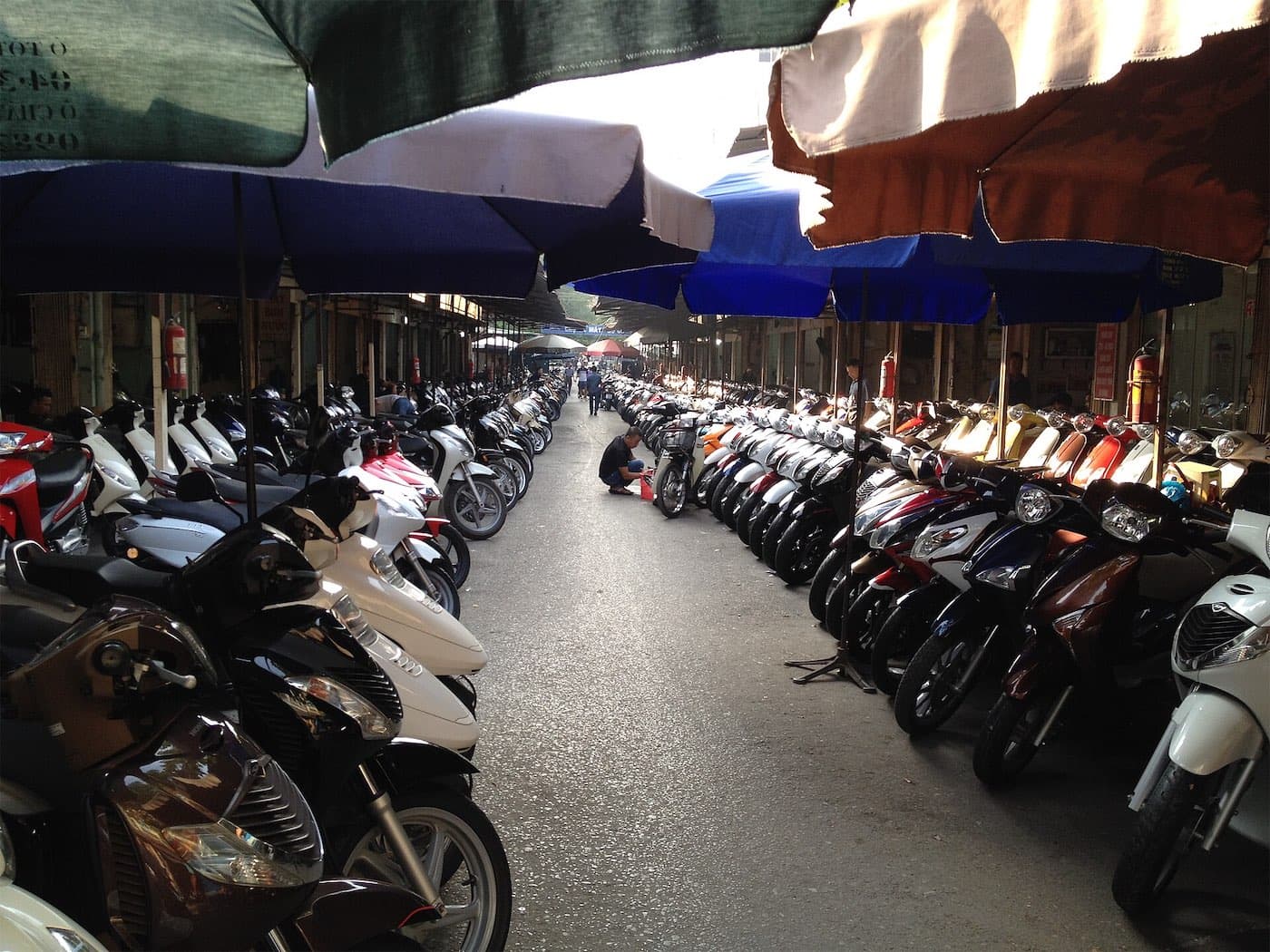
A tourist on an e-visa can't legally become the owner. The bike stays in the previous owner's name, and so do the camera fines, the liability and the legal right to the bike. The gap between "I paid for it" and "it's mine" matters most on the day you leave, because that's when someone else's fines start following you home.
Can foreigners own a motorbike in Vietnam?
Yes, if you live and work in Vietnam and hold a thẻ tạm trú (temporary residence card, TRC) or thẻ thường trú (permanent residence card) with at least 6 months left on it. Article 10 of Circular 79/2024 lists no other route for a private foreign owner; the only other line covers diplomats.
| Who you are | Document at registration | Legal basis | Outcome |
|---|---|---|---|
| Vietnamese citizen | Level-2 VNeID account or ID card | Circular 79/2024, Art. 10.1 | Registers in own name |
| Foreigner with TRC or permanent residence card, 6+ months left | Thẻ tạm trú or thẻ thường trú | Circular 79/2024, Art. 10.2.b | Registers in own name, white "NN" plate, card valid until the TRC expires |
| Foreigner with under 6 months left on the TRC | — | same | Renew the card first |
| Tourist on e-visa or visa exemption | — | no basis in Art. 10 | Can pay for a bike, can't own it on paper |
What else follows from the Circular:
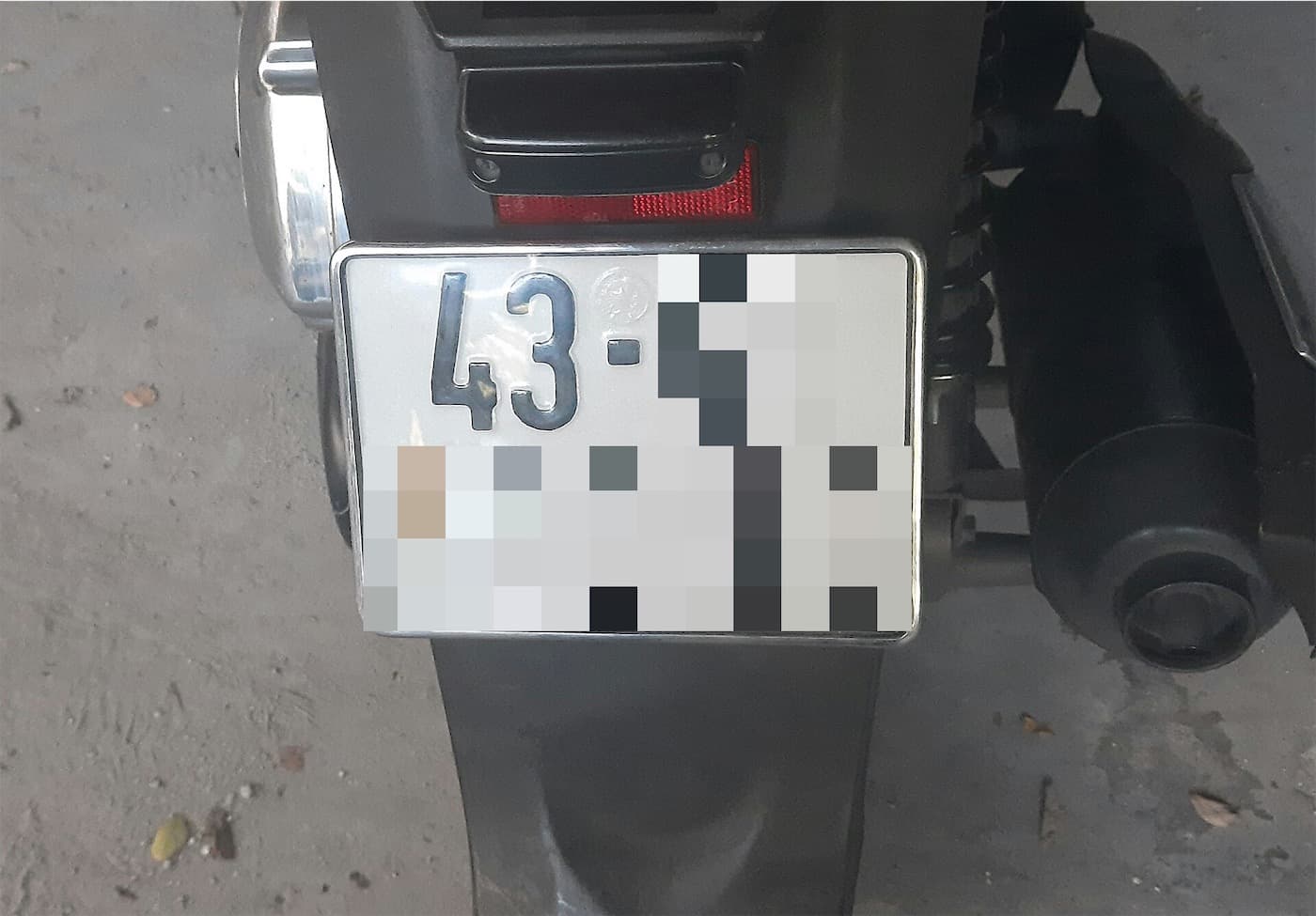
- White plate with "NN". These go to vehicles of foreign organisations and individuals (Article 37). The plate number is tied to your identifier, such as your TRC number (Article 3.3.b), not to the bike.
- Your registration lives as long as your TRC. A foreigner's cà vẹt is dated to the residence card (Article 35.2). When it expires you have 30 days to renew or deregister (Article 6.4).
- Go to the provincial traffic police. Since Circular 51/2025, motorbikes are registered by the provincial Phòng Cảnh sát giao thông and by commune police, but the commune-level clause (Article 4.4) only covers "domestic organisations and individuals". For a foreigner, the provincial office is the working address. That's our reading of the text, so call ahead.
Vietnam abolished districts on 1 July 2025 and merged provinces, so registration runs within the new, larger province. Our explainer on Vietnam's 2025 administrative reform covers the new names. How to get the card itself is in the Vietnam temporary residence card guide.
The 2026 amendments left the 6-month rule alone. In Circular 79/2024, Circular 37/2026 rewrote only Article 3.6 (how you receive the registration result) and Article 16.2.c (electronic transfer documents). Circular 62/2026 changed deadlines and steps for some procedures but didn't touch Article 10 either.
What the "blue card" is and what a bike must have
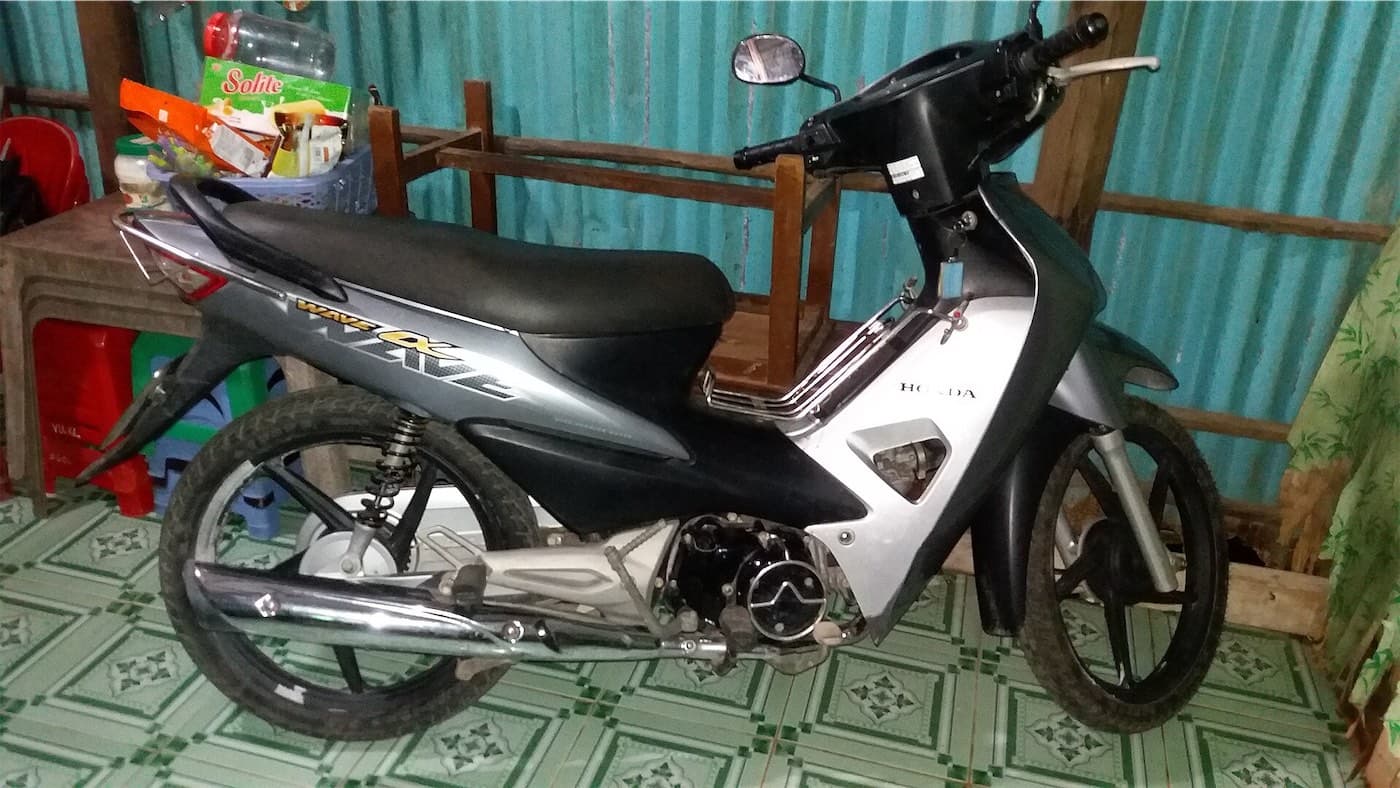
The "blue card", or cà vẹt, is the motorbike registration certificate, giấy chứng nhận đăng ký xe. It names the owner and lists the plate, the frame number (số khung) and the engine number (số máy). Without it, a bike can't be legally transferred or legally sold.
Since 8 June 2026, under Circular 37/2026/TT-BCA, electronic registration data shows up in the national ID app VNeID and in the police app VNeTraffic. Law 36/2024 lets riders show documents through electronic identification at a checkpoint (Article 56.3). For a foreigner that only works with a VNeID account, which is issued to TRC and permanent card holders.
On the road, a rider must carry three things (Law 36/2024, Article 56.1):
- the bike's registration, either the paper cà vẹt or its electronic version;
- a valid compulsory third-party liability policy;
- a licence for the right category.
Licences are their own topic. A Honda Vision (109.5 cc) or LEAD (124.8 cc) needs category A1; an Air Blade 160 needs category A. A visitor's foreign licence works only together with a 1968 Vienna Convention IDP, unless their country has its own recognition agreement with Vietnam. The US, Canada and Australia aren't parties to that convention, while the UK, Germany and France are. The details are in our Vietnam driving licence guide.
So when a listing says "bike with blue card", ask whose name is on the card and whether its numbers match the metal.
How to buy a used bike with a proper transfer, step by step
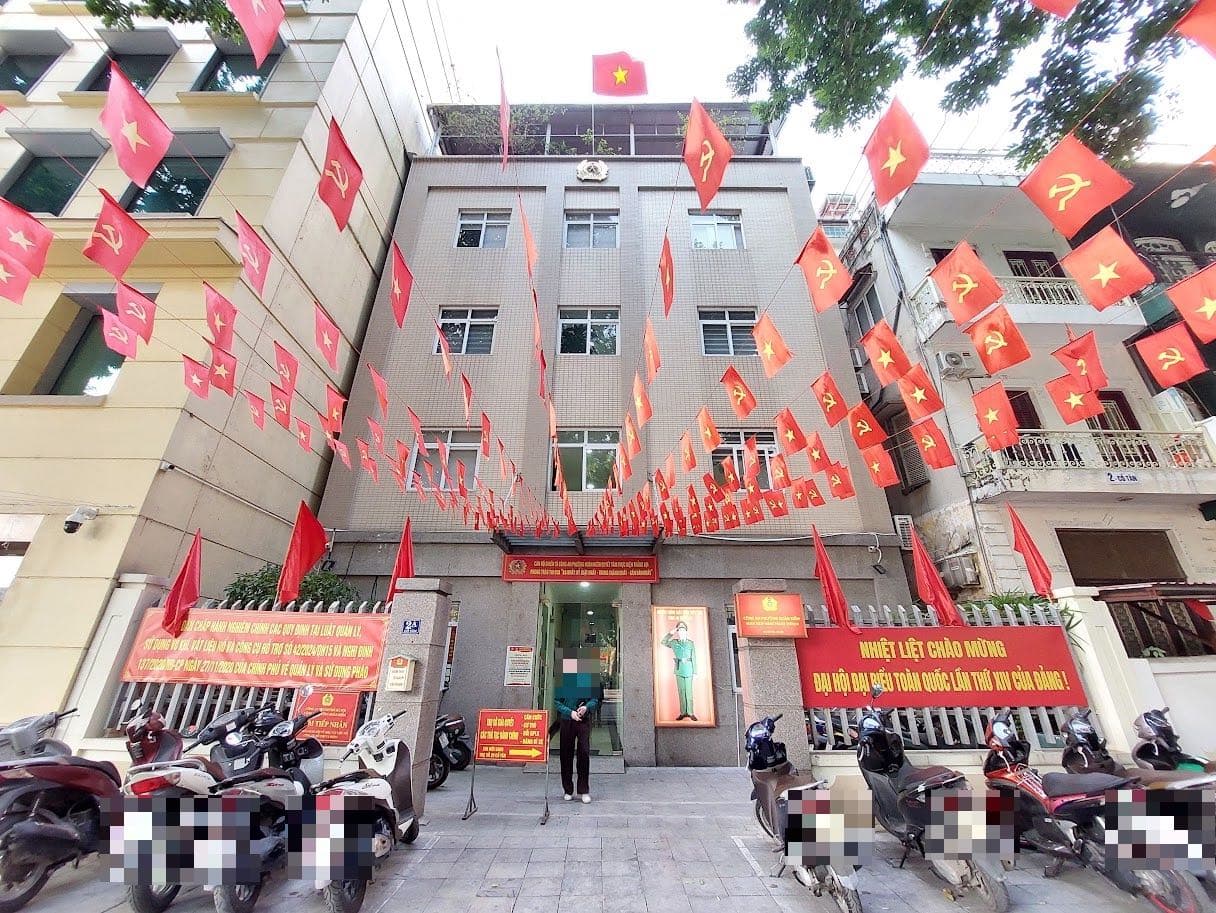
A legal used-bike purchase is two procedures back to back. The seller deregisters the bike (thu hồi), then the buyer registers it in their name (đăng ký sang tên). Articles 6, 16 and 17 of Circular 79/2024 set the order, and it takes from one to a few working days.
Steps
- Check the bike and the papers with the checklist below. Don't pay first.
- Sign a sale contract. Article 12 of Circular 79/2024 asks for "a document transferring ownership in accordance with the law" without naming a form. The old Circular 58/2020 required the seller's signature to be notarised (công chứng) or certified at the people's committee (chứng thực). Getting it certified is the safe option.
- The seller keeps the cà vẹt and the plate. Article 6.5.a forbids handing them to the buyer; they go back to the police at deregistration.
- The seller deregisters within 30 days of the contract (Article 6.5.b), filing form ĐKX11, their ID documents, two rubbings of the frame and engine numbers, a copy of the contract, the cà vẹt and the plate (Article 16.1). Fully online it takes up to 8 working hours; in person, up to 2 working days (Article 7.3). The plate number is held for the seller for 5 years for their next bike (Article 3.3.d).
- The buyer pays the lệ phí trước bạ registration tax: 1% for a used bike.
- The buyer files for registration and brings the bike for inspection (Article 17.2.a), with the form, their documents, the contract, the tax receipt and the seller's deregistration certificate (Article 16.2).
- The buyer gets a new cà vẹt and plate within 2 working days (Article 7.1.a). The seller can ask for temporary registration along with the deregistration certificate to cover the gap (Article 17.1.b).
Documents
| Who | What they bring | Legal basis |
|---|---|---|
| Seller | Form ĐKX11, ID documents, 2 rubbings of frame and engine numbers, copy of contract, cà vẹt, plate | Circular 79/2024, Art. 16.1 |
| Buyer | Form, TRC or permanent card (6+ months), contract, registration tax receipt, deregistration certificate | Circular 79/2024, Art. 16.2, Art. 10.2.b |
| Buyer | The bike itself, for inspection | Circular 79/2024, Art. 17.2.a |
| Representative | Power of attorney, notarised or certified | Circular 79/2024, Art. 10.4 |
Since 8 June 2026, Circular 37/2026 treats an electronic transfer on the public services portal as equal to a paper contract. The condition is updated marital-status data for the owner in the national population database, which holds Vietnamese citizens. If the seller is a foreigner, their data isn't there, so the contract will most likely stay on paper.
Police register a bike where you reside, so your address registration has to be in order. Our guide to temporary residence registration in Vietnam explains how that works.
Buying without a transfer: what you're really taking on
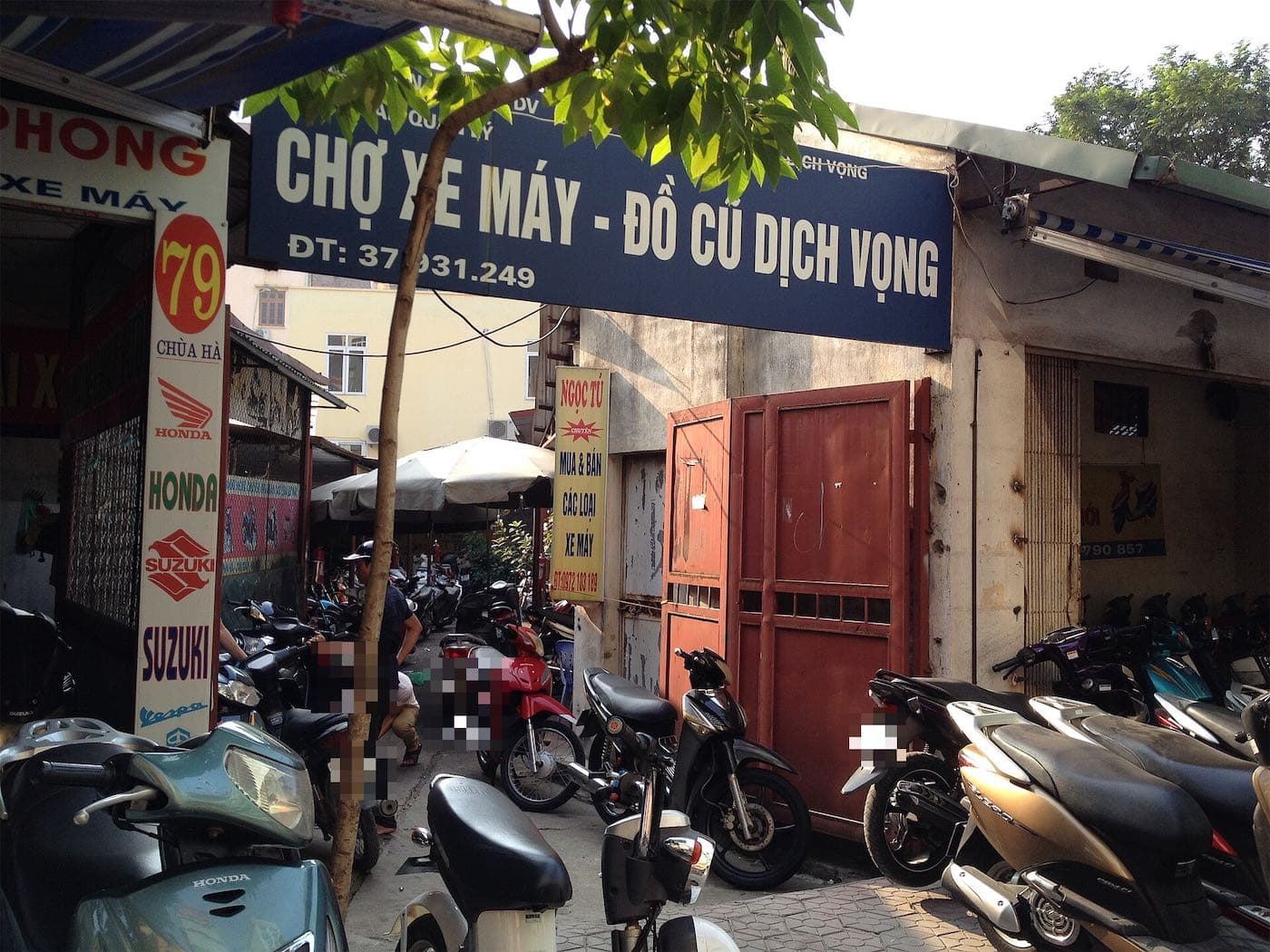
The most common setup among tourists and expats without a TRC looks like this: the bike is registered to a Vietnamese person or to a foreigner who left long ago, the buyer gets the cà vẹt and rides off, and nobody deregisters anything. Legally the buyer never becomes the owner, and responsibility spreads along the whole chain.
In practice:
- The buyer can be fined for not registering the transfer: 800,000–1,000,000 VND (~$31–38), Decree 168/2024, Article 32.3.a. This is detected after accidents, at registration, or when a violation is handled at the police office, not at a routine roadside check (Article 47.10).
- You still count as the "owner" for fines. Without a transfer, the person who bought the bike is treated as the owner for penalties (Article 47.6.e). Camera-fine notices go to whoever is named on the cà vẹt, and that person must help identify the rider (Article 47.8).
- The previous owner stays liable as owner until they deregister (Circular 79/2024, Article 6.7). Their fine for not deregistering is 4,000,000–6,000,000 VND (~$154–231) (Decree 168/2024, Article 32.8.d). In this kind of chain, two people carry the risk: whoever the cà vẹt names and whoever has the bike now.
- You can't sell it legally either. You can only hand the same card to the next person.
- Lend the bike to an unlicensed friend and the owner gets the fine: 8,000,000–10,000,000 VND (~$308–385, Article 32.10). In a May 2026 raid in Nha Trang, police fined a Canadian riding without an IDP and fined the bike's owner separately (Tuoi Tre News).
If you later get a TRC, Article 32 of Circular 79/2024 offers a way to legalise a bike that went through several hands. You file the deregistration yourself where the bike's file is held. If you hold contracts from both the registered owner and the last seller, police write up the registered owner within 2 working days. Without them, you get a slip allowing 30 days of use; police notify the owner, post a public notice and check the stolen-vehicle database. If nobody objects within 30 days, you get the certificate and register normally. In April 2026 the Ministry of Public Security confirmed this route for bikes bought on a handwritten receipt (LSVN).
For a stay of two or three months, a monthly rental is the cleaner option: the paperwork is the rental shop's problem. Prices and pitfalls are in our Vietnam motorbike rental guide.
What to check before you pay
Before handing over cash for a used bike, check five things: the frame and engine numbers, the original cà vẹt, any bank lien, unpaid fines and the insurance. A mistake on the first two can cost you the bike; a mistake on the rest blocks the transfer.
- Frame and engine numbers on the bike match the cà vẹt. A mismatch or an altered card means a fine of 2,000,000–3,000,000 VND (~$77–115) and confiscation of the card (Decree 168/2024, Articles 14.2.b and 14.7). If you also can't prove where the bike came from, the bike is confiscated (Article 14.5.b). Bikes with cut, welded, ground-off or illegally restamped numbers aren't registered at all (Circular 79/2024, Article 31.4).
- The seller has the original cà vẹt, not a copy. A certified copy plus a bank receipt means the bike was bought on credit and the original sits with the bank. Transfer needs a lien-release letter (Circular 79/2024, Article 33.13).
- The name on the cà vẹt matches the seller's ID. If it doesn't, this is a several-hands bike, and your only legal route is Article 32.
- No unpaid camera fines on the plate. Until a violation is closed, no registration is processed for that bike (Circular 79/2024, Article 3.10). Look up the plate on the traffic police site csgt.vn or in the VNeTraffic app.
- The plate on the bike matches the cà vẹt. A plate from another registration is 4,000,000–6,000,000 VND (~$154–231) plus confiscation of the plate (Articles 14.3.a and 14.5.a).
- The compulsory insurance is valid. Riding without it is 200,000–300,000 VND (~$8–12), Article 18.2.b.
Matching numbers won't tell you if a bike is stolen. You can't search the stolen-vehicle database yourself; at a transfer the police inspect the bike and check its numbers, and under Article 32 they must also check that database. So a proper transfer protects you in a way a handshake deal can't.
Fees and compulsory insurance
Transferring a used bike outside Hanoi and Ho Chi Minh City costs 1% of its value plus 105,000 VND (~$4) for registration with a plate. For a Vision that the province values at 19,000,000 VND, that's about 295,000 VND (~$11) before insurance. Plate fees are higher in Hanoi and HCMC.
| Payment | Amount | Legal basis |
|---|---|---|
| Registration tax, new bike | 2% | Decree 10/2022 as amended by 175/2025, from 1 July 2025 |
| Registration tax, used bike | 1% | same |
| Registration with plate, Hanoi and HCMC (value up to 15m / 15–40m / over 40m VND) | 700,000 / 1,400,000 / 2,800,000 VND (~$27 / $54 / $108) | Circular 155/2025/TT-BTC, from 1 January 2026 |
| Registration with plate, other provinces | 105,000 VND (~$4) | same |
| Compulsory insurance, 50 cc and up | 60,000 VND/year before VAT (~$2.30) | Decree 67/2023, Appendix I |
The 1% is calculated on the provincial price table, which provinces now set (Decree 175/2025), not on the price in your contract. Writing a lower number in the contract doesn't change what the tax office charges.
Compulsory insurance, bảo hiểm bắt buộc trách nhiệm dân sự, covers only the harm you cause to others: up to 150 million VND (~$5,770) per injured person and up to 50 million VND (~$1,920) in property damage per accident. It doesn't cover you or your bike. Policies run from one to three years. A proper transfer ends the seller's policy along with the deregistration (Decree 67/2023, Article 11, as summarised by LSVN), so you buy a new one in your name.
Your own hospital bill is a job for travel or health insurance that covers motorbike riding. Check the exclusions for licence requirements before you ride; our Vietnam health insurance guide explains what to look for.
Fast Track — no queue at the border
5–10 minutes instead of an hour in the immigration queue
from$11per passenger
How much does a motorbike cost in Vietnam?
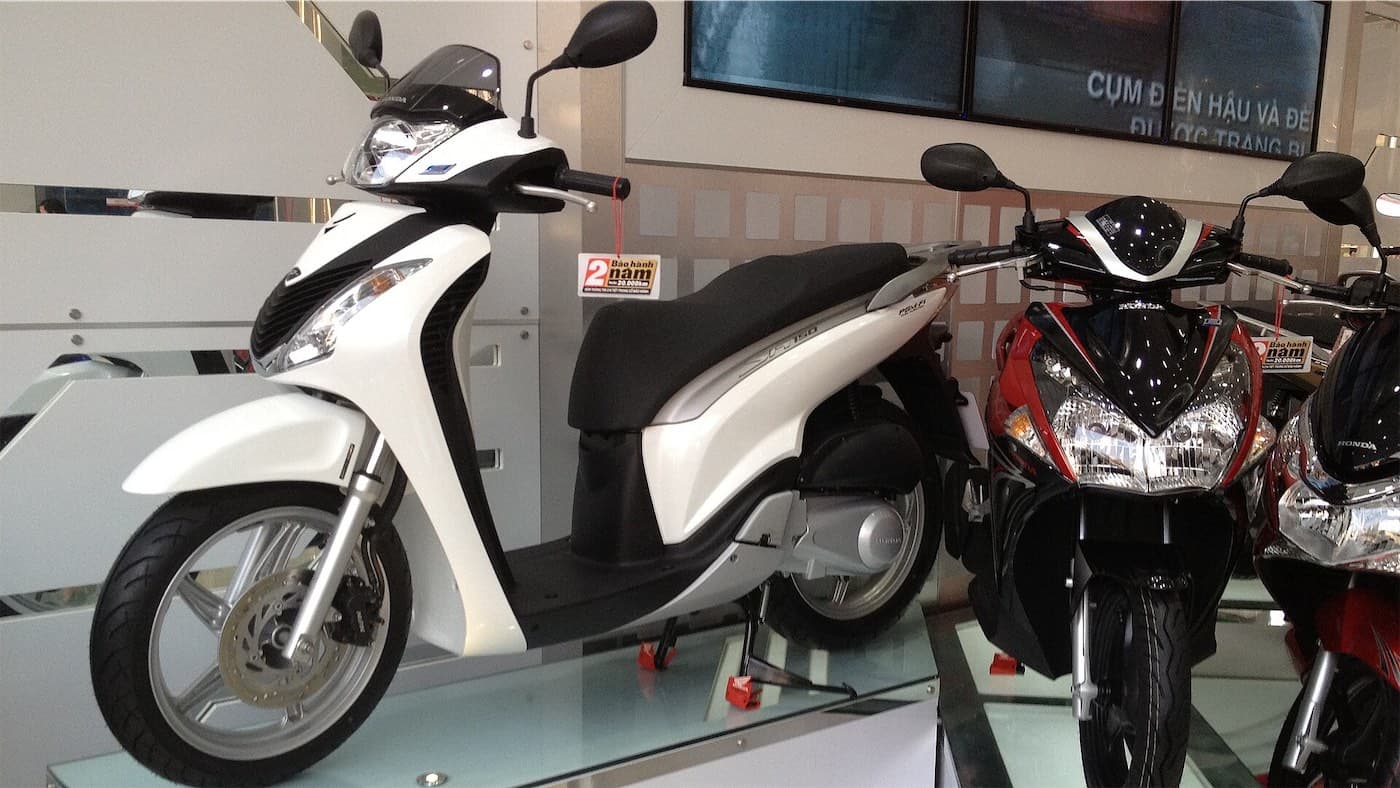
A new Honda Vision cost 31.5–36.8 million VND (~$1,210–1,420) at Honda's recommended price in August 2026 and 36–43.5 million VND (~$1,385–1,675) at dealers. A used one averaged 18.2–19.8 million VND (~$700–760) across 3,792 listings on Chợ Tốt on 22 October 2026.
| Model | Engine, licence needed | New, VND | Used, VND |
|---|---|---|---|
| Honda Vision | 109.5 cc, A1 | 31.5–36.8m list (~$1,210–1,420) | 2012: 12.5m, 2018: 20.8m, 2023: 29.8m (~$480 / $800 / $1,150) |
| Honda LEAD ABS | 124.8 cc, A1 | 45.8m (~$1,760) | no dated data collected |
| Honda Air Blade 160 | 156.9 cc, A | 58.8m (~$2,260) | no dated data collected |
New prices: Honda Vietnam (honda.com.vn, 23.10.2026) and Báo Quốc tế, 11.08.2026. Used Vision: average asking prices on Chợ Tốt Xe, 22.10.2026. A listing shows the asking price, not the sale price.
Currency converter
Buying new doesn't get round the rule: without a TRC you can't register a bike from a showroom either. A new Vision costs nearly twice the average used one. The plate doesn't go with the bike when you sell: it's taken off and held for you for 5 years (Article 3.3.d), and the buyer gets their own.
How to sell your motorbike when you leave Vietnam
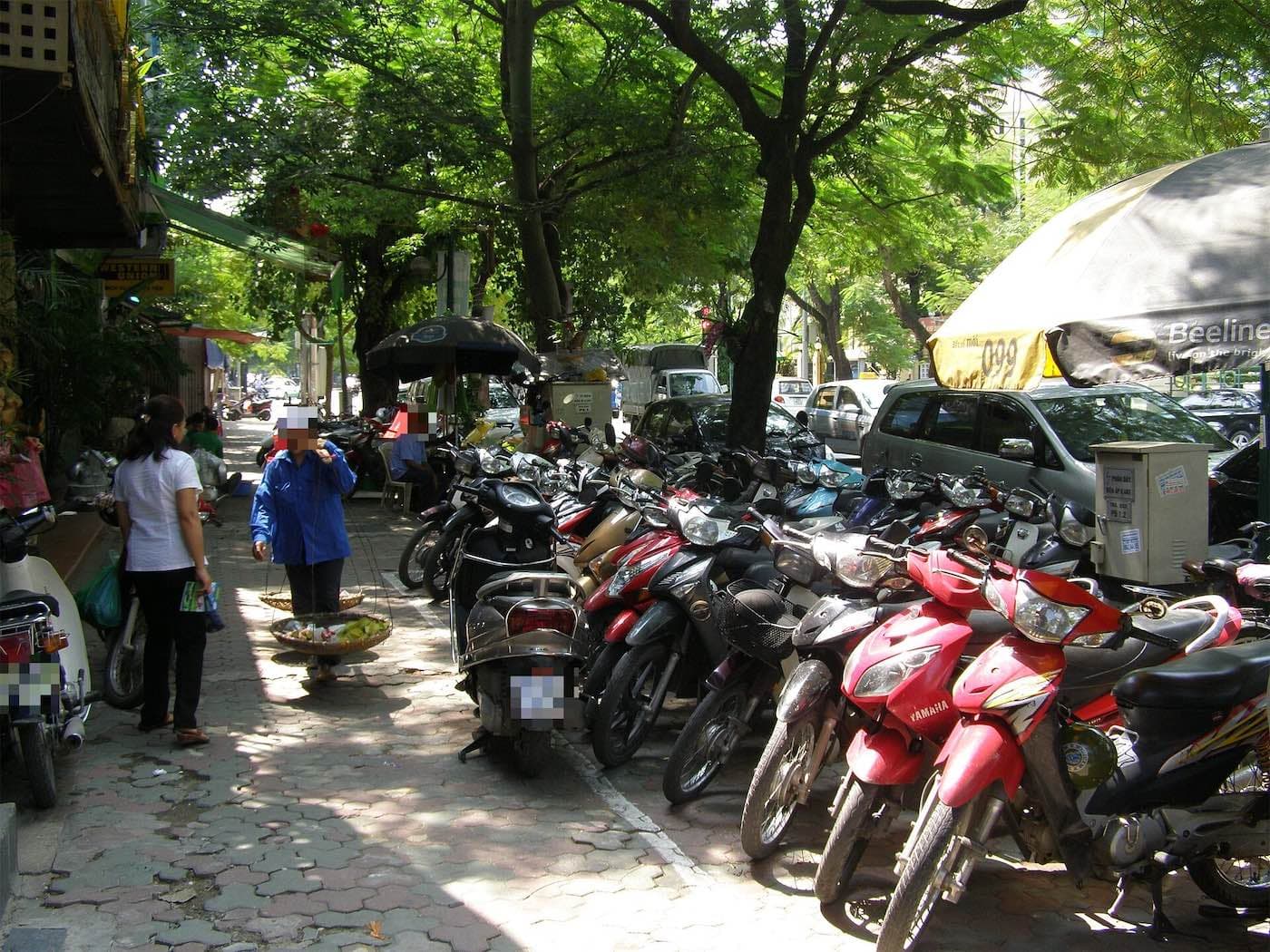
If the bike is registered to you, selling it before you leave means a contract with the buyer and deregistering the bike within 30 days. You don't hand the cà vẹt and plate to the buyer; you surrender them to the police yourself (Circular 79/2024, Article 6.5).
Your plan for the last few weeks:
- Start early. A foreigner's registration is valid until the TRC expires (Article 35.2). Once the card runs out you have 30 days to deregister (Article 6.4).
- Sign a certified contract with the buyer.
- Deregister the bike. Fully online it takes up to 8 working hours (Article 7.3.a), but you need a level-2 VNeID account, which the immigration service issues to TRC holders on request. Check in advance that the portal lets a foreigner use the service. The reliable route is in person, up to 2 working days.
- Give the buyer the deregistration certificate, which they need to register the bike.
If the bike isn't registered to you, you can't sell it legally. You pass the cà vẹt on, and the next buyer inherits exactly what you did. Tell them so.
Fines for getting the paperwork wrong
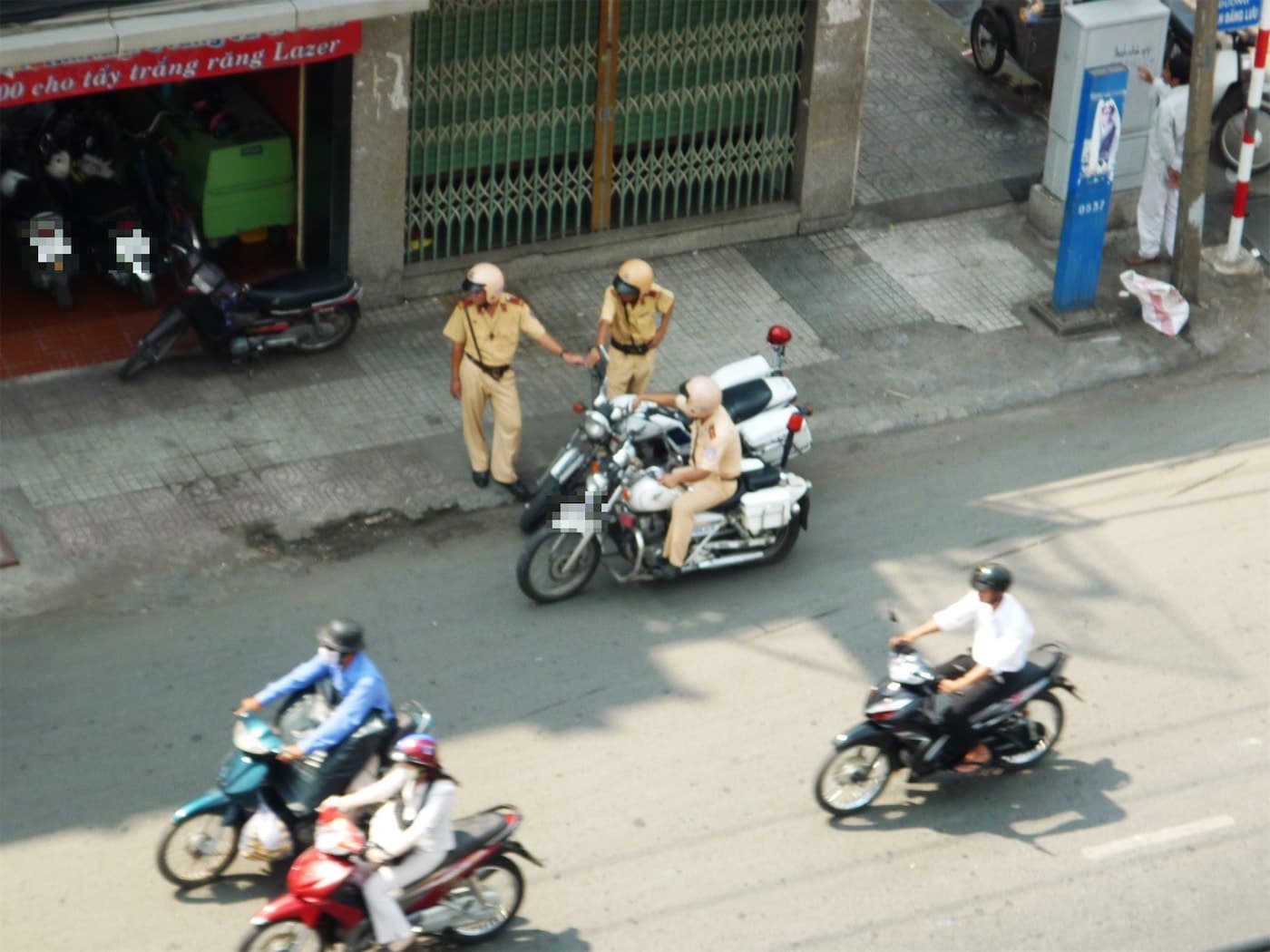
The costliest paperwork mistakes for buyers and sellers range from 800,000 to 10,000,000 VND (~$31–385), and sometimes the bike itself. Amounts follow the current consolidated Decree 168/2024/NĐ-CP, including Decree 238/2026 amendments in force since 15 August 2026, which left these clauses unchanged.
| Violation | Decree 168/2024 clause | Fine for an individual, VND | In USD |
|---|---|---|---|
| Riding without registration or with an expired one | Art. 14.2.a | 2,000,000–3,000,000 | ~$77–115 |
| Frame/engine numbers don't match, altered cà vẹt | Art. 14.2.b, 14.7 | 2,000,000–3,000,000 + card confiscated | ~$77–115 |
| Same, with no proof of origin | Art. 14.5.b | bike confiscated | — |
| Wrong plate or no plate | Art. 14.3.a, 14.5.a | 4,000,000–6,000,000 + plate confiscated | ~$154–231 |
| No compulsory insurance | Art. 18.2.b | 200,000–300,000 | ~$8–12 |
| Buyer didn't register the transfer | Art. 32.3.a | 800,000–1,000,000 | ~$31–38 |
| Seller didn't deregister | Art. 32.8.d | 4,000,000–6,000,000 | ~$154–231 |
| Frame or engine swapped without approval | Art. 32.8.b | 4,000,000–6,000,000 | ~$154–231 |
| Owner lent the bike to an unlicensed rider | Art. 32.10 | 8,000,000–10,000,000 | ~$308–385 |
Fines for riding without a licence, speeding, helmets and alcohol are in our Vietnam traffic rules guide.
Common mistakes
- "I have the blue card, so the bike is mine." The owner is whoever the cà vẹt names. Holding it only lets you ride until someone asks.
- "The seller gave me the plate and the card, so it's all above board." It's the opposite: under Article 6.5.a they must keep both and surrender them to the police.
- "I'll register it to a Vietnamese friend." Then your friend is the owner for camera fines and accidents, and your friend gets fined if you ride without the right licence (Article 32.10).
- "We'll sort the contract later." The 30-day deregistration clock starts at the contract date. Without a contract, the only route left is the slow Article 32 process with its 30-day check.
- "No time before my flight." A foreigner's registration dies with the TRC. Sell a month before the card ends, not on departure day.
- "Third-party insurance covers my hospital." It doesn't. It covers your liability to others.
FAQ
You can pay for one, but you can't own it on paper. Article 10 of Circular 79/2024 only allows a foreign owner with a TRC or permanent residence card that has 6+ months left. A bike bought on an e-visa stays in the previous owner's name, along with their liability. In that situation a monthly rental is the honest choice: the shop handles the papers, and you simply return the bike when you leave.
Outside Hanoi and HCMC, roughly 1% of the bike's value plus a fixed fee
- Registration tax1%of the provincial price table value
- Registration with plate105,000 VND~$4from 700,000 VND (~$27) in Hanoi and HCMC
- Contract certificationseparateat the notary's rate
- Compulsory insurance in your name60,000 VND a year~$2.30
Your transfer stalls: without the deregistration certificate, the buyer's file is incomplete. The seller faces 4,000,000–6,000,000 VND (~$154–231) for missing the 30-day deadline. If they've already left Vietnam, Article 32 of Circular 79/2024 lets you file the deregistration yourself; police notify the owner and wait 30 days. This only works if you hold a TRC.
Yes. Riding someone else's bike isn't an offence if you have the right licence, carry the registration and have valid insurance. But your friend, as owner, gets camera-fine notices and is fined if they let an unlicensed person ride: 8,000,000–10,000,000 VND (~$308–385). If the bike was actually sold to you and never transferred, you face 800,000–1,000,000 VND (~$31–38) and your friend 4,000,000–6,000,000 VND (~$154–231) for not deregistering.
Search the plate on the traffic police website csgt.vn or in the VNeTraffic police app, which shows violations caught on camera. Do it before you pay. A bike with an unpaid violation can't be registered (Circular 79/2024, Article 3.10), and someone, either you or the seller, will end up paying for another rider's red lights. Agree who settles them before you sign.
Almost always. The compulsory liability policy is issued to the owner, and a proper transfer ends the seller's policy. Riding without a valid one is 200,000–300,000 VND (~$8–12). It costs 60,000 VND (~$2.30) a year before VAT for a bike of 50 cc or more. Remember it covers only damage to others, up to 150 million VND per injured person. Your own treatment after a crash needs personal health or travel insurance.
If buying doesn't add up, start with renting a motorbike in Vietnam and check that your licence covers a scooter.
Read next: Relocating to Vietnam · Work permits in Vietnam · Is Vietnam safe?
VietnamSpot on InstagramTips, lifehacks and news for living in VietnamFollow



- Preparation
How to Get to Quy Nhon 2026: Trains, Phu Cat Airport, Buses
Getting to Quy Nhon in 2026: Phu Cat (UIH) flights and the $1.90 airport bus, Reunification Express times to Dieu Tri, sleeper buses. Fares in VND and USD.How to Get to Quy Nhon 2026: Trains, Phu Cat Airport, Buses - Preparation
Getting to Doc Let Beach 2026: Bus, Grab, Taxi, Transfer
How to reach Doc Let from Nha Trang and Cam Ranh airport in 2026: bus 12 for ~$1.20, Grab, fixed-price taxis, pre-booked transfers, and how to get back.Getting to Doc Let Beach 2026: Bus, Grab, Taxi, Transfer - Preparation
Getting to Ninh Binh 2026: train, limousine van, prices
Hanoi to Ninh Binh in 2026: train from $4, limousine van with hotel pickup for $10, buses, Grab. Plus how to move around a region with no public transport.Getting to Ninh Binh 2026: train, limousine van, prices